By Matthew McKenzie – Cancer Carer forum Facilitator
Partnering for Better Outcomes – Reflections on My Latest RCN Blog
Supporting someone living with cancer is a journey filled with uncertainty, responsibility, and deep emotional commitment. As many carers know, much of this work happens quietly in the background. But every so often, there’s an opportunity to shine a light on the realities carers face and the vital partnerships that make a difference.
I’m proud to share that the Royal College of Nursing (RCN) recently invited me to contribute to their blog as part of a wider piece exploring how nurses support cancer caregivers. Written by Shannon Copeland (PhD researcher at Queen’s University Belfast), Partnering for better outcomes: How nurses support cancer caregivers highlights the evolving role of informal carers and the essential collaboration between families and nursing professionals.
In the blog, I shared my lived experience as an unpaid carer, the challenges, the emotional strain, and most importantly, the difference nurses can make when they recognise and support carers as part of the care team. Simple acts such as clear communication, continuity of support, and acknowledgment of a carer’s role can transform the caregiving experience.
Nurses often stand at the intersection of patient and carer needs. When they listen, guide, and empower carers, both patients and families benefit. I’m grateful to Shannon and the RCN for giving space to these conversations, and for highlighting the importance of carer voices in cancer care.
If you’re a carer, a nurse, or someone interested in improving cancer support, I encourage you to give it a read and join the discussion. Together, we can continue raising awareness of the carer journey and push for better recognition, resources, and collaboration across health and social care.
By Matthew McKenzie – Facilitator of cancer carer forum
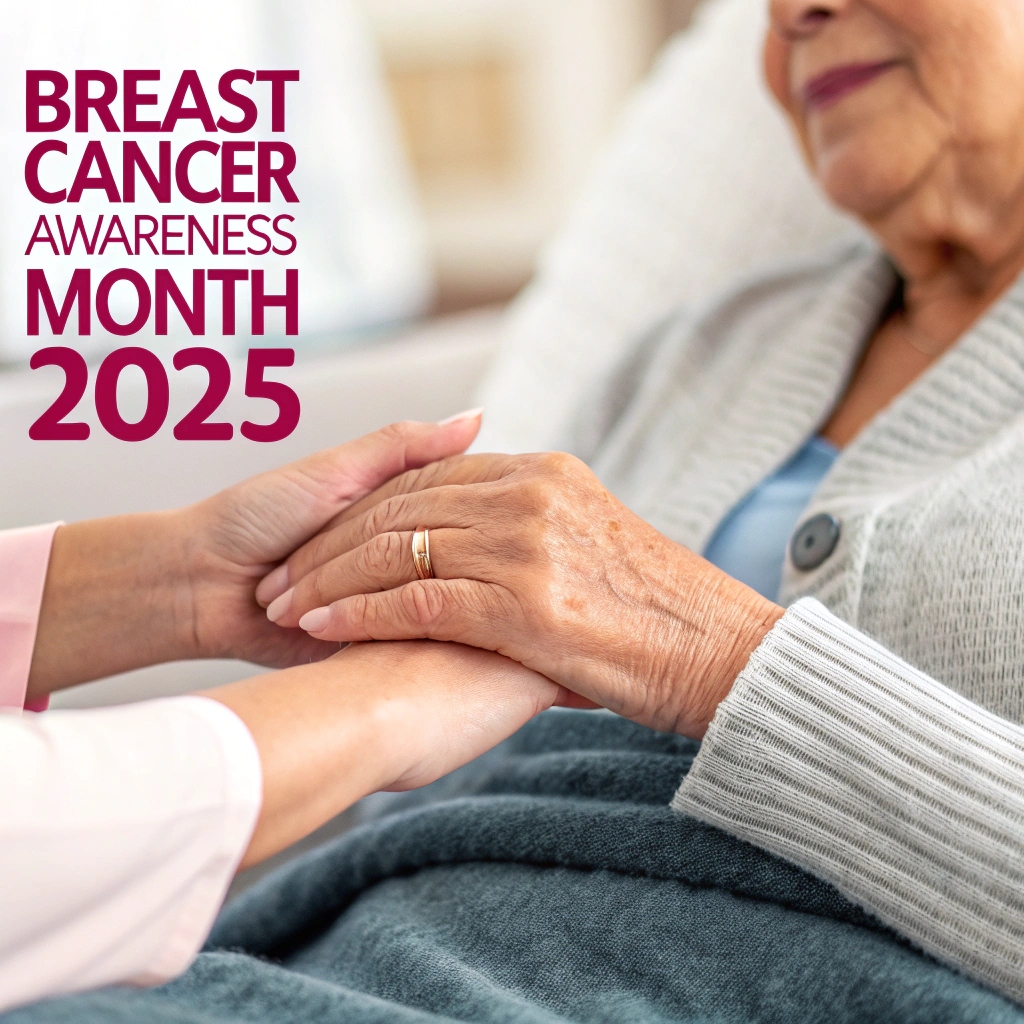
Breast Cancer Awareness
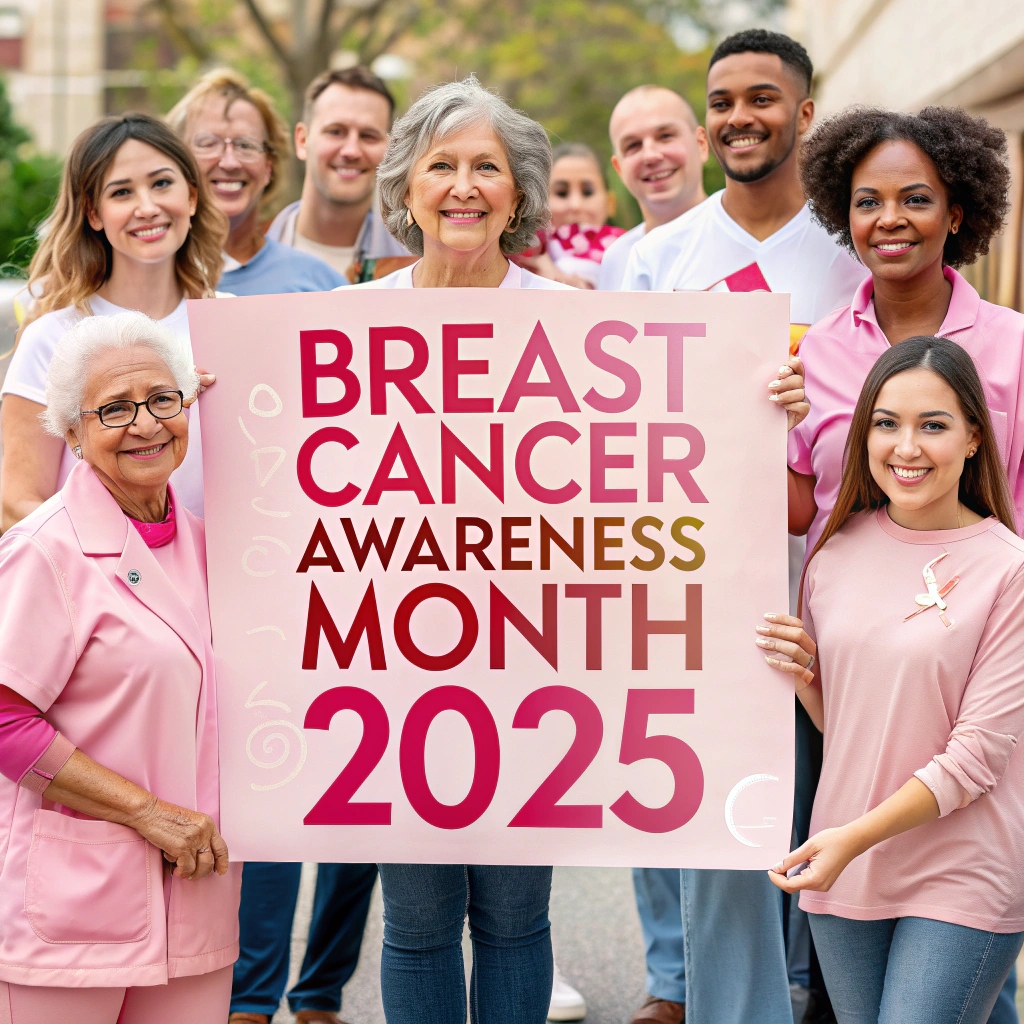
October marks Breast Cancer Awareness Month in the UK, which is a time not only to focus on the disease itself but also to recognize the people whose lives are touched by breast cancer.
Awareness campaigns often center on early detection and medical advances, but the human stories behind the statistics are equally vital. Patients, families, and carers form a network of support, resilience, and hope, and their experiences deserve to be at the heart of our conversations.
Just to note, the blog is a transcript of my video below.
The Scope of Breast Cancer in the UK
Breast cancer affects tens of thousands of people every year in the UK, according to organizations like Macmillan Cancer Support. The impact is widespread, touching individuals from all walks of life. While medical statistics and research are essential, it’s crucial to remember that behind every diagnosis is a person navigating a complex journey often with the help of loved ones and caregivers.
Practical Steps for Individuals and Communities
How You Can Make a Difference
Get to know your body: Regular self-examination and awareness of changes are key.
Seek medical advice: Don’t ignore persistent changes—early action is vital.
Share information: Spread reliable, accurate information about breast cancer.
Support carers: Recognize their role and offer practical and emotional support.
Join or create support networks: Forums, peer groups, and information hubs can make a big difference.
Promote solidarity: Wear pink, share stories, and show support.
Advocate for better services: Engage with local authorities and healthcare providers to improve access and support.
Building a Supportive Environment
Creating a supportive environment for patients and carers involves more than just medical care. It’s about fostering connections, offering respite, and ensuring that everyone feels included and valued.
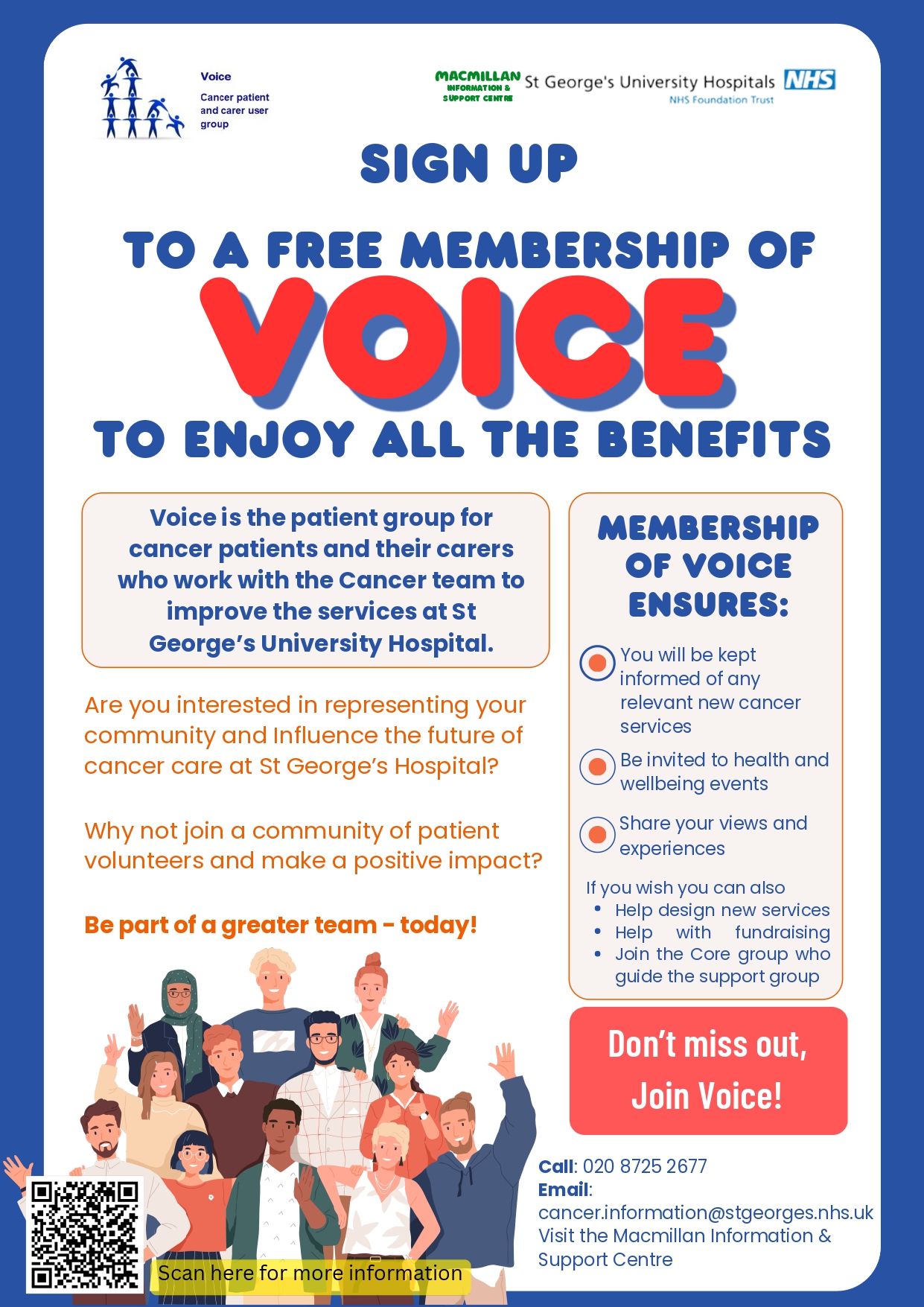
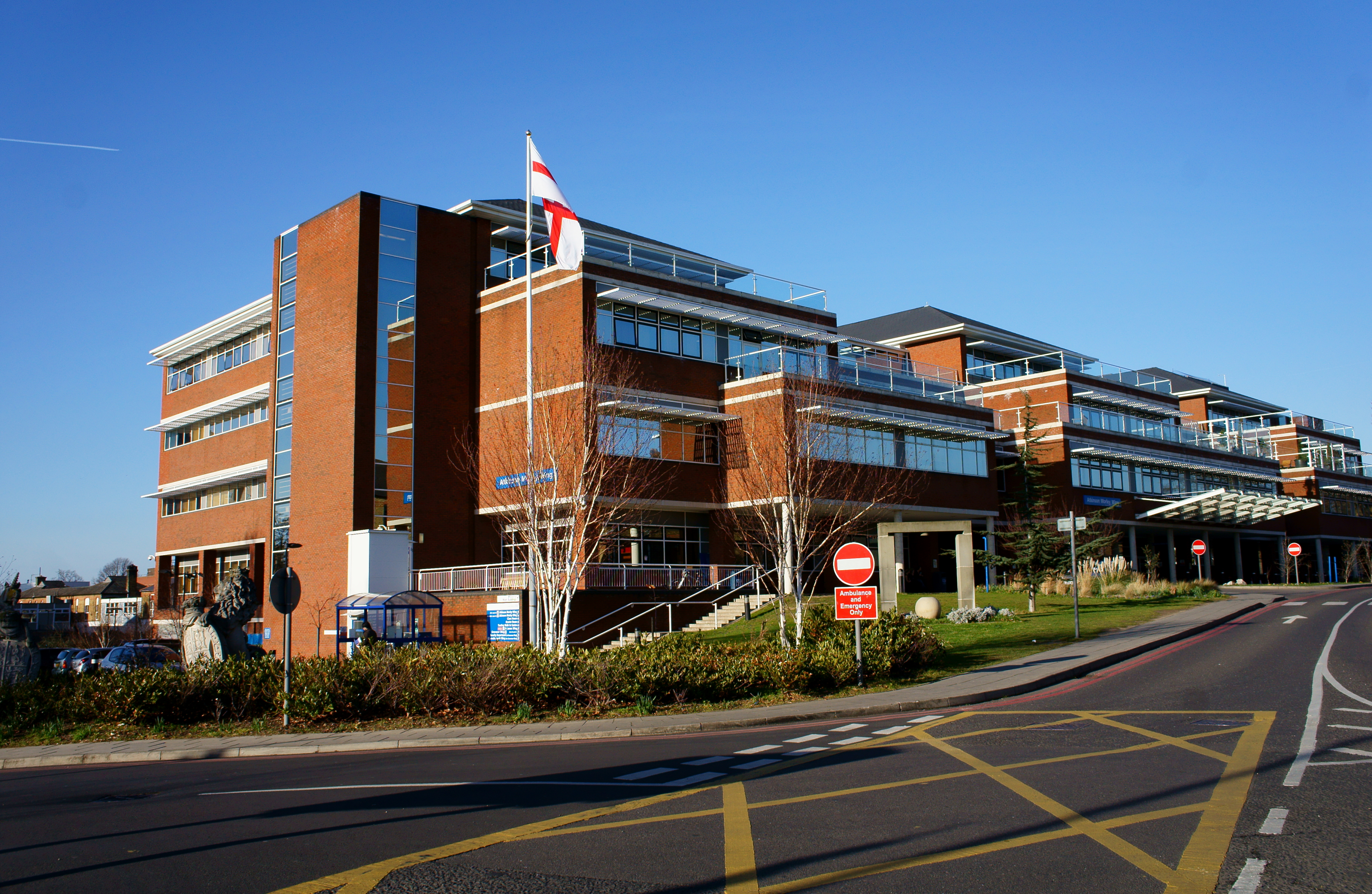
At St George’s University Hospitals NHS Foundation Trust, people affected by cancer are placed at the heart of everything they do. Whether you’re a patient receiving treatment, a family member, a carer, or part of a local cancer support group, your experiences and insights are invaluable in shaping the way the hospital cancer services are delivered.
Voice is a dedicated patient and carer group that works closely with the Cancer Team at St George’s. It provides a vital forum for sharing experiences, ideas, and suggestions that directly influence how services are planned, developed, and improved.
By joining Voice, you’ll:
Represent the perspectives of patients and carers.
Share what works well in cancer pathways and highlight areas for improvement.
Help identify priorities for local cancer services.
Be kept informed of new cancer services and projects.
Take part in health and wellbeing events.
Have the chance to help design new services or join the core group guiding the support group.
Why carers are especially needed
Carers play a unique and vital role in the cancer journey. Their insights into the challenges and realities of supporting a loved one through treatment provide perspectives that professionals and even patients themselves may not always see.
Right now, Voice is especially looking for more carers to join, ensuring their voices are fully represented in shaping services.
How to get involved
Becoming a member of Voice is free. By joining, you’ll be part of a welcoming community committed to making cancer care better for everyone.
To find out more or sign up, contact the Macmillan Information and Support Centre:
Post By Matthew McKenzie – National Cancer Carer forum
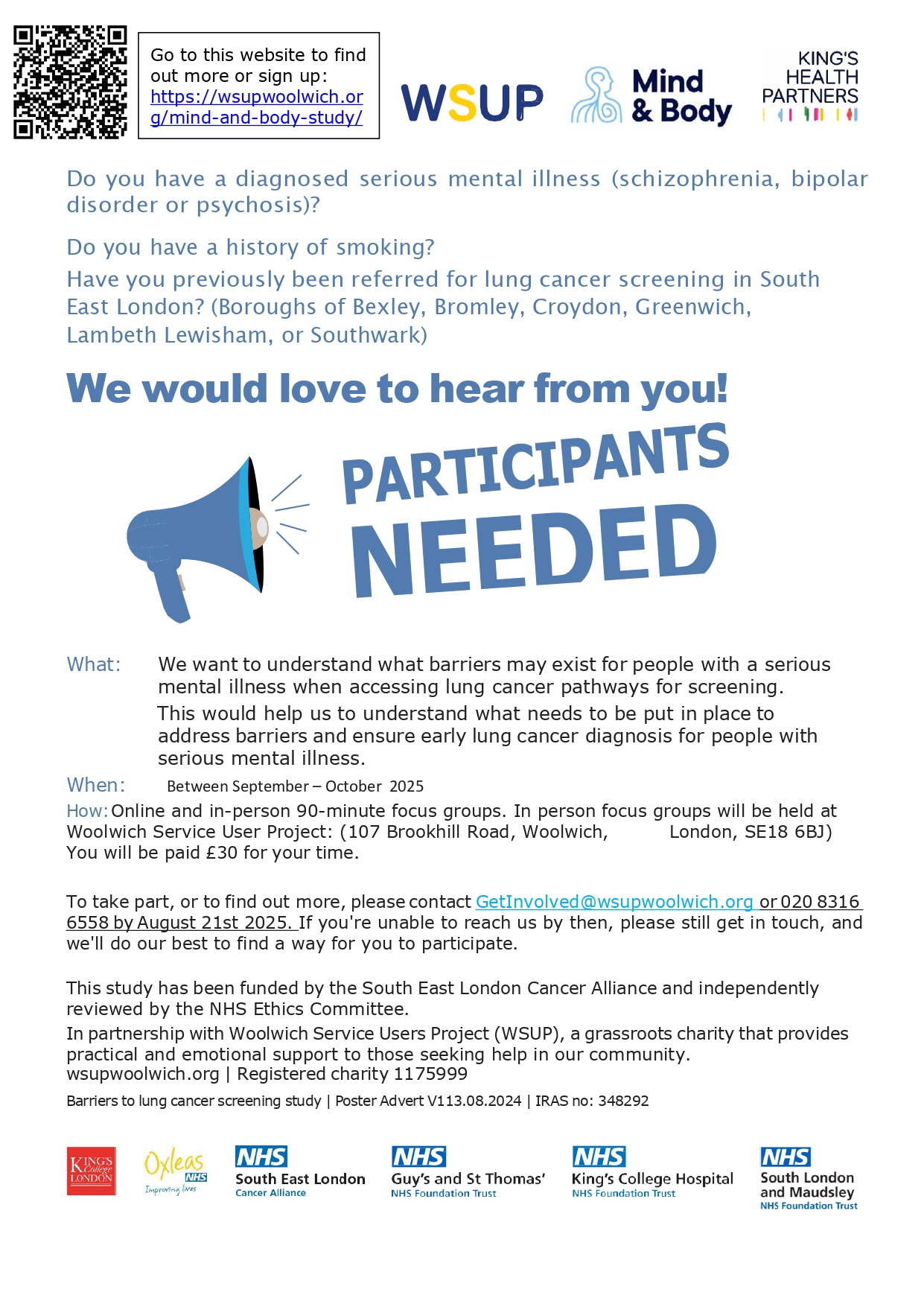
For people living with a serious mental illness (SMI) such as schizophrenia, bipolar disorder, or psychosis, cancer remains one of the leading causes of premature death. In South East London, lung cancer is particularly devastating, with mortality rates highest among this group.
But there’s good news: projects are now underway to change this. Click on poster for more details
Why this matters
Early detection can make all the difference in lung cancer outcomes. Yet too often, people with SMI face additional challenges in accessing screening, diagnosis, and treatment pathways. These barriers can delay care, reduce treatment effectiveness, and ultimately cost lives.
That’s why the South East London Cancer Alliance has partnered with the Woolwich Service Users Project (WSUP) to hear directly from service users about their experiences. The aim is simple but powerful: understand what stands in the way and build solutions that ensure fair and timely cancer care for everyone.
How you can get involved
If you:
Are over 18,
Have a diagnosed serious mental illness,
Have a history of smoking,
Live in South East London (Bexley, Bromley, Croydon, Greenwich, Lambeth, Lewisham, or Southwark),
then your voice could make a real difference.
You may have been referred for lung cancer screening, diagnosed with lung cancer, or spoken to your GP about persistent symptoms like a cough or shortness of breath. Whatever your experience, sharing it can help shape future services.
What to expect
Focus groups (online or in-person in Woolwich) lasting about 90 minutes.
A safe, supportive space to share your experiences with up to five other participants.
Reimbursement for your time (£20–£30 depending on the session) plus refreshments at in-person events.
Confidentiality and anonymity are guaranteed.
When and where
Focus groups will run September – October 2025.
Online via Microsoft Teams.
In person at Woolwich Service Users Project, 107 Brookhill Road, SE18 6BJ.
Deadline to register: 10th October 2025 (but get in touch even if you miss it—support is flexible).
Together we can change the story
Every voice matters. By sharing your experiences, you can help break down barriers to early lung cancer diagnosis and ensure better care for people with serious mental illness.
Because when it comes to cancer care, no one should be left behind.
Would you like me to make this blog more community-facing (warm, story-driven, with lived-experience language) or more professional-facing (for healthcare partners and stakeholders)?
Added by Matthew McKenzie (Facilitator of National Cancer Carer Forum)
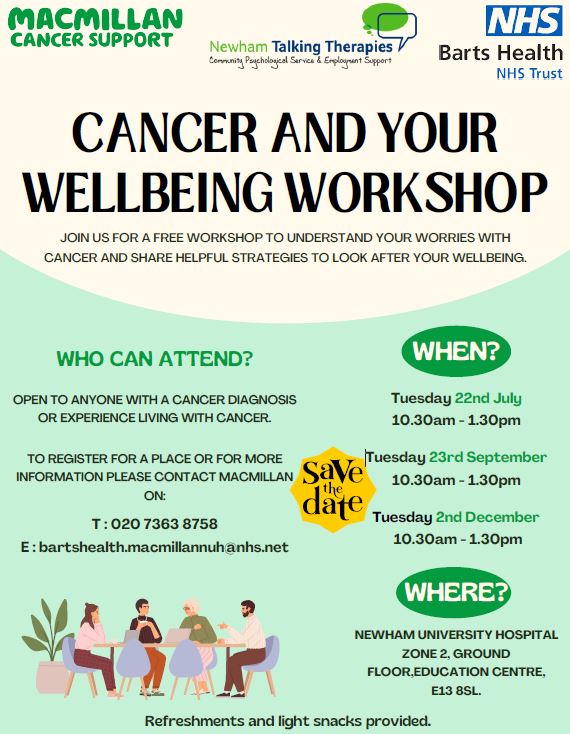
If you’re living with cancer, supporting someone who is, or adjusting after treatment, it can be incredibly valuable to connect with others who understand. This year, Barts Health NHS Trust and Macmillan Cancer Support are hosting free workshops to support your wellbeing and help you manage fears about cancer recurrence.
Cancer and Your Wellbeing Workshop – Newham University Hospital
📅 Dates:
Tuesday 22 July 2025 – 10:30 am to 1:30 pm
Tuesday 23 September 2025 – 10:30 am to 1:30 pm
Tuesday 2 December 2025 – 10:30 am to 1:30 pm
📍 Location: Zone 2, Ground Floor, Education Centre, Newham University Hospital, E13 8SL
ℹ Who can attend? Open to anyone with a cancer diagnosis or experience living with cancer. Refreshments and light snacks are provided.
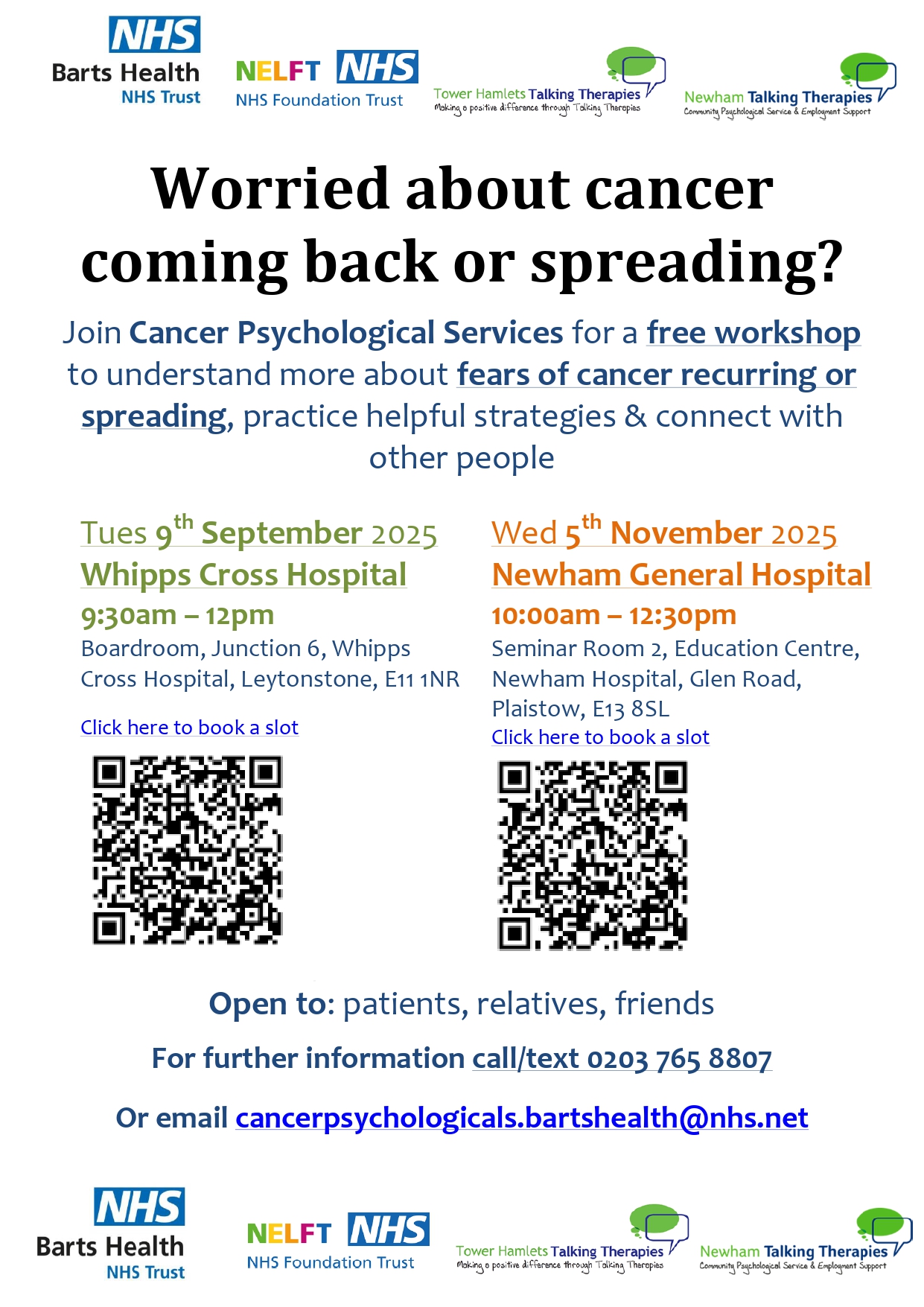
Fears of Cancer Recurrence (FoCR) Workshops – Barts Health Cancer Psychological Services
These interactive sessions help you understand and manage worries about cancer coming back or spreading, and connect you with others facing similar concerns.
📅 Dates & Venues:
Tuesday 9 September 2025 – 9:30 am to 12 pm Boardroom, Junction 6, Whipps Cross Hospital, E11 1NR Book here
Wednesday 5 November 2025 – 10:00 am to 12:30 pm Seminar Room 2, Education Centre, Newham Hospital, E13 8SL Book here
These sessions are a great way to gain practical strategies, share experiences, and connect with others who understand the emotional side of living with and beyond cancer.
💡 Tip: If you can’t attend but want to know about future events, contact the teams above to join their mailing lists.
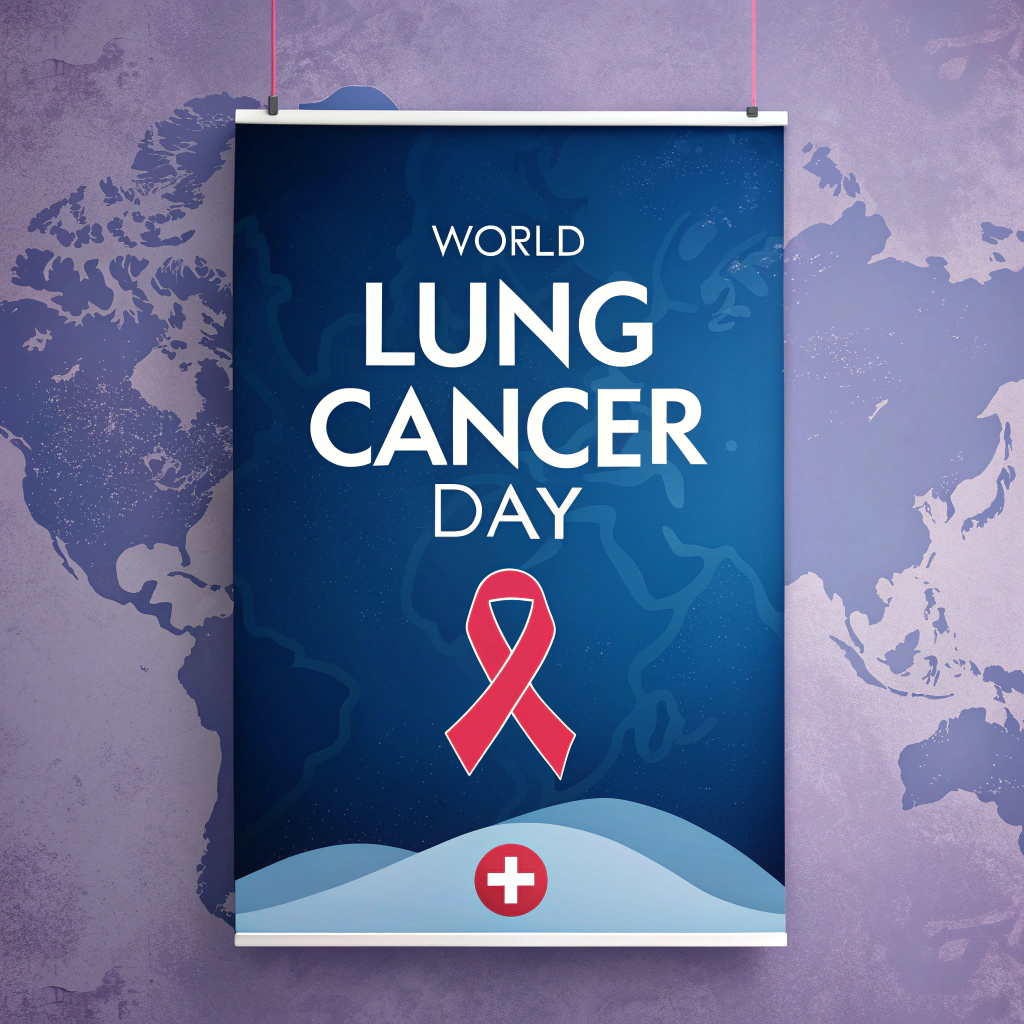
On this World Lung Cancer Day (1st of August), we spotlight not only the impact of lung cancer itself, but also theose behind the scenes the unpaid family members, friends, and carers who provide unwavering love, support, and strength.
In this 8-minute video, hosted by myself from A Caring Mind, I explore:
The profound emotional and physical toll of caring for someone with cancer
The critical need for early detection, expanded research funding, and global health equity
The indispensable role of families and unpaid carers—whose contributions often go unrecognized
I also introduce major organizations leading the lung cancer fight:
European Respiratory Society (ERS) – promoting lung health through education, early diagnosis, policy advocacy, and improved treatment pathways
Forum of International Respiratory Societies (FIRS) – uniting global respiratory health organizations to advocate for prevention, clean air, and equitable access to care
Lung Cancer Foundation of America (LCFA) – funding innovative lung cancer research and amplifying the voices of patients and survivors to raise awareness and reduce stigma
Lung Cancer Research Foundation (LCRF) – accelerating research, supporting affected individuals, and organizing global awareness initiatives like World Lung Cancer Day
In the video I remind that behind the tragic statistic of over 1.6 million annual deaths worldwide, are stories of resilience and compassion: nights spent advocating in hospitals, hands held during chemotherapy, and hope sustained in the darkest moments.
What You Can Do:
Share the video to raise awareness
Support carers through mental health resources and recognition
Advocate for policies that include carers in healthcare support systems
Approach lung cancer conversations with empathy—not stigma
Today, we honor not just the patients, but those who stand beside them—quietly, persistently, lovingly.
By Matthew McKenzie (facilitator of National cancer carer forum) – Caring Mind
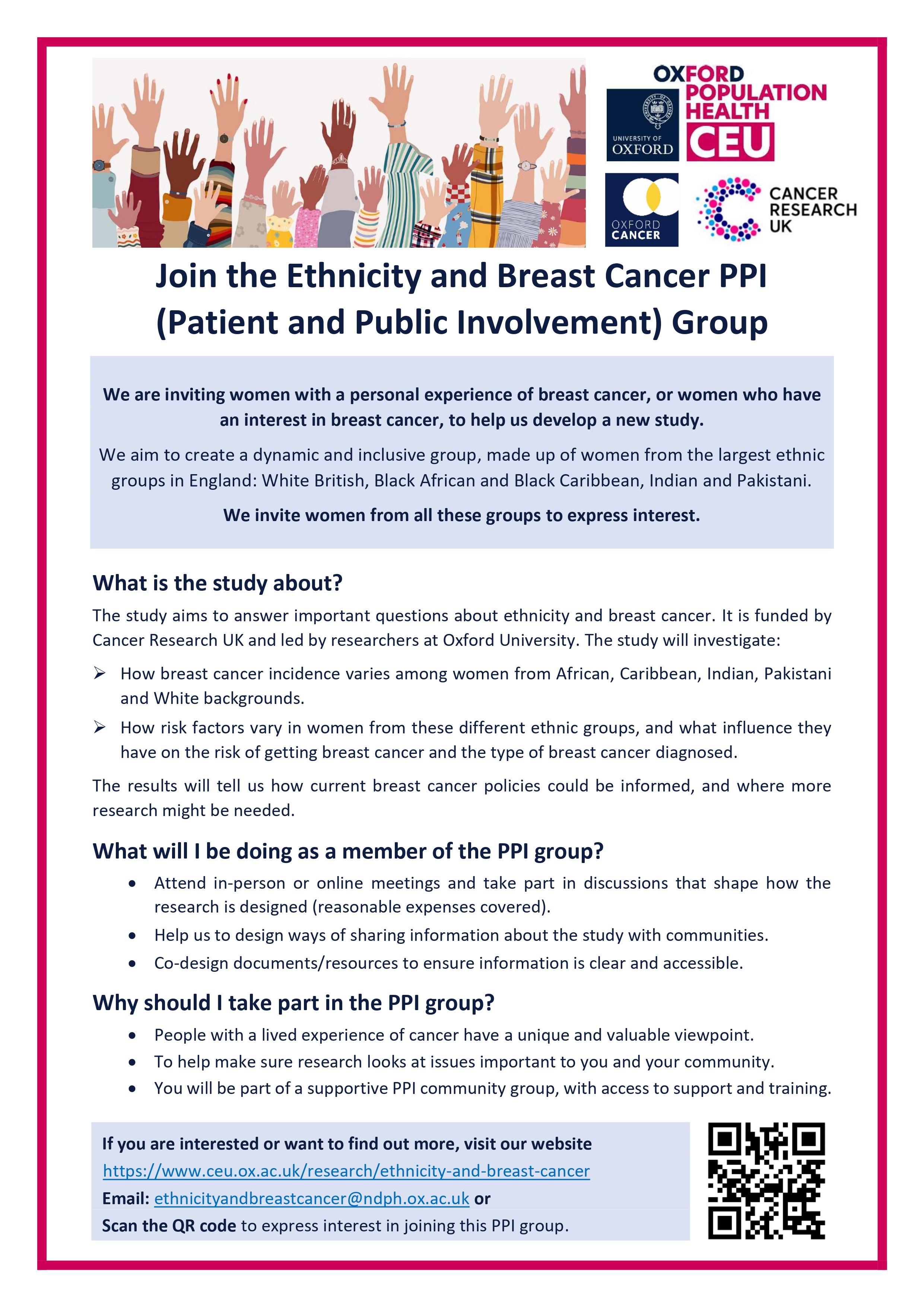
As someone passionate about involvement and health inequalities, I’m always eager to spotlight opportunities where diverse voices can drive real change. One such opportunity is currently open through a vital new research initiative led by Oxford Population Health and Cancer Research UK.
Why This Study Matters
Breast cancer affects thousands of women every year, but not all communities are impacted equally. The risks, experiences, and outcomes can vary significantly based on ethnicity – yet we still don’t have enough evidence explaining why.
This is why Oxford researchers are launching a new study to explore how breast cancer affects women from different ethnic backgrounds, particularly African, Caribbean, Indian, Pakistani, and White British communities.
The aim is simple but essential: to improve breast cancer care for all women by understanding how ethnicity influences diagnosis, treatment, and risk.
How You Can Get Involved
The team is inviting women with personal experience of breast cancer or even those who have a strong interest in the topic to join their Patient and Public Involvement (PPI) Group.
If selected, you’ll have the opportunity to:
Share your insights in online meetings that shape how the research is done.
Help communicate findings back to the community in a clear and accessible way.
Co-develop tools and resources that empower women from all backgrounds.
This is your chance to ensure the voices of underrepresented communities are heard in life-changing research.
Why Your Voice Is So Important
As someone who has spent years advocating for marginalised communities, I can’t stress this enough: Representation in research leads to better outcomes. If women from diverse ethnic backgrounds aren’t involved in shaping breast cancer studies, critical insights will be lost and the same inequalities will continue.
By joining the PPI group, you’re not just helping researchers you’re helping your community. Your lived experience, your culture, your understanding of the challenges women face all of that brings invaluable richness to the study.
Interested? Here’s How to Take Part
If you’re ready to help shape a more inclusive and impactful breast cancer study:
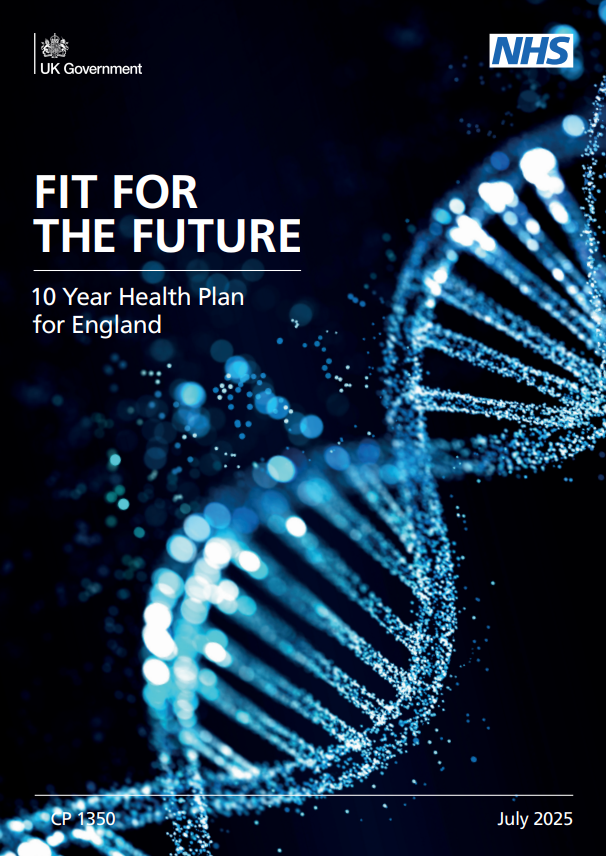
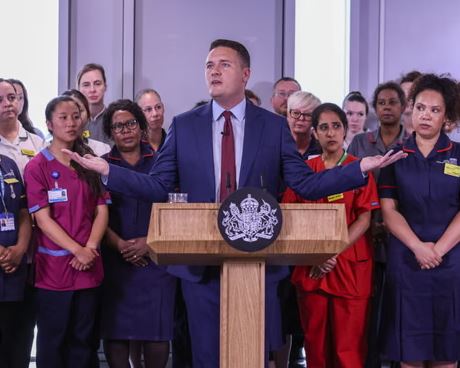
As the NHS looks to the future with its ambitious 10-Year Plan, one critical group continues to be overlooked cancer carers, although I am not forgetting Mental Health carers. These are the unpaid family members, friends, and loved ones who provide essential care and emotional support to people living with cancer.
While the plan addresses key priorities like digitalization and community-based health reform, it fails to fully recognize the vital role of caregivers in our healthcare ecosystem.
The blog is a transcript of my video, which you can watch below.
Reform Through Inclusion
The NHS 10-Year Plan aims to reshape health services by emphasizing digital tools, preventive care, and stronger local networks.
These initiatives are undoubtedly important. But without recognizing and integrating the contributions of cancer caregivers, the plan risks missing a vital component of patient care.
The Invisible Workforce
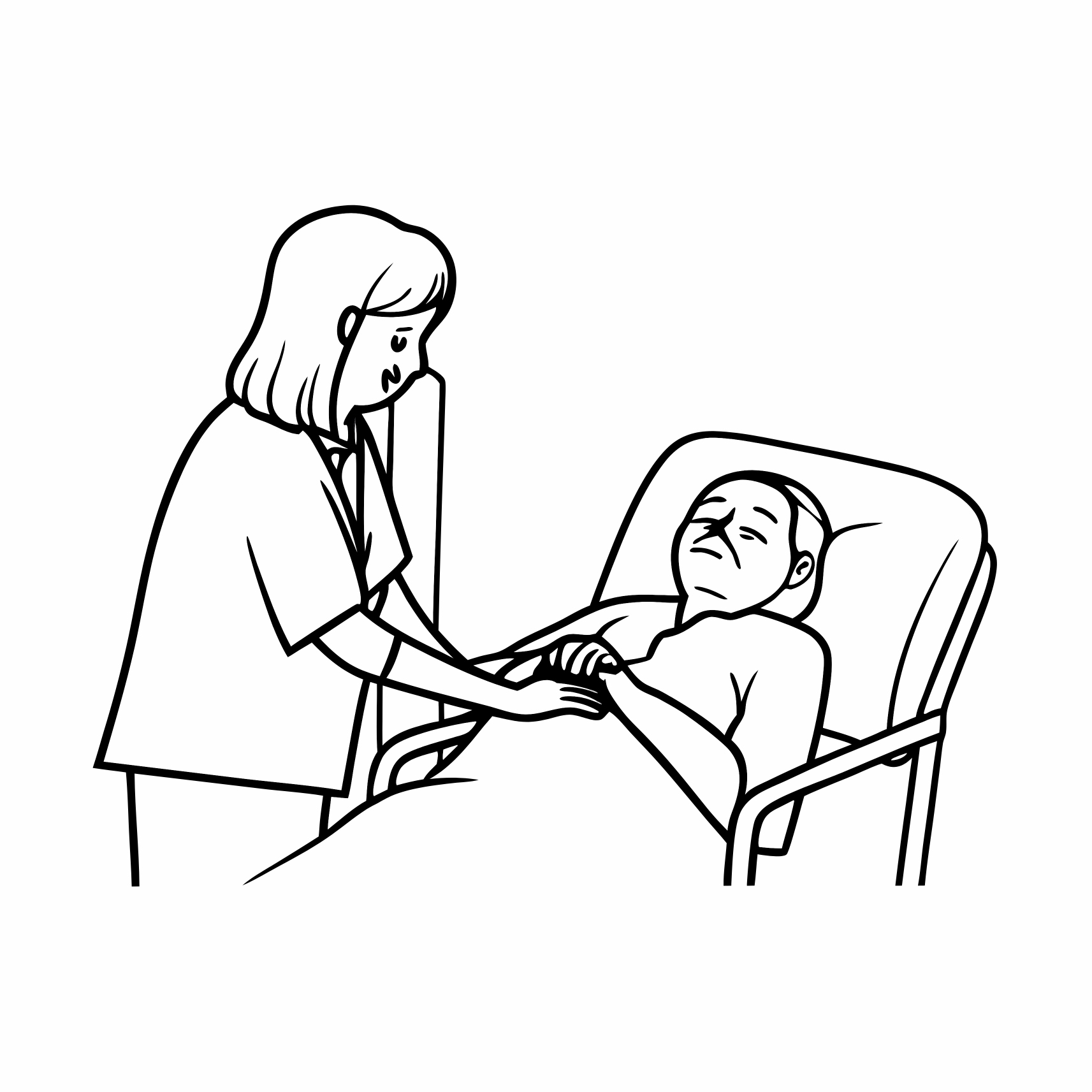
Caregivers are often the unsung heroes of cancer care. They manage appointments, administer medications, provide emotional support, and serve as advocates all while coping with their own mental and physical toll.
Challenges Faced by Cancer Carers:
Mental Health Impacts: The stress, anxiety, and emotional burden can be overwhelming.
Decision Fatigue: Carers are often thrust into complex medical decision-making without adequate support or guidance.
Lack of Recognition: Despite their contributions, caregivers are rarely acknowledged as part of the healthcare team.
A Call for Systemic Change
The inclusion of carers in healthcare reform isn’t just an ethical necessity it’s a strategic imperative. By empowering carers, we enhance patient outcomes, reduce strain on NHS services, and promote more holistic care.
Recommendations for Inclusion:
Training for Carers: Equip caregivers with tools to better navigate health systems and support patient needs.
Support Services: Invest in respite care, mental health support, and caregiver-specific community services.
Recognition in Policy: Classify caregivers as essential stakeholders in healthcare planning and delivery.
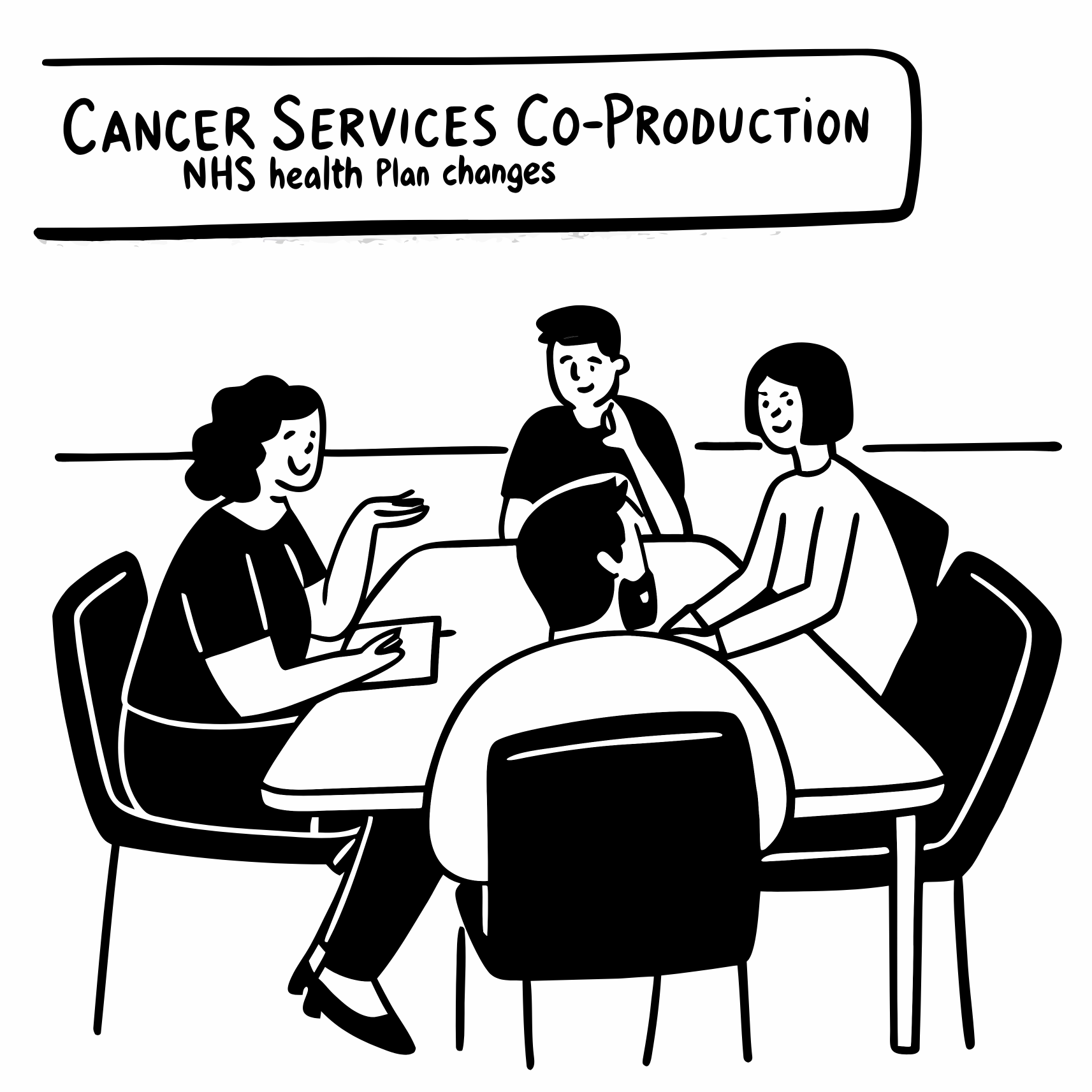
Co-Production: Designing Services With Carers
One of the most powerful messages from the discussion is the importance of co-production. That means actively involving carers in designing and shaping NHS services not just consulting them after the fact.
Co-Production Actions:
Involve Carers in Service Design: Make caregiver feedback a routine part of NHS planning.
Policy Advocacy: Push for legal and procedural reforms that recognize the role of carers from day one.
The Road Ahead
Cancer caregivers are not just a support system they are key partners in the healthcare journey. If the NHS truly seeks to build a more inclusive, responsive, and sustainable health system, caregivers must be central to its 10-Year Plan.
Let’s stop treating caregivers as an afterthought. Let’s make them co-creators of the future of care.
Support Sites for Cancer Carers
1. Carers UK
Provides advice, online forums, factsheets, and rights information for unpaid carers across the UK. https://www.carersuk.org
2. Carers Trust
Supports a network of local carer organisations across the UK. Offers practical help, grants, and local service finders. https://www.carers.org
A network of cancer support centres offering free emotional, psychological, and practical support to anyone affected by cancer—including carers. https://www.maggies.org
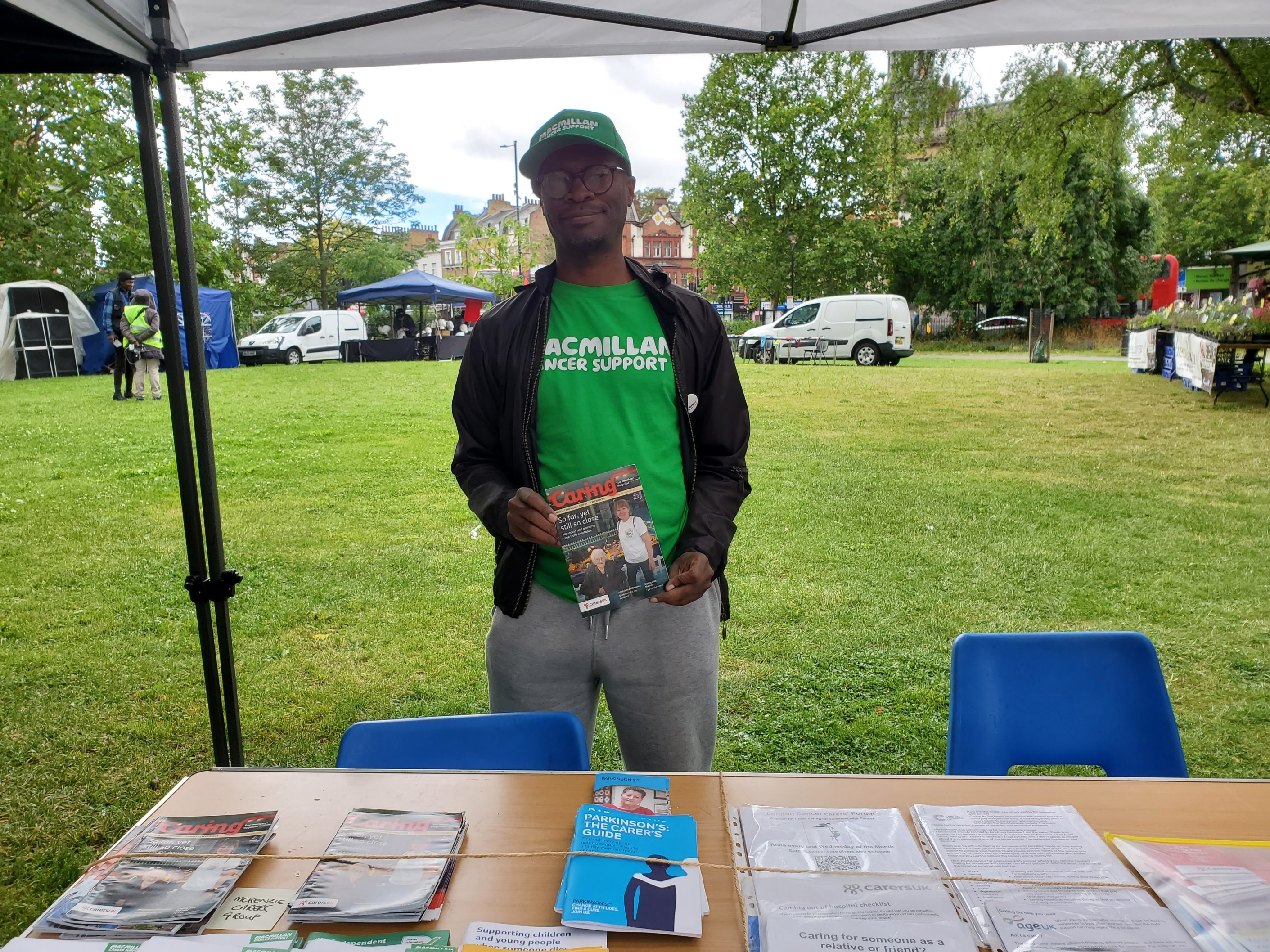
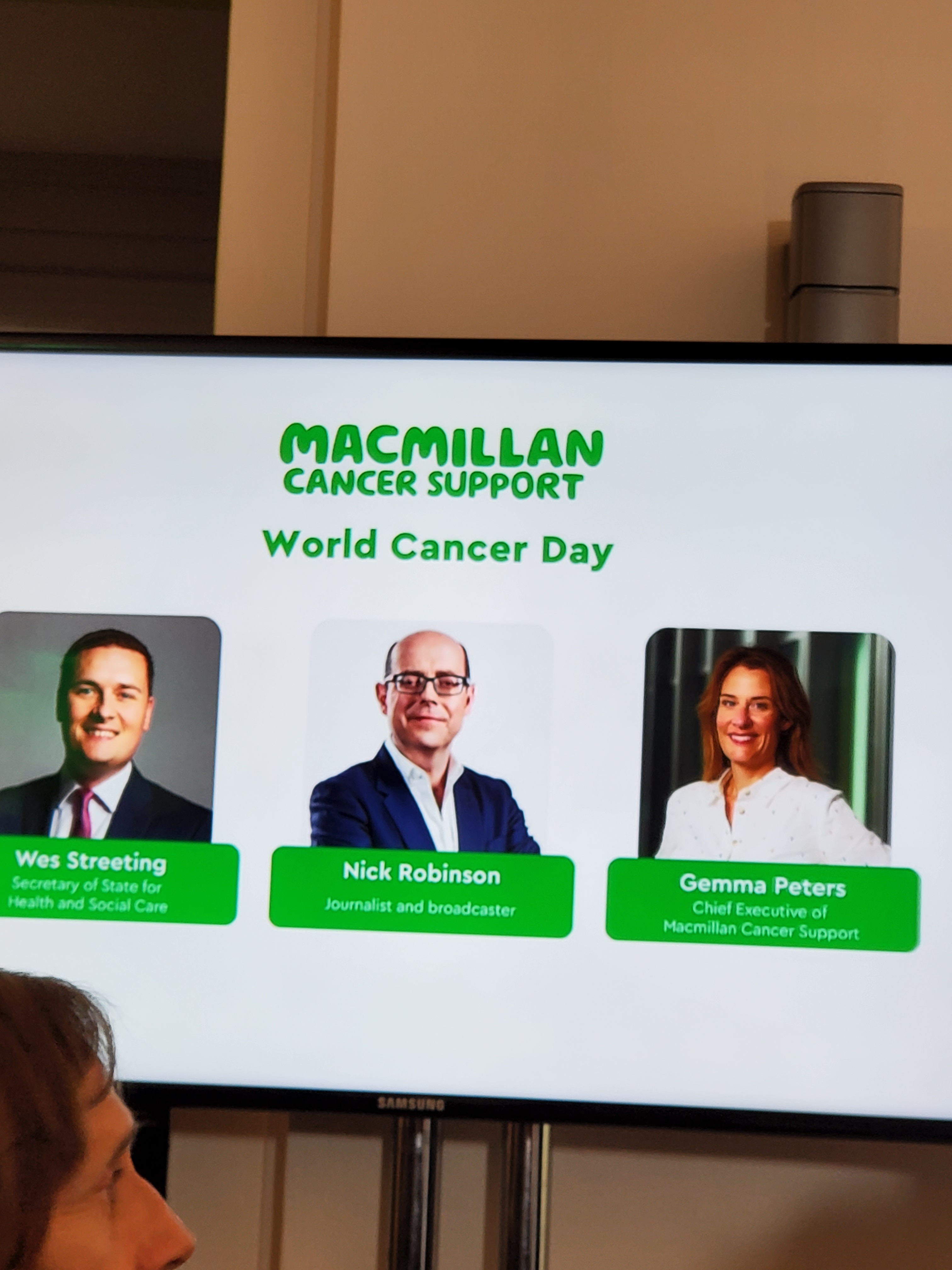
I recently attended a special event hosted by Macmillan Cancer Support over at Central Hall Westminster for World Cancer Day 2025.
Just so you know, Macmillan Cancer Support provides emotional, practical, and financial support to people affected by cancer, offering services such as specialist healthcare, advice on treatment and benefits, and community-based support to ensure no one faces cancer alone.
Another blog by Matthew McKenzie for World Cancer Day 2025. Join the movement on World Cancer Day to raise awareness, promote early detection, and support those affected by cancer. Together, we can make a difference in the fight against this disease that impacts millions worldwide.
To watch the 3 minute awarenes video. Click below.

 A Caring Mind