Category Archives: Creative Corner

Poems, Art, thoughts about unpaid carers

Finding our voices through poetry with Imago carers

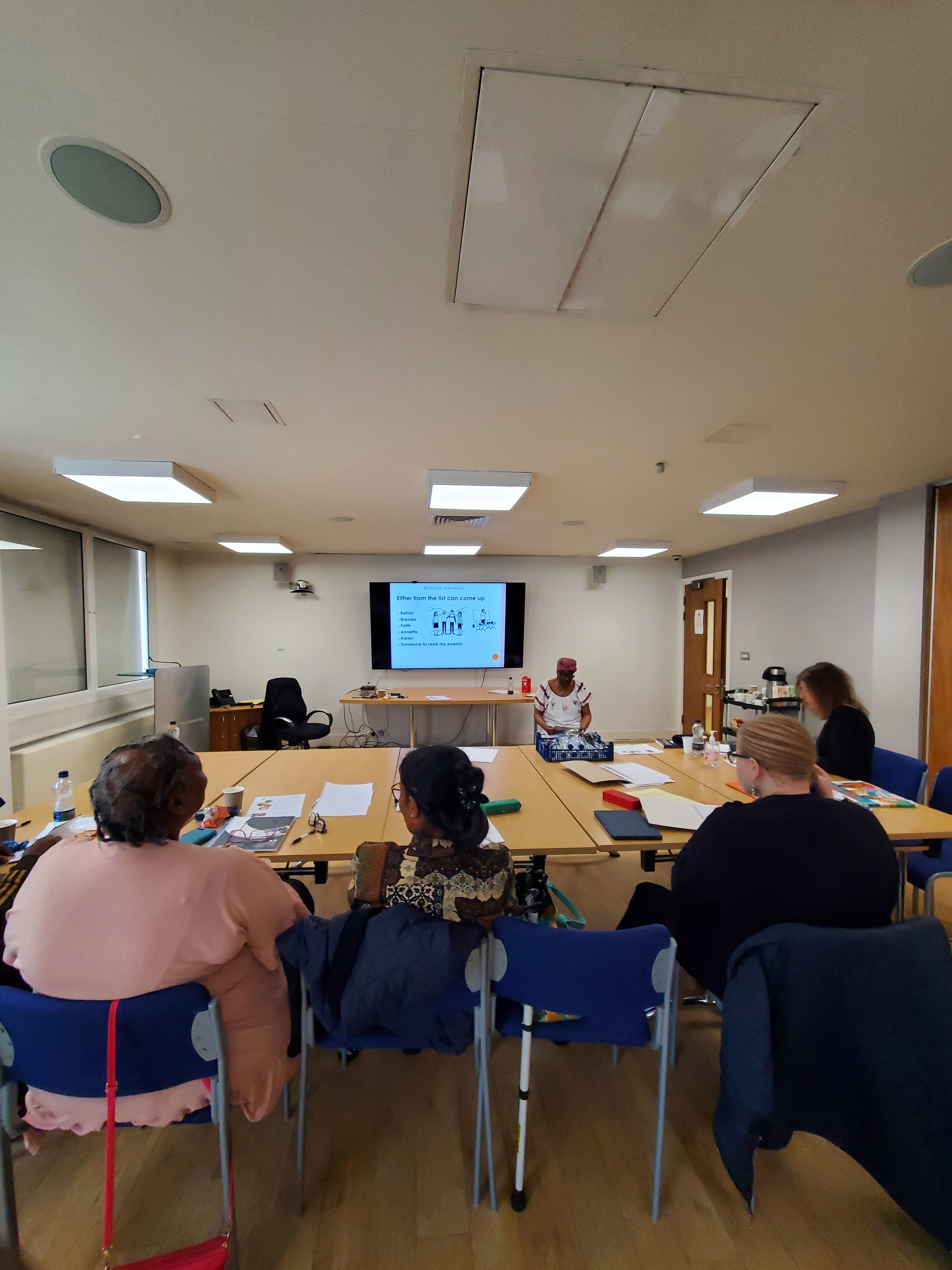
On Tuesday 13 October 2026, I facilitated a carers’ poetry session at Ignition Brewery in Lewisham, supported by Imago. We explored our surroundings, shared thoughts about poetry, and used drawings to express feelings through words. What mattered to me was giving carers space to create and hear one another.
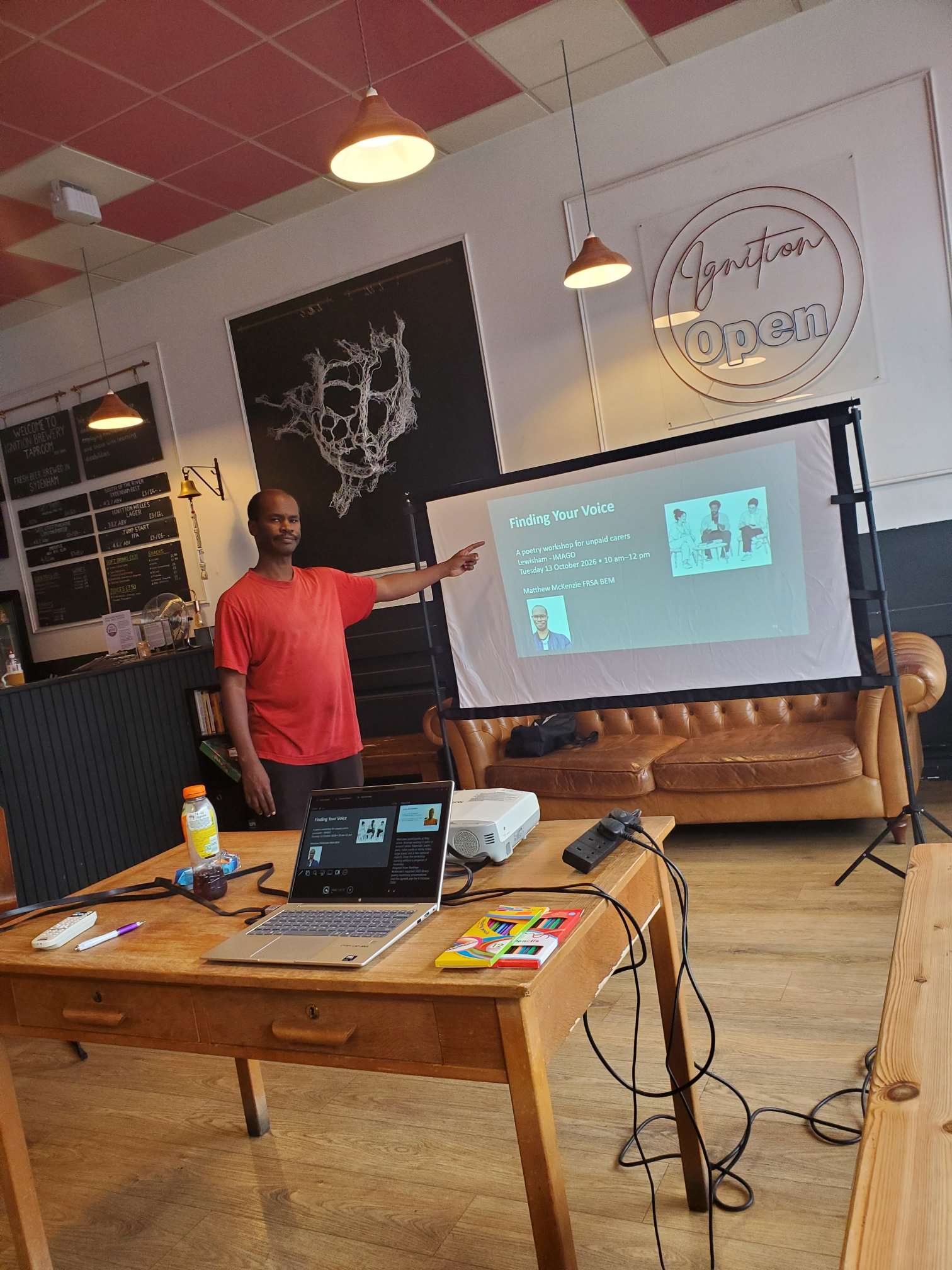
I began by sharing how writing became part of my own caring journey. As a former carer for my mother, who lived with schizophrenia, and an ongoing carer for my two non-verbal autistic brothers, I know how difficult it can be to explain what caring involves. Writing books helped me raise awareness, while poetry gave me another way to communicate experiences and emotions in a few lines.
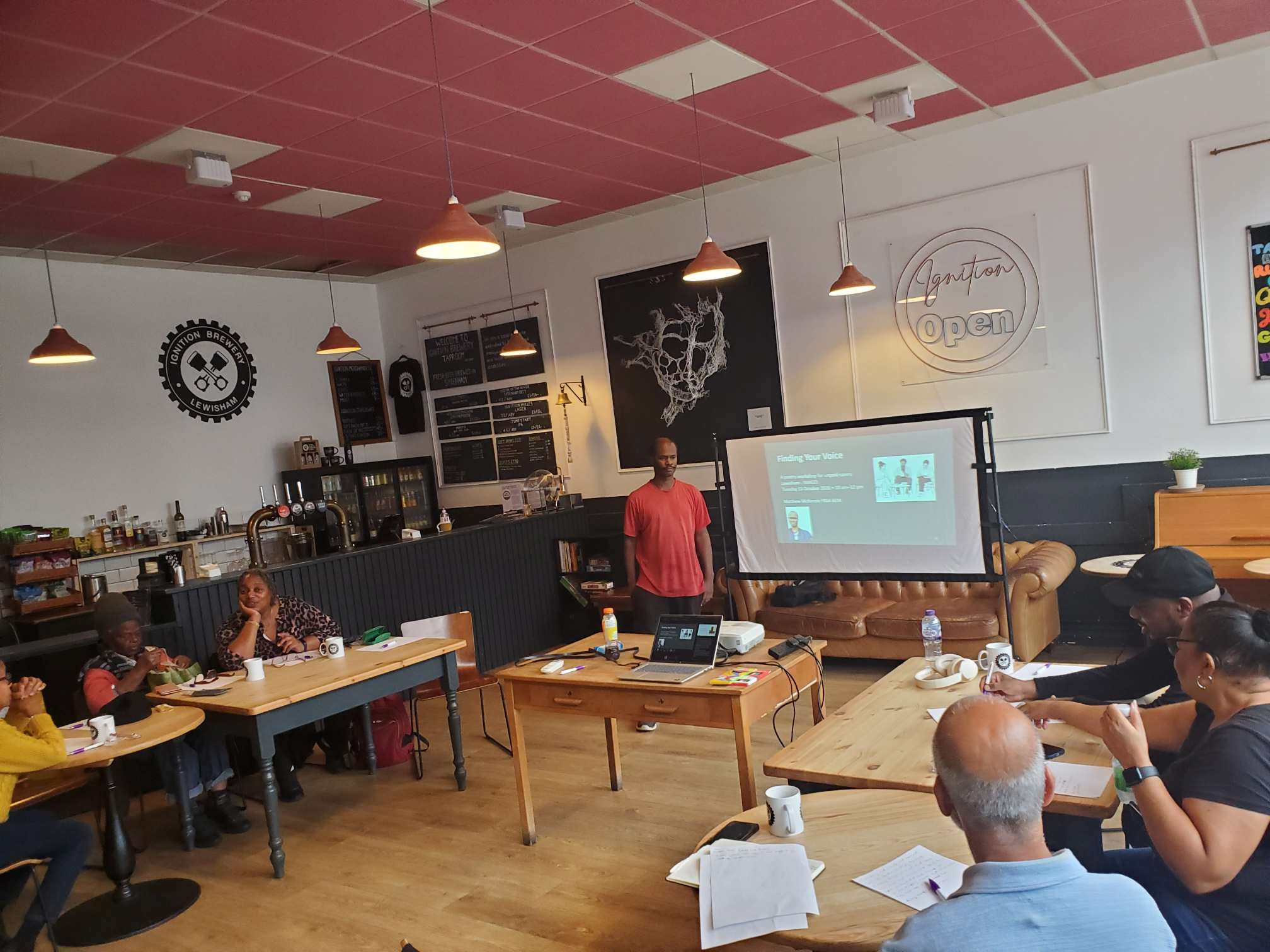
I reminded everyone that no poetry experience was needed. Poems did not have to rhyme, and sharing was optional. I wanted this to be a carers’ peer support space, with poetry helping us connect.

Noticing the world around us

Our first exercise invited everyone to look around the brewery or step outside and notice what they could see, hear and feel. From those observations, they were encouraged to write six to twelve lines.

The rainy Tuesday morning provided plenty of inspiration. Poems captured umbrellas, passing traffic, autumn leaves and people going about their day. Others noticed the welcome inside the brewery, familiar faces, a cup of tea, and even the sound of the projector.

It was interesting to hear how differently people experienced the same surroundings. A busy street could suggest movement and energy, but also loneliness. The weather could feel dreary, while life continued around us.

As carers, we can spend so much time doing things and responding to other people’s needs. This exercise offered a moment to pause and notice where we were. When poems were shared, I asked the group what stood out. Listening and offering encouragement became part of the activity.

Here are two poems from our observation exercise, capturing the same morning through different eyes.

Serena’s poem about the Tuesday morning

Rushing, waiting, beeping, honking,
Tuesday morning’s rush hour is well on the way.
People walking, shopping, gazing,
Umbrellas up on the go.
The sky is grey,
The rain drizzles upon the pavement,
Yet the air is still warm,
No shivering or quivering of lips in sight.
The trees sway with the breeze,
Autumn season turning the leaves,
Yellow, brown and shades of grey.

Sybil’s poem about life continuing in the rain

The sky is dull and dreary and rain falling,
But people still going about their business.
Some people going to work and some are shopping.
No matter the weather, life still goes on.
The buses still run their schedules,
The shops still open, tantalising everyone.
Indoors, we go to the carers’ home,
Writing poetry, everyone having a try.
God knows what we will come up with,
But it is good to exercise our brain.
Everyone will have a laugh to the end of the day.

What does poetry mean to us?

We then discussed what a poem is and what it means to each of us. Some described self-expression, personal thoughts or a way to put unspoken feelings onto paper. Others were still discovering their relationship with poetry.

The conversation brought in childhood memories, Scottish ballads, Louise Bennett’s Jamaican poetry and the work of Benjamin Zephaniah. We explored how poetry can carry a serious message as well as entertain. Participants also reflected on writing as a way to find comfort or work through questions.
This mattered to me because carers bring their own histories, cultures and ways of expressing themselves. Making room for those differences helps everyone contribute.

Turning feelings into pictures and poems

For our next exercise, participants drew something representing how they felt, gave it a title, identified three details, and used those observations to write a short poem.

This was more challenging, so we took time to offer prompts and encouragement. Faith and Nadine also helped others take part. A simple shape, a colour or a few lines could provide a starting point.

The resulting work covered a wide range of subjects: light amid chaos, sunflowers, confusion, a mango tree, recycling, family time, love and the wish for a brighter life. People showed their pictures and read their words, with support available for those who felt shy.
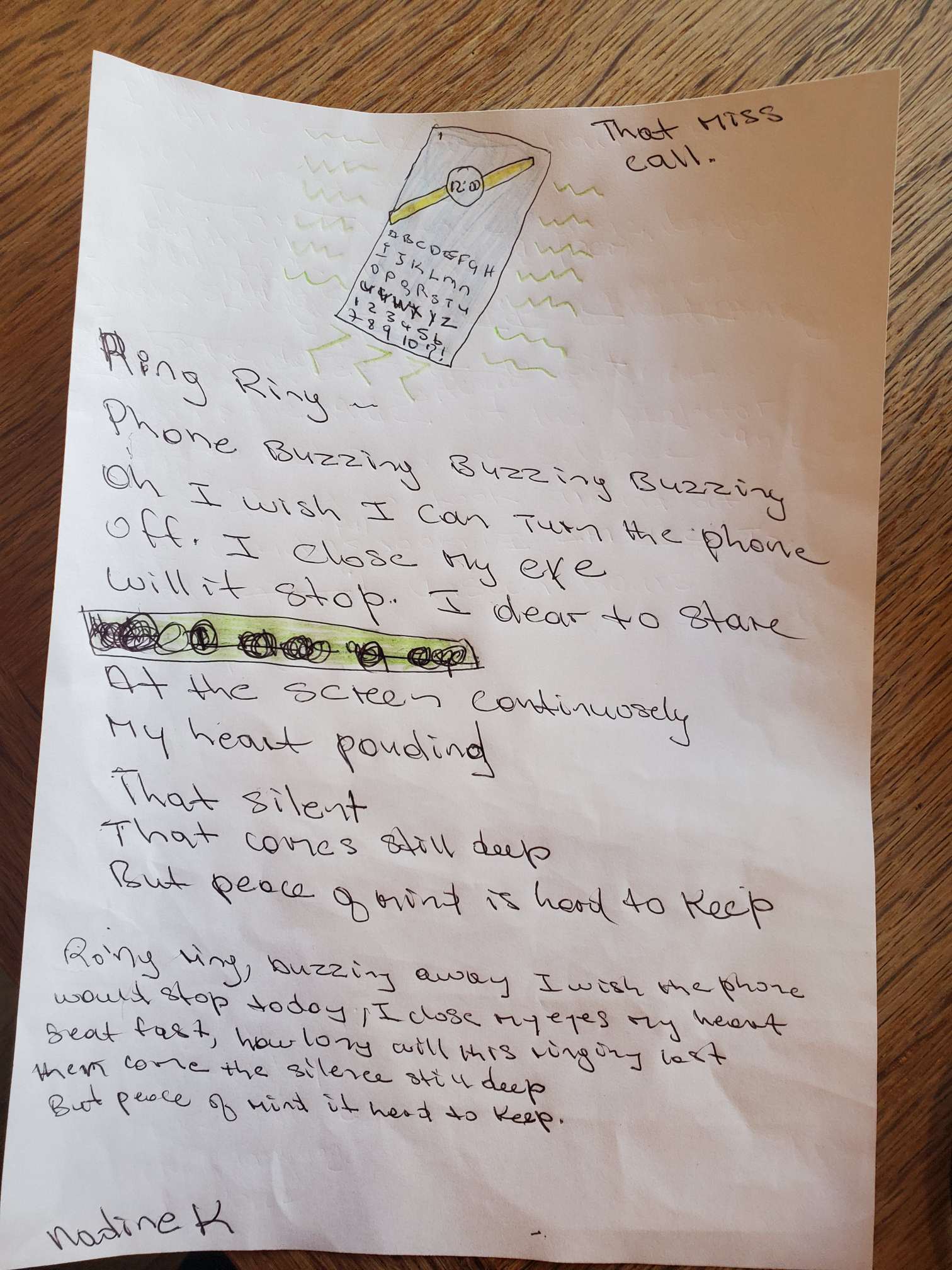
Seeing these drawings alongside the poems added another dimension to the session. Each person had found something different to communicate.

These two pieces from the drawing exercise show how colour and images opened up reflections on faith, hope and happiness.

Light Amidst the Chaos

So I’m feeling lots of things at this moment.
Matthew gave me these colours,
The colours that you see in the picture.
The picture made me wonder how vulnerable I want to be today.
I wasn’t really sure.
When I look at the picture, I feel as though life is a whirlwind.
There’s always so much to do.
But there’s a light peeping out in the corner.
And I know that he is guiding me,
Strengthening me and holding me.
I know that I will be okay
Despite the chaos of this season.

Be Yourself

I enter to find happiness.
As the sunflower points upward to the sky,
My heart soars upward in happiness.
As I ponder on God’s masterpiece of creation,
I see the brilliant yellow colours of the petals
That reminds me of the sun shining,
That brings happiness to everyone,
Everyone, everyone around.

Poems reproduced from the session transcript, with light punctuation edits and line breaks.

Thank you to Imago and everyone who joined us

There was laughter, thoughtful conversation and plenty of encouragement throughout the morning. I asked participants to keep their work so they could return to it and reflect on what they had created.
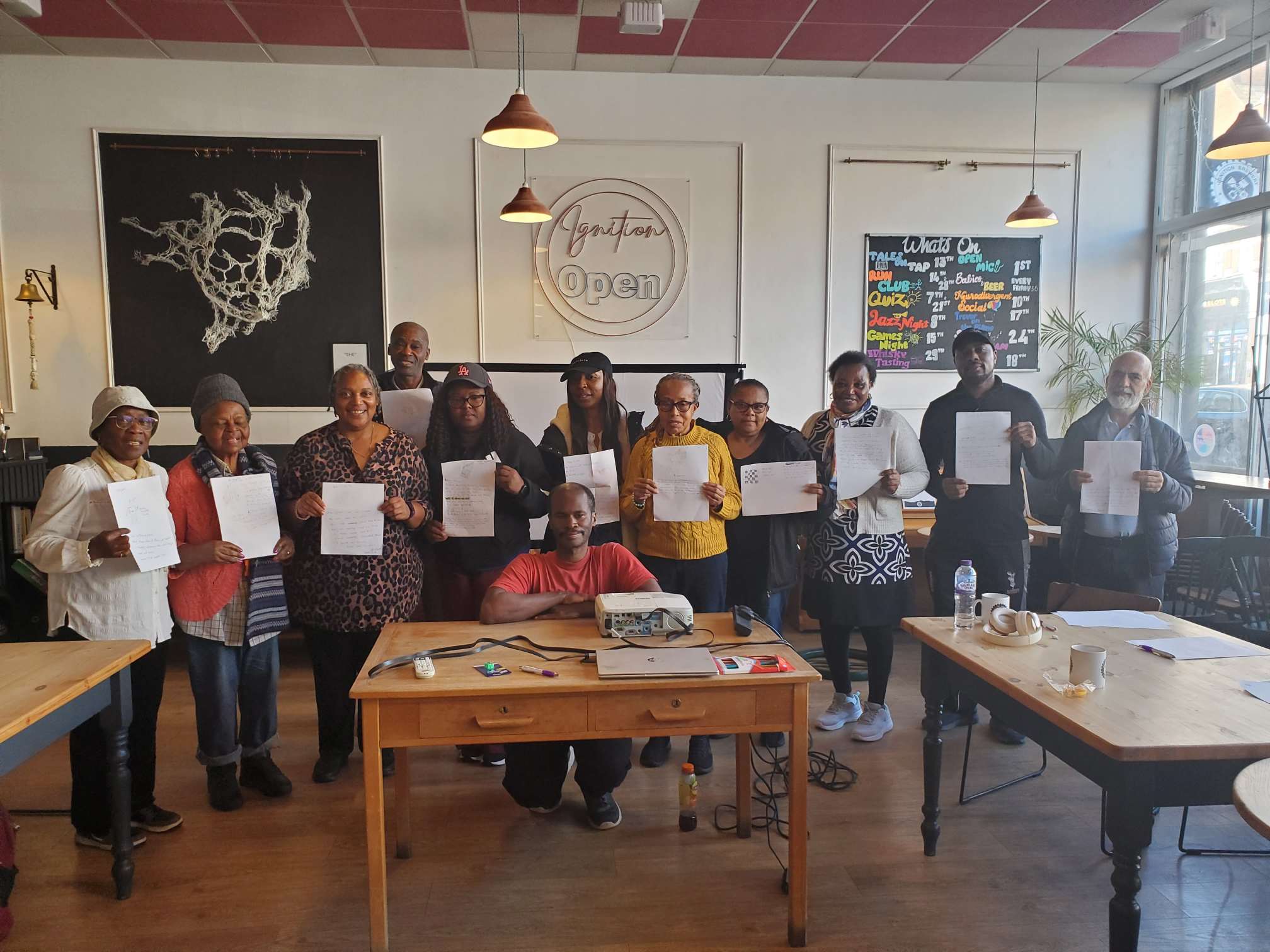
Thank you to Imago for making space for a carer-led session at Ignition Brewery, and to everyone who took part. For me, the value of the morning was hearing carers express themselves and seeing the group support each other as they did so.
When a Picture Speaks: Ealing Carers Art and Poetry, September 2026

By Matthew McKenzie – Ealing Carers Poetry Group facilitator

At our September Ealing Carers Poetry Group, we tried something different: bringing drawing and poetry together. I invited carers to sketch something simple, notice the words and feelings it brought to mind, and then write as though the picture could speak.

There was no expectation to be an artist or an experienced poet. A few lines on paper were enough. What mattered was giving carers room to express something important to them.

Draw a moment, write its voice

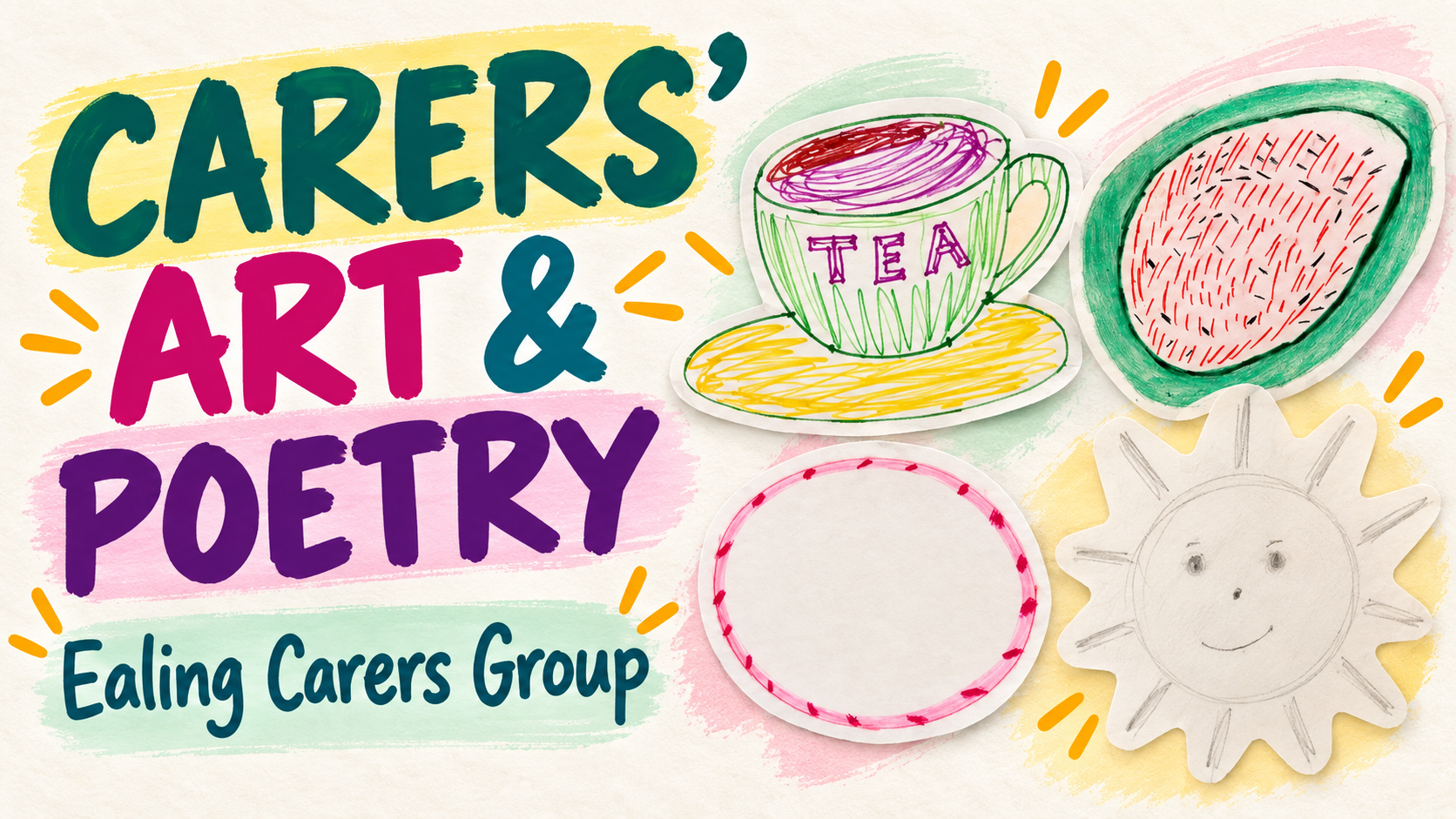
The drawings included a cup of tea, a bed, a slice of watermelon, a circle, a birthday card, two hands holding one another and a smiling sun. Each became a starting point for a different poem.

A cup of tea brought out the closeness between a carer and her son, and the hope found in sitting together. A drawing of a bed led to a poem about watching someone you care for and wishing you could do more. The green, black and red of a watermelon became a way to describe the daily cycle of caring and the return of brighter moments.

Other poems explored bonds that continue through difficult times, memories held in an old birthday card, the reassurance of holding hands, and the need for carers to find moments of joy and self compassion.

Some drawings were emailed to me; others were held up to the webcam. Even when a picture was difficult to see on screen, the person who made it could tell us what it meant. Hearing each poem in the carer’s own voice added something the image alone could not convey.

The objects we keep close

For a second exercise, I asked carers to choose an everyday object and begin with the idea, “You might think this is just…” A cardigan became a source of comfort. A pen represented both creativity and the practical work of caring. A book of poems, a blanket and an iPad used to play music opened up thoughts about memory, connection and changing emotions.

I was struck by how generously everyone listened. Carers noticed details in one another’s work and offered encouragement. One person found it difficult to write during the exercise, and that was welcome too. Being part of the group does not depend on producing a poem every time.

Watch the carers’ poems and artwork

I have brought the drawings and poems together in a short video so that more people can see what the group created:

Thank you to everyone who drew, wrote, read aloud, listened and supported someone else. The session reminded me that a simple picture can hold a great deal of experience, and that carers deserve space for their own creativity as well as their caring role.

Join us

The Ealing Carers Poetry Group is a welcoming online space for unpaid carers, including mental health carers. You can write, share, or simply come along and listen. Carers from Ealing and beyond are welcome to enquire.

To ask about the next online session, email info@ealingcarerspartnership.org or call 0203 475 9891.

I will also be leading a free in person poetry workshop on Thursday 8 October 2026, 11 am–1 pm, at Ealing Central Library. Places are limited, so please contact Ealing Carers Partnership to register.

2nd Voices & Verses – PCREF Poetry Event

By Matthew McKenzie – Cygnet PCREF Carer Lead & Carer Ambassador

Cygnet PCREF Carer Lead & Carer Ambassador

On 4 August 2026, unpaid carers, professionals and people with lived experience came together at Cygnet Churchill for the second Voices & Verses Carers Poetry Event. The purpose of the afternoon was not simply to read poetry, but to create a safe space where carers could express experiences that are often overlooked within mental health services.

The event formed part of Cygnet’s ongoing commitment to the Patient and Carer Race Equality Framework (PCREF) by exploring how creativity, culture and storytelling can strengthen co-production and improve relationships between carers and services.

Continue reading →

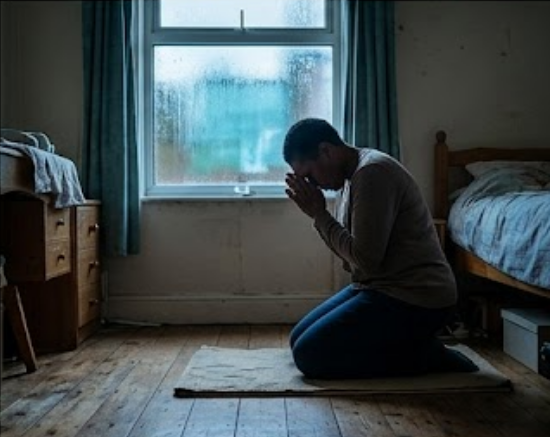
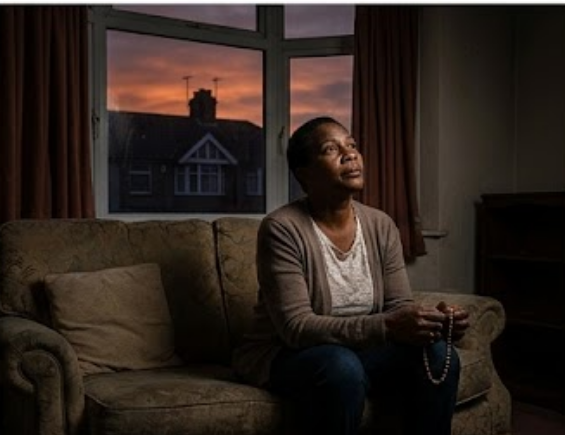
Today I Prayed: A PCREF Spoken Word Poem

By Matthew McKenzie – Chair of ethnic mental health carer forum.

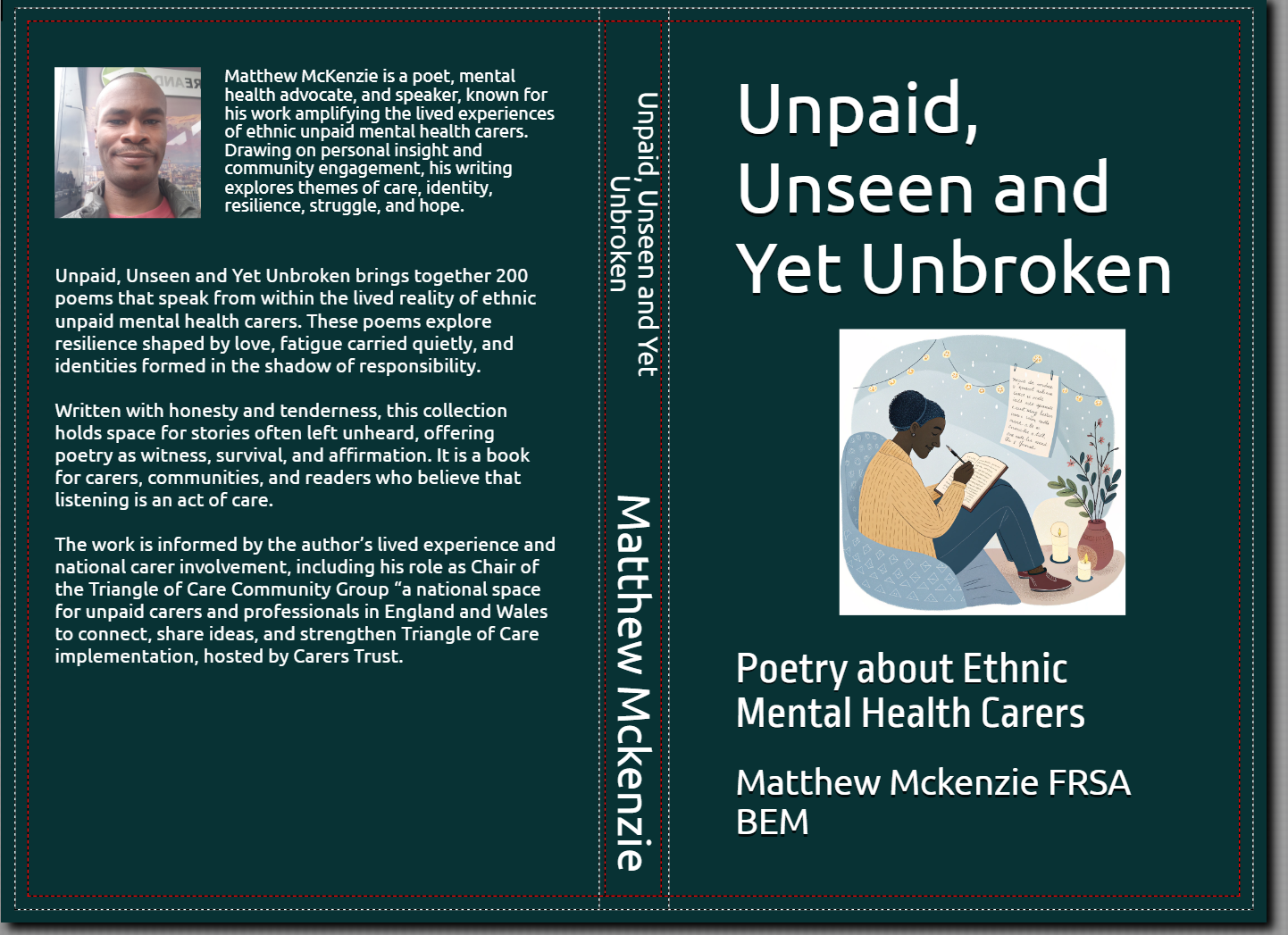
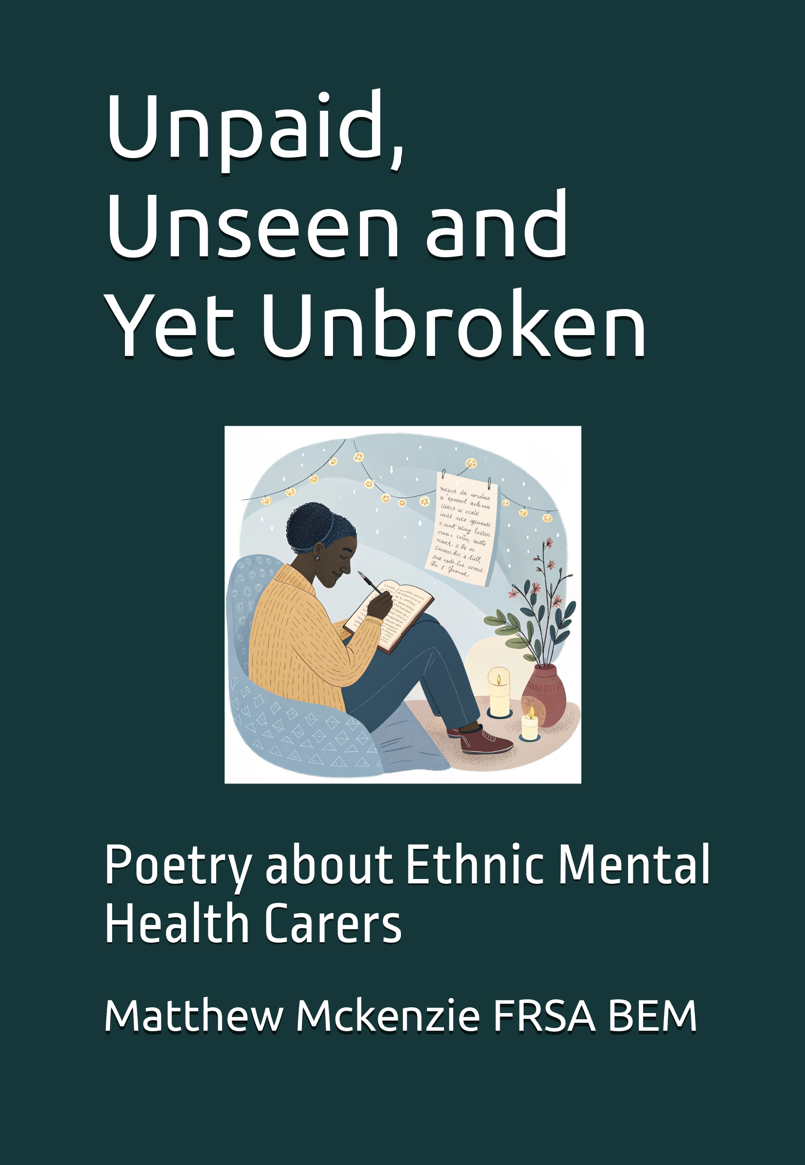
For my latest spoken word video, “Today I Prayed,” I present a piece from my PCREF poetry collection that I am working on, Unpaid, Unseen and Yet Unbroken.

Grounded in the spirit of the Patient Carer Race Equality Framework (PCREF), this poem centers on the often hidden realities faced by unpaid Black mental health carers.

The poem explores spirituality not just as a source of private comfort and endurance, but as a solitary lifeline when formal systems fail and the heavy emotional weight of duty takes its toll.

I think watching this video is an invitation to witness the quiet strength of minority carers, plus raise awareness of systemic gaps in our care frameworks.

I hope the poem ensures that these vital carer voices are finally seen, heard, and respected.

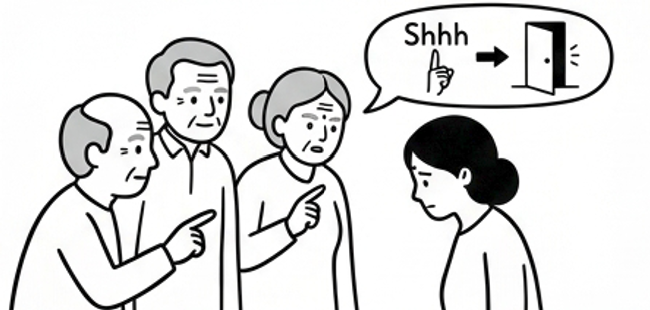
Behind Closed Doors: Facing Community Stigma as an Unpaid Mental Health Carer

By Matthew McKenzie – Ethnic Mental Health Carer and Poet

invisible challenge for ethnic minority mental health carers. “Poem 15: The friends I have lost,” a powerful spoken-word piece from Matthew McKenzie’s poetry book that is in development Unpaid, Unseen and Yet Unbroken, sheds a crucial light on this hidden struggle.

It captures the profound loneliness of an unpaid carer who watches friendships fade away as community members close their ears and elders demand privacy over open support. By highlighting the intersection of familial duty, mental illness, and societal rejection, this moving presentation exposes the heavy emotional toll born by those who care for loved ones behind closed doors.

This poem serves as a stark reminder of why initiatives like the Patient Carer Race Equality Framework (PCREF) are so urgently needed in healthcare and community support networks today.

Watch the full poetry video to immerse yourself in this essential conversation, and help us raise awareness for the vital support and recognition that ethnic minority mental health carers truly deserve.

By dismantling the barriers of stigma and addressing the specific inequalities faced by ethnic minority families, PCREF aims to ensure that no carer is left to navigate this challenging journey in absolute isolation.

Voices & Verses PCREF Carer event

By Matthew McKenzie, Cygnet PCREF Carer Lead

On Tuesday 28th April 2026, from 2:00pm to 4:00pm, we came together at Cygnet Churchill in Lambeth for what was described as a carers poetry event, but in truth, it became something much deeper.

It became a space where carers could speak, reflect, and be heard.

I hosted the session not just as a PCREF Carer Lead, but as someone with lived experience. That shaped everything the tone, the structure, and the intention behind every part of the agenda.

I made it clear: this was a safe, inclusive, and optional space. No pressure to perform. No expectation to share. Just an invitation.

We began with a simple check-in:
“What’s one word you’re arriving with?”


Opening Readings: Creating a Shared Starting Point

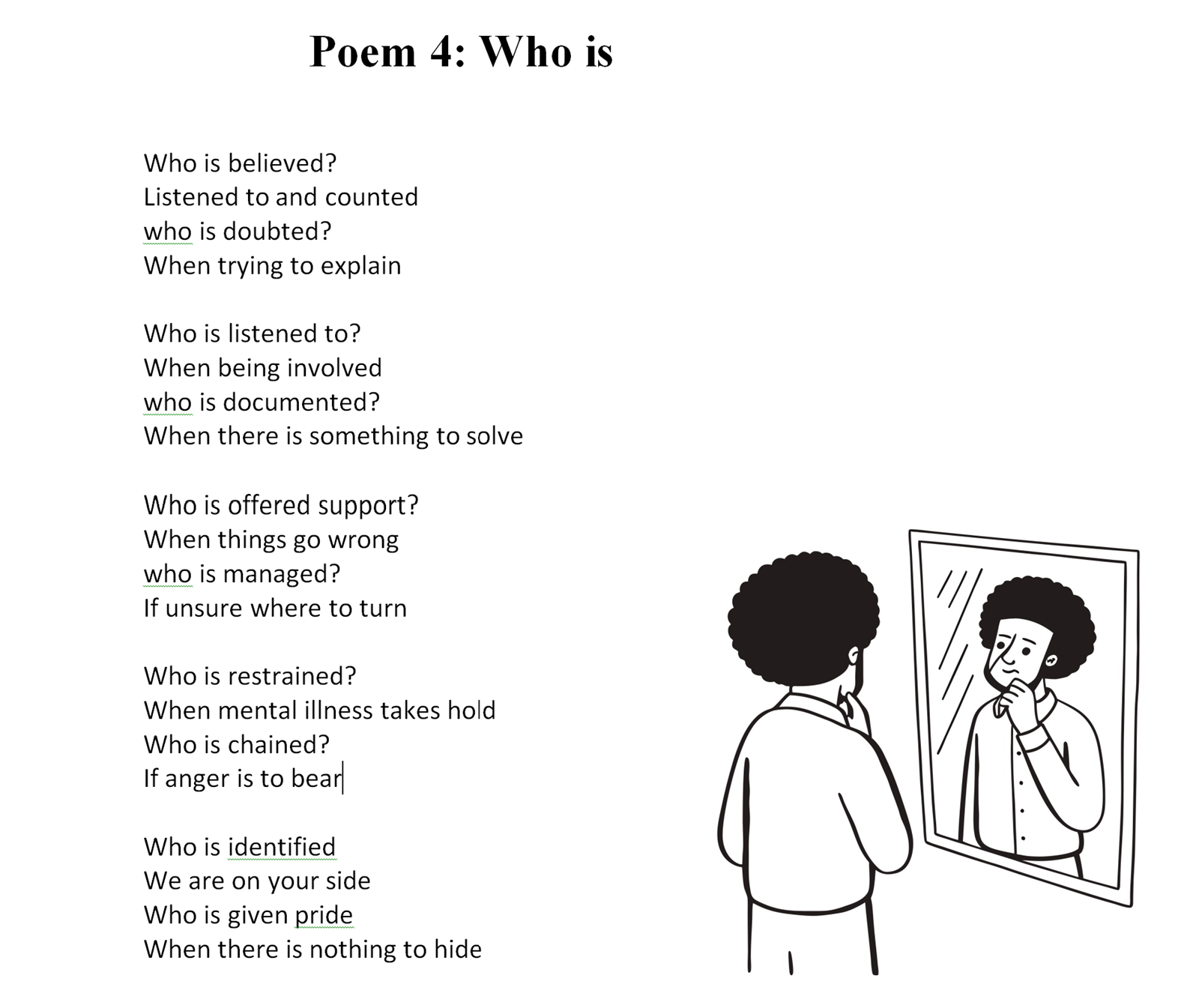
I started with a couple of my own poems, drawn from my work around carers, stigma, and racial inequality in mental health.

As shown above, one piece explored the question of who is listened to and who is overlooked within systems. Another focused on stigma and shame, particularly how cultural expectations and institutional barriers can compound the experience of caring.

These weren’t just readings—they were a way of opening the room.
An invitation for others to see themselves reflected.


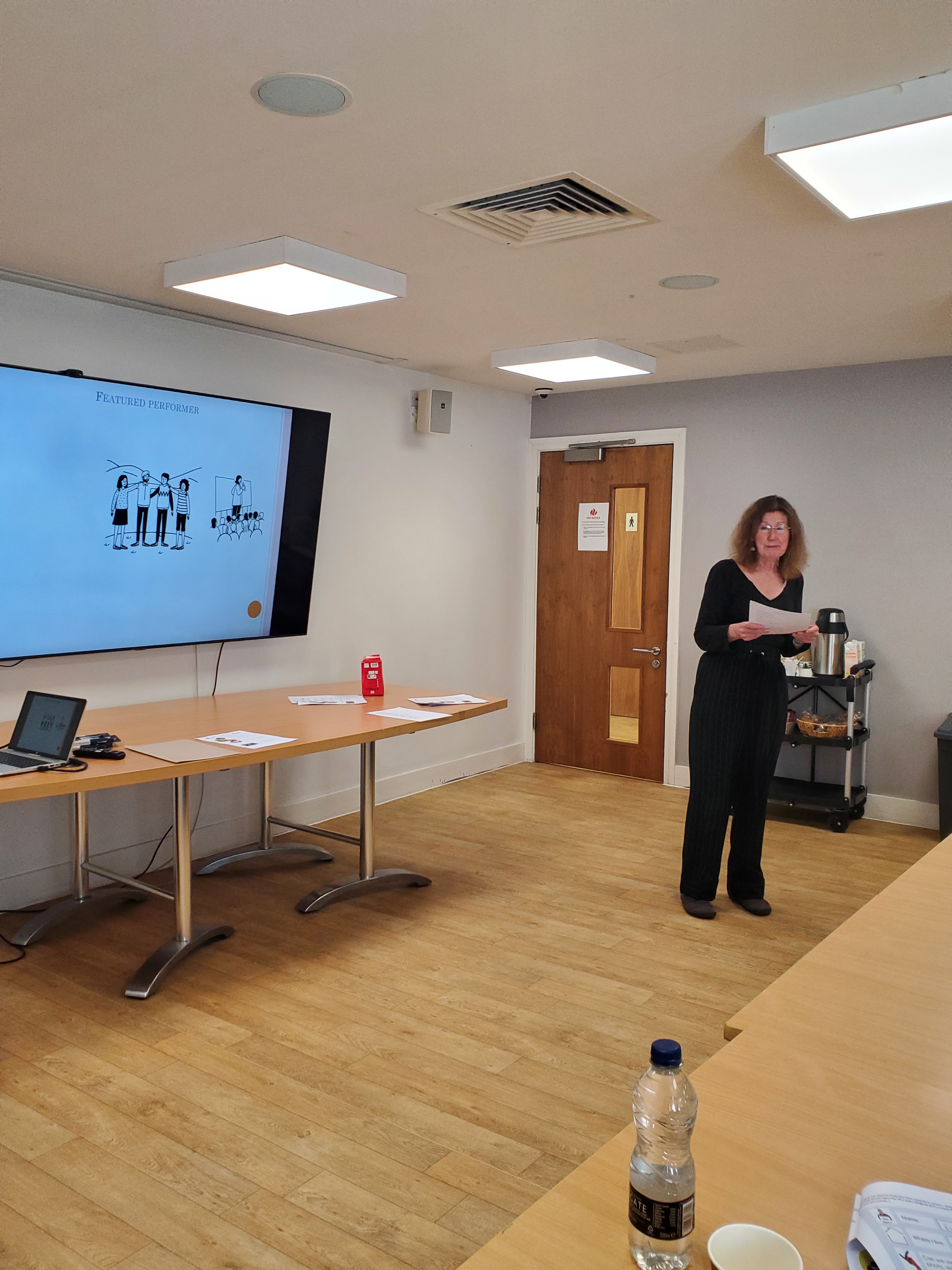
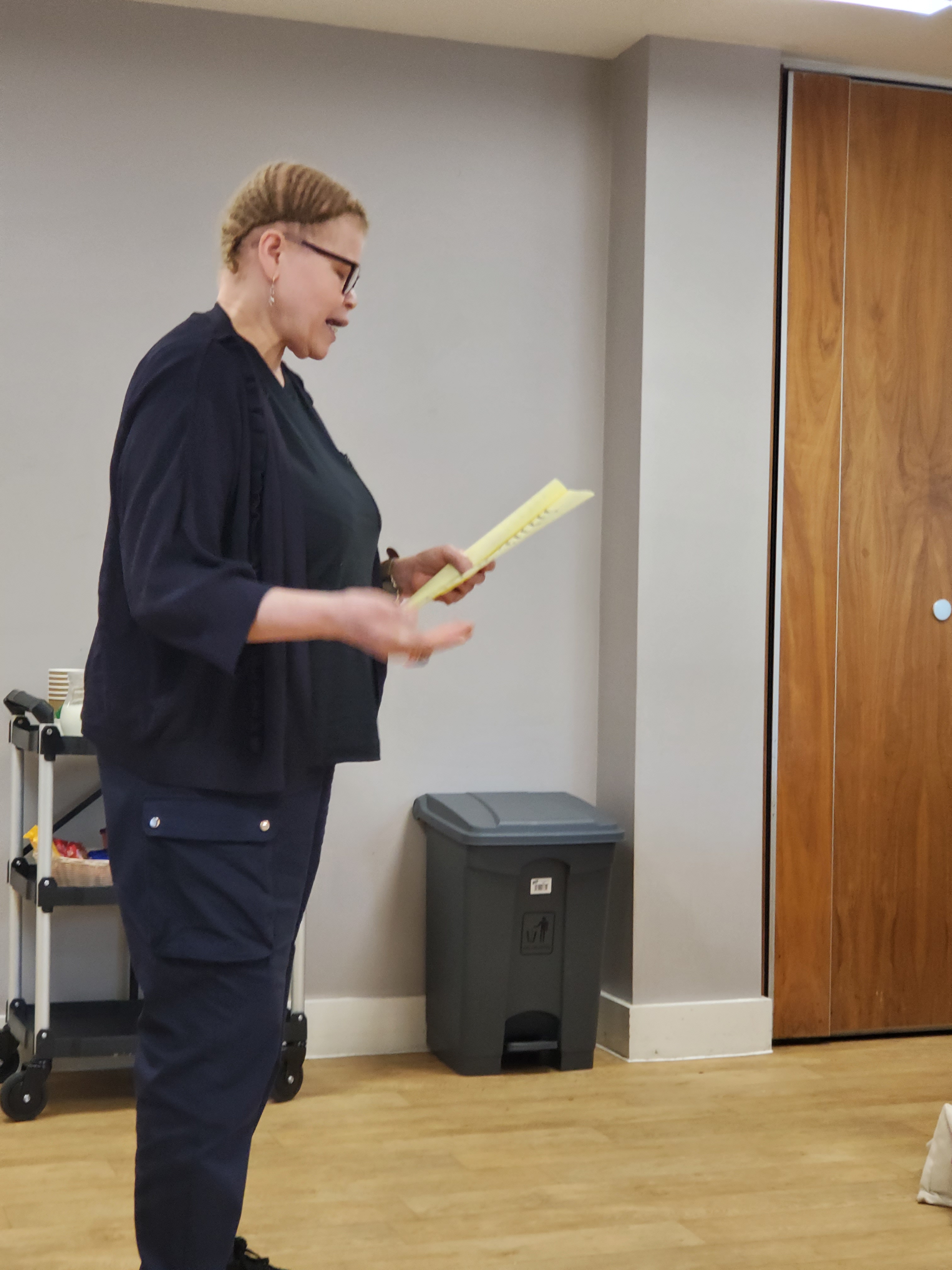
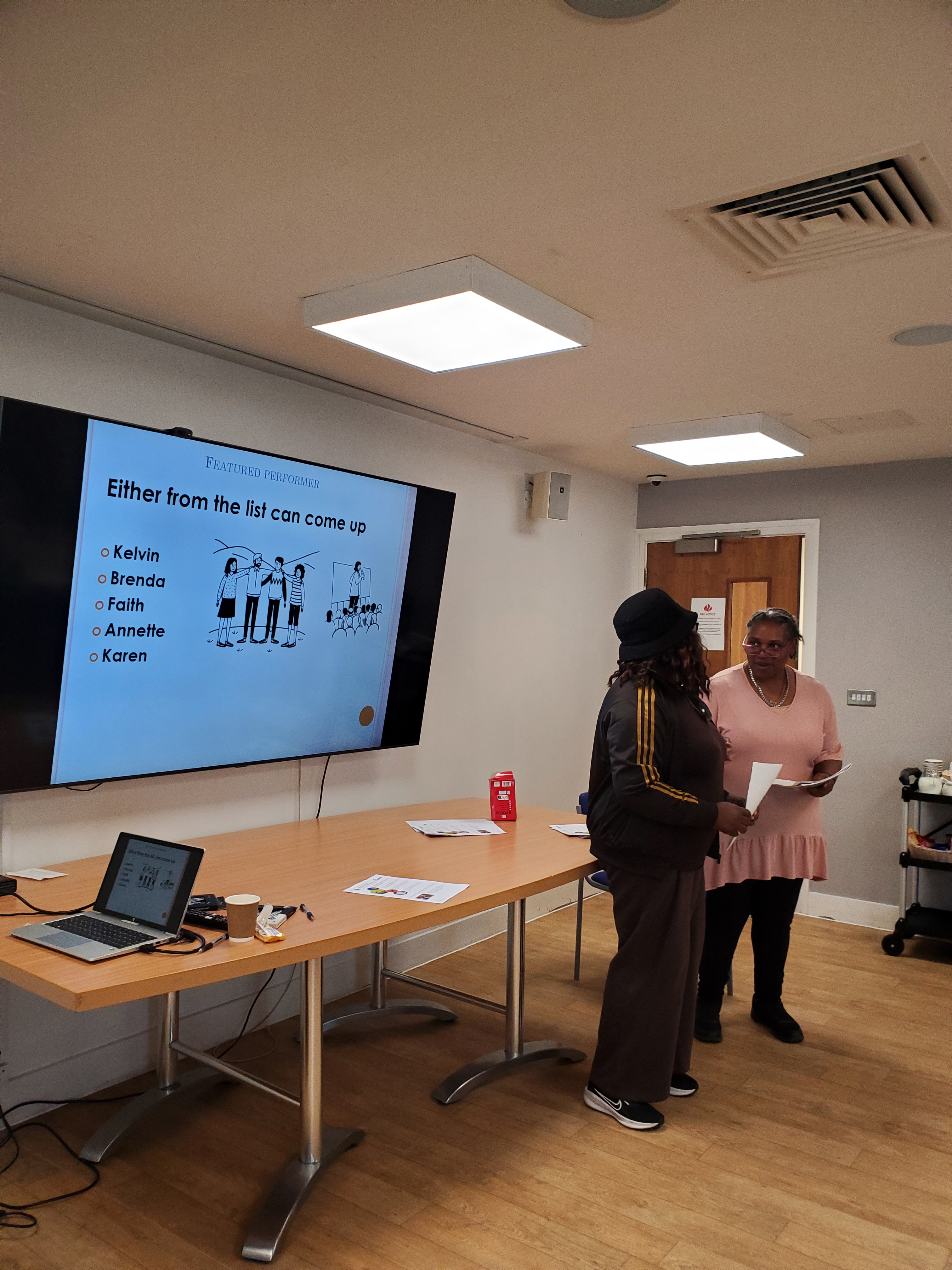
Featured Performer: Karen Ibrahim

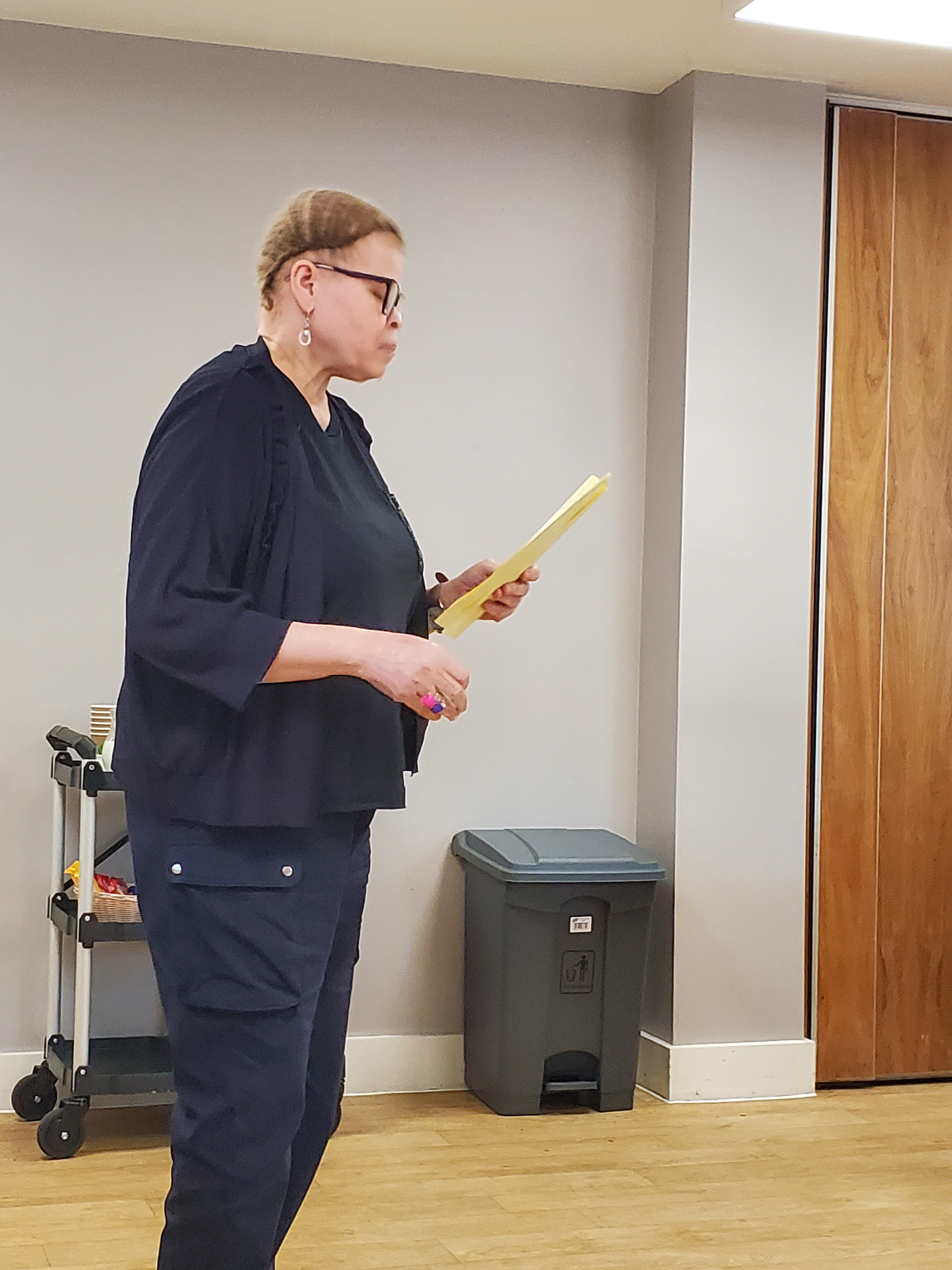
We then heard from Karen Ibrahim, whose poetry captured something deeply familiar to many carers the quiet, often invisible emotional labour of caring.

Her piece reflected the silence between carer and loved one, the fear of saying the wrong thing, and the reality of sitting with someone in distress without always knowing how to help. It spoke to that fragile balance carers hold every day.

Karen also shared a series of haiku-style reflections, drawn from carer experiences—short, powerful snapshots of emotion, nature, and coping. They reminded us that even the smallest expressions can carry deep meaning.


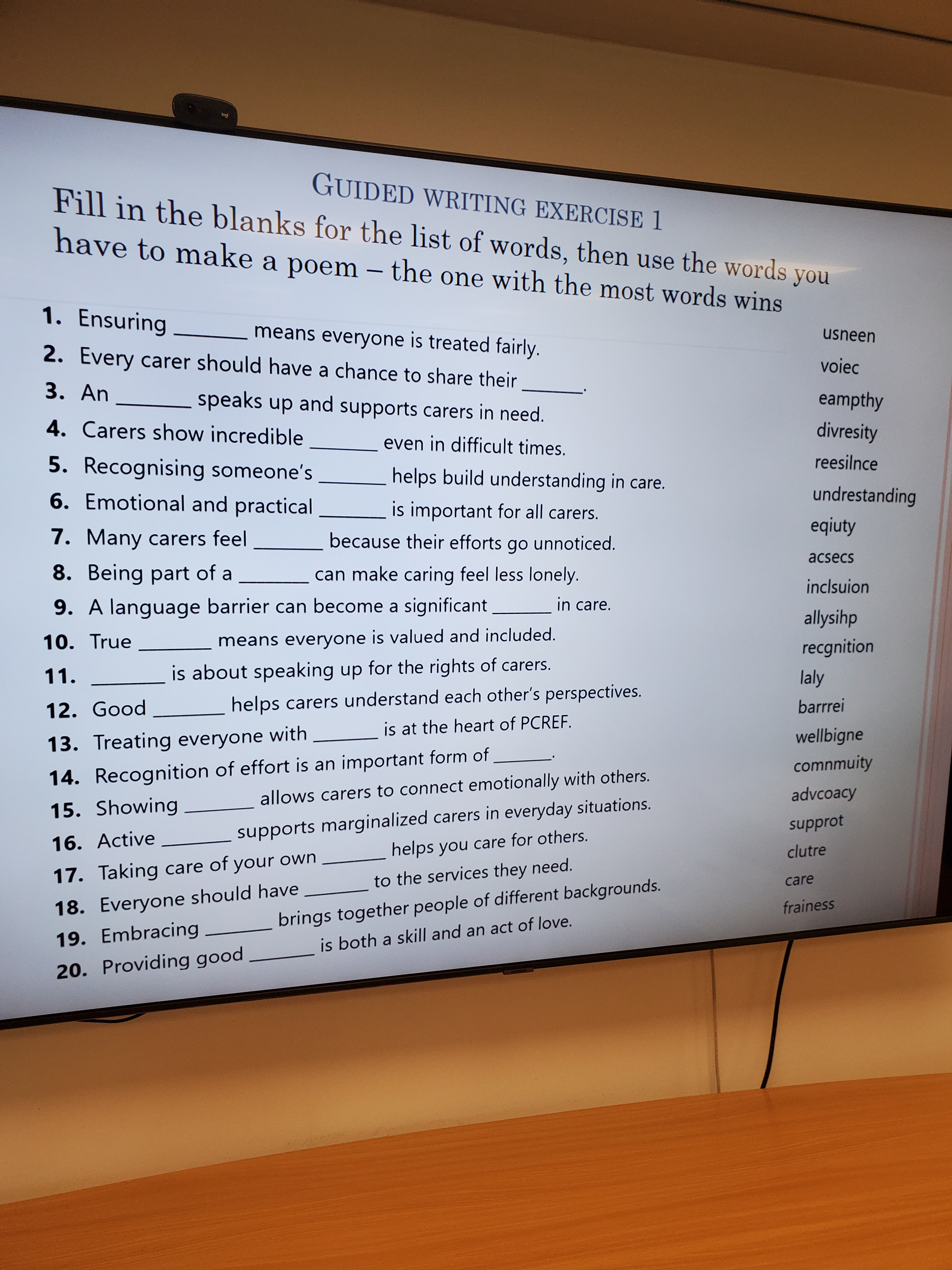
Guided Writing Exercise #1: Bringing PCREF to Life

We then moved into the first guided writing exercise.

I paired participants and asked them to:

  • Match PCREF-related concepts (like equity, advocacy, inclusion, resilience) to their meanings
  • Use those words to create a short poem or reflection

It was about translating PCREF from policy into lived language.

The results were powerful. Carers wrote about 4 poems altogether, below were the themes, which will be included in the new PCREF poetry book I am working on.

  • Feeling unseen and unheard
  • Wanting their voice recognised
  • Breaking down barriers in care
  • Finding strength through community

One group asked:
“Is my voice not loud enough to be heard?”

I felt that line stayed with me, because it captures exactly what PCREF is trying to address.


Performer & Open Mic (Round 1)

We then moved into our first round of performances, where carers shared both prepared and newly written work.

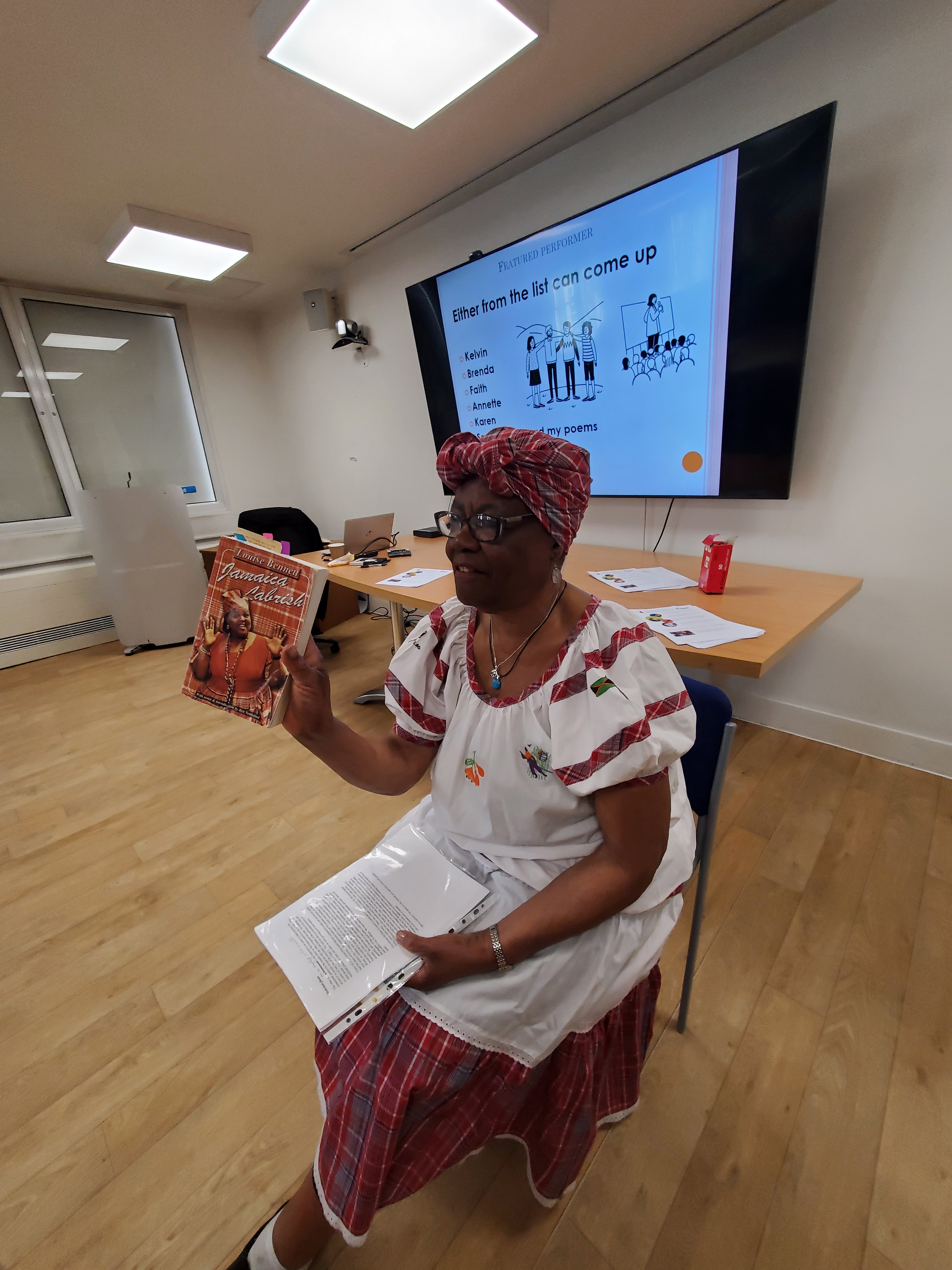
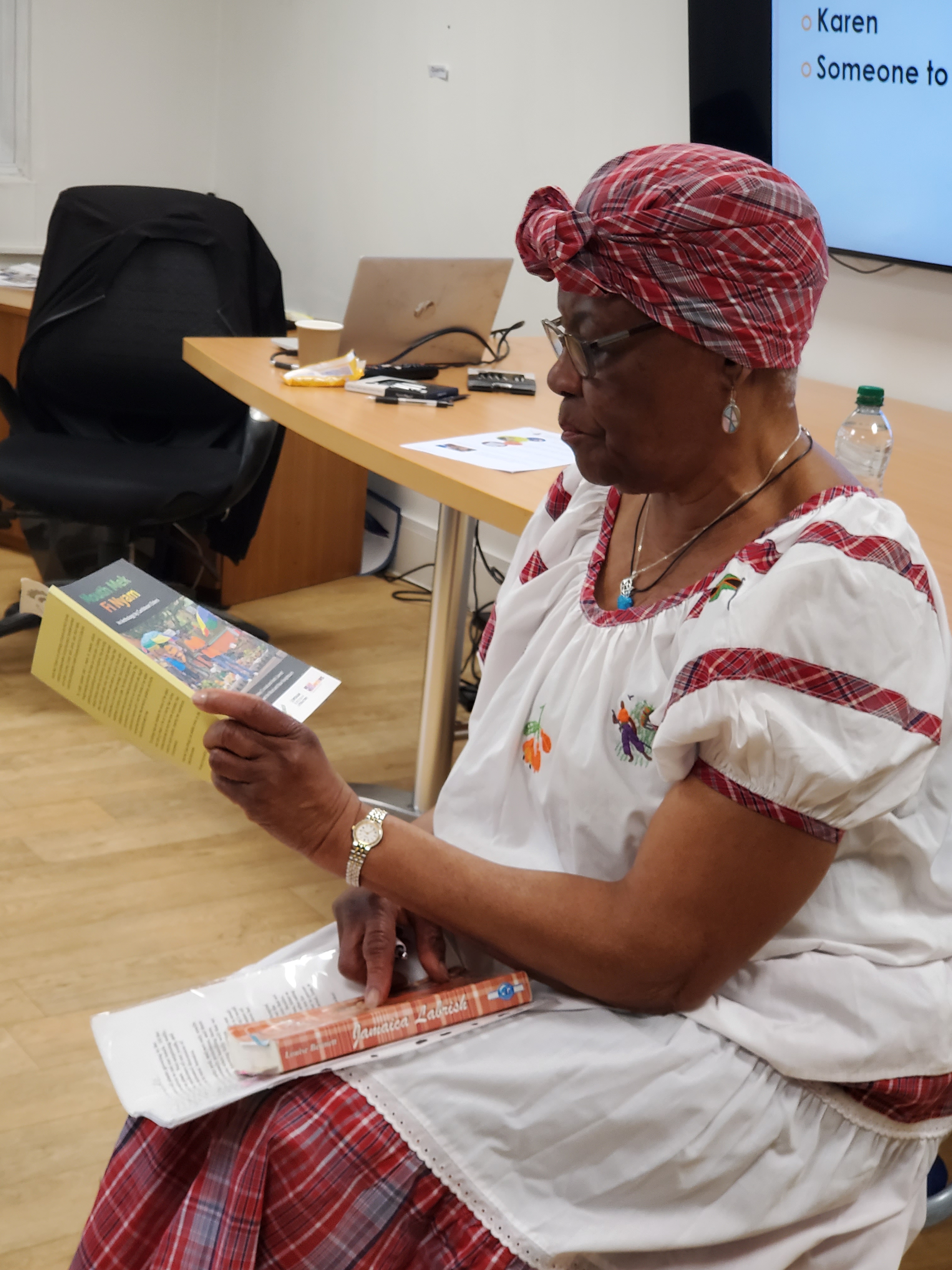
I felt Brenda brought something unique, blending cultural storytelling and poetry rooted in Jamaican heritage. She reflected on traditional knowledge, community wisdom, and the use of language and folklore as a way of preserving identity and healing. Her use of dialect and storytelling highlighted how culture shapes how we express and understand care.

Next was Annette Davis shared a piece centred on the identity of being a carer, capturing the emotional strain, lack of recognition, and inner strength that comes with the role. Her poem questioned what it means to be labelled a “carer” while navigating burnout, resilience, and the need for self-care.

Next up was Faith Smith and Nadine sharing a powerful reflection on system inequality, exploring the daily pressures of navigating services, the lack of accessible support, and the feeling of being caught in processes that don’t always respond to real-life needs.

Each piece added another layer to the conversation, with different perspectives, but shared truths.


Break & Connection

We paused for a short break and refreshments provided by the kind and wonderful staff at cygnet, but for the poetry event the conversations didn’t stop.

Carers continued to connect. Share stories. and reflected on what they had heard.

This is something I always emphasise, community doesn’t just happen in structured sessions. It happens in those in-between moments.


Creative Exercise session #2: Exploring PCREF Language

After the break, I introduced a second exercise, which was more interactive and reflective.

Participants worked with a word-search style challenge, identifying key PCREF-related terms such as:

  • Voice
  • Inclusion
  • Equity
  • Community
  • Trust
  • Advocacy
  • Listening
  • Stereotyping

Rather than writing full poems, we focused on discussion:
Which word stands out and why?

The responses were honest and grounded:

  • “Listening builds trust.”
  • “Community is where we belong.”
  • “Inclusion is what drives change.”
  • “Stereotyping still shapes how we’re treated.”

This is where PCREF becomes real, when people recognise themselves within it.


Performer & Open Mic (Round 2)

We continued with a second round of performances.

Carers shared reflections shaped by:

  • Cultural identity
  • Personal caring journeys
  • The emotional impact of systems
  • Hope, resilience, and change

Then ended with cultural carer songs by Brenda, see the video of part of the PCREF poetry session below.


In the end PCREF is about improving outcomes for racialised communities—but it cannot succeed if it remains purely clinical.

We:

  • Translated PCREF into lived experience
  • Used creativity to engage carers meaningfully
  • Created a culturally responsive space
  • Positioned carers as equal voices not passive participants

If you are caring for someone using Cygnet services, contact Family&Friends@cygnethealth.co.uk to join our Voices & Verses poetry group

“Listen to Me” – A Carer’s Plea Turned into Song

Caring for someone with a mental illness is an emotional, often isolating experience. Unpaid carers—whether they are family members, friends, or loved ones—carry immense responsibility, yet their voices can feel unheard, especially within the healthcare system.

One of my poem’s “On Being Heard” taken from my book The Poetry Book of Mental Health Caring, captures this struggle with raw honesty.

Continue reading →

On Caring – Carer awareness poem by Matthew McKenzie

Welcome back to another blog post by Carer activist, poet and author Matthew McKenzie. As you can guess by most of my post off this site, I raise awareness of those providing unpaid care to someone.

Even though I have written a few books containing poems about the caring role. There will be times I will just come out with the odd poem due to spark of creativitiy. Here is my latest poem to raise awareness of caring for someone living with long term illness. I hope you like it, but if you dont then I hope it provides plenty of discussion.

I am always interested in what people think of my new poem. I am sure to place these poems in another book at a later date. Feel free to comment either in the video or my YouTube channel.

The Power of Poetry to reach carers

Welcome back.

Here is a new blog post from carer activist Matthew McKenzie. I write about the challenges, roles and journeys of those caring for someone. Usually the experience of caring for someone with mental health challenges or someone living with cancer.

However, I find that writing is not enough when trying to connect with others. I find poetry a great way of sharing experiences, creativity and understanding.

There can be challenges of using creativity to explain the experiences of caring. It all becomes worth while in the performance, even if things do not go as expected.

Each person finds the poem will mean something different to them. Just as no carer’s journey is the same, this can be included as to how poems can mean something different.

In order to promote the power of poetry, I have made a short video of my ideas, which you can see below.

In life, whatever we experience will eventually pass and things move so fast that we are left wondering what it was all about. If we can leave something behind, express our experiences, share our thoughts of our existance then we can for a brief moment connect with others.

Thanks for reading.

The Long Road – Carer poem by Matthew McKenzie

Carers week 2023 approaches. When you start your journey providing unpaid care it can be a long journey. You might start out caring for someone with cancer, mental illness or physical health difficulties. No matter how you see it, you will starting out on a journey.

As an author and poet, I have written extensively on the journey I have travelled. I hae also written about the path where many other unpaid carers will have to walk.

It helps when former or veteran carers help guide others down that road. We need to be aware that not all carer journeys are the same, but it helps if we identify and value each other.

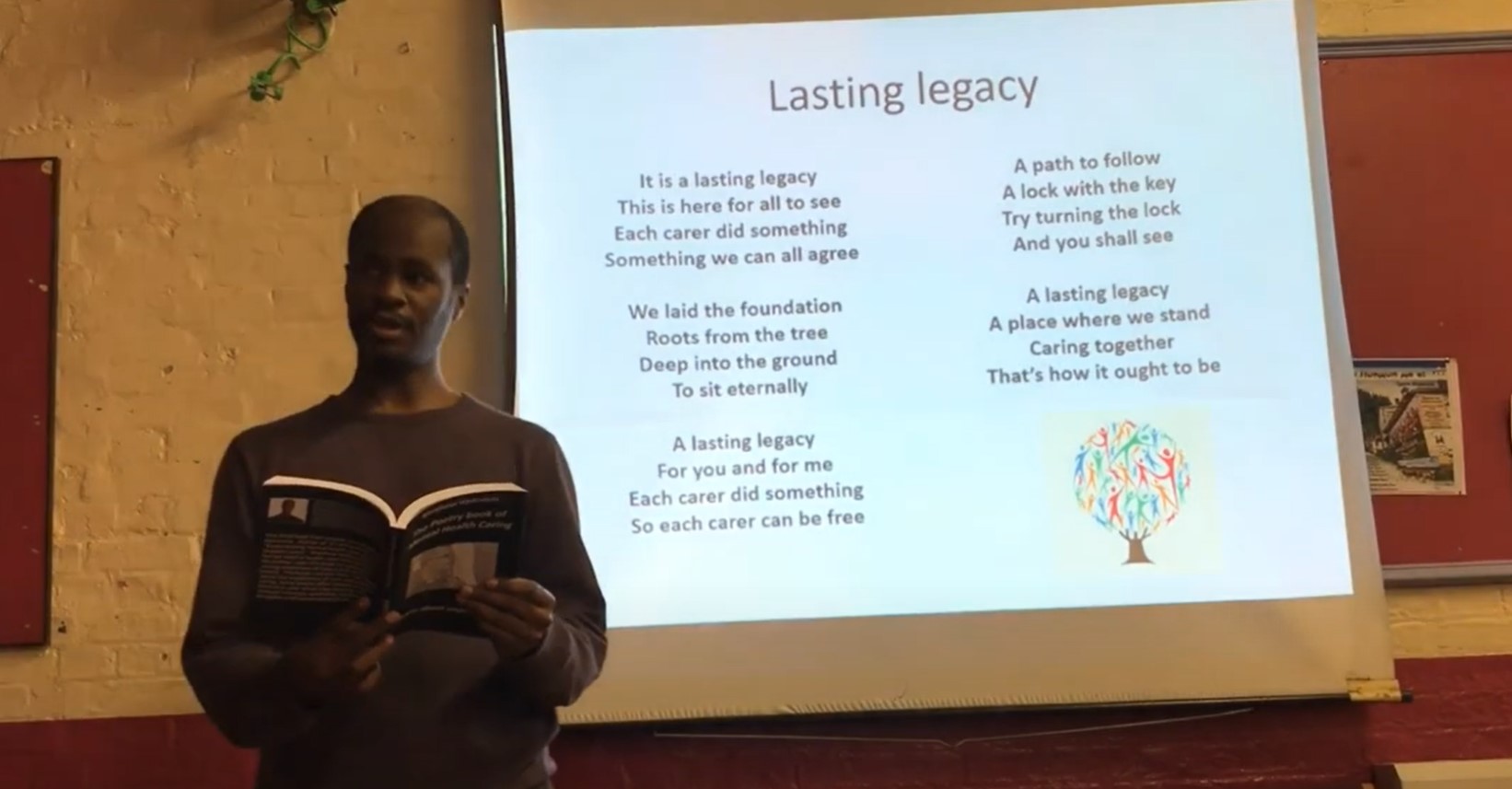
Below is a poem taken from my book “The Poetry book of mental health caring”. You can check out that book at the end of this blog post. I do actually have some podcasts of the poems off my website.

This poem “The Long Road” talks about how a former carer looks back down the road they have travelled. They see new people beginning their caring journey. The stop and tell those carers about that journey. This is a peer carer task, but it is so important vulnerable groups look out for each other.

Watch the poem below.

Preview My carer poetry book on the link below

The Poetry book of mental health caring

Thank you for reading, good luck with your caring journey