Category Archives: Aimed at Carers

Blog posts aimed at non paid carers caring for someone unwell.

Universal Care Plans and Carer Contingency Plans: A New Way to Support Unpaid Carers

By Matthew McKenzie – member of UCP Lived experience group

Many unpaid carers worry about one question: “What would happen if I suddenly became ill or was unable to provide care?” It is a concern that often sits in the background but can cause enormous anxiety.

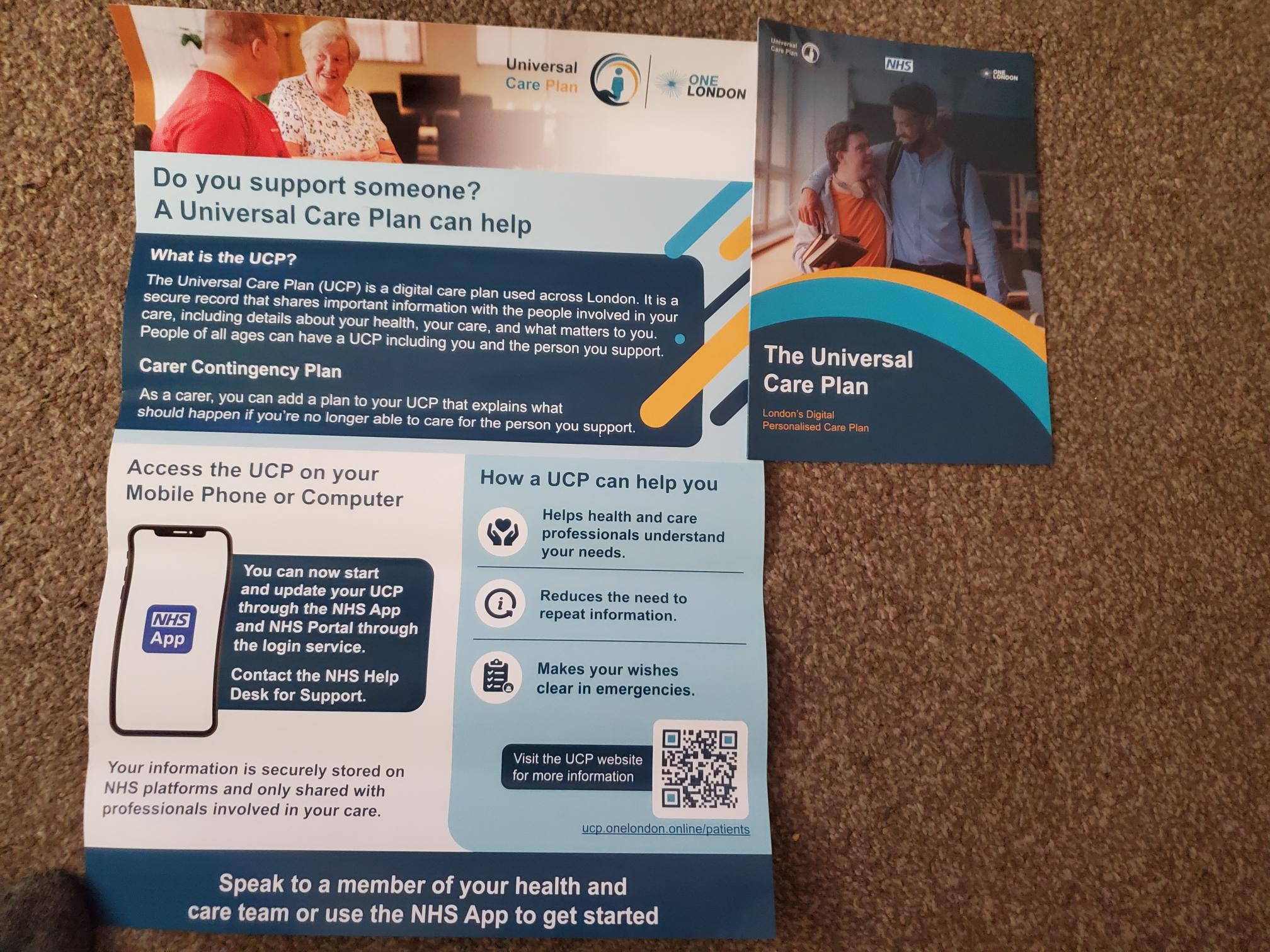
A new approach being developed across London aims to provide reassurance and practical support. Through the Universal Care Plan (UCP) and the Carer Contingency Plan (CCP), unpaid carers can record important information and make plans so that the people they care for continue to receive support if circumstances change.

What is a Universal Care Plan?

The Universal Care Plan (UCP) is a secure digital care record used across London. It allows important information to be shared with health and care professionals involved in a person’s care.

The plan records information that matters most to the individual, including:

  • Health conditions and medical information.
  • Personal wishes and preferences.
  • Details about family members and carers.
  • Important contacts.
  • Information that can help professionals provide better care.

The UCP can help reduce the need to repeat information and ensures that health and care staff have access to information when it matters most.

People of all ages can have a Universal Care Plan, including both carers and the people they support.

Introducing the Carer Contingency Plan

For unpaid carers, one of the most valuable developments is the Carer Contingency Plan (CCP).

The CCP allows carers to record what should happen if they are suddenly unable to continue caring because of illness, an emergency or another unexpected event.

The plan can include:

  • Emergency contacts.
  • Information about daily routines.
  • Medication arrangements.
  • Communication needs.
  • Important preferences and wishes.
  • Details about replacement support or family members who could help.

Having this information available means professionals and family members can respond more quickly and with greater confidence during a crisis.

Why is this important for unpaid carers?

Many carers provide support around the clock and often put their own needs last. Yet emergencies can happen to anyone.

A Carer Contingency Plan can:

  • Provide peace of mind.
  • Help avoid unnecessary hospital admissions.
  • Ensure continuity of care.
  • Reduce stress during emergencies.
  • Make carers more visible to health and care services.
  • Improve communication between professionals and families.

Most importantly, it recognises the crucial role unpaid carers play and helps ensure they are not overlooked.

Accessible and Easy to Use

Universal Care Plans and Carer Contingency Plans are designed to be practical and accessible.

Plans can be created:

  • In hospitals.
  • In community services.
  • Through voluntary sector organisations.
  • By individuals themselves using the NHS App and NHS digital services.

Support materials and guidance are continuing to expand, making it easier for both professionals and carers to understand and use the system.

Working Together Across Health and Care

The UCP and CCP are being used across hospital, community and voluntary sector settings. Their purpose is simple but powerful: to improve communication, support carers and ensure that important information is available when it is needed most.

For unpaid carers, this represents a positive step forward. Carers have long spoken about wanting greater recognition and reassurance that there is a plan in place should something happen to them. The Carer Contingency Plan helps answer that concern.

A Message to Carers

If you support a family member, partner, friend or neighbour, you are not alone. Your role matters, and planning ahead is not about expecting the worst—it is about providing reassurance and protecting the person you care for.

The Universal Care Plan and Carer Contingency Plan offer a practical way to make your wishes known, improve communication with professionals and ensure that support can continue when it is needed most.

If you would like to know more, speak to your hospital’s carers service, community team, GP practice, local carers organisation or ask a member of your health and care team about the Universal Care Plan and Carer Contingency Plan.

Planning ahead today can bring peace of mind tomorrow for both carers and the people they care for.

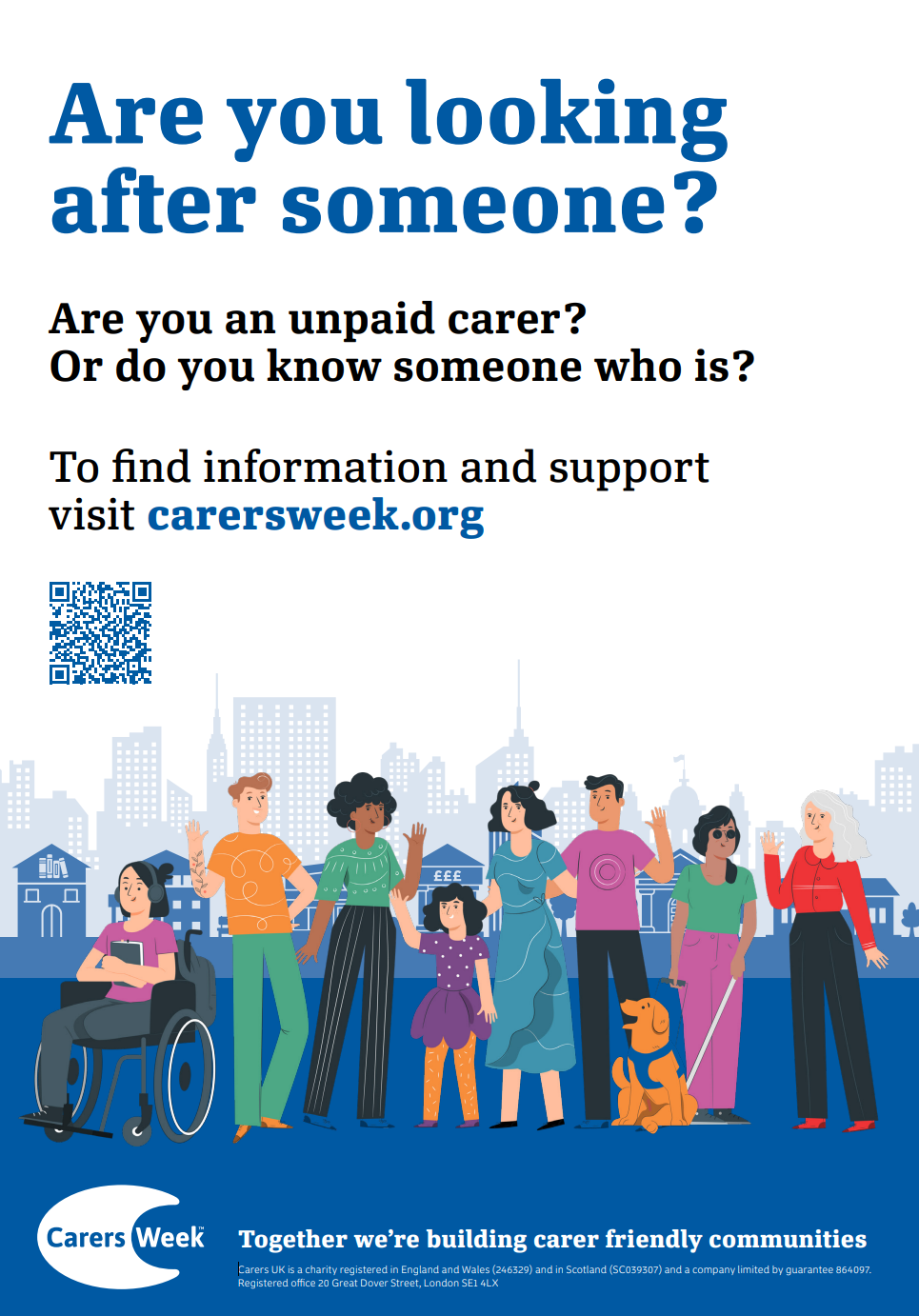
Carers Week 2026 Round-Up

By Matthew McKenzie – Carer, Campaigner, Author and Speaker

5 June 2026 – Supporting Kent County Council’s Carer Awareness Campaign

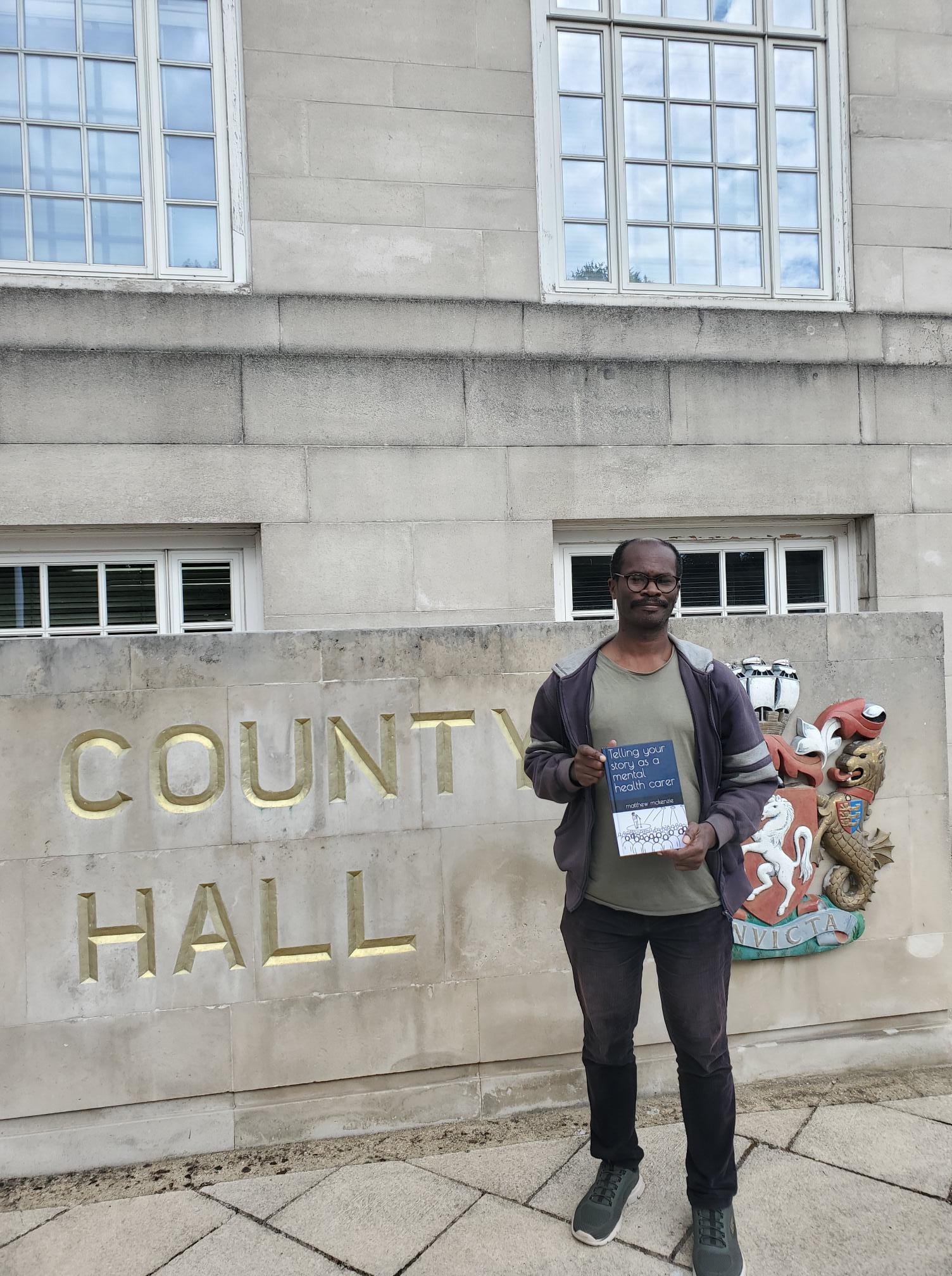
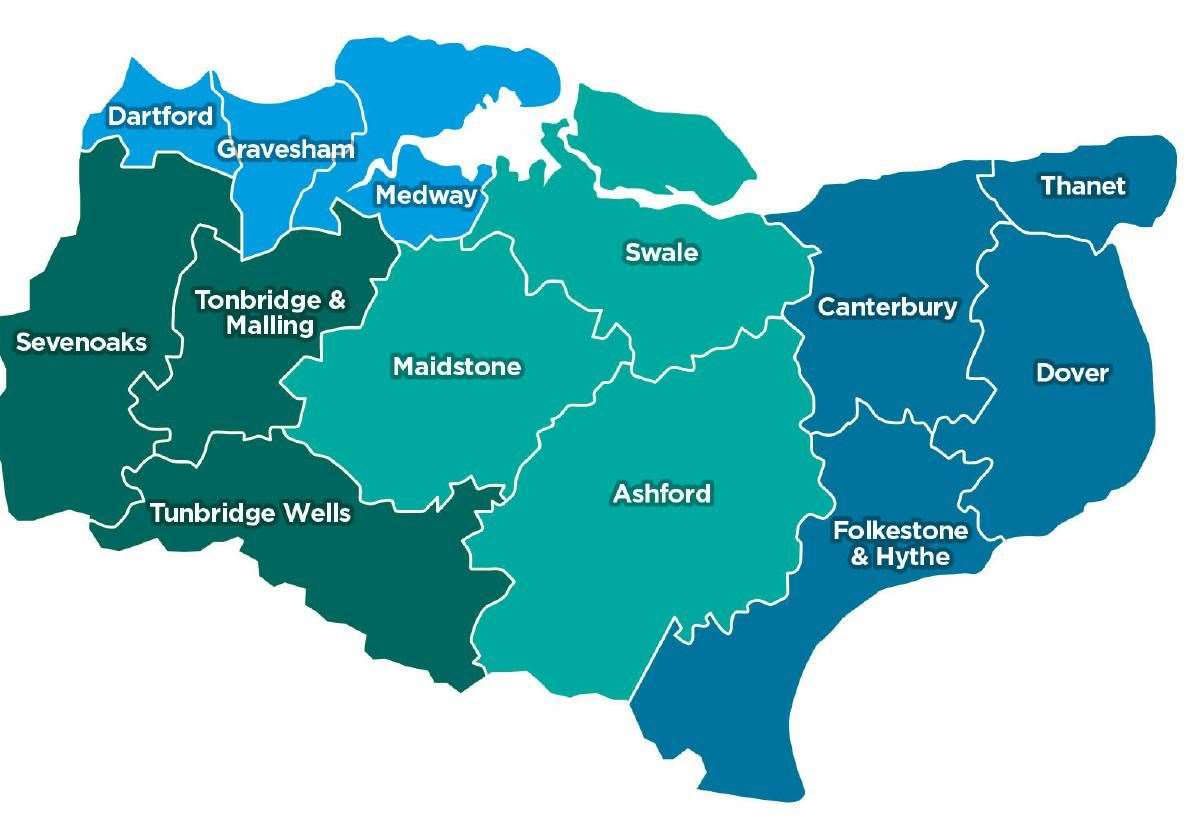
Although not officially part of Carers Week, my activities with Kent County Council formed an important part of my ongoing commitment to raising awareness of unpaid carers. I supported the county’s long-term carer awareness campaign by taking part in filming designed to help train council staff to better recognise and support carers.

I also discussed future opportunities to speak at Kent County Council carer groups and continued promoting my own support groups across the county. It was encouraging to see local government investing in carer awareness and recognising the importance of ensuring carers are identified, valued and supported within their communities.

9 June 2026 – Developed Video promotion for Carers Week 2026

I did my bit to raise awareness of Carers Week 2026 via a video I developed, which you can see below.

8 June 2026 – Carers Week Stall at St George’s University Hospital

Carers Week officially began with a rewarding day at St George’s University Hospital, where I hosted a Carers UK information stall. The event provided an opportunity to engage directly with unpaid carers, patients, hospital staff and visitors, sharing information about the support available to carers both locally and nationally.

I was particularly pleased to see the hospital’s dedicated carers information board, which demonstrated a clear commitment to recognising and supporting unpaid carers. Throughout the day, I spoke with many people who were caring for family members and helped raise awareness of carers’ rights, available services and the importance of seeking support. It was a positive start to Carers Week and highlighted the vital role healthcare settings can play in identifying and supporting carers.

10 June 2026 – Ealing Carers Week Celebration at Perceval House

On 10 June, I attended the Carers Week Celebration 2026 at Perceval House in Ealing, organised by Ealing Carers Partnership, Ealing Carers Hub and Ealing Council. As someone who supports both of my elderly parents, I understand first-hand the rewards and challenges of caring. During the event, I had the privilege of hosting a Carers UK information stall while also attending as a carer, poet and author.

The day brought together carers, charities, community organisations, health professionals and council representatives in a welcoming and supportive environment.

Carers had access to information, advice and wellbeing activities, including complimentary refreshments, free manicures provided by Uxbridge College students, artwork exhibitions and opportunities to connect with others who understand the caring journey. The event served as a powerful reminder that carers matter, their voices are important and they should never feel alone.

You can find out more about the event below from Ealing Local Community news

10 June 2026 – Carers Week Parliamentary Drop-In Event, Westminster

Later that day, I attended the Carers Week Parliamentary Drop-In Event at Portcullis House, Westminster. The event brought together unpaid carers, carers’ organisations, MPs and Peers to discuss the realities of caring and the support carers need.

Designed as a speed-networking event, it offered an important platform for carers to share their experiences directly with policymakers and raise awareness of both the immense contribution carers make and the challenges they face. It was encouraging to see parliamentarians engaging with carers and supporter organisations, demonstrating a growing recognition of the need for stronger policies and greater support for unpaid carers across the country.

11 June 2026 – East Sussex Carers Voices Event, East Dean Village Hall

As part of Carers Week, I travelled to East Dean in East Sussex to speak at the East Sussex Carers Voices – Celebrating Carers Week Event, organised by Care for the Carers. The event brought together unpaid carers, NHS representatives, local authority leaders, health professionals, carers’ organisations and community groups to discuss how support for carers can be improved.

Hosted by Dr Neil Churchill, Chair of Care for the Carers along with Jennifer Twist CEO of Care For The Carers, the day focused on listening to carers’ experiences and ensuring their voices were heard by decision-makers.

I was honoured to contribute to these discussions and to share insights from my own caring journey. The event demonstrated the value of bringing carers and professionals together to shape services and create positive change for unpaid carers across East Sussex.

12 June 2026 – Speaking at the Cygnet National Carers Event

On 12 June, I had the privilege of speaking at the Cygnet National Carers Event in London as Cygnet’s PCREF Carer Lead, Carer Network Ambassador and carer author. The event brought together carers, healthcare professionals and sector leaders to celebrate carers and discuss the support they need. I shared my experiences as a lifelong carer and highlighted the importance of recognising carers as equal partners in care.

It was inspiring to hear from a diverse range of speakers, including experts by experience, researchers, advocates and service leaders, all united by a shared commitment to improving outcomes for carers. The event reinforced the importance of lived experience in shaping services and ensuring carers’ voices remain central to policy and practice.

13 June 2026 – Carers Community and Support Day at Wells Park Practice

I concluded Carers Week 2026 by hosting a carers information stall alongside Wendy (who is also a devoted carer campaigner at our Lewisham group) at Wells Park Practice during their Carers Community and Support Day.

The event celebrated carers within the local community and provided an opportunity for unpaid carers to access information, advice and support in a relaxed and welcoming environment.

Throughout the afternoon, I spoke with carers about the challenges they face and the services available to help them. The event also highlighted the importance of building a carer-friendly community by recognising carers, understanding the realities of caring and empowering carers to live fulfilling lives. It was a fitting way to end a busy and rewarding week dedicated to championing carers and raising awareness of their invaluable contribution to society.

Reflection

Carers Week 2026 was an incredibly busy and meaningful week, providing opportunities to raise awareness, influence decision-makers, support carers directly and celebrate the extraordinary contribution that unpaid carers make every day.

From hospitals and GP surgeries to Parliament, local authorities and national conferences, the message remained the same: carers are essential, carers deserve recognition and carers must be supported. I am proud to have contributed to so many events throughout the week and remain committed to ensuring that carers’ voices continue to be heard long after Carers Week has ended.

CarersWeek2026, #CarersWeek, #UnpaidCarers, #CarerAwareness, #SupportCarers, #CarersMatter, #NHS, #MentalHealth, #HealthAndSocialCare

Carers Week 2026: Building Carer Friendly Communities and Supporting Unpaid Carers Across the UK

By Matthew McKenzie – Carer Ambassador

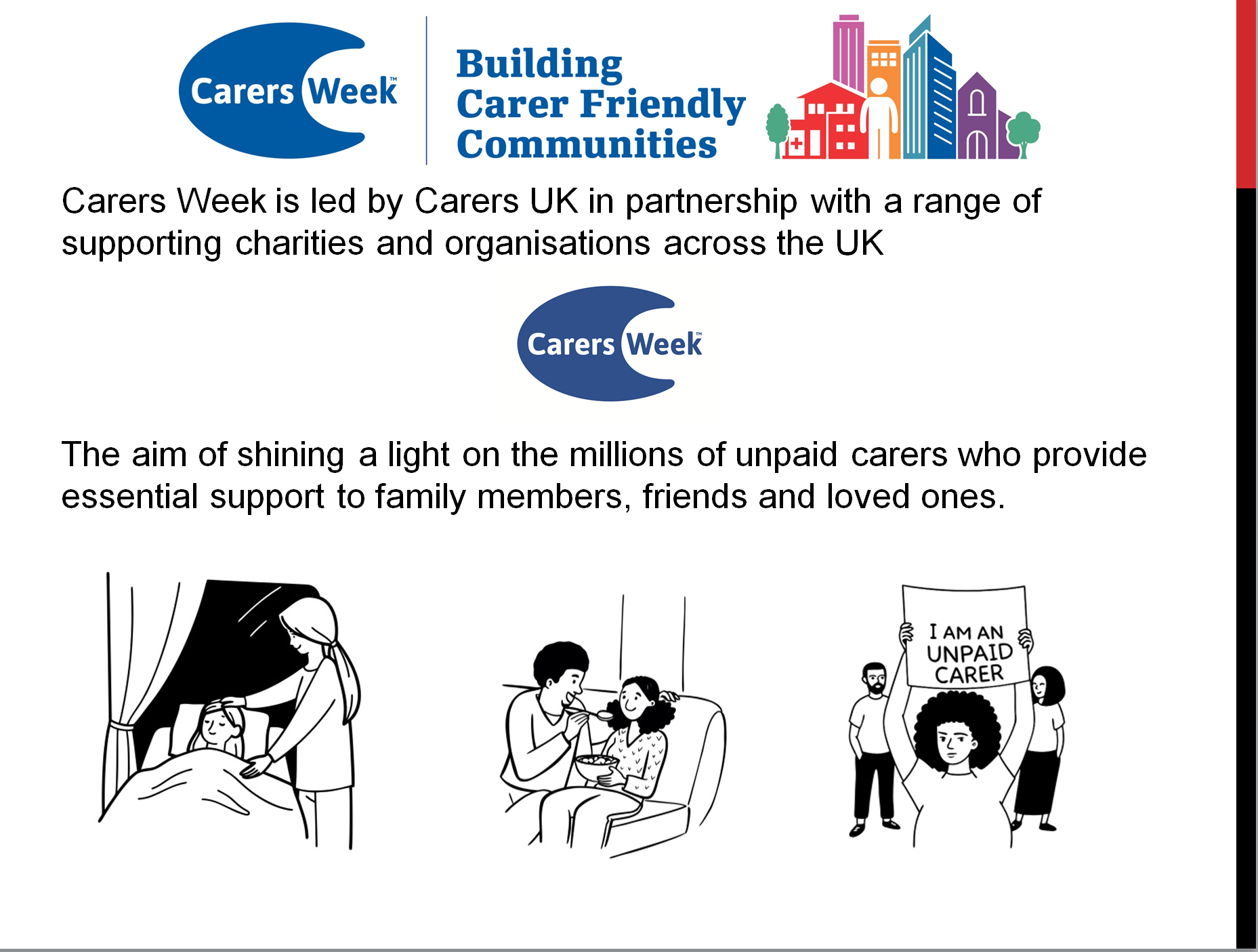
For Carers Week 2026, it takes place from 8–14 June and shines a spotlight on the millions of unpaid carers who provide essential care and support to family members, friends and loved ones throughout the UK.

This year’s theme, Building Carer Friendly Communities, highlights the need for workplaces, healthcare services, schools, local authorities and communities to better recognise and support unpaid carers.

Despite contributing billions of pounds worth of care each year, many unpaid carers continue to face challenges including financial hardship, social isolation, poor mental health and difficulties accessing support. So Carers Week aims to raise awareness of these issues while encouraging practical action to create a society where carers are valued, respected and included.

As a carer activist and founder of my site A Caring Mind, I am sure that creating carer-friendly communities starts with understanding the realities of caring. Whether you are caring for an ageing parent, a disabled child, a partner with a long-term condition or someone experiencing mental ill health, carers play a vital role in keeping families and communities together.

However, there are still many people do not identify themselves as carers and therefore miss out on important support, benefits and services. Carers Week 2026 provides an opportunity for individuals, organisations and policymakers to listen to carers’ experiences, champion carers’ rights and improve access to support for unpaid carers across the UK.

Watch my Carers Week 2026 video below to learn more about the campaign, this year’s theme and how you can get involved in supporting unpaid carers. Please share the video to help raise awareness and encourage more people to recognise the invaluable contribution that carers make every single day.

Together, we can build stronger, more inclusive and more carer-friendly communities

Speaking on BBC Radio 1Xtra Talks with Richie Brave: Caring, Community and Hope

By Matthew McKenzie – Carer advocate

I recently had the privilege of appearing on BBC Radio 1Xtra Talks with Richie Brave to discuss my experiences as a Black mental health carer and long-standing volunteer at Carers UK, plus my groups supporting unpaid mental health carers.

My long standaing friend and carer peer Jo Lambert who specialises in hope and mental health accompanied me to the BBC studios

The programme focused on the realities of caring, the challenges many families face, and the importance of community support.

As someone who has supported family members with severe mental health needs and autism, I spoke about how I never initially saw myself as a carer. Like many people, I simply did what I felt was my duty as a son and brother. It was only later that I learned about the term “unpaid carer” and the support available through carers organisations and local carers centres.

During the discussion, I reflected on some of the challenges faced by Black carers, particularly Black male carers, who may feel pressure to remain strong and avoid speaking openly about their own mental health struggles. I shared how peer support groups, creativity and poetry helped me manage difficult emotions and find hope during challenging times.

I also spoke about the importance of identifying as a carer and seeking support early. Many people provide care out of love and responsibility without realising that help is available. Through my volunteering with Carers UK and work within hospitals and community settings, I continue to encourage carers to access support, connect with others and recognise that looking after themselves is just as important as caring for others.

I also read a poem from one of my books “Telling your story as a mental health carer”, you can view the poem below.

One of the strongest messages from the programme was that caring is about community. Whether through carers centres, voluntary organisations, healthcare services or local networks, nobody should have to face caring responsibilities alone.

I would like to thank Richie Brave and the BBC Radio 1Xtra team for creating space for these important conversations and for highlighting the voices and experiences of unpaid carers.

You can listen to the programme here:

BBC Radio 1Xtra Talks with Richie Brave – Caring Matters

https://www.bbc.co.uk/programmes/m002wtcr?

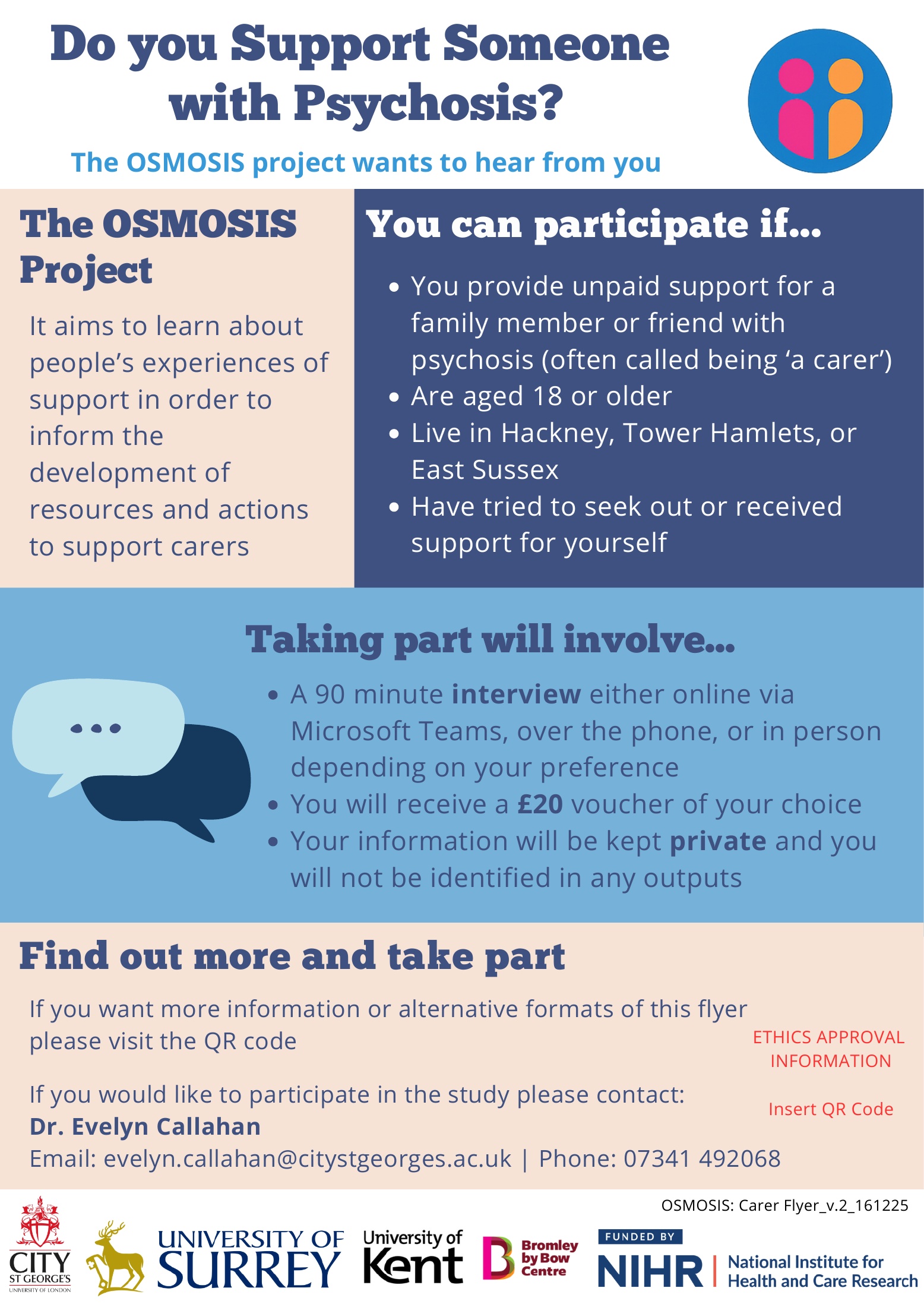
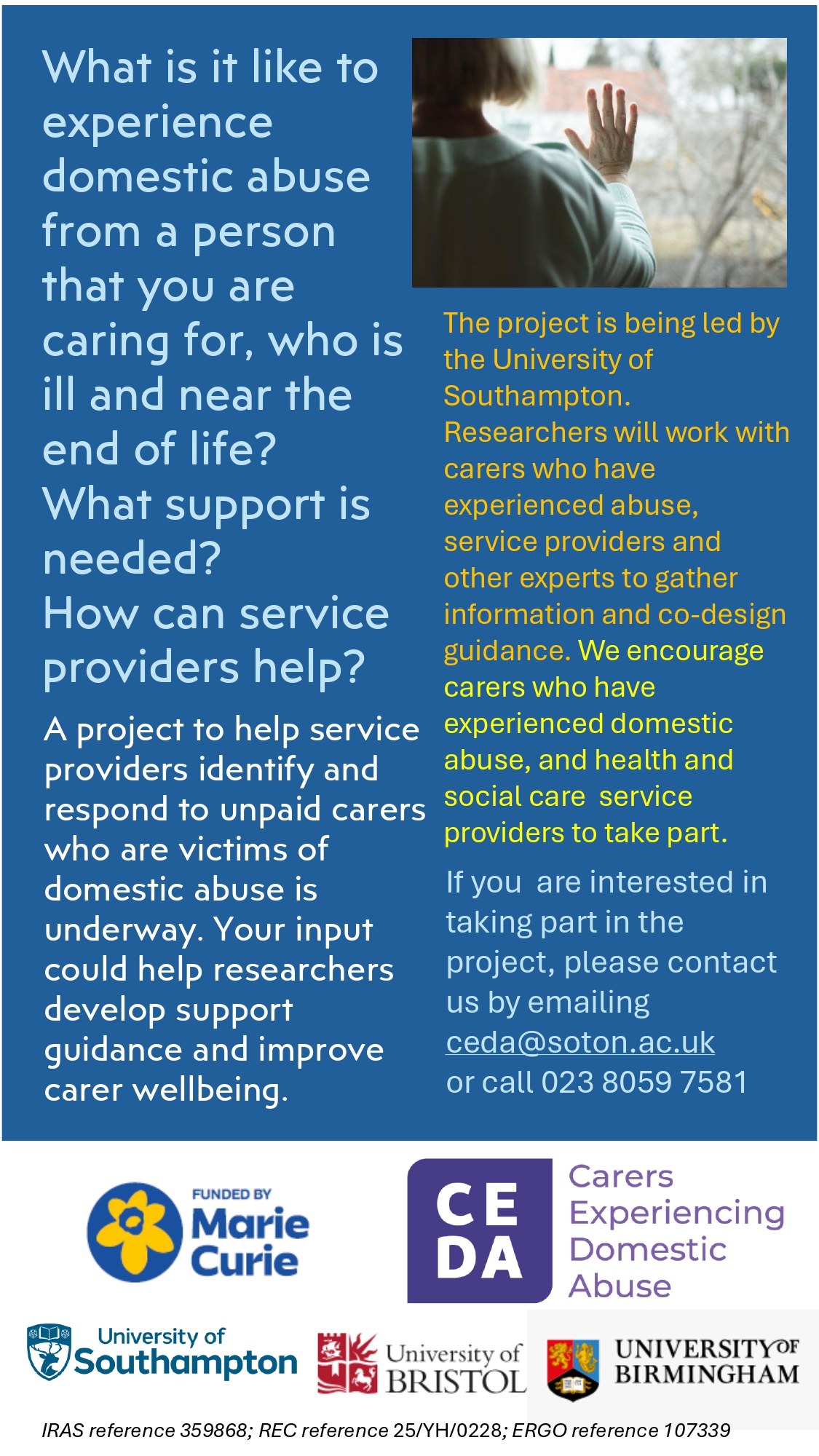
A New Study Giving Voice to Carers Experiencing Domestic Abuse

Caring for a loved one at the end of life is often described as an act of compassion and dedication. But for some carers, this role comes with a hidden and deeply challenging reality, experiencing domestic abuse from the very person they are supporting.

A new research project led by the University of Southampton is shining a light on this often overlooked issue. The study aims to understand what it is like to experience domestic abuse in a caring relationship, particularly when the person receiving care is seriously ill or nearing the end of life. It also seeks to explore what kinds of support carers need, and how health and social care services can respond more effectively.

This project brings together carers, professionals, and experts to share experiences and co-design practical guidance that could improve support systems and overall wellbeing for carers. By listening directly to those affected, researchers hope to create meaningful change in how services identify and respond to abuse in caregiving situations .

If you are a carer who has experienced domestic abuse or a professional working in health or social care, your insights could make a real difference. Taking part in the study is an opportunity to help shape better support for others facing similar challenges.

To learn more or get involved, you can contact the research team at ceda@soton.ac.uk or call 023 8059 7581.

Your voice matters. By sharing your experience, you can help build safer, more supportive care environments for everyone.

Stress Awareness Month 2026 – Tips for Unpaid Carers

By Matthew McKenzie – Carer activist

April is Stress Awareness Month 2026 in the UK, and this year’s theme is #BeTheChange – Small Actions, Big Impact. In the video below, Matthew McKenzie, carer activist, shares practical stress management tips specifically for unpaid carers who are supporting loved ones while managing their own wellbeing.

Learn how small, consistent actions can reduce stress, improve mental health, and make a real difference in your daily life. I also highlight trusted organisations that provide resources and support for carers.

Whether you’re an unpaid carer, a family member, or someone interested in improving mental health awareness, this video provides easy-to-implement strategies and guidance to help you manage stress effectively.

🔗 Useful Links:

#StressAwarenessMonth #BeTheChange #UnpaidCarers #MentalHealth #CarerSupport #StressManagement #UKCarers #SelfCareTips

Our Stories Matter – Poem by Matthew McKenzie #PCREF

Stories are powerful. They carry memory, experience, and truth in ways that forms and systems often cannot. For unpaid minority carers, our stories are not just reflections, they are essential to understanding the full picture of care.

I’ve recently shared a poem, “Our Stories Matter,” from my upcoming poetry book. It explores the importance of lived experience, intergenerational memory, and the voices that are too often overlooked within health and social care systems.

While assessments, care plans, and clinical notes tell part of the story, they rarely capture the depth of what families and carers experience every day. Our stories provide context. They bring meaning and complete the picture.

This is especially important within the context of PCREF, where recognising lived experience and cultural understanding is key to improving care and addressing inequalities. When carers’ voices are not heard, something vital is missing.

This poem is a reminder that our stories are central.

🎥 Watch “Our Stories Matter” here:
https://www.youtube.com/watch?v=_sVie4YSdbc

Have You Supported a Loved One Through Mental Health Detention? Your Experience Matters

Caring for someone experiencing mental health difficulties can be challenging, emotional, and at times overwhelming. For many people from minority communities, these experiences can be shaped by additional barriers , including stigma, cultural expectations, language differences, and unequal access to support.

Researchers at University College London (UCL) are carrying out a study to better understand what it’s like for family members, friends, and carers when someone close to them is assessed or detained under the Mental Health Act. They are particularly interested in hearing from people whose voices are often underrepresented in research.


The reason this research matters

People from minority ethnic and cultural backgrounds are more likely to be detained under the Mental Health Act, yet the perspectives of their families and carers are often missing from research and policy discussions.

Your experiences can help:

  • Improve how services support families during difficult times
  • Highlight cultural and community-specific needs
  • Inform fairer and more inclusive mental health policies

By sharing your story, you can help shape better support for others going through similar situations.


Who can take part?

You may be able to take part if:

  • You are aged 16 or over
  • You have supported someone who was assessed or detained under the Mental Health Act
  • This could be as a “nearest relative” or simply as a family member, friend, or carer

The study welcomes participants from all backgrounds and is especially keen to hear from people in minority communities.


What does taking part involve?

Taking part means:

  • A one-to-one interview (online via Microsoft Teams or in person)
  • Talking about your experiences supporting someone during detention
  • The interview lasts around one hour

As a thank you, you will receive a £30 voucher.


Your voice is important

We know these experiences can be deeply personal. You are in control of what you choose to share, and all information will be handled confidentially.

Whether your experience was recent or some time ago, your perspective can make a real difference.


Interested in taking part or learning more?

If you would like more information or are thinking about taking part, you can contact the research team at:

nrmha@ucl.ac.uk


Final thoughts

Supporting someone through mental health detention is not something anyone should feel they have to navigate alone. By contributing to this research, you can help ensure that the realities faced by minority carers are better understood and better supported in the future.

Are You a Carer? Help Improve Care Under the Mental Health Act

Post shared by Matthew McKenzie

When someone you care about experiences a mental health crisis, the system needs to work quickly, safely and compassionately. But for many families and carers, the reality can involve delays, uncertainty, and distress especially when assessments or admissions happen under the Mental Health Act.

Now, there is a meaningful opportunity for carers to use their lived experience to shape research that aims to improve this care.

The importance of the Research

In times of crisis, timely support can prevent someone from becoming more unwell or needing more restrictive interventions later. Researchers at King’s College London want to better understand:

  • Experiences of delays in Mental Health Act assessments
  • What happens during admissions to hospital
  • How care pathways could be made safer and more responsive

Crucially, they want carers and service users at the heart of this work.

A Paid Opportunity to Share Your Expertise

Family members and carers of young people or adults who have received care under the Mental Health Act are warmly invited to join a Lived Experience Advisory Board.

As a carer, your insight is invaluable. You will help:

  • Shape the direction of the research
  • Share your views on how care could be improved
  • Ensure the work reflects real-life experiences

Meetings will take place both online and in person (London), making it accessible to a wide range of participants.

Participants will receive £27.50 per hour (plus expenses) in recognition of their time and expertise.

Who Can Get Involved?

The research team would like to hear from:

  • Adults aged 18+ with experience of detention under the Mental Health Act
  • Family members and carers of young people or adults with experience of care under the Mental Health Act

If you have supported someone through assessment, admission, or crisis care, your perspective could directly influence how future services are designed and delivered.

Be Part of Making Care Safer

This work is funded by the Better Health & Care Hub at King’s College London and is focused on improving safety and outcomes for people in crisis.

Your lived experience can help ensure future families face fewer delays, clearer communication, and safer care pathways.

To get involved or find out more, visit:
tinyurl.com/MHAcarepathways

If you have any questions, you can contact Phoebe at:
phoebe.averill@kcl.ac.uk

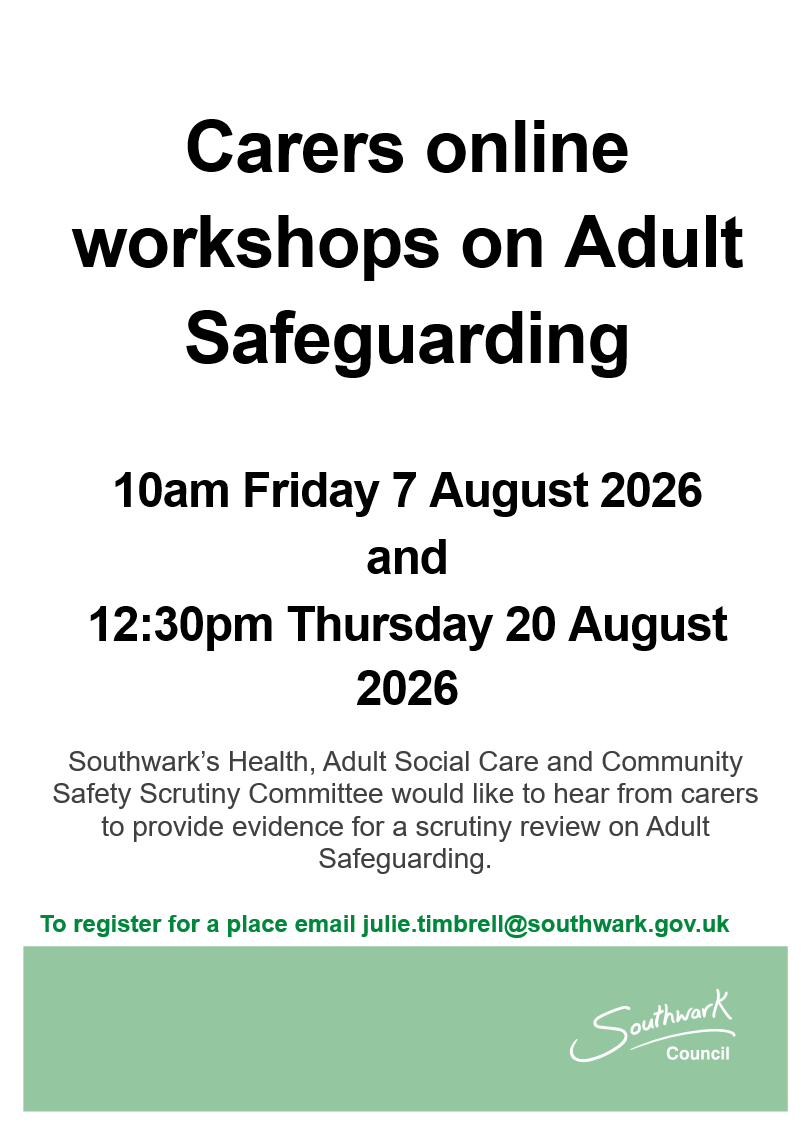
Carers Connect Southwark: Why Your Voice Matters More Than Ever

By Matthew McKenzie – A Caring Mind

If you’re an unpaid carer in Southwark, chances are you’re used to putting everyone else first. You support a loved one day in, day out, emotionally, practically, often invisibly. And too often, decisions about “support” for carers are made without carers truly being heard.

Southwark Council is developing its Unpaid Carers Strategy, and they are inviting unpaid carers to take part in upcoming focus groups to share real experiences, which are your lived reality.

As an unpaid carer myself, I know how rare and valuable this opportunity is.

Why having your say is important because

Policies and strategies shape:

  • What support is available
  • How easy (or hard) it is to access help
  • Whether carers feel recognised, supported, and understood

When carers don’t speak up, systems are built around us, not with us. When we do speak up, its a chance to make change becomes possible.

This isn’t about complaining.
It’s about being honest: what works, what doesn’t, and what would genuinely make life easier for carers in Southwark.

Your voice could help shape:

  • Better access to information and services
  • More flexible, carer-friendly support
  • A strategy that reflects the real pressures carers face

A safe, non-judgemental space

One of the most important things about these focus groups is that they are designed to be:

  • Non-judgemental
  • Inclusive
  • Open to carers with any level of responsibility

You don’t need to have all the answers.
You don’t need to be an “expert”.
You just need your experience.

Whether you care full-time, part-time, occasionally, or don’t even label yourself as a “carer” your perspective still counts.

Focus group dates and details

In-person focus groups
📅 24th February
11am – 1pm and 2pm – 4pm
📍 Harriet Hardy Community Centre
Harriet-Hardy Building, Aylesbury Estate, Albany Road, Walworth SE5 0AH

Online focus group
📅 25th February
7pm
💻 Virtual session via Microsoft Teams

How to get involved

You can:

Even attending one session can make a difference — not just for you, but for other carers now and in the future.

A personal note from me

As unpaid carers, we are often exhausted, overlooked, and expected to “just cope”. Opportunities like this don’t come around often.