In this latest blog by Matthew McKenzie, writes on how to counter the rise of hate speech, xenophobia, and discrimination inspired by Trump’s rhetoric. Here in the video and blog post, people can discover basic legal, educational, and community-based approaches to protect human rights and promote inclusivity.
The video has a more indepth lecture, but parts of the video had to be cut since it went on too long. The video also has an index so people can skip to specific parts.
Understanding the Landscape of Discrimination and Political Rhetoric
As an advocate for unpaid carers, I have recently broadened my focus to a significant global issue: discrimination and political rhetoric. I have done many videos on combating racism and discrimination and will continue to do so, especially due to my own lived experience and involvement in the mental health system.
In my latest lecture, I highlight the dangerous rise in discriminatory rhetoric and racial biases, particularly influenced by the political climate in the United States and its global ripple effects. As someone deeply embedded in the mental health sector, which unfortunately is acutely affected by social inequities, I offer a critical examination of modern sociopolitical trends and their broader implications not only for the UK but globally.
The Global Challenge
Although my activism is primarily rooted in the UK, I acknowledge that the issues I addresse are far-reaching, affecting countries worldwide. I point out that discriminatory rhetoric isn’t limited to the mental health system; it appears through various societal structures. This rhetoric, fueled by divisive political leadership like that of soon to be President Donald Trump, has not only found a foothold in the US but also globally, seeping into everyday interactions and institutional policies.
The Role of Political Rhetoric
I have to stress that the impact of divisive political rhetoric cannot be underestimated. With the change from an outgoing to a new incoming US president, I need to highlight the potential dangers of continued rhetoric that’s hostile to inclusivity and diversity. Trump’s previous tenure has showcased how impactful such rhetoric can be, leading to riots, misinformation, and a general climate of unrest and division.
Rise of Far-Right Populism
One of the critical concerns I raise in my video is the rise of far-right and populist movements across the globe, particularly in Europe. Political parties have seen significant success by adopting nationalist and anti-immigration stances. There is an increased skepticism towards international cooperation, especially notable in the aftermath of Brexit. This political shift has begun to influence mainstream parties, pushing them to adopt harsher stances on issues such as immigration and multiculturalism.
The Dangers of Labeling and Simplification
The oversimplification of complex social issues under the umbrella of terms like “woke” is incredibly dangerous. This trend leads to the dismissal of genuine concerns about discrimination and inclusivity as mere political correctness. The rise of far-right alliances and rhetoric targeting specific demographics, including immigrants and refugees, exacerbates the problem. People of colour, women, vulnerable groups, religous groups are all targetted.
These far-right alliances often share ideologies that oppose liberal democratic norms, posing a significant threat to societal cohesion and the protection of human rights. Labelling human rights as ‘woke’ to throw human rights away is incredibly dangerous.
Targeting Minority Groups
The negative framing of refugees and asylum seekers is a critical issue I address in the video lecture. This rhetoric often unfairly targets individuals from African, Asian, South Asian, and Middle Eastern backgrounds, painting them as threats to national security and identity. Such narratives pave the way for policies that restrict the rights and supports available to these vulnerable groups, deeply embedding discrimination within societal institutions.
Xenophobia and Racism: A Growing Threat
In the video I point out to the alarming rise in xenophobia and racism, backed by statistics that indicate a growing trend in hate crimes. These crimes often target Muslims, blacks, Jews, and Eastern European communities, leading to an increasingly hostile environment. The normalization of discriminatory rhetoric further exacerbates the issue, creating a societal landscape where discriminatory remarks become more acceptable.
The Role of Social Media
The spread of xenophobic and racist ideologies is greatly amplified by social media. Platforms have given rise to online communities that perpetuate these harmful ideas, often fueled by conspiracy theories. The ease of access to such content from personal devices makes combating misinformation an increasingly challenging task.
Attacks on Minority Rights Beyond Race
The impact of political rhetoric extends beyond racial and ethnic lines, affecting LGBTQ+ communities as well. In the video I highlight the attempts to repeal LGBTQ+ rights, including harmful policies and cultural backlashes against these groups in media, education, and public life. The push for so-called traditional values often disguises efforts to deny services and rights to LGBTQ+ individuals under the guise of religious freedom.
Counteracting Discriminatory Rhetoric and Policies
Addressing and countering the harmful effects of discriminatory rhetoric involves a multi-faceted approach. Here I outline some of the several strategies aimed at curbing the spread and impact of such rhetoric.
Strengthening Legal Protections
- Enhanced Hate Crime Legislation: Expanding the scope and enforcement of hate crime laws is crucial. This involves ensuring law enforcement has the necessary resources and training to handle these cases effectively.
- Technology and Online Platforms: Social media companies must be held accountable for the content they host. There is a need for robust laws and enforcement mechanisms to monitor and curb online hate speech.
Promoting Inclusion and Diversity

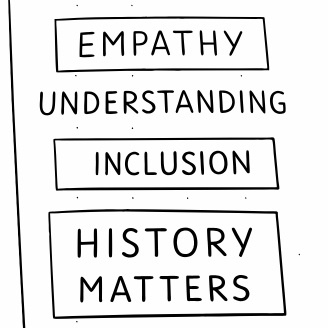
- Education Reforms: Incorporate comprehensive diversity and inclusion programs within school curricula. Accurate teachings about colonial history, immigration, and the contributions of minorities are essential to fostering a more inclusive society.
- Workplace Initiatives: Incentivize businesses to adopt diversity training and strengthen anti-discrimination policies. This extends beyond just theoretical practices to creating environments where inclusivity is the norm.
Public Campaigns and Community Engagement
- Government-Supported Campaigns: Public campaigns promoting unity and tolerance are essential. Partnering with community leaders to create resonant messaging can significantly impact local communities.
- Deradicalization Programs: Expanding initiatives like Prevent can address domestic radicalization without unfairly targeting specific communities.
Empowering Civil Society
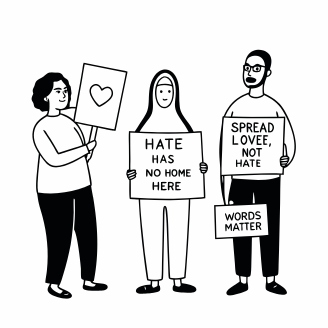
- Support for Advocacy Groups: Increasing funding for organizations that protect minority rights is crucial. Grassroots movements play a significant role in promoting dialogue and solidarity.
- Affordable Legal Aid: Ensuring that victims of hate crimes have access to affordable legal support is vital in addressing discriminatory practices.
Media Responsibility and Fact-Checking
Media outlets, particularly online platforms, have a responsibility to promote factual and balanced reporting. This involves:
- Fact-Checking: Holding media accountable for responsible reporting, especially on topics related to immigration and minority issues.
- Balanced Coverage: Encouraging more minority representation and perspectives within mainstream media.
Ongoing Monitoring and Adaptation
To ensure these initiatives are effective, ongoing monitoring and adaptability are key. Tracking the progress of anti-discrimination measures and adjusting strategies as needed ensures that efforts remain relevant and impactful.
Other things added in blog due to the video lecture going over time.
Reform Political Discourse
- Challenge Divisive Rhetoric:
- Hold politicians accountable for inflammatory language, whether through parliamentary standards, media coverage, or public backlash.
- Encourage political parties to adopt codes of conduct to reject hate speech.
- Support Moderate Voices: Amplify voices advocating for unity and tolerance in politics and public life.
Foster International Cooperation
- Collaborate with Allies: Work with European partners to develop joint strategies to combat hate speech, disinformation, and extremist movements.
- Support Global Human Rights: Use the UK’s international influence to promote tolerance and human rights globally, setting a positive example.
Equip Individuals to Take Action
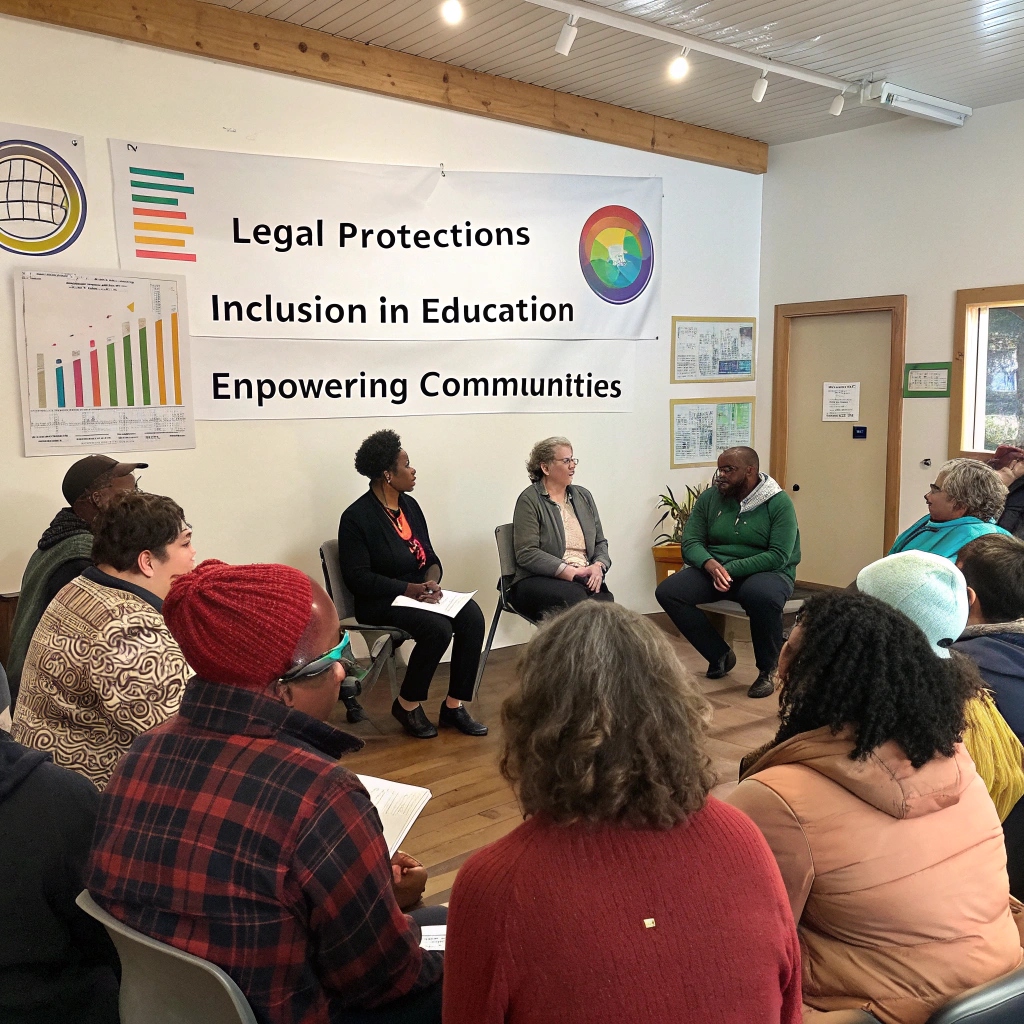
- Empower Bystanders:
- Encourage the public to safely intervene in incidents of hate speech or discrimination through bystander training programs.
- Provide resources on reporting hate crimes and supporting victims.
- Encourage Allyship:
- Promote allyship campaigns that teach people how to support minorities effectively in their workplaces, schools, and communities.
- Raise Awareness: Leverage social media and community events to educate the public about the harmful impacts of divisive rhetoric and the benefits of diversity.
Conclusion: A Collective Effort
The battle against discriminatory rhetoric is far from over. Such insights underscore the importance of a collective effort involving governments, civil societies, and individuals. Promoting a culture of inclusion and protecting the rights of all citizens is essential in creating a society where everyone can thrive without fear of discrimination.
Through legal reforms, education, community engagement, and responsible media practices, we can counter the harmful effects of divisive rhetoric, ensuring a better, more inclusive future for all.
 A Caring Mind