Happy World Cancer Day 2025
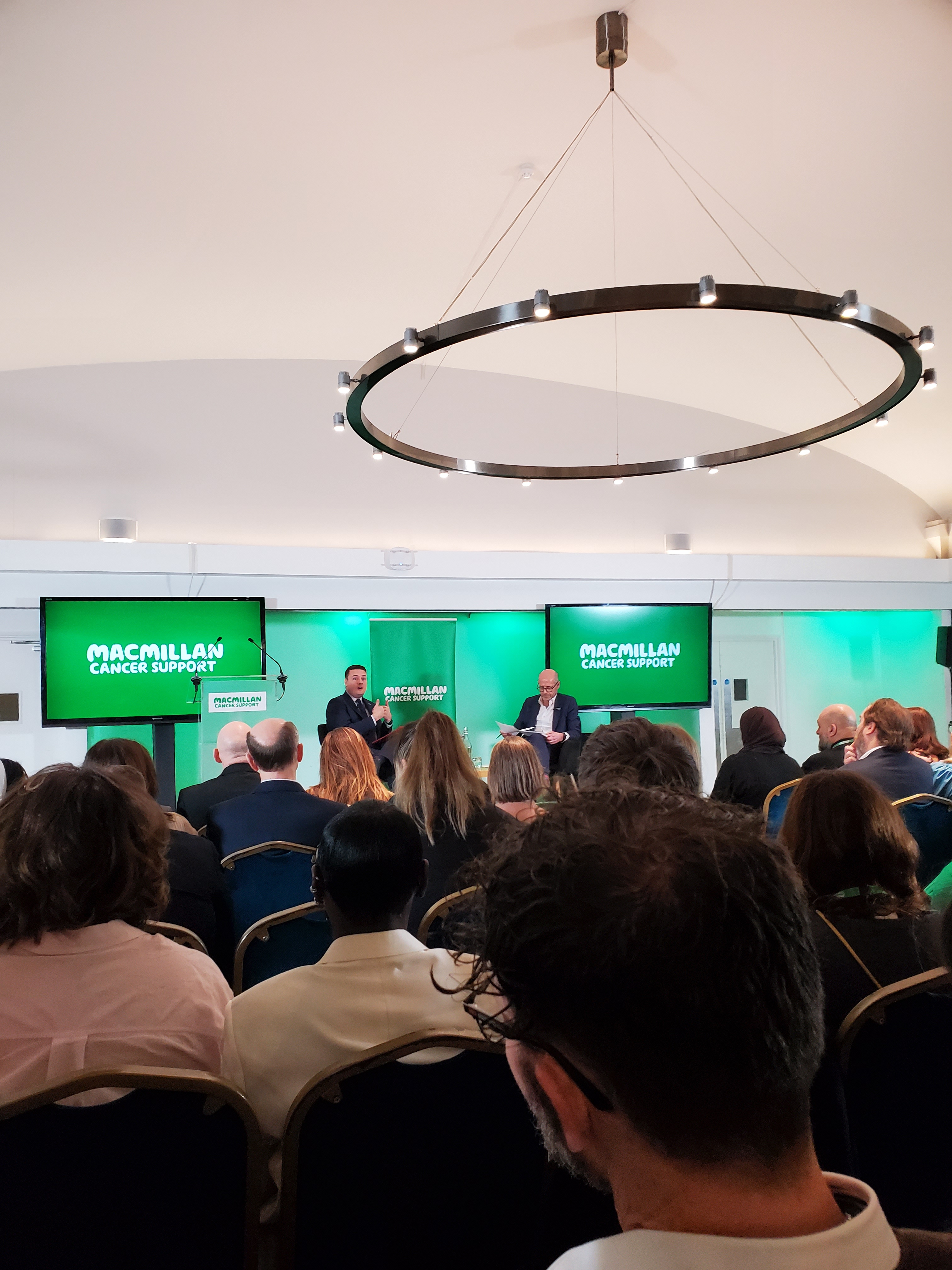
I recently attended a special event hosted by Macmillan Cancer Support over at Central Hall Westminster for World Cancer Day 2025.
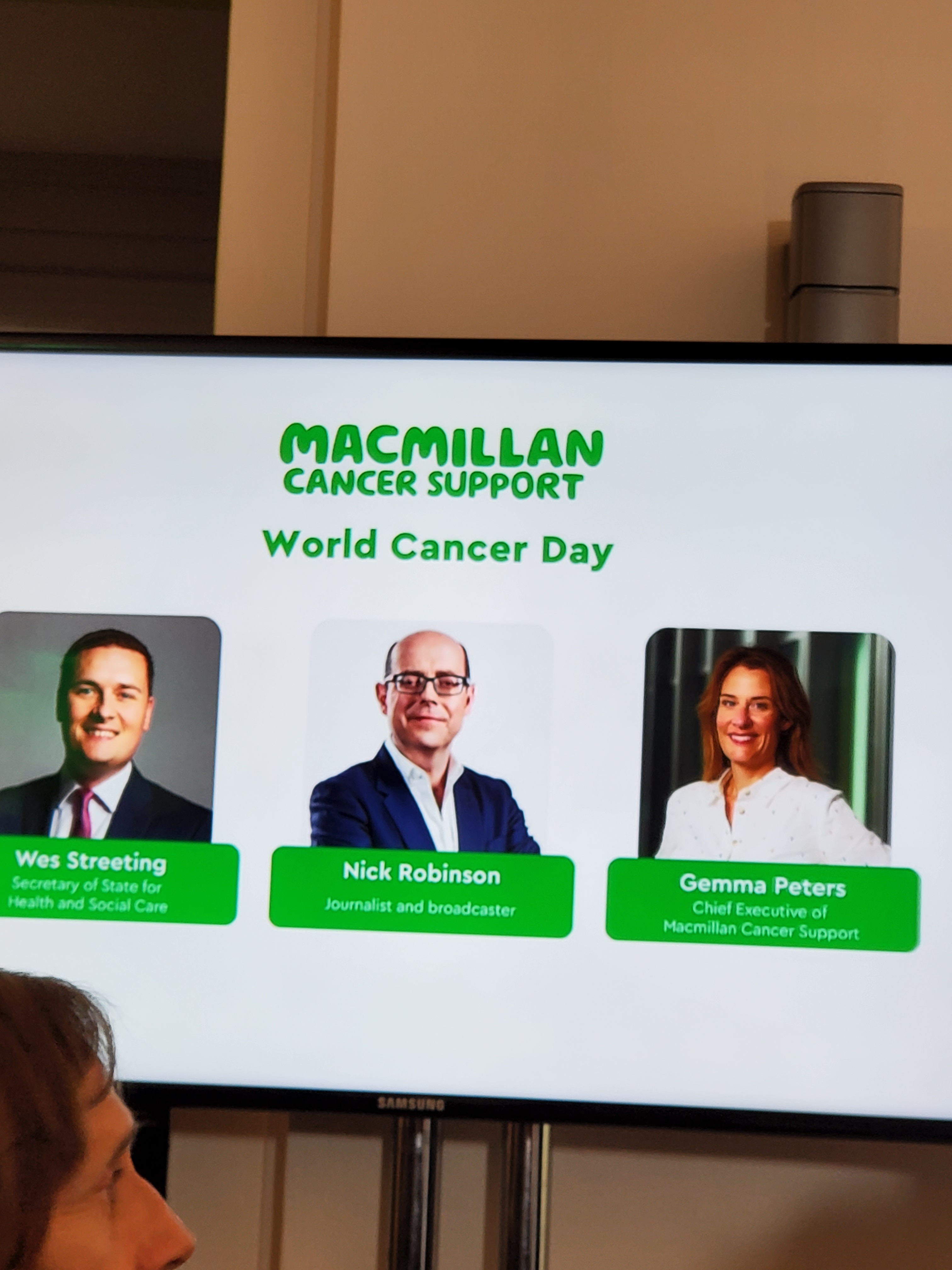
Just so you know, Macmillan Cancer Support provides emotional, practical, and financial support to people affected by cancer, offering services such as specialist healthcare, advice on treatment and benefits, and community-based support to ensure no one faces cancer alone.
I was there representing my group, the national cancer caregiver forum.
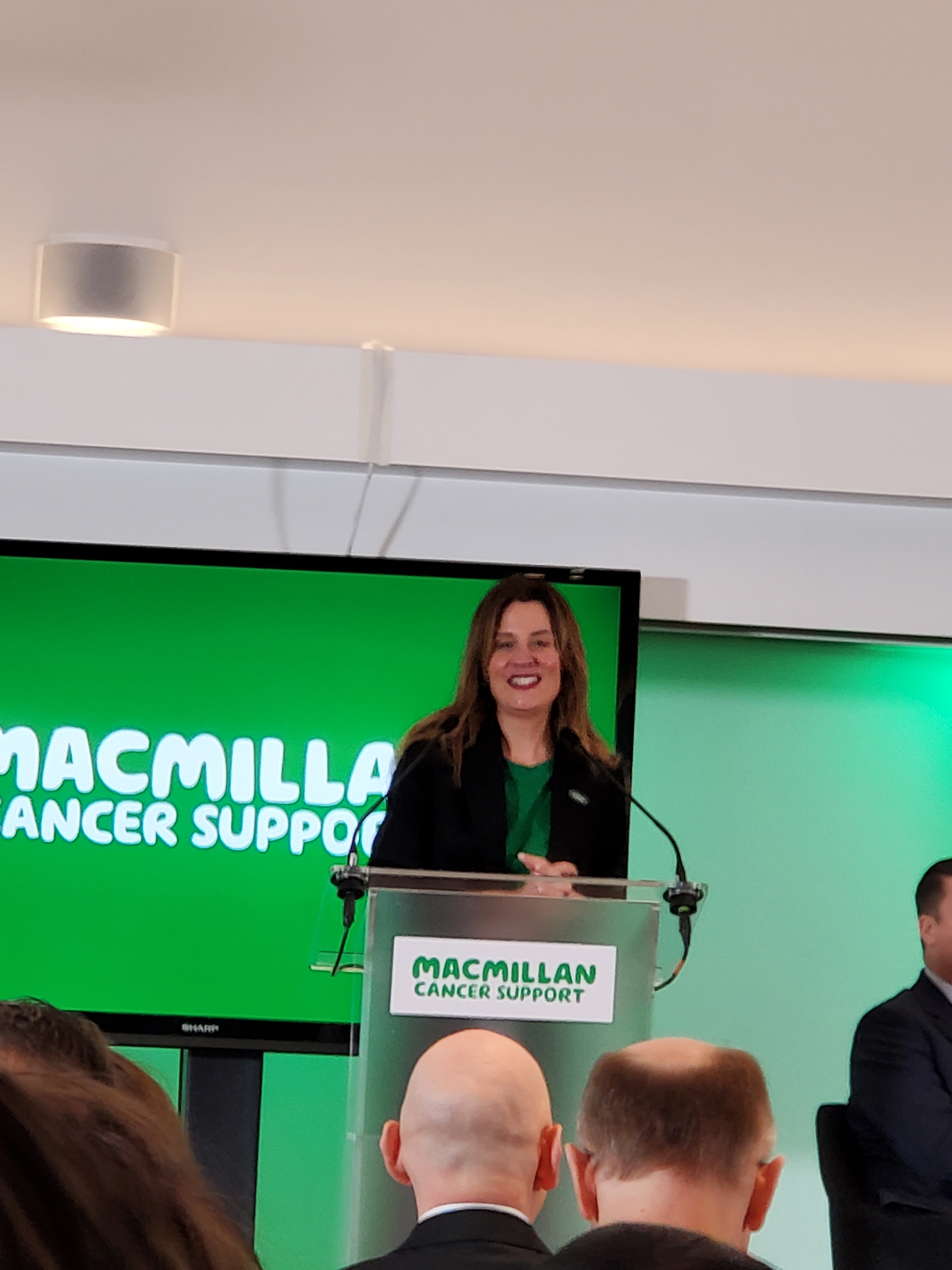
The event, opened by Macmillan Cancer Support CEO Gemma Peters, brought together individuals with personal experiences of cancer and those actively working to improve cancer care.
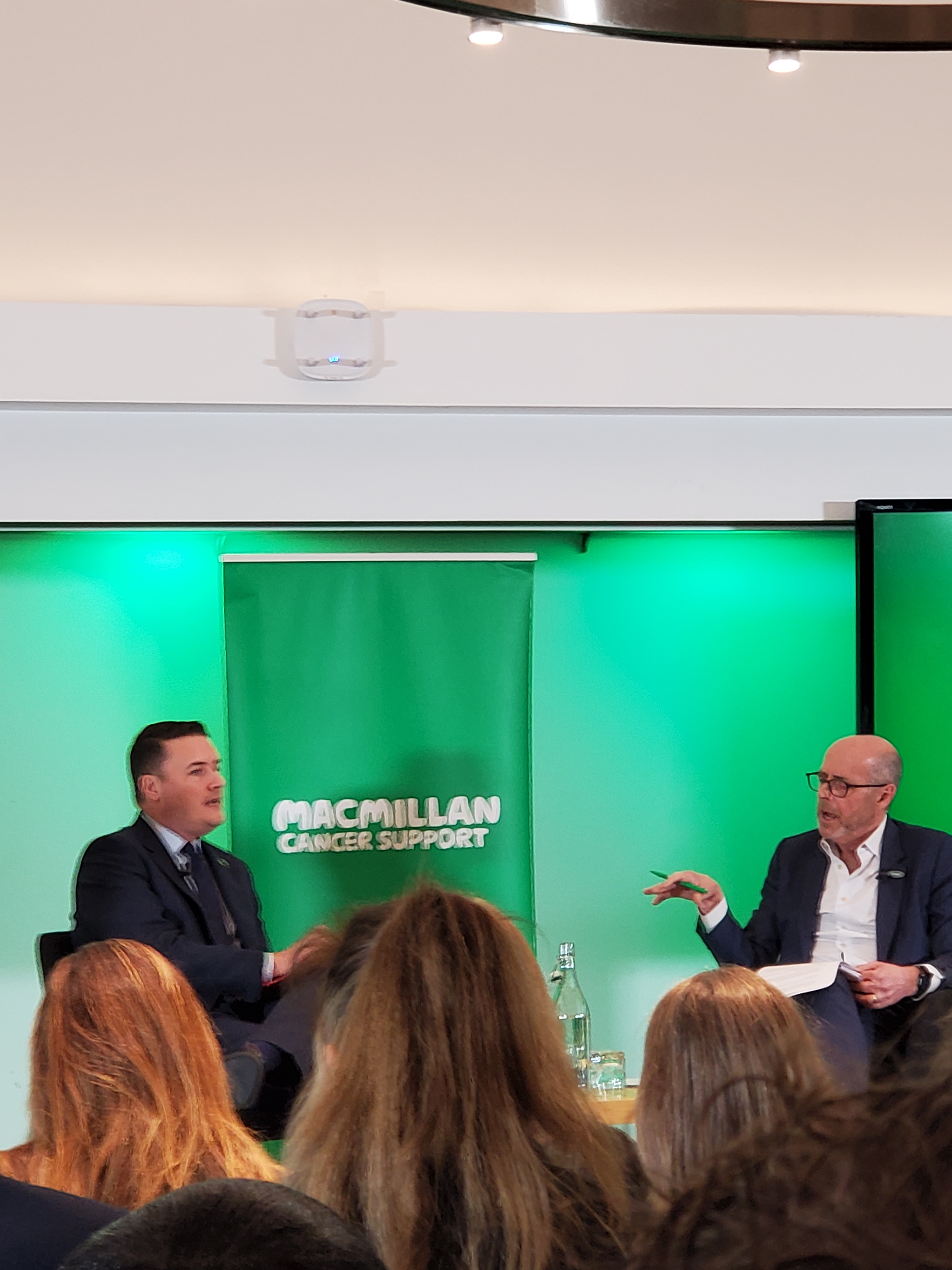
The discussion was led by Health and Social Care Secretary Wes Streeting, with BBC broadcaster Nick Robinson asking questions and guiding the conversation. Streeting addressed the urgent need for better cancer support and healthcare infrastructure, acknowledging that as cancer cases in the UK continue to rise, gaps in the system are making access to timely care more difficult. The room was filled with professionals from various sectors, including community groups, healthcare leaders, and policymakers, all committed to improving cancer treatment and support services.
A key focus of the discussion was early diagnosis and improving patient outcomes. Streeting acknowledged that cancer survival rates have improved over the last decade, largely due to advancements in medical technology, such as AI-driven diagnostics. However, he stressed that delays in diagnosis and treatment remain a major concern, particularly in underserved communities. He emphasized that catching cancer early drastically increases survival rates, making access to screening programs and early detection initiatives a top priority. Streeting also discussed a new AI-driven trial aimed at improving cancer diagnostics, which could be a game-changer for breast cancer screenings.
The conversation also addressed systemic inequalities in cancer care, particularly among ethnic minorities and disadvantaged communities. Many patients from marginalized backgrounds face late-stage diagnoses, limited awareness of symptoms, and financial barriers that prevent them from seeking medical help. Streeting highlighted transportation challenges for rural patients, acknowledging that travel costs and accessibility issues can deter people from getting the treatment they need. He stressed the importance of community-led initiatives and culturally inclusive healthcare policies to ensure that all patients, regardless of their background, receive equal access to cancer care.
Beyond diagnosis and treatment, Streeting emphasized the importance of holistic support for cancer patients. Many people with cancer experience financial hardship, job insecurity, and mental health struggles throughout their treatment. He called for more investment in personalized cancer care, ensuring that support extends beyond hospitals to include counseling, transportation assistance, and emotional support for patients and their families. Community organizations play a crucial role in providing these services, and their long-term sustainability was a major concern raised during the discussion.
The discussion also touched on the ongoing NHS crisis and broader challenges in healthcare funding. While Streeting expressed optimism about technological advancements in cancer treatment, he acknowledged that systemic reforms must be carefully planned to avoid deepening existing inequalities. He argued that over-reliance on centralized decision-making often overlooks the specific needs of different communities and called for a shift towards more locally driven healthcare policies. Ensuring faster diagnoses, better treatment pathways, and improved access to care was presented as a key goal in tackling the NHS backlog.
The event concluded with a call for unity and collective action to transform cancer care in the UK. Streeting urged attendees to set aside political and institutional differences and work together on a new national cancer strategy focused on early diagnosis, equity in care, and holistic patient support. While the challenges ahead are significant, he expressed confidence that through collaboration between charities, policymakers, and healthcare professionals, the UK can and must improve cancer care for current and future generations.
For those interested, I have also done a 3 minute video awareness campaign for World Cancer Day.
 A Caring Mind