This month’s Mental Health Carers Forum brought together carers, local authority representatives, and carers’ organisations across Southwark, Lambeth and Lewisham. The main focus of the session was the development of Southwark’s new Unpaid Carers Strategy, alongside wider discussions about safeguarding, service gaps, hospital pathways, and national pressures affecting carers.

The discussion reflected both strategic planning and powerful lived experiences.
1. Development of the New Unpaid Carers Strategy (Southwark)
The Strategy and Policy Lead for Adult Social Care outlined plans to develop a new Unpaid Carers Strategy, due to launch in October 2026, alongside the new Carers Hub (currently going through procurement).
Why a New Strategy?
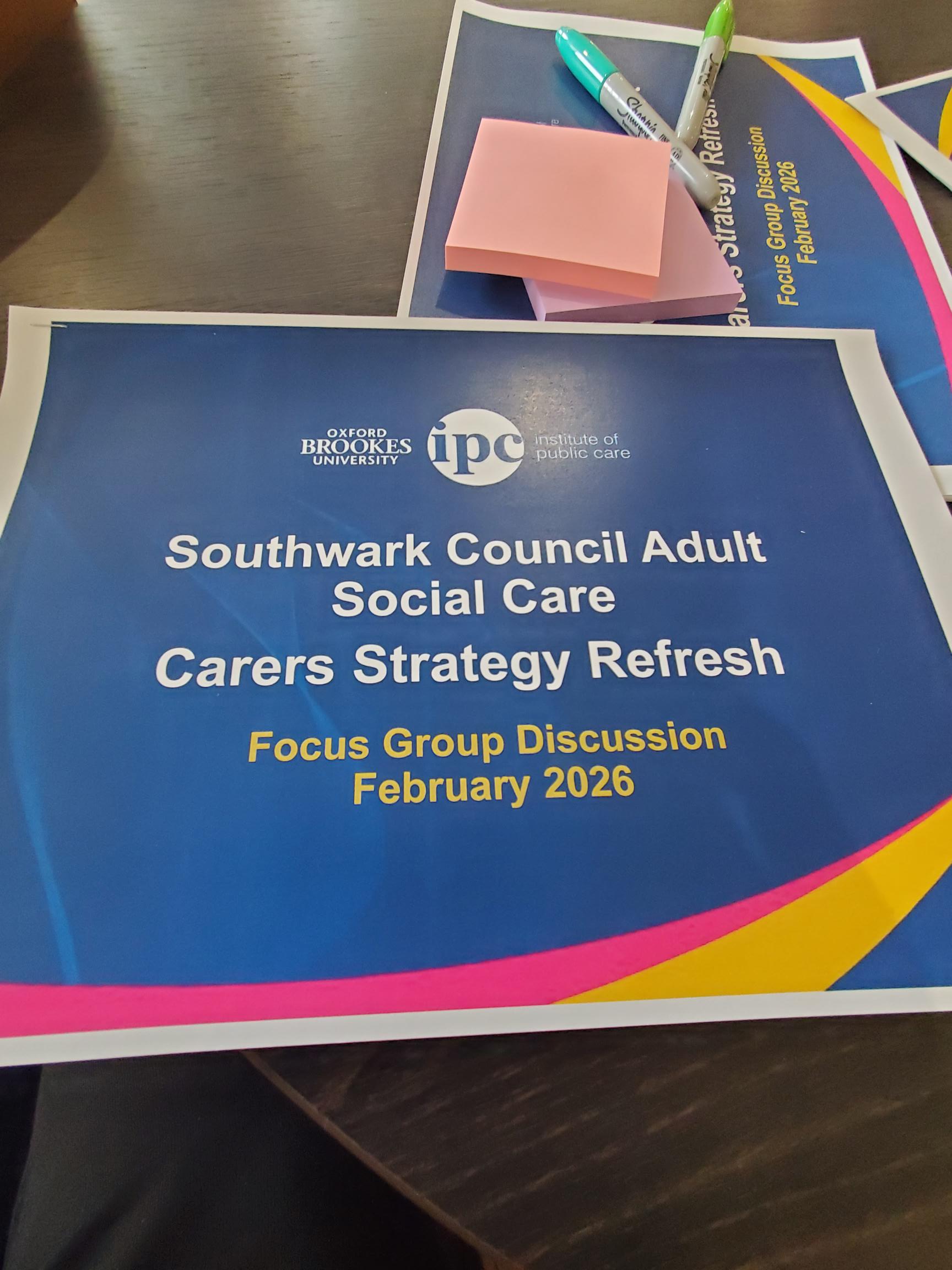
The council has reviewed its Joint Strategic Needs Assessment (JSNA), which estimates that there are between:
- 18,000 and 37,000 unpaid carers in the borough
- Around 2,000 carers currently known to Adult Social Care
This gap highlights the scale of “hidden carers” who may not be registered, identified, or receiving support.
Importantly, the council acknowledged that strategy priorities should not simply be based on data analysis alone. Instead, they are aiming for genuine co-production — asking carers directly what matters most.
2. Engagement Plan
The strategy is currently in Phase One: Listening and Engagement.
Engagement methods include:
- Two in-person focus groups
- One online evening session (to accommodate working carers)
- A borough-wide survey (in development)
- One-to-one carer story interviews
- A draft strategy consultation phase
The council hopes to produce a draft strategy by June, followed by further consultation before final sign-off.
Attendance Challenges
While engagement sessions were organised, numbers were lower than hoped:
- ~16 signed up for morning session
- ~11 for afternoon
- ~18 for virtual session
This led to discussion about why engagement can be difficult.
3. Why Engagement Is Difficult
Several themes emerged:
- Carers often feel over-consulted but under-informed about outcomes
- Carers are extremely time-poor and emotionally stretched
- Communication may not be filtering through GP surgeries, mental health services, or hospitals effectively
- Some carers do not self-identify as carers
- Many want to see tangible change before engaging again
There was also discussion about compensation for carers’ time. While payment isn’t possible, vouchers are being offered to recognise contributions.
A broader issue remains: How do we reach the thousands of carers who are currently unknown to services?
4. Safeguarding and Social Work Concerns
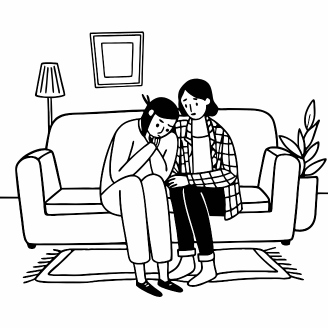
One of the most powerful parts of the session came from carers sharing lived experiences.
Concerns raised included:
- Lack of trauma-informed practice
- Social workers not understanding autism, ADHD, or PTSD
- Carers feeling triggered or retraumatised by professional behaviour
- Repeated changes of social worker
- Safeguarding flags raised but no follow-up
- Carers left to “self-safeguard”
There was frustration that safeguarding processes sometimes feel procedural rather than protective particularly when no one follows up after concerns are logged.
While individual cases cannot be addressed within a strategy meeting, the recurring themes of:
- Training
- Empathy
- Communication
- Accountability
- Follow-through
will be fed into the strategy consultation.
5. Hospital Pathways & Carer Identification
Discussion also focused on the hospital experience.

Key questions raised:
- Are carers being identified at admission?
- Are they being referred to carers centres?
- Is there a clear pathway from hospital discharge to community support?
- Are hospitals promoting local carer engagement events?
It was noted that discharge teams do significant work, particularly around bereavement support, but carers want clearer and more consistent pathways.
There was also discussion about cross-borough complexity especially for carers living near boundaries (e.g. Southwark/Lambeth), where services can feel fragmented.
The need for joined-up working across boroughs and hospital trusts was emphasised.
6. Inclusion & Underrepresented Groups
Several groups were identified as needing more targeted engagement:
- Mental health carers
- Ethnic minority carers
- Male carers (who are often underrepresented)
- Young carers
- Working carers
There was a clear call to ensure the strategy does not become “one-size-fits-all.”
In particular:
- Cultural expectations can prevent some carers from seeking support.
- Male carers may be less likely to self-identify.
- Working carers face employment pressures despite recent legislation.
7. National Pressures on Unpaid Carers
A short presentation was delivered by Matthew McKenzie on national developments affecting carers.
Financial Pressures
- Carer’s Allowance remains one of the lowest benefits of its kind.
- Ongoing overpayment recovery cases have caused distress for many carers.
- Cost-of-living pressures are increasing hardship.
- Many carers are limiting working hours to avoid breaching earnings thresholds.
Service Pressures
- NHS workforce shortages.
- Increasing waiting lists for mental health services.
- Limited psychological support tailored specifically for carers.
- Strain on carers centres due to funding pressures.
Policy Gaps
- No current overarching national carers strategy.
- Low awareness of carers’ rights under the Care Act 2014.
- Postcode variation in support.
- Inconsistent carer involvement in service design.
It was highlighted that unpaid care is estimated nationally at around £160 billion annually demonstrating the enormous economic value of carers’ contribution.
8. Key Strategic Themes Emerging
Across all discussions, several recurring themes emerged:
- Carers must see outcomes from engagement.
- Safeguarding must involve follow-up and accountability.
- Training for social workers must include trauma-informed and neurodiversity awareness.
- Hospital discharge pathways need clarity and consistency.
- Carers need better communication and joined-up systems.
- Underrepresented groups require targeted inclusion.
- Engagement must move beyond consultation into meaningful co-production.
 A Caring Mind