Welcome to another blog post by Matthew McKenzie, author of of “The Experience of Cancer Caregiving” and facilitator of the National Cancer carer forum.
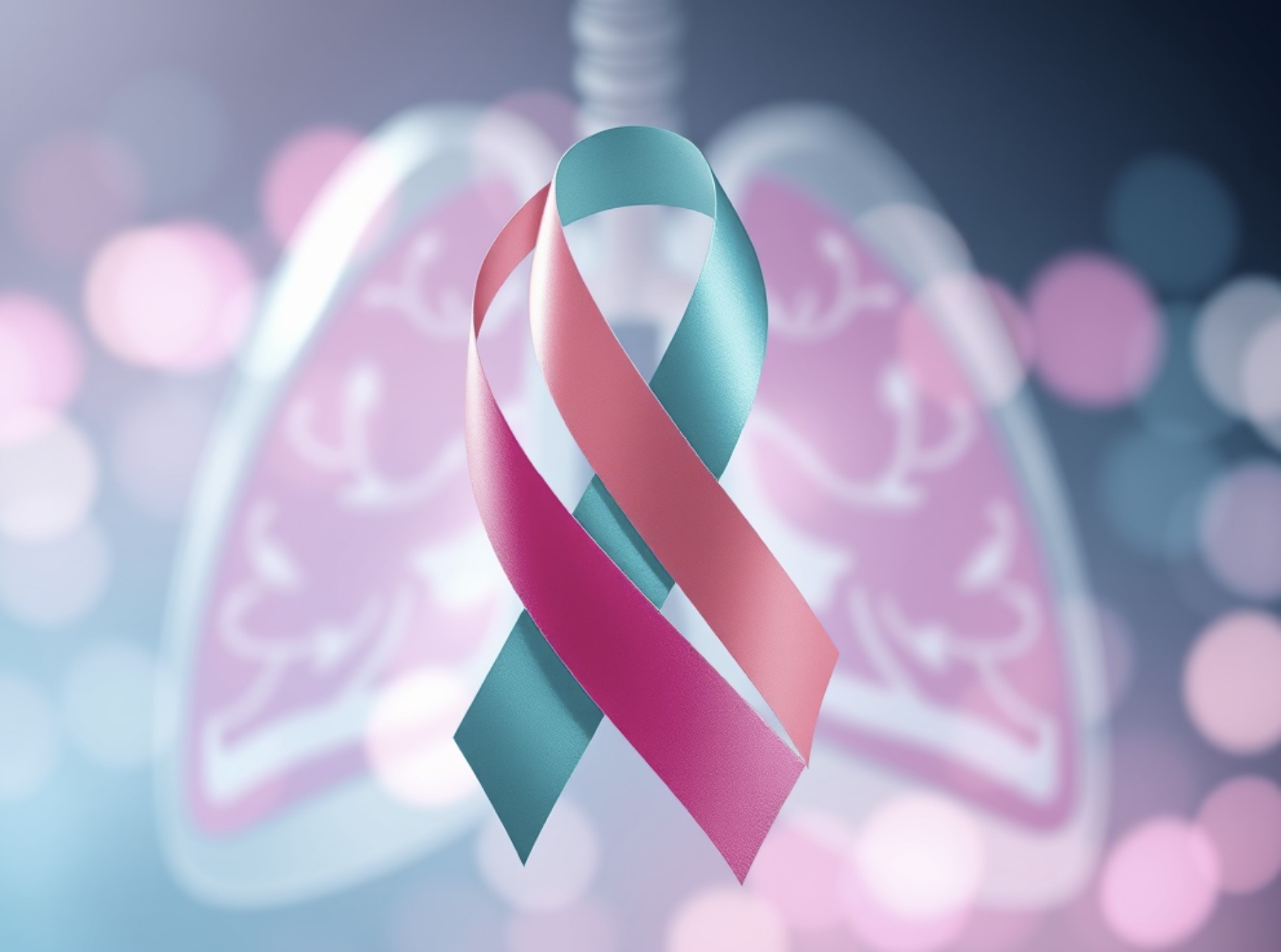
As of November 2024, it is Lung Cancer Awareness Month. I have done a short video to help raise awareness. From the video you can learn about the key risk factors, symptoms, and ways to support those affected by lung cancer. Unite for lung cancer awareness month and make a difference in spreading awareness and care.
Raising Awareness for Lung Cancer: Stronger Together, United for Lung Cancer Awareness
Lung cancer remains one of the most significant health challenges we face today. As we join forces during Lung Cancer Awareness Month 2024, it’s essential to spread knowledge and support those affected by this formidable disease. The theme for this year, “Stronger Together: United for Lung Cancer Awareness month,” underscores the importance of unity in combating lung cancer. Let’s delve into the crucial aspects of lung cancer, from understanding its risk factors and symptoms to prevention strategies and support for caregivers.
Understanding Lung Cancer Risk Factors
Lung cancer can affect anyone, but several key risk factors can increase an individual’s susceptibility to this disease. Recognizing these factors is a fundamental step in raising awareness and encouraging preventative measures.
1.Smoking
Topping the list of risk factors, smoking is the leading cause of lung cancer. The harmful chemicals present in tobacco smoke damage the lung cells, leading to cancerous changes. If you are a smoker, quitting is the most significant step you can take to reduce your risk of developing lung cancer.
2.Family History

Genetics also play a role in lung cancer risk. If lung cancer runs in your family, you should be more vigilant and possibly undergo regular screening. Knowing your family medical history can help you take proactive steps toward early detection and prevention.
3.Secondhand Smoke
Even if you don’t smoke, being around those who do can still put you at risk. Secondhand smoke is also dangerous and can lead to lung cancer. Avoiding environments where you might be exposed to smoking and advocating for smoke-free spaces are crucial.
4.Occupational Exposure
Certain jobs may expose individuals to harmful substances like asbestos and specific chemicals, which are known lung cancer risk factors. Protecting workers through safety regulations and the use of protective gear can help minimize this risk.
5.Environmental Exposure
Air pollution is another significant risk factor for lung cancer. Living in areas with high levels of pollution can increase your susceptibility to the disease. Advocating for cleaner air policies and taking precautions to reduce exposure to polluted air can be beneficial.
Recognizing Lung Cancer Symptoms – Get tested!

Lung cancer often does not show signs in the early stages, making it challenging to detect. However, being aware of the symptoms can lead to earlier diagnosis and better treatment outcomes.
1.Persistent Cough
A cough lasting three weeks or more is a common symptom of lung cancer. Any persistent or worsening cough should prompt a visit to the doctor.
2.Changes in a Chronic Cough
If you have a long-standing cough due to smoking or other reasons, note any changes. New characteristics, such as increased frequency or severity, can be concerning.
3.Recurrent Chest Infections
Frequent chest infections that don’t clear up with usual treatment could be a sign of lung cancer and should not be ignored.
4.Unexplained Breathlessness
Shortness of breath or wheezing without an apparent cause is another symptom to watch for. It may indicate that the cancer is affecting lung function.
5.Coughing Up Blood
The presence of blood in coughed-up mucus is alarming and warrants immediate medical attention.
6.Unexplained Weight Loss
Losing weight without trying can be a sign of various cancers, including lung cancer. It’s essential to monitor your weight and report any unexplained losses to your doctor.
7.Persistent Tiredness
Chronic fatigue that doesn’t seem to have an obvious cause might be associated with lung cancer, among other conditions.
8.Chest or Shoulder Pain
Ongoing chest or shoulder pain that doesn’t improve can also be a warning sign, especially if it is accompanied by other symptoms.
9.Hoarse Voice
A hoarse voice lasting more than three weeks should be checked by a healthcare provider.
Prevention and Maintenance of Lung Health
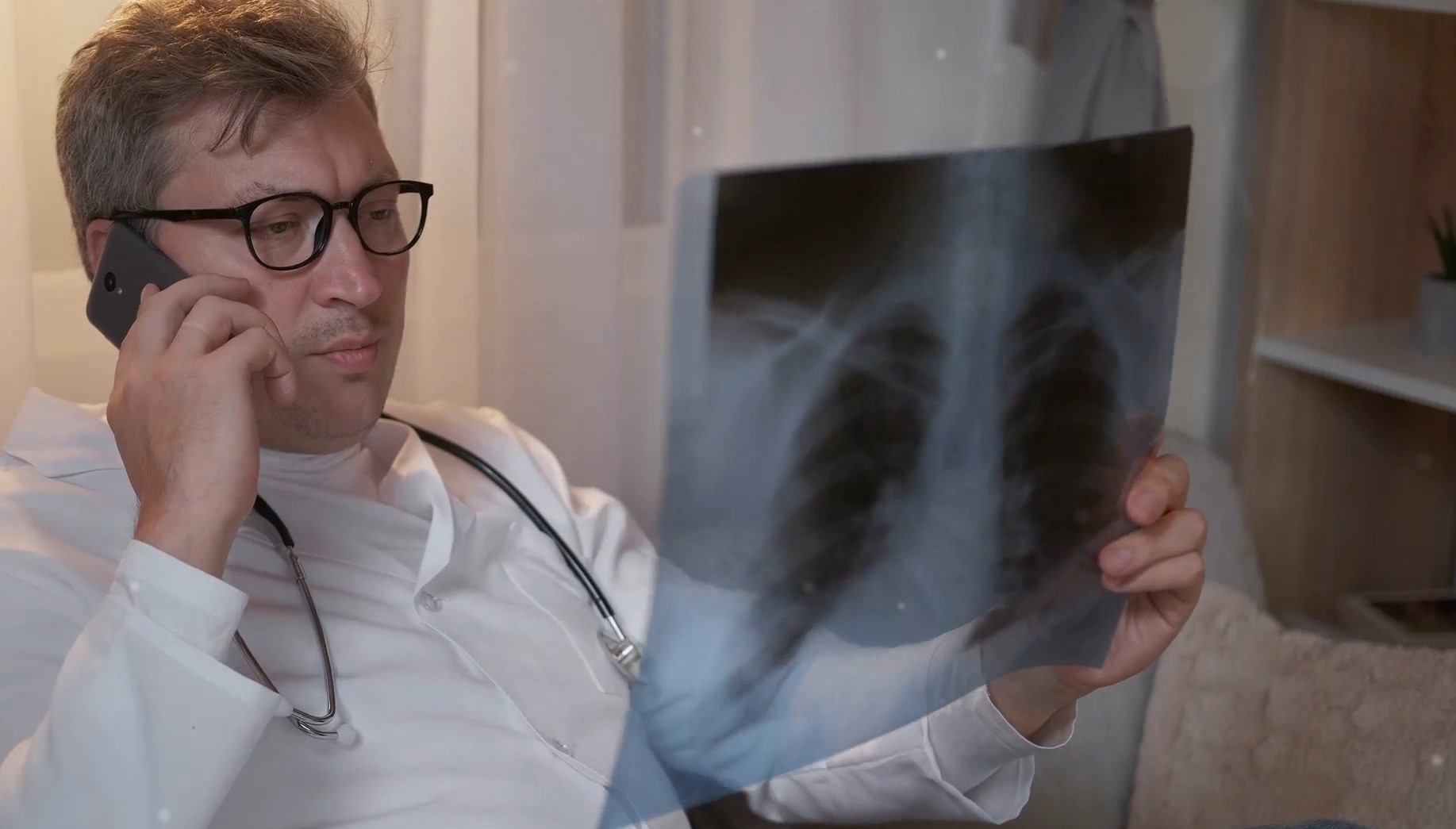
Preventing lung cancer is far better than treating it. Here are several steps to keep your lungs healthy and minimize the risk of lung cancer.
1.Don’t Smoke or Quit
The most effective prevention strategy is to never start smoking. If you do smoke, quitting as soon as possible can significantly reduce your risk.
2.Avoid Indoor Pollutants
Steer clear of secondhand smoke, certain chemicals, and materials like radon that can pollute indoor air and harm your lungs.
3.Minimize Exposure to Outdoor Pollution
Taking steps to reduce your exposure to outdoor air pollution, such as staying indoors on high pollution days, can help protect your lungs.
4.Prevent Respiratory Infections
Maintaining good hygiene to avoid infections, like washing hands regularly and staying up to date with vaccines, is crucial for lung health.
5.Regular Medical Checkups
Routine health screenings can catch problems early, including lung cancer. Discuss with your doctor how often you should get checked, especially if you have risk factors.
6.Exercise Regularly
Physical activity helps maintain lung health and overall well-being. Engaging in regular exercise keeps your respiratory system strong.
7.Maintain a Nutritious Diet
A healthy diet supports your body’s immune system and can aid in the prevention of various diseases, including lung cancer.
Supporting Someone with Lung Cancer

Caring for someone with lung cancer can be incredibly challenging but also rewarding. With the right support, you can make a significant difference in their journey.
1.Educate Yourself
Understanding lung cancer and the available treatment options enables you to provide better support. Staying informed about the disease helps you navigate the complexities of care.
2.Manage Symptoms and Side Effects
Helping manage symptoms and side effects ensures that your loved one’s quality of life remains as high as possible. This might involve medication management, dietary adjustments, and more.
3.Provide Emotional Support
Emotional and psychological support is crucial. Being there to listen and offer a comforting presence can drastically impact their mental and emotional well-being.
4.Assist with Medical Management
Accompanying your loved one to medical appointments, keeping track of treatment schedules, and communicating effectively with healthcare providers are all vital roles you can play.
5.Create a Comfortable Home Environment
Ensuring that the home is a comforting and supportive space can help improve their quality of life. This includes facilitating easy access to necessities and creating a restful environment.
6.Offer Social and Practical Support
Helping with day-to-day tasks, such as cooking, cleaning, and transportation, can relieve the burden on someone struggling with lung cancer.
7.Take Care of Yourself
It’s important to also take care of your well-being when you’re a caregiver. Seek support when needed and ensure you have time to rest and recharge.
8.Stay Informed About New Treatments
New treatments and resources for lung cancer continue to emerge. Keeping up to date on these developments allows you to provide the best possible care and advocacy for your loved one.
Prepare for End-of-Life Care
If the situation calls for it, preparing for end-of-life care with compassion and dignity is essential. This ensures that your loved one’s final days are as comfortable and meaningful as possible.
Conclusion
Lung Cancer Awareness Month reminds us of the importance of uniting to fight against lung cancer. Whether through prevention, recognizing symptoms early, supporting those battling the disease, or joining in advocacy efforts, every action counts. Remember, we are indeed stronger together. Let’s continue to spread awareness and support each other in the fight against lung cancer. Stay strong, stay informed, and take good care of yourselves and each other.




 A Caring Mind