As you might already know from my previous blogs. I am now a carer ambassador for Cygnet group. Cygnet is a leading provider of mental health, autism and learning disability services. As a carer I often use my knowledge and experience to provide insight and training over the years.
Some professionals might frown as to why service users and carers might wish to help train staff, but the voice of lived experience should not be ignored. There are many reasons why professionals should include users of services in training staff.
We should note that carers also use services as they seek carer support groups, information about services and sometimes counselling.
- We use their services, although professionals are experts for a reason, they spend years training for their profession. They know far more about their field than I would acknowledge, but there is a big difference. Professionals provide a service and we use that service, if those services second guess what we require then this leaves room for errors. To make matters challenging, services do change from time to time and it is so important carers and service users feedback on their experiences.
- We all need to work together. In the time of ever deminishing resources, it is a waste of time that patient, professional and carer battle each other to be heard. In the long run, we all wish for health and wellbeing for all of us. Working together means learning from each other.
- Professionals can and will make mistakes, so include the voice of lived experience can show professionals are willing to learn from mistakes. These mistakes can come from second guessing what users might require, being pressured in their role or just not paying attention.
There are many more reasons why lived experience should be empowered to help train professionals. So when Cygnet group offered a chance to film my thoughts about carer experience, I jumped at the chance.
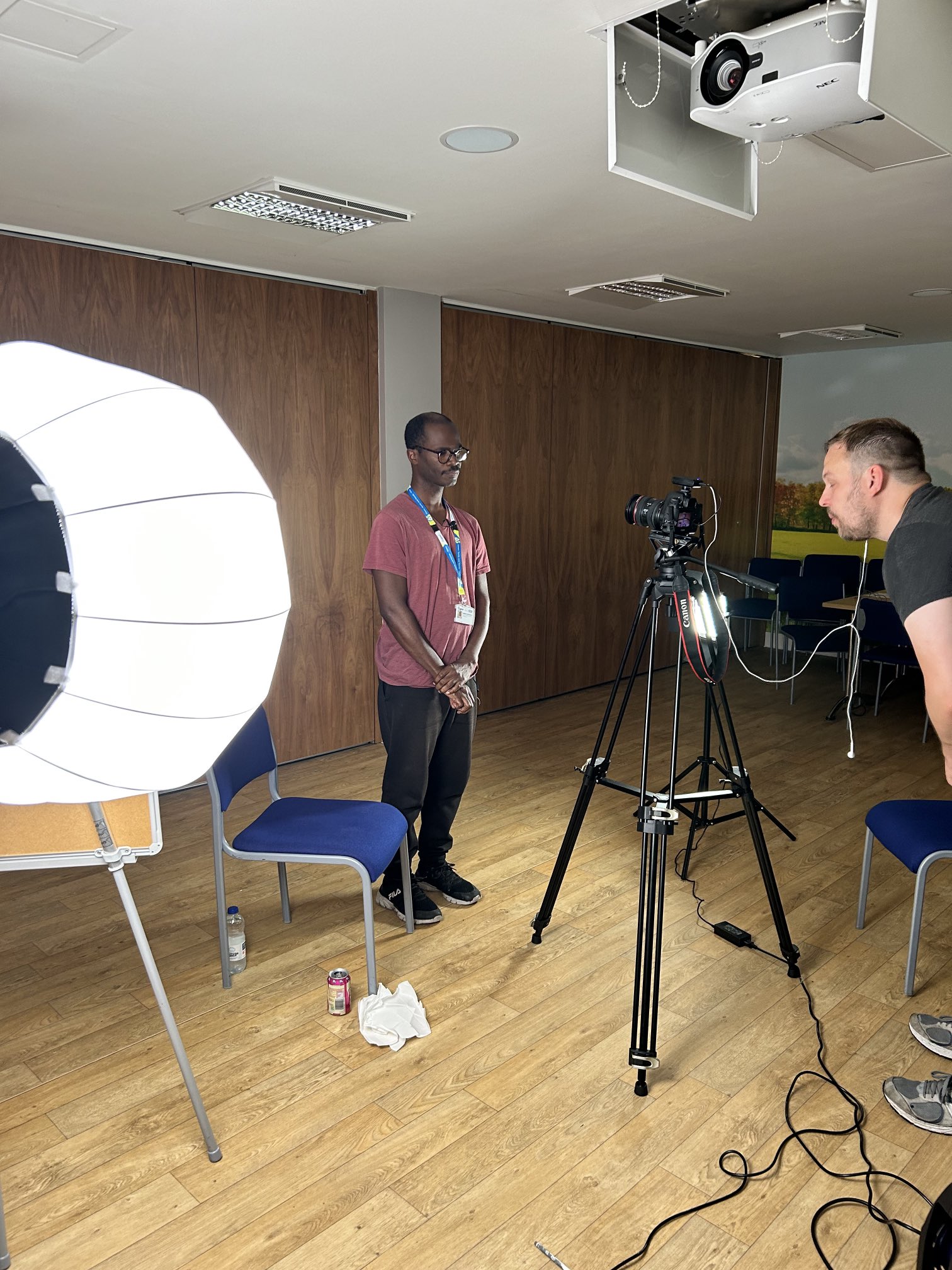
The film will be used as an online resource to all staff as I gave my views on the importance of unpaid carers, lived experience and carer advocacy.
I value an organisation that helps provide the voice of patient and care voices.
Those voices help shape how services can be provided and this should be the future of healthcare were we work as a team.
 A Caring Mind