Here is my first carer blog post for November. Come to think of it, November is an exciting month because it is not long until Carers Rights Day which takes place on the 23rd of November. It is important unpaid carers know their rights, but that is a blog post for another day. What I want to highlight in this post is something I have been doing for the past year. That is having a location in some hospitals to engage with carers wandering around the area.

Why do I feel it is so important to engage with carers at hospitals? I mean I can always link up with carers at support groups or carer centres. Well from lived experience, I know full well that hospital experience for carers can be a daunting experience. With health care as it stands, the focus is often on the patient. It is how we understand that the patient is in need, especially if their health is in crisis. The patient becomes the service user and thus they are the core focus of hospital services.
The carer or family member might possibly be in the background. Patiently waiting for their loved ones recovery, they want to follow that person through the hospital experience. Yet, there are probalems and challenges. Very few health professionals often engage with the carer, they might fail to identify them, not keep the family, friend or carer updated. Worst of all there might be scenarios where the carer is completely ignored even if the carer is pointing out options for better recovery or warning against something. There could be lack of carer advocacy, lack of carer referrial, lack of carer peer support especially when a loved one is nearing end of life.

Some people do not even know they are caring, they just arrive in hospital and listen to every advice the health professional provides. People experiencing the role of providing unpaid care might just end up coping in their role.
If carers go through all of the above and believe me a lot of carers experience this when they wander the wards of hospitals. Then it is not hard to understand that carers can feel under valued. Carers will feel they are not listened to if policies and plans are not in place to hear carers out. If carers feel they are not heard, then they will not want to engage with professionals. It is not like we want to force people to take the label of carers, but if they are not identified then how can the hospital system provide carers with the support they need.
With changes in the Health and Care Act, it is vital that hospitals work hard to engage with families and carers. Many carers taking their loved ones to hospital still go unidentified as hospital record systems are too slow to record carers. There has been great strides in the NHS to use the power of co-production to develop a carer’s discharge toolkit. Many NHS hospital trusts have taken the challenge to improve the experience of carers at hospitals. This provides a pathway to understanding carer needs and compiling data to find out the root causes of carer distress.
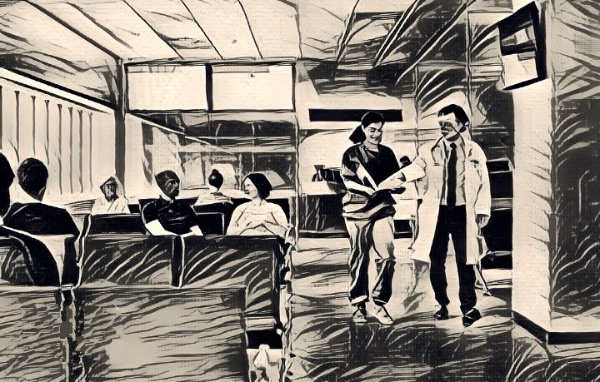
For far too long carers feel they are not understood or are not provided any service even though carers ARE actually using hospital services. Just because carers do not have a hospital bed, does not mean they are not vital in continuing care especially when the patient is discharged. The NHS faces immense challenges and will rely on the caring community as never before.
With the new carers hospital discharge toolkit, there is an excellent foundation to build upon to make carers included in the hospital experience. The NHS owes this to carers and we need to include, support and value the experience unpaid carers bring.
 A Caring Mind