Thanks for dropping by my latest blog post. It has been a while since I wrote anything due to being unwell over the Christmas season, it cannot be helped because during these periods there is always something going around. I even had my vaccinations so at least I was not too unwell.
I thought to write a short blog not only to express my wishes for the new year, but to inform and influence other carers what to look out for. When I mention ‘carers’ I am talking about those doing a role unpaid, they might have to provide care out of love, duty or necessity.

Carers are often close family members or even a friend or neighbour, but make no doubt about it a carer has to cope with the resources that are offered to them. On a worst case scenario, a carer would either need to seek out those resources or campaign for them. This should not be the way, but because health and social care can be complex, it is important carers work with the system to get the best support they can.
So below here is my wish list for 2024, which is not a complete list, but something that springs off the top of my head.
- Healing from a difficult year
It has been a difficult and tough year for many out there. The cost of living, resources thin on the ground due to the impact of COVID, more cuts to services and the NHS struggling. It is so important that we take time to reflect what we have gone through and how far our own strength has carried us and how we support our loved ones. During the festive period of 2023, it is important to heal. We might use faith, our connection to the community or our peers. If we do not heal then how can we care for others?
- The strength to carry on
I am a realist and it might be sad to say, but 2024 is not going to be any easier, it might be much of the same as 2023, but I know did down inside unpaid carers will use the strength to continue to care. It is such a tragedy when a carer has to walk away from their role, but it is understandable. We cannot allow carers to be pushed out of a role, so it is important carers are identified. The outcome is better not only for the carer, but the person they are caring for.
For carers, it is also important to be positive about our situation, a constant negative focus can be draining despite the harsh challenges carers face in health and social care. It is important carers take the step to be heard. If you are caring for someone, tell your story, fill in surveys, make a stand and make alliances. You need to be heard or be ignored, this takes strength to carry on.

- My links and projects with partners to strengthen
I developed and accumalated many links with fellow peer carers across the community. Some have been champions of carer activism, others focus on the health and wellbeing benefits. Some carers want to learn and share their stories, this is excellent. We all come together to make a difference with NHS and private healthcare organisations. For what I learn, I wish to share with others. I will seek to develop a path for others to follow where they can learn and in turn help carers who might slip through the net. We can all learn from each other, but we need to be partners.
- Celebrating our differences to build a fairer service
The UK is a diverse country, we all have differences, but as long as we seek to share our unique values then we all have something in common. We all want good healthcare, we all want mental wellbeing, but not all people get a fair deal. There are tools, guidelines and policies that help to include carers from different backgrounds. Carers UK have worked so hard to develop their “Supporting Black, Asian and minority ethnic carers” guidelines.
Carers UK Minority Ethnic Guidelines -> https://www.carersuk.org/media/3izluvum/cuk-black-asian-and-minority-ethnic-carers-good-practice-briefing.pdf
We also have a focus on ethnic mental health from NHS England’s Patient Carer Race Equality Framework (PCREF), which is aimed at organisations providing mental health care.
NHS England PCREF -> https://www.england.nhs.uk/long-read/patient-and-carer-race-equality-framework/
All these projects were done in co-production and it is important organisations include those who are from different backgrounds. For too long research data has proved minorities are not getting a fair deal as services and systems were not designed to support them. It is a matter for being honest and working with our communities.
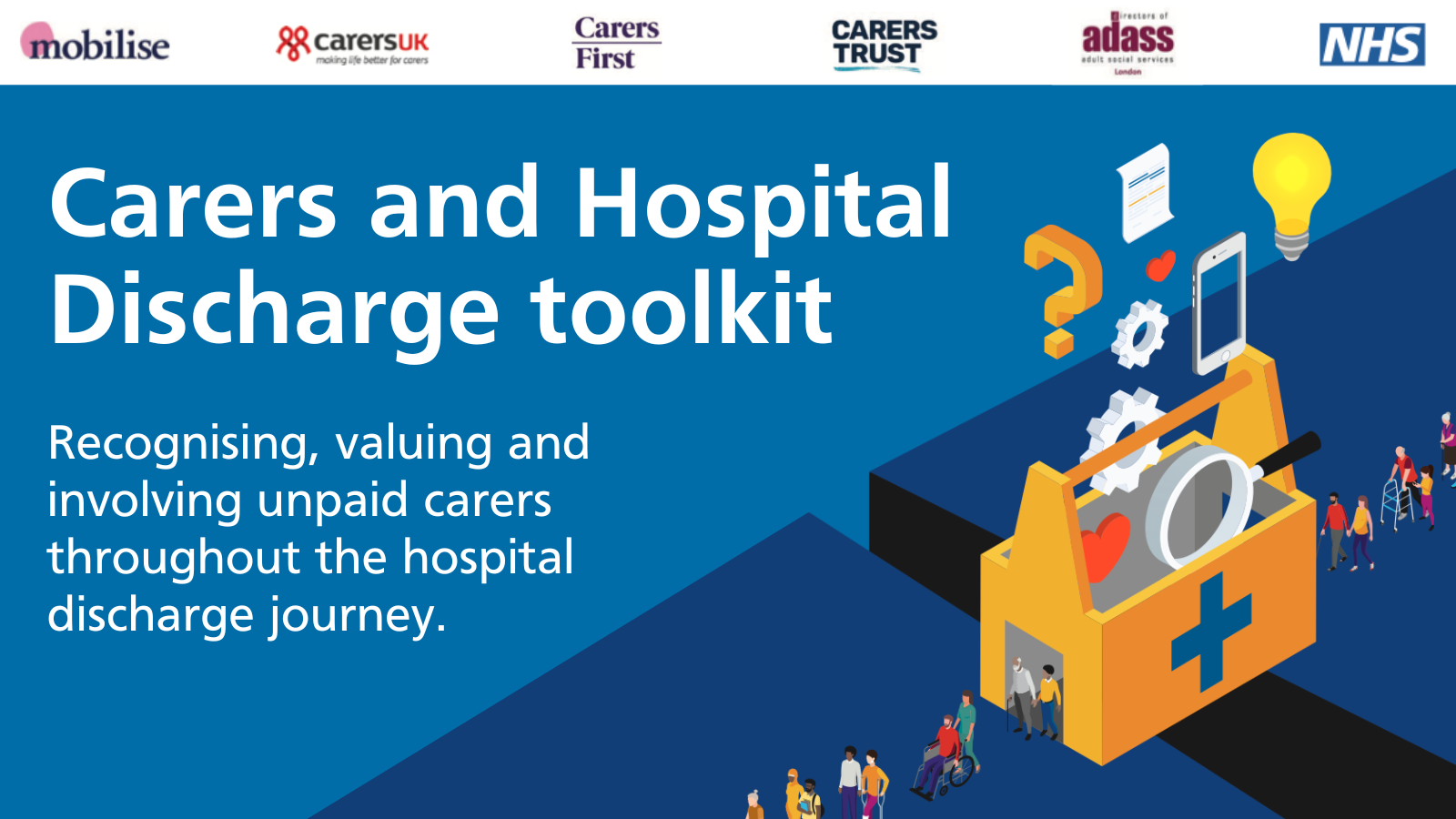
- Carers Hospital discharge toolkit to bloom
Although not heavily involved in the new NHS England toolkit, I have a platform in many accute hospitals. It would be very foolish not to champion the hard work many have done to increase carer recognition and identification at hospital level. With those platforms, I can build a network of carers who wish to be involved and help grow the toolkit.
In the past it was a struggle to include the family when someone was taken into hospital. The focus was often on the patient, maybe there was not time to engage with the unpaid carer, maybe carer awareness training was lacking or even worse there was not tracking of data regarding carers. With this excellent toolkit for hospitals, the struggle is removed. There is a pathway, a toolkit and a plan to follow. As with all things new, the challenge will not be easy, but I feel us carers can work as partners with the NHS hospitals and feel included and supported in our role.
- Triangle of care to influence organisations
The Carer’s Trust ‘Triangle of Care’ framework has been around many years. The Triangle of Care has a focus on mental health carers. Its aim is to strengthen communication between patient, professional and carer. A lot of the focus is of course on families and carers, but with the policies and practicies flowing from the framework we can only hope influence more organisations to take up the challenge and engage with carers using their services. The outcome is better for everyone.

- Championing Carers UK focus on carers
Carers UK takes up the voice of carers for the nation. Its not only guidelines, support, toolkits, surveys and practices from the charity. As a realist, I know full well that many unpaid carers would suffer if Carers UK did not work so hard to make the carer voice heard. I have been championing Carers UK for many years and will use all the resources I have to continue their view for a more caring society. This also includes other organisations that fight hard to include the carers voice be it Carers Trust, Age UK, Sane or others.

- Write another book
Did you know that I am an author? I have written many books about the caring role as this is an excellent way to raise the awareness. Most of my books focus on the experiences of caring for someone with mental ill health, however I plan to write books on the importance of cancer carer voices.
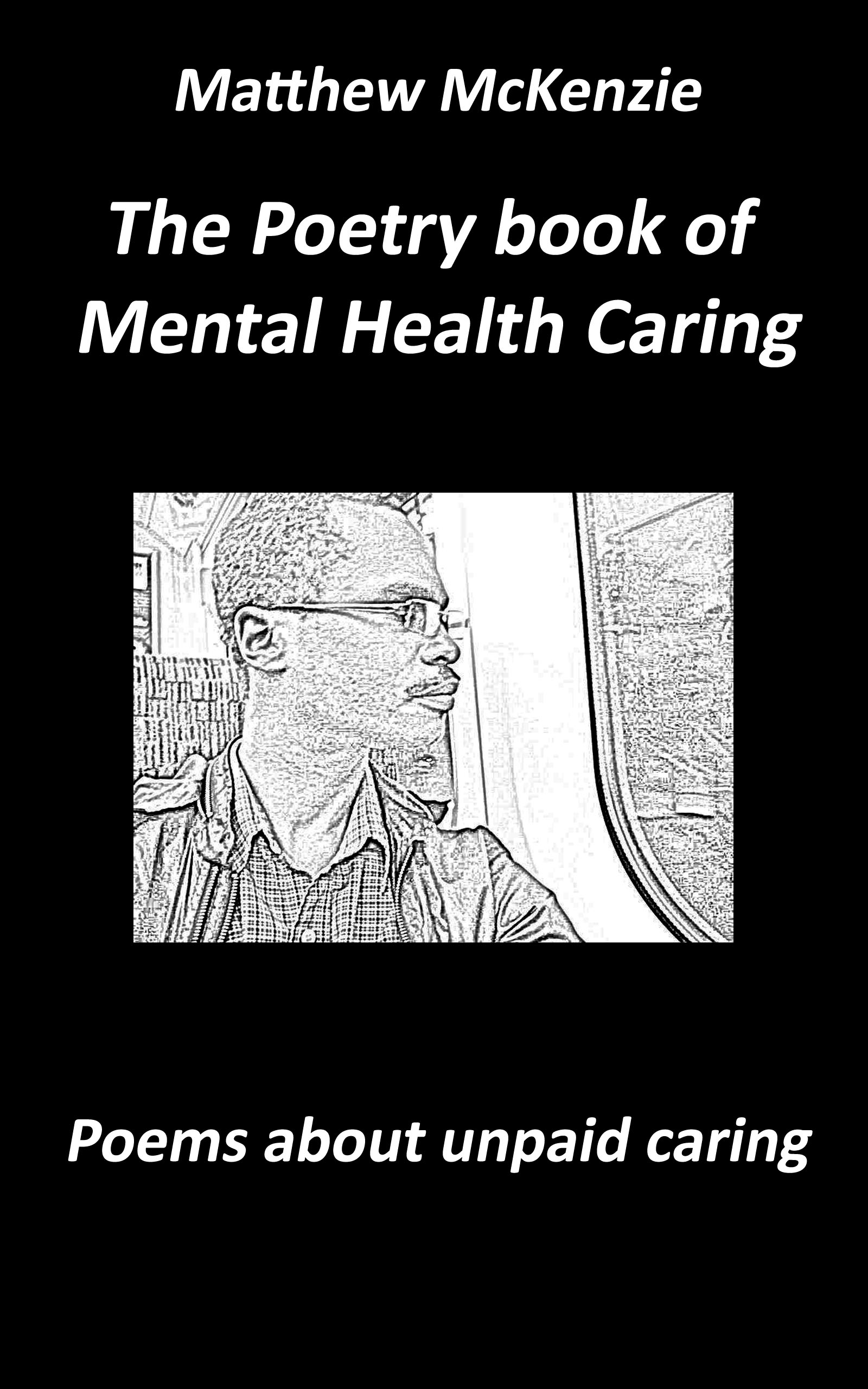
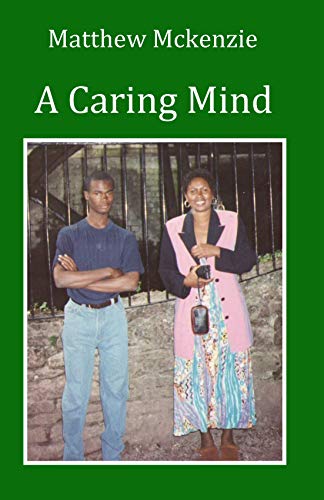
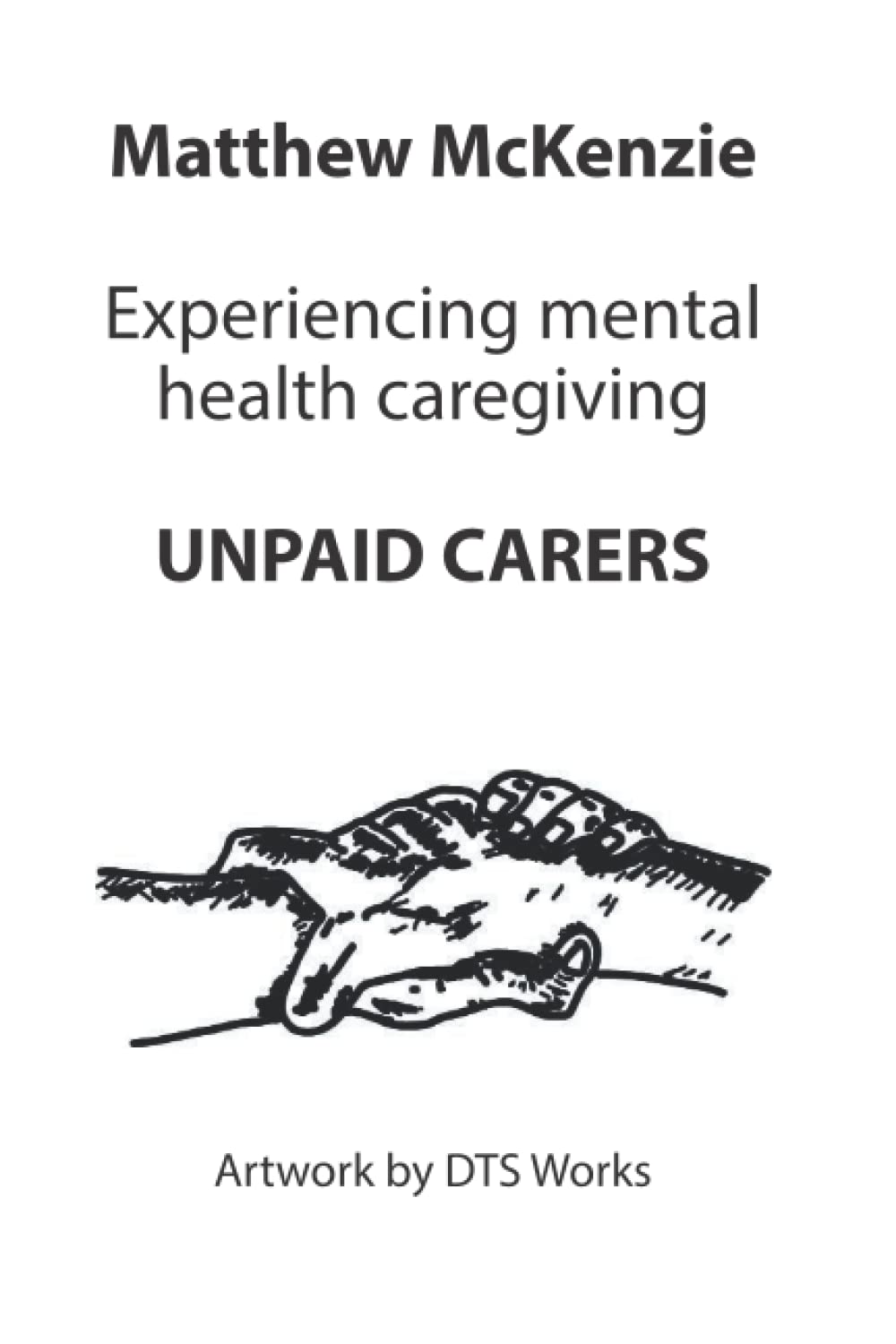
I am thinking of perhaps 2 to 3 books to champion the importance of caring for others. A community that cares will care for itself.
- More poetry
I dabbled in poetry for 2023 and have released a poetry book, several poetry videos and delivered performances. Poetry is an excellent medium for sharing experiences. A lot of my poetry can be dark as the carer experience can be an isolating role.
No one is trained to be an unpaid carer especially when a loved one is stricken with a devastating illness be it mental illness or cancer. Poetry does not have to be perfect, just a couple of lines can make a statement to be included in all time.
- Continue to Grow the carer network
I am known for many things, but one of the greatest loves is developing a network. It is not complicated, all it takes is time. I have been running carer groups for many years. The carer groups used to run at local carer centres or hospitals, most are online due to advances in technology.
Be the use of books, poetry, podcasts, carer newsletters and forums, I will continue to use resources to bring carers together. I do not mind if one or two carers show up, the idea is we share and update. A carer network is vital for learning from each other and also holding to account. For carers to go into isolation is a difficult thing to do because risk being unidentified and will struggle.

- Help form a platform with carers
When I head out, it is either to work, attend a carers event or spend time at a hospital, each time I am always thinking of ways to develop platforms. We all have strengths, ideas and gifts and we all can contribute as carer activists.
I know for sure that technology will change and so will ideas, so it is important to continue to develop platforms and work with peer carers.
- Hope carers can hold local ICS and ICBs to account
The new NHS England Integrated Care System and Integrated Care Boards are developing processes and policies fast. The centralised scope of care at NHS England is changing towards a more local level. It is folly for unpaid carers not to step up and be included. Do not always expect ICBs to chase everyone as resources and roles will be limited. Carers UK and Carers Trust can only help so far, so there needs to be more carers who are diplomatic enough to hold to account.
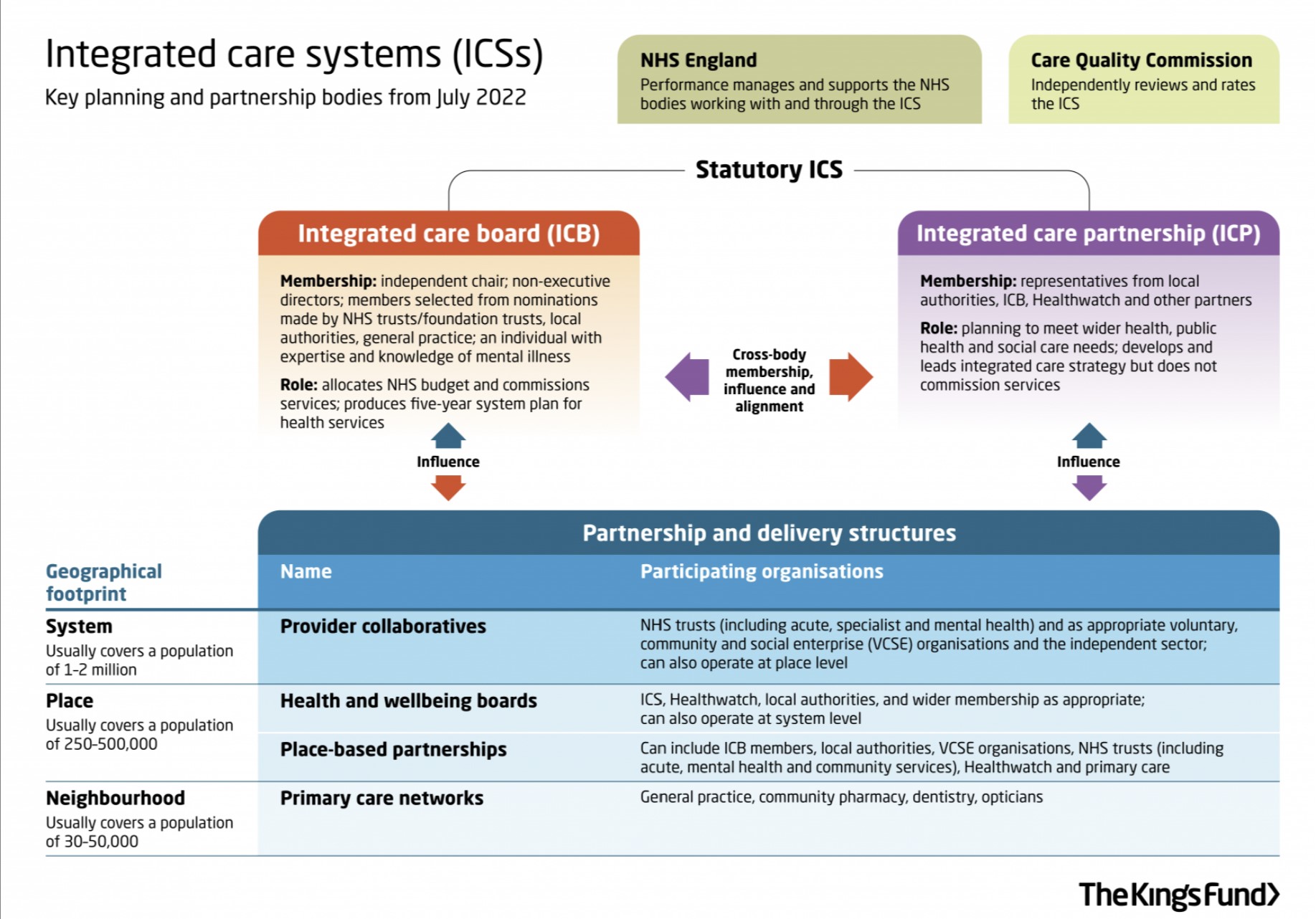
By design the health and social care system focuses on the patient, in a sense they have to because the patient is the person who is at the most need. Still, as a human right we cannot expect the community to automatically learn the complex focus on health and social care. The community HAS to be included, the family, friend and carer have to be involved. There needs to be carer activism to hold to account. Carers who feel they can ignore these changes are in for a difficult time. It is better to be heard and lessen the isolation rather the give up, complain and be completely ignored, which is always a risk.
Time for carers to make a stand and work in partnership.
- A caring community
Caring is not automatic, it takes time, skill and patience. There are those that view the caring role as lazy and not worth the time. This is a complete misunderstanding.
We do not know the time or place where we will care, but we will experience the declining health of our loved ones, if not the declining health of ourselves. To state caring is not important to society or the community is a curse. No one wants to be cursed with a community that does not value care, no one wants to be isolated and lonely with ill health. We might view ourselves as sufficient when we have the youth, power, intelligence at our command, but as time marches on we can see that we HAVE to rely on others.
It is foolish not to invest the focus on a caring community and sadly enough this can be an easy thing to do. It is so easy to be distracted by roles and duties, there is never enough time. We must prepare fast for the changing demographics of an aging society. We cannot always rely on the NHS as it is taking too much strain. One of the best way is for the community to share the ideals of care and service.
Caring for someone is not weak. A community that cares for others is strength, but we need to understand what brings us together.

 A Caring Mind