Welcome to a brief update of my National ethnic/global community carer forum aimed at those caring for someone living with mental illness.
Here is a brief summary of October’s ethnic carer forum.
The mental health carers forum discussed updates on carer’s work stream, the launch of the carer strategy at North East London NHS FT, and an event focused on upstreaming care and black men’s mental health. The group also discussed a research project involving carers and patients, the Rethink Mental illness on involvement in the IMPACT Network, and the Patient and Carer Race Equality Framework. Lastly, the importance of representation on CQC boards, tackling health inequalities in England, and the need for continued advocacy for change were highlighted.
Mental Health Carers Forum Updates
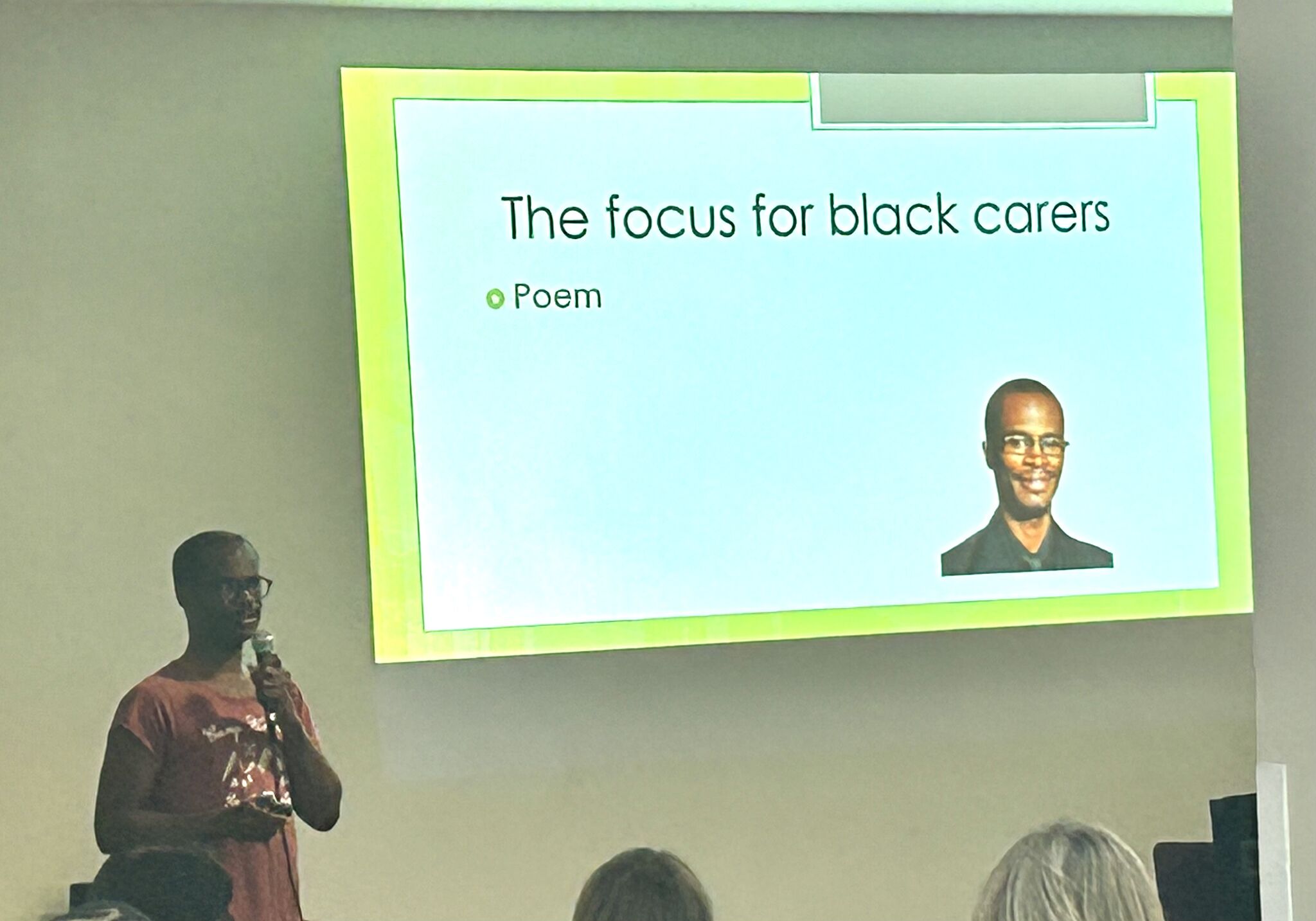
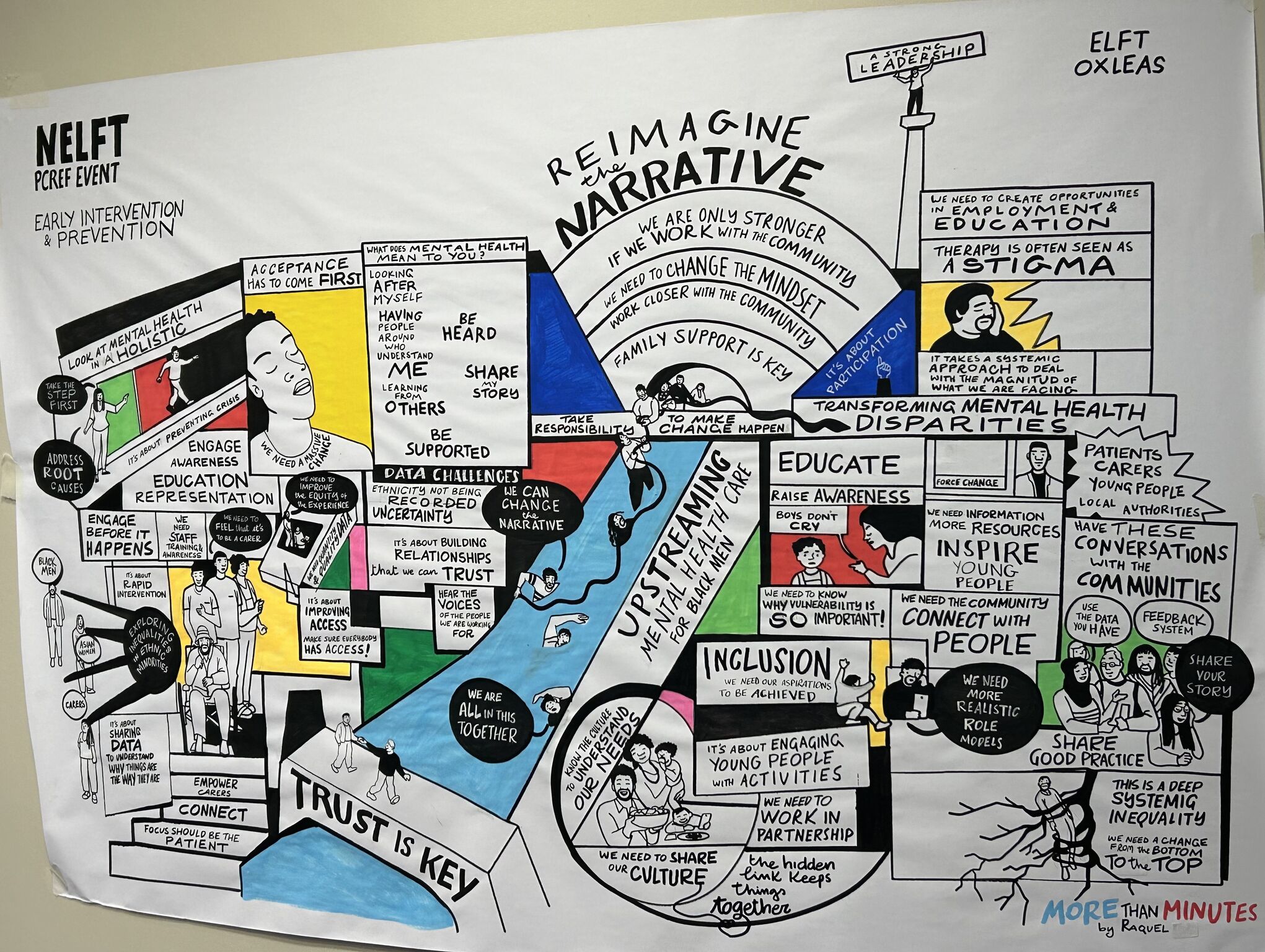
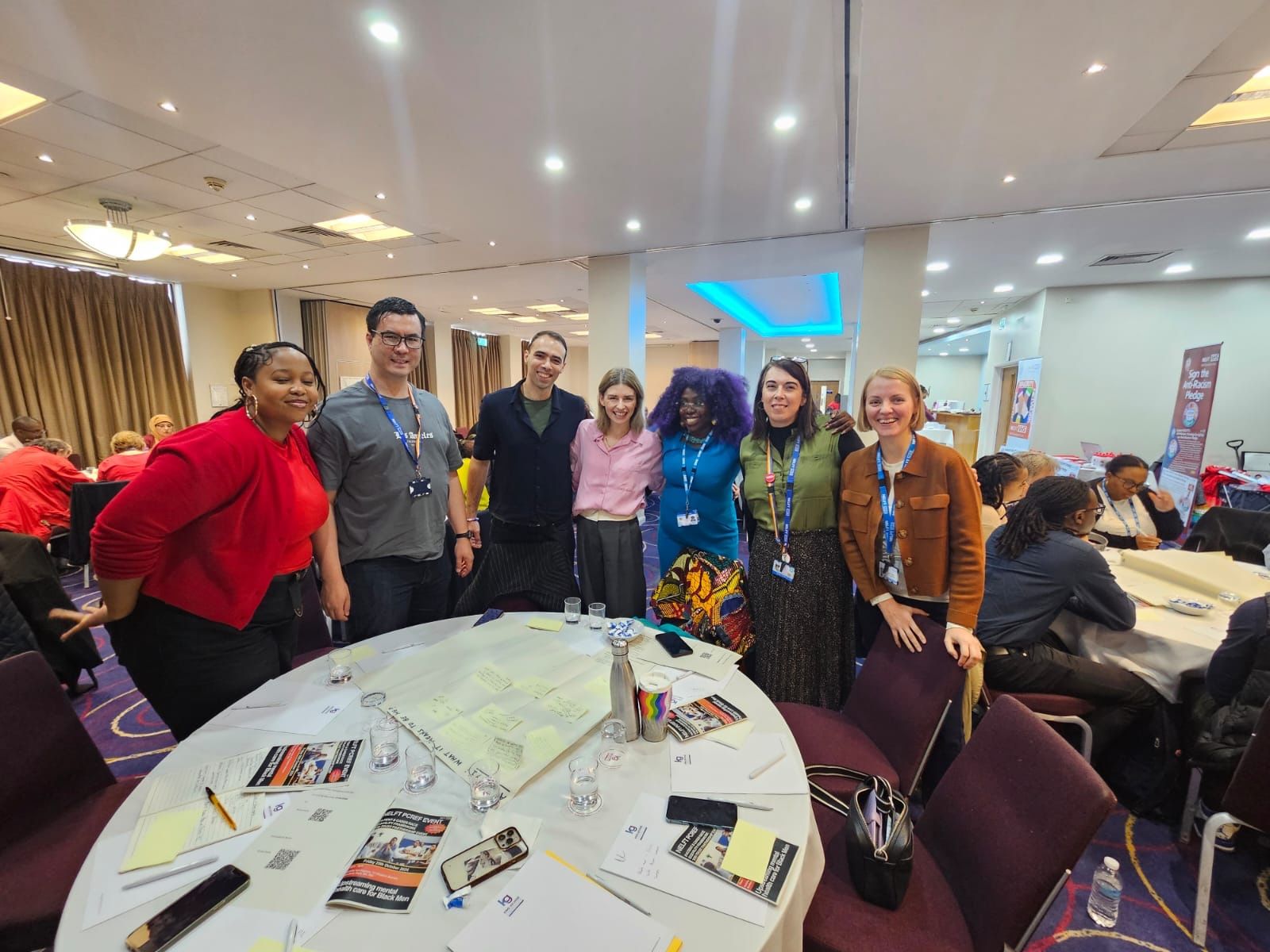
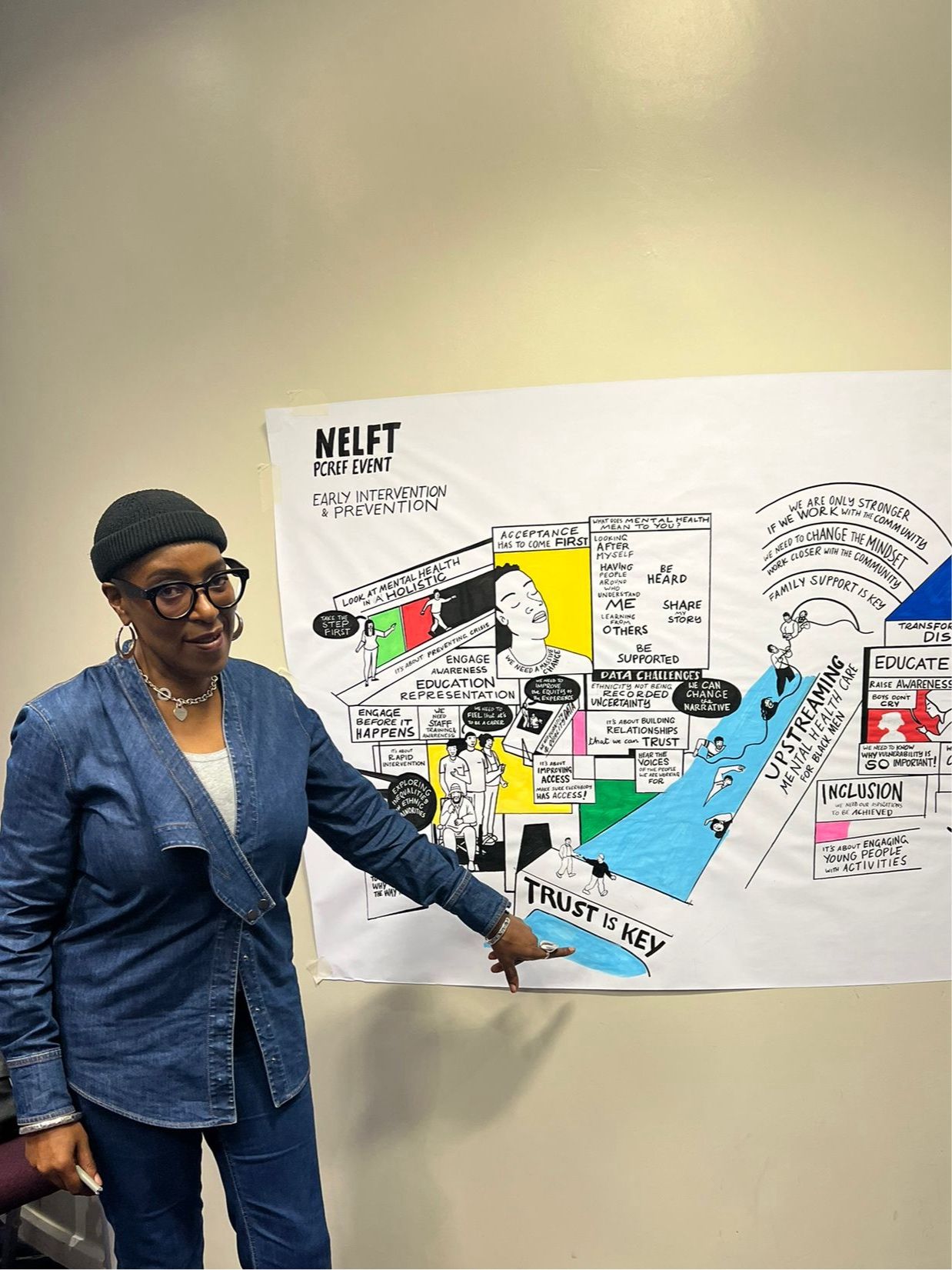
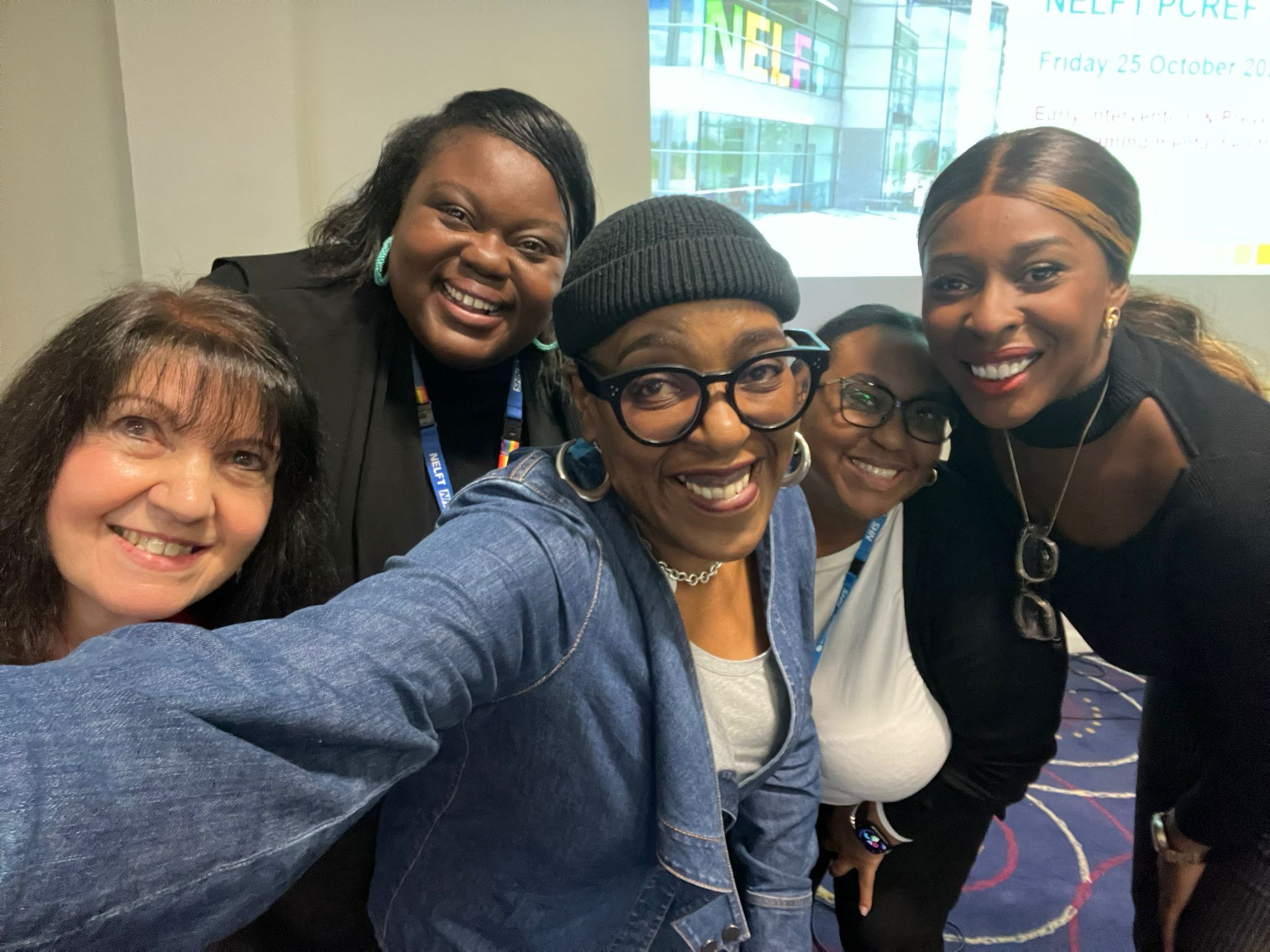
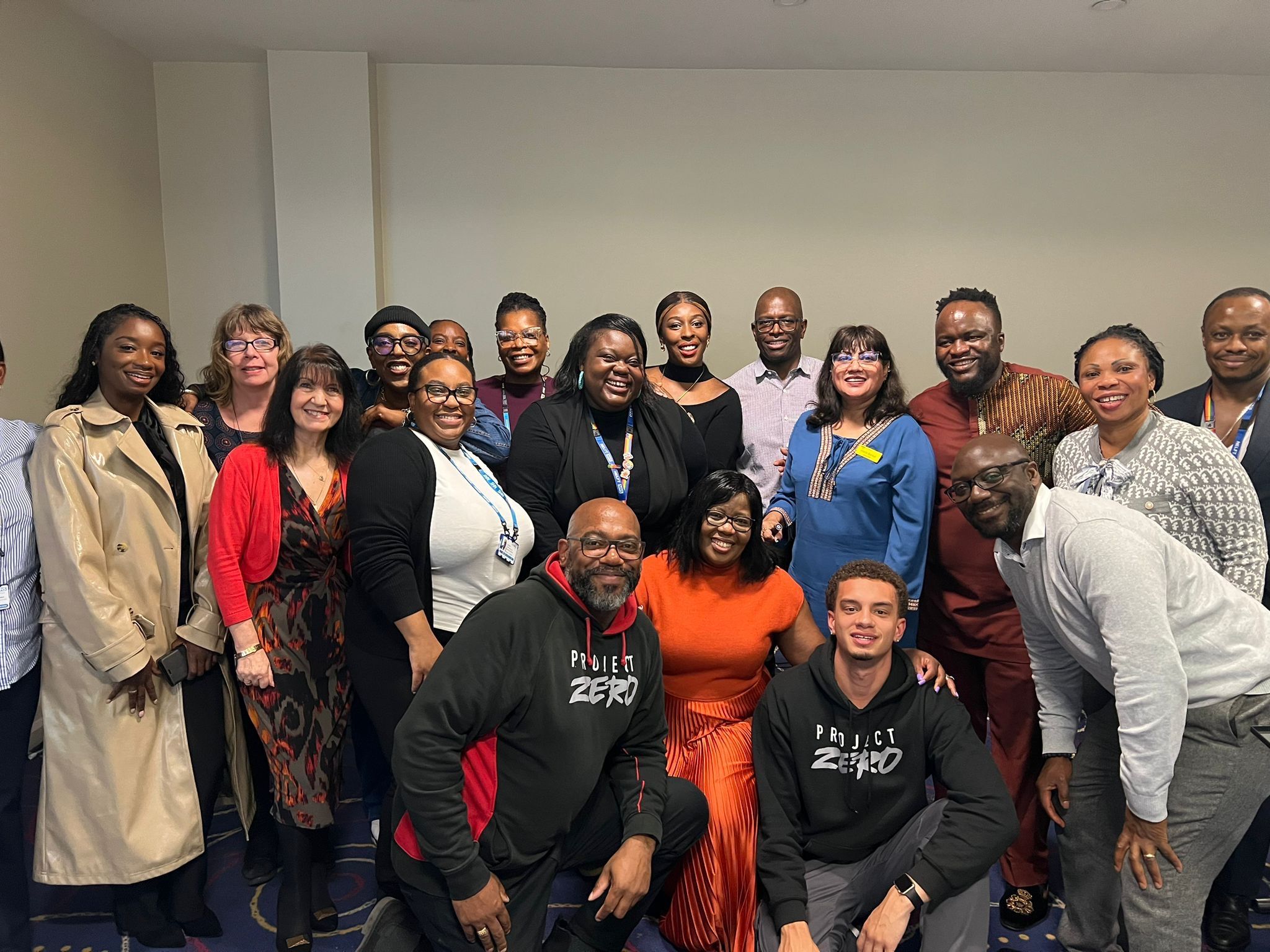
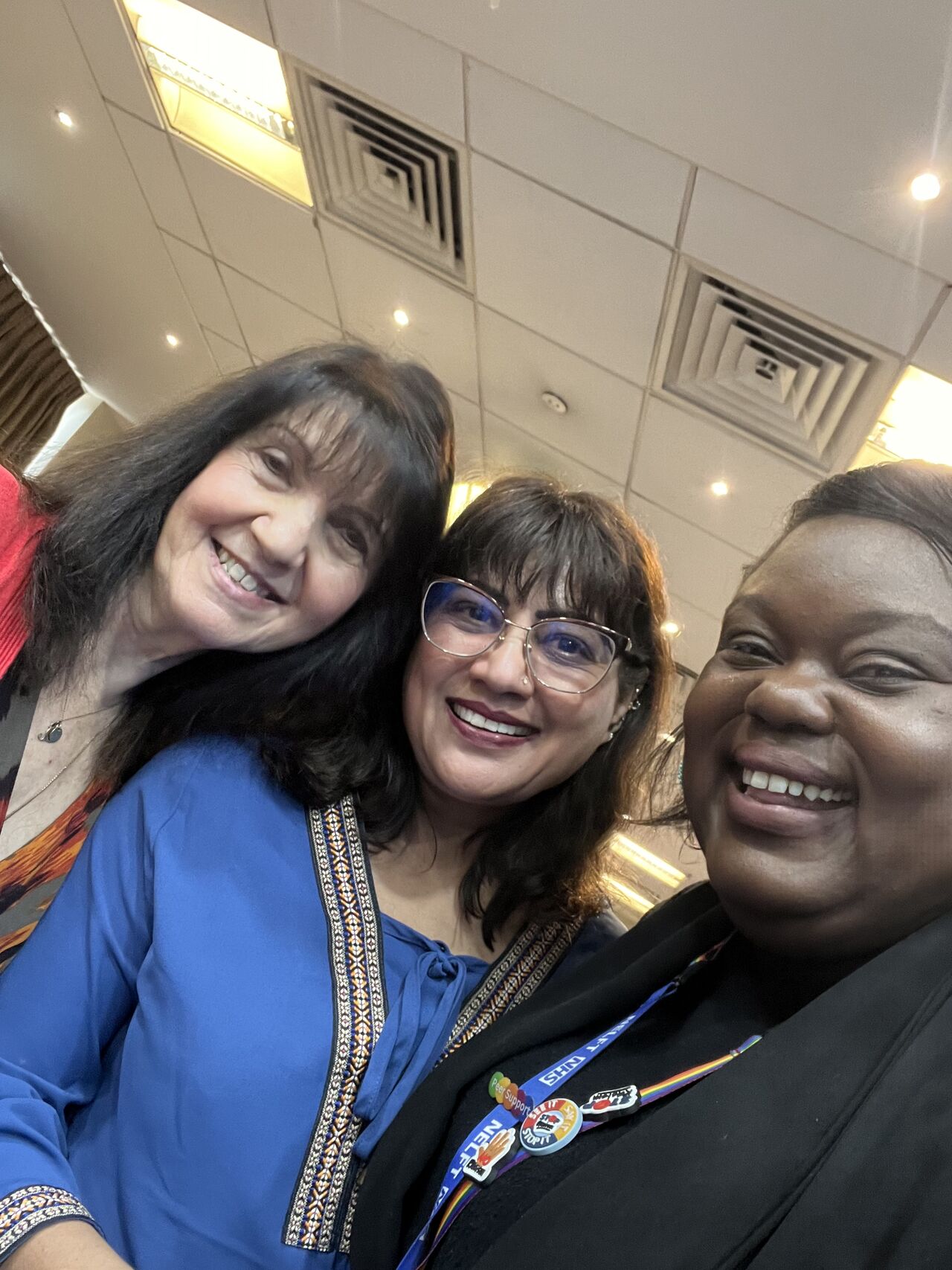
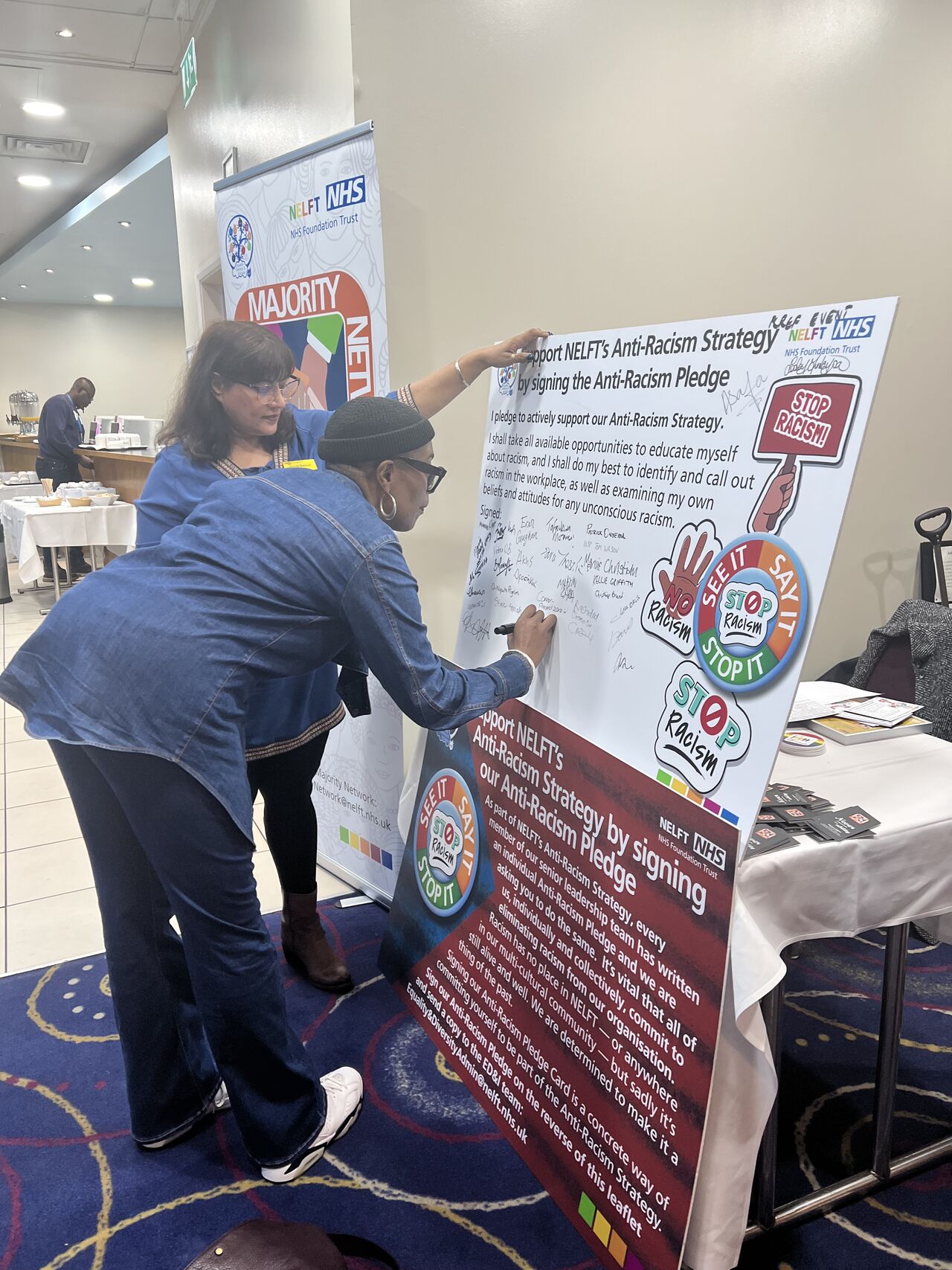
Matthew Mckenzie, the organizer of the mental health carers forum, introduced the event and its purpose. He mentioned that the forum is a platform for carers of minority groups to learn about new initiatives and updates from researchers and NHS trusts. Matthew also introduced Asia Zaman, the Transformation Project Manager for NELFT, who shared updates about the carer’s work stream and the upcoming launch of their carer strategy. Erica Deti, the PCREF Lead for NELFT, then discussed an event focused on upstreaming care and black men’s mental health. She highlighted the event’s success in engaging the community and the importance of incorporating creativity and cultural aspects into their work. Matthew also shared pictures from the event, which some can be seen below.

Anti-Racism Event and Carer Involvement
Matthew expressed his positive experience at the NELFT event focused on anti-racism, highlighting the multi-organizational nature of the event and the shared learning opportunities it provided. He also mentioned the launch of the Carers strategy, which he found interesting. Erica confirmed that they would be sharing the findings and learnings from the event with the group.
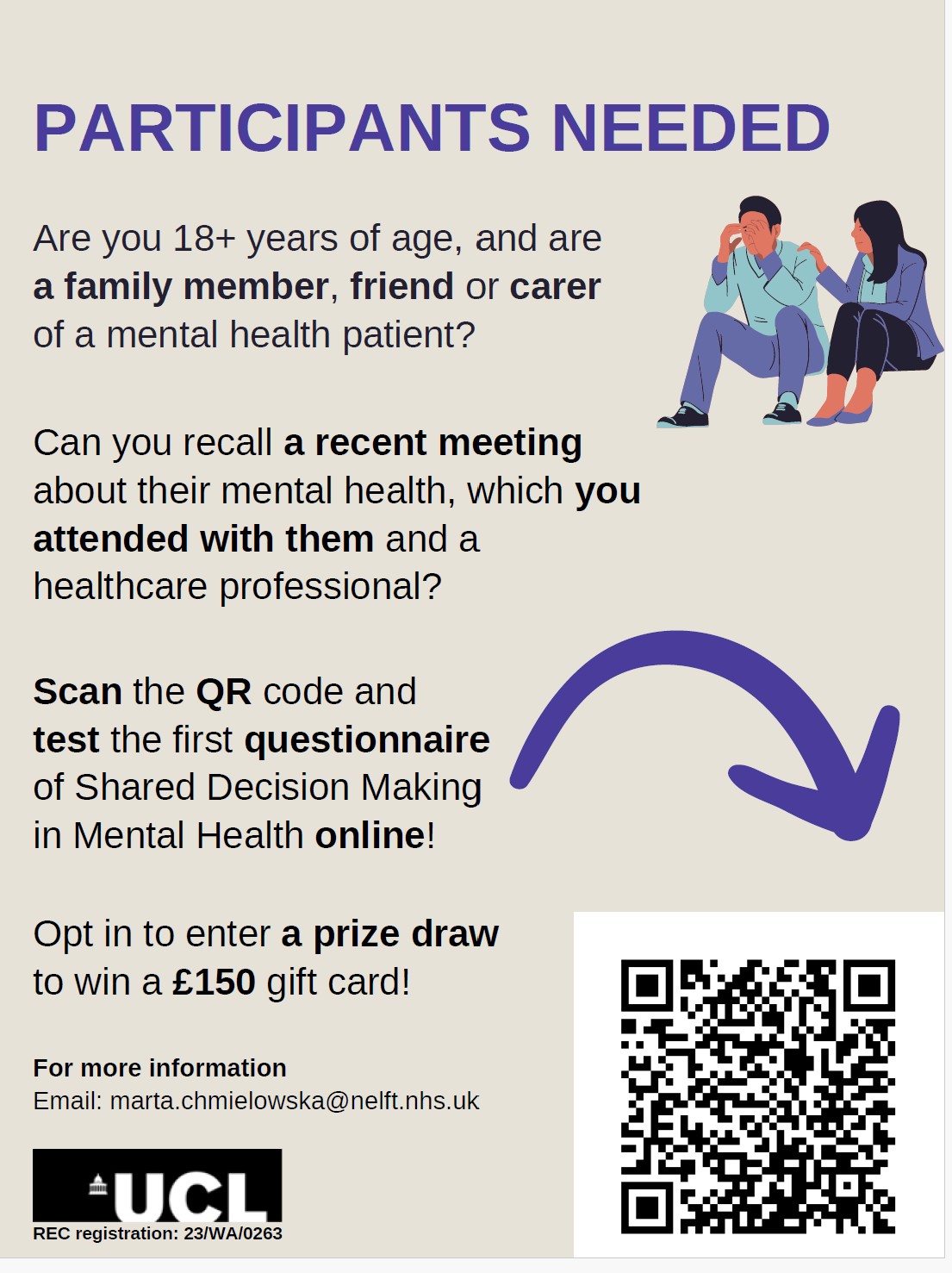
Marta Chmielowska at researcher at PhD Candidate in Clinical Psychology at UCL then presented her research project, which aimed to involve carers in the conversation about treatment and care in mental health services. She shared a questionnaire she developed and expressed her desire to promote it to encourage carers to participate
Marta’s Carer and Patient Project
Matthew opened the floor for any quick questions or comments for Marta, who had just presented on her project involving carers and patients. Matthew also mentioned that he would share the details of the project on his website. Marta then discussed her project, which involves a questionnaire for carers and patients to share their experiences. She mentioned that the project is online due to logistical reasons and that she has been in touch with various carer groups and charities.
For more details see poster below or email : m.chmielowska@ucl.ac.uk
Rethink Mental Illness Joins Impact Network
Ian and Ruqia from Rethink Mental Illness discussed the organization’s involvement in the Impact Network, a national organization focused on strengthening inclusion and anti-racist practice. The network, coordinated by the Universities of Birmingham and Sheffield, aims to put policy into practice and is action-oriented. The network meets four times over the next year and will decide on an action plan based on discussions and ideas. Ian and Ruqia encouraged interested individuals, including those with lived experience of severe mental illness and professionals in the mental health sector, to express their interest via email. They also mentioned that Rethink Mental Illness may have other opportunities in the future for those interested in their work.
CQC focus on Patient and Carer Race Equality Framework
Ciara and Giovanna discussed the Patient and Carer Race Equality Framework, a project they’ve been involved in since its inception. Giovanna, a senior analyst at the Care Quality Commission, explained the CQC’s role as the independent regulator of health and adult social care in England, and their oversight of almost 30,000 adult social care services. They also touched on their upcoming work, including the integration and coordination of the framework with their existing projects.
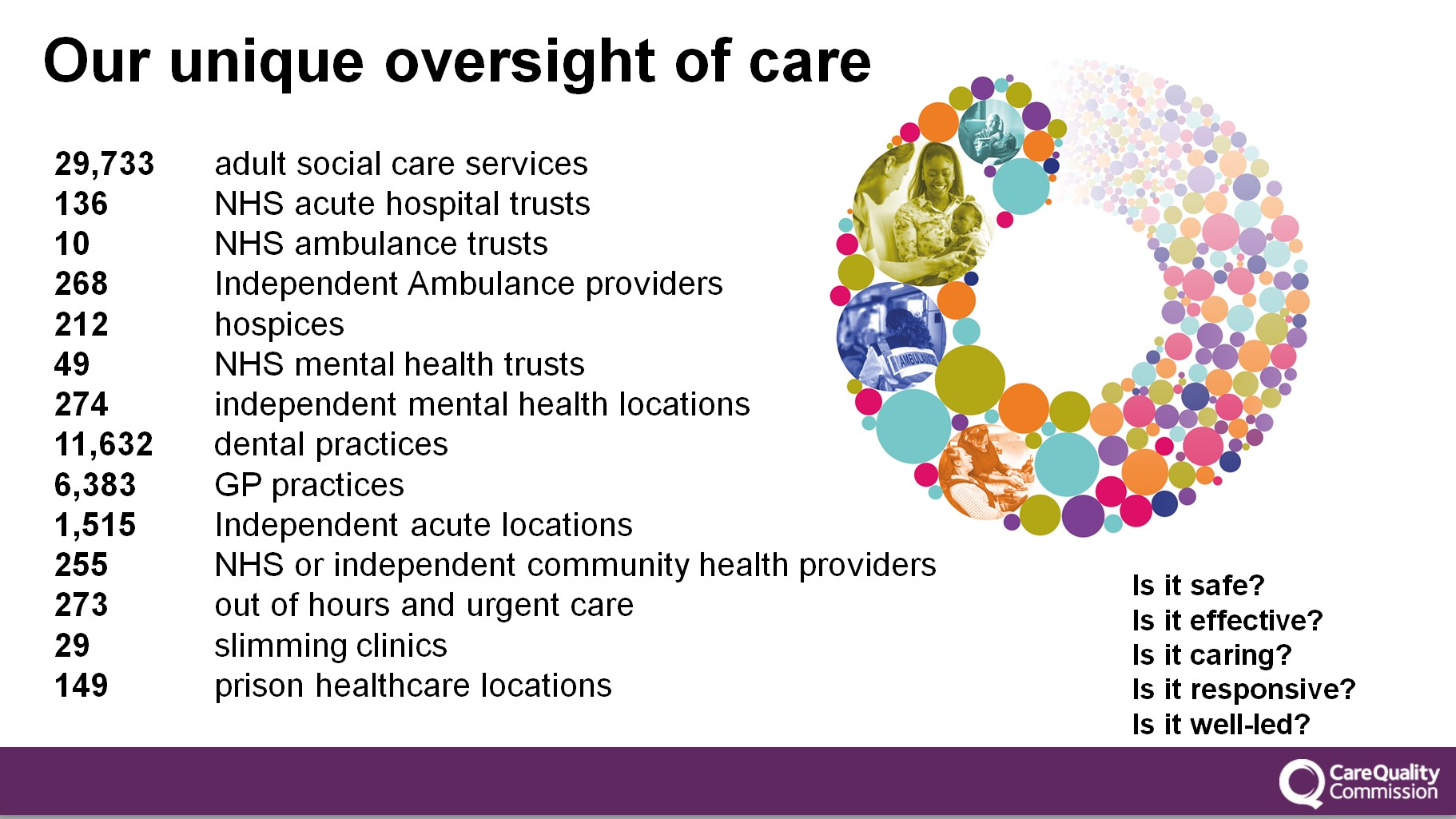
Giovanna also mentioned the publication of their annual statutory report, the State of Care report, and the legislative duties imposed on providers to register with them. The conversation ended with a discussion on the mandatory nature of the framework for all mental health trusts and NHS-funded mental health services.
Incorporating PCREF Into Regulation
In the meeting, Ciara discussed the role of the CQC incorporating the Patient and Carer Race Equality Framework (PCREF) into their regulation. They have developed interim guidance and training, and plan to use PCREF to inform their next set of guidance. They also intend to update their learning and training to support a more detailed understanding of PCREF. Ciara also mentioned the importance of including the voices of carers from ethnic minority backgrounds in their engagement and co-design of the PCREF guidance and training. The organization itself is also committed to being an anti-racist organization and plans to engage with stakeholders to add value. They are currently collecting good examples of feedback and good practice from their inspectors and mental health reviewers, and from pilot trusts. They also plan to share these examples in their monitoring the Mental Health Act Report.
For those interested, here are reports the CQC kindly presented.
Review into the operational effectiveness of the Care Quality Commission: interim report
https://www.gov.uk/government/publications/review-into-the-operational-effectiveness-of-the-care-quality-commission
Response to the interim findings of the Dash review into
CQC’s operational effectiveness
https://www.cqc.org.uk/news/stories/response-interim-findings-dash-review
Review into the operational effectiveness of the Care Quality Commission: full report
https://www.gov.uk/government/publications/review-into-the-operational-effectiveness-of-the-care-quality-commission-full-report
Professor Sir Mike Richards’ Review of CQC’s single assessment framework and its implementation
https://www.cqc.org.uk/publications/review-cqcs-single-assessment-framework-and-its-implementation
CQC responds to reviews by Dr Penny Dash and Professor Sir Mike Richards
https://www.cqc.org.uk/press-release/cqc-responds-reviews-dr-penny-dash-and-professor-sir-mike-richards
Mental Health Services Data Set
The CQC discussed the ongoing work on the mental health services data set, Version 7, which is expected to be implemented slightly later than planned to align with legislative changes. They emphasized the need for balance in managing changes to avoid disruption. A mental health trust representative asked about the new data set and review process, to which the CQC responded that they have had not heard about a new data set. A carer asked the CQC about the changes in CQC’s leadership and systems, to which the CQC confirmed significant changes and a new chief executive. Another carer asked for links to recent reports about CQC’s situation, which the CQC agreed to provide.
Representation and Board Member Experiences
Giovanna and Ciara discussed the importance of representation at their CQC board, particularly in terms of ethnicity and experiences using services. The CQC agreed to find out more about the personal backgrounds of their board members and the potential for a new board member with relevant experiences. The conversation also touched on the lack of representation of certain groups, such as clinical psychologists, in their organization. Matthew suggested that the CQC could engage with the group again in the new Year and possibly write a blog about minority mental health care.
Addressing Health Inequalities in England

Leila from The King’s Fund discussed a project focused on tackling health inequalities in England. The project, which has been ongoing since 2020, aims to identify key areas for action to be included in the anticipated 10-year health plan. Leila highlighted seven areas for action, including a cross-government strategy to address the root causes of inequality, a shift towards prevention, radically changing relationships between the NHS and communities, tackling systemic racism and discrimination, capacity building, focusing on the importance of place in this work, and prioritizing partnerships with voluntary community and social enterprise organizations.
Leila emphasized the importance of amplifying the voices of people who experience these inequalities and ensuring that these messages are heard and acted upon. The project’s findings are not new, but Leila stressed the need to continue raising awareness and advocating for change.
This concludes a short update of October’s National ethnic carers forum
 A Caring Mind