Here are two events for young carers over in the London Borough of Bromley. Check out the posters below for details. For more details contact Healthwatch Bromley – info@healthwatchbromley,co,uk


Here are two events for young carers over in the London Borough of Bromley. Check out the posters below for details. For more details contact Healthwatch Bromley – info@healthwatchbromley,co,uk
Welcome to a quick update from Carer activist and Cygnet Carer network Ambassador Matthew McKenzie. As involved at cygnet, I seek to connect with families and carers whose loved ones use the services of Cygnet. It is important carers are involved to help shape services and connect with other carers to shared knowledge in a peer supportive environment.
On Thursday 24th of October was the Cygnet Staff Achievement Awards 2024. Cygnet take pride in their staff and look to celebrate and award all the work their staff do.

The massive award ceremony was held over at Edgbaston Cricket Ground Banqueting Suite, Birmingham.



As a carer it can be difficult to feel part of something special, so I was delighted be called as a judge to submit my views as a carer network Ambassador regarding what I thought was important. Cygnet wanted to thank all their staff for the hard work and dedication to their job. To many, it is more than a job, which is why Cygnet wanted to award those who have gone beyond their call of duty.

Obviously before the event, I took my time to explore Birmingham. It is such a wonderful city and people are welcoming and friendly. I almost did not want to leave, but I also looking forward to attending the award ceremony. The location for the award ceremony was an excellent choice. The venue was easy to get to and hospitality was brilliant, with excellent food and welcoming staff.
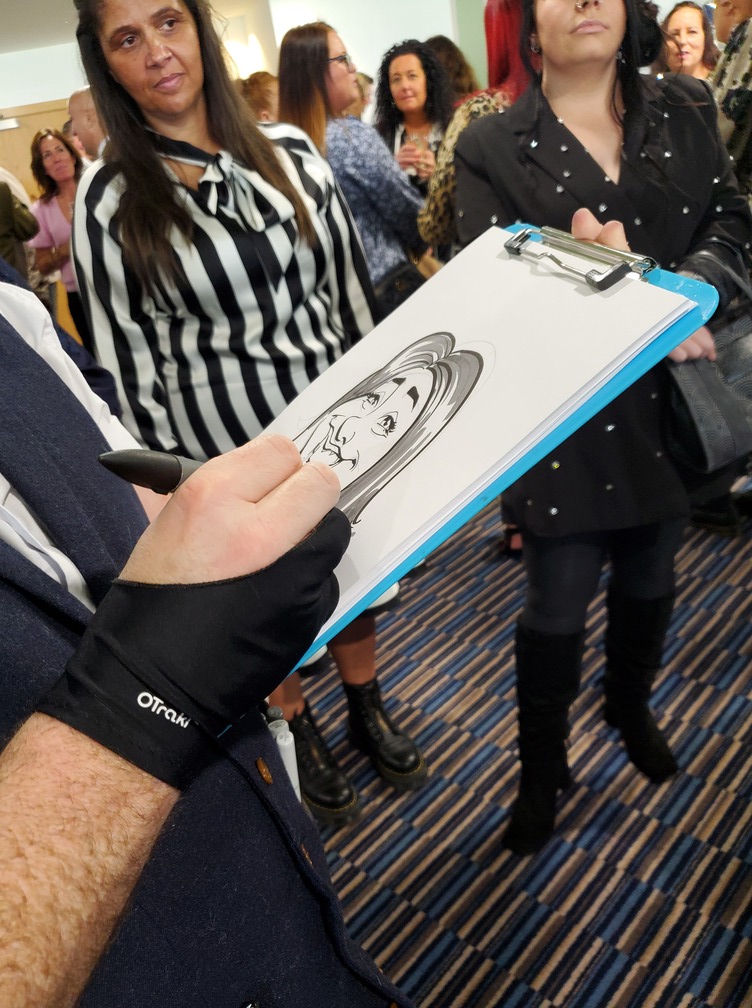






The Cygnet Staff Achievement Awards 2024 was presented by three inspirational people. The first being Carer and Actress Sally Phillips and her son Olly Bermejo.

Sally’s work as an actress is amazing starring in the following
Pride and Prejudice and Zombies
Bridget Jones: The Edge of Reason (2004)
Bridget Jones’s Diary (2001)
TV Comedy Series Miranda (2009)
She is also a patron of the Skylarks charity in Richmond [south-west London], which helps those with disabilities who fared much worse under austerity during the pandemic.
Next we heard from Nicolas Hamilton
An inspirational man who has made an impact in his life to change things around. He now uses what he has learned to help others. Nicolas Hamilton is a British racing driver who last competed in the 2023 British Touring Car Championship. He races with a specially-modified car due to his cerebral palsy. Hamilton is the paternal half-brother of seven-time Formula One World Champion Lewis Hamilton.

We then also heard from Dr Tony Romero Chief Executive of Cygnet on the importance of the award ceremony.

We then heard from David Wilmott Cygnet’s director of nursing who helped launch the award ceremony.

Awards Ceremony
There were lots of awards up for grabs as we all waiting in anticipation on who was to win for their achievements. Below is the following category list.
I would like to congratulate the winners of the awards listed, but to be fair those who were nominated were also winners in my eyes. It was all about taking part and celebrating staff as a whole.
























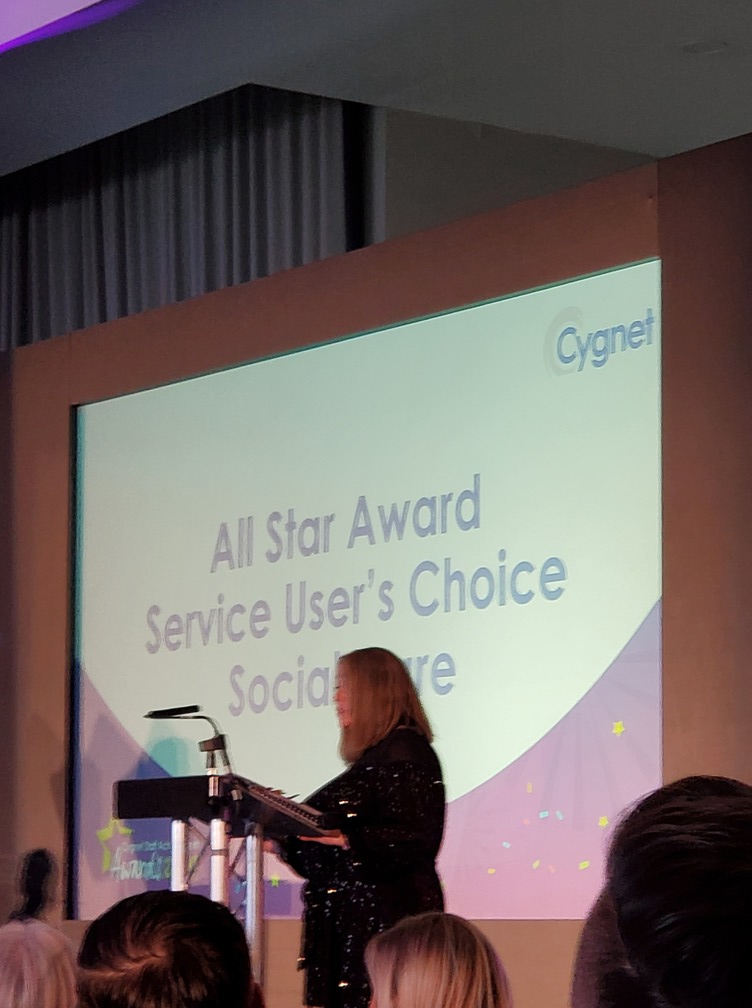

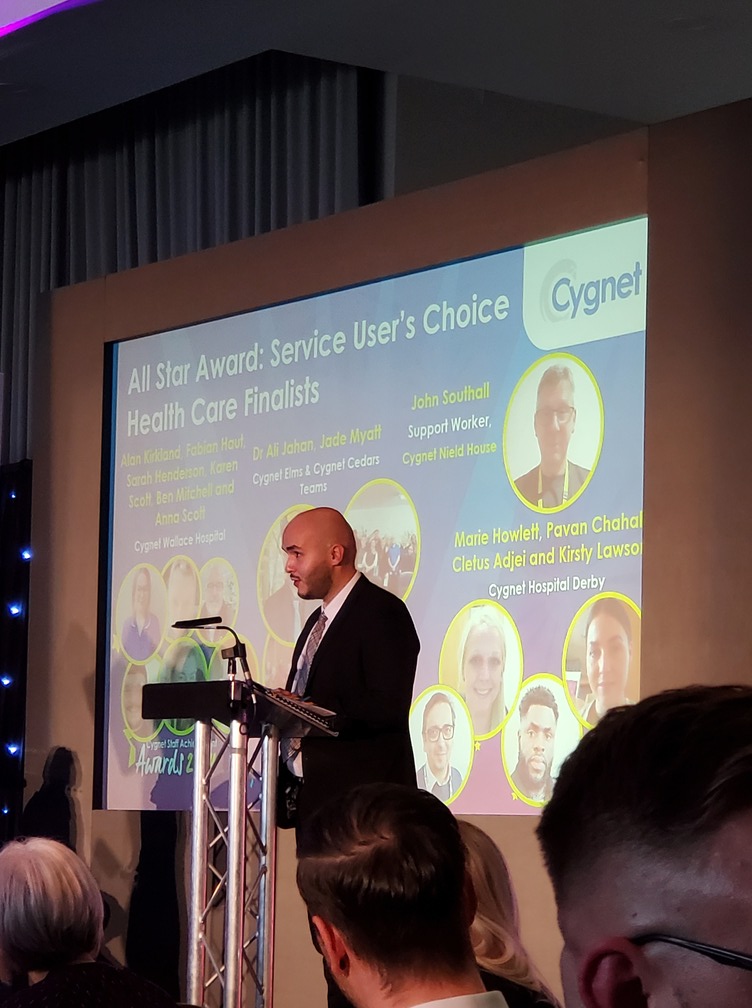

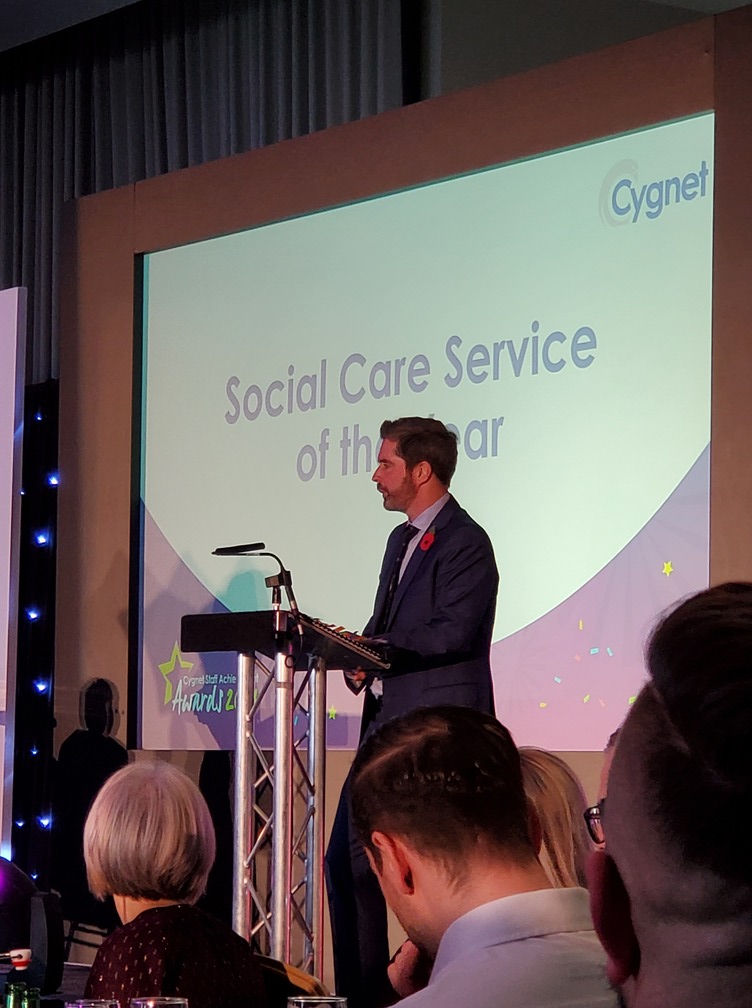

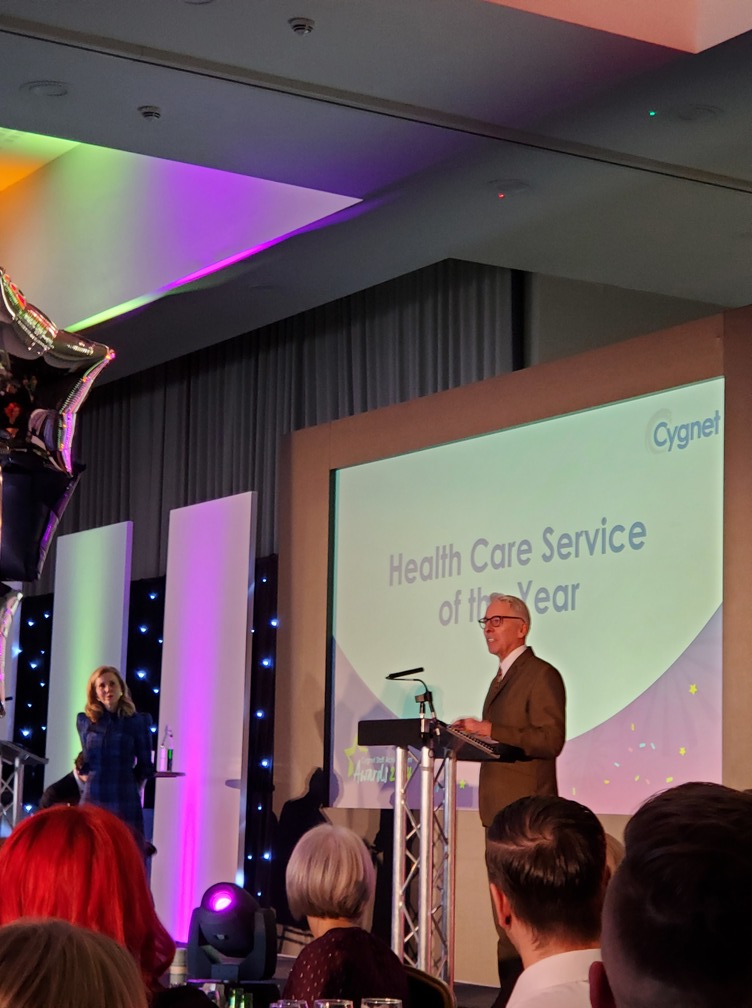

Below I have done a small video to celebrate and help promote the event. Well done everyone and good luck for next year.
Welcome to another carer educational and carer awareness blog post from carer activist matthew mckenzie. This time I present about the top tips for using carer centers as an unpaid carer.
This time we shall explore the comprehensive support provided by care centers for unpaid carers, from access to information to emotional support and practical advice. Learn how these centers help in navigating the healthcare system, offer specialized services, and promote carer well-being.
Remember, you can watch my video presentation which has a lot more detailed information (51 minutes) of educational resources aimed at unpaid carers.
Caring for someone with long-term ill health or specific needs due to conditions like autism can be a demanding and often isolating role. As a care activist, I aim to illuminate the invaluable resources available to unpaid carers through Carer Centers across the UK. This guide delves into the myriad support services, emotional and peer networks, skill development programs, and practical advice that Carer Centers offer. Whether you are new to the caregiving journey or have been providing care for years, this information can empower you to navigate this challenging yet fulfilling role.

Carer Centers are pivotal in providing unpaid carers with vital information and resources. They furnish up-to-date leaflets, guides, and access to workshops that cover various topics, including benefits, entitlements, healthcare options, and legal rights. This information empowers carers to make informed decisions about their caregiving responsibilities and the needs of those they care for.
Having current and relevant information is crucial for carers. Whether it’s about the latest benefits or new health services available, staying informed helps carers to plan effectively and manage their responsibilities better. Carer Centers strive to provide this information comprehensively and accessibly.

Caregiving often brings emotional strain and isolation. Carer Centers offer counseling services, although availability can vary due to funding constraints. Where accessible, one-on-one emotional support services help carers manage the emotional ups and downs of their role.
Peer support groups are a cornerstone of emotional support. These groups allow carers to connect with others in similar situations, share experiences, and gain practical advice. Whether in-person or online, these sessions foster a sense of community and collective understanding.

Carer Centers provide essential training workshops. These can include medication management, stress handling techniques, and specialized skills such as dementia care or effective communication with individuals with mental health conditions. These workshops equip carers with the tools they need to provide effective care.
Advocacy is a crucial, though sometimes scarce, service provided by Carer Centers. Advocates assist carers in representing their needs with local authorities and healthcare providers. This support can be invaluable when navigating the complex healthcare and social care systems.
Respite care services, though increasingly rare, are essential for preventing carer burnout. Carer Centers help arrange respite care, ensuring that carers can take essential breaks while their loved ones receive quality care.
Carer Centers offer advice on financial support, such as applying for carer’s allowance and accessing local grants. This financial assistance helps alleviate some of the financial strain that comes with caregiving responsibilities.

Understanding legal rights is fundamental for carers. Carer Centers provide information on powerful attorney, guardianship, and other legal aspects related to caregiving. These rights ensure that carers can make informed decisions and manage their caregiving responsibilities more effectively.
Carer Centers also offer practical advice on aspects of caregiving, including personal care techniques and communication strategies. This advice helps carers improve their caregiving skills and better address the challenges they face.

Organizing social activities, such as art workshops or short trips, allows carers to relax and socialize. These activities are crucial for maintaining a sense of normalcy and social engagement, which helps prevent isolation.
One-to-one support services, where available, provide personalized guidance tailored to the individual needs of carers. This personalized attention can make a significant difference in managing the unique challenges of each caregiving situation.

Young carers face unique challenges, balancing caregiving with education and personal growth. Specialized support groups provide young carers with the resources and community they need to navigate these challenges successfully.

Carer Centers also offer specialized services for minority groups and those who are unwell themselves but have caregiving responsibilities. These services ensure that all carers, regardless of their specific circumstances, receive the support they need.
Carer Centers frequently offer workshops on stress management, mindfulness, and relaxation techniques. These resources are invaluable for helping carers cope with the emotional and physical stress of caregiving.
In addition to emotional support, Carer Centers promote physical health through exercise classes, health check-ups, and nutrition advice. These programs ensure that carers take care of their own health, which is often neglected due to caregiving demands.

Navigating the healthcare system can be daunting. Carer Centers assist carers in understanding care plans, medications, and treatments for their loved ones. This support helps carers make informed decisions and advocate effectively for their loved ones.
Carer Centers help carers access specific health services, navigate legal and healthcare bureaucracy, and advocate for their needs. This assistance can be particularly valuable when dealing with complex healthcare systems.

Carer Centers provide advice on adapting homes to make caregiving easier. This might include physical modifications like installing fall alarms or home adaptations to improve mobility and safety.
Technological aids, such as monitoring systems, can significantly enhance caregiving. Carer Centers advise on and sometimes provide these technologies, helping carers maintain a safe and efficient caregiving environment.

Carer assessments are vital for identifying the support and financial aid that carers may be entitled to. These assessments help in planning caregiving roles and addressing the specific challenges that carers face.
Wellbeing services include exercise classes, nutrition advice, and support groups. These services are designed to improve the physical and mental health of carers, providing a supportive environment for sharing experiences and managing stress.
In conclusion, Carer Centers offer a wealth of support and information for unpaid carers. These services range from practical advice and skills training to emotional support and advocacy. While resources vary, the dedication of Carer Center staff and the availability of diverse programs make a significant difference in the lives of carers. If you are a carer, registering at your local Carer Center can provide essential support and enhance your caregiving role, helping you navigate this challenging journey with confidence and resilience.

Welcome back to another blog post by carer activist Matthew McKenzie. This time I will be exploring why those who care for a relative or friend living with mental ill health can be overlooked. If you want to watch the video, please check the link below (12 minutes).

The role of mental health carers, particularly those who are unpaid, is one of unparalleled dedication and complexity. This unique position often involves family members or close friends who provide essential support to someone experiencing mental health challenges. Yet, as crucial as their roles are, mental health carers frequently find themselves ignored by the health services they engage with. Understanding why this happens and what can be done about it is vital for improving the system’s response to both patients and their carers.
Mental health carers are individuals who offer unpaid support to someone dealing with mental health issues. While these carers can be anyone, they are most often family members or close friends. Their responsibilities are vast, ranging from providing emotional support to managing daily tasks and medication. In some cases, they also advocate on behalf of the individual they are caring for. The role they play is indispensable for the well-being of the person with mental health challenges.

One of the most significant issues that mental health carers face is the invisibility of their role. Unlike physical ailments where an injured limb is visible, mental health challenges often remain hidden. This invisibility extends to the carers themselves, whose contributions go unnoticed within the mental health sector. The efforts of these carers are central to patient recovery, yet they often receive little to no formal recognition.

The absence of formal acknowledgment is compounded by the fact that their contributions are unpaid. Since the health services do not financially compensate carers, their work is frequently taken for granted. This leads to a systematic oversight of their needs. Policies and health systems that are primarily patient-centric often overlook the well-being of carers, thus undervaluing their indispensable contributions.
Stigma surrounding mental health affects both patients and carers. Misunderstandings about chronic mental health symptoms lead to the questioning of the carer’s role. This societal stigma extends to those caring for individuals with mental illnesses, further isolating them from other family members, the broader community, and even preventing them from seeking support.

Often, the healthcare system’s limited resources and funding are focused primarily on the patient, contributing to the neglect of mental health carers. This patient-centric approach means that carers are expected to provide continuous support without adequate backing from mental health services. However, there is a limit to what carers can handle emotionally and physically before they begin to face burnout and refuse to continue their caregiving duties.
The emotional toll on mental health carers is immense. Constantly battling to secure services and support for their loved ones while managing their own daily lives leads to emotional burnout. The continuous juggling of responsibilities and the lack of breaks or assistance leave carers struggling to maintain their well-being.

Mental health carers often feel overwhelmed by the practical tasks required in caregiving. Managing medications, attending appointments, and handling daily routines alongside engaging in emotional support are exhausting tasks. When support services fail to provide adequate help, carers are left to struggle, exacerbating their emotional and physical exhaustion.
Addressing the issues faced by mental health carers requires a multi-faceted approach. Organizations like the National Institute for Health and Care Excellence (NICE) and the Triangle of Care provide several recommendations to improve the situation for carers.
Addressing the issues faced by mental health carers requires a multi-faceted approach. Organizations like the National Institute for Health and Care Excellence (NICE) and the Triangle of Care provide several recommendations to improve the situation for carers.
1. Mental Health Support and Counseling: NICE recommends providing mental health support and counseling to carers, recognizing the emotional strain they are under.
2. Respite Care: Offering respite care can give carers essential breaks, allowing them time to recover and maintain their own wellbeing.
3. Involvement in Care Planning: Involving carers in the advanced planning and decision-making process enhances their sense of value and ensures they are not simply left to handle everything on their own.
4. Education of Health Providers: Educating health providers about the importance of recognizing and supporting unpaid mental health carers is crucial. Care awareness training should be mandatory, especially for those working in the mental health sector.
5. Advocacy for Policy Changes: Advocating for policy changes that provide financial, emotional, and mental health support to unpaid carers is essential. Current policies often fail to consider the specific needs of mental health carers adequately.
The Triangle of Care is a model widely used in the UK and increasingly adopted internationally. It aims to create a holistic and inclusive approach to care by involving carers as key partners in the care system.
1. Collaborative Approach: The model emphasizes a three-way partnership between carers, patients, and mental health professionals. Effective communication and collaboration are fundamental, ensuring that everyone involved works together in the patient’s best interests, with the carer’s role fully recognized.
2. Recognition and Inclusion: By ensuring that carers are seen and acknowledged for their emotional, practical, and sometimes medical support, the Triangle of Care helps integrate them into the mental health care process as essential contributors.
3. Education and Training: Implementing the Triangle of Care involves educating health professionals on the importance of engaging with and supporting carers. This training aims to build a culture where carers’ contributions are valued and their needs met.
The role of mental health carers is indispensable yet often overlooked by the healthcare system. Addressing the challenges they face involves recognizing their contributions, providing adequate support, and reforming policies to become more inclusive and supportive. By adopting recommendations from organizations like NICE and implementing models like the Triangle of Care, we can begin to create a more compassionate and effective support system for mental health carers.
Ultimately, the well-being of mental health carers is deeply intertwined with the recovery and health of the patients they care for. Therefore, improving the support system for carers not only benefits them but also enhances the overall efficacy of mental health services. By acknowledging and addressing the challenges faced by carers, we take a step towards a more inclusive and effective healthcare system.

Welcome back to another blog update from Carer Activist Matthew McKenzie, who also runs the National Cancer Carer forum.

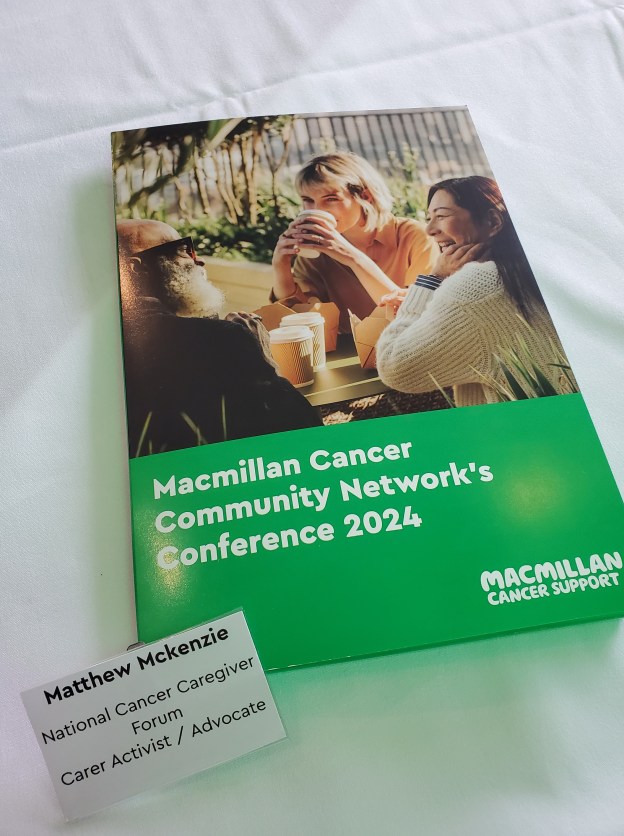
As usual I raise awareness of unpaid care, but because of the forum that I run, I was invited to attend Macmillan Cancer Support Community network conference. The event took place on the 22nd of October over at Oxo Tower

Macmillan Cancer Support is one of the largest British charities and provides specialist health care, information and financial support to people affected by cancer and those who support them. The charity also looks at the social, emotional and practical impact cancer can have, and campaigns for better cancer care.
There are several Macmillan Cancer communities, I am part of the London Cancer community network. Basically The London Cancer Community is a network of people who work or live in London who are either are living with, recovering from or have recovered from cancer; their friends, family and carers, healthcare professionals, community organisations, cancer charities and initiatives.
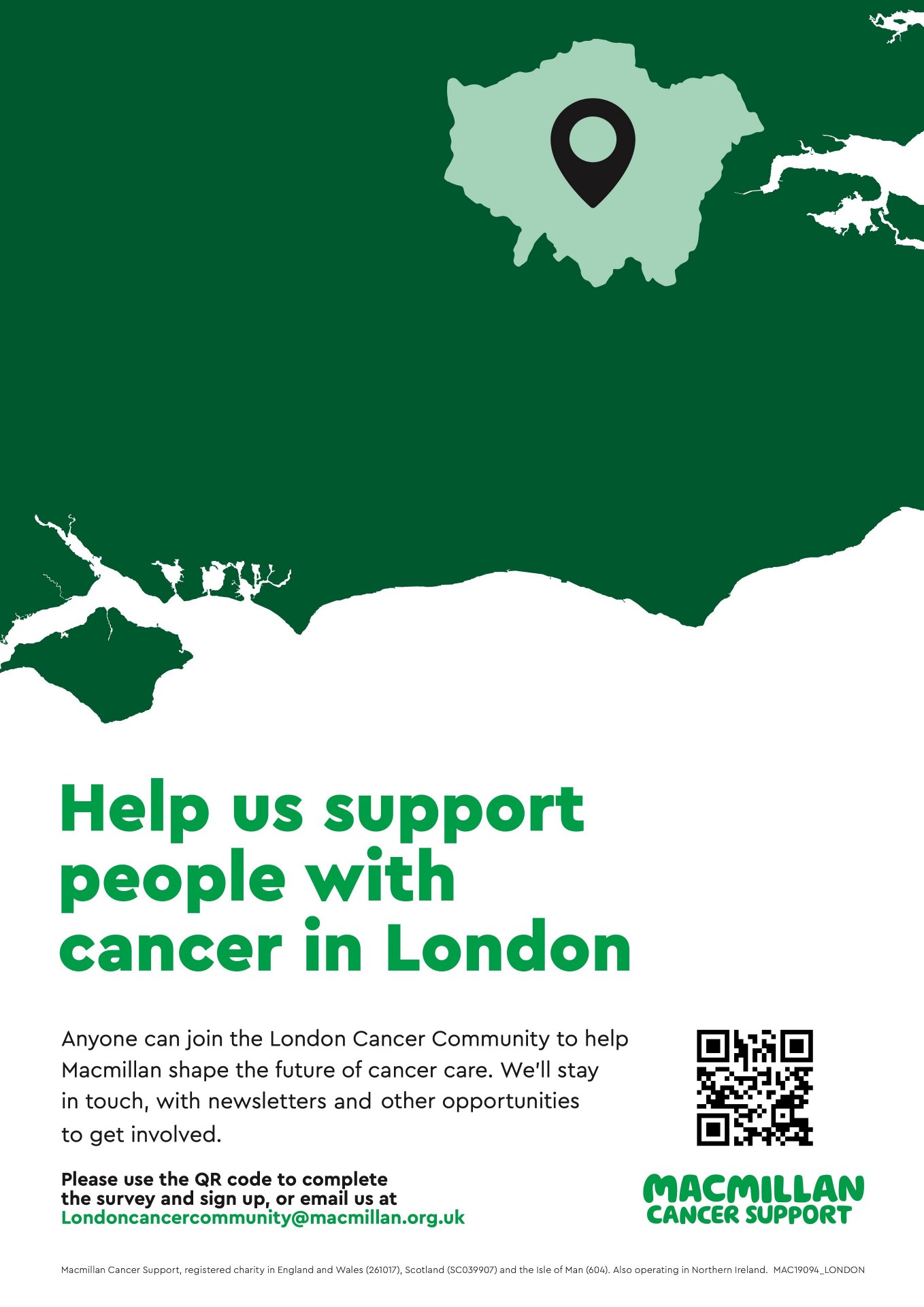
The Cancer community conference looked to celebrate the projects from network partners, raise awareness, network and also feedback.

The overall agenda was as follows
Registration from Macmillian staff who were friendly and polite. I felt to welcome attending the event. Plus I managed to grab some healthy breakfast as I was late arriving to the conference. So it was great to be well fed. I then managed to networking and browse some stalls. I was also joined by fellow carer activist Nadia Taylor who chairs the carer charity “Carers Network”.


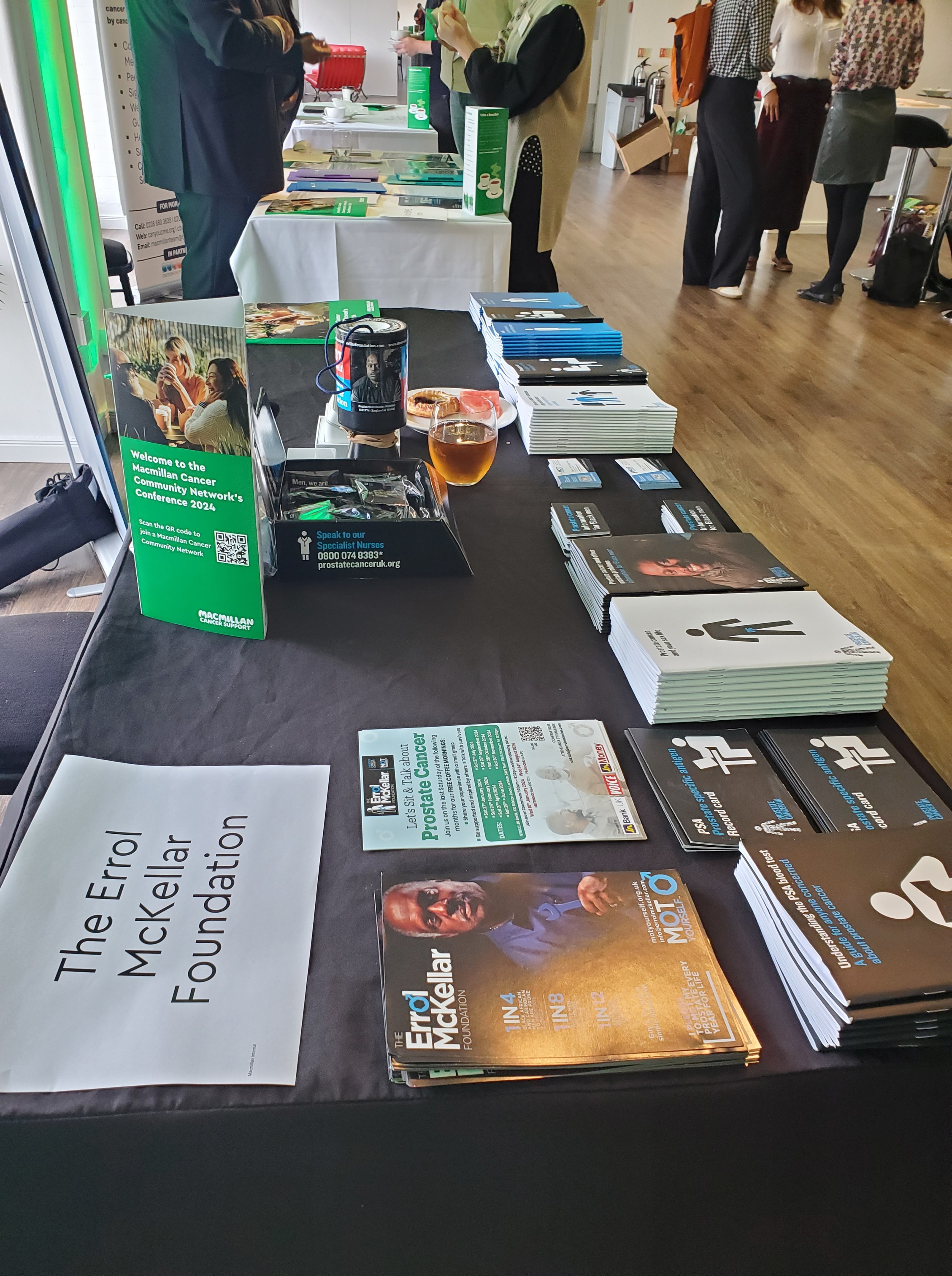
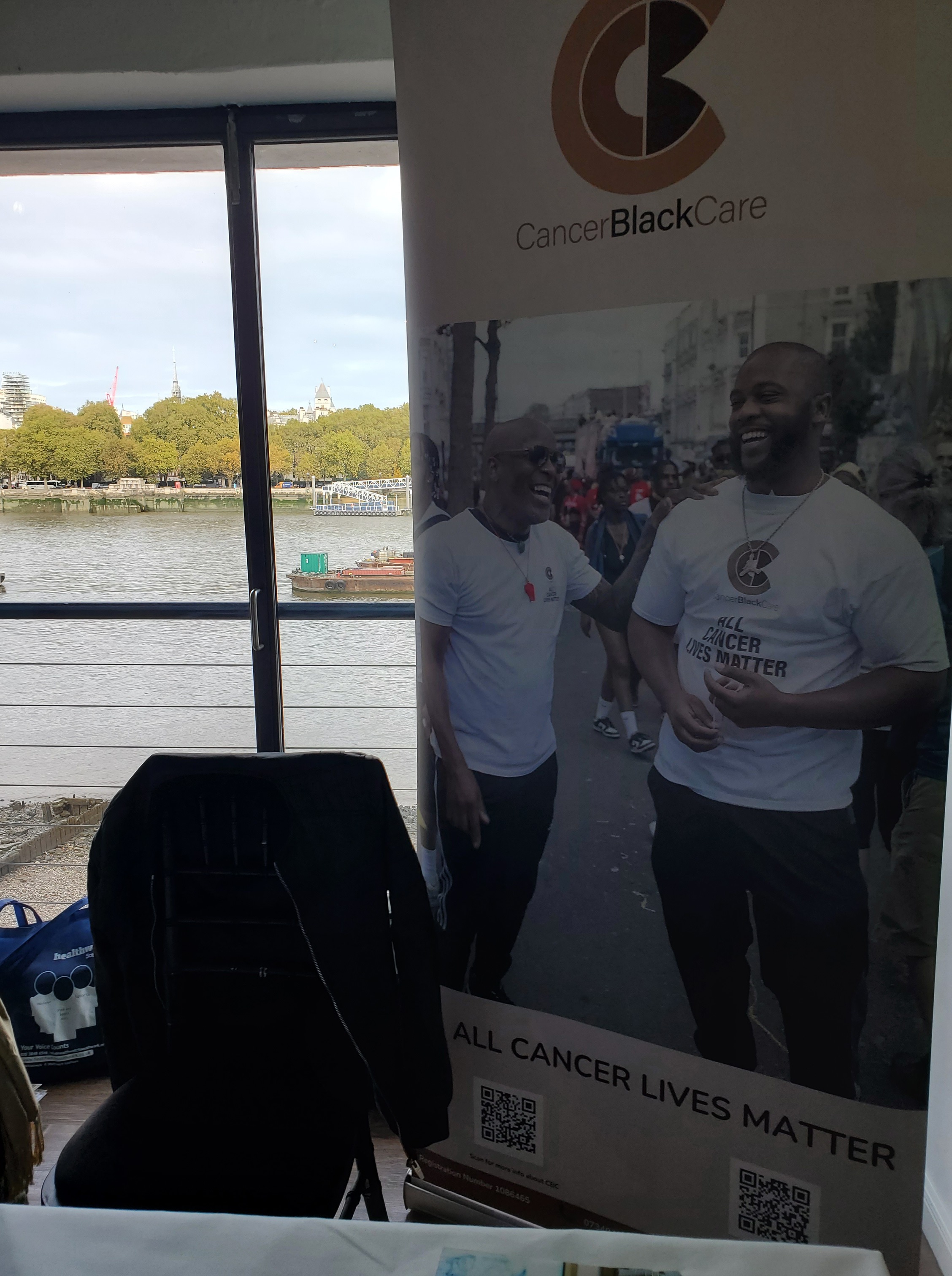

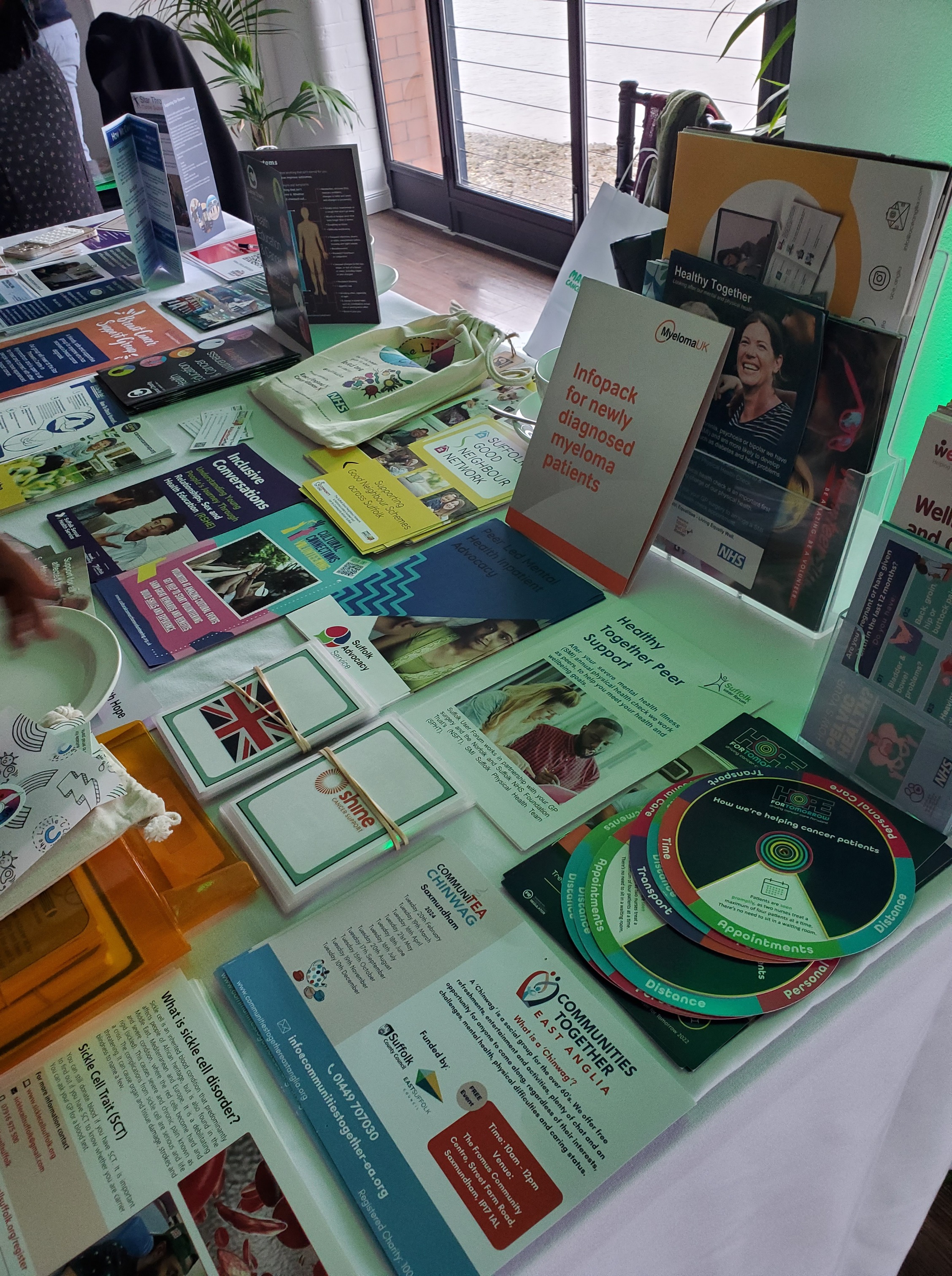
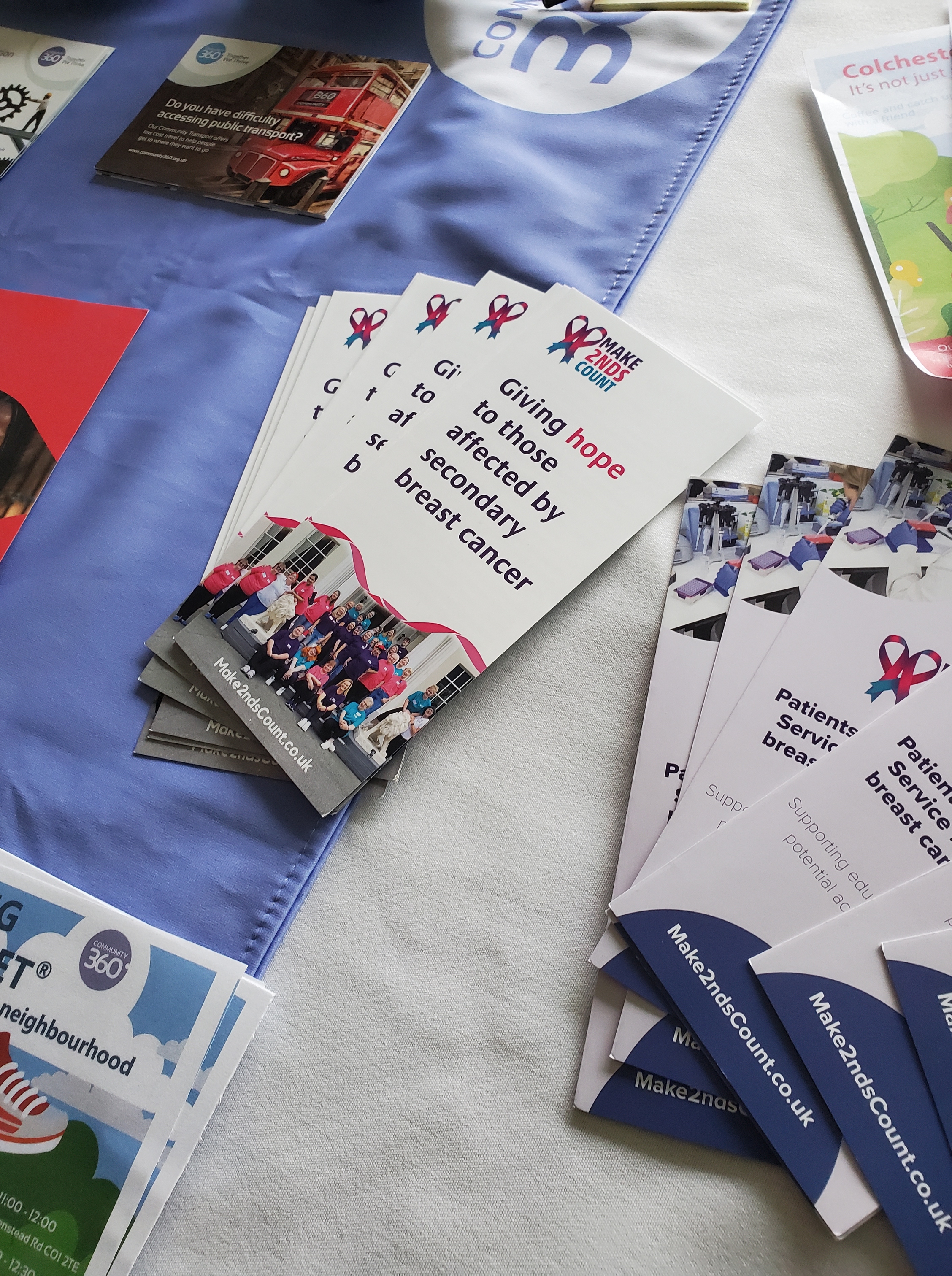
It was not long before we were ushered to our tables to hear about the importance of the event and the agenda for the day.
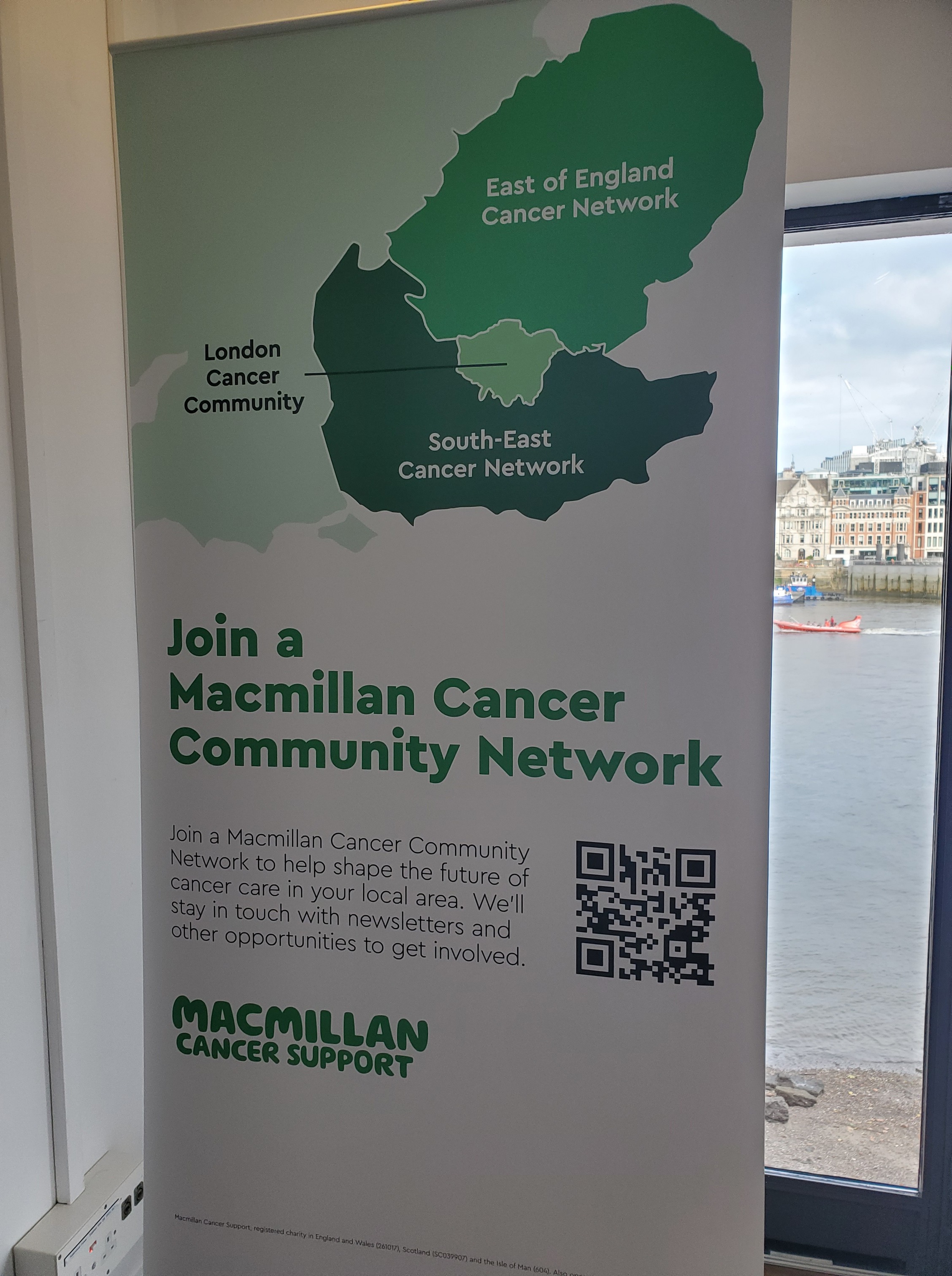


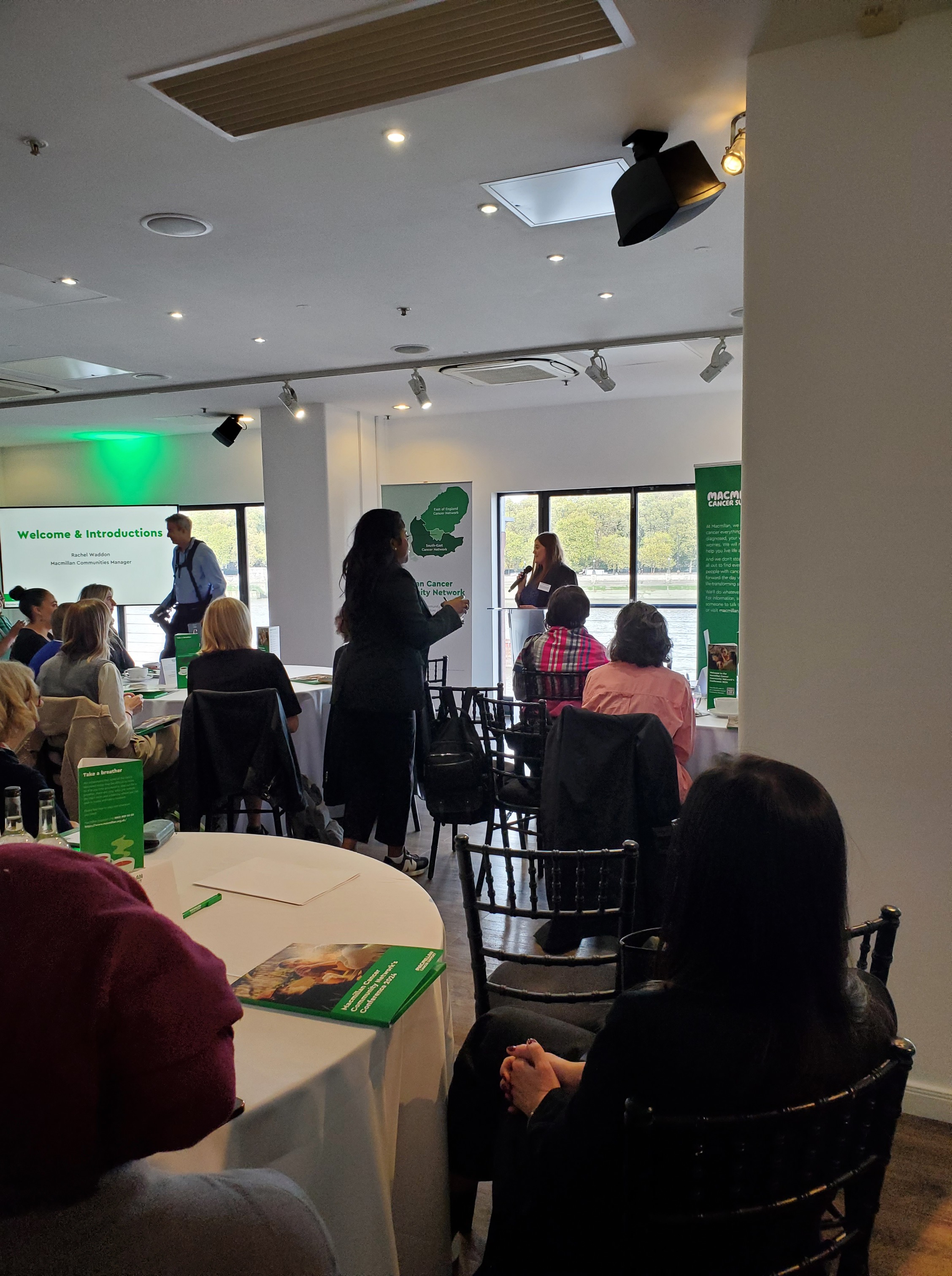
Then there were presentations from the following charities, health providers and campaigners.
Can you ‘C’ me – Croydon BME Forum
The Beauty of Support and Barbers Against Prostate Cancer
Samina Hussain – Sakoon Through Cancer
Judith Neptial – From me to you: the art of survival
Macmillan Quality of Life and Personalised Care Community Reach Programme
UCLPartners and Macmillan – The Improving Cancer Journey’s Learning Programme

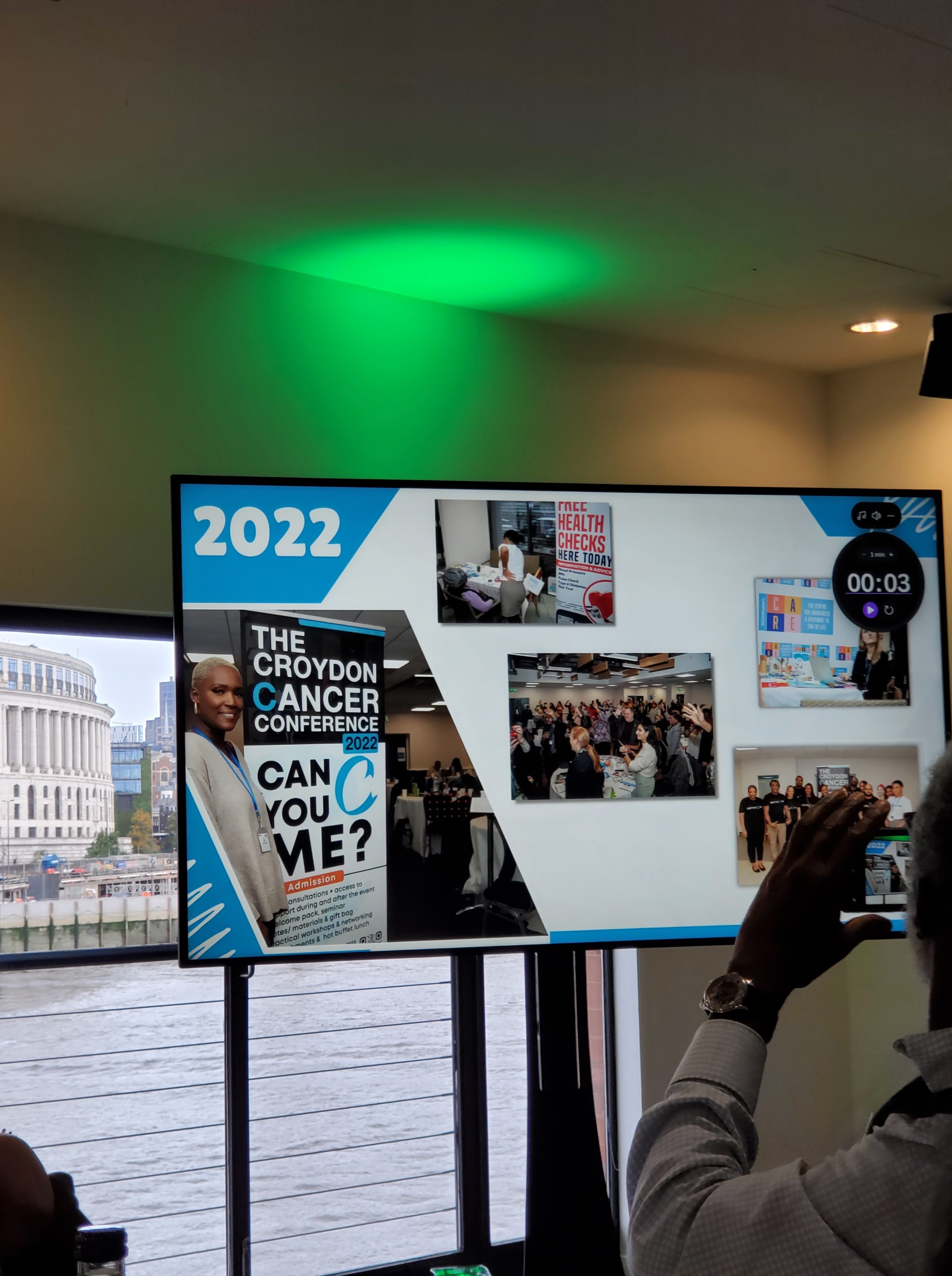
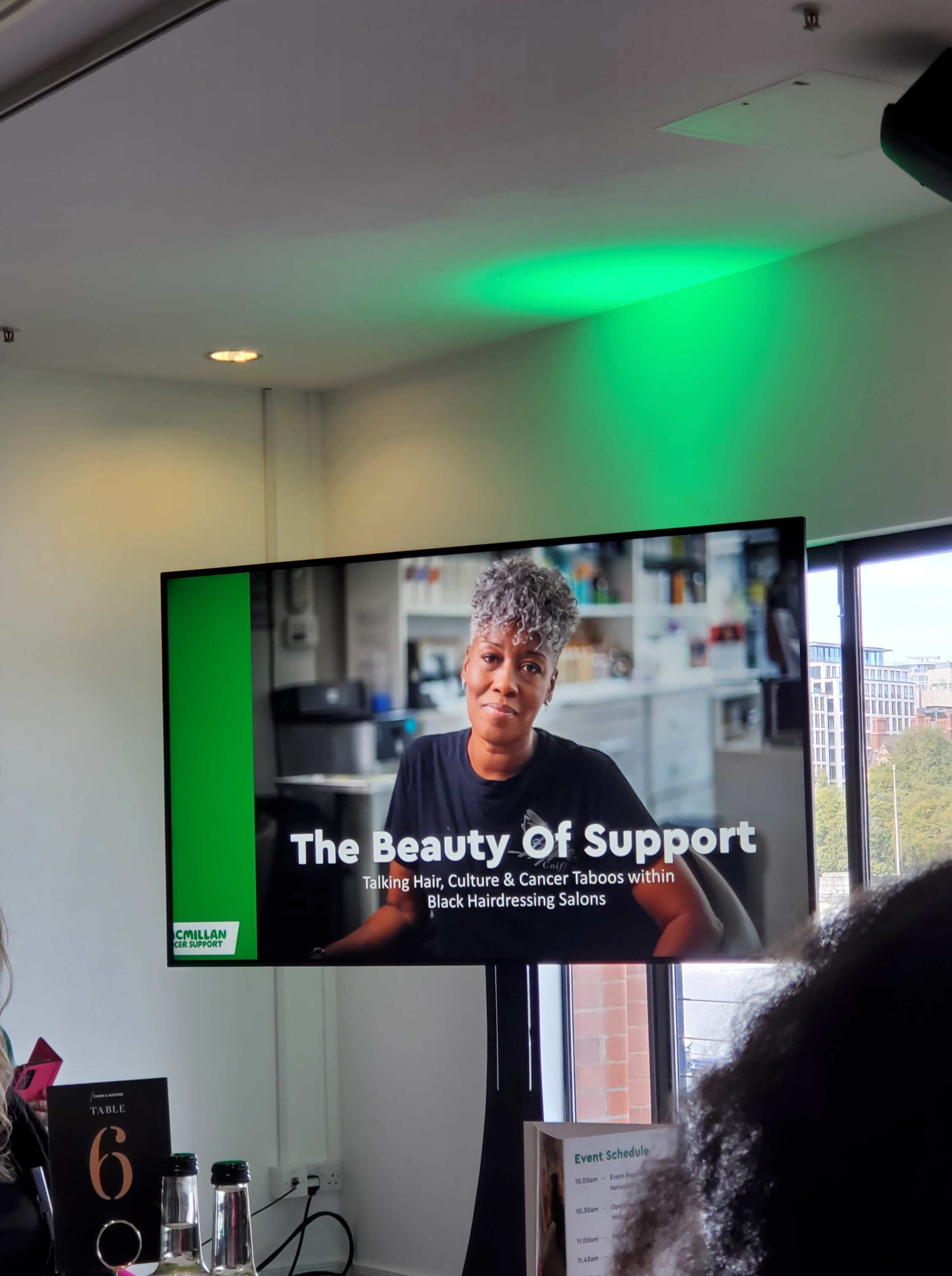

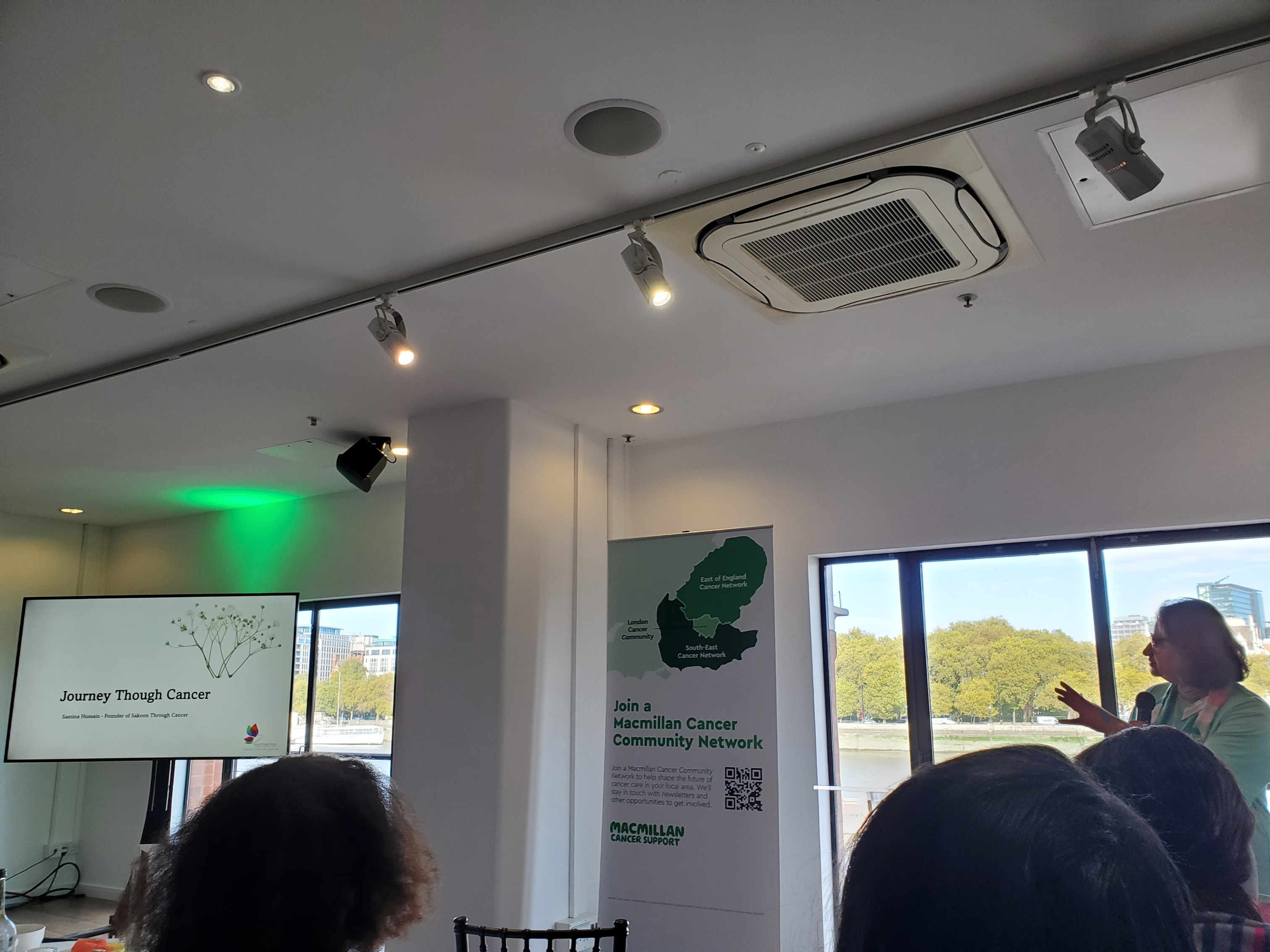
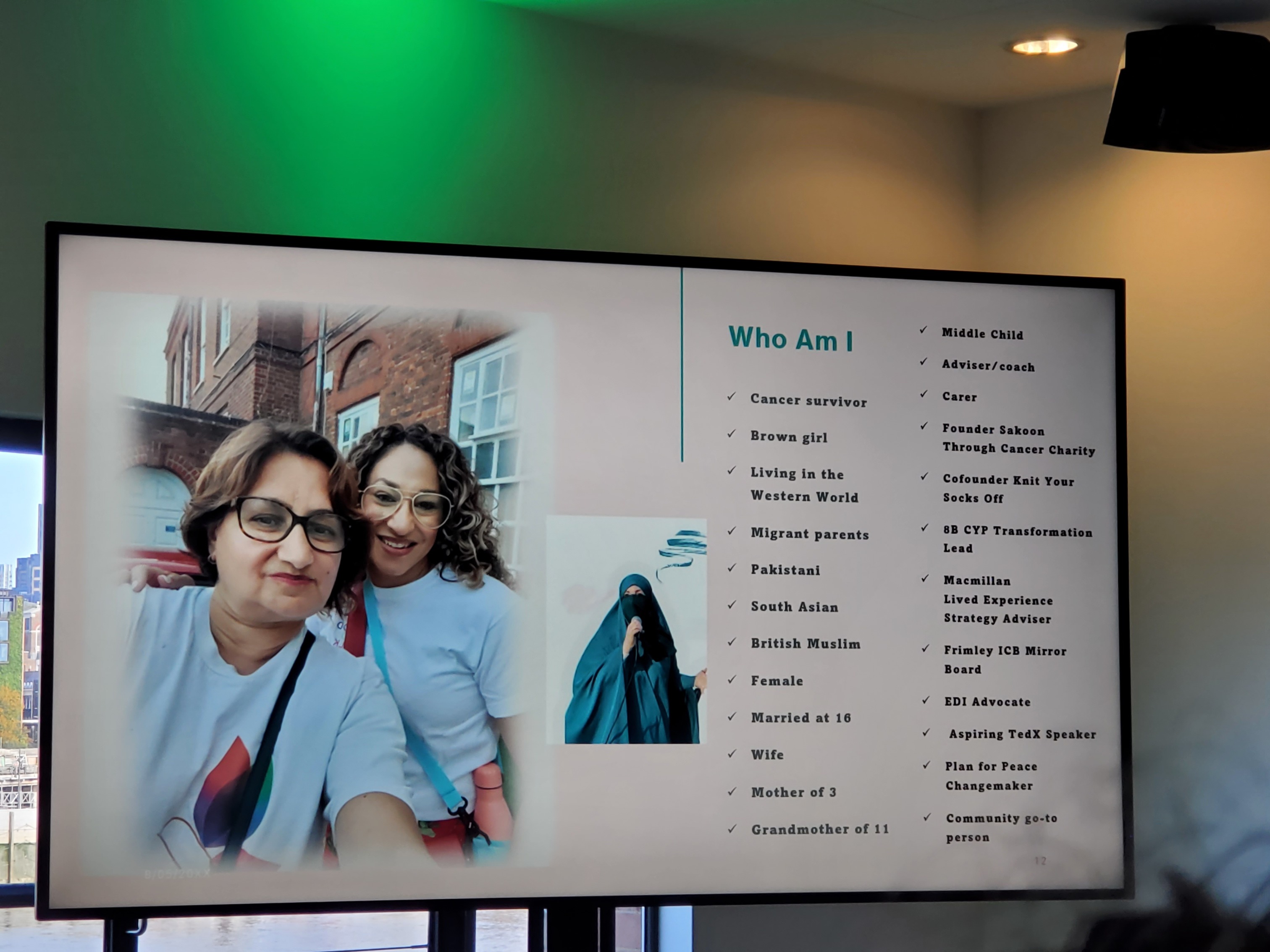
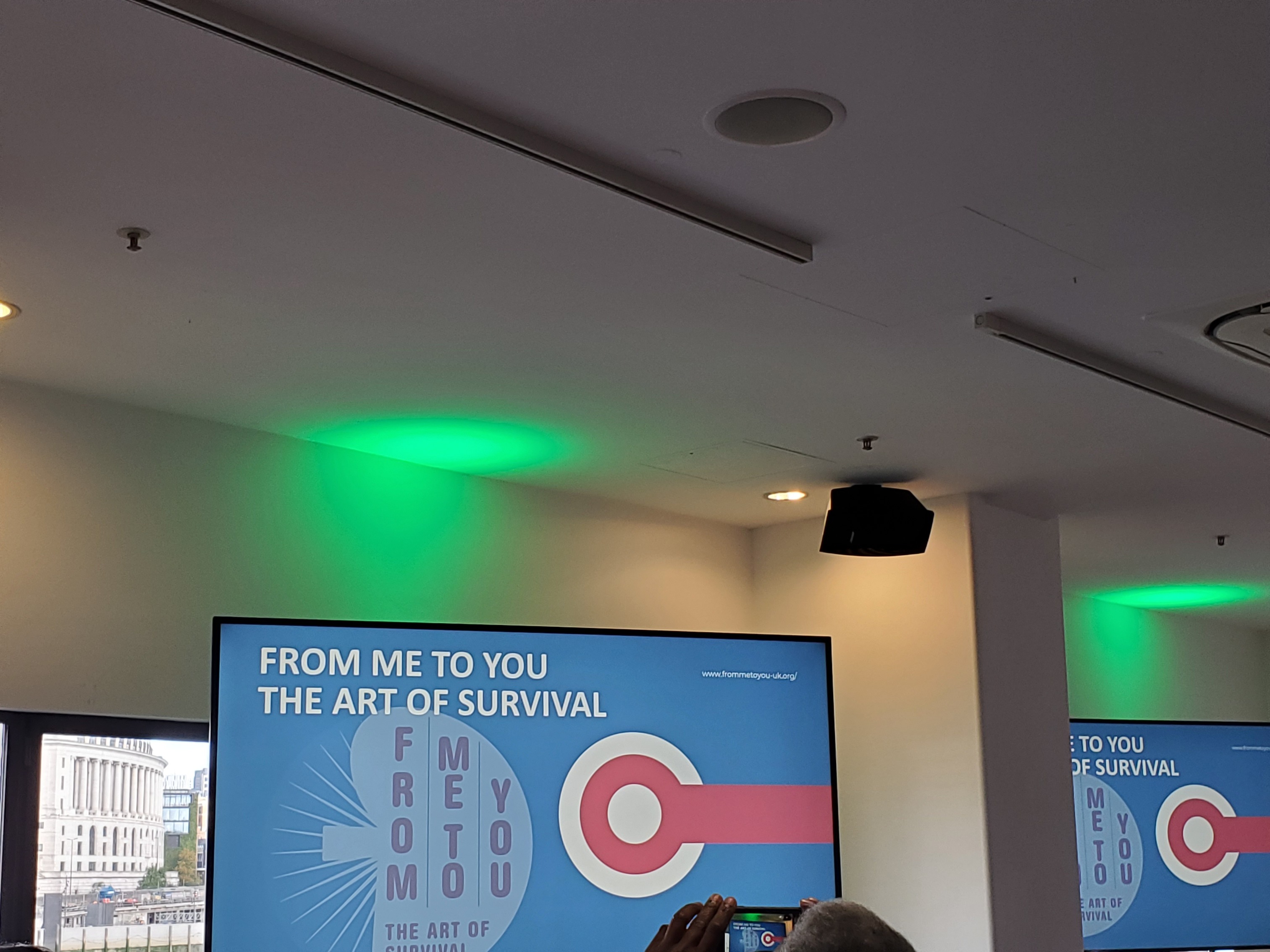
I spent a lot of time catching up with links to Cancer alliances as they support the group I am running, although my focus is with RM Partners who focus on South West and North West London. I also linked up with the Cancer Alliance the provides services to the North East of London.
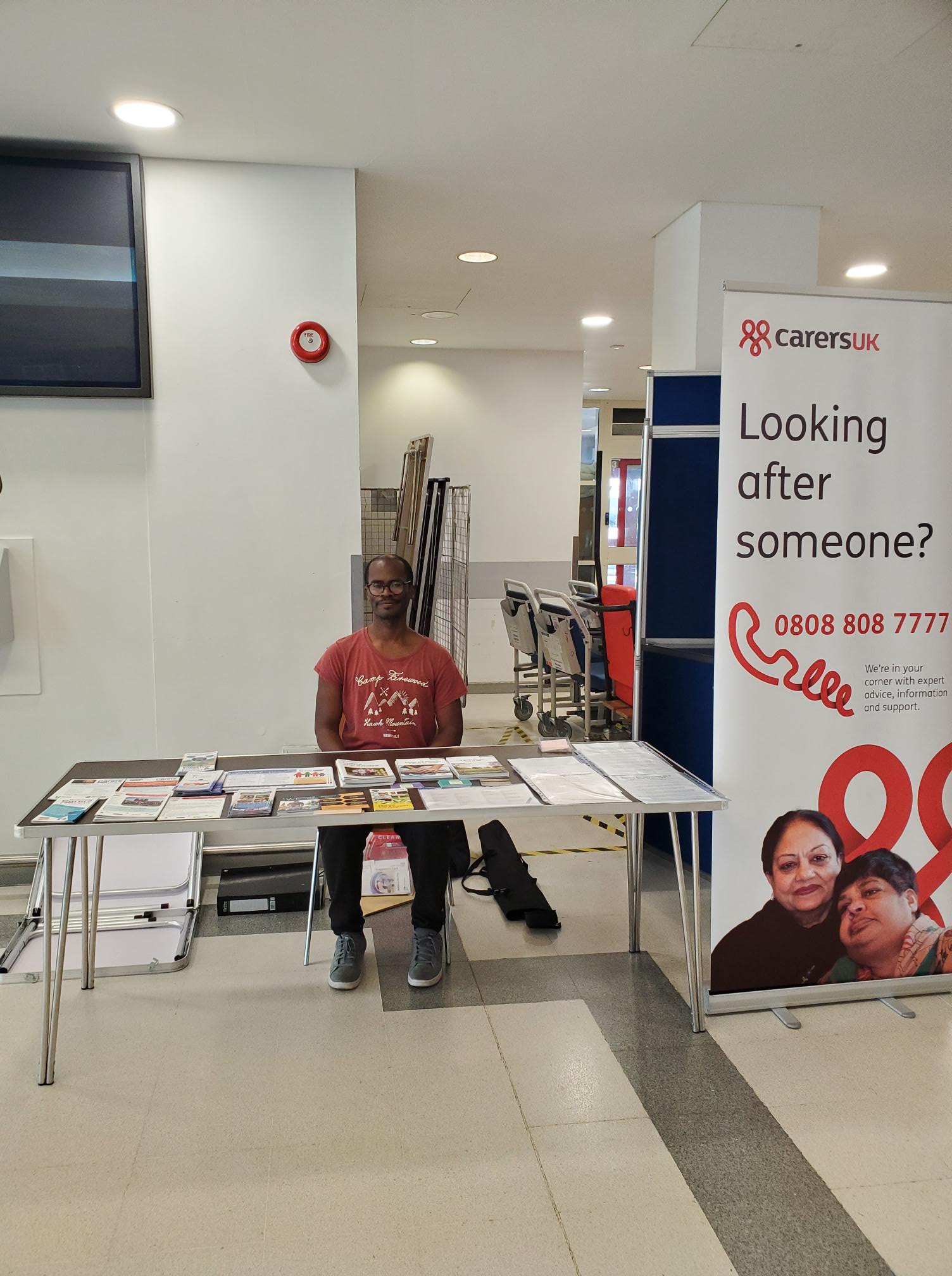
Overall I was glad to attend this wonderful conference, it was a shame I could not stay long as I headed off to run my carer stall at Queen Elizabeth Hospital over in Greenwich. I often get visitors to the hospital seeking advice and information due to caring for someone with cancer.
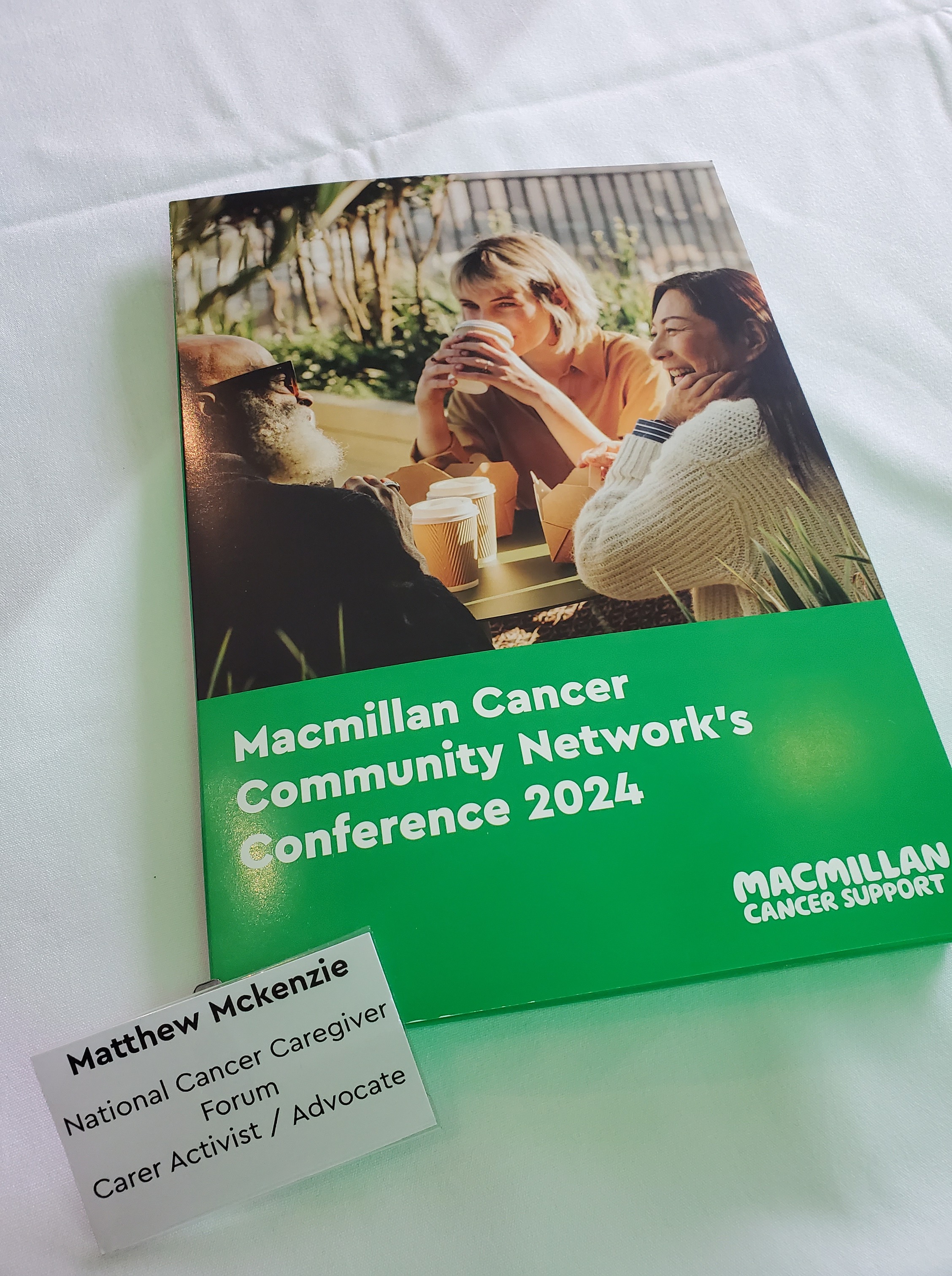
My final thoughts on the event was on the amount of hard work to put the conference together. The conference felt like it was forming a community of those who did all they can to support the health of the community. I cannot wait till the next conference.
Please check out Macmillan Cancer Support community network newsletter below.
Welcome to another blog post by Matthew McKenzie, carer activist. This time my blog is on defining someone who cares for someone with mental illness. Watch the video for a detailed view.
When we think of carers, images of individuals who provide support for long-term illnesses often come to mind. However, the world of carers is complex and varied. Among the diverse profiles of carers, one group that frequently goes unrecognized is mental health carers.

Mental health carers are individuals who dedicate their time and energy to support those with mental health issues, doing so without any remuneration. These carers are not looking after someone with a broken leg or a physical disability, although physical ailments can sometimes accompany mental health challenges. Instead, they provide crucial support to individuals experiencing emotional and psychological distress.
One of the primary roles of a mental health carer is to provide emotional support to their loved ones. This can involve consistent encouragement, reassurance, and understanding. Emotional support is essential in helping individuals navigate through their mental health difficulties.

Mental health carers also offer practical assistance. This can range from helping with household chores to managing the medical needs of the person they are caring for. Depending on the severity of the mental health condition, the level of practical assistance required can be substantial.
Another critical aspect of a mental health carer’s role is handling crisis situations and ensuring safety. This involves monitoring for signs of relapse, such as self-harm or suicidal tendencies, and intervening when necessary. Mental health carers play a vital role in managing these emergencies, often acting as the first line of defense in safeguarding their loved ones.
Mental health carers often find themselves in advocacy roles, speaking up for the needs of the person they care for. This can be due to the lack of insight the person with mental health issues may have into their condition, especially during a crisis. The carer must ensure that their loved ones receive the support they need and help plan for their future.

Mental health carers are crucial in the recovery and management of mental health conditions. They should be engaged with and communicated with effectively by health professionals. This includes providing them with information about the condition and involving them in treatment discussions, with the consent of the person receiving care.

One of the significant impacts on mental health carers is the potential sacrifice of their own well-being. The emotional, physical, and mental strain of caring for someone with a mental health condition can be immense. Carers often find themselves on call, ready to respond to any crisis, which can take a toll on their health and well-being.

Providing emotional support involves consistent encouragement, reassurance, and understanding. Carers help their loved ones understand their mental health conditions and encourage them to seek support when needed.
Practical assistance can include helping with daily responsibilities and household chores. Some mental health conditions or the side effects of medications can make it challenging for individuals to manage these tasks themselves. Carers often step in to fill this gap, ensuring that their loved ones’ basic needs are met.
Carers play a crucial role in monitoring their loved ones for signs of relapse or deterioration in mental health. This can involve observing for self-harm tendencies or signs of suicide risk and taking appropriate actions to mitigate these risks.
Maintaining relationships and social activities is vital for mental well-being. Carers assist in this by encouraging and facilitating social engagement for their loved ones. However, this can be particularly challenging if the mental health condition involves symptoms like paranoia or anger, which can strain relationships.

Mental health carers should receive formal recognition for the vital role they play. This acknowledgment can come from health professionals such as social workers, care coordinators, and psychiatrists, as well as from society at large.
It’s essential for carers to be actively involved in treatment discussions and decisions. Their insights and observations can provide valuable contributions to the treatment process. Since health professionals cannot be available 24/7, carers often act as the primary support for individuals with mental health conditions.

The unpredictable nature of mental illness can lead to significant emotional strain for carers. They may experience feelings of helplessness, anxiety, loneliness, and anger. The constant vigilance required to monitor their loved ones can be exhausting and emotionally taxing.
Carers often feel isolated due to the stigma surrounding mental health issues. They may face judgment from others who do not understand the complexities of mental illness, leading to further isolation. This stigma can also extend to their personal and professional lives, creating additional challenges.
To provide care for their loved ones, carers often sacrifice their own mental, physical, and emotional needs. This can lead to burnout and a deterioration in their own health. The lack of resources and support exacerbates this issue, making it difficult for carers to manage their own well-being.
The role of mental health carers is multifaceted and complex. They provide essential emotional and practical support, handle crises, and advocate for their loved ones. Despite the significant challenges they face, their contributions are critical to the recovery and management of mental health conditions.
Recognizing and supporting mental health carers is not only beneficial for the carers themselves but also improves the outcomes for the individuals they care for. By acknowledging the vital role of mental health carers and involving them in the treatment process, we can ensure better support for both carers and their loved ones.
To all the mental health carers out there, your dedication and efforts do not go unnoticed. Your role is invaluable, and your contributions make a significant difference in the lives of those you care for. Thank you for your unwavering support and commitment.
Welcome back to another carer awareness blog post by Matthew McKenzie, carer activist and author. This time I want to raise awareness of involving unpaid carers when their loved one has been admitted to accute hospital care. To view an indepth version, please watch the video below (25 mins long). Unfortunately I messed up the presentation a bit.
In this blog post we discover the crucial role of families and carers in hospital care, from enhancing communication to improving patient satisfaction. Explore the benefits of family engagement and the impact on patient recovery.

When loved ones are taken into acute care in hospitals, the role of unpaid carers and family members becomes paramount. However, many carers find themselves at a loss, not knowing what to ask or how to be involved in the care process. On the other hand, healthcare professionals might not be well-equipped to engage with carers effectively. This article aims to explore the significance of carer involvement in hospital care, providing insights and guidelines for both healthcare professionals and unpaid carers.

One of the first and most crucial steps is to encourage visits from family members and unpaid carers. Emotional support from loved ones can significantly reduce the anxiety and fear of patients, contributing to their overall healing process. While this might not apply in every situation, particularly for patients who are communicative and understand why they’re in the hospital, it’s especially important for those who are severely unwell or suffering from mental health conditions.
Involvement of family members enhances communication, allowing them to share vital information about the patient’s history, preferences, and needs with healthcare providers. This is particularly beneficial for patients who may find it challenging to communicate effectively due to their condition. By integrating the carer’s perspective, healthcare professionals can make more informed decisions, ensuring a more comprehensive understanding of the patient’s situation.

Family engagement provides essential emotional support, which can motivate the patient to recover more effectively. Knowing that there’s someone rooting for them can significantly impact a patient’s willingness to adhere to treatment plans and protocols.
Carers can act as advocates for the patient, ensuring their voice is heard, especially in complex medical scenarios. This is crucial for patients who may not be able to advocate for themselves, such as the elderly or those with mental health issues.

When family members visit, they bring invaluable insights into the patient’s history and preferences, which can be instrumental in tailoring the care provided. This ensures that healthcare professionals have the most accurate and up-to-date information, thereby improving the quality of care.
Collaboration with family members in treatment decisions ensures alignment with patient values. Failing to involve carers can lead to a higher risk of readmission, as the patient might be discharged without proper support or understanding of their condition.
Emotional support from family members can significantly reduce the patient’s anxiety and foster a sense of hope, encouraging them to adhere to treatment plans and look forward to recovery.
Family involvement can also enhance treatment and discharge plans, ensuring they are more comprehensive and suited to the patient’s needs. This collaborative approach helps in creating a more effective care plan, reducing the likelihood of complications or readmission.

Healthcare providers need to ensure that family members and unpaid carers are well-informed about the patient’s condition, treatment plans, and potential discharge details. This is vital for the carer’s preparedness and ability to provide effective care post-discharge.
Hospitals should facilitate effective communication by providing resources like leaflets about available services and how to navigate the healthcare system. This not only helps in ensuring the patient’s needs are met but also empowers carers to communicate effectively with healthcare providers.
There should be advocacy resources available on-site or through referrals, helping carers navigate the complex healthcare system. This ensures that carers are not left in the dark and can effectively support their loved ones.

A holistic approach to care considers both the patient and the carer’s emotional and physical needs. While the primary focus is on the patient’s recovery, ignoring the carer’s well-being can lead to a less effective care environment.
Creating a comprehensive healing environment involves addressing the emotional distress of both patients and their families. This can lead to better overall outcomes and a more supportive atmosphere for recovery.

Establishing clear communication channels between healthcare providers and family members is essential. This ensures that information flows seamlessly and that both parties are on the same page regarding the patient’s care.
Encouraging active participation from carers in the decision-making process ensures that they are engaged and informed. This collaborative approach leads to better health outcomes for the patient.
Providing educational resources helps carers understand the patient’s condition and treatment plan better. This is crucial for ensuring that they can provide effective care post-discharge.

Involving carers in care planning and goal-setting ensures that treatment plans are aligned with patient values and that the carer is prepared for their role. This collaborative approach reduces the risk of complications and readmission.
In summary, involving family members and unpaid carers in hospital care is crucial for improving patient outcomes. By encouraging visits, enhancing communication, and providing necessary resources, healthcare providers can ensure a more holistic and effective care environment. This not only supports the patient’s recovery but also empowers carers to take on their roles confidently and effectively.
Welcome to another blog post from Carer Activist Matthew McKenzie. For this blog post, I will be focusing on unpaid carers and human rights. For a more indepth (Over Half an Hour) view of human rights and the relation to unpaid carers, please look at my video below.
Understanding Human Rights for Unpaid Carers
Unpaid carers play an indispensable role, often devoting a significant part of their lives to caring for family members or friends facing long-term illnesses. Despite the crucial service they provide, their rights aren’t always explicitly recognized or protected within legislative frameworks. However, the Human Rights Act 1998, which incorporates the European Convention on Human Rights (ECHR) into UK law, can be a powerful tool for unpaid carers to advocate for their rights and well-being.
This article delves into how various articles of the Human Rights Act apply to unpaid carers, providing an essential guide for those seeking to understand and exercise their rights better. Let’s explore these aspects in detail.
Human rights are the fundamental rights and freedoms that belong to every person in the world from birth until death. In my video, I cover the following rights. Below these rights include:
While unpaid carers aren’t explicitly mentioned in the Human Rights Act, these rights are highly pertinent to their roles and responsibilities.

Unpaid carers often provide necessary and vital support within the family setting. The right to respect for private and family life is critical to ensure that carers and those they care for can maintain personal relationships without undue interference from public authorities.
For instance, the local authority may be required to provide home adaptations for disabled individuals to ensure that their family life isn’t impeded. Removing or denying necessary adaptations can be a violation of this right.
Carers have the right to support that allows them to balance their caregiving responsibilities with their own personal privacy and well-being. Local authorities have a duty to assess carers’ needs and provide adequate support. If a carer isn’t receiving the necessary support, this can significantly infringe on their right to private and family life.


Unpaid carers frequently face physical or emotional exhaustion due to the demanding nature of their responsibilities. If the situation becomes overwhelming and because of a lack of respite care, leads to extreme stress or exhaustion, this can be considered degrading treatment.
If the person being cared for is left in conditions deemed inhuman or degrading due to inadequate support, this can also be a breach of their human rights. Therefore, obtaining proper assessments and resources is crucial to preventing these situations.
Public authorities have a responsibility to protect the lives of individuals. For unpaid carers, this includes ensuring that their health and safety are not compromised due to a lack of support. If a carer or the person they care for is at risk because they’re not receiving the necessary care, local authorities must intervene to protect their rights.
Significant health risks, such as mental or physical exhaustion due to inadequate support, fall under this right. Formal assessments and interventions are necessary to safeguard carers’ well-being.
Unpaid carers must not face discrimination in accessing services, financial support, or resources based on their caregiving role. This includes situations such as:

Carers may also experience indirect discrimination, such as when they are unable to access services due to their caregiving duties. Employers and service providers have an obligation to ensure fair treatment and not disadvantage carers due to their responsibilities.
Carers often need to challenge decisions made by local authorities or healthcare providers, such as the denial of a carer’s assessment or the withdrawal of support services. Carers have the legal right to contest such decisions under Article 6, ensuring they are given fair hearings and access to justice.
Unpaid carers have the right to express concerns or complaints about the level of support or treatment they, or the person they care for, receive. This includes the ability to challenge decisions without fear of retribution from local authorities or service providers.
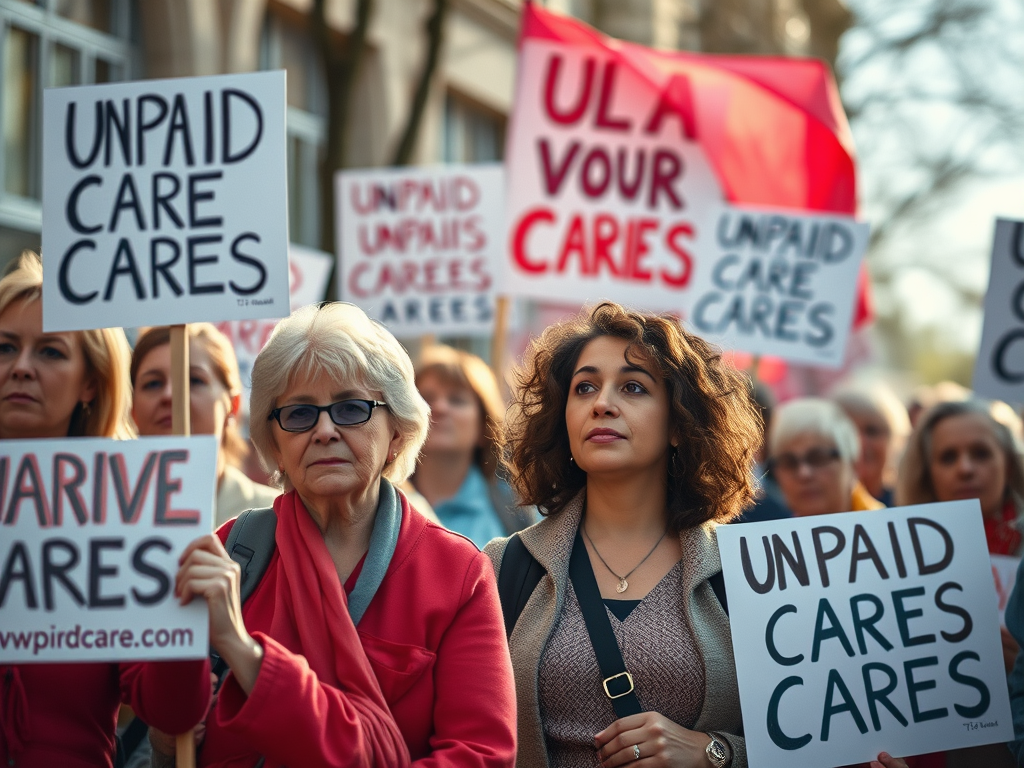
Carers can also campaign for better resources and highlight issues within social care. Engaging in advocacy can lead to significant improvements within the system, benefiting not only individual carers but the broader community.

Educational opportunities must not be denied to young carers due to their caregiving responsibilities. The state has a duty to ensure these young individuals are supported so they can access education fully. This is increasingly recognized as a significant issue, with advocacy organizations working to secure the rights of young carers.
This right also applies to adult carers who may face educational barriers. Ensuring inclusive and supportive educational policies helps in protecting their rights.
The right to protection of property includes the entitlement to financial support and benefits necessary to maintain the well-being of both the carer and the person cared for. Denial of such financial support without due process can be contested under this right.
This right also covers safeguarding the property and assets of the cared-for person, ensuring they aren’t compromised by poor financial management or exploitation.
Understanding and asserting human rights is vital for unpaid carers. Despite not being explicitly mentioned in the Human Rights Act, unpaid carers can leverage existing legal protections to advocate for their rights and those of the individuals they care for. Knowing these rights enables carers to push back against systemic issues and seek better support and resources.
For further advice or to challenge potential human rights violations, carers should seek legal assistance and ensure that their concerns are formally recorded and addressed.
The journey towards recognizing and protecting the rights of unpaid carers continues, and awareness is a crucial step forward.

Welcome back to another blog post from Carer activist, author and Cygnet Carer Ambassador Matthew Mckenzie.
Over the years I have been working hard to promote and engage with unpaid carers at Cygnet along with the other Cygnet Carer Ambassador Leslie, Julian and Christine. It was due time to have a relaxing break or at least a stroll around London. With Cygnet carer Lead Laura Sheridan helping to record the day, our group explored around the city
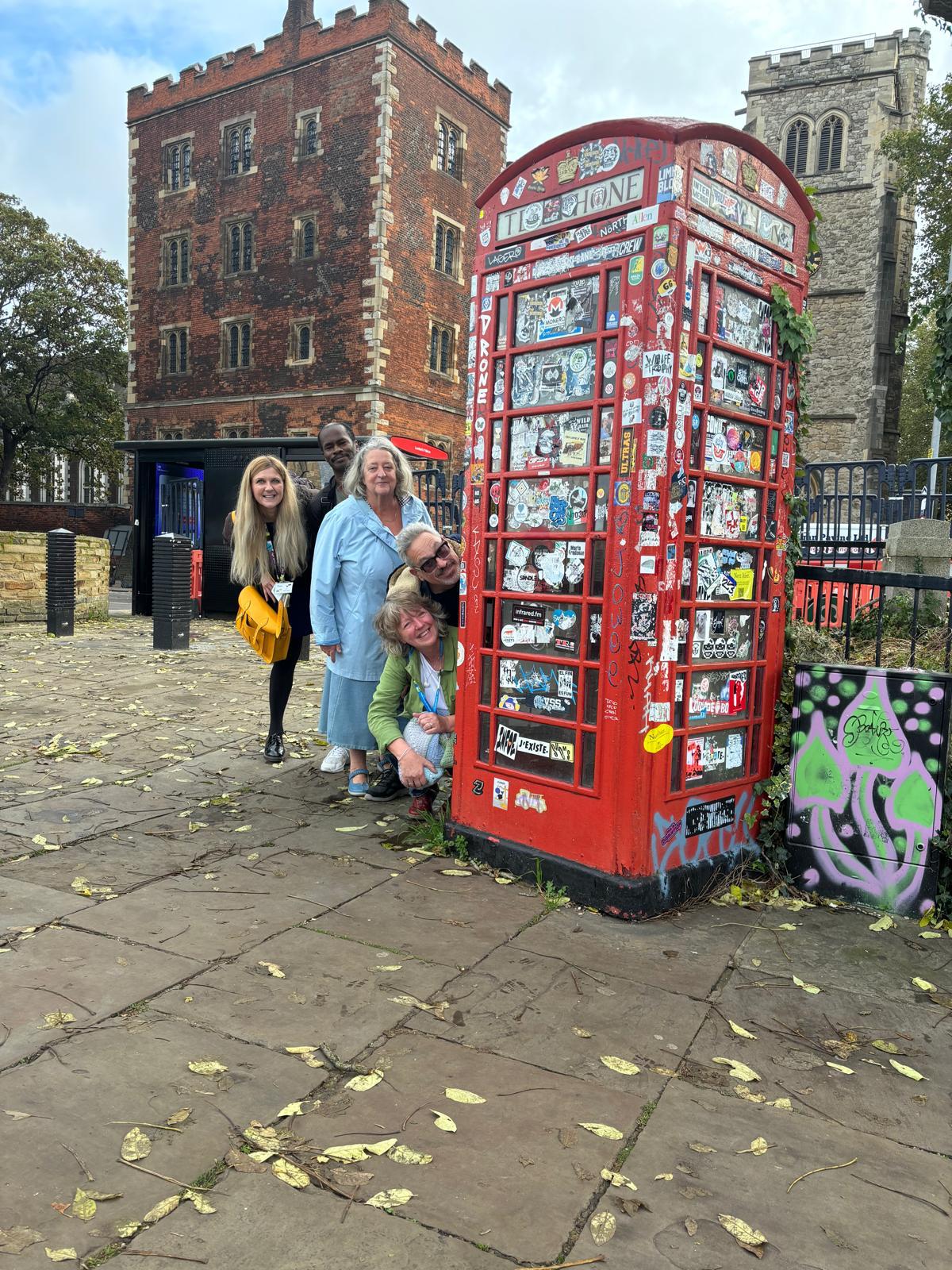
We were on our way to Cygnet’s Annual Social Work Awards 2024 hosted over at Cygnet Churchill hospital over in Lambeth.

This was going to be an excellent and inspiring event, but before we attended, we aimed to take some photos and continue to explore London.
It was not long before we arrived at Churchhill Lambeth hospital. The staff welcomed us as we talked to the social workers up for awards and we also chatted to lord Kamlesh Patel OBE about the importance of unpaid carers.
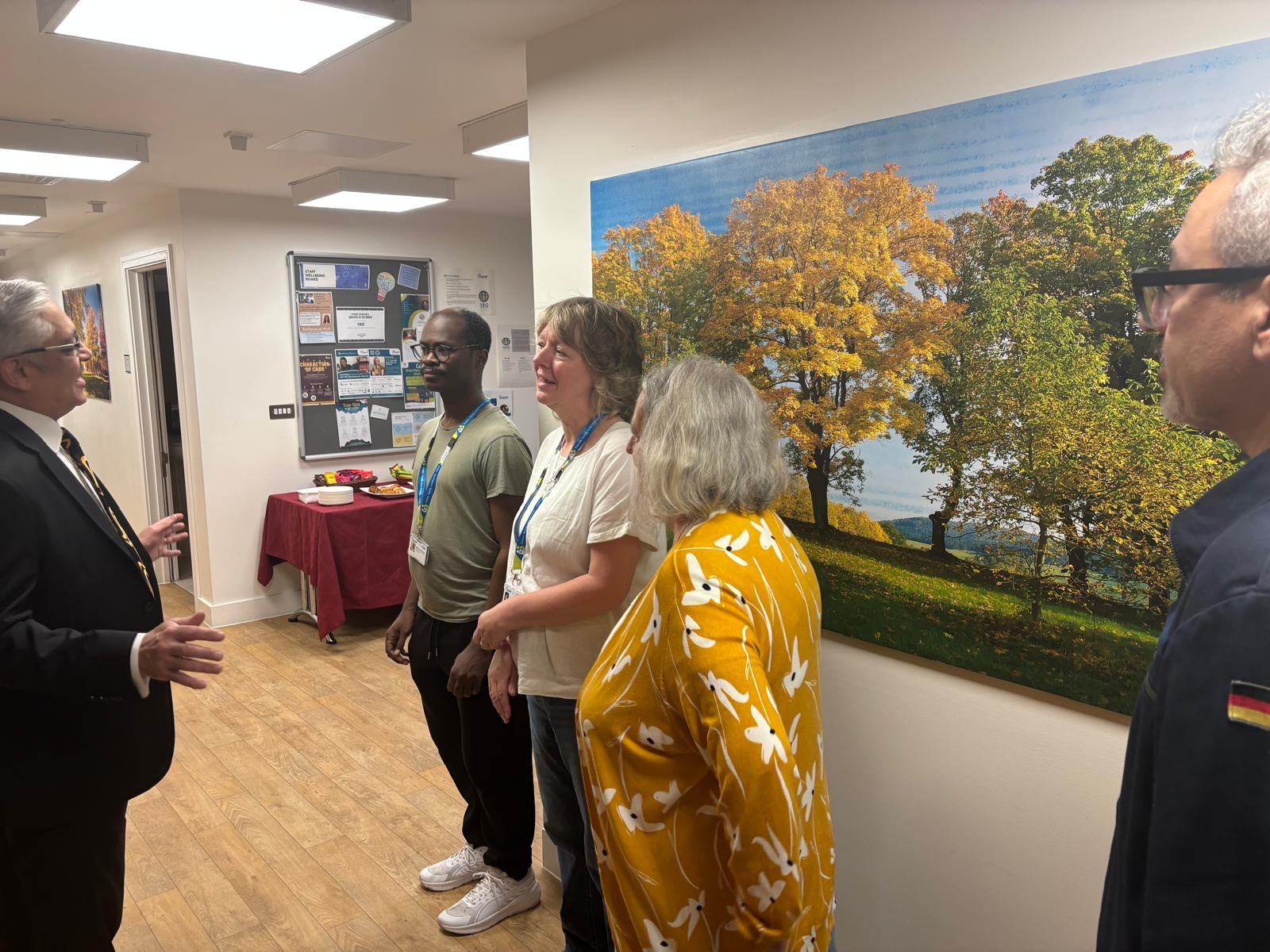
As the awards got underway, I noticed a good line of speakers who presented the about the importance of Social work and specific campaigns. This included Lord Kamlesh Patel who opened the award ceremony. The set up for the event was hybrid with online and onsite attendees from across different cygnet hospitals.

We also heard from Cygnet Deputy Director of nursing Jo-Ann McAuliffe. Next to speak was Cygnet strategic lead for mental health & prisons Christina Cheney. Christina spoke about the state of the nation when it comes to mental health and social work.
We then heard from Paula Tappenden who is Cygnets Head of Social Work and Safeguarding. Paula spoke about the Blue Dragon Children’s Foundation and her mission to make a difference in ending human trafficking and how Cygnet Social workers could support.
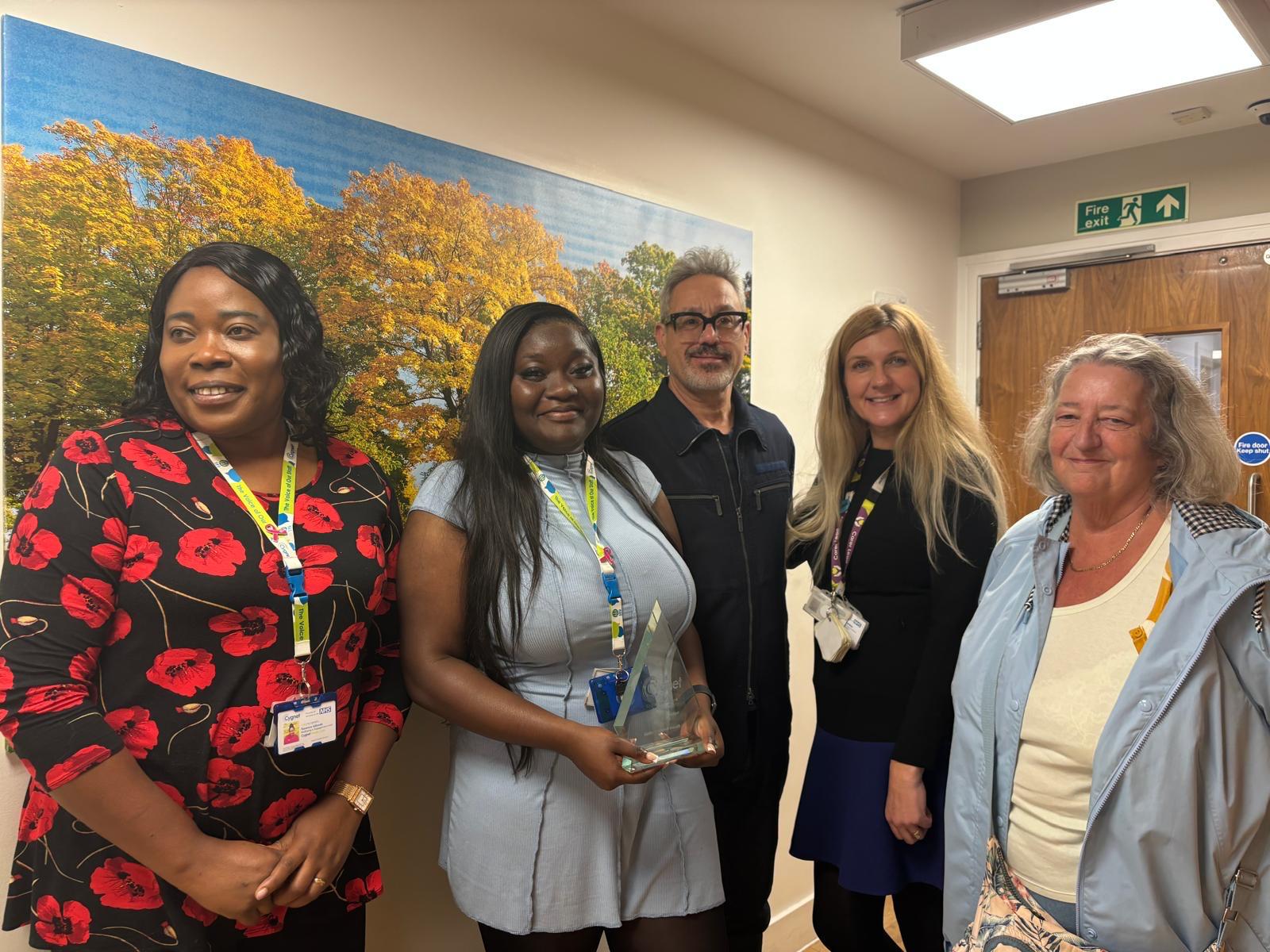
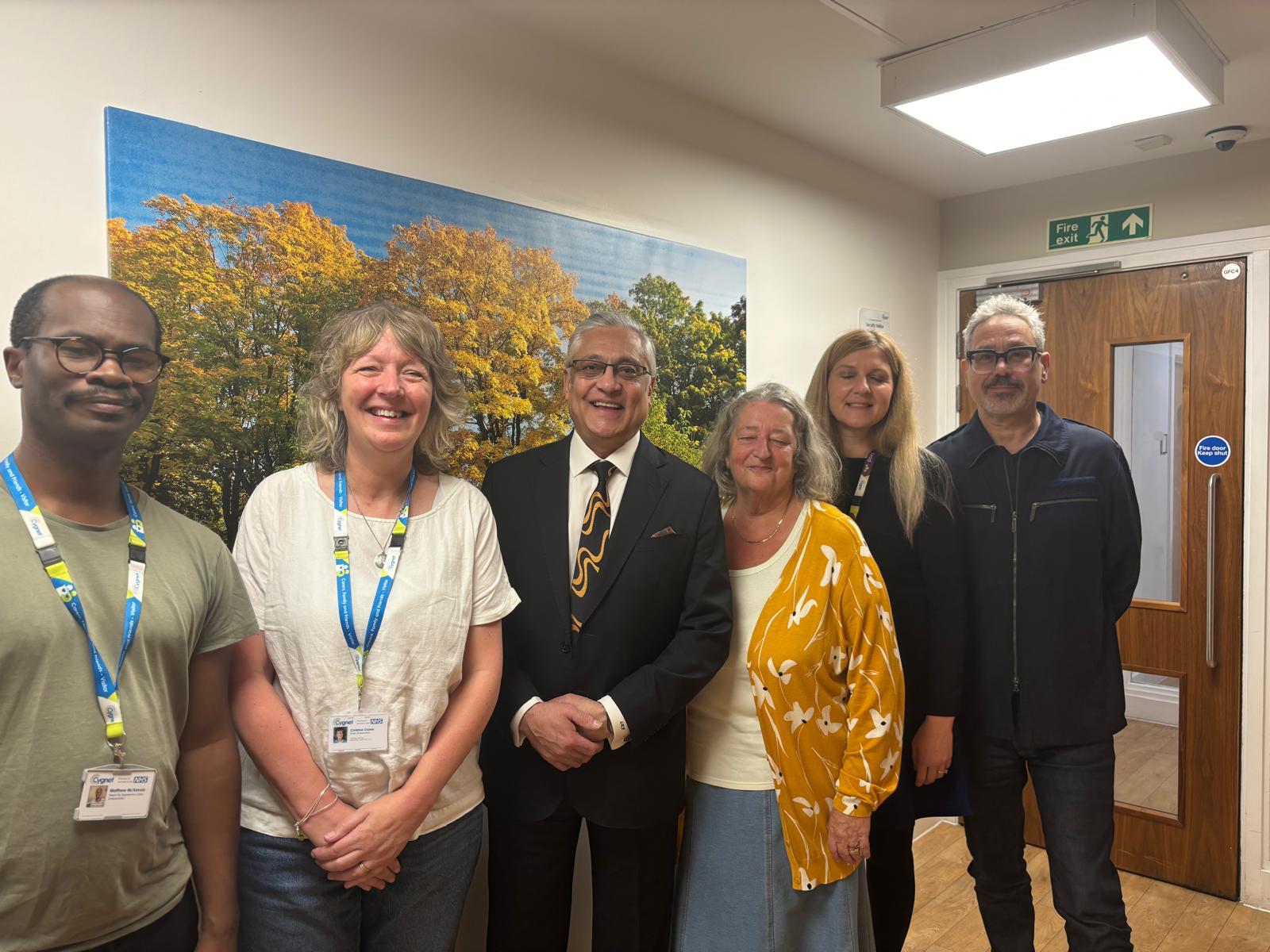

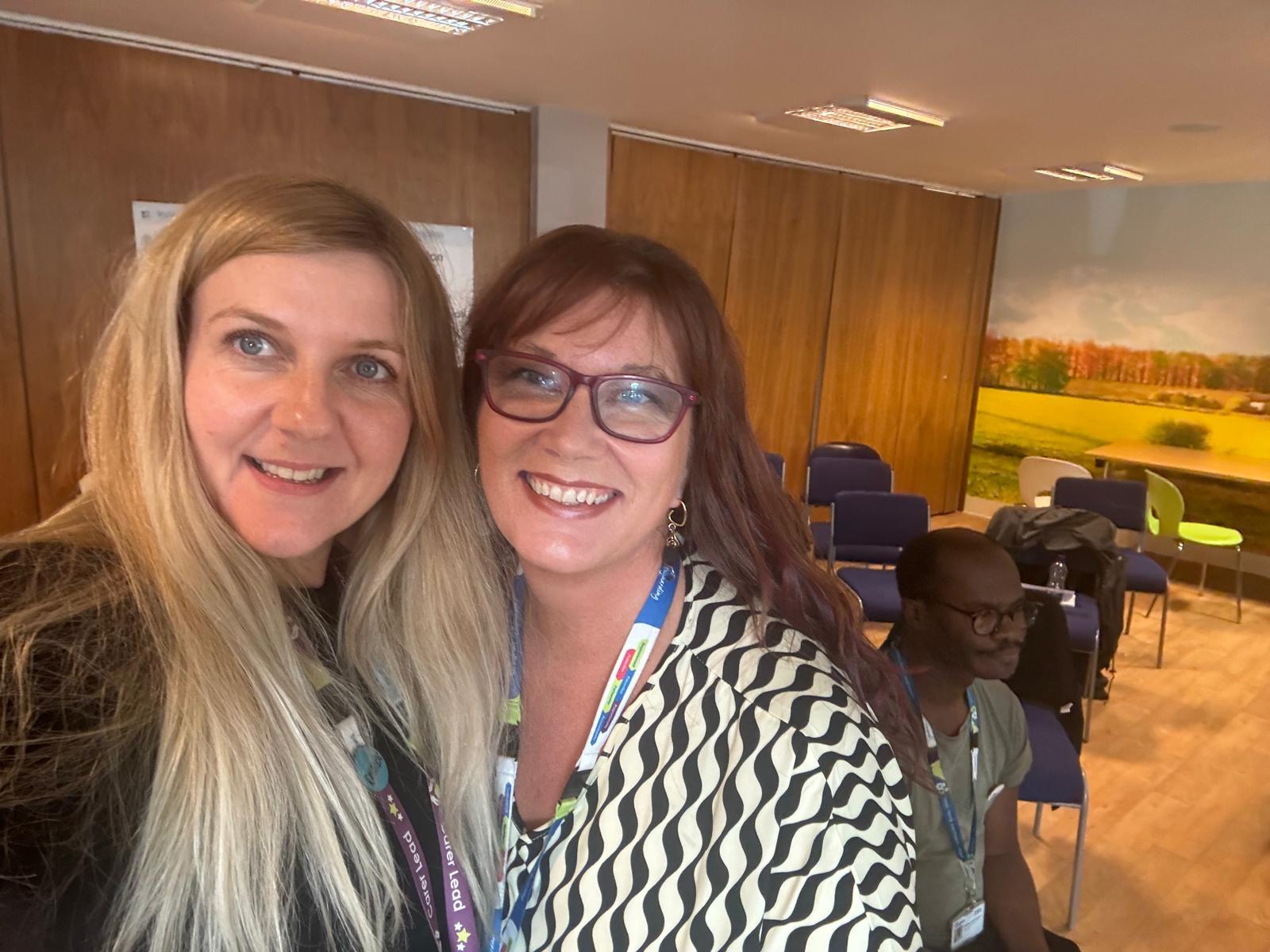
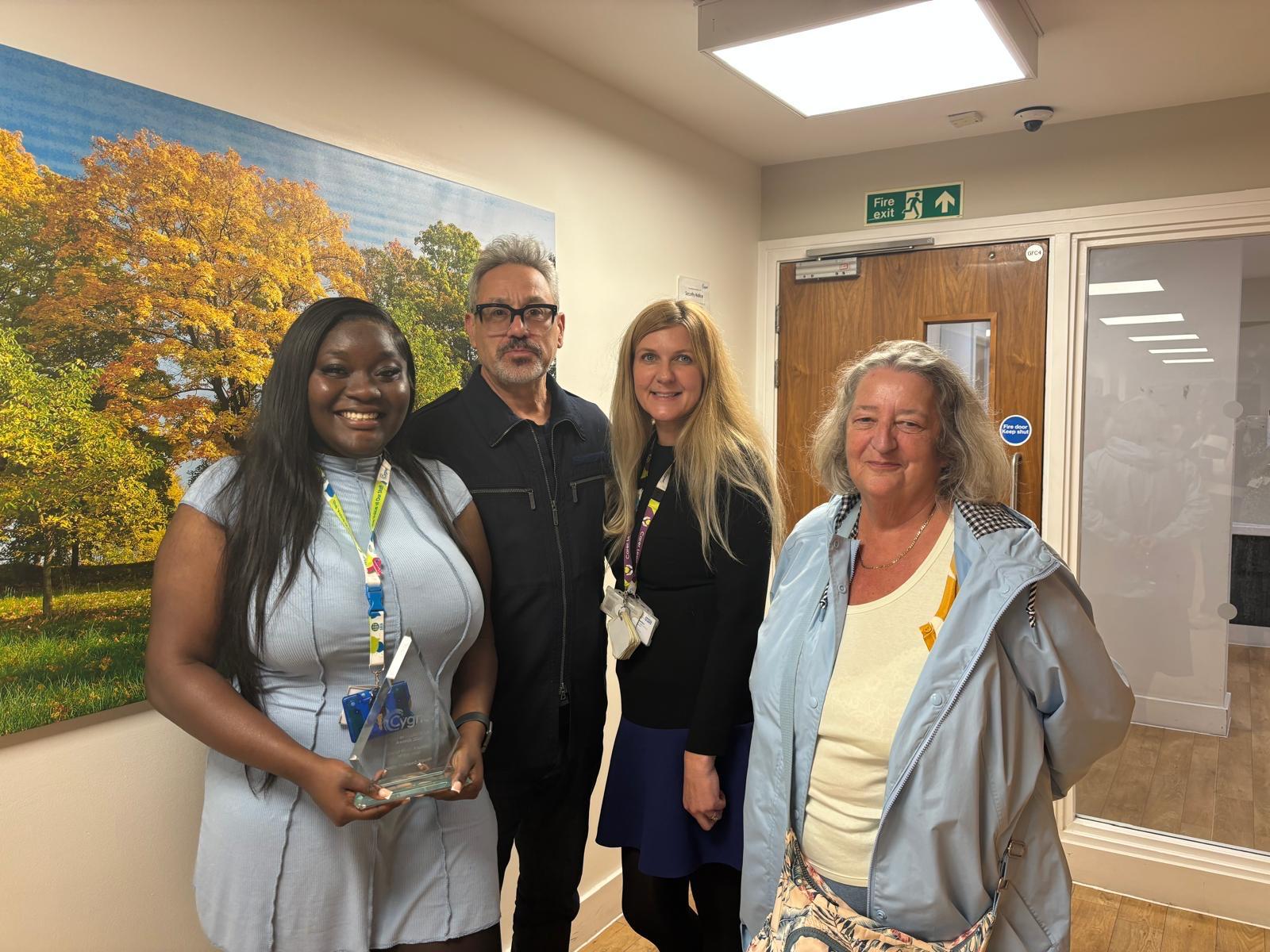
After Lunch and socialising. We got to view the Cygnet Social Work Award ceremony for the following categories
Well done for all who were nominated and also the winners. All who took part set an example to social workers at the organisation.
After the award ceremony I spoke as a Cygnet Carer network ambassador on the importance of engaging with carers especially using the “Triangle of Care” method and empowerment of lived experience
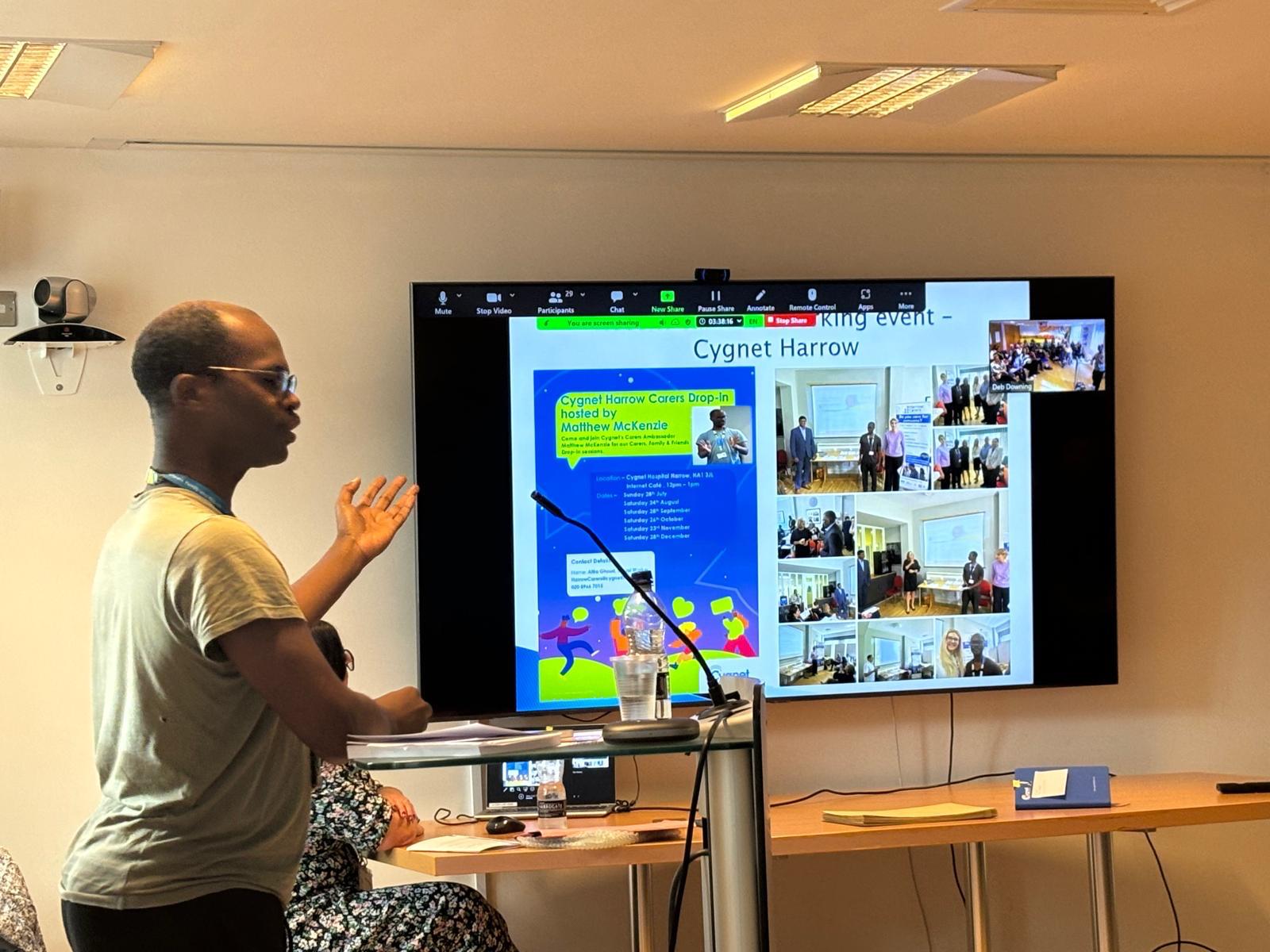
We had lots of audience engagement, plus support from my fellow Cygnet Carer ambassadors giving their view of carer acknowledgement and empowerment.
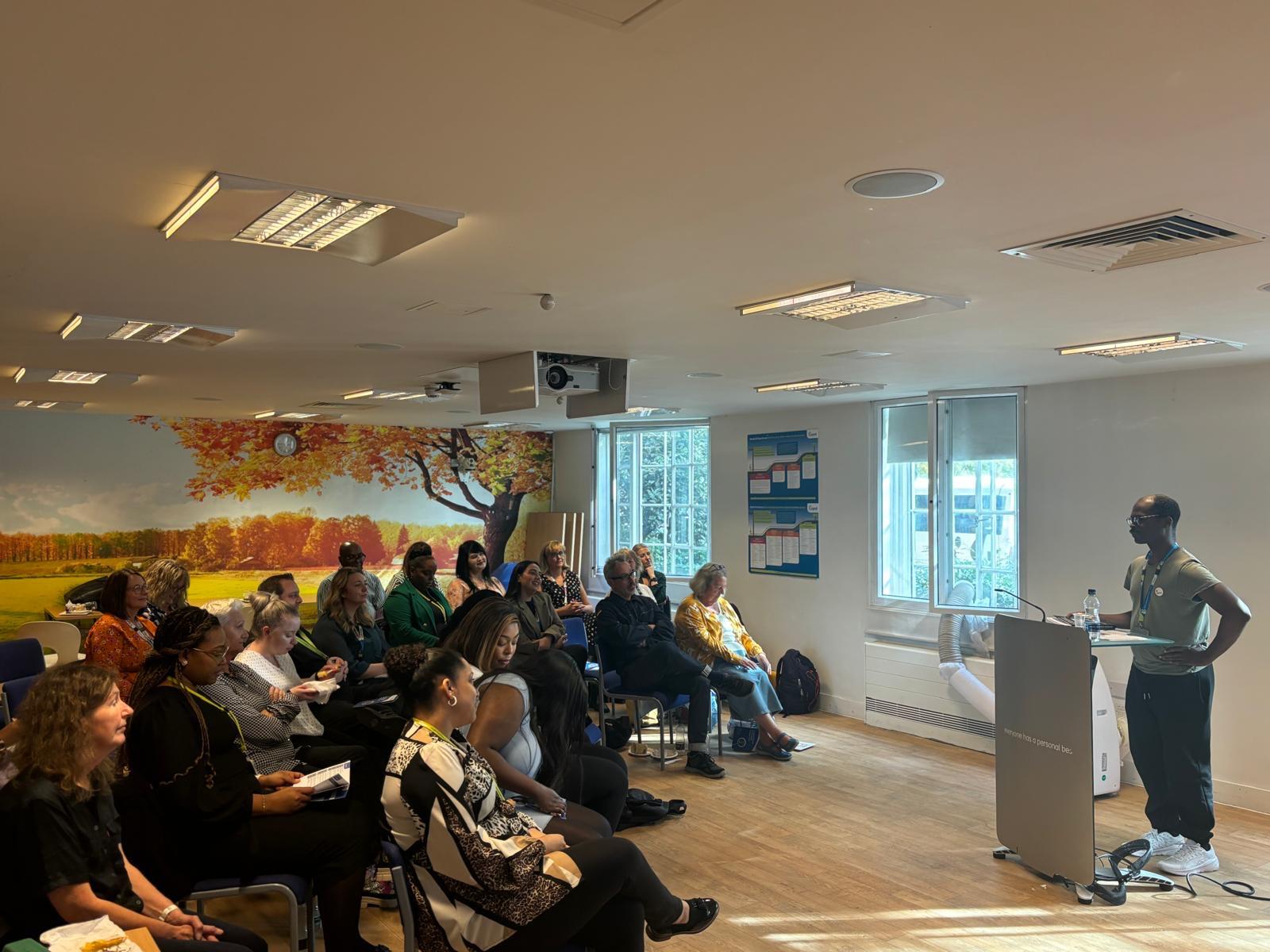
Up next to speak was Chloe Cooper-Brown who is Cygnet’s Head of Social Work and Safeguarding Lead on sharing the Risk with discharges and joint working with the Police. Last to speak before our group headed off was hearing from Euan Atkinson who presented on his lived experience at Cygnet.
Our group of Cygnet carer network ambassadors continued to have a day out as we headed to Waterloo and examined some street art and talked relax at some cafes at Waterloo.


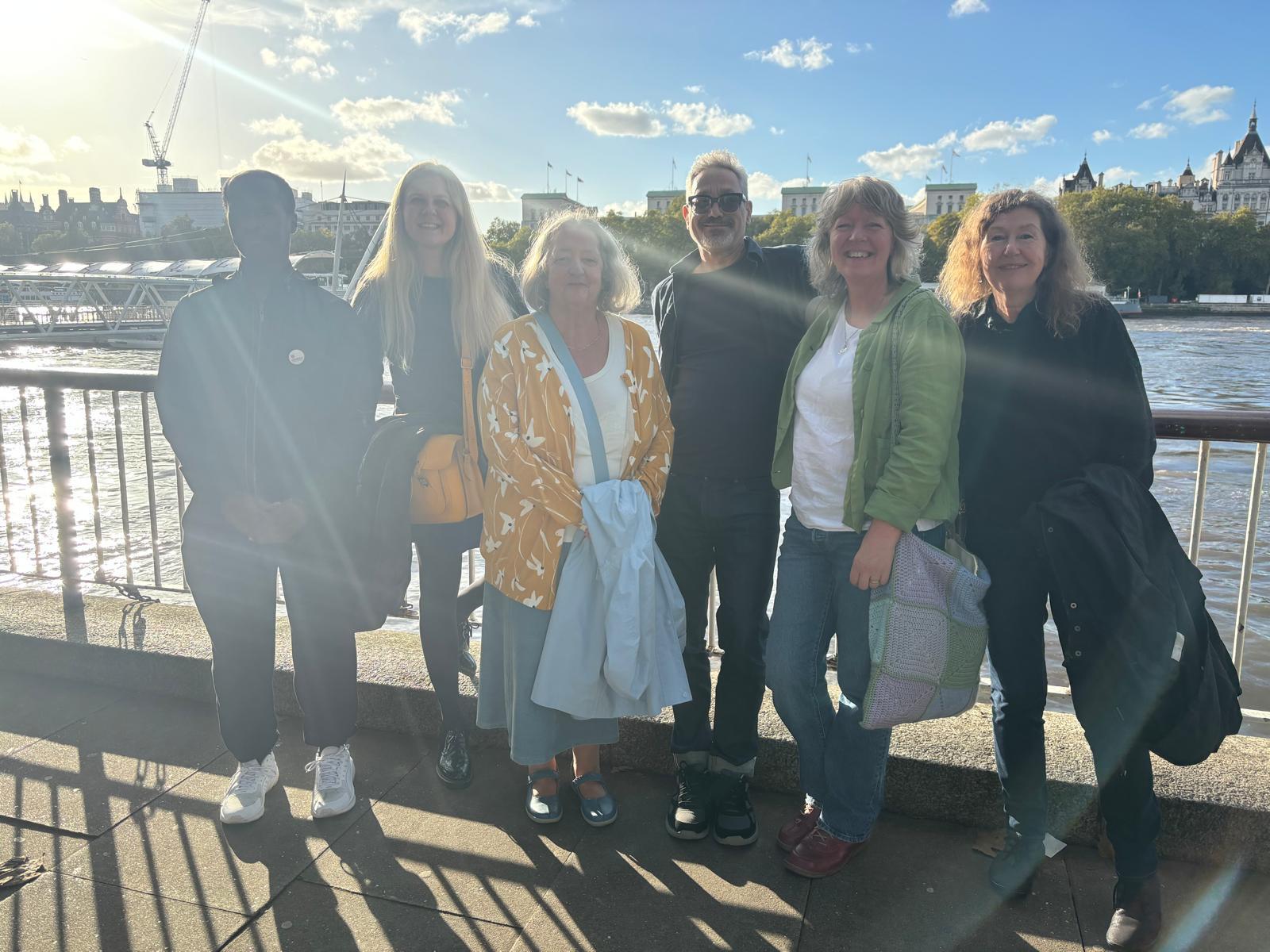
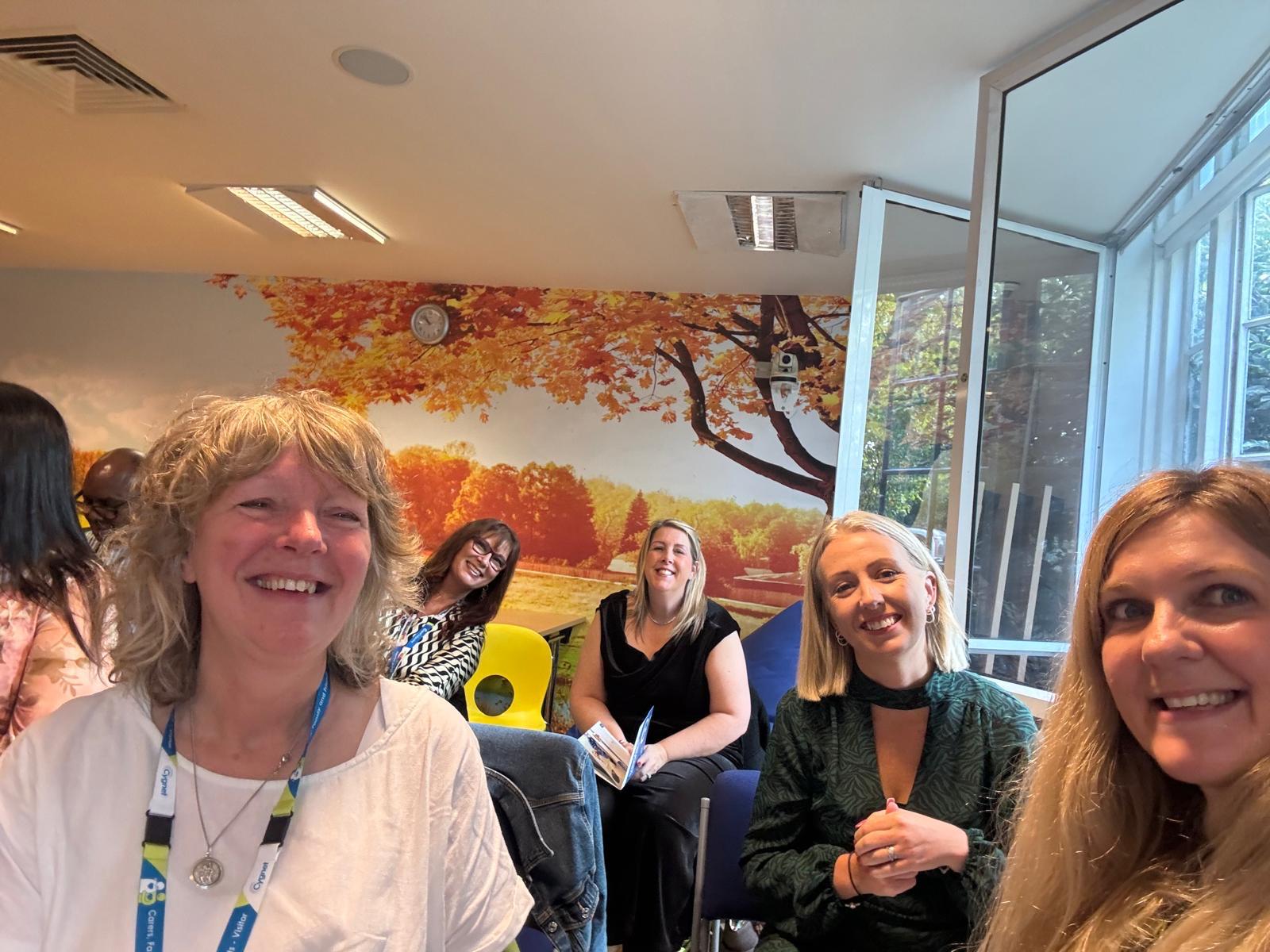
It is important that Cygnet not only help heal the community, but empower the community as we spoke to carer activist Ionie on how Cygnet can help carers continue their networking and reach more carers in the community. I will look forward to interviewing Ionie off my carer activist video series later on.

Welcome to another carer awareness and educational blog post from carer activist Matthew McKenzie. If you want to see more a more detailed version of this topic, watch the video below.
Caring for a loved one is both a noble and demanding task. Unpaid carers often find themselves juggling numerous responsibilities, and it can be easy to neglect their own well-being. One crucial source of support for unpaid carers can be their General Practitioner (GP). The purpose of this article is to highlight the top 10 ways unpaid carers can get support from their doctor, ensuring they maintain both their physical and mental health.

When caring for someone with a long-term illness, whether mental or physical, the health of the loved one can decline over time. It is crucial for unpaid carers to raise awareness with their GP about these changes to ensure that the necessary support is provided and that it is documented in the patient notes.
Carers often prioritize the needs of their loved ones over their own, leading to potential mental and physical burnout. Regular checkups with your GP can help monitor your health and prevent burnout. It’s vital that carers take care of themselves in order to continue providing the best care.

GP practices can provide or refer carers to various resources, but it’s important to note that not all GP practices offer the same services. These resources can range from support groups to secondary care services for the loved one.

An important reason for carers to visit their GP is to get regular health checkups. These checkups are particularly important as carers age, helping to monitor and maintain their overall health.
While it can be challenging to secure GP appointments, especially if you are busy or if the practice is crowded, it is essential not to neglect your own health. Make the effort to prioritize these appointments for your well-being.
Social prescribing is an important resource for carers. Instead of relying solely on medications, GPs can refer carers to community groups or local care centers. This alternative approach can address issues like sleep problems, low mood, and overall well-being.

Local support groups and respite carer programs can provide significant relief and encouragement for carers. Always register at your local carer centre for carer support groups. Plus make use of talking therapies and other supportive measures.
Managing medication for a loved one can be complex, especially when multiple medications are involved. GPs can assist carers in understanding how to administer these medications, recognize side effects, and manage any changes in prescriptions. This support is crucial to avoid risking the health of the person being cared for.

For carers dealing with mental ill health or other serious conditions, financial and legal support can be necessary. Some GP practices can refer you to services like the Citizens Advice Bureau, which can help navigate these challenges.
Having an emergency plan in place with your GP is vital, especially when caring for someone with severe health issues. This plan should outline steps to take if something goes wrong and include contacts for medical teams and emergency situations. The upcoming Universal Care Plan, expected to expand by 2024, will offer an online system for carers to manage these details effectively.

GPs can provide guidance on maintaining a healthy lifestyle, which is crucial for both the carer and the person being cared for. This includes advice on diet, exercise, stress management, and overall well-being. Such recommendations can come from regular checkups or specific health assessments.
Gaining the cooperation of the person you’re caring for and collaborating with your GP to develop a comprehensive care plan can reduce stress and anxiety. Double appointments can be booked to address both your needs and those of the person you’re caring for.
GP practices may offer workshops and training programs for carers, often funded by the NHS. These sessions can cover various topics, from handling falls to managing specific illnesses. Proper training equips carers with the necessary skills to provide effective care.
Not all GPs are equally knowledgeable about the needs of carers. An informed GP who understands your role can significantly impact the support you receive. Carers should not hesitate to choose or change GPs to ensure they are getting the necessary support.
Beyond the GP, the practice team may include specific advisors such as mental health nurses or specialists in diabetes and physical health. Engage with the reception to understand what extra services are available, ensuring you leverage the full spectrum of support.
Emergencies can arise unexpectedly, and having a well-thought-out plan in place is crucial. Collaborate with your GP and relevant professionals to outline an emergency strategy. This proactive approach ensures that both you and your loved one are prepared for unforeseen circumstances.
The role of an unpaid carer is both challenging and vital. Engaging with your GP not only helps ensure the well-being of the person you’re caring for but also safeguards your own health. By taking advantage of regular checkups, accessing available resources, managing medications effectively, and planning for emergencies, carers can navigate their demanding roles with better support and peace of mind. Always remember, taking care of yourself is just as important as taking care of your loved one.

 A Caring Mind