Understanding the Role of Empathy in Reducing Racism
Welcome to about blog and video lecture from carer advocate Matthew McKenzie. This time I want to promote the importance of how empathy serves as a powerful tool in addressing and reducing racism within society. To watch my video lecture on reducing racism, see the video below.
When it comes to reducing Racism, it requires individuals to step into another person’s shoes, acknowledging their lived experiences and how the impact of racial discrimination affects them.
Recognizing the pain and harm inflicted by racism fosters compassion and drives the urgency for change. Additionally, empathy can encourage those who hold racial biases to confront their own prejudices, breaking down internal barriers and fostering personal growth.
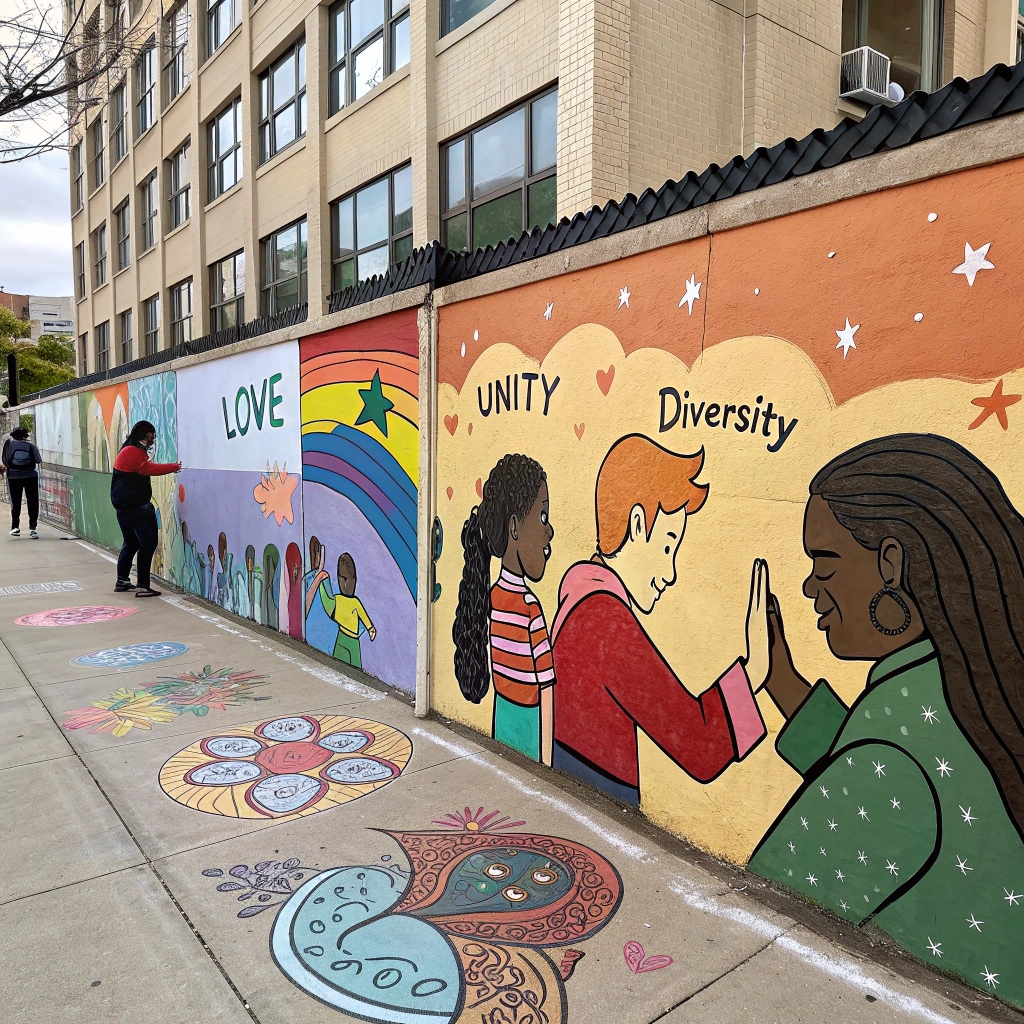
I feel empathy plays an essential role in shifting conversations about race. Instead of responding with defensiveness, individuals who approach discussions with an open mind and a willingness to listen are more likely to reflect and evolve. It always starts with discussion.
By engaging in meaningful dialogue, embracing diverse narratives, and challenging ingrained biases, people can work toward dismantling racism at both personal and societal levels. I personally feel racism will always be around in some form, but dismantaling racism is a way forward.
Systematic Change Through Policy and Law
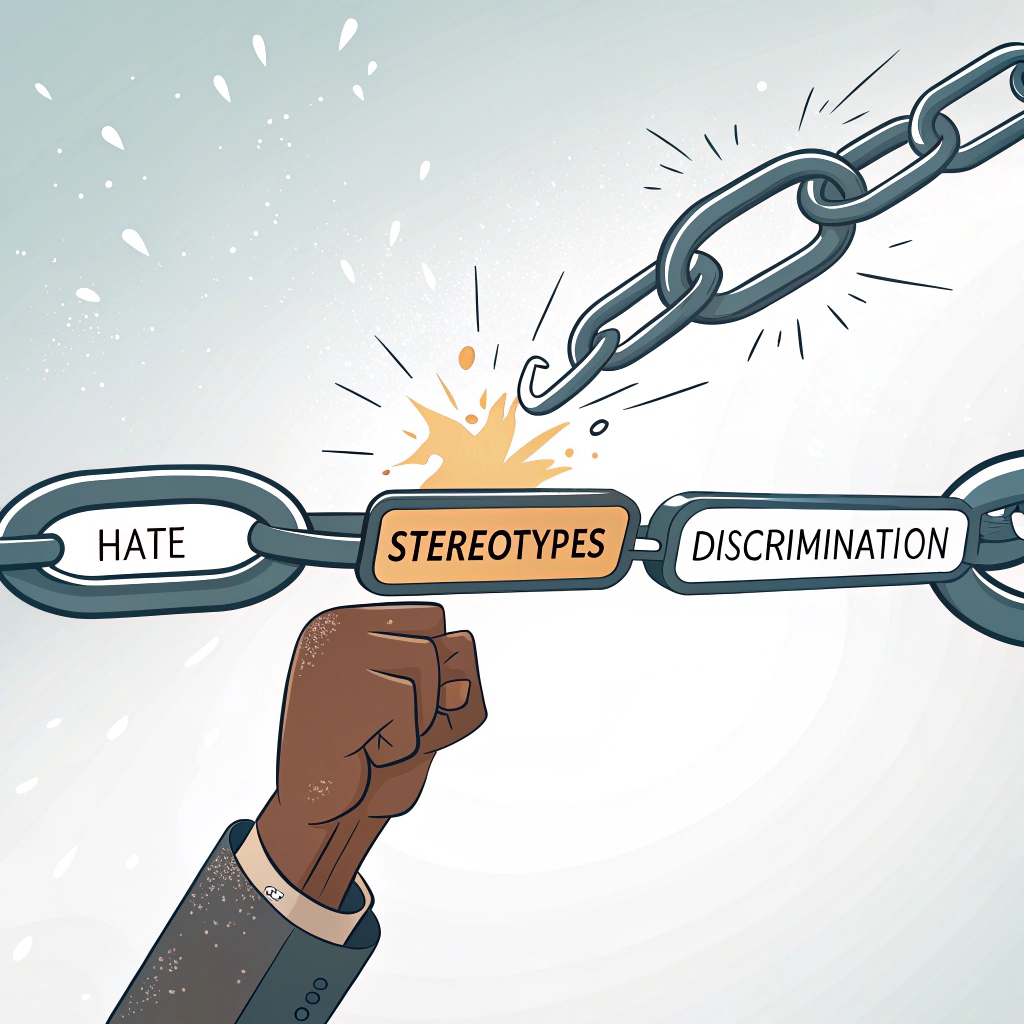
Addressing racism extends beyond personal interactions; requires structural change because racism can be ingrained structurally. Policy and legislation serve as crucial pillars in fostering equality and dismantling systemic discrimination. Especially in these politically divided times, efforts must be directed towards unifying actions that create inclusive and safe spaces and advocate for laws that uphold fairness and justice.
Creating Safe Spaces for Open Conversations
One of the most effective methods for tackling racism is facilitating open discussions about racial bias and discrimination. Establishing environments, whether in schools, workplaces, or communities, it is important that individuals feel safe to express their experiences and concerns without fear of backlash is critical.
It is important that Intergenerational discussions can also bridge gaps in understanding. Older generations may have grown up with different societal norms, and through dialogue, they can gain insight into perspectives on race and inclusion.
Promoting Media Literacy to Combat Misinformation
I am fully aware that in the digital age, misinformation regarding race spreads rapidly. This was discussed at the recent Race Equality Foundation LARCH conference 2025.
Educating communities on media literacy equips individuals with the skills to recognize and challenge racial stereotypes and biases perpetuated through mainstream and social media. When used effectively, digital platforms can serve as powerful tools in spreading awareness and advocating for anti-racist initiatives, just as I have done with this blog and video lecture.
Holding media organizations accountable for responsible representation is equally important, there is no easy choice. We need to Encourage diversity in journalism and ensuring accurate, fair portrayals of marginalized communities can contribute to reshaping public narratives and dismantling harmful stereotypes.
Supporting Anti-Racist Education
Education plays a fundamental role in promoting cultural understanding and challenging racism from an early age. Integrating anti-racist curricula into schools encourages students to develop critical thinking skills and empathy towards others.
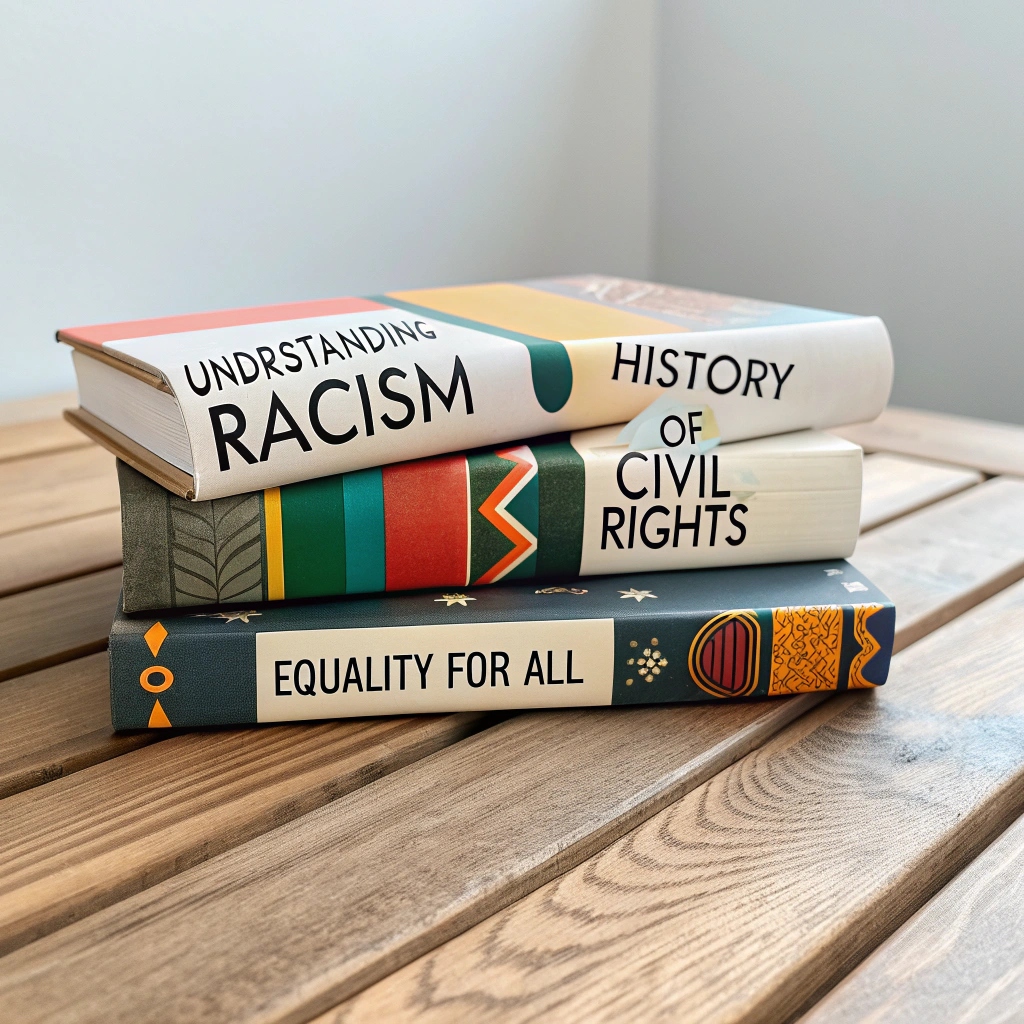
Beyond the classroom, workplaces, faith-based organizations, and community groups can implement lifelong learning initiatives that address racial biases and foster inclusivity.
Allyship and Bystander Training
As mentioned in the Race Equality Foundation LARCH conference 2025, where Catherine Dale’s talk focused on her experience as a white professional leading anti-racism work within the NHS. I wanted to add that allyship involves actively supporting those who experience racial discrimination.
Workshops and training programs on effective allyship can provide individuals with the knowledge and confidence to challenge racist behavior when they witness it. Bystander intervention programs further equip people with the skills to safely intervene in racial discrimination, whether online or in public spaces.
Community Engagement Through Events and Dialogues
Bringing individuals from different backgrounds together through community events fosters a sense of shared humanity and mutual respect. Collaborating with faith-based organizations and cultural groups strengthens interfaith and intercultural relationships, promoting unity and understanding.
Encouraging civic participation such as voter registration drives and policy discussions—ensures that diverse voices influence decision-making processes. Advocacy groups also play a crucial role in amplifying efforts to create lasting systemic change.
Inclusive Policies and Practices
Advocating for policies that promote racial equality is essential. Collaborating with local authorities to ensure fair housing, equitable healthcare, and non-discriminatory policing helps build a society where racial biases no longer dictate opportunities. Protecting voting rights remains a critical component in ensuring that marginalized voices are heard within democratic processes.
Representation and Leadership
Diverse representation in leadership positions across all sectors—education, business, government, and media—enhances racial equity. Empowering individuals from underrepresented communities ensures that their perspectives are not only acknowledged but also influence decision-making processes.
Mentorship programs can further support marginalized individuals in accessing leadership opportunities, while organizations committed to diversity and inclusion should actively promote pathways for career advancement.
Encouraging Self-Reflection and Accountability
Confronting personal biases and taking responsibility for one’s actions are key to fostering positive change. Training programs that focus on recognizing implicit biases help individuals assess their behavior and its potential impact on others. Promoting self-awareness encourages a culture of personal growth and social responsibility.
Continuous learning remains vital. Engaging with diverse communities, consuming a variety of media perspectives, and seeking out experiences that challenge personal worldviews contribute to ongoing self-reflection.
Engaging Businesses and Employers
Workplaces play an instrumental role in reducing racial discrimination. Implementing diversity and inclusion training initiatives helps establish work environments that reflect broader societal values. Transparent hiring and promotion practices ensure that opportunities are based on merit rather than racial biases.
Businesses must also create safe spaces for employees to voice concerns about discrimination without fear of retaliation. Accountability measures should be enforced to ensure that diversity efforts are not merely performative but genuinely impactful.
Using Art and Media for Awareness
As a poet, I understand that art and media hold the power to shift perspectives and foster empathy. Whether through film, literature, music, or visual art, storytelling can humanize marginalized communities and educate the public on diverse experiences.

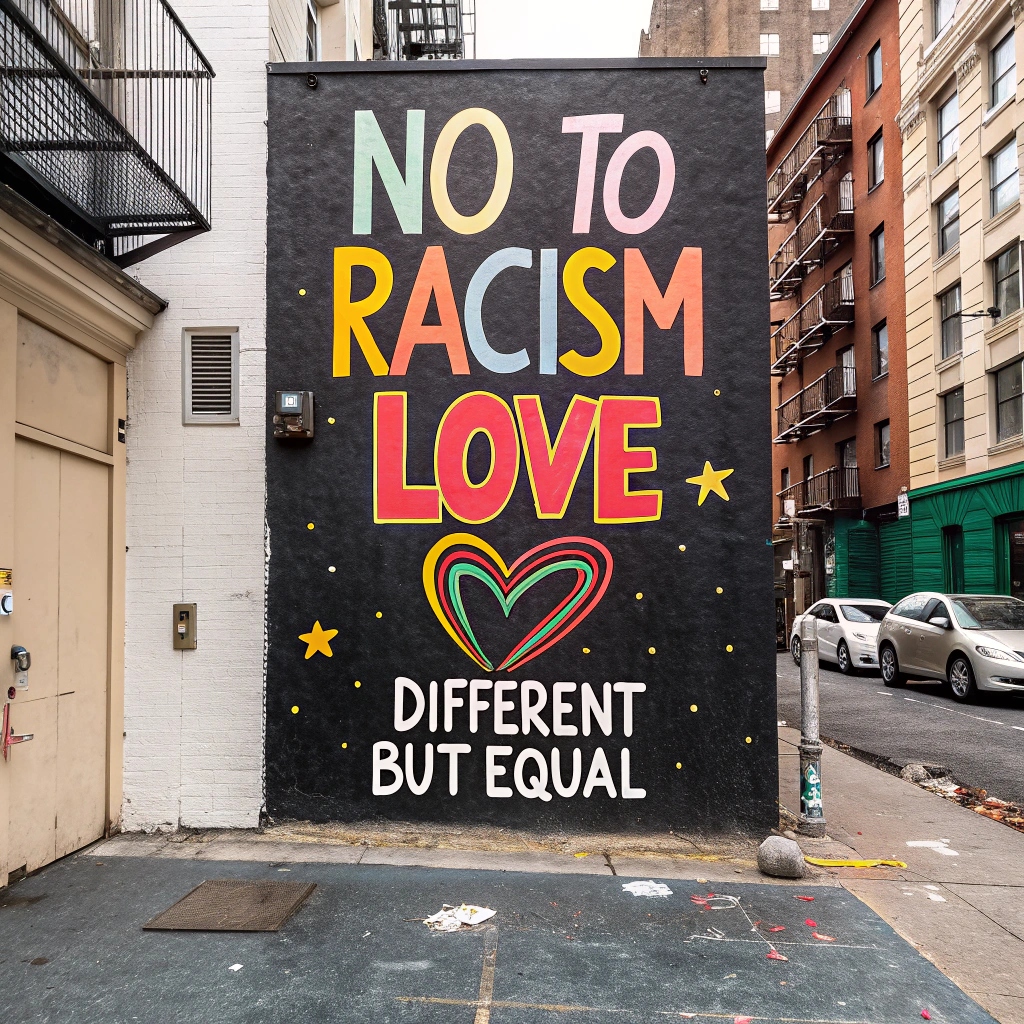
Artists, poets and creators can use their platforms to challenge racial stereotypes and advocate for social change. Public art initiatives such as murals and exhibitions, which can serve as visual reminders of the importance of racial justice and representation.
Strengthening Anti-Discrimination Laws
Legislation that safeguards against racial discrimination in housing, employment, and the criminal justice system is essential. Police reform and increased accountability measures ensure that law enforcement treats all individuals fairly, regardless of race.
Expanding access to legal resources for those facing discrimination strengthens their ability to seek justice. Funding civil rights organizations and legal aid initiatives can further support efforts in dismantling systemic racism.
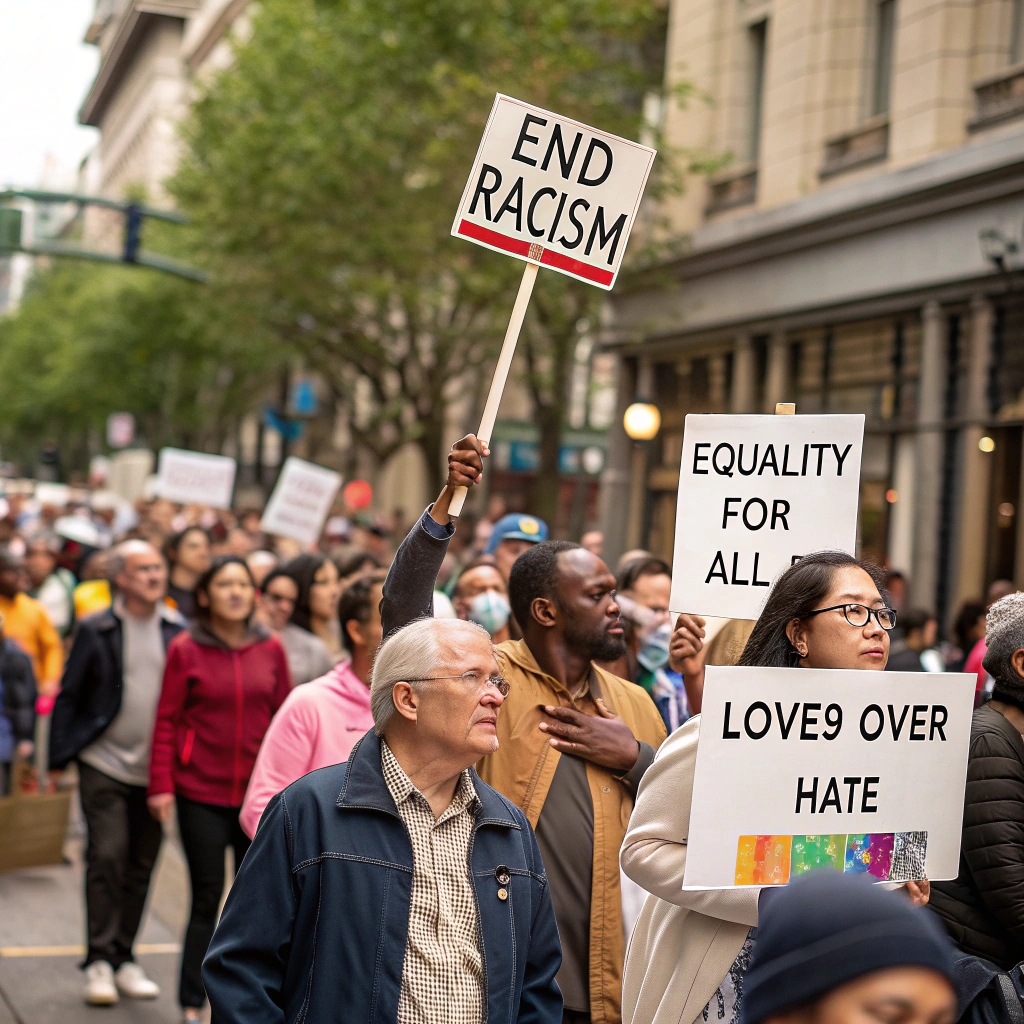
Encouraging Empathy and Humane Political Dialogue
Discussions on race should center around shared goals of safety, fairness, and respect. Avoiding inflammatory rhetoric promotes inclusive and constructive conversations that encourage collaboration rather than division.
Civic engagement remains a crucial tool for change. Advocating for policy reforms and urging policymakers to prioritize racial justice initiatives translates discussions into actionable progress.
Supporting Mental Health Resources
For those impacted by racism, access to mental health support is essential, with the use of new Patient Carer Race Equality Frameowrk and LARCH, there are greater chances of Equity. We need to Ensure that culturally competent counseling services are widely available helps address the trauma associated with racial discrimination.
Plus a focus to Increase funding for mental health initiatives, particularly those tailored to marginalized communities, fosters overall well-being and resilience.
Promoting Equitable Economic Policies
Economic disparities often correlate with racial inequalities. Addressing income gaps and ensuring equal access to education, healthcare, and employment opportunities are vital steps in dismantling systemic racism.
Supporting businesses owned by marginalized individuals and promoting financial inclusivity contribute to long-term economic empowerment and stability.
Modeling Anti-Racist Behavior in Daily Life
I feel we as Individuals can lead by example, treating others with respect and actively opposing racism. Engaging in continuous learning about racial issues ensures that efforts to combat discrimination remain informed and effective.

Reducing racism requires a multifaceted approach combining empathy, education, advocacy, and systemic change. Through open conversations, media literacy, inclusive policies, and self-reflection, individuals and communities can work toward a more equitable and just society.
 A Caring Mind