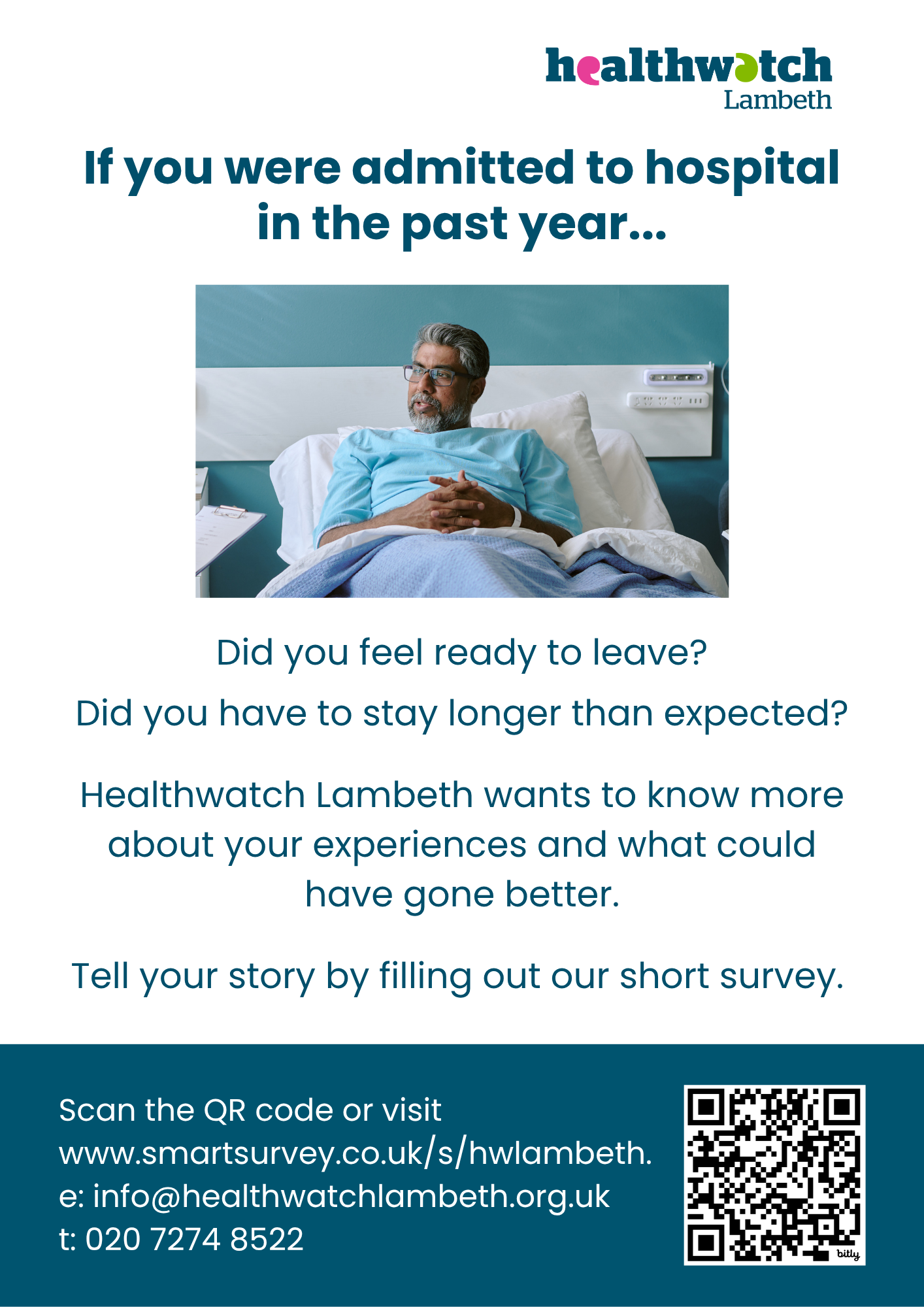
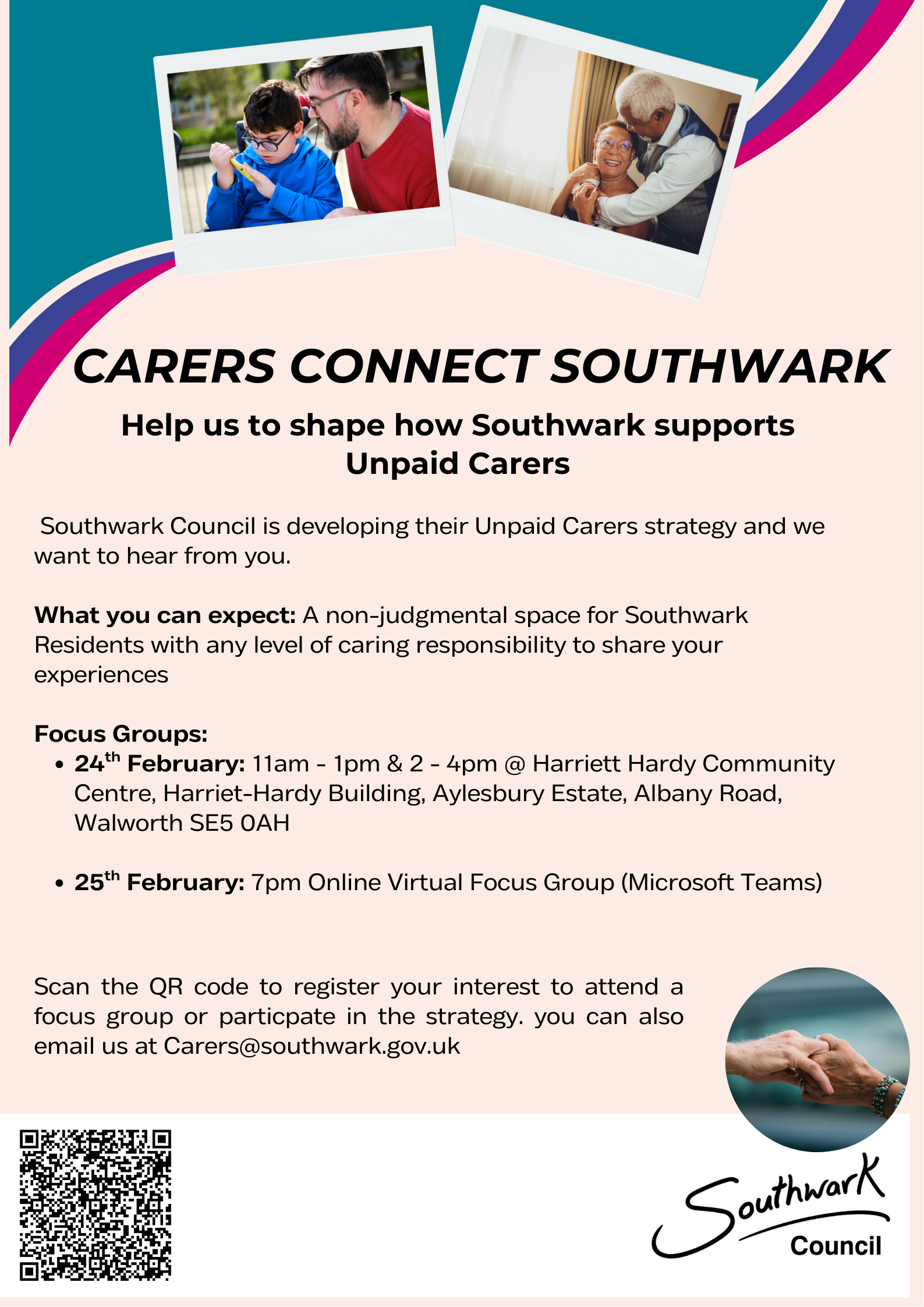
Healthwatch Lambeth is inviting patients and unpaid carers to share their experiences of leaving hospital.
The survey is part of a nationwide Healthwatch England project examining hospital discharge. Healthwatch Lambeth is particularly seeking responses from people living in Lambeth who have experienced a difficult hospital discharge within the past 12 months.
This may include situations where:
Discharge was delayed.
The patient was sent home before they felt ready.
Information about the discharge was unclear or incomplete.
Essential equipment or support was not available.
Follow-up care had not been properly arranged.
An unpaid carer was not sufficiently involved, informed or prepared.
The survey can be completed by patients themselves or by an unpaid carer describing the experience of someone they care for.
Healthwatch Lambeth is especially interested in hearing from people whose experiences may not always be represented in health and care feedback, including men and people from ethnic minority communities.
Hospital discharge can place significant responsibility on families and unpaid carers. When carers are not recognised, involved or given the right information, they may suddenly find themselves managing medication, personal care, appointments and recovery without adequate preparation.
Sharing these experiences can help identify what needs to improve and highlight the importance of involving carers as genuine partners throughout discharge planning.
Please share this survey with Lambeth residents, patients and unpaid carers who may have had a difficult hospital discharge experience during the past year.
By Matthew McKenzie – Carer, Campaigner, Author and Speaker
5 June 2026 – Supporting Kent County Council’s Carer Awareness Campaign
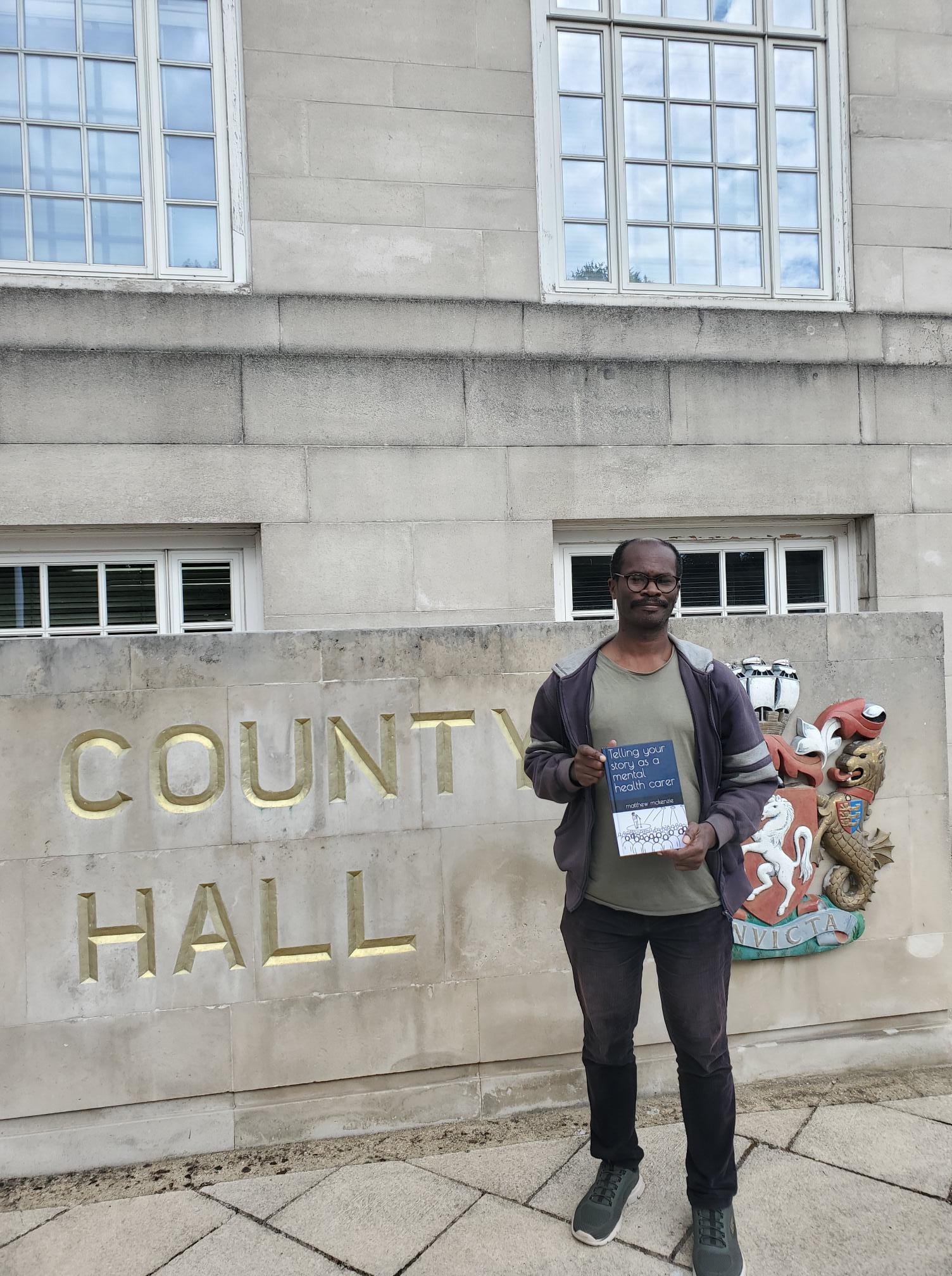
Although not officially part of Carers Week, my activities with Kent County Council formed an important part of my ongoing commitment to raising awareness of unpaid carers. I supported the county’s long-term carer awareness campaign by taking part in filming designed to help train council staff to better recognise and support carers.
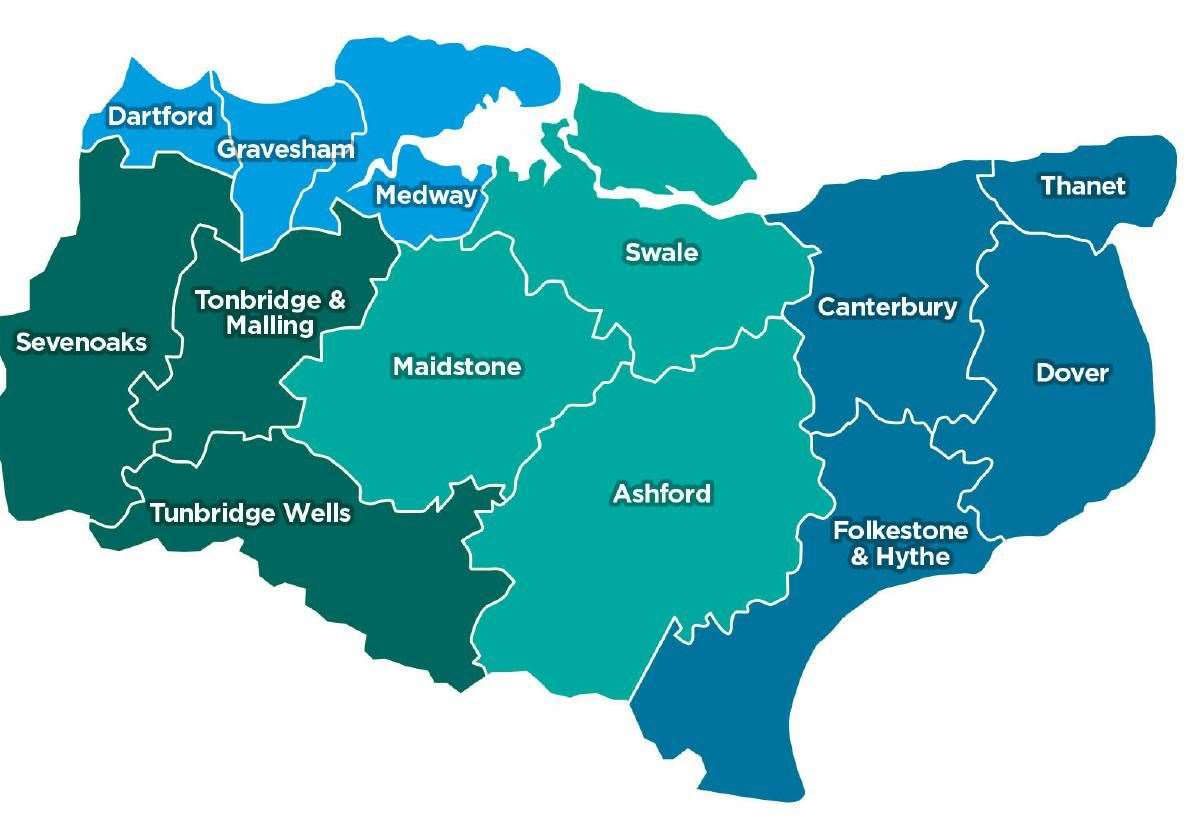
I also discussed future opportunities to speak at Kent County Council carer groups and continued promoting my own support groups across the county. It was encouraging to see local government investing in carer awareness and recognising the importance of ensuring carers are identified, valued and supported within their communities.
9 June 2026 – Developed Video promotion for Carers Week 2026
I did my bit to raise awareness of Carers Week 2026 via a video I developed, which you can see below.
8 June 2026 – Carers Week Stall at St George’s University Hospital
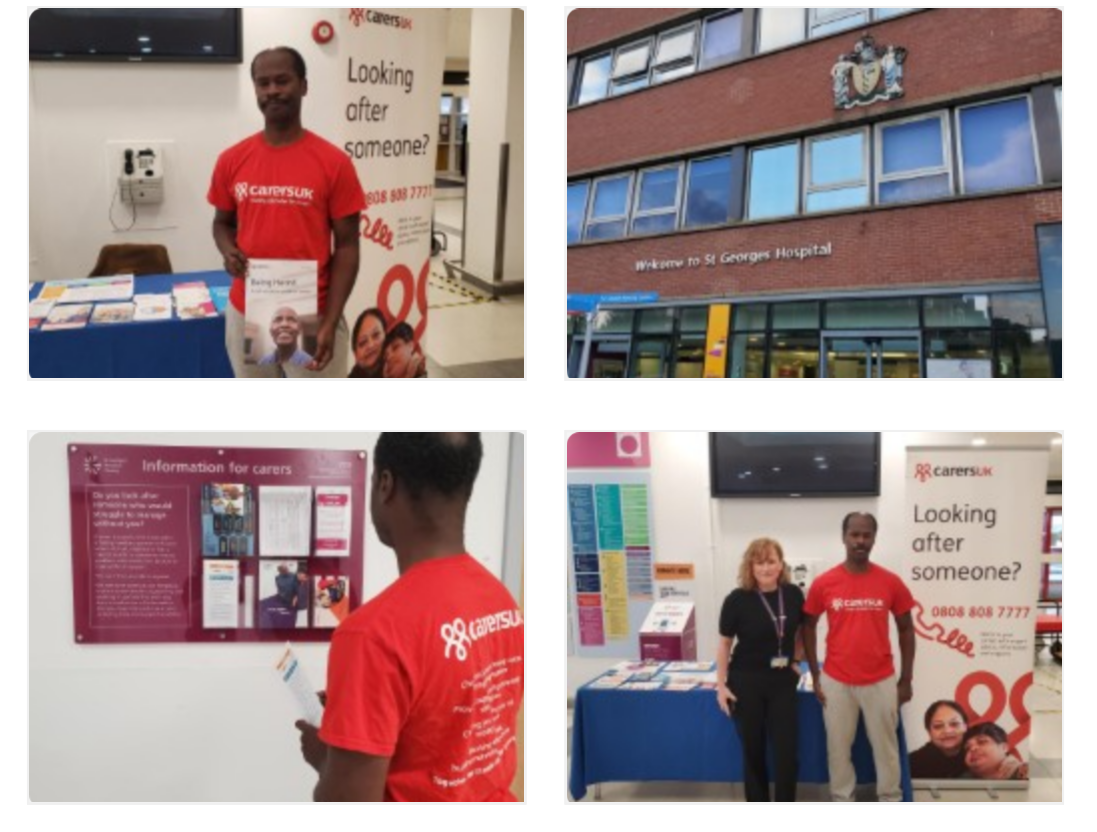
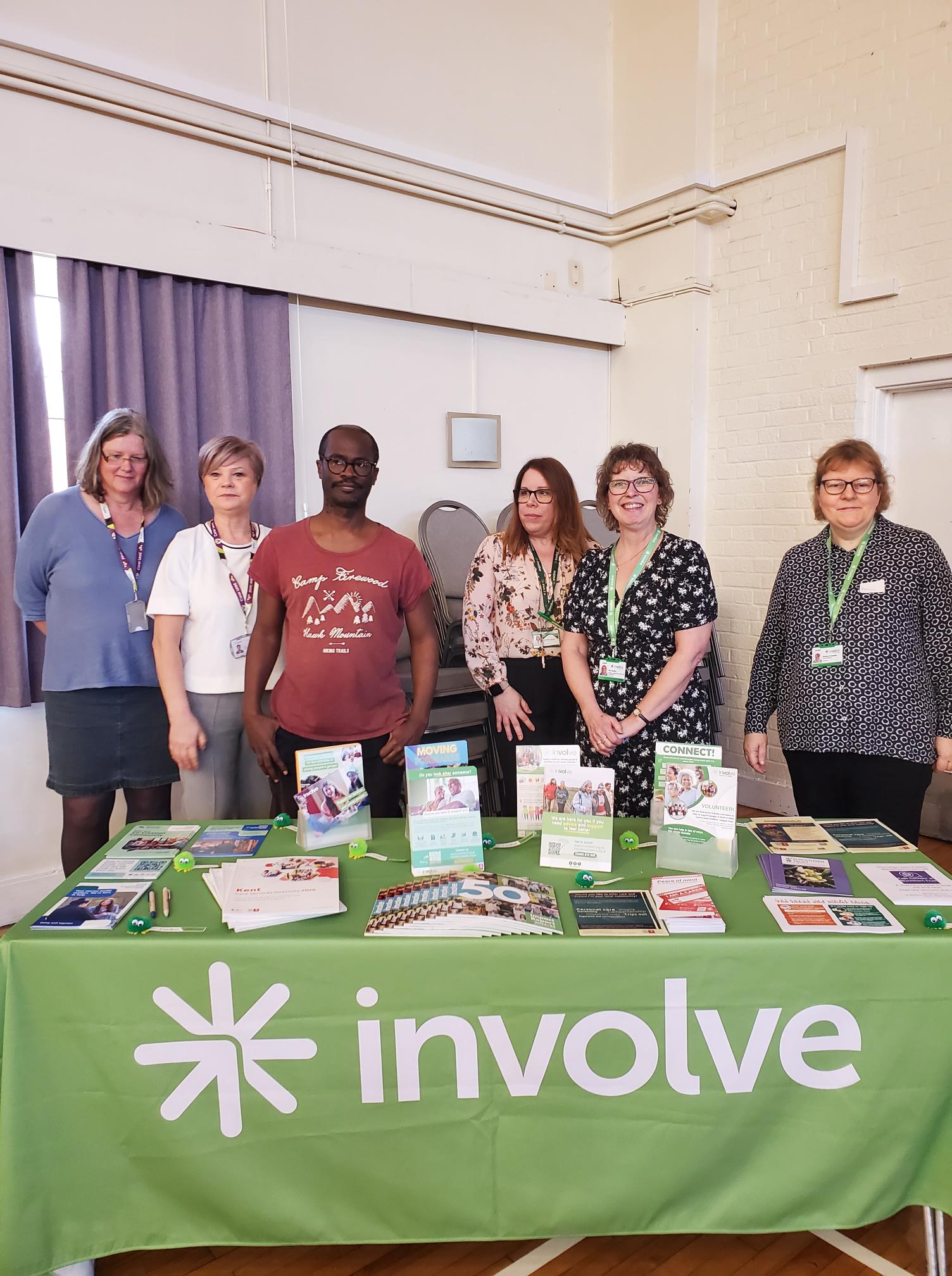
Carers Week officially began with a rewarding day at St George’s University Hospital, where I hosted a Carers UK information stall. The event provided an opportunity to engage directly with unpaid carers, patients, hospital staff and visitors, sharing information about the support available to carers both locally and nationally.
I was particularly pleased to see the hospital’s dedicated carers information board, which demonstrated a clear commitment to recognising and supporting unpaid carers. Throughout the day, I spoke with many people who were caring for family members and helped raise awareness of carers’ rights, available services and the importance of seeking support. It was a positive start to Carers Week and highlighted the vital role healthcare settings can play in identifying and supporting carers.
10 June 2026 – Ealing Carers Week Celebration at Perceval House
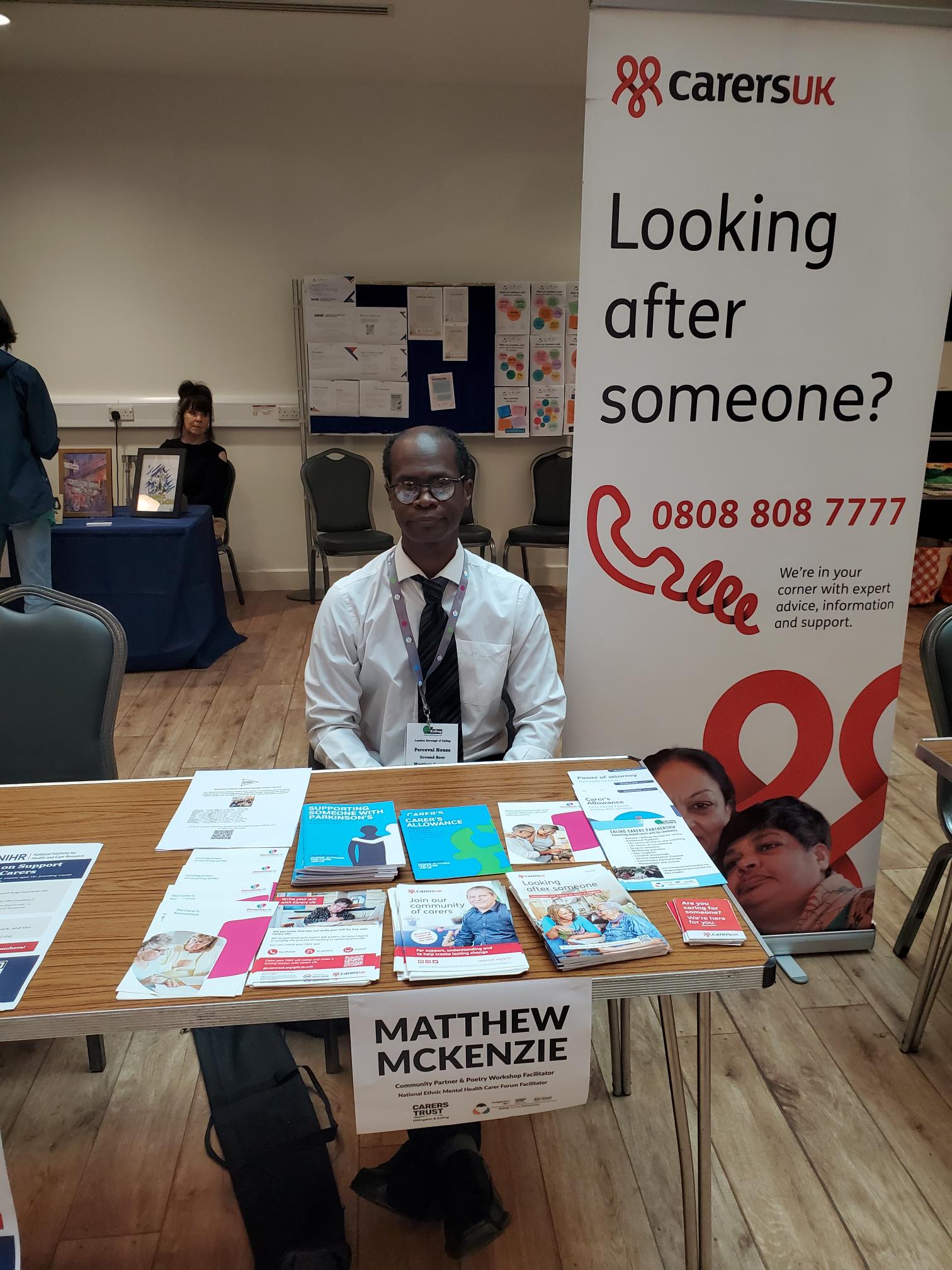
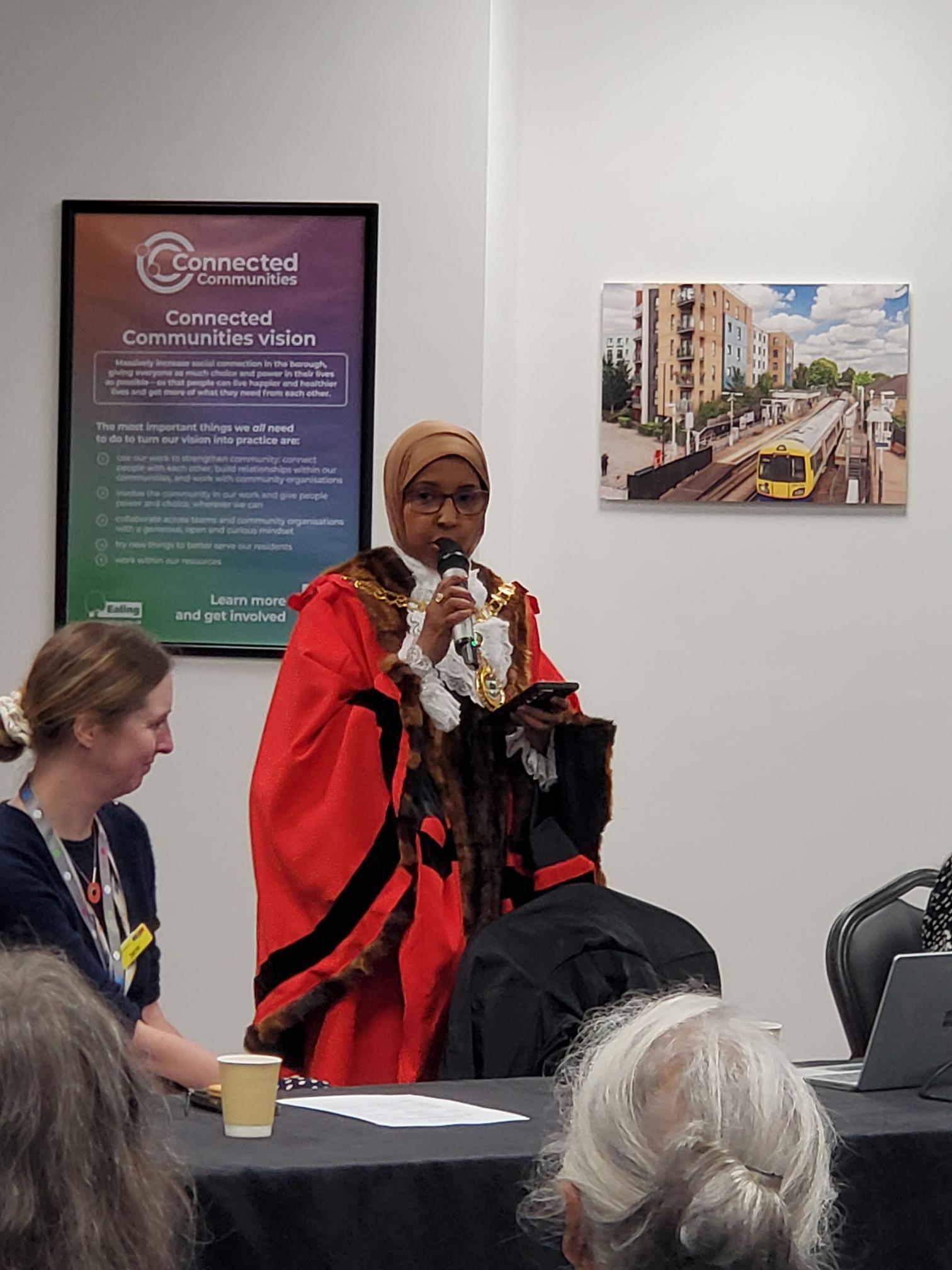
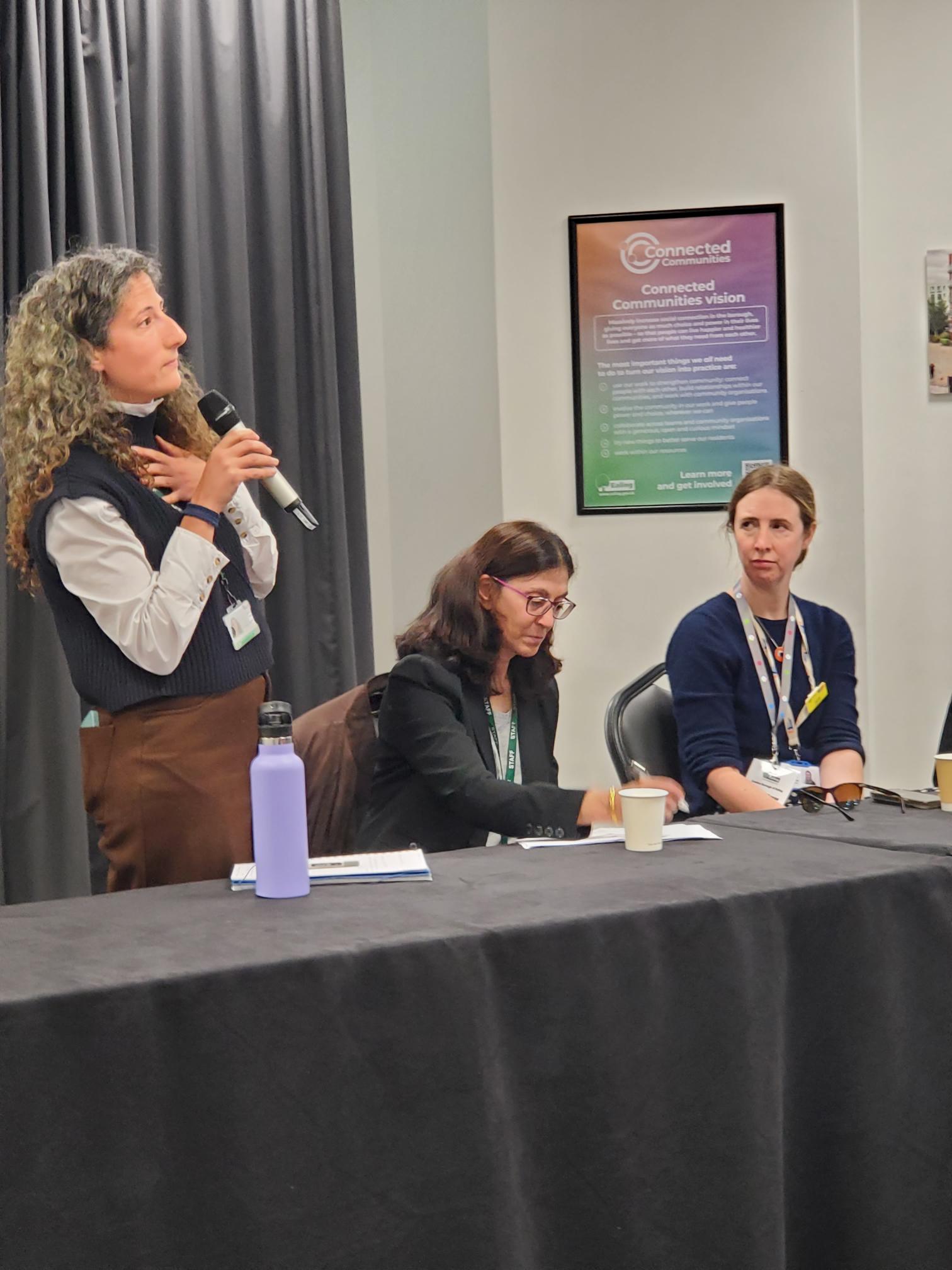
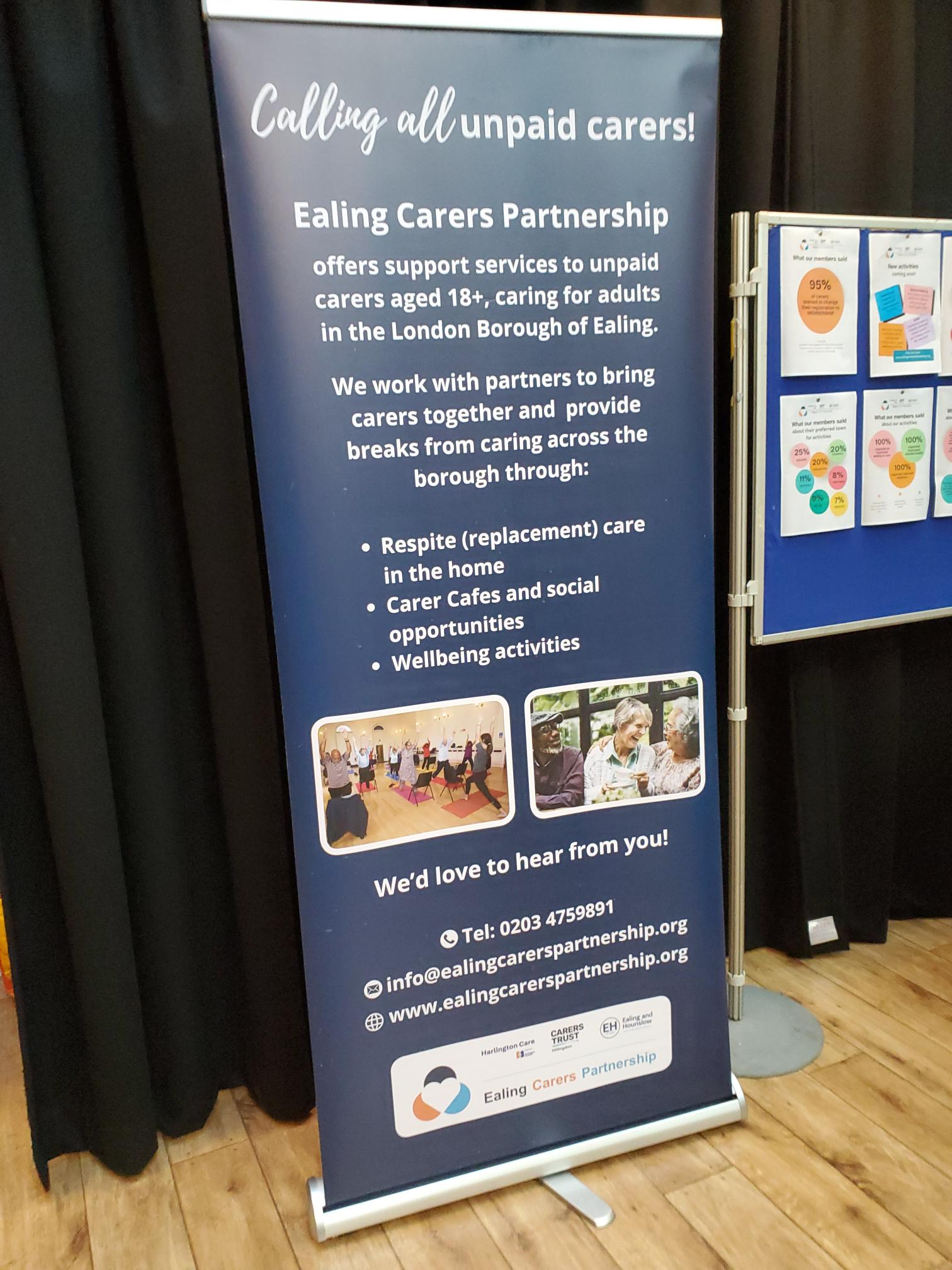
On 10 June, I attended the Carers Week Celebration 2026 at Perceval House in Ealing, organised by Ealing Carers Partnership, Ealing Carers Hub and Ealing Council. As someone who supports both of my elderly parents, I understand first-hand the rewards and challenges of caring. During the event, I had the privilege of hosting a Carers UK information stall while also attending as a carer, poet and author.
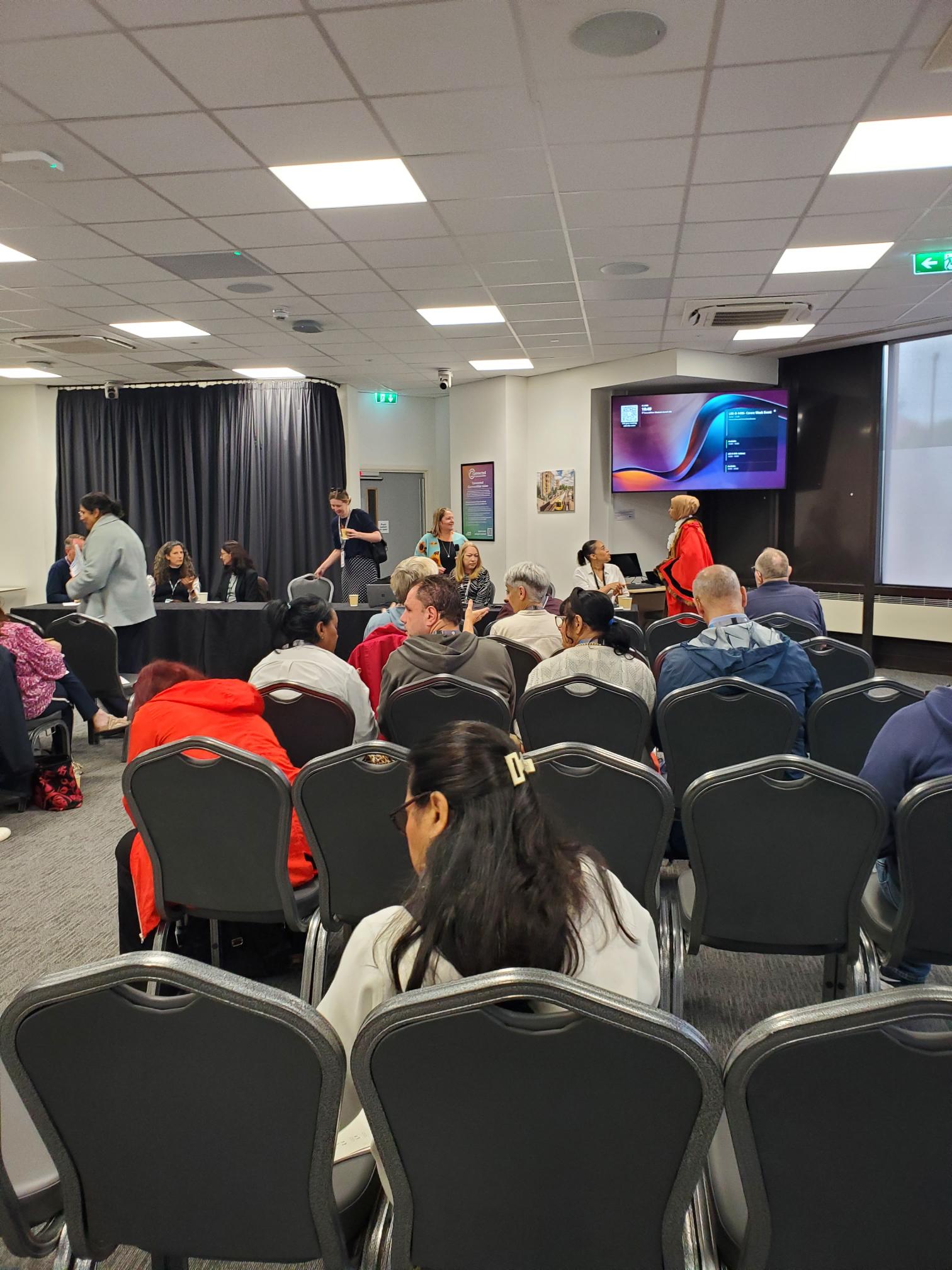
The day brought together carers, charities, community organisations, health professionals and council representatives in a welcoming and supportive environment.
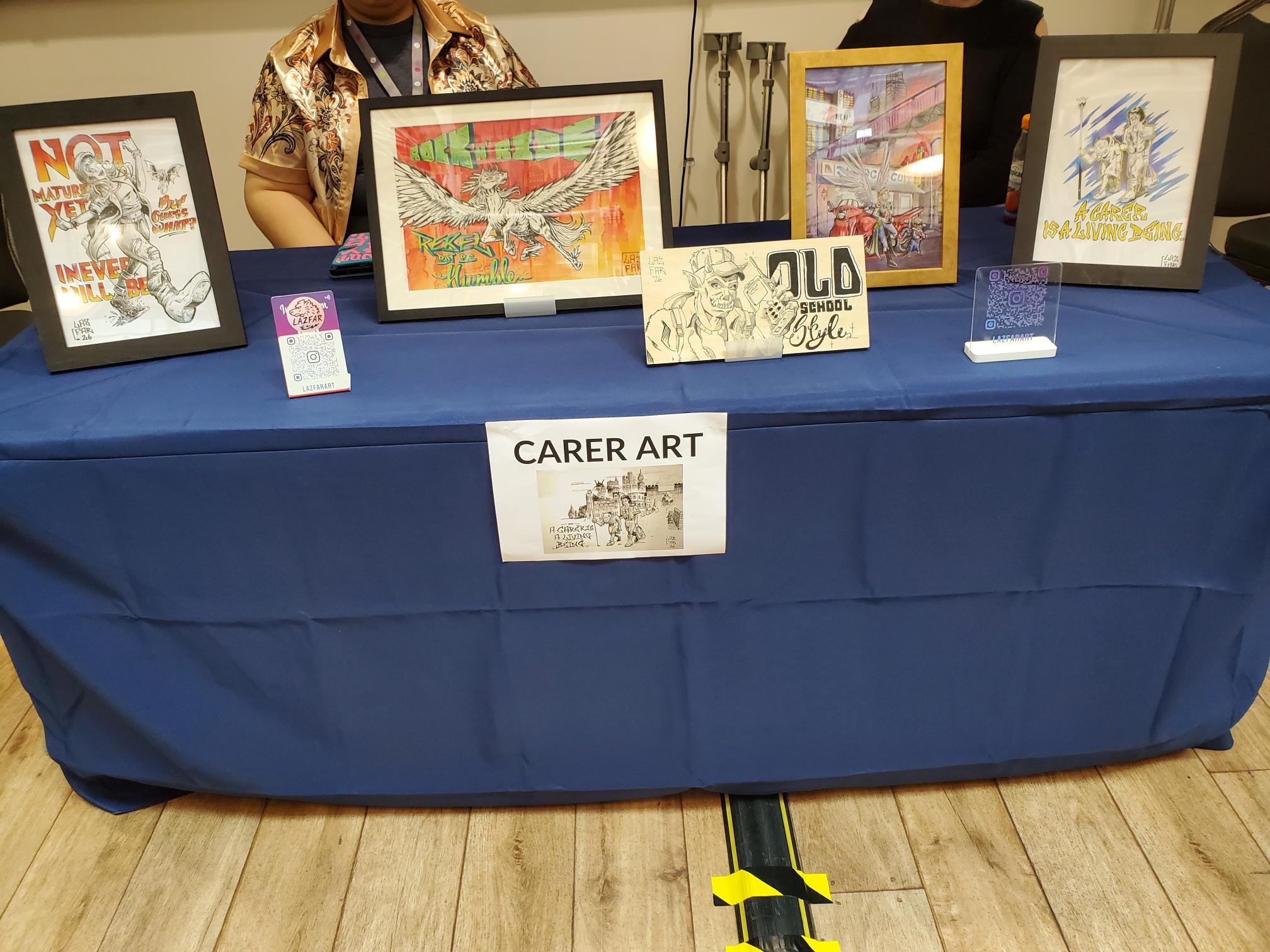
Carers had access to information, advice and wellbeing activities, including complimentary refreshments, free manicures provided by Uxbridge College students, artwork exhibitions and opportunities to connect with others who understand the caring journey. The event served as a powerful reminder that carers matter, their voices are important and they should never feel alone.
You can find out more about the event below from Ealing Local Community news
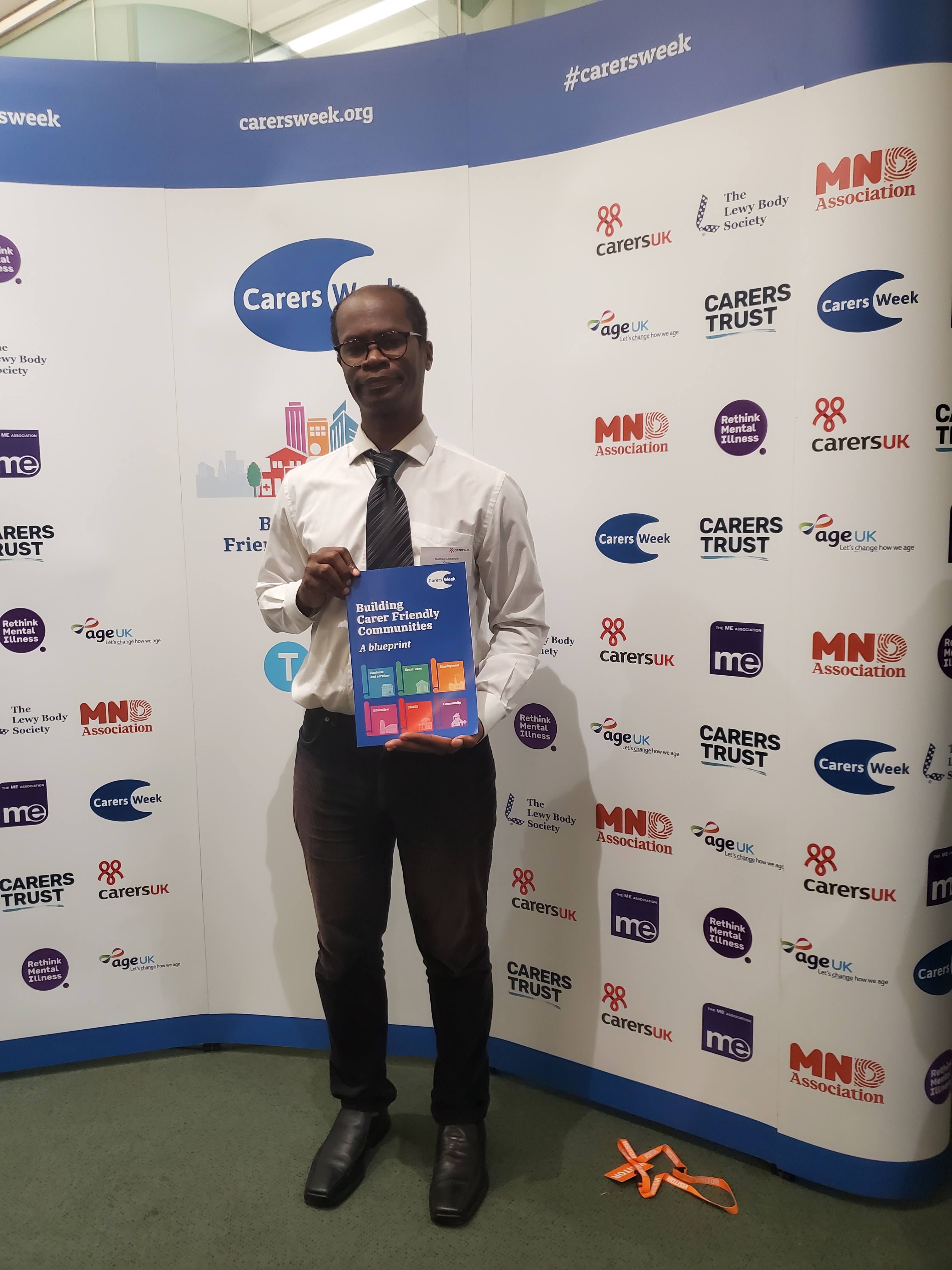
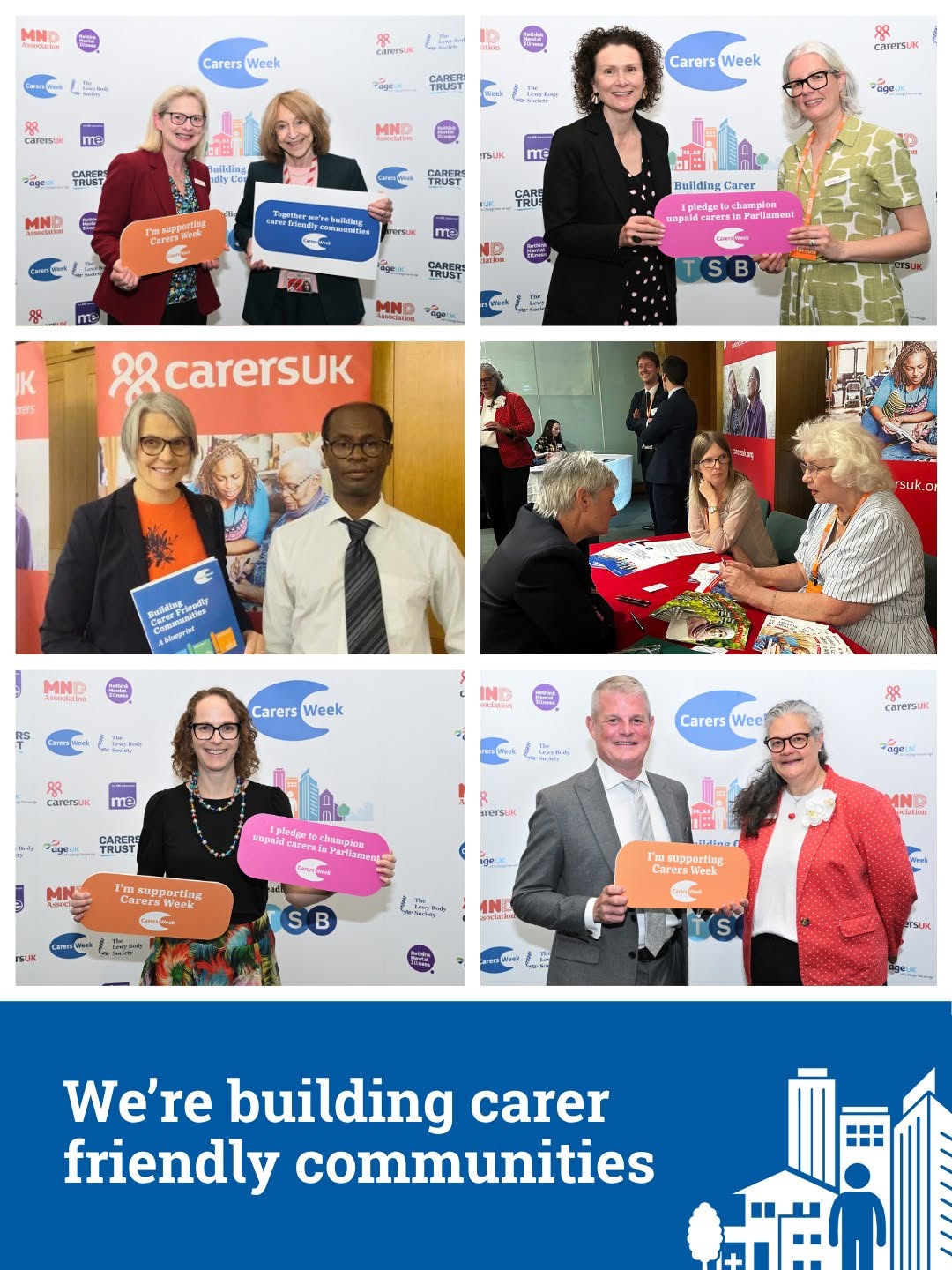
10 June 2026 – Carers Week Parliamentary Drop-In Event, Westminster
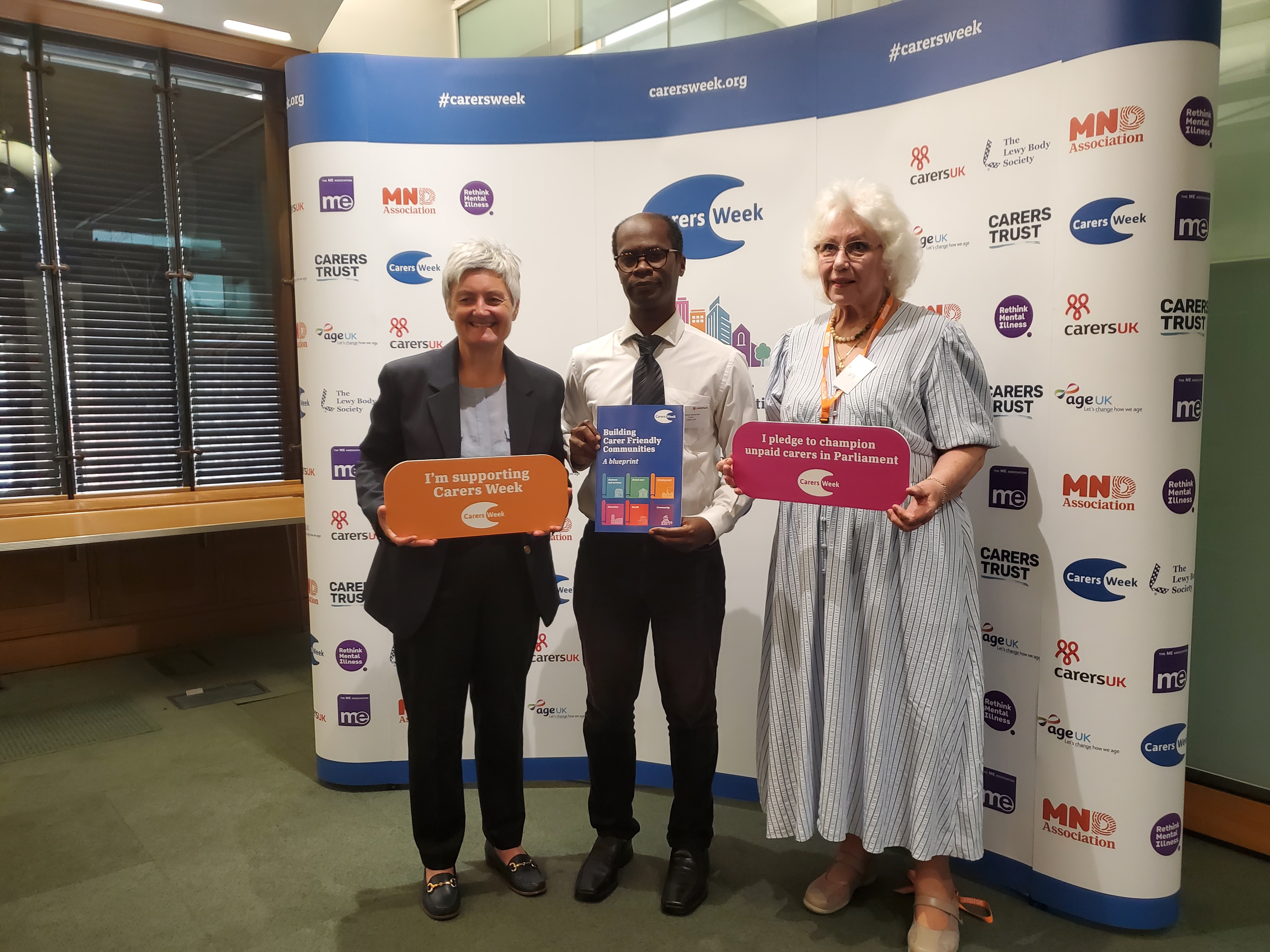
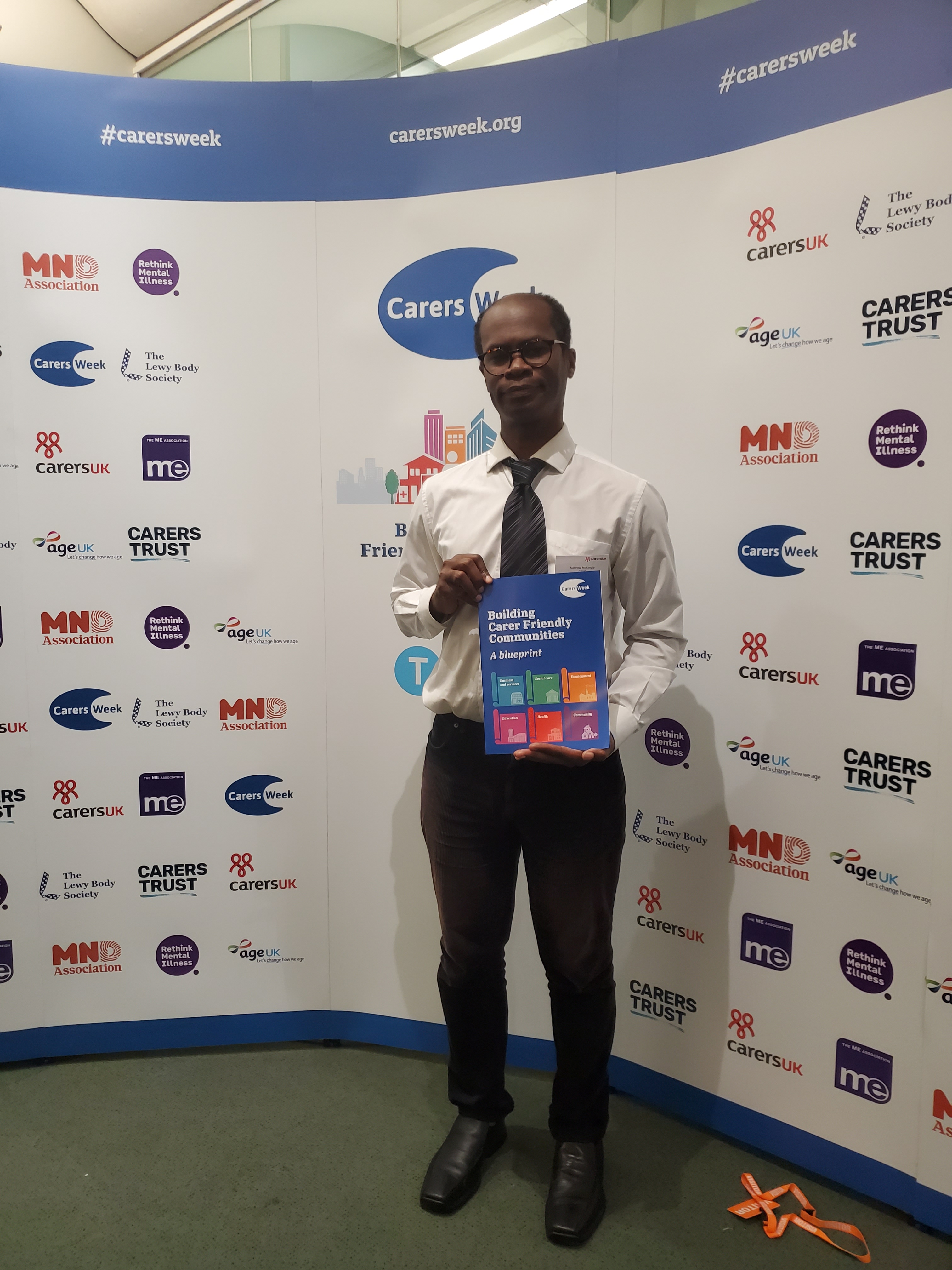
Later that day, I attended the Carers Week Parliamentary Drop-In Event at Portcullis House, Westminster. The event brought together unpaid carers, carers’ organisations, MPs and Peers to discuss the realities of caring and the support carers need.
Designed as a speed-networking event, it offered an important platform for carers to share their experiences directly with policymakers and raise awareness of both the immense contribution carers make and the challenges they face. It was encouraging to see parliamentarians engaging with carers and supporter organisations, demonstrating a growing recognition of the need for stronger policies and greater support for unpaid carers across the country.
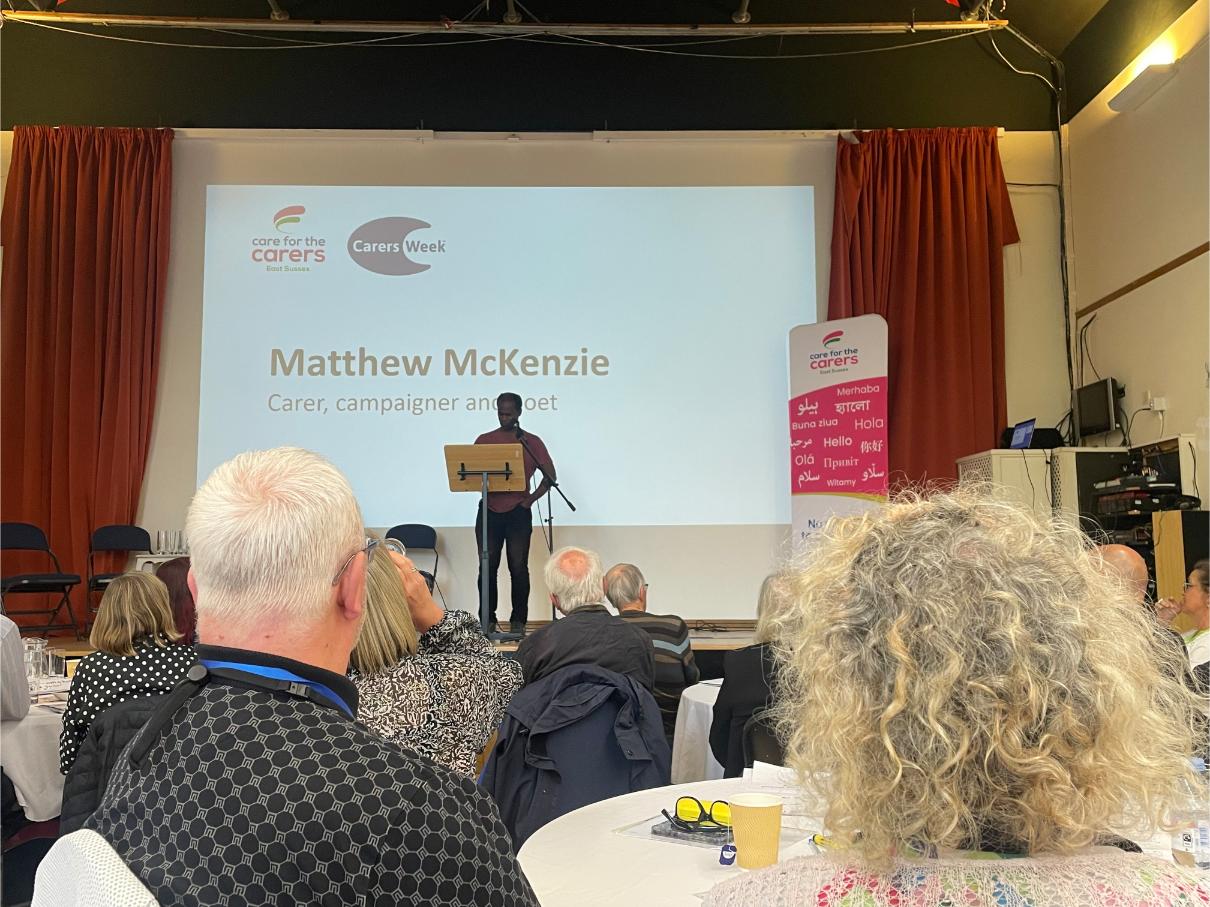
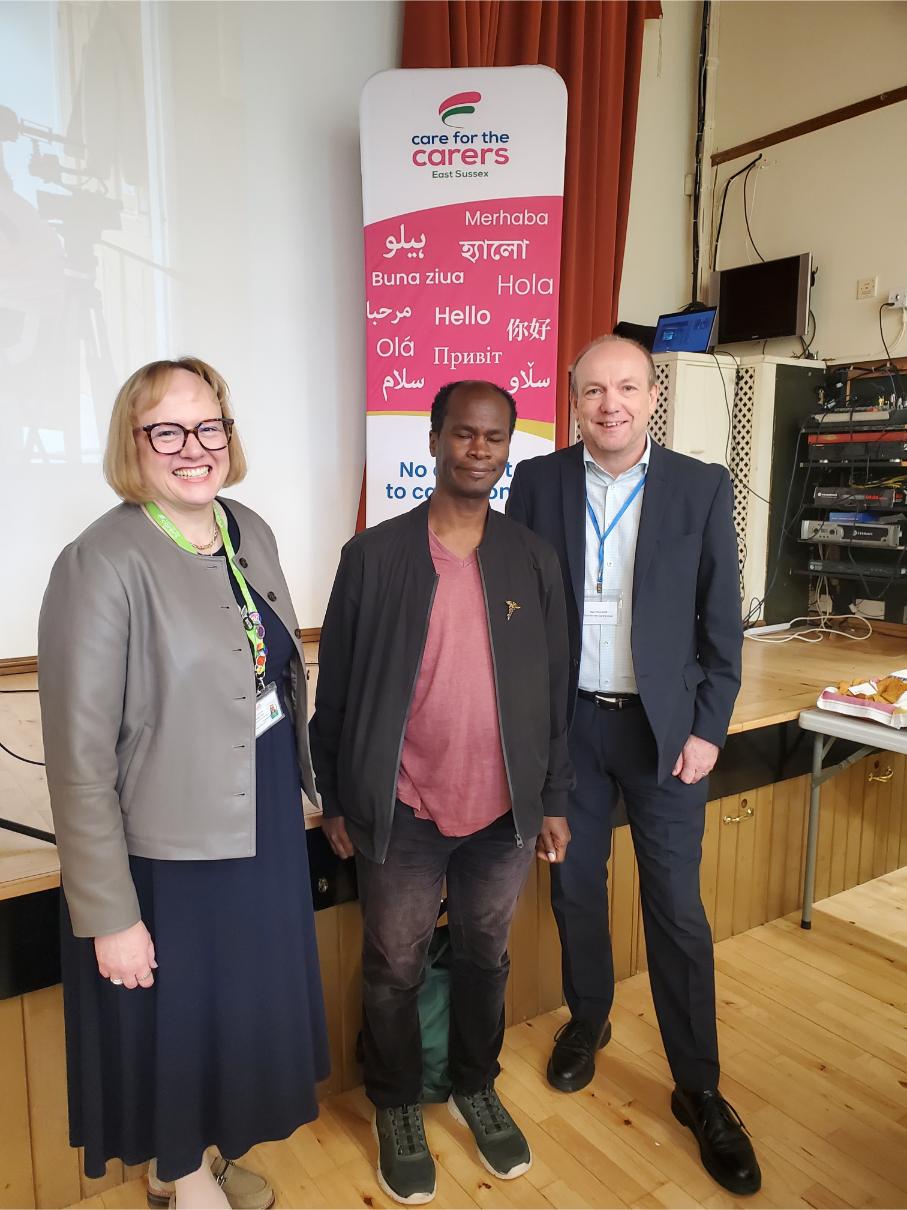
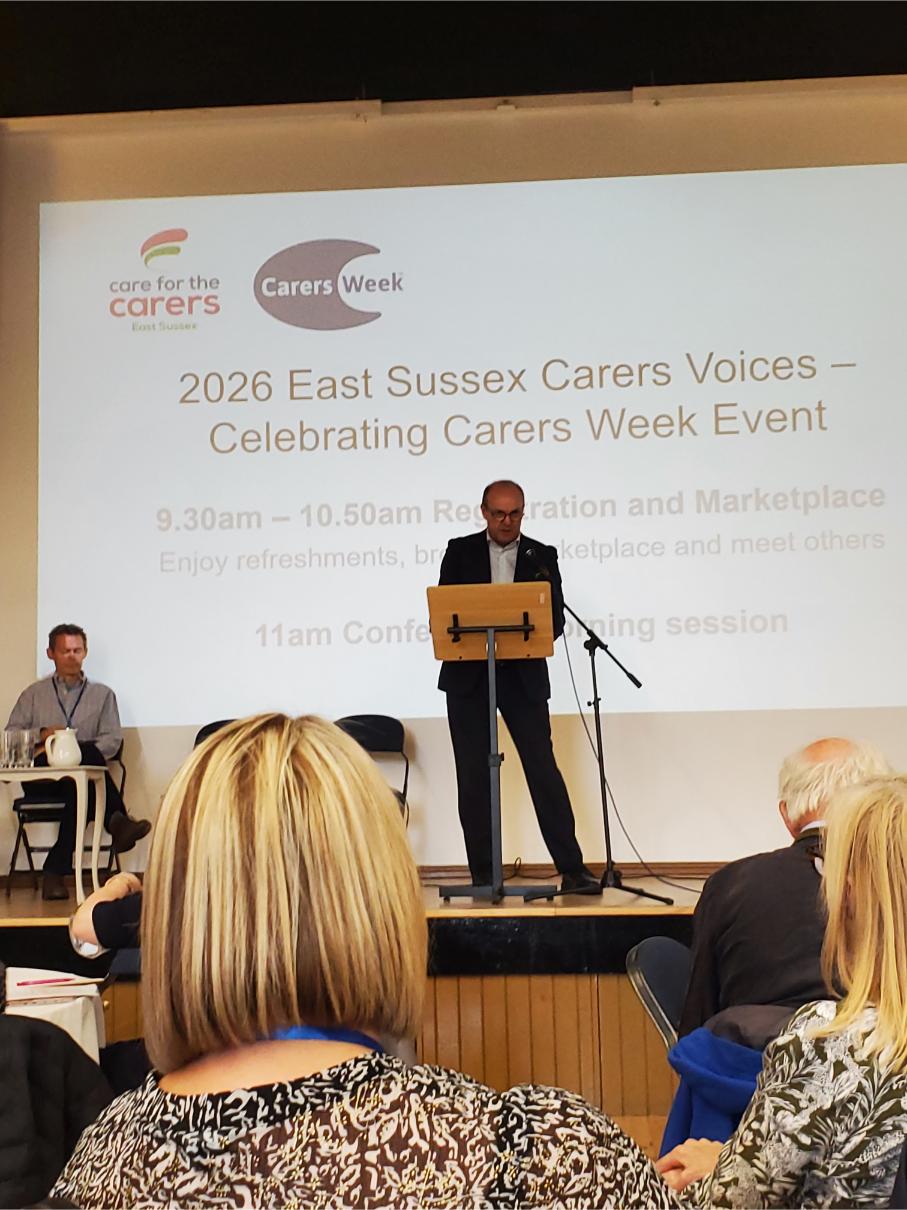
11 June 2026 – East Sussex Carers Voices Event, East Dean Village Hall
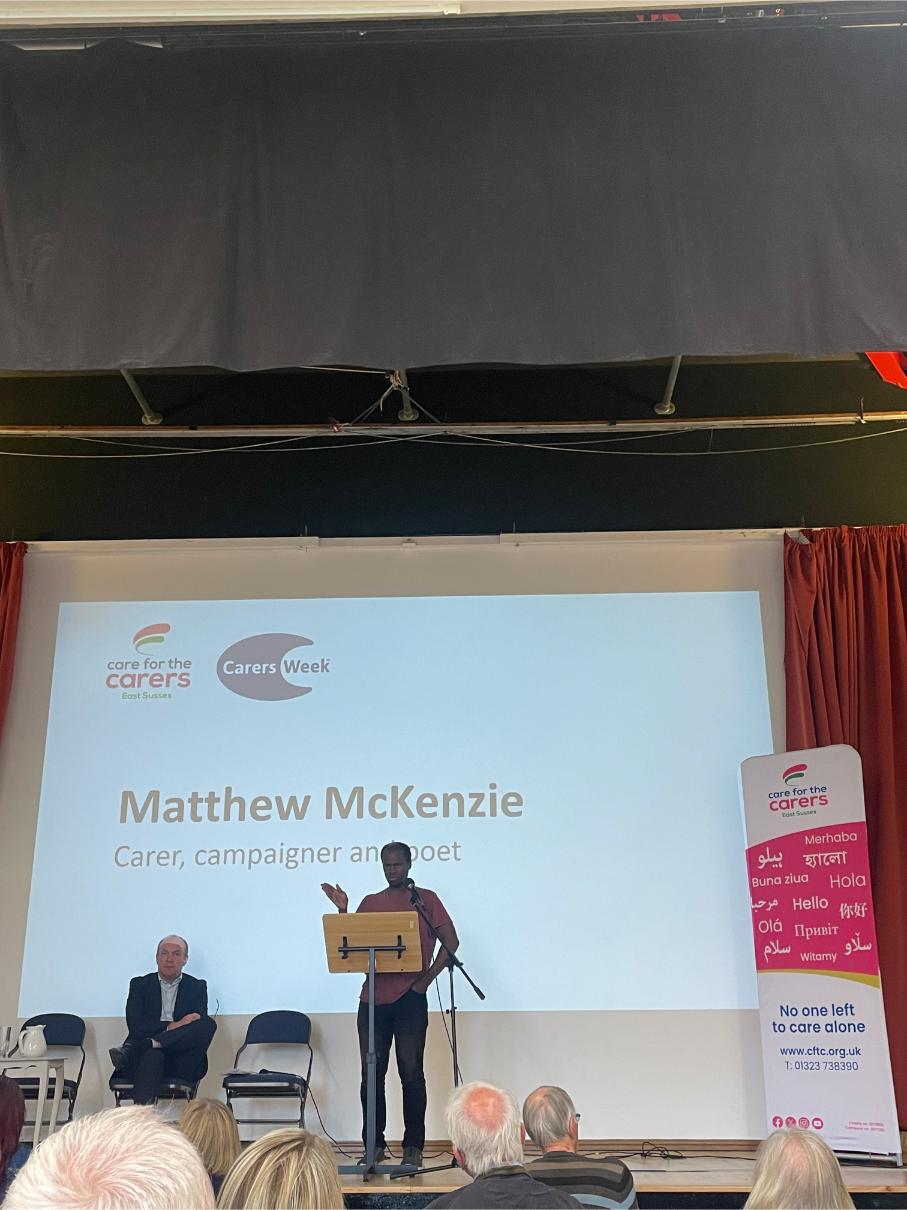
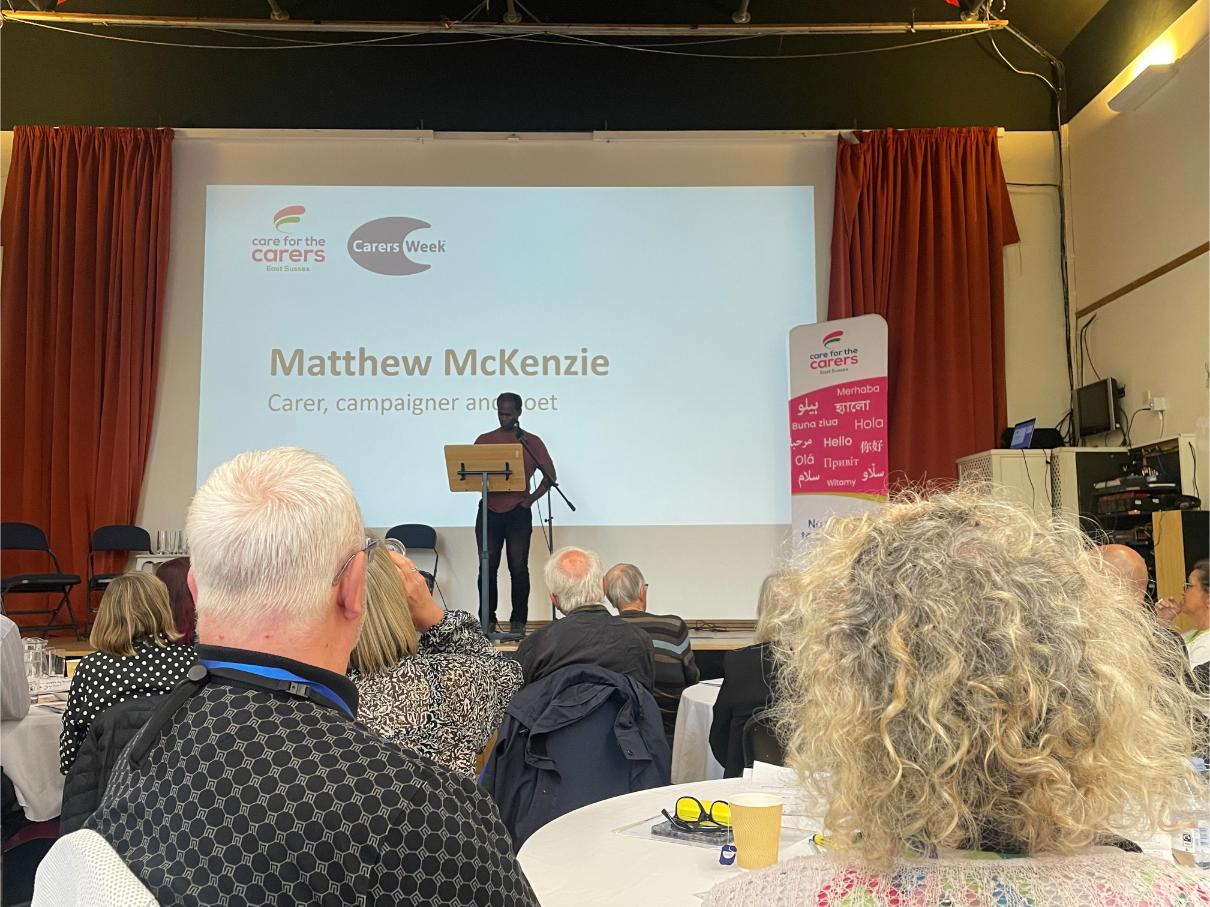
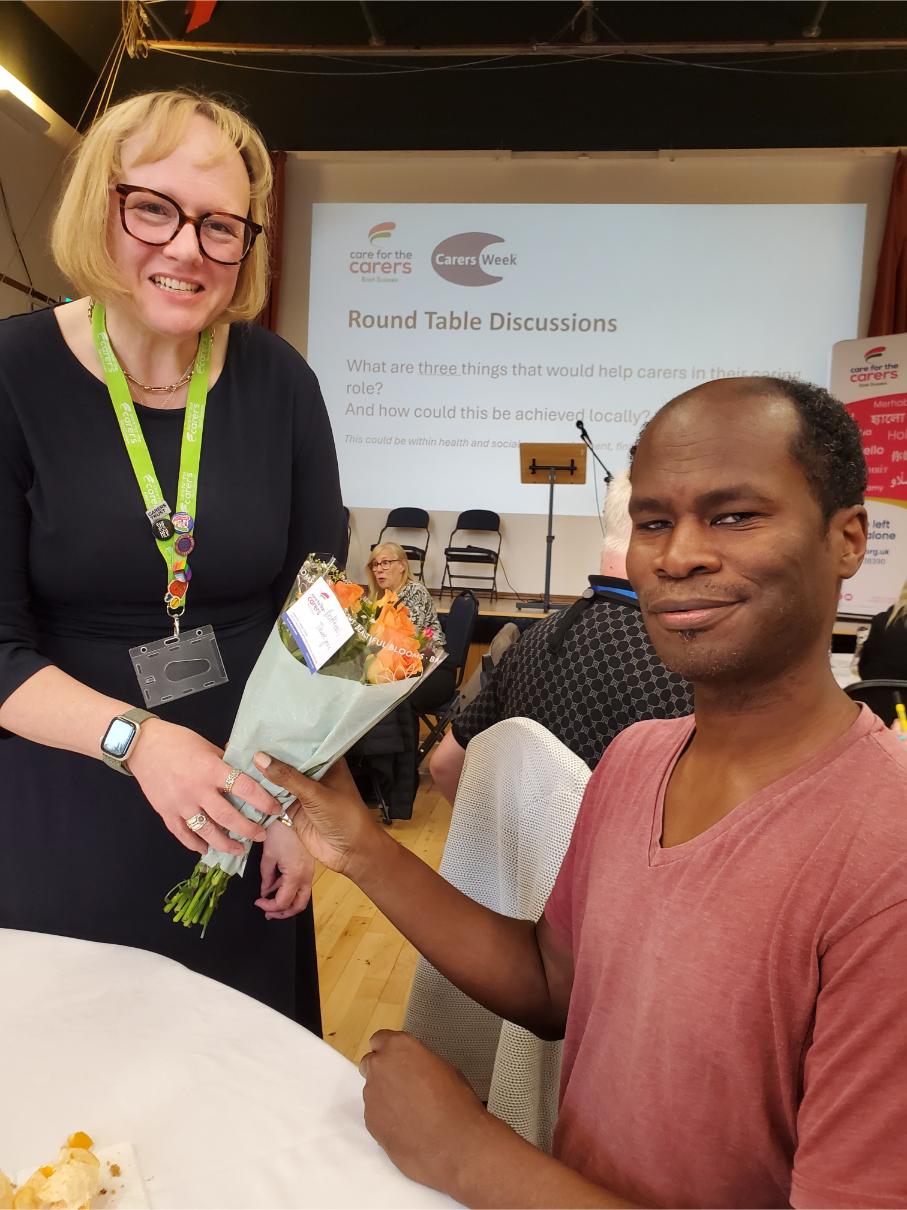
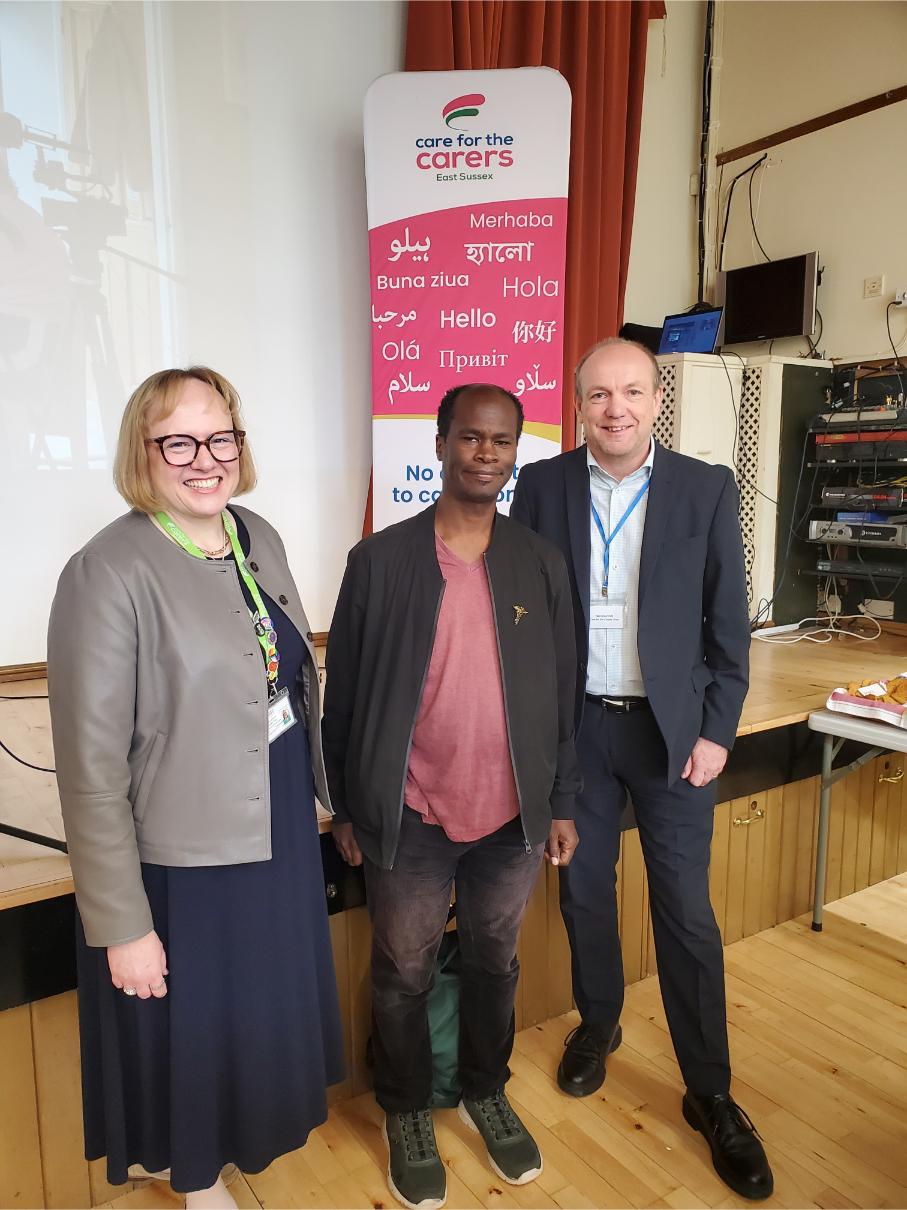
As part of Carers Week, I travelled to East Dean in East Sussex to speak at the East Sussex Carers Voices – Celebrating Carers Week Event, organised by Care for the Carers. The event brought together unpaid carers, NHS representatives, local authority leaders, health professionals, carers’ organisations and community groups to discuss how support for carers can be improved.
Hosted by Dr Neil Churchill, Chair of Care for the Carers along with Jennifer Twist CEO of Care For The Carers, the day focused on listening to carers’ experiences and ensuring their voices were heard by decision-makers.
I was honoured to contribute to these discussions and to share insights from my own caring journey. The event demonstrated the value of bringing carers and professionals together to shape services and create positive change for unpaid carers across East Sussex.
12 June 2026 – Speaking at the Cygnet National Carers Event
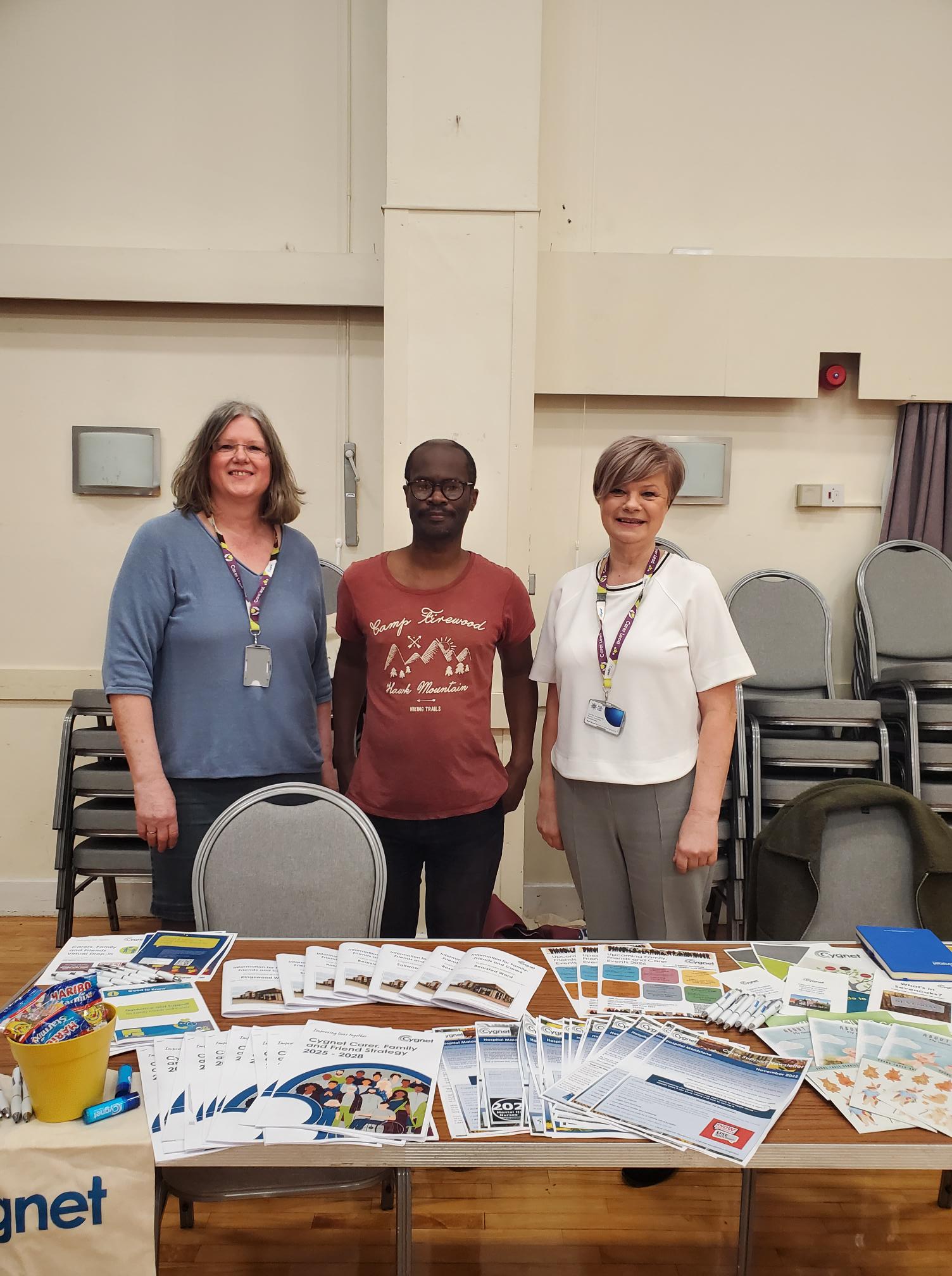
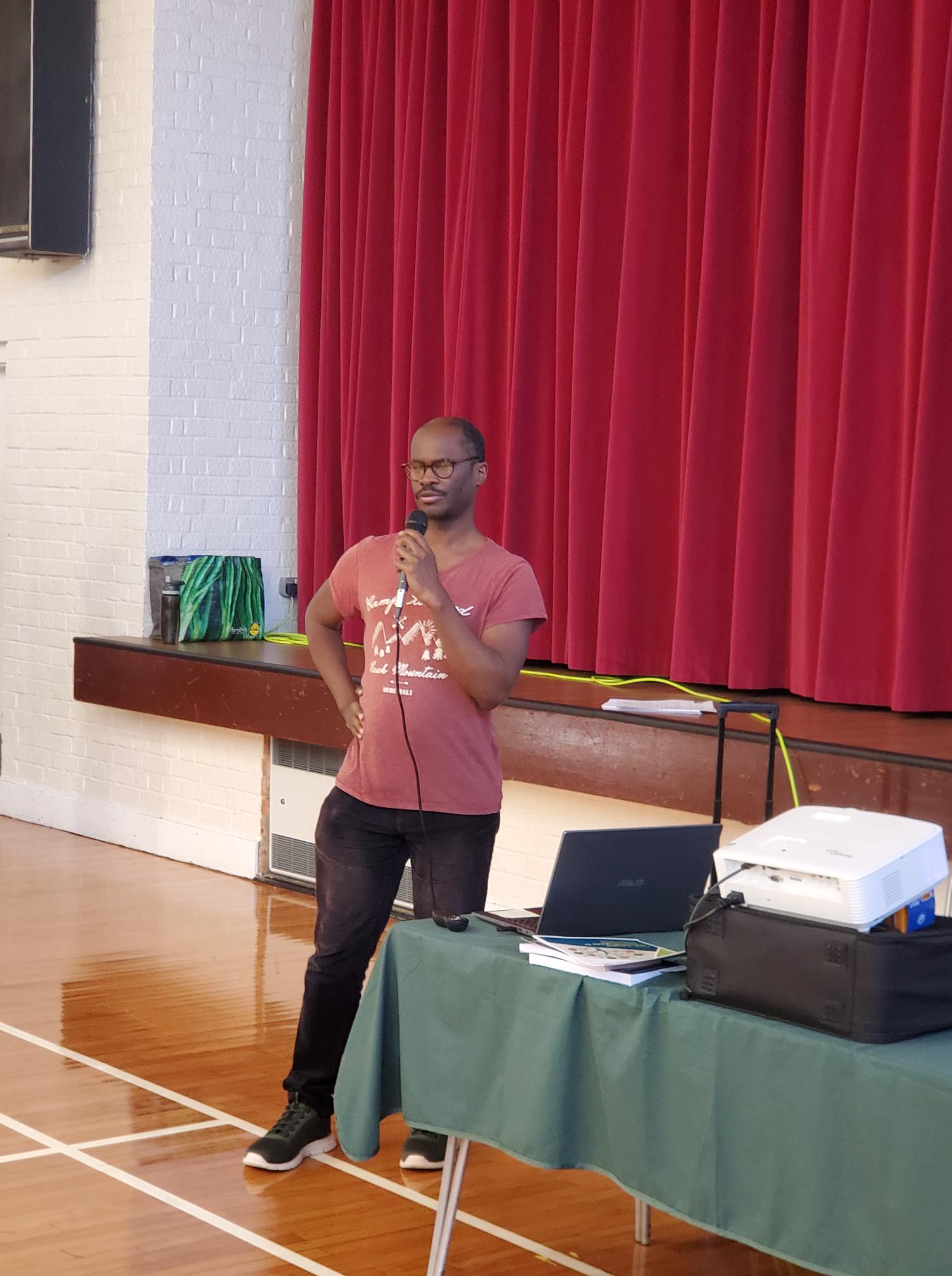
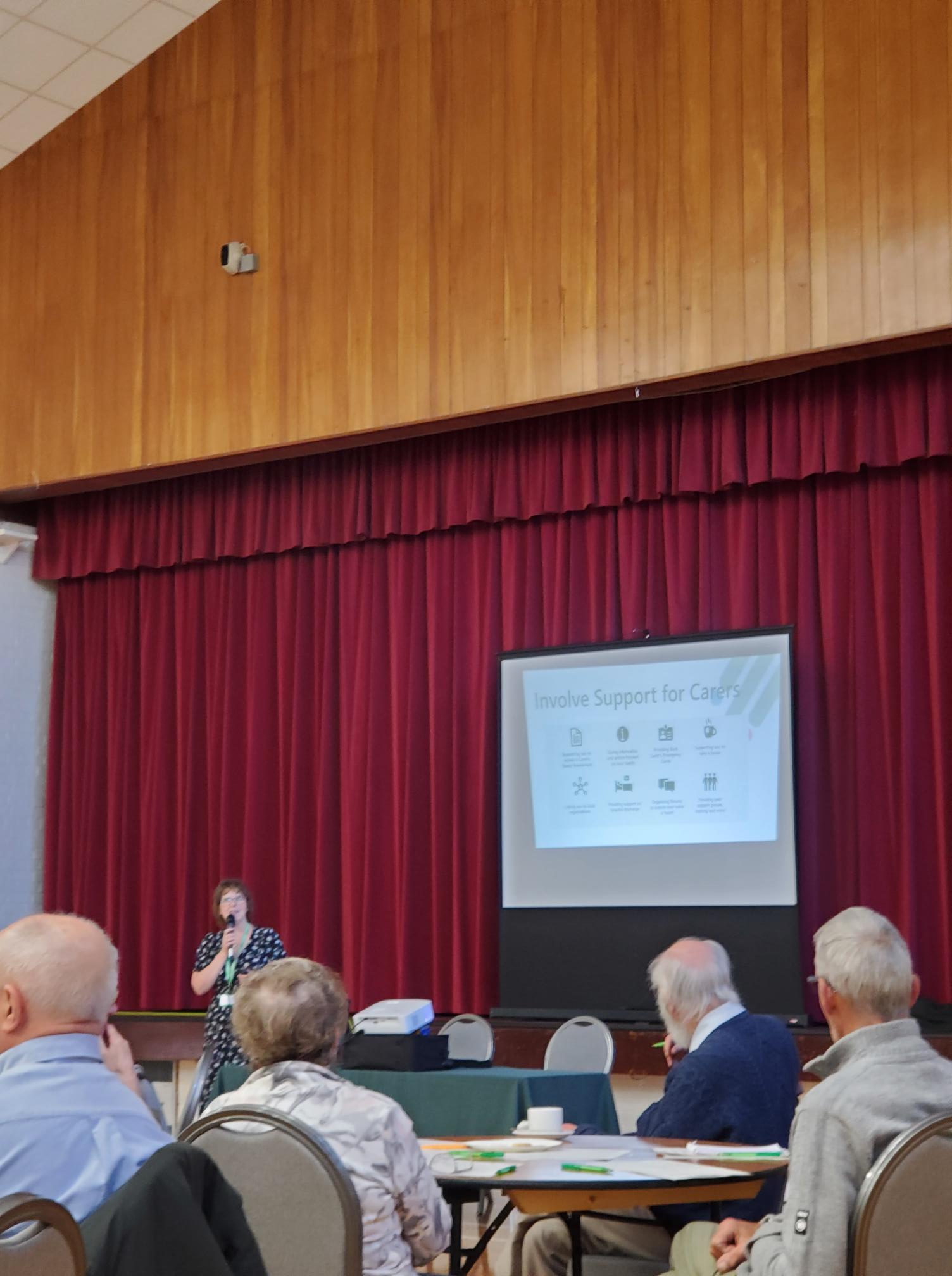
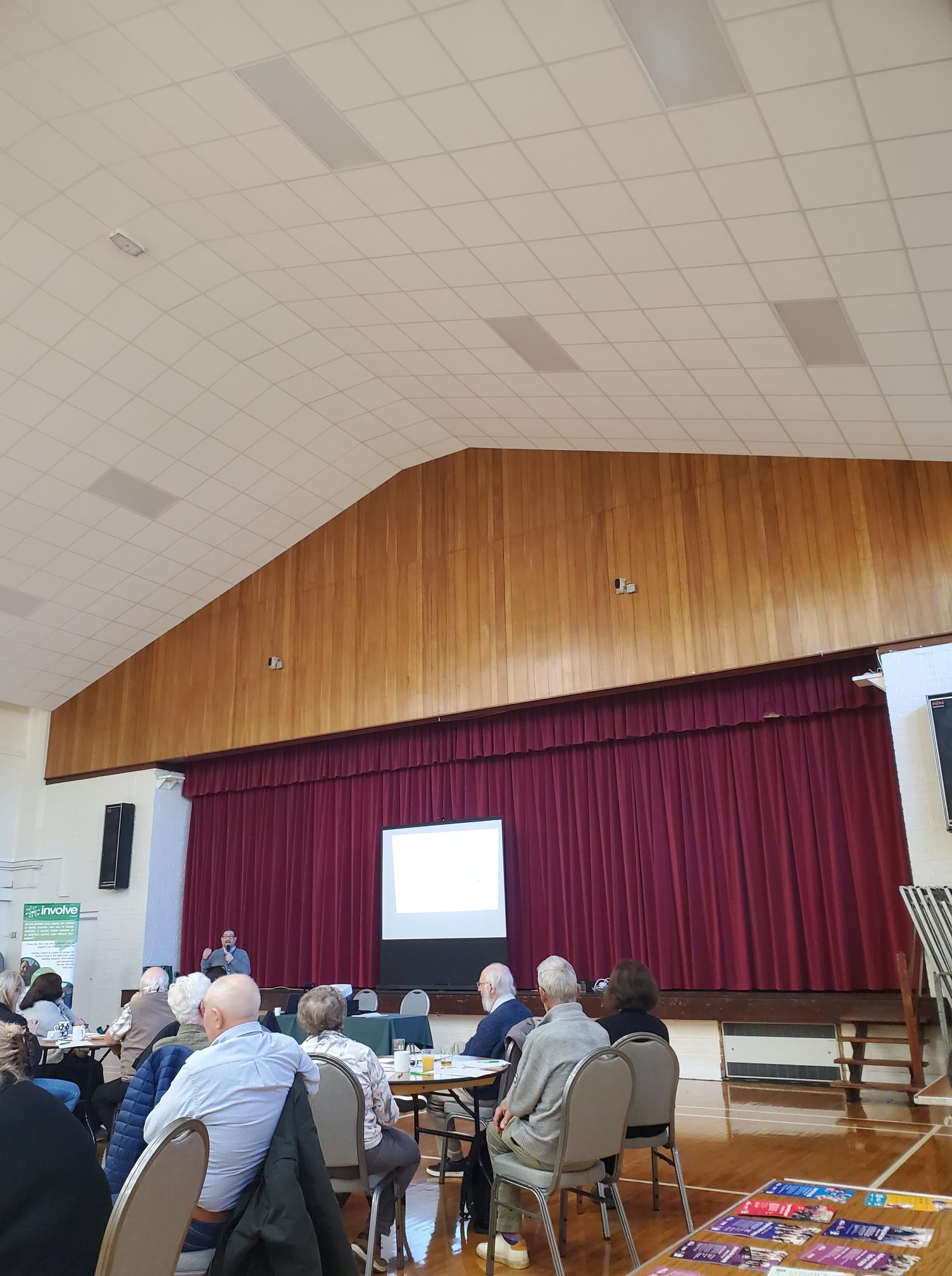
On 12 June, I had the privilege of speaking at the Cygnet National Carers Event in London as Cygnet’s PCREF Carer Lead, Carer Network Ambassador and carer author. The event brought together carers, healthcare professionals and sector leaders to celebrate carers and discuss the support they need. I shared my experiences as a lifelong carer and highlighted the importance of recognising carers as equal partners in care.
It was inspiring to hear from a diverse range of speakers, including experts by experience, researchers, advocates and service leaders, all united by a shared commitment to improving outcomes for carers. The event reinforced the importance of lived experience in shaping services and ensuring carers’ voices remain central to policy and practice.
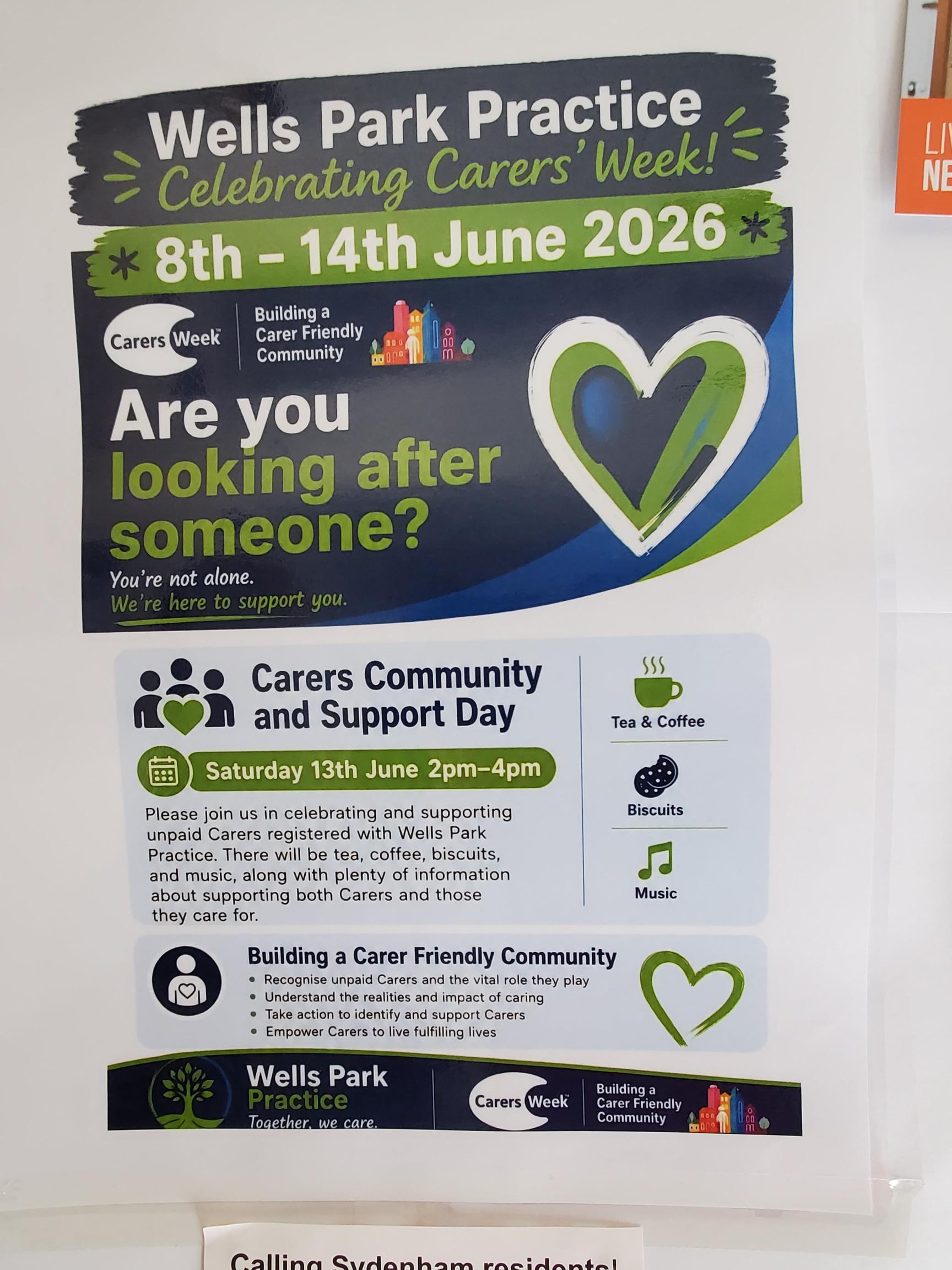
13 June 2026 – Carers Community and Support Day at Wells Park Practice
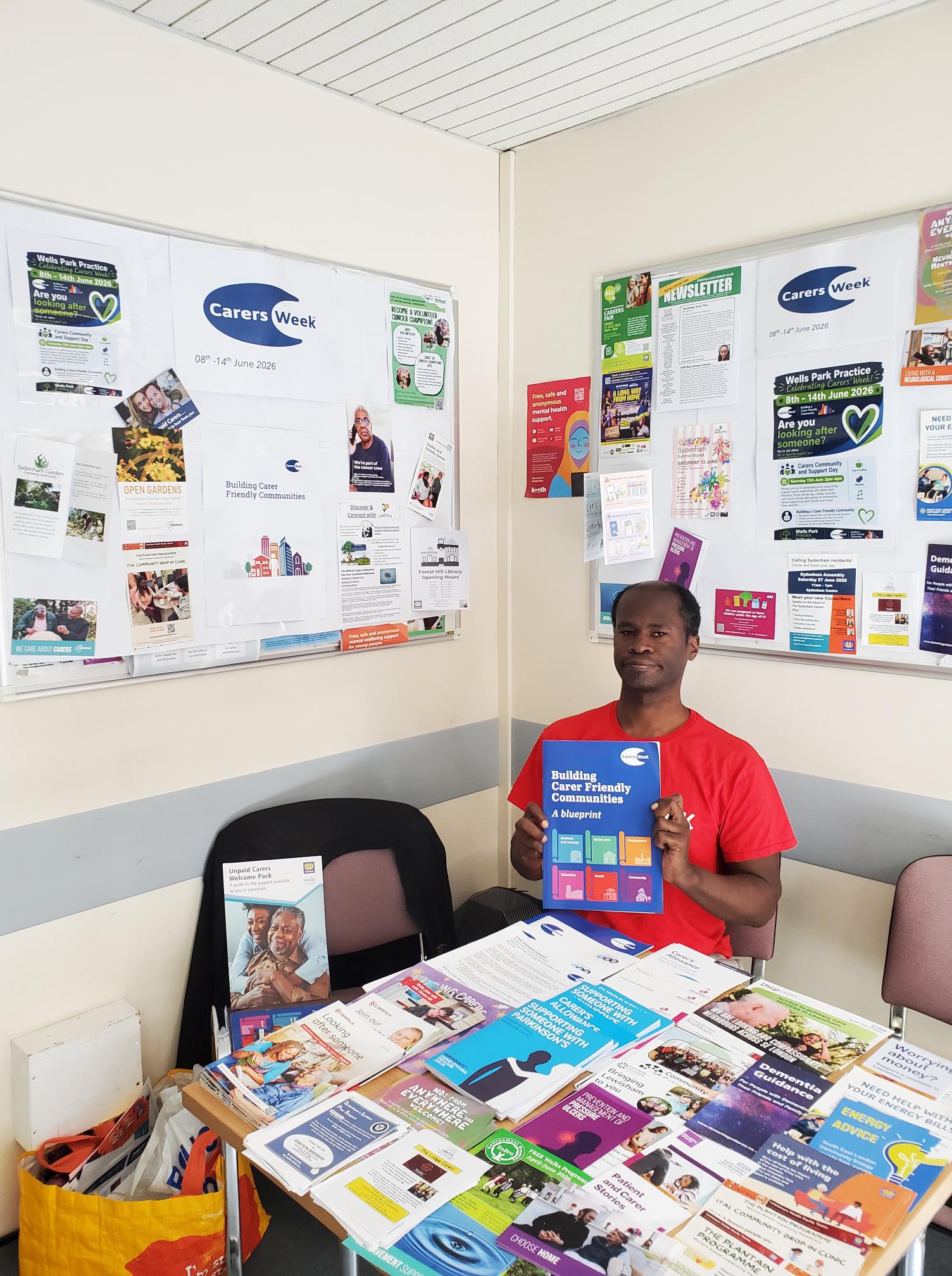
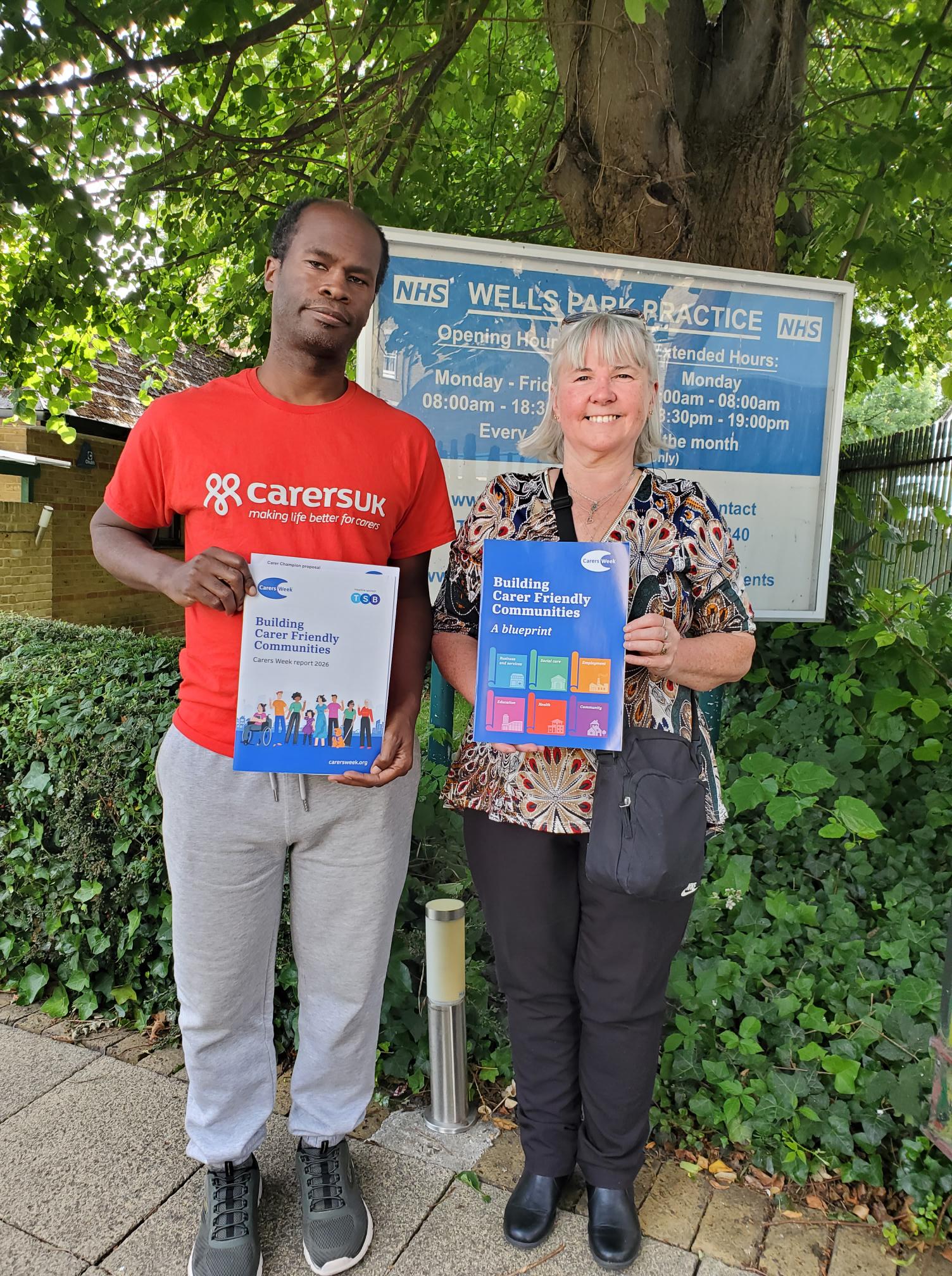
I concluded Carers Week 2026 by hosting a carers information stall alongside Wendy (who is also a devoted carer campaigner at our Lewisham group) at Wells Park Practice during their Carers Community and Support Day.
The event celebrated carers within the local community and provided an opportunity for unpaid carers to access information, advice and support in a relaxed and welcoming environment.
Throughout the afternoon, I spoke with carers about the challenges they face and the services available to help them. The event also highlighted the importance of building a carer-friendly community by recognising carers, understanding the realities of caring and empowering carers to live fulfilling lives. It was a fitting way to end a busy and rewarding week dedicated to championing carers and raising awareness of their invaluable contribution to society.
Reflection
Carers Week 2026 was an incredibly busy and meaningful week, providing opportunities to raise awareness, influence decision-makers, support carers directly and celebrate the extraordinary contribution that unpaid carers make every day.
From hospitals and GP surgeries to Parliament, local authorities and national conferences, the message remained the same: carers are essential, carers deserve recognition and carers must be supported. I am proud to have contributed to so many events throughout the week and remain committed to ensuring that carers’ voices continue to be heard long after Carers Week has ended.
Written by Matthew McKenzie, Speaker, Carer, Campaigner and Poet
As part of Carers Week 2026, I had the privilege of travelling to East Dean in East Sussex to speak at the East Sussex Carers Voices – Celebrating Carers Week Event, organised by Care for the Carers. The event brought together unpaid carers, carers’ organisations, NHS representatives, local authority leaders, health professionals, community groups and carers from across East Sussex to discuss the realities of caring and identify ways to improve support for unpaid carers.
The event was hosted by Dr Neil Churchill, Chair of Care for the Carers, who guided the day’s discussions and emphasised the vital role carers play in society. Throughout the day, carers shared their personal stories, experiences and recommendations directly with decision-makers and service providers.
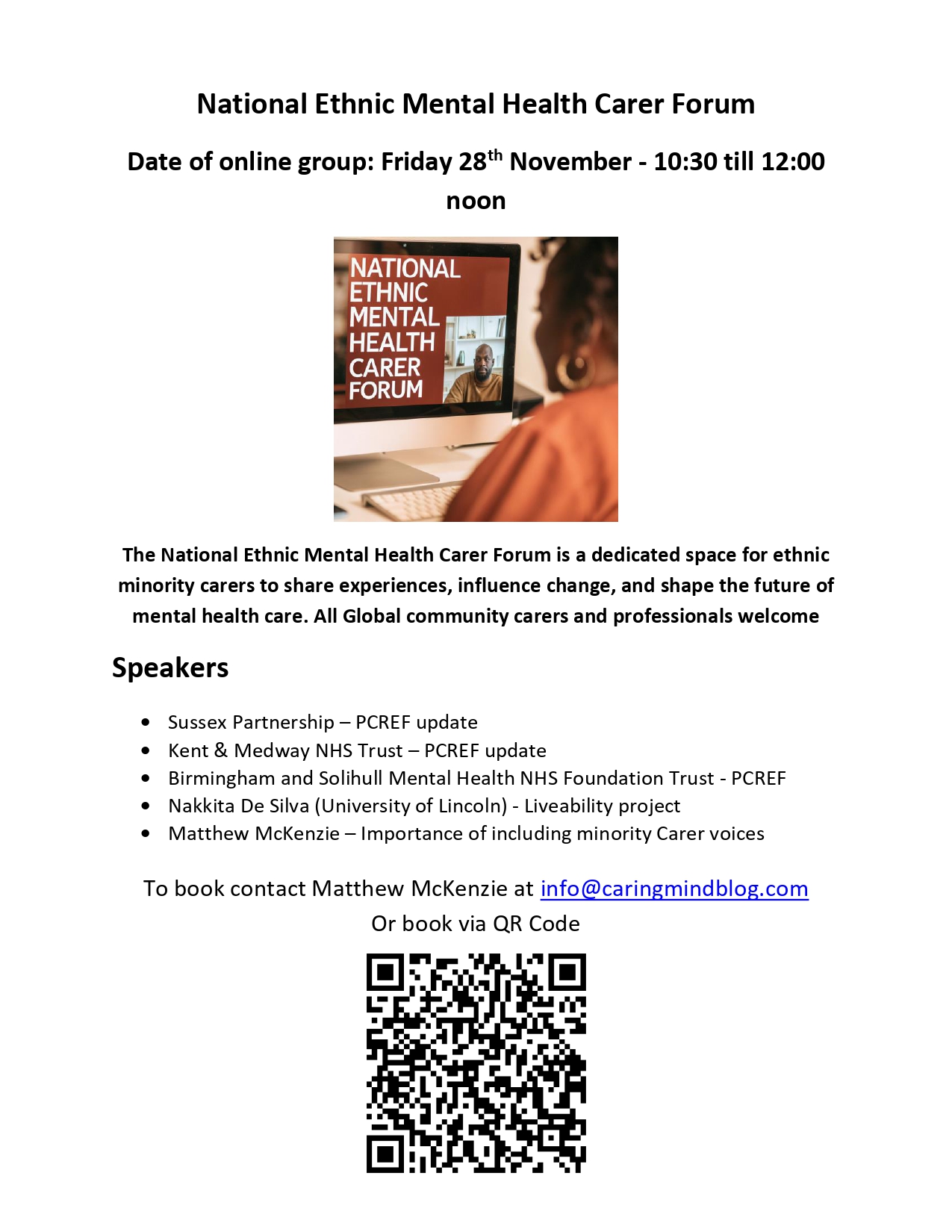
This blog post provides an overview of the key themes, speakers and discussions for those who were unable to attend.
Opening Remarks – Dr Neil Churchill
Dr Neil Churchill opened the event by welcoming attendees and recognising the significant contribution unpaid carers make to families, communities and public services.
He highlighted several key challenges currently facing carers:
• Rising financial pressures and cost-of-living concerns. • The growing number of carers leaving employment due to caring responsibilities. • Increased risks of poor physical and mental health among carers. • Social isolation and loneliness experienced by many carers. • Growing concerns around carer burnout.
Dr Churchill stressed that the country depends heavily on unpaid carers and that health and social care systems would struggle to function without them. He also spoke about the importance of moving towards a model where carers are treated as equal partners in care rather than simply being expected to cope alone.
A key message from his introduction was that carers should not be left to navigate fragmented services by themselves. Instead, health, social care and voluntary sector organisations must work together more effectively to recognise, support and value carers.
Carer Stories and Lived Experience
One of the most powerful aspects of the event was hearing directly from carers themselves.
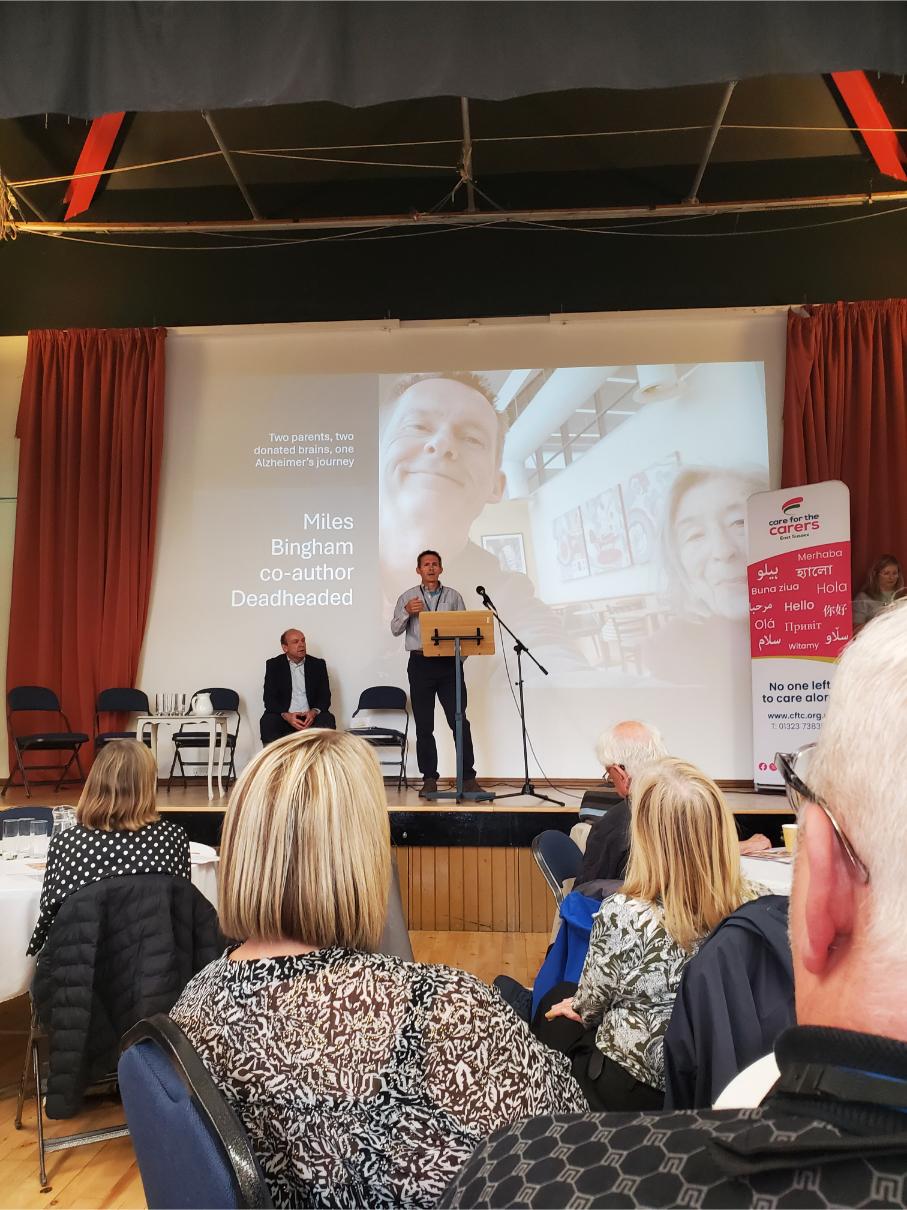
Miles Bing – Caring Through Dementia
The first speaker was Miles Bing, author of “Deadheaded: An Alzheimer’s Memoir by Mother and Son”.
Miles shared his family’s experience of supporting both of his parents through Alzheimer’s disease. His presentation explored the emotional impact of caring at a distance, the guilt often experienced by family members who live far away, and the difficulties of coordinating support across multiple services.
He spoke about:
• The long-term impact of dementia on families. • The challenges of accessing services in rural areas. • The lack of coordination between health and social care systems. • The practical and emotional burden placed on carers.
Many attendees identified strongly with his comments regarding the need for carers to act as coordinators between multiple organisations that often fail to communicate effectively with one another.
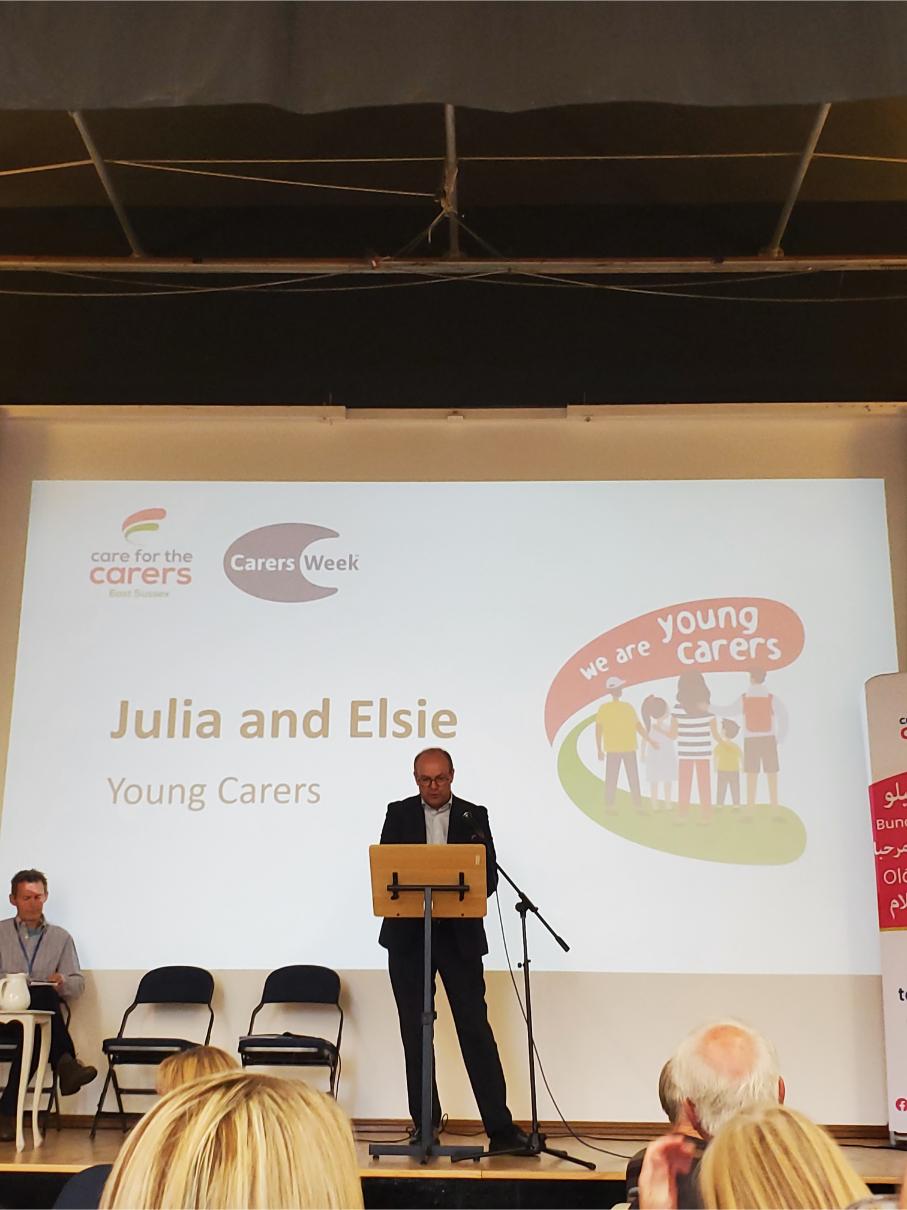
Young Carers – Julia and Elsie
The audience then heard from young carers Julia and Elsie, whose presentations left a lasting impression on everyone in the room.
Both spoke honestly about growing up while caring for family members with complex needs. They described responsibilities that included supporting parents during health crises, helping siblings with disabilities and managing situations involving emergency services.
Their stories demonstrated:
• The hidden nature of young caring responsibilities. • The emotional impact caring can have on children and young people. • The importance of early intervention and support. • The value of dedicated young carers services.
Perhaps most importantly, they highlighted that while caring can build resilience, no child should have to face these responsibilities without support.
The standing ovation they received reflected the courage and honesty with which they shared their experiences.
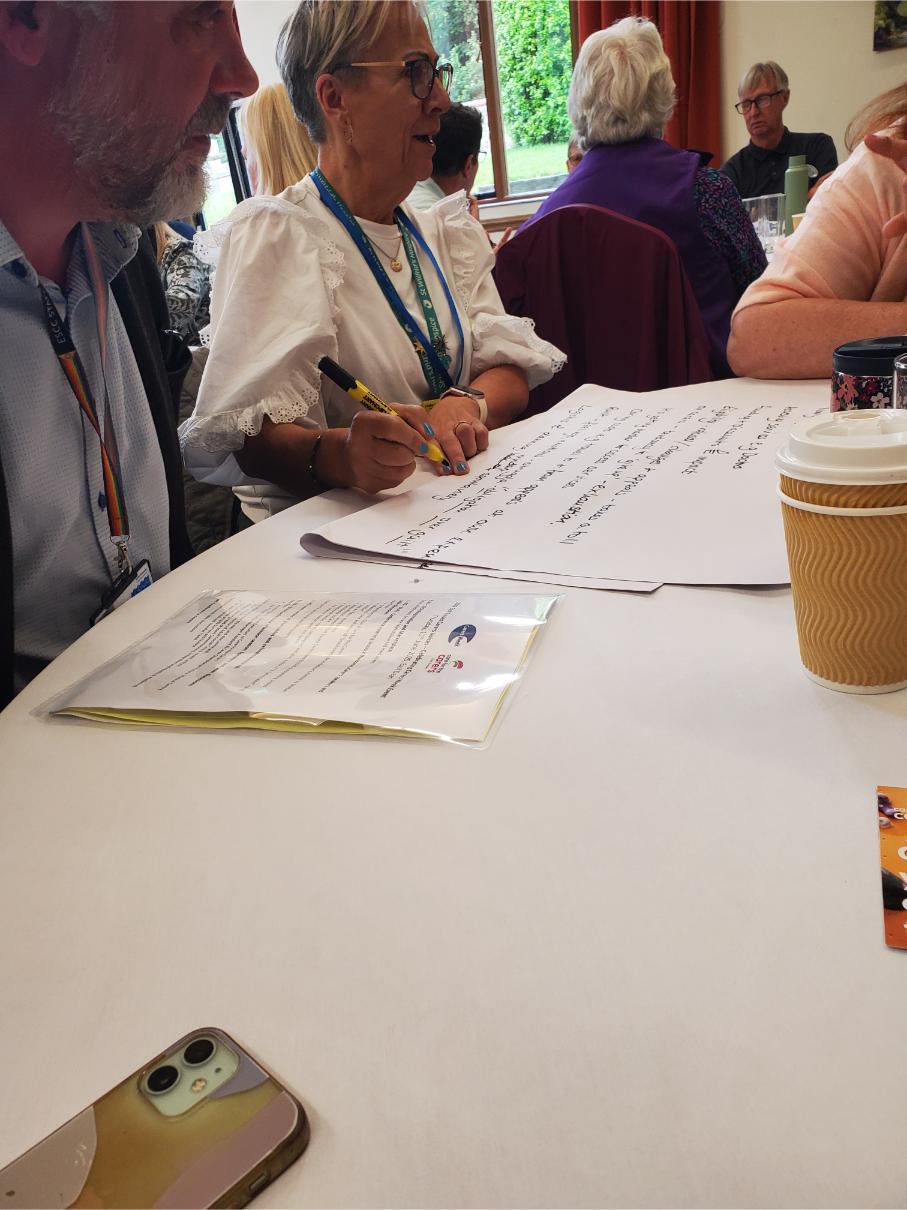
Round Table Discussions
Following the morning speakers, attendees participated in facilitated round table discussions.
These conversations focused on:
• The biggest issues facing carers over the next six months. • Practical actions that could help carers in their caring role. • Barriers to accessing support. • Positive examples of support that should be expanded.
Several common themes emerged from these discussions:
Earlier Identification
Many carers reported not being recognised as carers until they had reached crisis point. Participants called for earlier identification within GP surgeries, hospitals and community services.
Access to Information
Attendees highlighted how difficult it can be to find accurate and timely information about available support.
Financial Pressures
Many carers discussed the financial impact of caring, including reduced employment opportunities and increasing household costs.
Mental Health and Wellbeing
Carers spoke about the emotional strain of caring and the importance of counselling, respite and peer support services.
Speaker sessions resumes
Diverse Communities and Caring
A particularly thought-provoking presentation was delivered by Manal Ahmed, who supports carers from ethnically diverse and refugee communities.
She discussed additional challenges experienced by carers from minority communities, including:
• Language barriers. • Cultural differences. • Social isolation. • Displacement trauma. • Immigration-related issues. • Financial and emotional dependency.
Manal explained that many carers experience multiple layers of disadvantage and that support services must be culturally aware and accessible to everyone.
She also highlighted positive examples of community-building activities that help carers connect with one another and reduce isolation.
Her presentation reinforced the importance of ensuring that no carer is excluded from support because of their background, language or circumstances.
My Presentation – A Carer’s Journey
I was invited to speak about my own experiences as a young carer and later as an adult carer supporting family members with autism and serious mental illness.
One of the key messages I shared was that many carers do not initially recognise themselves as carers. Like many people, I simply viewed what I was doing as helping my family.
However, over time I found myself:
• Coordinating care. • Supporting hospital admissions and discharges. • Managing appointments. • Advocating with professionals. • Navigating complex systems. • Supporting multiple family members simultaneously.
I spoke about how difficult it can be when carers are not listened to or involved in important decisions.
I also highlighted the importance of recognising carers as equal partners in care and ensuring that professionals understand the expertise carers develop through lived experience.
One of the central themes of my presentation was carers’ rights.
I encouraged carers to:
• Identify themselves as carers. • Seek support from local carers organisations. • Request carers assessments. • Learn about their rights. • Participate in co-production and service improvement. • Share their experiences to help reduce stigma.
To conclude, I performed my poem “It’s My Right”, which focuses on the rights every carer should expect to receive, including recognition, respect, involvement, information and support.
Afternoon Reflections and Future Priorities
The afternoon session included reflections from senior leaders from Care for the Carers, East Sussex County Council and NHS Sussex.
Discussions focused on:
• Improving identification of carers. • Supporting carers before crises occur. • Encouraging carers to access support services. • Learning from positive experiences of care. • Strengthening partnerships between carers and professionals.
Representatives acknowledged the crucial role carers play and listened to feedback gathered throughout the day.
Many carers expressed concerns about navigating systems that can often feel complicated and difficult to access. There was broad agreement that services should be simpler, more joined-up and more responsive to carers’ needs.
Key Messages from the Day
Several important messages emerged consistently throughout the event:
Carers Need Recognition
Many carers remain hidden and unidentified. Earlier recognition can lead to earlier support.
Carers Need Practical Support
Information, respite, emotional support and financial advice remain essential.
Carers Must Be Involved
Carers are experts in the lives of the people they support and should be treated as partners in care.
Young Carers Need Protection
Children and young people with caring responsibilities require dedicated support and opportunities to thrive.
Communities Matter
Strong local networks can help reduce isolation and improve wellbeing.
Prevention Is Better Than Crisis Management
Supporting carers early can prevent breakdowns in caring arrangements and reduce pressure on services.
Conclusion
The East Sussex Carers Voices Event was an excellent example of what can happen when carers, professionals and decision-makers come together to listen, learn and work collaboratively.
Throughout the day, carers shared powerful stories of resilience, commitment and compassion. They also spoke honestly about the challenges they face and the changes they want to see. I also recognised Agi who does lots of work raising carer awareness in Sussex, she recently spoke at my national ethnic mental health carers forum. So it was great to see her there.
Dr Neil Churchill’s leadership as host helped create an environment where carers felt able to speak openly and where decision-makers could hear directly from those with lived experience.
As Carers Week 2026 comes to a close, the challenge now is to turn these conversations into meaningful action. Carers should not have to struggle to be recognised, supported or heard.
The event demonstrated that when carers’ voices are placed at the centre of discussions, better solutions can emerge for everyone.
Thank you to Care for the Carers, all speakers, volunteers, professionals and carers who contributed to such a valuable and inspiring day.
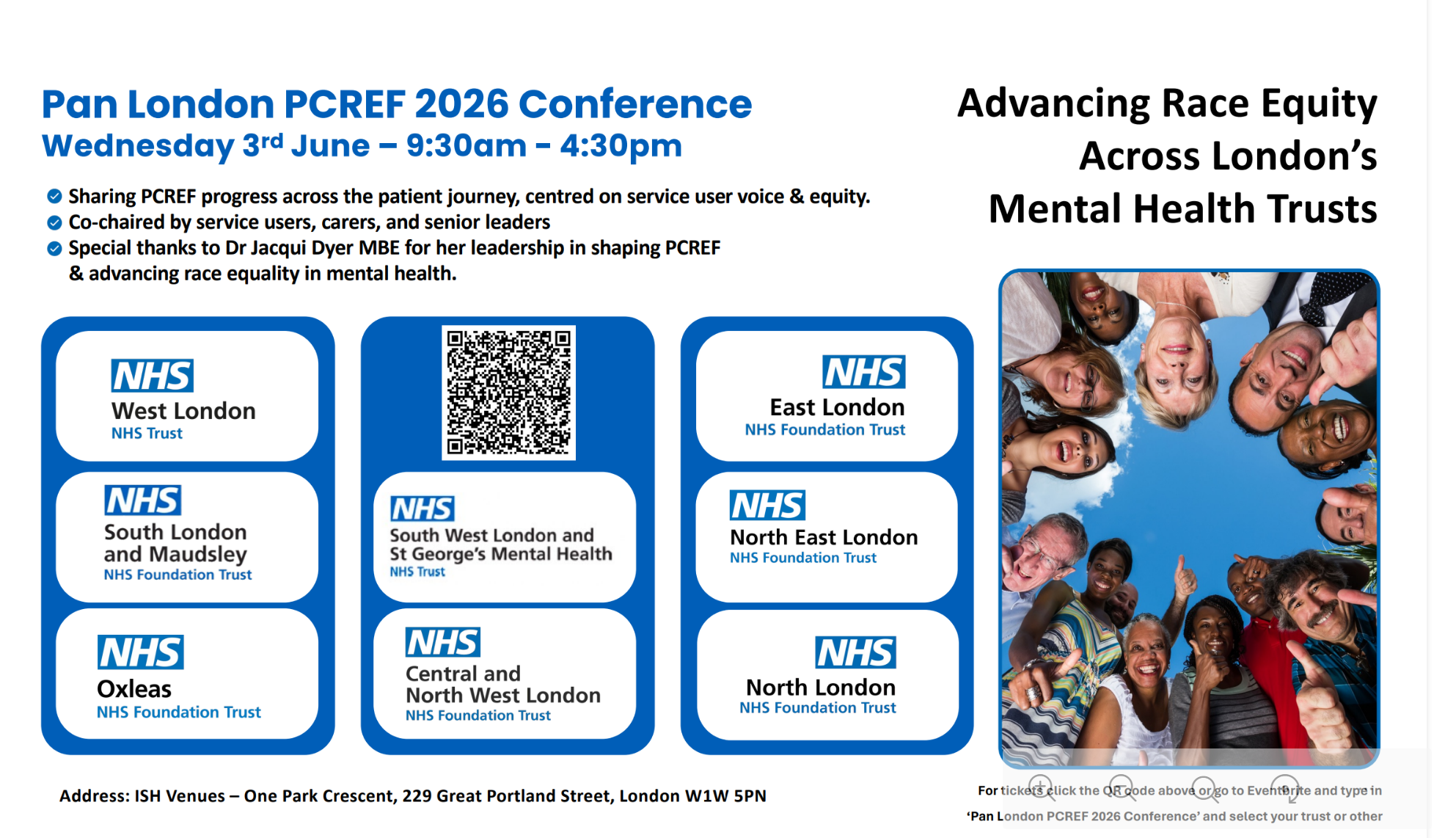
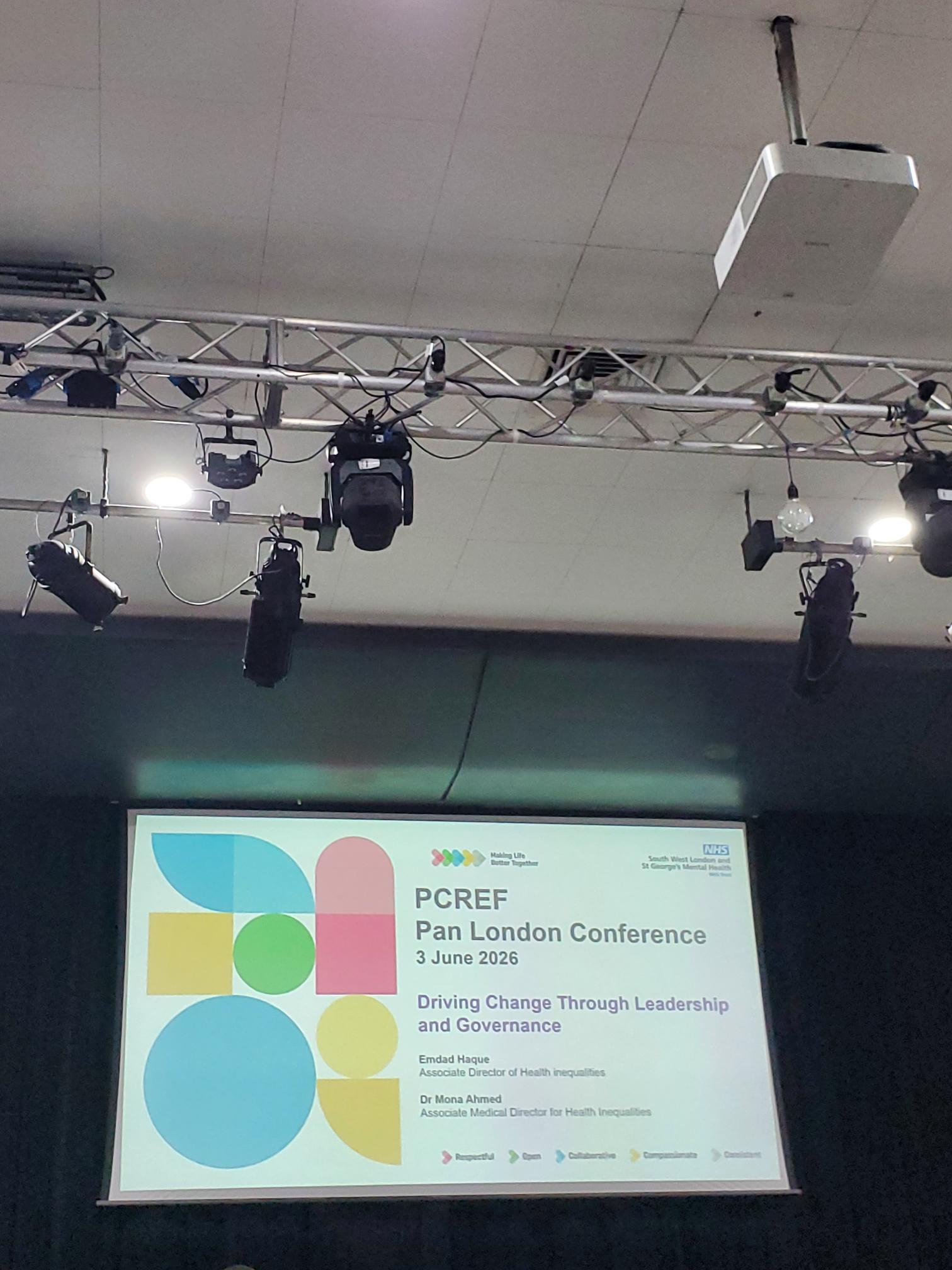
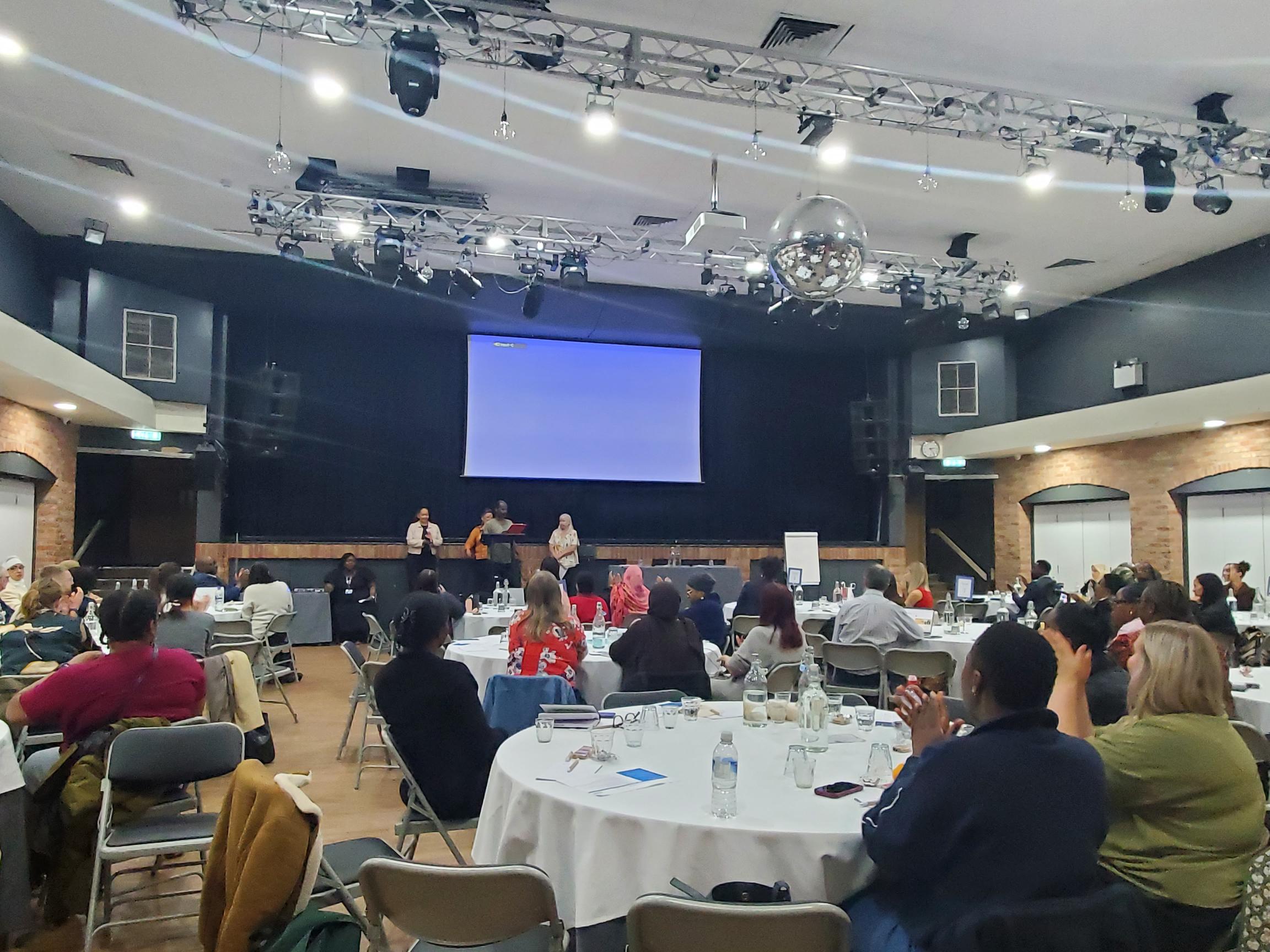
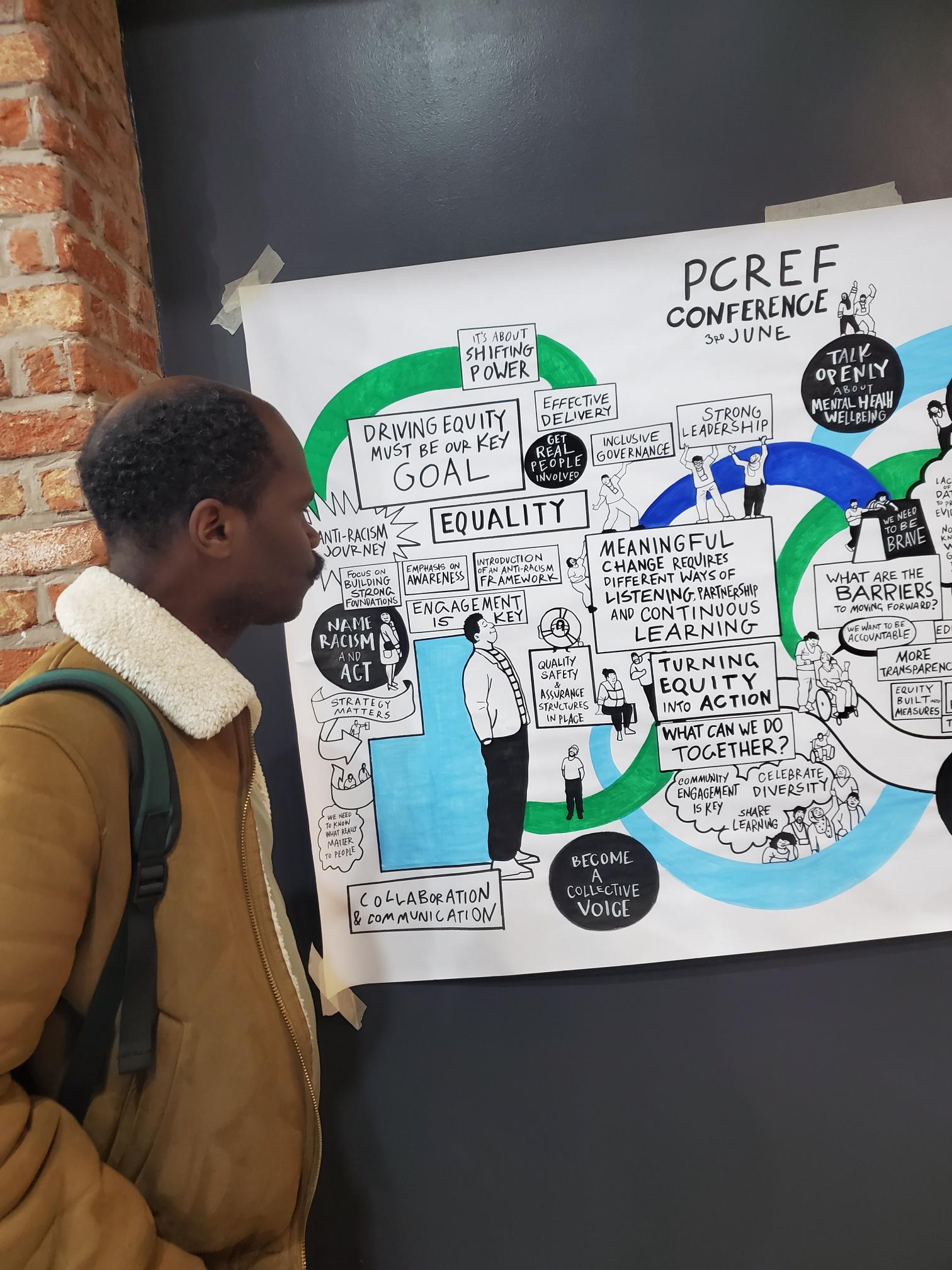
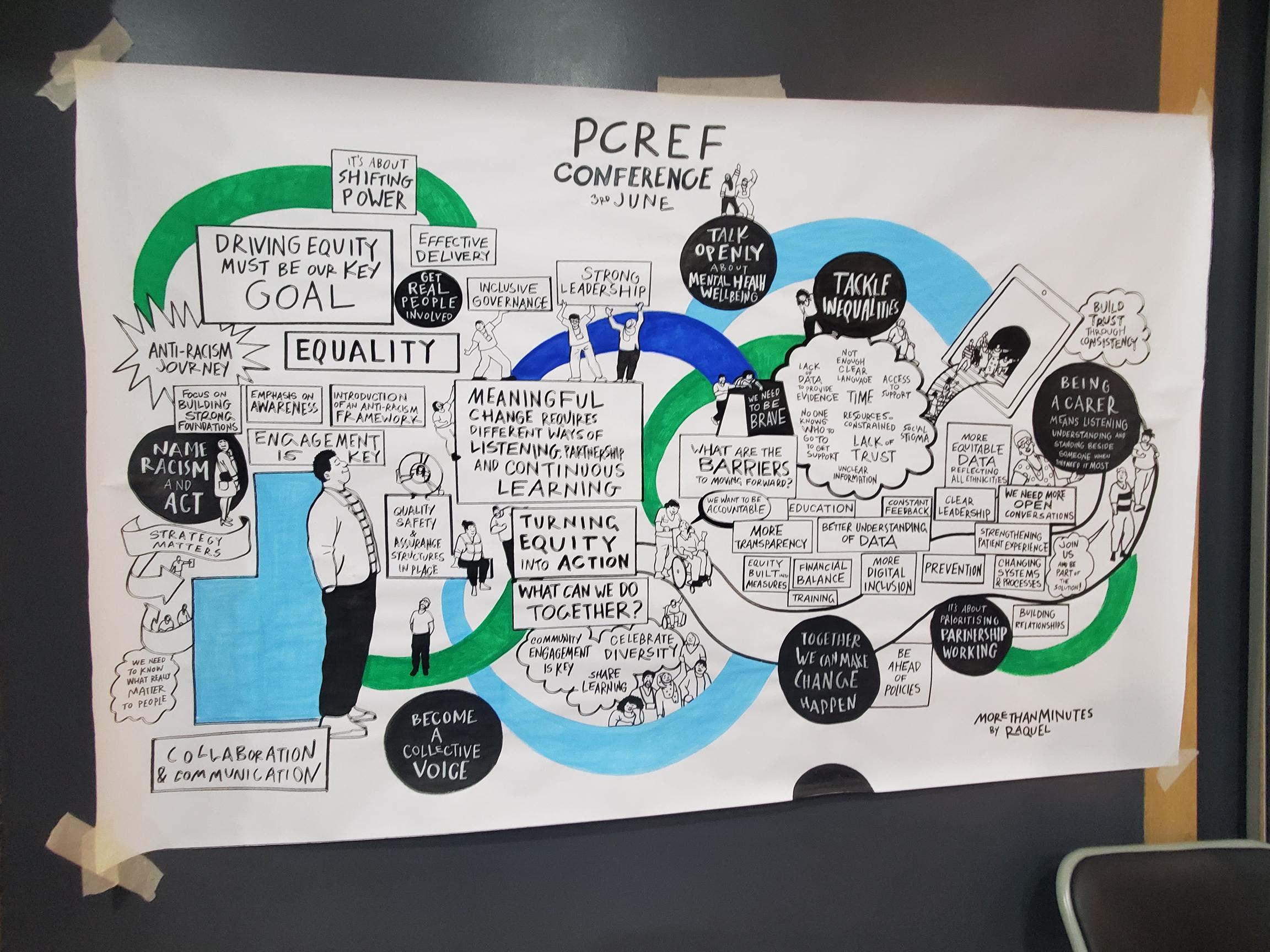
On Wednesday 3 June 2026, colleagues from all eight London Mental Health Trusts, alongside carers, service users, community organisations, researchers, regulators and system leaders, gathered at ISH Venues in central London for the Pan London Patient and Carer Race Equality Framework (PCREF) Conference.
Chaired by Erica deti from North East London NHS Foundation Trust (NELFT), the conference provided a unique opportunity to showcase progress, share learning and strengthen London’s collective commitment to race equity within mental health services.
The conference was built around the principle that advancing race equity requires both organisational commitment and meaningful partnership with people who use services, carers and communities. Throughout the day, speakers challenged delegates to move beyond discussion and towards action, recognising that the inequalities experienced by racialised communities within mental health services remain one of the most significant challenges facing the NHS.
South West London and St George’s Mental Health NHS Trust
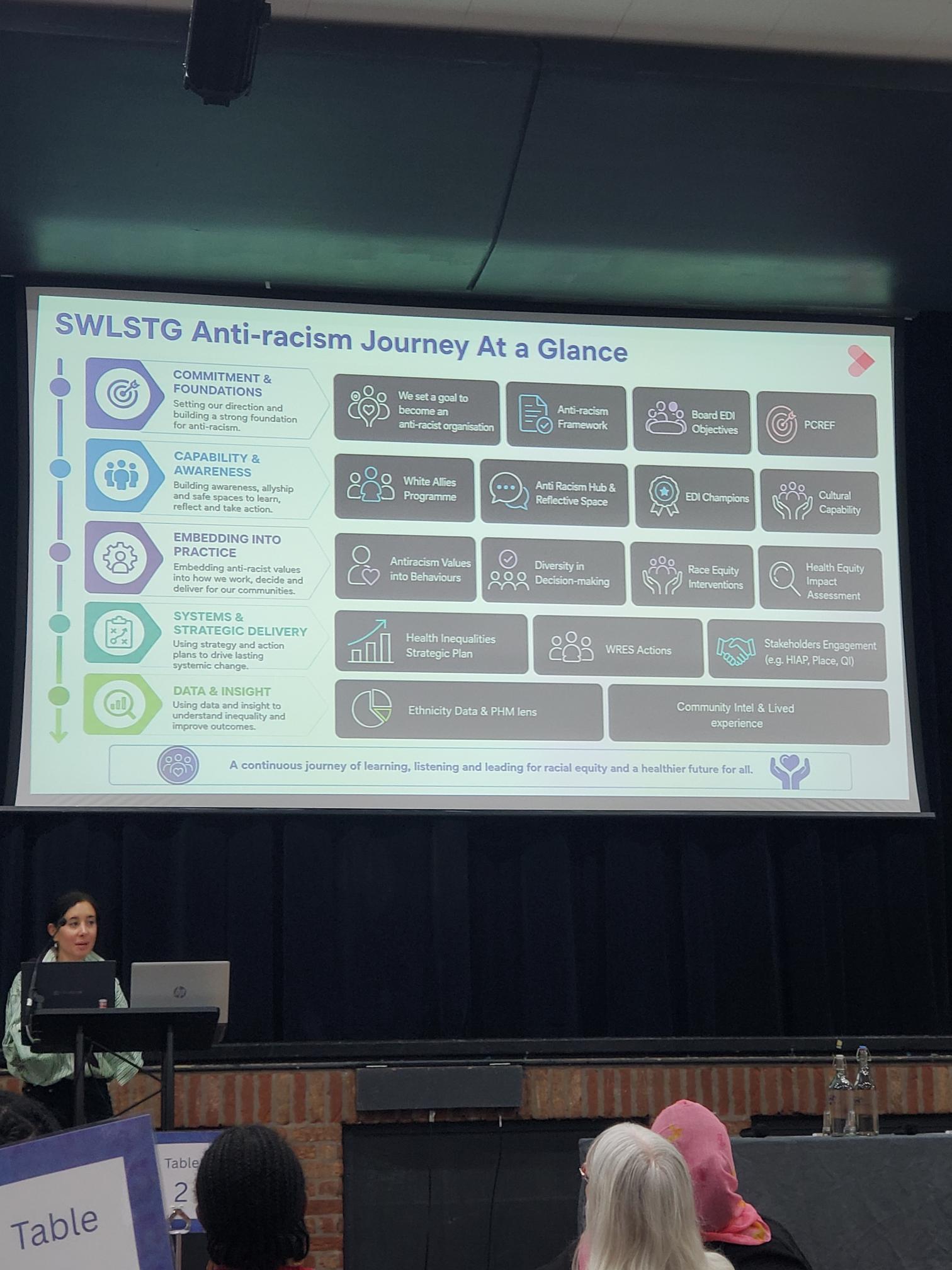
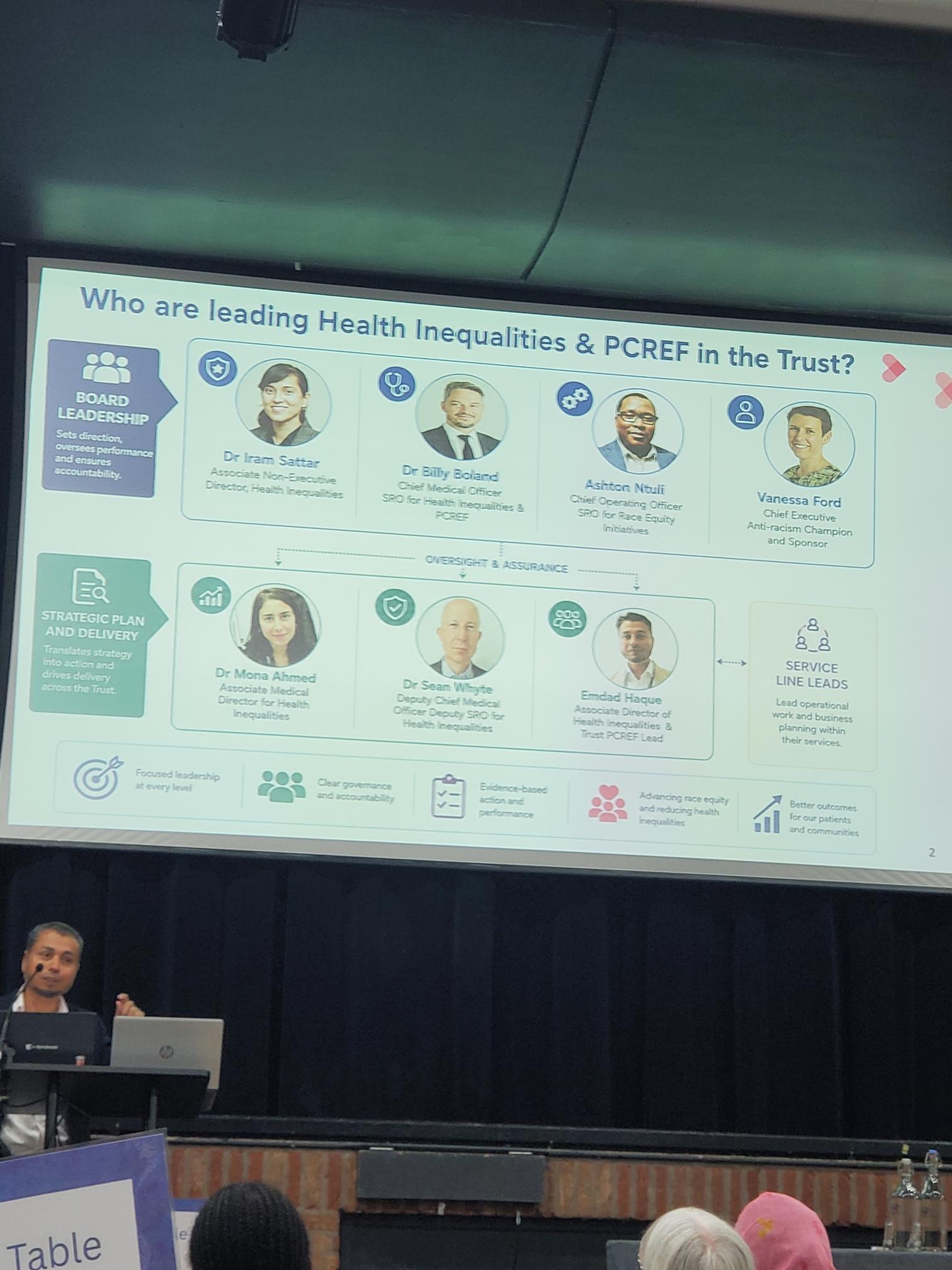
The first trust presentation was delivered by Amdad Ibrahim, Associate Director of Health Inequalities, and Dr Mona Dhesi, Consultant Forensic Psychologist and Associate Medical Director at South West London and St George’s Mental Health NHS Trust. Their presentation provided one of the clearest examples of how PCREF can be fully integrated into organisational strategy. Beginning with an explicit acknowledgement that racism exists within healthcare organisations and wider society, they demonstrated how their trust had used this recognition as the foundation for meaningful action.
The speakers outlined a comprehensive anti-racism programme linking governance, workforce development, community engagement and service transformation. Race equity has been embedded into business planning, leadership accountability and quality improvement processes, supported by cultural capability programmes, anti-racism steering groups and health equity assessments.
Their presentation demonstrated how PCREF can become part of the organisational DNA of a trust rather than a standalone initiative and provided a practical blueprint for others seeking sustainable implementation.
1. Commitment and Foundations
The Trust began by establishing a clear organisational commitment to becoming an anti-racist organisation. This commitment is supported through a range of strategic frameworks and governance structures, including the Trust’s Anti-Racism Framework, Board Equality, Diversity and Inclusion objectives, and the implementation of the Patient and Carer Race Equality Framework (PCREF).
Speakers emphasised that meaningful progress begins with leadership acknowledging that racism exists within healthcare systems and taking responsibility for addressing it. This commitment has been reinforced at Board level and incorporated into wider organisational priorities to ensure race equity remains visible and accountable.
2. Capability and Awareness
Recognising that sustainable change requires learning and reflection, the Trust has invested heavily in developing staff awareness and cultural capability. This includes initiatives such as:
White Allies Programme
Anti-Racism Hub and Reflective Spaces
Equality, Diversity and Inclusion Champions
Cultural Capability Training
These programmes create opportunities for staff to develop a deeper understanding of race, culture, privilege and inequality while providing safe spaces for reflection and discussion. The aim is to move beyond awareness and support staff to actively challenge inequity within their daily practice.
3. Embedding Anti-Racism into Practice
SWLSTG has focused on ensuring anti-racist values are embedded within decision-making processes and clinical practice rather than existing solely within training programmes.
Key areas of work include:
Embedding anti-racist values into organisational behaviours
Increasing diversity within leadership and decision-making structures
Delivering targeted race equity interventions
Using Health Equity Impact Assessments to inform service development
The Trust highlighted how race equity considerations are now being incorporated into service redesign programmes, policy development and clinical pathways, ensuring that decisions are assessed for their potential impact on different communities.
East London NHS Foundation Trust (ELFT)
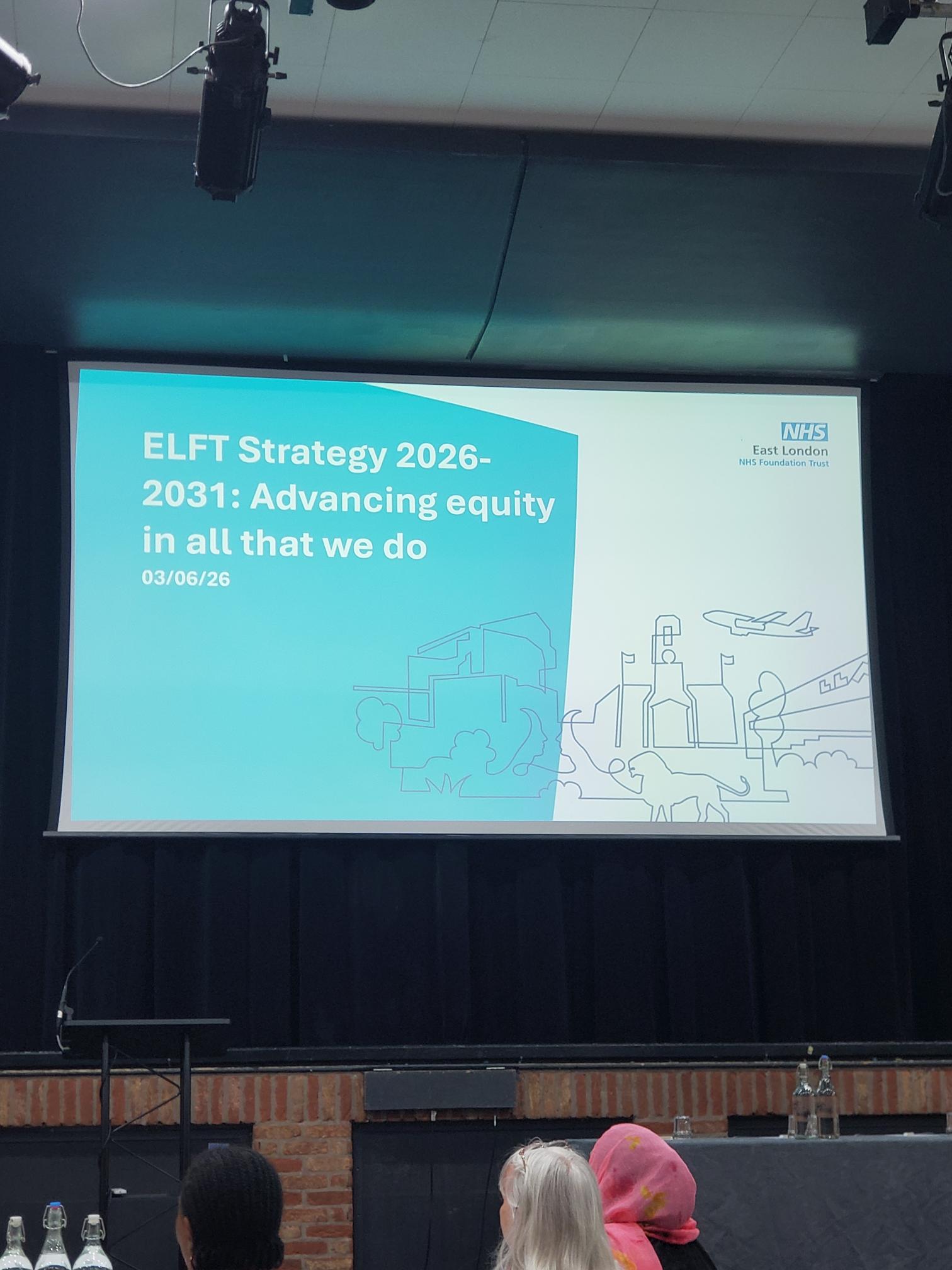
Advancing Equity in All That We Do: ELFT Strategy 2026–2031
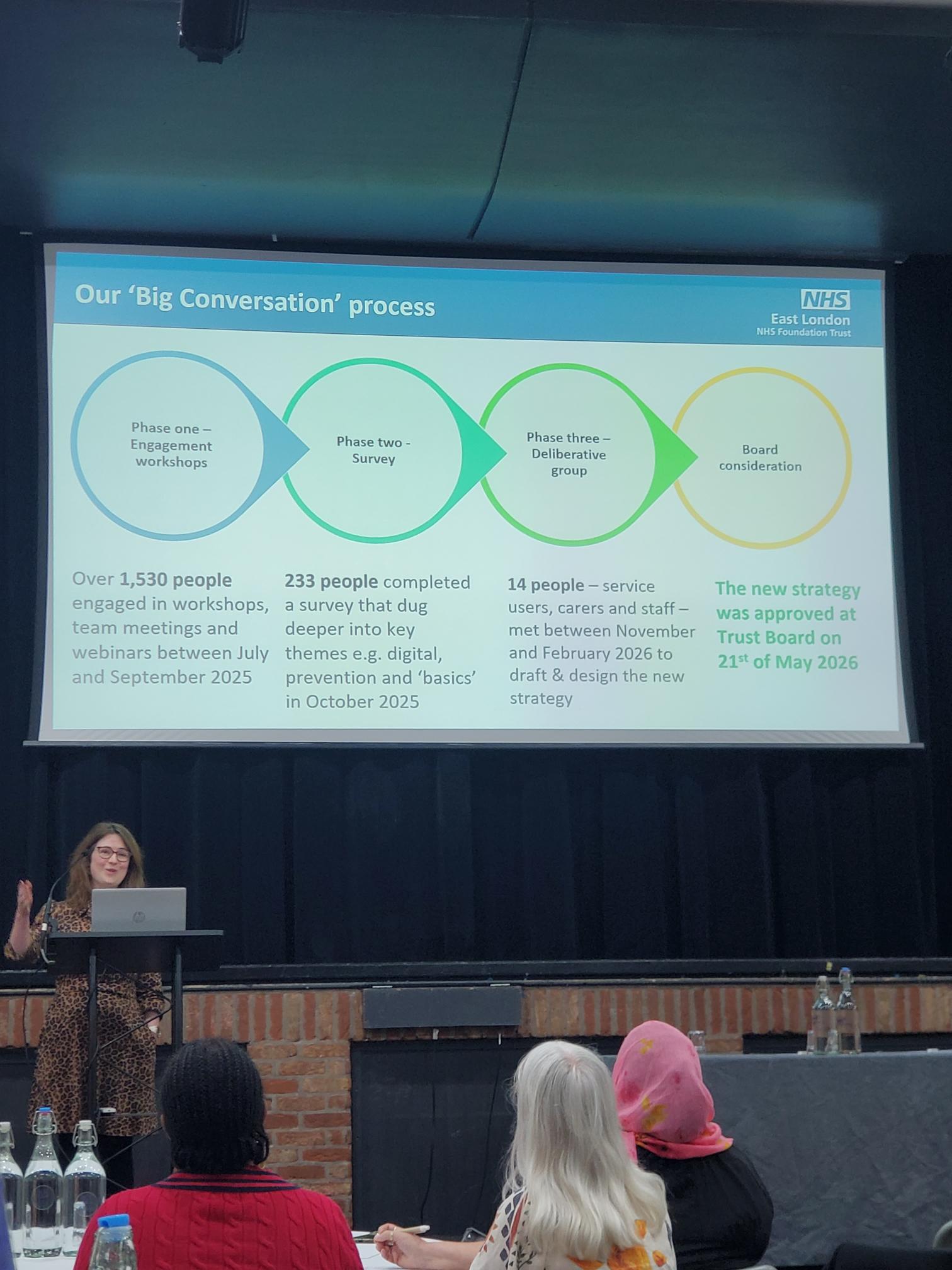
Presented by Carrie Sissons, Deputy Director of Integrated Care, East London NHS Foundation Trust shared how race equity and inclusion have been embedded at the heart of the Trust’s new 2026–2031 Strategy. Rather than developing a strategy behind closed doors, ELFT undertook an extensive engagement programme designed to ensure that the voices of service users, carers, staff and communities directly influenced the Trust’s future direction.
Carrie explained that the strategy was developed during a period of significant challenge for health and care services, but also a period of opportunity. The Trust recognised that if it was to improve outcomes for the diverse communities it serves across East London, Bedfordshire and Luton, equity could not be treated as a separate programme of work. Instead, it had to become a core principle underpinning every decision, every service and every improvement initiative undertaken by the organisation.
Building the Strategy Through the “Big Conversation”
A major feature of the strategy development process was the Trust’s extensive engagement exercise known as the “Big Conversation.” This programme was designed to ensure that the final strategy reflected the experiences, priorities and aspirations of the people who use and deliver services.
What People Told ELFT
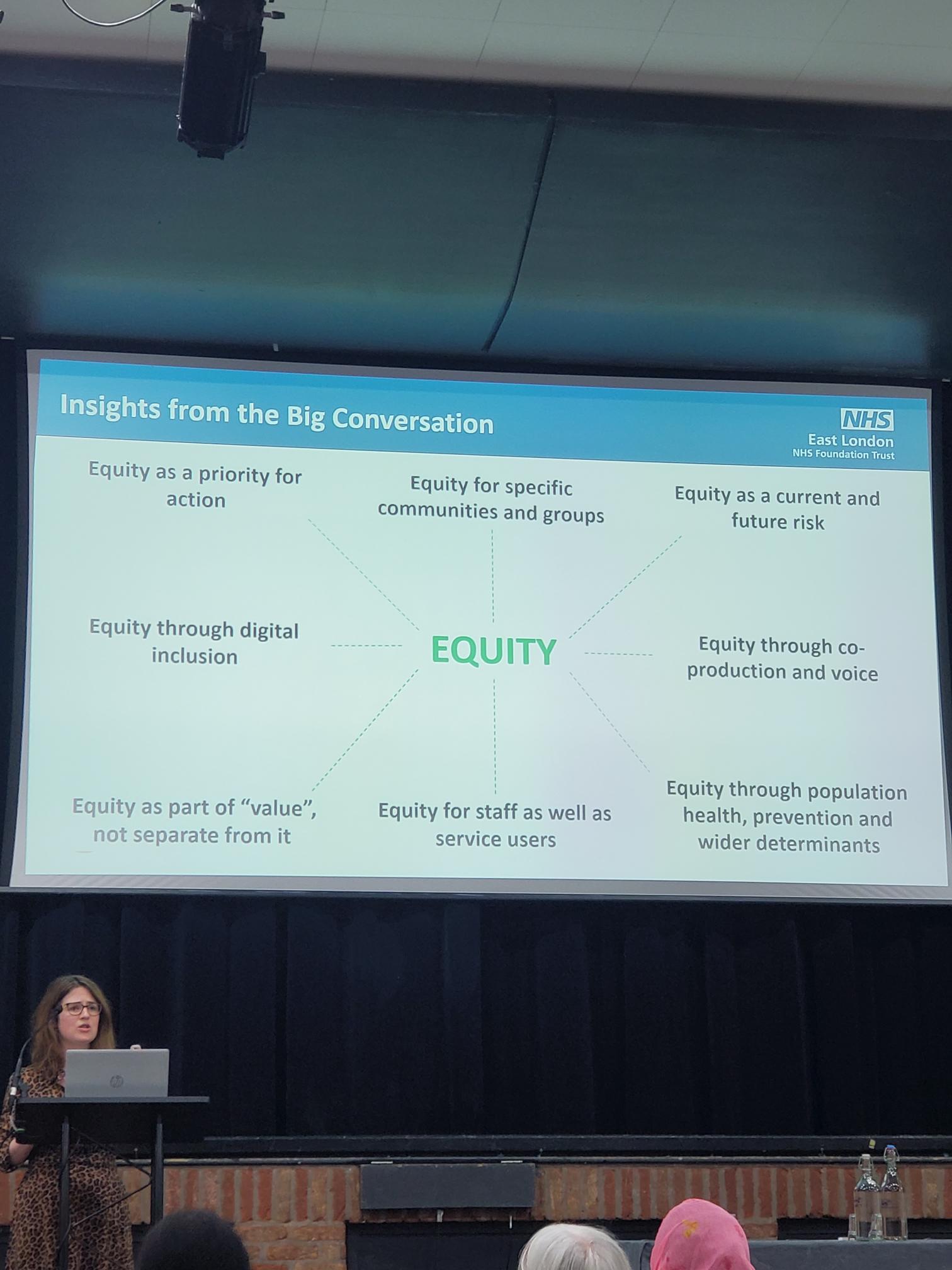
One of the strongest messages emerging from the Big Conversation was the importance of equity. Participants consistently identified inequalities in access, experience and outcomes as issues that required sustained attention and action.
The engagement process highlighted several key themes:
Equity as a priority for action.
Equity for specific communities and groups.
Equity as a current and future risk.
Equity through co-production and lived experience.
Equity through population health and prevention.
Equity for staff as well as service users.
Equity through digital inclusion.
Equity as an essential part of value, not separate from it.
Carrie explained that these findings reinforced the need for equity to be visible throughout the Trust’s strategic objectives and operational plans. Participants wanted to see measurable action rather than broad commitments, with a focus on understanding and addressing disparities experienced by different communities.
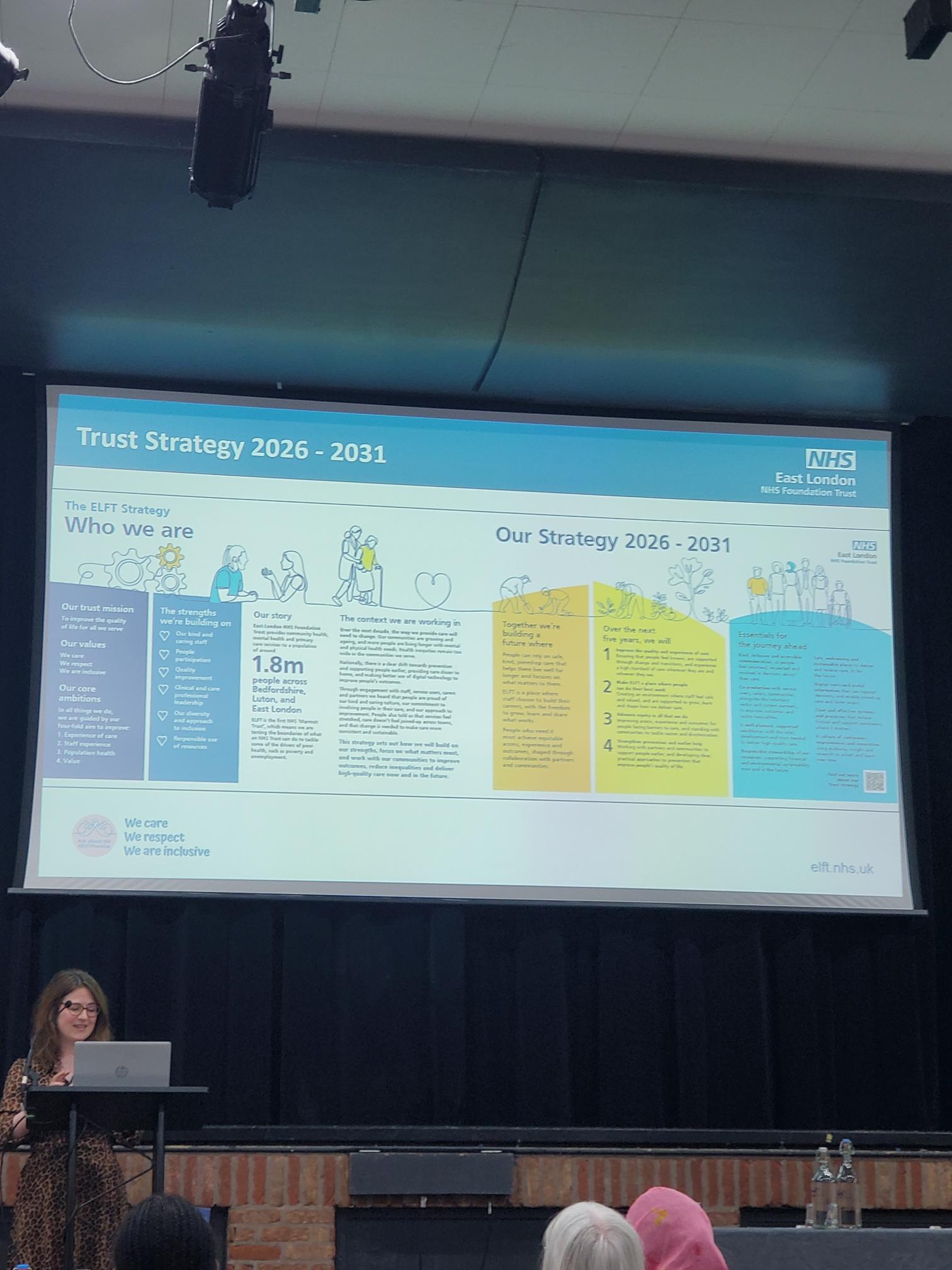
The ELFT Strategy 2026–2031
The new strategy builds upon ELFT’s existing values and commitment to high-quality care. Serving approximately 1.8 million people across East London, Bedfordshire and Luton, the Trust recognised that reducing inequalities must remain central to its future ambitions.
The strategy identifies four broad priorities for the next five years:
Improve the quality and experience of care.
Make ELFT a great place to work.
Advance equity in all that we do.
Work with partners and communities to improve lives.
Of these priorities, the commitment to advancing equity was particularly relevant to the themes of the PCREF conference.
Priority Three: Advance Equity in All We Do
Carrie described this priority as a commitment to ensuring that equity becomes embedded within everyday practice rather than being treated as a specialist programme.
By 2031, ELFT aims to ensure that:
Teams routinely analyse access, experience and outcomes by population group.
Services take action when disparities are identified.
Progress continues against PCREF commitments.
The Trust’s Anti-Racism Plan and Charter are actively implemented.
Equity and inclusion are strengthened across the workforce.
Inequalities experienced by racialised communities are reduced.
The strategy recognises that data alone is not enough. Equity must be considered throughout service design, quality improvement, workforce development and organisational decision-making.
West London NHS Trust
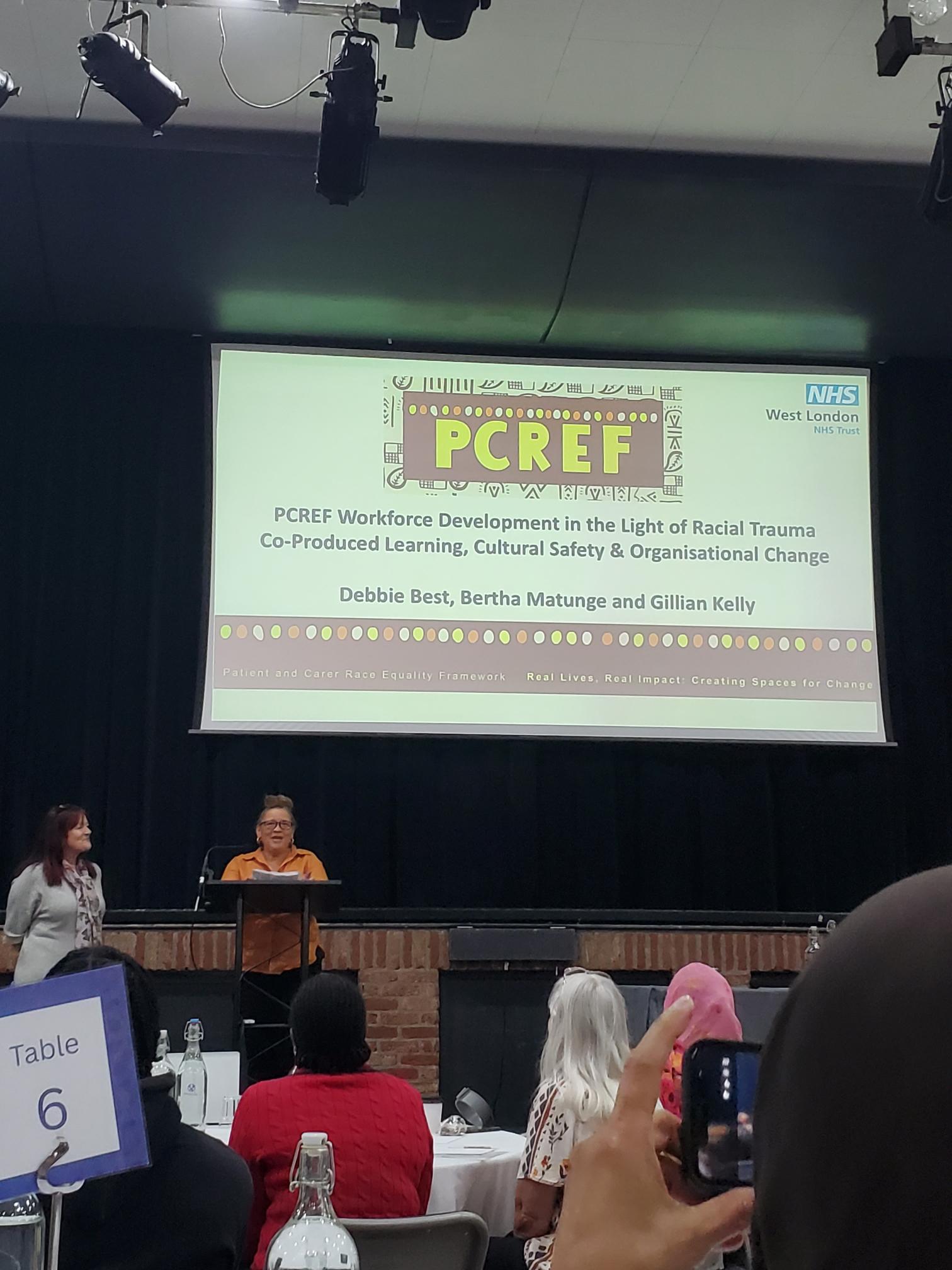
Presented by Debbie Best (PCREF Lead), Natalie Mark (Living Experience PCREF Lead) and Dr Anne Aiyegbusi, West London NHS Trust delivered one of the most powerful and thought-provoking presentations of the conference. Their session focused on racial trauma, exploring how racism affects patients, carers and staff, and how organisations can create safe spaces to acknowledge, understand and respond to those experiences.
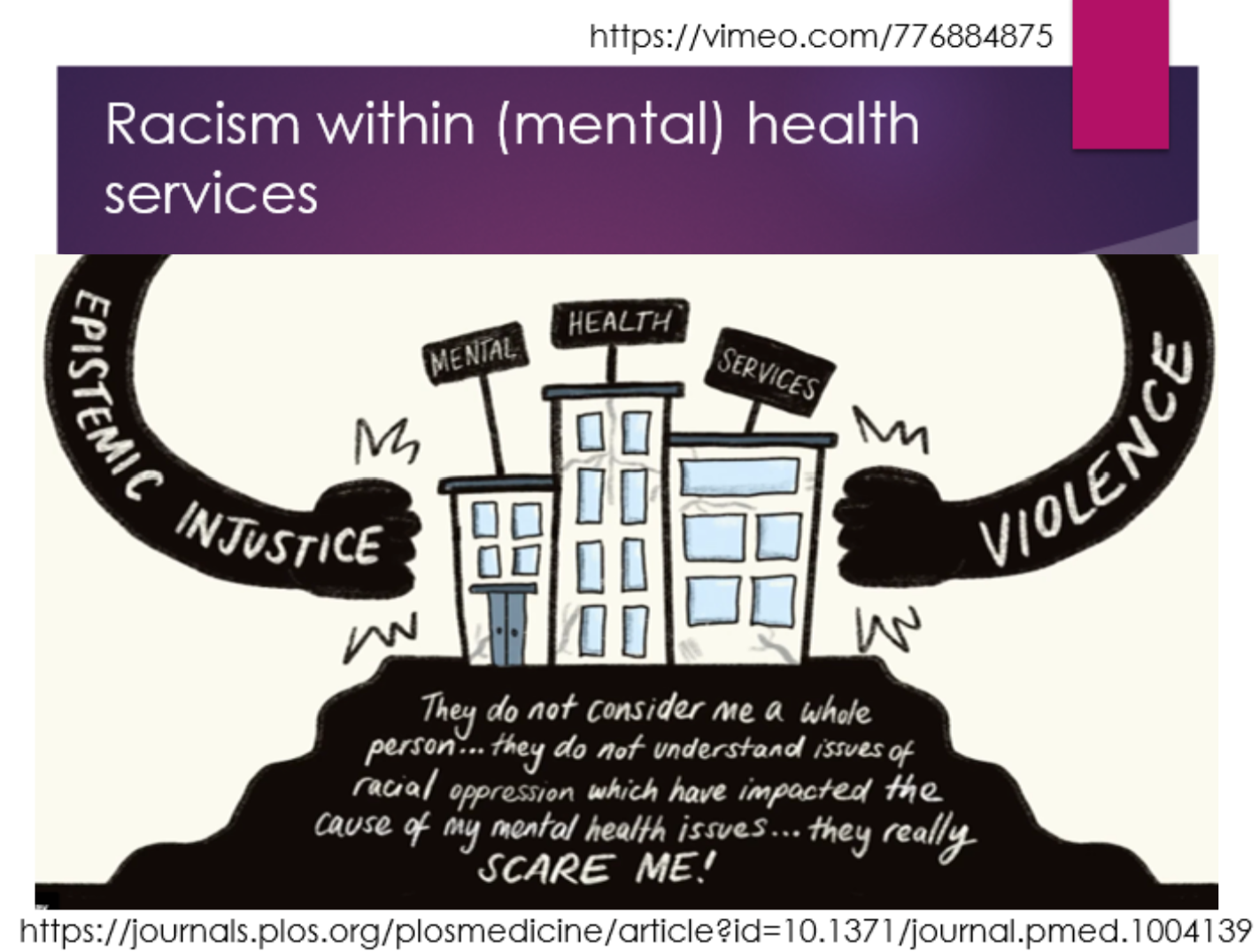
The presentation was rooted in the recognition that racial inequalities remain deeply embedded within mental health services. The team explained that their work developed in response to persistent concerns around disproportionate referrals, detention rates and restrictive interventions experienced by racialised communities. They also highlighted how mistrust of services and experiences of re-traumatisation continue to affect people’s willingness to engage with mental health support. Importantly, they stressed that racial trauma is not only experienced by service users but also by carers and staff, many of whom continue to navigate systems that can reproduce inequity.
Why This Work Matters
West London NHS Trust identified several key issues that informed the development of their racial trauma programme:
Disproportionate rates of referrals and detention among racialised communities.
Higher levels of restrictive interventions within mental health pathways.
Mistrust of services due to previous negative experiences.
The risk of re-traumatisation through interactions with healthcare systems.
The impact of racism on patients, carers and staff alike.
A particularly striking message from the presentation was that many racialised staff attending the workshops were not learning about racial trauma as a new concept. Instead, they were reflecting on experiences that formed part of their everyday reality. This observation reinforced the importance of creating environments where these experiences can be discussed openly and safely.
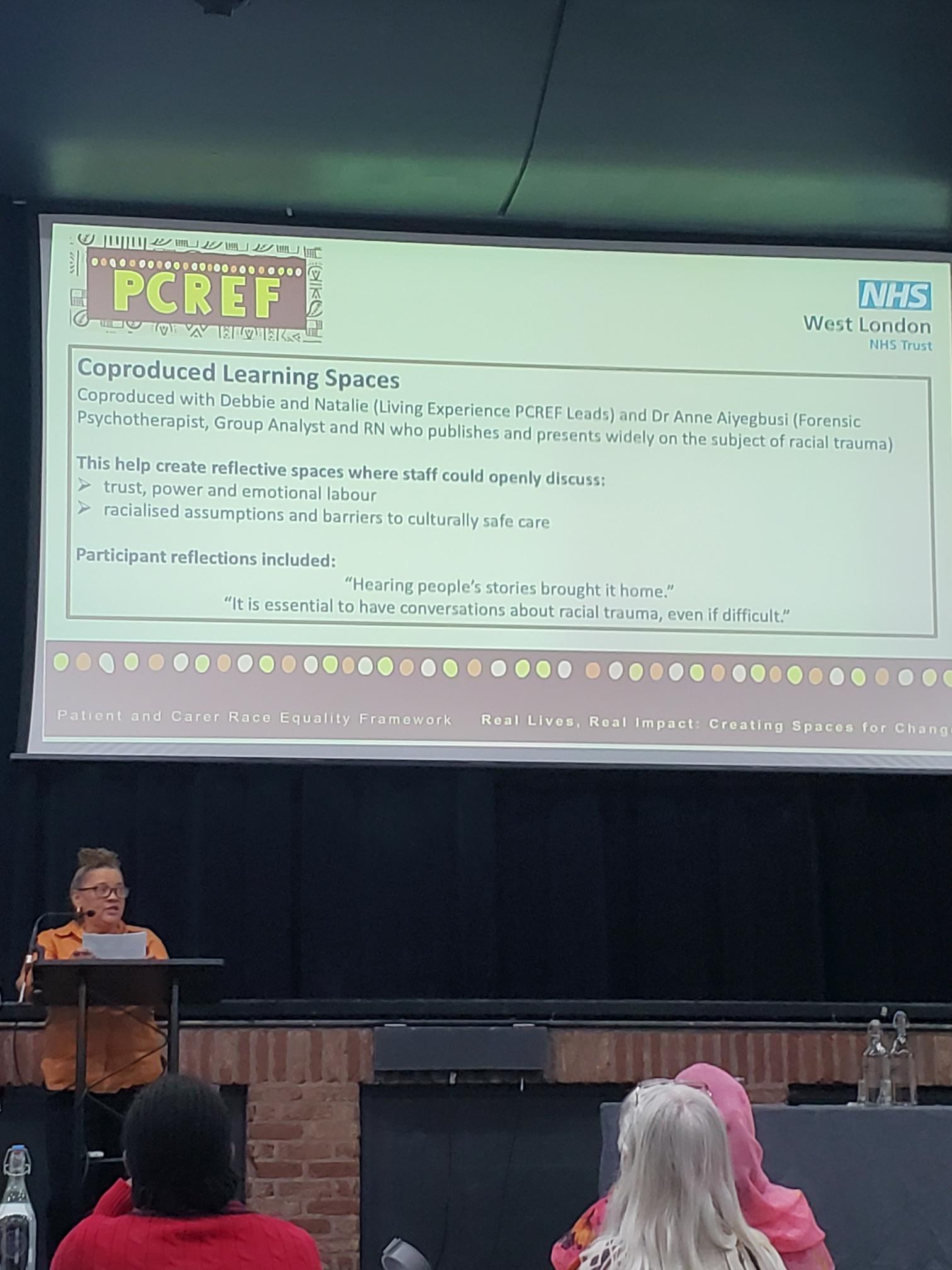
Co-produced Learning Spaces
The racial trauma workshops were developed through a co-production approach involving Debbie Best, Natalie Mark and Dr Anne Aiyegbusi, a forensic psychotherapist, group analyst and registered nurse who has published extensively on racial trauma. Together they designed reflective learning spaces where participants could explore difficult but essential conversations around race, identity and mental health.
The workshops encouraged participants to discuss:
Trust, power and emotional labour.
Racialised assumptions within healthcare.
Barriers to culturally safe care.
Experiences of racism in professional and personal settings.
Organisational responsibilities in responding to racial trauma.
Feedback from participants demonstrated the impact of these conversations. Attendees reported that hearing people’s lived experiences brought the issues to life in ways that data alone could not achieve. Many described the workshops as challenging but necessary, with one participant stating that conversations about racial trauma are essential even when they are uncomfortable.
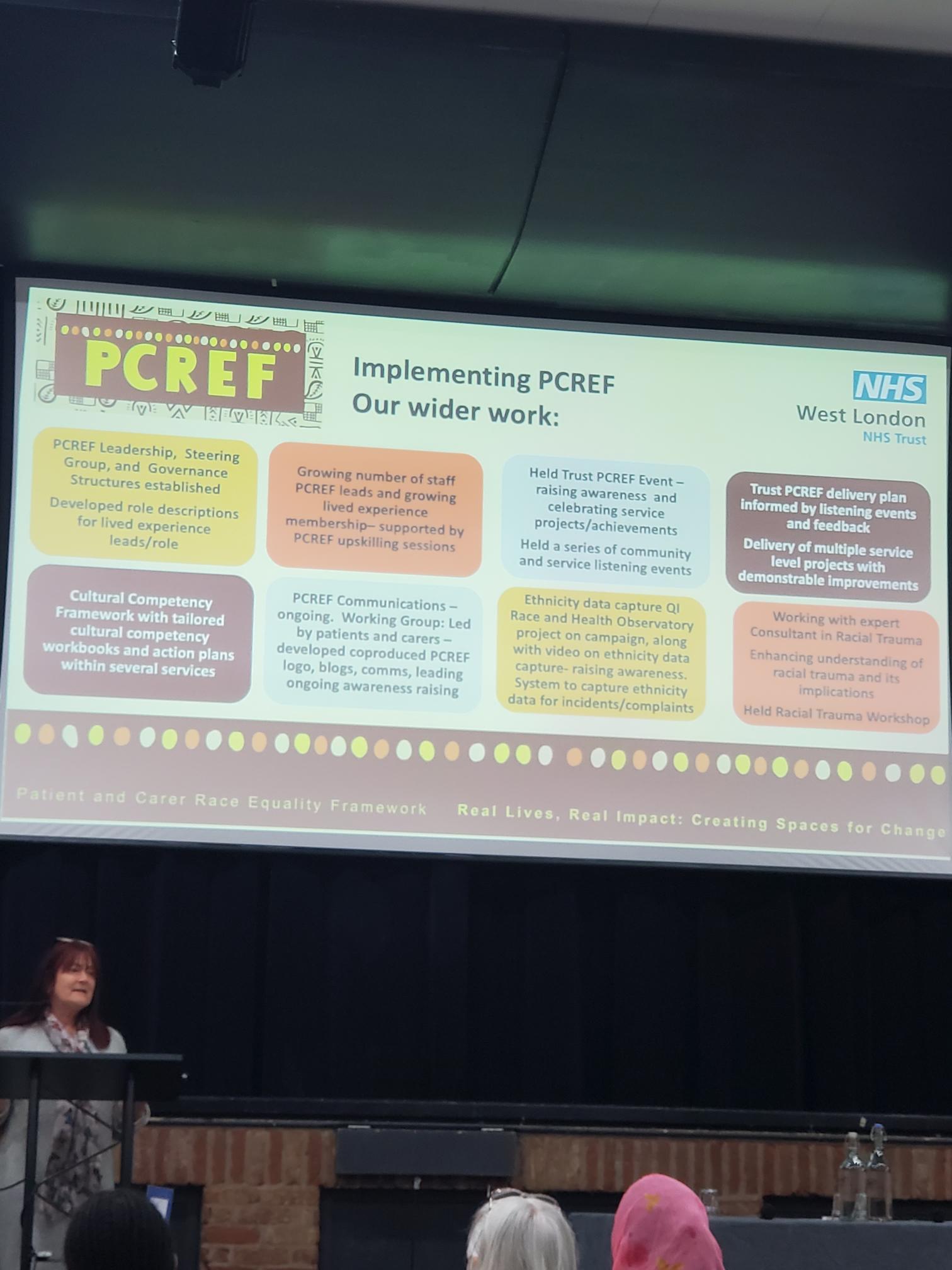
Wider PCREF Implementation at West London NHS Trust
Alongside the racial trauma work, the presentation highlighted wider progress being made through PCREF implementation across the Trust.
Key achievements included:
Establishing PCREF leadership, steering groups and governance structures.
Increasing the number of PCREF leads and lived experience members.
Delivering Trust-wide PCREF awareness events.
Running community listening events and engagement activities.
Developing a Cultural Competency Framework and tailored action plans.
Creating co-produced communications led by patients and carers.
Improving ethnicity data collection and reporting systems.
Working with specialist racial trauma consultants to strengthen organisational understanding.
Particularly noteworthy was the emphasis on co-production. Patients and carers were not simply consulted but actively involved in shaping communications, governance structures, learning programmes and strategic priorities. This demonstrated a commitment to ensuring that those most affected by inequalities have a meaningful voice in driving change.
Key Learning from West London NHS Trust
The West London presentation demonstrated that addressing racial inequalities requires more than policy changes alone. It requires organisations to create spaces where difficult conversations can happen safely, where lived experience is valued as expertise and where learning leads directly to action.
Their work showed that racial trauma is not solely an individual experience but an organisational challenge that requires leadership, accountability and sustained commitment. By combining co-production, cultural competency, workforce development and organisational reflection, West London NHS Trust is helping to create the conditions for more equitable and culturally safe mental health services.
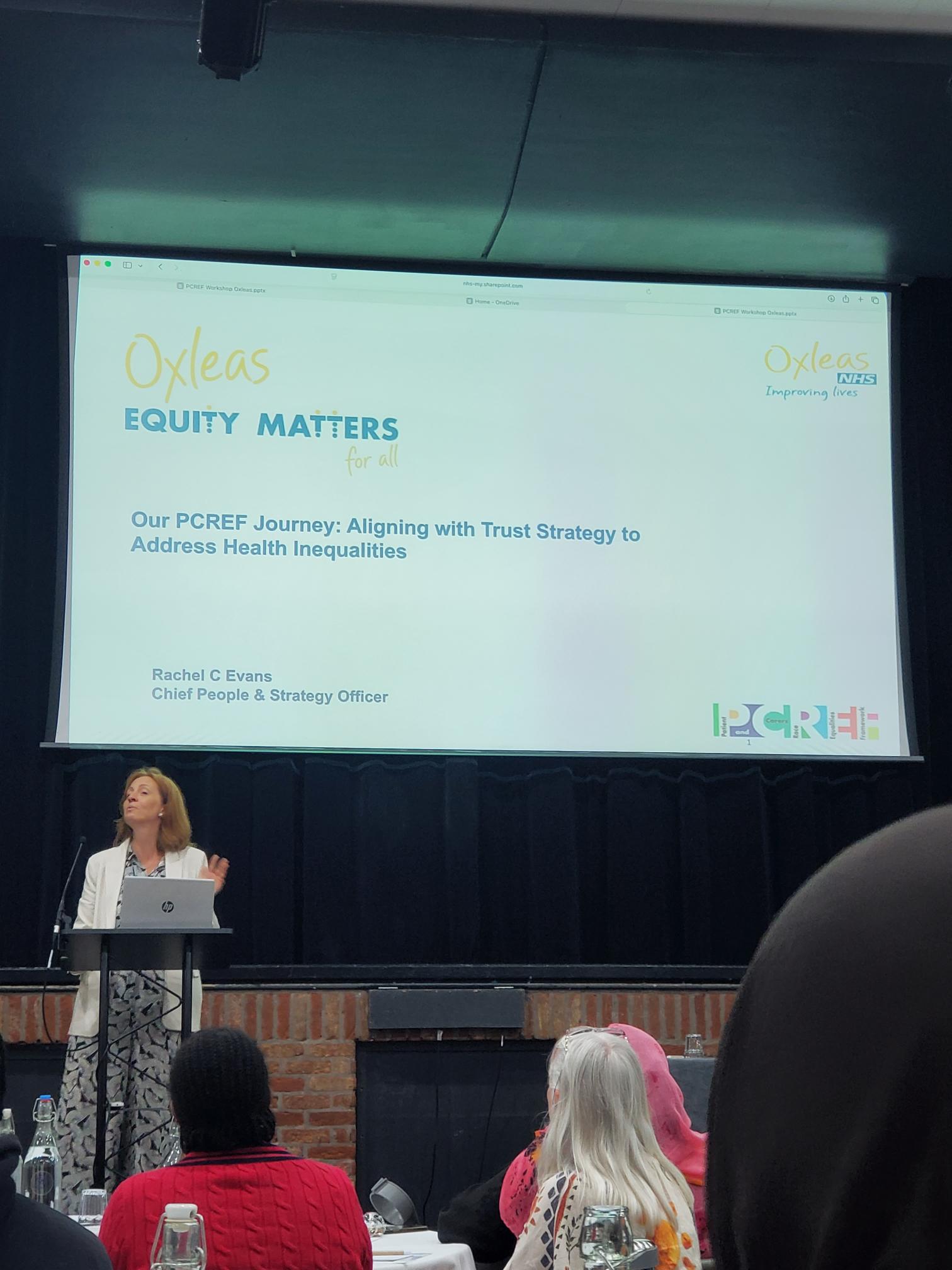
Oxleas NHS Foundation Trust
Reducing Inequalities in Restrictive Practice: From Data to Action
Presented by Oxleas NHS Foundation Trust, this session focused on reducing inequalities in restrictive practice through the lens of the Patient and Carer Race Equality Framework (PCREF). The presentation explored how data, lived experience, trauma-informed care and practical service improvements can work together to reduce the use of restraint, seclusion and restrictive interventions while addressing racial disparities.
The presenters explained that restrictive practices are not experienced equally across all communities. Evidence shows that people from some racialised groups are more likely to experience restrictive interventions, making this both a safety issue and a race equity issue. Oxleas therefore sought to identify practical actions that could improve care while simultaneously reducing inequalities.
Listening to Staff and Stakeholders
As part of their PCREF work, Oxleas engaged staff, service users and stakeholders to identify priorities for change. The feedback was grouped and ranked to establish the strongest starting points for improvement.
The consultation identified two immediate workstreams:
Debrief and Escalation
Trauma-Informed Care
The presentation emphasised that participants did not ask for abstract policy changes. Instead, they identified practical improvements that could be implemented directly within services.
Highest-Ranked Priorities
The most frequently identified priorities included:
A key message from the slide was that stakeholders wanted changes that would directly affect day-to-day care, staff behaviour and patient experience.
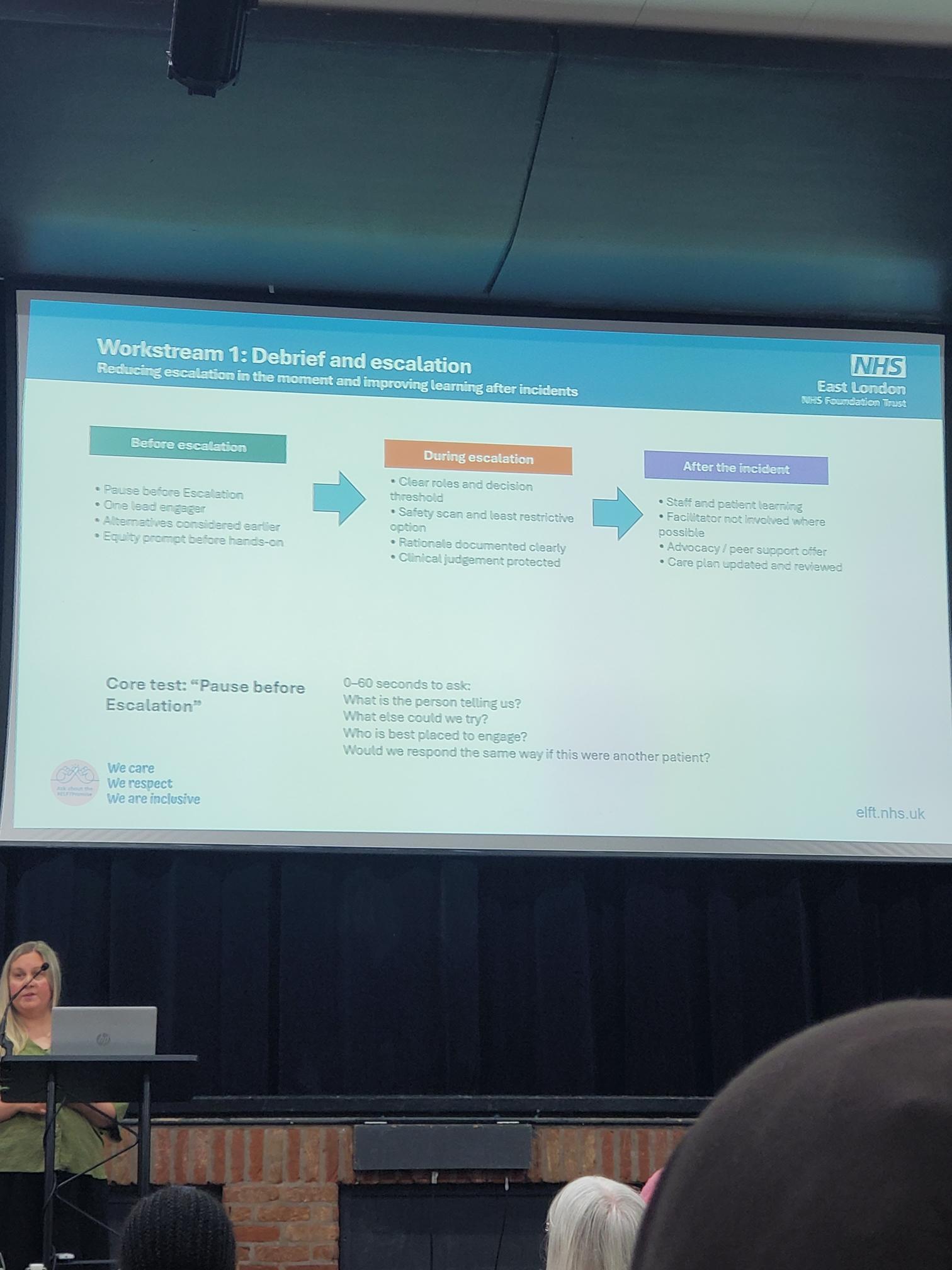
Workstream One: Debrief and Escalation
The first workstream focused on reducing escalation in the moment and improving learning after incidents occur.
The framework was organised into three stages:
Before Escalation
Staff are encouraged to:
Pause before escalating situations.
Ensure one lead staff member takes responsibility.
Consider alternatives earlier.
Use an equity prompt before moving to hands-on interventions.
The emphasis was on slowing decision-making enough to ensure staff are responding to the person’s needs rather than reacting automatically.
During Escalation
The presentation highlighted the importance of:
Clear staff roles.
Defined decision-making thresholds.
Safety scanning.
Choosing the least restrictive option available.
Clear documentation of rationale.
Protecting clinical judgement while maintaining accountability.
The objective is to ensure restrictive interventions are only used when absolutely necessary and are proportionate to the situation.
After the Incident
Learning after incidents was considered equally important.
Actions included:
Joint staff and patient learning.
Independent facilitation where possible.
Advocacy and peer support.
Reviewing and updating care plans.
The focus was not simply on recording incidents but on understanding what happened and preventing repetition.
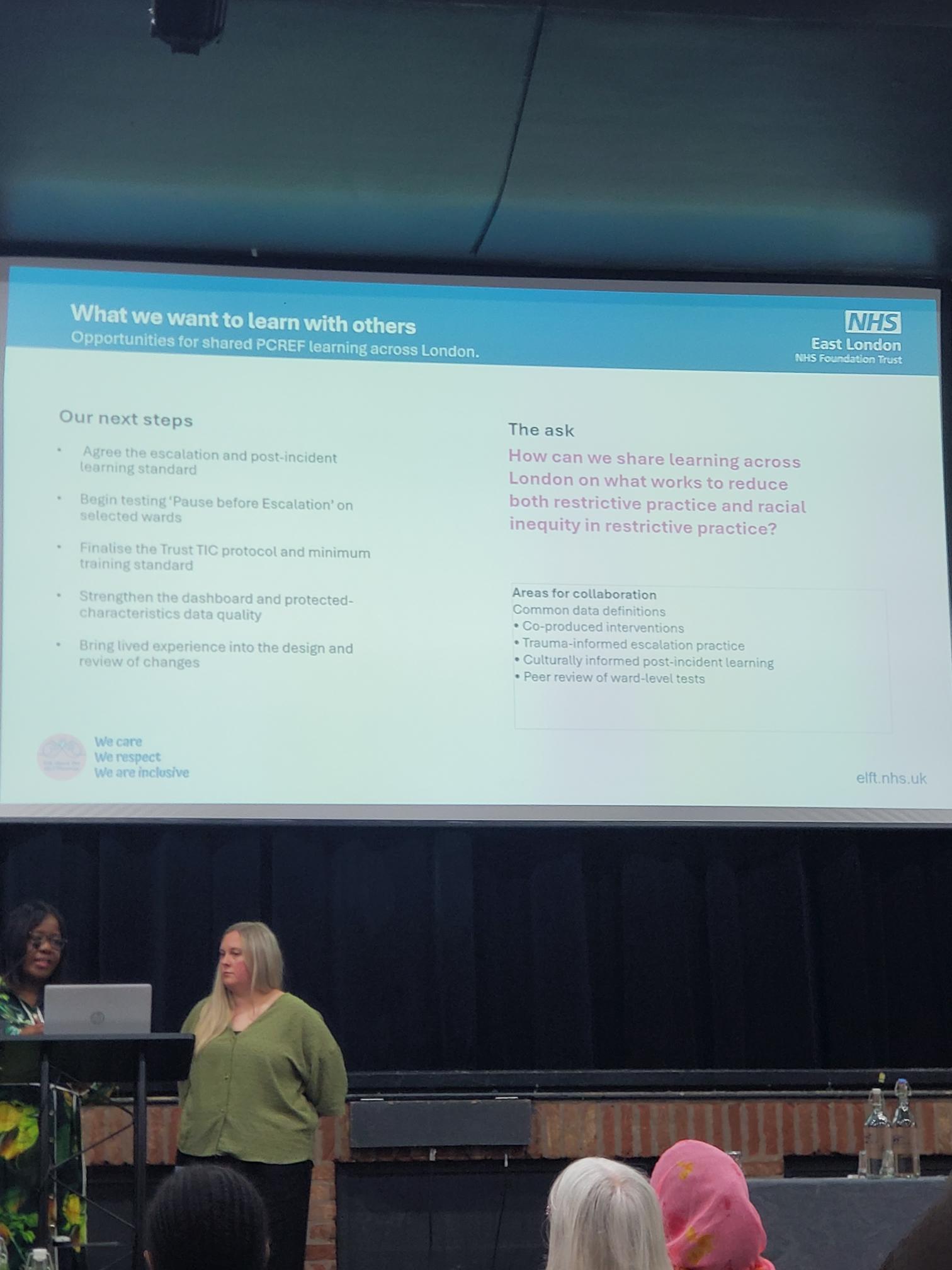
Next Steps
The presentation concluded with a clear action plan for the coming period.
Planned Actions
Agree a Trust-wide escalation and post-incident learning standard.
Begin testing the “Pause Before Escalation” approach on selected wards.
Finalise a Trust Trauma-Informed Care (TIC) protocol and minimum training standard.
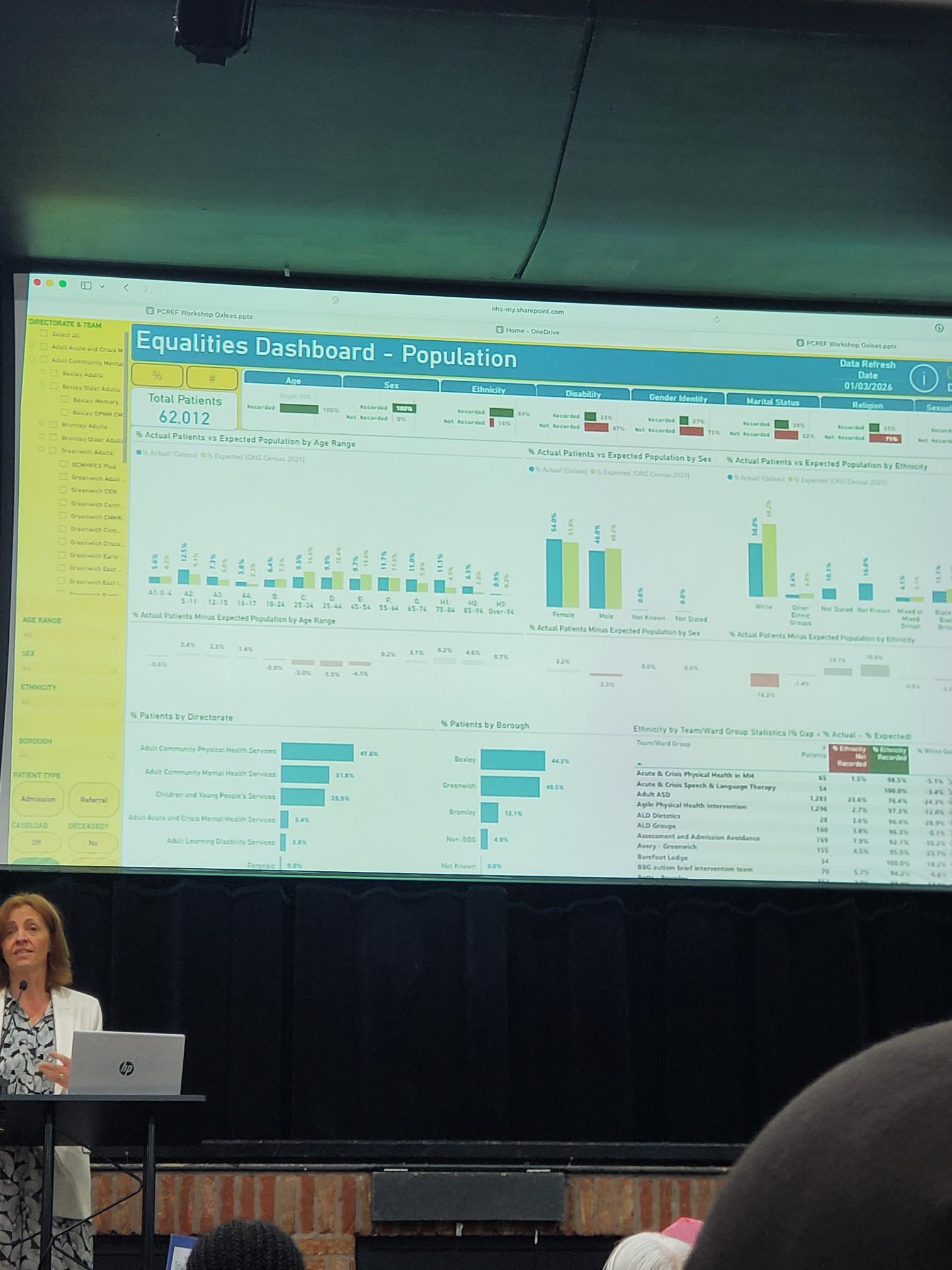
Strengthen dashboard reporting and improve protected-characteristics data quality.
Embed lived experience into the design and review of changes.
These actions reflect the Trust’s commitment to moving from discussion to implementation.
Learning Across London
The presenters also highlighted the importance of collaboration across London’s mental health trusts.
Areas identified for collaboration included:
Common data definitions.
Co-produced interventions.
Trauma-informed escalation practice.
Culturally informed post-incident learning.
Peer review of ward-level improvement projects.
This reflected one of the key themes running throughout the conference: that race equity work is strengthened when trusts learn from each other rather than working in isolation.
North East London NHS Foundation Trust (NELFT)
North East London NHS Foundation Trust (NELFT) presented its PCREF work through the lens of national competencies, demonstrating how race equity can be embedded into everyday clinical practice rather than being treated as a standalone initiative. The presentation, delivered by Erica Deti, Patient and Carer Race Equality Lead, highlighted the importance of developing a workforce that is confident, culturally competent and able to respond effectively to the needs of diverse communities. NELFT emphasised that meaningful change requires organisations to move beyond awareness and into practical action, ensuring that race equity is reflected in leadership, service design and frontline care.
A key focus of the presentation was the development and implementation of national PCREF competencies, designed to support staff at all levels in understanding racial inequalities and their impact on mental health outcomes. Erica explained how these competencies help staff build the knowledge, skills and confidence needed to challenge inequity, engage meaningfully with service users and carers, and contribute to culturally responsive services. The Trust also stressed the importance of involving people with lived experience throughout this process, ensuring that learning is informed by real experiences rather than theoretical concepts alone.
The presentation reinforced the message that achieving race equity is a continuous journey rather than a destination. NELFT shared examples of how the Trust is embedding co-production, reflective practice and accountability into its approach, while encouraging staff to consider how their decisions influence patient experiences and outcomes. By focusing on workforce development, lived experience leadership and organisational learning, NELFT demonstrated how PCREF can act as a catalyst for long-term cultural change, helping to create services that are safer, fairer and more responsive to the communities they serve.
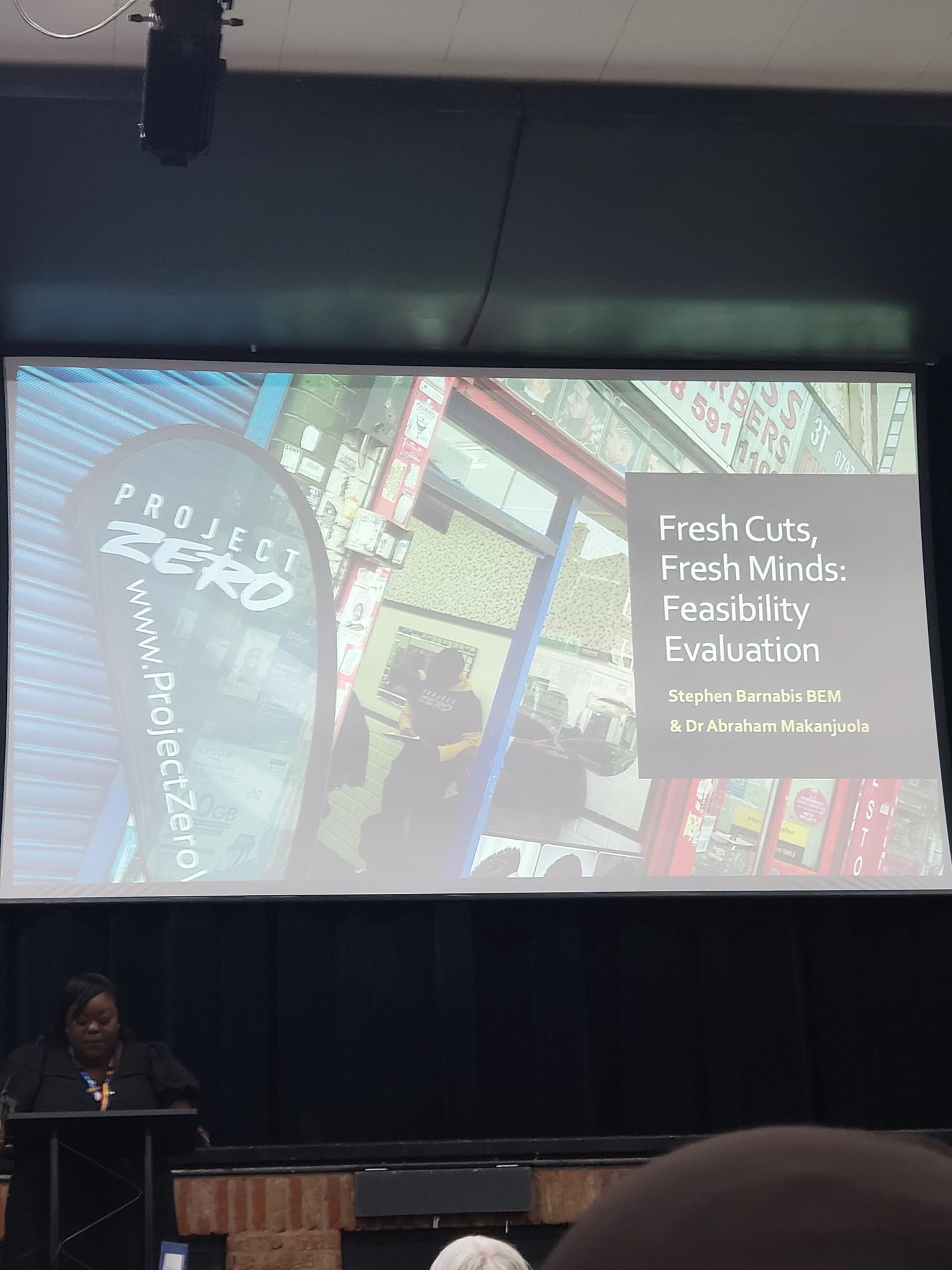
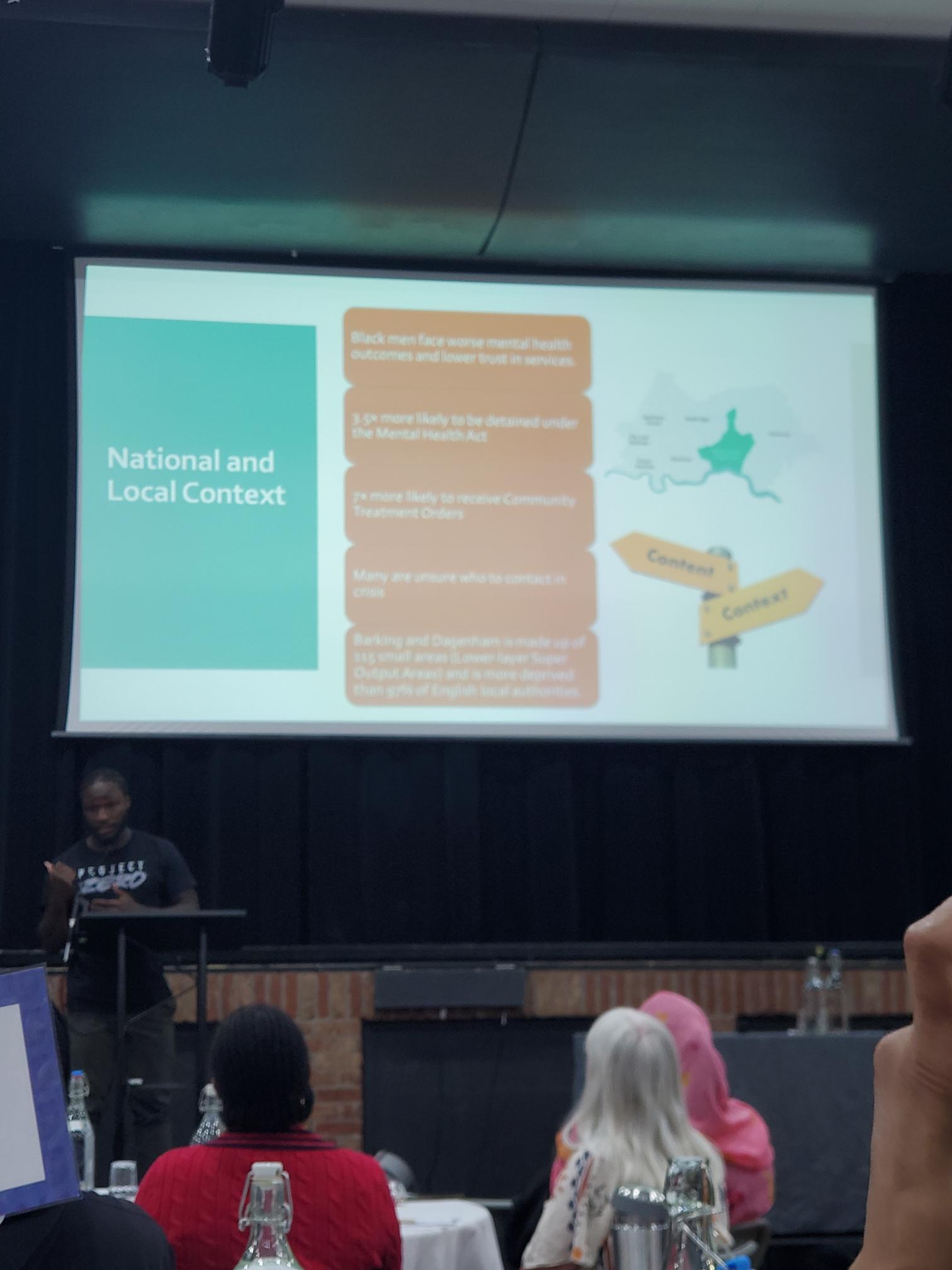
A second NELFT presentation was delivered from local community organisations and Project Zero. This session focused on partnership working with local barbershops, voluntary organisations and community groups as a means of improving engagement with racialised communities. The speakers described how trusted community settings can help bridge gaps between services and populations that may feel excluded from traditional healthcare pathways.
Carer Spotlight
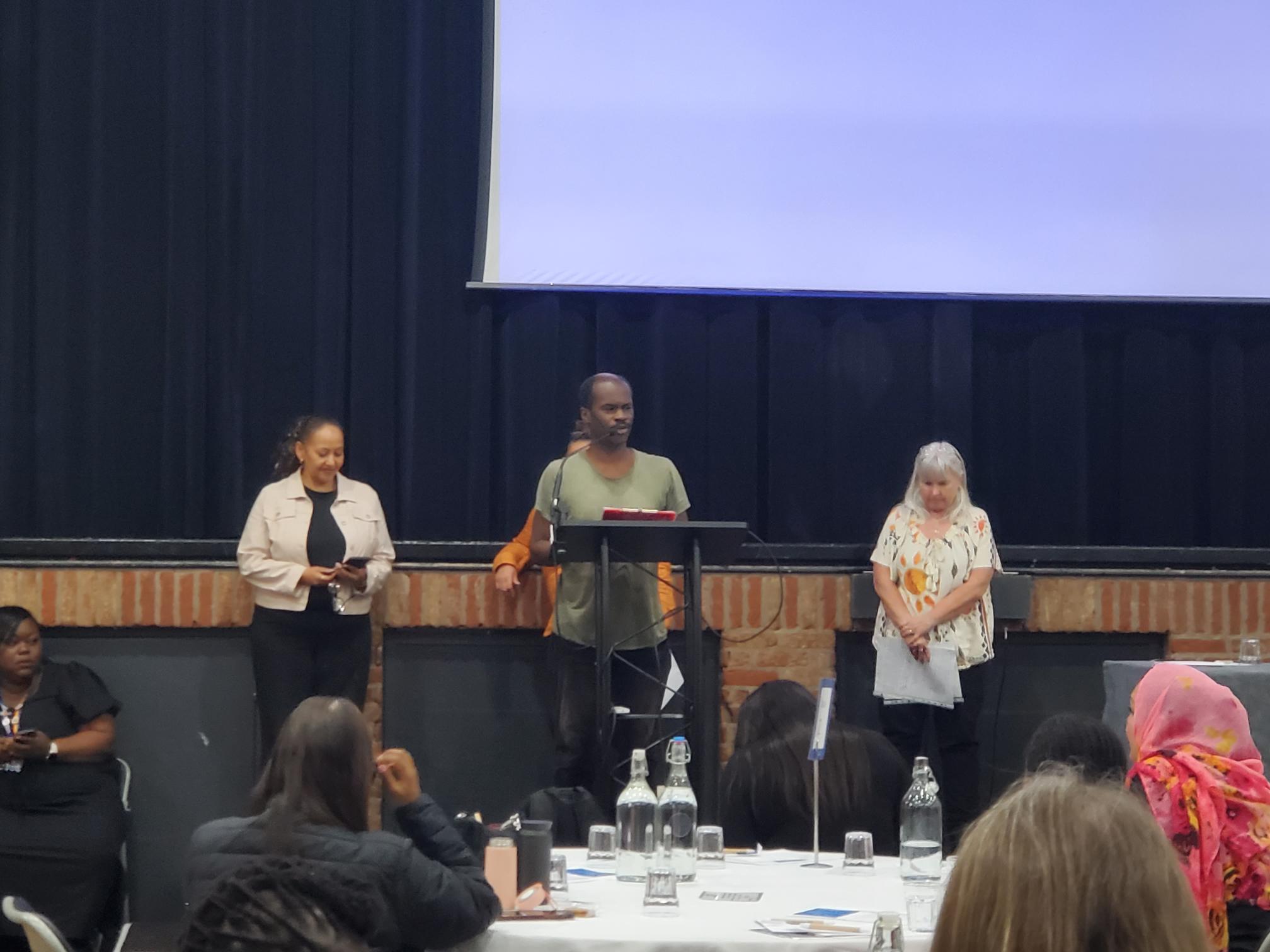
Matthew McKenzie and PCREF Carer Poetry
One of the most powerful moments of the afternoon came during the Carer Spotlight, where carers used poetry to share personal experiences of supporting loved ones through mental health services. The session moved beyond statistics, policies and organisational frameworks to remind attendees of the human stories that sit behind every discussion about race equity, access and care. The poetry was delivered by Matthew McKenzie and fellow carers, creating a reflective and emotional space that grounded the conference in lived experience. Through spoken word and personal reflection, the audience was invited to consider what it truly means to care, advocate and persevere within systems that do not always recognise the voices of carers.
A recurring theme across the poems was the often invisible role of carers. Several pieces explored the emotional labour involved in supporting a family member through periods of crisis, while also navigating complex services and systems.
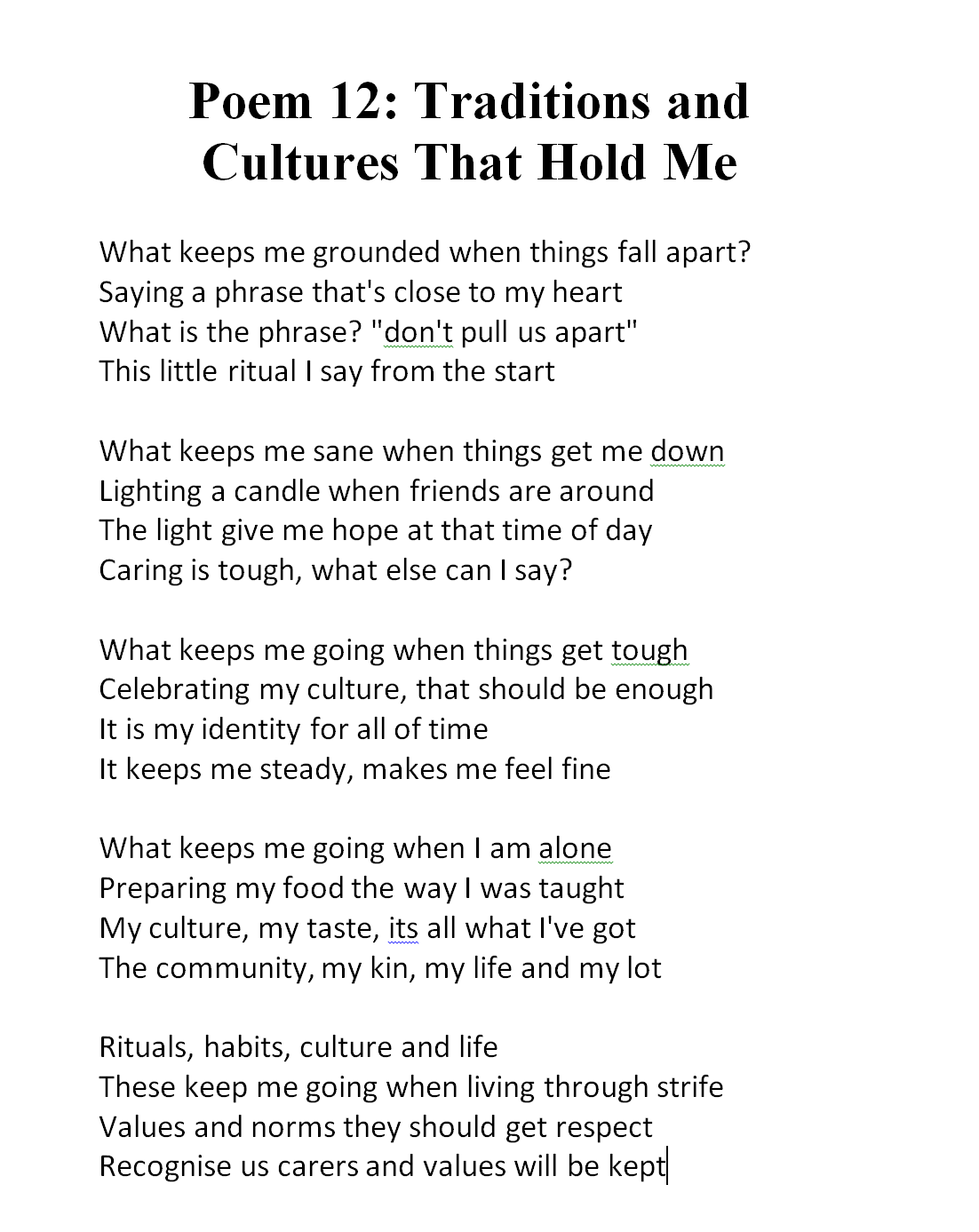
Here is the poem from Matthew McKenzie taken from his collaborative book (in development) – Unpaid, Unseen and Yet Unbroken
The poems highlighted feelings of exhaustion, responsibility and uncertainty, but also resilience and determination. Listeners heard about the challenges of balancing personal wellbeing with caring responsibilities, and the reality that carers frequently become experts in supporting their loved ones while receiving little recognition themselves. The poetry gave voice to experiences that are often hidden from formal reports and performance data, yet have a profound impact on individuals and families.
Another important theme was the need for genuine partnership between services, service users and carers. The poems reflected frustrations when carers felt excluded from conversations, ignored during decision-making or treated as outsiders despite their deep understanding of the person they support. At the same time, they celebrated examples of compassionate practice, where professionals listened, worked collaboratively and recognised carers as valuable partners in recovery. These reflections connected strongly with the wider messages of PCREF, reinforcing that co-production is most effective when carers are respected, included and treated as equal contributors rather than passive observers.
Central and North West London NHS Foundation Trust (CNWL)
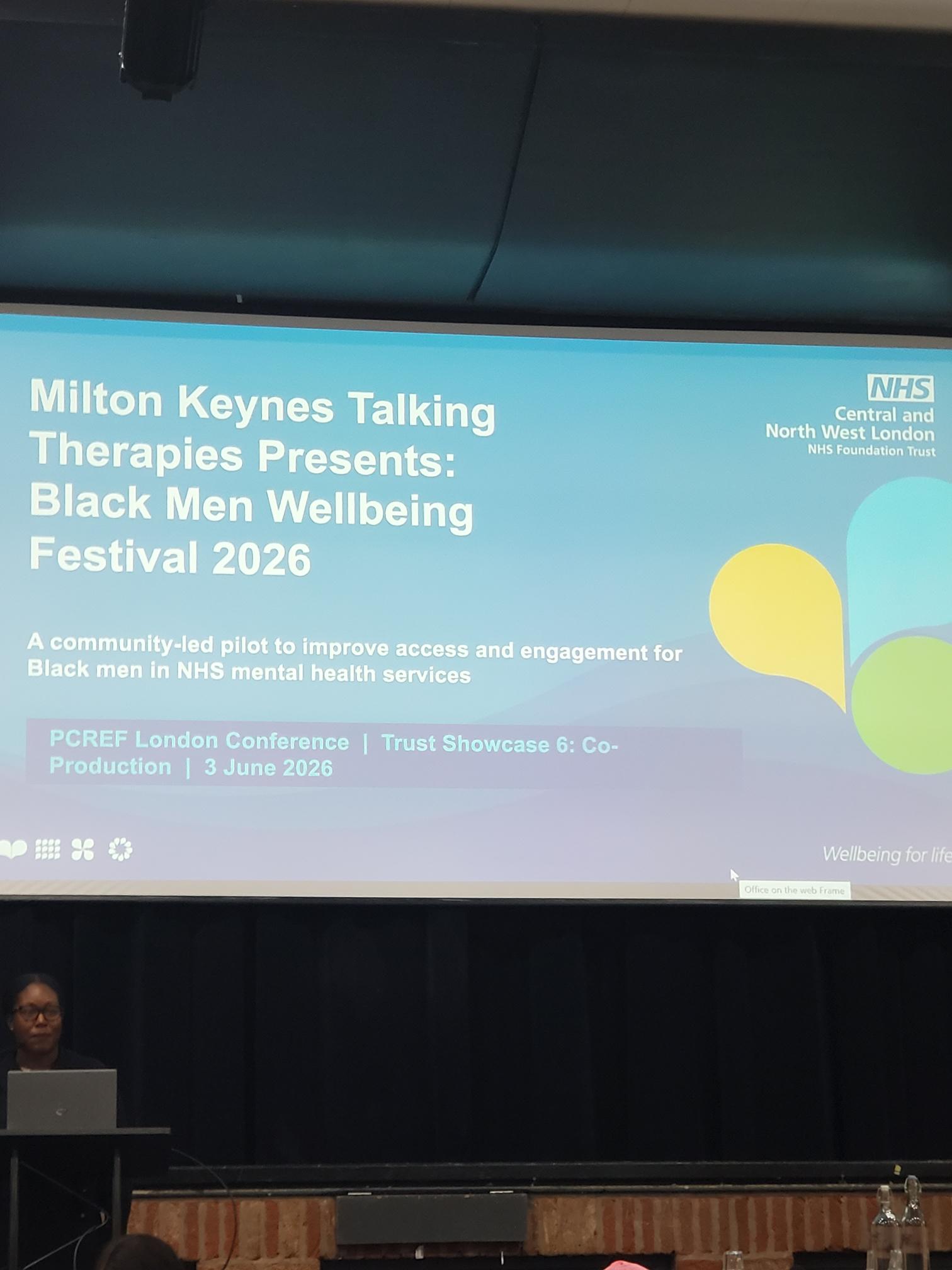
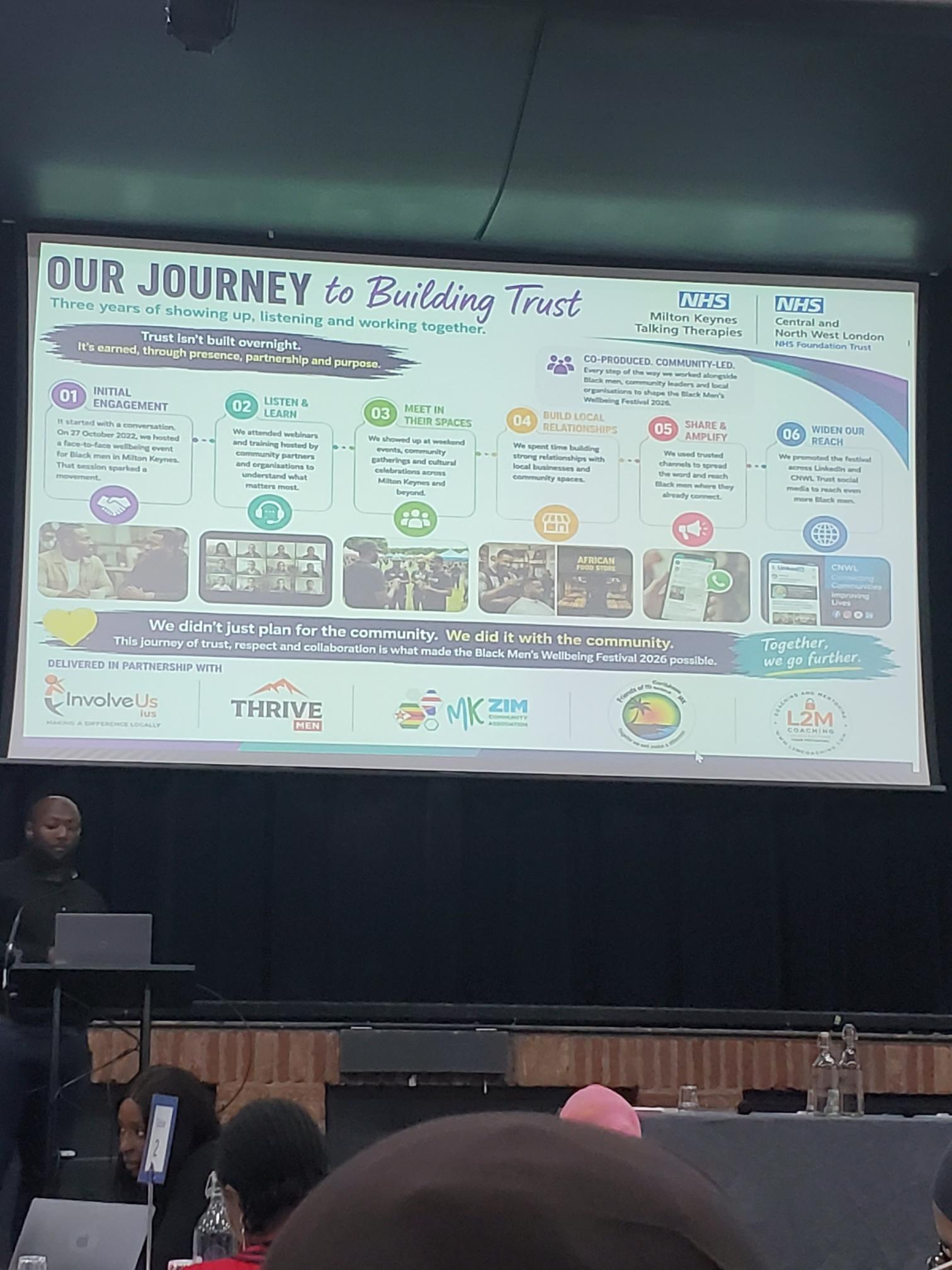
Presented by J’nelle James, Acting Assistant Director of Culture and Equality, Diversity and Inclusion, Central and North West London NHS Foundation Trust (CNWL) showcased one of the conference’s most innovative examples of co-production through the Black Men’s Wellbeing Festival 2026. The presentation focused on how Milton Keynes Talking Therapies worked with Black men, community leaders and local organisations to improve engagement with NHS mental health services. Rather than expecting communities to come to services, CNWL demonstrated how services can go out into communities, build relationships and create spaces where conversations about mental health feel safe, relevant and culturally meaningful.
The presentation explained that the project began during Black History Month in October 2022, when Milton Keynes Talking Therapies hosted a free face-to-face wellbeing session for Black men at Stantonbury Health Centre. The event explored themes including racial trauma, stigma, family relationships, cultural influences and self-worth. What began as a single wellbeing session quickly revealed a significant unmet need within the community. Participants spoke openly about barriers to accessing support and the lack of culturally relevant mental health conversations, leading the team to recognise that a longer-term programme of engagement was needed.
CNWL emphasised that trust cannot be created through a single event or consultation exercise. Instead, trust is earned through visibility, consistency and genuine partnership. The Trust described a three-year journey of listening, learning and working alongside local communities, which ultimately led to the development of the Black Men’s Wellbeing Festival. The project became an example of how PCREF principles can be applied in practice by ensuring that communities are involved in shaping solutions rather than simply being consulted after decisions have already been made.
Building Trust Through Co-Production
A central message throughout the presentation was that “trust isn’t built overnight.” The festival emerged through a deliberate process of relationship-building and community engagement. CNWL outlined six stages that helped transform an initial wellbeing event into a large-scale community-led initiative.
The first stage focused on initial engagement, beginning with the October 2022 wellbeing session. Following this, the team moved into a listening and learning phase, hosting webinars, training sessions and community discussions to understand what Black men wanted from mental health services. Rather than assuming solutions, the Trust spent time listening to experiences and identifying priorities directly from community members.
The next stages involved meeting people in community spaces, strengthening relationships with local organisations and businesses, amplifying messages through trusted community networks and broadening engagement across Milton Keynes. The presentation highlighted that every stage was developed collaboratively with community partners, ensuring that ownership of the programme remained shared rather than NHS-led.
Key Stages of the Journey
Initial engagement through Black History Month wellbeing events.
Listening sessions and community conversations.
Presence at local community gatherings and celebrations.
Building partnerships with local organisations and businesses.
Using trusted networks to amplify messages.
Expanding engagement through media, events and outreach.
The Black Men’s Wellbeing Festival 2026
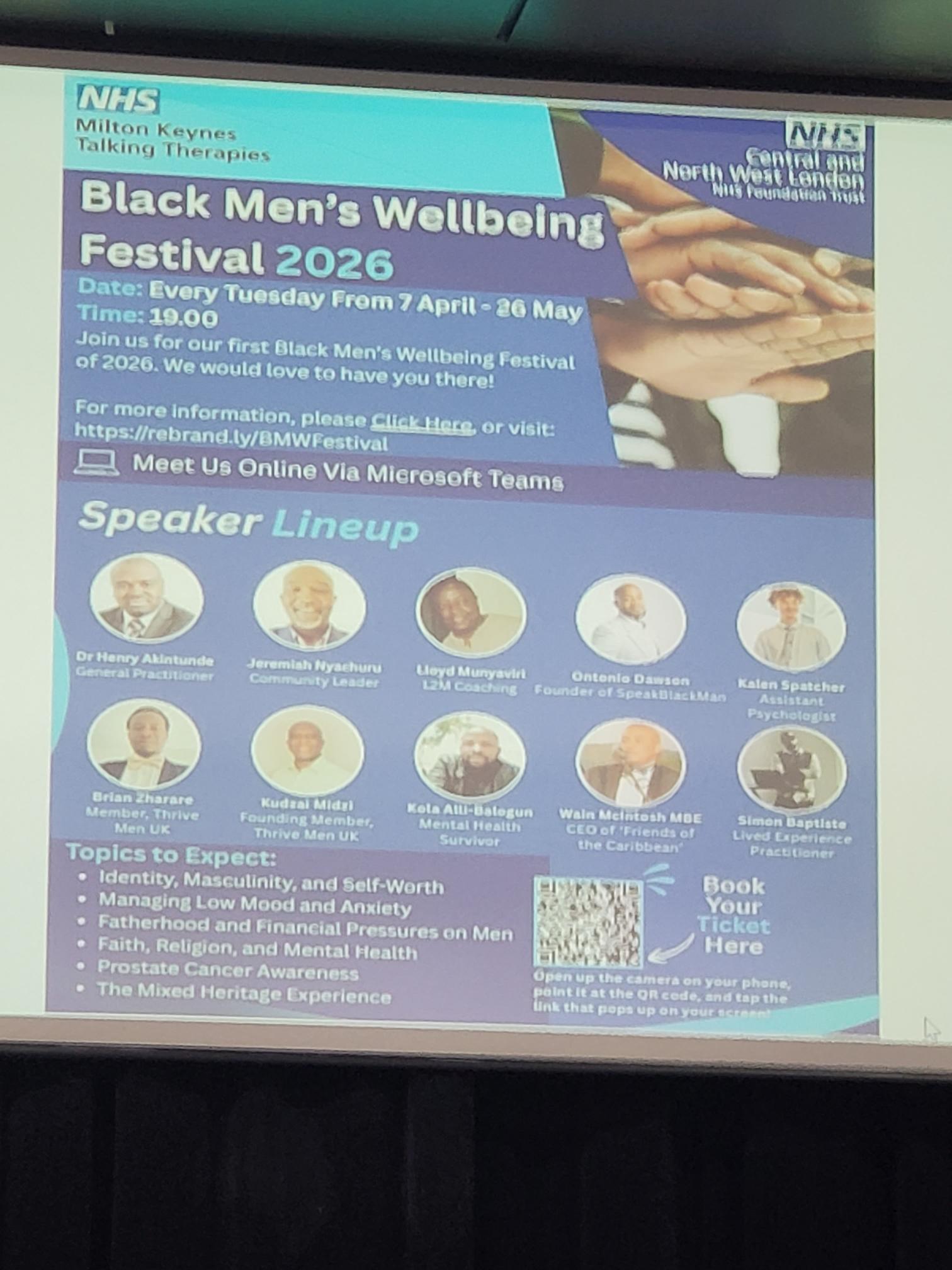
The culmination of this work was the launch of the Black Men’s Wellbeing Festival 2026, a community-led programme designed to improve access and engagement for Black men within mental health services. Running weekly between April and May 2026, the festival brought together clinicians, community leaders, lived experience speakers and local organisations to create open conversations about wellbeing, identity and mental health.
The programme tackled subjects that participants themselves had identified as important. Rather than focusing solely on clinical mental health conditions, the festival explored the wider social, cultural and personal experiences that influence wellbeing. This reflected a more holistic understanding of mental health and recognised that issues such as identity, masculinity, family expectations and discrimination all play an important role in people’s wellbeing.
The festival also demonstrated how NHS services can become more accessible when support is delivered in partnership with trusted community figures. By bringing together professionals and community leaders, CNWL created opportunities for conversations that may not otherwise take place within traditional healthcare settings.
North London NHS Foundation Trust
Equity and Health Inequalities Strategy 2026–2030: “Inclusion in Action”
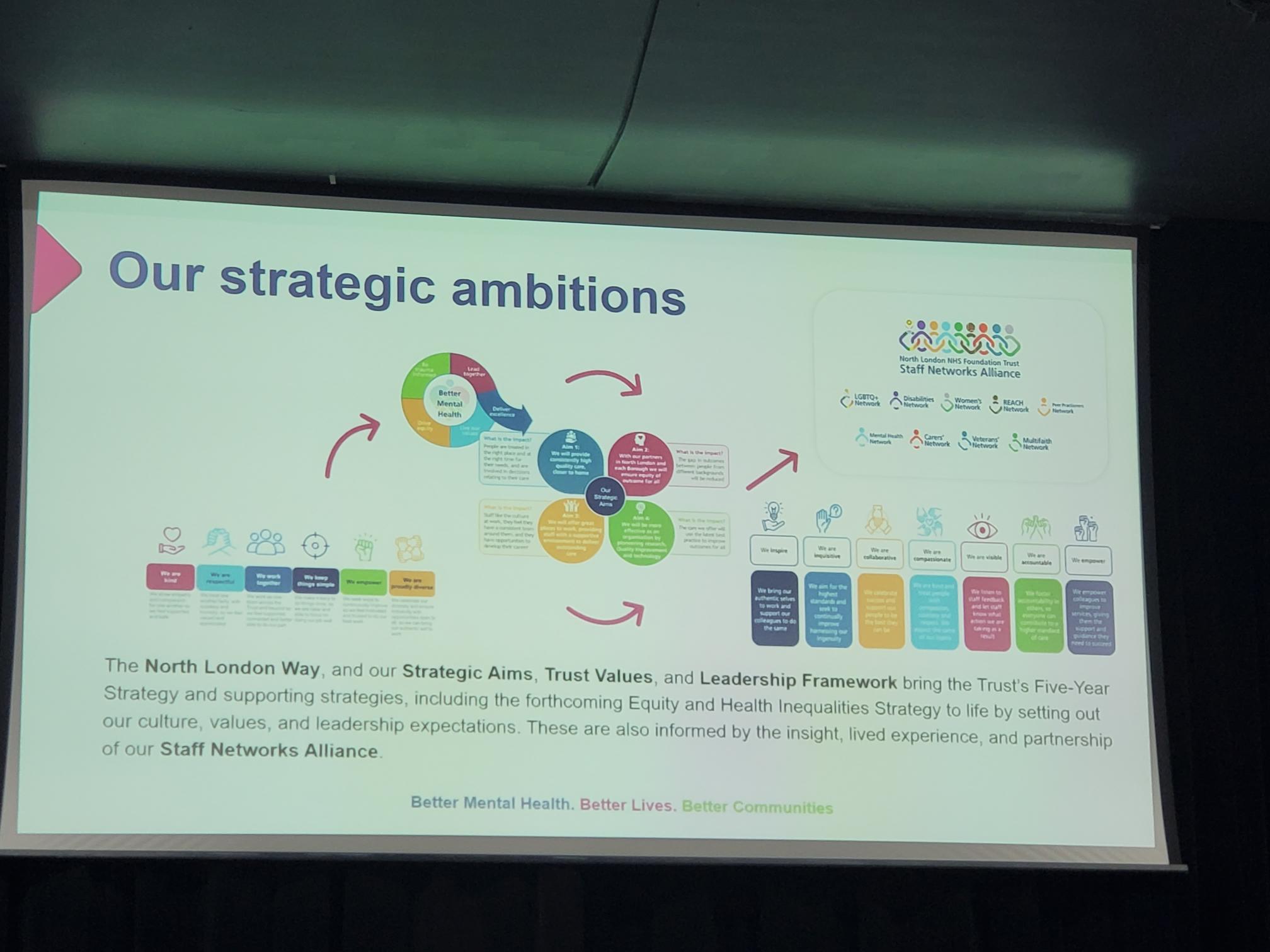
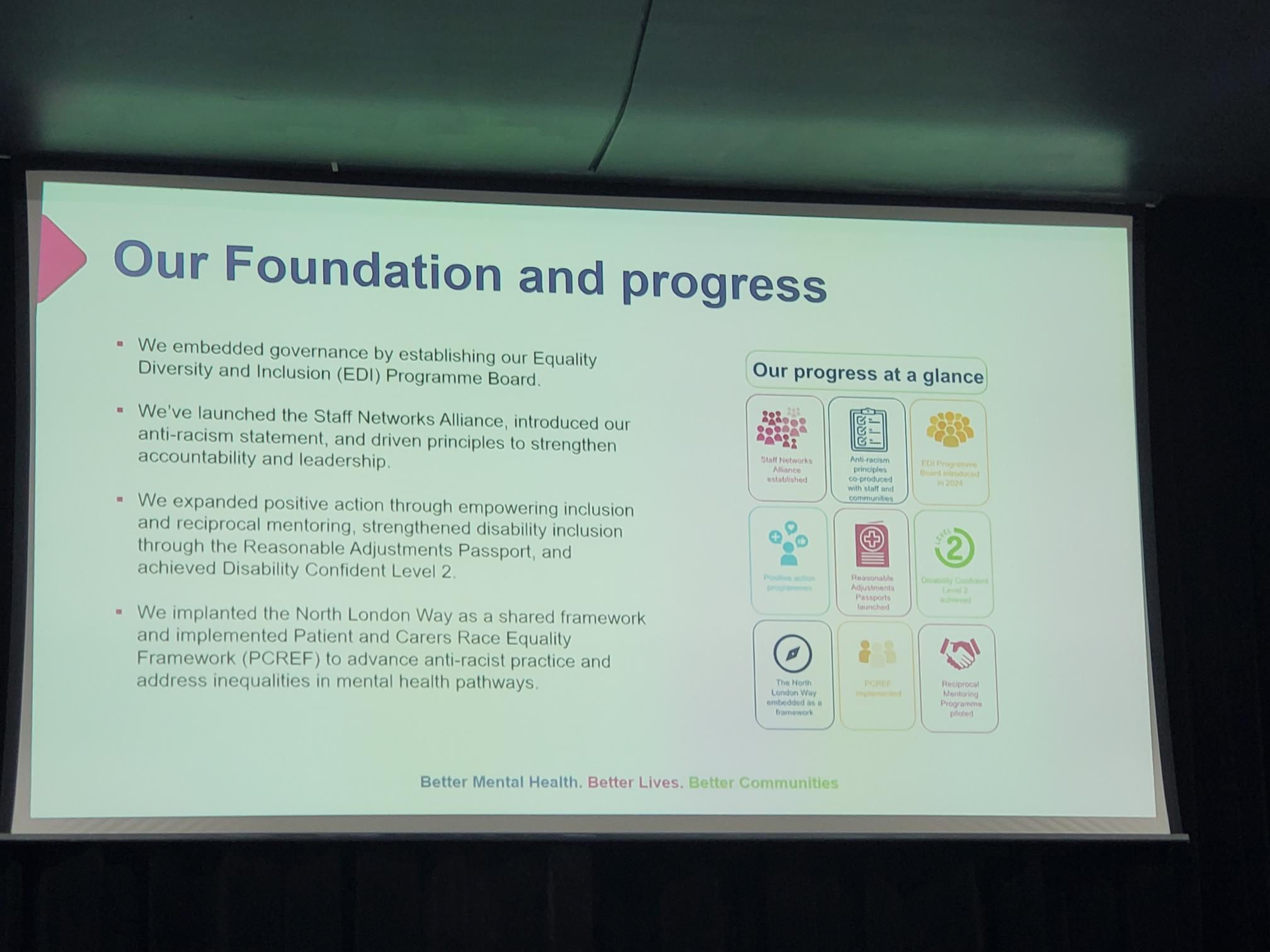
North London NHS Foundation Trust presented its new Equity and Health Inequalities Strategy 2026–2030, centred on the theme of “Inclusion in Action.” The presentation highlighted the Trust’s ambition to embed equity into every aspect of organisational culture, leadership, workforce development and service delivery. Rather than treating equality and health inequalities as separate workstreams, the strategy positions inclusion as a fundamental principle underpinning better mental health outcomes, improved staff experiences and stronger communities. The Trust’s vision was summarised through the phrase: “Better Mental Health. Better Lives. Better Communities.”
A key theme throughout the presentation was the recognition that addressing inequalities requires action at both organisational and system levels. The strategy aligns with the Trust’s broader five-year organisational goals and is supported by the North London Way, Trust values, leadership framework and staff network structures. The presenters emphasised that lived experience, staff insight and community partnership have been central to shaping the strategy, ensuring that it reflects the realities of the diverse populations served across North Central London.
The presentation also highlighted the importance of shared accountability. Equity was presented not as the responsibility of specialist equality teams alone, but as a collective responsibility across leadership, clinical services, operational teams and partner organisations. Through this approach, the Trust aims to create sustainable cultural change while reducing inequalities experienced by both service users and staff.
Strategic Ambitions and Organisational Change
A major focus of the presentation was how the Trust intends to turn principles into practical action. The strategy builds upon existing organisational priorities while introducing a stronger and more explicit focus on equity and inclusion. The presenters described a framework that links the Trust’s strategic aims, leadership expectations, workforce culture and service improvement activity into a single coherent approach.
The strategy is closely connected to the work of the Staff Networks Alliance, which brings together a range of staff networks representing diverse communities and experiences. The Trust described these networks as essential partners in shaping policy, challenging inequalities and ensuring that organisational decisions are informed by lived experience. This collaborative model reflects a commitment to co-production and shared leadership rather than top-down decision making.
The presentation emphasised a set of organisational values that support inclusive practice, including visibility, accountability, compassion, collaboration and empowerment. These principles are intended to guide both staff behaviour and organisational decision-making. By embedding these values throughout the Trust, leaders hope to create a culture where inclusion becomes a routine part of everyday practice rather than a separate programme of work.
Building on Existing Foundations
The final section of the presentation focused on progress already achieved and the foundations that have been established to support future work. The Trust outlined a number of significant developments, including the creation of an Equality, Diversity and Inclusion (EDI) Programme Board, which provides governance and oversight for inclusion and health inequalities initiatives. This governance structure helps ensure that equity remains a strategic priority and is monitored at senior levels of the organisation.
The Trust has also introduced several initiatives aimed at strengthening accountability and supporting underrepresented groups. These include the launch of the Staff Networks Alliance, the development of anti-racism principles, positive action programmes, reciprocal mentoring opportunities and improvements in disability inclusion through the Reasonable Adjustments Passport scheme. The Trust reported achieving Disability Confident Level 2 status, reflecting progress in creating a more inclusive workplace environment.
Importantly, the presentation highlighted the implementation of the Patient and Carer Race Equality Framework (PCREF) as a key mechanism for advancing anti-racist practice and addressing inequalities within mental health pathways. Alongside embedding the North London Way as a shared organisational framework, the Trust views PCREF as a central component of its strategy for reducing inequities and improving outcomes. The overall message was that meaningful progress has already begun, but sustained effort, partnership and accountability will be required to achieve the ambitions set out in the Equity and Health Inequalities Strategy 2026–2030.
A recurring message from the closing discussion was that race equity remains everybody’s responsibility. While significant progress has been made, panellists acknowledged that much work remains. Delegates left with a renewed commitment to collaboration, stronger partnerships with carers and communities, and a shared determination to ensure that PCREF continues to drive meaningful and measurable change across London’s mental health services.
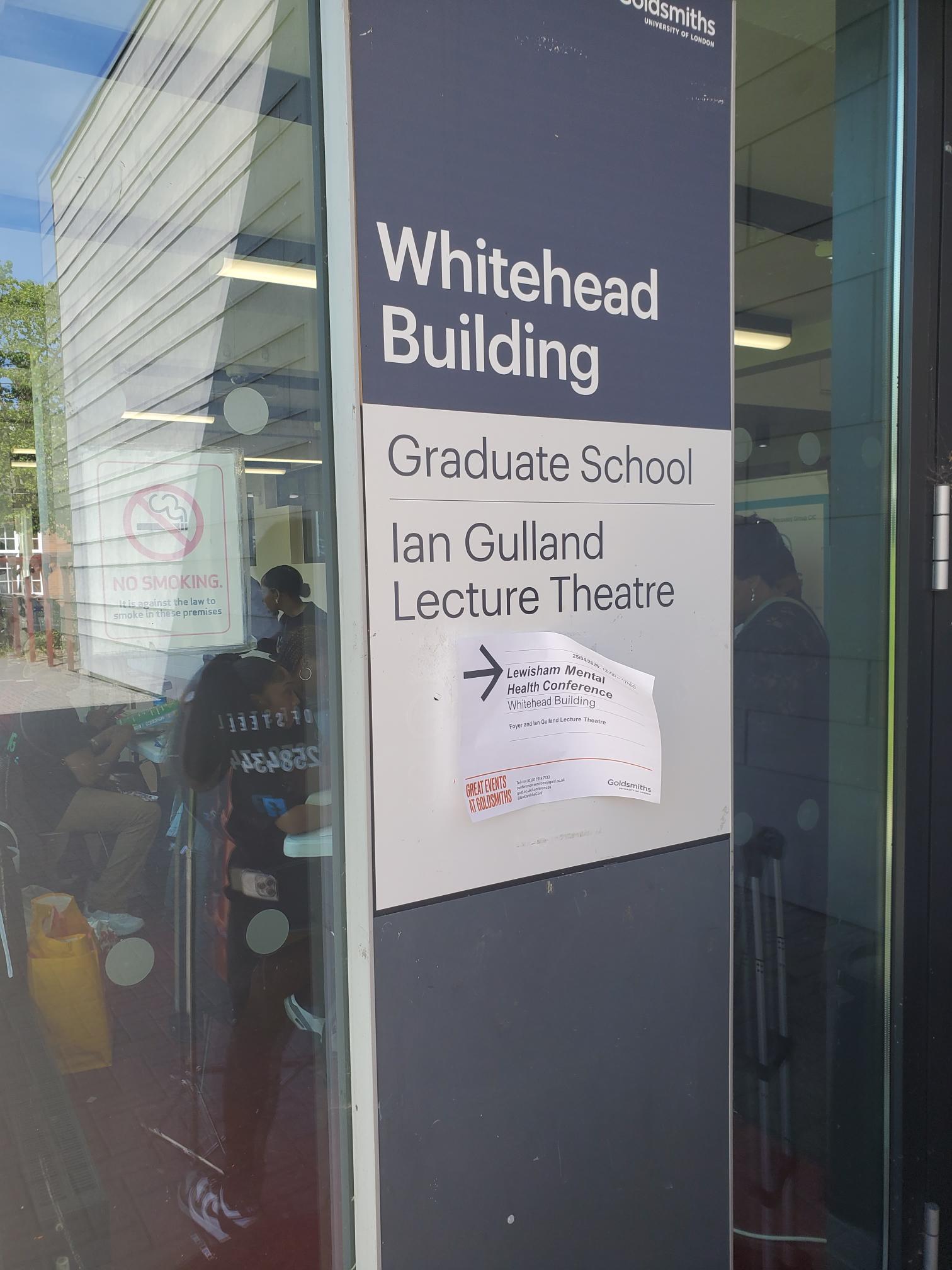
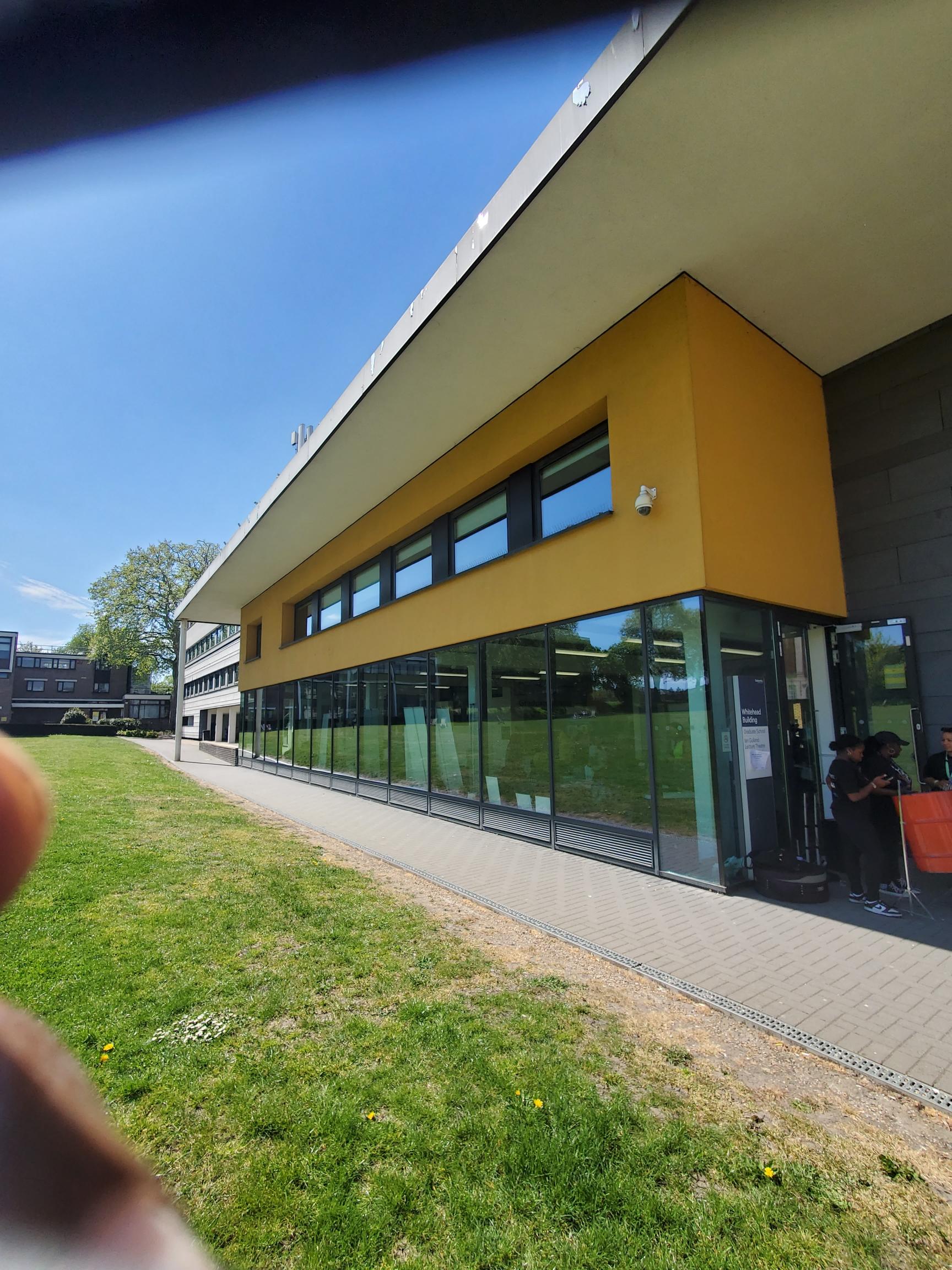
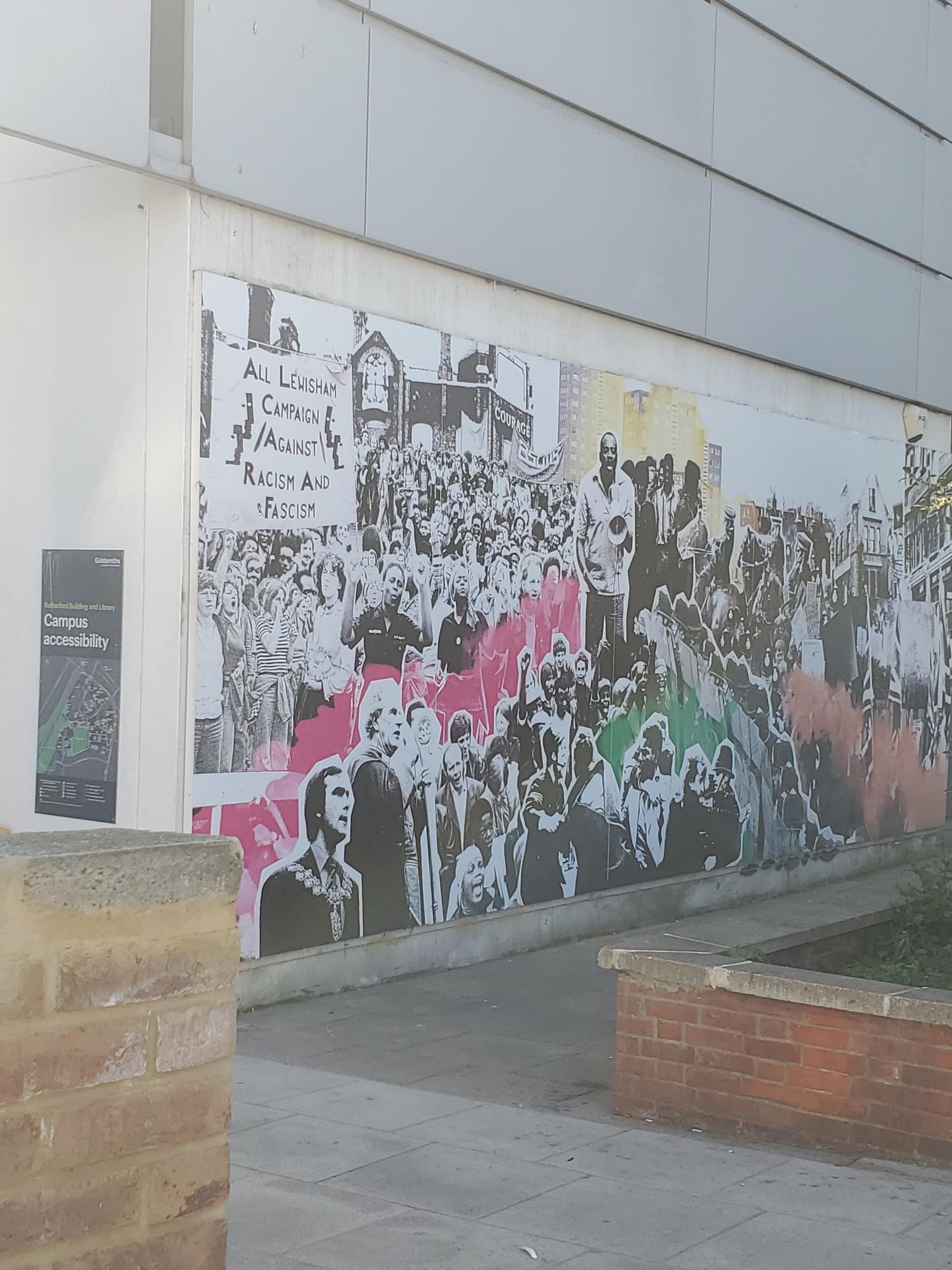
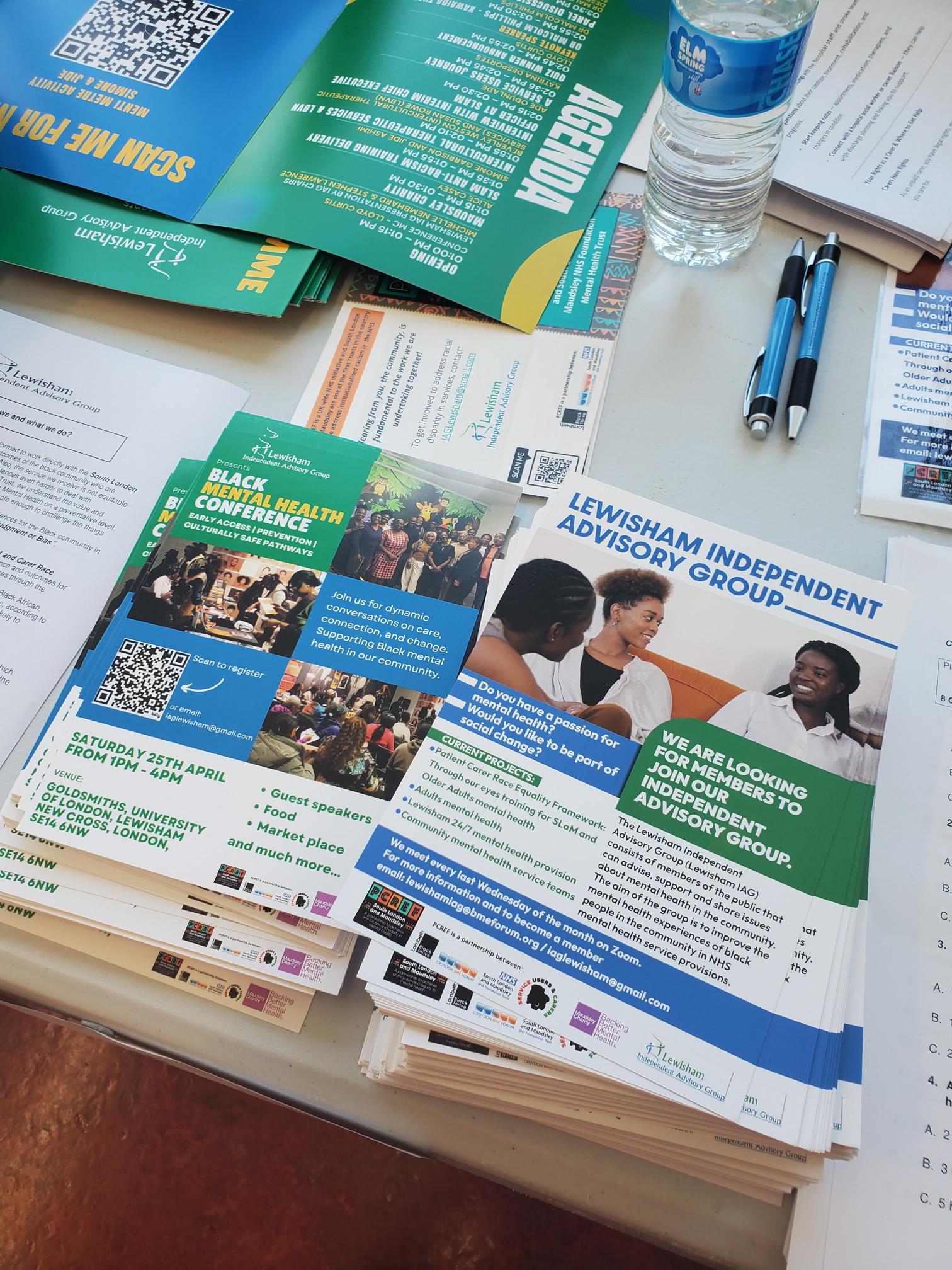
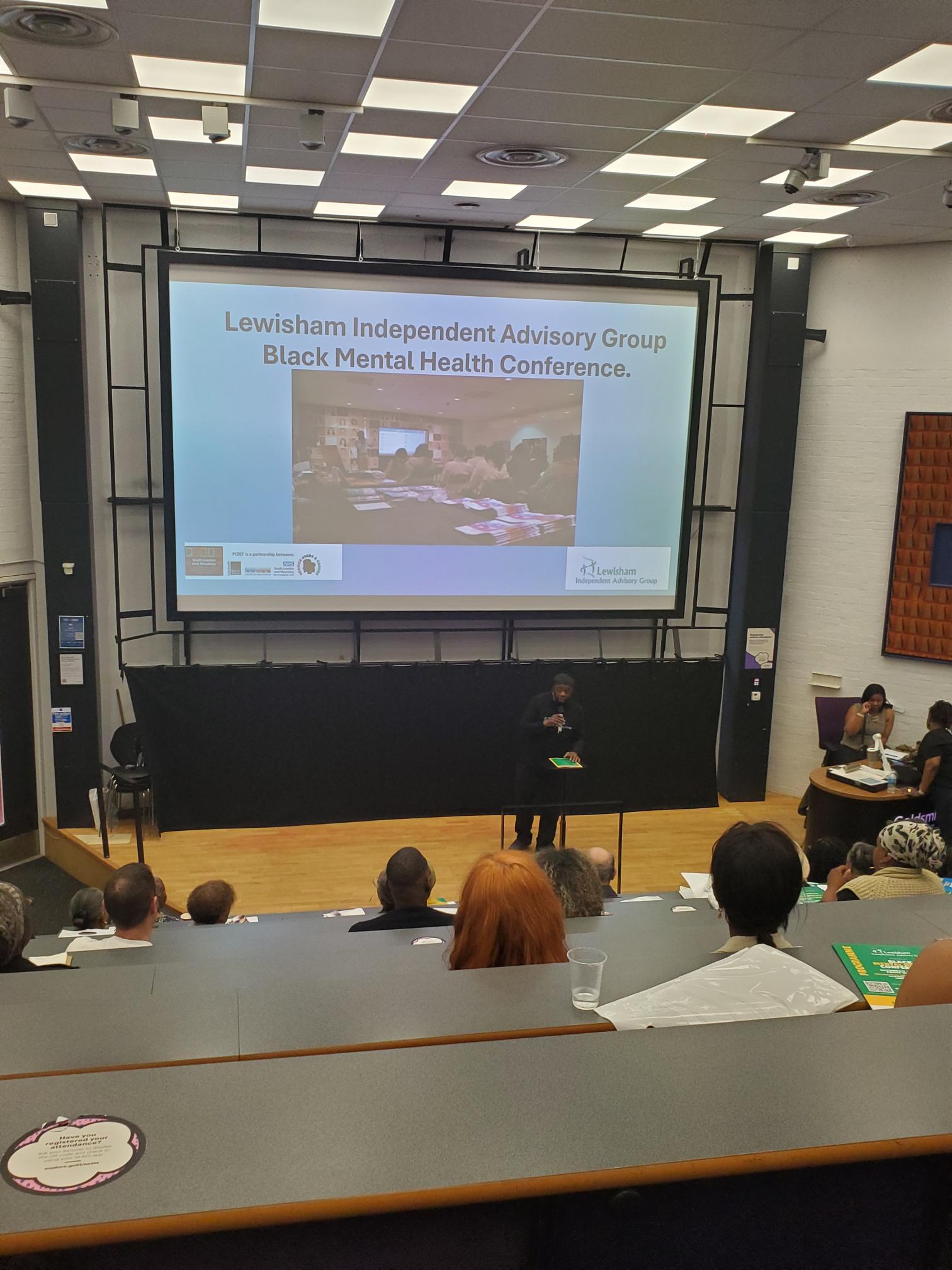
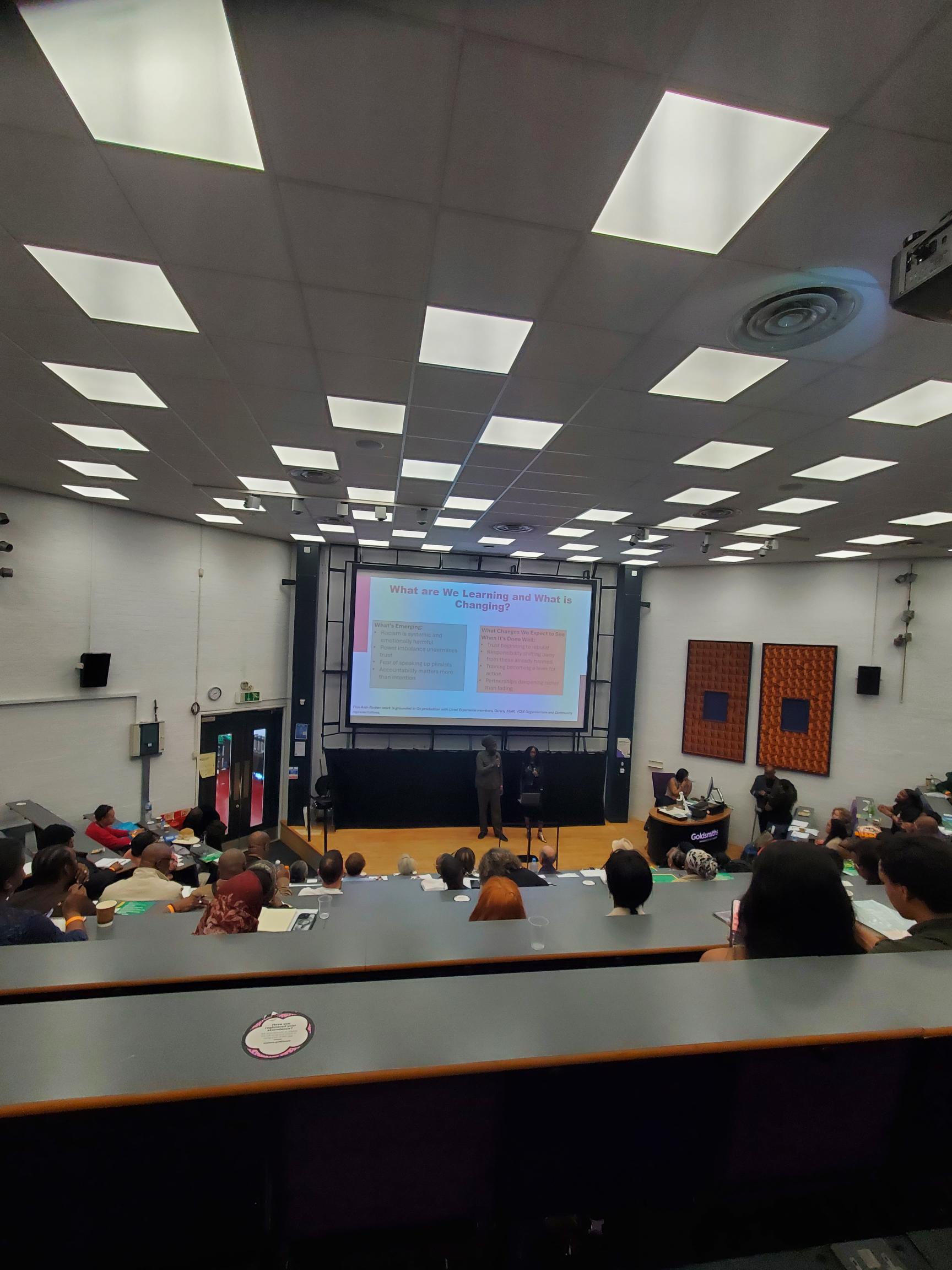
On Saturday, 25th April 2026, the Lewisham Independent Advisory Group (IAG) hosted its much-anticipated Black Mental Health Conference at Goldsmiths, University of London, in New Cross, London.
The event ran from 1 PM to 4 PM, bringing together community members, mental health practitioners, activists, and service users for an afternoon of learning, discussion, and networking focused on Black mental health.
Setting the Stage
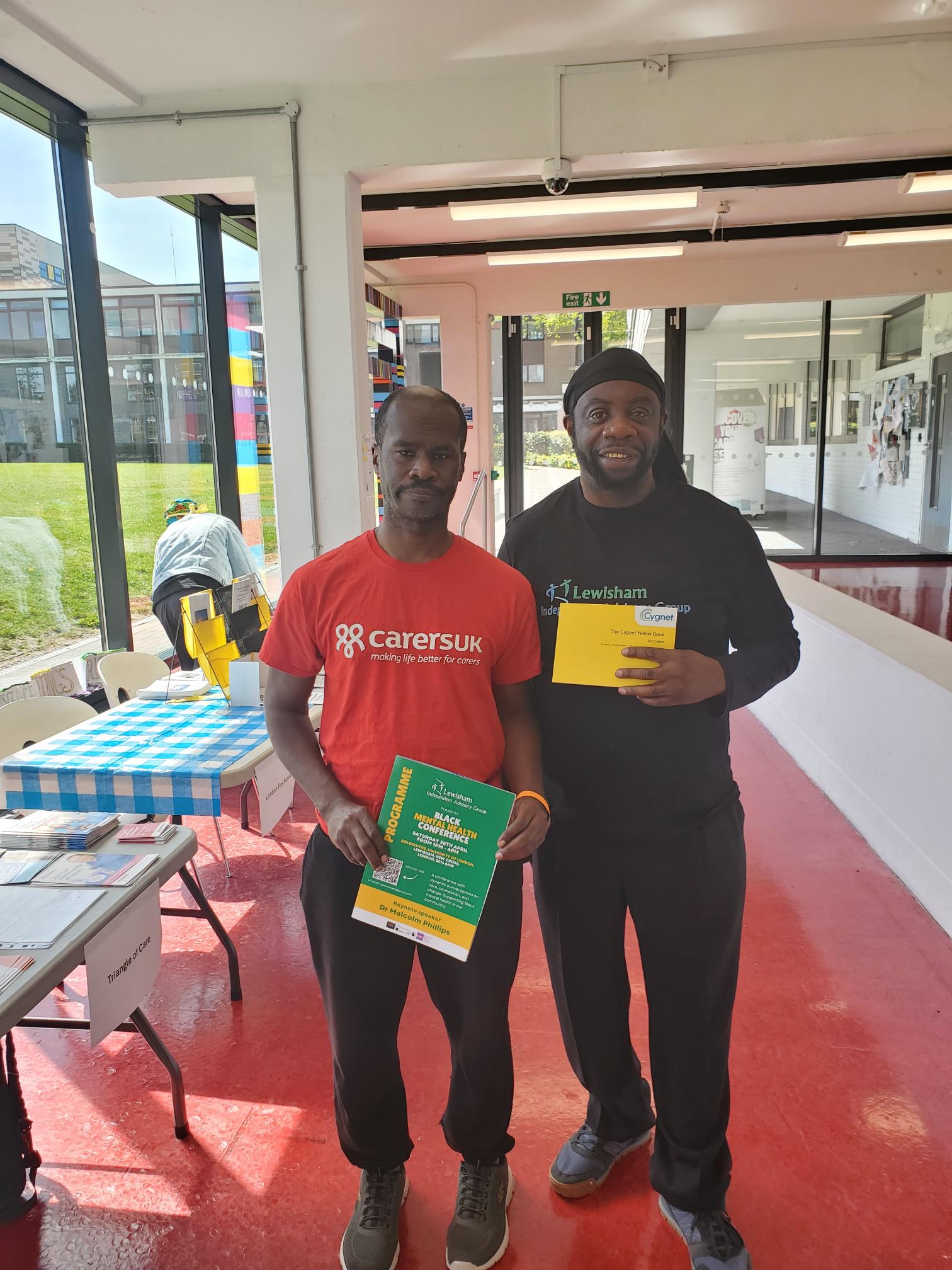
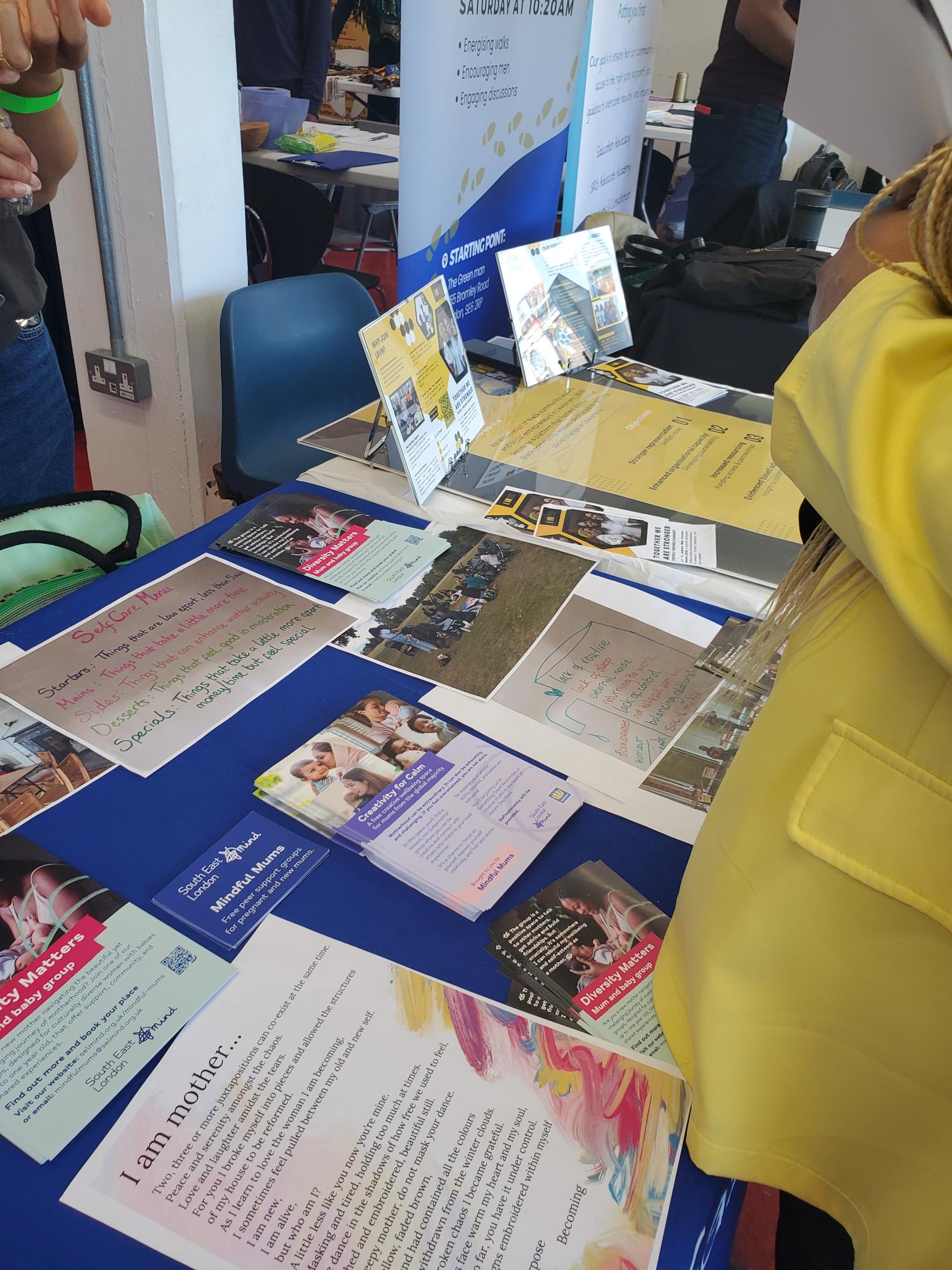
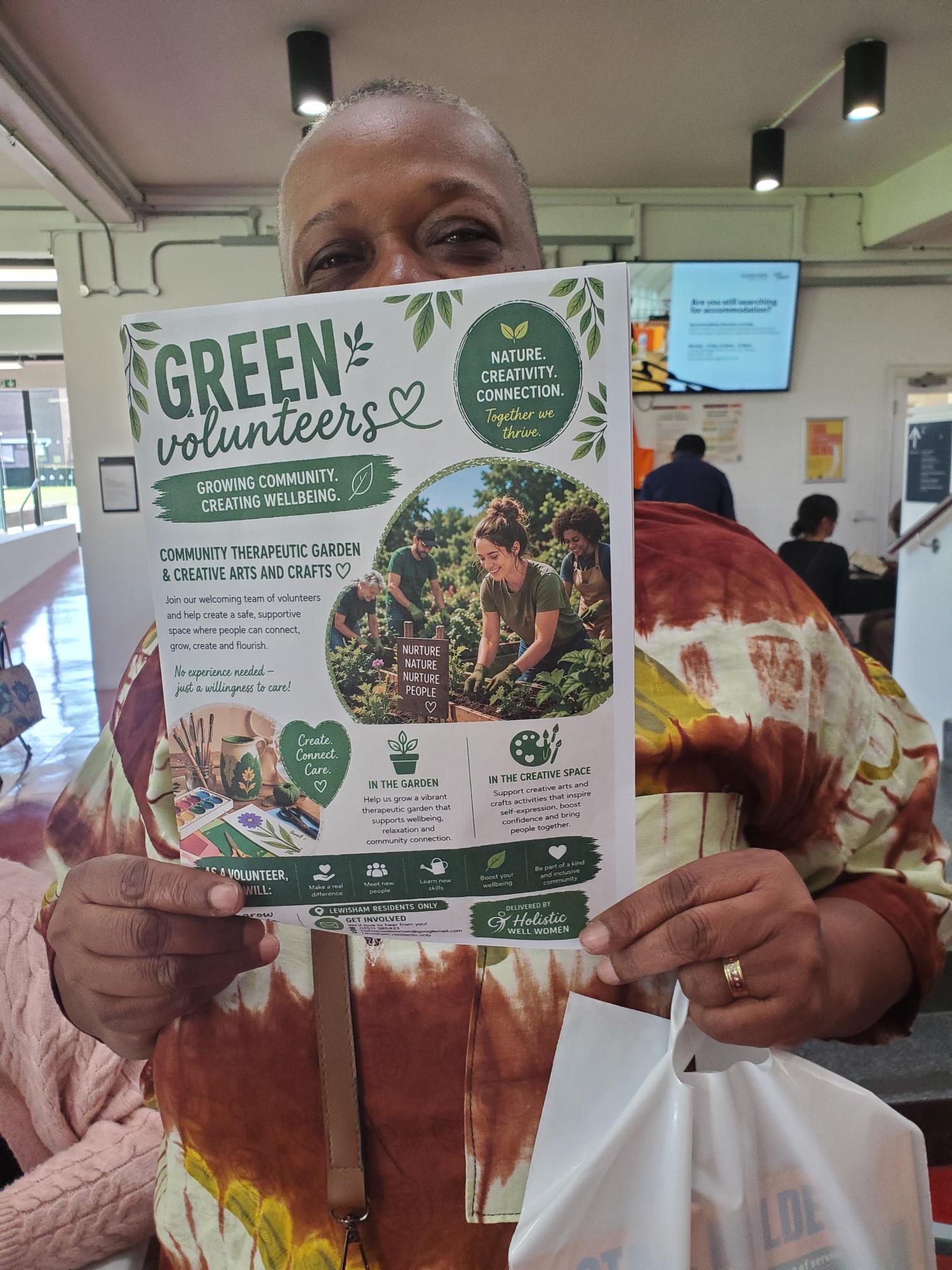
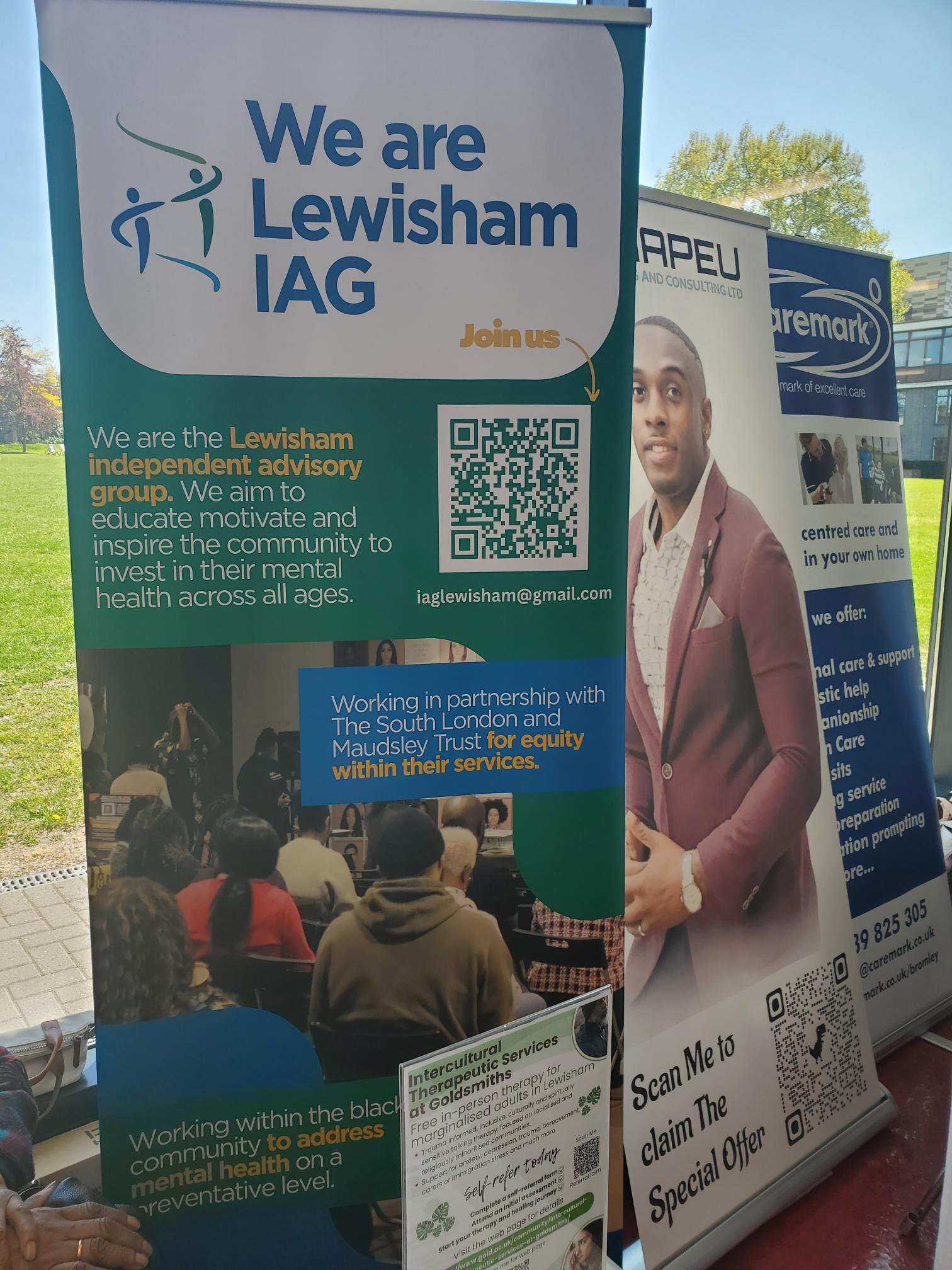
Upon arrival, attendees were welcomed with a vibrant program booklet and a series of informational stalls showcasing local initiatives and mental health support services.
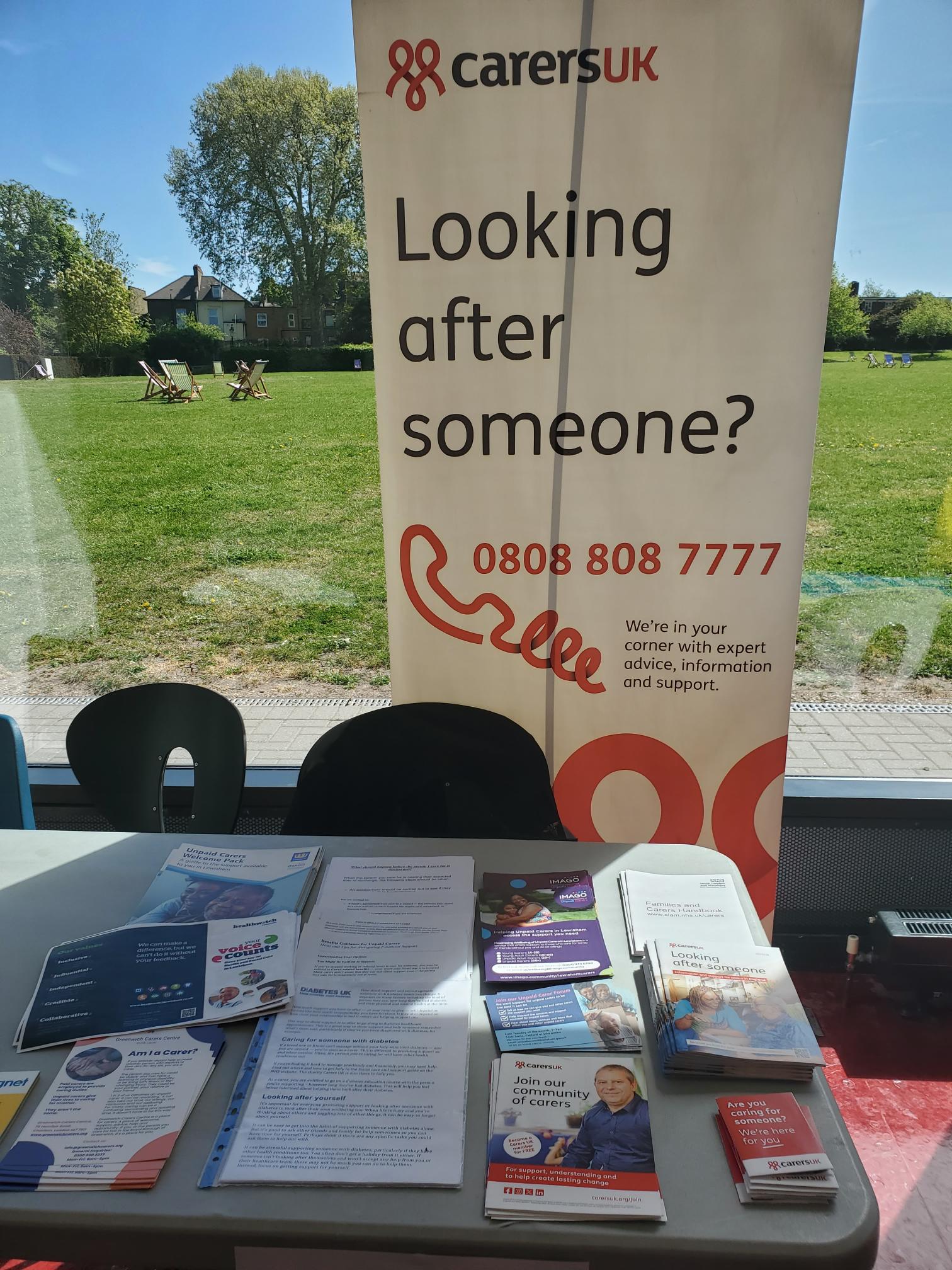
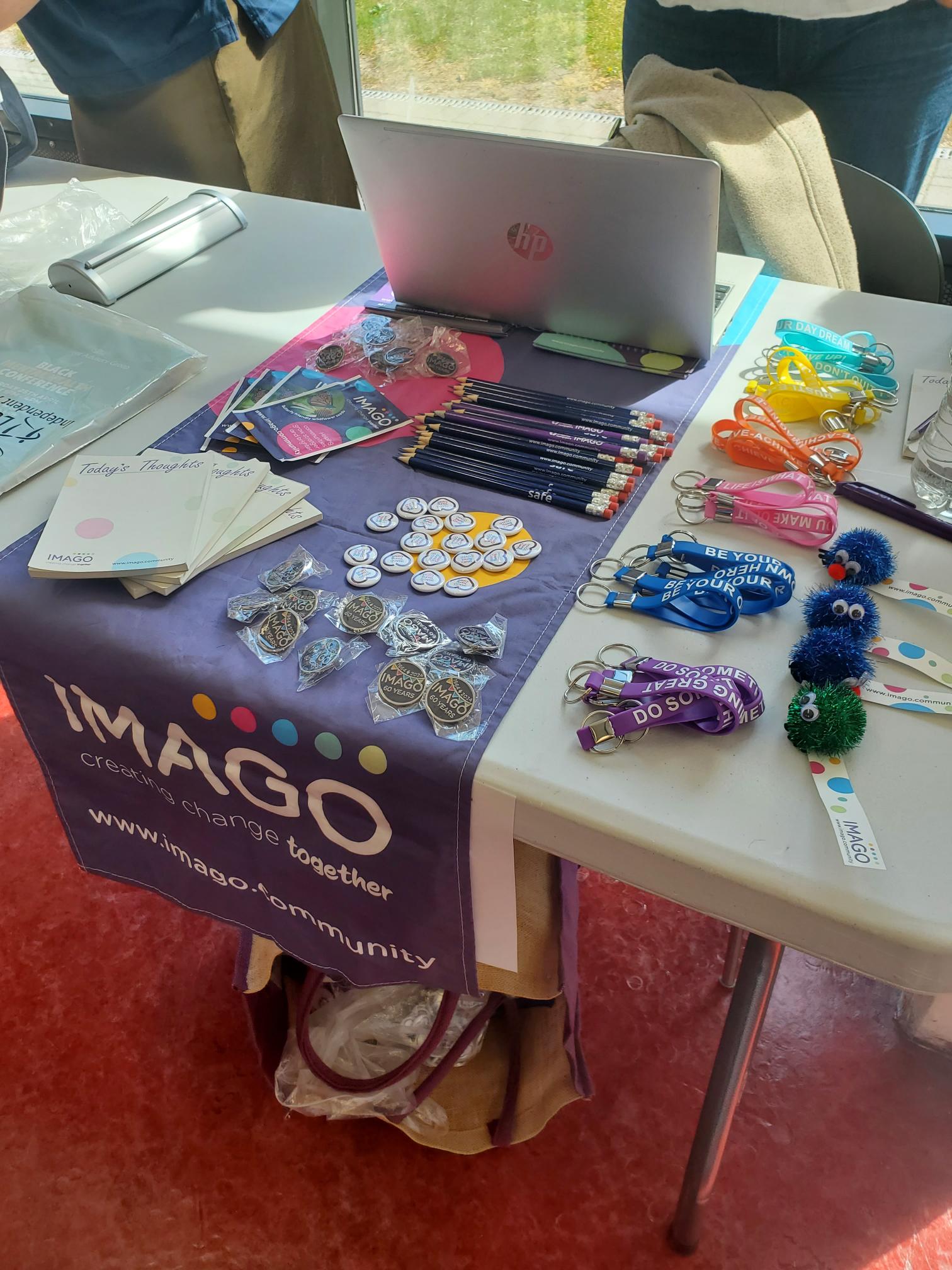
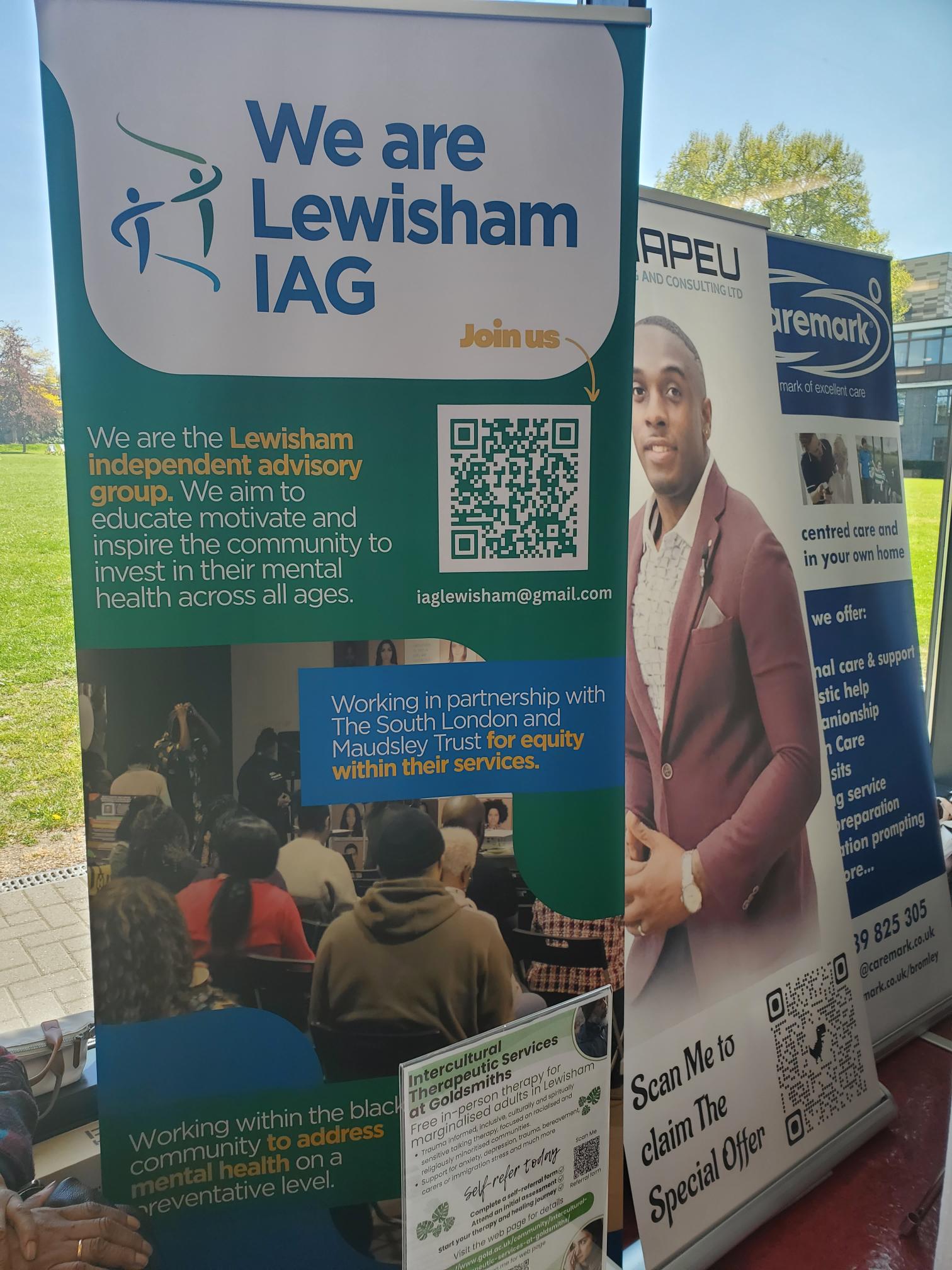
I hosted the “Triangle of Care / Carers UK” stall, which covered support for mental health carers and referial information for carer support.
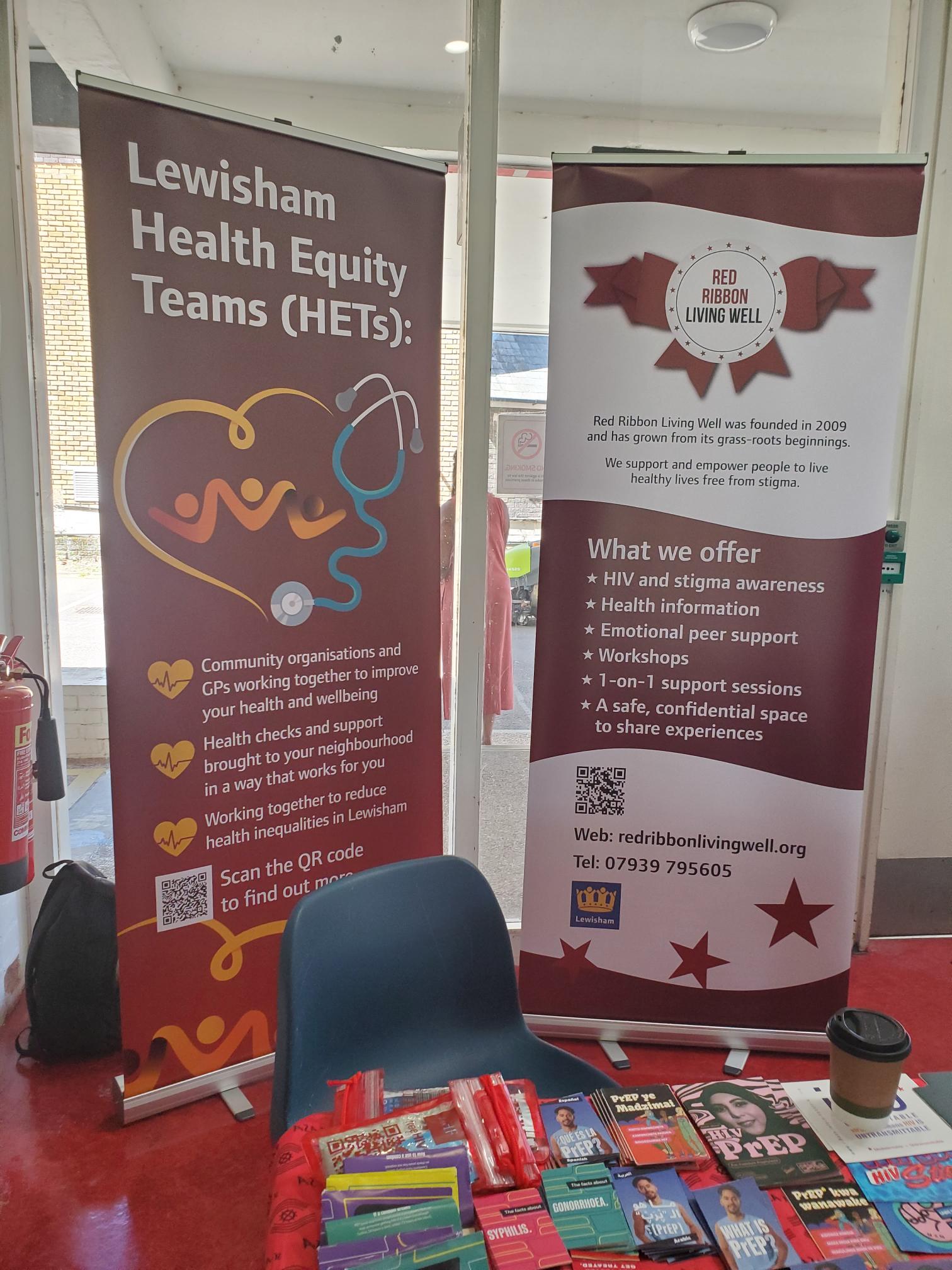
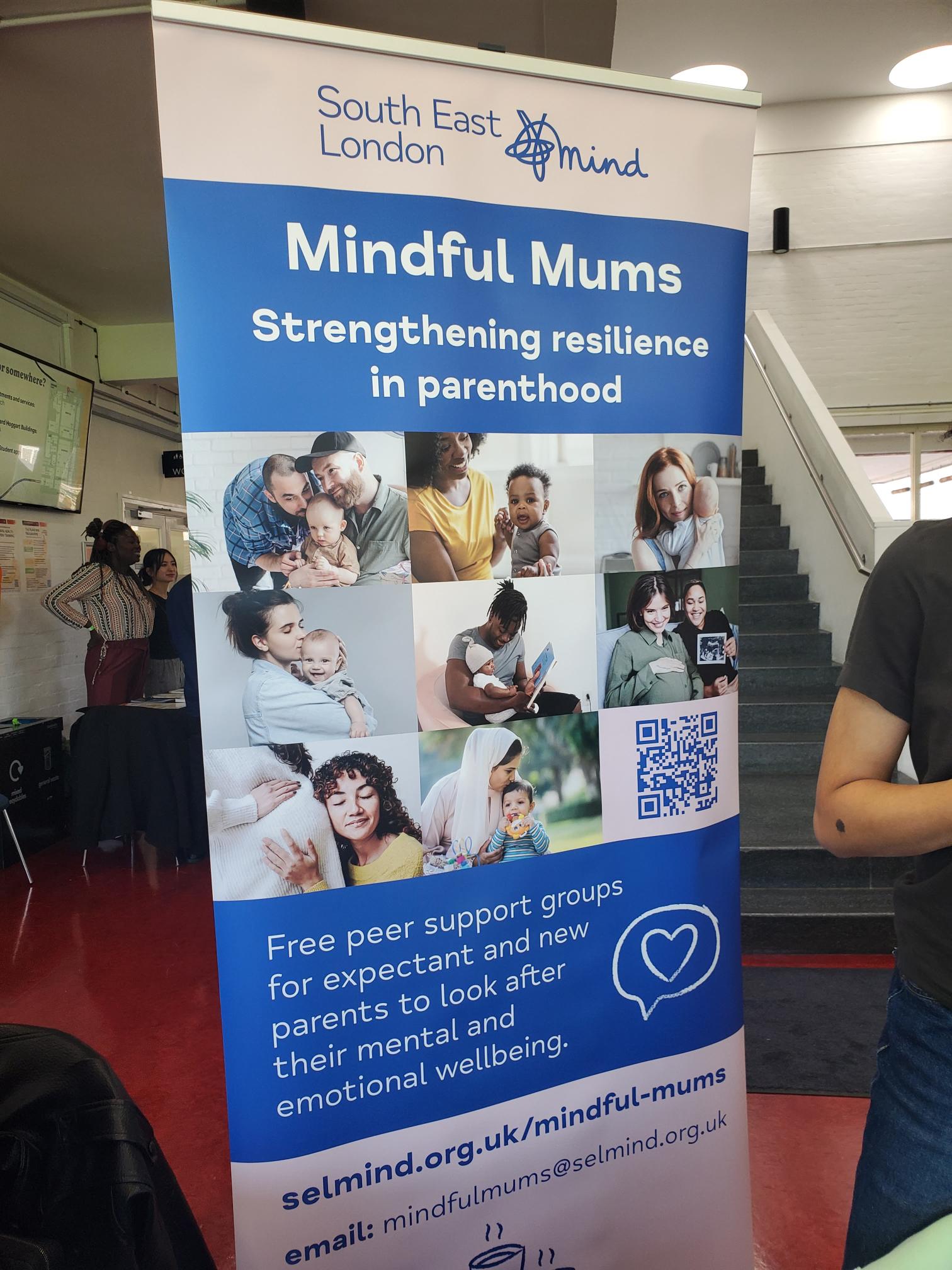
These stalls featured a wide range of organizations including SLAM, Kawaida Therapy, Families and Communities, and Mindful Mums, providing both resources and opportunities for engagement. The atmosphere was energetic and welcoming, reflecting the conference’s mission of care, connection, and community change.
List of stall holders at the conference
Lewisham Independent Advisory Group (IAG) – SLAM PCREF & N2C pilots, community engagement initiatives.
Coco Collective – Blood pressure checks and health equity support through an Italian community clinic.
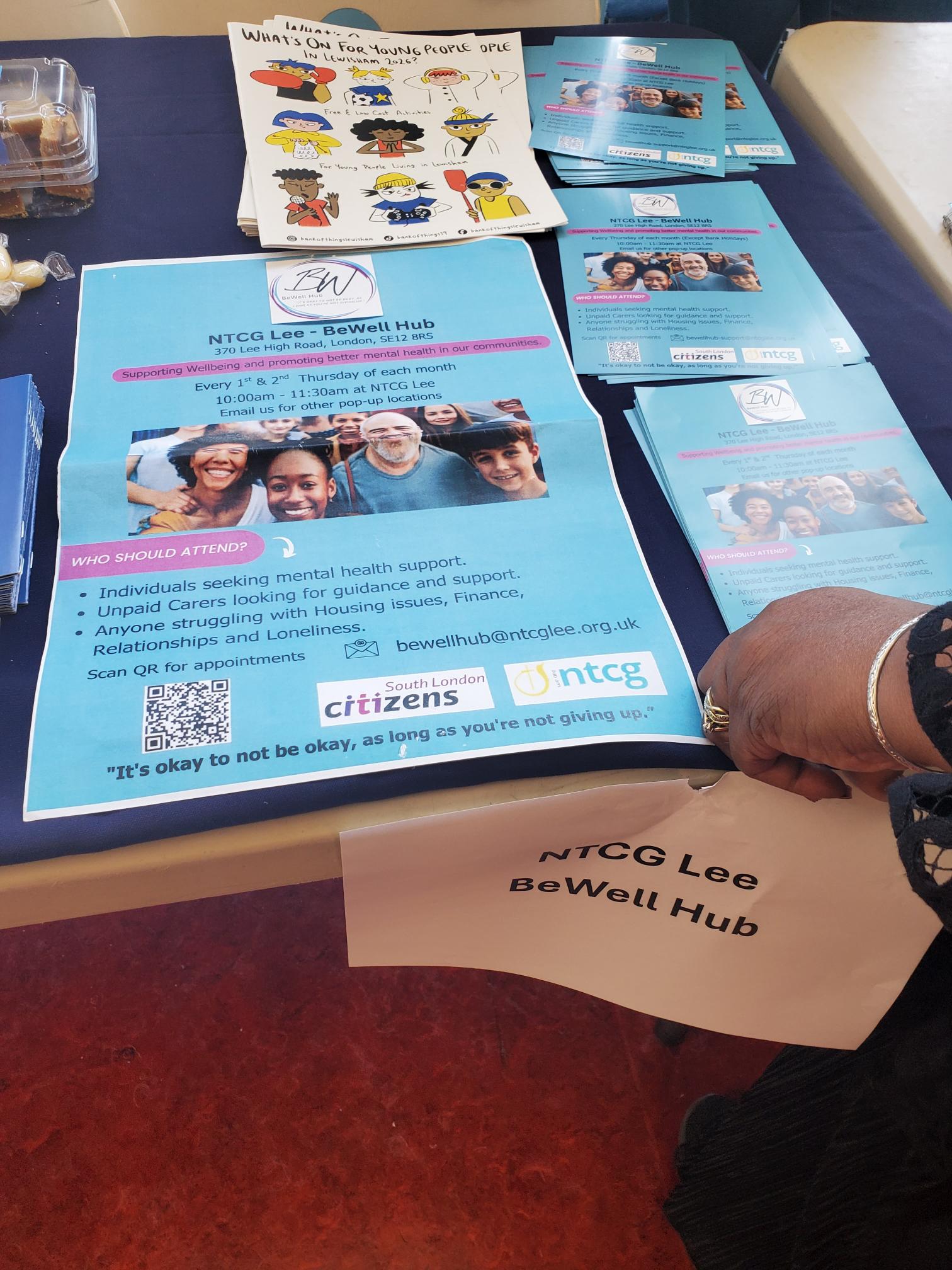
NTCG Lee – BeWell Hub – Mental health support: first aid, signposting, ethnic minority therapy referrals, DWP guidance.
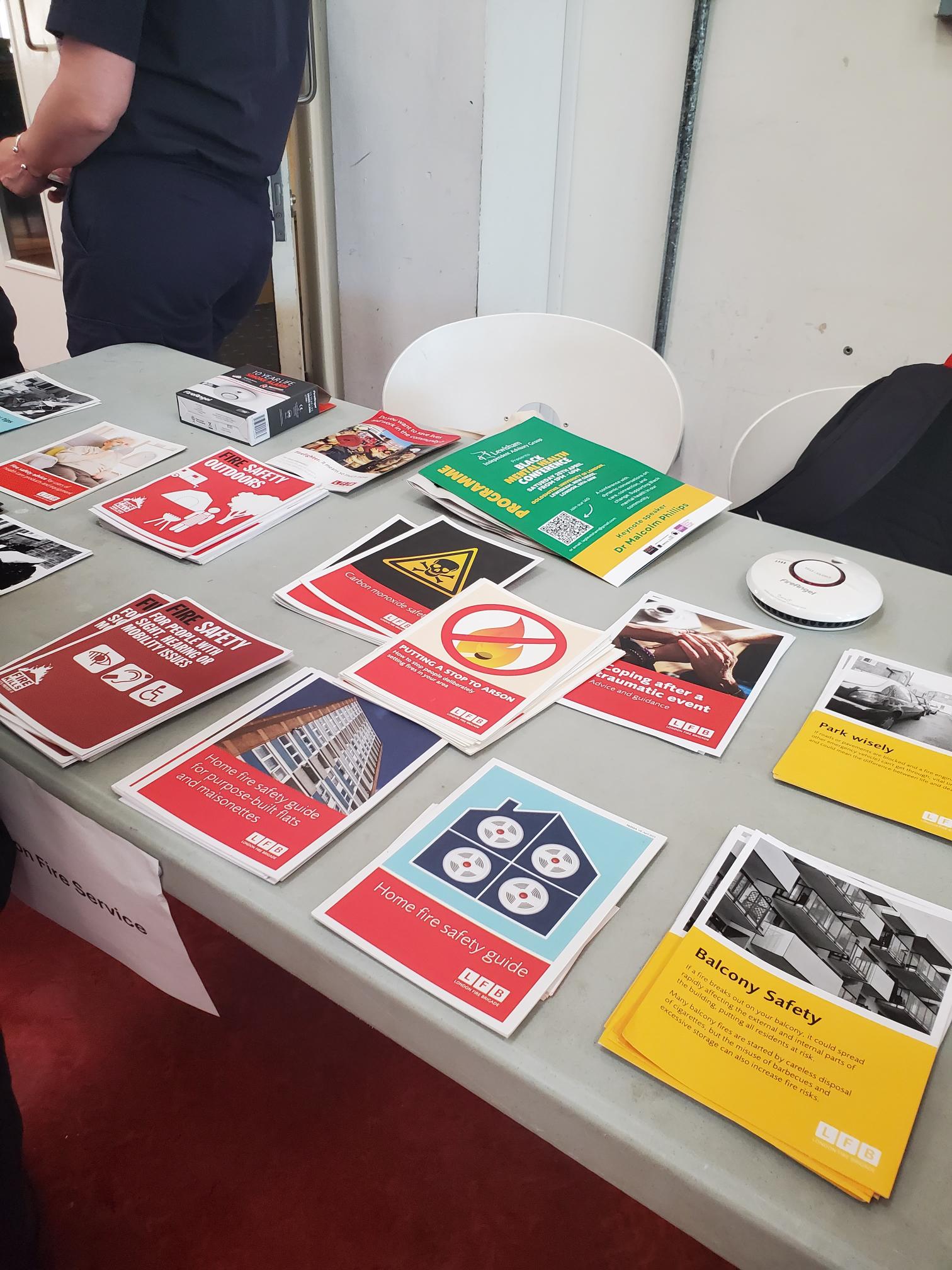
London Fire Service – Provides community safety advice.
Alzheimer’s Society – Support for people with Alzheimer’s and carers, including PCREF / OA partner initiatives.
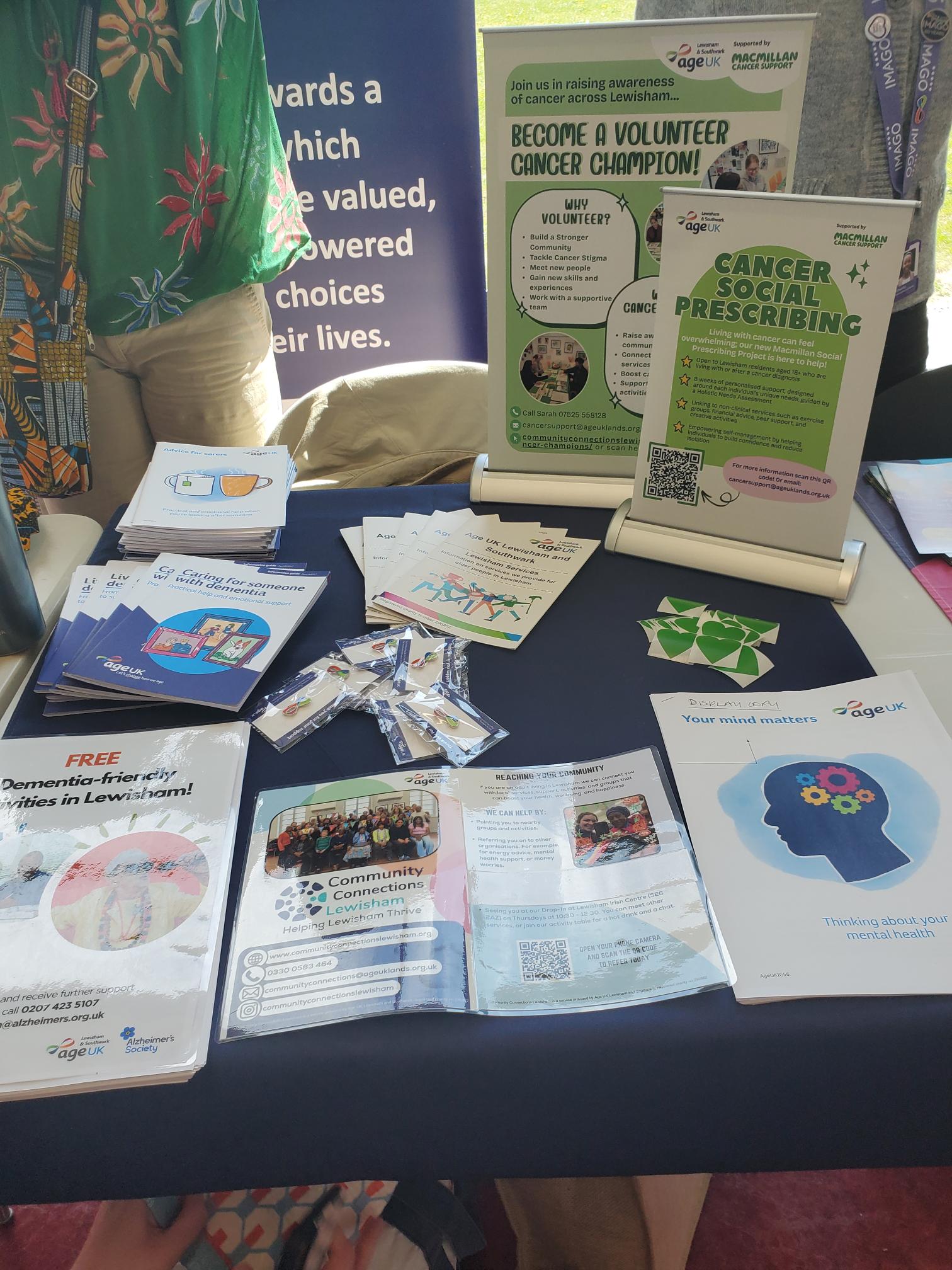
Age UK – Lewisham & MacMillan – Cancer champion services and social prescribing support (PCREF / OA partner).
IMAGO – Lewisham unpaid carers support.
Triangle of Care – Carer peer mental health support.
Occipital Growth CIC – Wellbeing pop-up services.
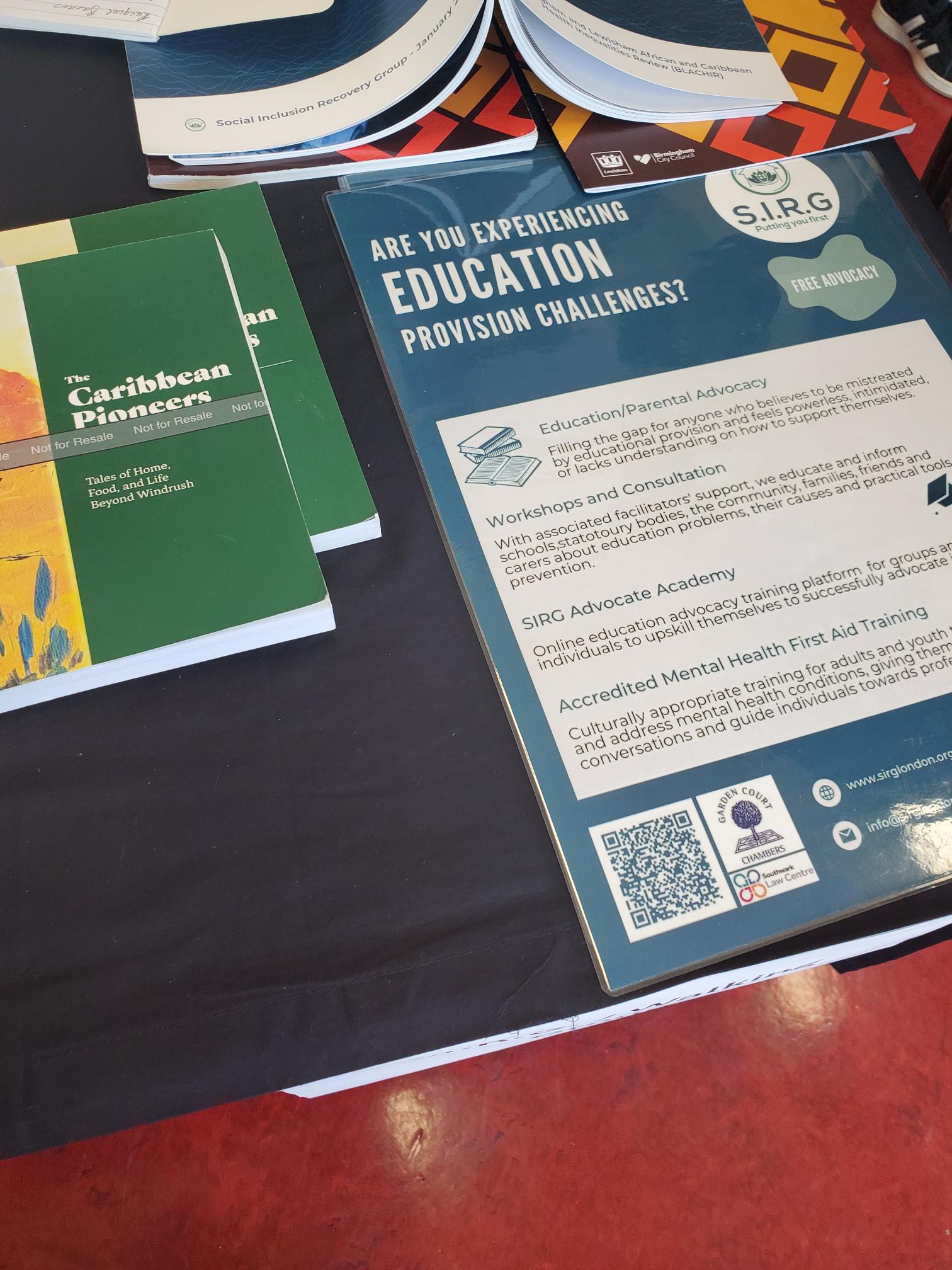
S.I.R.G. / Walking Men’s Group – School support and men’s mental health & wellbeing programs.
BASCA Reminiscence – Showcases reminiscence activities and cultural preservation.
Caremark Care Services – Provides care home services.
RMUK (Rastafari Movement UK) – Focused on tackling food injustice, social isolation, and health inequalities.
In One Piece – Hypnotherapy and career pathways for neurodiverse children.
South-East London Mind – Mindful Mum’s – Wellbeing group for mothers.
Lois Project Women’s Health Education Network – Women’s health education programs.
Red Ribbon Living Well Project – HIV wellbeing and support.
LBVN (Lewisham Black Voluntary Network) – Independent network of Black charitable service leaders and social entrepreneurs.
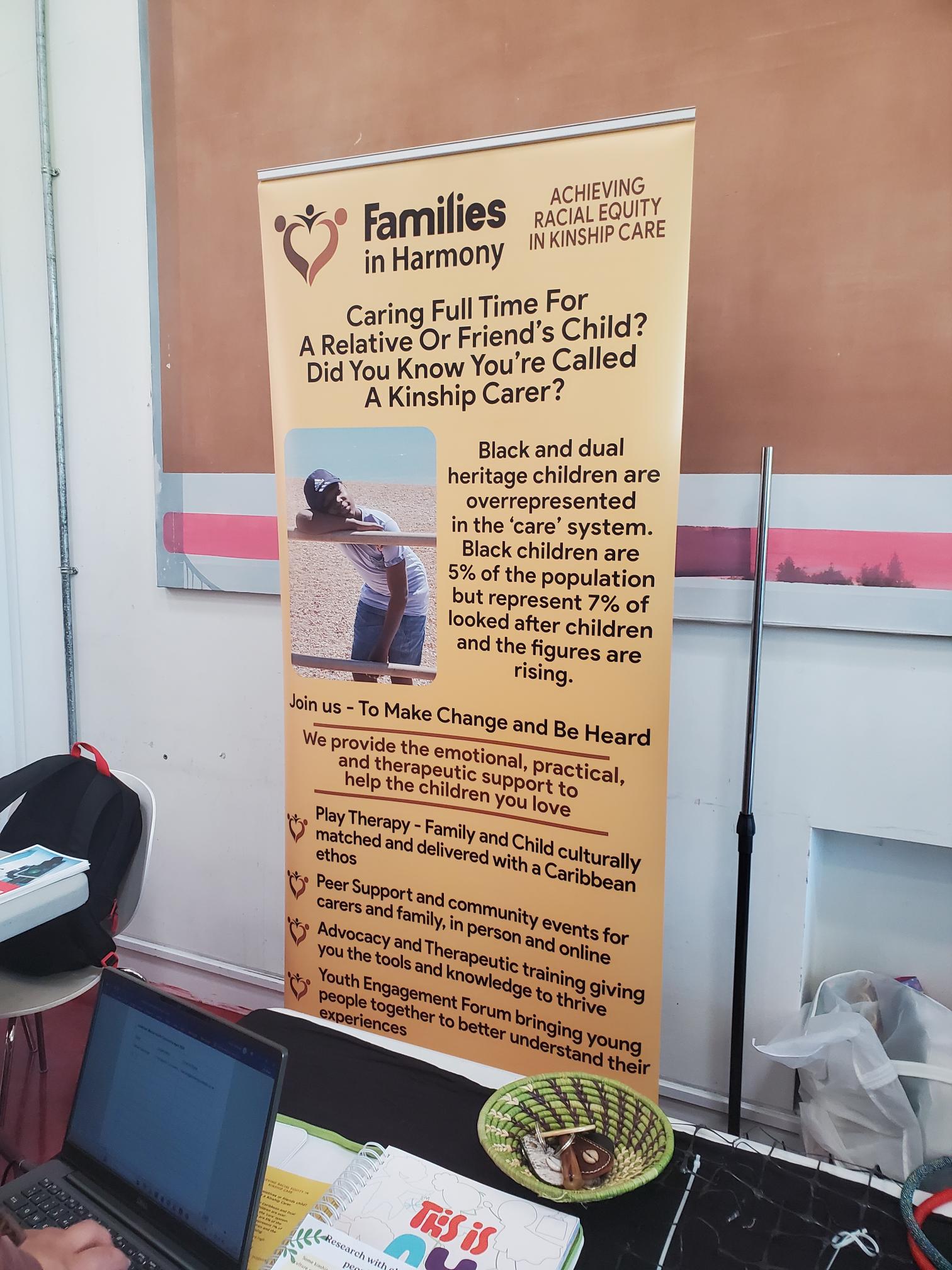
Families in Harmony – Kinship care support services.
Main conference section
The conference was opened by Lloyd Curtis, the MC for the day, who set the tone for an engaging and informative session. Following the introduction, IAG Chairs Michelle Nembhard and Stephen Lawrence presented the work of Lewisham IAG, highlighting their ongoing commitment to addressing disparities in mental health support for the Black community.
Key Sessions and Presentations
The program included several impactful sessions:
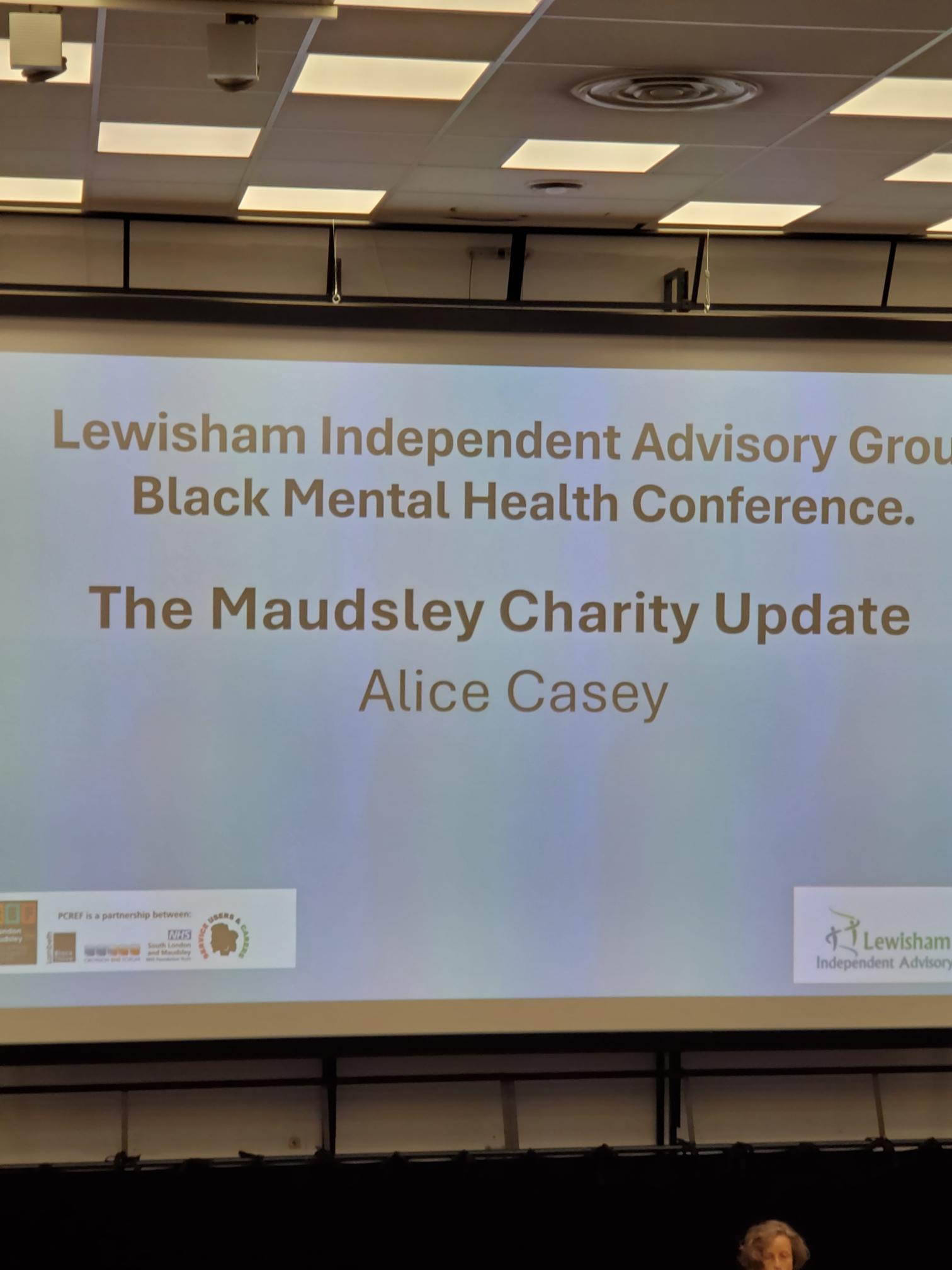
Maudsley Charity Update – Alice Casey from the Maudsley Charity delivered an overview of their programs, emphasizing community support and collaboration with local services.
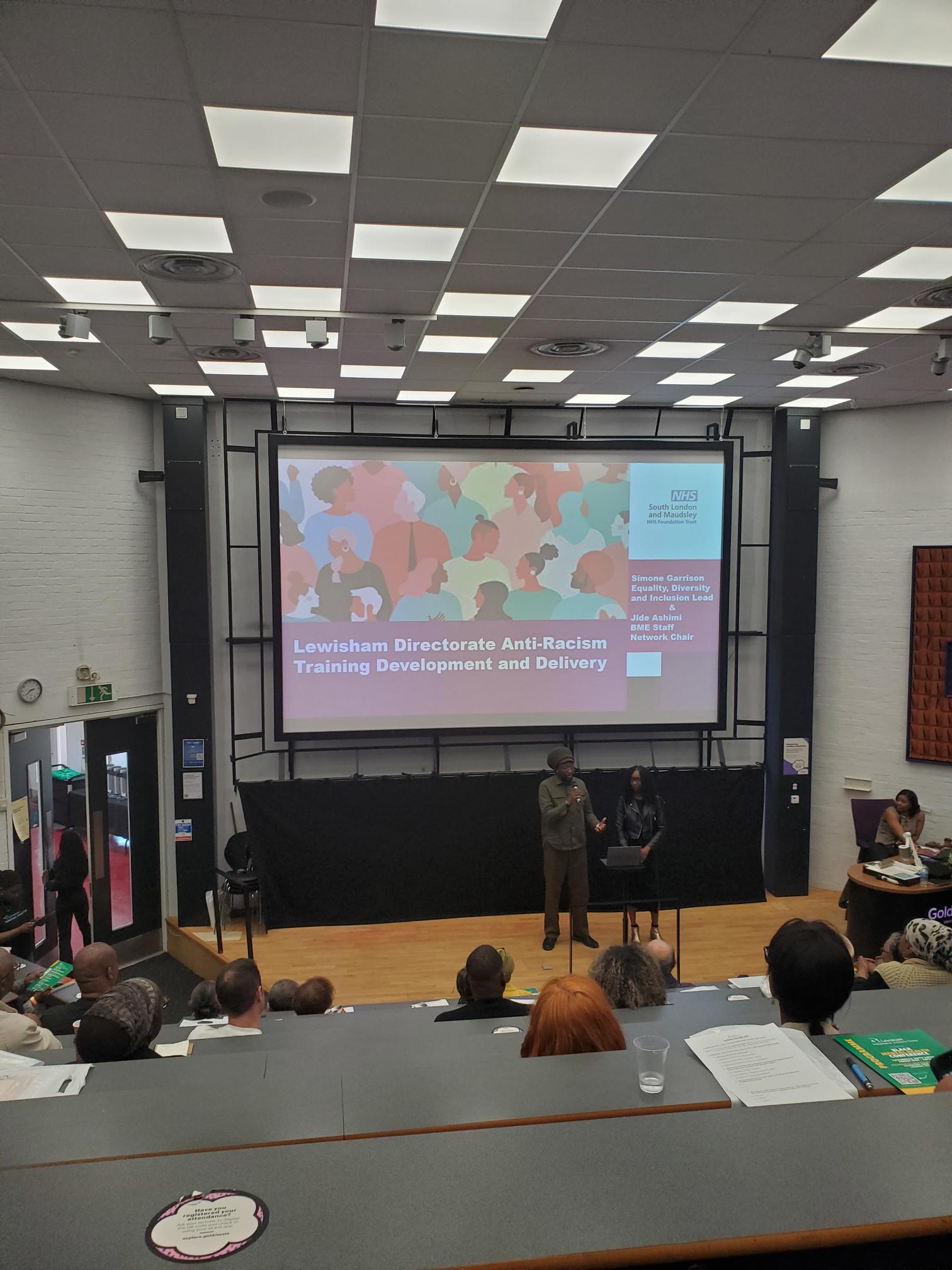
SLAM Anti-Racism Training – Simone Garrison and Jide Ashimi facilitated a session on the delivery of anti-racism training within mental health services, highlighting systemic challenges and practical strategies.
Intercultural Therapeutic Services & LBVN – Beverley Weston and Susan Rowe explored intercultural approaches to therapy, focusing on culturally sensitive practices in mental health care.
A Service Users’ Journey – Katrina Desportes shared insights into the lived experiences of mental health service users, emphasizing the importance of understanding patient perspectives.
Keynote Address: Dr Malcolm Phillips – Kawaida Therapy – Dr Phillips delivered a compelling keynote, exploring strategies for supporting Black mental health, drawing on decades of experience in therapy and community engagement.
Panel Discussion – The conference concluded with a panel discussion featuring Dr Malcolm Phillips, Ade Odunlade, Katrina Desportes, Simone Garrison, Jide Ashimi, and Susan Rowe, providing a platform for dialogue and Q&A with attendees. This interactive session allowed for rich exchanges on best practices, policy challenges, and community-based solutions.
Networking and Community Engagement
After the formal sessions, the event transitioned to food and networking until 4:45 PM, providing attendees an informal space to connect with speakers, organizers, and service providers. The array of stalls allowed participants to take resources, engage with local initiatives, and explore volunteer and support opportunities.
Resources and Takeaways
Attendees left with valuable resources including:
Program booklets detailing session schedules and speaker bios.
Information on local mental health services and community organizations.
Contacts for advocacy, volunteering, and further training.
The conference highlighted the critical importance of community-driven approaches to Black mental health, emphasizing collaboration between service users, charities, and health professionals.
Absolutely! Let’s expand each key session with a more detailed, immersive narrative, based on what attendees experienced, including content, atmosphere, and insights shared. I’ll focus on the sessions you specifically attended, as reflected in the program.
The conference opened with an engaging presentation by Alice Casey from the Maudsley Charity. She provided attendees with a detailed overview of the charity’s initiatives to support mental health within the community, emphasizing collaborative approaches with local organizations.
Alice highlighted key programs, including outreach work for young Black adults, peer mentoring schemes, and community workshops aimed at reducing stigma around mental health. The presentation included personal stories from beneficiaries, which brought an emotional and relatable dimension to the discussion. Attendees appreciated the practical advice on accessing support services and the emphasis on culturally responsive care.
The room was attentive and responsive, with many participants asking thoughtful questions about how local services can be adapted to better meet the needs of diverse communities. This session set the tone for the day: action-oriented, community-centered, and deeply reflective of lived experiences.
2. SLAM Anti-Racism Training Delivery – Simone Garrison & Jide Ashimi (1:35 PM – 1:55 PM)
Next, Simone Garrison and Jide Ashimi led an interactive session on anti-racism training within mental health services. This session was highly participatory, with attendees invited to engage in discussion and reflect on their own experiences of race, discrimination, and systemic barriers.
The presenters outlined how structural racism affects mental health outcomes for Black communities and shared the SLAM model for anti-racism training. This included:
Identifying bias in clinical settings
Implementing inclusive language and practices
Encouraging allyship and peer accountability
One impactful moment was a case study exploring a young Black patient navigating mental health services. Attendees were prompted to consider interventions from multiple perspectives, sparking a dynamic discussion about equity and accessibility. Many participants noted that the session provided practical strategies for advocating within organizations, alongside the theoretical understanding of systemic inequities.
Following this, Beverley Weston and Susan Rowe from the Intercultural Therapeutic Services and Lewisham Black Voluntary Network (LBVN) presented a session focused on culturally adapted therapeutic approaches.
They emphasized the importance of recognizing cultural context in therapy, including family dynamics, faith, and community networks. Key highlights included:
Techniques for building trust with clients from diverse backgrounds
Examples of successful community-led interventions
Strategies for bridging gaps between statutory services and local Black-led organizations
The session included audience reflections on how cultural awareness can improve engagement, reduce dropouts, and foster sustainable mental health outcomes. Participants were particularly struck by the emphasis on strength-based approaches, focusing on resilience and community assets rather than deficits.
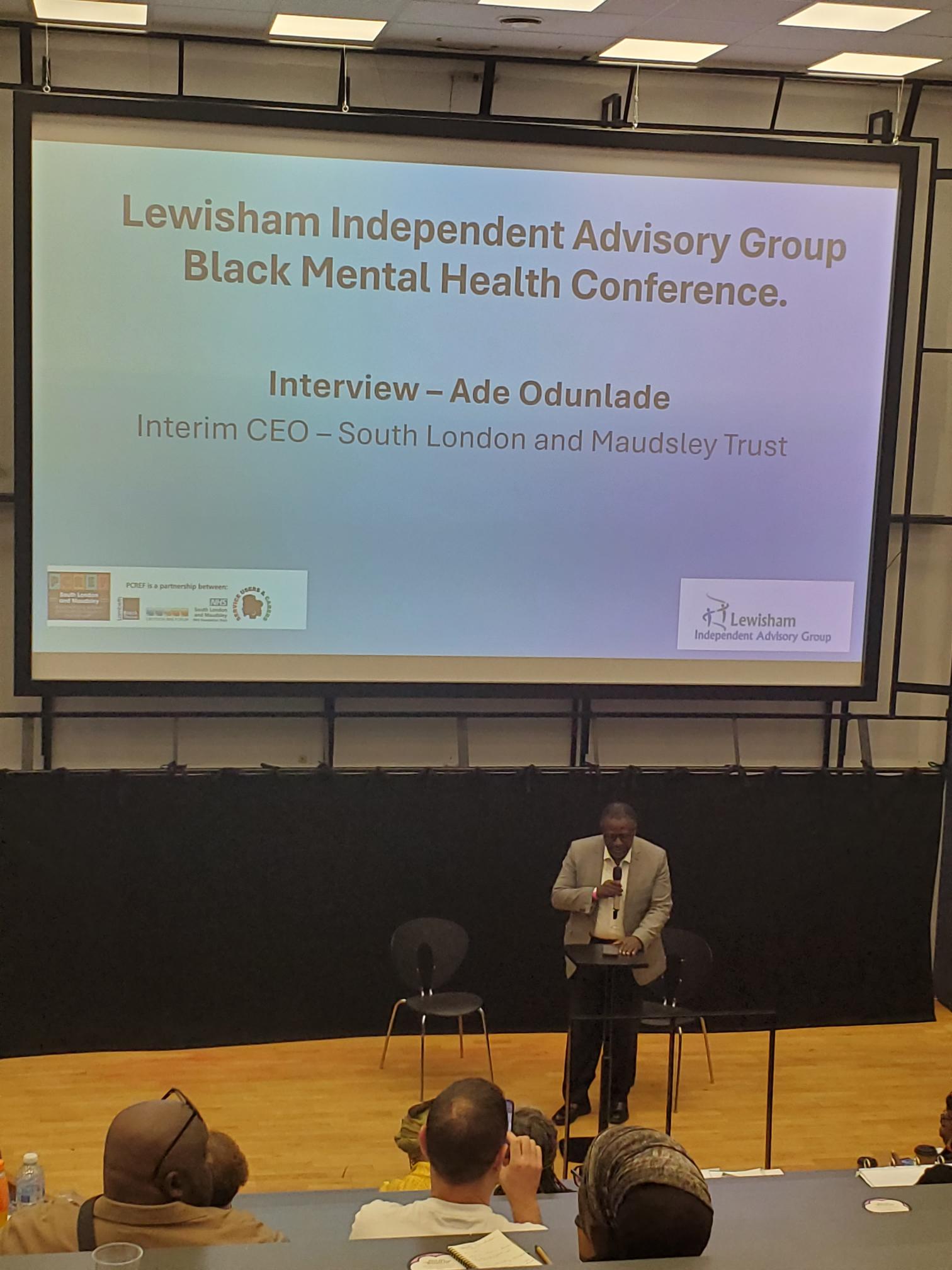
4. interview with the Interim CEO of SLAM (2:15 PM – 2:30 PM)
This session featured an interview with the Interim CEO Ade Odunlade of (South London and Maudsley NHS Foundation Trust), who spoke about:
Organizational vision for equitable mental health services
Current initiatives addressing disparities in care for Black communities
Collaborations with local groups, including Lewisham IAG and other voluntary networks
Commitment to anti-racism training and cultural competency across SLAM services
The interview was informal but informative, giving attendees a direct perspective on how policy and leadership decisions impact service delivery, especially in Black mental health provision. Participants had the opportunity to ask questions and engage with strategic priorities, bridging high-level management insight with the practical experiences discussed in other sessions
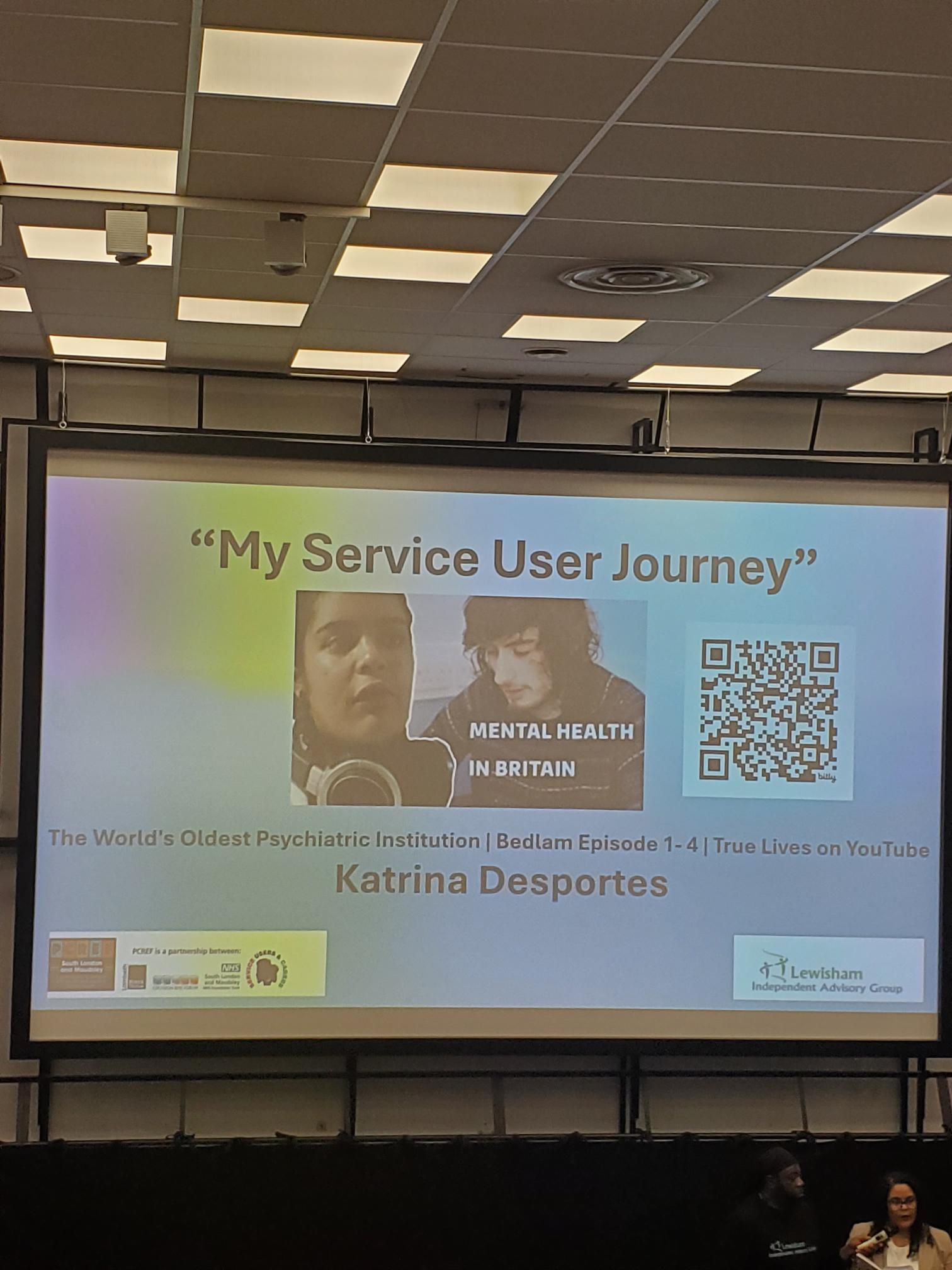
5. A Service Users’ Journey – Katrina Desportes (2:35 PM – 2:45 PM)
Katrina Desportes delivered a deeply personal session, sharing her journey as a service user navigating mental health systems. This session was emotionally resonant, offering first-hand insights into the challenges and triumphs of accessing support as a Black individual.
Katrina spoke about the importance of empathy, clear communication, and patient-centered care, illustrating the human impact behind policies and procedures. She also highlighted barriers such as:
Misdiagnosis and underrepresentation in mental health services
The impact of stigma within families and communities
Limited culturally specific support
Attendees responded with empathy and engagement, asking questions about how systems can better integrate service user feedback and what steps can be taken to empower marginalized voices in decision-making processes.
6. Keynote Address: Dr Malcolm Phillips – Kawaida Therapy (2:55 PM – 3:30 PM)
The day’s keynote by Dr Malcolm Phillips was a highlight, delivering a rich discussion on therapeutic practices that support Black mental health. Dr Phillips drew from his extensive experience with Kawaida Therapy, emphasizing holistic, culturally grounded approaches.
Key takeaways included:
The significance of community-driven therapy models
Integrating African-centered philosophies and traditions into mental health care
Addressing intergenerational trauma and systemic inequalities in healthcare
Dr Phillips used case examples, including stories of young people and families, to illustrate practical techniques and the positive outcomes of culturally aware therapy. The audience was deeply engaged, and the session included interactive Q&A, allowing participants to explore issues like accessibility, stigma, and collaborative interventions.
The conference concluded with a dynamic panel discussion, bringing together speakers from the day to reflect on key themes. The panel tackled questions such as:
How can mental health services better serve Black communities?
What role does community advocacy play in systemic change?
How can lived experience inform service design and delivery?
Panelists emphasized intersectional approaches, acknowledging the compounding effects of race, gender, socioeconomic status, and historical inequities. The discussion was lively and reflective, providing actionable insights for both practitioners and community members.
Reflection
Attending these sessions offered a deep, multifaceted understanding of Black mental health, blending theory, practice, and lived experience. Participants left with:
Practical strategies for culturally competent care
Greater awareness of systemic barriers and solutions
Inspiration to engage with their communities and advocate for equity
The conference successfully balanced education, empowerment, and practical application, making it a landmark event for mental health advocacy in Lewisham.
Conclusion
The Lewisham IAG Black Mental Health Conference successfully combined education, advocacy, and community engagement, creating a meaningful space for dialogue and connection. The event demonstrated that supporting mental health in Black communities requires both systemic change and grassroots collaboration a mission that Lewisham IAG continues to champion.
If you weren’t able to join us for this month’s online forum, you missed a deeply insightful session packed with research updates and honest conversations. As a carer myself, I know how hard it is to find time for these meetings, so I’ve put together this expanded summary to keep you in the loop on the vital work being done for our community.
Meeting Agenda
Welcome and Intro: The role of the Patient Care Race Equality Framework (PCREF).
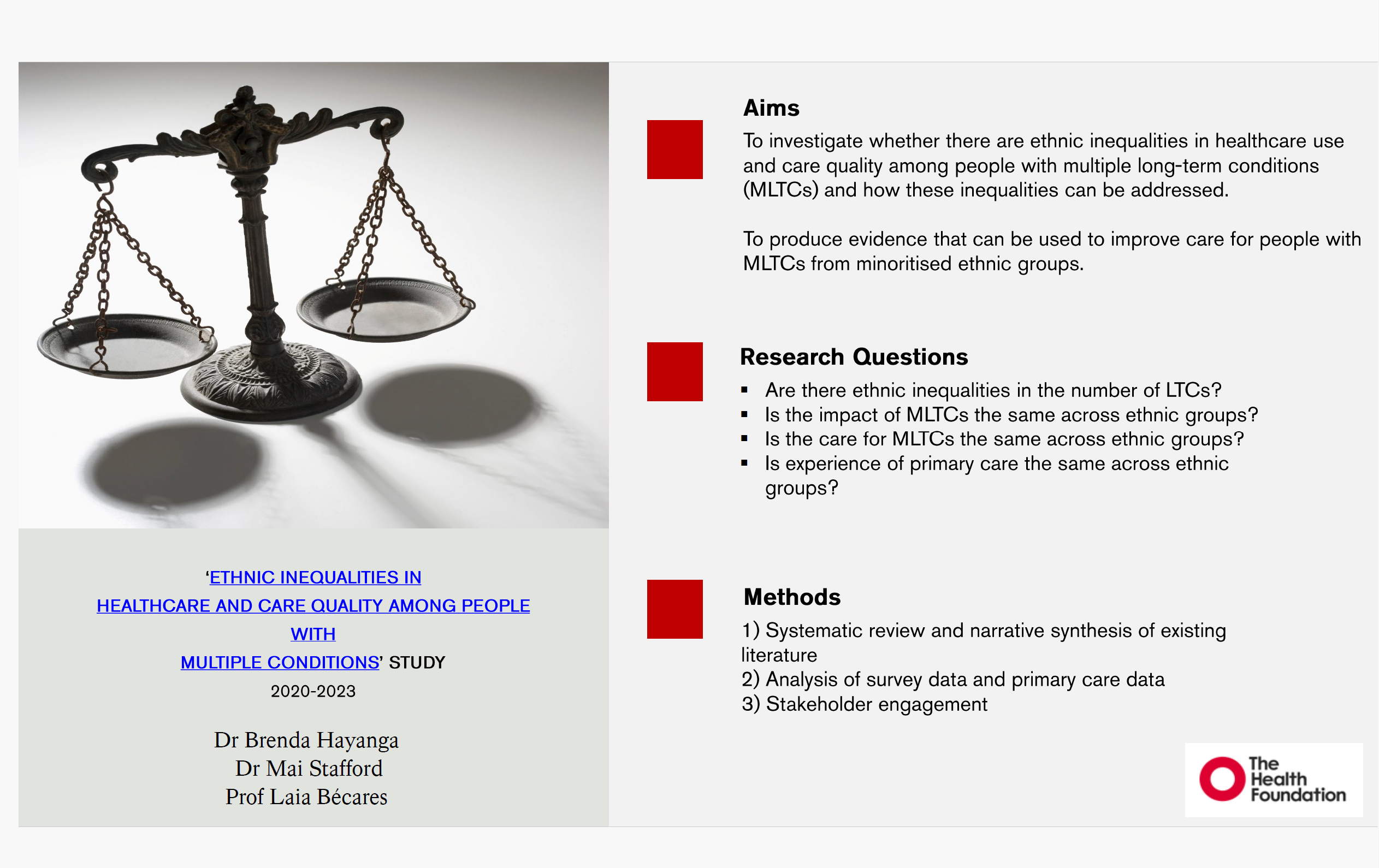
Speaker 1: Brenda Hayaka (King’s College London): Findings on ethnic inequalities in healthcare and the new “Interception” study.
Q&A Session: Addressing dementia stigma, medication, and language barriers.
Spirituality & Faith: Insights from Tuulia Castledine (Chaplain at SWLSTG) on recovery and holistic care.
Speaker 2: Becky Forster (University of Southampton): Supporting carers facing harmful or upsetting behaviors.
Local Advocacy: Healthwatch Croydon’s role in gathering carer feedback.
Closing: “Rooted and Growing” (A PCREF poem).
Key Speaker: Brenda Hayaka – The Interception Project
Brenda shared findings from her previous work on ethnic inequalities and introduced her new study on Multiple Long-Term Conditions (MLTCs).
Brenda Hayaka opened her keynote by sharing the heart behind her work on ethnic inequalities in healthcare. Drawing on her previous research, she described how minoritised ethnic patients and their carers often face significant challenges navigating multiple long-term conditions (MLTCs) with little support or recognition. She emphasized that while global interventions exist for conditions like diabetes and depression, there is a notable gap in UK-based research specifically addressing MLTCs in minoritised communities. This “major evidence gap” became the driving force behind her current study, The Interception Project.
What the Research Shows:
Systemic Disadvantage: Minoritized ethnic groups are disadvantaged from the development to the management of multiple conditions.
Poor Continuity of Care: Many experience poor therapeutic relationships with practitioners.
The UK Evidence Gap: While interventions for depression and diabetes exist globally, Brenda found zero studies specifically targeting MLTCs for minoritized groups within the UK healthcare system.
The “Interception” Study:
The Interception Project uses a creative and collaborative method called journey mapping to trace the lived experiences of patients and unpaid carers. Brenda explained that this approach goes beyond merely collecting data: it seeks to identify the pathways people take when seeking help, the barriers they encounter, and the moments where the healthcare system fails them. By listening deeply and reflecting these experiences back to communities, the research provides actionable insights into improving care quality and equity. The study is expanding beyond London to include Coventry and Manchester, recognizing that every community has unique strengths, challenges, and solutions.
Brenda highlighted that a central aim of the project is to co-create actionable recommendations with communities. These recommendations are intended for NHS leaders, commissioners, and policymakers, ensuring that the voices of carers and patients directly inform service design and delivery. She also spoke about the role of trusted community leaders in building access and overcoming barriers such as language differences, mistrust of institutions, and cultural stigma around certain health conditions. Faith communities, she noted, can play a crucial role not only as support networks for participants but also as partners in research, data collection, and advocacy for change.
Throughout her presentation, Brenda emphasized that understanding the journey of carers and patients requires attention to both systemic and relational factors. Minoritised ethnic groups often experience disadvantages in developing and managing multiple conditions, and poor continuity of care can weaken therapeutic relationships with practitioners. By documenting these experiences in detail, the Interception Project aims to fill the evidence gap and provide a roadmap for more equitable, culturally sensitive care. Brenda closed her keynote by reminding attendees that meaningful equity in healthcare begins when previously invisible experiences are recognized and acted upon—a call to transform insight into change.
Spirituality in Care: Forum Introduction by Matthew McKenze
I had the honor of opening the spirituality segment of the forum, emphasizing the vital role that faith and cultural practices play in supporting carers and patients from minoritised ethnic communities. I framed the discussion around the idea that mental health care cannot be fully effective unless it recognizes the whole person, including their spiritual and cultural identity. I highlighted that carers often draw strength, resilience, and meaning from their faith, and that this dimension is frequently overlooked in traditional mental health services.
I encouraged participants to consider spirituality not as an abstract concept, but as a tangible resource that can inform recovery, foster belonging, and enhance coping strategies. By acknowledging spiritual needs, mental health providers can build trust with communities that have historically experienced marginalization or misunderstanding within healthcare systems. I also set the tone for an open and reflective conversation, inviting attendees to share experiences, insights, and challenges related to integrating faith and mental health support.
By positioning spirituality as both a personal and systemic consideration, the forum aimed to explore how services can better engage with faith perspectives in a respectful, inclusive, and practical way. This introduction laid the groundwork for Tuulia Castledine’s keynote, which delved deeper into the spiritual tools and frameworks that support carers and patients in their mental health journeys.
Spirituality in Care: Insights from Tuulia Castledine (SWLSTG)
We were joined by Tula, a Chaplain from South West London and St George’s (SWLSTG), who led a vital discussion on the spiritual dimension of mental health.
Tuulia highlighted that for many carers and patients, faith is not just a personal practice but a framework through which they make sense of mental health crises. Spirituality often provides a lens for understanding why challenges occur and offers a source of hope, helping individuals navigate uncertainty with resilience.
Beyond offering meaning, Tuulia explained that spirituality can serve as a practical tool in recovery. It provides a “language for recovery” that allows carers and patients to express experiences and emotions that might otherwise be difficult to articulate. This sense of connection fosters belonging and strengthens the psychological resources people draw upon when coping with mental health challenges.
Tuulia also stressed the importance of services adopting what she called “spiritual curiosity.” Mental health professionals are encouraged to engage openly with faith perspectives rather than making assumptions or ignoring them. By integrating spirituality into holistic, person-centered care, services can better meet the needs of minoritised ethnic communities.
Finally, Tuulia highlighted a critical concern: when services fail to acknowledge faith, they risk deepening the mistrust that many minority communities feel toward mental health providers. Recognizing and valuing spiritual needs, she emphasized, is not just compassionate—it is a crucial component of equitable care, fostering trust, understanding, and more effective therapeutic relationships.
Summing up Tuulia’s talk
Making Sense of Illness: For many, faith is how they make sense of why a crisis is happening and where they can find hope.
A Tool for Recovery: Spirituality provides a “language for recovery” and can build resilience and a sense of belonging.
Moving Beyond Assumptions: Tula emphasized that services need to show “spiritual curiosity” and include faith as part of holistic, person-centered care.
The “Mistrust” Gap: When services ignore faith, it can deepen the mistrust minority communities feel toward mental health providers.
Carer Voice: Questions & Feedback
The Q&A session was one of the most powerful segments of the forum, offering an unfiltered view of the real-world barriers faced by carers and minoritised ethnic communities. Participants shared candid experiences, highlighting gaps in current mental health support and pressing for practical solutions.
A professional opened the discussion by addressing the critical issue of language and access. She pointed out that many research projects and healthcare initiatives fail because they do not allocate adequate resources for language interpretation or accessibility for disabled individuals. Without these provisions, vital services and studies inadvertently exclude those who may benefit most, leaving carers and patients marginalized.
A carer contributed a particularly thought-provoking critique regarding medication versus conversation. He challenged the system on why Black men are often prescribed stronger medication for longer periods rather than being offered meaningful dialogue and psychosocial support. This raised an important conversation about the need for culturally sensitive approaches to treatment that value listening, understanding, and relationship-building alongside pharmacological intervention.
The unpaid carer also highlighted the challenge of dementia stigma within older generations of minoritised communities. He described how deeply ingrained cultural perceptions can make it difficult for families to seek early support or even acknowledge the condition, creating additional stress for carers. The discussion emphasized that tackling stigma requires both education and culturally attuned engagement, alongside support networks that respect the values and experiences of carers and patients.
A mental health professional from another mental health NHS trust added a vital perspective on community engagement and trust-building. He emphasized that carers often encounter inconsistent communication from services and a lack of culturally informed support, which can leave families feeling isolated and unsupported. He urged healthcare providers to work more closely with community leaders, faith groups, and carers themselves to co-design services that truly respond to the specific needs of minoritised ethnic communities.
Overall, the feedback session underscored that systemic improvements must be informed by the lived experiences of carers. Their insights illuminated the gaps between policy, research, and practical care, reminding the forum that real change is rooted in listening to and amplifying these voices.
Support for Carers in Crisis
Becky Forster introduced a deeply important new study funded by Marie Curie, focusing on carers who find themselves in extremely challenging and sometimes frightening situations. The research aims to better understand the experiences of carers who have faced harmful, aggressive, or abusive behaviors from the person they care for, particularly at the end of life. Becky emphasized that these situations are often overlooked in traditional guidance, leaving carers without the support or strategies they need to cope safely and effectively.
The study seeks to gather real-life experiences from carers, acknowledging that their insights are invaluable in shaping practical and compassionate guidance for healthcare providers. Becky explained that the goal is not only to document these difficult experiences but also to translate them into actionable tools and recommendations for the NHS, ensuring that carers receive timely support, protection, and training when dealing with complex end-of-life care scenarios. By centering the voices of those who have lived through these crises, the project hopes to reduce isolation, increase safety, and enhance the wellbeing of carers facing some of the most emotionally and physically demanding circumstances.
Becky encouraged attendees to participate and share their stories, reassuring them that contributions would remain confidential and that their experiences could directly influence policy and practice. This initiative highlighted the critical need for systemic recognition of carers’ emotional and practical needs, ensuring that they are not left to navigate trauma and stress alone. The session reinforced that understanding, guidance, and compassionate support are essential for carers’ resilience and for providing safe, dignified care to those at the end of life.
Croydon Healthwatch
We concluded the forum with an important reminder from Anna of Healthwatch Croydon, who emphasized that anyone in England has the right to provide anonymous feedback on their care. Anna highlighted that this is more than a formal process, it is a powerful tool for carers, patients, and communities to have their voices heard. By sharing experiences of both excellent and inadequate care, individuals can directly influence how services are shaped, highlight gaps in provision, and push for improvements where they are most needed.
Anna also underscored that feedback plays a crucial role in holding policymakers and healthcare leaders accountable. When carers and patients report their experiences, patterns of inequality, or systemic barriers, it creates evidence that decision-makers cannot ignore. This feedback is particularly vital for minoritised ethnic communities, where historical mistrust and underrepresentation have often left issues unaddressed. She encouraged all attendees to see feedback not as a bureaucratic exercise, but as an instrument of empowerment, helping to drive change at both local and national levels.
I closed the session with my poem “Rooted and Growing,” celebrating that we don’t have to lose our identity to get the care we deserve.
The March session of the National Ethnic Mental Health Carer Forum brought together carers, researchers, NHS professionals and community organisations for a conversation that felt both familiar and urgent.
Chaired by Matthew McKenzie, the forum stayed rooted in what it does best: creating a national grassroots space where lived experience meets systems, and where difficult truths are not avoided.
The agenda reflected that balance clearly:
10:35 – Professor Saffron Karlsen (University of Bristol)
11:20 – King’s College London (Phoebe Averill & team)
11:50 – Parliamentary and Health Service Ombudsman
12:00 – Thomas Ince – Universal Care Plan
Racism and Mental Health: Naming What We Already Know
Professor Saffron Karlsen opened the forum with a presentation that didn’t just describe inequality it explained how it is produced, sustained, and experienced in everyday life.
Drawing on over 30 years of research, Professor Saffron Karlsen is a sociologist at the University of Bristol whose research examines how racism and social inequality affect health, particularly within ethnic minority communities.
she spoke about racism not as a single act or incident, but as something woven into the fabric of society. It operates quietly and persistently, through institutions, through policies, through media narratives, and through the ways people interact with one another. The effect is cumulative. It builds over time, shaping not just opportunities, but health itself.
What made the presentation particularly powerful was how it connected these structural ideas to real human consequences. Racism was described as something that works on multiple levels at once: from overt abuse or violence, to the less visible but equally damaging experience of simply knowing that you live in a society where you may be treated unfairly. That awareness alone carrying the expectation of discrimination creates a constant undercurrent of stress and anxiety.
She explained how this stress doesn’t just sit in the mind. It translates into physical outcomes. People exposed to racism are more likely to experience anxiety, depression, and long-term distress, but also physical health inequalities such as cardiovascular disease. These outcomes are often misunderstood or misrepresented. Too frequently, they are explained away as lifestyle issues diet, exercise, personal choice without recognising the deeper social conditions that shape those behaviours in the first place.
A particularly striking part of the presentation focused on how people respond to these pressures. When individuals feel powerless to change their circumstances, they may turn to coping mechanisms smoking, drinking, or withdrawing from services. These responses are then judged in isolation, rather than understood as part of a wider context. In this way, the system not only fails to address the root causes but can end up reinforcing blame on the individual.
Perhaps the most important insight came when the discussion turned to healthcare itself. Even when services are available, they are not always experienced as safe or trustworthy. Saffron shared research showing that people may avoid seeking help not necessarily because of direct negative experiences, but because of what they have seen and heard about racism more broadly. The perception of risk becomes enough to keep people away.
One example described a woman who, during the COVID period, chose to avoid hospital care entirely. Her decision was shaped by what she had seen in public discourse and online reactions to racial justice movements. It left her feeling that she could not trust how she would be treated. This kind of anticipatory fear of not being treated with dignity or fairness adds another layer of stress to an already difficult situation.
The presentation also challenged the way healthcare systems understand illness. Many services still operate within a narrow biomedical framework, focusing on symptoms and diagnoses while overlooking the social realities that contribute to them. For people from marginalised communities, this can lead to experiences where their perspectives are dismissed or misunderstood. They may try to explain how racism, housing, poverty, or life circumstances have shaped their health, only to find those explanations sidelined.
This is where the concept of “epistemic injustice” becomes important, although Saffron didn’t dwell on jargon, the meaning was clear. It is about whose knowledge counts. When patients and carers are not listened to, or when their experiences are not taken seriously, care becomes something done to them, rather than with them. For many, this is not just frustrating it is re-traumatising.
Professor Saffron also showed a video – Nilaari delivering hope A community mental health provider for people of colour, which you can watch below.
1. “You’ve explained the problems, but what are the solutions?”
Answer: Saffron acknowledged that addressing racism at its root is complex and long-term, but highlighted practical steps:
Services must be co-produced with people who have lived experience
Communities need to be actively involved in decision-making spaces
Grassroots and voluntary organisations should be:
properly funded
meaningfully included in policy and service design
She emphasised that change should be done with communities, not to them, and that learning from effective third-sector approaches is key.
2. “Do you look at drug and alcohol use as part of racism-related issues?”
Answer: Yes, but not in the way systems often frame it.
Saffron explained that:
Substance use is often a response to difficult life experiences, including racism and poverty
Systems tend to treat it as an individual problem, rather than understanding the wider causes
These behaviours can reflect a lack of:
support
options
alternative coping mechanisms
She stressed the importance of shifting away from blame and towards understanding context.
3. “Is trauma-informed care part of the solution?”
Answer: Trauma-informed care is important, but not sufficient on its own.
Saffron highlighted that:
Current models of trauma-informed care can be too narrow
They often fail to fully account for:
systemic racism
structural inequalities
Services also need to recognise that they themselves can contribute to trauma
She suggested that trauma-informed approaches must be:
culturally sensitive
shaped by different communities’ understandings of trauma
4. “What do you mean by ‘racism is a virus’?”
Answer: Saffron used this idea as a metaphor.
She explained that:
Racism spreads and reproduces across society, much like a virus
It moves through:
institutions
policies
social interactions
It grows and reinforces itself over time
At the same time, she used this idea to challenge overly individualised thinking—highlighting that racism is structural, not just personal.
King’s College London: When Crisis Care Comes Too Late presented by Phoebe Averill.
After the earlier discussion on racism and inequality, the presentation from King’s College London brought the conversation into something more immediate what actually happens when someone reaches crisis point and needs urgent mental health support.
Phoebe Averill and her team focused on pathways under the Mental Health Act, but what emerged wasn’t a technical discussion. It was a picture of a system that often struggles at the exact moment it is supposed to respond.
They began by looking at the period just before crisis. In many cases, there are early warning signs. Carers and families notice changes subtle at first, then more obvious. They often try to raise concerns early, hoping intervention might prevent things from escalating. But too often, those early signals are not acted on.
By the time the system responds, the situation has already deteriorated.
The research highlighted that delays are not caused by a single issue, but by a combination of pressures within the system. These include:
shortages in hospital beds
fragmented coordination between services
breakdowns in communication across teams
While these explanations are familiar, the impact of them feels anything but routine. During the waiting period, people do not remain stable. They become more unwell, more distressed, and more at risk. What could have been addressed earlier becomes a crisis that is harder to manage.
One of the most striking parts of the presentation was the focus on what happens in that gap between “something is wrong” and “help arrives.” That space is where much of the pressure shifts onto carers.
Carers described being left to manage situations that are escalating in real time. They are expected to keep someone safe, to monitor behaviour, and to absorb the emotional weight of what is happening all while waiting for services to respond. In some cases, this can last days or even weeks.
This isn’t a formal role, and it’s not one carers are prepared for. It’s something they step into because there is no alternative.
The consequences of these delays don’t end when care finally arrives. By that point, the impact can already be significant. The research pointed to outcomes such as:
worsening mental health leading to longer hospital stays
increased risk of avoidable harm during the waiting period
disruption to housing, employment, and relationships
In other words, the delay itself becomes part of the problem, shaping what happens next.
Another important thread running through the presentation was the role of carers’ knowledge. Carers are often the first to recognise when something is changing. They understand patterns, triggers, and early warning signs in a way that professionals may not see immediately. Yet this insight is not always taken seriously or acted upon.
The result is a system that tends to respond late rather than early intervening at crisis point, rather than preventing it.
The KCL team were clear that their research is trying to address this gap. They spoke about building a lived experience advisory group and involving carers and service users directly in shaping the work. There was a clear intention to move beyond observation and towards something more collaborative, where lived experience informs how the research develops.
At the same time, there was a quiet recognition in the room that much of this is not new. Similar issues have been raised repeatedly over the years. The difference here was not the discovery of the problem, but the clarity of where it sits in that critical moment where response is needed, and the system is slow to act.
Placed alongside the earlier discussion on racism, this presentation added another layer of understanding. It showed how broader inequalities are not abstract—they play out in very real ways at the point of crisis. Where trust is already fragile, delays make it harder to engage. Where carers are already stretched, the system’s response can increase that pressure rather than relieve it.
By the end of the session, one idea stood out clearly: this is not just about whether care is available. It is about whether it comes at the right time, whether the right people are listened to, and whether the system is able to act before situations reach breaking point.
Parliamentary and Health Service Ombudsman: When Accountability Feels Out of Reach
The next presentation of the forum came from the Parliamentary and Health Service Ombudsman team, who joined to explain how carers and families can raise concerns when NHS care goes wrong.
On the surface, this was a session about process how complaints move through the system and when the Ombudsman becomes involved. But as the discussion unfolded, it became clear that this was really about something deeper: whether accountability is genuinely accessible to carers in practice.
The team described their role as an independent body that steps in once local complaints processes have been completed. In theory, the pathway is clear. Before approaching the Ombudsman, people are expected to go through several stages:
raise concerns with the service directly
receive a formal response, often referred to as the “final response letter”
only then escalate the complaint for independent review
What sounds straightforward on paper quickly became more complex when viewed through lived experience.
Carers shared how difficult it can be to even reach that final stage. The process can take months, sometimes longer, and often requires sustained effort just to keep it moving. Following up, chasing responses, and navigating unclear communication becomes part of the experience.
One comment in the chat captured this reality clearly:
“It can be hard to get to the point of getting a final outcome letter… the amount of advocacy and chasing that needs to happen…”
Another highlighted how far removed the process can feel from everyday awareness:
“It takes far more than 12 months to even come into awareness…”
In response, the Ombudsman team acknowledged that delays particularly at the final response stage are common. They explained that in some cases, where delays are extreme, they may contact organisations directly, and they encouraged people to use their helpline for guidance when processes stall.
But even with that support, there was a sense in the room that the system places a significant burden on those trying to access it. By the time someone considers making a complaint, they are often already dealing with the aftermath of a difficult experience. Adding a lengthy and sometimes frustrating process on top of that can feel overwhelming.
The conversation also turned to accessibility. Questions were raised about language, digital access, and the assumptions built into how information is shared. Not everyone engages with systems in the same way, and not everyone finds it easy to navigate written guidance or formal processes.
Participants pointed out that some communities may never reach the complaints stage at all—not because issues don’t exist, but because the pathway itself is difficult to access.
This was reflected in a simple but powerful comment:
“We are assuming that everyone reads…”
There were also wider reflections about how systems could better meet people where they are, including:
making information available in more accessible formats and languages
reaching people through community networks, not just formal channels
Even within this practical discussion, the themes from earlier in the forum remained present. Trust, accessibility, and lived experience all shaped how people understood the complaints process.
Placed alongside the earlier presentations, this session added an important dimension. If the system fails as described in the discussions on racism and crisis care—then the ability to challenge that failure becomes critical. But if the route to accountability is difficult to navigate, many experiences may never be formally recognised.
What emerged was not a rejection of the Ombudsman’s role, but a recognition of the gap between what exists and what is accessible.
Because accountability is not just about having a process in place. It is about whether people can realistically use it especially at a time when they may already be stretched, exhausted, and navigating multiple pressures.
Universal Care Plan and Carer Contingency Planning Update
The final contribution to the forum came from Thomas Ince, introducing the Universal Care Plan often referred to as UCP. After the earlier discussions on racism, crisis care, and accountability, this felt like a shift towards something more practical: what the system is trying to build in response to the gaps carers have been describing.
At its core, the Universal Care Plan is a digital tool designed to allow people to record and share information about their care. It sits within the NHS App and is intended to bring together health, social care, and voluntary services around a shared understanding of a person’s needs and preferences.
Thomas described how the system has evolved over time. It began with a focus on end-of-life care, making sure that a person’s wishes could be accessed quickly by professionals such as ambulance crews. It then expanded into areas like sickle cell crisis planning and is now being extended further to cover a wider range of conditions and situations.
The direction of travel is clear: moving from a professionally controlled system towards something more person-owned, where individuals can enter their own information and shape how their care is understood.
A Tool That Centres “What Matters to You”
One of the key features Thomas highlighted was a section within the plan that allows people to describe themselves in their own words. Rather than being defined only by diagnosis or clinical notes, individuals can record what matters to them information that can then be seen by anyone involved in their care.
In principle, this is a shift towards more personalised and human-centred care. It offers a way to capture context, preferences, and lived experience in a system that often reduces people to categories.
But for this forum, the most significant element was something more specific.
The Carer Contingency Plan
Thomas introduced a feature that immediately resonated with the group: the carer contingency plan.
This allows carers to record what should happen if they are suddenly unable to provide care. For example:
if they become unwell or need urgent medical attention
if there is a sudden change in their circumstances
In those situations, the system can alert professionals to the fact that someone is dependent on that carer and provide information about what support is needed.
For many carers, this addressed a very real and often unspoken concern: what happens to the person they care for if something happens to them?
The idea that this information could be visible across services—rather than held informally or not at all felt like a meaningful step.
From Concept to Reality: The Challenge of Engagement
While the tool itself was broadly welcomed, the discussion quickly moved beyond what it does to how it will actually be used.
Thomas was open about the current stage of development. Although the system is available, it remains largely driven by professionals, with limited public awareness. One of the key aims now is to shift towards wider engagement encouraging people to take ownership of their care plans and input their own information.
This raised an important question in the room: how do you introduce a digital solution into communities where trust in services is already fragile?
Participants pointed out that many people particularly from ethnic minority backgrounds—do not engage easily with primary care systems. If the entry point to the Universal Care Plan is through those same systems, there is a risk that the people who could benefit most may not use it at all.
Suggestions began to emerge organically from the group, reflecting a more community-led approach:
working through carer centres, peer groups, and local networks
engaging cultural organisations and community leaders
using spaces where trust already exists, rather than relying solely on formal channels
There was a clear sense that communication could not be an afterthought. It needed to be built into the design of how the tool is introduced.
Language and Accessibility: A Tension Exposed
One of the most striking moments in this section came when language accessibility was discussed.
At present, the NHS App and therefore the Universal Care Plan is only available in English (and Welsh). Thomas acknowledged that this is a limitation and that while there are conversations about future solutions, no immediate changes are in place.
This prompted a strong reaction from participants. There was frustration that a tool described as “universal” could exclude large sections of the population from the outset. For some, this was not just a technical issue but a reflection of a wider pattern—systems being designed without fully considering the diversity of the communities they serve.
It brought the discussion back to a familiar theme from earlier in the forum: inclusion cannot be added later, it has to be built in from the beginning.
A Step Forward With Conditions
Despite these concerns, there was recognition that the Universal Care Plan has real potential.
The idea of having:
shared, accessible information across services
visibility of carers and their responsibilities
a contingency plan that reduces risk in emergencies
addresses issues that carers have been raising for years.
But the conversation made it clear that the success of the tool will depend on more than its functionality. It will depend on whether people:
know about it
trust it
can access it
and feel that it reflects their needs and realities
Without that, there is a risk that it becomes another well-intentioned solution that doesn’t reach the people it was designed for.
Placing It in the Wider Conversation
Coming at the end of the forum, this presentation connected in an important way to everything that had been discussed earlier.
Where Saffron’s presentation explored the structural roots of inequality, and the KCL research showed how system delays affect people in crisis, the Universal Care Plan represented an attempt however early to respond to those issues in practice.
But it also revealed the ongoing challenge.
Because even when new tools are introduced, they are still shaped by the same system dynamics: questions of trust, access, communication, and inclusion do not disappear they simply take new forms.
On 25th February 2026, I had the privilege of speaking at the Carers’ Forum hosted by Involve Kent.
Involve is a voluntary sector infrastructure organisation in Kent that supports unpaid carers by providing information, advice and practical help to make caring more manageable.
They organise regular carers’ forums and events where carers can meet each other, access specialist support services, hear from guest speakers on issues like benefits, legal rights and wellbeing, and contribute their lived experience to local planning and decision-making. Involve also connects carers with tailored resources, signposts to relevant services across health, social care and community sectors, and advocates for carers’ voices to be heard by policymakers and service providers
The forum ran from 10:30am to 1:30pm and brought together unpaid carers from across Kent to connect, learn and have their voices heard.
It was my second time speaking at this forum, and once again I was struck by something powerful: the room was full. That might sound simple, but in the world of unpaid caring which can often feel isolating and invisible a full room means solidarity. It means people are choosing, despite exhaustion and competing demands, to show up for themselves and each other.
Arriving and the atmosphere
From the moment I walked in, there was a real sense of warmth. Information stands lined the hall Involve, Citizens Advice, mental health services, energy advice, leisure services and more. Tables were covered in leaflets, conversations were already flowing, and carers were reconnecting with familiar faces.
The purpose of the forum was clear:
To enable those caring unpaid for an adult family member, partner or friend to meet, gain information about services in their community and have their voices heard .
That last part to have their voices heard is what resonated most with me.
It was also good to see Carer leads from Cygnet Maidstone engaging with carers in the community of Kent.
My talk: Caring for someone with a mental health diagnosis
I spoke about caring for someone with a mental health diagnosis and the Patient and Carer Race Equality Framework .
As many know, I cared for my mother who lived with schizophrenia, and I now support a close friend who lives with personality disorder and addiction challenges. I don’t speak as a clinician. I spoke as someone who has sat in GP waiting rooms, on inpatient wards, in crisis meetings, and at home during those “screaming silences” that carers know too well.
I shared:
The confusion I felt when I didn’t even realise I was a “carer”
The frustration of confidentiality barriers
The loneliness of not being listened to
The emotional exhaustion that comes from constantly firefighting crises
I then shared a poem to promote carers rights
But I also shared something equally important: growth, advocacy and solidarity.
I encouraged carers to:
Educate themselves about the condition they are supporting
Learn the difference between symptoms and personality
Understand triggers
Forgive themselves for mistakes
And most importantly, look after their own wellbeing
One message I always return to was – You cannot pour from an empty cup.
I also spoke about The Patient Carer Race Equality Framework
It exists because there is clear evidence of:
Disproportionate detentions under the Mental Health Act
Poorer outcomes for Black and minority ethnic patients
Higher levels of distrust between communities and services
Carers feeling unheard or excluded
I spoke about how minority carers can face:
Cultural misunderstandings
Language barriers
Stigma around mental health within communities
Fear of services due to past discrimination
A lack of culturally appropriate support
Discussion tables: Carers influencing change
After my talk, Clara from Involve led discussions feeding into Kent’s Health Needs Assessment for carers. Carers were asked:
How do you recognise when it’s time to ask for help?
What causes burnout?
What would a carer-friendly community look like?
These wete not token questions. Staff took notes (without identifying details) so carers’ lived experiences could directly inform local planning .
I moved around the room speaking with carers. Some were open and vocal. Others were quieter, but their listening was just as powerful. Not everyone wants to speak publicly and that’s okay. Being present is also participation too.
Power of Attorney – protecting your voice
Later in the morning, Glen Miles spoke about the Mental Capacity Act and Lasting Power of Attorney .
As carers, we often assume we will automatically be consulted in crises. The reality is different. Without legal authority, our ability to advocate can be limited.
One key takeaway:
Don’t delay in arranging Lasting Powers of Attorney.
If you want your voice – or your loved one’s voice – to be heard, formalise it.
For carers who have experienced being excluded from decisions, this was a particularly important session.
Citizens Advice & practical support
Ian from Citizens Advice spoke before lunch about benefits, debt, housing and confidential support .
With the cost of living crisis, carers are under immense financial pressure. Many reduce employment hours or leave work entirely. The session was a reminder that:
Advice is free
It is confidential
You can attend anonymously
You are not judged
Lunch followed – catered by Fusion – and honestly, some of the most meaningful conversations happen over sandwiches. Carers swapping stories. Sharing phone numbers. Recommending services. That peer-to-peer support is priceless.
What stayed with me
What stayed with me most wasn’t just the agenda or the presentations.
It was:
The older carer quietly nodding as I spoke about emotional exhaustion.
The new carer asking, “Is it normal to feel this angry sometimes?”
The male carers who stayed behind to speak to me privately.
The carers from minority backgrounds who spoke about cultural barriers and stigma.
These forums matter because carers matter.
Unpaid carers save the system billions. But beyond economics, we hold families together. We absorb crises. We advocate in rooms where we’re not always welcomed.
If you’re an unpaid carer in Southwark, chances are you’re used to putting everyone else first. You support a loved one day in, day out, emotionally, practically, often invisibly. And too often, decisions about “support” for carers are made without carers truly being heard.
Southwark Council is developing its Unpaid Carers Strategy, and they are inviting unpaid carers to take part in upcoming focus groups to share real experiences, which are your lived reality.
As an unpaid carer myself, I know how rare and valuable this opportunity is.
Why having your say is important because
Policies and strategies shape:
What support is available
How easy (or hard) it is to access help
Whether carers feel recognised, supported, and understood
When carers don’t speak up, systems are built around us, not with us. When we do speak up, its a chance to make change becomes possible.
This isn’t about complaining. It’s about being honest: what works, what doesn’t, and what would genuinely make life easier for carers in Southwark.
Your voice could help shape:
Better access to information and services
More flexible, carer-friendly support
A strategy that reflects the real pressures carers face
A safe, non-judgemental space
One of the most important things about these focus groups is that they are designed to be:
Non-judgemental
Inclusive
Open to carers with any level of responsibility
You don’t need to have all the answers. You don’t need to be an “expert”. You just need your experience.
Whether you care full-time, part-time, occasionally, or don’t even label yourself as a “carer” your perspective still counts.
Focus group dates and details
In-person focus groups 📅 24th February ⏰ 11am – 1pmand2pm – 4pm 📍 Harriet Hardy Community Centre Harriet-Hardy Building, Aylesbury Estate, Albany Road, Walworth SE5 0AH
Online focus group 📅 25th February ⏰ 7pm 💻 Virtual session via Microsoft Teams
How to get involved
You can:
Scan the QR code on the flyer shown above my blog to register your interest
Chaired by Matthew McKenzie, Lived-Experience Carer
The latest meeting of the National Ethnic Mental Health Carer Forum brought together unpaid minority carers, community partners and four NHS mental Trusts (Avon & Whiltshire were kind enough to be included to update) to explore progress toward the Patient & Carer Race Equality Framework (PCREF), share challenges, and elevate lived-experience voices. As always, I ensured the space remained honest, fast-paced and rooted in what truly matters to ethnic minority carers: being heard, understood and included.
My latest blog for the November forum captures key highlights from each Trust, along with questions raised by attendees, reflecting the critical concerns and lived realities that continue to shape PCREF work across the country.
1. Avon & Wiltshire Mental Health Partnership Trust (AWP)
Focus: Triangle of Care, PCREF oversight, carer champion roles.
Avon & Wiltshire outlined how their PCREF programme is being driven through a clear governance structure, including a central Oversight Group and locality-based meetings. These layers ensure that learning from communities and staff filters upward and influences whole-trust priorities. Their collaboration with Nilaari (I think that is what their called), a long-standing community organisation supporting racially marginalised groups, has been key in grounding their PCREF work in authentic community voice.
A central pillar of their presentation was the strengthening of the Triangle of Care and carer-related PCREF oversight. They recognised that carer involvement cannot rely on goodwill or isolated champions; it requires structurally defined roles, written responsibilities, and consistent organisational expectations. The Trust is working on ensuring that every team and ward embeds a carer champion, whose purpose is not to “do everything for carers”, but to support cultural change within the workforce so that carers are recognised as equal partners.
They emphasised the importance of building staff capacity in cultural humility and safe conversations about race. AWP acknowledged that staff often feel unprepared to discuss ethnicity, discrimination or identity with carers. To address this, the Trust has created psychologically safe internal spaces, particularly for racially marginalised staff—to process experiences and explore how structural and interpersonal inequalities impact both staff wellbeing and patient care. This cultural environment is foundational to PCREF implementation because it shapes how confidently staff engage with diverse carers.
Key Points:
Carer champions must support, not replace, teams in working with carers.
Emphasis on psychological safety for racially marginalised staff and carers.
Encouraging honest conversations around race, trauma, and culture across staff teams.
Questions raised by attendees:
How do you embed cultural awareness within staff teams, not just for carers? – Concern that staff dynamics and cultural differences must be addressed to create consistent culturally responsive care.
How do staff and leaders hold ‘difficult conversations’ about race and safety? – Attendees wanted clarity on how psychological safety is practiced and how managers are supported.
🌟 2. Birmingham & Solihull Mental Health NHS FT
(Children & Young People’s Division – “Co-STARS” programme)
Birmingham & Solihull (CYP) presented one of the most detailed and emotionally grounded PCREF programmes, shaped heavily by lived-experience research with Black diaspora families. Their PCREF priorities, knowing our communities, transforming with communities, and delivering care that works reflect a commitment to embedding cultural responsiveness at every step. Their partnership with the University of Birmingham and Forward Thinking Birmingham has produced the Co-STARS project, a blend of lived-experience-led community work and staff training modules.
A major part of their PCREF advancement comes from working intensively with families to capture how racialised parents feel when using services. The Trust shared powerful testimonies from Black carers who described needing to “emotionally self-regulate” in meetings to avoid being labelled angry, unstable or cold. Parents also highlighted the emotional labour of protecting their children from stereotypes such as the “angry Black boy”, as well as fears of being adultified or dismissed. These insights have directly reshaped responses from clinical teams and informed the development of carers’ passports and safe spaces.
Birmingham & Solihull also emphasised building structures to ensure that their care pathways become culturally competent and adaptive. They are embedding PCREF champions across all clinical pathways, from eating disorders to psychosis and autism, ensuring diversity and inclusion principles shape every aspect of assessment, treatment and review. The Trust is also developing e-learning on culturally responsive practice, and expanding identity-specific support spaces (e.g., Black Carers Groups and new plans for Asian carers’ spaces). This multi-layered approach reflects a commitment to PCREF that is both structural and deeply relational.
Key Points:
Embedding culturally competent conversations within CYP teams.
Developing a Black Carers Group and safe spaces for racialised parent groups.
New e-learning on culturally responsive practice (from Co-STARS package).
Use of carer passports to ensure carers feel like equal partners.
Strong focus on how ethnic minority parents feel judged or misread by services (e.g., “angry Black woman,” “cold mother”) – themes drawn directly from carer focus groups.
Recognising adultification, stereotyping, and the emotional labour families perform.
Questions raised by attendees:
What about older adult Black communities? – Carers questioned how older Black adults, shaped by decades of racism, would be included in PCREF work.
Are you working with the police on cultural awareness? – Concerns around disproportionate use of Section 136 and stereotypes (e.g., assuming someone is “aggressive” because they speak loudly or gesture).
How will parent–carer voices shape service pathways and outcomes across all diagnoses (e.g., autism, psychosis)?
3. Sussex Partnership NHS Foundation Trust
Sussex Partnership presented PCREF as a three-pillared programme: data, co-production & engagement, and workforce development. Their first priority is improving ethnicity and protected characteristics data, which they acknowledged has historically been inconsistent. Sussex is launching a behavioural-change campaign that involves interviewing service users from minority backgrounds about why they may decline to share ethnicity, alongside staff interviews to understand documentation issues. Their goal is a transparent baseline from which meaningful PCREF action can be driven.
The Trust also described significant investment in a new data infrastructure via Power BI dashboards. These tools will pull together real-time information on areas such as restraint, Section 132 rights, and involuntary detention by ethnicity. The Trust stressed that PCREF cannot function without high-quality data because inequalities must be clearly visible and accessible to teams at every level—from ward managers to executive boards. Their future ambition is to enable quicker identification of disparities and faster interventions that prevent harm.
Sussex’s strongest focus was on building genuine co-production through their Expert Delivery Group (EDG). Unlike past approaches where community partners were only consulted, the EDG is designed as a collaborative decision-making space. Sussex acknowledged up front that phase 1 of PCREF planning did not fully embody equal partnership, and committed to ensuring that phase 2 will be co-produced from the ground up. The EDG will define what co-production means, co-design PCREF implementation plans, and shape updates that reflect community priorities, trust recovery, and anti-racist aspirations.
Key Points:
A behavioural-change campaign to improve ethnicity data recording (currently 65% compliance).
Development of Power BI dashboards for rapid inequality analysis.
Defining anti-racist and cultural competency skills for staff, tied to new EDI training.
Creation of the Expert Delivery Group (EDG) as a collaborative community–trust space.
Questions raised by attendees:
Is this “real” co-production or consultation? – Attendees challenged Sussex on whether the initial plan was created with the community or presented to them.
How will service users and carers hold equal power within co-production?
How will your anti-racism ambitions be demonstrated externally to communities? – Attendees expressed concerns that staff training alone does not reassure communities.
How will carers’ needs be embedded in PCREF (Triangle of Care)?
🌟 4. Kent & Medway Mental Health NHS Trust
Presenter:Kamellia (with contribution from Harriet – Lived Experience)
Kent & Medway showcased a comprehensive and governance-driven PCREF structure supported by their Equity for All Assurance Group. The Trust has embedded health inequalities into its broader strategy and is working to ensure that PCREF, protected characteristics data and health equity are woven into everyday practice. With the Trust’s newly updated name and identity, PCREF sits at the centre of a renewed commitment to equitable access, outcomes and patient experience across Kent and Medway.
Their PCREF progress includes delivering cultural competence training to 259 senior leaders, a significant investment in shifting leadership behaviour and expectations. They have also identified major data disparities in areas such as complaints, where ethnicity recording is only around 30%. To address this, they are rolling out the About Me form across their clinical system (Rio), which streamlines demographic and protected characteristics documentation for both carers and patients. This step is being supported by staff training designed to build confidence in discussing sensitive identity-related topics.
Kent & Medway also highlighted the expansion of their new Involvement & Engagement Team, which links directly with communities across East, West and North Kent. They are testing a Health Inequalities Toolkit, improving carer experience data collection, and creating new Family, Friends & Carers forms that capture protected characteristics, communication needs, and whether a carers pack was offered. The Trust’s approach is detailed, structural and long-term, aiming to embed PCREF as part of “business as usual” rather than a separate initiative.
Key Points:
259 senior leaders trained in cultural competence.
New About Me demographic/protected characteristics form launching trust-wide.
Major data gaps identified (e.g., only 30% ethnicity data for complaints).
New Involvement & Engagement Team connecting with community groups.
Testing the Health Inequalities Toolkit .
New Family, Friends & Carers Information Form including carer-pack tracking.
Questions raised by attendees:
Do you provide information in languages other than English? – Carers stressed that if translations don’t exist, PCREF is inaccessible from the start.
How will carers be supported to attend meetings given their unpredictable caring responsibilities?
How will you gather demographic data for carers when many do not have Rio records?
How will minority groups be reached in areas where the Trust’s population is overwhelmingly White British?
5. Carer Support Organisation (Kent & Medway Carers Support)
Presenter:Donna Green (involve Kent)
Key Points:
They run trust-wide carer experience groups and targeted workshops.
Emphasised difficulty for carers to attend meetings due to constant demands.
Highlighted the need for multiple approaches, including creative well-being sessions.
Closing Reflections from the Forum
I wrapped up the session acknowledging:
The strong desire across Trusts to improve PCREF delivery.
The pressure to progress quickly without losing sight of lived experience leadership.
The need to bring CQC into future meetings for transparency around expectations.
The importance of ethnic minority carers having a forum that values honesty over polished presentations.
Final Thoughts
This month’s forum demonstrated that while progress continues nationally, there remain shared challenges across NHS Mental HealthTrusts:
Recording ethnicity and protected characteristics meaningfully
Embedding anti-racism beyond training modules
Meeting the needs of Black, Asian and other racialised carers
Co-production that is real, not rhetorical
Involving carers whose time and emotional capacity are already stretched
Ensuring safety, trust and humanity in every interaction.
Above all, the session showed that ethnic minority carers are not passive observers they’re leading, questioning, shaping and insisting on accountability at every step.