Join Matthew McKenzie in raising awareness for brain tumors, highlighting the importance of research, support, and campaigning. Stand up for science and mental health to make a difference in the lives of those affected. Watch the 4 minute awareness video below.
Raising Awareness for Brain Tumor Awareness Month
Brain tumors, whether cancerous or benign, are a life-altering diagnosis for affected individuals and their families.
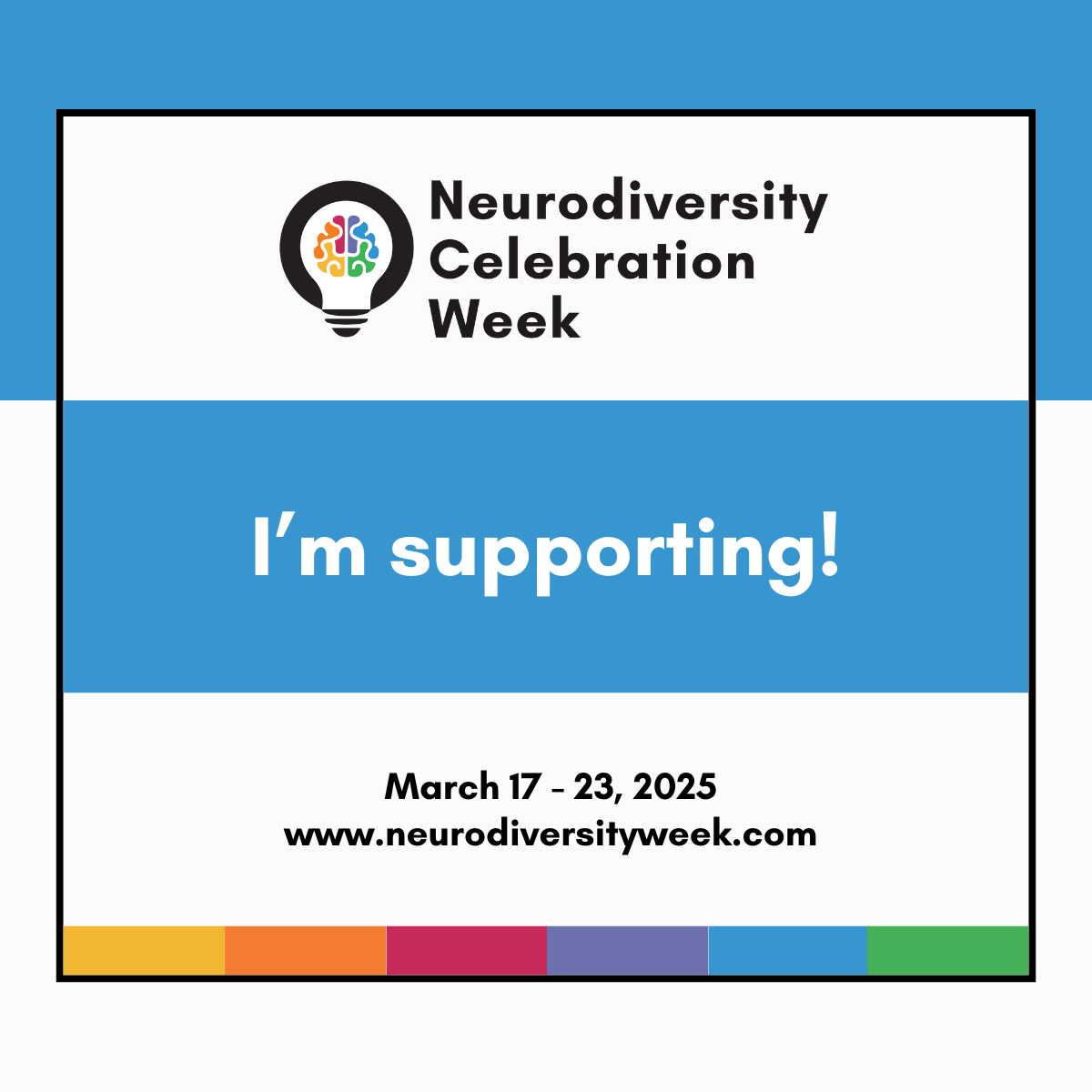
Welcome to my blog to help raise awareness for Neurodiversity Celebration Week 2025. If you dont know already, I raise awareness of those who care for someone. This could be mental ill health, cancer or other needs of support.
If you want to see the 5 minute awareness video, click below.
I am now doing my bit to help raise awareness on neurodiversity. Consider this! Imagine a world where every mind is valued, where differences are not just accepted but celebrated. Welcome to Neurodiversity Celebration Week 2025, a time to recognize the unique strengths and perspectives of neurodivergent individuals—those with autism, ADHD, dyslexia, dyspraxia, and other cognitive variations.
So from From March 17th to March 23rd, 2025, people across the UK are coming together to celebrate the power of different minds. This is a time to embrace neurodiversity, challenge stereotypes, and recognize the incredible talents that neurodivergent individuals bring to our world.
Unfortunately, despite these strengths, many neurodivergent individuals still face challenges, misunderstandings, exclusion, and barriers in education and the workplace. That’s why this week is so important. It’s about breaking down stereotypes, fostering inclusion, and building environments where every mind can thrive.
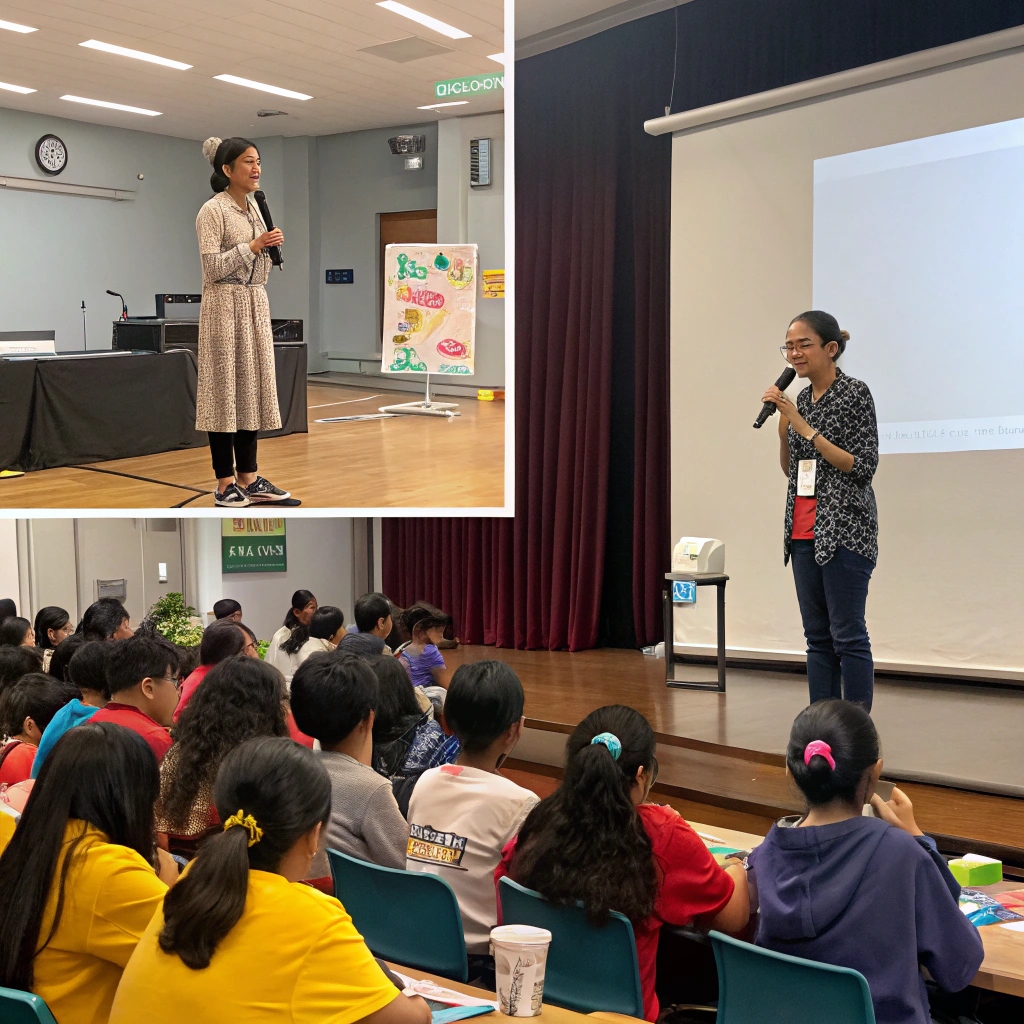
So this year, thousands of educational facilities are taking part in activities to raise awareness and celebrate neurodivergence. From interactive workshops to inspiring talks, students and teachers are learning how to create a more inclusive world.
One question you might be asking yourself is how can we make a step towards change and support?
Here are some tips below.
✨ Education – Ensuring that learning spaces are inclusive, supportive, and adaptive for all students. ✨ Workplace Inclusion – Encouraging businesses to embrace diverse thinking, because innovation flourishes when different minds come together. ✨ Community and Advocacy – Raising awareness and celebrating the voices of neurodivergent individuals.
The responsibility does not only rest upon institutions and organisations, we all can play a part.
Expand Your Understanding – Take the time to learn about neurodiversity and share what you discover with friends, family, and colleagues.
Encourage Inclusive Initiatives – Schools and workplaces can host events, discussions, or workshops to educate and celebrate neurodivergent perspectives.
Be an Ally – Listen to neurodivergent voices, advocate for their needs, and support policies that promote inclusivity.
Amplify Awareness Online – Just like I am doing with my blog and video. Use social media and campaign hashtags to spread awareness and show solidarity with the neurodiverse community.
Thank you for stopping by and happy Neurodiversity Celebration Week 2025
I love being creative and finding inventive ways of promoting the carer journey and mental wellbeing. One of the best ways of expression is the use of art. I am not a brilliant artist, and to be honest I am more of a poet. Still, art therapy has come a long way into helping others find ways to.
I often find poetry and developing visual art as a calming and relaxing hobby. So I decided to create a video post on 10 ways art inspires psychological healing and self expression. This video is called “10 ways art inspires psychological healing and self expression”.
For those grappling with trauma or stress, art provides a non-verbal outlet to externalize complex feelings that may be difficult to articulate. For instance, painting or drawing allows individuals to symbolically represent their inner world, creating a sense of control and mastery over overwhelming emotions. Additionally, the act of creating art can promote mindfulness, grounding the person in the present moment and reducing symptoms of anxiety and depression.
Welcome back to another blog post by Matthew McKenzie. This time it is awareness of social science time. Most of the time I raise awareness of unpaid carers, especially when it comes to caring for someone with mental ill health.
As a carer of lived caring experience, being involved in the mental health system exposes you to psychology, psychiatry and even philosophy, although I was always a philosopher anyway.
It was only a matter of time before I wanted to blog about the human condition and how our environment influences our actions, especially if it comes to our mental wellbeing. Are we actually responsible for our choices? Or are these our own actions.
Check out my video on the 15 Differences Between Free Will vs Determinism
The debate between free will and determinism centers on whether human beings have genuine control over their actions or if every decision and event is predestined by prior causes. Free will emphasizes individual autonomy, proposing that people have the capacity to make choices independent of external forces or causal chains. This perspective supports the idea of personal responsibility and moral accountability, as it assumes individuals can act in ways that are not entirely dictated by genetics, upbringing, or circumstances. nature.
In contrast, determinism argues that all actions and events are the inevitable result of preceding conditions, governed by laws of nature, genetics, or environment. From this viewpoint, human behavior can be understood as the outcome of a causal chain, much like a domino effect, where every decision is shaped by prior experiences, biological factors, and external influences. Determinism challenges the notion of true autonomy, raising questions about the fairness of moral and legal judgments.
Welcome to another blog post by carer activist Matthew McKenzie. As a carer of someone with mental ill health, I was often interested into what affect the mind and how this can affect the human condition. It is only a matter of time before I start promoting awareness of mental health and the mind.
Insights into the mind and the human condition have fascinated thinkers, scientists, and artists for centuries, offering profound perspectives on how humans perceive, feel, and navigate the world. The mind, as the seat of consciousness, emotion, and reason, shapes our reality, influencing behavior and decision-making.
Studies in psychology, neuroscience, and philosophy reveal that the human mind is both rational and irrational, a duality that drives creativity, problem-solving, and self-awareness, but also fear, bias, and emotional conflict.
I have made a Top Ten video looking into the insights of the Mind and the impact on the Human condition.
By exploring the mind’s processes—like memory, cognition, and emotion—we gain a better understanding of what motivates people, how people respond to challenges, and how they relate to others.
This exploration reveals that while individuals are unique, shared experiences such as love, loss, and the search for meaning connect us all, forming the foundation of the human condition.
Welcome to carer activist matthew mckenzies post to raise awareness of Stress Awareness day. I will eventually do a blog and video on how stress affects caregivers, but for now, I want to focus on Stress awareness day 2024 and provide some top tips on beating and managing stress.
To watch the short promotional video, please click below.
Understanding Stress Awareness Day
Stress Awareness Day is observed on the first Wednesday of November each year. Established in 1998 by the International Stress Management Association, its purpose is to bring attention to the significant impact stress can have on both physical and mental health. Stress is often a contributing factor to various health issues, including heart disease, anxiety, and depression. Recognizing this, Stress Awareness Day aims to encourage individuals and organizations to take proactive steps in managing and reducing stress.
Why Stress Awareness Matters
Stress is an unavoidable part of life, but its management is crucial for maintaining a balanced and healthy lifestyle. When left unchecked, stress can lead to serious health complications. By acknowledging stress as a genuine issue, we can better equip ourselves with the tools and strategies necessary to mitigate its effects.
The Role of Workplaces
Work environments play a significant role in an individual’s stress levels. Stress Awareness Day serves as a crucial reminder for organizations to foster environments that prioritize mental health and well-being. Open discussions about mental health and providing resources for stress management can create a supportive atmosphere for employees.
Practical Tips for Observing Stress Awareness Day
There are numerous ways to participate in Stress Awareness Day that can have a lasting impact on your well-being. Here are some practical tips to consider:
Practice Self Care
Taking time for self-care is essential in managing stress. Engage in activities that help you relax and unwind, such as reading, exercising, or practicing mindfulness. Making self-care a regular part of your routine can make a significant difference in how you handle stress.
Learn About Stress Management Techniques
There are various techniques available that can quickly reduce stress levels. Methods like deep breathing, meditation, and progressive muscle relaxation are effective tools that can be incorporated into daily life. By learning these techniques, you can better manage stress whenever it arises.
Connect With Others
Talking about your feelings with friends, family, or a mental health professional can provide immense relief. Communication is a powerful way to process stress and gain support. Don’t hesitate to reach out when you need to talk about what’s on your mind.
Get Involved in Workplace Initiatives
Many organizations use Stress Awareness Day to promote mental health through seminars, workshops, or meditation sessions. Participating in these events can offer valuable insights and techniques for managing stress. It also helps to contribute to a culture of well-being within the workplace.
Reflect on Stress Triggers
Taking time to identify what causes stress in your life can lead to changes that help manage those stressors more effectively. Understanding your triggers is the first step towards making necessary adjustments to reduce stress. This reflection can be helpful in both personal and professional settings.
Daily Habits to Reduce Stress
Incorporating certain habits into your daily routine can significantly reduce stress and improve overall well-being. Here are some recommendations:
Stay Physically Active
Exercise is one of the most effective ways to manage stress. Regular physical activity helps to reduce tension, elevate mood, and improve overall health. Find an exercise routine that you enjoy, whether it’s walking, swimming, or yoga, and make it a regular part of your life.
Get Adequate Sleep
Quality sleep is essential for resetting the body and mind. Ensuring you get enough rest helps to handle daily challenges more effectively. Create a conducive sleep environment and establish a regular sleep schedule to improve your sleep quality.
Eat Balanced Meals
Nutrition plays a vital role in overall well-being and can impact stress levels. Consuming a balanced diet with plenty of fruits, vegetables, and whole grains provides the necessary nutrients to support your body in managing stress.
Set Boundaries
Especially relevant in maintaining work-life balance, setting boundaries can prevent burnout and reduce stress. Learn to say no when necessary and prioritize tasks that are most important to you. This can help to keep workload manageable and maintain a healthy balance between personal and professional life.
Practice Mindfulness
Engaging in mindfulness practices, even for a few minutes each day, can significantly improve how you handle stress. Techniques such as mindful breathing or meditation can help you stay grounded and present, reducing the overall impact of stress on your life.
Conclusion
Making small changes to prioritize mental health daily is an excellent way to honor Stress Awareness Day and promote a less stressed, healthier lifestyle year-round. By taking proactive steps such as practicing self-care, learning stress management techniques, connecting with others, engaging in workplace initiatives, and reflecting on stress triggers, you can significantly reduce stress and improve your overall well-being. Remember, managing stress is not just about handling challenges as they come but also about creating a lifestyle that supports mental health and resilience.
Stress Awareness Day serves as a valuable reminder of the importance of stress management and the resources available to help us lead healthier lives. By observing this day and incorporating stress reduction strategies into our daily routines, we can take significant steps toward achieving a balanced and fulfilling life.
Welcome back to another mental health awareness blog post from carer activist Matthew McKenzie. As of the posting of this blog. It is OCD Awareness Week 2024. You can also watch my video of the awareness week below.
What is OCD?
Obsessive-Compulsive Disorder (OCD) is a mental health condition that affects millions of people worldwide. It involves unwanted, intrusive thoughts known as obsessions and repetitive behaviors or mental acts called compulsions. These behaviors are not just quirky habits but are driven by a deep need to alleviate the anxiety caused by these intrusive thoughts.
Understanding the Obsessions
Obsessions are more than just everyday worries or concerns. They are persistent and unwanted thoughts, images, or urges that cause significant anxiety or distress. People with OCD are often fully aware that these thoughts are irrational, but they find it extremely difficult to ignore or suppress them.
The Nature of Compulsions
Compulsions are repetitive behaviors or mental acts that a person with OCD feels driven to perform. These actions are attempts to reduce the distress caused by obsessions or to prevent a feared event or situation. Compulsions can take many forms, including excessive hand-washing, checking, counting, or repeating words silently. Importantly, these behaviors usually provide only temporary relief and can be very time-consuming, interfering significantly with daily life.
Busting Myths About OCD
It’s Not Just About Tidiness
One of the most common misconceptions is that OCD is merely about being neat and organized. While some people with OCD may have cleanliness-related compulsions, the disorder is much more complex. It can involve a wide range of obsessions and compulsions, many of which have nothing to do with order or cleanliness.
Beyond Quirks and Idiosyncrasies
OCD is often trivialized in popular culture as just a set of quirky behaviors. In reality, it is a serious condition that can cause significant distress and impairment in various areas of life, including personal relationships, work, and overall well-being.
The Role of OCD Awareness Week 2024
Organized by International OCD Foundation
This year’s OCD Awareness Week, running from October 13th to the 19th, is being spearheaded by the International OCD Foundation and other reputable organizations. The main goal is to spread awareness, break down stigma, and provide actionable support for those living with OCD.
Activities and Resources
The week will feature various workshops, webinars, and support groups designed to educate the public and those affected by OCD. Educational materials and personal stories will also flood social media, providing a wealth of knowledge and resources. Keep an eye on hashtags like #OCDWeek to stay updated on these activities.
How You Can Help
Educate Yourself
If are caring for someone with OCD, taking the time to educate yourself about their condition can be a game-changer. Understanding their symptoms, knowing their triggers, and familiarizing yourself with treatment options can make you a better support system for them.
Combat Stigmatization
One of the critical goals of OCD Awareness Week is addressing common misconceptions and combating stereotypes. Recognize that OCD is not something to be joked about—it is a serious condition that requires empathy and understanding.
Effective Treatment Options
Cognitive Behavioral Therapy (CBT)
Cognitive Behavioral Therapy (CBT) is one of the most effective treatments for OCD. This type of therapy involves techniques to help individuals manage their obsessions and reduce compulsive behaviors. One specialized form of CBT, called Exposure and Response Prevention (ERP), is particularly effective for treating OCD.
Medication
Medicinal interventions, particularly selective serotonin reuptake inhibitors (SSRIs), can also be very effective in managing OCD symptoms. It’s essential to consult a healthcare professional to determine the best treatment plan for each individual.
Seeking Professional Help
It’s crucial to know that help is available and that it’s okay to seek it. Professional treatment can make a significant difference in managing OCD symptoms and improving quality of life.
Building a Supportive Community
The Power of Empathy
One of the most impactful ways to support those living with OCD is through empathy and understanding. Small acts of kindness, like listening without judgment or offering a helping hand, can go a long way in making someone feel less isolated in their struggle.
Family and Friends
Families and friends play a crucial role in the support system for someone with OCD. By educating themselves about the disorder, they can offer better support and reduce the feelings of isolation and stigma that often accompany mental health conditions.
Get Involved
Spread the Word
Sharing knowledge is one of the simplest yet most effective ways to raise awareness. Use social media, community events, and even casual conversations to spread accurate information about OCD. Participate in events and activities during OCD Awareness Week to show your support.
Promote Compassion
By promoting empathy and understanding, we can create a more compassionate world for those affected by OCD. Every small effort counts, from sharing a post on social media to participating in a local awareness event.
Making a Difference
Raising awareness about OCD is not just about understanding the condition but also about fostering a supportive environment for those affected. By debunking myths, spreading correct information, and showing empathy, we can make a transformative impact in the lives of millions of people living with OCD.
Thank you for taking the time to learn about OCD and how you can contribute to raising awareness. Let’s make this world a little more compassionate and understanding, one step at a time.
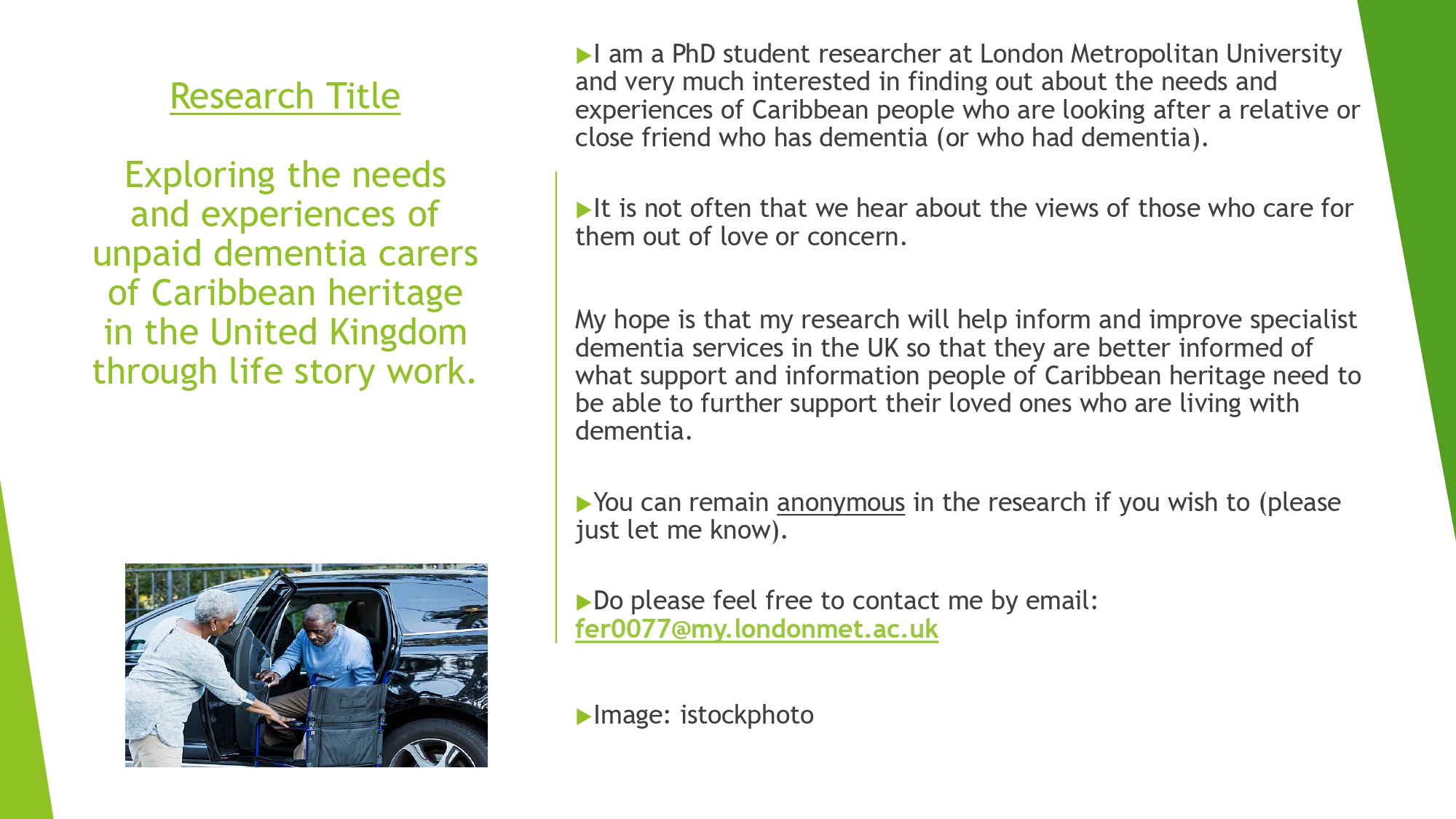
An exciting new research opportunity for Caribbean heritage dementia carers. Feyi Abraham a PhD student researcher at London Metropolitan University is looking for carers to share their experiences.
Please view the poster below or contact fer0077@my.londonmet.ac.uk for more details.
Welcome back to another blog post from carer activist Matthew McKenzie. Did you know it is ADHD Awareness Month?
To watch the video of the blog, please view below.
Understanding ADHD: An Overview
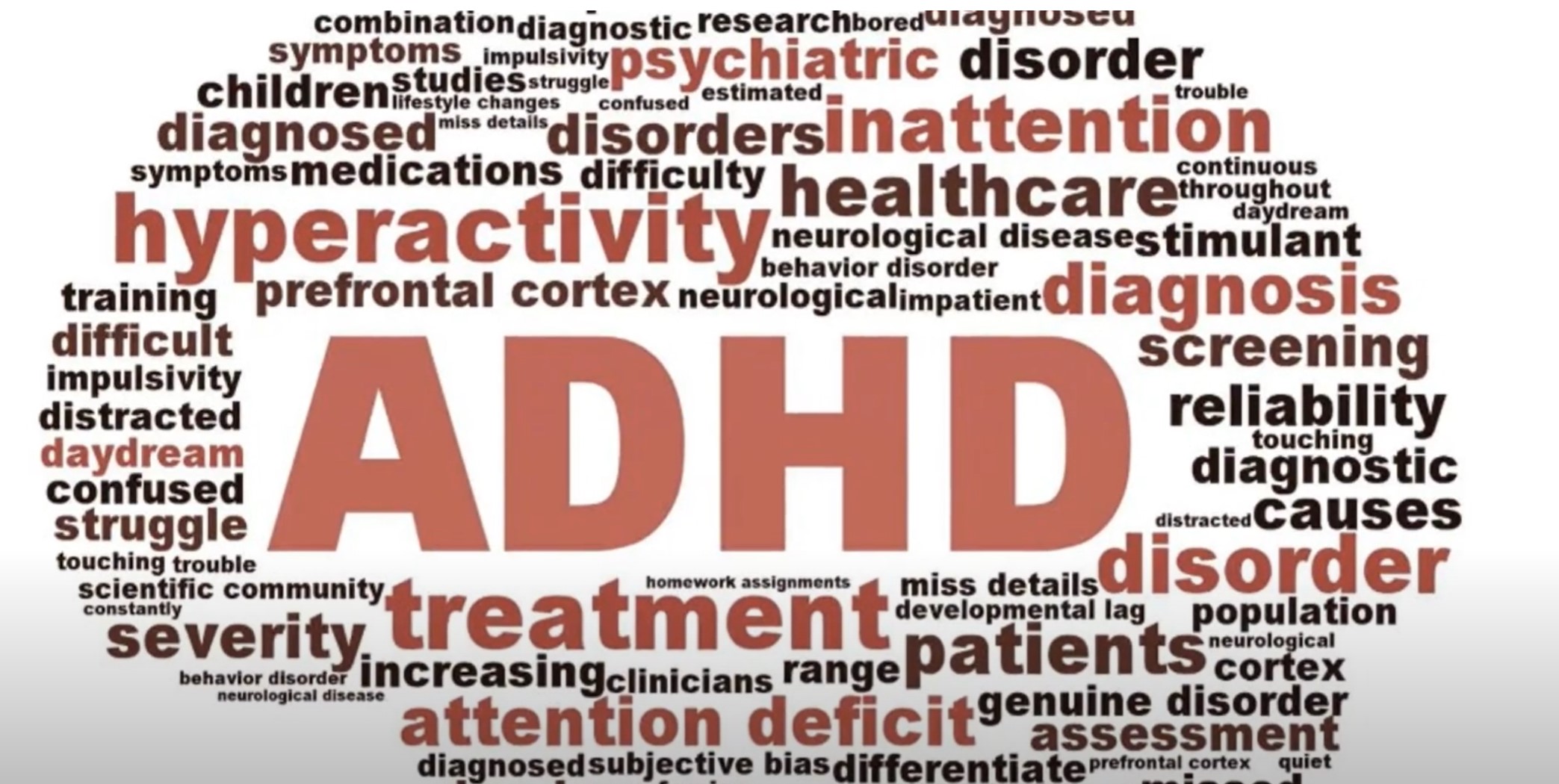
Attention Deficit Hyperactivity Disorder (ADHD) affects millions of individuals worldwide, impacting not only those diagnosed but their families, friends, and caregivers. ADHD is characterized by symptoms of inattention, hyperactivity, and impulsiveness, which can significantly impair daily functioning in various spheres of life, including school, work, and relationships. Every October, ADHD Awareness Month is observed to shed light on this condition, promote understanding, and advocate for better support systems. The theme for 2024 is “Awareness is Key,” emphasizing the importance of knowledge in fostering support and empathy.
The Importance of Education
Empowering Through Understanding
One of the most crucial steps in supporting someone with ADHD is to educate yourself about the condition. Understanding ADHD, its symptoms, and its challenges can foster empathy, patience, and a supportive attitude. Knowledge truly is power. The more you know about ADHD, the better equipped you are to provide the necessary support. This includes learning about common behaviors, the impact of ADHD in daily life, and effective management strategies.
Promoting a Learning Culture
Families, schools, and workplaces should prioritize awareness and education about ADHD. Regular training sessions, workshops, and informational resources can significantly improve how people understand and interact with those affected by ADHD. When communities are informed, they can collectively create more supportive environments.
Creating Structure
The Power of Routines
Establishing routines and daily schedules offers predictability and stability for individuals with ADHD. Structure can provide a sense of security, helping to manage time more effectively and reduce feelings of overwhelm. Visual aids such as calendars, planners, or to-do lists can be extremely helpful in keeping track of tasks and responsibilities. These tools can serve as constant reminders and help individuals prioritize their actions.
Breaks Are Essential
Regular short breaks are crucial during tasks. These breaks allow individuals with ADHD to recharge and maintain their focus. It’s not about working less, but about finding a balance that promotes productivity and reduces fatigue. Identifying the optimal schedule for breaks can make a significant difference in performance and overall well-being.
Effective Communication
Concise and Specific Instructions
When giving instructions to someone with ADHD, it’s important to be concise and specific. Using clear and simple language, avoiding unnecessary details, and breaking tasks into smaller, manageable steps can make a huge difference. This approach ensures that instructions are understood and followed more easily, leading to better outcomes.
Minimizing Distractions
Creating a calm and focused environment is paramount. Reducing noise, limiting visual distractions, and providing a quiet space can significantly improve the ability of individuals with ADHD to concentrate. Environmental modifications might include soundproofing a room, using noise-canceling headphones, or setting up a dedicated workspace that is free from interruptions.
The Power of Personal Stories
Insights from Lived Experiences
Personal stories are incredibly powerful in understanding ADHD. Hearing from individuals with ADHD and their caregivers can provide valuable insights and foster empathy. These stories highlight the real-world challenges and successes of living with ADHD, offering practical advice and hope.
Case Studies
Sarah’s Story: Sarah struggled in school until she found a teacher who understood ADHD and adapted her teaching methods. This timely intervention made all the difference, helping Sarah excel academically and boosting her self-esteem.
Jake’s Journey: As a carer, Jake found solace in a local carer support group. Connecting with others who understood his challenges provided him with coping strategies and a sense of community. This network of support was instrumental in helping him manage his caregiving responsibilities.
Advocating for ADHD Awareness
Community Engagement
This ADHD Awareness Month, let’s commit to raising awareness and advocating for those with ADHD. Small actions, such as sharing information, participating in community events, and supporting advocacy groups, can lead to significant changes. Community engagement helps build a support system that is informed, compassionate, and proactive.
Educational Campaigns and Resources
Supporting ongoing educational campaigns and providing resources can help spread awareness and understanding. Schools, workplaces, and community centers can play a pivotal role by organizing seminars, distributing literature, and facilitating support groups.
Conclusion
ADHD Awareness Month serves as a crucial period for promoting understanding and support for individuals with ADHD. By educating ourselves, creating structured and supportive environments, and listening to personal stories, we can become better allies. Let’s take this opportunity to make a positive impact. Awareness indeed is key—it opens doors to empathy, effective support, and advocacy.
If you found this content helpful, consider sharing it to spread awareness further. By working together, we can make a significant difference in the lives of those affected by ADHD.
Welcome back caregivers. I have some exciting research involvement for you.
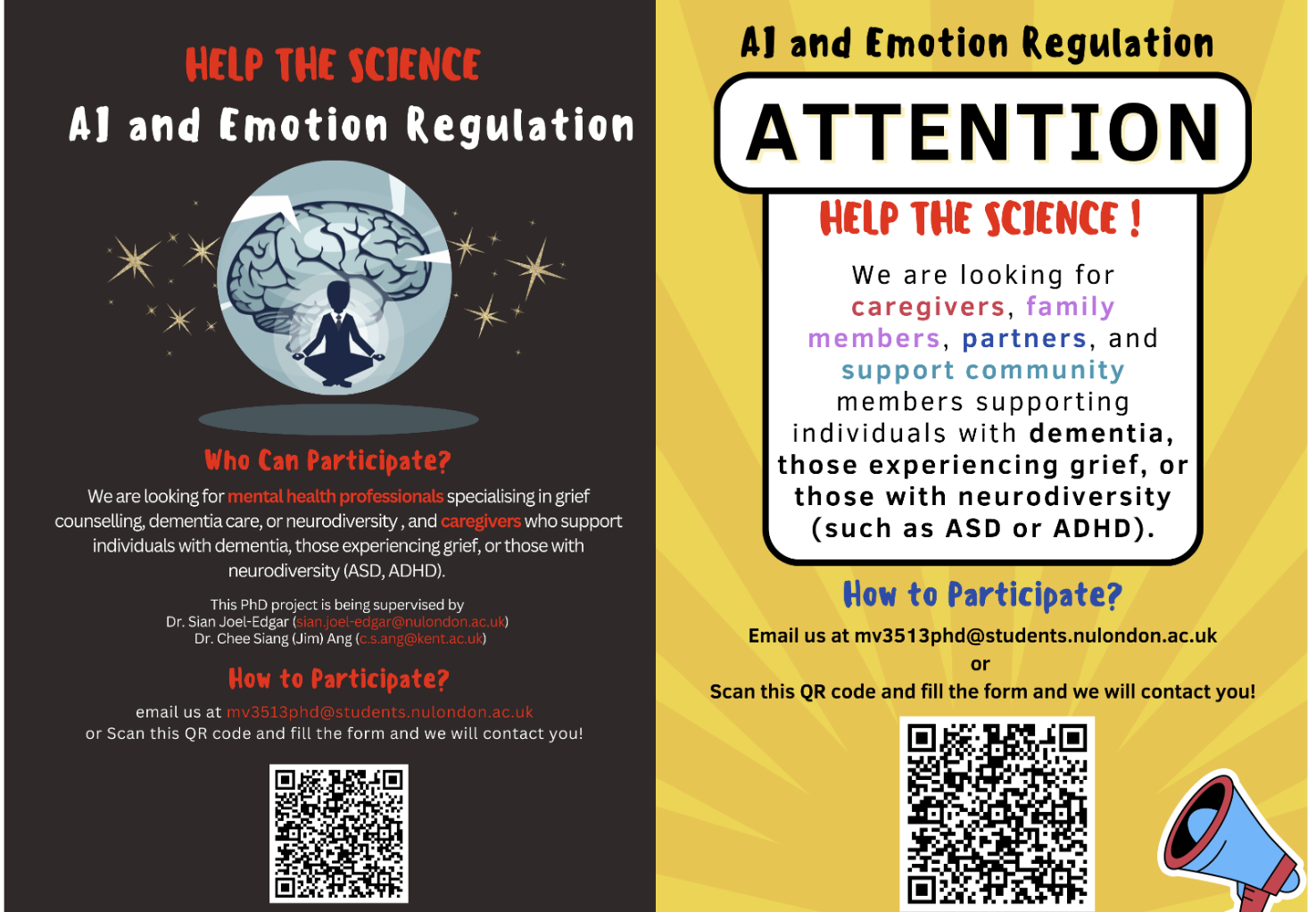
Melika who is a PhD student at Northeastern University London & University of Kent. Is currently conducting a study on AI-facilitated emotion regulation, which focuses on co-designing AI prompts with input from clinicians, developers, and support community (caregivers).
click on the posters below for more details about the study

















 A Caring Mind