By Matthew McKenzie – Carer activist (volunteer of Carers UK)
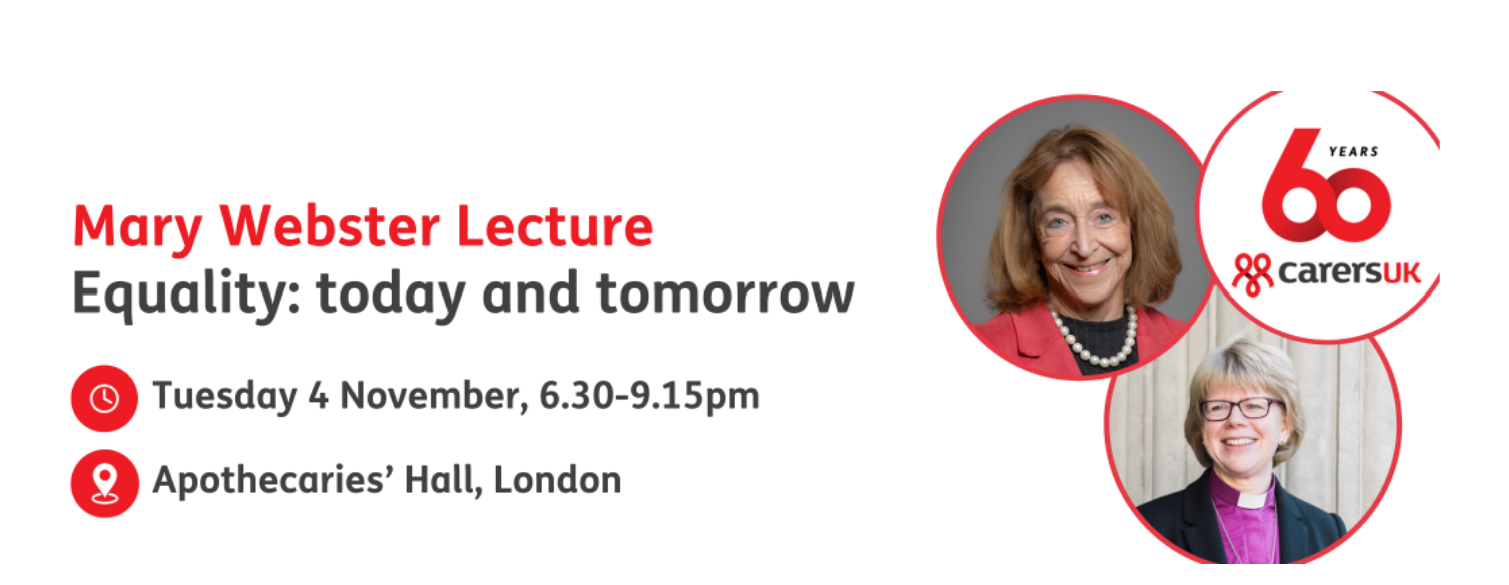
Last night I attended the Mary Webster Lecture at Apothecaries’ Hall in London, a special event marking Carers UK’s 60th anniversary. As someone who has cared for family members and now volunteers with Carers UK, it was moving to sit among other carers, professionals, and campaigners who have worked so hard for recognition and equality.
The event honoured Reverend Mary Webster, the founder of Carers UK, whose vision decades ago helped lay the foundations for unpaid carers’ rights. Today, as we still fight for equality and understanding, her legacy feels more important than ever.
Setting the Scene
Apothecaries’ Hall is a grand, historic space filled with portraits and a sense of tradition. But it also felt like the right place to discuss change how we can build a future where carers are respected and supported equally. The evening began with warm welcomes and reflections from Helen Walker, Chief Executive of Carers UK. She reminded us that while progress has been made, many unpaid carers still live in poverty, often earning less than the minimum wage for full-time dedication.
Then came the highlight of the evening a talk by The Right Reverend and Right Honourable Dame Sarah Mullally DBE, Bishop of London and recently named Archbishop of Canterbury Designate, in conversation with Baroness Jill Pitkeathley OBE, long-time carer champion and former Carers UK CEO.
Dignity in Caring
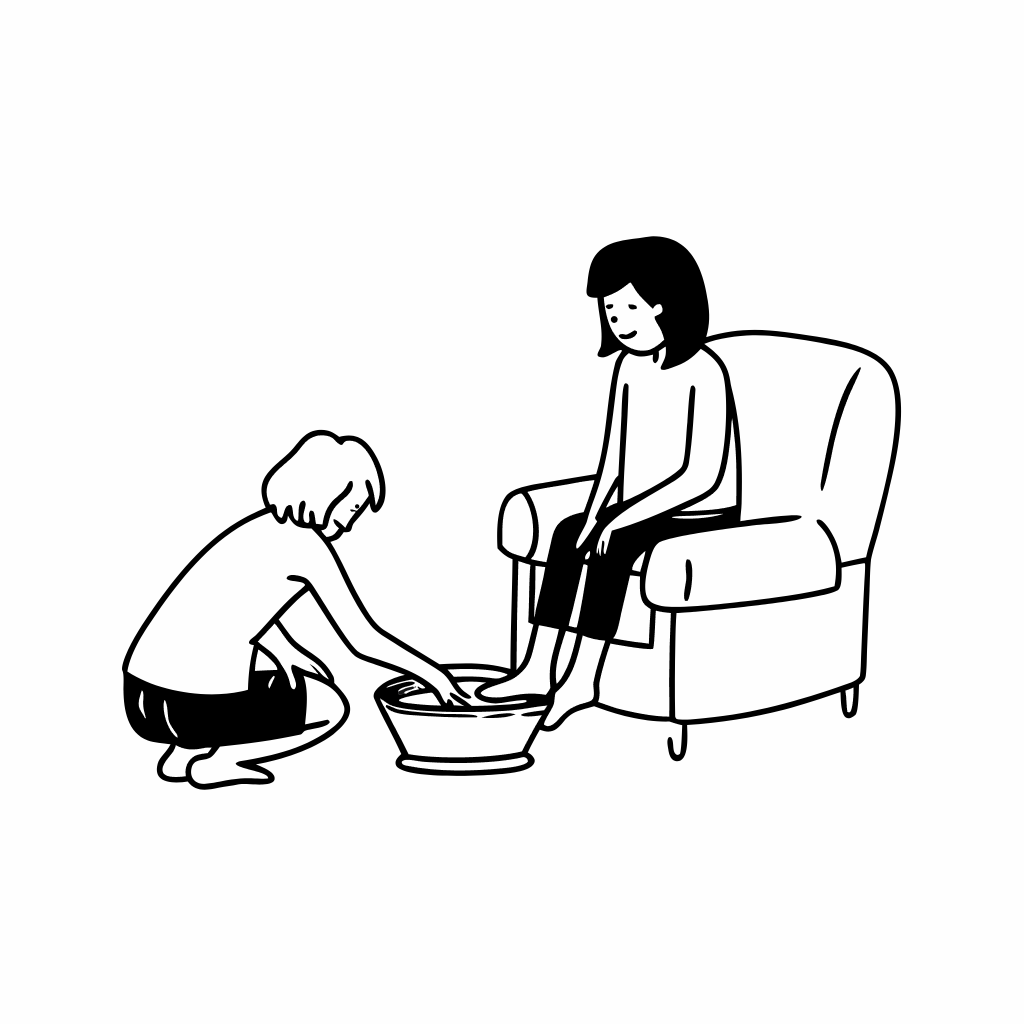
Bishop Sarah spoke with warmth and honesty about her journey from nursing to the Church. What struck me most was her story about washing her grandmother’s feet when she was a young nurse, which a simple act that carried deep dignity. She used that image to describe caring itself: often quiet, unseen, but filled with compassion and humanity.
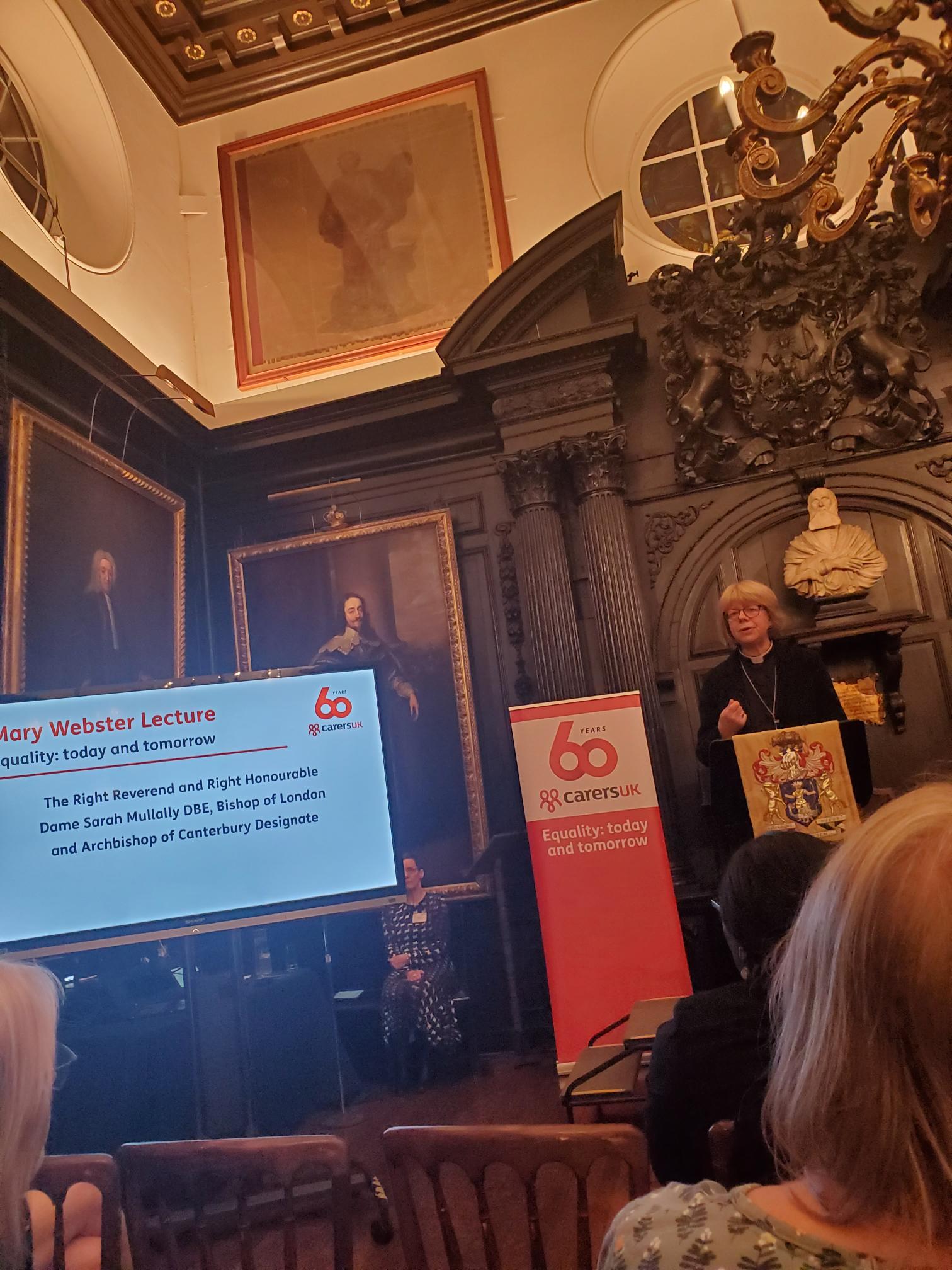
Her message was clear that care is about dignity. Every person, regardless of ability, age, or background, has value. She reminded us that dependency isn’t weakness it’s part of being human. We all depend on others at different points in our lives.
As a Black male carer, that message really resonated. In many of our communities, caring happens quietly, often behind closed doors, without recognition or support. Bishop Sarah’s words reminded me that this invisible work deserves to be seen and respected not just by policy makers, but by society as a whole.
Lessons on Equality and Faith
Baroness Pitkeathley joined Bishop Sarah for a deep conversation about equality today and tomorrow. They reflected on how far carers’ rights have come and how far we still have to go. From health and financial struggles to workplace inequality, many of the same challenges from the 1990s remain today.
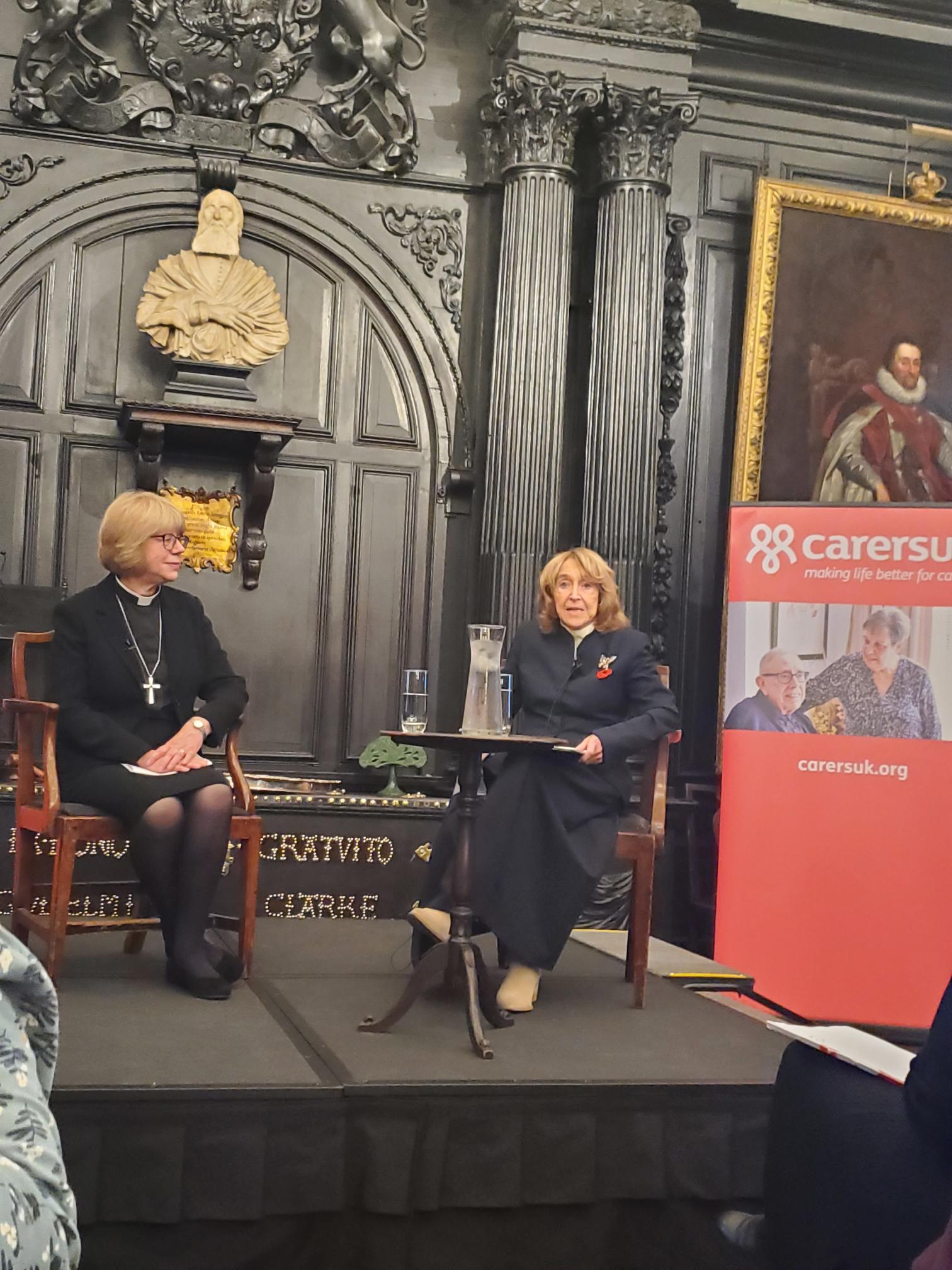
Bishop Sarah also spoke about the Church’s Reimagining Care Commission, which calls for a new “covenant of care” a moral agreement between government, communities, and families to share responsibility for those who need care. It’s not just about services, but about values: compassion, respect, and community.
Hearing that from someone soon to become the Archbishop of Canterbury gave me hope. It felt like a recognition that faith, ethics, and social justice must go hand in hand.
Voices from the Floor
The Q&A that followed was emotional and powerful. Carers from the audience spoke up about their struggles housing, mental health, disability, and the loneliness that caring can bring.
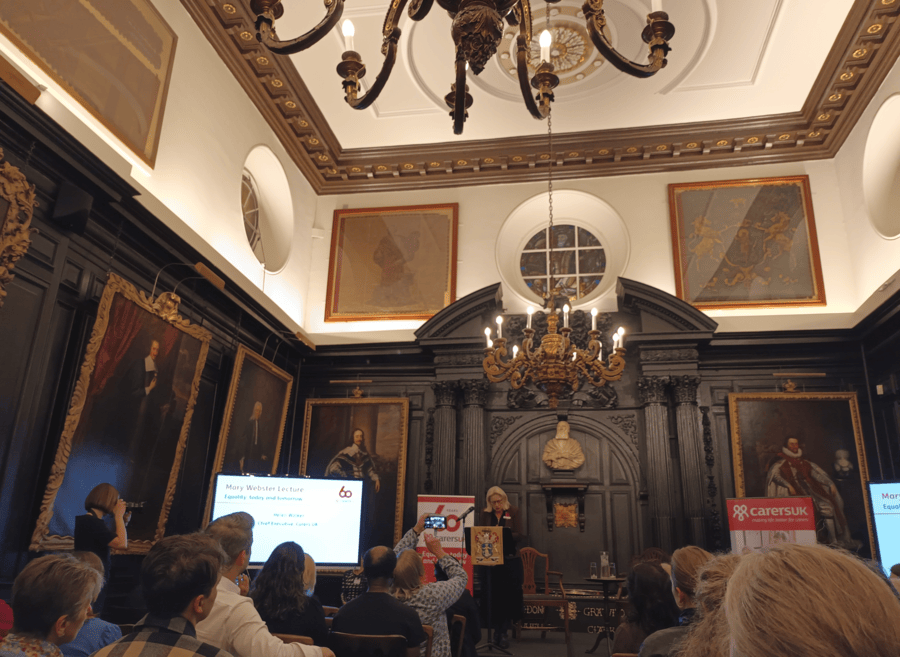
One carer shared the pain of fighting for proper housing for her disabled son; another spoke about the toll on her own health. Each voice reminded me that caring is more than statistics it’s real people doing extraordinary things every day, often without support.
My Reflection as a Black Carer Activist
As I looked around the room, I thought of the carers in Black and ethnic minority communities who face extra barriers language, stigma, or fear of not being understood. Too often, our voices are missing from the conversation. I decided to have a chat with Dame Sarah Mullally about my thoughts, still nights like this show that inclusion is possible, and necessary.
Equality for carers means also recognising our diversity on different cultures, faiths, and family structures and ensuring that every carer can access the help they need, without judgement or struggle.
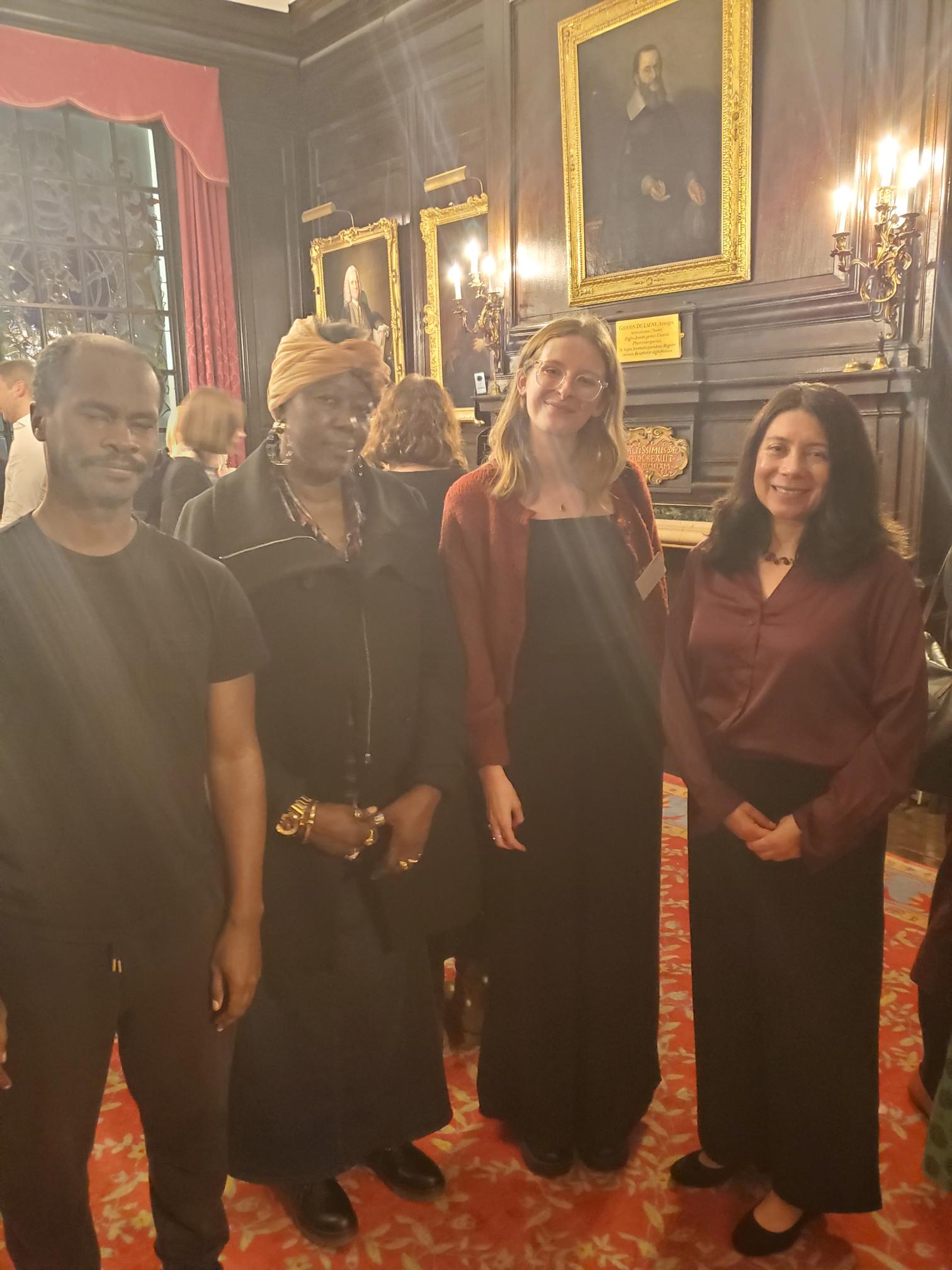
I left the event feeling encouraged but also challenged. Encouraged by the leadership and compassion of women like Bishop Sarah and Baroness Pitkeathley, who continue to champion carers’ rights. Challenged, because the journey isn’t over and each of us, whatever our background, has a role to play.
A Call for Tomorrow
Sixty years after Mary Webster founded Carers UK, unpaid carers are still holding society together.
We save the country billions, yet too many of us live in hardship. As Bishop Sarah said, we must rethink how we value care not as a cost, but as a cornerstone of our humanity.
For me, as a carer activist, that means continuing to speak up, share stories, and bring carers from all communities together. Because equality today and tomorrow starts with being seen, heard, and valued.
 A Caring Mind