Tackling Cancer Health Inequalities in Patients with Serious Mental Illness
Addressing health disparities, especially for patients with serious mental illness (SMI), is crucial in improving cancer treatment outcomes. This post by Matthew Mckenzie who facilitates the National cancer carer forum explores the multifaceted challenges faced by this vulnerable group and the necessary steps to tackle these inequalities.
To watch the video regarding Cancer and Serious Mental Illness, please click below.
Before continuing with the post, South East London Cancer Alliance. have just released their Cancer And Serious Mental Illness Information Resource. These have been co-created by SELCA, South London & Maudsley and the HIN, while working closely with people with lived experience of cancer and serious mental illnesses. You can visit and see the resources here: https://www.selca.nhs.uk/patients-and-carers/cancer-and-serious-mental-illness
The following sections might be of particular interest as they focus on cancer risks and screening.
As someone who has lived experience of caring for a close relative who lived with Diabetes, I took it upon myself to raise awareness on World Diabetes day 2024. This blog and video is by carer activist Matthew McKenzie, also volunteer for Carers UK and part of the London Cancer community of Macmillan Cancer Support.
If you wish to watch my short video to learn about the global campaign on World Diabetes Day. See Below.
In this blog post, you can learn about the global campaign on World Diabetes Day to increase awareness, educate on symptoms, promote prevention, and support research for better treatments and a cure. Plus find ways to get involved in activities and initiatives to aid diabetes prevention and management.
Raising Awareness: World Diabetes Day 2024
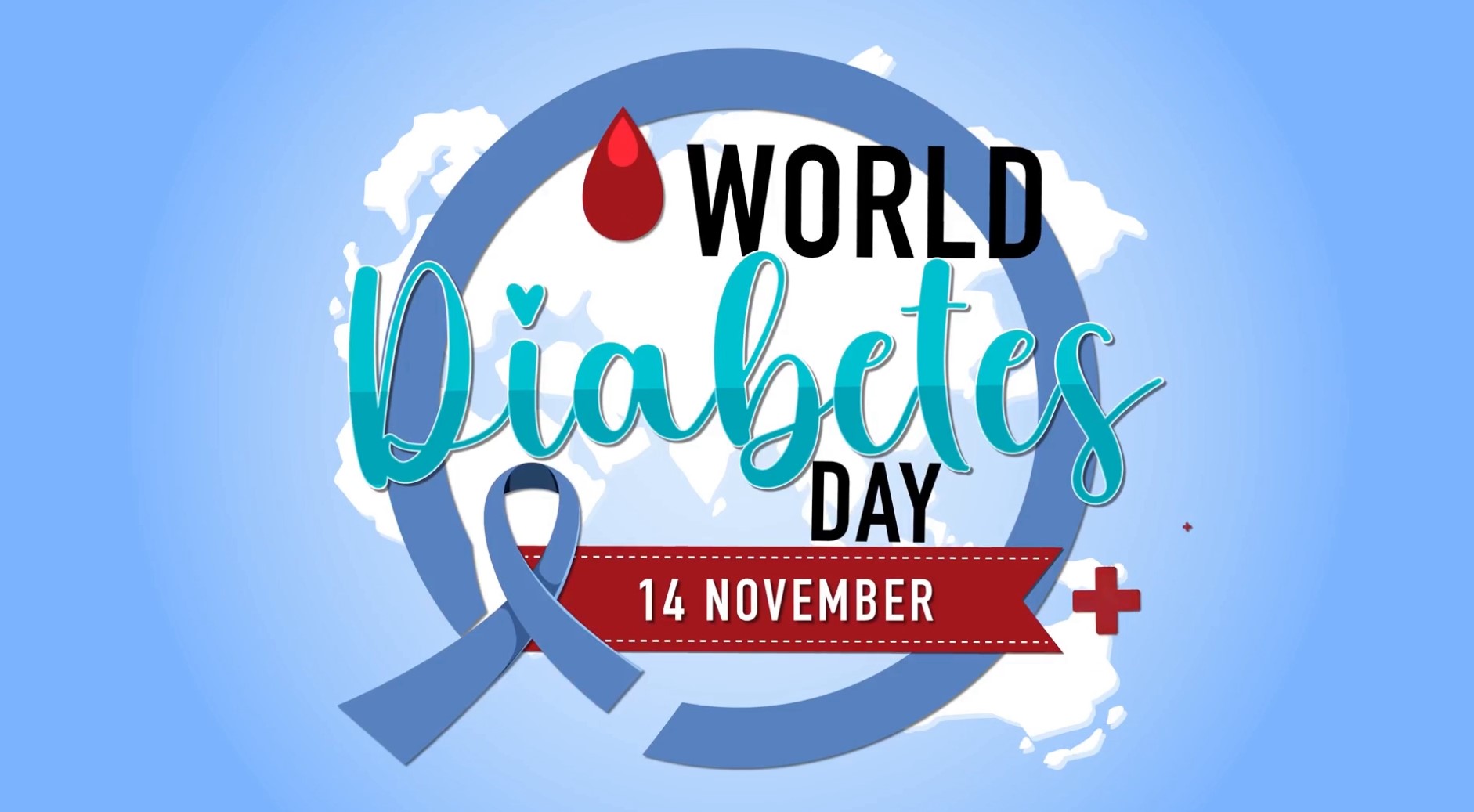
World Diabetes Day, observed annually on November 14th, serves as a global awareness campaign aimed at increasing understanding of diabetes and the issues faced by those affected by the condition. This significant day was established in 1991 by the International Diabetes Federation and the World Health Organization in response to the growing health threat posed by diabetes. The goals of World Diabetes Day are multifaceted, focusing on awareness, education, prevention, access to treatment, advocacy, and support for research. Let’s delve deeper into these critical aspects to understand the importance of this day and how you can contribute.
Understanding the Goals of World Diabetes Day
Increase Awareness
One of the primary objectives of World Diabetes Day is to increase awareness about diabetes. This involves educating the general public about the condition, its symptoms, prevention methods, and the importance of early diagnosis. Raising awareness helps in demystifying diabetes, reducing stigma, and promoting a collective effort towards a common cause.
Educate on Symptoms and Prevention
Knowledge is power, especially when it comes to managing health conditions like diabetes. World Diabetes Day strives to educate people on the symptoms of diabetes, which can often go unnoticed until they become severe. By promoting awareness of these symptoms, individuals can seek medical advice sooner, leading to early diagnosis and better management.
Prevention is equally important, particularly for type 2 diabetes. The campaign emphasizes lifestyle changes, such as maintaining a balanced diet, regular exercise, and stress management, which can significantly reduce the risk of developing type 2 diabetes.
Importance of Early Diagnosis
Early diagnosis of diabetes is crucial for preventing complications and managing the condition effectively. World Diabetes Day campaigns stress the importance of regular health check-ups and monitoring of blood sugar levels. Early detection allows for timely intervention, which can prevent or delay complications such as cardiovascular disease, nerve damage, and kidney issues.
Improve Access to Treatment
Affordable and quality care for all people with diabetes is a cornerstone goal of World Diabetes Day. This involves advocating for better healthcare policies and increased funding for diabetes care, ensuring that individuals, regardless of their economic status, have access to necessary treatments and medications.
Advocate for Affordable and Quality Care
World Diabetes Day also emphasizes the need for policy changes at both local and global levels. Advocacy efforts aim to influence healthcare policies to ensure that diabetes care is affordable and of high quality. This includes pushing for the availability of essential medications, including insulin, and ensuring that healthcare systems can support people living with diabetes.
Promote Prevention
Preventing diabetes, especially type 2, is a significant focus of World Diabetes Day activities. By encouraging a healthier lifestyle that includes a balanced diet, regular physical activity, and stress management, the campaign aims to reduce the incidence of diabetes globally. Public health initiatives and community programs play a crucial role in promoting these lifestyle changes.
Support Research
Supporting research is vital for the advancement of diabetes treatment and technology, and ultimately, finding a cure. World Diabetes Day encourages individuals and organizations to donate to or volunteer for research initiatives. Continued research not only aids in the development of new treatments but also enhances the understanding of diabetes, leading to better management strategies.
Encourage Advancements in Technology
Technological advancements in diabetes treatment have been revolutionary, from insulin pumps to continuous glucose monitoring systems. World Diabetes Day promotes the adoption and development of such technologies, aiming to improve the quality of life for those living with diabetes. These advancements can make management easier and more efficient, allowing for better control over the condition.
Foster Community Support
Community support is integral to managing diabetes. World Diabetes Day activities often include educational workshops, health screenings, campaigns, and fundraising initiatives. These efforts create a sense of community, providing resources and support to those affected by diabetes and their families.
Types of Activities on World Diabetes Day
Educational Events, Workshops, and Seminars
Educational events such as workshops and seminars are a staple of World Diabetes Day. These events are designed to inform people about diabetes management and prevention strategies. Health professionals often lead these sessions, providing valuable insights and answering questions from the community.
Health Screenings
Health screenings are another crucial activity associated with World Diabetes Day. Community centers, clinics, and organizations frequently offer free blood sugar testing and counseling. These screenings can help identify individuals at risk, providing them with necessary information and guidance on managing their health.
Campaigns and Fundraising Initiatives
Campaigns and fundraising initiatives are essential for supporting diabetes research and providing resources for those affected by the condition. These initiatives can range from community walks and runs to social media campaigns and donation drives. The funds raised play a significant role in advancing diabetes research and supporting public health programs.
Lighting Landmarks Blue
The blue circle is the global symbol for diabetes awareness. On World Diabetes Day, landmarks around the world are often illuminated in blue to show support for diabetes awareness. This visual representation serves as a powerful reminder of the global effort to combat diabetes and show solidarity with those affected by the condition.
How to Participate in World Diabetes Day
Spread Awareness
One of the simplest yet most impactful ways to participate in World Diabetes Day is to spread awareness. Use social media platforms to share facts, resources, and personal stories related to diabetes. Engaging in conversations online can help reach a broader audience and inspire action.
Organize or Attend Events
Participating in or organizing local or virtual diabetes awareness events is another excellent way to contribute. These events can range from educational workshops to community health fairs and fundraising activities. By engaging in these events, you can help spread important information and support those affected by diabetes.
Support a Healthier Lifestyle
Taking steps toward a healthier lifestyle is a proactive way to honor World Diabetes Day. This includes eating a balanced diet, incorporating regular exercise into your routine, and managing stress effectively. By making these positive changes, you not only reduce your own risk of developing type 2 diabetes but also set an example for others in your community.
Support Research Organizations
Supporting organizations dedicated to diabetes research is another meaningful way to participate. This can be done through donations or volunteering your time. These organizations play a crucial role in advancing our understanding of diabetes and developing new treatments and, eventually, a cure.
Conclusion
World Diabetes Day is an essential global campaign that addresses the growing health threat posed by diabetes. By increasing awareness, educating the public, promoting prevention, improving access to treatment, and supporting research, World Diabetes Day aims to make a significant impact on the lives of those affected by diabetes. Your participation can make a difference, whether through spreading awareness, attending events, adopting healthier lifestyle choices, or supporting research initiatives. Together, we can work towards a world where diabetes is managed effectively and, ultimately, prevented.
Welcome to a blog post by carer activist Matthew McKenzie on promoting World Stroke Day 2024.
If you want to see the video on World Stroke day 2024, then please click on the link below.
Here you can learn about the importance of stroke prevention, recognition, and treatment. Discover key points on awareness, prevention, support for survivors, and global cooperation. Care tips for stroke survivors included.
Raising Awareness for World Stroke Day 2024
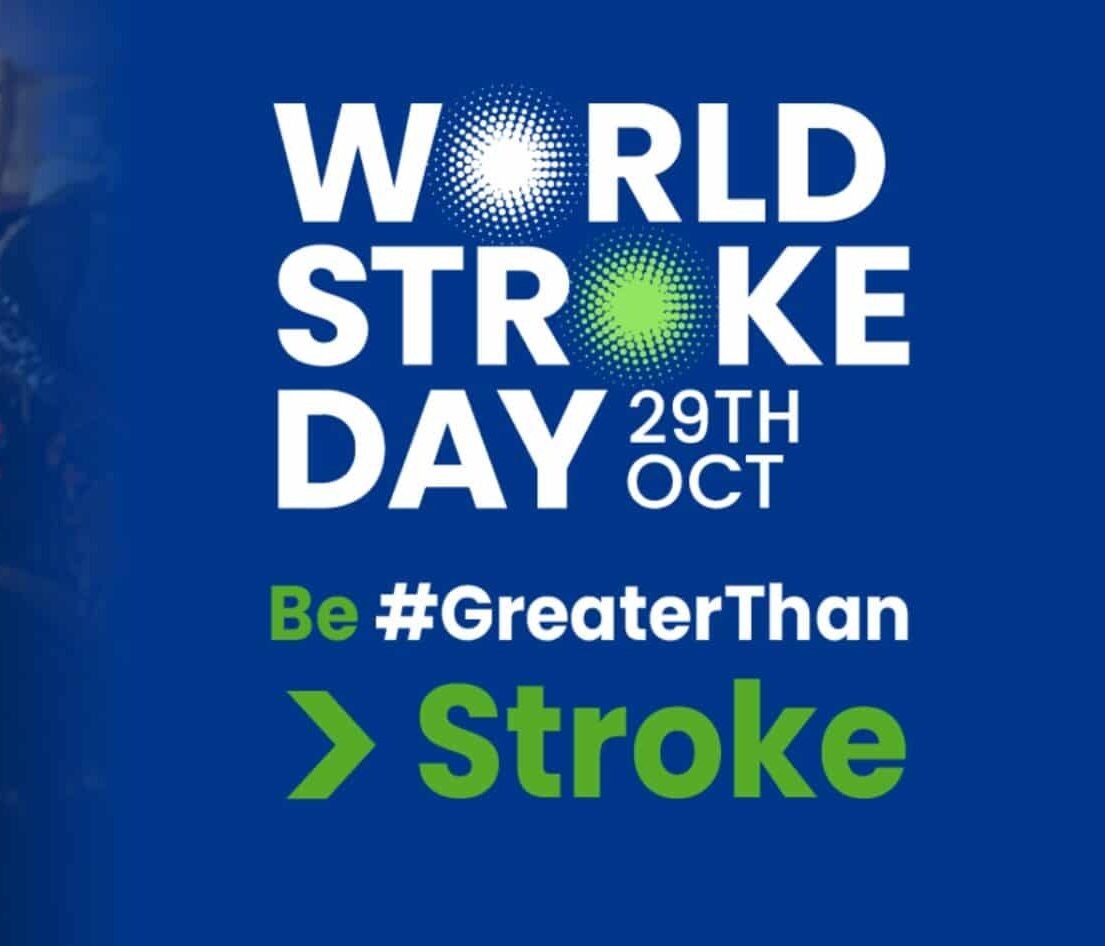
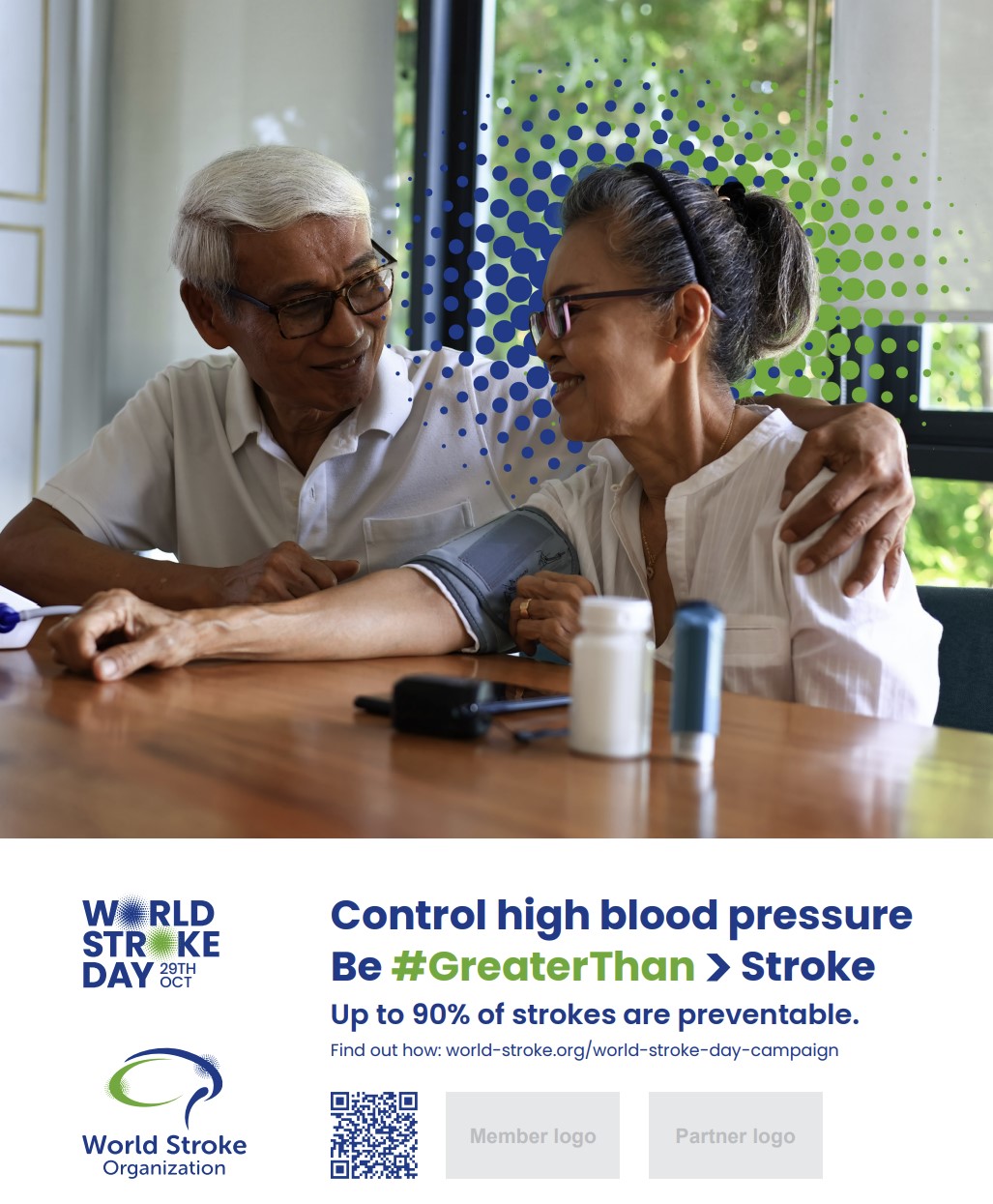
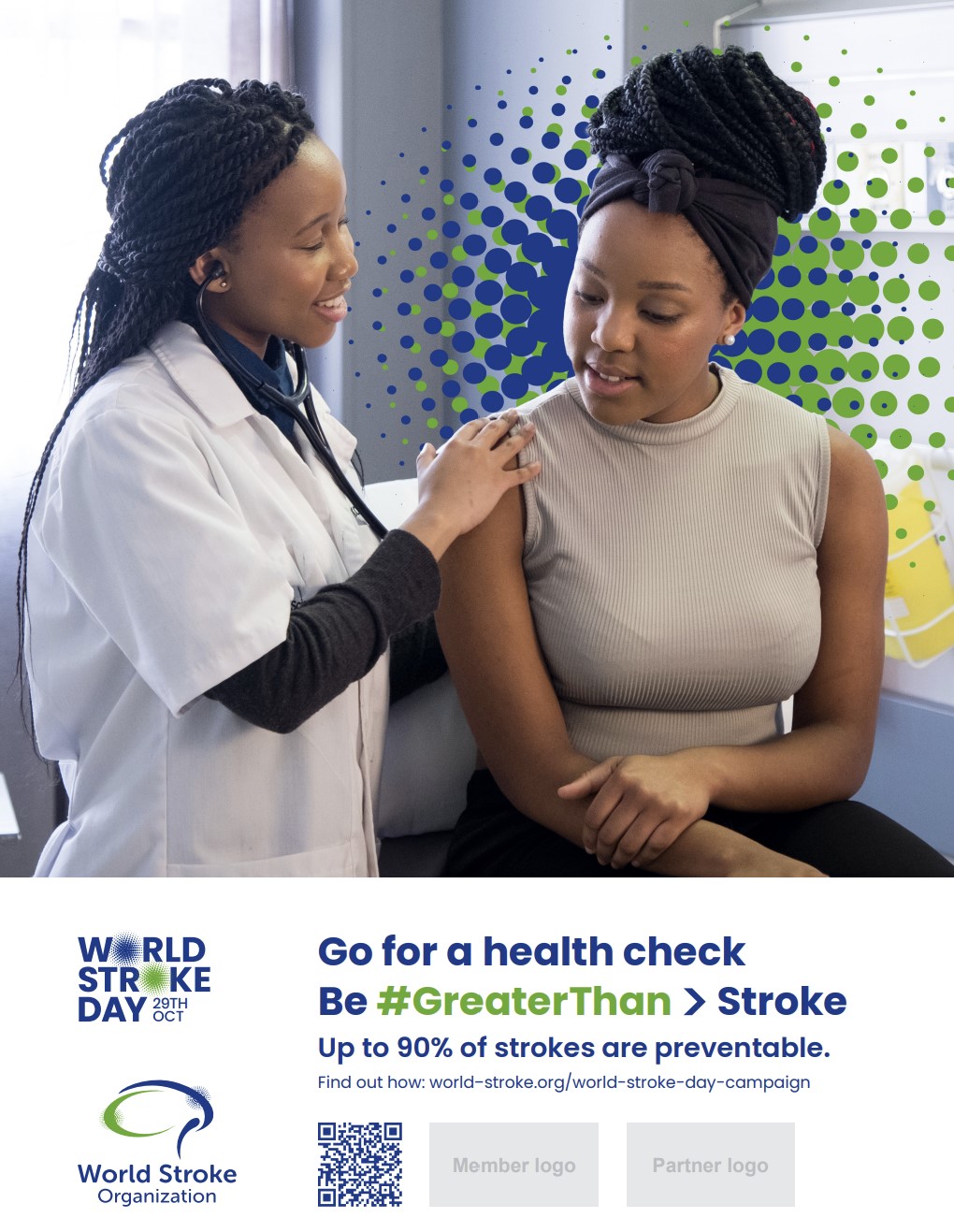
World Stroke Day 2024 is approaching, with the global health community marking October 29th on their calendars. This day is dedicated to raising awareness about stroke prevention, recognition, and treatment. The theme for this year is “#GreaterThanStroke,” emphasizing the importance of community support and encouraging active lifestyles to mitigate stroke risks. In this article, we will delve into the key aspects of this awareness campaign and provide valuable insights into stroke prevention and recovery.
Understanding the Importance of World Stroke Day
Understanding why World Stroke Day is significant is the first step in joining the movement for better stroke awareness and prevention. On this day, health organizations, caregivers, and stroke survivors come together to drive home the message that strokes can be prevented and managed effectively with the right knowledge and resources.
Raising Awareness
Raising awareness is paramount when it comes to stroke. Knowing the risk factors, recognizing the symptoms, and understanding the importance of quick medical intervention can save lives. Fast response to a stroke can significantly reduce the chances of long-term disabilities. Public education campaigns aim to arm everyone with the knowledge to act swiftly in the event of a stroke.
Stroke Prevention
Prevention is better than cure, and this holds particularly true for strokes. Making simple lifestyle changes can significantly reduce an individual’s stroke risk.
Healthy Diet
A balanced diet is crucial for stroke prevention. Consuming fruits, vegetables, whole grains, and lean proteins while reducing salt, sugar, and saturated fats can help maintain a healthy weight and lower blood pressure, which are significant risk factors for strokes.
Regular Exercise
Engaging in regular physical activity helps maintain cardiovascular health, reduces stress, and manages weight—all factors that contribute to a lower risk of stroke. Aim for at least 150 minutes of moderate-intensity exercise each week.
Quitting Smoking
Smoking is a major risk factor for strokes as it damages blood vessels and increases blood pressure. Quitting smoking can significantly reduce your risk of a stroke.
Supporting Stroke Survivors
Supporting stroke survivors is as important as prevention. Advocating for resources, rehabilitation, and caregiver support can significantly improve the quality of life for stroke survivors.
Stroke-Related Changes
Stroke survivors often face numerous physical and cognitive changes that can impact their daily lives. Understanding these changes is essential for providing meaningful care.
Physical Limitations
Physical limitations such as weakness or paralysis, speech difficulties, and cognitive challenges like memory and problem-solving issues are common among stroke survivors. Recognizing these limitations helps in creating supportive environments and activities tailored to their capabilities.
Emotional Effects
Emotional effects such as depression, anxiety, and mood swings can also be prevalent. Being aware of these psychological challenges helps in offering compassionate support and understanding.
Assisting with Daily Activities
Simple tasks can become challenging for stroke survivors. Your support in daily living activities is invaluable. Assist with tasks like dressing, bathing, and eating to help them regain independence gradually.
Encouraging Rehabilitation
Rehabilitation is key to recovery. Encouraging stroke survivors to stick to rehab routines can make a significant difference in their progress. Patience and consistent support are vital here.
Supporting Communication
Communication difficulties are common post-stroke. Helping stroke survivors express themselves and understand others better can alleviate frustrations and improve their overall well-being. Encourage the use of communication aids if necessary.
Promoting Emotional and Psychological Well-Being
Being there for stroke survivors emotionally and encouraging activities that boost their mood can greatly aid their rehabilitation. Social interactions and hobbies can enhance their quality of life.
Managing Health and Medical Care
Regular checkups and managing medications are crucial aspects of post-stroke care. Ensure that medical appointments are kept and medications are taken as prescribed to prevent secondary strokes and other health complications.
Adapting the Living Environment
Making the living environment safe and accessible is essential. This may involve installing grab bars, ramps, or rearranging furniture to facilitate easier movement and reduce fall risks.
Caring for Your Own Well-Being
As a caregiver, it is important to take care of your own well-being. Remember, you can’t pour from an empty cup. Taking time for yourself, seeking support when needed, and managing stress are crucial to sustaining your ability to provide care.
Long-Term Planning
Setting realistic goals together and celebrating every small victory is important for the long-term recovery of stroke survivors. Understand that recovery is a marathon, not a sprint. Patience and perseverance are key.
Encouraging Global Cooperation
Improving stroke prevention and care worldwide is a collective effort that requires community engagement, support from health care systems, and proactive policies from policymakers.
Engaging Communities
Communities play a significant role in raising awareness and providing support to stroke survivors. Local groups can organize events, workshops, and provide resources to educate the public about stroke risks and prevention strategies.
Health Care Systems
Health care systems must be equipped to provide timely and effective stroke care. This includes having trained personnel, appropriate infrastructure, and necessary medical supplies to treat strokes and support long-term rehabilitation.
Policy Makers
Policymakers have the power to enact changes that can improve stroke care and prevention. Advocating for policies that promote healthy lifestyles, fund stroke research, and support stroke care facilities can create significant positive impacts.
Conclusion
World Stroke Day 2024 is more than just a date on the calendar. It is a call to action, urging us all to contribute to reducing the global burden of stroke. By raising awareness, adopting healthier lifestyles, supporting stroke survivors, and fostering global cooperation, we can truly make this year’s theme “#GreaterThanStroke” a reality. Your support and actions play a crucial role in helping stroke survivors reclaim as much independence and joy as possible. Let’s come together to make a difference and ensure that stroke prevention and care continue to improve worldwide.







 A Caring Mind