Unpaid carers play an essential role in our healthcare system, especially for those dealing with mental ill health or long-term cancer care. Matthew McKenzie’s lecture brings much-needed attention to the critical role unpaid carers play and offers insights for both healthcare professionals and family members on how to better support these individuals. Let’s delve into key aspects highlighted in the lecture aimed at care awareness and support.
To watch a more indepth version please see the video below.
The Importance of Acknowledging and Valuing Carers
Unpaid carers are often the closest relatives or friends of the patient and have substantial insights about the patient’s history, symptoms, and what has worked best in their care journey.
Healthcare professionals can improve care by acknowledging and valuing the carer’s role.

Listening to the Carer’s Insight
Nurses and other hospital staff should actively listen to the carer’s insight about the patient. This includes recognizing the carer’s deep understanding of the patient’s history and preferences, which can help in diagnosis and treatment.

How Carers Can Tell if This Is Happening:
- The nurse or doctor asks about the patient’s history and preferences and takes notes based on the carer’s insights.
- The carer’s concerns are acknowledged rather than dismissed, and they feel included in discussions.
Expressing Appreciation
Simple words of acknowledgment like “You’re doing an incredible job, and we’re here to support you” can go a long way in building a collaborative relationship. This mutual respect can prevent clashes and create a supportive triangle involving the patient, professional, and carer.
How Carers Can Tell if This Is Happening:
- NHS professionals express gratitude and reassure carers that their input is valued.
- Carers feel respected and recognized, rather than ignored or treated as outsiders.
Inclusion in Care and Discharge Plans
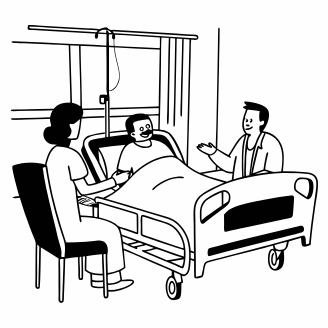
With the patient’s consent, carers should be included in conversations about care and discharge plans. This ensures that everyone is on the same page and can work together toward the best possible outcome for the patient.
How Carers Can Tell if This Is Happening:
- They are invited to meetings about the patient’s discharge or care plan.
- They receive updates from NHS staff on any changes in treatment or support needs.
Clear Communication with Families and Carers
Effective communication between healthcare staff and carers is crucial. Using plain language and avoiding medical jargon can help carers understand available support services and treatment options.
Explaining Information Clearly
Healthcare professionals should take the time to explain medical information clearly and provide written resources. This is particularly important when discussing treatment plans, medications, and available support services.
How Carers Can Tell if This Is Happening:
- NHS professionals explain things in a way that is easy to understand.
- They receive written materials or guidance on what to expect.
Providing Support Services Information
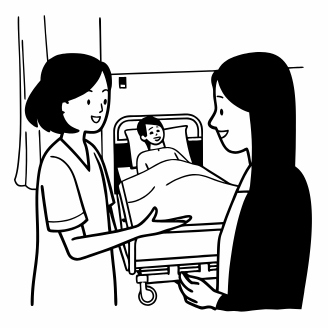
Providing carers with information about support services is vital. Referral to carer support centers and giving access to relevant leaflets and hubs can offer carers the additional help they need.
How Carers Can Tell if This Is Happening:
- They are given information about support services and signposted to helpful resources.
- NHS staff check whether they need any additional help with navigating the system.
Transparency
Being transparent about what NHS staff can and cannot do helps manage expectations. Clear communication avoids misunderstandings and builds trust between professionals and carers.
How Carers Can Tell if This Is Happening:
- NHS professionals are upfront about any limitations or constraints in the care process.
- Carers feel like they are receiving honest and realistic information.
Offering Emotional Support and Empathy
Carers often face immense emotional and physical challenges. Recognizing and validating their feelings can significantly impact their well-being and ability to cope with their responsibilities.
Acknowledging the Strain
It’s essential for healthcare professionals to acknowledge the emotional and physical demands carers face, especially those caring for individuals with mental health conditions. This recognition is the first step toward providing the necessary support.
How Carers Can Tell if This Is Happening:
- NHS professionals ask how they are coping and offer words of encouragement.
- They acknowledge the stress of caregiving rather than dismissing concerns.
Providing a Compassionate Space

Professionals should create an environment where carers feel comfortable discussing their challenges. Simple expressions like “This must be really tough for you” can make a big difference.
How Carers Can Tell if This Is Happening:
- NHS staff make an effort to check in on the carer’s well-being.
- They feel supported rather than just being seen as a provider of information about the patient.
Respecting the Carer’s Time and Needs
Recognizing the demands on a carer’s time and providing the necessary flexibility shows respect and helps build a better caregiver-professional relationship.
Avoiding Repetition
Professionals should avoid making carers repeat their stories unnecessarily, as this can be frustrating. Efficient communication between different services can help in this regard.
How Carers Can Tell if This Is Happening:
- They do not have to explain the same information multiple times to different staff members.
- Their notes or input are referenced by professionals rather than ignored.
Flexible Appointment Times
Offering flexible appointment times and phone check-ins can accommodate carers who may have work or other commitments.
How Carers Can Tell if This Is Happening:
- NHS staff consider their schedule and offer alternative ways to engage.
- They are given options such as phone or video consultations.
Carer Well-being and Access to Resources
Carers need support to maintain their well-being. Healthcare professionals can provide this support by informing carers about available resources and encouraging them to seek help.
Informing About Support Services

Carers should be informed about NHS and community-based support services, like respite care and mental health support. Providing this information can help carers find the necessary resources.
How Carers Can Tell if This Is Happening:
- They receive information about support services without having to ask.
- NHS staff encourage them to take advantage of available help.
Involving Carers in Decision Making
Involving carers in decisions about their loved one’s care, where appropriate, can improve the care process and provide essential insights from those who know the patient best.
Seeking Consent
Professionals should seek the patient’s consent to involve the carer in care discussions. This helps in building a collaborative care environment.
How Carers Can Tell if This Is Happening:
- They are consulted about treatment options and changes.
- Their insights are actively sought rather than dismissed.
Proactive Support Rather Than Reactive
Supporting carers before a crisis occurs can prevent many of the issues that arise when the caregiving role becomes overwhelming.
Early Intervention Strategies
Providing early intervention strategies can help reduce stress for both carers and their loved ones, ensuring a more stable care environment.
How Carers Can Tell if This Is Happening:
- NHS professionals offer guidance before problems escalate.
- Carers feel supported rather than being left to figure things out alone.
Conclusion
Matthew McKenzie’s lecture underscores the importance of recognizing and valuing the vital role unpaid carers play in the healthcare system. By actively listening to carers, communicating clearly, offering emotional support, respecting their time, ensuring their well-being, involving them in decision-making, and providing proactive support, healthcare professionals can create a more supportive and effective care environment.
Unpaid carers need to be acknowledged as integral parts of the care team. With the right support and empathy, they can continue to provide the high-quality care that their loved ones need. This approach not only aids carers but ultimately benefits the patients as well, creating a holistic and supportive healthcare experience for everyone involved.
Remember, whether you’re a healthcare professional, family carer, or a patient, it is vital to look after yourself. Taking care of your well-being ensures you can provide the best support and care for those who depend on you.

 A Caring Mind