By Matthew McKenzie, Co-Facilitator – South West London Mental Health Carers Forum
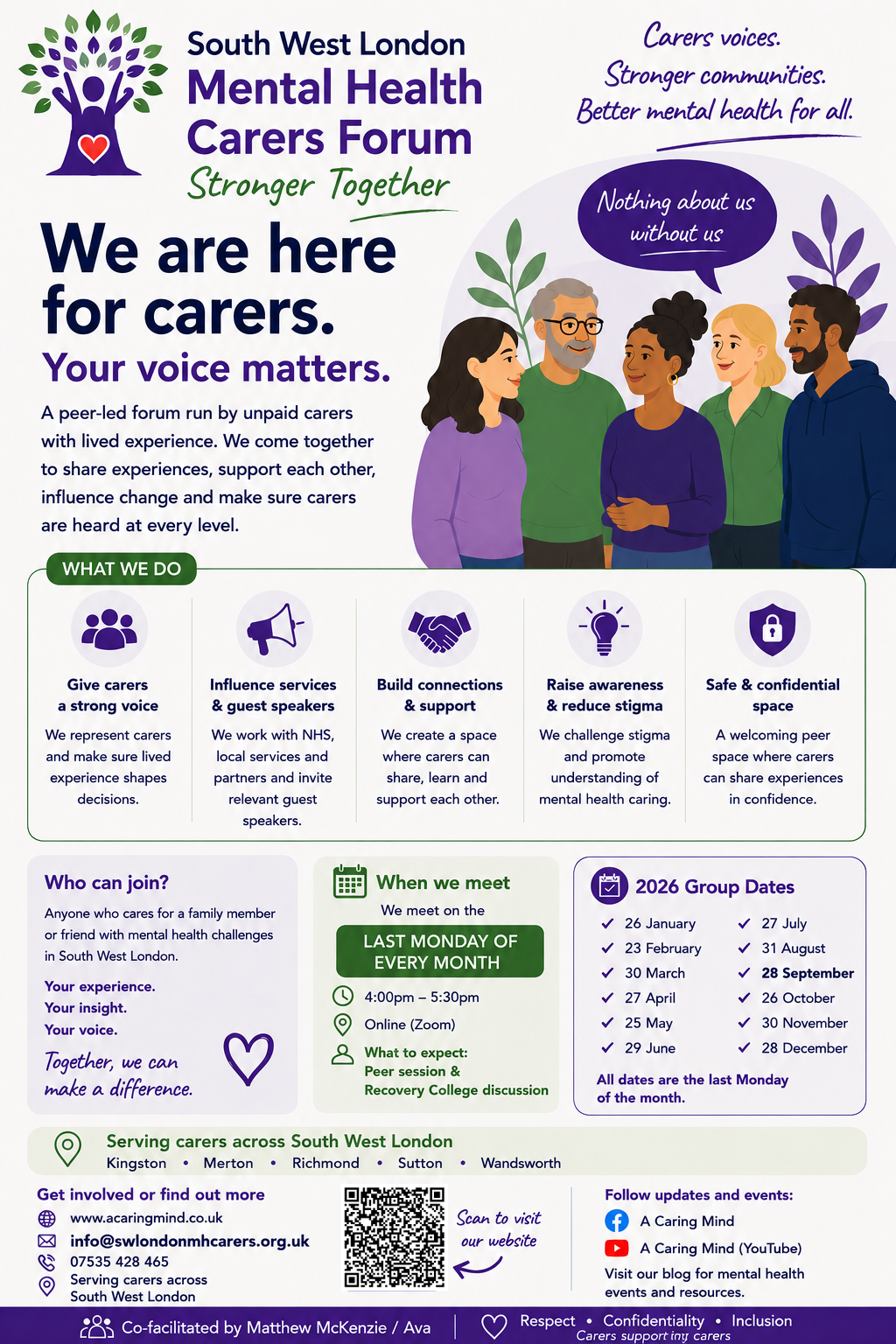
Our September forum brought carers together with Nisha from the South West London and St George’s Mental Health NHS Trust Recovery College.
We explored the courses available to carers, how to join them, and a question that matters well beyond the college: what happens when a carer still needs support after a time-limited service ends?
What the Recovery College offers carers
Nisha explained that Recovery College courses are co-produced and delivered by a practitioner trainer alongside a peer trainer with lived experience. The college offers face-to-face courses across Kingston, Richmond, Sutton, Merton and Wandsworth, as well as online learning.
Five online courses run each term specifically for friends, family members and carers: Your Role in Recovery, What Is Recovery?, Responding to Extremes, Planning for Well-being, and Navigating Support Services. Carers who meet the college’s eligibility criteria can also explore its wider range of courses.
We also heard about Navigating the Wards, a newer course for families and carers whose loved one has been admitted to a mental health ward. It brings together practical information, contact with ward staff and a chance to meet others who understand that experience. A carer may need time before feeling ready to attend, so it was reassuring to hear that the course is intended to run again rather than being a one-off opportunity.
Caring does not end after 12 months
The most important discussion came from a carer who had benefited from Recovery College courses but questioned the limit on access after a loved one leaves trust services. Nisha explained that eligible carers can continue to access courses for up to 12 months after discharge, while webinars remain available more widely.
A caring role rarely follows that timetable. Someone may need to pause their learning during a difficult period, return to a course when they are better able to take it in, or seek support years later as circumstances change. A second member also asked about eligibility, showing how relevant this question is to carers trying to find the right help.
Nisha listened to these concerns and said she would take the question of eligibility back for further discussion. She also described work to strengthen links with community and voluntary organisations, so that carers have clearer routes to support when their access to the college ends. It was a constructive exchange, and one we hope can continue.
Members also spoke about how hard it can be to discover support in the first place. Carers should not have to find every course or service by chance while managing an already demanding role. Clear information, accessible formats and active outreach matter, including for carers from ethnic minority communities and people who may face other barriers to taking part.
How carers can take part
Nisha explained that prospective students can look through the Recovery College timetable and complete an online registration form, selecting courses that interest them. The team checks eligibility and confirms a place if one is available; if a course is full, there may be a waiting list. Open days offer a chance to talk through the options, but a registered student does not need to attend an open day each term to book another course. Courses in a different borough may also be an option.
We asked how carers from this forum could help shape future courses. Nisha welcomed continued discussion about carer involvement in course design and delivery. We also talked about sharing information both ways: making more carers aware of the college, and helping people who attend its carer courses find our forum.
A space for carers to connect
At the start of the meeting, I shared a glimpse of a recent carers’ art and poetry session. Creative expression can give carers another way to speak about experiences that are difficult to put into everyday conversation. I would welcome the chance to explore a similar opportunity in South West London with interested carers and local partners.
Thank you to Nisha for joining us and answering members’ questions openly, and to the carers who shared their experiences. Their questions helped move the conversation from a list of courses to the practical issue of whether support remains accessible when carers need it.
The South West London Mental Health Carers Forum meets monthly and welcomes unpaid mental health carers across the five boroughs. Our next meeting is planned for Monday 26 October 2026. To ask about joining, email info@swlondonmhcarers.org.uk.
To mark World Alzheimer’s Day, I have produced a new A Caring Mind video focusing on the unpaid carers supporting relatives and friends living with Alzheimer’s disease and other forms of dementia.
Alzheimer’s is a progressive neurological disease rather than a mental illness. However, its emotional and psychological impact can be profound—not only for the person diagnosed, but also for those caring beside them.
The video explores the importance of earlier diagnosis, including carers in decisions, recognising anticipatory grief and connecting families with appropriate support. It also highlights organisations such as Alzheimer’s Society, Dementia UK, Carers UK and Carers Trust.
Carers may manage appointments, medication, personal care, changing behaviour and difficult decisions, often without enough information or support for their own wellbeing.
World Alzheimer’s Day gives us an opportunity to challenge stigma, listen to people affected by dementia and recognise the contribution of unpaid carers.
Neither the person living with dementia nor the carer walking beside them should be forgotten.
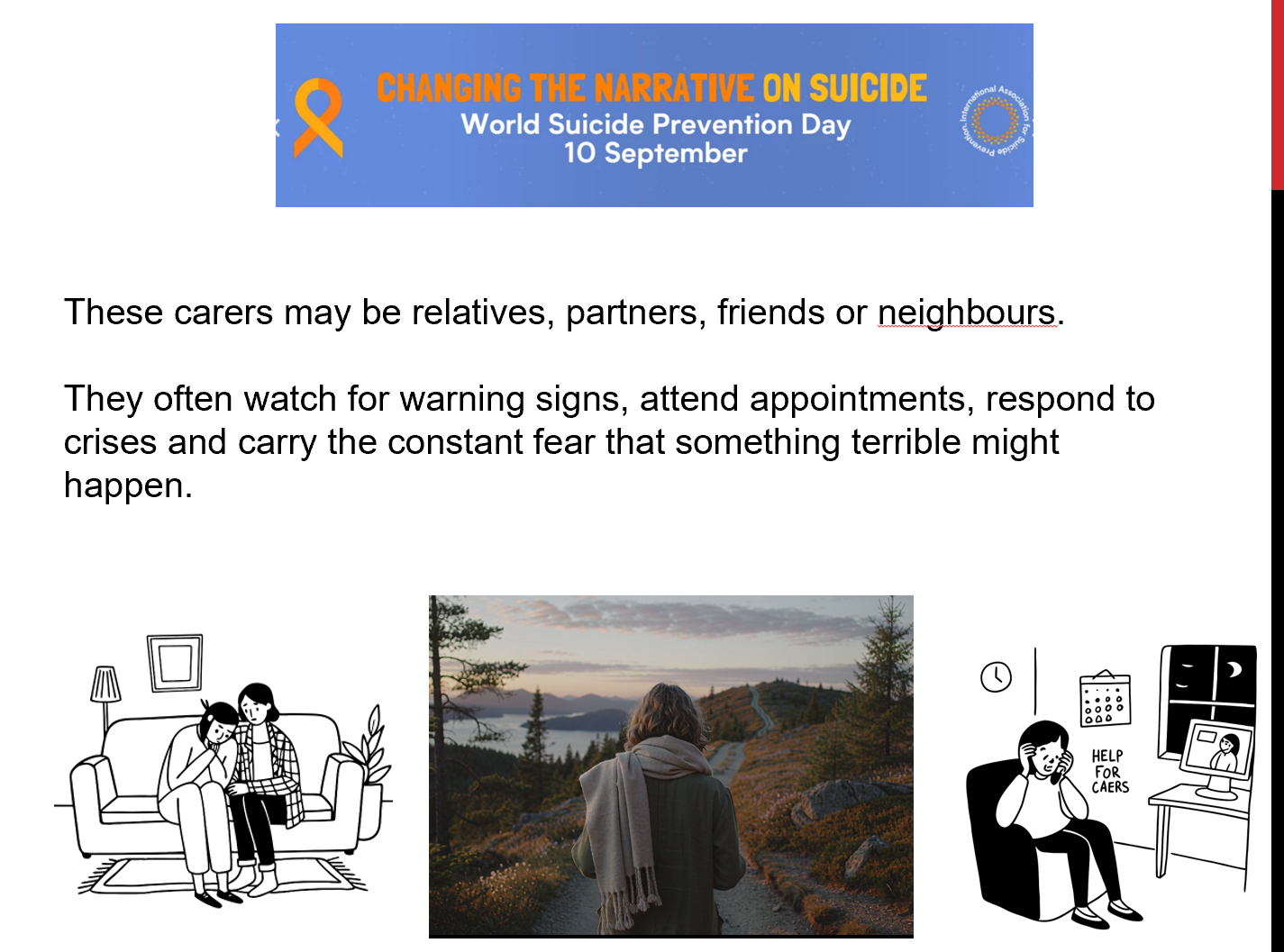
September is widely recognised as Suicide Prevention Awareness Month, with World Suicide Prevention Day taking place on 10 September.
Organised internationally by the International Association for Suicide Prevention and supported by the World Health Organization, the 2026 theme is “Changing the Narrative on Suicide,” with the call to action “Start the Conversation.”
Organisations such as Samaritans, PAPYRUS, Mind, Rethink Mental Illness and members of the National Suicide Prevention Alliance also work to raise awareness, challenge stigma and improve suicide prevention across the UK.
For this year’s campaign, I have produced a new awareness vlog focusing not only on people experiencing suicidal thoughts, but also on the unpaid mental health carers supporting them.
Relatives, partners and friends may spend long periods watching for warning signs, attending appointments and responding to crises. They can carry an enormous level of fear and responsibility, yet their own emotional needs are frequently overlooked.
Carers should never be expected to manage suicide risk alone. Professionals must listen to their concerns, involve them appropriately and ensure they can access support themselves.
In my new vlog, I discuss how we can challenge stigma, start compassionate conversations, listen without judgement and remember to check in with the person providing care as well as the person in crisis.
If you or someone you know needs urgent mental health support in England, call NHS 111 and select the mental health option. Samaritans can be contacted free, day or night, on 116 123. If someone is in immediate danger, call 999 or go to A&E.
Together, we can move from silence to conversation, from stigma to compassion, and from carers coping alone to communities sharing responsibility.
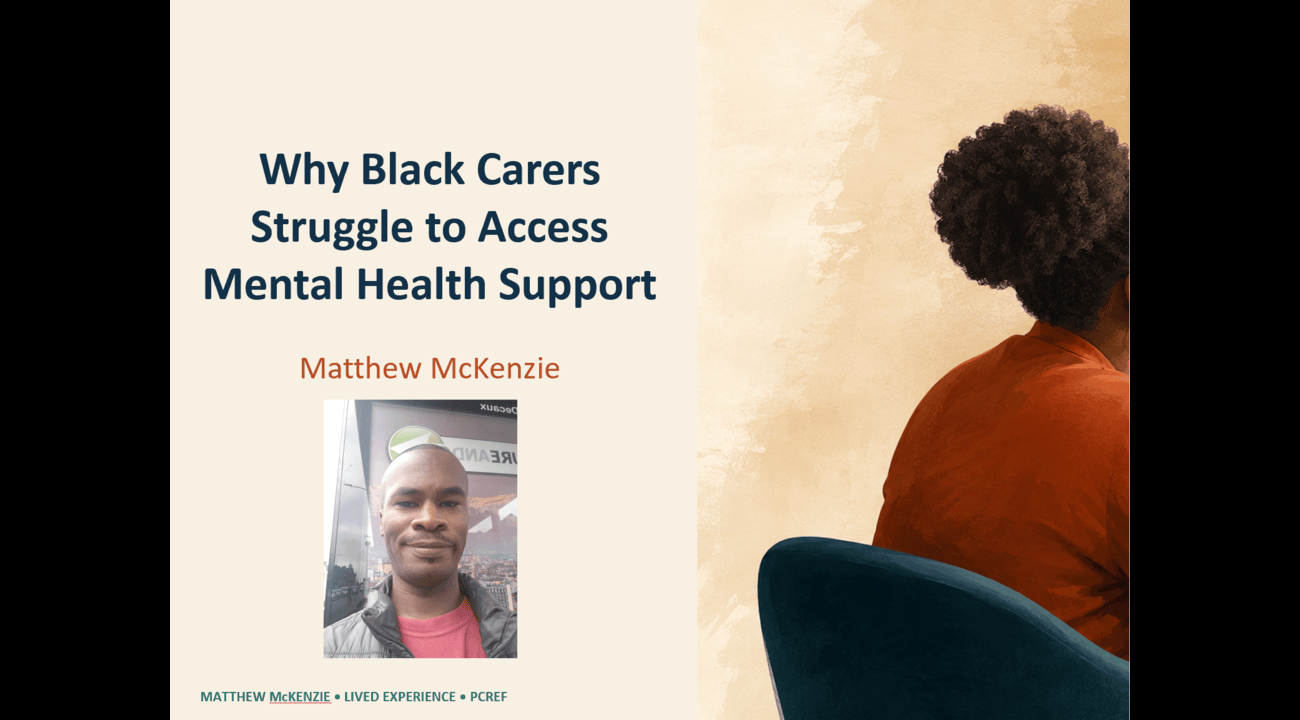
Black unpaid carers can face significant barriers when trying to access mental health support for themselves or the person they care for.
These difficulties may include long waiting times, financial pressure, cultural stigma, fear of statutory services and a shortage of professionals who understand the effects of racism, racial trauma and culturally specific caring experiences.
In my new video, I examine how misdiagnosis, over-policing and expectations that Black families should simply remain “strong” can create mistrust and discourage carers from asking for help.
Drawing on my perspective as a Black lived-experience carer, I also consider what mental health services can do differently. Genuine improvement requires culturally responsive support, greater representation, safe spaces for carers, accessible community-led services and meaningful partnership with Black carers and families.
PCREF provides an important opportunity to challenge racial inequalities, but its success will depend on whether services listen to lived experience and turn commitments into visible action.
By Matthew McKenzie – Chair of Carers Hospital Discharge group
Thanks to everyone who attended our July Hospital Carer Discharge Meeting. We welcomed representatives from NHS trusts, local authorities, carers organisations, Healthwatch, and voluntary sector partners from across London. As always, the purpose of the meeting was to share developments, learn from each other’s work, and strengthen collaboration to improve hospital experiences and discharge planning for unpaid carers.
Although every organisation is at a different stage of development, one message came through very clearly: supporting unpaid carers is becoming an increasingly important priority across hospitals, councils and the NHS.
A Strong Focus on Earlier Carer Identification
One of the recurring themes throughout the meeting was the importance of identifying carers as early as possible during a patient’s hospital journey.
Many hospitals continue to recognise that carers are often identified too late—sometimes only when discharge is already taking place. Earlier identification allows staff to:
involve carers in care planning
understand the practical support available at home
recognise carers’ own support needs
prevent unsafe or delayed discharges
improve communication between hospital teams and families.
Lewisham & Greenwich NHS Trust provided an update on its Standard Operating Procedure (SOP) designed to improve the identification and involvement of unpaid carers. Although implementation has been delayed because of competing organisational priorities, the framework remains in place and includes:
earlier identification of carers on admission
recording carers within hospital systems
involving carers in discharge planning
ensuring carers understand care needs following discharge
connecting carers with local authority assessments and community support.
Alongside this, the Trust continues reviewing its Carers Charter and strengthening relationships with voluntary organisations across Lewisham, Greenwich and Bexley to improve partnership working. Training for ward staff is also beginning with support from local councils to improve awareness of carers and available services.
This demonstrates that improving hospital discharge is not simply about creating new policies, but embedding carer awareness throughout everyday clinical practice.
Excellent Examples of Partnership Working
Several organisations shared encouraging examples of collaboration across health and social care.
The North Central London Carer Support Project described a wide range of initiatives already underway across several NHS trusts.
These include:
weekly co-delivered carer awareness sessions with Camden Carers at University College London Hospital
regular online training sessions at Whittington Hospital attracting around forty staff members each session
development of an e-learning programme for professionals working with carers
greater involvement of patient experience teams in monitoring referrals to carers organisations.
Particularly encouraging was the decision to begin monitoring hospital referral numbers to carers organisations as a performance measure. Measuring referrals each month provides a practical way of understanding whether carers are actually being identified and connected to support rather than relying solely on policy documents.
Camden Carers also highlighted continued outreach into GP surgeries through dedicated engagement work, recognising that many carers first come into contact with primary care long before hospital admission.
Learning from Cancer Carers
Healthwatch representatives shared plans for a significant research project exploring the experiences of carers supporting someone with cancer. The study is expected to begin later this year and will gather the views of carers across several London boroughs before producing recommendations for NHS trusts and publishing the findings publicly. The aim is to better understand what is working well for carers, where support can be strengthened, and how healthcare services can respond more effectively to the realities faced by those caring for someone undergoing cancer treatment.
The discussion highlighted the importance of ensuring that the voices of unpaid carers are heard throughout the research process. Caring for someone with cancer can involve navigating complex treatment pathways, managing appointments across multiple services, providing emotional support, and balancing caring responsibilities alongside work and family life. Research such as this provides an opportunity to capture those lived experiences and translate them into practical recommendations that can improve communication, discharge planning, access to information, and the support available to carers across NHS services.
As Chair of the Cancer Caregiver Forum, I also highlighted opportunities for researchers and NHS organisations to work more closely with existing cancer carer networks to ensure lived experience remains central to future improvements.
Hospital Discharge Remains a National Priority
Several organisations reflected on how hospital discharge continues to be one of the biggest concerns raised by unpaid carers.
Chelsea and Westminster Hospital NHS Foundation Trust
Chelsea and Westminster Hospital explained that feedback from carers is regularly discussed through its Patient Experience Group, with hospital discharge continuing to be one of the most common issues raised by families. Representatives acknowledged that while significant work has taken place, there remains more to do to ensure carers are consistently recognised, listened to, and involved throughout a patient’s stay in hospital.
The Trust also highlighted the important role that carers play in shaping future improvements. By regularly hearing directly from carers through patient experience forums, the hospital is building a better understanding of the practical challenges families face before, during and after discharge. Although their Carers Lead was unable to attend this meeting, the Trust expressed a strong commitment to continuing engagement with regional partners and learning from initiatives taking place across London to strengthen discharge planning and carer support.
Richmond Carers Centre
Richmond Carers Centre reported strong referral links with Kingston Hospital, particularly through dementia services, while also developing opportunities for joint education sessions where hospital staff and carers can better understand each other’s experiences of discharge planning.
Alongside its close working relationship with Kingston Hospital, Richmond Carers Centre continues to raise professional awareness across the borough, encouraging more organisations to identify unpaid carers and refer them for support. The team reflected on ideas gathered from national conferences, including improving engagement with diverse communities and strengthening links with GP practices and Primary Care Networks. Although capacity remains a challenge, Richmond Carers Centre continues to explore new ways of increasing visibility so that carers receive information, advice and emotional support as early as possible rather than only after a hospital discharge has taken place.
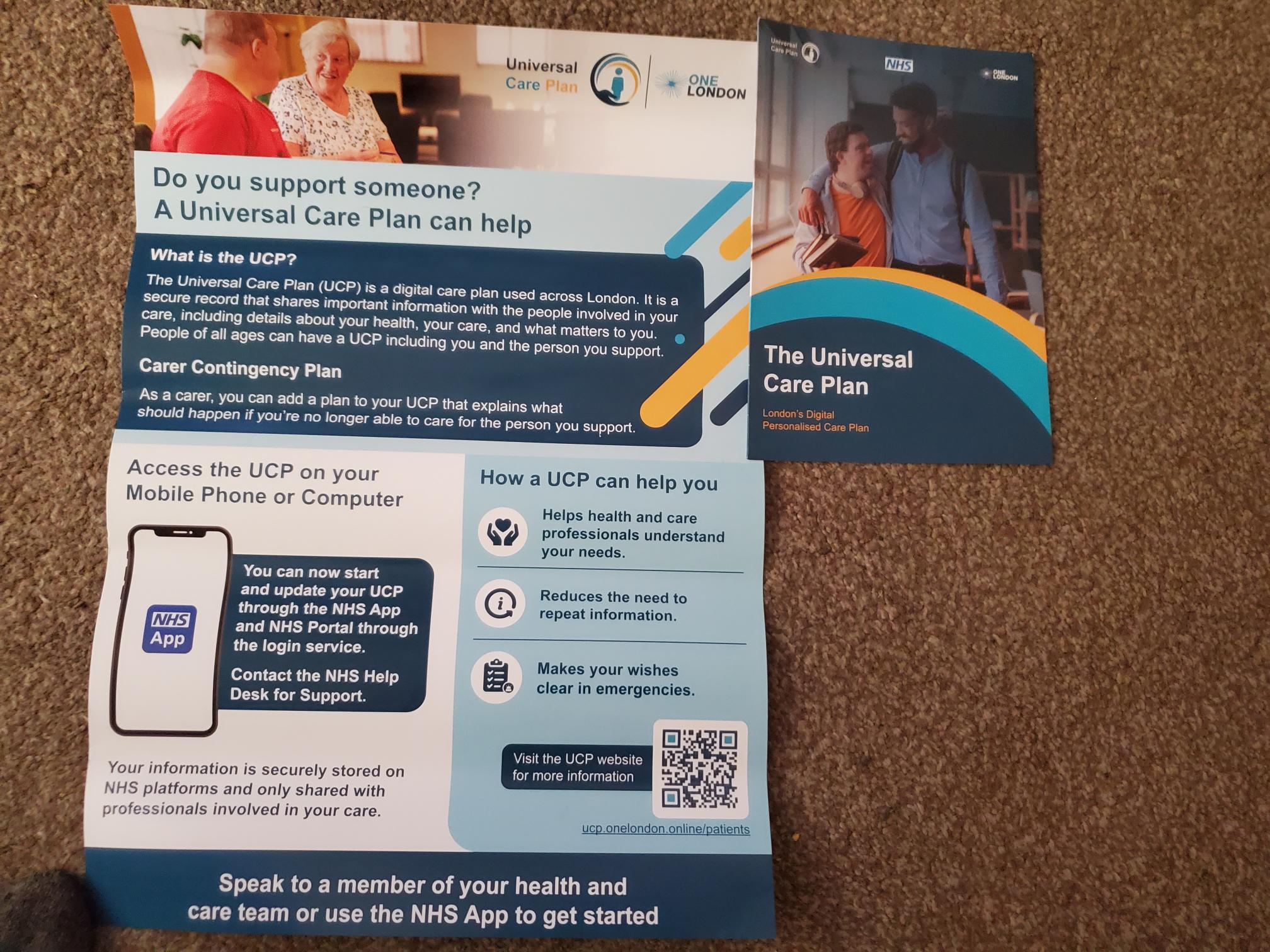
Universal Care Plan and Care Contingency Plan (UCP/CCP)
An important update was shared regarding the Universal Care Plan (UCP) and Care Contingency Plan (CCP), which are being developed through NHS England to improve how carers are identified and supported across health services. Attendees heard that the programme is currently being piloted in London and aims to allow unpaid carers to record emergency contingency arrangements and important caring information digitally through the NHS App and GP systems. The long-term ambition is for this information to be accessible across different parts of the NHS, helping professionals better understand both the needs of the person receiving care and the vital role played by their unpaid carer. Representatives who attended the recent NHS England workshop described the programme as a positive and promising development, with training opportunities expected to become available as the rollout progresses.
The discussion also highlighted that increasing awareness will be just as important as the technology itself. Many carers remain unaware that care planning and contingency planning can help prepare for emergencies where they may suddenly be unable to provide care. By encouraging hospitals, GP practices and carers organisations to promote the Universal Care Plan and Care Contingency Plan, there is an opportunity to improve continuity of care, reduce avoidable crises, and ensure that carers’ knowledge and wishes are better recognised within the wider health and care system. As these initiatives develop, organisations across London will have an important role in helping carers understand how to access and make effective use of these new digital planning tools.
Southwark Council
Southwark Council also described ongoing partnership work with Guy’s & St Thomas’ and King’s College Hospital. King’s College Hospital is currently developing a Care and Support Navigator service designed to support patients while they remain on waiting lists, assist with discharge planning, and improve signposting into community services once patients return home.
The Council explained that while its refreshed Carers Strategy is not solely focused on hospital discharge, close partnership working with local NHS trusts remains a key priority. Through the Southwark Carer Collaborative, which meets quarterly with representatives from King’s College Hospital and Guy’s & St Thomas’, organisations are sharing developments, identifying opportunities for joint working, and ensuring carers remain firmly on the agenda. Southwark also confirmed that the newly launched Cross-Government Unpaid Carers Action Plan is already helping to inform the direction of its refreshed strategy, demonstrating how national policy is beginning to influence local planning and partnership working.
National Developments – A Significant Moment for Unpaid Carers
Perhaps the most significant national development discussed during the meeting was the publication of the UK Government’s first Cross-Departmental Unpaid Carers Action Plan, launched on early July.
Although many details will continue developing over the coming months, the plan represents an important step because responsibility for unpaid carers is now being considered across multiple government departments rather than solely within health and social care.
Key priorities include:
improving identification of unpaid carers
increasing referrals into carers support services
strengthening employment support for working carers
making greater use of digital systems including the NHS App.
Alongside this sits the development of the Universal Care Plan and Carers Contingency Plan. Early pilots suggest these tools could allow carers to record emergency contingency arrangements and important caring information digitally, making that information more accessible across health services when needed. Training opportunities are expected to become available as the programme expands.
Looking Ahead
Although considerable progress is being made, many of the discussions reinforced that improving hospital discharge requires sustained partnership between NHS trusts, councils, carers organisations and, most importantly, unpaid carers themselves.
Future meetings will continue sharing practical examples of good practice, highlighting successful projects, and identifying opportunities for organisations to learn from one another.
At our September meeting we look forward to welcoming Carers UK, who will provide regarding hospitals and unpaid carers.
Thank you once again to everyone who contributed to the July meeting. Your willingness to share ideas, successes and challenges continues to strengthen our collective efforts to ensure unpaid carers are recognised, valued and fully involved throughout the hospital discharge process.
By Matthew McKenzie – Triangle of Care – Community group chair
Putting Carers at the Centre of Care
The latest Triangle of Care Community Group brought together carers, professionals and partner organisations from across England to share learning, celebrate progress and identify where further improvements are needed. The meeting highlighted the growing influence of the Triangle of Care across mental health and acute services, whilst reinforcing that there is still much work to do to ensure carers are consistently recognised, valued and supported.
One of the most powerful aspects of the meeting was hearing directly from carers about their experiences. Whilst many spoke positively about the progress that has been made over recent years, there was a shared view that carer involvement remains inconsistent across services. Carers described feeling more included than ever before, with greater awareness of the Triangle of Care principles and more opportunities to participate in steering groups, service developments and community discussions. However, concerns remain around automatic carer identification, information sharing and ensuring that carers are genuinely recognised as partners in care.
Several carers reflected on the importance of having their voices heard early in a patient’s care journey. Examples were shared of services introducing carer contribution templates that ensure family members are involved within 72 hours of admission, whilst others highlighted improvements to confidentiality processes that allow patients to determine what information can be shared with carers at different stages of their recovery. These practical changes demonstrate how relatively small adjustments can have a significant impact on relationships between carers, patients and professionals.
Progress Across the Triangle of Care Programme
Mary Patel, Triangle of Care Programme Lead at Carers Trust, provided an update on developments across the national programme. The Triangle of Care continues to grow, with a number of organisations progressing through the STAR accreditation process and demonstrating their commitment to embedding carer-inclusive practice across services.
Importantly, members were reminded that the STAR awards are not designed to rank organisations, but instead reflect the breadth of implementation across different service areas. STAR I focuses primarily on inpatient and crisis services, STAR II expands into community services, whilst STAR III recognises organisations delivering integrated services across multiple clinical areas.
Several trusts have recently achieved STAR awards, whilst others are progressing through the assessment process over the coming months. The programme’s peer review approach continues to ensure that carers remain central to the assessment process, with carers actively involved in reviewing evidence, identifying good practice and making recommendations for future development.
The Triangle of Care Member Hub continues to provide valuable opportunities for peer learning, resource sharing and collaborative working. Upcoming webinars will include sessions exploring Open Dialogue approaches developed by Devon Partnership NHS Trust, providing members with further opportunities to learn about therapeutic models that place families and carers at the heart of care planning.
Advancing Equality Through the Patient and Carer Race Equality Framework
A significant development announced during the meeting was the launch of Phase Two of the Triangle of Care and Patient and Carer Race Equality Framework (PCREF) project.
PCREF represents the first mandatory anti-racism framework within mental health services in England. Recognising that carers from racially marginalised communities often experience poorer outcomes and face additional barriers when accessing support, the Triangle of Care programme has been working collaboratively with carers and mental health providers to strengthen the way services assess and respond to carers’ needs.
The revised self-assessment framework encourages services to move beyond assumptions and adopt a more professionally curious approach to understanding carers’ individual experiences. Rather than viewing carers as a homogenous group, the framework recognises that caring experiences are shaped by culture, identity, language, personal circumstances and wider health inequalities.
Pilot sites from across England are now testing the revised guidance, with learning being shared nationally throughout the project. Importantly, organisations do not need to be participating in the pilot to begin implementing the principles and learning that emerge from this work.
Alongside PCREF, Carers Trust continues to contribute to national policy developments, including the Modern Service Framework for Severe Mental Illness and the forthcoming Mental Health Strategy for England. Throughout these discussions, there has been a consistent message that carers must be recognised as partners in care and have access to appropriate support in their own right.
Confidentiality, Information Sharing and Carer Inclusion
Confidentiality remained one of the most prominent themes throughout the meeting. Whilst participants acknowledged the importance of protecting patients’ rights and preferences, carers highlighted that confidentiality can sometimes become a barrier to meaningful engagement.
Several contributors reflected that confidentiality should never prevent professionals from listening to carers’ concerns or receiving valuable information that may support a patient’s care. Others spoke about the importance of revisiting conversations around consent over time, recognising that patients’ preferences may change as their circumstances and wellbeing improve.
Practical examples of good practice included breaking confidentiality discussions down into specific areas, allowing patients to decide what information can be shared about medication, activities, wellbeing and treatment plans, rather than relying on simple ‘yes or no’ decisions. There was also discussion around the importance of staff training to improve confidence when navigating complex conversations around confidentiality and information sharing.
Participants agreed that carers should never be expected to provide significant levels of support without receiving the information necessary to do so safely and effectively. Achieving the right balance between confidentiality and partnership working remains an important priority for the Triangle of Care community.
Triangle of Care Principles Within Acute Services
The meeting concluded with an inspiring presentation from Wendy Doyle, Head of Patient Experience at St George’s University Hospitals NHS Foundation Trust and Epsom and St Helier Hospitals, exploring how Triangle of Care principles can be successfully implemented within acute hospital settings.
Whilst the Triangle of Care originated within mental health services, Wendy demonstrated that its principles are equally applicable across acute care environments. Her organisation supports approximately 19,000 members of staff across multiple hospital sites and has developed a comprehensive approach to identifying, recording and supporting unpaid carers.
Staff are encouraged to identify carers at the earliest possible opportunity, with this information recorded within patient records to ensure continuity throughout the patient’s hospital journey. Comprehensive carer awareness training is delivered through virtual sessions, ward-based education and e-learning resources, helping staff understand both the practical and emotional importance of recognising carers.
Importantly, identifying carers is only the beginning of the process. Every carer recorded within the hospital system receives a follow-up wellbeing check from the Patient Experience Team to discuss their own support needs, identify any challenges and facilitate referrals to local carers’ organisations where appropriate.
Partnership working sits at the heart of this approach, with close collaboration between acute services and local carers’ centres ensuring carers can access a broad range of practical and emotional support. Adult and Young Carers’ Charters have also been co-produced with carers themselves, helping to shape organisational commitments around kindness, inclusion and meaningful engagement.
Perhaps most importantly, Wendy highlighted that supporting carers improves outcomes for everyone. Better communication strengthens discharge planning, reduces avoidable hospital admissions and readmissions, improves patient safety and helps prevent carer burnout. Acute hospital stays can provide valuable opportunities to identify carers who may previously have remained invisible and connect them with longer-term support.
Looking Ahead
The discussions throughout the meeting demonstrated both the progress that has been made and the challenges that remain. There is increasing recognition that carers are essential partners in delivering high-quality care across both mental health and acute services. However, meaningful involvement cannot rely upon individual goodwill alone; it requires consistent systems, robust policies and a genuine commitment to partnership working.
Looking ahead, the Triangle of Care programme will continue to expand opportunities for peer learning, influence national policy developments and support organisations to embed carer-inclusive practices across services. The ongoing work around PCREF and wider mental health policy developments provide important opportunities to ensure that carers’ voices remain central to future service transformation.
Above all, the meeting reinforced a simple but powerful message: carers must not be viewed as an afterthought or an optional addition to care planning. They are experts through experience, invaluable partners in care and individuals with support needs of their own. When carers are identified early, listened to meaningfully and supported appropriately, outcomes improve not only for carers themselves, but for patients, families and services alike.
The Triangle of Care Community Group continues to provide an important space where carers and professionals can learn from one another, challenge existing practices and work collectively towards more compassionate, inclusive and effective care.
By Matthew McKenzie – Carer, Campaigner, Author and Speaker
5 June 2026 – Supporting Kent County Council’s Carer Awareness Campaign
Although not officially part of Carers Week, my activities with Kent County Council formed an important part of my ongoing commitment to raising awareness of unpaid carers. I supported the county’s long-term carer awareness campaign by taking part in filming designed to help train council staff to better recognise and support carers.
I also discussed future opportunities to speak at Kent County Council carer groups and continued promoting my own support groups across the county. It was encouraging to see local government investing in carer awareness and recognising the importance of ensuring carers are identified, valued and supported within their communities.
9 June 2026 – Developed Video promotion for Carers Week 2026
I did my bit to raise awareness of Carers Week 2026 via a video I developed, which you can see below.
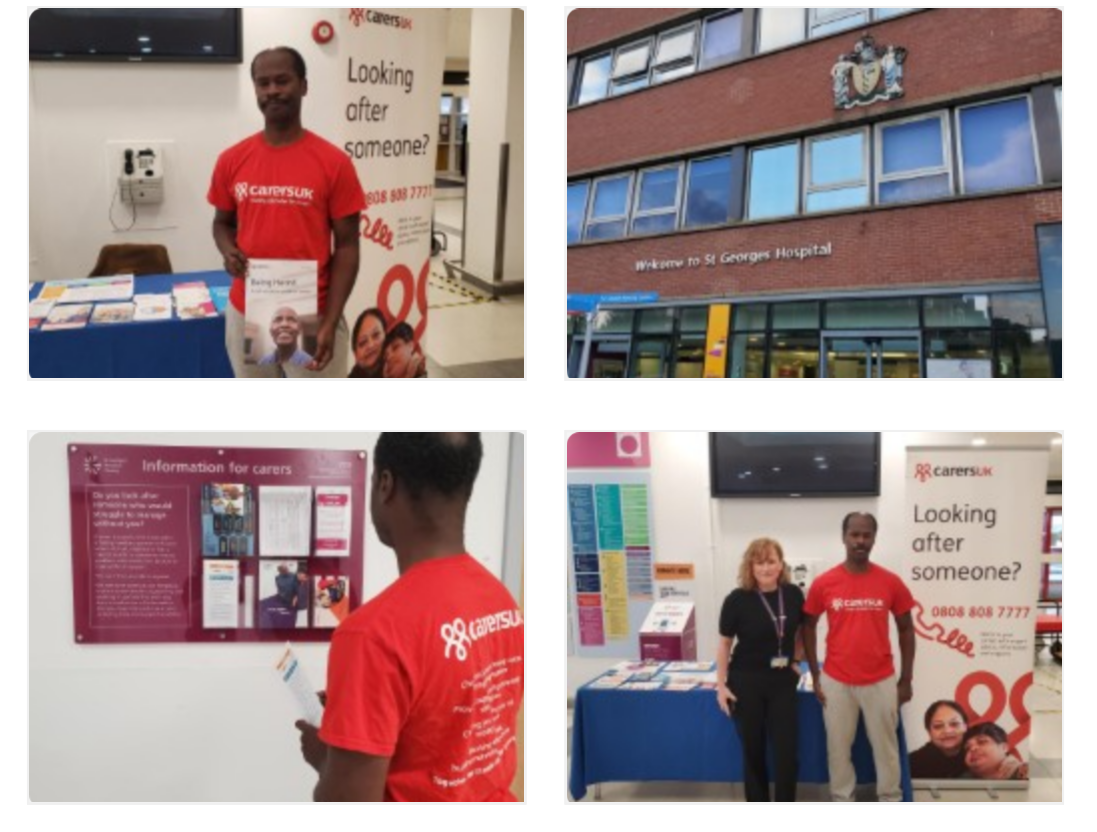
8 June 2026 – Carers Week Stall at St George’s University Hospital
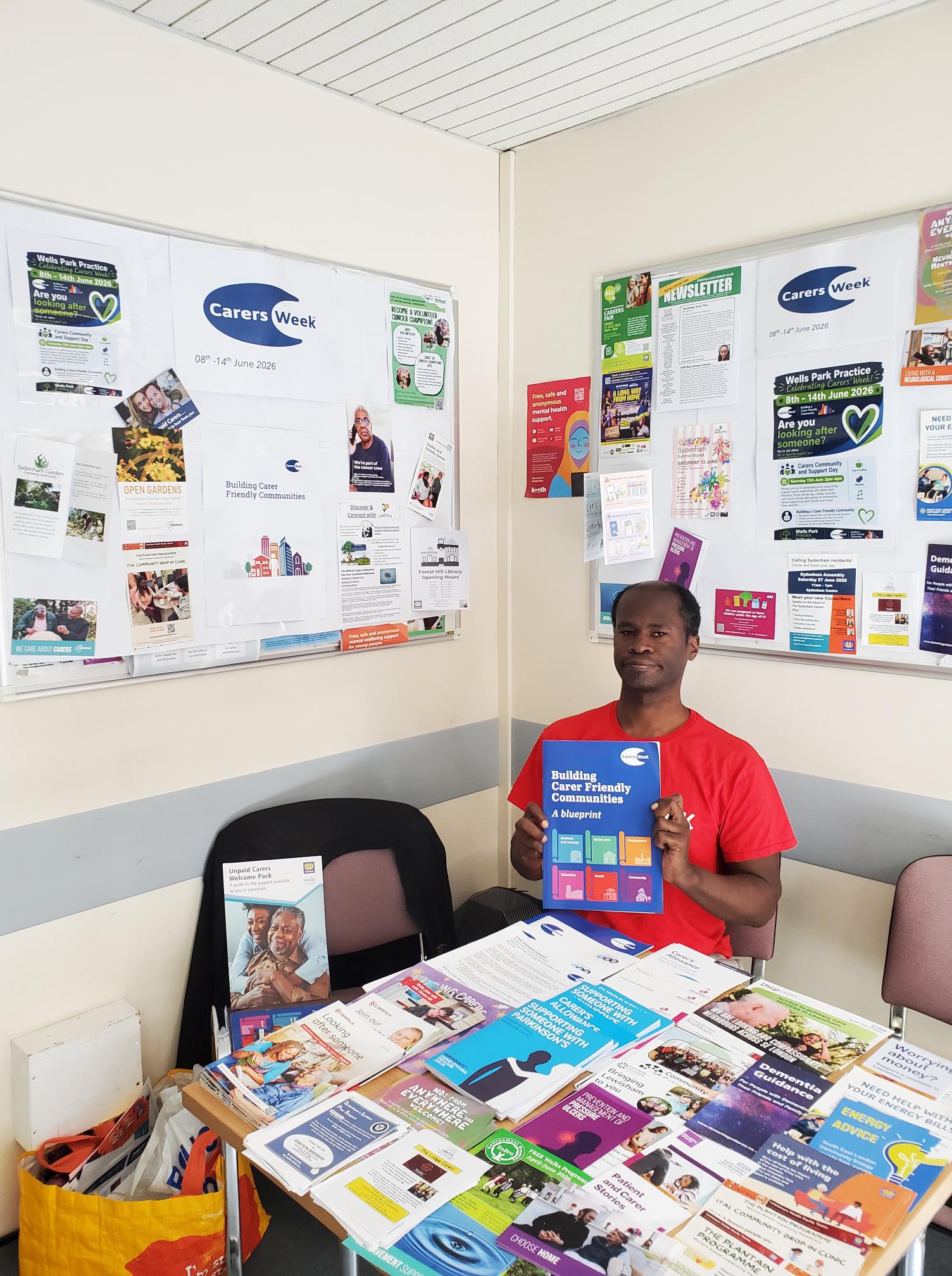
Carers Week officially began with a rewarding day at St George’s University Hospital, where I hosted a Carers UK information stall. The event provided an opportunity to engage directly with unpaid carers, patients, hospital staff and visitors, sharing information about the support available to carers both locally and nationally.
I was particularly pleased to see the hospital’s dedicated carers information board, which demonstrated a clear commitment to recognising and supporting unpaid carers. Throughout the day, I spoke with many people who were caring for family members and helped raise awareness of carers’ rights, available services and the importance of seeking support. It was a positive start to Carers Week and highlighted the vital role healthcare settings can play in identifying and supporting carers.
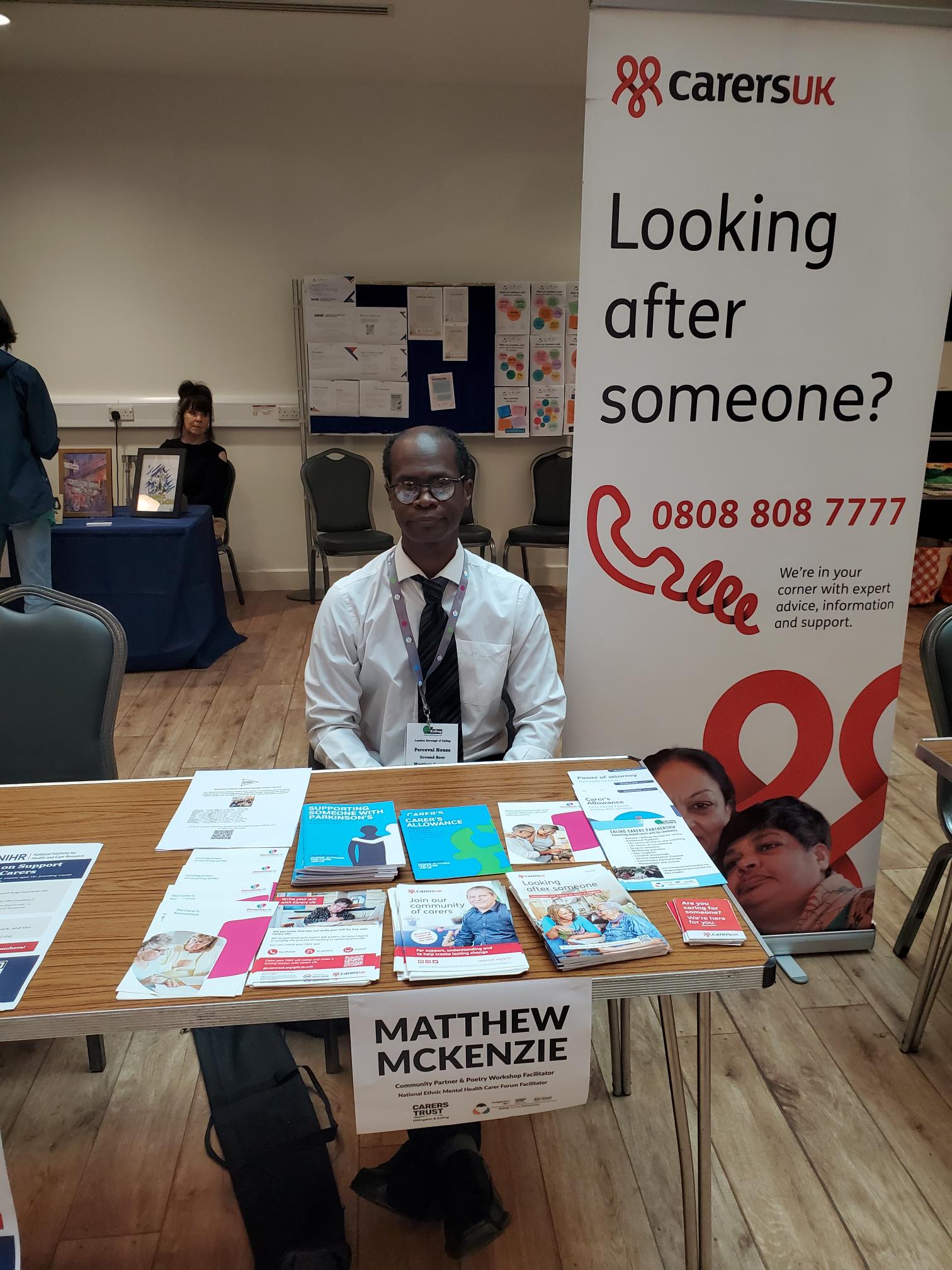
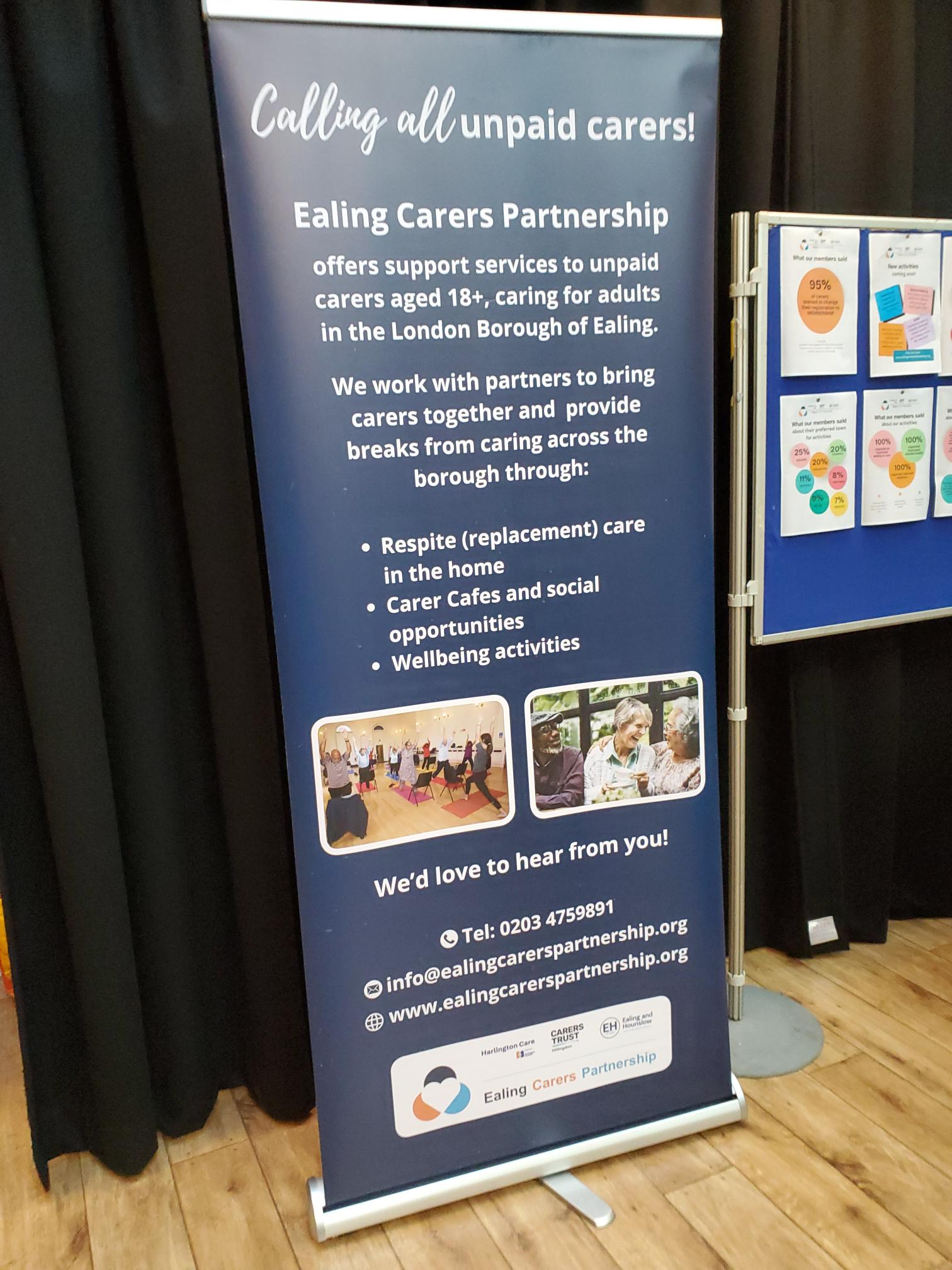
10 June 2026 – Ealing Carers Week Celebration at Perceval House
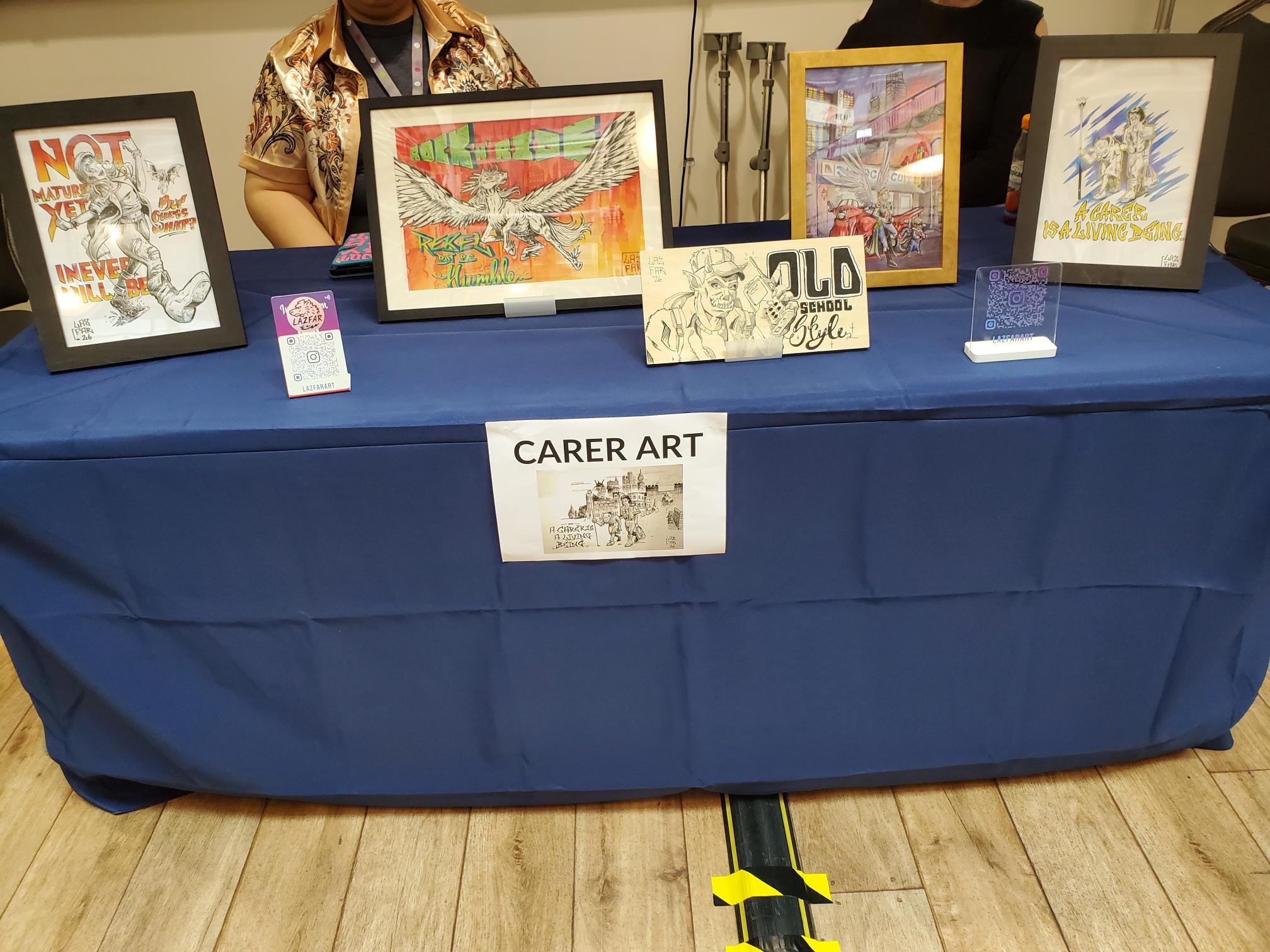
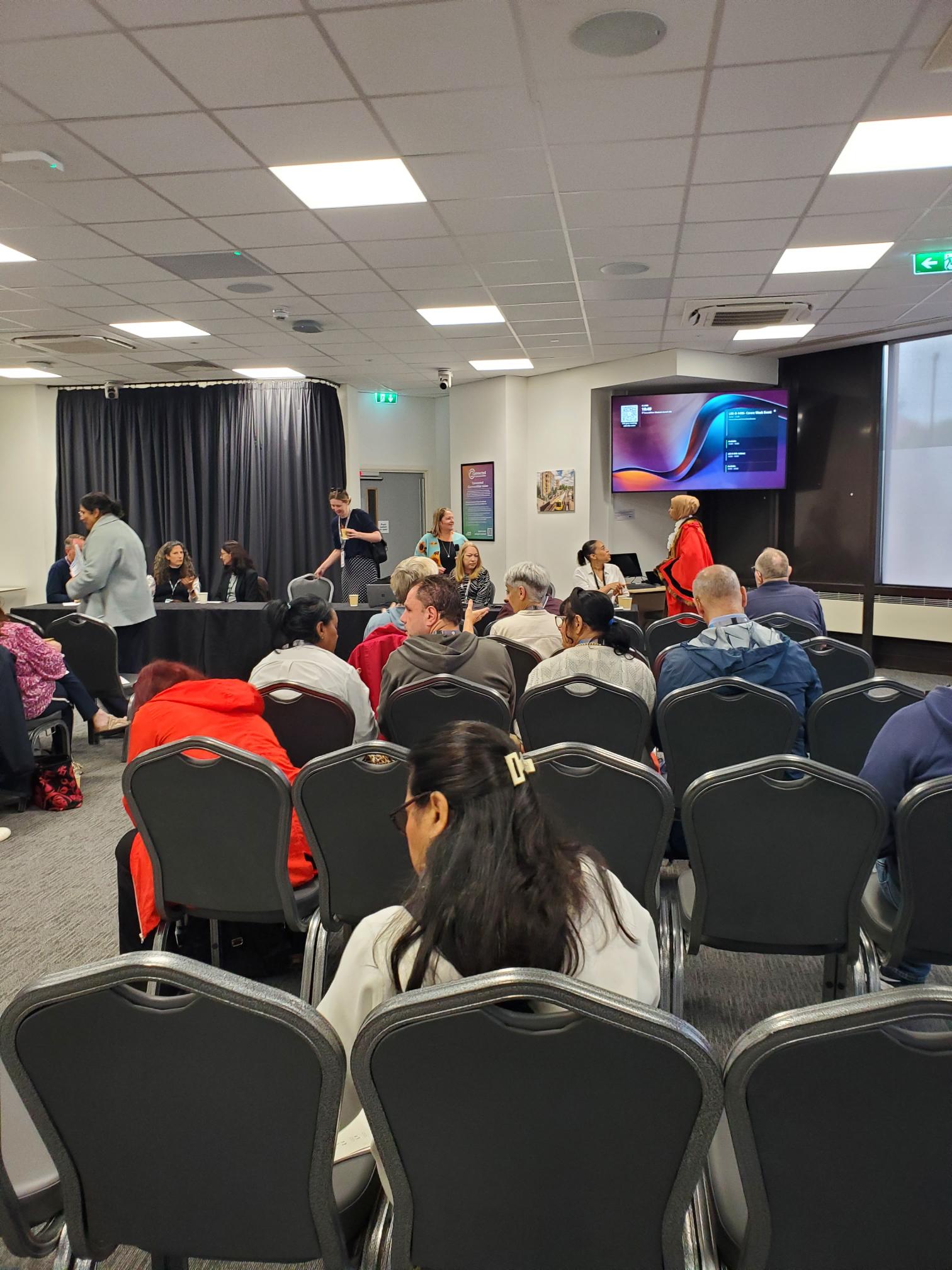
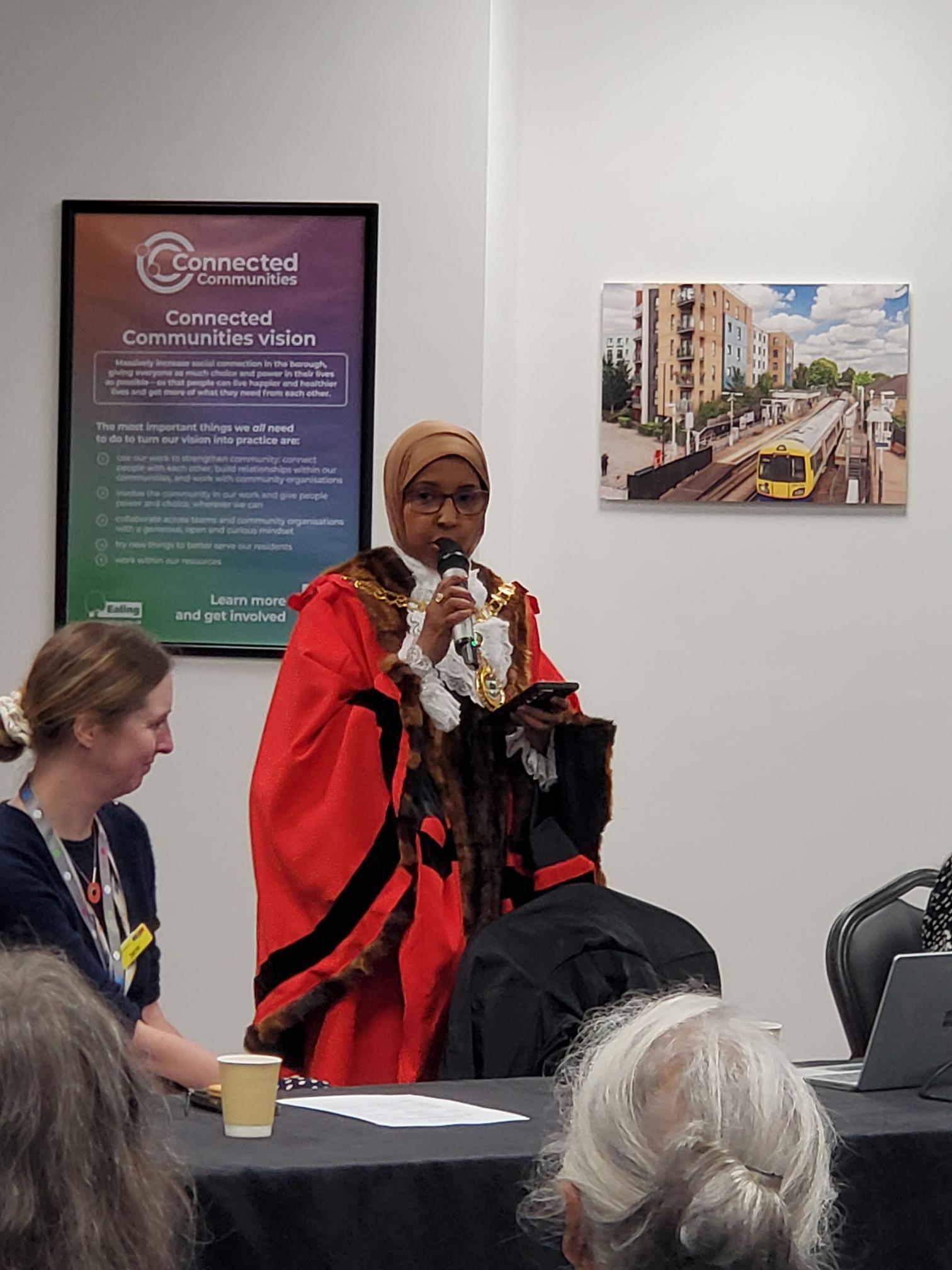
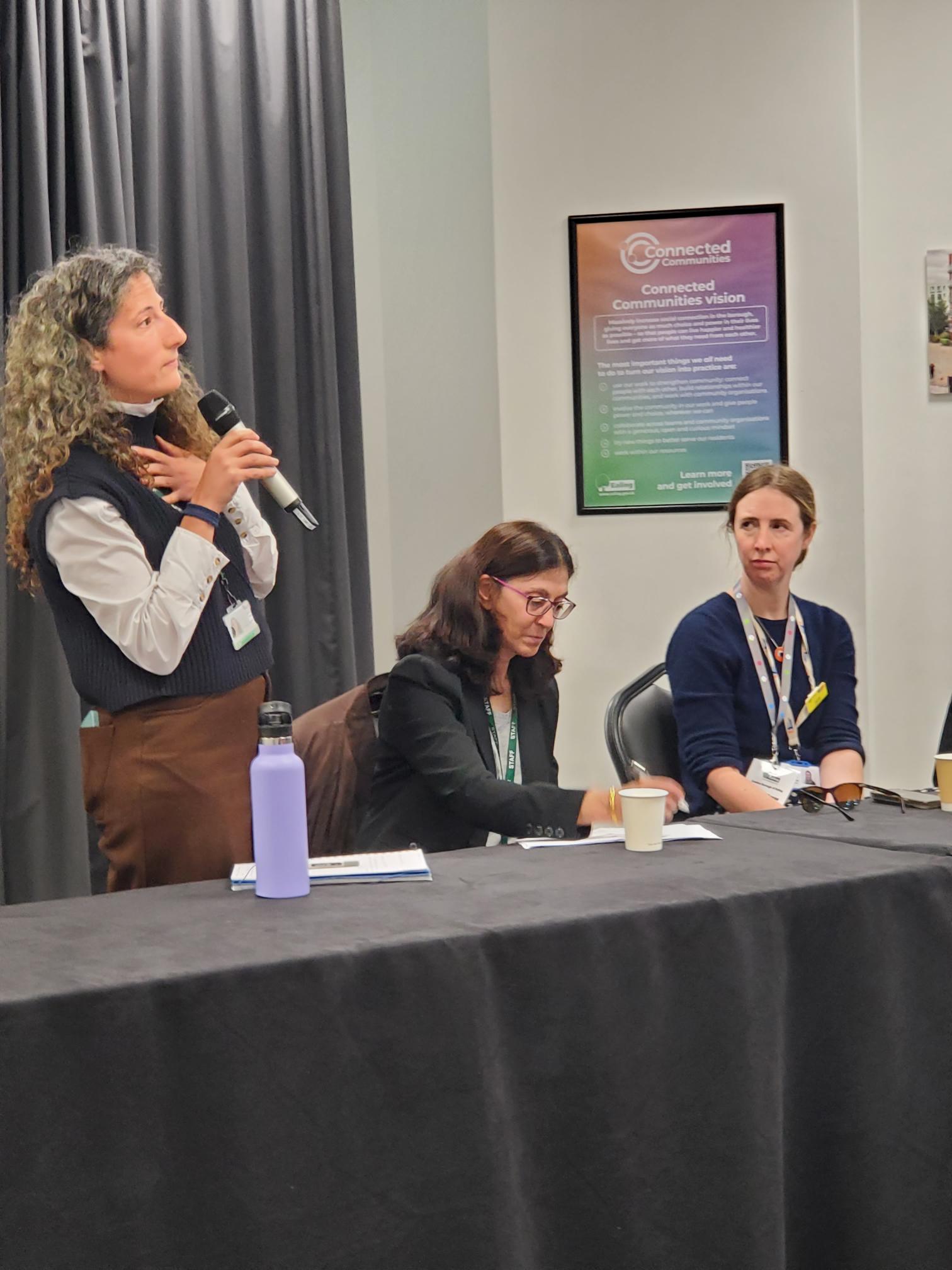
On 10 June, I attended the Carers Week Celebration 2026 at Perceval House in Ealing, organised by Ealing Carers Partnership, Ealing Carers Hub and Ealing Council. As someone who supports both of my elderly parents, I understand first-hand the rewards and challenges of caring. During the event, I had the privilege of hosting a Carers UK information stall while also attending as a carer, poet and author.
The day brought together carers, charities, community organisations, health professionals and council representatives in a welcoming and supportive environment.
Carers had access to information, advice and wellbeing activities, including complimentary refreshments, free manicures provided by Uxbridge College students, artwork exhibitions and opportunities to connect with others who understand the caring journey. The event served as a powerful reminder that carers matter, their voices are important and they should never feel alone.
You can find out more about the event below from Ealing Local Community news
10 June 2026 – Carers Week Parliamentary Drop-In Event, Westminster
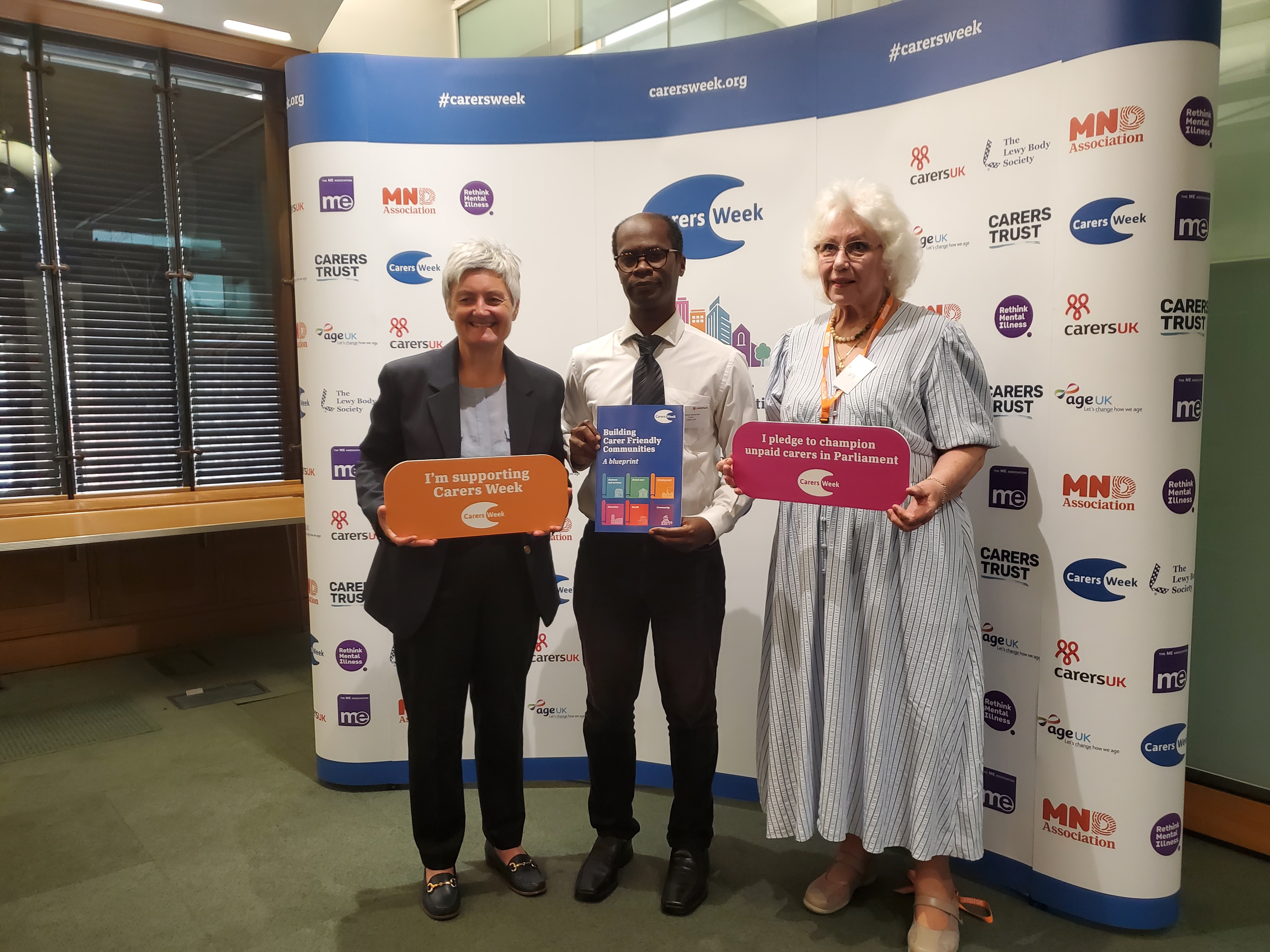
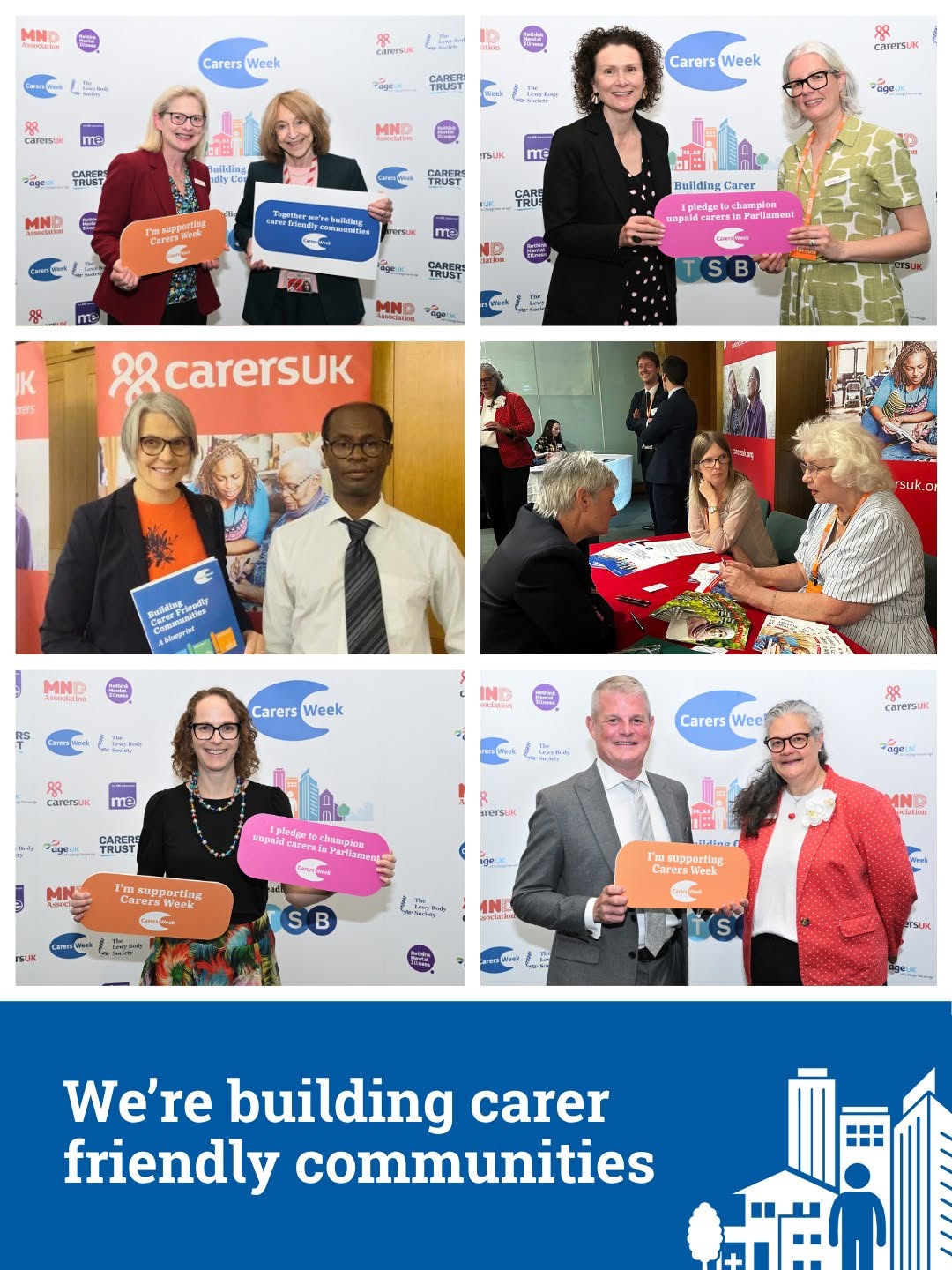
Later that day, I attended the Carers Week Parliamentary Drop-In Event at Portcullis House, Westminster. The event brought together unpaid carers, carers’ organisations, MPs and Peers to discuss the realities of caring and the support carers need.
Designed as a speed-networking event, it offered an important platform for carers to share their experiences directly with policymakers and raise awareness of both the immense contribution carers make and the challenges they face. It was encouraging to see parliamentarians engaging with carers and supporter organisations, demonstrating a growing recognition of the need for stronger policies and greater support for unpaid carers across the country.
11 June 2026 – East Sussex Carers Voices Event, East Dean Village Hall
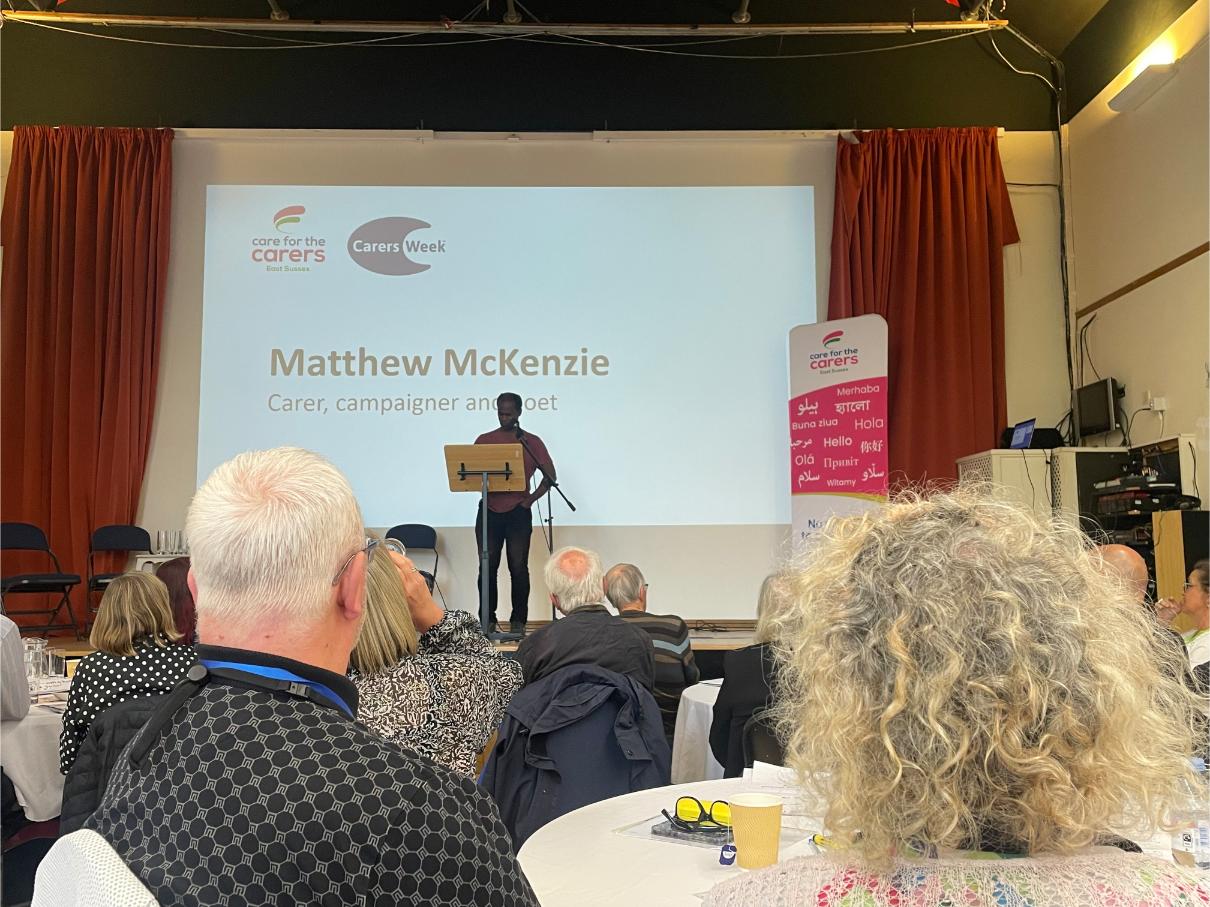
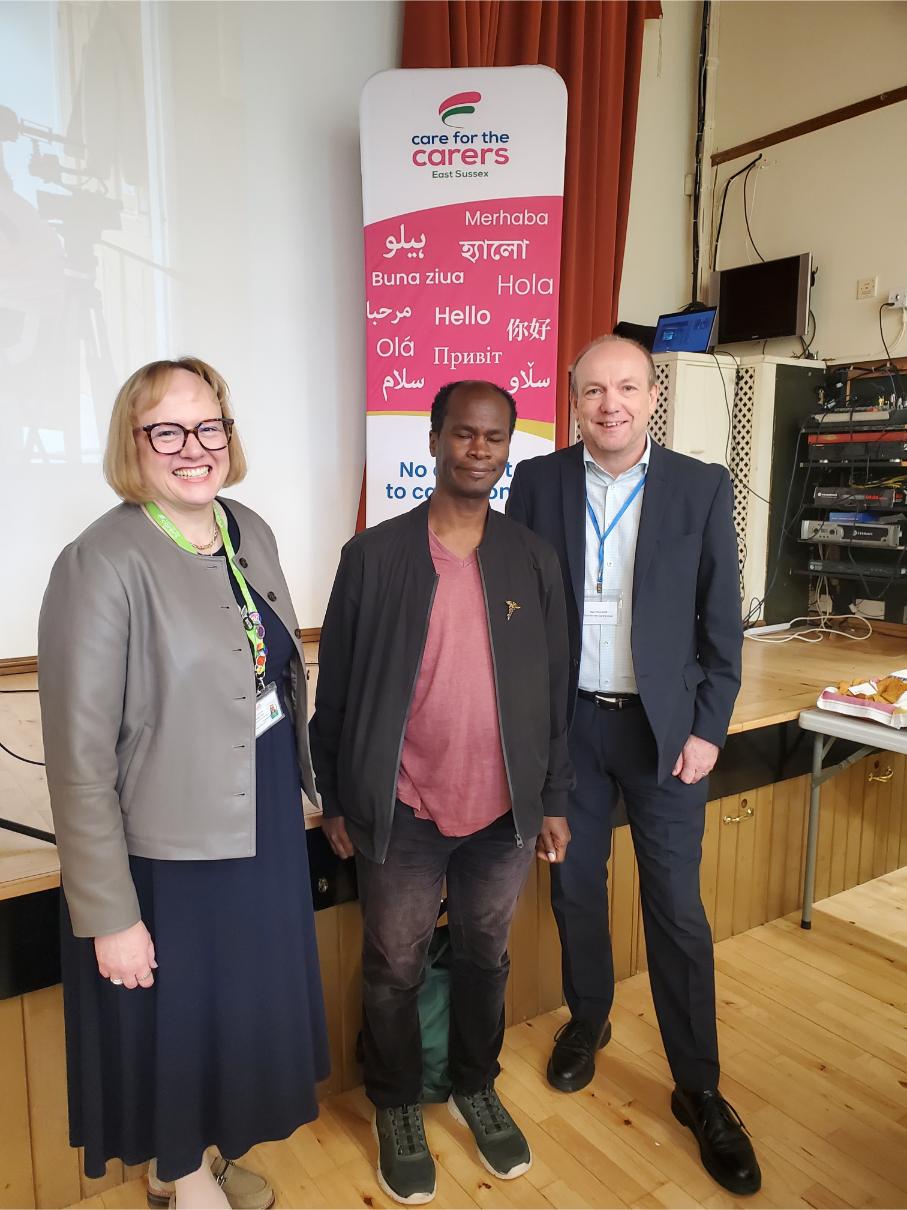
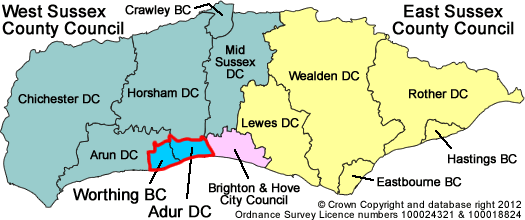
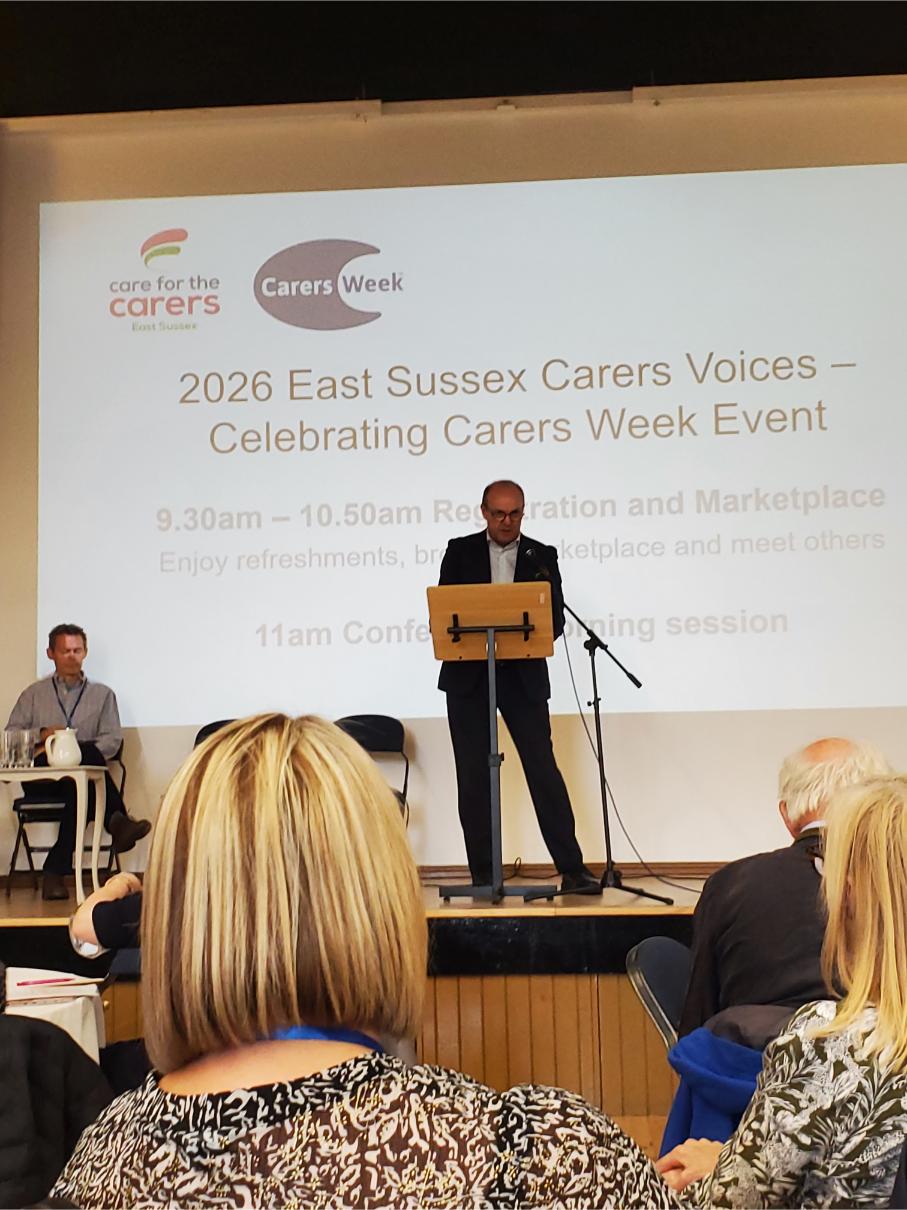
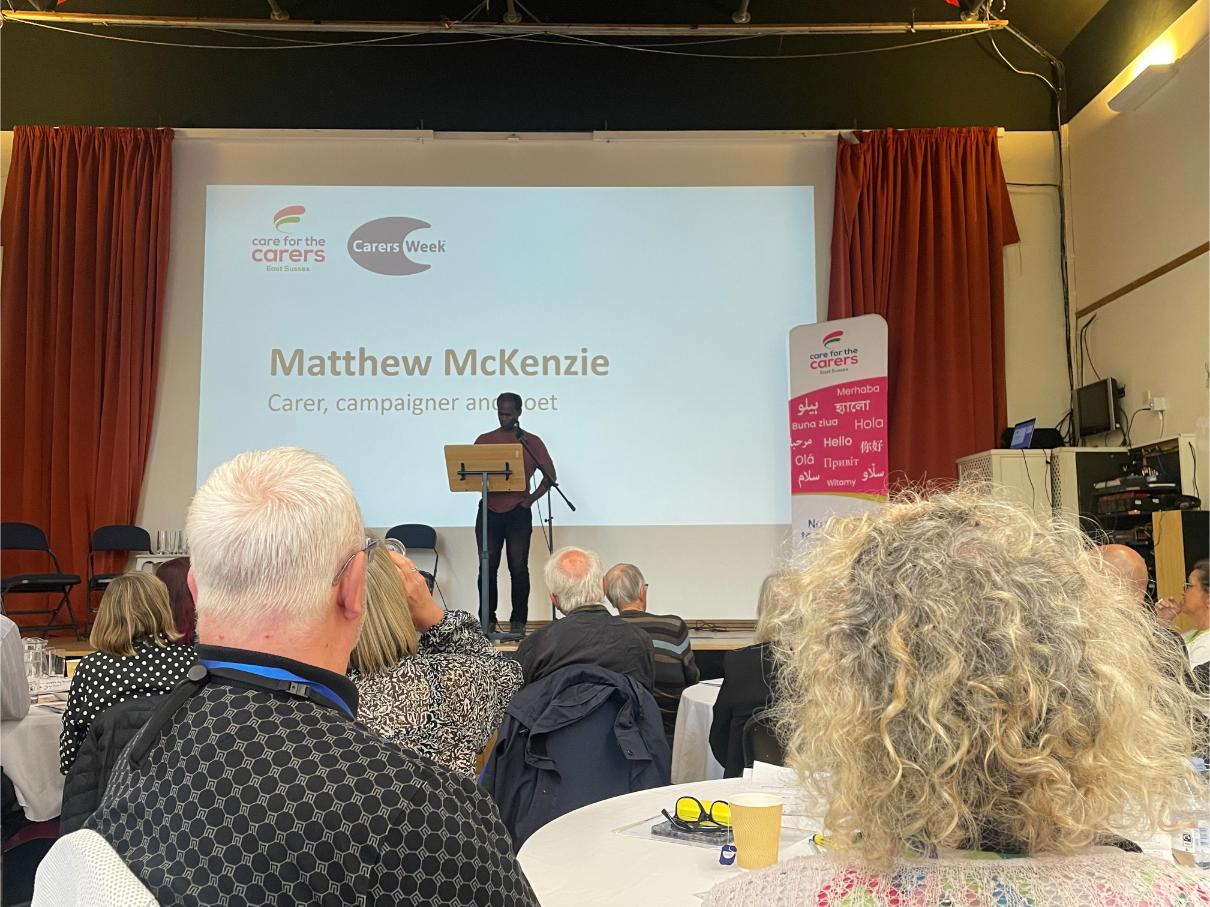
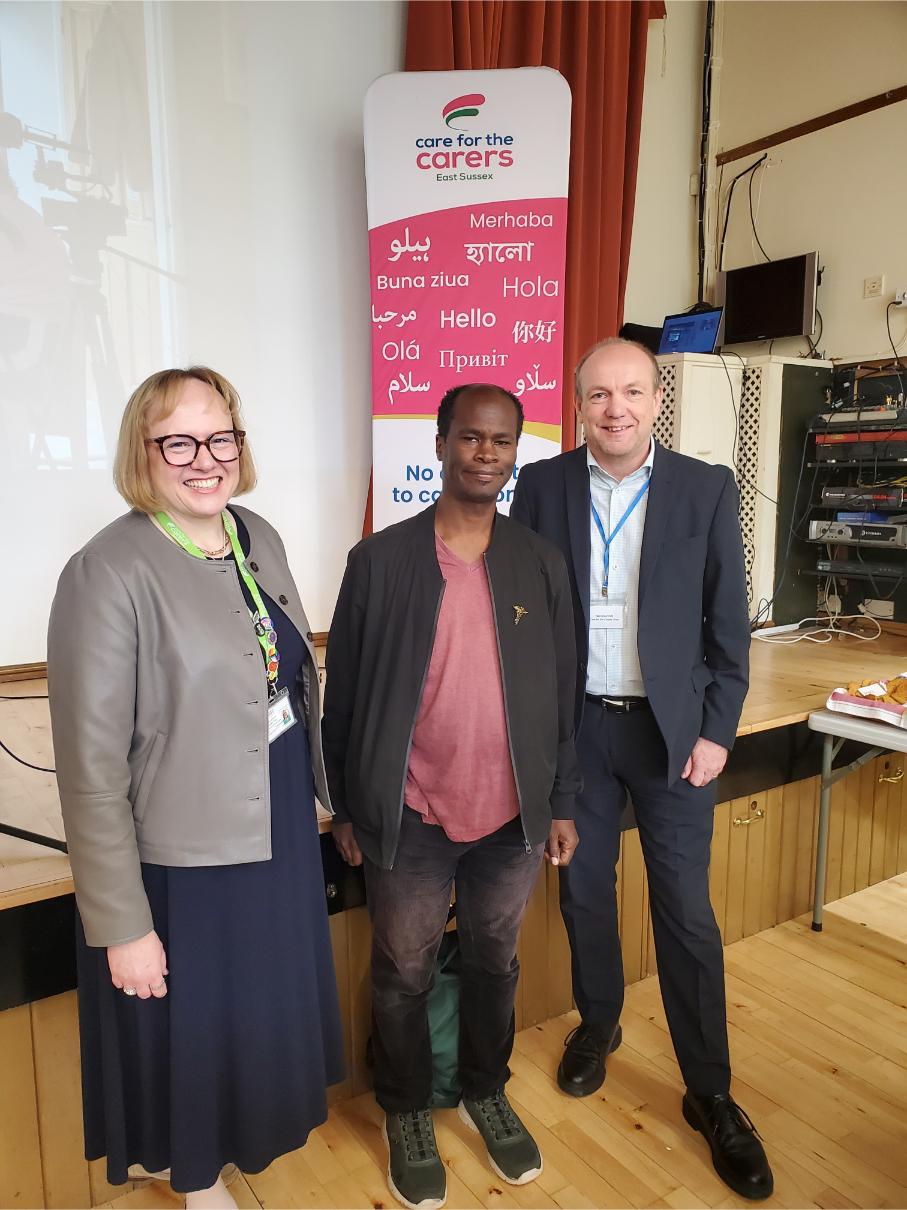
As part of Carers Week, I travelled to East Dean in East Sussex to speak at the East Sussex Carers Voices – Celebrating Carers Week Event, organised by Care for the Carers. The event brought together unpaid carers, NHS representatives, local authority leaders, health professionals, carers’ organisations and community groups to discuss how support for carers can be improved.
Hosted by Dr Neil Churchill, Chair of Care for the Carers along with Jennifer Twist CEO of Care For The Carers, the day focused on listening to carers’ experiences and ensuring their voices were heard by decision-makers.
I was honoured to contribute to these discussions and to share insights from my own caring journey. The event demonstrated the value of bringing carers and professionals together to shape services and create positive change for unpaid carers across East Sussex.
12 June 2026 – Speaking at the Cygnet National Carers Event
On 12 June, I had the privilege of speaking at the Cygnet National Carers Event in London as Cygnet’s PCREF Carer Lead, Carer Network Ambassador and carer author. The event brought together carers, healthcare professionals and sector leaders to celebrate carers and discuss the support they need. I shared my experiences as a lifelong carer and highlighted the importance of recognising carers as equal partners in care.
It was inspiring to hear from a diverse range of speakers, including experts by experience, researchers, advocates and service leaders, all united by a shared commitment to improving outcomes for carers. The event reinforced the importance of lived experience in shaping services and ensuring carers’ voices remain central to policy and practice.
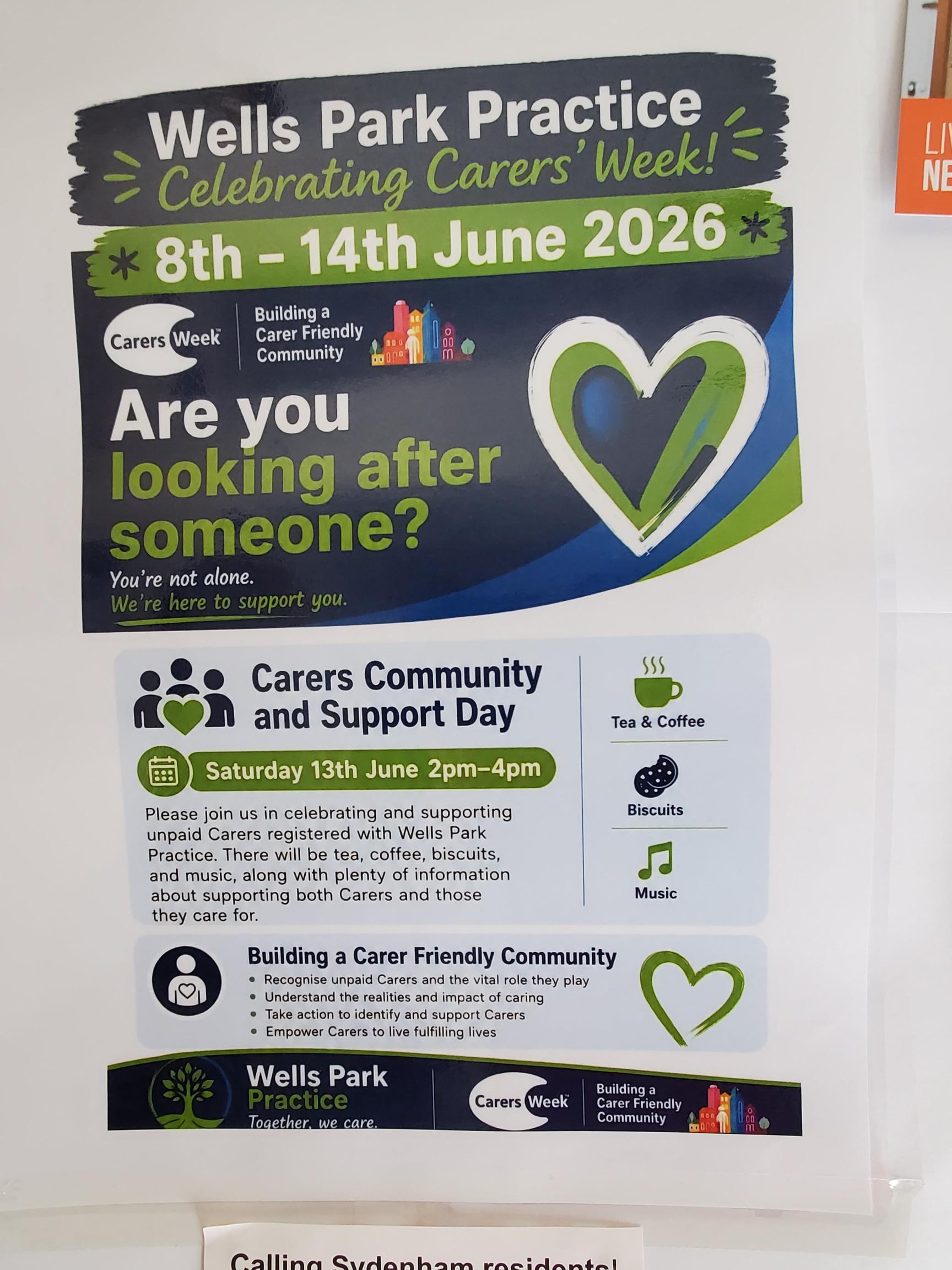
13 June 2026 – Carers Community and Support Day at Wells Park Practice
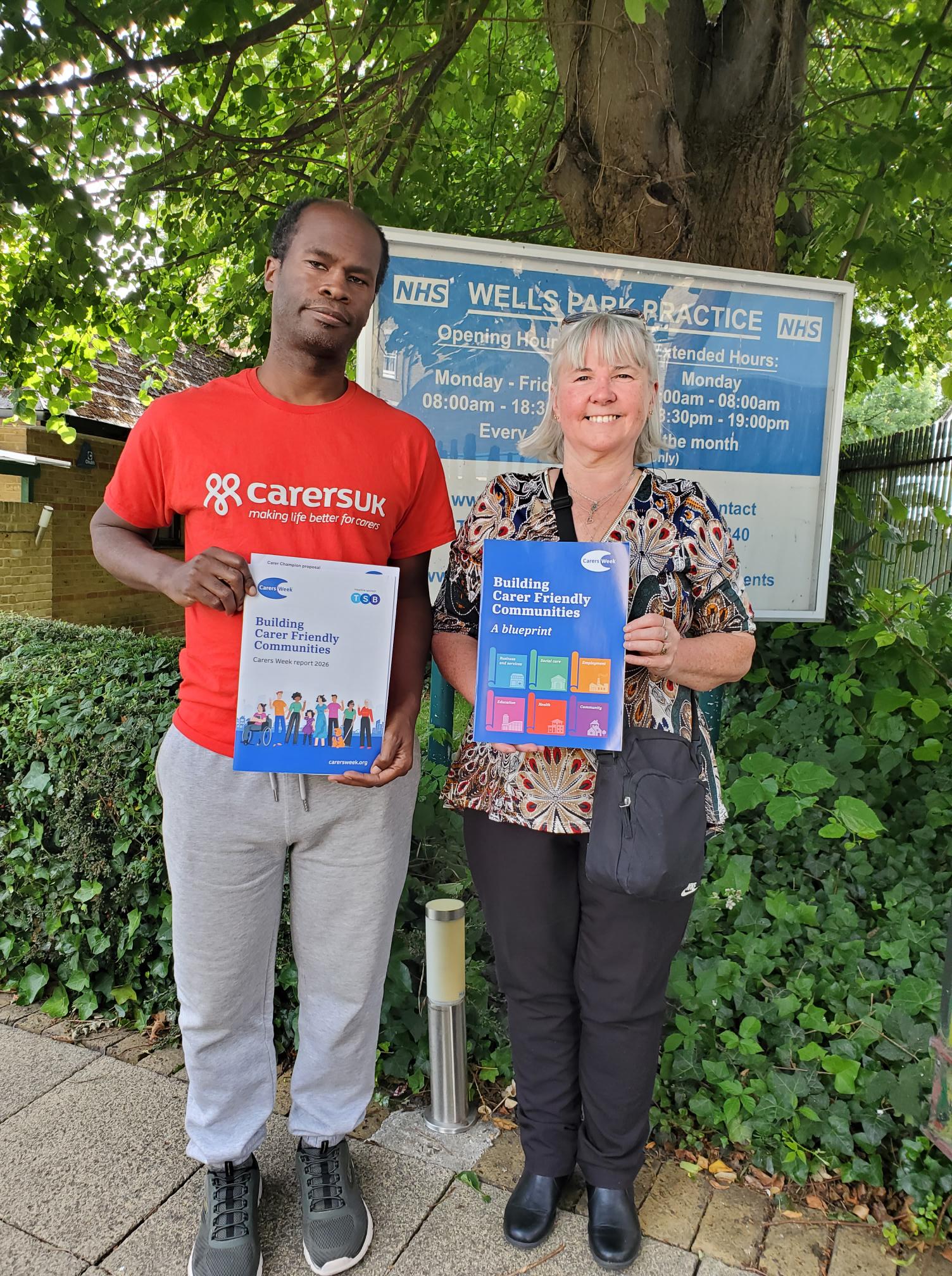
I concluded Carers Week 2026 by hosting a carers information stall alongside Wendy (who is also a devoted carer campaigner at our Lewisham group) at Wells Park Practice during their Carers Community and Support Day.
The event celebrated carers within the local community and provided an opportunity for unpaid carers to access information, advice and support in a relaxed and welcoming environment.
Throughout the afternoon, I spoke with carers about the challenges they face and the services available to help them. The event also highlighted the importance of building a carer-friendly community by recognising carers, understanding the realities of caring and empowering carers to live fulfilling lives. It was a fitting way to end a busy and rewarding week dedicated to championing carers and raising awareness of their invaluable contribution to society.
Reflection
Carers Week 2026 was an incredibly busy and meaningful week, providing opportunities to raise awareness, influence decision-makers, support carers directly and celebrate the extraordinary contribution that unpaid carers make every day.
From hospitals and GP surgeries to Parliament, local authorities and national conferences, the message remained the same: carers are essential, carers deserve recognition and carers must be supported. I am proud to have contributed to so many events throughout the week and remain committed to ensuring that carers’ voices continue to be heard long after Carers Week has ended.
Written by Matthew McKenzie, Speaker, Carer, Campaigner and Poet
As part of Carers Week 2026, I had the privilege of travelling to East Dean in East Sussex to speak at the East Sussex Carers Voices – Celebrating Carers Week Event, organised by Care for the Carers. The event brought together unpaid carers, carers’ organisations, NHS representatives, local authority leaders, health professionals, community groups and carers from across East Sussex to discuss the realities of caring and identify ways to improve support for unpaid carers.
The event was hosted by Dr Neil Churchill, Chair of Care for the Carers, who guided the day’s discussions and emphasised the vital role carers play in society. Throughout the day, carers shared their personal stories, experiences and recommendations directly with decision-makers and service providers.
This blog post provides an overview of the key themes, speakers and discussions for those who were unable to attend.
Opening Remarks – Dr Neil Churchill
Dr Neil Churchill opened the event by welcoming attendees and recognising the significant contribution unpaid carers make to families, communities and public services.
He highlighted several key challenges currently facing carers:
• Rising financial pressures and cost-of-living concerns. • The growing number of carers leaving employment due to caring responsibilities. • Increased risks of poor physical and mental health among carers. • Social isolation and loneliness experienced by many carers. • Growing concerns around carer burnout.
Dr Churchill stressed that the country depends heavily on unpaid carers and that health and social care systems would struggle to function without them. He also spoke about the importance of moving towards a model where carers are treated as equal partners in care rather than simply being expected to cope alone.
A key message from his introduction was that carers should not be left to navigate fragmented services by themselves. Instead, health, social care and voluntary sector organisations must work together more effectively to recognise, support and value carers.
Carer Stories and Lived Experience
One of the most powerful aspects of the event was hearing directly from carers themselves.
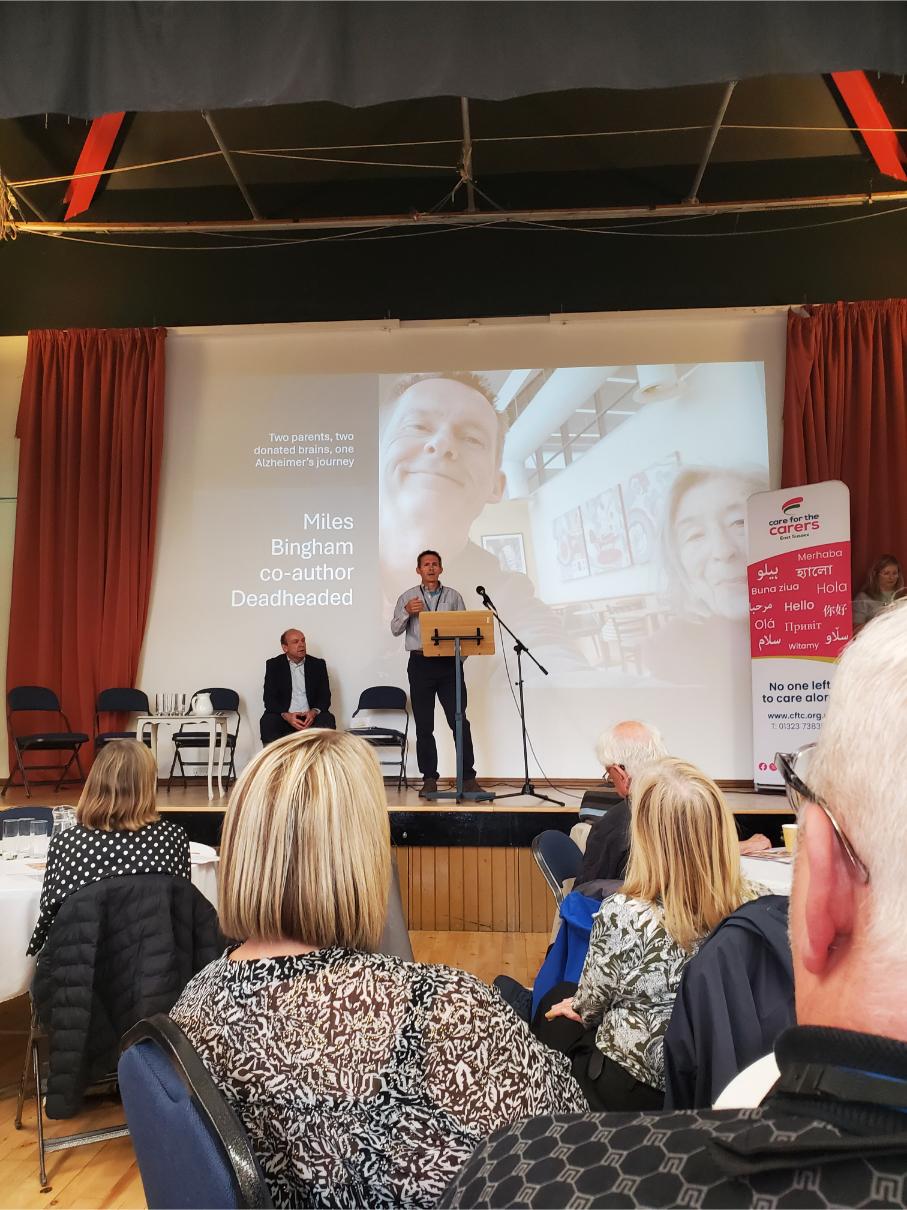
Miles Bing – Caring Through Dementia
The first speaker was Miles Bing, author of “Deadheaded: An Alzheimer’s Memoir by Mother and Son”.
Miles shared his family’s experience of supporting both of his parents through Alzheimer’s disease. His presentation explored the emotional impact of caring at a distance, the guilt often experienced by family members who live far away, and the difficulties of coordinating support across multiple services.
He spoke about:
• The long-term impact of dementia on families. • The challenges of accessing services in rural areas. • The lack of coordination between health and social care systems. • The practical and emotional burden placed on carers.
Many attendees identified strongly with his comments regarding the need for carers to act as coordinators between multiple organisations that often fail to communicate effectively with one another.
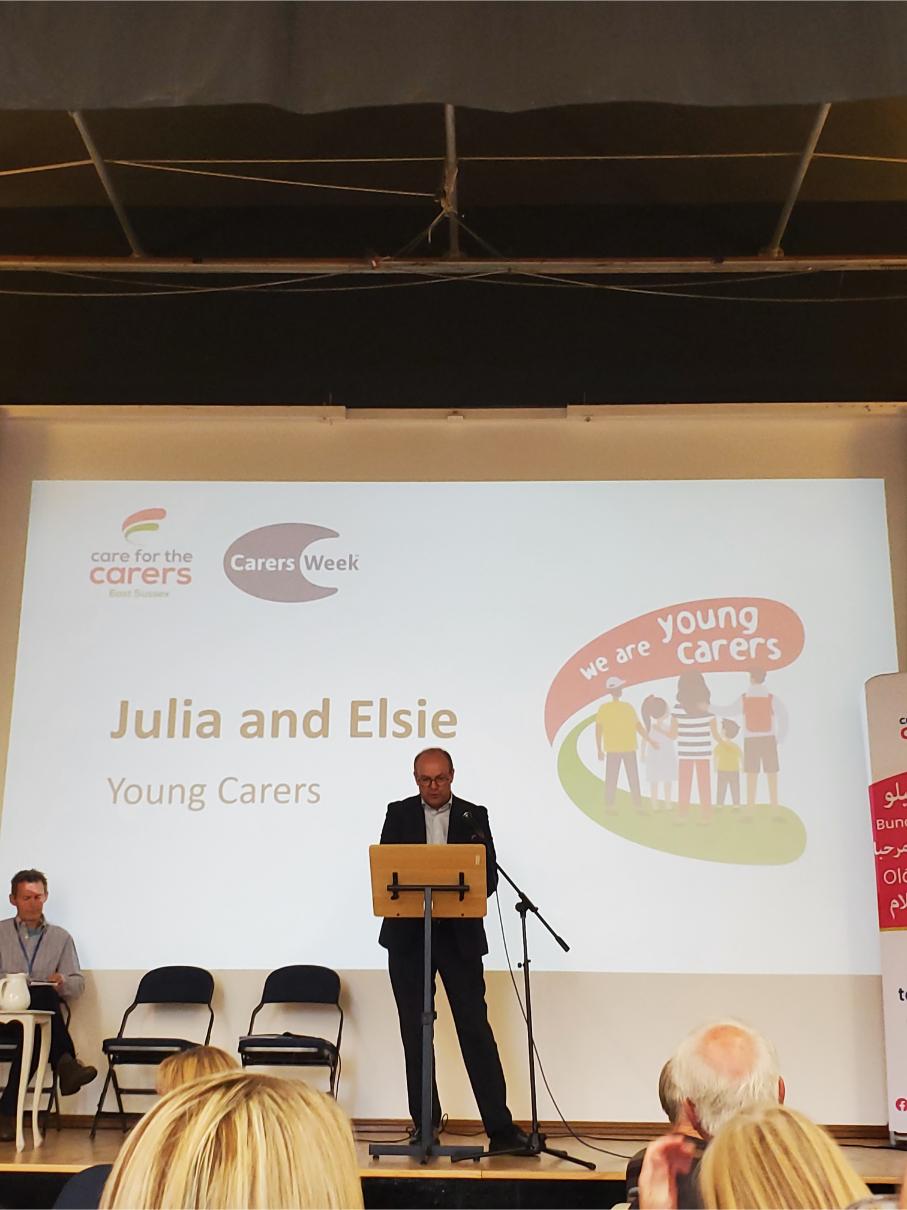
Young Carers – Julia and Elsie
The audience then heard from young carers Julia and Elsie, whose presentations left a lasting impression on everyone in the room.
Both spoke honestly about growing up while caring for family members with complex needs. They described responsibilities that included supporting parents during health crises, helping siblings with disabilities and managing situations involving emergency services.
Their stories demonstrated:
• The hidden nature of young caring responsibilities. • The emotional impact caring can have on children and young people. • The importance of early intervention and support. • The value of dedicated young carers services.
Perhaps most importantly, they highlighted that while caring can build resilience, no child should have to face these responsibilities without support.
The standing ovation they received reflected the courage and honesty with which they shared their experiences.
Round Table Discussions
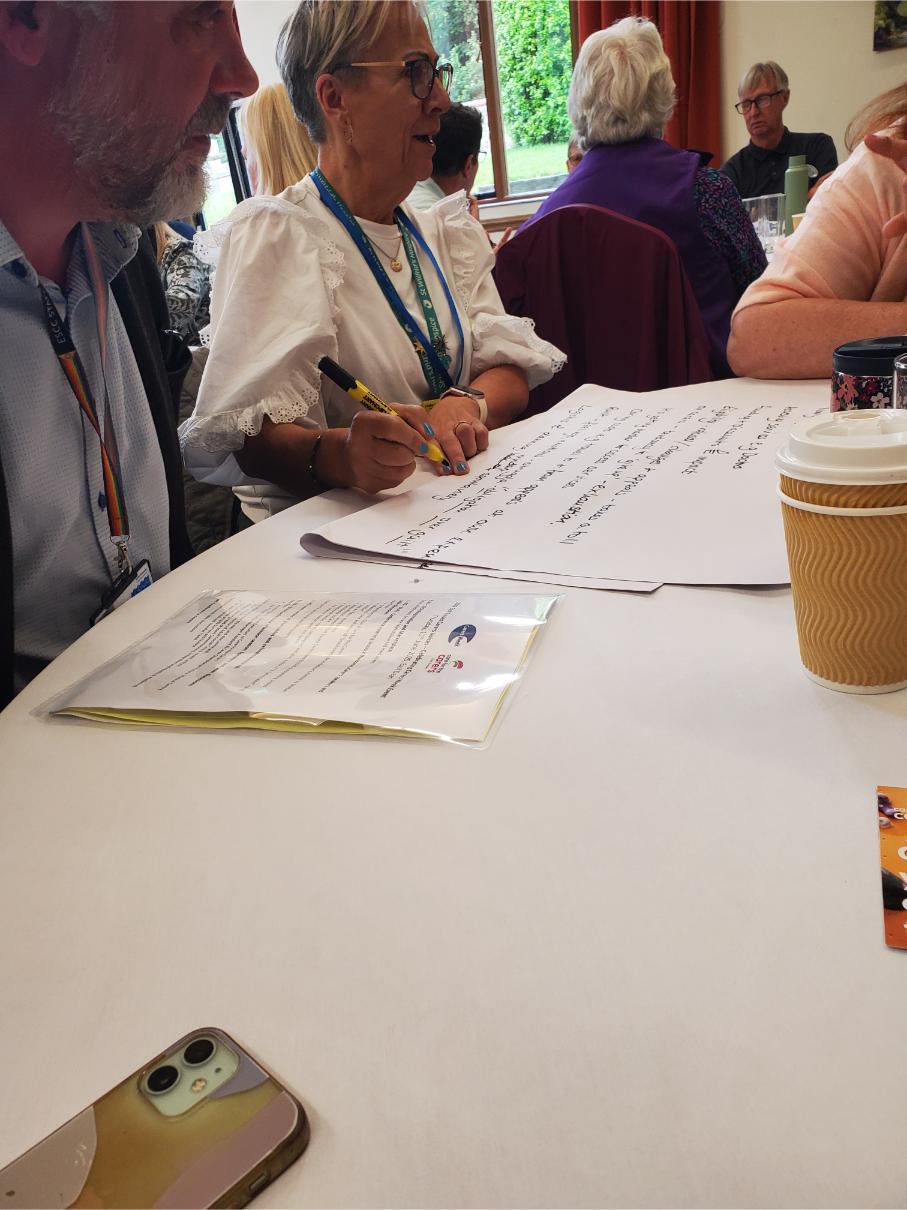
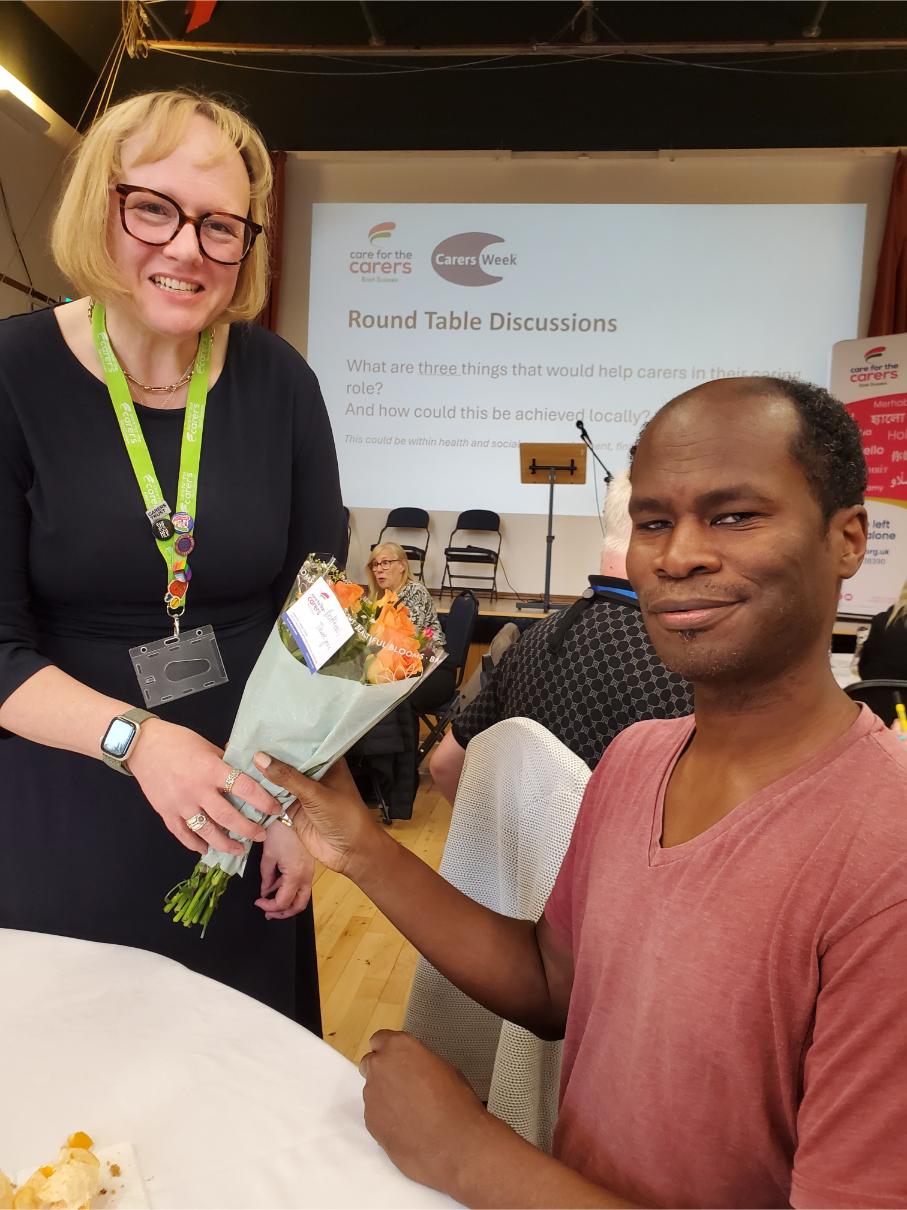
Following the morning speakers, attendees participated in facilitated round table discussions.
These conversations focused on:
• The biggest issues facing carers over the next six months. • Practical actions that could help carers in their caring role. • Barriers to accessing support. • Positive examples of support that should be expanded.
Several common themes emerged from these discussions:
Earlier Identification
Many carers reported not being recognised as carers until they had reached crisis point. Participants called for earlier identification within GP surgeries, hospitals and community services.
Access to Information
Attendees highlighted how difficult it can be to find accurate and timely information about available support.
Financial Pressures
Many carers discussed the financial impact of caring, including reduced employment opportunities and increasing household costs.
Mental Health and Wellbeing
Carers spoke about the emotional strain of caring and the importance of counselling, respite and peer support services.
Speaker sessions resumes
Diverse Communities and Caring
A particularly thought-provoking presentation was delivered by Manal Ahmed, who supports carers from ethnically diverse and refugee communities.
She discussed additional challenges experienced by carers from minority communities, including:
• Language barriers. • Cultural differences. • Social isolation. • Displacement trauma. • Immigration-related issues. • Financial and emotional dependency.
Manal explained that many carers experience multiple layers of disadvantage and that support services must be culturally aware and accessible to everyone.
She also highlighted positive examples of community-building activities that help carers connect with one another and reduce isolation.
Her presentation reinforced the importance of ensuring that no carer is excluded from support because of their background, language or circumstances.
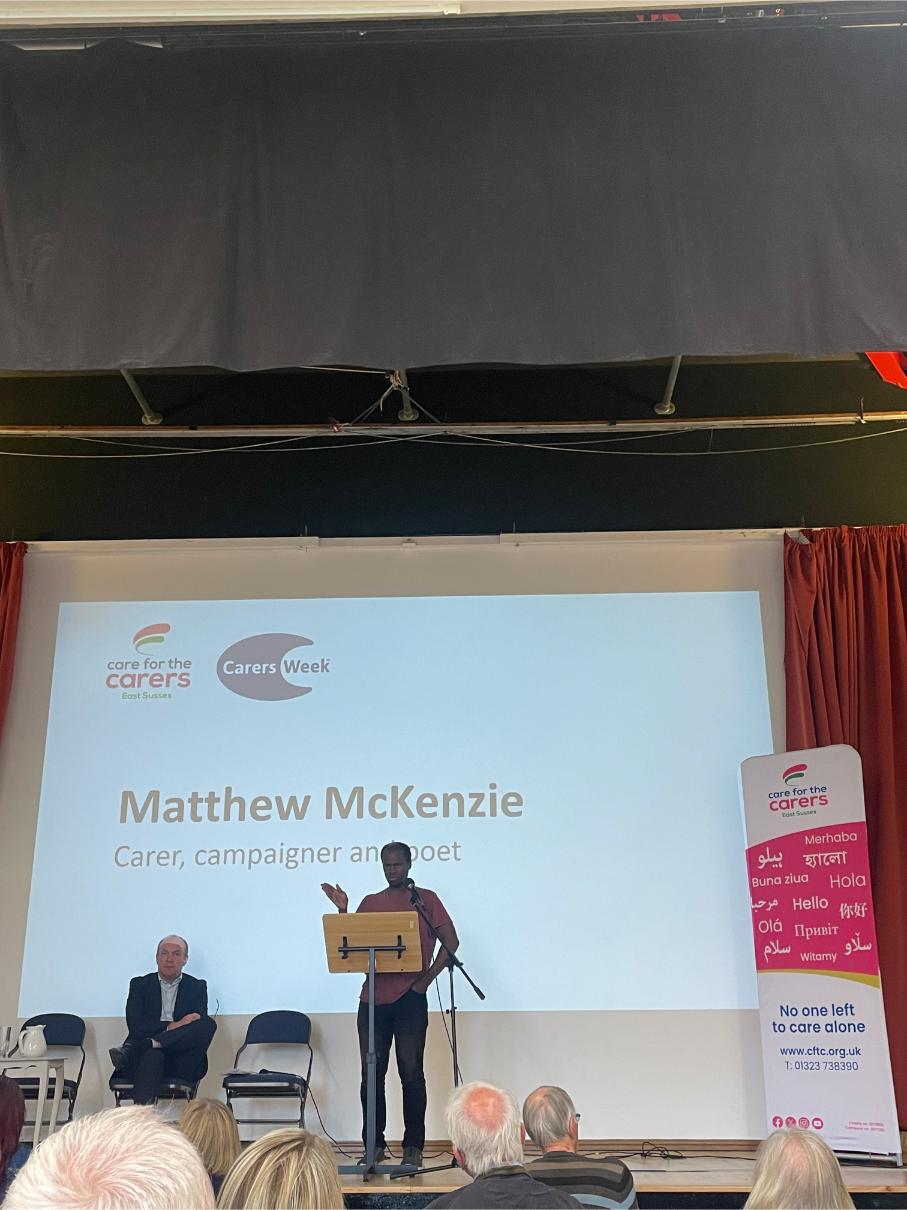
My Presentation – A Carer’s Journey
I was invited to speak about my own experiences as a young carer and later as an adult carer supporting family members with autism and serious mental illness.
One of the key messages I shared was that many carers do not initially recognise themselves as carers. Like many people, I simply viewed what I was doing as helping my family.
However, over time I found myself:
• Coordinating care. • Supporting hospital admissions and discharges. • Managing appointments. • Advocating with professionals. • Navigating complex systems. • Supporting multiple family members simultaneously.
I spoke about how difficult it can be when carers are not listened to or involved in important decisions.
I also highlighted the importance of recognising carers as equal partners in care and ensuring that professionals understand the expertise carers develop through lived experience.
One of the central themes of my presentation was carers’ rights.
I encouraged carers to:
• Identify themselves as carers. • Seek support from local carers organisations. • Request carers assessments. • Learn about their rights. • Participate in co-production and service improvement. • Share their experiences to help reduce stigma.
To conclude, I performed my poem “It’s My Right”, which focuses on the rights every carer should expect to receive, including recognition, respect, involvement, information and support.
Afternoon Reflections and Future Priorities
The afternoon session included reflections from senior leaders from Care for the Carers, East Sussex County Council and NHS Sussex.
Discussions focused on:
• Improving identification of carers. • Supporting carers before crises occur. • Encouraging carers to access support services. • Learning from positive experiences of care. • Strengthening partnerships between carers and professionals.
Representatives acknowledged the crucial role carers play and listened to feedback gathered throughout the day.
Many carers expressed concerns about navigating systems that can often feel complicated and difficult to access. There was broad agreement that services should be simpler, more joined-up and more responsive to carers’ needs.
Key Messages from the Day
Several important messages emerged consistently throughout the event:
Carers Need Recognition
Many carers remain hidden and unidentified. Earlier recognition can lead to earlier support.
Carers Need Practical Support
Information, respite, emotional support and financial advice remain essential.
Carers Must Be Involved
Carers are experts in the lives of the people they support and should be treated as partners in care.
Young Carers Need Protection
Children and young people with caring responsibilities require dedicated support and opportunities to thrive.
Communities Matter
Strong local networks can help reduce isolation and improve wellbeing.
Prevention Is Better Than Crisis Management
Supporting carers early can prevent breakdowns in caring arrangements and reduce pressure on services.
Conclusion
The East Sussex Carers Voices Event was an excellent example of what can happen when carers, professionals and decision-makers come together to listen, learn and work collaboratively.
Throughout the day, carers shared powerful stories of resilience, commitment and compassion. They also spoke honestly about the challenges they face and the changes they want to see. I also recognised Agi who does lots of work raising carer awareness in Sussex, she recently spoke at my national ethnic mental health carers forum. So it was great to see her there.
Dr Neil Churchill’s leadership as host helped create an environment where carers felt able to speak openly and where decision-makers could hear directly from those with lived experience.
As Carers Week 2026 comes to a close, the challenge now is to turn these conversations into meaningful action. Carers should not have to struggle to be recognised, supported or heard.
The event demonstrated that when carers’ voices are placed at the centre of discussions, better solutions can emerge for everyone.
Thank you to Care for the Carers, all speakers, volunteers, professionals and carers who contributed to such a valuable and inspiring day.
By Matthew McKenzie – Carer UK ambassador and volunteer
As proud volunteer with Carers UK and Carers Trust, and alongside healthcare teams in hospitals supporting unpaid carers and families. I want to take a moment to recognise the incredible contribution volunteers make every single day.
As we celebrate Volunteers’ Week 2026, across our communities, volunteers give their time, skills, compassion, and energy to help others, often without seeking recognition. Their impact is immeasurable.
For me, volunteering is about making a difference, no matter how small. Sometimes it is providing information and advice to a carer who feels overwhelmed. Sometimes it is speaking up for those whose voices are not being heard. Sometimes it is simply listening. These acts of kindness can change lives.
As carers, many of us already give so much of ourselves to support loved ones. Yet volunteering can also be a powerful way to create change, build connections, and strengthen our communities. It reminds us that we are not alone and that together we can make a positive impact.
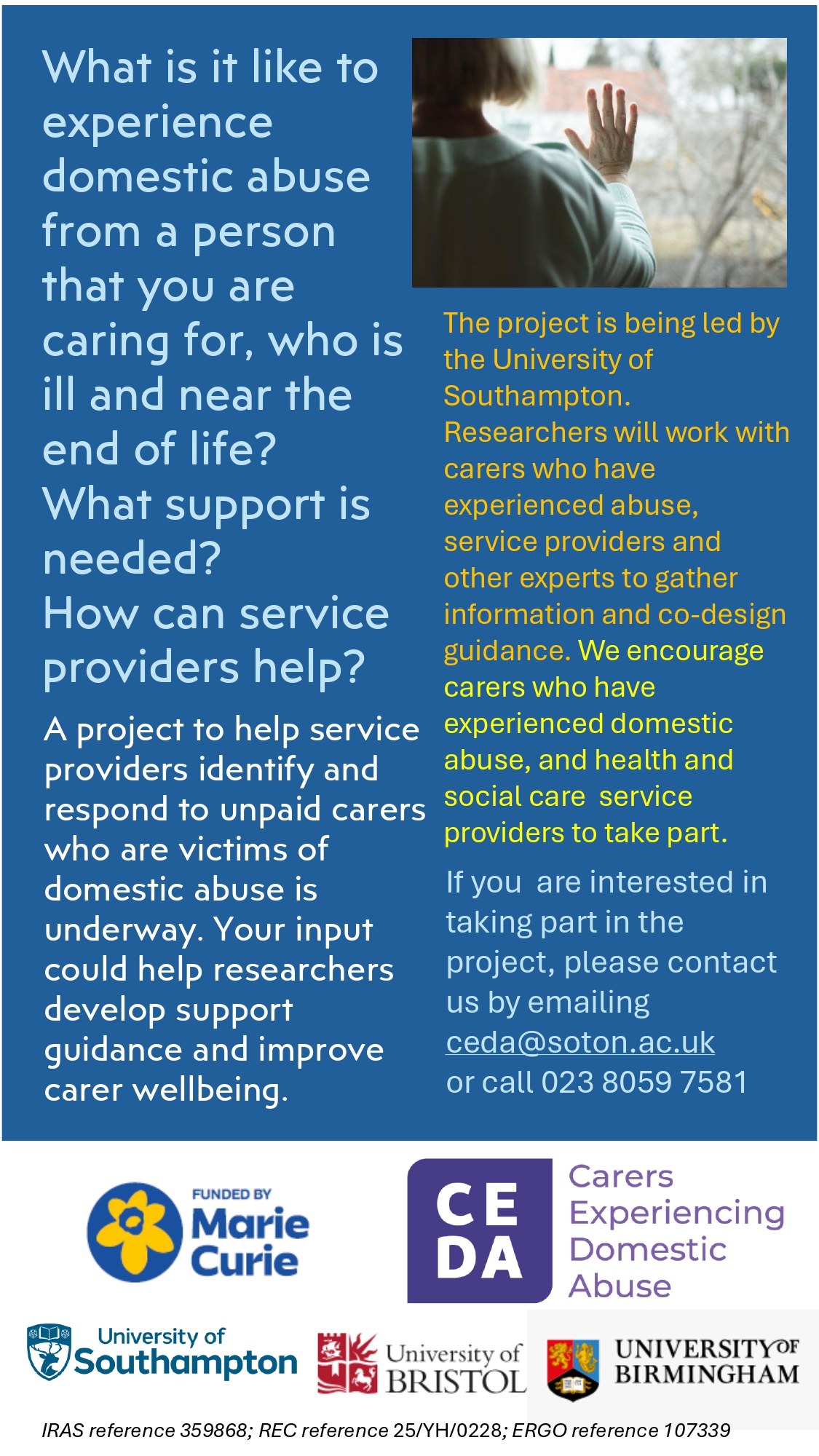
Caring for a loved one at the end of life is often described as an act of compassion and dedication. But for some carers, this role comes with a hidden and deeply challenging reality, experiencing domestic abuse from the very person they are supporting.
A new research project led by the University of Southampton is shining a light on this often overlooked issue. The study aims to understand what it is like to experience domestic abuse in a caring relationship, particularly when the person receiving care is seriously ill or nearing the end of life. It also seeks to explore what kinds of support carers need, and how health and social care services can respond more effectively.
This project brings together carers, professionals, and experts to share experiences and co-design practical guidance that could improve support systems and overall wellbeing for carers. By listening directly to those affected, researchers hope to create meaningful change in how services identify and respond to abuse in caregiving situations .
If you are a carer who has experienced domestic abuse or a professional working in health or social care, your insights could make a real difference. Taking part in the study is an opportunity to help shape better support for others facing similar challenges.
To learn more or get involved, you can contact the research team at ceda@soton.ac.uk or call 023 8059 7581.
Your voice matters. By sharing your experience, you can help build safer, more supportive care environments for everyone.