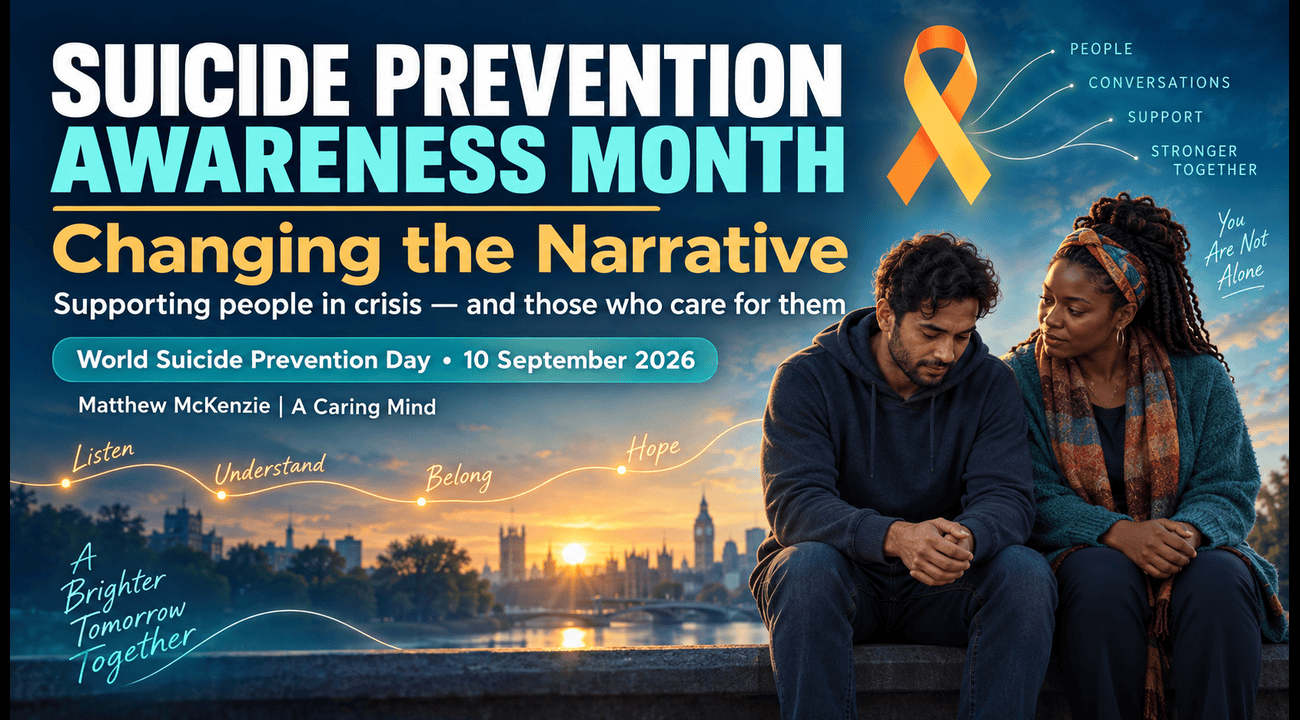
September is widely recognised as Suicide Prevention Awareness Month, with World Suicide Prevention Day taking place on 10 September.
Organised internationally by the International Association for Suicide Prevention and supported by the World Health Organization, the 2026 theme is “Changing the Narrative on Suicide,” with the call to action “Start the Conversation.”
Organisations such as Samaritans, PAPYRUS, Mind, Rethink Mental Illness and members of the National Suicide Prevention Alliance also work to raise awareness, challenge stigma and improve suicide prevention across the UK.
For this year’s campaign, I have produced a new awareness vlog focusing not only on people experiencing suicidal thoughts, but also on the unpaid mental health carers supporting them.
Relatives, partners and friends may spend long periods watching for warning signs, attending appointments and responding to crises. They can carry an enormous level of fear and responsibility, yet their own emotional needs are frequently overlooked.
Carers should never be expected to manage suicide risk alone. Professionals must listen to their concerns, involve them appropriately and ensure they can access support themselves.
In my new vlog, I discuss how we can challenge stigma, start compassionate conversations, listen without judgement and remember to check in with the person providing care as well as the person in crisis.
If you or someone you know needs urgent mental health support in England, call NHS 111 and select the mental health option. Samaritans can be contacted free, day or night, on 116 123. If someone is in immediate danger, call 999 or go to A&E.
Together, we can move from silence to conversation, from stigma to compassion, and from carers coping alone to communities sharing responsibility.
What does racial inequality in mental health really look like from the perspective of an unpaid carer?
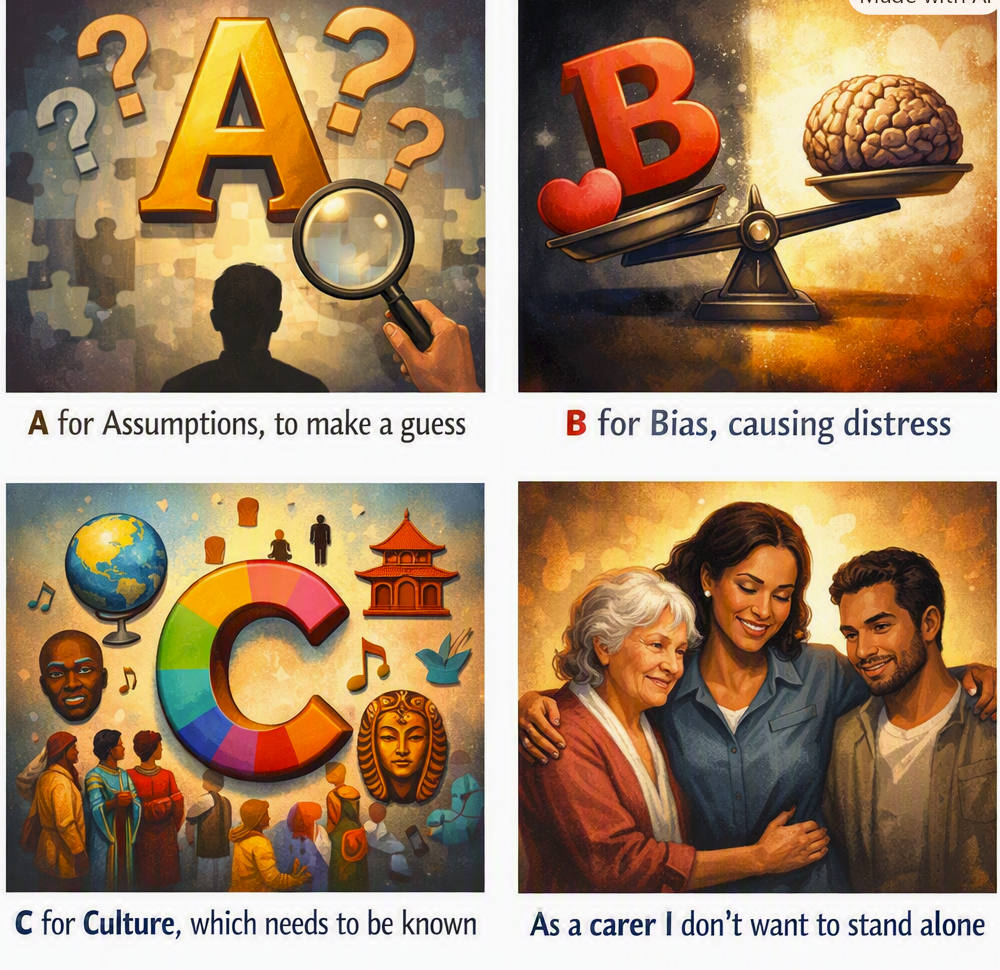
In this powerful spoken-word poem, Matthew McKenzie explores the realities of racism, bias, exclusion, stigma, and unequal treatment experienced by many ethnic communities when accessing mental health services.
Through an A–R alphabet structure, this poem highlights why the Patient and Carer Race Equality Framework (PCREF) matters and why genuine cultural understanding, listening, and inclusion are essential to improving care.
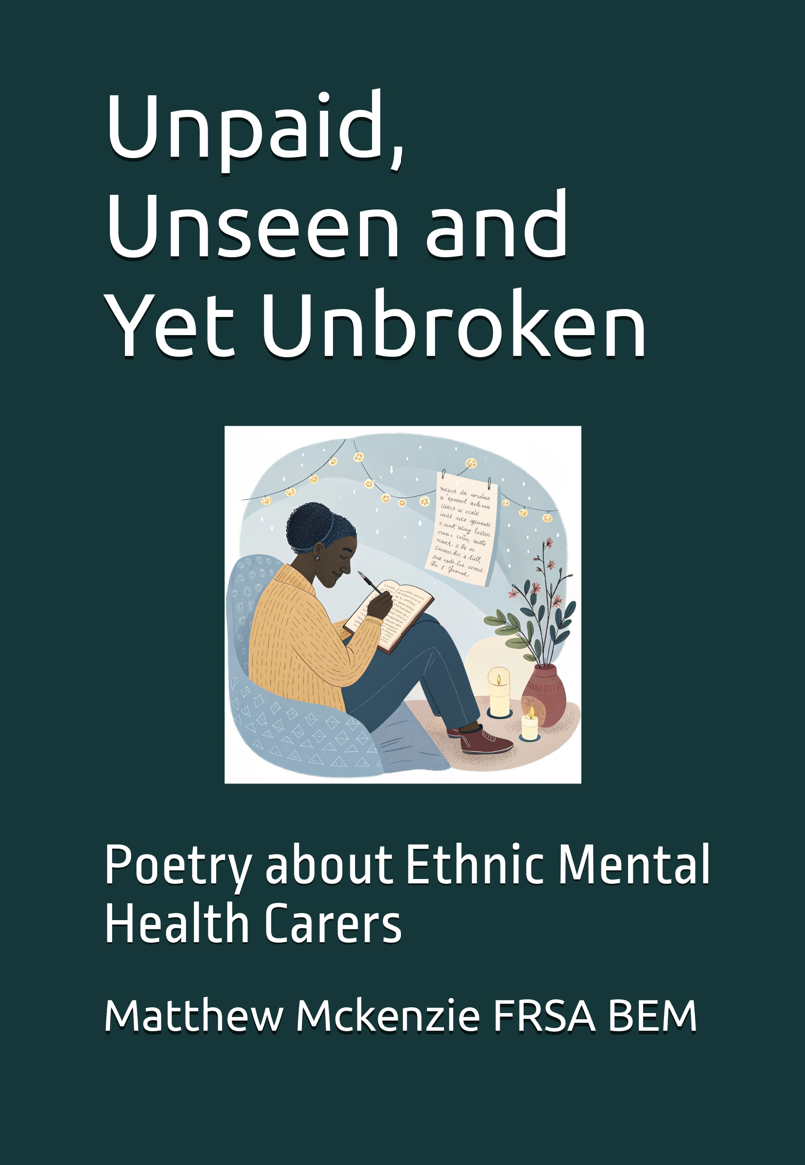
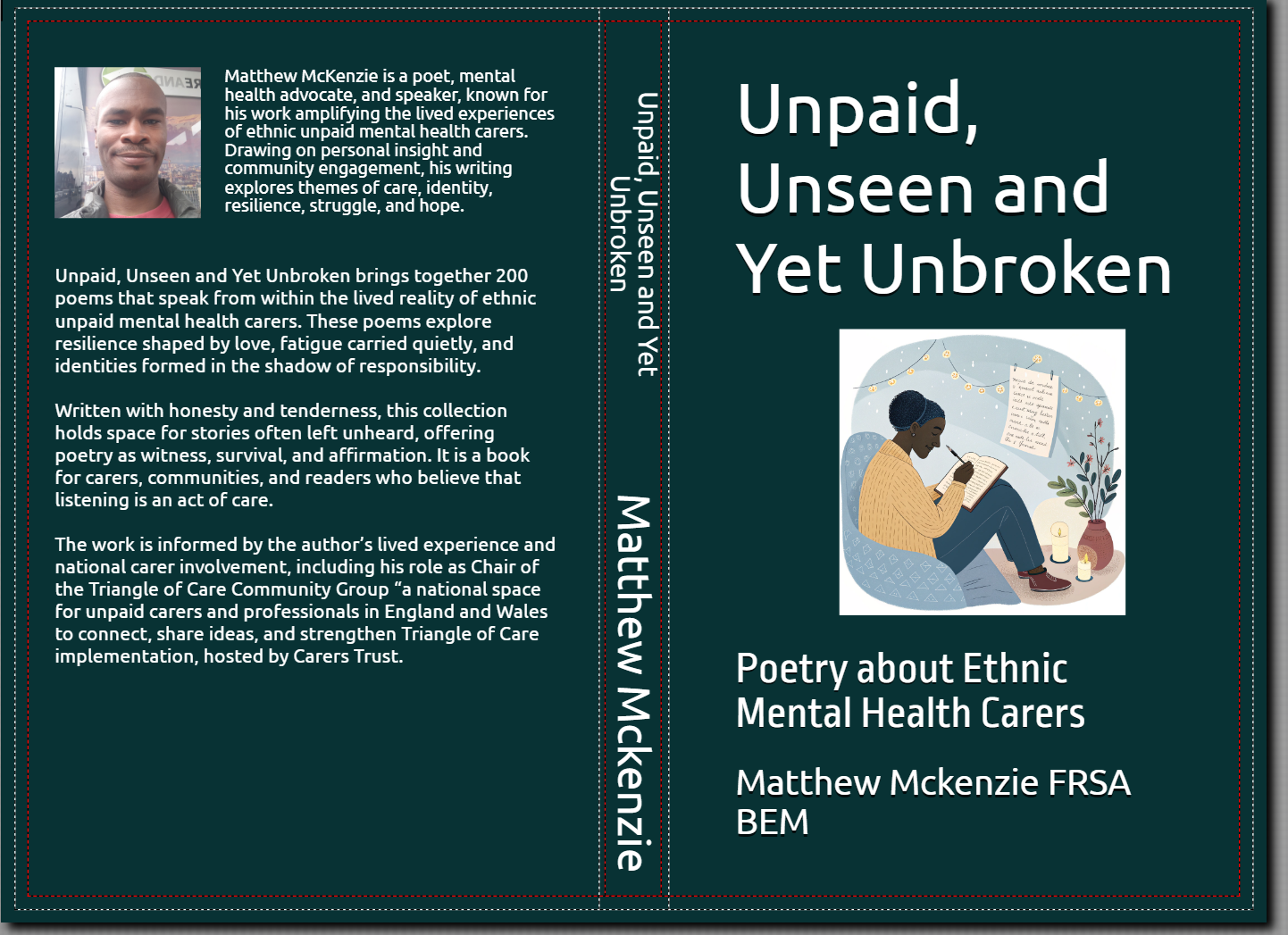
This poem is part of my 100-poem PCREF collection, Unpaid, Unseen and Yet Unbroken, giving voice to the experiences of unpaid carers supporting relatives with mental illness while challenging racial inequalities across mental health services.
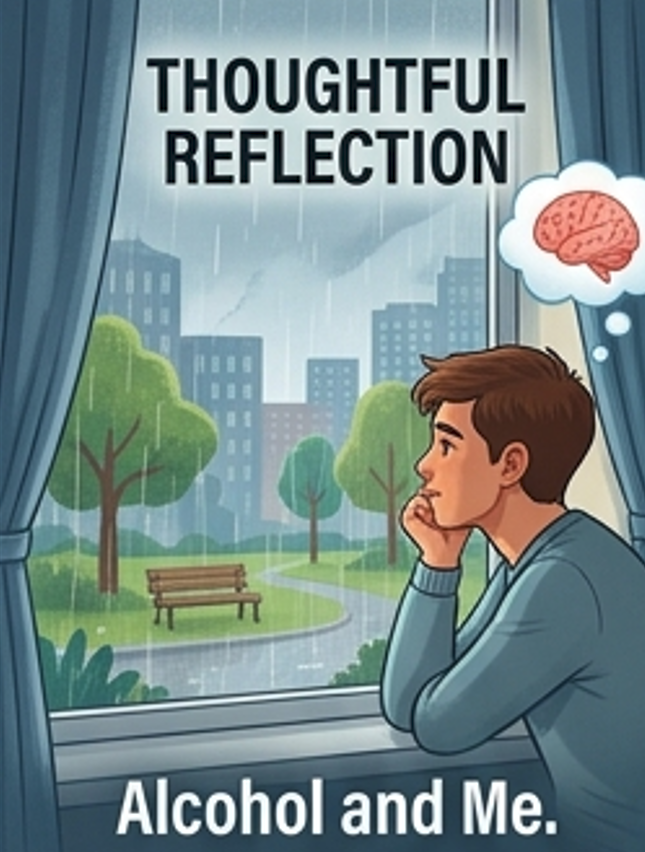
This week (6–12 July) marks Alcohol Awareness Week 2026, organised by Alcohol Change UK. This year’s theme, “Alcohol and Me,” encourages us to take a moment to reflect on our own relationship with alcohol and the impact it can have on our health, mental wellbeing, relationships and everyday lives.
For many unpaid carers supporting someone with a mental health condition, life can be emotionally demanding. While we often focus on the person we care for, it’s just as important to look after our own wellbeing. This campaign reminds us that seeking support, talking openly and making small positive changes can make a real difference.
To support this important awareness week, I’ve created a new video on my YouTube channel, A Caring Mind, exploring why Alcohol Awareness Week matters, particularly for carers and families affected by mental ill health.
If this post resonates with you, please share the video to help raise awareness, reduce stigma and remind carers that their wellbeing matters too.
By Matthew McKenzie – Ethnic Mental Health Carer and Poet
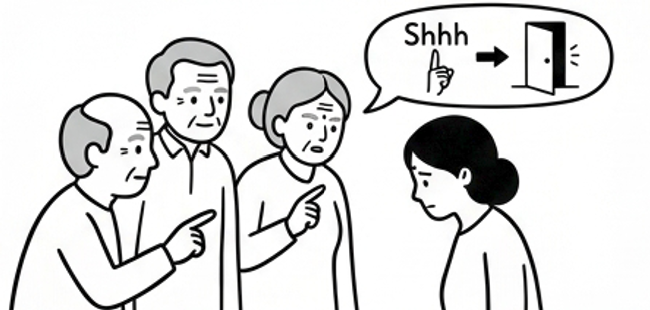
invisible challenge for ethnic minority mental health carers. “Poem 15: The friends I have lost,” a powerful spoken-word piece from Matthew McKenzie’s poetry book that is in development Unpaid, Unseen and Yet Unbroken, sheds a crucial light on this hidden struggle.
It captures the profound loneliness of an unpaid carer who watches friendships fade away as community members close their ears and elders demand privacy over open support. By highlighting the intersection of familial duty, mental illness, and societal rejection, this moving presentation exposes the heavy emotional toll born by those who care for loved ones behind closed doors.
This poem serves as a stark reminder of why initiatives like the Patient Carer Race Equality Framework (PCREF) are so urgently needed in healthcare and community support networks today.
Watch the full poetry video to immerse yourself in this essential conversation, and help us raise awareness for the vital support and recognition that ethnic minority mental health carers truly deserve.
By dismantling the barriers of stigma and addressing the specific inequalities faced by ethnic minority families, PCREF aims to ensure that no carer is left to navigate this challenging journey in absolute isolation.
By Matthew McKenzie – Carer UK ambassador and volunteer
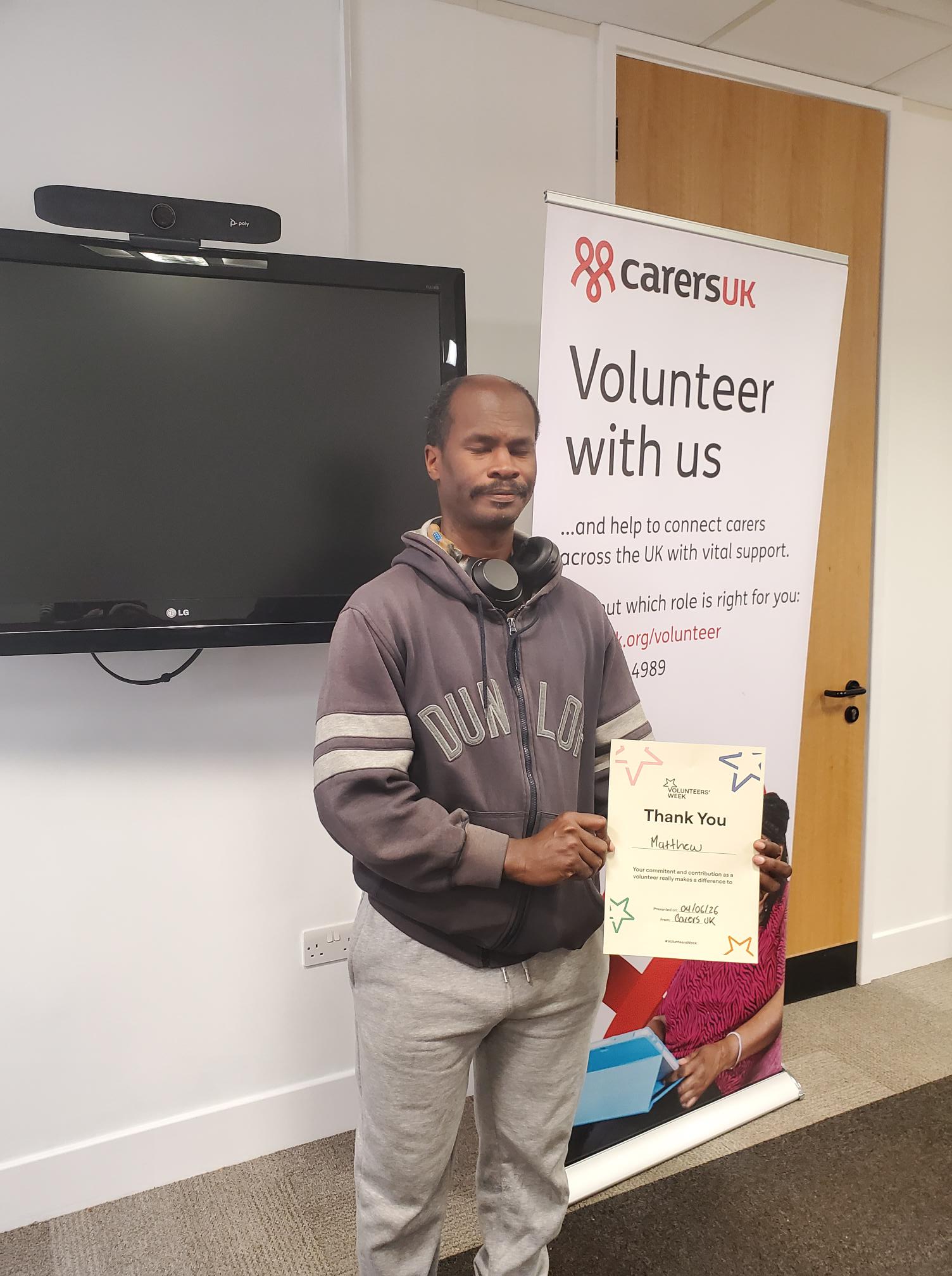
As proud volunteer with Carers UK and Carers Trust, and alongside healthcare teams in hospitals supporting unpaid carers and families. I want to take a moment to recognise the incredible contribution volunteers make every single day.
As we celebrate Volunteers’ Week 2026, across our communities, volunteers give their time, skills, compassion, and energy to help others, often without seeking recognition. Their impact is immeasurable.
For me, volunteering is about making a difference, no matter how small. Sometimes it is providing information and advice to a carer who feels overwhelmed. Sometimes it is speaking up for those whose voices are not being heard. Sometimes it is simply listening. These acts of kindness can change lives.
As carers, many of us already give so much of ourselves to support loved ones. Yet volunteering can also be a powerful way to create change, build connections, and strengthen our communities. It reminds us that we are not alone and that together we can make a positive impact.
Blog by Ethnic Mental Health Carer forum Chair – Matthew McKenzie
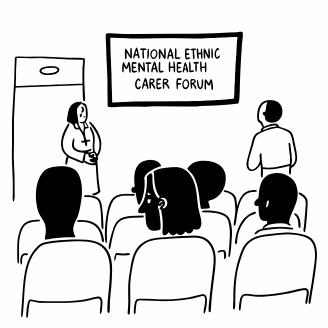
The May 2026 Ethnic Mental Health Carers Forum brought together carers, researchers, clinicians, community leaders, and representatives from mental health organisations across England. Although attendance was smaller than usual, the discussion was rich, honest, and highly informative, covering Mental Health Act reform, carers’ experiences, service inequalities, innovative approaches to care, and new research opportunities.
For those who were unable to attend, this blog provides a comprehensive overview of the meeting, including key presentations, audience questions, responses from speakers, and useful resources shared during the session.
Opening Remarks
As the chair, I welcomed attendees and outlined the agenda. The meeting focused on following:
Mental Health Act research and reform
Carers’ experiences supporting loved ones through detention
Findings from a major East Sussex carers research project
Resources for carers under the Mental Health Act
Electronic Health Records and future developments
Wider discussions on racial trauma, inequalities, and service improvement
The meeting also provided opportunities for networking, sharing lived experiences, and highlighting innovative projects happening across the country.
Research Study: Supporting a Loved One Through Mental Health Detention
Dr Maeve Conneely from University College London opened the meeting with a presentation on a new research study exploring the experiences of people who have been assessed or detained under the Mental Health Act, as well as the experiences of family members and carers who supported them through that process. The study has been commissioned as part of the wider programme of Mental Health Act reform and aims to understand how the current “Nearest Relative” provisions operate in practice before changes are introduced under the new legislation.
Dr Conneely explained that researchers are particularly interested in hearing from carers who were involved in supporting a loved one but who were not formally recognised as the “Nearest Relative” under the existing legal framework. She highlighted that these experiences are especially important because they can reveal where carers have been excluded from decision-making, denied access to information, or prevented from contributing to assessments despite playing a significant role in supporting the individual concerned. The study is open to anyone aged 16 or over who has direct experience of Mental Health Act assessments, detentions, Community Treatment Orders, holding powers, or related interventions, whether as a patient or as a supporter.
The research is linked to ongoing reforms of the Mental Health Act and seeks to understand how the “Nearest Relative” provisions currently operate before changes are implemented.
Who Can Take Part?
The study is looking for:
People who have been detained under the Mental Health Act
Family members and carers who supported someone during detention or assessment
Individuals who should have been involved as a nearest relative but were not
Anyone aged 16 or over with relevant experience
Interviews are conducted online and participants receive a £30 shopping voucher as a thank-you for their time.
Key Question from Participants
Q: Does the study include situations where someone should have been involved but wasn’t?
Response: Yes. Researchers are particularly interested in understanding experiences where carers or family members were excluded from decision-making processes despite playing a significant caring role.
Another Important Question
Q: Do carers need permission from the person who was detained before participating?
Response: No. Carers are sharing their own experiences and therefore only need to provide their own consent.
Discussion Themes
Participants highlighted:
Long-standing inequalities affecting Black communities under the Mental Health Act.
The overuse of psychiatric labels without sufficient exploration of trauma.
The need to understand why some individuals receive significantly different experiences of care, including access to private mental health facilities.
Concerns about trust in mental health services and the lasting impact of poor experiences across generations.
Several carers committed to taking part in the study to ensure lived experience informs future policy.
East Sussex Carers Research Project: What Carers Told Us
Age Angiolini presented findings from a year-long carers-led research project examining the experiences of family carers supporting people with serious mental illness across East Sussex. The study was developed in response to repeated concerns raised by carers at local support meetings and sought to capture their experiences of interacting with mental health services provided by the Sussex Partnership Foundation Trust (SPFT).
Although the research received 71 responses, representing only a proportion of the carers population in the region, the findings revealed a striking consistency in the challenges carers face. The survey explored themes including carers’ involvement in care planning, communication with services, consent and confidentiality, quality of care, crisis support, and priorities for improvement. Among the most significant findings were that 72% of carers reported being only sometimes involved or not involved at all in their loved one’s care, 73% felt services relied too heavily on carers, and 72% said they regularly had to advocate to secure appropriate support. The research concluded that many carers feel undervalued, excluded from decision-making, and left carrying significant responsibilities without adequate recognition or support.
The study gathered responses from carers supporting people with:
Schizophrenia
Bipolar disorder
ADHD
Autism
Complex neurodiverse conditions
Although the sample size was relatively modest, the findings revealed significant and consistent concerns.
Key Findings from the report
Carers Feel Excluded
72% reported being only sometimes involved or not involved at all.
73% felt services relied too heavily on carers.
72% said they had to advocate strongly to secure appropriate care.
Communication Failures
Participants reported poor communication between:
Mental health services
Assessment teams
Social services
Mental health liaison teams
Many carers described communications as inconsistent, unclear, and difficult to navigate.
Consent and Confidentiality
A recurring concern was that confidentiality procedures are often applied rigidly, preventing carers from sharing vital information during crises.
Carers argued that this can actively undermine effective care.
Quality of Care Concerns
The research found:
90% reported insufficient care.
Significant concerns around continuity of care.
A strong desire for dedicated care coordinators.
Widespread frustration with crisis services.
Crisis Support is Not Working
Many carers reported that:
NHS 111 is often inadequate for mental health crises.
A&E is frequently unsuitable for people experiencing mental distress.
Services remain reactive rather than preventative.
Calls for Change
Recommendations included:
Better crisis pathways
Improved coordination between services
More trauma-informed approaches
Greater therapeutic support
Increased family involvement
Better support for neurodiverse individuals
The presentation sparked considerable discussion, with many attendees noting that the findings reflected experiences they had encountered for years.
Carers Speak Out: Frustration, Trauma and the Need for Change
One of the most powerful aspects of the meeting was hearing directly from carers.
Several participants reflected on decades of involvement with mental health services and expressed concern that despite repeated reviews, consultations, and reforms, many of the same issues continue to persist.
Common themes included:
Institutional racism
Poor communication
Exclusion of carers
Over-medicalisation
Lack of trauma-informed care
Inadequate support during crises
A number of attendees emphasised that families often become de facto care coordinators, managing appointments, services, medications, and crises while receiving little support themselves.
One participant observed:
“They plan, medicate and treat. We care. Our worlds don’t meet.”
Others highlighted the impact of racial trauma and the way mental health services can fail to recognise the cultural context of distress.
Open Dialogue: A Different Way Forward?
Ren Reins introduced the concept of Open Dialogue, an internationally recognised approach to mental health care that focuses on relationships, networks, and collaborative conversations.
Open Dialogue aims to:
Bring families and professionals together
Reduce fragmentation between services
Focus on lived experience
Build trust
Improve recovery outcomes
Ren explained that major NHS-funded trials are underway and encouraged carers to learn more about the approach.
The discussion generated significant interest, particularly from attendees looking for alternatives to traditional medical models of care.
Nearest Relative Resources Project
Professor Judy Laing from the University of Bristol provided an update on an innovative project designed to support family members and carers who hold, or may hold, responsibilities under the Mental Health Act’s “Nearest Relative” provisions. Drawing on previous research with carers and mental health professionals, Professor Laing explained that many family members who find themselves in the Nearest Relative role often receive little information, guidance, or emotional support despite carrying significant legal responsibilities. In response, her team secured funding to develop a free, co-produced online resource that helps carers understand their rights, responsibilities, and options when supporting a loved one through mental health assessment, detention, and treatment.
Developed in partnership with carers, family members, mental health professionals, and organisations including Mind, Rethink Mental Illness, and Carers Trust, the website provides practical information, downloadable tools, guidance for conversations with professionals, and resources to help carers look after their own wellbeing. Professor Laing stressed that the project has been shaped directly by the experiences of those who have undertaken the role themselves, ensuring that the guidance reflects the realities and challenges carers face in practice rather than simply explaining legal processes.
The project emerged from research identifying significant gaps in information and support for people carrying out the “Nearest Relative” role.
What Has Been Developed?
The project has created a free online resource containing:
Information about legal rights
Guidance on conversations with professionals
Practical tools for meetings
Support for carers’ wellbeing
Resources explaining upcoming legal changes
The materials have been co-produced with carers and family members.
Questions Raised
How are diverse communities included?
Participants asked how the project ensures equity and accessibility.
Professor Laing explained that:
People from ethnic minority backgrounds have contributed to development.
Resources are being improved to increase accessibility.
Additional funding is supporting work around inclusion and accessibility.
Translation and alternative formats are being explored.
How is the project promoted?
Discussion focused on ensuring communities are aware of available support rather than resources existing only online.
Professor Laing outlined efforts involving:
Mind
Carers Trust
Mental health services
Local media
Carer forums
How will the new Nominated Person role protect carers who have traditionally been involved in supporting a loved one?
Several participants expressed concern that replacing the Nearest Relative role could unintentionally weaken the involvement of family members who have historically provided substantial support during periods of mental ill-health. Questions were raised about situations where a person may choose someone other than their primary carer to act as their Nominated Person, potentially reducing carers’ ability to access information or participate in key decisions. Professor Laing acknowledged that these concerns have been raised by many carers and explained that the practical details of how the new system will operate are still being developed. She stressed the importance of carers contributing their experiences to ensure that future guidance recognises the valuable role families often play in supporting recovery and maintaining continuity of care.
What support is available when professionals fail to recognise or understand carers’ legal rights?
Attendees also discussed the reality that many mental health professionals are not always familiar with the legal powers and rights associated with the Nearest Relative role. Participants described situations where carers were excluded from discussions, not informed of important decisions, or felt unable to challenge professional opinions because they lacked confidence in their understanding of the law. In response, Professor Laing highlighted that one of the main objectives of the Bristol resources project is to bridge this knowledge gap by providing practical tools, suggested questions, and clear explanations of carers’ rights. She noted that the project is also developing resources aimed at professionals themselves, with the goal of increasing awareness and ensuring that carers’ legal rights are better understood and respected across mental health services.
Attendees welcomed the commitment to increasing visibility.
Electronic Health Records and Future Developments
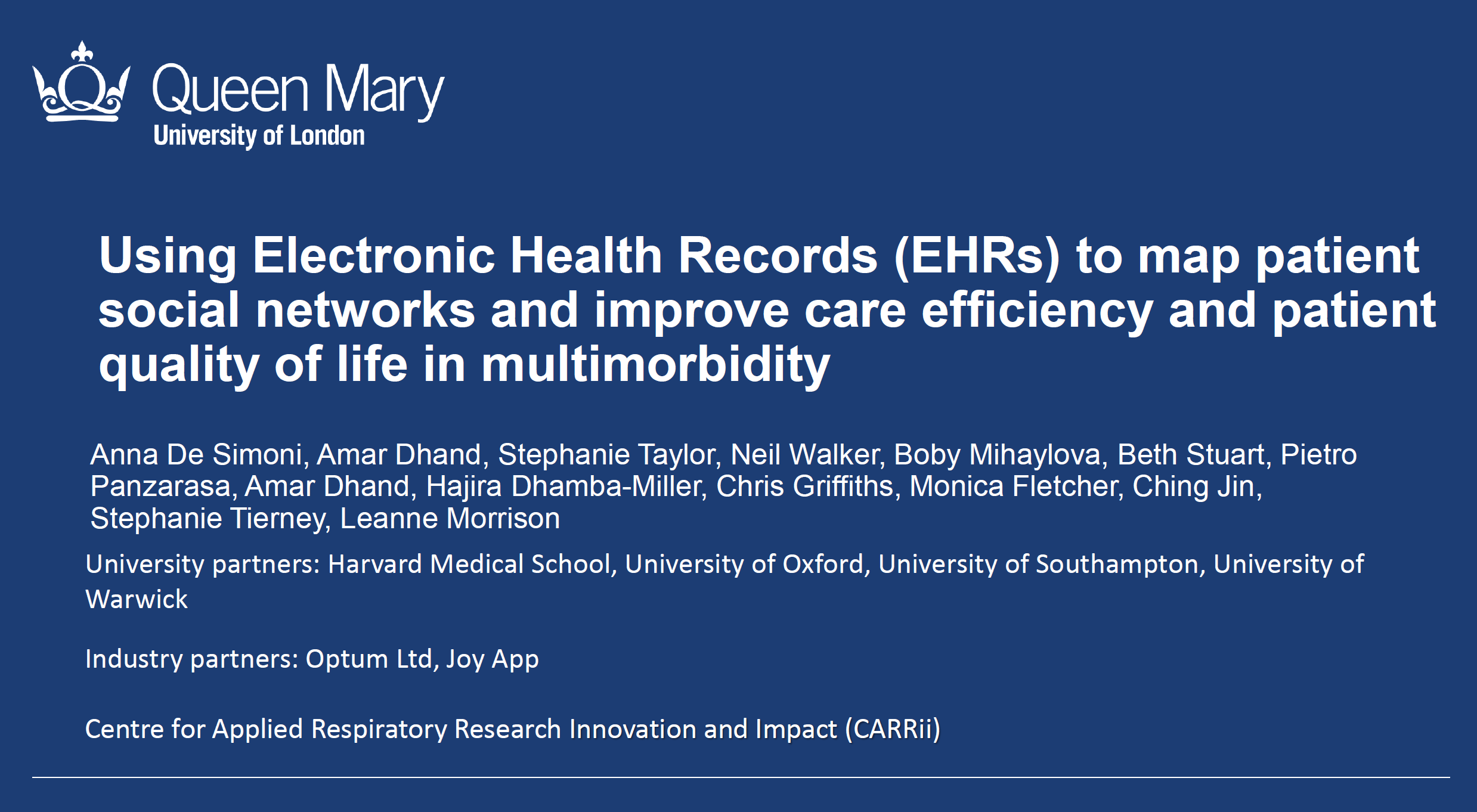
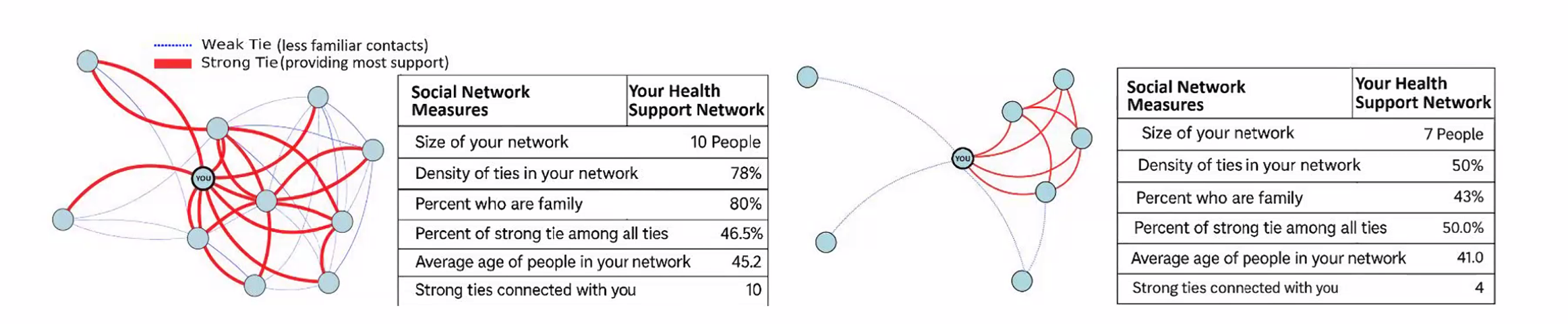
Dr Anna De Simoni, an Academic GP and Associate Professor of Primary Care at Queen Mary University of London, presented an early-stage research proposal focused on how electronic health records could be used to better understand and map the social support networks surrounding people living with multiple long-term health conditions.
Dr De Simoni sought direct feedback from carers to help shape the project before a formal funding application is submitted. She explained that while healthcare professionals can usually identify a patient’s next of kin and household members through existing GP records, they often have very limited understanding of the wider support networks that play a vital role in a person’s wellbeing.
These networks may include family members, neighbours, friends, faith groups, community organisations, carers, and others who provide practical and emotional support. The research aims to explore whether technology and electronic health records can help healthcare professionals better recognise these support systems and use that information to improve care planning, reduce unnecessary hospital admissions, and enhance quality of life for people living with complex health conditions.
The discussion generated considerable interest, particularly regarding:
Information sharing
Integration across services
Support for carers
Data protection concerns
Improving continuity of care
Several participants expressed enthusiasm about the potential benefits while also raising questions regarding privacy and access to NHS information.
Questions and Answers from Dr Anna De Simoni’s Presentation
Q: What problem is this research trying to solve? A: Dr De Simoni explained that healthcare professionals often know very little about the wider support network surrounding a patient. While medical records may identify a next of kin or people living in the same household, they rarely capture the full picture of who is actually providing practical, emotional, or day-to-day support. The project aims to better understand these social networks and use that information to improve care planning and patient outcomes.
Q: Who is the research aimed at? A: The initial focus is on people living with multiple long-term health conditions, including illnesses such as COPD and other complex health needs e.g mental health. The project seeks to understand how stronger recognition of support networks could improve quality of life, reduce hospital admissions, and support people to remain independent for longer.
Q: How would patients contribute information about their support network? A: The proposal includes the use of a Universal Care Plan through the NHS App. Patients would be able to enter information themselves about what matters to them, who supports them, how they prefer to be treated, and what should happen if their health deteriorates. This information could then be viewed and updated by relevant healthcare professionals.
Q: What role could carers play within the proposed system? A: Participants highlighted that carers often provide the majority of practical support but are frequently invisible within healthcare systems. The proposed approach could make carers more visible by helping professionals understand who is involved in supporting a patient and what role they play in maintaining wellbeing and independence.
Q: How will patient confidentiality and data protection be managed? A: Concerns were raised about privacy and the security of NHS data. Dr De Simoni explained that information governance, GDPR compliance, and data protection would be central to the project. Specialists in privacy and information governance would be involved to ensure that any information collected is handled safely, appropriately, and with proper consent.
Key Discussion: Why Are Carers Still Fighting the Same Battles?
A recurring theme throughout the meeting was the sense that many challenges identified today are the same challenges carers raised ten or twenty years ago.
Questions included:
Why are services still fragmented?
Why do carers continue to feel excluded?
Why are communication problems so persistent?
Why is trauma often overlooked?
Why do inequalities remain entrenched?
Participants reflected on whether the issue is primarily one of resources, leadership, service design, or culture.
Many agreed that meaningful change requires carers to remain actively involved in shaping policy and service delivery.
A carers support group recommended during discussion as a source of peer support and shared experience.
Final Reflections
The May 2026 Ethnic Mental Health Carers Forum highlighted both the challenges carers continue to face and the determination across the sector to improve outcomes.
From Mental Health Act reform and carers’ rights to innovative approaches such as Open Dialogue, the meeting demonstrated the importance of bringing together lived experience, research, policy, and practice.
Several speakers reminded attendees that change often begins with carers sharing their stories, participating in research, challenging poor practice, and helping shape future services.
The forum remains an important space where those voices can be heard.
Update by Matthew McKenzie – Chair of South London Mental Health Carers Forum
The South London Mental Health Carers Group met for the month of May for a wide-ranging and thoughtful discussion covering carers’ experiences, mental health support systems, involvement opportunities, and an important research presentation focused on support networks and long-term care.
The group covers areas of Lewisham, Southwark, Lambeth & Croydon, although Mental Health Carers from outside those areas are welcime to attend
The session brought together carers, advocates, involvement leads, and guest speaker Dr Anna De Simone from Queen Mary University of London. As always, the discussion highlighted both the challenges carers continue to face and the value of shared lived experience and peer support.
Opening Discussions: Challenges in Mental Health Care Systems
The meeting began with carers sharing experiences of navigating mental health services for loved ones with complex needs. There was extensive discussion around:
difficulties accessing appropriate placements,
safeguarding concerns,
discharge planning,
lack of continuity between NHS trusts and local authorities,
and ongoing challenges around funding responsibility between different services.
A recurring issue raised was the pressure on inpatient beds and the concern that discharge decisions can sometimes feel driven more by system pressures than by clinical readiness. Carers spoke openly about the emotional impact of repeatedly having to advocate for vulnerable loved ones while navigating fragmented systems.
There was also discussion around the importance of carers being recognised and included in communication and planning processes. Participants highlighted how carers are often the people most aware of deterioration, risks, or safeguarding concerns, and how vital it is that services engage meaningfully with families and informal supporters where appropriate.
Despite frustrations, carers also acknowledged examples of good practice and supportive professionals within mental health services. Several attendees noted that they had seen gradual improvements in carer involvement and listening exercises within parts of South London and Maudsley NHS Foundation Trust (SLAM), particularly in Lambeth.
Updates on Carer Involvement and Support Activities
The group received updates from carers and representatives involved in local mental health engagement work and carers’ organisations.
Carers Week Activities
Karen from Carers Hub Lambeth shared details of upcoming Carers Week activities, including:
outreach events,
wellbeing sessions,
information stalls,
and activities for both adult and young carers.
The events aim to provide carers with opportunities for support, networking, practical advice, and wellbeing activities.
There was also discussion around changes and developments within SLAM involvement structures, including:
continuation of family and carers meetings,
changes to involvement leads,
and ongoing reviews of the involvement register.
Attendees reflected positively on the increasing recognition of carers’ voices in some forums and clinical meetings, while acknowledging that there is still much work to do to ensure consistent involvement across all boroughs and services.
Guest Presentation: Mapping Patient Support Networks
The second half of the meeting focused on a presentation from Dr Anna De Simone, GP and Associate Professor of Primary Care at Queen Mary University of London.
Anna introduced a proposed research project exploring how healthcare systems might better understand and map patients’ support networks using electronic health records and social network tools.
The research proposal focuses particularly on patients with long-term conditions such as COPD (Chronic Obstructive Pulmonary Disease), many of whom also experience multiple additional health conditions and varying levels of social isolation.
The Core Idea
Anna explained that while healthcare professionals can currently access limited information such as next of kin or household members, they often lack a fuller understanding of:
who actually supports the patient,
how reliable that support is,
whether support networks are connected or fragmented,
and how socially isolated a patient may be.
The proposed research would explore whether creating visual “maps” of support networks could help:
improve care planning,
reduce crises,
improve coordination between services,
and enhance patients’ quality of life.
The project would also examine how social prescribing, community services, online support groups, and carers fit into these wider support networks.
Carers’ Feedback on the Research Proposal
The discussion following Anna’s presentation was extremely rich and constructive, with carers offering both enthusiasm and important cautionary perspectives.
Strong Support for the Concept
Many attendees felt the project addressed an important gap in healthcare planning. Several carers spoke about how informal support networks had been essential to helping them or their loved ones survive periods of crisis.
Participants agreed that professionals often underestimate the role played by:
friends,
neighbours,
online communities,
peer groups,
and unpaid carers.
The ability to visualise these networks was seen as potentially valuable for both professionals and patients themselves.
Importance of Non-Traditional Support Networks
A strong theme throughout the discussion was that support does not always come from family.
Some carers explained that family relationships can sometimes be unsafe or abusive, and that support may instead come from trusted friends, neighbours, carers’ groups, or online communities.
The group stressed that any future system should avoid assuming that family automatically equals safety or support.
Online Communities and Digital Support
Participants also highlighted the increasing importance of online support systems.
Several carers explained that:
Zoom groups,
Facebook communities,
online peer support,
and digital communication can provide essential social connection, especially for disabled or isolated people.
One participant noted that online support networks had directly helped them access practical support and reduce isolation when physical mobility was limited.
At the same time, carers cautioned that not everyone has equal access to digital services. Concerns were raised about:
digital exclusion,
accessibility barriers,
lack of digital skills,
and the risk of widening inequalities.
The importance of offering both digital and non-digital forms of support was strongly emphasised.
Privacy, Consent, and Mental Health
Carers also discussed potential challenges around privacy and consent, particularly for people experiencing paranoia or severe mental illness.
Some attendees noted that patients may not always feel comfortable sharing details about their social networks, and that trust and safeguarding would need to be central to any future system.
There was discussion about the delicate balance between:
confidentiality,
safety,
carer involvement,
and patient autonomy.
Role of Social Prescribers
The group generally agreed that social prescribers could play an important role in helping patients map support networks, because they often have more time and a stronger focus on community support than standard GP appointments allow.
However, concerns were raised about long-term funding and sustainability for social prescribing services.
Looking Ahead
Anna thanked the group for their detailed feedback and explained that carers’ insights would help shape the next stage of the research proposal before submission later this year.
There was strong interest from attendees in remaining involved should the project move forward, particularly around future patient and public involvement opportunities.
The meeting once again demonstrated the depth of knowledge, experience, and expertise held by unpaid carers. The discussion reflected not only the challenges carers continue to face, but also the importance of ensuring carers are recognised as essential partners in both healthcare delivery and future research.
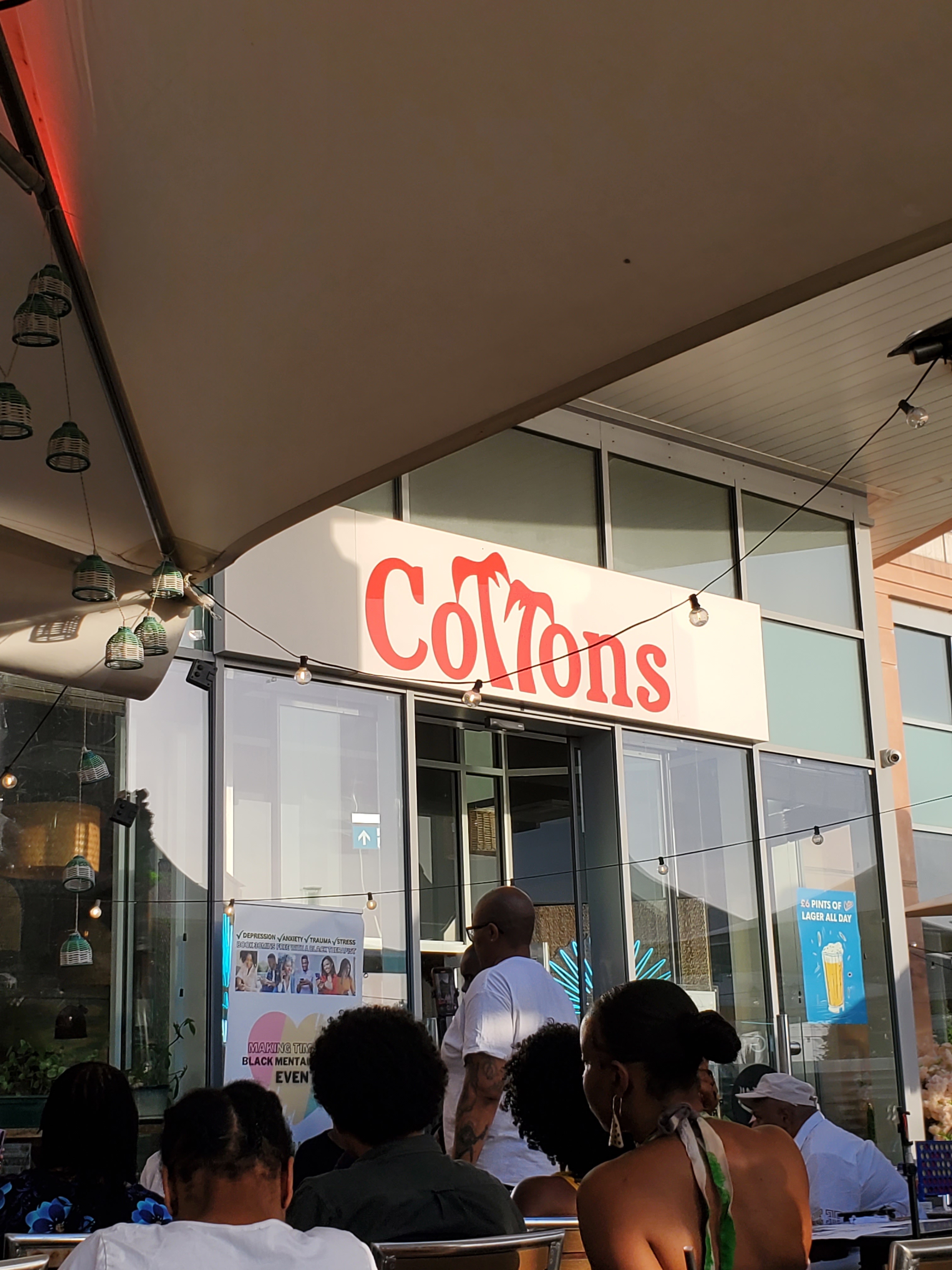
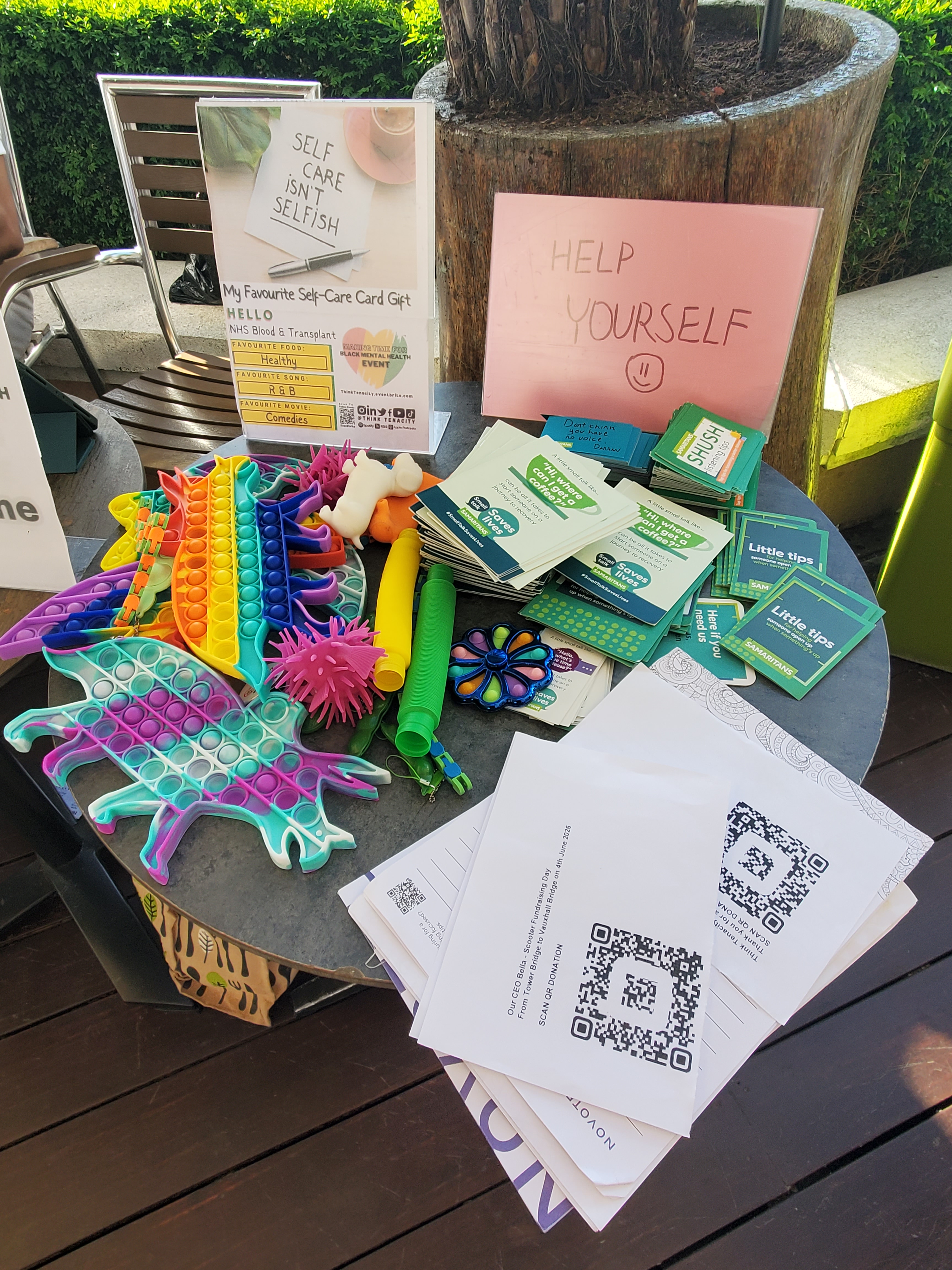
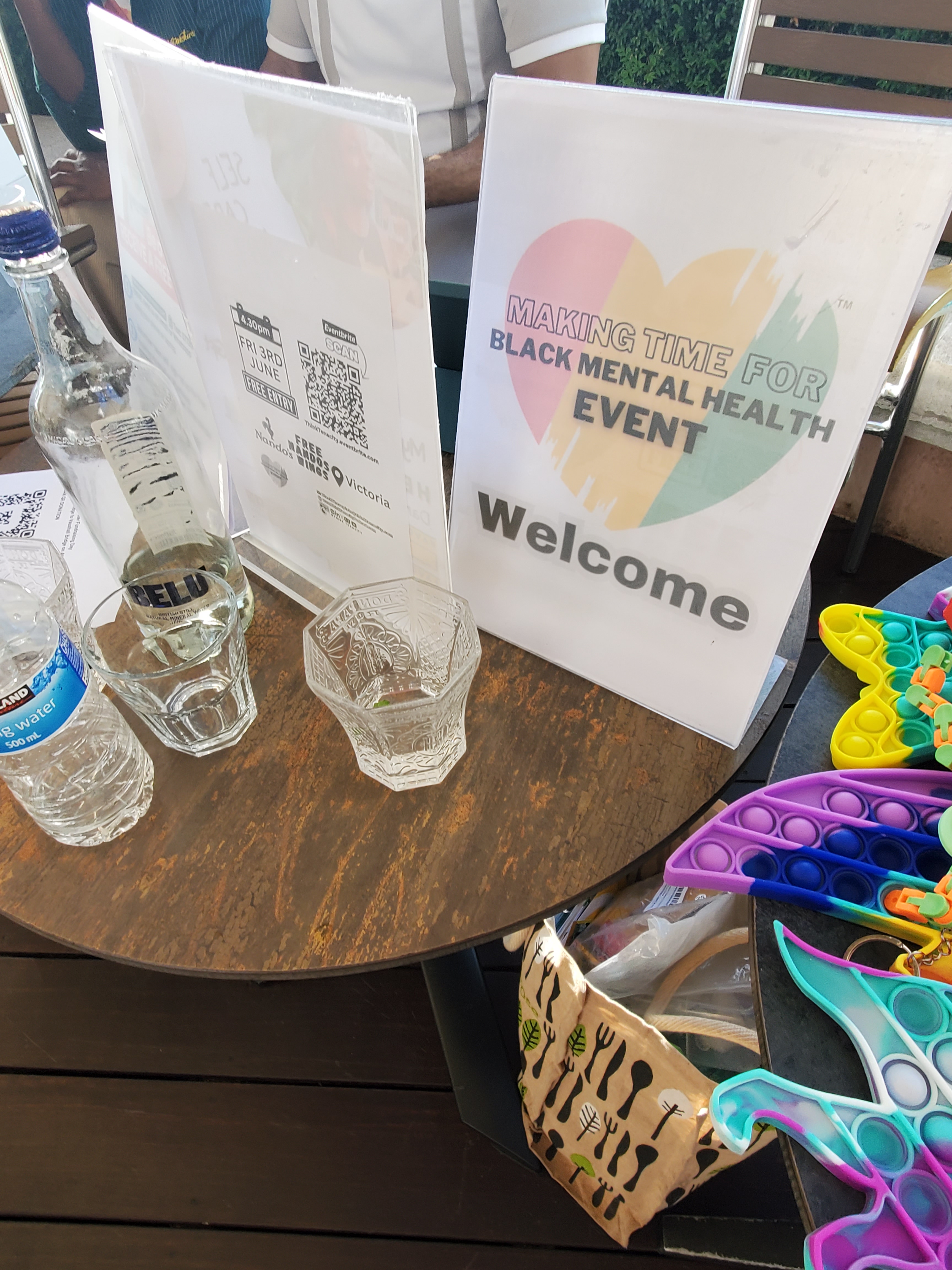
I recently attended the “Making Time for Black Mental Health” event hosted by Bella from Think Tenacity Academy CIC at Cottons Caribbean Restaurant in Vauxhall. The event took place on friday 22nd of May 2026
it was a reminder of the importance of safe community spaces that centre Black wellbeing. The event brought together over 100 attendees, including families, carers, advocates, therapists, Plus Healthwatch Southwark, Healthwatch Lambeth, CNWL Talking Therapies Service Westminster, Carers UK, alongside other community organisations supporting mental health awareness and wellbeing.
We were all united around conversations on mental health, lived experience, and reducing stigma within the Black community.
The event was officially opened by Folake Segun, CEO of Healthwatch Lambeth which led on to meaningful conversations, which I have created a video to show highlights of the event.
As a carer advocate, I found the event especially valuable because it highlighted how community-led support can create genuine impact.
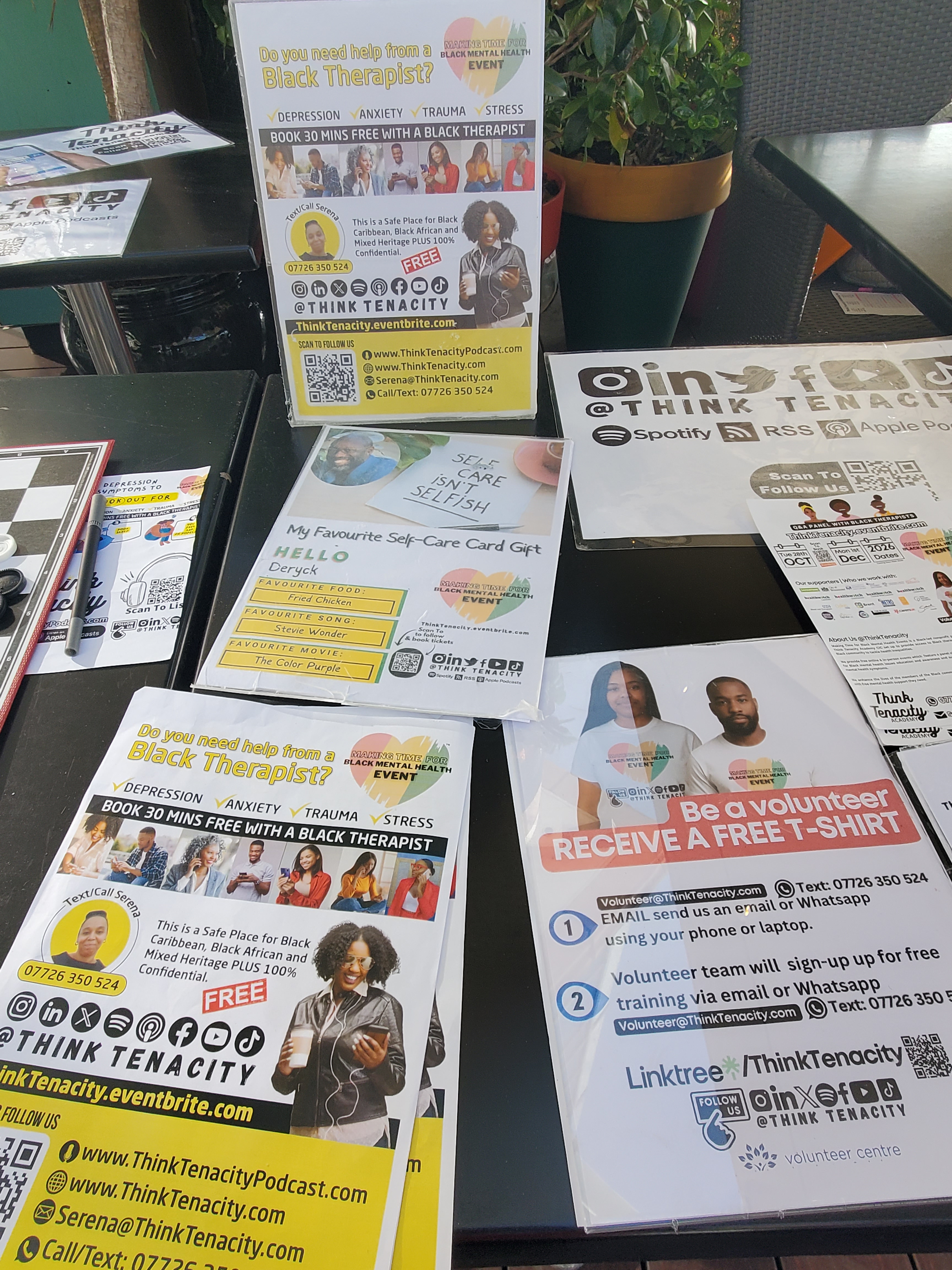
The evening included a Q&A session with Black therapists and speakers who openly discussed mental health challenges, cultural understanding, and the importance of representation in support services.
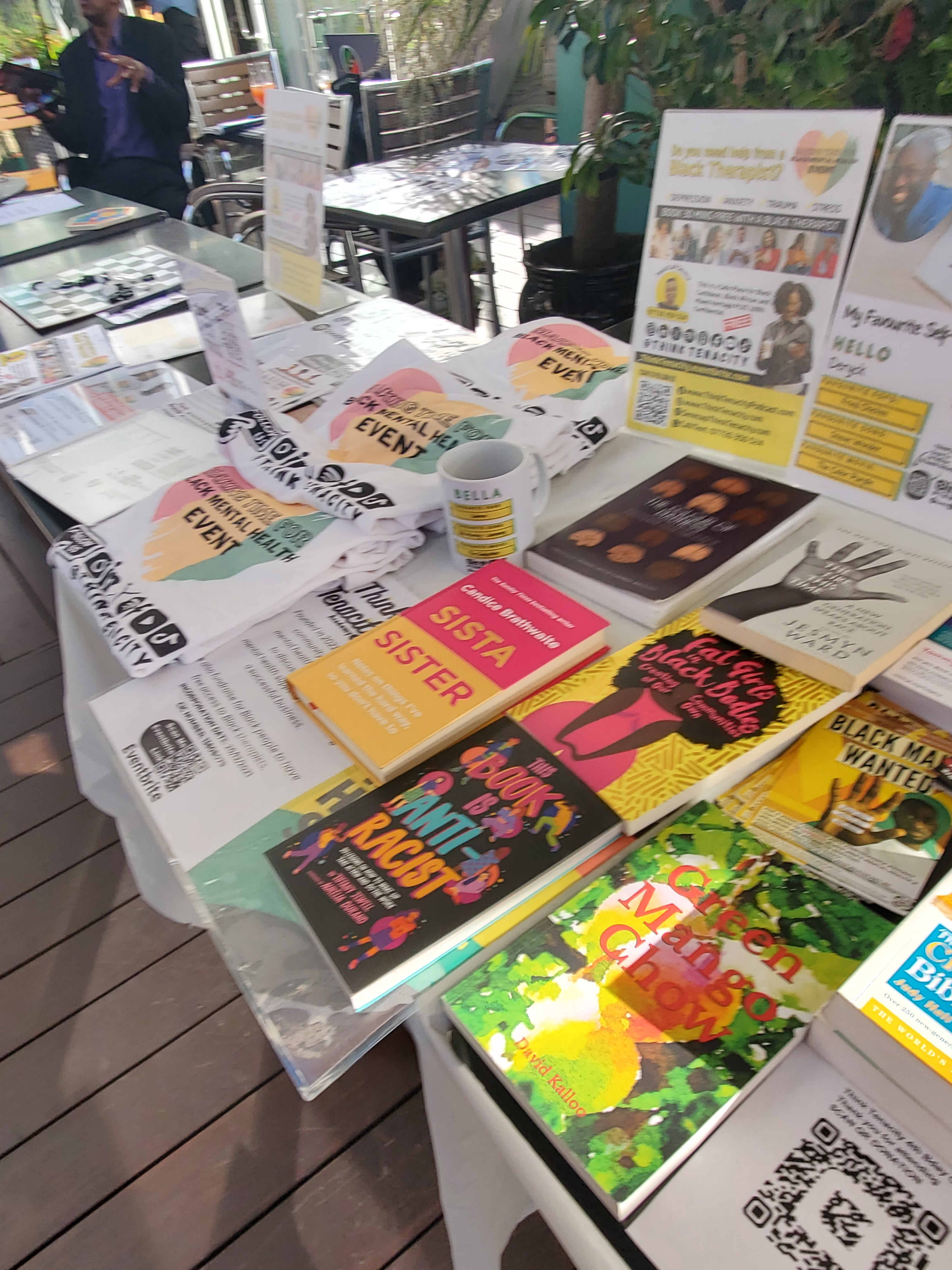
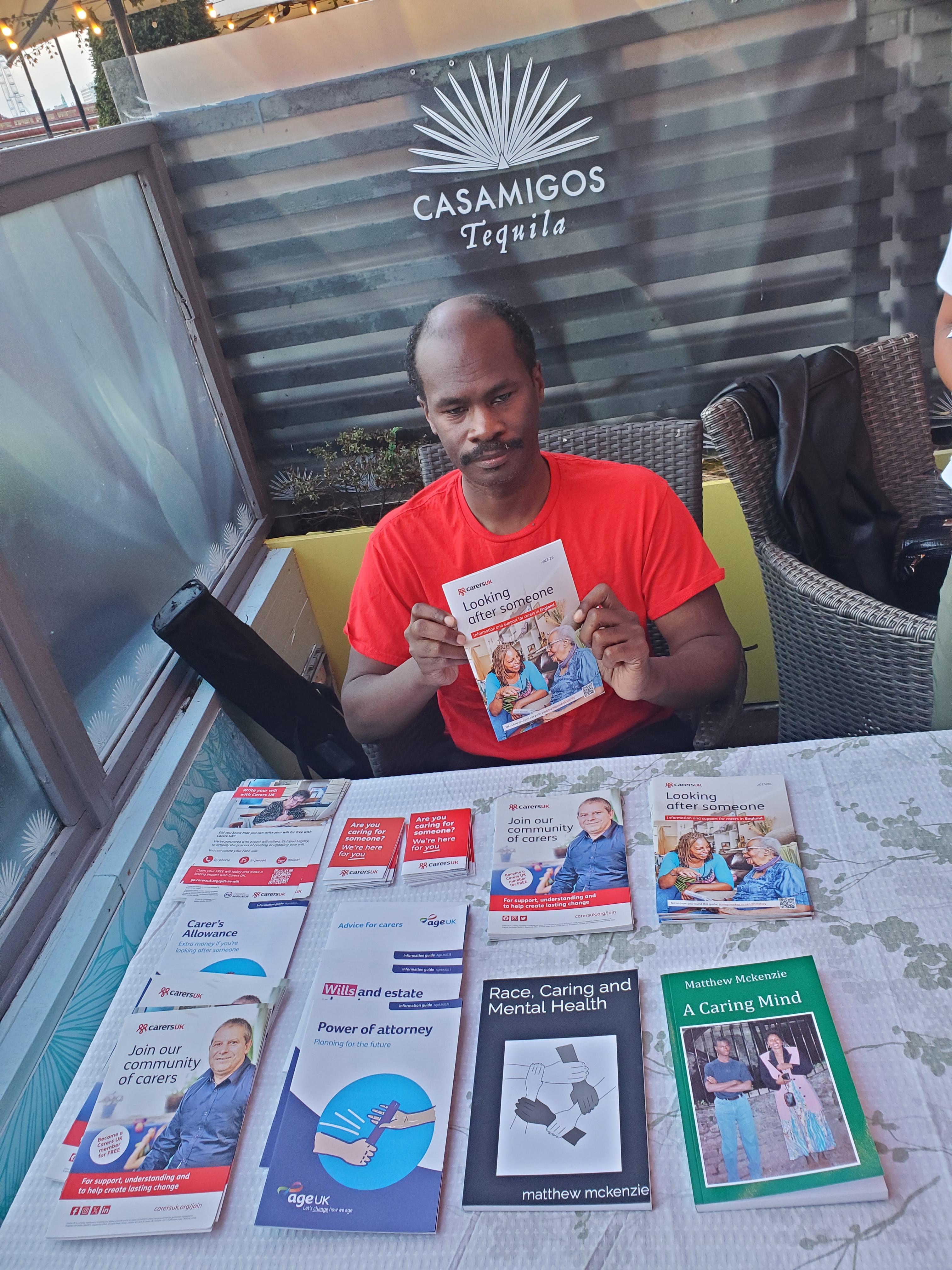
There were also wellness stalls, books, information tables, and opportunities for local organisations to connect directly with the community. Seeing families, children, and professionals all engaging together showed how mental health conversations can become more accessible and less stigmatised when events are designed with inclusion at the centre.
What stood out most to me was the sense of togetherness and intentional care throughout the event. Think Tenacity’s mission to tackle health inequalities and create spaces where Black people feel seen, heard, and supported was evident in every part of the evening. Hosting the event at a vibrant riverside venue with free entry, wellbeing activities, and opportunities to socialise created an environment where people could relax while also engaging in serious and necessary discussions around mental health.
Events like this are essential because they remind us that advocacy, wellbeing, and community support all go hand in hand.
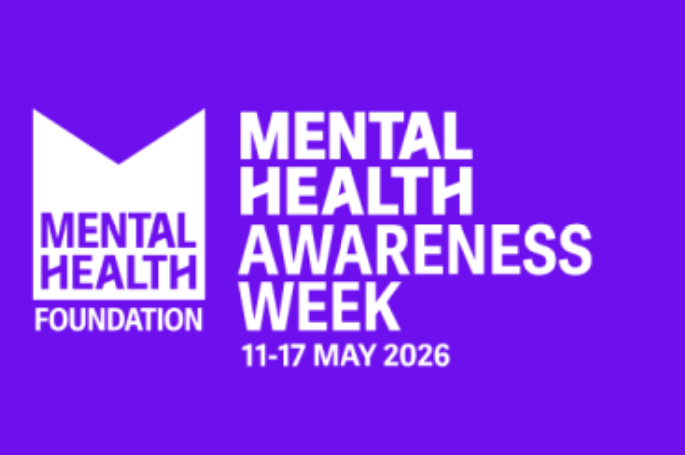
Mental Health Awareness Week 2026 over in the UK runs from Monday 11 to Sunday 17 May, and the theme is Take Action. I know firsthand how challenging it can be to look after someone while managing your own wellbeing.
Mental Health Foundation is the main charity behind Mental Health Awareness Week in the UK, but there are many other important organisations playing key roles in mental health support, advocacy, treatment and public awareness.
So for the week of this blog, it is a reminder that even small steps can make a big difference, whether it’s checking in on a friend, practicing self-care, or seeking support from local and national organisations.
As a reminder Carers often put themselves last, but protecting your own mental health is essential and taking action starts with acknowledging that you deserve support too.
During this Mental Health Awareness Week, there are many organisations and local NHS carer support services provide invaluable guidance, counselling, and resources for unpaid carers.
The theme is “Every action counts”. From reaching out to your community, to joining peer support groups, to simply taking a moment for yourself.
Watch my video above for practical tips, encouragement, and ways to take action for your mental health and the wellbeing of those you care for.
Let’s work together to make mental health a priority for everyone, today and every day.
Additional Resources for Carers and Mental Health Support
Carers UK – Advice, support, and information for unpaid carers across the UK. https://www.carersuk.org
The Carers Trust – Local carer centres, counselling, respite, and practical support. https://www.carers.org
Mental health carers often navigate a system that feels fragmented, leaving them unheard and unseen. My new spoken word poem, “Who is”, explores this reality asking who is believed, listened to, supported, or left behind when the challenges of mental illness take hold.
Taken from my upcoming poetry collection, Unpaid, Unseen and Yet Unbroken (launching 2026), this piece reflects the experiences of unpaid carers, particularly from ethnic minority communities, who face the added burden of navigating a system that often overlooks their voices.
Through poetry, I hope to open a conversation about the importance of listening, understanding, and valuing carers’ lived experiences.