Category Archives: Blogs

How to save a life by Holding the Hope – Guest blog by Jo and Matthew

CONNECT REFLECT VALIDATE – 3 key takeaways to support someone in suicidal crisis
Jo Lambert

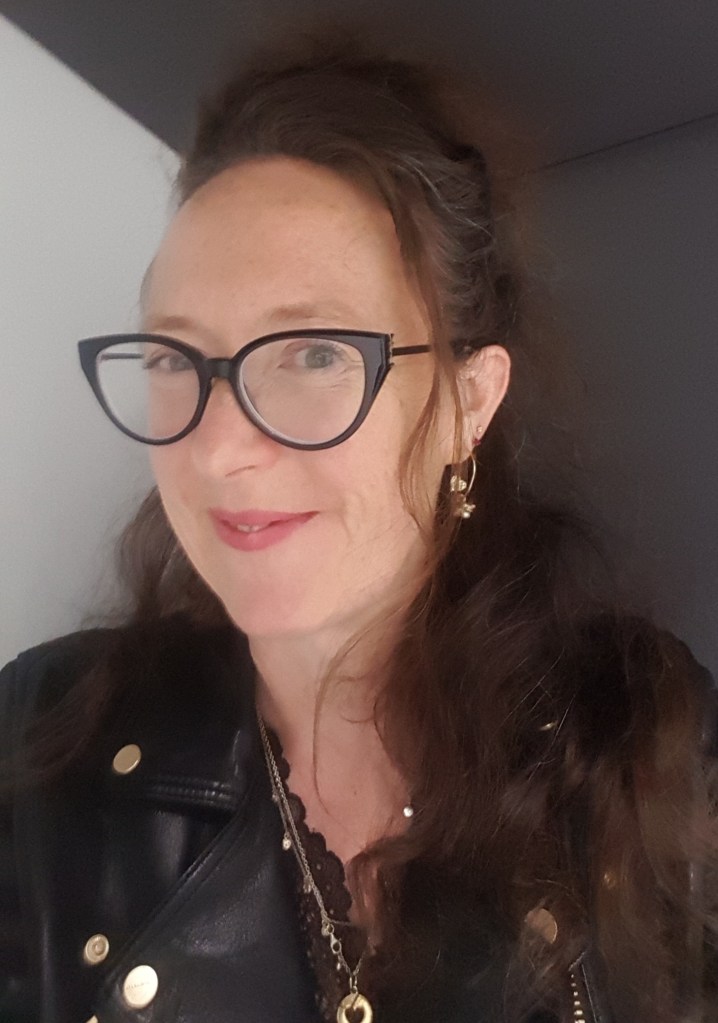
My name is Jo Lambert and I am one of six volunteers who made Hold the Hope, a suicide prevention film which explores how to support someone in suicidal crisis though a lived experience lens.

Over the last year, we have been working with film production company Creative Colony to bring our ideas and vision for Hold the Hope to life.

The film is split into two parts, with the first part told through two spoken word poems Today’s the Day and Hold the Hope (written by me and performed by award winning George the Poet). 
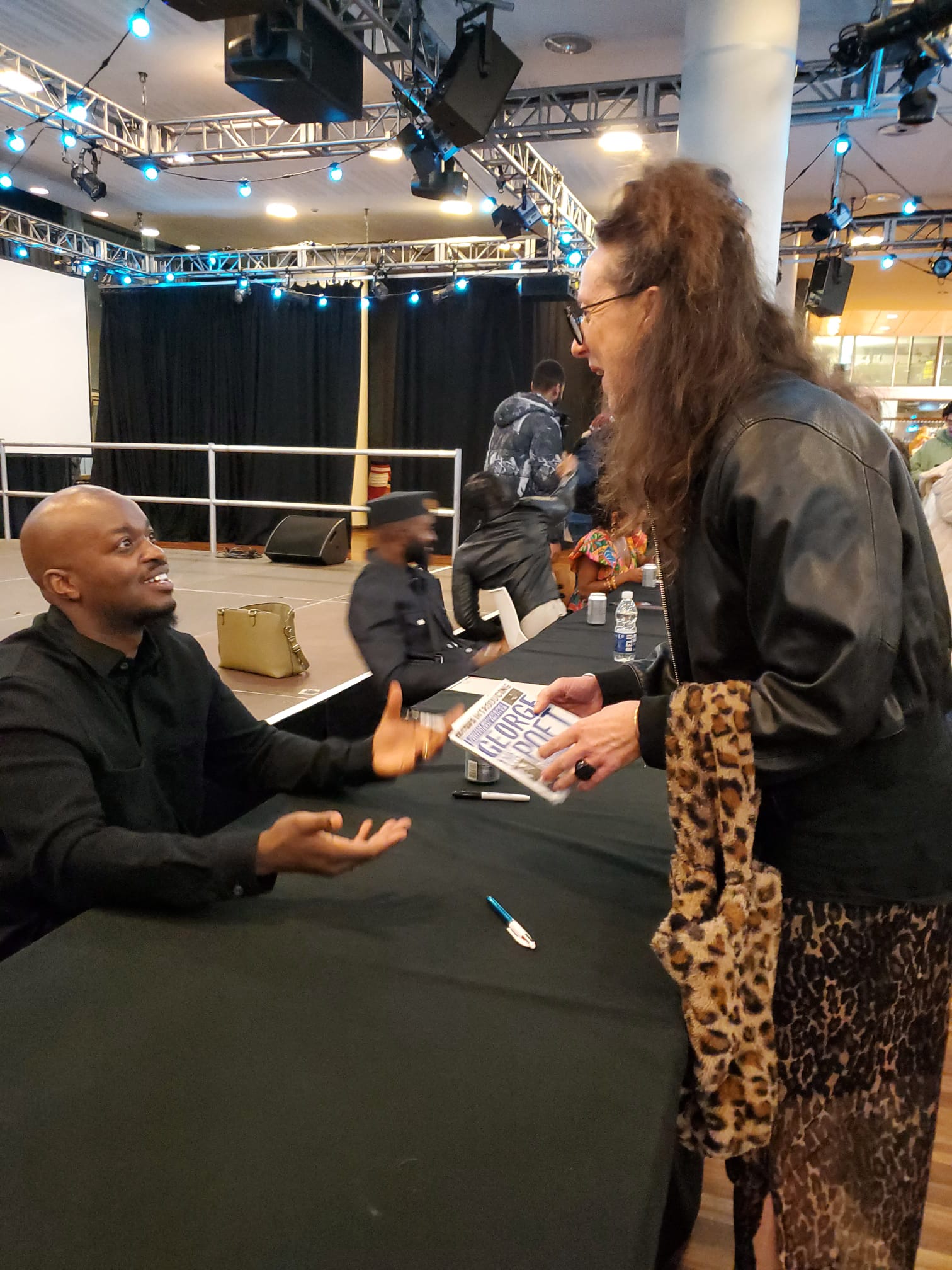
It depicts the journey of someone who is in mental health crisis and the thoughts, feelings and emotions they experience. The second part of the film features behind-the-scenes footage and interviews with me and my lived experience colleagues.

Hold the Hope was funded by NHS South West London’s Suicide Prevention Programme (part of the NHS South West London Integrated Care Board).


The film will form part of a new life-saving training course that will be co-delivered by me and other volunteers alongside NHS staff for schools and the British Transport Police in South West London.

At the start of the project, I wrote a carer narrative, a distillation of my lived experience supporting a loved one in suicidal crisis.  I condensed it into three key takeaway points – CONNECT REFLECT and VALIDATE in the hope that this might be easy to remember in a crisis situation.  These three words and their significance are themes which run through both of the poems in the first film’s voiceover and in the second film, my colleagues and I share our lived experience examples of how to connect, reflect and validate someone in crisis and what holding the hope for them means.  The film’s name derives from the name of the second poem.

As a mental health carer, I joined this project because I wanted to share what I wish I had known at the start of our family’s crisis.  I am delighted that there are plans not just to deliver Hold the Hope into the police and secondary schools, but that there are already discussions about sharing it more widely across communities – with mental health carers, parents, universities etc. 
Hold the Hope has been produced from lived experience, and my belief is that it is versatile and eminently portable because of that.  For me the beauty of Hold the Hope is that it can be shared anywhere – it is just as applicable in a corporate setting so that staff can learn how to support family members and colleagues as it is for clinicians in a hospital who can deepen their understanding of their patients’ experience.

“Can you turn stigma on its head

And see my staying power instead?”

From Hold the Hope ©Jo Lambert 2023

For me, this is the most important part of the poem.  Once you start to understand the details of the back story to someone’s suicidal crisis, what is remarkable is not that the person had thoughts of ending their life but that they coped with as much as they did, as well as they did and for so long.  The act of connecting, reflecting back and validating someone’s experience and holding the hope for them in their moment of crisis, can re-connect someone with their own immense internal power to survive.

It was an honour and a privilege to be part of this project and I have made what I hope will be lifelong friends as well as extended my own understanding from the shared experience of my colleagues.
Final words by Matthew McKenzie

I attended the Hold the Hope Launch on Friday the 8th of December 2023. The launch was at the Everyman Cinema Borough Yards.
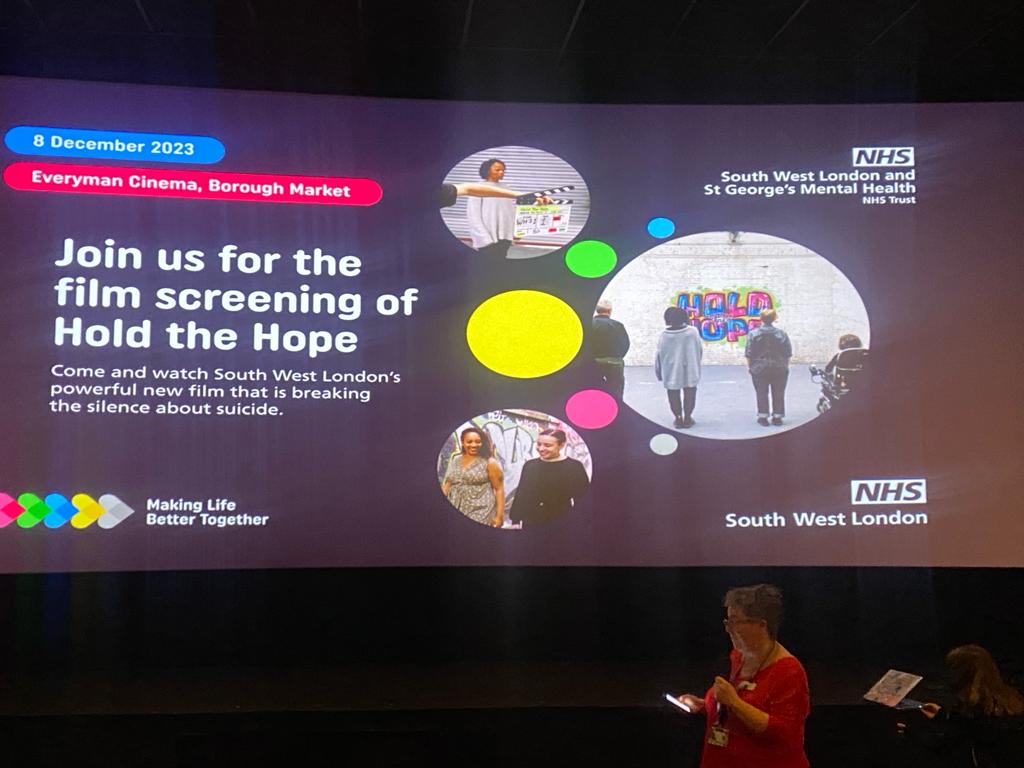
I was not sure what to expect, but felt welcomed and involved. With collegues from Cygnet attending along with me, it was a great way to support the amazing work Jo Lambert and others had put into the project.
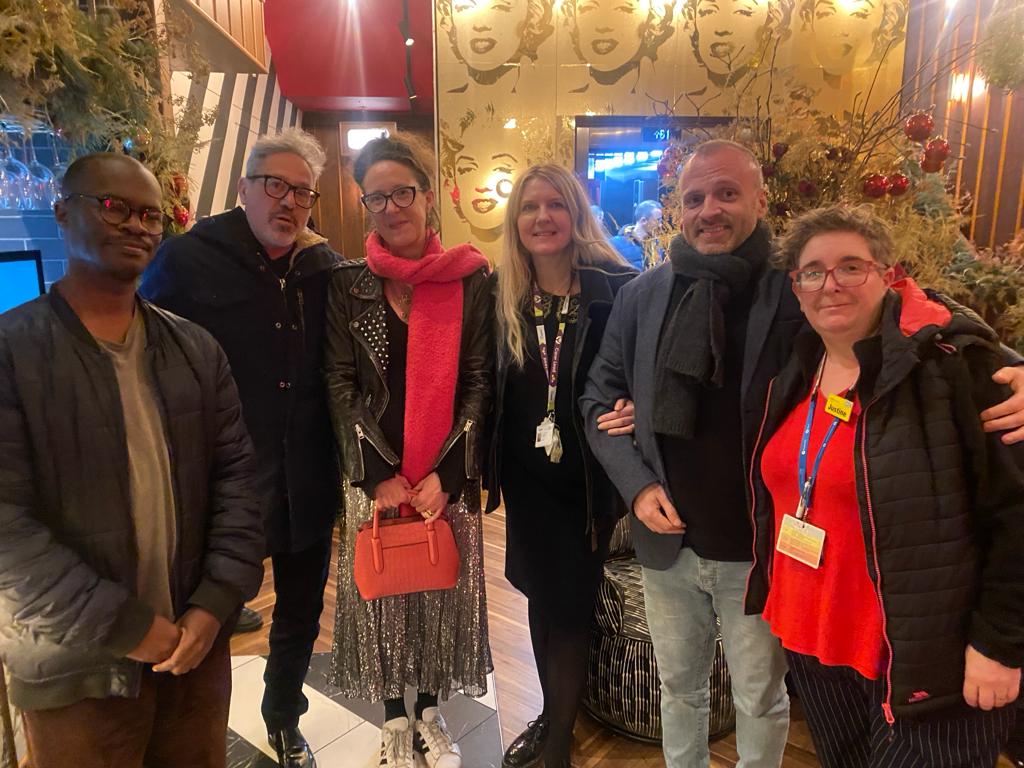
After watching the video Hold the Hope, I can certainly see the challenge that must be taken up by the police, rail service, schools and more. Suicide must be tackled as soon as possible and one of the best ways to do this is through education.

Health, social care and the mental health services can only grow stronger with the inclusion of those who have lived experience. It takes courage, determination and care for those who get involved, because they have their own challenges and trauma.

The film clearly shows the importance of holding on to hope. There is always a chance, but sometimes we cannot see this. Sometimes those who attempt suicide cannot see any hope and those who should help can lack the skills to spot and prevent suicides.

With Jo Lambert’s poem, I can see how this hits home. I can feel her words gently remind that there is hope.

I could not help but be intrigued after the film was shown. I wanted to hear so much from the inclusion of lived experience.
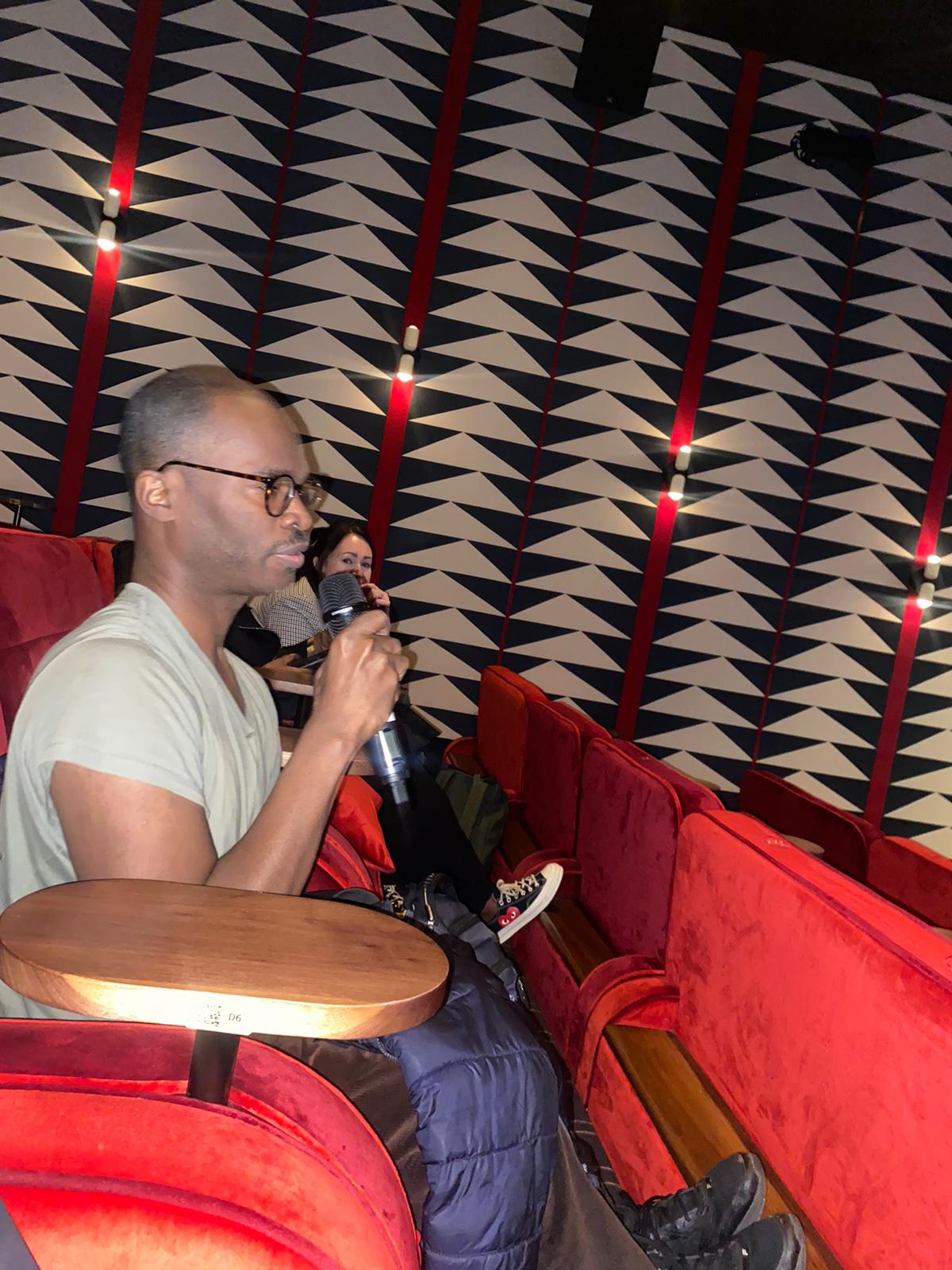
I asked Jo what she expected from the project and was amazed at how thoughtful her answer was. As a carer I can see the potential of the project. We need to include carers and help them tackle the challenges when caring for someone going Suicidal Ideation.

I admit there is so much to do, but with the Hold The Hope project, I can certainly see a strong foundation.

Thank you for reading

Working carer research

Bridge Connections Coaching Consultancy are currently researching working carers and working parents experiences with employers when caring for dependants or loved ones with mental health challenges. My aim is to look at experiences and see where employers can increase wellbeing care, strategies and solutions to support the retainment of employee carers/parents whilst they are expected to show up for work, whether it be short-term or long-term.

It would start off with a questionnaire, then a short interview, to gather input.

From their experience, they feel there is an area where the working person providing care does not get enough individual wellbeing care, to continue to work effectively, this is an area that they are currently looking into.

You can contact Ceylan Thompson on
coachingandmentoringlifeskills@gmail.com

Guest post by Hannah MacDonald -First day of being sectioned.

Fotolia_209316380_XS

In 2007 I was sectioned under the mental health act with my nursing uniform in my bag. The whole experience of my first sectioning was shocking, traumatic, shameful and confusing.

I was taken by a psychologist, who I was seeing for Cognitive Behaviour Therapy,  to the Emergency Psychiatric service because he was concerned about me. I was taken to a room with no windows whilst the psychologist spoke to the Emergency Psychiatric team. I remember feeling catastrophic, trapped and concerned that I needed to get to work.

I was then assessed by a doctor who asked me deep psychological questions which for me was beginning to open a whole can of worms and was traumatic and distressing. Through the whole assessment I kept thinking, I need to get to work – I can’t let the ward down.

Then I was left in the room by myself, I felt stressed and that the room was closing in on me. After what felt like an eternity to me, a number of people entered – I had no idea who there were and all I remember of them is their shoes as I was no longer looking up. In my medical notes it states that my speaking had become very slow and I was not responding to questions. My memory is that I was extremely overwhelmed and I just wanted to leave, go to work and no longer be asked anymore psychological questions that I couldn’t answer and were confusing my mind.

All the people left then after a short time returned to let me know I was sectioned. I went into sheer panic. I thought instantly that I would lose my job and never be a nurse again. I keep repeating – I will come in voluntary, you don’t need to section me. I had not realised that when they had asked me to go into hospital I basically had had no choice that if I didn’t say yes I would be sectioned. In my mind I just kept thinking about the ward I worked on, that they would no be able to find cover for me that day. When I realised I was sectioned I was absolutely terrified. One of the staff said don’t worry we will help you – that comment has haunted me and felt like a betrayal to this day because for me my situation became so much worse and I call the years between 2007 – 2012 my lost years.

I was taken up to the ward and a nurse read me my rights under the mental health act. I was so overwhelmed that the only thing I remember her saying was that if I didn’t take the medication I was prescribed by the doctor, it would forcefully be given to me by injection. I was completely terrified.

I rang the ward I worked on and told my manager what had happened, she was so compassionate and supporting she put on the phone the HIV mental health nurse that worked on our ward. It was her that with care explained my situation and where I could get help and support.

After this phonecall I was taken to a bedroom and searched. All I had with me was my crossbody bag which contained my keys, wallet and nursing uniform. When there got to my nursing uniform there noticed that the name badge and my watch had a pins on then to fasten to the uniform, they took them off and said they had to take them off me. I remember wondering why, it has never crossed my mind that I could use them to self harm. That action by the nurses, in a moment, had stripped me of my identity as a nurse, I thought I will never be a nurse again and my thoughts of suicide increased 100 fold. The nurses had not even considered what they were doing to me psychologically.

I was then left in a freezing cold room because it was November and the windows in the room didn’t close properly. Lost and confused I went to the lounge and it was a patient who asked if I was okay. She then made me a cup of tea, gaave me some of her own toiletries and explained to me how the ward and hospital worked. I will always be thankful for her kindness that day.

My first admission was 8 months long. In that time I completely deteriorated. I was forced to have ECT Electroconvulsive therapy with a second opinion doctor saying that I did not have capacity to understand the benefits of the treatment. But in reality this treatment made me think I had completely lost my mind. In addition, I was financially and sexually exploited by another patient, was deprived of my liberty and embroidery, thought I would never be a nurse again and was told by my eldest sister that if I took my own life I would go to hell. Though I was taken off section 3 in August 2008 sadly the whole experience increased my desire to end my life and for the next 5 years I became a revolving door of the mental health system.

However in 2012 I was sent to a therapeutic community where I was given 4 years of psychodynamic psychotherapy which has meant that in 2019 I was able to complete a return to nursing course.

The book you should be reading this month

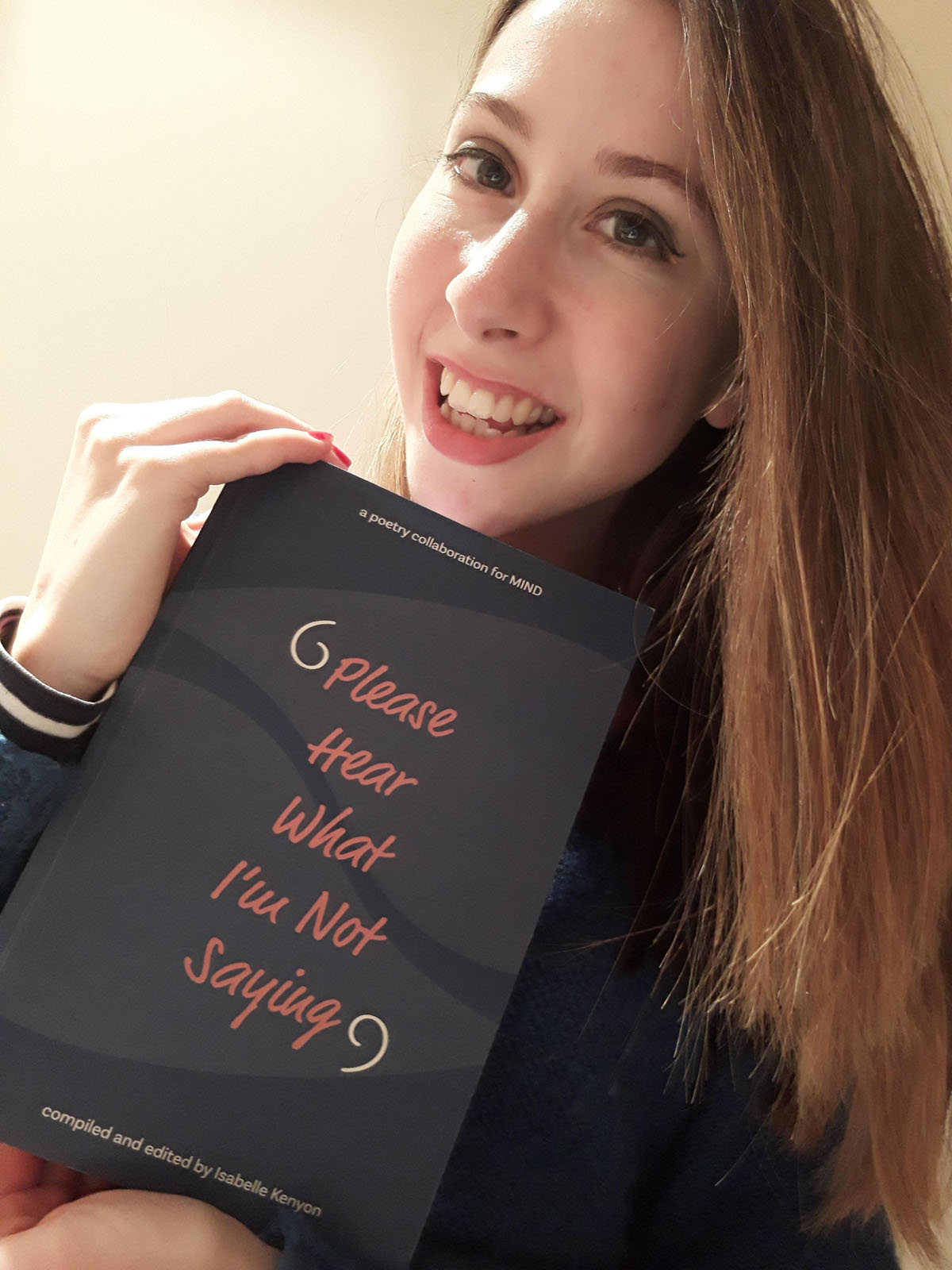
my face plus book‘Please Hear What I’m Not Saying’ is a poetry anthology featuring 116 poets, all writing about mental health. The profits from this book go to UK Charity, Mind.
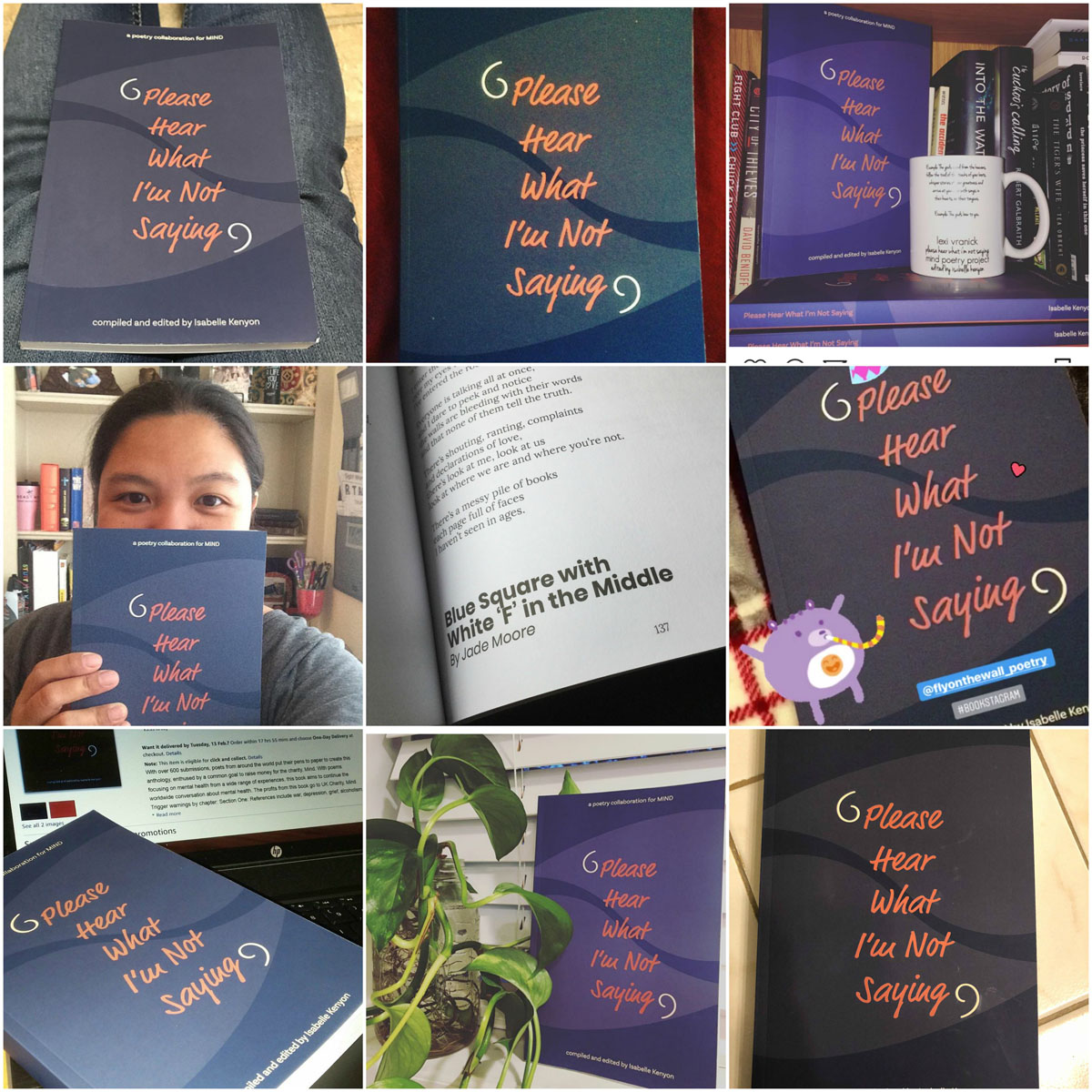
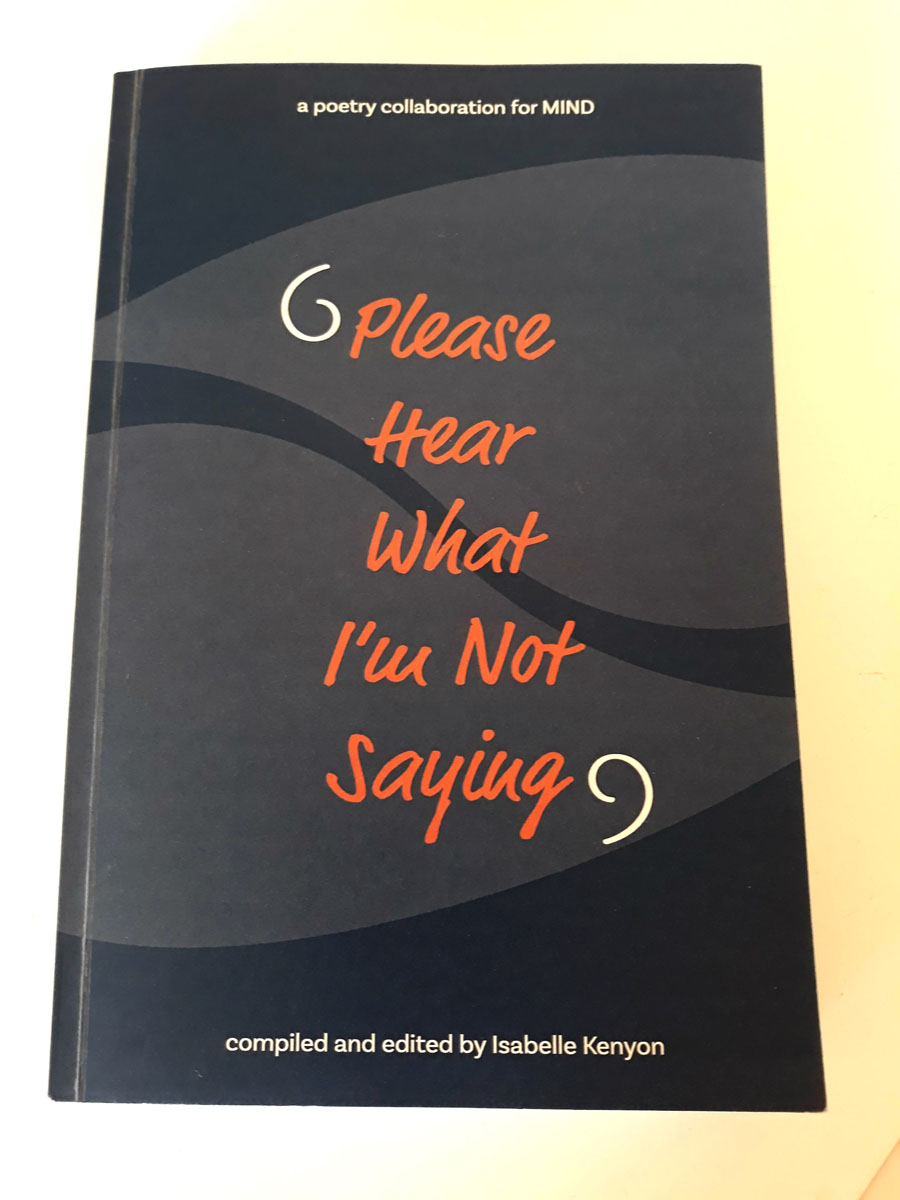
Editor Isabelle Kenyon compiled the anthology following an international submission call out. Contributors were enthused by a common goal to raise money for the charity, Mind.

With poems focusing on mental health from a wide range of experiences (covering topics such as grief, trauma, anxiety, poverty, Alzheimer’s and therapy), the book aims to continue the worldwide conversation about mental health.

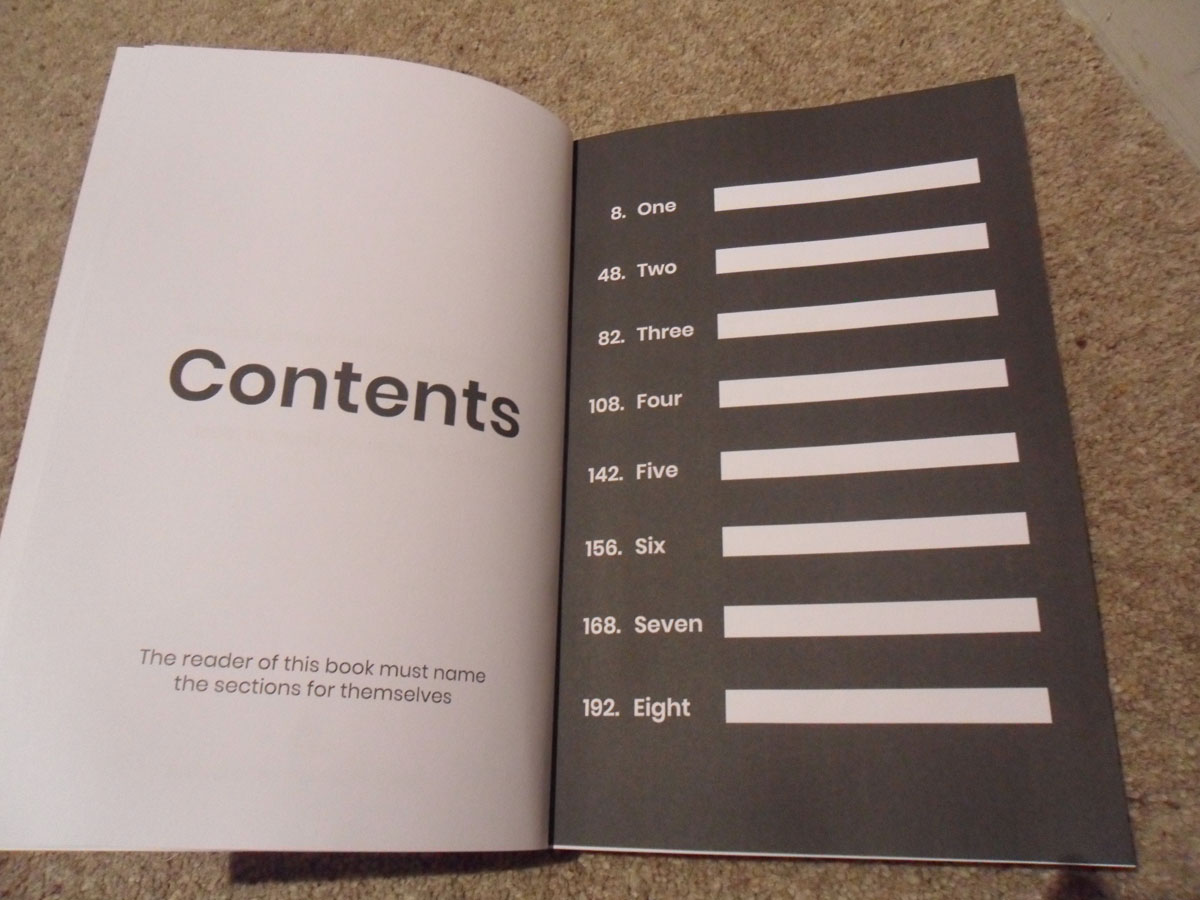
contents

Isabelle comments: ‘As an editor, I have not been afraid to shy away from the ugly or the abstract, but I believe that the anthology as a whole is a journey – with each section the perspective changes. I hope that the end of the book reflects the ‘light at the end of the tunnel’ for mental health and that the outcome of these last sections express positivity and hope.’’

You can buy the book on Amazon here: Please Here What I am Not Saying

Reader Photos

And more information about the project here: https://www.flyonthewallpoetry.co.uk/mind-poetry-project

Mind Anthology