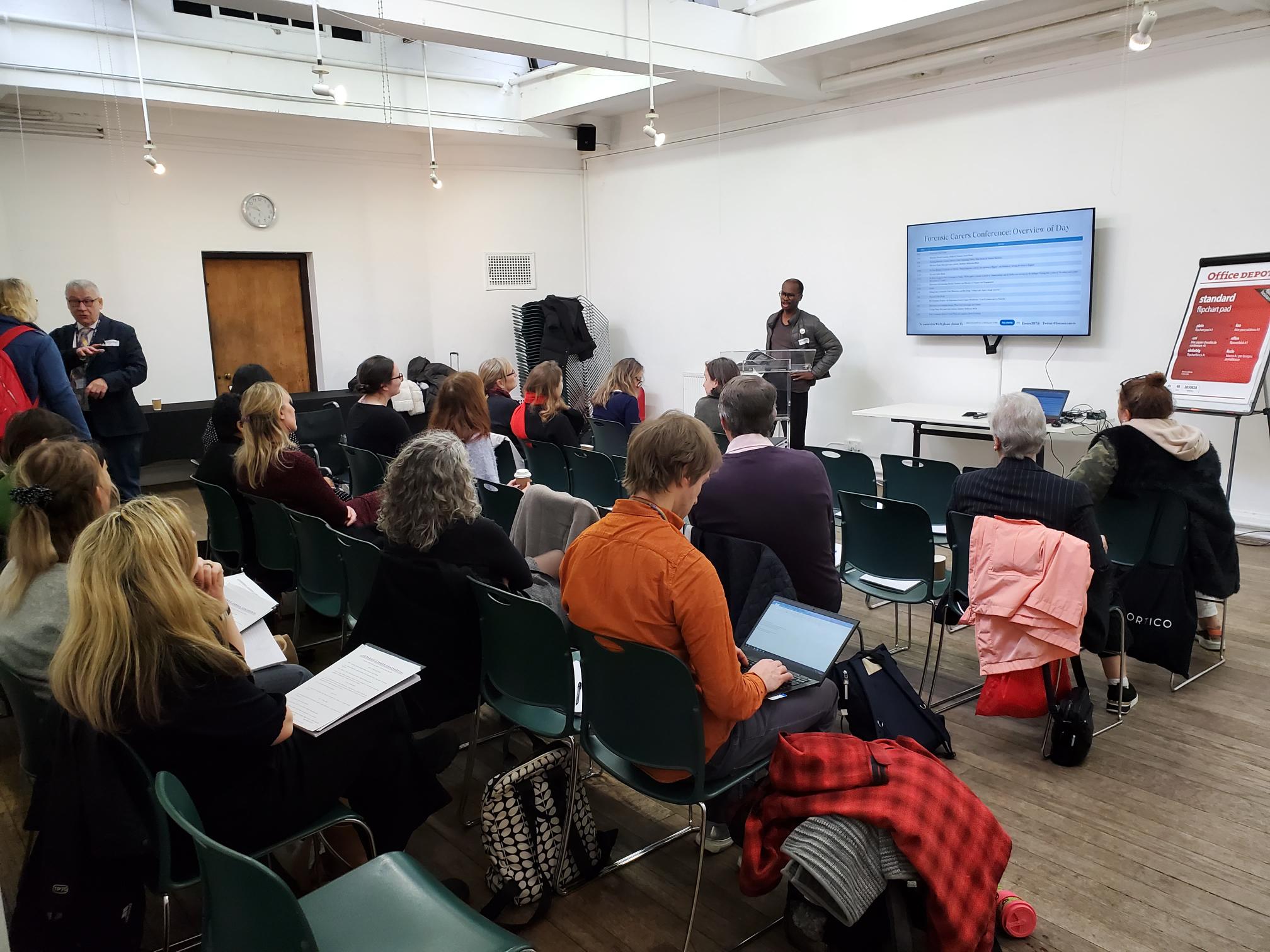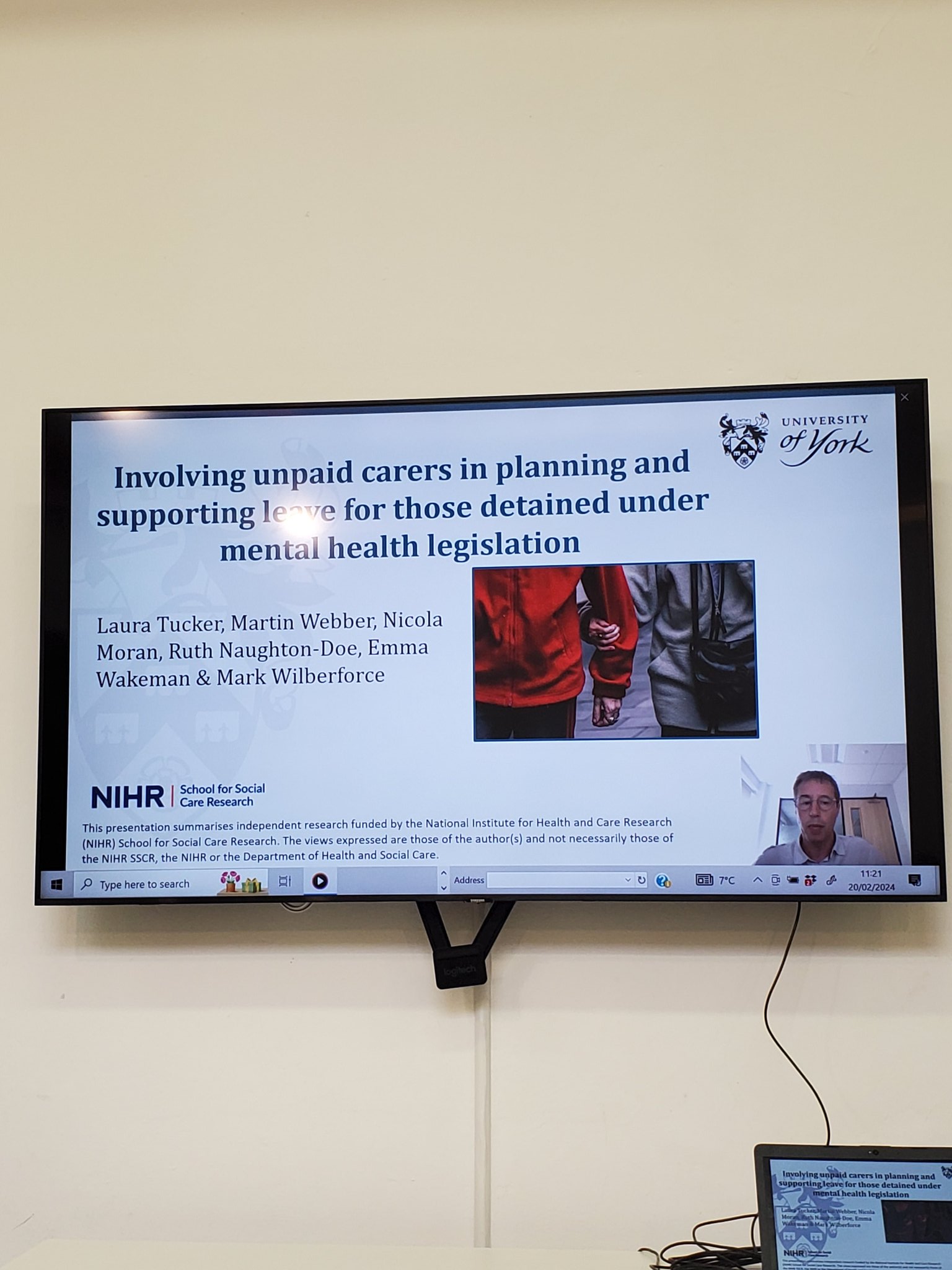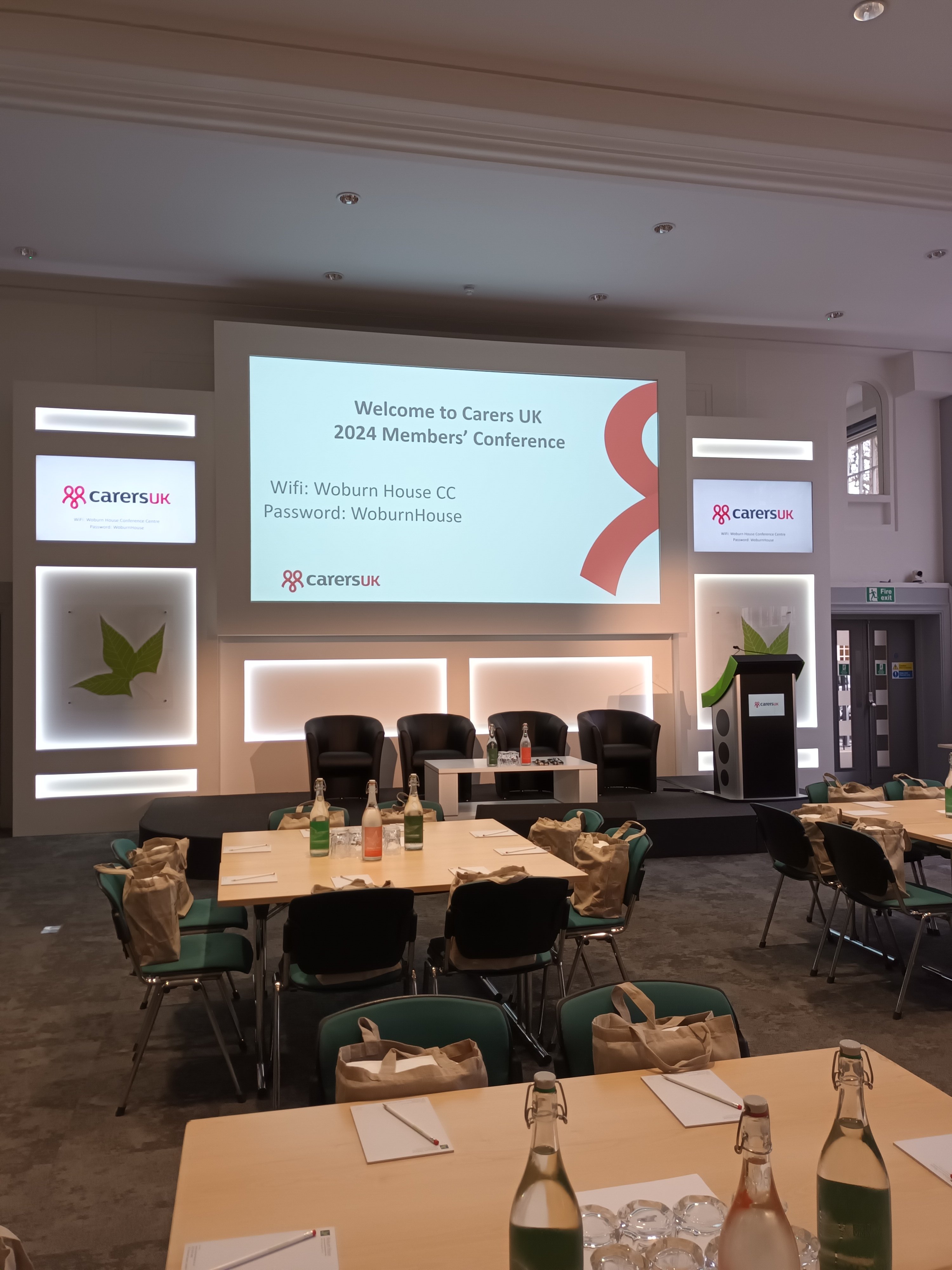
Welcome to a brief update of my Greenwich MH carers forum. Like all my other groups apart from the London cancer carer forum, the Greenwich forum provides a platform for carers supporting someone with mental ill health.
The group seeks engagement from the mental health trust Oxleas, healthwatch Greenwich, social care, local authority and health services. It is important that unpaid carers are heard, included and involved regarding services.
For the January forum, we were joined by Healthwatch Greenwich on their update on the focus of including carer feedback about services.
The second set of speakers were Britt makhetshemu and Ana Stojanovic (South East London Mind) on the development of the new Greenwich Mental Health Hub.
We were also joined by Sue Sauter who is the Lead governor for Oxleas NHS trust.
Healthwatch Greenwich updates
Nakkita has a focus on topics such as Poverty, Vulnerability and Community Activism. Her interests are in how rights are upheld, especially during times of crisis and amplifying the voices of those most marginalised. She is passionate about giving back to the community she has grown up in and the services she has used, as a carer.
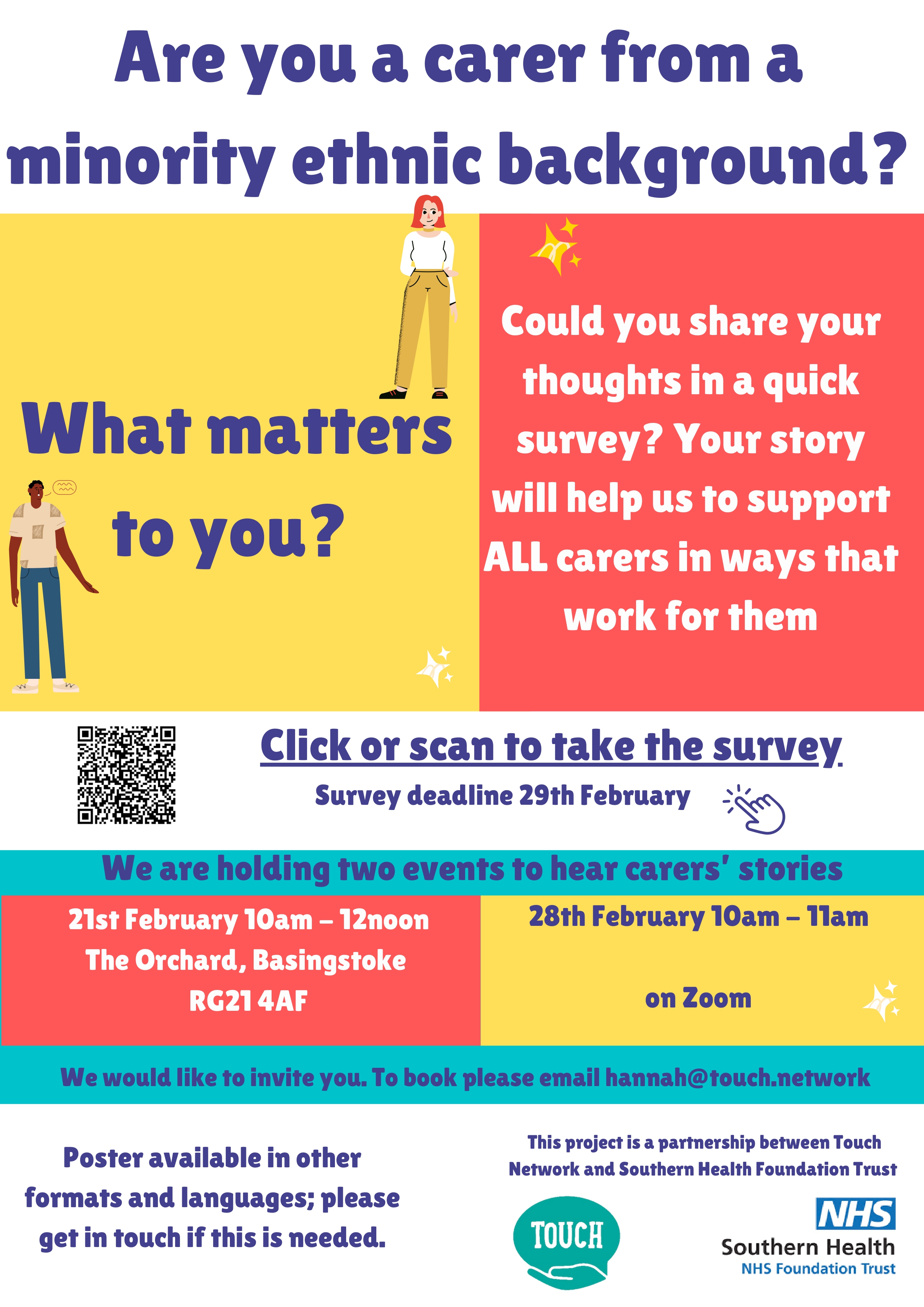
Nakkita De Silva who is the Admin & Project Assistant at Healthwatch Greenwich updated on the research project about improving services for adult ethnic minority carers in Greenwich.
Greenwich Mental Health Hub Presentation.
Next to present to carers and Greenwich carers was the development of the Greenwich Mental Health Hub. This is a partnership between South East Mind, Oxleas NHS and Bridge Support.
It was noted that the is a strong case for for Community Mental Health Transformation, because of the following.
Fragmentation and Transition Between Services
Thresholds and Barriers to Access
Challenges in Getting High Quality Care
Distance from Community
The Greenwich MH hub has a strong vision to develop:-
Personalised support. Where their commitment is to provide a diverse and personalised range of support for people facing mental health challenges within the community, addressing their psychological, physical, and social needs.
Crisis prevention. Their approach is to enable earlier support, foster recovery and staying well, and prevent the escalation of mental health issues that could lead to crises.
Making care fairer. The Greenwich MH hub are dedicated to reducing inequalities in access and experience of mental health care for all adult residents of Greenwich, regardless of where they live or their background.
A lot of time was presented on what the Greenwich Hubs core model is looking like
It was presentated that people should be able to transition seamlessly between different types of help, care and support as their presenting needs change on their recovery journey from ‘thriving’ and ‘getting advice’ to ‘getting risk support’.
Presenters Britt makhetshemu and Ana Stojanovic also talked about the pathways people have to access inteventions at the Greenwich hub.
Oxleas Lead governor Sue Sauter engages with the carer forum
Did you know a lot of mental health trusts have governors hold to account their board? Governors are usually voted in by the public, patients, carers and staff. It was excellent to see the lead governor Sue Sauter.
Sue worked at the NHS for over 40 years as a Registered Midwife in both a clinical, managerial and supervisory capacity. During this period, she was also employed by the Nursing & Midwifery Council and was a member and latterly, a Chair of their Professional Conduct Panels.
Sue talked about the roles of a governor, where one of the roles is to ensure the voice of our members, the public, patients and staff is used to inform our trust’s decisions and improve medical care and patient experience.
Since governors are voted into the role, it helps that they can hear from community groups. Sue was kind enough to take views back from our group and feed this through their council of governors.
This concludes a brief update of the Greenwich MH carers forum.
Welcome to a brief update of my ethnic mental health carers forum. This is the January 2024 update where the forum focused on updates from mental health NHS trusts. The update was specifically on the new equalities initiative from NHS England, which is the Patient Carer Race Equality Framework. (click on picture below to zoom in)
As of 2024 the mandatory framework will support NHS trusts and providers on their journeys to becoming actively anti-racist organisations by ensuring that they are responsible for co-producing and implementing concrete actions to reduce racial inequalities within their services
Usually for my ethnic mental health carers group, I focus on things outside PCREF, but since PCREF has a heavy focus on minority voices, my group looks to engage with NHS trusts and their PCREF ambassodors on updates. A special note is the group is interested on how minority carers are being identified and included.
I am aware many NHS mental health trusts learn from each other so for the January group we had the following attend and present
As usual I brought in a special guest speaker from Middlesex University to speak about the following topic which she published in The Practising Midwife for the 2023 edition in November. Kristina spoke about “Mental Health Context for Minoritised Ethnic Individuals” and was specifically interested in why Perinatal birthing minoritised ethnic women and people suffer from poorer outcomes. Just to note, Krishna is not a mental health nurse, but a nurse under midwifery at University College London Hospital. She also teaches Midwifery at Middlesex University.
NELFT PCREF Presentation
Before we move onto Kristina’s presentation, the ethnic carer forum opened with a presentation from Asia Zaman who is the Transformation Project Manager for PCREF at North East London NHS FT. She was joined by Tarek Seeraullee who is the Havering Carers Lead at NELFT.
NELFT NHS has taken strong steps to not only incorporate PCREF, but also align it towards the hospitals carers strategy. The NHS trust presented that they admit their patients and carers have poorer outcomes, but things will improve through the following drives and more.
Upcoming workshops and events (increase cultural awareness) – carer led, to understand further about needs, perspectives etc.
increase Staff Knowledge and Awareness) – Develop workshops carer led, to share knowledge and awareness.
Increase Partnership Working – Task and Finish group- carer led, Havering best practice example? NELFT to consider aspects across all directorates.
Co-production – Carers group NCV-NELFT CarersVoice has been set up andrunning, for adults and young people.Workstreams in progress.
Presentated was 10 PCREF competencies where the carers strategy was aligned. We then had a Q&A session from attendees some carers were also from NELF.
SWLSTG PCREF Presentation
It was kind for South West London & St George to attend and present their focus on PCREF. This section was presented by Tom Carter who is the Peer Involvement Coordinator, Involvement Team. I know SWLSTG NHS trust fairly well as I have been hosting a carers peer forum for 4 years. My carers group in SW london covers the same areas as the MH trusts being Sutton, Merton, Richmond, Wandsworth and Kingston.
Tom presented the focus for PCREF at the NHS organisation, however we did have a few attendees from the area interested in the focus on ethnic minority carers. This is because they saw the presentation from NELFT and did not wanted to be left out. There was specific interest from Wandsworth carers centre and a few others.
On a side note, the mental health trust has developed a new induction video, which you might want to view below.
Kristina Goh presents on Mental Health Context for Minoritised Ethnic Individuals
As mentioned earlier, I was joined by Kristina to talk about her publication on why minorities groups giving birth had poorer outcomes. The group cannot always restrict itself to mental health NHS services as the equality challenge is presented in all other health sectors include acute services.
Kristina presented that one of the leading causes of maternal death antenatally and postpartum is mental ill health (10-20% of women).
Kristina mentioned that poorer outcomes could be challenged with the following.
Cultural competency training for healthcare professionals Cultural competency vs cultural humility Workforce needs to be reflective of the population we care for- think outreach, retention, development opportunities Non-pharmaceutical interventions
KMPT were very kind to engage with the ethnic MH carer forum to update us on their progress. We were joined by a number of Kent & Medway presenting their focus although time ran out before CNWL presented on their drive to include the Patient Carer Race Equality Framework.
CNWL, South London & Maudsley, plus Oxleas NHS and NHS England will update in February.
This concludes my brief update for the Ethnic mental health carers forum January 2024.
Hello carers. Below is an exciting new project from The PSC aimed at improving access to digital information for carers.
The project is led by Southwark Council, but also includes the 4 other London boroughs in the South East.
The project looks to how a new or improved digital offer can respond to carer needs, and help unpaid carers across SE London get better access and use relevant information, advice and support.
It is important that carers are aware of 3 things, which the project aims to improved.
The need to know the term carer, rights and services that are available to unpaid carers.
The need to care for their loved ones well as needing to care for themselves as carers and their family
Plus the need to plan the care now and in the future
To voice interest in the studies 1:1 interviews, please email heather.mctaggart@thepsc.co.uk and/or shuying.xu@thepsc.co.uk.
Interviews are approximately 45 minutes and your time will be remunerated with a £20 voucher or £20 donation to a charity of your choice.
No one rushes to be a carer, usually most people plan to care for loved ones when they are much older, but life is not often like this. Life is complex, unexpected and has its ups and downs.
You did not expect this day to happen, but here it is. The person close to you has suddenly become unwell, it could be a close relative, a lonely neighbour or a dear friend. It’s different for everyone depend on the relationship, but no matter what the definition is going to be the same. You have become a carer.
What next? What will you do?
There is no hard and fast guide, a lot depends on your resources, support or connections. Caring for someone even depends on knowledge and information, but most of all caring depends on the care given. You know you will probably have to do this, there still is a choice, but are you prepared to live with the consequences?
No one should be forced into the caring role, no one should be that reluctant carer, but that day has arrived. Depending on that relation, you want to be there for someone, you feel you have to try. It might be out of duty, it might be out of love or sympathy. You want to care and you have made that decision.
You are going to care…..
Yet you are not fully aware what you have prepared yourself for. Until you and the person you care for know what the diagonsis is. You are hoping and praying that it is nothing too serious. You have a lot on the line. You do not want that person to suffer their quality of life. You also have plans, dreams and ambitions. All this has been sudden and you just do not feel prepared. You feel anxious on what the future brings, but you want to be there. You want to be there for that special person. It is all up to you because there might not be anyone else around to step in.
Then it suddenly happens.
You are told that diagnosis by a health professional. It does not sink in right away, for some the diagnosis brings relief. Some people know what they must tackle and this is all information. For other people the diagnosis could being heart felt grief and sadness. The diagnosis of the medical illness could be life threatening. It could be a demanding role, but you have already made your decision. You are going to be there, you are going to stay with the ‘cared for’ until as far as you can go.
It is just you still are not fully aware. No one has told you that you are now defined a carer. You think it might be a paid care worker, or a professional carer. You think that you are not doing anything special. You might be the husband, wife, daughter or son. You are just doing what is expected of a close relation, but it is hard.
It is so difficult….
You have to advocate and chase up information for your loved one. You have to cook and clean, check and double check that the ‘cared for’ health is not deteoriating. It is like a juggling act, you are careful not to upset the person you are caring for. They are emotionally struggling with how their life has turned out. They maybe upset that they have to rely on you, then again they cherish that you are standing by and ‘caring’ for them. Yet day by day, month afer month and onto the years, it could get harder. It takes around 2 years before many know they are a carer, but should it take that long?
Should you step back and focus on your own health and wellbeing needs?
Other people are telling you that you need a break, others say you need to know more about what you are caring for. Some people say you should join a carers group. Whatever others say, you being to feel guilty. Is it that bad to focus on your own needs once in a while?
No it is not bad to take time to focus on you.
We cannot care for others if we neglect our own health and wellbeing needs. There is stigma in the caring role, we can all agree on this. Many do not want to be defined as a carer, but that is ok. What is more important is that we get the help and support we need to provide the best care possible. It is not always about caring for others, it is also about caring for ourselves.
If you have found out that you are to do that caring role, ask health and social care services what support you can get as a carer.
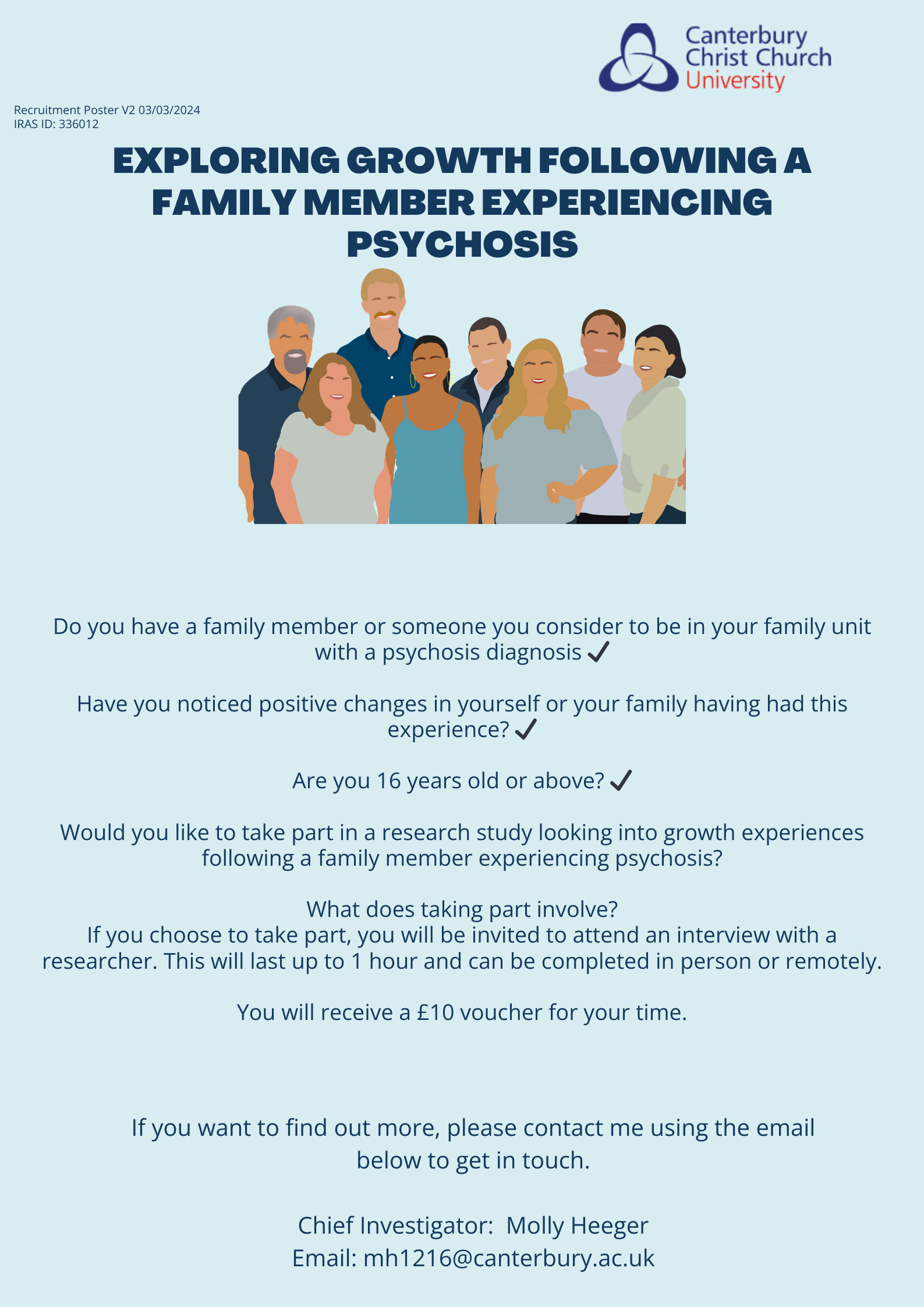
Hello Carers. There is a new research opportunity for carers of those using mental health services. The project is being carried out by Lewys Beames, PhD Student from Kings College London. Lewys will also be attending my ethnic mental health carers forum, which is many of the groups I run voluntary to give carers a platform for engagement and updates.
The project focuses on people who access mental health services will receive care and treatment for a time in a hospital ward or inpatient setting. In these settings service users are sometimes subject to practices which may be experienced as forceful or restrictive, such as physical restraint (being physical held by trained mental health staff) or being forced to take medication. These types of practices are commonly and collectively referred to as coercive practices.
We know that service users and carers can find experience of coercive practices distressing.
The purpose of this project is to ask about and understand the views of mental health services users, informal carers and inpatient mental health staff on coercive practices and ideas of how to improve experiences for service users and informal carers where coercive practice has occurred during a psychiatric inpatient admission.
As informal or unpaid carers, this is your chance to give feedback.
For more information, you can contact
Lewys Beames, PhD Student Department of Psychology, Institute of Psychiatry, Psychology & Neuroscience, King’s College London Email: lewys.beames@kcl.ac.uk Telephone: 07876875892
Welcome back to another blog post by Carer Activist Matthew McKenzie FRSA BEM. Notice something different here? Those strange titles at the end of my name.
Yes, its true, for 2024 I have been awareded a BEM for the kings honours list 2024. It is an amazing archievement to be recognised for my work to carers. I am sure to blog more about this later on, but for now I am back in activist mode.
Here is an update from my London Cancer Caregiver forum for December 2023. The London Cancer carer forum is one of my newest carer groups aimed at those caring for someone with Cancer. The forum allows a platform and network for carers to be heard, feedback and strengthen their identity. The group gets support from MacMillian, cancer alliances and surrounding hospitals.
I was quite unwell in December due to a nasty bug going around, but managed to run the group anyway. We were joined by Nilufa Lais from Marie Curie.
Marie Curie is a charity that provides expert hospice care wherever it’s needed. Their hospices help people with any illness they’re likely to die from, receive the support they need. This includes those that help care for them.
Marie Curie push for better end of life for all by campaigning and sharing research to change the system. Usually I would focus on those caring for someone with cancer, but at my carer stalls at the hospitals, I keep encountering carers whose loved ones are nearing their end of life.
Carers would ask me about end of life support, or they would talk to me about being lost in the system and not being heard as carers. Eventually I contacted Marie Curie as a network to support the London Cancer Carer forum.
Marie Curie were very kind and sent Nilufa who is a social worker based at Marie Curie Hampstead Hospice.
MARIE CURIE INTERVENTIONS
Nilufa talked to our group about what Marie Curie does. She mentioned about the different initiatives they have in place for carers. Marie Curie has a multi-disciplinary team to help identify carers who need support.
Nilufa gave a brief introduction to their Patient and Family Support Team, which consists of a variety of Professionals
Spiritual Lead Lead Art Therapist Lead Counsellor and Bereavement Co-Ordinator Principal Social Worker Lead Complementary Therapist Other social workers
We are hoping for updates from the team to my London Cancer carer forum at a later date. There might be a different set up at the other hospices Marie Curie has at different sites.
Their team offers different types of care to patients and carers. Carers are relatives/ friends of in-patients and out-patients, after care support as well. The primary carer is identified by the Patient.
At the hospice there is access to both emotional support and spiritual support, where you don’t have to be religious in order to access support from the Spiritual lead who provides a holistic form of care. She also has links to other Spiritual leads in the community and supports patients to access them if requested.
Other social workers can provide Emotional support, support with Housing, Finance, Benefits, Funeral Planning, Family issues, Safeguarding.
With the Art therapy it is for relatives who want to express themselves through Art and for those who want group sessions both are provided. Michele also holds online sessions of support for carers.
CARERS INVOLVED
Nilufa spoke about the number of carers involved, where Marie Curie provided a variety of support to post patient death, and the carers who appear every now and then. From January to September they conducted a Community Engagement project — speaking to people in the community about Death and Dying.
Marie Curie are in the process of recruiting a Children and Young person counsellor / Family counsellor to support children and young people. They also signpost onto relevant services if requested and they work closely with other Bereavement services at Marie Curie, as well as making referrals to external Bereavement service such as Winston Wish.
Nilufa finished up on campaigns they are working on as well as exchanging new ideas on how to engage more with carers. The following questions were asked at Marie Curie from our London Cancer carer forum.
QUESTIONS ASKED AT FORUM
What services are provided at other hospices? Is there a national policy on coping with death that Marie Curie follows? Does Marie Curie work with MacMillian on any projects? What is the pathway for carers to be included at Marie Curie? What are the majority of diagnosis for patients at Marie Curie? Who does the campaigning for better quality of treatment?
This is a brief update for my London Cancer Caregiver forum. I will try update for my other groups including ones that focus on those caring for someone with mental illness.
For more information about Marie Curie charity, see below
Thanks for dropping by my latest blog post. It has been a while since I wrote anything due to being unwell over the Christmas season, it cannot be helped because during these periods there is always something going around. I even had my vaccinations so at least I was not too unwell.
I thought to write a short blog not only to express my wishes for the new year, but to inform and influence other carers what to look out for. When I mention ‘carers’ I am talking about those doing a role unpaid, they might have to provide care out of love, duty or necessity.
Carers are often close family members or even a friend or neighbour, but make no doubt about it a carer has to cope with the resources that are offered to them. On a worst case scenario, a carer would either need to seek out those resources or campaign for them. This should not be the way, but because health and social care can be complex, it is important carers work with the system to get the best support they can.
So below here is my wish list for 2024, which is not a complete list, but something that springs off the top of my head.
Healing from a difficult year
It has been a difficult and tough year for many out there. The cost of living, resources thin on the ground due to the impact of COVID, more cuts to services and the NHS struggling. It is so important that we take time to reflect what we have gone through and how far our own strength has carried us and how we support our loved ones. During the festive period of 2023, it is important to heal. We might use faith, our connection to the community or our peers. If we do not heal then how can we care for others?
The strength to carry on
I am a realist and it might be sad to say, but 2024 is not going to be any easier, it might be much of the same as 2023, but I know did down inside unpaid carers will use the strength to continue to care. It is such a tragedy when a carer has to walk away from their role, but it is understandable. We cannot allow carers to be pushed out of a role, so it is important carers are identified. The outcome is better not only for the carer, but the person they are caring for.
For carers, it is also important to be positive about our situation, a constant negative focus can be draining despite the harsh challenges carers face in health and social care. It is important carers take the step to be heard. If you are caring for someone, tell your story, fill in surveys, make a stand and make alliances. You need to be heard or be ignored, this takes strength to carry on.
My links and projects with partners to strengthen
I developed and accumalated many links with fellow peer carers across the community. Some have been champions of carer activism, others focus on the health and wellbeing benefits. Some carers want to learn and share their stories, this is excellent. We all come together to make a difference with NHS and private healthcare organisations. For what I learn, I wish to share with others. I will seek to develop a path for others to follow where they can learn and in turn help carers who might slip through the net. We can all learn from each other, but we need to be partners.
Celebrating our differences to build a fairer service
The UK is a diverse country, we all have differences, but as long as we seek to share our unique values then we all have something in common. We all want good healthcare, we all want mental wellbeing, but not all people get a fair deal. There are tools, guidelines and policies that help to include carers from different backgrounds. Carers UK have worked so hard to develop their “Supporting Black, Asian and minority ethnic carers” guidelines.
We also have a focus on ethnic mental health from NHS England’s Patient Carer Race Equality Framework (PCREF), which is aimed at organisations providing mental health care.
All these projects were done in co-production and it is important organisations include those who are from different backgrounds. For too long research data has proved minorities are not getting a fair deal as services and systems were not designed to support them. It is a matter for being honest and working with our communities.
Carers Hospital discharge toolkit to bloom
Although not heavily involved in the new NHS England toolkit, I have a platform in many accute hospitals. It would be very foolish not to champion the hard work many have done to increase carer recognition and identification at hospital level. With those platforms, I can build a network of carers who wish to be involved and help grow the toolkit.
In the past it was a struggle to include the family when someone was taken into hospital. The focus was often on the patient, maybe there was not time to engage with the unpaid carer, maybe carer awareness training was lacking or even worse there was not tracking of data regarding carers. With this excellent toolkit for hospitals, the struggle is removed. There is a pathway, a toolkit and a plan to follow. As with all things new, the challenge will not be easy, but I feel us carers can work as partners with the NHS hospitals and feel included and supported in our role.
Triangle of care to influence organisations
The Carer’s Trust ‘Triangle of Care’ framework has been around many years. The Triangle of Care has a focus on mental health carers. Its aim is to strengthen communication between patient, professional and carer. A lot of the focus is of course on families and carers, but with the policies and practicies flowing from the framework we can only hope influence more organisations to take up the challenge and engage with carers using their services. The outcome is better for everyone.
Championing Carers UK focus on carers
Carers UK takes up the voice of carers for the nation. Its not only guidelines, support, toolkits, surveys and practices from the charity. As a realist, I know full well that many unpaid carers would suffer if Carers UK did not work so hard to make the carer voice heard. I have been championing Carers UK for many years and will use all the resources I have to continue their view for a more caring society. This also includes other organisations that fight hard to include the carers voice be it Carers Trust, Age UK, Sane or others.
Write another book
Did you know that I am an author? I have written many books about the caring role as this is an excellent way to raise the awareness. Most of my books focus on the experiences of caring for someone with mental ill health, however I plan to write books on the importance of cancer carer voices.
I am thinking of perhaps 2 to 3 books to champion the importance of caring for others. A community that cares will care for itself.
More poetry
I dabbled in poetry for 2023 and have released a poetry book, several poetry videos and delivered performances. Poetry is an excellent medium for sharing experiences. A lot of my poetry can be dark as the carer experience can be an isolating role.
No one is trained to be an unpaid carer especially when a loved one is stricken with a devastating illness be it mental illness or cancer. Poetry does not have to be perfect, just a couple of lines can make a statement to be included in all time.
Continue to Grow the carer network
I am known for many things, but one of the greatest loves is developing a network. It is not complicated, all it takes is time. I have been running carer groups for many years. The carer groups used to run at local carer centres or hospitals, most are online due to advances in technology.
Be the use of books, poetry, podcasts, carer newsletters and forums, I will continue to use resources to bring carers together. I do not mind if one or two carers show up, the idea is we share and update. A carer network is vital for learning from each other and also holding to account. For carers to go into isolation is a difficult thing to do because risk being unidentified and will struggle.
Help form a platform with carers
When I head out, it is either to work, attend a carers event or spend time at a hospital, each time I am always thinking of ways to develop platforms. We all have strengths, ideas and gifts and we all can contribute as carer activists.
I know for sure that technology will change and so will ideas, so it is important to continue to develop platforms and work with peer carers.
Hope carers can hold local ICS and ICBs to account
The new NHS England Integrated Care System and Integrated Care Boards are developing processes and policies fast. The centralised scope of care at NHS England is changing towards a more local level. It is folly for unpaid carers not to step up and be included. Do not always expect ICBs to chase everyone as resources and roles will be limited. Carers UK and Carers Trust can only help so far, so there needs to be more carers who are diplomatic enough to hold to account.
By design the health and social care system focuses on the patient, in a sense they have to because the patient is the person who is at the most need. Still, as a human right we cannot expect the community to automatically learn the complex focus on health and social care. The community HAS to be included, the family, friend and carer have to be involved. There needs to be carer activism to hold to account. Carers who feel they can ignore these changes are in for a difficult time. It is better to be heard and lessen the isolation rather the give up, complain and be completely ignored, which is always a risk.
Time for carers to make a stand and work in partnership.
A caring community
Caring is not automatic, it takes time, skill and patience. There are those that view the caring role as lazy and not worth the time. This is a complete misunderstanding.
We do not know the time or place where we will care, but we will experience the declining health of our loved ones, if not the declining health of ourselves. To state caring is not important to society or the community is a curse. No one wants to be cursed with a community that does not value care, no one wants to be isolated and lonely with ill health. We might view ourselves as sufficient when we have the youth, power, intelligence at our command, but as time marches on we can see that we HAVE to rely on others.
It is foolish not to invest the focus on a caring community and sadly enough this can be an easy thing to do. It is so easy to be distracted by roles and duties, there is never enough time. We must prepare fast for the changing demographics of an aging society. We cannot always rely on the NHS as it is taking too much strain. One of the best way is for the community to share the ideals of care and service.
Caring for someone is not weak. A community that cares for others is strength, but we need to understand what brings us together.
CONNECT REFLECT VALIDATE – 3 key takeaways to support someone in suicidal crisis
Jo Lambert
My name is Jo Lambert and I am one of six volunteers who made Hold the Hope, a suicide prevention film which explores how to support someone in suicidal crisis though a lived experience lens.
Over the last year, we have been working with film production company Creative Colony to bring our ideas and vision for Hold the Hope to life.
The film is split into two parts, with the first part told through two spoken word poems Today’s the Day and Hold the Hope (written by me and performed by award winning George the Poet).
It depicts the journey of someone who is in mental health crisis and the thoughts, feelings and emotions they experience. The second part of the film features behind-the-scenes footage and interviews with me and my lived experience colleagues.
Hold the Hope was funded by NHS South West London’s Suicide Prevention Programme (part of the NHS South West London Integrated Care Board).
The film will form part of a new life-saving training course that will be co-delivered by me and other volunteers alongside NHS staff for schools and the British Transport Police in South West London.
At the start of the project, I wrote a carer narrative, a distillation of my lived experience supporting a loved one in suicidal crisis. I condensed it into three key takeaway points – CONNECT REFLECT and VALIDATE in the hope that this might be easy to remember in a crisis situation. These three words and their significance are themes which run through both of the poems in the first film’s voiceover and in the second film, my colleagues and I share our lived experience examples of how to connect, reflect and validate someone in crisis and what holding the hope for them means. The film’s name derives from the name of the second poem.
As a mental health carer, I joined this project because I wanted to share what I wish I had known at the start of our family’s crisis. I am delighted that there are plans not just to deliver Hold the Hope into the police and secondary schools, but that there are already discussions about sharing it more widely across communities – with mental health carers, parents, universities etc.
Hold the Hope has been produced from lived experience, and my belief is that it is versatile and eminently portable because of that. For me the beauty of Hold the Hope is that it can be shared anywhere – it is just as applicable in a corporate setting so that staff can learn how to support family members and colleagues as it is for clinicians in a hospital who can deepen their understanding of their patients’ experience.
For me, this is the most important part of the poem. Once you start to understand the details of the back story to someone’s suicidal crisis, what is remarkable is not that the person had thoughts of ending their life but that they coped with as much as they did, as well as they did and for so long. The act of connecting, reflecting back and validating someone’s experience and holding the hope for them in their moment of crisis, can re-connect someone with their own immense internal power to survive.
It was an honour and a privilege to be part of this project and I have made what I hope will be lifelong friends as well as extended my own understanding from the shared experience of my colleagues.
Final words by Matthew McKenzie
I attended the Hold the Hope Launch on Friday the 8th of December 2023. The launch was at the Everyman Cinema Borough Yards.
I was not sure what to expect, but felt welcomed and involved. With collegues from Cygnet attending along with me, it was a great way to support the amazing work Jo Lambert and others had put into the project.
After watching the video Hold the Hope, I can certainly see the challenge that must be taken up by the police, rail service, schools and more. Suicide must be tackled as soon as possible and one of the best ways to do this is through education.
Health, social care and the mental health services can only grow stronger with the inclusion of those who have lived experience. It takes courage, determination and care for those who get involved, because they have their own challenges and trauma.
The film clearly shows the importance of holding on to hope. There is always a chance, but sometimes we cannot see this. Sometimes those who attempt suicide cannot see any hope and those who should help can lack the skills to spot and prevent suicides.
With Jo Lambert’s poem, I can see how this hits home. I can feel her words gently remind that there is hope.
I could not help but be intrigued after the film was shown. I wanted to hear so much from the inclusion of lived experience.
I asked Jo what she expected from the project and was amazed at how thoughtful her answer was. As a carer I can see the potential of the project. We need to include carers and help them tackle the challenges when caring for someone going Suicidal Ideation.
I admit there is so much to do, but with the Hold The Hope project, I can certainly see a strong foundation.