Welcome back to another carer blog post by Matthew McKenzie carer activist and author in London.
I thought to try promote carer causes and focus on things that I reckon carers struggle with. As usual when I am talking about carers, I am talking about caring for someone in the family or as a friend.
Whether a person is caring out in the community or visiting the person they care for in hospital, there are challenges people need to take note of.
Here is a list down below
Isolation – Caregivers can often feel cut off from the outside world, especially if caring, hard to understand
Emotionl strain – Taking care of a loved one and being responsible for their health can be very stressful. depression, guilt, sleep loss.
Financial situation – This struggle can cause all sorts of stress, the financial burden felt by caregivers should not be overlooked.
How Caring can impact on opportunities – if your caring, then you are not earning or developing other skill bases. Still caring can develop it’s own skill base.
identification as a carer – people do not always see themselves as a carer, but can lose out on support
Getting access to support – respite, advocacy, emotional support, planning for the future
Strains on Relationships – caring can be a joyful experience, but also stressful, lack of time for friends or family
Being involved in care – confidentiality, jargon in NHS, relationship breakdowns, sometimes being missed in identification. These things can cause the carer to be uninvolved.
Advocating for the cared for – need to deal with GPs, social workers, pharmacists, care agencies, receptionists and so on.
Not being able to Focus on themselves – most of the previous things mentioned focus on the struggles carers face when caring, but too much focus can cause the carer to loose sight of their own well being. It is important to take time out, sleep, talk to a friend. Not easy if caring in crisis.
If you want a more detailed explanation I have also made a video below.
Hello fellow unpaid carers, new blog from Matthew McKenzie carer activist. I have not blogged in a while, because I am so busy writing my books about unpaid care. The thing is, while I am writing stories about the experience of providing care, I could not help think about the term ‘carer’. I could be more clearer and say what does the word ‘carer’ mean.
If i Google the term ‘what is a carer‘ The following turns up.
Wikipedia states the following
“A caregiver or carer is a paid or unpaid member of a person’s social network who helps them with activities of daily living.”
NHS England focuses the word ‘carer’ as the following.
‘A carer is anyone, including children and adults who looks after a family member, partner or friend who needs help because of their illness, frailty, disability, a mental health problem or an addiction and cannot cope without their support’
Come to think of it, if I google the word carer then most if not all of the following links agree with NHS England’s definition of a carer. The following links (subject to change) are from
Bristol and South Gloucestershire carers centre on “What is a carer” Caring together – Cambridgeshire on – “who is a carer” Carers Trust on Caring as an Unpaid Carer Even the citizens advice site has a section on Carers: help and support
So ok, why am I blogging about the definition of carers? Well as you can see things are not all that simple. Get ready because it gets political, but that is nothing new here.
The word ‘carer’ is shared depending on who uses it and why they are using the word. As far as I know, carer workers use the term carer. I run a carers stall at some hospitals and people often come up to me asking the following.
“Do you have the number of a carer to help with looking after someone?”. I then explain the stall is for unpaid carers.
Others ask
“Do you have a job for working as a carer?” “How much does it pay to be a carer?” “Can you be my carer?”
Well, the above highlights there are some concerns, because to be fair paid carers / careworkers do care for people, but they are paid to do so. We also have to notice the word ‘carer’ carries with it a vast amount of prestige. It becomes political if people hijack the word to push out those who are providing unpaid care. There is a tug of war between those who want to be defined as carer. Do not get me wrong, as many in the professional sector are vocal that the word should belong to unpaid carers. Still, another problem I am aware of is that those providing unpaid care do not often recognise themselves as a carer. Some even deem the word as an insult because they are caring for someone as a family member and want to be recognised as that first. This is fine and there should be little arguements of this, except what happens if the person continues to struggle providing unpaid care? They are not recognised by certain health and social care systems as needed support.
With the blurred term of ‘carer’, it means not only the carer suffers, but the person needing the care might also suffer because the strain on the family member becomes challenging. We also now have the word ‘carer’ being used for those who work in the NHS. It is true nurses and doctors ‘care’ for their patients, but even that causes problems because what happens when a health professional has to provide care for someone at home or close to them? How would they be identified? Would the strain of care push them out of the health profession?
It gets worse, even if you someone become aware you are a carer caring for someone in the family, what are your duties? Another google search of “carer duties” or “duties as a carer” brings up the duties of care workers. So someone provding unpaid or informal care will get stuck, because sometimes they have no idea what to do.
This is all confusing, I do not have the answers and I am sure someone out there does. Come to think of it, The care act 2014 is under scrunity. The House of Lords adult social care committee released a report in December 2022. The report mentioned that the government’s white paper does not go far enough.
There is a risk more unpaid carers and those they provide care for will suffer. It was stated that more support from health and social care professionals is needed to identify unpaid carers. As too many carers lose out on support, even if referred a large number might not be able to access support. I did warn it would get political.
To be honest, my thoughts on solutions would be education, education and campaigning. The big hurdle is getting others to scream that they are carers and that they need support. The cost of living, strain on health services and pandemic have highlighted the need for unpaid carers to get support. If the NHS continues to struggle it can only mean one thing, the community has to pick up the slack. That means carers will have to do more and also understand the health and social care system.
You can read the House of Lords adult social care committee report below from section 123 – What does it feel like to be an unpaid carer today?
Hello Fellow carers. A quick blog from me on the latest South London & Maudsley (SL&M) NHS Foundation trust’s recent families and carers listening event. Usually mental health NHS organisations run special events to bring together those who care and support someone with mental illness, especially those using the trust services. I have been to a few NHS organisation carer events, but was delighted to see SLaM were to host one close to carer’s rights day.
It has been around 3 years since the Maudsley hosted a listening event for unpaid mental health carers. I remember the last carer event held over at Southwark community coin street where we had some excellent speakers and the staff were very welcoming.
All of the past family and carer listening event focused on carers getting a chance to be updated and also to be heard. The 2022 event I felt was very different and gave a chance for carers to update each other, especially those who were very involved shaping maudsley trust services.
The family and carer listening event 2022 was held over at the Ortus, which is SL&M’s own venue for hosting small or large conferences, meetings, training courses. I have not been over to the Ortus for some years due to the Covid-19 pandemic, which also explains why SLaM has not hosted the carer conference for some time.
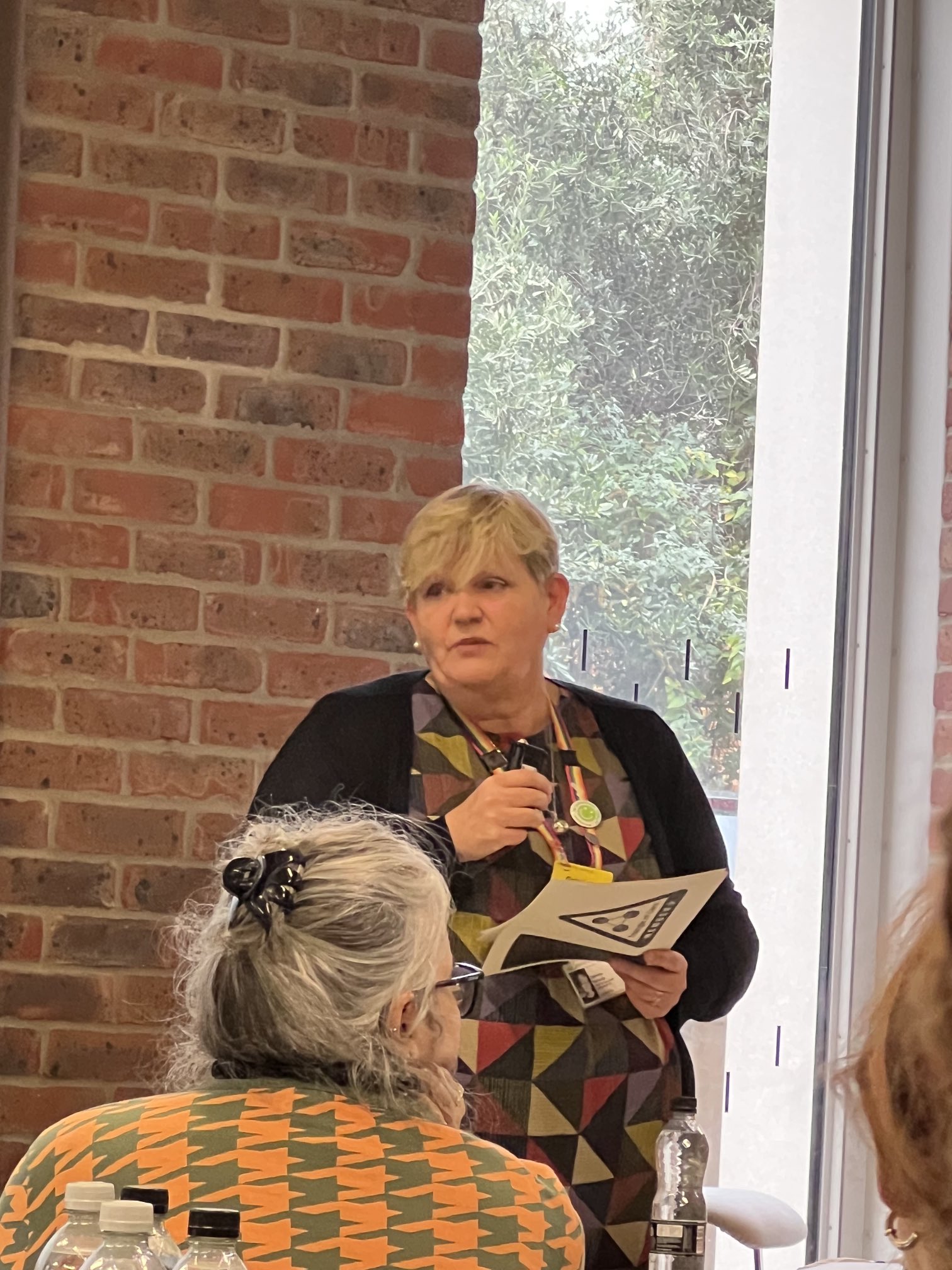
The carer event was chaired by Gabrielle Richards MBE who is the trust Head of Inclusion, Recovery, Professional Head of Occupational Therapy and AHPs. So yes, Gabrielle does an awful lot. Her role is also inclusion of carers and patients at the trust. Going back to the event, I arrived on a wet rainy thursday morning, since the event started around 9:30 am. It was not easy getting to the Ortus due to the maze of construction developing of the exciting new build, but maudsley staff were very friendly and helpful in directing me to the site.
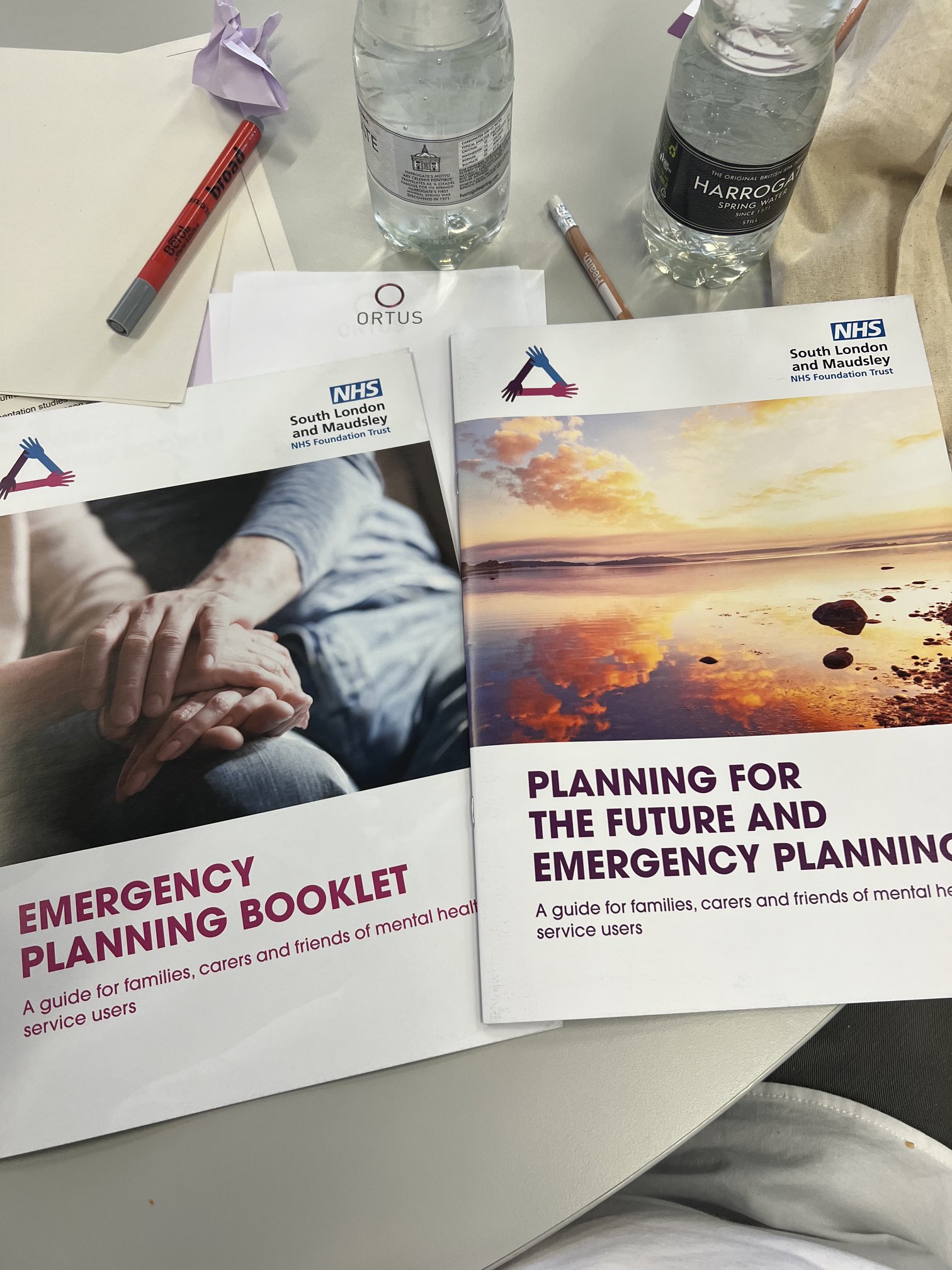
The Ortus was very warm and comforting, I was handed SLaM’s latest launch of their Planning for the future bookley, carer’s strategy and emergency planning booklet.
I noticed with all the booklets there was a heavy carer influence especially from those who attend the NHS trust’s carers committee.
As I arrived, I was greated by staff and carers from each of the boroughs SL&M covers, which are Croydon, Lewisham, Southwark and Lambeth. We were served early refreshments as I caught up with those who I have not seen for a while. I noticed also carer governors doing their bit to engage and chat with other carers while also networking. Everyone was looking forward to the event.
The event was held in the large conference room downstairs with Gabrielle and Flora Ezenwoye, Chair of the Family and Carers committee welcoming the audience to the event. We then got a presentation from Alice Casey who is the Director of Programmes of the Maudsley Charity.
You can watch Brenda’s video below
Next was a listening exercise as the hosts asked carers what they would like to hear more about at the carer conference. Next we got to hear a carer’s story from Faith Smith who spoke about her involvement at the mental health foundation trust. A lot of new carers have not heard of involvement in shaping/influence services, especially services aimed at carers, so I noticed they paid a lot of attention.
One of my forum group members was unable to attend, but we got to see a video of Brenda who spoke about the importance of planning for the future. Brenda feels carers including herself must be supported to plan for the future as there is also a worry how a carer will cope when they are unable to care in later life. This helped explain the launch of one of the booklets.
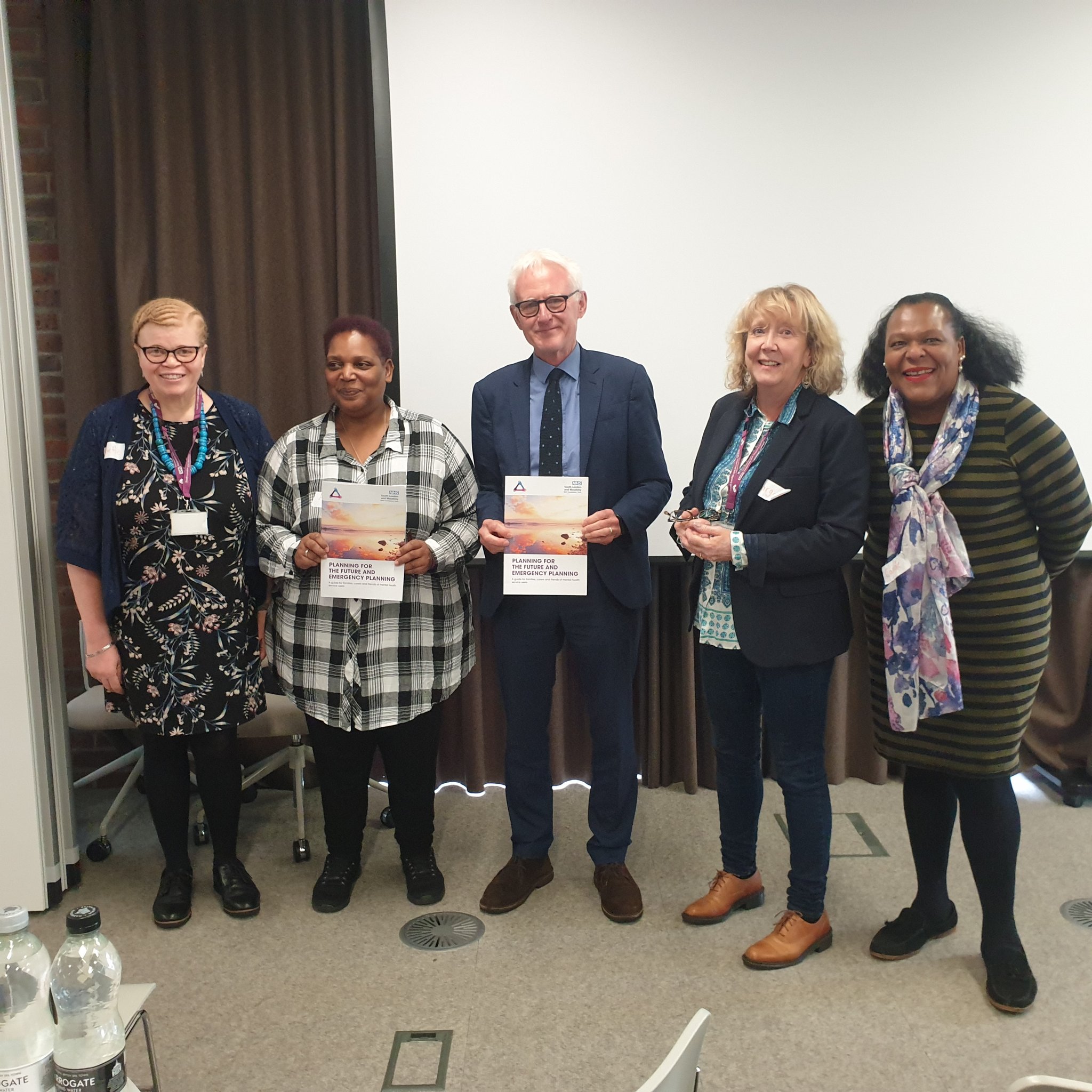
We then got to hear from chair of the NHS trust Sir Norman Lamb who spoke about the NHS trust direction for carers, he also was proud what the trust has done with Triangle of care (inclusion policies aimed at supporting carers), but he admitted there are still many things to work on and nothing was perfect. I felt it very important those who help lead the trust make their presence known at events and also get a chance to listen to carers themselves.
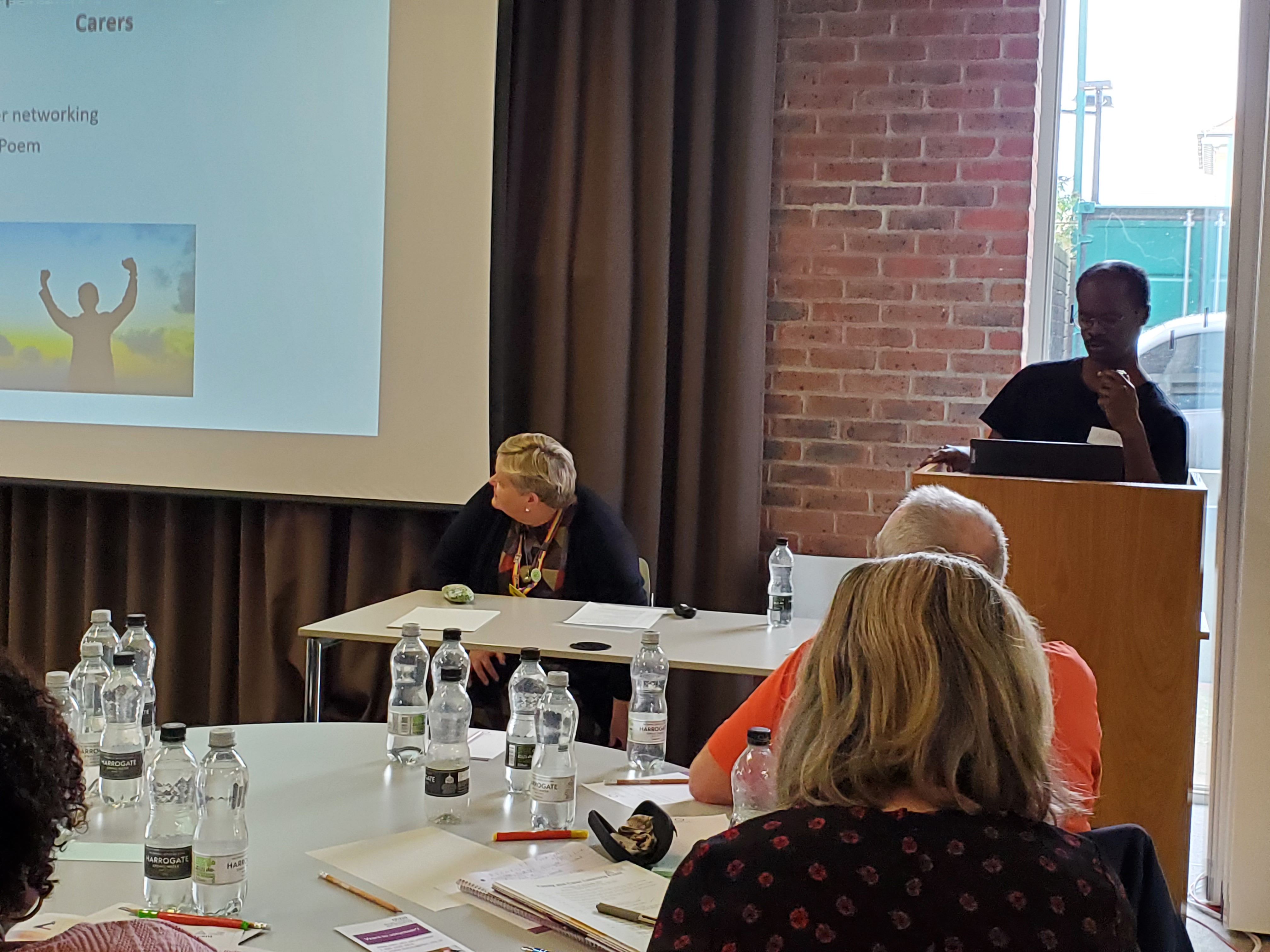
This was when I got to do my presentation, which Sir Norman stayed to watch. All of my own projects tend to focus on networking and sharing ideas. So I presented on the importance of carer networking, events bringing people together and also holding to account. I spent most of the time asking carers to share ideas of what they felt was a good example of carer networking.
I also finished off with a carer networking poem from my latest poetry book “The Poetry book of mental health caring”, which you can purchase off Amazon. The poem taken from the book was called “The carer network”
Next we got to hear updates and service information from Chris McCree who is the Parental Mental Health Lead of the Helping Families Team and Perinatal Community Services. We also heard from Nick Hunter who is the Peer Trainer of the Fathers group. After the talk, we then had launch and got a chance to catch up with other carers we have not seen for a while, an exciting development was carers from the Croydon area started a new connection group, which I am now hosting, Usually I connect in Lewisham, Southwark and Lambeth and every so often I will go over to Greenwich or connect with my SW london group or West London carer groups, but I have not paid much attention to Croydon much.
I have now agreed to form more of a connection carers from that borough, especially since my SW London group gets some engagement from the SW London Integrated Care System and they cover 6 boroughs including Croydon. There is also exciting news regarding those boroughs, but I am keeping my mouth shut for now. In the end, it does not mean I am running a Croydon group, but it does mean we connect more online and it helps that carer governors are present in the group.
I also caught up with friends and carers from Southwark as I spoke to Toni King and Lorraine James who are from the Southwark Council mental health team. I mentioned to them I run a carer’s stall at several accute hospitals and would be glad to promote their service to carers at Kings College Hospital. I also chatted to carers who attend the Lambeth MH carers peer group and spoke to carers regarding the Patient Carer Race Equality Framework. So you can get an idea of what I mean about carer networking.
After a lovely lunch, we got to do another listening exercise to give feedback. Plus we got to hear from Margaret Whipp who talked about her experience as a carer and the importance of connecting on social media.
I often mention to carers that it is so important to get online and make your presence known. Online campaigning, connecting and networking works wonders for those who are isolated and caring for someone vulnerable. Due to the technological innovations pushed from the pandemic, the time to get online has never been more important. There was more exciting presentations and exercises being chair Yoga, Implementation studies helping to reduce racial Disparities, Triangle of Care Updates and also more carer stories.
There were also excellent presentations from Annette Davis who is the chair of PCREF service user and carer group at SLaM, plus she is also involved in the triple leadership for Southwark and also the facilitator of Southwark BAME peer group. Annette presented on LAMB training, which focuses on looking after yourself and carer wellbeing, plus another carer Carole Haynes did a talk on her experiences.
Overall I felt the latest family and carer conference was the best carer event yet from SLaM. I have been attending them for years. I think this one was the 5th or 6th carer listening event from SLaM that I have attended, so I think I know the terrain a bit. The reason this recent event turned out well was the format. The event was very well planned, although some things made the event run a bit late, I noticed the host state we should not worry or panic over such things, which I felt injected a form of mental wellness into the audience. These are things I look for as mental health professionals should practice what they preach. The event was very inclusive so we did not hear endless updates, but the audience got a chance to talk and be listened to.
Luckily there was no shouting and screaming about poor services as I got the feeling there was a form of empowerment and learning, there was of course talks about carer activism, but that is part of the empowerment principal. I also enjoyed the free food and nothing upset my stomach. Staff were very supportive and glad to see me and special thanks to Cath Collins who thanked me for my presentation. It was a shame I could not stay as I had to prepare for the Health Service Journal awards for 2022 (more on that later).
Still there was a lot of talk in my whatsapp groups about the event, specially from my Lewisham group and also the new Croydon group, even now as I blog there are good things being said about the event. I hope SLaM continue the work they should be proud of with the carer conferences. I will finish off with a poem I got a chance to read out at the event.
All my time I have been on my own Then I heard it through another carer It seems if I can get that carer’s network Then understanding my role would be clearer
It is hard to know that your lost in the system The more you speak the less they listen I sick and tired of battling alone As a carer I dont want to stay hidden
Then I was introduced to the carers network They all said the same and wanted to connect I feel an inner light that shrines through And now I feel I am getting that respect
Still its hard to feel part of that movement Things change so fast it is hard to keep up If we are not kept ahead of all the changes Then it is easy to see the carers network breakup
We look around to see other representation For paid carers, professionals and service users But what about our own carers network Don’t unpaid carers also have futures?
Still for the time I have I am not on my own I tell another carer what I have found They also join the carers network Where understanding their role is so profound
Hello fellow mental health carers and readers, been a while since I have been blogging due to working on my new book called “Race, caring and mental health”. This book will be my 2nd release for 2022, the book will reflect how mental illness impacts on carers from ethnic minorities especially black people. I hope to get that book out for November 2022.
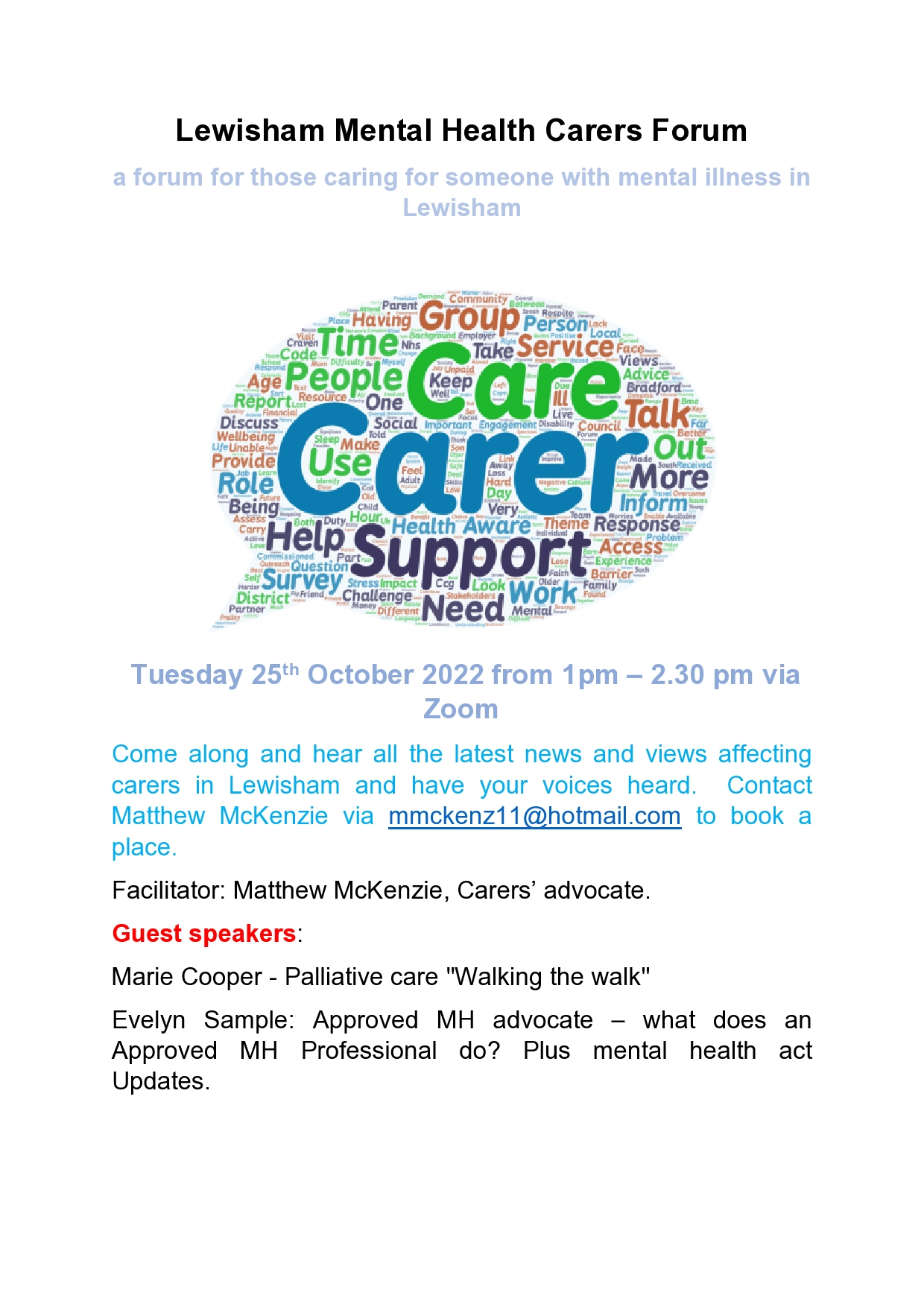
Going away from promoting my new book, this is just a quick blog for my Lewisham mental health carers forum. A forum aimed at those caring for someone suffering mental illness.
The speakers for October 2022
Marie Cooper RGN BSc MSc (Florence Nightingale Foundation) – Pallative care “walking the walk” Evelyn Sample (South London & Maudsley NHS Trust) – Approved Mental Health Professional / Mental Health Act presentation
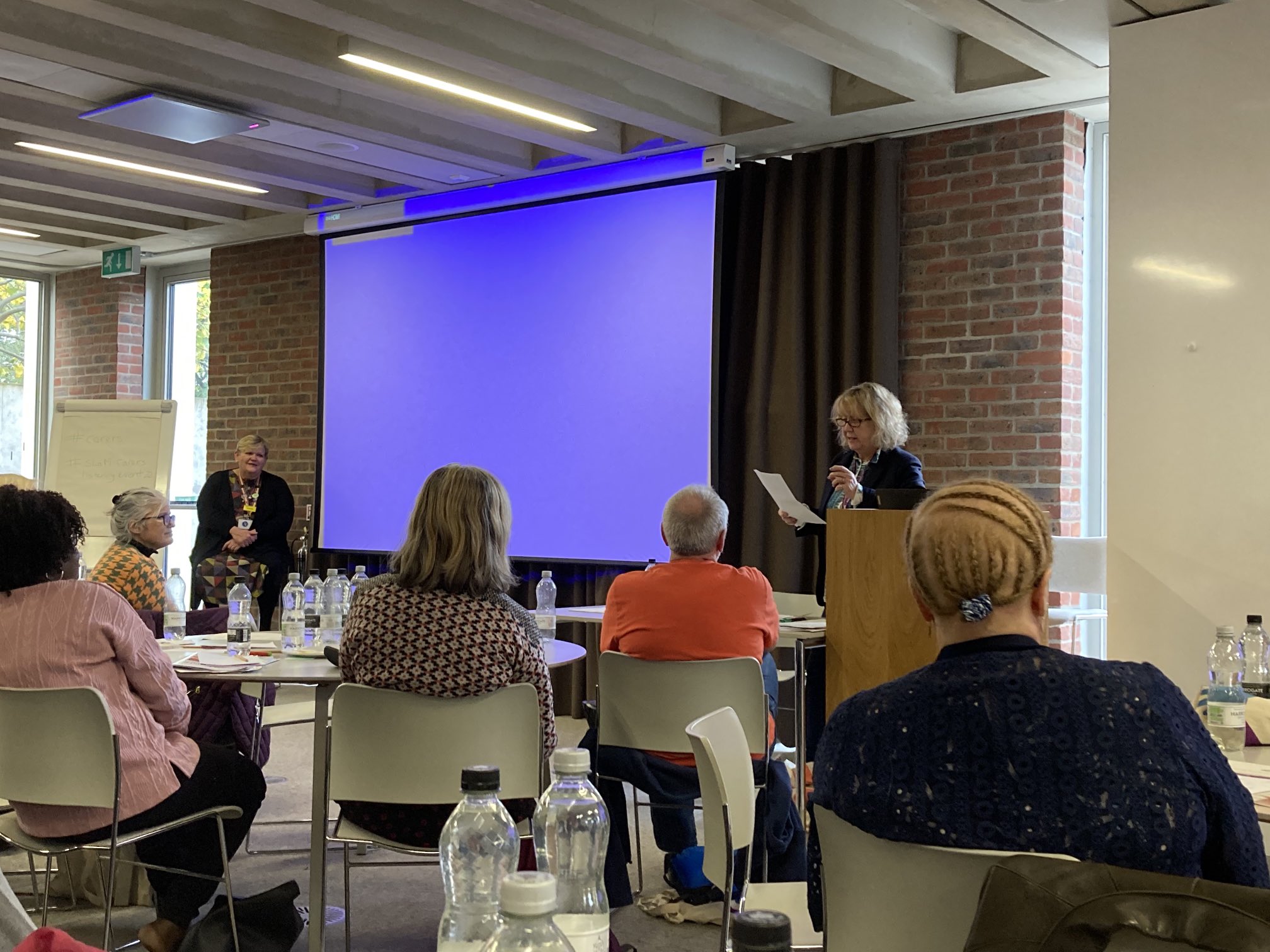
Marie Cooper presents on Palliative and End of Life Care
Marie Cooper who is also the Project Lead for Palliative Care Nursing at St Christopher’s wanted to understand the experience of the carer when its come them supporting a loved one coming to the end of their life. Marie mentioned when it reaches that stage, the term for that person becomes more personal as they see themselves more than just carer. They are perhaps a family member, a loved one, anybody of importance to that person.
Marie mentioned it is really important to hear the voice of the relative or person experiencing their loved ones end of life care. Marie started off by showing a few pictures of hospital rooms.
In her talk it was stated that in hospitals, where someone was visiting a loved one or someone who had died. The experience of walking through the hospital or the bereavement suite makes a big difference in someone life, this will stay with them forever. So the project Marie mentioned was “Walking the walk” as Marie and her colleagues would become the carer as they walk through the wards. They travel right through the hospital into understand the entrance, the experience of what that family might be going through as they visit a loved one who has died. Marie focuses on emotions of that time, some people are rushing to get to where their loved ones are, or the people being there for days waiting and attending to their loved one and what support is there for them.
The overall aim of the project is to improve the experience for the family and the friends, anybody. What they did was they worked with 25 hospitals, those being 25 acute trusts over the past and pre COVID period. They have just done the Evelina hospital for Children with parents, which has been a very powerful experience. That hospital is formed from Guys and St Thomas NHS FT.
As mentioned in her talk, Marie literally walks through the hospital, they do the walking, and this would be a team of four of them. They would visit all the public sites, look at the toilets, look at the phones, look at the cafeteria. They would take photographs and eventually they report back to the hospital to get feedback on improvements. In the end it just gives them a chance to speak to the nurses, the doctors on what their experience of people coming to the hospital in their last days? What’s working well, what would they like to see different.
Marie and her work partners look at four areas, they look at the environment to practical facilities, is it clean? Is it comfortable? Is it hostile? Is it something that they would want to sit in which is accessible? They also talk to families to get their experience e.g. caring for my loved one for many years? Can they still care for them? How much can they be involved in the care of their loved one? Then thirdly, what support is there for that person? Have they got Wi Fi access at that hospital site? Can they get access to food? Can they park? Can they shower? Can somebody be their key person? tell them what’s going on so they can support their loved one? Plus what about the care after death? What care is there for the person after that loved ones dying. So they look at all those four elements as they traveled through the hospitals.
Marie should has a picture slide of waiting rooms at a children’s hospital. The experiences when children die, the memories and all the incredible work in children’s hospitals and hospices around trying to contain those lost memories, and about how to show a child are still being cared for after their passing, through the use of fabrics and cots and other furniture. So that in keeping the personhood of that deceased person relevant and respected that the family might be find helpful and comforting in future.
QUESTIONS FROM CARER MEMBERS
Is there capacity for cultural improvement for the experience of pallative care regarding ethnic minority carers.
Do You get any push back from Chaplin services as hospitals?
I run a carer stall at several hospitals, What can you say to someone who’s going through a difficult time when their loved one has died or is dying?
How can mental health trusts take on the programme? People do not die as in a planned state, but pallative care is a concern due to sudden death or complications from mental and physical health.
One person mentioned that their are two end of life care situations that comes around in different ways. For some people it’s planned that they’re goning to die. Often in certainly adult mental health services, we don’t always know when people are going to die. It is usually quite traumatic and when they do die, either through suicide or premature death, because they’re physically unwell, we are not sure if we have a sort of clear cut response. Often, there’s lots of practical things that we might help families after, but from the presentation there are a lot of things to query.
It was raised that the way carers centers respond to end of life, is that they would not normally stop someone’s membership when they cease to become a carer. Because they know that that’s a really difficult time, and they’re going to need help, sometimes they might keep them for like 18 months after to help them, especially if their caring role has been their full time job and their identity, they would help them sort of replace it with other things, volunteering, getting back to work, that sort of thing. It would be bad pratice to tick a carer off membership if their loved one passed away, but then it is also a decision for the carer.
Are pallative care policies updated at mental health trusts compared to accute trusts?
One person responded I don’t think or I’m not aware that we do have a brief new policy, we have a certain minimum as unfortunately and tragically, a very high disproportion of our service users die prematurely. The experience and impact of death has a huge strain and trauma on the carers health.
As in the past there are a number of our service users who commit suicide and when there is an incident then there is an investigation process that goes into reviewing the care that was provided to that individual.
Evelyn Sample presents on the mental health act
Evelyn looked into the role of the nearest relative under the Mental Health Act and how it’s changing in the coming years. She is aware for a lot of carers that the Mental Health Act and the functions of the nearest relative are quite confusing. So she thought that she would talk to us about what the nearest relative rules are and why some people are nominated as the nearest relative. Plus how and what are the rights and responsibilities of the nearest relative and how that might be changing.
Evelyn reminded us that she is a mental health social worker, which means she is an “Approved Mental Health Professional (AMHP)”. Now the approved mental health professional historically has been as A role that was exclusively for social workers. Since 2008, it has been possible for non social workers, nurses, occupational therapists, psychologists to have that role.
Evelyn feels what is really important is that people have information about the role of the nearest relative, because what happens as an AMHP is that you are assessing someone under the Mental Health Act, either you’re planning an assessment that’s going to take place in the community or you’ve been asked to assess someone who’s already an inpatient in the mental ward. This could be because they have come in as an informal inpatient, and they are now having a mental health assessment on the ward.
The function of the nearest relative is to provide a safeguard under the mental health act. So in order to ensure that people have person/patient interests and also they have the person’s well-being considered. The nearest relative has an important role other than the doctors who are involved in making recommendations for detention, or the amp who is employed by the local authority to also act as a safeguard.
The idea is that the nearest relative is intended to be the person who is thought to be closest to the patient, and who therefore knows them best, and is able to, to act in their best interest.
When the Mental Health Act was originally devised in the early 80s (1983), the current Mental Health Act, used as a sort of table for identifying new relatives. That table now seems quite outdated so therefore there was a proposal to change the act so that people can actually choose the nearest relative. Evelyn mentioned they have a system where the nearest relative ( Section 26 of the act). says if you are the husband or wife or civil partner of a person, then generally you will be the nearest relative. Then the table goes on from there.
Husband, wife or civil partner Son or daughter Father or mother Brother or sister Grandparent Grandchild Uncle or aunt Nephew or niece
The issue is that it is a rigid order that is set out in the law that determines who is the nearest relative? And currently, the amp and the patient have little to no say over that.
The proposal is that under the Under the new Mental Health Act that’s coming in; Mental Health patients in advance of mental health assessments, when they have “capacity” to do so will be able to nominate their OWN nearest relative and choose the person that they think will best reflect their their wishes, and will act in their interests.
So this change is going to be significant in the legal situation, assuming that the The bill has not yet gone through Parliament, which is about increasing the patient’s choice, and enabling patients to be more involved in the decisions around there care and treatment.
QUESTIONS AND STATEMENTS FROM MEMBERS
Sometimes the nearest relative is usually the carer or friend. So when it comes to the nearest relative, could it not be changed to “The nearest relative or carer?”. Because sometimes the nearest relative might be 100 miles away.
Can the nearest relative refuse because of bad history with their parents, whether they’d been abused and they just they just basically have cut links can they refuse if they were contacted?
Do you have any like sort of queries or concerns regarding the new changes to the mental health act? and the second question on is there like a list somewhere on like the duties an AMHP that could be tailored to how they deal with unpaid carers?
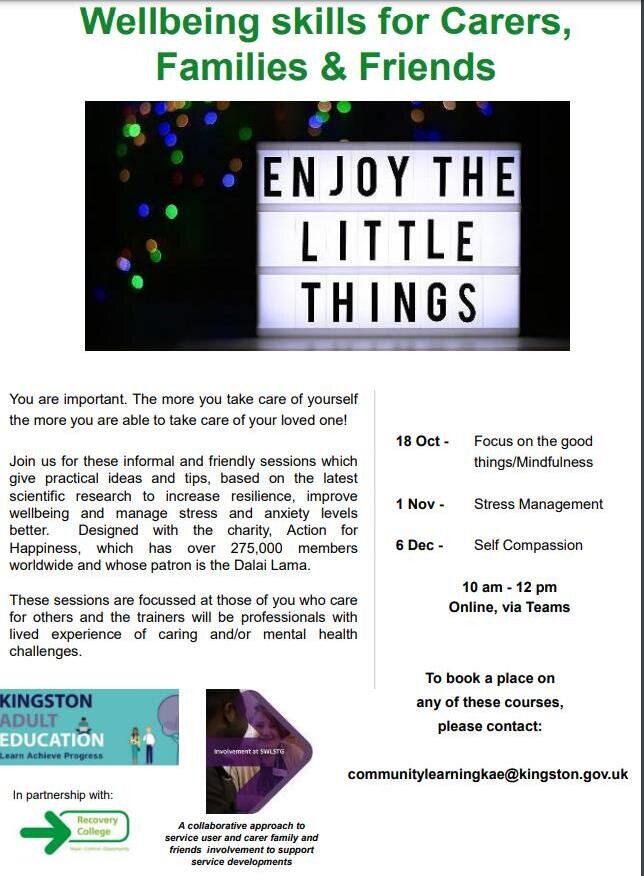
For carers over in the London borough of Kingston. There are sessions aimed at unpaid carers which are informal and friendly. The sessions give practical ideas and tips, based on the latest scientific research to increase resilience, improve wellbeing and manage stress and anxiety levels better.
Please see poster below for more information or contact communitylearningkae@kingston.gov.uk
Carers’ Hub – Supporting carers wellbeing – Video from Carers Hub Lambeth on the Better Mental Health Fund that enabled Carers’ Hub to offer additional wellbeing activities for carers in Lambeth.
Unpaid carers in England need ‘Recovery and Respite’ plan – News update on how Carers UK has welcomed the publication of the report by NHS Digital, but highlights deep concerns about the support thousands of unpaid carers across the country are getting.
Welcome to another quick update from my carer forums that I host. The forums are aimed at friends, families and unpaid carers who care for someone suffering mental illness. Here is the update from my Lewisham mental health carer forum for March 2022.
Speakers
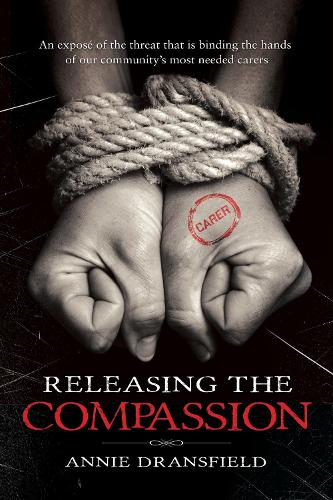
Annie Dransfield – Carer Author of the book Releasing the Compassion.
Annie Dransfield presents.
Before I update on Annie’s presentation. I am developing a carer author circle, I only started the group this week for carer’s week and it is a little quiet, but the group has started. There are at least 5 to 6 of us and evetually we will try our best to support each other and promote the cause of caring.
Annie mentioned that her son was born with a lack of oxygen, which resulted in him having cerebral palsy down his left side and having special needs. She didn’t realise that she was a carer at that time, because it never crosses your mind, she just knew that she has a baby, and he needs looking after. Everyone knew he needed a lot of care and attention, and needed to find out how they were going to deal with the cerebral palsy.
In fact it wasn’t that severe that he needed to be in a wheelchair, but as he got older, due to the complications at birth, he was also diagnosed with schizophrenia. So, all through these years that she has been caring, she has come up against a lot of injustices. These injustices drove her to write the book.
Ann just felt it was a constant battle when you are caring and that you’re dealing with every single aspect of a person’s life. So you’re dealing with so many organisations like benefits, like Social Security, like housing, all these things, every single aspect of a person’s life. One of the bigger challenges was her son getting into debt quite often and having to deal with the banks. The banks seemed to not be too carer friendly and this made life very difficult for Ann and her son.
Ann was very involved with Leeds partnership NHS Foundation Trust. She was a governor for the mental health trust, but this all started when her son became more unwell. As Annie has been caring, she got involved with care support groups. She then got onto different boards, anything to do with caring, carer involvement, parent participation, participation groups, then she became a governor for the leads and York partnership NHS Foundation trust. Annie then became a trustee for carers UK, which she has just since retired.
Annie feels that she has got more of an understanding of the complexities due to expericing all the injustices that she has had to deal with for 43 years. In the end it prompted her to write the book. It’s been bubbling up inside of her for three years. She felt that she had to get this message out, even if it’s just to give hope to new carers that can pick up some hints and tips from the book.
The book “Releasing the Compassion: An expose of the threat that is binding the hands of our community’s most needed carers” is intended as a learning resource as well for NHS students in mental health. It’s intended as a learning resource for professionals like corporate independent businesses e.g. the banks.
You can buy Annie Dransfield’s book on the link below
How can we protect our loved ones from financial problems and abuse?
What is that lasting power of attorney or warranty?
I think if with COVID, there was ripe opportunity for some fraudulent behaviour to go on, because people couldn’t leave their house. They did put measures in place and other post office did saying you could nominate someone to go and collect your money
I cannot wait to order your book. I can also say I have experience in trying to deal with banks and the problems of them struggling to secure the debts of someone suffering mental ill health.
Welcome everyone especially unpaid carers. I am preparing a lot of things for Carers Week 2022. It looks to be an exciting set of activities for carers and those that work with them across the UK.
I am also been busy working on my new book for this year. It is a poetry book on the experiences of providing care to those suffering mental illness. This is from the perspective of an unpaid carer.
Here is one of my latest videos on the Poem “The Journey” and also a reflection of that poem.
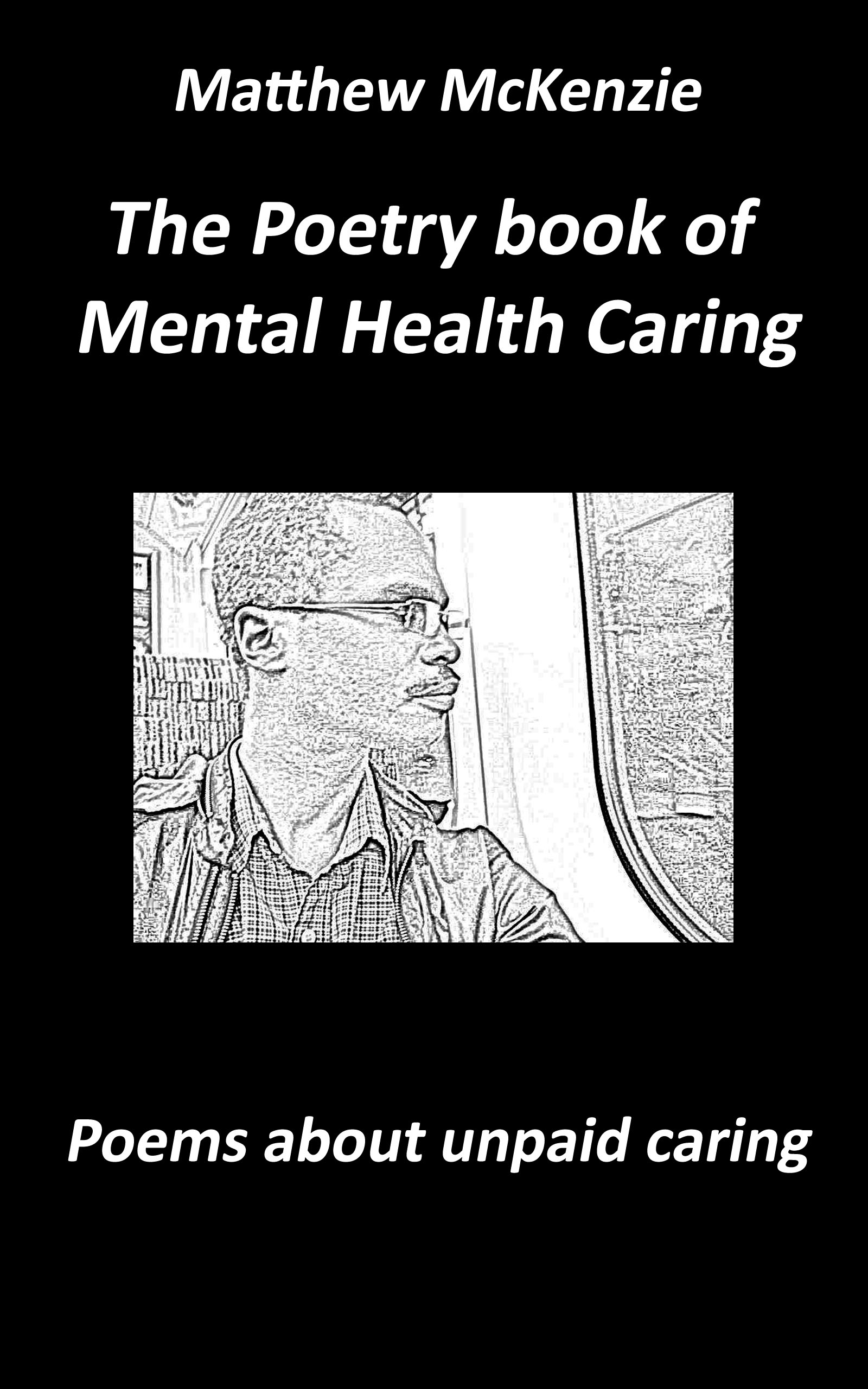
The poem is from a book I am working on is called “The Poetry book of mental health caring” as you can see from the cover below
The Poetry book of Mental Health Caring
I am hoping to release the book on Amazon this year, perhaps around the Autumn, but it is not just a book containing poems. The book will ask readers to reflect regarding the nature of the poem. One of the NHS trust’s I talked to felt it could be useful for training, even though a lot of focus is on unpaid carers to reflect on the nature of the poem and how it could help them.
Anyway, I am hoping to blog more of my poems soon.
Welcome back to another blog by former unpaid mental health carer Matthew Mckenzie. I am working on my carer awareness poetry for 2022. Poetry can be great for creativity, expression and even for campaigning.
I have done around 60 poems for the book I am going to release later on this year, the poetry book will contain around 150 poems.
For this particular poem, it is about a recent download of a carers assessment and my attempt at filling it in. At first I am nervous about filling in such forms because it asks such personal and thought provoking questions. After a while, I find the form gets easier to fill in, but I query is it worth filling the form.
This poem called “The Carer’s Assessment” can be views from the video below.
There will be times carer’s can’t be bothered to fill them in because they don’t get anything out from it and its engagement to carers can just be a tick-box exercise.
It’s still advisable to fill in carers assessments since it is a good way to be recorded and identified as a carer.
Welcome back to another blog by unpaid carer Matthew McKenzie. I am slowly breaking into the world of becoming an author and I am pleased to announce my 2nd book on the experience of caring is out.
The title of the book is called : Experiencing mental health caregiving – Unpaid Carers
Obviously due to my previous role caring for my mother, this 2nd book focuses on mental health carers. What I mean by that is getting views, statements and comments from those who look after someone suffering mental ill health. The book is not to be taken as an audit, but a philosophical look at experience of care, I wanted those to be philosophical on their experiences of being a carer and anything mental health related. There will be comments that stated facts or sometimes seem like a pitch, plus some comments might offend some people, but it is very important to just get the voice out there and understand why someone would comment in such a way.
I am known for my networking to carers and this was the nature of this book. I wanted the book to be a link and connection to other unpaid carers, this is so that there is some form of identity for carers and a way to relate to the experience of care. The book is very large with over 300 pages and 33 chapters. The book however was quite challenging to compile experiences, because quite a few comments brought me back to when I was a mental health carer and some things hit hard.
To research the content for my book, I had to approach many mental health trusts and carer centres to promote my project and I thank those that have contributed.
Many thanks to CNWL, West London Health trust, Nottinghamshire Healthcare NHS Foundation Trust for their lovely newsletter, Cambridgeshire and Peterborough NHS Foundation Trust and many other mental health trusts allowing me to present about my project.
I also approach universities especially those who taught psychiatry, psychology or those who led on social care courses. I wanted their opinions as well, because if you want nurses, social workers, doctors and psychiatrists to work well with carers, you have to start where they are being taught their profession. I did want to include contacts from large organisations, but it was too difficult, although I do hope they support and promote the book. If anything is going to bring changes to the experience of care, it needs to be the voices of carers being amplified.
Next year, I certainly want to expand on the chapters I wrote in this book especially regarding the views given by those who contributed, however before I undertake my next project. I want to try my hand at poetry.








 A Caring Mind