Hi everyone, it’s Matthew McKenzie here, and as you know, my focus is usually on raising awareness about unpaid carers, those who care for someone living with long-term ill health, whether it be mental health or physical health. Today, we’re shifting our attention slightly to discuss strategies for dealing with depression. This issue doesn’t just affect the individuals you’re caring for; it can also impact unpaid carers themselves. I’ve been through it, and it’s something that creeps up on you unexpectedly. Even while doing your best in your caregiving role, external factors and the nature of who you’re caring for can significantly affect your mental well-being.
To watch the video, please see below.
Strategies for Combating Depression
Let’s dive into these 20 or so strategies that carers, or anyone for that matter, can use to deal with depression.
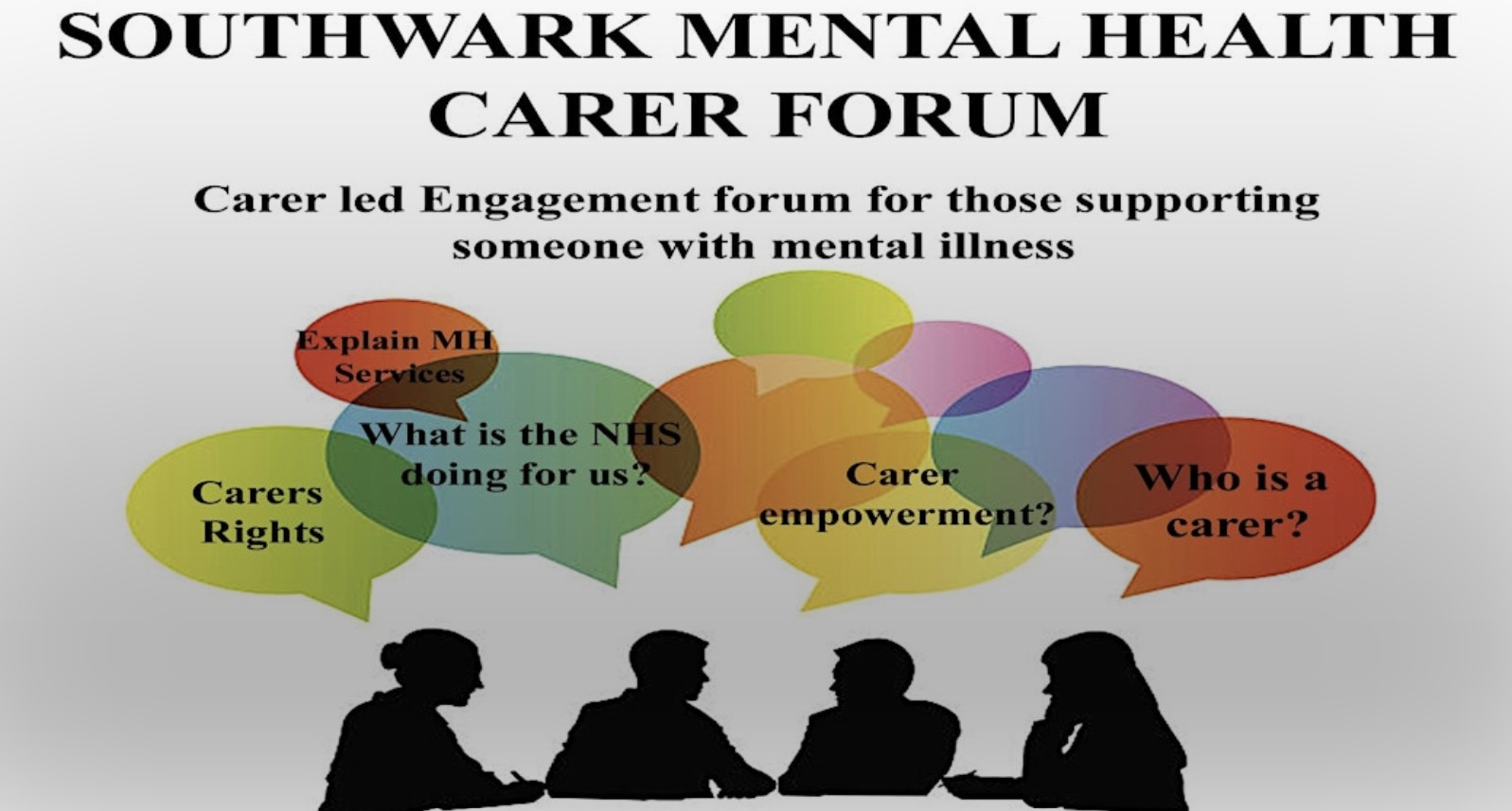
Here is a brief update of the joint Southwark & Lambeth mental health carers forum I run the last monday of the month. The forum is a space for those caring for someone with mental ill health to connect and get updates from service providers.
As facilitator Matthew McKenzie emphasized the importance of managing guilt as a mental health carer, challenging unrealistic expectations, and setting boundaries for one’s own well-being. Matthew also stressed the need for self-care, seeking professional guidance, and advocating for respite care. The conversation ended with discussions on the concept of guilt, the challenges of being a carer, and strategies for holding care coordinators and social workers accountable.
Welcome to another carer awareness blog post from carer activist Matthew McKenzie. Today I want to raise awareness that carers should not always helpless and vulnerable. It is true that there are many things a carer cannot control, but that does not mean we should remain helpless.
There are coping strategies carers should try. It might seem like a cheap way to solve difficult and challenging issues, but the risk is mental and physical decline if you do not arm yourself with coping strategies. This is particularly important if you are caring for someone with challenging health issues.
There are ways carers can support themselves by developing problem solving skills in tackling isolation, negative thoughts and falling into bad coping habits.
First and foremost, it is critical that we admit that we are caring for someone. Once you get past that hurdle, you need to be aware of when you struggle with moods. There is no easy solution, as developing coping methods take time and energy. It helps to understand mindfulness and write about your feelings.
Understand what triggers you and work out a way to reduce those triggers. Getting angry about everything is a reaction and we need to protect our mental health. We cannot keep reacting to things, even if certain things are outside our control. This is especially when it comes to the health of the person we are caring for.
It is important to also set time aside to care for yourself. It might be exercsing by going for a quick walk or having to set boundaries. Some people wear themselves down due to their role and it is not helped with a fragile health and social care system. This does not mean there should be the tragedy of the ‘cared for’ suffering and also the carer. It is not selfish trying to set time for ourselves.
It could be a hobby, talking to a close friend or even confiding in another carer who has gone through that caring experience.
For more information on coping skills, please check out my video below.
Thanks for stopping by and if you are caring for someone, please also look after yourself.



 A Caring Mind