Tag Archives: doctors

Unpaid Carers: Top 10 Ways to Seek Support from Your Doctor

Welcome to another carer awareness and educational blog post from carer activist Matthew McKenzie. If you want to see more a more detailed version of this topic, watch the video below.

Introduction

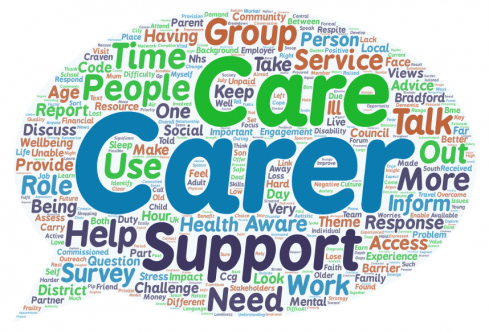
Caring for a loved one is both a noble and demanding task. Unpaid carers often find themselves juggling numerous responsibilities, and it can be easy to neglect their own well-being. One crucial source of support for unpaid carers can be their General Practitioner (GP). The purpose of this article is to highlight the top 10 ways unpaid carers can get support from their doctor, ensuring they maintain both their physical and mental health.

Why Unpaid Carers Need Support from Their GP

Raising Awareness of Health Concerns

When caring for someone with a long-term illness, whether mental or physical, the health of the loved one can decline over time. It is crucial for unpaid carers to raise awareness with their GP about these changes to ensure that the necessary support is provided and that it is documented in the patient notes.

Avoiding Carer Burnout

Carers often prioritize the needs of their loved ones over their own, leading to potential mental and physical burnout. Regular checkups with your GP can help monitor your health and prevent burnout. It’s vital that carers take care of themselves in order to continue providing the best care.

Access to Resources

GP practices can provide or refer carers to various resources, but it’s important to note that not all GP practices offer the same services. These resources can range from support groups to secondary care services for the loved one.

Regular Health Checkups

Importance of Regular Checkups

An important reason for carers to visit their GP is to get regular health checkups. These checkups are particularly important as carers age, helping to monitor and maintain their overall health.

Overcoming Appointment Difficulties

While it can be challenging to secure GP appointments, especially if you are busy or if the practice is crowded, it is essential not to neglect your own health. Make the effort to prioritize these appointments for your well-being.

Access to Community Resources

Social Prescribing

Social prescribing is an important resource for carers. Instead of relying solely on medications, GPs can refer carers to community groups or local care centers. This alternative approach can address issues like sleep problems, low mood, and overall well-being.

Support Groups and Programs

Local support groups and respite carer programs can provide significant relief and encouragement for carers. Always register at your local carer centre for carer support groups. Plus make use of talking therapies and other supportive measures.

Medication Management

Understanding Medication for Your Loved One

Managing medication for a loved one can be complex, especially when multiple medications are involved. GPs can assist carers in understanding how to administer these medications, recognize side effects, and manage any changes in prescriptions. This support is crucial to avoid risking the health of the person being cared for.

Financial and Legal Support

Navigating Financial Aid

For carers dealing with mental ill health or other serious conditions, financial and legal support can be necessary. Some GP practices can refer you to services like the Citizens Advice Bureau, which can help navigate these challenges.

Emergency Plans

Establishing an Emergency Plan

Having an emergency plan in place with your GP is vital, especially when caring for someone with severe health issues. This plan should outline steps to take if something goes wrong and include contacts for medical teams and emergency situations. The upcoming Universal Care Plan, expected to expand by 2024, will offer an online system for carers to manage these details effectively.

Healthy Lifestyle Choices

Encouraging a Healthy Lifestyle

GPs can provide guidance on maintaining a healthy lifestyle, which is crucial for both the carer and the person being cared for. This includes advice on diet, exercise, stress management, and overall well-being. Such recommendations can come from regular checkups or specific health assessments.

Developing Care Plans

Collaborative Care Planning

Gaining the cooperation of the person you’re caring for and collaborating with your GP to develop a comprehensive care plan can reduce stress and anxiety. Double appointments can be booked to address both your needs and those of the person you’re caring for.

Training and Education

Workshops and Training

GP practices may offer workshops and training programs for carers, often funded by the NHS. These sessions can cover various topics, from handling falls to managing specific illnesses. Proper training equips carers with the necessary skills to provide effective care.

Knowing Your GP Practice
Engaging with Your GP Team

Not all GPs are equally knowledgeable about the needs of carers. An informed GP who understands your role can significantly impact the support you receive. Carers should not hesitate to choose or change GPs to ensure they are getting the necessary support.

Utilizing Practice Resources

Beyond the GP, the practice team may include specific advisors such as mental health nurses or specialists in diabetes and physical health. Engage with the reception to understand what extra services are available, ensuring you leverage the full spectrum of support.

Planning Ahead for Emergency Situations

Emergencies can arise unexpectedly, and having a well-thought-out plan in place is crucial. Collaborate with your GP and relevant professionals to outline an emergency strategy. This proactive approach ensures that both you and your loved one are prepared for unforeseen circumstances.

Conclusion

The role of an unpaid carer is both challenging and vital. Engaging with your GP not only helps ensure the well-being of the person you’re caring for but also safeguards your own health. By taking advantage of regular checkups, accessing available resources, managing medications effectively, and planning for emergencies, carers can navigate their demanding roles with better support and peace of mind. Always remember, taking care of yourself is just as important as taking care of your loved one.

User comments

Lewisham BAME MH Carer Forum August 2019

me_edited-1Welcome to another update from an unpaid carer who is involved in their local mental health trust and communities. I often try and engage with communities as much as possible, be it through running carer strategy groups, giving my views and engaging with events.


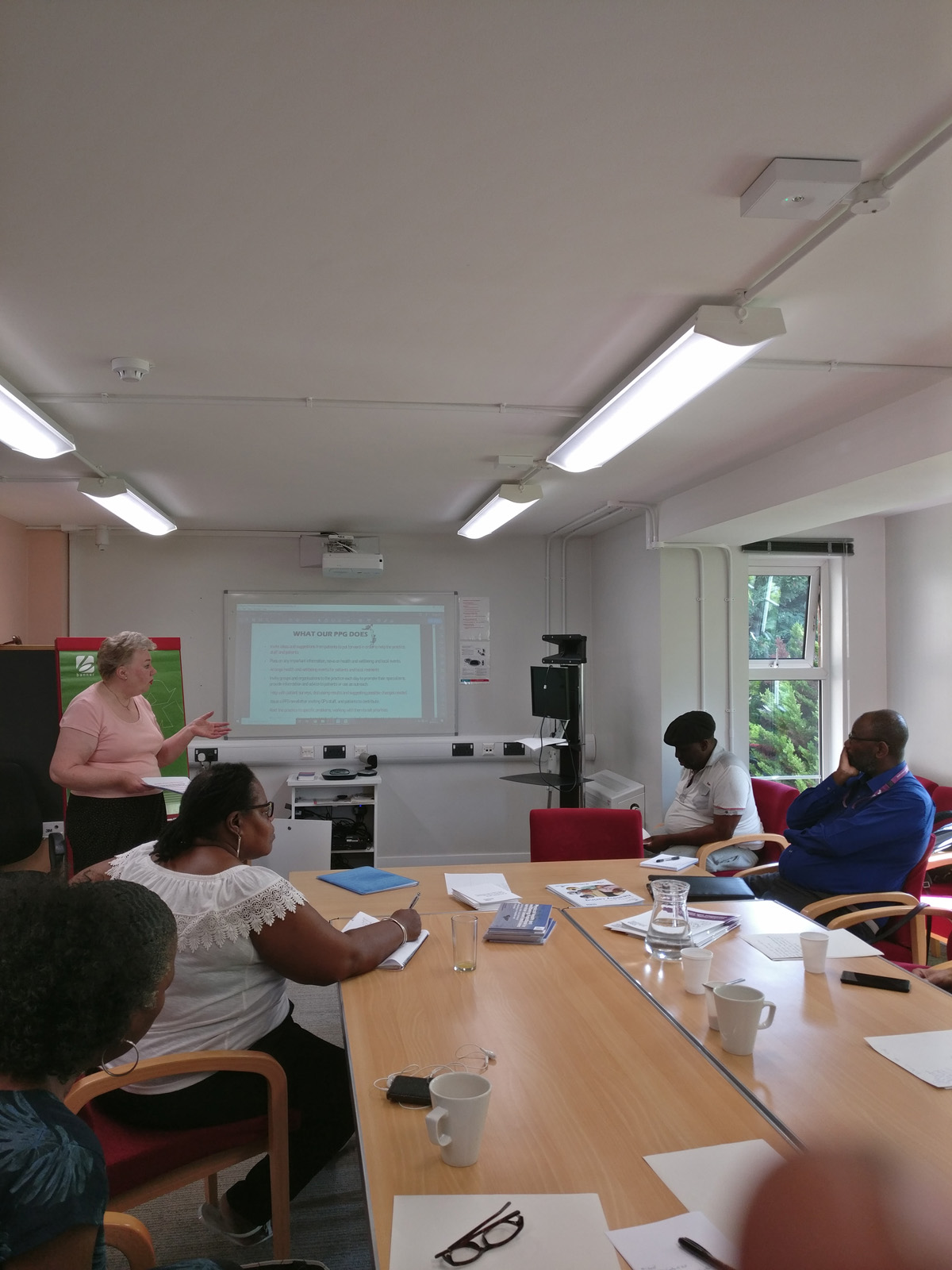
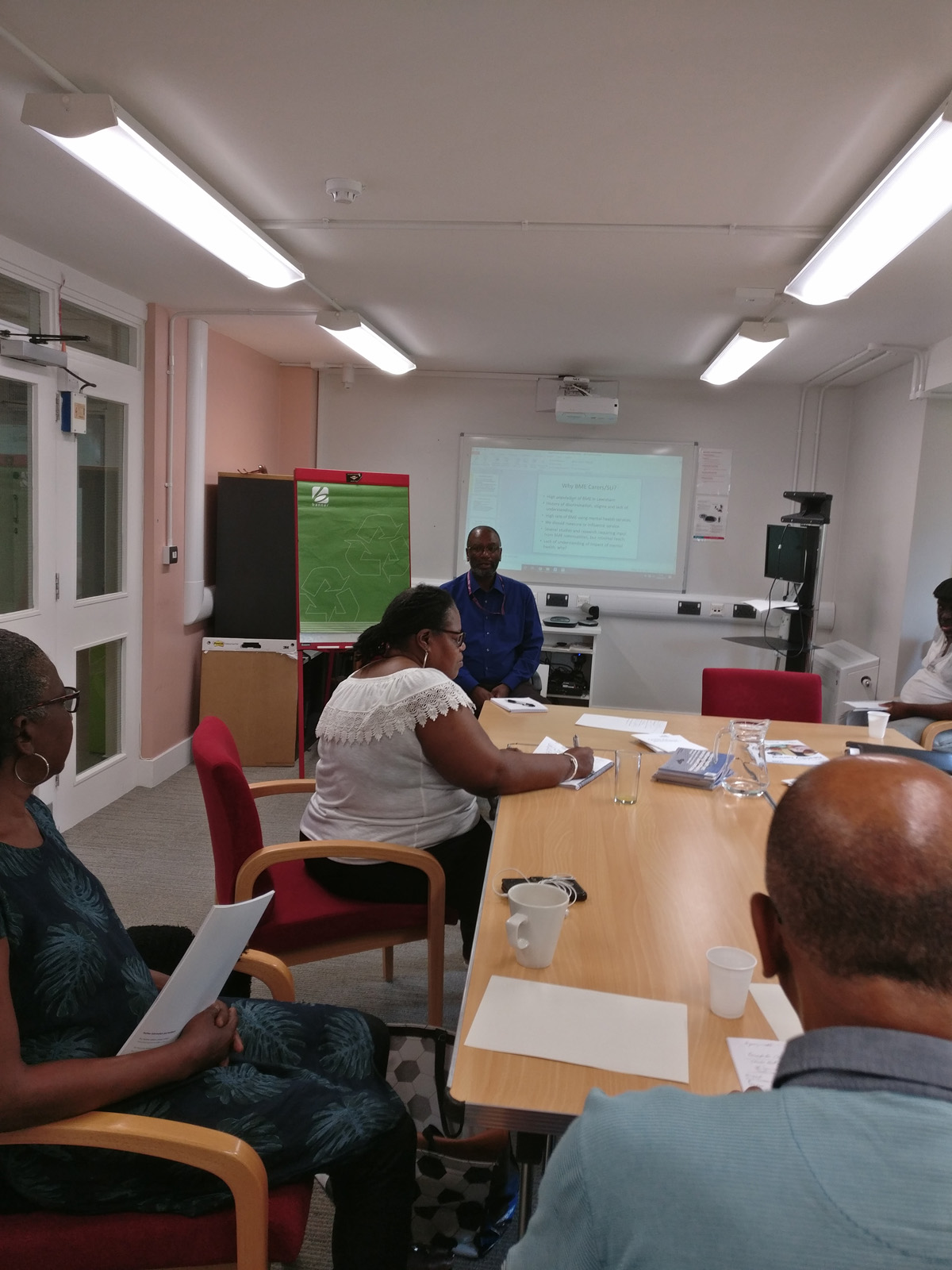
For the August Lewisham BAME Mental Health Carers forum, we focused on Patient Participation Groups and also updates from the South London and Maudsley Inpatient Social worker over at Lewisham hospital.

The Lewisham Black Asian Minority Ethnic Carers group is one of the 4 groups that not only focuses on carers, but makes a distinction on their background, culture and ethnicity.

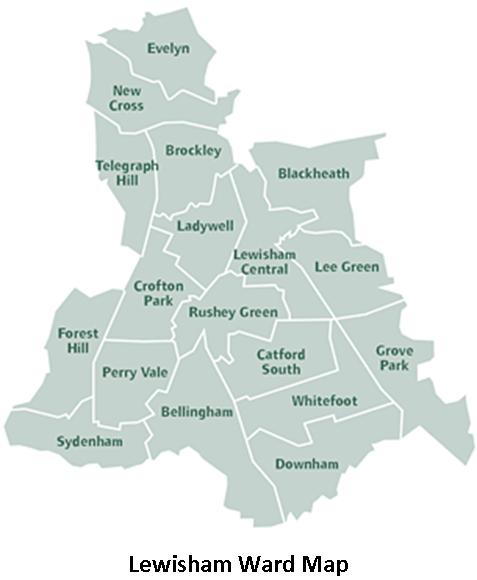
BAME groups are more likely to experience stigma and distress due to cultural interpretations and systems set up or designed that does not take into account BAME communities. Lewisham is certainly one of the most diverse London boroughs around so it really helps that communities get together to discuss and educate each other on issues regarding health.

Lewisham Ward Map

The Lewisham BAME carers forums also accommodates those using services, but there still needs to be a drive to engage with more BAME carers who are very uncertain of their role and perhaps lack peer support and identity.

The carers forum runs from Lewisham, Bromley and Greenwich Mind under the Community Wellbeing umbrella.

LCW-logo-colour

Lewisham Community Wellbeing is delivered in partnership with several other local charities and public sector organisations. We have been very lucky to get the support of Mind who probably have a lot on as it is and there will be some very exciting community projects coming up soon.

Large-BLG-logo

We have around 45 to 50 doctor’s practices in Lewisham and I was fortunate enough to have the chair of one of the largest doctors practice in Lewisham. Alexandra Camies does an immense amount of work engaging with patients for the doctors practice she helps with. The doctors surgery is also a member of the National Association Of Patient Participation or N.A.P.P. I have always said to carers and patients that doctors are usually the gatekeeper to services, if you feel your doctors practice could do more for you or the community, perhaps look into how their Patient Participation group works.

So what is a PPG anyway? What do they do?

  • PPGs offer patients an opportunity to be involved with and support their local General Practice. For the South Lewisham Health Centre. Here are some of the following things that PPG involves.
  • Patients wishing to join must, in order to comply with General Data Protection Regulation (GDPR), complete an application form.
  • They currently have a committee of 8 patients, including aChair and Secretary.Committee members are provided with written details of their roles, responsibilities and key relationships.
  • They have the assistance of the surgery Patient Liaison Officer, who attends each meeting and provides us with any help needed at the surgery.
  • They have a GP representative (usually a partner), and the Patient Services Manager that attends the meeting.
  • All members are invited to general meeting, held quarterly, and asked if they have any agenda items to put forward for discussion.
  • Members that are unable to attend are able to have a virtual input via email. Virtual members are sent copies of the minutes, which are also placed on the practice web site for all to view.
  • Committee members take on a little more responsibility at the South Lewisham PPG, taking a part in organising events or projects, or helping with various admin tasks. Committee meetings take place as and when needed.
  • Members may be being asked to help out for such things as events.

Take note not all doctor’s surgeries are alike. Some do not have the resources to have a PPG, but it does not stop patients from helping set one up. I explained to the forum that your doctors surgery is only as good as the community that cares for it and uses it.

How can a success for Patient participation group operate?

  • The PPG should try monitor progress against objectives
  • Publicise their successes
  • Involve people and not that would mean patients, especially those whose voice is not often heard.
  • Learn from other groups, usually other PPGs hence the PPG Network.
  • Build on and work with their network of health and wellbeing groups and organisations.
  • Expand activity where possible
  • Make sure to review our objectives regularly

There are only a very small part of what a PPG doctors surgery should work towards. Alex gave the group an excellent presentation and we both learnt and picked up ideas from each other. I reminded the group that they could start their own projects and inquire about their local doctors patient participation group.

IMG_20190830_111301

If you want more information about South Lewisham GP Practice, check out their website below.

http://www.southlewishamgrouppractice.co.uk/

Next up was Errol Chambers who is the social work for the Lewisham Hospital Ladywell unit. It was great that SLaM engages with the BAME forum, because I have always stressed the the forum represents empowerment when we form as a group. If SLaM staff recognise this, then they can support us, although we try hard not to be antagonistic. Errol gave us a choice on what information the group would want be it on benefits or on how the Ladywell unit is operating currently. The group wanted updates on the ladywell unit and we discussed changes and progress regarding patients experience of the mental health unit.

Lewisham CCG was mentioned quite a lot as they invest in the services and are keen to see if the hospital is working to the best of its abilities. Many members pressed for a relationship with the units, but also felt that staff development must be key as a good quality service. This is mainly down to how staff engage with patients and their carers.

IMG_20190830_113441.jpg

At the end of the forum, I updated on the planning meeting for Lewisham CCG’s stakeholder event and also for Lewisham’s Carers conference requested by my MP Janet Daby who is a carer herself. I also pointed out that the Lewisham HR lead will be at the BAME forum for September. I have asked we are updated on the following.

BME staff engagement – What else is happening to engage with BAME community.

Plus small updates on the following.

  • SLaM’s Health and well-being strategy
  • SLaM’s Talent management programme
  • The South London Partnership collaboration (South west london & St georges, South London & Maudsley and Oxleas NHS Trust)

Plus an update on whats been done for staff to tackle.

  • Equal opportunity for career progression
  • Violence
  • Bullying & harassment
  • Discrimination
  • Stress
  • Flexible working

I guess as a carer, I do not ask for much. Still, I mentioned to the group…knowledge is power.

That is the August update for the Lewisham BAME MH carers forum.

Carers and GP Surgeries

me_edited-1Welcome back to another blog post by unpaid Mental Health carer Matthew Mckenzie. I often write blog posts that try to focus on carer issues, but sometimes I stray into areas of mental health, events and the field of psychology, sociology and maybe psychiatry. Of course I don’t stop there. I run carer engagement/strategy forums in south London and every so often I tend to update how they went on this site. Feel free to check out my Youtube channel or twitter channels where one channel focuses on the carer experience and the other channel on mental health developments.

Enough with the shameless advertising, this particular post is on a much needed subject and it is aimed at unpaid carers, however I hope GP surgeries get the time to read considering at the last Lambeth forum there was major discussion on the Lambeth Patient Participation group network. I have also arranged for the Lewisham PPG chair of South Lewisham Practice to present and update the members of Lewisham BAME Carers forum.

Continue reading

Carer engagement – What works?

D7PTBDUW4AApqKm

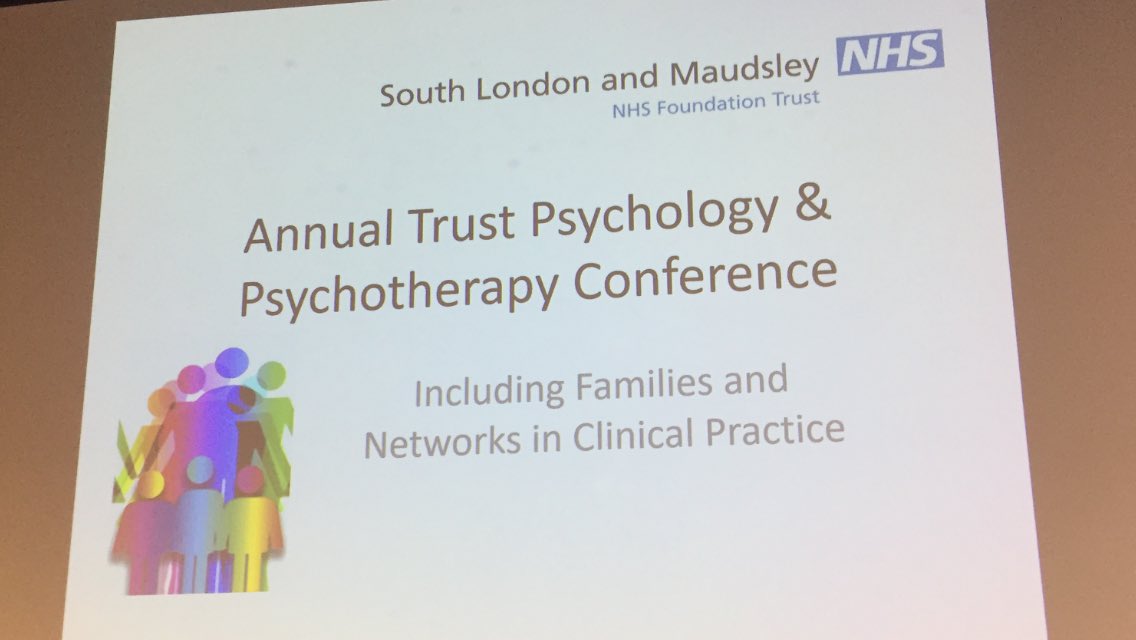
Welcome back to another blog post from an unpaid mental Health carer. Just a day ago of this blog post, I attended and spoke at the South London & Maudsley trust Psychology and Psychotherapy conference 2019. It’s theme for this year was on involving families and carers. I was excited to be part of the event to get my thoughts out to the audience and on reflection, I felt I pulled no punches. With over 20 years of unpaid carer experience, I have seen and experienced quite a lot in regards to carer involvement and I expect there is more to come. One day I should write a book about it, but this is probably a very long way off.

Still, I feel a lot is at stake and there are times we have to be passionate because we are dealing in peoples lives, since that is the nature of business. Connecting with others at a deep, but difficult level. However when things work out, the rewards pay very high because we can reuse what we have learnt. Yes, I am talking about psychology and psychotherapy. I am no expert in these subjects, but being involved at the NHS trust and in the community for long, I suspect that I have been exposed to such powerful, wonderful and mysterious methods.

Continue reading