Grief affects us all at some point in our lives, but for unpaid carers who have dedicated their energy and resources to looking after someone with a long-term illness, the passing of their loved one carries a unique weight. This article by carer activist Matthew McKenzie delves into the ways unpaid carers can cope with this profound sense of loss, exploring the emotional depths of grief and offering practical advice on navigating these difficult waters.
This blog post and video is by carer activist Matthew McKenzie doing his bit to raise awareness of grief and wellbeing.
To watch the 2 minute video please click below.
Understanding the Importance of National Grief Awareness Week 2024
Grief can be an overwhelming and isolating experience, touching all aspects of a person’s life. In recognition of this, the UK observes National Grief Awareness Week from December 2nd to December 8th each year.
I love being creative and finding inventive ways of promoting the carer journey and mental wellbeing. One of the best ways of expression is the use of art. I am not a brilliant artist, and to be honest I am more of a poet. Still, art therapy has come a long way into helping others find ways to.
I often find poetry and developing visual art as a calming and relaxing hobby. So I decided to create a video post on 10 ways art inspires psychological healing and self expression. This video is called “10 ways art inspires psychological healing and self expression”.
For those grappling with trauma or stress, art provides a non-verbal outlet to externalize complex feelings that may be difficult to articulate. For instance, painting or drawing allows individuals to symbolically represent their inner world, creating a sense of control and mastery over overwhelming emotions. Additionally, the act of creating art can promote mindfulness, grounding the person in the present moment and reducing symptoms of anxiety and depression.
Did you know that November the 23rd is International Survivors of Suicide Loss day 2024?
The day is a time dedicated to coming together, supporting one another, and finding healing after losing loved ones to suicide. Survivor Day is an annual event that provides a safe space for individuals to share their stories and connect with others who understand the deep pain of such loss. It’s a global day of remembrance filled with activities including speaker panels, film screenings, and group discussions, all often hosted by local organizations, mental health groups, and the American Foundation for Suicide Prevention.
To see the video that I use to raise awareness, please view the video below.
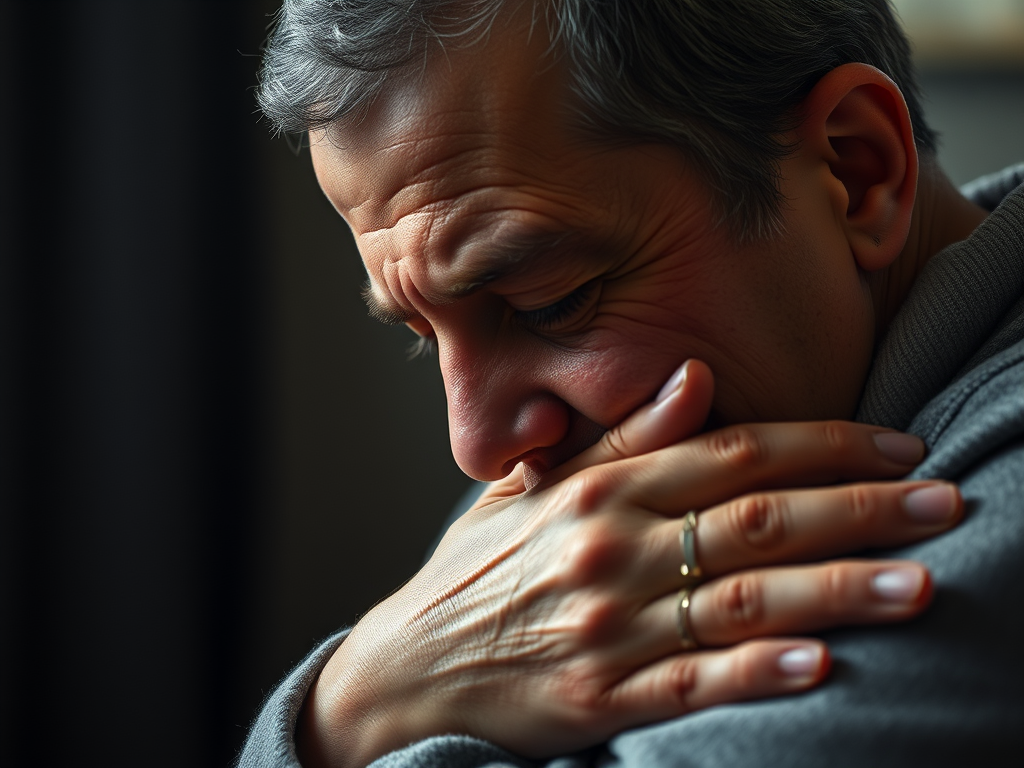
Losing someone to suicide is a profoundly painful and complex experience. Healing takes time and patience, but it’s crucial to remember that you are not alone on this journey.
Here are five ways to cope and find hope after such a devastating loss.
Allow Yourself to Grieve
Grief is a natural response to losing someone you love, and it’s okay to feel a mix of emotions such as anger, guilt, confusion, and sadness. Each person’s grief process is unique, and it’s important to allow yourself to experience and process these emotions without rushing. This process can be long and non-linear; some days will be harder than others, and that’s a normal part of healing.
Seek Support
Connecting with friends, family members, or trusted individuals who can offer comfort and understanding is essential. Expressing your feelings and sharing memories of your loved one with those who care about you provides both relief and a sense of connection. Additionally, joining a support group, whether in person or online, through organizations like the American Foundation for Suicide Prevention can be incredibly beneficial. These groups provide a community of individuals who have experienced similar pain and can offer empathy and support.
Educate Yourself
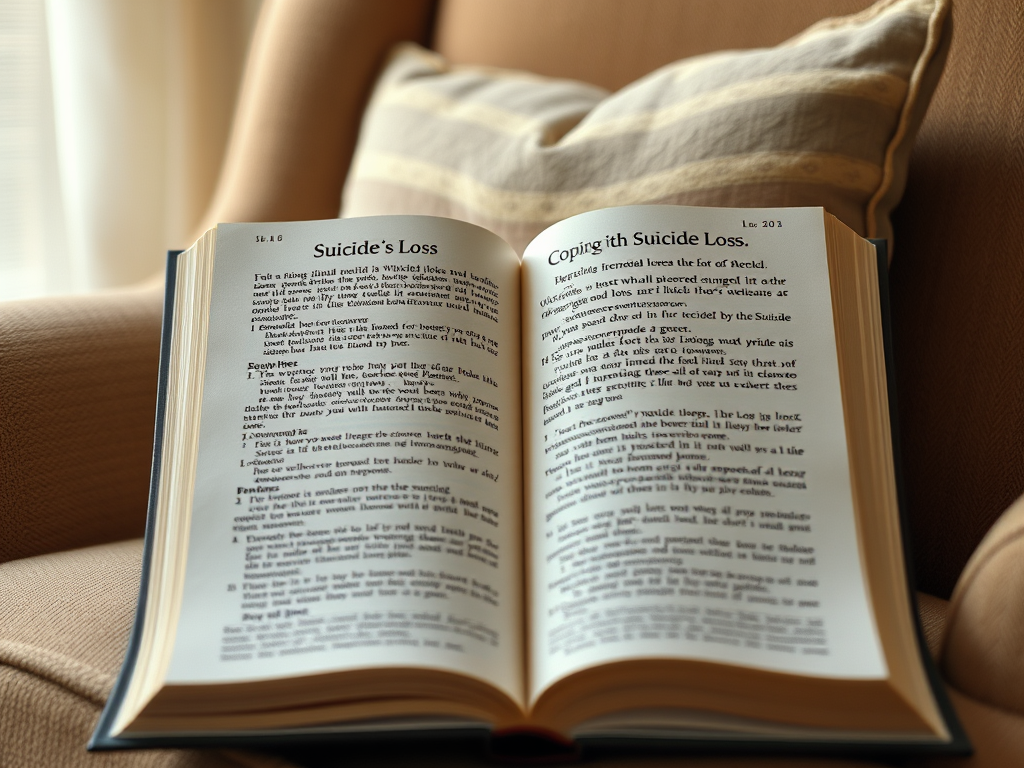
Understanding mental health and the factors that lead to suicide can aid in making sense of your feelings and help reduce self-blame. It’s important to remember that mental health struggles are complex and multifaceted, and the loss of a loved one to suicide is not your fault.
Create Rituals of Remembrance
Remembering and celebrating the life of your loved one is a powerful way to cope with loss. This can be done by sharing stories, creating a memory book, planting a tree, or participating in activities they loved. Engaging in awareness events such as walks, vigils, or fundraisers in their memory can also be incredibly meaningful. These rituals provide a way to honor their memory and create a lasting legacy.
Practice Self-Care
Grieving is both physically and emotionally exhausting. Taking care of your own needs is integral to your healing process. Ensure you’re eating well, resting, and engaging in activities that bring you peace. Setting boundaries and taking breaks from conversations or situations that feel overwhelming is also essential. Be patient with yourself during this time; healing is not a straightforward process, and it’s okay to have good and bad days.
Finding Hope and Healing
On this Survivor Day, it’s important to remember that healing is possible and that hope is within reach. Together, we can find strength and comfort in our shared experiences. If you need more resources or support, please utilize the links provided in the description below. Stay connected, stay hopeful, and take care.
Survivor Day reminds us that while the journey after losing a loved one to suicide is incredibly difficult, there is a community ready to support and understand. Engaging in commemorative activities and reaching out for support are powerful steps towards healing. Always remember, you are not alone.





 A Caring Mind