Category Archives: Uncategorized

Step Outside, Connect, and Recharge: Join Carers Active Together in Hyde Park

Taking time for yourself as a carer isn’t always easy. The daily responsibilities, emotional demands, and constant care for others can often mean your own wellbeing takes a back seat. That’s why initiatives like Carers Active Together matter more than ever.

This Wednesday 15 April, a national day of action is bringing carers across the UK together to focus on movement, wellbeing, and community and you’re invited to be part of it.

A simple step that makes a difference

As part of the day, Carers UK is hosting a free, friendly wellbeing walk in Hyde Park, which is a chance to pause, breathe, and connect with others who understand the caring journey.

Whether you’re caring for a loved one full-time or supporting someone alongside work and life commitments, this walk is designed to be inclusive, relaxed, and welcoming. There’s no pressure, just an opportunity to enjoy fresh air, gentle movement, and good company.

Event details

  • Date: Wednesday 15 April
  • Time: 11:00am
  • Location: Meet at Serpentine Bar and Kitchen, Hyde Park
  • Cost: Free

As highlighted on the event flyer (page 1), the walk is all about giving carers a chance to “get some fresh air, connect with your community, and enjoy a supportive stroll with local carers.”

Why join the walk?

Sometimes the smallest actions like a walk in the park can have the biggest impact. Taking part in this event can help you:

  • Boost your physical and mental wellbeing
  • Meet other carers and share experiences
  • Feel part of a supportive community
  • Take a well-deserved break in a beautiful setting

You’re not alone

Carers play an essential role in our communities, often quietly and without recognition. Carers Active Together is a reminder that your wellbeing matters too and that support is out there.

If you know someone who is a carer, consider sharing this with them. A simple invitation could make a meaningful difference.

Register your place

Spaces are free, but registration is encouraged. You can sign up here:
👉 https://bit.ly/4uEXwJO

Attending the West Kent Paddock Wood Carers Group

By Matthew McKenzie – Carer Activist

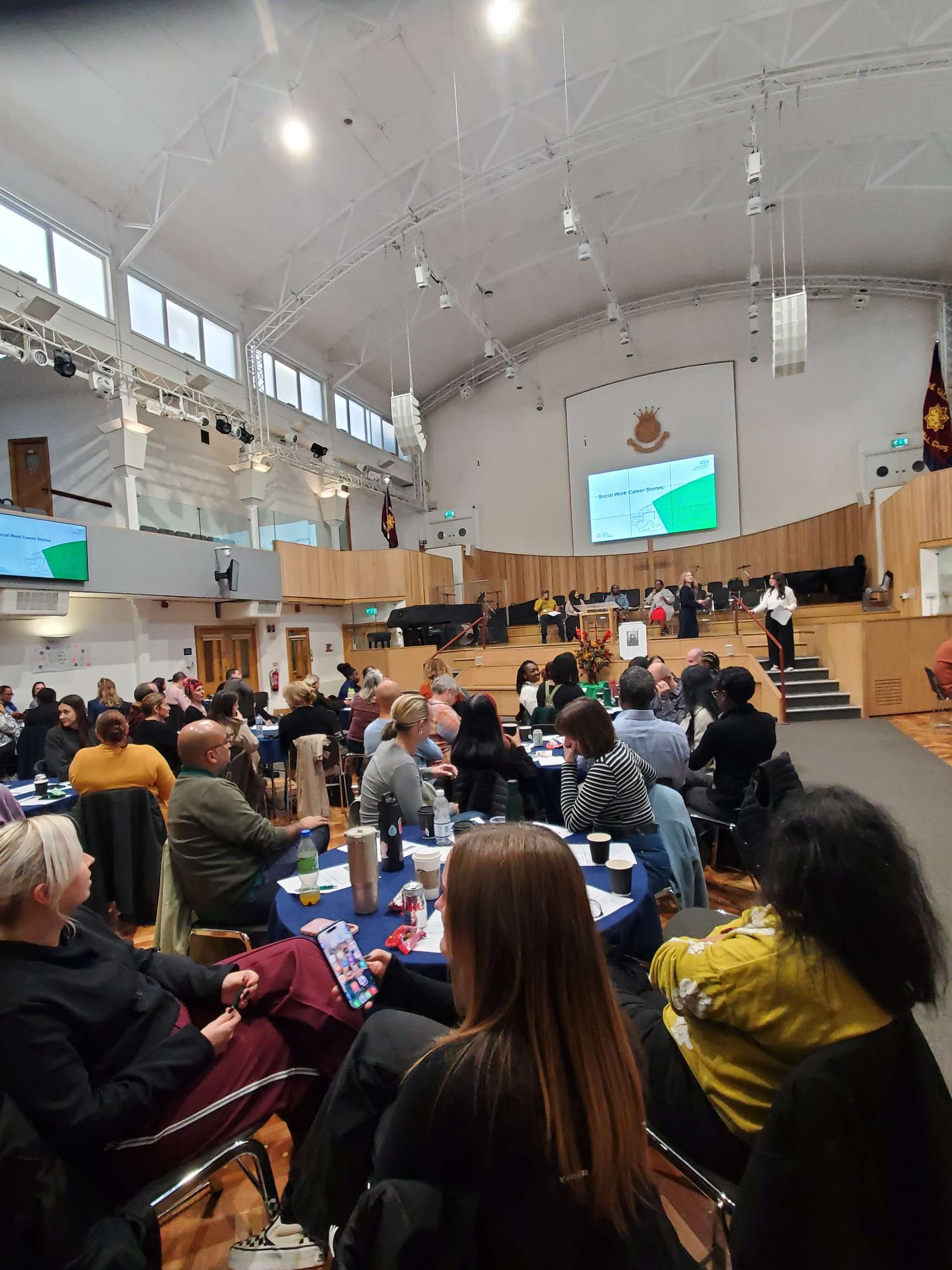
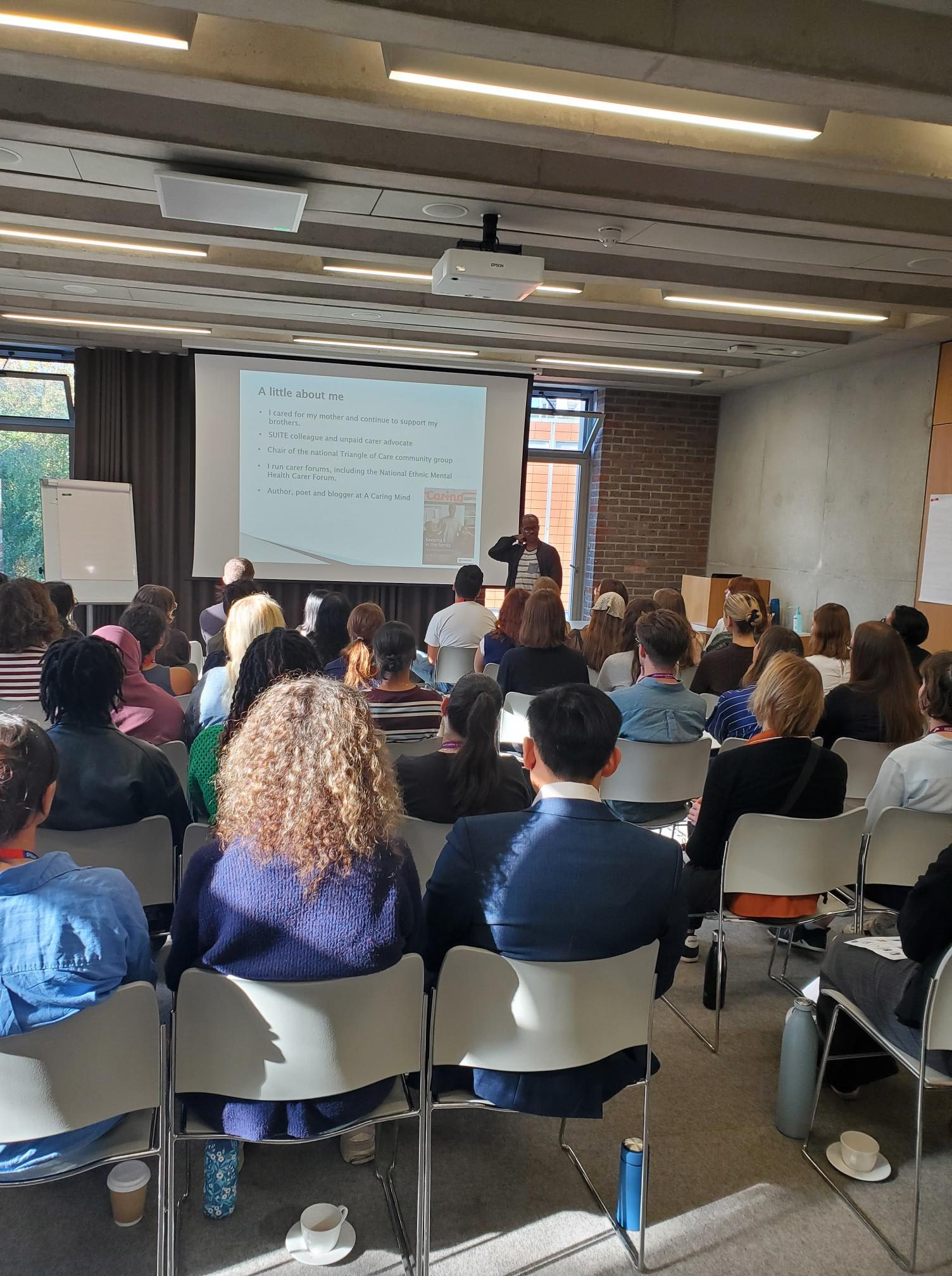
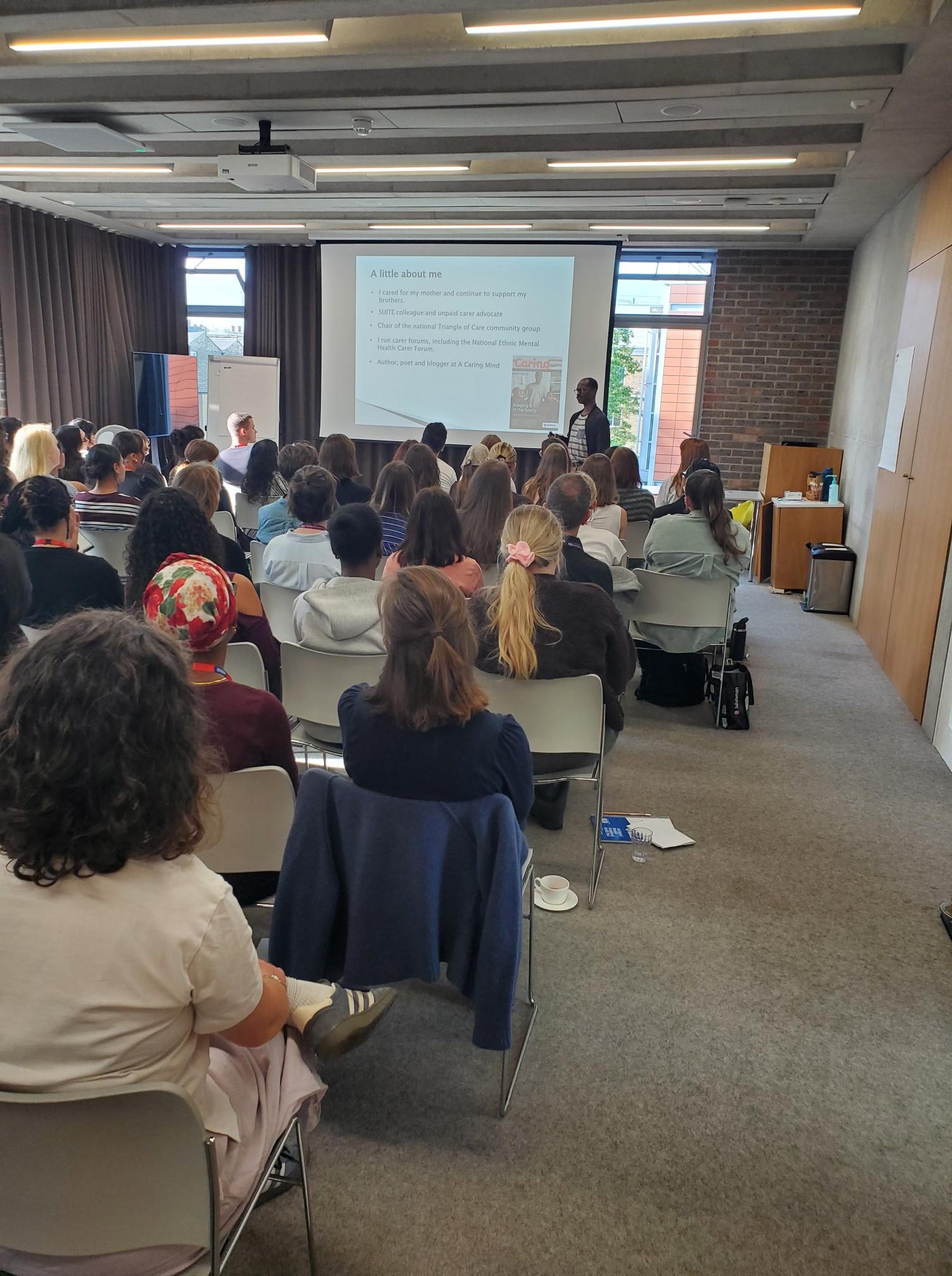
Recently, I had the privilege of attending and speaking at the West Kent Paddock Wood Group, and I wanted to take a moment to reflect on the experience, not just as a speaker, but as a mental health carer among peers who truly understand the journey.

The session took place at Unit 1 Eastlands, Maidstone Road in Paddock Wood, a welcoming and accessible venue that immediately set the tone for openness and support. From the moment I arrived, it was clear that this was a safe space. The event was hosted by Naomi Muigua who is the Social Care Involvement Officer.

The structure of the morning was thoughtfully organised, with time for introductions, discussion, and shared learning, all underpinned by respect, confidentiality, and equality among attendees .

A Community that works to understand carers

What stood out to me most was the diversity of lived experience in the room. Carers supporting loved ones with dementia, autism, and complex health needs came together, each bringing their own story, challenges, and resilience. It reinforced something I’ve long believed: carers often feel invisible in wider society, but in spaces like this, they are seen, heard, and valued.

The group is supported by organisations and professionals who are genuinely committed to reducing isolation and improving access to services. From digital inclusion to transport and community support, there’s a real effort to make sure carers are not left navigating the system alone

Sharing My Journey as a Mental Health Carer

As the invited speaker, I spoke from my own lived experience as a mental health carer. My journey began as a young carer supporting my mother, who developed schizophrenia, while also helping care for my brothers with non-verbal autism. Over the years, that experience has shaped not only my life, but my purpose.

During my talk, I shared:

  • The emotional reality of becoming a carer—often suddenly, without preparation
  • The confusion and isolation that can come with navigating mental health systems
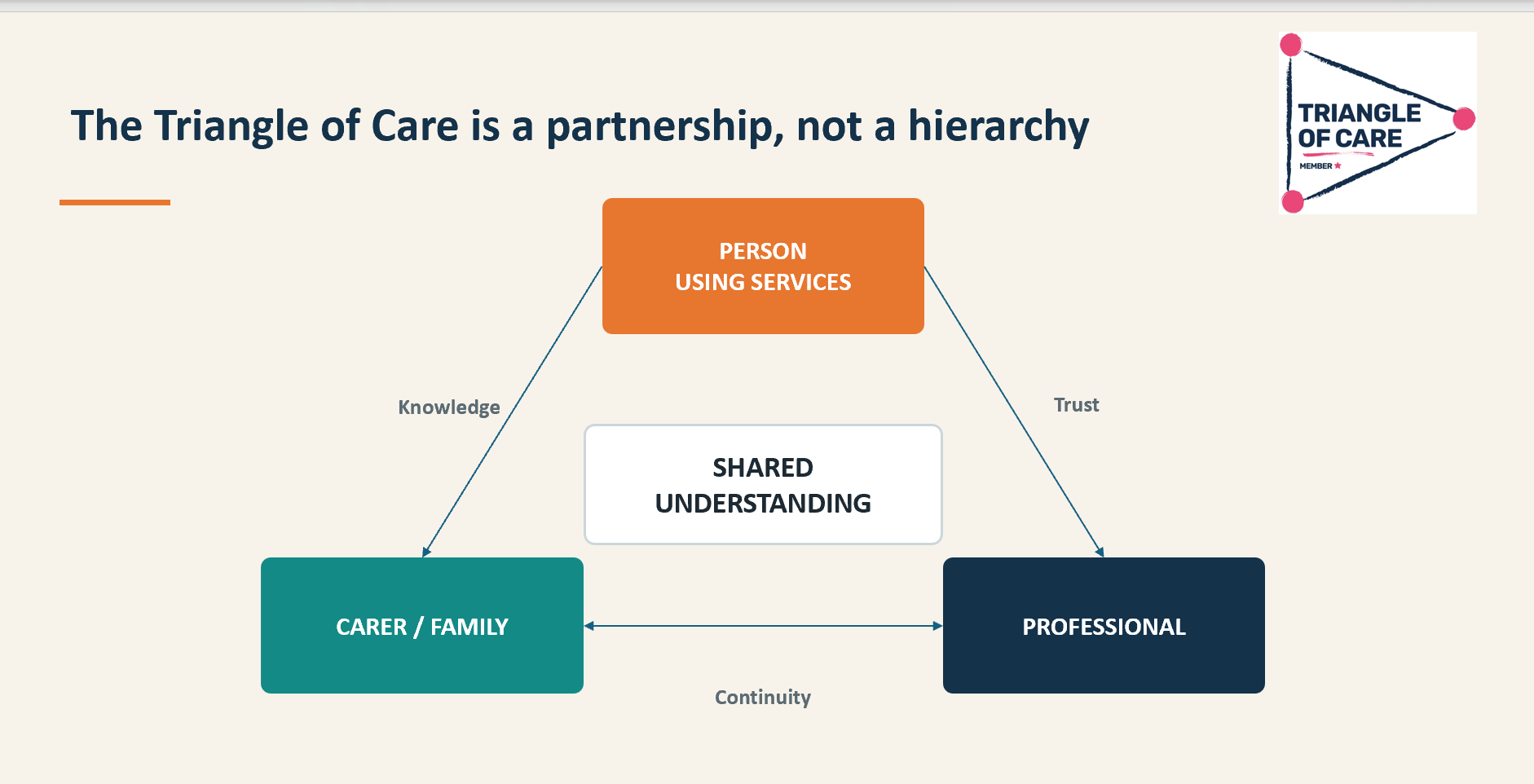
  • The importance of recognising carers as partners in care, not just bystanders
  • The long-term impact on mental health, identity, and wellbeing

I also spoke about the concept of “lived experience”—something I feel strongly should be embedded in health and social care systems. If professionals are to truly understand and support carers, they need to hear directly from those who live it every day.

One of the key messages I left with the group was this:
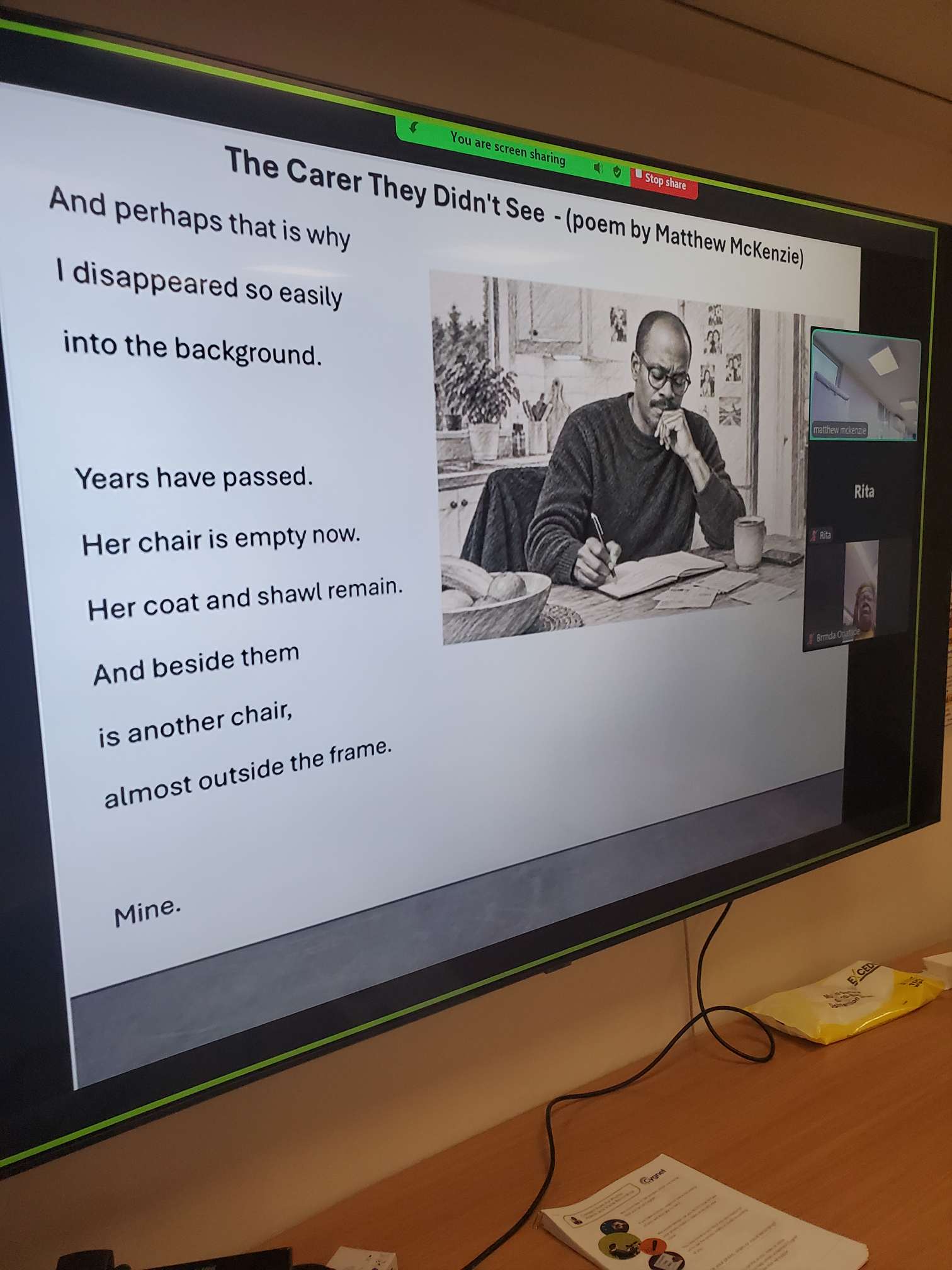
Carers are the hidden link that holds everything together. Without them, the system simply could not function.

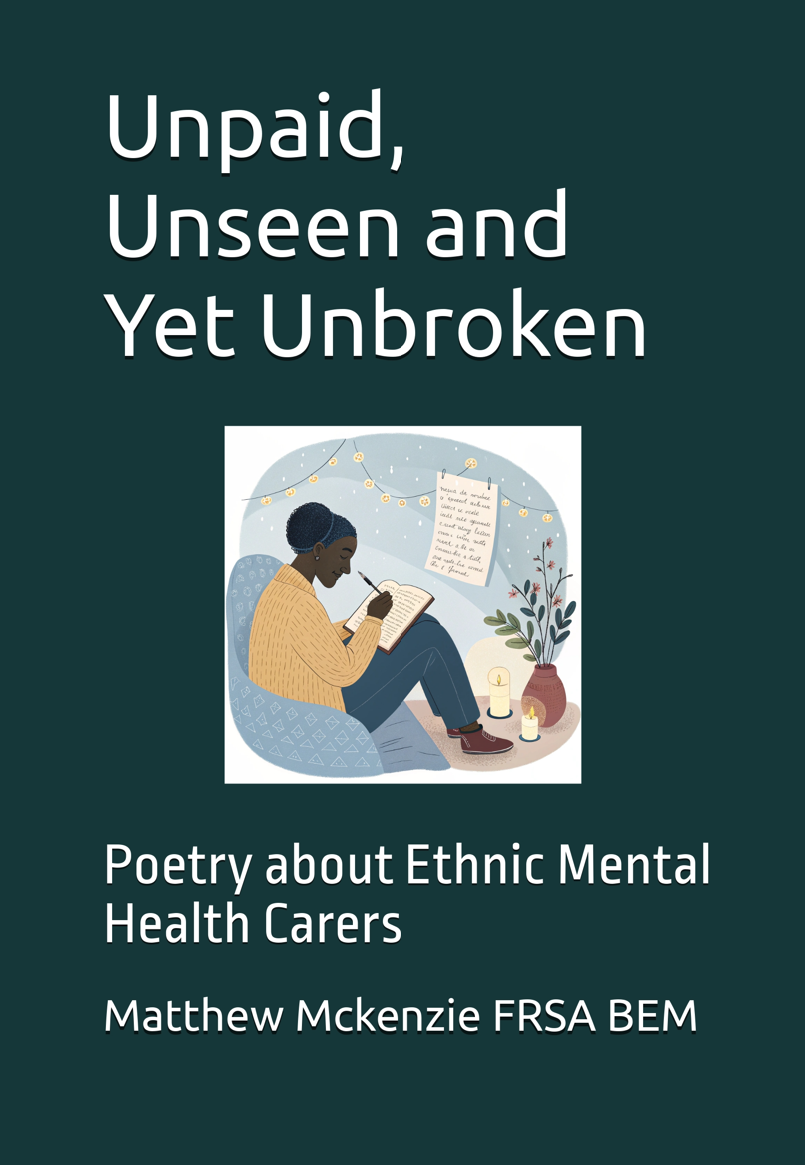
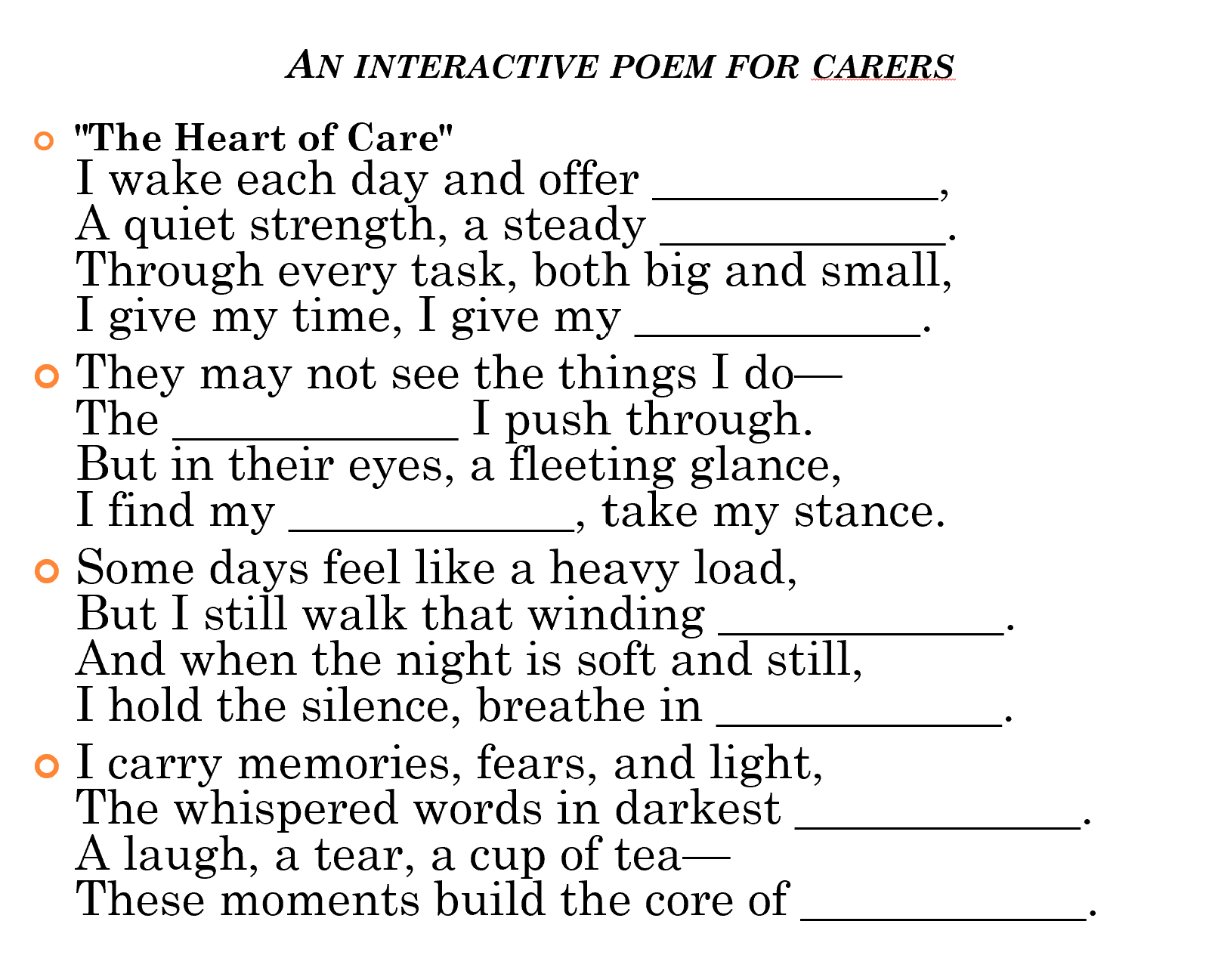
This was taken from my poem off my book.

The Conversations of the group

What made the session particularly powerful wasn’t just the presentation, it was the discussion that followed. Carers openly spoke about:

  • Not knowing where to go for help
  • The complexity of accessing services
  • Feeling that outcomes often depend on how well you can advocate
  • The emotional toll of long-term caring

These are not small issues, they are systemic challenges. But spaces like this group allow those conversations to happen honestly, and more importantly, collectively.

Why Groups Like This Matter

The West Kent Paddock Wood Group is actually a lifeline to carers as it provides:

  • A supportive peer network
  • Access to information and local services
  • A platform for carers’ voices to be heard
  • A sense of belonging that many carers lack

For anyone who is caring for a loved one, especially in mental health, I cannot stress enough how important it is to connect with others who understand. You don’t have to do this alone.

Final Thoughts

Leaving the session, I felt both humbled and encouraged. Humbled by the strength of the carers in the room, and encouraged by the existence of a group that is actively working to support them.

If you are a carer in Kent, or even just exploring what support is available, I would strongly recommend attending the West Kent Paddock Wood Group. It is a space where your voice matters, your experience is valid, and your wellbeing is recognised.

For me, it was not just an opportunity to speak, it was an opportunity to connect, learn, and continue advocating for carers everywhere.

If you want to find out more about Kent County Council support for unpaid carers, see link below.

https://www.kent.gov.uk/social-care-and-health/adult-social-care/care-and-support/caring-for-other-people/support-for-carers

Bipolar Awareness Is More Than One Day – World Bipolar Day 2026

To mark World Bipolar Day 2026, I’ve created a short video highlighting the reality of living with bipolar and the vital role of unpaid carers, friends, and family. Awareness is important, but understanding and everyday support matter just as much.

In this video, I share reflections as a mental health carer and activist, focusing on the human side of bipolar and the people who often support quietly in the background.
👉 Watch the video here: https://www.youtube.com/watch?v=gnn0tfLs2z8

World Bipolar Day is supported globally by organisations including:

In the UK, Bipolar UK (https://www.bipolaruk.org) provides vital peer support for people affected by bipolar, including carers. Carer organisations also play a crucial role in supporting unpaid carers:

What the new London Assembly carers report really means for unpaid carers

This week as of this blog post, the London Assembly published a major new report on unpaid carers: “London’s unpaid carers: Caring for the carers.”

I had the opportunity to contribute to this work as a carer and advocate, alongside others who shared their lived experience. Seeing those voices reflected in the final report is both encouraging and a reminder of how much still needs to change for unpaid carers in London.

👉 Read the full report:
https://www.london.gov.uk/who-we-are/what-london-assembly-does/london-assembly-work/london-assembly-publications/economy-culture-and-skills-report-londons-unpaid-carers

👉 Carers UK press release:
https://www.carersuk.org/news-and-campaigns/press-releases/new-report-from-the-london-assembly-economy-culture-and-skills-committee-calls-for-more-financial-support-for-londons-unpaid-carers/


The reality: carers are still “hidden”

One of the strongest messages in the report is that many unpaid carers are still not identified.

Too often, people caring for a partner, parent, or child don’t even realise they are classed as a “carer” which means they miss out on financial support, services, and basic recognition.

From my own experience, and what was shared at the Assembly, this is especially true for:

  • Mental health carers
  • Carers from ethnic minority backgrounds
  • Indentification of unpaid carers

If you’re not identified, I feel you don’t exist in the system.


Financial pressure is a major issue

The report possibly confirms what many carers already know:

  • Nearly 1 in 3 carers in London are living in poverty
  • Carer’s Allowance is not enough to live on
  • Many carers have to reduce work or leave employment entirely

There are positive recommendations here like reviewing Carer’s Allowance and reducing travel costs, but these need to turn into real change, not just policy discussions.


Support isn’t working as it should

Another issue raised in the report and something I spoke about is that support often feels like a “tick-box exercise”.

Carers go through assessments, but:

  • Support is limited
  • Funding is inconsistent
  • Real help (like respite care) is hard to access, especially for mental health carers, I mean what does respite actually mean for mental health unpaid carers?

Identification alone isn’t enough. I think It has to lead to meaningful, practical support.


So what needs to happen next?

The report makes some important recommendations:

  • Better identification of carers across London
  • More funding for local carer services
  • Changes to Carer’s Allowance
  • Improved workplace support
  • and a lot more, but you would have to go through the report.

But the key question now is: will this actually be implemented?

Carers don’t need more recognition alone we need action.


Final thoughts

Unpaid carers are holding up the health and social care system every single day.

This report is a very important step forward. But it should be the beginning of change not the end of the conversation.

If you are a carer, or know someone who is, I’d encourage you to read the report and share your experiences. The more visible carers are, the harder it is for the system to ignore us.

Supporting Young People, Supporting You: Free Training and Local Support for Unpaid Carers in Ealing

Caring for a child or young person can be incredibly rewarding – but it can also feel overwhelming, especially when you’re worried about their emotional wellbeing or safety. If you’re an unpaid carer in Ealing supporting a young person, you’re not alone, and there is local support available for you.

This spring, a new free online training opportunity is available for parents and unpaid carers in Ealing, designed to build confidence, understanding and hope when supporting young people who may be struggling.

Free Online Training: SPOT – Parents and Carers

PAPYRUS, the national charity for the prevention of young suicide, has been funded by Ealing Council to deliver SPOT: Parents and Carers – Connecting with Life and Creating Hope.

This training is specifically designed to support parents and unpaid carers to feel more confident in helping young people stay safe.

The sessions focus on:

  • Recognising signs that a child or young person may be struggling or experiencing suicidal thoughts
  • Developing confidence to talk openly and safely about suicide
  • Learning how to support safety planning alongside a young person
  • Understanding helpful language and common challenges in these conversations
  • Knowing where and how to access further support

The overall aim is to help carers feel better equipped to create safer spaces for young people and to strengthen connection, hope and understanding .

Online Training Dates

The SPOT sessions are delivered online, making them easier to attend around caring responsibilities. You can choose the date and time that works best for you:

  • 12 March 2026 – 7:00pm to 8:30pm
  • 18 March 2026 – 6:30pm to 8:00pm
  • 26 March 2026 – 1:00pm to 2:30pm

The sessions are free to attend, but booking is required.

You Don’t Have to Do This Alone: Ealing Carers Partnership

Alongside training opportunities like SPOT, unpaid carers in Ealing can access ongoing help through the Ealing Carers Partnership.

The partnership brings together local organisations to support unpaid carers of all ages, including parents and carers of children and young people. Support can include:

  • Information and advice
  • Emotional support and listening spaces
  • Help navigating services
  • Peer support and carer groups
  • Training and workshops to build skills and confidence

If you’re caring for someone without pay, whether that’s a child, young person, partner, friend or family member – you are recognised as an unpaid carer, and you are entitled to support.

The Ealing Carers Partnership works to make sure carers are seen, heard and supported across the borough, and can help you find the right service at the right time.

https://www.ealingcarerspartnership.org/

Building Confidence, Together

Many carers tell us that one of the hardest parts of supporting a young person is not knowing what to say, or worrying about saying the “wrong” thing. Training like SPOT is not about having all the answers, it’s about building confidence, understanding and connection.

If you are supporting a young person in Ealing and would like to strengthen your confidence, we strongly encourage you to take up this opportunity and to connect with the wider support available through the Ealing Carers Partnership.

If you have questions, need help accessing support, or would like to know more about what’s available for unpaid carers locally, please reach out on the link below

https://www.ealingcarerspartnership.org/

National Grief Awareness Week 2025: Growing With Grief

By Matthew McKenzie, A Caring Mind

This week, we come together to recognise something deeply human, yet often hidden: grief and the people who carry it long after the world has moved on.

I’ve created a short video exploring the emotional reality of bereavement, with a special focus on unpaid carers. These are the people who quietly give their time, energy, and love to support someone through illness… and who are often left to grieve in silence when that journey ends.

My hope is that this helps spark conversations, reduce stigma, and remind anyone grieving that you are not alone.


If you or someone you know needs support, these organisations can help:

🔗 The Good Grief Trusthttps://www.thegoodgrieftrust.org
🔗 AtaLosshttps://www.ataloss.org
🔗 Muslim Bereavement Support Servicehttps://www.mbss.org.uk
🔗 Jewish Bereavement Counselling Servicehttps://jbcs.org.uk
🔗 The Ubele Initiative (African & Caribbean communities)https://www.ubele.org
🔗 Cruse Bereavement Support – South Asian Support (via specially trained volunteers)https://www.cruse.org.uk
🔗 Switchboard LGBT+ Bereavement Supporthttps://switchboard.lgbt


Let’s work together to make sure every bereaved person, especially unpaid carers so they is heard, supported, and understood.
#GrowingWithGrief | #GriefSupport | #UnpaidCarers | #Wellbeing

Reflections on the West Sussex Community Brain Health & Carers Rights Day Event

By Matthew McKenzie – Carer & Carer Activist

On Thursday 20th November, I had the privilege of attending and speaking at the Memory, Wellbeing and Brain Health event hosted at Broadfield Community Centre in Crawley. Organised by Carers Support West Sussex, the event formed part of Carers Rights Day, bringing together carers, professionals, community teams, and people living with dementia for a day of learning, connection, and support.

Although I couldn’t stay for the full programme due to travelling to another Carers Rights Day engagement later that afternoon, I was grateful to take part in the early sessions and witness the energy and compassion that shaped the whole day.

Continue reading

Carers Rights Day 2025 – “Know Your Rights, Use Your Rights”

By Matthew McKenzie – Volunteer of Carers UK

On this year’s Carers Rights Day 2025 (Thursday 20 November), the theme is “Know your rights, use your rights.”

If you care for someone, whether it’s a partner, parent, child or friend; you may be missing out on vital support simply because you didn’t realise you have rights as a carer.

In my new video I walk you through what those rights actually are, and how you can use them in practice.

In this video you’ll discover:

  • Why recognising yourself as a carer matters
  • Key rights every carer should know (from assessments to flexible working)
  • How to make use of those rights in your daily life
  • Where to go for help, guidance and support

Click the link, take two minutes, and empower yourself today.

Share Your Voice: Help Improve Drug and Alcohol Support in Bromley

If you live in the London Borough of Bromley and support someone affected by drug or alcohol misuse as a family member, carer, or friend your experiences matter.

Healthwatch Bromley is conducting important research into how local drug and alcohol services are working for residents. The project aims to understand what’s helping, what’s not, and what needs to change to make services more effective and accessible for everyone.

Continue reading

World Mental Health Day 2025: Support for Carers & Crisis

By Matthew McKenzie – Carer Activist

On World Mental Health Day 2025, learn why mental health support in crises is vital, especially for unpaid carers facing emotional challenges and exhaustion. The blog is a transcript of my video, which you can watch below.

Reflecting on World Mental Health Day: A Call to Action for Crisis Support

Every year, World Mental Health Day serves as a global reminder to pause, reflect, and recommit to caring for ourselves and each other. Observed on October 10th, this day is more than a symbolic gesture as it’s an urgent call to recognize the importance of mental health, especially in times of crisis.

Continue reading