Blog by Matthew McKenzie aimed at unpaid carers whose cared for will soon be discharged from hospital. Here are some tips to take note of to help in smooth transistion back into the community.
To watch the video lecture nearly 30 mins, see below.
Blog by Matthew McKenzie aimed at unpaid carers whose cared for will soon be discharged from hospital. Here are some tips to take note of to help in smooth transistion back into the community.
To watch the video lecture nearly 30 mins, see below.
Welcome back to another carer awareness blog post by Matthew McKenzie, carer activist and author. This time I want to raise awareness of involving unpaid carers when their loved one has been admitted to accute hospital care. To view an indepth version, please watch the video below (25 mins long). Unfortunately I messed up the presentation a bit.
In this blog post we discover the crucial role of families and carers in hospital care, from enhancing communication to improving patient satisfaction. Explore the benefits of family engagement and the impact on patient recovery.

When loved ones are taken into acute care in hospitals, the role of unpaid carers and family members becomes paramount. However, many carers find themselves at a loss, not knowing what to ask or how to be involved in the care process. On the other hand, healthcare professionals might not be well-equipped to engage with carers effectively. This article aims to explore the significance of carer involvement in hospital care, providing insights and guidelines for both healthcare professionals and unpaid carers.

One of the first and most crucial steps is to encourage visits from family members and unpaid carers. Emotional support from loved ones can significantly reduce the anxiety and fear of patients, contributing to their overall healing process. While this might not apply in every situation, particularly for patients who are communicative and understand why they’re in the hospital, it’s especially important for those who are severely unwell or suffering from mental health conditions.
Involvement of family members enhances communication, allowing them to share vital information about the patient’s history, preferences, and needs with healthcare providers. This is particularly beneficial for patients who may find it challenging to communicate effectively due to their condition. By integrating the carer’s perspective, healthcare professionals can make more informed decisions, ensuring a more comprehensive understanding of the patient’s situation.

Family engagement provides essential emotional support, which can motivate the patient to recover more effectively. Knowing that there’s someone rooting for them can significantly impact a patient’s willingness to adhere to treatment plans and protocols.
Carers can act as advocates for the patient, ensuring their voice is heard, especially in complex medical scenarios. This is crucial for patients who may not be able to advocate for themselves, such as the elderly or those with mental health issues.

When family members visit, they bring invaluable insights into the patient’s history and preferences, which can be instrumental in tailoring the care provided. This ensures that healthcare professionals have the most accurate and up-to-date information, thereby improving the quality of care.
Collaboration with family members in treatment decisions ensures alignment with patient values. Failing to involve carers can lead to a higher risk of readmission, as the patient might be discharged without proper support or understanding of their condition.
Emotional support from family members can significantly reduce the patient’s anxiety and foster a sense of hope, encouraging them to adhere to treatment plans and look forward to recovery.
Family involvement can also enhance treatment and discharge plans, ensuring they are more comprehensive and suited to the patient’s needs. This collaborative approach helps in creating a more effective care plan, reducing the likelihood of complications or readmission.

Healthcare providers need to ensure that family members and unpaid carers are well-informed about the patient’s condition, treatment plans, and potential discharge details. This is vital for the carer’s preparedness and ability to provide effective care post-discharge.
Hospitals should facilitate effective communication by providing resources like leaflets about available services and how to navigate the healthcare system. This not only helps in ensuring the patient’s needs are met but also empowers carers to communicate effectively with healthcare providers.
There should be advocacy resources available on-site or through referrals, helping carers navigate the complex healthcare system. This ensures that carers are not left in the dark and can effectively support their loved ones.

A holistic approach to care considers both the patient and the carer’s emotional and physical needs. While the primary focus is on the patient’s recovery, ignoring the carer’s well-being can lead to a less effective care environment.
Creating a comprehensive healing environment involves addressing the emotional distress of both patients and their families. This can lead to better overall outcomes and a more supportive atmosphere for recovery.

Establishing clear communication channels between healthcare providers and family members is essential. This ensures that information flows seamlessly and that both parties are on the same page regarding the patient’s care.
Encouraging active participation from carers in the decision-making process ensures that they are engaged and informed. This collaborative approach leads to better health outcomes for the patient.
Providing educational resources helps carers understand the patient’s condition and treatment plan better. This is crucial for ensuring that they can provide effective care post-discharge.

Involving carers in care planning and goal-setting ensures that treatment plans are aligned with patient values and that the carer is prepared for their role. This collaborative approach reduces the risk of complications and readmission.
In summary, involving family members and unpaid carers in hospital care is crucial for improving patient outcomes. By encouraging visits, enhancing communication, and providing necessary resources, healthcare providers can ensure a more holistic and effective care environment. This not only supports the patient’s recovery but also empowers carers to take on their roles confidently and effectively.
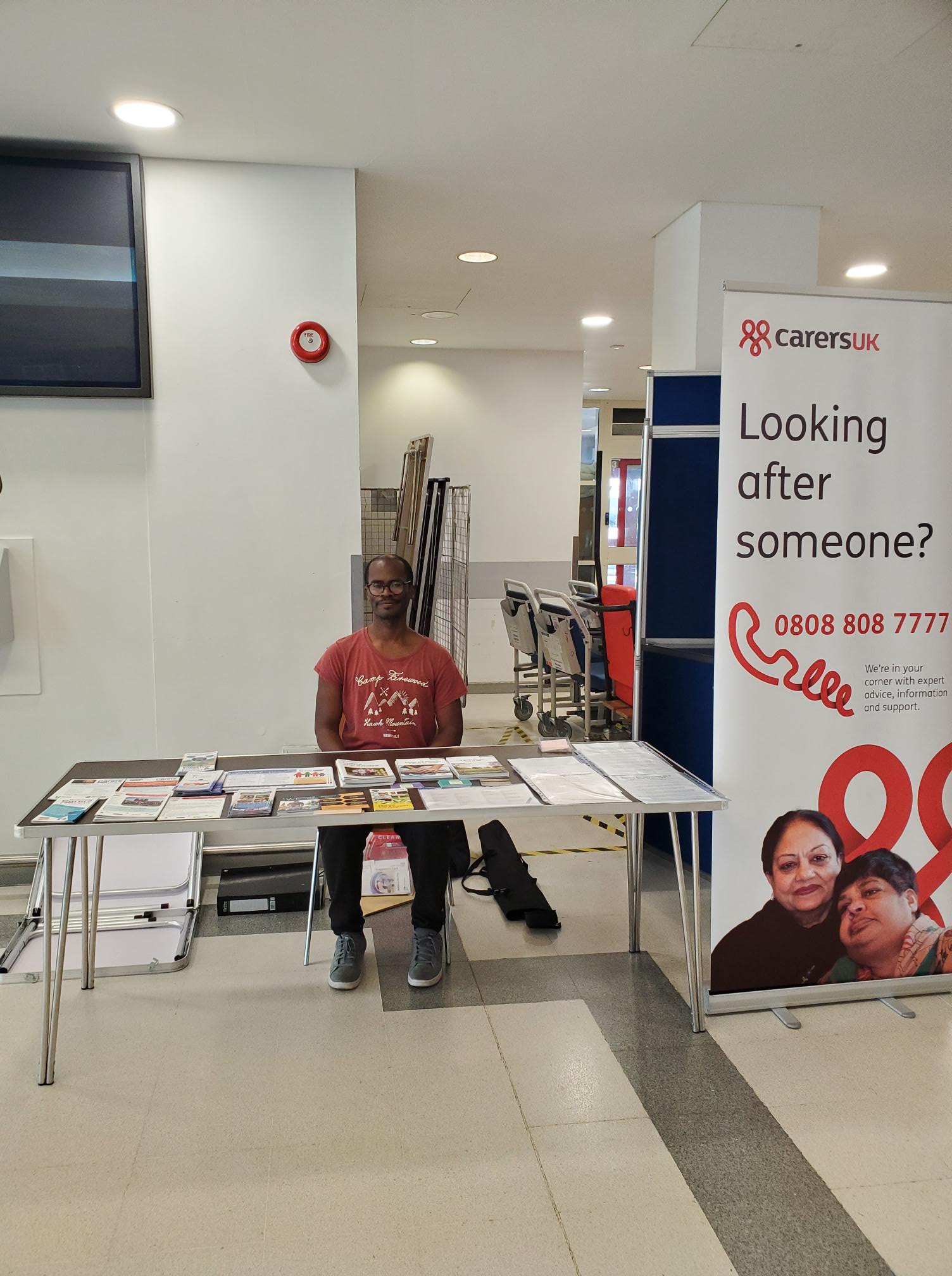
Hello fellow carers. A quick update from my past carer forums. This is the April update of my Joint Southwark and Lambeth mental health carers forum.

Speakers for this forum were
Naomi Good – Engagement from Guys & St Thomas NHS FT
Rachel Braverman – Expert by experience at Royal College of Psychiatrists
Just a quick note, I cannot remember if Rachel managed to attend this forum. I think should could not make it and attended my south west London carers group at a later date.
It was however good that Naomi engaged with carers who look after someone with a mental illness. The thing is that patients also use physical health services. So it was important to get stakeholder engagement from Guys & St Thomas hospitals.
Naomi Good Presents to the forum.
I know Naomi very well when she used to work at NSUN, this being the National Service User Network. Naomi did a lot for developing the 4PI involvement standards at mental health NHS trusts. These standards are still very much in use today, although there still needs to be a lot of work done.
Naomi is now the stakeholder engagement at GSTT and is also a carer herself and spoke on the following.
Naomi started by presenting the Joint Program for Carers and Patients.
Basically the programme aims to make sure the views of patients, carers and the public help with future service changes during the pandemic especially those who have been most affected by the pandemic. GSTT want to continue to improve and provide the very best care to patients, especially to those who are:-
Waiting for treatment
Virtual access to care
Struggling with Long COVID
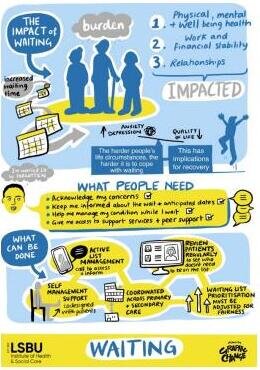
There actually were some workshops back in April and May which Naomi presented on the surgical strategy
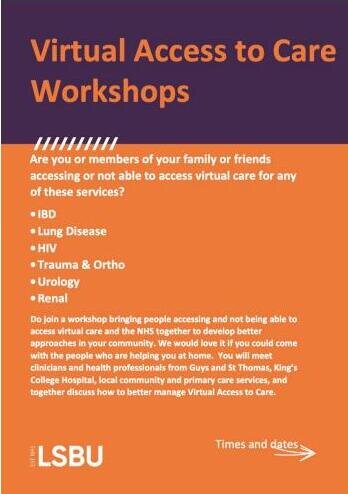
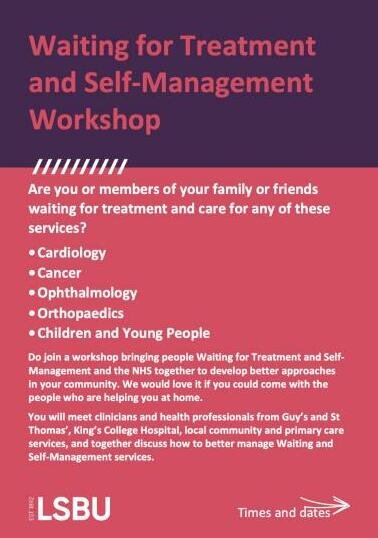
The Apollo Programme
The Apollo Programme
Naomi then spoke about how Apollo will be the most ambitious programme of transformation they have undertaken. GSTT will be replacing many of the systems (both digital and paper). GSTT currently use with a single, integrated and comprehensive source of information across Guys and St Thomas’ (including Royal Brompton and Harefield) and
Kings College Hospital Trusts. Epic is a US-based provider of electronic health records (EHR). It is used in some of the best hospitals around the world including the majority of top-ranked US hospitals, and UK trust’s such as Great Ormand Street and Cambridge.
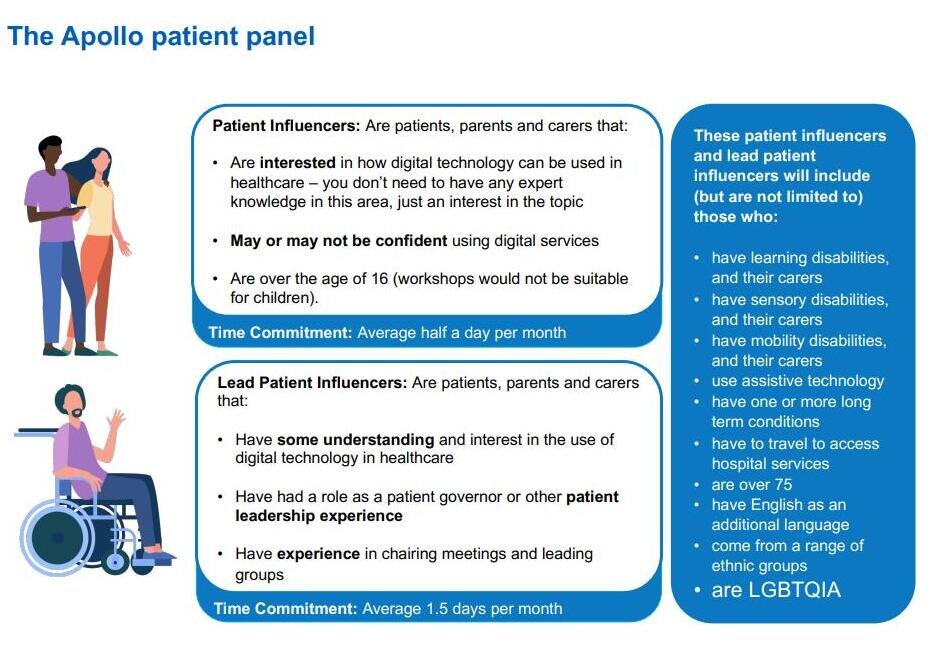
GSTT Carer Strategy
I asked a quick question regarding GSTT’s carer’s strategy in which Naomi responded they do have one. The GSTT carer’s strategy is embedded within each of the different strategies, but there is an effort in refreshing that and making sure it is available across the trust, which is seen as priority area.
GSTT involvement
Naomi talked about how others could have the opportunity to make a huge impact to the care of patients and the experience of carers across Guy’s and St Thomas’ and King’s College London. During the programme to date, the carer’s voice has been integral to shaping how they will support carer’s to access care on their loved ones behalf’s. In future phases of the programme, patients and carers will help GSTT to user test the patient-facing applications, and design their patient communications and training programmes.
• Reimbursement of time spent in workshops and meetings in line with Trust policy
• Reimbursement of travel expenses, childcare costs, and carer costs
• Access to various IT training opportunities
• Foundation Trust Membership (for those 18 years of over).
• Job references
 A Caring Mind