Welcome to another carers blog from carer activist Matthew McKenzie. I blog and promote awareness campaigns, events and updates for unpaid carers. Just so you know, an unpaid carer is someone caring for a person who suffers from a serious mental or physical health need. An unpaid carer is not a care worker, so carers need their own specific support needs.
This leads on to an event I attended as one of the Cygnet carer network ambassodor. The event was another of the carers, families and friends network event. Cygnet try very hard to reach out to unpaid carers whose loved ones are using their services. It is a great way to network with staff and other carers. Carers go through many struggles and one of them is caring in isolation. So what I often tell carers is that they should network with other carers. This can help build up a support structure where carers can become peer supporters. Of course there are boundaries as carers do not often have the time to check in with other carers, but we still have to value the importance of a carer support network.
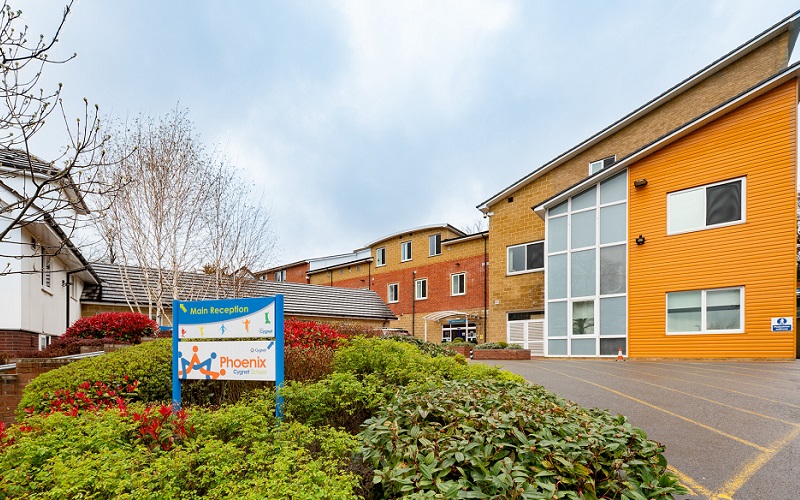
Cygnet Sheffield
Cygnet Hospital Sheffield offers a low secure service for women and CAMHS services for male and female adolescents over three distinct wards. When I mention CAMHS I am talking about Child and Adolescent Mental Health Services.
We cannot ignore that children and young people can also develop serious mental health problems and the outcome can be devastating for carers, friends and families.
Carers need all the information and support they can get. So it helps to have these events. The event took place on Carers Rights day, which is held on the 23rd of November each year. Please check out my earlier blog post on Carers Rights day to find out more.
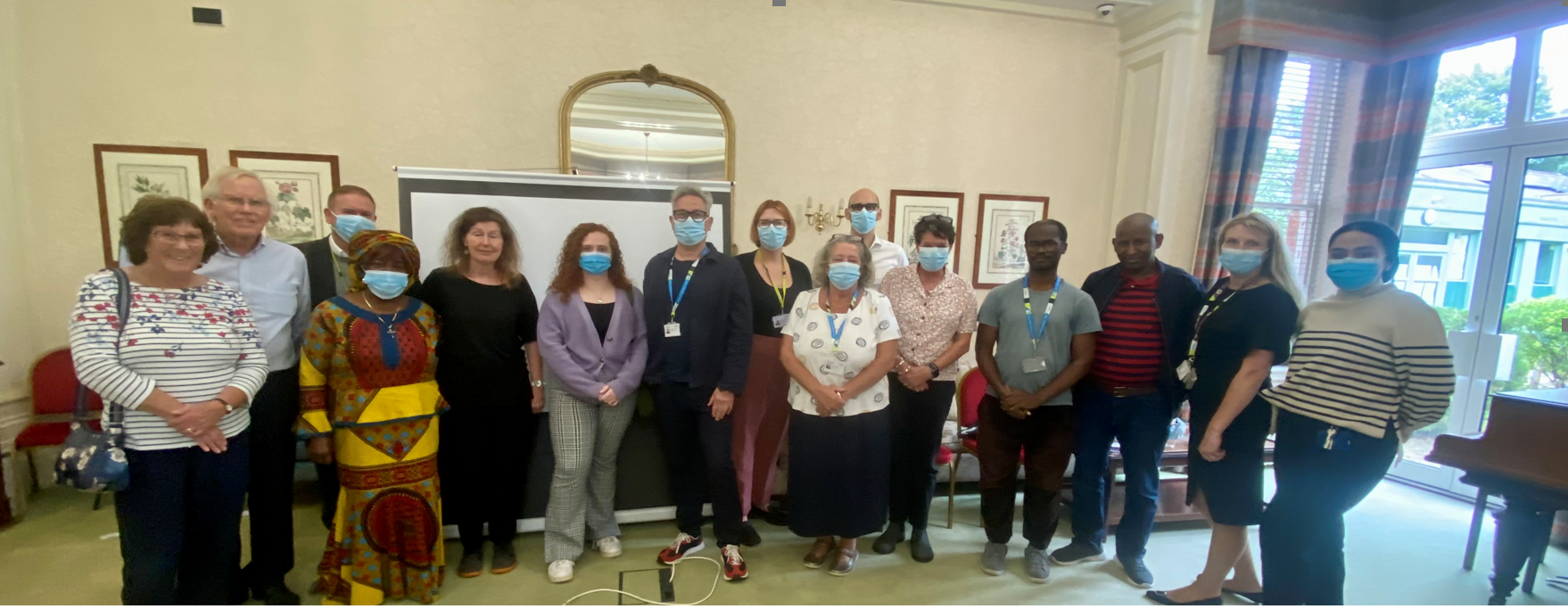
Also presenting at the Sheffield Carers Network event were
Ali Curtis – CAMHS Service Lead for Cygnet Sheffield and CAMHS Lead Nurse for Cygnet
Dr Seb Thompson – Head of Psychology at Cygnet Sheffield and CAMHS Lead Psychologist for Cygnet
Lesley Mellor – Parent & Carer
Julian de Takats – Parent & Carer
Kate Mercer – Family Advocate, Black Belt Advocacy
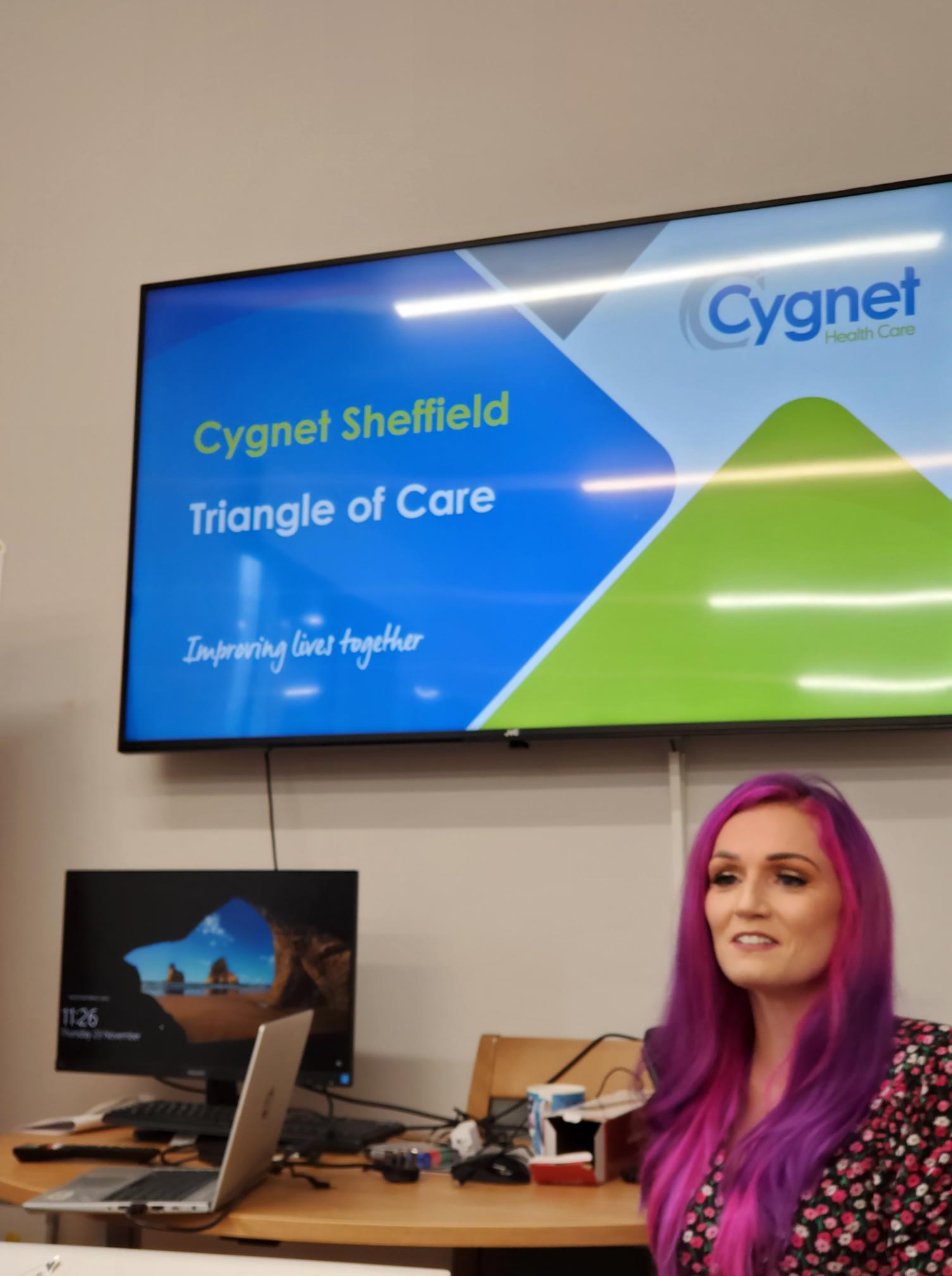
Ali Curtis started off the event. Ali who is a qualified learning disability nurse started her career nursing within medium and low secure forensic services before progressing to management within locked rehabilitation and children’s community services.
She her presentation and introduction to the event on what the service provides for those who use Sheffield hospital services. Ali presentated on aspects of the Triangle of Care, which is a scheme to improve mental health services for unpaid carers.
Sheffield hospital has done an amazing amount of work to develop and improve carer engagement and support. This was done in co-production with unpaid carers. This includes
Developing a Carers Welcome Pack
Carer awareness training
Carers contributions and videos and podcasts
Communication Care Plans, including information sharing agreement
Family Forums and so much more.
The above was developed to connect to the triangle of care 6 standards.
Dr Seb also contributed to the presentation on how the triangle of care made improvements to severals. If we include the families and carers in our mental health services then the quality of the services improve.
We then had Lesley Mellor talk about her caring role and feeding back what she heard from Dr Seb and Ali Curtis.
Lesley is the chair of Dorset Parent Carer Council. She is also the founder and administrator of West Dorset Coping with Chaos Plat Scheme for children with disabilities / additional needs. Lesley is a parent of 2 sons with disabilities. Lesley gave a passionate and indepth talk about the importance of parent carers.
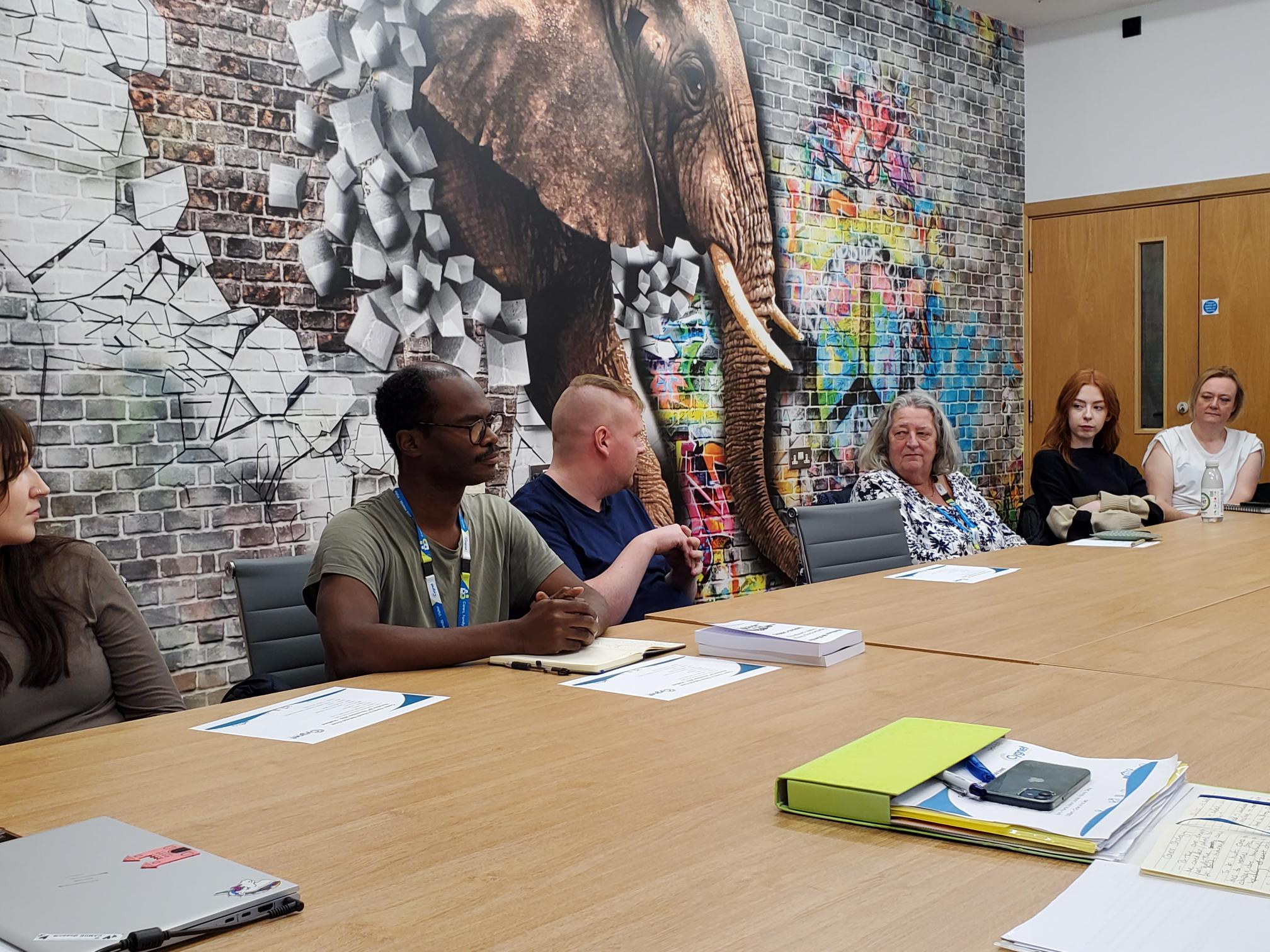
Next up to speak was myself where I wanted to get views from those in attendance regarding carer awareness. I read out one of the poems out of my carer poetry book focusing on the desperate need for carer identity. I also talked about the importance of Carers Rights day and how we can use the day to highlight carers rights.
Up next to present during Lunch time was Kate Mercer. She runs a training organization called Black Belt Advocacy that offers support and formal qualifications to independent advocates including a National Advocacy Conference each year.
Kate spoke about the importance of advocacy for carers and the impact advocacy has in their lives. With support of the Care Act and mental health laws, there has been an increase in carer rights, but this is no good if services are unaware of these rights and they must be practiced and promoted to carers.
Last to speak was the 3rd member of the Cygnet Carers Network Julian de Takats. Julian is also a parent carer and used his lived experience to present the importance of including carers.
Overall the event increased carer awareness for those in attendance. I will continue to urge carers attend such events so they get a chance to network, ask questions and learn about how Cygnet services are developing to include carers.
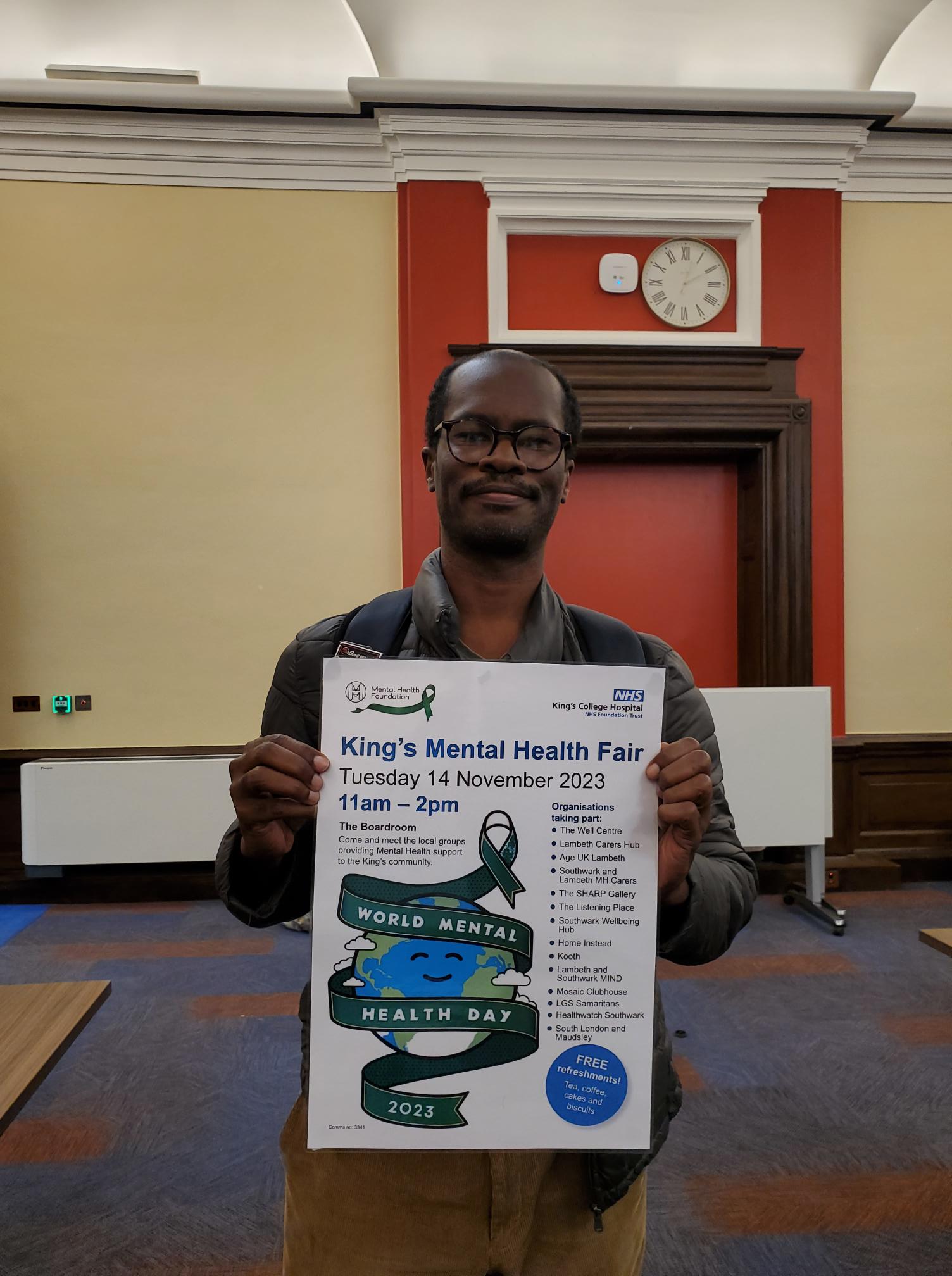
Welcome back to another carer and mental health blog post for November. This blog focuses on Kings College hospital event for Tuesday 14th of November. The event was called “King’s Mental Health Fair”.
King’s College Hospital is a major teaching hospital and major trauma centre in Denmark Hill, Camberwell in the London Borough of Lambeth. Kings provide local hospital services for people living in the boroughs of Lambeth, Southwark, Lewisham, and Bromley.
However Kings college hospital feels not only physical health is important, but also mental health. Kings hospital also wants to work with community groups to help promote good health and mental wellbeing. So for 2023 it was the 2nd ever Mental Health Fair.
The mental health fair took place in the Boardroom which is in the Hambleden Wing, which ran from 11 am till 2 pm and hosted by Kieran Quirke who is the Associate Director of Nursing for Mental Health at Kings. The fair was open to all patients, staff and carers, which staff from Kings hospital attending and also staff from NHS maudsley dropping by.
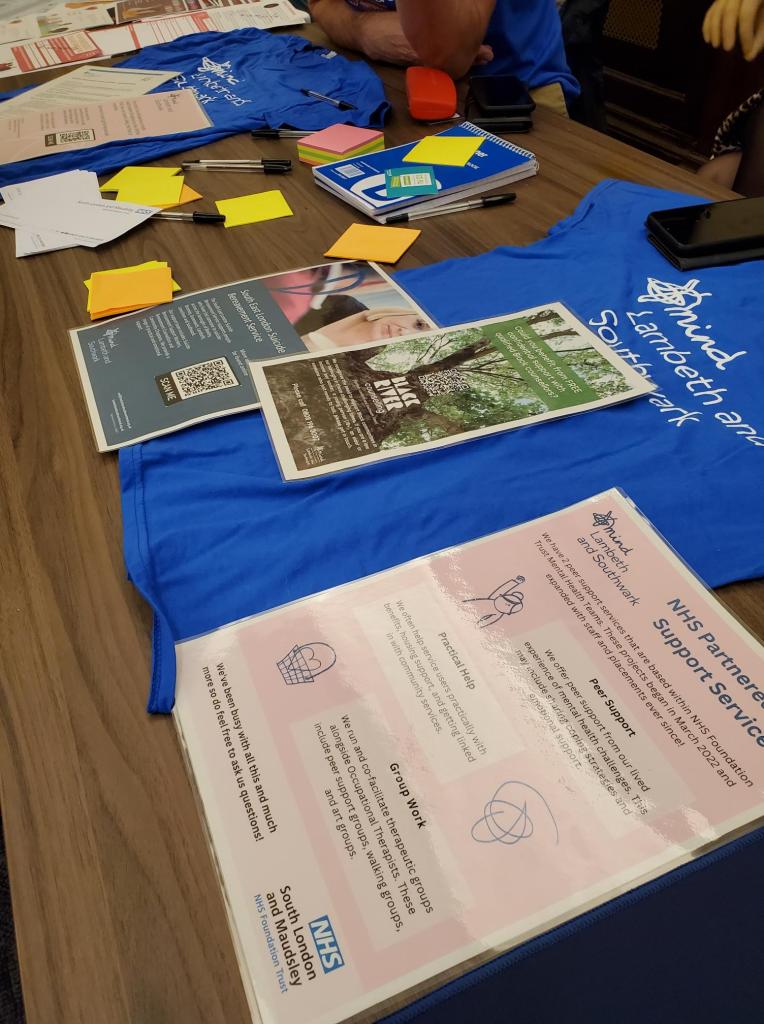
There were some excellent stalls from organisations taking part. I visited a stall from the SHARP gallery where they mentioned exhibitions and workshops.
Age UK Lambeth had some very interesting handouts. Age UK Lambeth is an independent local charity working in Lambeth to offer support and services to older people.
I also checked a few things from the Kooth stall, which provides an anonymous site which helps children and young people to feel safe and confident in exploring their concerns and seeking professional support.
Then I spoke to Nathan who running the Lewisham, Greenwich and Southwark Samaritans stall. Samaritans is a registered charity aimed at providing emotional support to anyone in emotional distress, struggling to cope or at risk of suicide
The next stall I visited was from Southwark Healthwatch. Healthwatch Southwark are the independent champion for the patient and public voice. They bring people together to influence health and social care services in Southwark to make them better. Everything they say and do is informed by their engagement with local people. Their aim is to address inequalities in health and social care and ensure local services are appropriate for Southwark’s diverse communities.
I then spoke to familiar faces at Lambeth Carers Hub. The carers hub seek to limit the challenges that carers face. They achieve this through four core workstreams: raising awareness of carers, influencing local policy through community engagement activities, improving carer wellbeing and connecting carers to each other and to support and training opportunities through their services.
I was also privileged to be part of the mental health fair as I promoted information on unpaid carers these being info on Carers UK, plus I gave away some of the books I wrote on carer awareness for those caring for someone with a mental illness and promoted my group for the Southwark & Lambeth MH carers forum.
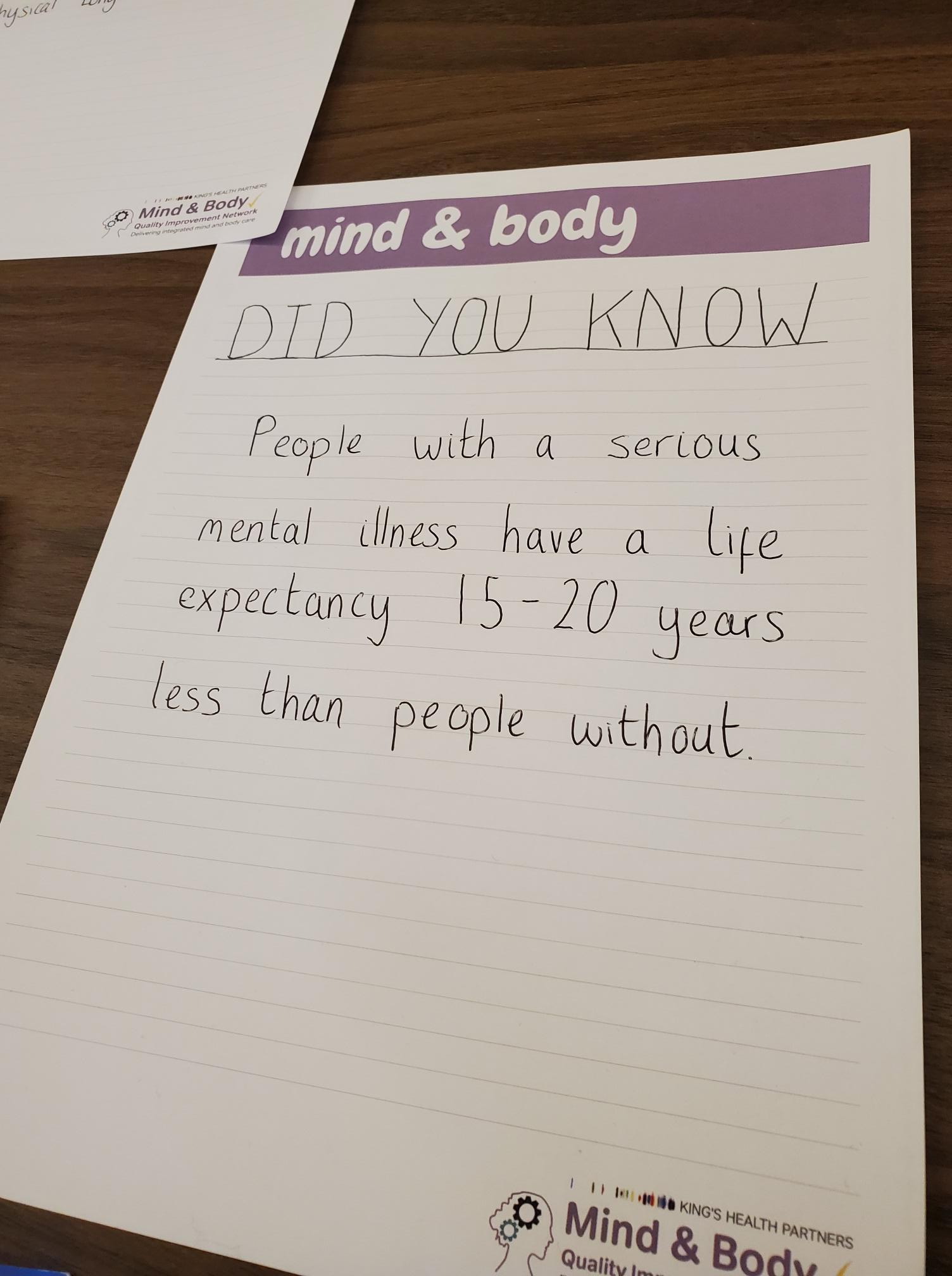
Other important stalls were on the Mind and Body programme where they are committed to join up and deliver excellent mental and physical healthcare, research and education so that they treat the whole person.
There were many other organisations and stalls, but overall I felt the event was great partnership working with the community as we all work together with the hospital to increase awareness, health and wellbeing for all.
Another blog post from carer activist Matthew McKenzie. New research over from Kings are looking for service users, carers and inpatient mental health staff members with experience of coercive practices such as restraint in inpatient mental health settings.
If you are interested to give your views, please contact
Lewys Beames PhD Student Department of Psychology Institute of Psychiatry, Psychology & Neuroscience King’s College London Email: lewys.beames@kcl.ac.uk
Welcome to another blog post by Matthew McKenzie carer activist and one of the carer network ambassdors for Cygnet.
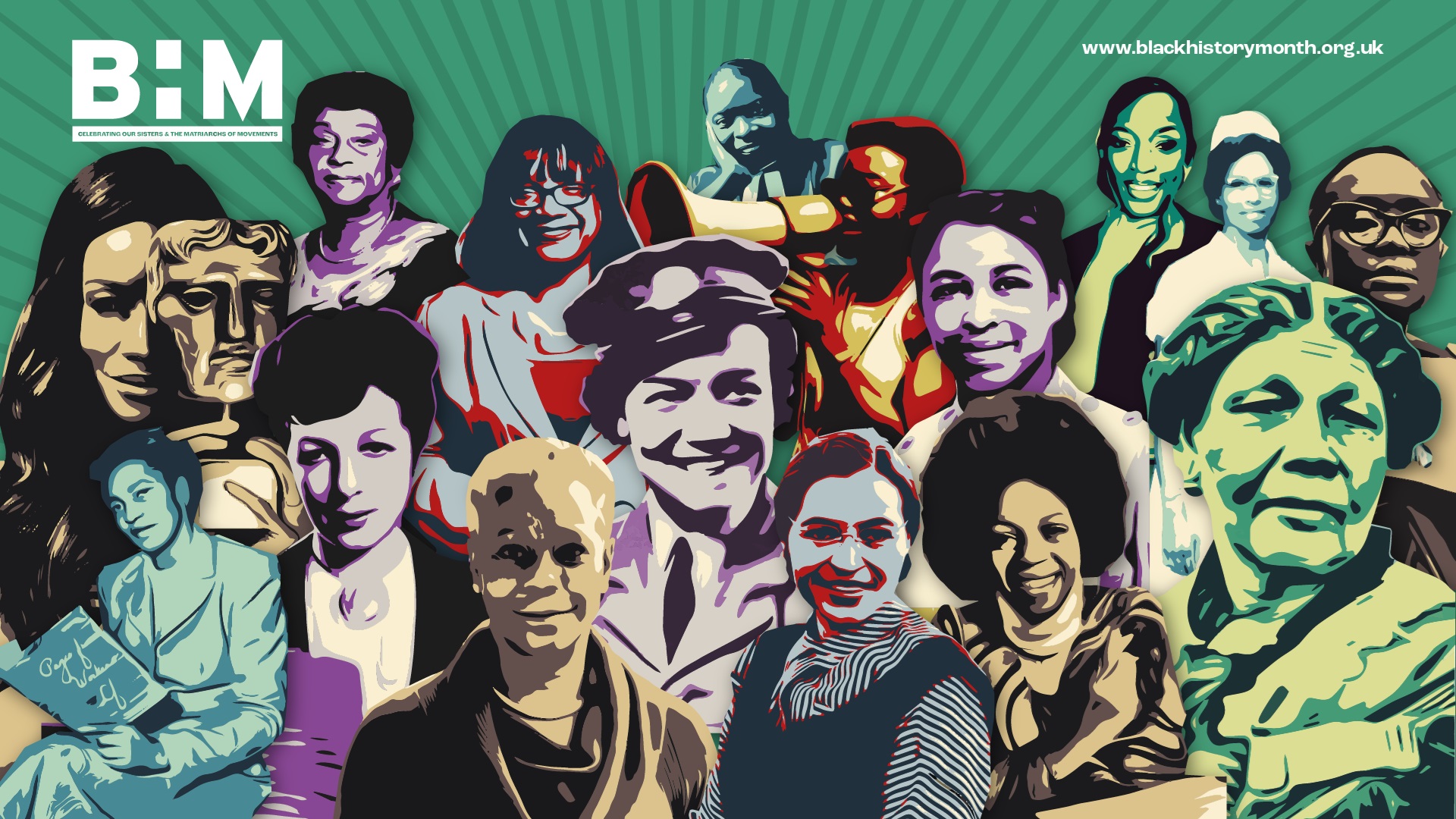
As of this month for October 2023 it is Black History month. This month is a special theme for me since the theme is ‘Saluting our Sisters’. The theme highlights the crucial role Black women have played throughout history.
There are so many famous black women throughout history
Rosa Parks – for her courageous participation in the Montgomery Bus Boycott to push forward the civil rights movement against racial segregation on public transport.
Maya Angelou – who was famous for poetry and also a civil rights activist.
Mary Seacole – Contributing to medicine and nursing where she even helped British soldiers being injured in the Crimean war while fighting discrimination.
There are of course many more famous black sisters who are far too numerous to mention, but the above have shows the importance history plays in shaping our lives.
Still, I want to focus on someone very special and dear to me as she has not only shaped my life, but in a strange way inspired many others. Around 2019 during the pandemic the country was fighting an unknown and dangerous virus. That virus turned out to be COVID-19 and the outcome changed my life. My mother struggled with her mental illness in her later years, which in turn led her to also struggle with her physical health. With resources running low in the health service my mother was the unfortunate casualty of dwindling health resources during the pandemic.
Like so many other vulnerable groups. My mother did not actually die of virus, but just could not access emergency healthcare as resources were focused on covid victims.
The impact left me wondering what could I learn from my many years of caring for my mother. I had a choice either to share my story to other carers or completely move in another direction of my life. I made the former choice, because it helped me heal and also pay rememberance not only to my mother, but to myself.
So around 2020 I wrote my first book about my experiences as a mental health carer. The book was called “A caring Mind”, which was named after my blogsite which was born raising carer awareness after writing blogs for South London & Maudsley NHS trust.
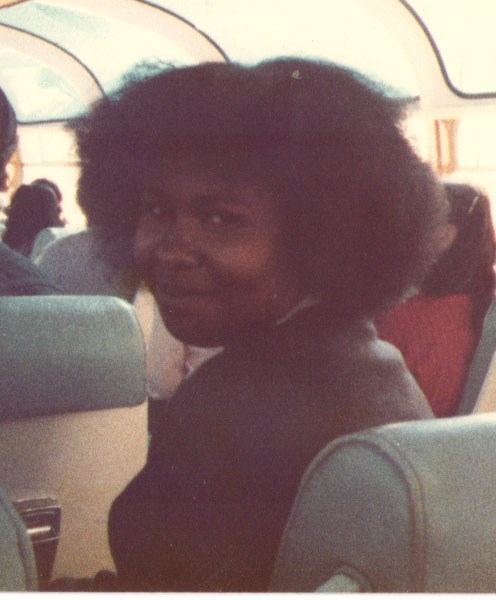
Even when caring for my mother, I was also helping to care for an old friend who also inspired me to write. However it was my mother Rosemarie McKenzie who spent so much time writing poetry. My mother also wrote stories and even managed to get a story published in a magazine while she was struggling with mental illness.
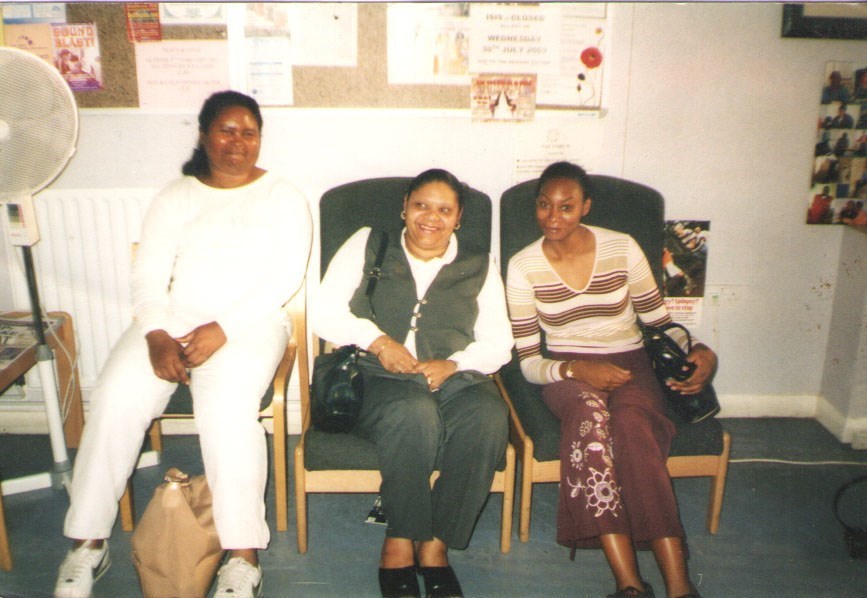
My mother enjoyed singing and used to sing at our local African/Carribean community centre (family Health ISIS) that catered for those struggling with mental illnes.
Rosemarie McKenzie to the left dressed in white
My mother inspired many other clients at the community centre to be creative with poetry, singing and writing. It did not matter the mental struggle other clients was going through at the centre. They saw my mothers, as long as they could be creative, it helped them express traumatic feelings in a positive way. This was one of my mother’s strengths. No matter how many times she was would suffer with her health, she always found strength to be more than her illness. She made me find cause in highlighting awareness for vulnerable groups. This in turn led me to continue writing and using creative ways to express my lived experience.
Of course I could never fully understand my mother’s illness and could only express my mothers creativity as a dutiful son and a mental health carer. In the end I feel we cannot always look to the famous and fortunate of our black sisters. We all contribute to history in our own way. My mother used her own creativity to tell her story and I will continue that story hoping to contribute to black history.
Live in Lambeth? Healthwatch Lambeth are marking World Mental Health Day for Wednesday 18th of October. The aim of Healthwatch is to give citizens and communities a stronger voice to influence and challenge how health and social care services are provided within their locality.
World Mental Health Day 2023 is an opportunity for people and communities to unite behind the theme ‘Mental health is a universal human right” to improve knowledge, raise awareness and drive actions that promote and protect everyone’s mental health as a universal human right.
Welcome to another blog post from carer activist Matthew McKenzie. As a carer I find it vital that carers of those going through mental ill health get a chance for engagement from services. Friends and families tend to hidden away supporting their loved ones. They want the best support, but often struggle to be heard.
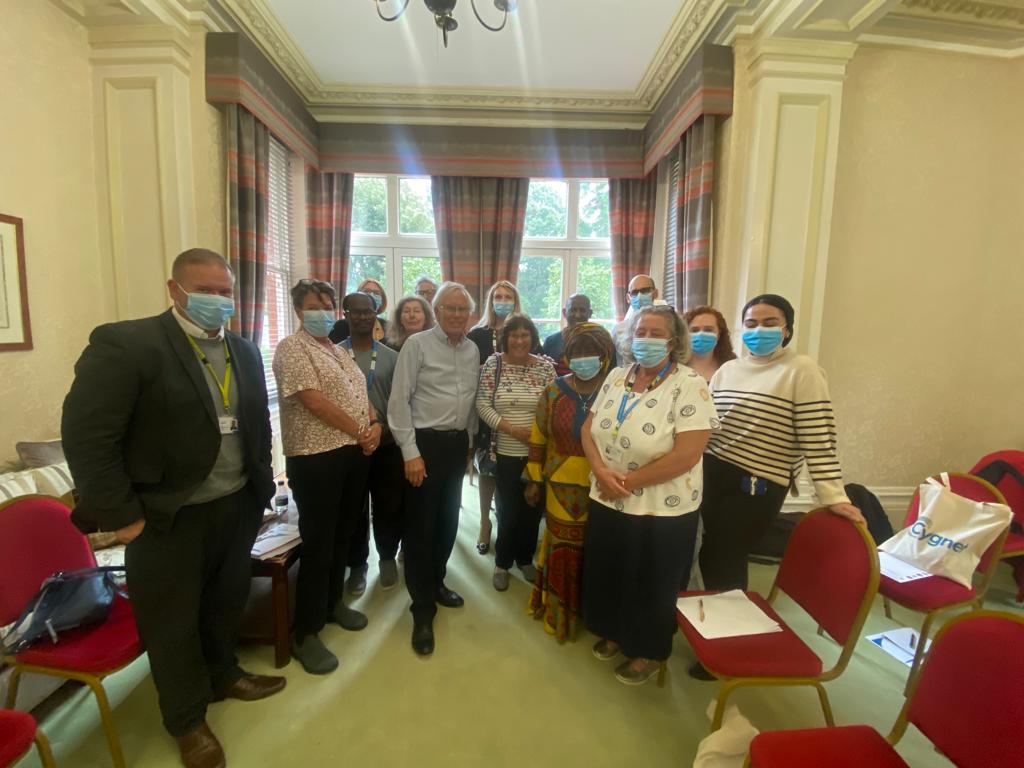
As one of the carer ambassadors for Cygnet health care, I was delighted to attend and support their latest carer network event. There have been a series of carer network events taking place around Cygnet sites and the latest one was held over at Cygnet Hospital over in Harrow. The event was planned in coproduction by Laura Sheridan Group Service Improvement Manager for Cygnet. Laura helps lead on the carer network programme and triangle of care focus at Cygnet.
For our latest carer event we had a fantastic line up of speakers. Cygnet health care want carers to be part of their network and want carers to be involved by leading from the front. Our first speaker was Lesley Mellor who is Parent Carer. She is also one of the carer ambassadors for Cygnet health care. Lesley shared her knowledge about the importance of including carers and the promise that Cygnet health care will be there to support unpaid carers.
The next speaker was Sharon Spurling who is the Triangle of Care Programme Lead at Carers Trust. Cygnet Health care wants to strenghen its policies to have that carer focus. The triangle of care programme offers that chance to raise carer identification and engagement to the highest standard. Several of Cygnet hospitals are working on triangle of care standards at their sites. With carers at our latest network event, it was a chance to promote what triangle of care is all about.
We also had Julie Garbett present about Julie is a Regional Nurse Director (London and South), Cygnet Julie is a registered mental health nurse of 20 years, with a vast range of experience gained working for NHS Mental Health Trusts and CMHTS in the South East. Julie spoke about how important carers are to Cygnet. Julie helped identify how carers are not just one group, unpaid carers can be anyone.
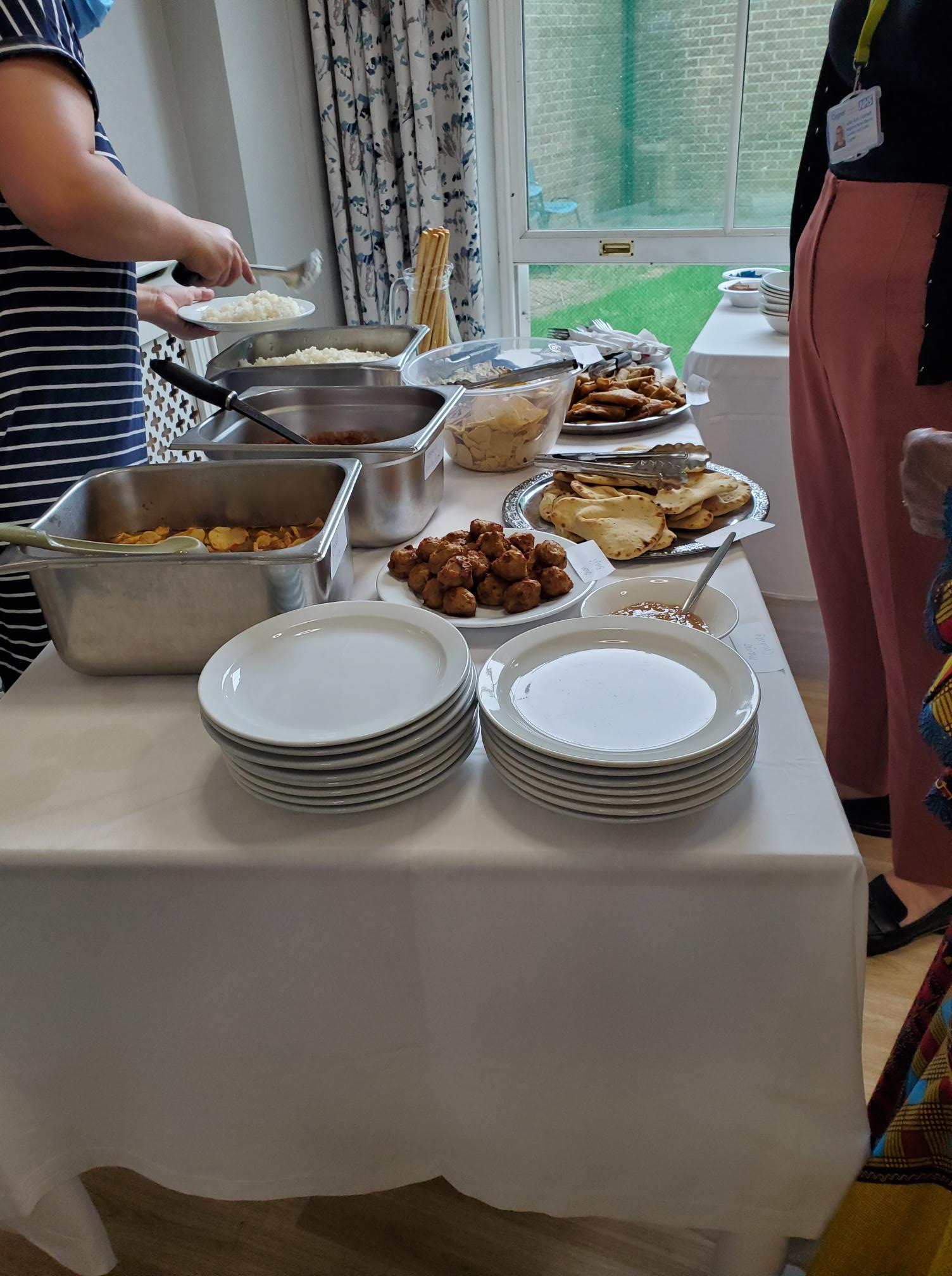
At the event carers were looked after with a lovely meal and a chance to network with speakers and with other carers.
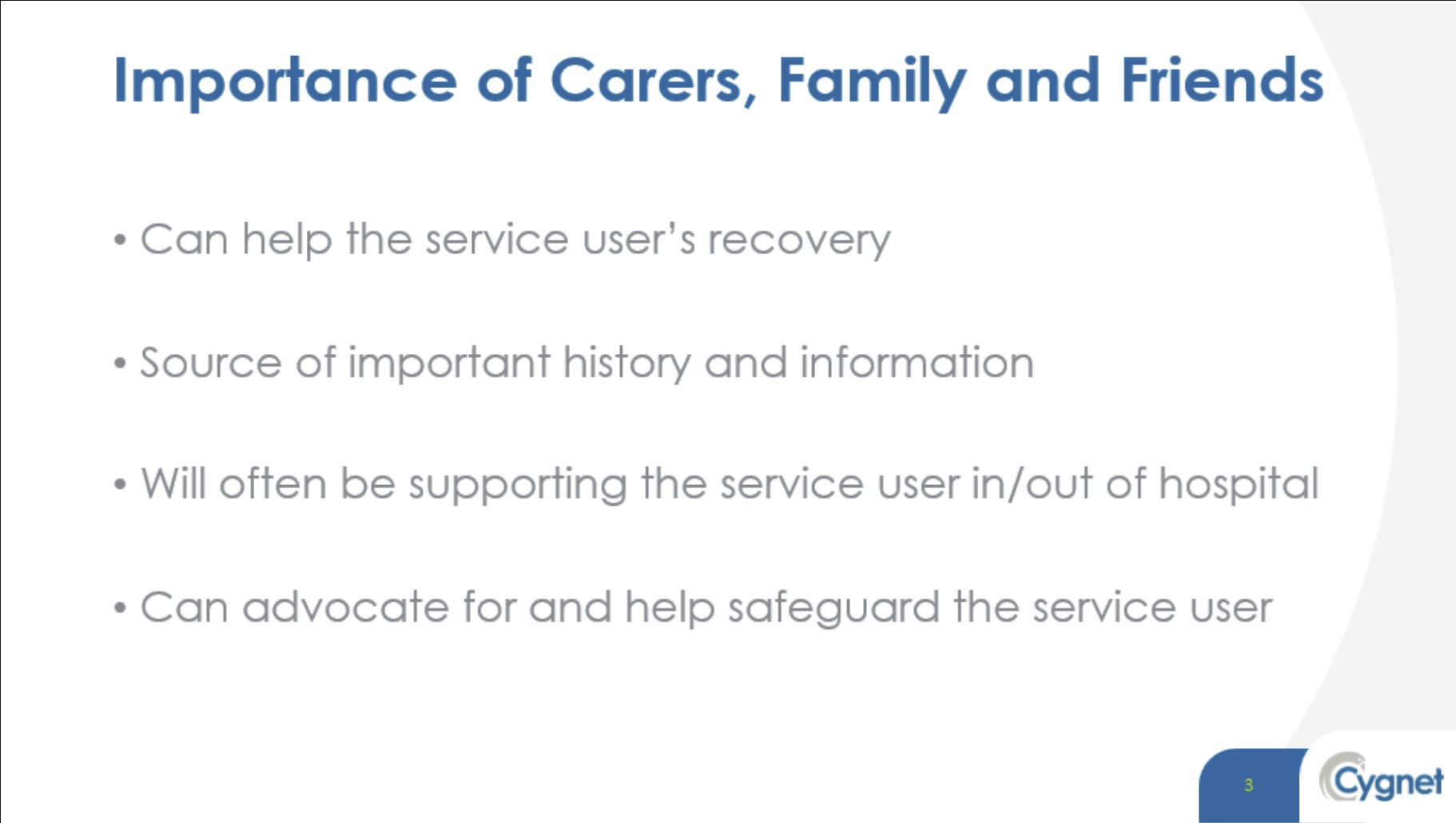
We then heard from Matthew Gill who is Director of Psychology Services Midlands at Cygnet. He is a Consultant Forensic Psychologist with over 20 years of experience. Matthew is a committee member for the British Psychological Society and an AIMS assessor for the Royal College of Psychiatry. Matthew spoke about the importance of talking therapies. You can see from one of the slides on what Matthew covered below.
It was important we get to hear from the lived experience voice of the carer. Julian de Takats – Parent carer told his story and his thoughts about the carer experience. Julian as another carer ambassodor for cygnet health is passionate about carers being able to network and working together in a peer environment. Julian worked in the music industry before accidentally becoming a carer. Julian has been an active member of the Cygnet Carers Network since 2022 and is now proudly an Expert by Experience Carer Ambassador.
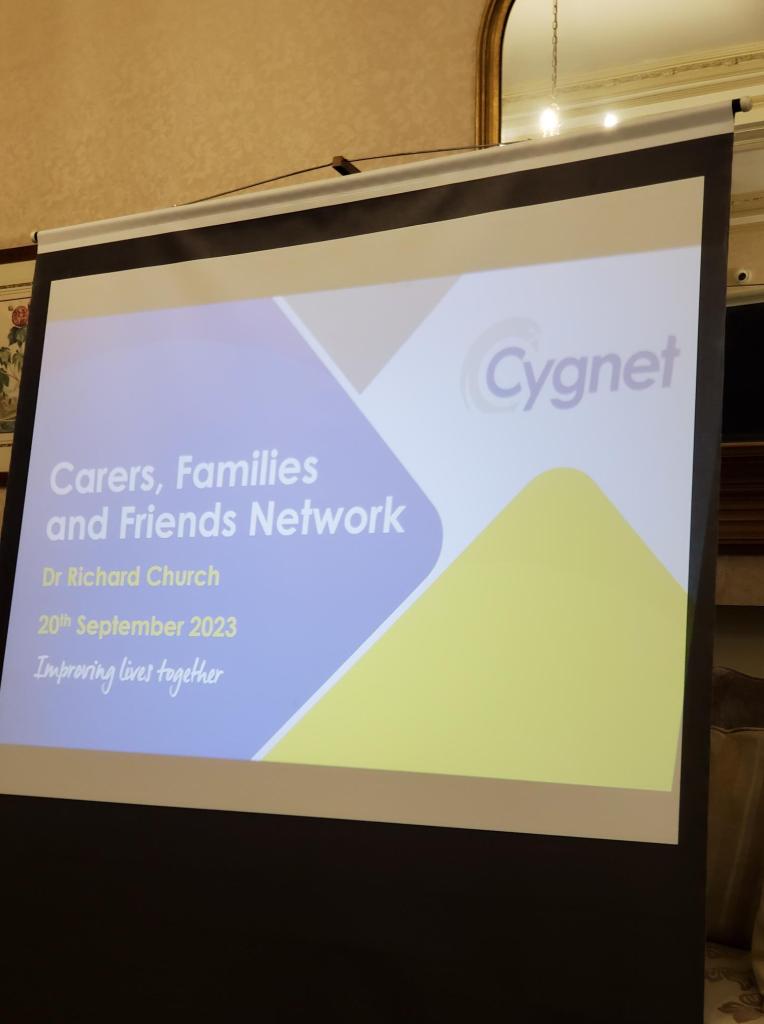
Next up to present at the carer network event was Dr Richard Church who is the Medical Director, Cygnet Hospital Woking. Dr Church studied medicine at the University of Cambridge and undertook general psychiatric training at South London and Maudsley NHS Foundation Trust. After working in the NHS for over 15 years, in November 2017, Dr Church joined Cygnet Woking as Medical Director and Consultant Forensic Psychiatrist. Dr Richard spoke about the barriers carers face when speaking to services. Richard gave an honest presentation that cygnet also faces challenges when working with carers, but he also gave thoughts on how cygnet with working with those challenges.
My thoughts summing up the event
The location, theme, presentations and speakers were excellent. Time and time again I state it is important the mental health, social care and health providers hold engagement events on what they offer to carers. It is not enough to promote an offer to carers as unpaid carers need to be involved and also need empowered to network, develop peer skills and work with providers.
Cygnet health care are setting an example that carers play an important part of recovery. Carers should not be hidden away struggling to support and provide care. I do admit that health and social care is struggling with the challenges they face, but we all need to work together. I hope we continue to reach out to carers, promote carer focused policies and be held to account on our promise to carers. This is a new journey for cygnet, but we want to share the journey with our carers.
Welcome fellow unpaid carers. This blog focuses on those caring for someone suffering through mental illness. I chair the Triangle of Care community meeting. You might have already heard about Triangle of Care from national carers charity Carers Trust.
Basically the Triangle of Care describes a therapeutic relationship between the patient, staff member and carer that promotes safety, supports communication and sustains wellbeing. Many NHS Mental health trusts across the country have taken up the challenge and signed up to the scheme.
However if you are a carer, knowing about the triangle of care is not enough. You should try work out what your NHS trust is doing with triangle of care policy.
Some questions you could ask
Have you as an NHS organisation signed up to the triangle of care?
What are your plans to get feedback from carers to help shape triangle of care at your organisation?
How do you promote triangle of care to unpaid carers?
How is triangle of care helping to change the experiences of carers at your NHS organisation?
There are many more questions to ask senior NHS staff at your local mental health trust, but it is so important carers do not just blindly accept carer policies without some scrutiny.
We have our next Triangle of Care community meeting for 21st of september. See below.
Remember, unpaid carers also use services and it is their right influence or feedback experiences of health care.
Another blog from carer activist Matthew McKenzie highlighting an opportunity of joining a research project at Kings College London.
What is the purpose of the project?
Many people with a severe mental illness (SMI) may live with or be supported by a close relative or friend, whom can often be referred to as informal carers.
We know that caring for a relative with lived experience of SMI is an important and valued role that can be associated with many rewarding and positive experiences. We also know, however, that it can be associated with different challenges for which some can include exposure to aggression from their relative.
The purpose of the project is to trial a new group training programme for informal carers who have had times in their relationship when they have been exposed to aggression from the person they care for with SMI.
The researcher is inviting informal carers in SMI who have been exposed to aggression in their caregiving relationship, from the person they provide care for.
If you are happy to take part and the research team have answered any questions you have, you will be given an information sheet to keep and asked to sign a consent form.
Here is a brief outline of what you can expect from the group training:
An opportunity to meet other carers with similar experiences
Understanding of severe mental illness
Discussing communication skills
Discussing problem-solving and de-escalation skills
Discussing of strategies to promote positive wellbeing, support, and safety
Discussing of helpful resources and strategies to access support
If you have any questions or require more information about this study, please contact the researcher using the following contact details:
Lee Zi Min Beatrice, Clinical Psychologist in Training, ASB, Institute of Psychiatry, 4 Windsor Walk, London, SE5 8AZ