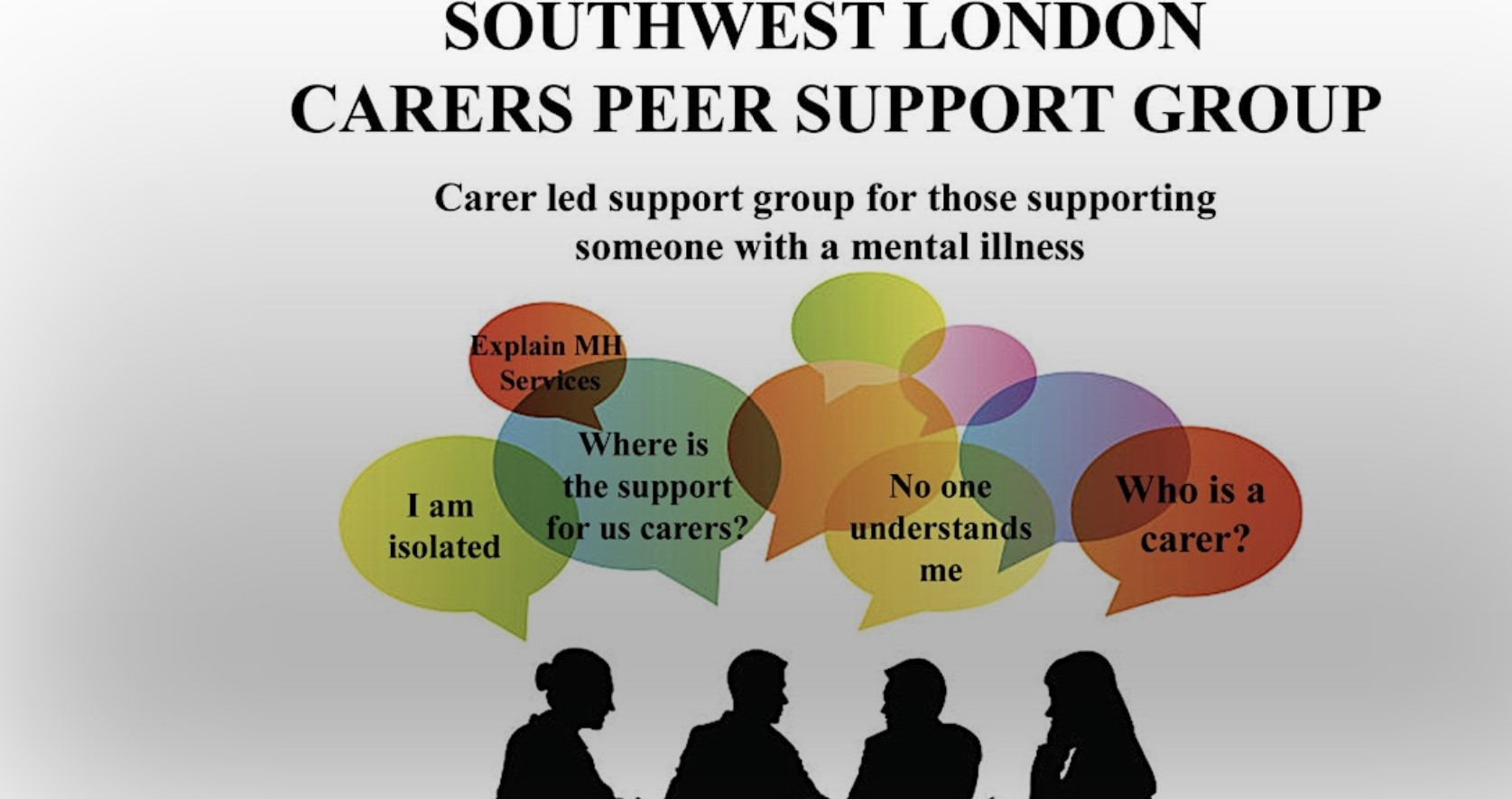
Here is a brief update of the South West London mental health carers forum. The runs once a month. The group starts with a carer peer support session run by Ava.
The meeting introduced Rosetta Life, an arts and health charity that creates accessible creative projects for carers and those with life-altering illnesses. Attendees discussed the organization’s various initiatives, including poetry workshops, dance programs, and digital projections, as well as their funding sources and collaboration with other charities and healthcare providers. The group also explored potential future projects, challenges in engaging participants, and the importance of offering clear benefits to encourage involvement in their programs.
Introducing Rosetta Life’s Carer Projects
In the meeting, Matthew and Ava introduced Lucinda, the creative director of Rosetta Life, an arts and health charity that aims to make creativity accessible to those living with life-altering illnesses or caring for someone with such illnesses. Lucinda shared the charity’s work with carers, including a project called “The Heart of Care” that began in lockdown. This project involved creating a carer’s chorus, online poetry workshops, and dance workshops to explore the anatomy of caring. The project culminated in digital projections onto public spaces in Kingston, Newcastle, Bristol, and Delhi, aiming to raise awareness of the challenges faced by carers. Lucinda also mentioned an upcoming 360 immersive film and animation project to further raise awareness of the lives of unpaid carers. The attendees expressed their appreciation for the initiative and its potential impact.
Carer Support Across Life Stages
A carer and Lucinda discussed the organization’s work with carers across various life stages, including young carers, parent carers, and grandparent carers. Lucinda explained that they work with a network of freelance artists and a core team, and are funded by the Arts Council, City Bridge Trust, and other trusts and foundations. The organization’s services are free at the point of access, and they align themselves with the NHS. Lucinda also mentioned that they work with charities to ensure safeguarding and referral safety. A carer asked about the organization’s outreach methods and whether they work with carers supporting those with dementia. Lucinda confirmed that they do work with such carers, but rely on charities for referrals and safeguarding. The carer member suggested that the organization could work with NHS trusts to provide carer support, which Lucinda agreed was a good point.
New Carer Program and Animation
The carer group discussed a new program for carers, which will be online and tailored to their needs. Lucinda showed a short film related to the program, which Matthew has shared in this blog post. Lucinda also mentioned a new animation project for the program. A carer expressed interest in the program and asked for more information. Matthew offered to write a blog post about the session for those who couldn’t attend.
Kingston Marketplace and International Poetry
Matthew expressed his delight at seeing the work that was created projected in Kingston Marketplace. Lucinda discussed the work they do with carers, including a peer support exchange with India and South Africa, and the possibility of running an online platform with poetry prompts for carers. She also offered to send the full film to Matthew for sharing. Other carer members showed interest in the international poetry workshops and the potential for a poetry workshop for their group. Lucinda agreed to consider their ideas for future projects.
This concludes a brief update of the SW mental health carer forum.
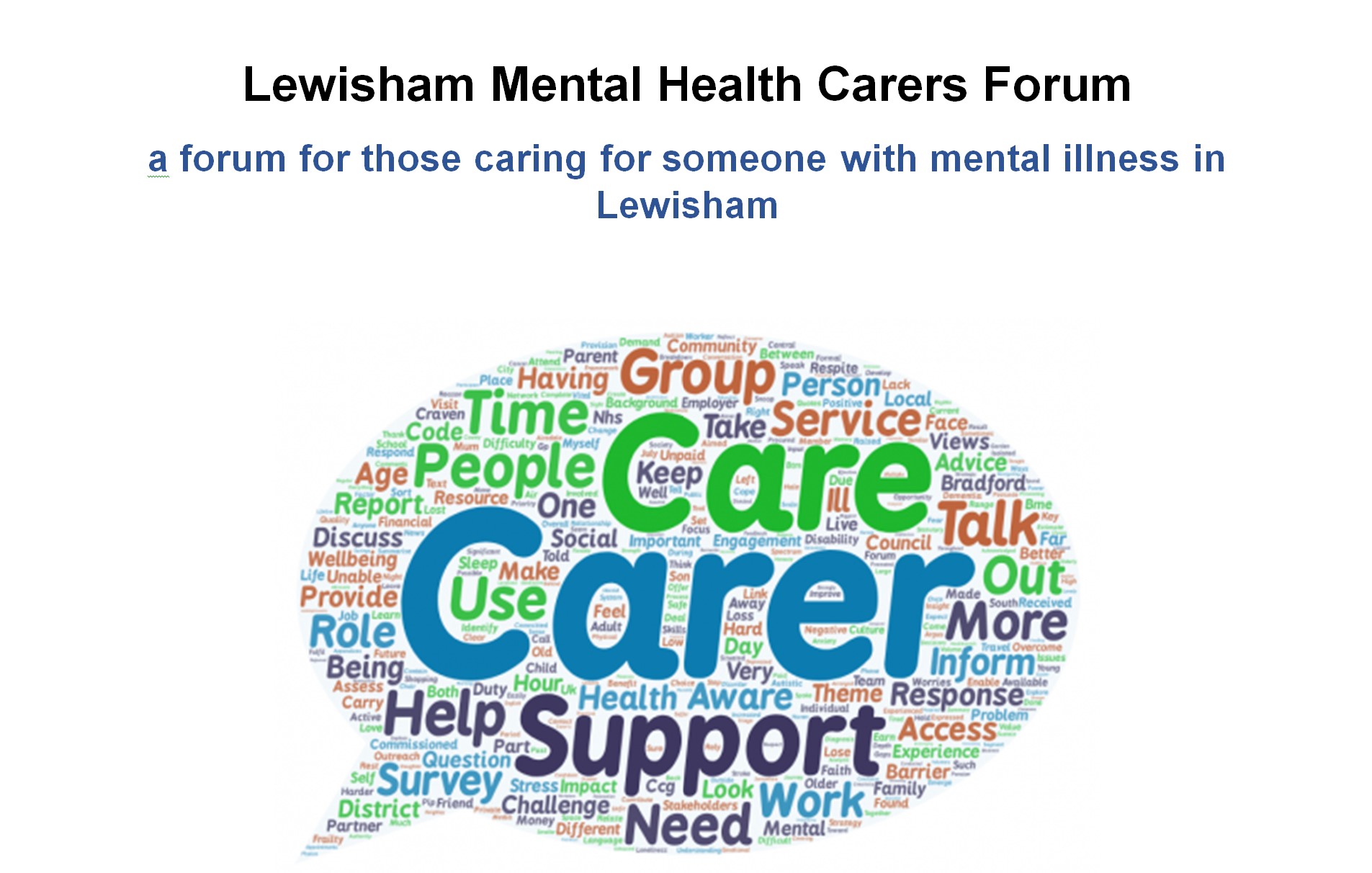
Welcome to a brief update of my Lewisham mental health carer forum aimed at those caring for someone living with mental illness.
Forum update for October
Matthew Mckenzie led a meeting for mental health carers, introducing new members and discussing essential questions for service users’ care and treatment. The group explored various aspects of mental health care, including diagnosis, treatment plans, medication, legal rights, and the importance of carer involvement in the recovery process. The conversation ended with a presentation on the challenges faced by unpaid carers and a discussion on the importance of peer support and knowledge empowerment for carers navigating the mental health system.
Mental Health Carer Group Organizing
Matthew Mckenzie, who has lived experience of being a mental health carer was the group organizer. He led a meeting with various carers and professionals. Matthew introduced himself and his various groups, including one for South West London.
He also mentioned his carer website and the previous meeting’s link. Matthew then proceeded with introductions from various attendees who also are unpaid carers. Matthew then introduced Nadine, the new Lewisham Mental Health Carer’s social worker, who shared her role and responsibilities. The conversation ended with Matthew planning to present on what carers need to prepare for if they’re going to end up in a role with mental ill health.
Carer Support Worker’s Role and Plans
In the meeting, Nadine Denniss-Baker discussed her role as the new Lewisham carer’s support worker, emphasizing her commitment to understanding and addressing the needs of carers. She highlighted her involvement in various groups, including a carer’s group and carer’s champions meetings, and her plans to update and expand these initiatives. Nadine also shared her personal experiences as a carer and her professional background as an approved mental health professional. She discussed the importance of transparency and the need for better communication and collaboration between different organizations and groups. Also discussed was the potential for Nadine to attend national meetings and share best practices with other trusts. The conversation ended with a discussion on the importance of sharing good practice documents and resources to support carers and staff.
Introducing New Members and Questions
Matthew led a meeting where he introduced two new carer members group. Matthew then presented a list of essential questions for carers to ask regarding service users’ care and treatment, which he plans to blog about in the future. He also mentioned that he would record the meeting for those who couldn’t attend. The meeting was part of a carer’s forum, and Matthew emphasized the importance of carers being aware of these questions to better support their loved ones using mental health services.
Understanding Mental Health Diagnosis and Treatment
Matthew discussed the importance of understanding the diagnosis and treatment plan for a loved one’s mental health. He emphasized the need to ask about the current diagnosis, treatment plan, and the effectiveness of the treatment. Matthew also highlighted the importance of monitoring side effects and the potential for medication adjustments. He stressed the need for carers to engage with the multidisciplinary team, including primary contacts, and to inquire about the roles of specialists like occupational therapists. Matthew also mentioned the importance of understanding the medication’s purpose, dose, and potential side effects, and the need to clarify with the loved one if they can refuse medication. He concluded by emphasizing the importance of education regarding medication and mental health
Discussing Relapse and Care Plans
Matthew also highlighted the importance of asking about signs of relapse and what to do in emergencies, as these should be included in the care plan. Another member of the carer group, Faith mentioned a carer’s emergency card discussed at a recent forum, which Matthew agreed was a valuable tool. The group agreed on the need for a two-way conversation about relapse signs and for these to be recorded for quicker response times.
Carer Awareness, Training, and Rights
Matthew emphasized the importance of carer awareness and training, urging carers to ask questions and seek clarification when necessary. He also highlighted the need for carers to know their rights and how to make complaints if they’re not satisfied with the care provided. A carer suggested adding a section on how to make a complaint, which Matthew agreed to include in his future lectures. A carer stressed the importance of knowing the names of the care team and their managers to ensure effective communication and support. Matthew concluded by discussing the need for carers to understand what information can be shared with them, and the importance of obtaining consent from their loved ones to be involved in their care.
Involving Carers in Recovery Plans
Matthew discussed the importance of involving carers in the recovery plan of their loved ones, especially when they are living with them. He emphasized the need for a comprehensive care plan, which should be shared with the carer and the service user. Matthew also highlighted the importance of establishing specific goals for the service user’s mental health and social well-being. He suggested asking essential questions about the discharge plan, support after discharge, and the involvement of the community mental health team. Matthew also stressed the need for carers to understand the goals set for the service user’s recovery and to ask for practical advice on how to support their loved one. He concluded by mentioning the need for carers to know the roles and responsibilities of the care coordinator and other team members.
Challenges of Unpaid Carers in Borough
In the meeting, Matthew presented a detailed account of the challenges faced by unpaid carers in the borough, highlighting the what type of support and resources available to them. Carers discussed the need for better advertising and involvement of carers in services. A carer raised a question about encouraging carers to be more involved in services, to which Matthew responded that it’s a challenge due to the carers’ heavy workload. Matthew agreed to share his presentation in PDF format and to write a blog on the topic. Several carers expressed appreciation for Matthew’s presentation, noting that it provided a clear guide for navigating the complex network of resources and services.
Challenges of Carers and Peer Support
The carer group discussed the challenges faced by carers and the importance of peer support. A carer shared their experience of dealing with the mental health system, highlighting the lack of support and the invisibility of carers. Matthew emphasized the need for carers to be equipped with knowledge to ask specific questions during meetings to avoid being lost in the system. A carer asked another member about her experience of caring for her loved one regarding psychosis, and the carer responded by shared her journey, highlighting the importance of peer support and retaining hope. Matthew ended the conversation by encouraging the use of triangle of care and inviting everyone to attend future meetings.
Welcome to a blog post by carer activist Matthew McKenzie on promoting World Stroke Day 2024.
If you want to see the video on World Stroke day 2024, then please click on the link below.
Here you can learn about the importance of stroke prevention, recognition, and treatment. Discover key points on awareness, prevention, support for survivors, and global cooperation. Care tips for stroke survivors included.
Raising Awareness for World Stroke Day 2024
World Stroke Day 2024 is approaching, with the global health community marking October 29th on their calendars. This day is dedicated to raising awareness about stroke prevention, recognition, and treatment. The theme for this year is “#GreaterThanStroke,” emphasizing the importance of community support and encouraging active lifestyles to mitigate stroke risks. In this article, we will delve into the key aspects of this awareness campaign and provide valuable insights into stroke prevention and recovery.
Understanding the Importance of World Stroke Day
Understanding why World Stroke Day is significant is the first step in joining the movement for better stroke awareness and prevention. On this day, health organizations, caregivers, and stroke survivors come together to drive home the message that strokes can be prevented and managed effectively with the right knowledge and resources.
Raising Awareness
Raising awareness is paramount when it comes to stroke. Knowing the risk factors, recognizing the symptoms, and understanding the importance of quick medical intervention can save lives. Fast response to a stroke can significantly reduce the chances of long-term disabilities. Public education campaigns aim to arm everyone with the knowledge to act swiftly in the event of a stroke.
Stroke Prevention
Prevention is better than cure, and this holds particularly true for strokes. Making simple lifestyle changes can significantly reduce an individual’s stroke risk.
Healthy Diet
A balanced diet is crucial for stroke prevention. Consuming fruits, vegetables, whole grains, and lean proteins while reducing salt, sugar, and saturated fats can help maintain a healthy weight and lower blood pressure, which are significant risk factors for strokes.
Regular Exercise
Engaging in regular physical activity helps maintain cardiovascular health, reduces stress, and manages weight—all factors that contribute to a lower risk of stroke. Aim for at least 150 minutes of moderate-intensity exercise each week.
Quitting Smoking
Smoking is a major risk factor for strokes as it damages blood vessels and increases blood pressure. Quitting smoking can significantly reduce your risk of a stroke.
Supporting Stroke Survivors
Supporting stroke survivors is as important as prevention. Advocating for resources, rehabilitation, and caregiver support can significantly improve the quality of life for stroke survivors.
Stroke-Related Changes
Stroke survivors often face numerous physical and cognitive changes that can impact their daily lives. Understanding these changes is essential for providing meaningful care.
Physical Limitations
Physical limitations such as weakness or paralysis, speech difficulties, and cognitive challenges like memory and problem-solving issues are common among stroke survivors. Recognizing these limitations helps in creating supportive environments and activities tailored to their capabilities.
Emotional Effects
Emotional effects such as depression, anxiety, and mood swings can also be prevalent. Being aware of these psychological challenges helps in offering compassionate support and understanding.
Assisting with Daily Activities
Simple tasks can become challenging for stroke survivors. Your support in daily living activities is invaluable. Assist with tasks like dressing, bathing, and eating to help them regain independence gradually.
Encouraging Rehabilitation
Rehabilitation is key to recovery. Encouraging stroke survivors to stick to rehab routines can make a significant difference in their progress. Patience and consistent support are vital here.
Supporting Communication
Communication difficulties are common post-stroke. Helping stroke survivors express themselves and understand others better can alleviate frustrations and improve their overall well-being. Encourage the use of communication aids if necessary.
Promoting Emotional and Psychological Well-Being
Being there for stroke survivors emotionally and encouraging activities that boost their mood can greatly aid their rehabilitation. Social interactions and hobbies can enhance their quality of life.
Managing Health and Medical Care
Regular checkups and managing medications are crucial aspects of post-stroke care. Ensure that medical appointments are kept and medications are taken as prescribed to prevent secondary strokes and other health complications.
Adapting the Living Environment
Making the living environment safe and accessible is essential. This may involve installing grab bars, ramps, or rearranging furniture to facilitate easier movement and reduce fall risks.
Caring for Your Own Well-Being
As a caregiver, it is important to take care of your own well-being. Remember, you can’t pour from an empty cup. Taking time for yourself, seeking support when needed, and managing stress are crucial to sustaining your ability to provide care.
Long-Term Planning
Setting realistic goals together and celebrating every small victory is important for the long-term recovery of stroke survivors. Understand that recovery is a marathon, not a sprint. Patience and perseverance are key.
Encouraging Global Cooperation
Improving stroke prevention and care worldwide is a collective effort that requires community engagement, support from health care systems, and proactive policies from policymakers.
Engaging Communities
Communities play a significant role in raising awareness and providing support to stroke survivors. Local groups can organize events, workshops, and provide resources to educate the public about stroke risks and prevention strategies.
Health Care Systems
Health care systems must be equipped to provide timely and effective stroke care. This includes having trained personnel, appropriate infrastructure, and necessary medical supplies to treat strokes and support long-term rehabilitation.
Policy Makers
Policymakers have the power to enact changes that can improve stroke care and prevention. Advocating for policies that promote healthy lifestyles, fund stroke research, and support stroke care facilities can create significant positive impacts.
Conclusion
World Stroke Day 2024 is more than just a date on the calendar. It is a call to action, urging us all to contribute to reducing the global burden of stroke. By raising awareness, adopting healthier lifestyles, supporting stroke survivors, and fostering global cooperation, we can truly make this year’s theme “#GreaterThanStroke” a reality. Your support and actions play a crucial role in helping stroke survivors reclaim as much independence and joy as possible. Let’s come together to make a difference and ensure that stroke prevention and care continue to improve worldwide.
Welcome to a brief update from Carer activist Matthew McKenzie on the national cancer carer forum.
This group is online and is a mix of a peer group and engagement for those who care for someone with cancer.
Quick update for the Cancer carer group October 2024
Matthew, a mental health advocate, hosted the National Cancer Carers Forum and discussed the challenges of being a cancer caregiver, emphasizing the importance of understanding the diagnosis and treatment plan, seeking support, and planning for the future.
Also discussed was practical day-to-day care for someone undergoing cancer treatment, the importance of self-reflection and mental health support for carers, and the need for caregivers to advocate for patients and manage potential side effects of treatments. The conversation ended with requests for future discussions on accessing clinical trials, supporting caregivers’ mental health, and guidance on what to do if the primary caregiver is unavailable.
Understanding Diagnosis and Treatment Plans
Matthew discussed the importance of understanding the diagnosis and treatment plan for a loved one, particularly in mental health cases. He emphasized the need to be aware of any side effects from medication or treatment and to relay these concerns to the healthcare professionals. Matthew also mentioned the potential for a future session focusing on engaging with the NHS professionals and understanding who to ask questions to at different stages of the cancer journey.
Cancer Caregiving, Self-Reflection, and Planning
Matthew discussed the importance of self-reflection and planning for future recovery and well-being, particularly in the context of cancer caregiving. He emphasized the need for mental health support for cancer carers emotional struggles and the importance of setting goals and monitoring changes in the condition of the loved one. Matthew also stressed the importance of educating oneself about the cancer condition and seeking support from different groups. He suggested that training and workshops could be beneficial for gaining insight and planning for the future
Caregiver Challenges and Emotional Support
Matthew discussed the challenges faced by caregivers in advocating for patients and managing potential side effects of treatments. He suggested that caregivers should attend medical appointments to stay informed and asked for questions to be emailed to him for further research. Matthew also emphasized the importance of emotional support for both the patient and the caregiver, suggesting that caregivers should be sensitive to the patient’s feelings and avoid constant positivity. He mentioned that he would run a group again in the next month to further discuss these topics.
This concludes the brief update of the National cancer care group for October
Welcome back to another blog post by carer activist Matthew McKenzie. I usually blog to help to educate unpaid carers on navigating health systems and strengthening their carer identity.
Today we are looking at why and how carers can escalate complaints if disatisfied about responses from health or social care services.
I have also done a video if you wish to see examples of complaints and escalations. (23 Minutes). Please click on the video below to watch.
As an unpaid carer you can learn how to navigate escalating complaints in unpaid care, from informal concerns to legal action and media attention. Empower yourself to advocate for quality care and address systemic failures effectively.
Introduction
Navigating the complexities of healthcare systems can be challenging, especially for unpaid carers who dedicate themselves to looking after a loved one struggling with long-term mental or physical health issues.
Often, situations may arise where the care being provided falls short of acceptable standards, compelling carers to lodge complaints. Unfortunately, not all carers are well-informed about how to escalate these complaints effectively. This blog provides a comprehensive guide to unpaid carers on escalating complaints in various stages, from initial informal resolutions to severe legal actions.
Understanding the Importance of Complaints
Before delving into the stages of complaint escalation, it’s crucial to understand why raising concerns and complaints is so important. Complaints serve multiple purposes—they highlight deficiencies in the system, enforce accountability, and, most importantly, ensure that the care recipient gets the best possible treatment. Carers must recognize that it’s their right to complain if the services provided do not meet acceptable standards.
Initial Steps for Complaints
Informal Concerns and Basic Level
The first step in resolving any issue should ideally be informal, characterized by direct and immediate communication with the professional involved. This could be a social worker, care coordinator, or any key member of the mental health team.
Preparing for the Meeting
Preparation is key to a successful resolution. Carers should come equipped with detailed notes, including dates and instances of lapses or failures. Bringing along the service user’s care plan can lend weight to the complaint and provide a concrete reference for the discussion. This method is most effective for minor issues such as delays in communication or minor discrepancies in the care plan.
Escalating to Written Complaints
Intermediate Level
If informal attempts do not yield satisfactory results, the next step is to submit a formal written complaint. This involves documenting all concerns, efforts made to resolve them, and any pertinent evidence.
You can also contact your local Healthwatch to feedback on services or get advice on the best way to complain.
Writing the Complaint
When writing the formal complaint, ensure to:
Detail your concerns comprehensively
Include records of prior communication attempts and failures
Provide specific dates and names of the individuals involved
Clearly state your desired outcome
Timeframes for Resolutions
Generally, service providers are required to acknowledge receipt of the complaint and provide a timeline for investigation, usually ranging from 20 to 40 working days, depending on the complexity of the issue.
Seeking Mediation and Further Assistance
Escalation to PALS or Advocacy Services
If the issue remains unresolved, carers can seek help from PALS (Patient Advice and Liaison Service) or advocacy services. These intermediate-level services can provide guidance, represent the complainant, and even escalate the complaint within the service provider’s framework.
Contacting PALS or Advocacy Services
PALS offers confidential advice and can work as intermediaries between the carer and the care team, helping to navigate the complaints process effectively. Advocacy services can assist in drafting the complaint and ensuring that all necessary documentation is in order.
Formal Regulatory Bodies
Advanced Level
In cases of unresolved issues, escalating the complaint to regulatory bodies like the Health Service Ombudsman or Care Quality Commission (CQC) becomes necessary.
The Role of Regulatory Bodies
These bodies can investigate the case further, ensuring that the complaint is handled fairly. The CQC, although not handling individual complaints, can trigger inspections if there are significant failings in service provision.
When to Use Regulatory Bodies
This step is most appropriate for serious concerns such as poor care quality, negligence, or unsafe practices. Carers should be aware that investigations by these bodies can take considerable time.
Legal Action
Severe Level
When harm, serious malpractice, or gross negligence is involved, seeking legal advice may be the next appropriate step. This involves consulting a solicitor specializing in healthcare or mental health law.
Preparing for Legal Action
Selecting the right solicitor involves thorough research. Often, mental health law solicitors have extensive experience dealing with such cases and can offer valuable advice on the viability of pursuing legal action
When to Consider Legal Action
Legal action is usually reserved for extreme cases involving significant harm or death of the service user due to negligence or severe violations of rights. Legal channels can offer compensation and bring justice, albeit at a financial and emotional cost.
Public Campaigns and Media Attention
Escalation to Media and Public Campaigns
As a last resort, if internal and formal channels fail, bringing the issue to the public through media or social campaigns might be necessary. This becomes relevant when the issue represents a systematic failure affecting multiple service users or carers.
Steps to Engage Media or Public Campaigns
Carers can contact press organizations, social media channels, mental health advocates, or relevant charities, such as Mind or Rethink Mental Illness, to amplify their concerns.
The Role of MPs and Other Influential Bodies
Sometimes reaching out to local Members of Parliament (MPs) can also lend significant weight to a complaint, ensuring that it gets the attention it deserves. MPs can raise systemic issues within parliamentary forums, adding another layer of accountability for the service providers.
Summary
Navigating the complaint process within healthcare systems is a multi-tiered approach, designed to ensure that carers’ voices are heard at different levels of severity. Starting from informal resolutions, progressing to written complaints, and escalating to regulatory bodies or legal action, the system provides various stages for addressing concerns. If all else fails, public campaigns and media attention can serve as powerful tools to bring systemic issues to the forefront. Understanding these steps empowers carers to advocate effectively for their loved ones, ensuring that they receive the care and support they rightfully deserve.
By following this structured approach, unpaid carers can raise concerns at appropriate levels, ultimately ensuring that their voices are heard and acted upon, bringing about meaningful change in the system.
Remember complaining about a service is never that easy, full of stress and worries, but if we do not complain then how can health and social care services improve?
It is your right to complain as a carer if you are unhappy with results. Use it!!
Welcome to a brief update of my National ethnic/global community carer forum aimed at those caring for someone living with mental illness.
Here is a brief summary of October’s ethnic carer forum.
The mental health carers forum discussed updates on carer’s work stream, the launch of the carer strategy at North East London NHS FT, and an event focused on upstreaming care and black men’s mental health. The group also discussed a research project involving carers and patients, the Rethink Mental illness on involvement in the IMPACT Network, and the Patient and Carer Race Equality Framework. Lastly, the importance of representation on CQC boards, tackling health inequalities in England, and the need for continued advocacy for change were highlighted.
Mental Health Carers Forum Updates
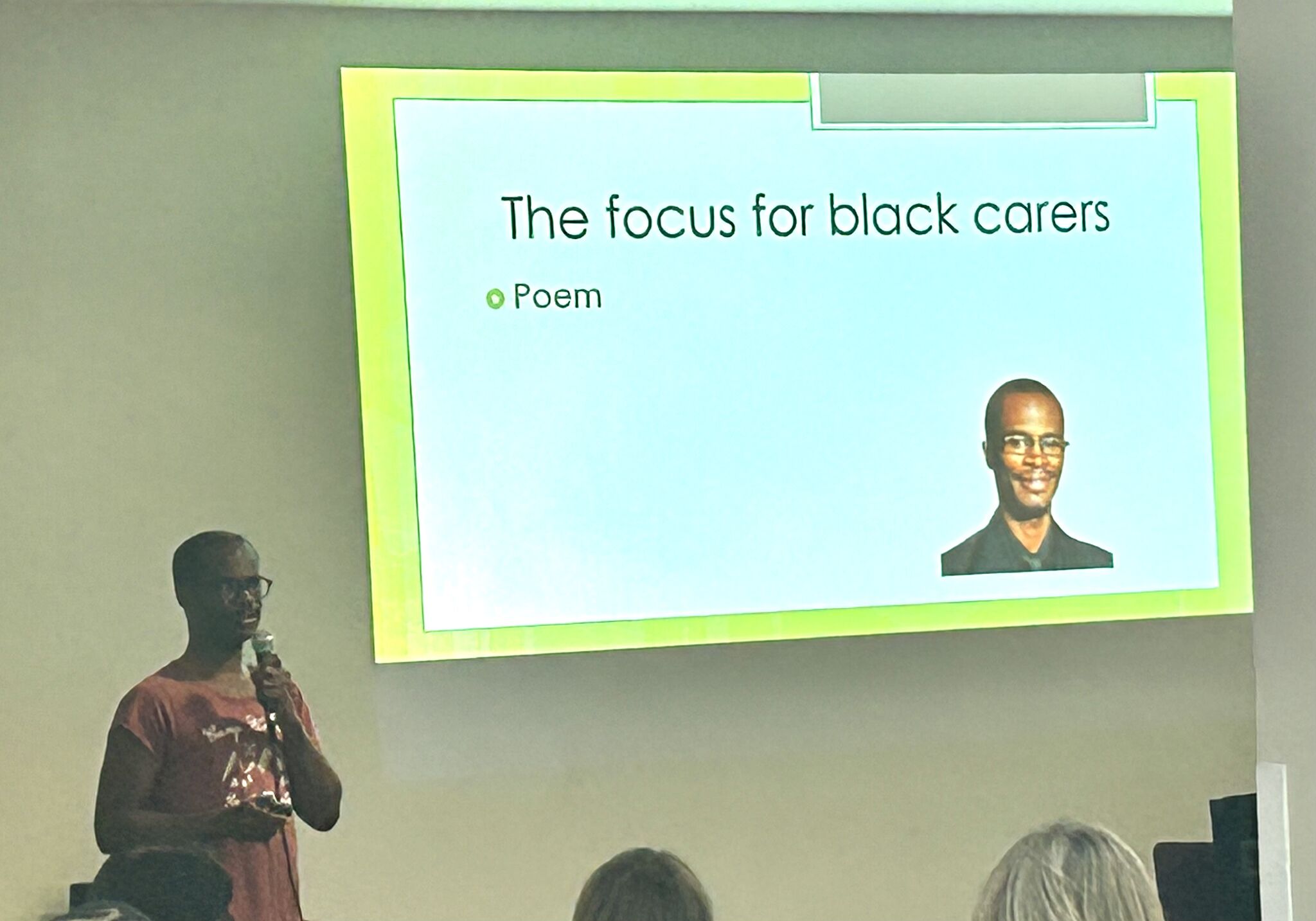
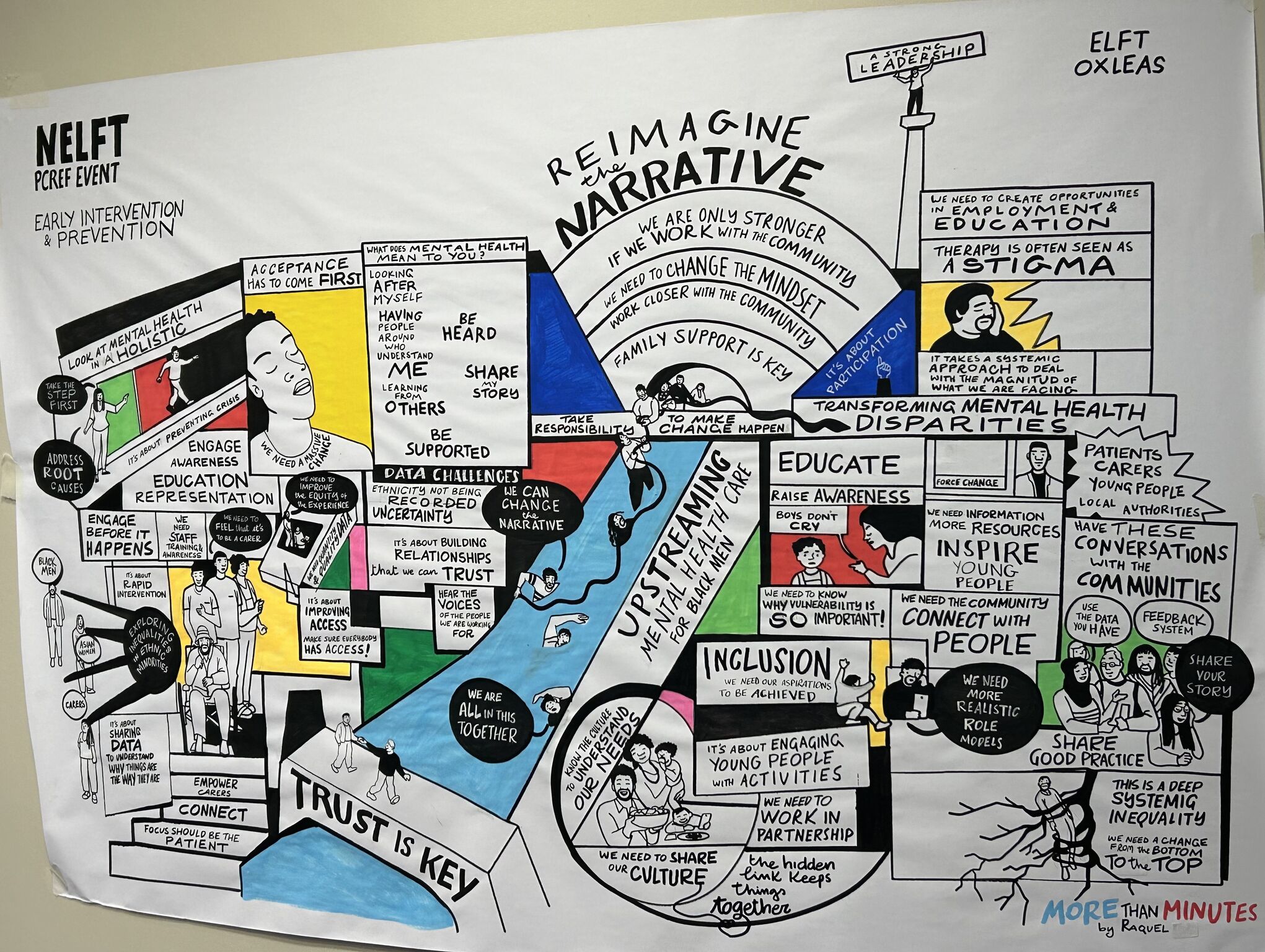
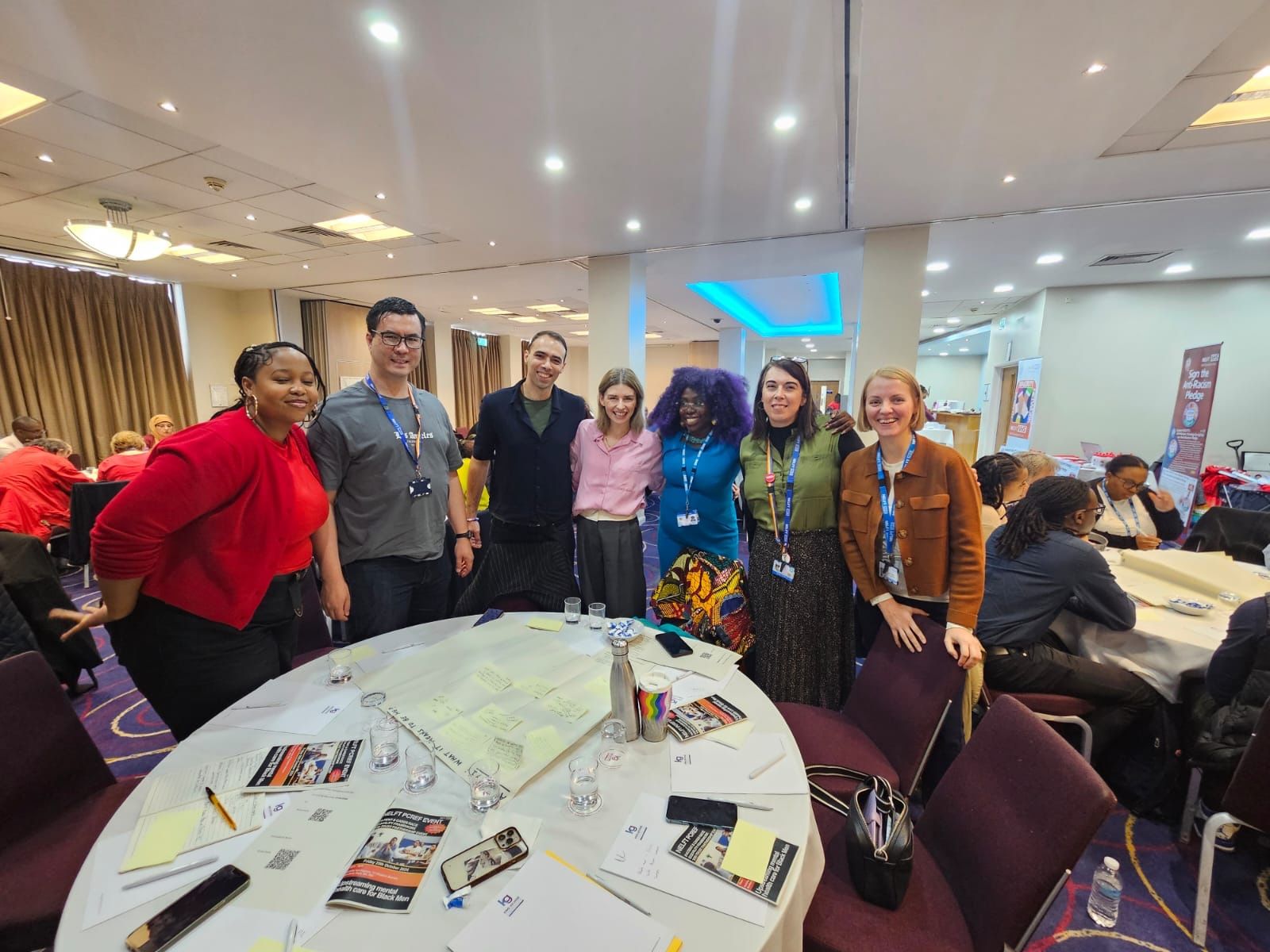
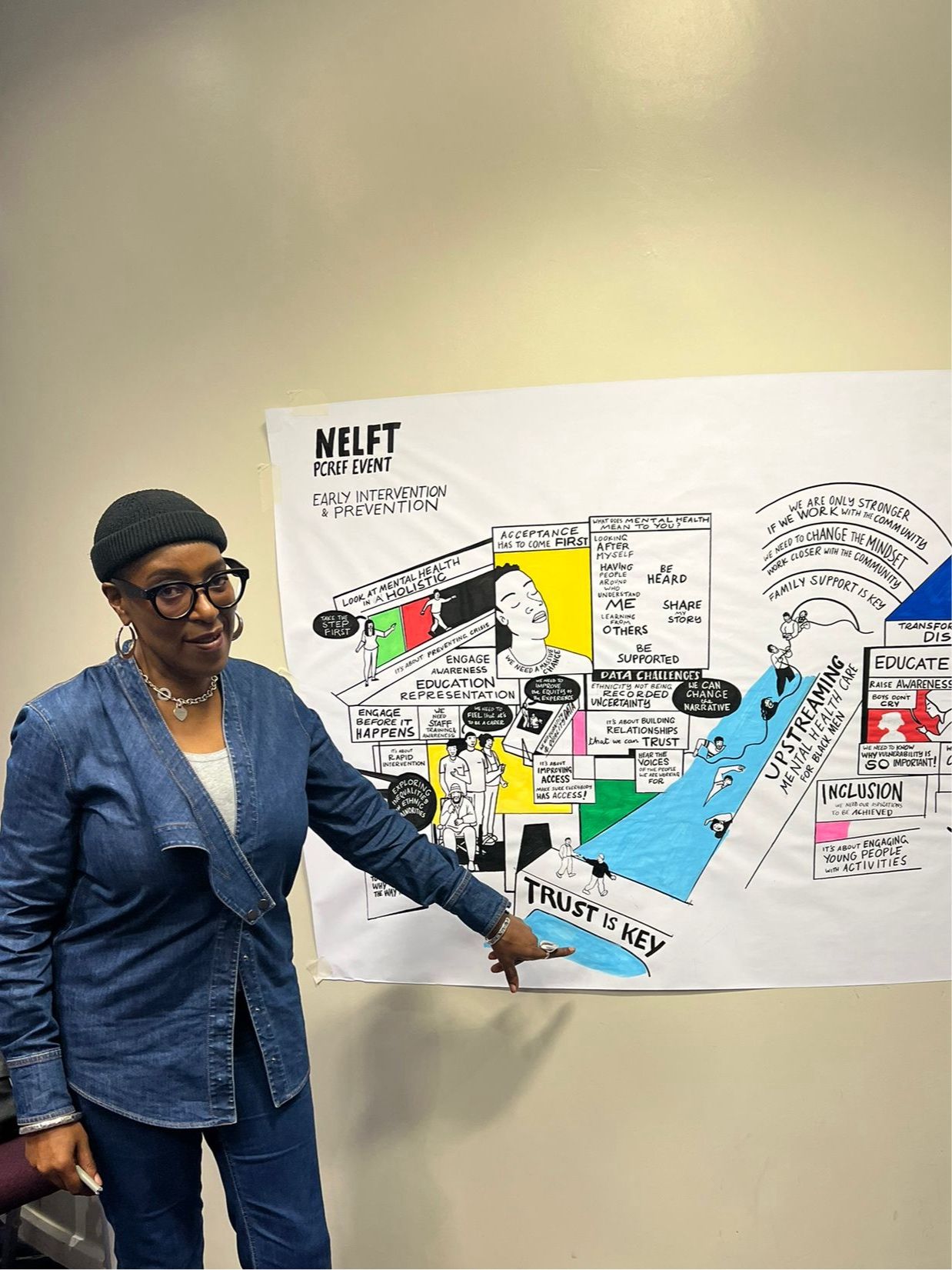
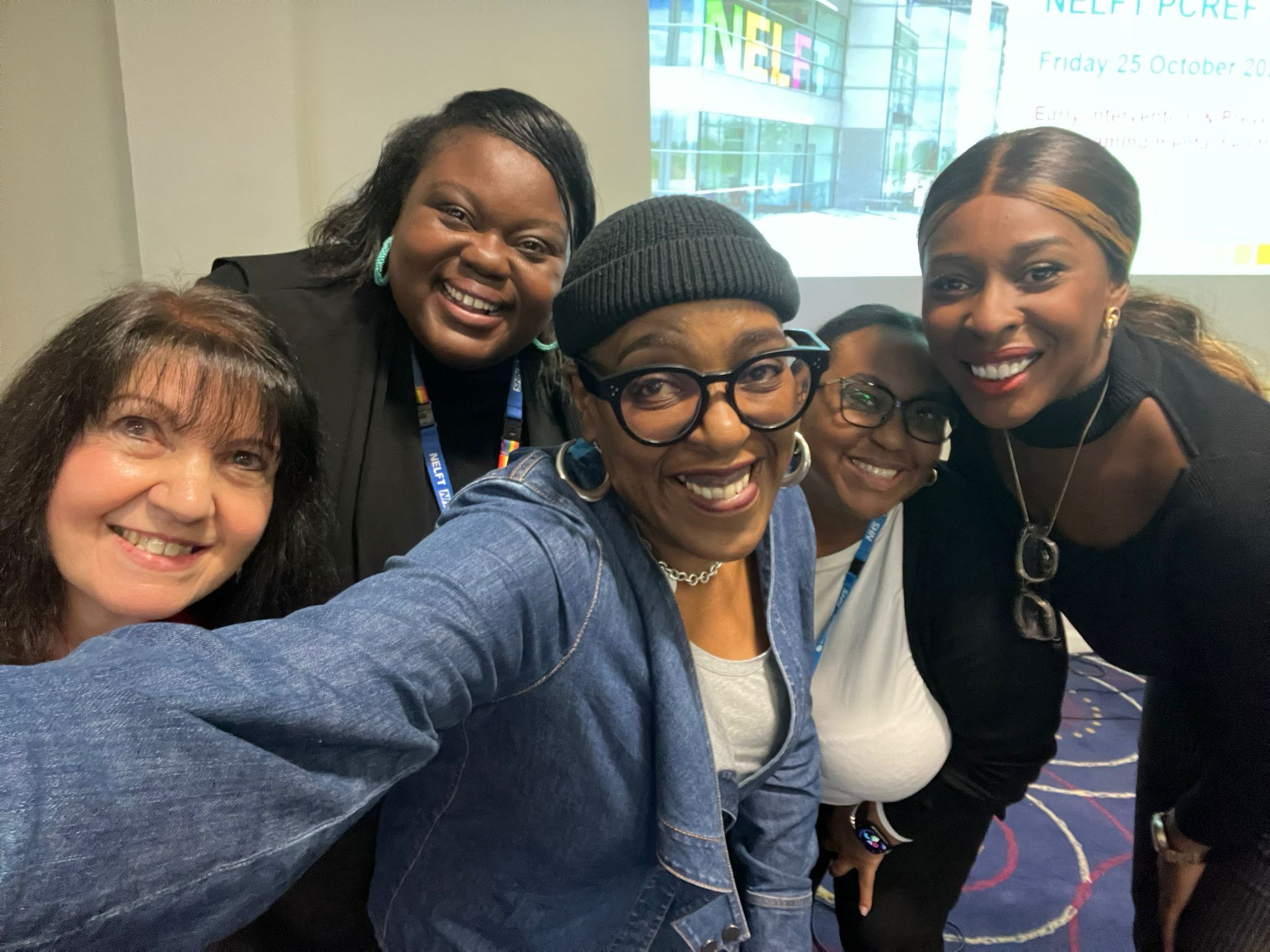
Matthew Mckenzie, the organizer of the mental health carers forum, introduced the event and its purpose. He mentioned that the forum is a platform for carers of minority groups to learn about new initiatives and updates from researchers and NHS trusts. Matthew also introduced Asia Zaman, the Transformation Project Manager for NELFT, who shared updates about the carer’s work stream and the upcoming launch of their carer strategy. Erica Deti, the PCREF Lead for NELFT, then discussed an event focused on upstreaming care and black men’s mental health. She highlighted the event’s success in engaging the community and the importance of incorporating creativity and cultural aspects into their work. Matthew also shared pictures from the event, which some can be seen below.
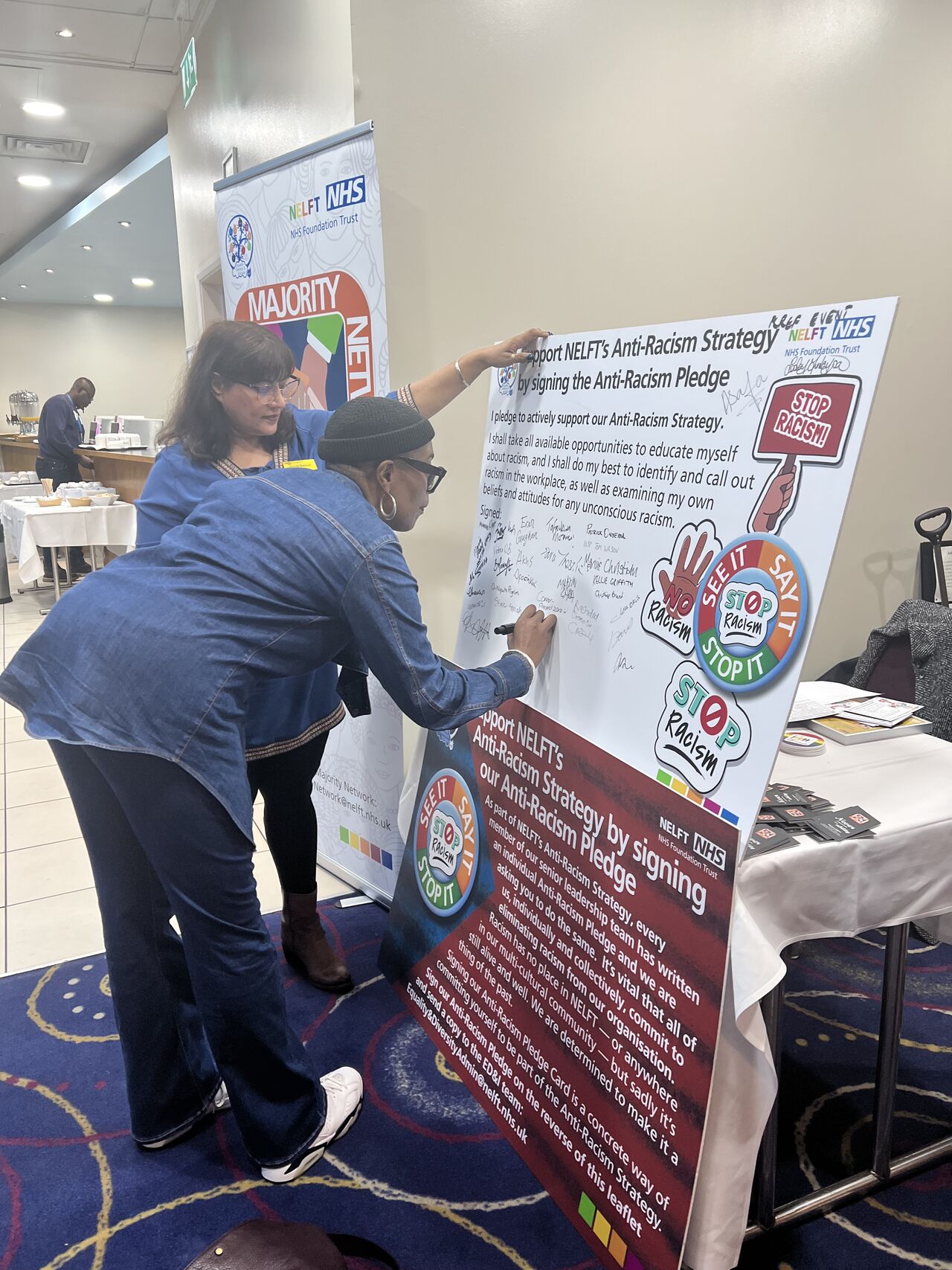
Anti-Racism Event and Carer Involvement
Matthew expressed his positive experience at the NELFT event focused on anti-racism, highlighting the multi-organizational nature of the event and the shared learning opportunities it provided. He also mentioned the launch of the Carers strategy, which he found interesting. Erica confirmed that they would be sharing the findings and learnings from the event with the group.
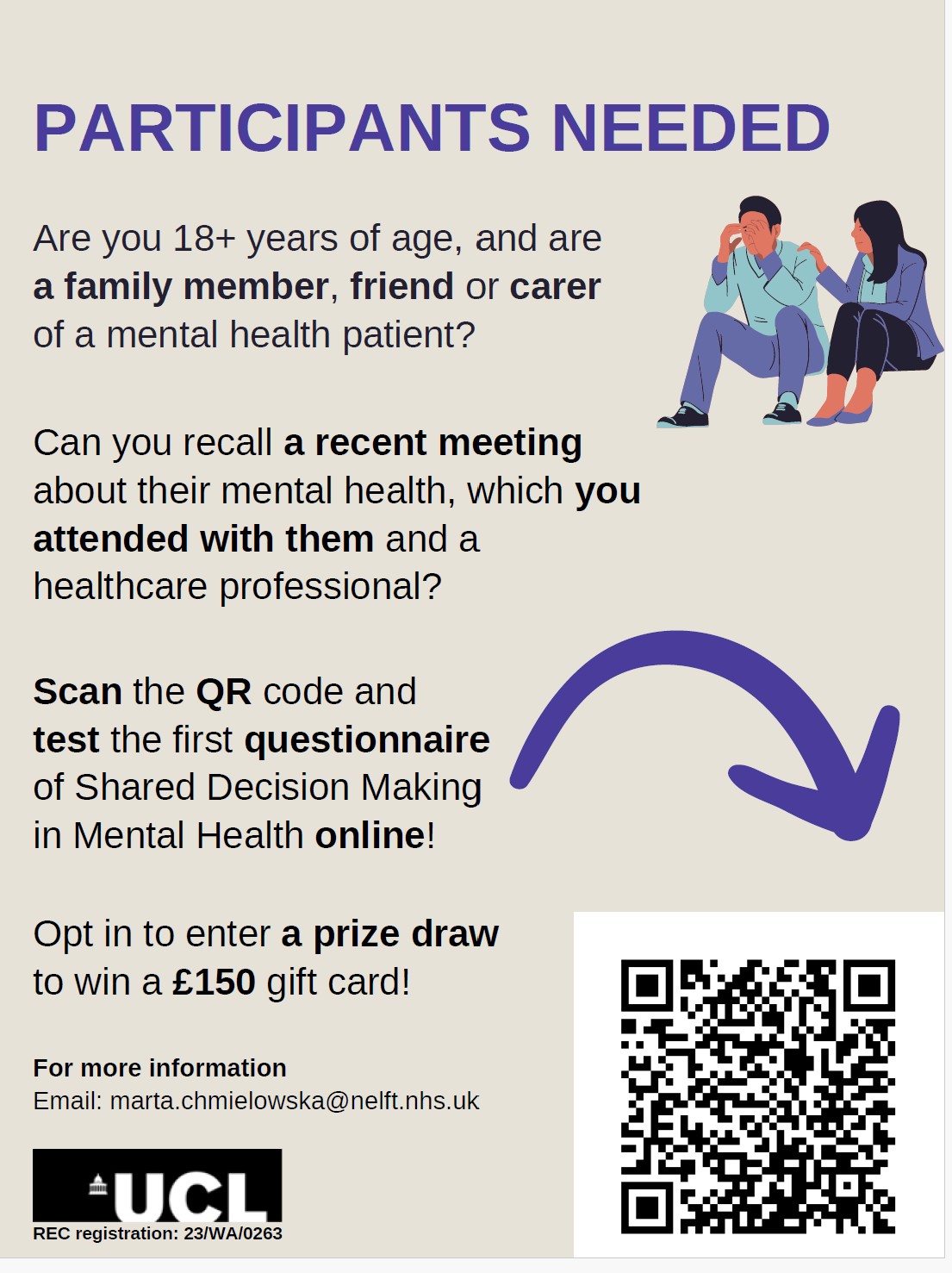
Marta Chmielowska at researcher at PhD Candidate in Clinical Psychology at UCL then presented her research project, which aimed to involve carers in the conversation about treatment and care in mental health services. She shared a questionnaire she developed and expressed her desire to promote it to encourage carers to participate
Marta’s Carer and Patient Project
Matthew opened the floor for any quick questions or comments for Marta, who had just presented on her project involving carers and patients. Matthew also mentioned that he would share the details of the project on his website. Marta then discussed her project, which involves a questionnaire for carers and patients to share their experiences. She mentioned that the project is online due to logistical reasons and that she has been in touch with various carer groups and charities.
For more details see poster below or email : m.chmielowska@ucl.ac.uk
Rethink Mental Illness Joins Impact Network
Ian and Ruqia from Rethink Mental Illness discussed the organization’s involvement in the Impact Network, a national organization focused on strengthening inclusion and anti-racist practice. The network, coordinated by the Universities of Birmingham and Sheffield, aims to put policy into practice and is action-oriented. The network meets four times over the next year and will decide on an action plan based on discussions and ideas. Ian and Ruqia encouraged interested individuals, including those with lived experience of severe mental illness and professionals in the mental health sector, to express their interest via email. They also mentioned that Rethink Mental Illness may have other opportunities in the future for those interested in their work.
CQC focus on Patient and Carer Race Equality Framework
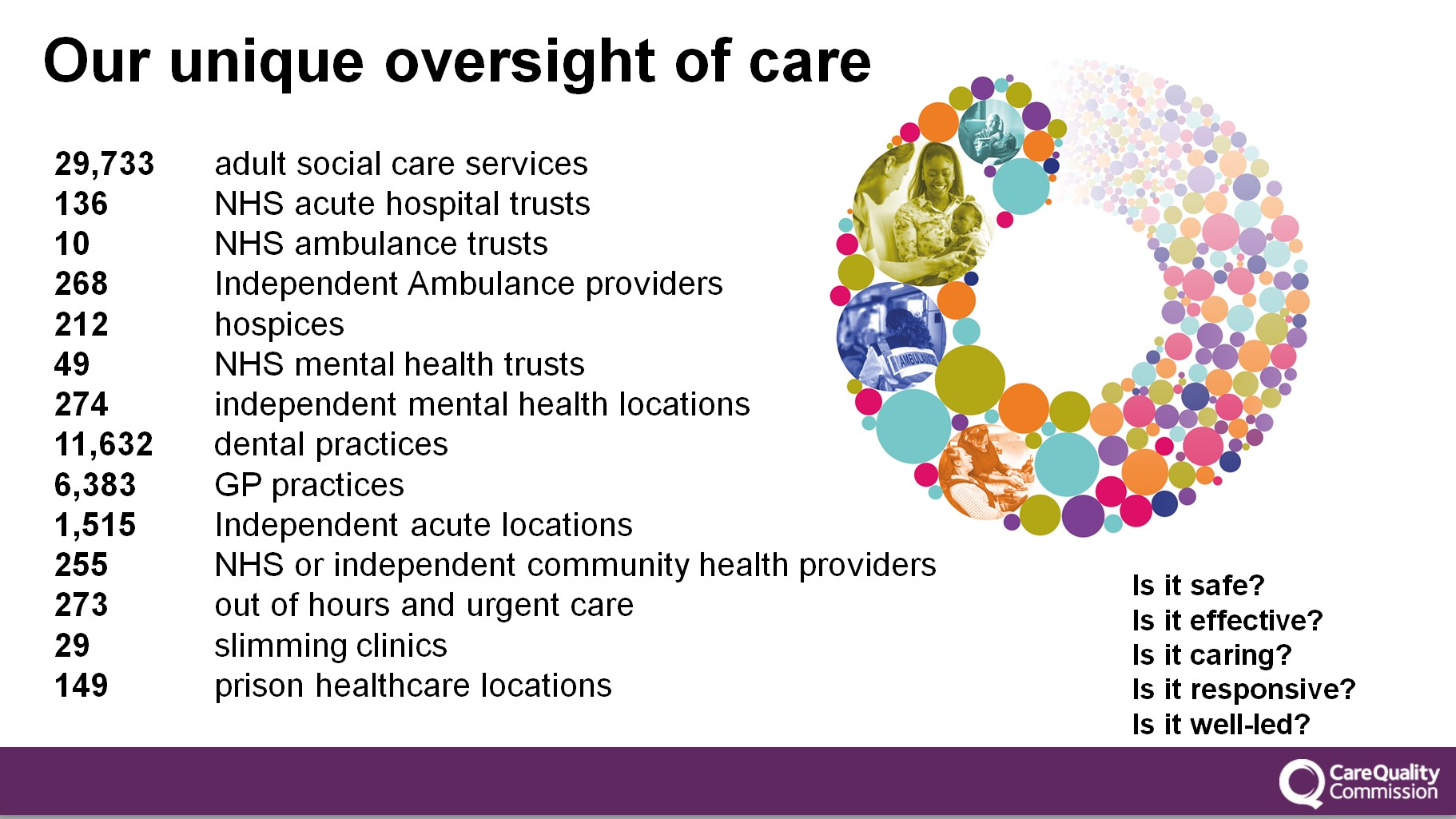
Ciara and Giovanna discussed the Patient and Carer Race Equality Framework, a project they’ve been involved in since its inception. Giovanna, a senior analyst at the Care Quality Commission, explained the CQC’s role as the independent regulator of health and adult social care in England, and their oversight of almost 30,000 adult social care services. They also touched on their upcoming work, including the integration and coordination of the framework with their existing projects.
Giovanna also mentioned the publication of their annual statutory report, the State of Care report, and the legislative duties imposed on providers to register with them. The conversation ended with a discussion on the mandatory nature of the framework for all mental health trusts and NHS-funded mental health services.
Incorporating PCREF Into Regulation
In the meeting, Ciara discussed the role of the CQC incorporating the Patient and Carer Race Equality Framework (PCREF) into their regulation. They have developed interim guidance and training, and plan to use PCREF to inform their next set of guidance. They also intend to update their learning and training to support a more detailed understanding of PCREF. Ciara also mentioned the importance of including the voices of carers from ethnic minority backgrounds in their engagement and co-design of the PCREF guidance and training. The organization itself is also committed to being an anti-racist organization and plans to engage with stakeholders to add value. They are currently collecting good examples of feedback and good practice from their inspectors and mental health reviewers, and from pilot trusts. They also plan to share these examples in their monitoring the Mental Health Act Report.
For those interested, here are reports the CQC kindly presented.
The CQC discussed the ongoing work on the mental health services data set, Version 7, which is expected to be implemented slightly later than planned to align with legislative changes. They emphasized the need for balance in managing changes to avoid disruption. A mental health trust representative asked about the new data set and review process, to which the CQC responded that they have had not heard about a new data set. A carer asked the CQC about the changes in CQC’s leadership and systems, to which the CQC confirmed significant changes and a new chief executive. Another carer asked for links to recent reports about CQC’s situation, which the CQC agreed to provide.
Representation and Board Member Experiences
Giovanna and Ciara discussed the importance of representation at their CQC board, particularly in terms of ethnicity and experiences using services. The CQC agreed to find out more about the personal backgrounds of their board members and the potential for a new board member with relevant experiences. The conversation also touched on the lack of representation of certain groups, such as clinical psychologists, in their organization. Matthew suggested that the CQC could engage with the group again in the new Year and possibly write a blog about minority mental health care.
Addressing Health Inequalities in England
Leila from The King’s Fund discussed a project focused on tackling health inequalities in England. The project, which has been ongoing since 2020, aims to identify key areas for action to be included in the anticipated 10-year health plan. Leila highlighted seven areas for action, including a cross-government strategy to address the root causes of inequality, a shift towards prevention, radically changing relationships between the NHS and communities, tackling systemic racism and discrimination, capacity building, focusing on the importance of place in this work, and prioritizing partnerships with voluntary community and social enterprise organizations.
Leila emphasized the importance of amplifying the voices of people who experience these inequalities and ensuring that these messages are heard and acted upon. The project’s findings are not new, but Leila stressed the need to continue raising awareness and advocating for change.
This concludes a short update of October’s National ethnic carers forum
Welcome back to another blog post from Carer activist Matthew McKenzie, author and poet. This time we look at the role of Advocacy and its importance to unpaid carers who care for someone with mental illness. Below is an indepth video about the importance of advoacy (31 minutes), although the video touches on carer advocacy for all carer types.
Introduction
In today’s demanding world, unpaid carers, those who look after family members or close friends, play an indispensable role. Often, they do so without formal recognition or support. Yet, their impact, especially in mental health settings, is profound. Advocacy services can provide essential support to these carers, allowing them to navigate complex health systems, access necessary resources, and ensure their voices are heard in decision-making processes. In this article, we delve into the world of carers’ advocacy, exploring its significance, the challenges faced by carers, and the key components of effective advocacy support
The Role of Advocacy in Supporting Carers
Understanding Advocacy
Advocacy, in the context of caring for a loved one, involves providing carers with the knowledge, tools, and support to make informed decisions. This is crucial, given that unpaid carers are typically not trained professionals but individuals thrust into the role out of necessity or love. Advocacy helps these carers understand their rights, the services available to them, and how to communicate effectively with health professionals.
Financial Support and Legal Entitlements
Carers often struggle to understand the financial support available to them. Advocacy services play a key role in educating carers about their rights, entitlements, and the legal frameworks that protect them. For instance, the Care Act 2014 in the UK provides certain protections and rights for carers. However, many carers are unaware of the specifics of this and other relevant legislation. Advocacy services can bridge this knowledge gap, ensuring carers are fully informed about the financial benefits and support services they can access.
Empowerment Through Information
Empowering carers is a primary goal of advocacy services. By providing carers with comprehensive information about their rights and the support services available, advocacy services enable carers to make better decisions for themselves and their loved ones. This empowerment is not just about providing information but also about ensuring carers feel heard and respected in their roles.
Challenges Carers Face
Navigating Confidentiality Issues
One of the significant challenges carers face in mental health settings is confidentiality. Health professionals are often bound by strict confidentiality rules, which can sometimes exclude carers from vital information about their loved ones’ treatment and care plans. Advocacy services can assist carers in understanding these confidentiality rules and finding ways to navigate them. For instance, they can mediate between carers and health professionals to ensure that carers are included in discussions and decisions to the extent possible within legal boundaries.
Communication Breakdowns
Effective communication between carers and health professionals is essential for optimal care. However, jargon and a lack of empathy can often hinder this communication. Advocacy services can help facilitate better communication by acting as intermediaries, translating complex medical terminology, and ensuring that carers’ concerns are heard and addressed.
Crisis Situations and Disputes
Crisis situations and disputes are unfortunately common in mental health care settings. Carers may find themselves in challenging situations where they need immediate support and advice. Advocacy services can guide carers through these crises, offering practical steps and necessary contacts to navigate the system effectively. They can also provide support during disputes, helping to mediate and find mutually beneficial solutions.
How Advocacy Services Empower Carers
Involvement in Care Planning
Carers often feel excluded from the care planning process, particularly in mental health settings. Advocacy services work to ensure that carers are actively involved in care planning discussions, especially during critical times such as discharge from a mental health ward. By preparing carers for meetings and helping them understand what to expect, advocacy services can ensure that carers are well-equipped to participate meaningfully in these discussions.
Building Self-Advocacy Skills
One of the long-term goals of advocacy services is to build carers’ self-advocacy skills. By providing training and resources, advocacy services can equip carers with the tools they need to advocate for themselves and their loved ones effectively. This includes understanding their legal rights, effective communication strategies, and how to navigate complex systems.
Accessing and Utilizing Advocacy Services
Different Types of Advocates
Not all advocates are the same. There are various types of advocates who specialize in different areas. For example, an Independent Mental Health Advocate (IMHA) or an Approved Mental Health Professional (AMHP) might focus on issues specific to mental health settings, such as patients’ rights under mental health legislation. Other advocates might specialize in financial benefits or navigating the broader health and social care system. Understanding the different types of advocates can help carers access the right support for their specific needs.
Support in Crisis
Timing is crucial when accessing advocacy support. Ideally, carers should seek out advocacy services before a crisis hits. However, advocacy services are also there to provide support during crises, offering practical advice and guiding carers through challenging situations. This support can include helping carers understand their rights, providing contact information for relevant services, and assisting in mediating disputes.
Ensuring Continuous Support
Advocacy is not a one-time intervention but an ongoing process. Carers should continually be informed and supported as they navigate their caring roles. Continuous support ensures that carers are always equipped to handle new challenges and changes in their loved ones’ care needs.
Effective Communication in Mental Health Care
Establishing Clear Channels of Communication
Advocacy services help create open and clear channels of communication between carers and health professionals. This involves ensuring that information flows effectively and that carers understand what is being communicated. Advocates can help by breaking down complex information and making sure carers have all the necessary details to make informed decisions.
Promoting Active Listening
Active listening is a crucial skill for both carers and health professionals. Advocacy services promote active listening by encouraging health professionals to genuinely engage with carers, understanding their concerns, and addressing them empathetically. This two-way communication helps build a more collaborative approach to care.
Providing Resources and Tools
Advocacy services offer various resources and tools to improve communication. This might include guidelines for carers on how to communicate effectively, tools for documenting and organizing information, and strategies for conflict resolution. These resources empower carers to take a more active role in communication and decision-making processes.
Addressing Communication Barriers
Identifying and overcoming communication barriers is another critical role of advocacy services. By recognizing potential obstacles to effective communication, such as jargon, time constraints, and power dynamics, advocates can help carers navigate these challenges. This ensures that carers’ voices are heard and that they can advocate effectively for their loved ones.
Legal Rights and Recognition
Educating Carers on Their Rights
Carers have specific legal rights and entitlements that protect their roles. Advocacy services educate carers about these rights, ensuring they are aware of their legal protections and how to access them. This education includes understanding relevant legislation, such as the Care Act, and how it applies to their situations.
Ensuring Recognition by Health Professionals
Carers’ contributions should be recognized and respected by health professionals. Advocacy services work to ensure that health professionals acknowledge the vital role carers play and involve them in discussions and decisions. This respect and recognition help build a more inclusive and supportive care environment.
Mediating in Disputes
When disputes arise between carers and health professionals, advocacy services can play a crucial mediating role. By facilitating discussions and ensuring that both sides are heard, advocates help to resolve conflicts and find solutions that benefit both the carer and their loved one.
Conclusion
Advocacy services are an essential support system for unpaid carers, particularly in mental health settings. By providing information, fostering effective communication, and ensuring that carers’ voices are heard and respected, advocacy services empower carers to navigate complex systems and make informed decisions.
The ultimate goal of advocacy is to build a more inclusive and supportive care environment, where carers are recognized for their critical role and are equipped with the tools they need to advocate effectively for themselves and their loved ones. Without access to advocacy services, carers are at risk of being lost in the complexities of the mental health system, which can have detrimental effects on both their well-being and that of their loved ones. As we move forward, it is vital to ensure that advocacy services are available and accessible to all carers, providing them with the much-needed support and recognition they deserve.
Welcome back to another blog post by carer activist Matthew McKenzie. I raise awareness of unpaid carers, mental health and cancer caregivers.
As of 27th of October. It is World Occupational Therapy Day. You can watch my video on promoting the awareness day below.
Celebrating World Occupational Therapy Day 2024: Promoting Independence and Building Resilient Communities
Introduction
The global community comes together to celebrate World Occupational Therapy (OT) Day. This annual event is not just a date on the calendar; it is an opportunity to shine a spotlight on the incredible contributions of occupational therapists (OTs) worldwide. The theme for 2024, “Occupational Therapy for All,” emphasizes the role of OTs in enhancing personal autonomy and fostering community well-being.
The Significance of Occupational Therapy
Occupational Therapy Goals
Occupational therapy is a holistic practice that focuses on helping individuals achieve their daily goals and maintain independence. Whether it’s enabling an elderly person to continue living safely at home, assisting a child with developmental challenges, or supporting someone with disabilities, OTs play a pivotal role in promoting well-being and independence.
The services provided by occupational therapists are essential for a wide range of people, including:
The Elderly: Older adults often face physical, cognitive, and emotional challenges that can impede their ability to perform daily activities. OTs help them adapt their environments and tasks to maintain independence.
Children with Developmental Needs: For children with conditions like autism or cerebral palsy, OTs assist in developing crucial skills needed for school and everyday life.
Individuals with Disabilities: People facing physical or cognitive impairments receive tailored strategies from OTs to navigate their lives more effectively.
Mental Health and Occupational Therapy
Emotional and Social Support
Mental health advocacy is a significant aspect of occupational therapy. OTs assist clients in developing coping strategies, enhancing social skills, and managing emotional regulation. Through tailored interventions, they help individuals overcome barriers that affect their mental health and overall quality of life.
Community-Based Rehabilitation (CBR)
Local Outreach
One of the most impactful areas of occupational therapy is Community-Based Rehabilitation (CBR). Many OTs work within local communities, especially in low-resource areas, to provide critical services. These professionals address the unique needs of their communities, offering support that might otherwise be unavailable.
Celebrating World OT Day
Global Events and Activities
World OT Day is marked by a variety of events, workshops, and online activities around the globe. These celebrations provide an excellent opportunity for therapists, students, and healthcare providers to engage with the profession and learn more about its significant impact.
Public Awareness Campaigns
Public awareness campaigns are a vital component of the celebration. Various organizations launch initiatives to explain what occupational therapy is and how it benefits individuals facing physical, cognitive, or emotional challenges. These campaigns often feature:
Seminars and Webinars: These events offer OTs a chance to enhance their skills and share best practices.
Workshops: Hands-on workshops provide practical experience and learning opportunities for both current and future occupational therapists.
Engaging the Community
Social Media Campaigns
Social media plays a crucial role in spreading awareness about World OT Day. Hashtags like #WorldOTDay2024 and #OccupationalTherapyForAll encourage professionals, clients, and advocates to share stories and insights about the impact of occupational therapy. These online movements help build a global community united by a common goal – to promote and celebrate occupational therapy.
The Role of the World Federation of Occupational Therapists (WFOT)
Global Advocacy and Resources
The World Federation of Occupational Therapists (WFOT) serves as the global voice for the profession. The WFOT provides resources, toolkits, and guidelines to help practitioners worldwide celebrate World OT Day effectively. Through their efforts, the WFOT ensures that the message of occupational therapy reaches a broad audience, fostering a deeper understanding and appreciation of the field.
Conclusion
World Occupational Therapy Day 2024 is all about celebrating the transformative impact of occupational therapy. From promoting personal independence to building resilient communities, OTs make a significant difference in the lives of individuals and the broader society. As we mark this special day, let’s recognize and appreciate the vital contributions of occupational therapists and continue to advocate for the important work they do. Don’t forget to share your OT stories with the hashtag #WorldOTDay2024.
Here I present some practical ways to manage guilt for those who are caring for someone with cancer. From accepting emotions to joining support groups, empower yourself to handle challenges with compassion and resilience.
If you wish to watch the video version of this blog (3 minutes) then click below.
Navigating Guilt as a Cancer Caregiver
Caring for someone with cancer is a role laden with emotional challenges, and feelings of guilt are often a frequent companion on this journey. Whether it’s self-imposed pressure to be perfect or the overwhelming desire to alleviate your loved one’s suffering, guilt can overshadow the invaluable service you are providing. Here, I present some strategies to help you manage and navigate these difficult emotions, ensuring you maintain your well-being along with providing care.
Acceptance: Guilt is Normal
The first step in managing guilt is accepting that it is a completely normal emotion for caregivers. Understanding that you are not alone in feeling this way can make a significant difference. Accepting your emotions rather than suppressing or ignoring them is crucial for a healthier caregiving experience.
Open Up: Share Your Feelings
Finding someone to talk to can be incredibly therapeutic. This confidant could be a friend, family member, or even someone within a support group. Sharing your emotions not only lightens the burden but also offers you different perspectives and support.
Professional Help: Speak to a Therapist
Consulting with a therapist who specializes in caregiver issues can provide you with invaluable coping strategies. This professional guidance offers a safe space to express your feelings without judgment and equips you with tools to handle your emotions better.
Focus on What You Can Control
Guilt often arises from feeling powerless over the situation. Shifting your focus towards aspects of caregiving that you can control helps in mitigating these feelings. Concentrate on the quality of care you provide instead of focusing on the uncontrollable aspects of the illness.
Be Kind to Yourself
Treat yourself with the same compassion and kindness you would offer a friend in a similar situation. Recognize your humanity; you can’t be perfect, and that’s completely okay. Acknowledge your efforts and small victories rather than focusing solely on your perceived shortcomings.
Set Achievable Goals
Setting realistic and achievable goals for your caregiving duties can significantly reduce feelings of inadequacy. Break tasks into manageable steps and celebrate each accomplishment, no matter how small. This can bolster your confidence and lessen the weight of guilt.
Prioritize Self-Care
Self-care is not selfish; it is a crucial aspect of caregiving. Make time for yourself, whether it involves engaging in a hobby, exercising, or simply resting. Recharging your mental and physical batteries will make you a more effective caregiver.
Educate Yourself About the cared for’s Condition
Gaining a deeper understanding of your loved one’s medical condition can enhance your competence and reduce feelings of guilt. Knowledge empowers you to provide better care and allows you to feel more confident in your caregiving decisions.
Celebrate Small Victories
Take time to reflect on the positive impact you have on your loved one’s life. Celebrating small victories and moments of joy can serve as a reminder of the important role you play. These moments can counterbalance feelings of guilt and provide emotional upliftment.
Join a Support Group
Support groups are invaluable. Connecting with others who are experiencing similar situations provides a sense of belonging and validation. Sharing experiences and realizations can offer immense relief and new strategies to cope with guilt.
Express Yourself Through Writing
Writing down your feelings can serve as an excellent outlet to process and understand your emotional state better. Journaling allows you to articulate your thoughts and feelings, reducing the burden of carrying them around unspoken.
Know Your Limits and Communicate Them
Understanding and respecting your own limits is crucial for sustainable caregiving. Clearly communicate your boundaries to those involved in the caregiving process. This protects your energy and ensures you don’t overextend yourself, which can exacerbate feelings of guilt.
Learn from Mistakes
No one is perfect, and mistakes are part of the caregiving journey. Instead of being overly critical of yourself, view mistakes as learning opportunities. Allow yourself to grow from these experiences rather than letting them compound your guilt.
By integrating these strategies into your caregiving routine, you can work through feelings of guilt and find a more balanced emotional state. Remember, you are doing an incredible job. Caring for yourself is just as important as caring for your loved one. Stay strong, and give yourself grace along this challenging yet rewarding journey.
Welcome back to another blog post from Carer Activist Matthew McKenzie. Caring for someone while sustaining family connections can be difficult, but supporting someone through mental illness and keeping the family together can be impossible.
If you want to watch the video version of this blog (4 minutes) then click the video below.
Here on this blog you can learn essential tips on keeping family connections strong during caregiving for a loved one with a mental illness. I will explain the focus on communication, delegation, family time, balance, professional support, and education are key for maintaining harmony.
Introduction
Caregiving for a loved one with a mental illness or chronic condition can be a daunting and challenging task. It demands not only physical and emotional resilience but also has the potential to strain family relationships. Let’s dive into these vital tips that can significantly improve the caregiving journey for everyone involved.
Open Communication
Keep Everyone Informed
Effective communication forms the backbone of strong family relationships. Keeping the lines of communication open is crucial when you’re caring for a loved one with a mental illness or chronic condition. Regularly update your family members about the condition of the person you are caring for. Share any challenges you are facing, along with any significant events or changes in the situation.
Foster a Supportive Environment
When everyone is on the same page, it fosters a supportive environment. Regular updates help family members understand the caregiving dynamics better and instill a sense of shared responsibility.
Delegate Responsibilities
Don’t Bear the Burden Alone
Caregiving can be overwhelming if you try to handle everything yourself. It’s important to delegate responsibilities and ensure that you have the support you need. Assign tasks to other family members to share the workload.
Utilize Remote Help
Even if some family members live far away, they can still contribute. They can assist with administrative tasks, finances, or provide respite care. Remember, Teamwork Makes the Dream Work. The more hands involved, the lighter the burden for each individual.
Prioritize Family Time
Non-Caregiving Activities
To maintain strong family bonds, it’s essential to set aside time for activities that do not involve caregiving responsibilities. Dedicate regular moments for family activities like watching a movie, playing a game, or simply enjoying a meal together.
Strengthen Relationships
These moments can help keep relationships strong and remind everyone of the love and support within the family. Prioritizing family time ensures that caregiving does not consume all aspects of family life and that personal connections remain intact.
Maintain Balance in Family Roles
No one should have to single handly have to always support and care for someone if the family is large, there should be some form of support. After all, isnt that what families are all about?
Avoid Role Overload
It’s easy to become consumed by the caregiving role and lose your sense of self within the family. Avoid role overload by making sure you are also taking time for yourself. Maintain your own identity outside of caregiving responsibilities.
Focus on Well-being
Taking time for yourself is important for your well-being and for the family’s harmony. Balancing your caregiving duties with personal time helps sustain your energy and emotional health, enabling you to provide better care over the long term.
Involve Professional Support
Seek Therapy or Counseling
Sometimes, family therapy or counseling can provide the assistance needed to navigate the emotional and relational challenges of caregiving. Professional intervention can offer new perspectives and solutions that you might not have considered.
Professional Guidance
Professional support can help the family address and manage the stressors that come with caregiving and can provide techniques to improve communication and relationships within the family.
Promote Understanding and Education
Educate Your Family
Educate your family members about the condition of the person you are caring for. Providing them with information about the mental illness or chronic condition can promote empathy and reduce frustration.
Empower with Knowledge
Knowledge is power, and understanding breeds compassion. Educating your family helps them better comprehend the situation and fosters a more supportive and empathetic environment.
Conclusion
Caring for a loved one with a mental illness or chronic condition is a challenging journey, but it does not have to weaken family bonds. By implementing these strategies—open communication, shared responsibilities, prioritizing family time, maintaining balance, involving professional support, and promoting education—you can ensure that your family remains connected and supportive during tough times. These tips can offer practical steps to help maintain the harmony and strength of your family relationships while caregiving.
Thank you for reading. If you found these tips helpful, don’t forget to share this article with others who might benefit. Take care and continue to support each other, one step at a time.






















































 A Caring Mind