By Matthew McKenzie
The Urgent Need for Digital Skills Among Unpaid Carers
Unpaid carers who provide support to family members, friends, or neighbors with long-term health conditions are the backbone of many communities. Their work is often invisible, yet it is essential for the well-being of countless individuals. As healthcare systems rapidly digitize, the landscape of caregiving is undergoing a profound transformation. Unpaid carers now face the challenge of adapting to new technologies, digital platforms, and online resources that are becoming integral to the delivery of care.

This blog explores why technical and digital skills are no longer just optional for unpaid carers. The blog is also a transcript of matthew’s video below.
Drawing on insights from matthew’s experience as an unpaid carer & IT professional and advocate for carers, we delve into the practical reasons behind this shift, the opportunities and challenges it presents, and the future trends that will shape caregiving in the years to come.
The Changing Face of Caregiving
Digitization in Healthcare
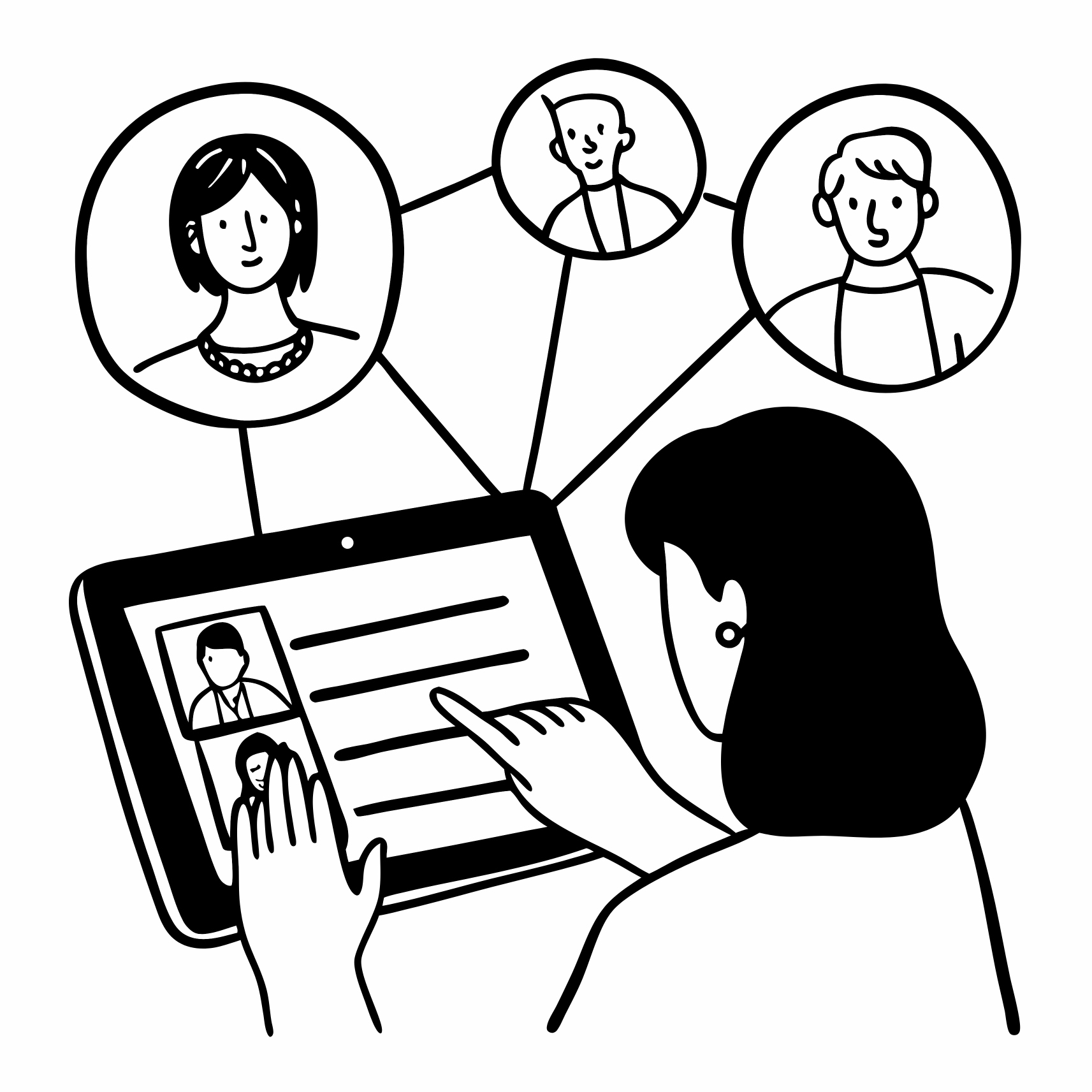
Healthcare is moving online at an unprecedented pace. Electronic health records, telehealth platforms, wearable health devices, and digital prescriptions are becoming the norm. The reasons are clear: digitization streamlines processes, reduces costs, and enables real-time access to critical health data. For unpaid carers, this means that many aspects of their role now require interaction with digital tools.
The Role of Carer Centers
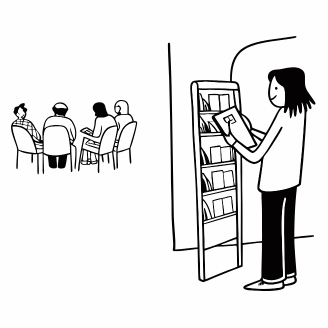
Local carer centers have traditionally been the first point of contact for those seeking support. As these centers will play a crucial role in helping carers acquire the skills needed to navigate the new landscape. Online training, virtual support groups, and digital resource libraries are just some of the ways carer centers are evolving.
Overcoming Barriers to Digital Inclusion
Challenges Faced by Carers
Not all carers are comfortable with digital environments. Some may lack the means to access technology, while others face disabilities that make using digital platforms difficult. For example, visual impairments can pose significant challenges. It’s important for carer centers and support organizations to recognize these barriers and provide alternative solutions where possible.
The NHS 10-Year Plan
Digitization is at the heart of the NHS’s long-term strategy. Unfortunately, unpaid Carers who fail to meet the demand for digital skills may find themselves excluded from essential services and support. Embracing technology is not just about keeping up, it’s about empowering carers to meet the needs of those they support with confidence and efficiency.
Conclusion
The digitization of healthcare is transforming the role of unpaid carers. Technical and digital skills are now essential for accessing resources, coordinating care, and advocating for loved ones. While the transition may be challenging, it offers opportunities for greater efficiency, independence, and empowerment.
If you are an unpaid carer, now is the time to invest in your digital skills. Seek out training, connect with support networks, and take advantage of the tools available. Your role is vital, and with technology on your side, you can continue to make a difference in the lives of those you care for.
 A Caring Mind