By Matthew McKenzie – A Caring Mind
Community is a word we hear often, but its true meaning and significance can sometimes be overlooked. At its core, a community is a network, a web of relationships built on shared identity, common themes, and mutual trust. Communities are formed when people come together, united by a sense of belonging and shared responsibility. This sense of belonging is not just about being part of a group; it’s about feeling valued, having a purpose, and working towards common ideals.
This blog is a transcript of the video below.
Communities exist in many forms. The most immediate and intimate is the family, where the seeds of unpaid caring are often sown.
But communities extend beyond the family unit to neighborhoods, faith groups, cultural identities, schools, and even online spaces. In today’s interconnected world, digital communities have become just as vital, allowing people to share information, support, and identity across distances.
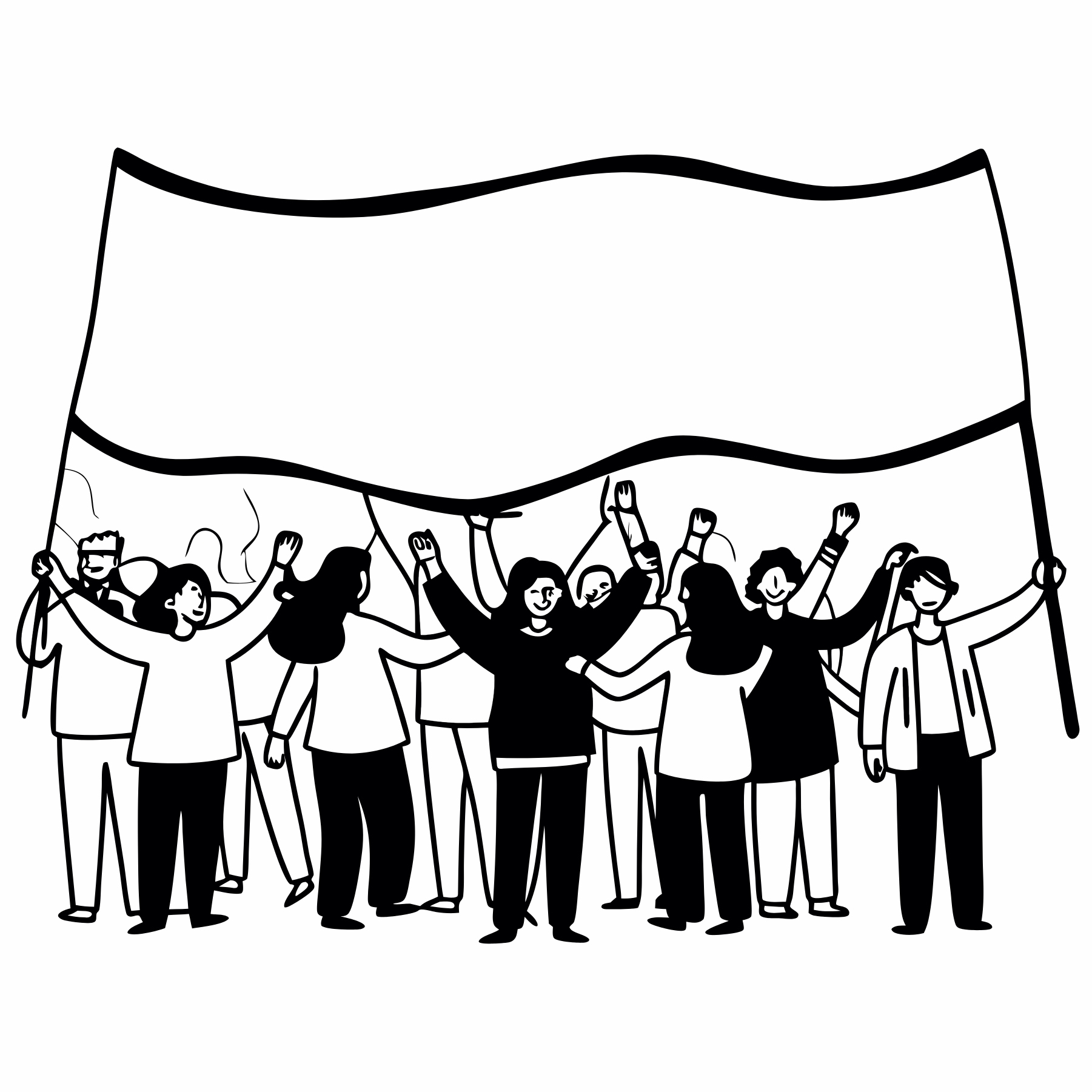
The Elements That Bind Us
- Shared Identity: Communities are often built around a common identity, whether it’s familial, cultural, or ideological.
- Trust: Without trust, a community cannot thrive. Trust is the glue that holds relationships together and fosters cooperation.
- Belonging: Feeling like you are part of something larger than yourself is essential for personal and collective well-being.
- Responsibility: Communities require members to take responsibility, not just for themselves but for each other. This shared responsibility is what transforms a group of individuals into a true community.
Yet, not everyone is willing or able to take on this responsibility. Some may feel disconnected or lack the resources to participate fully. Recognizing these challenges is the first step towards building stronger, more inclusive communities.
Why Communities Matter: Protection, Purpose, and Resilience
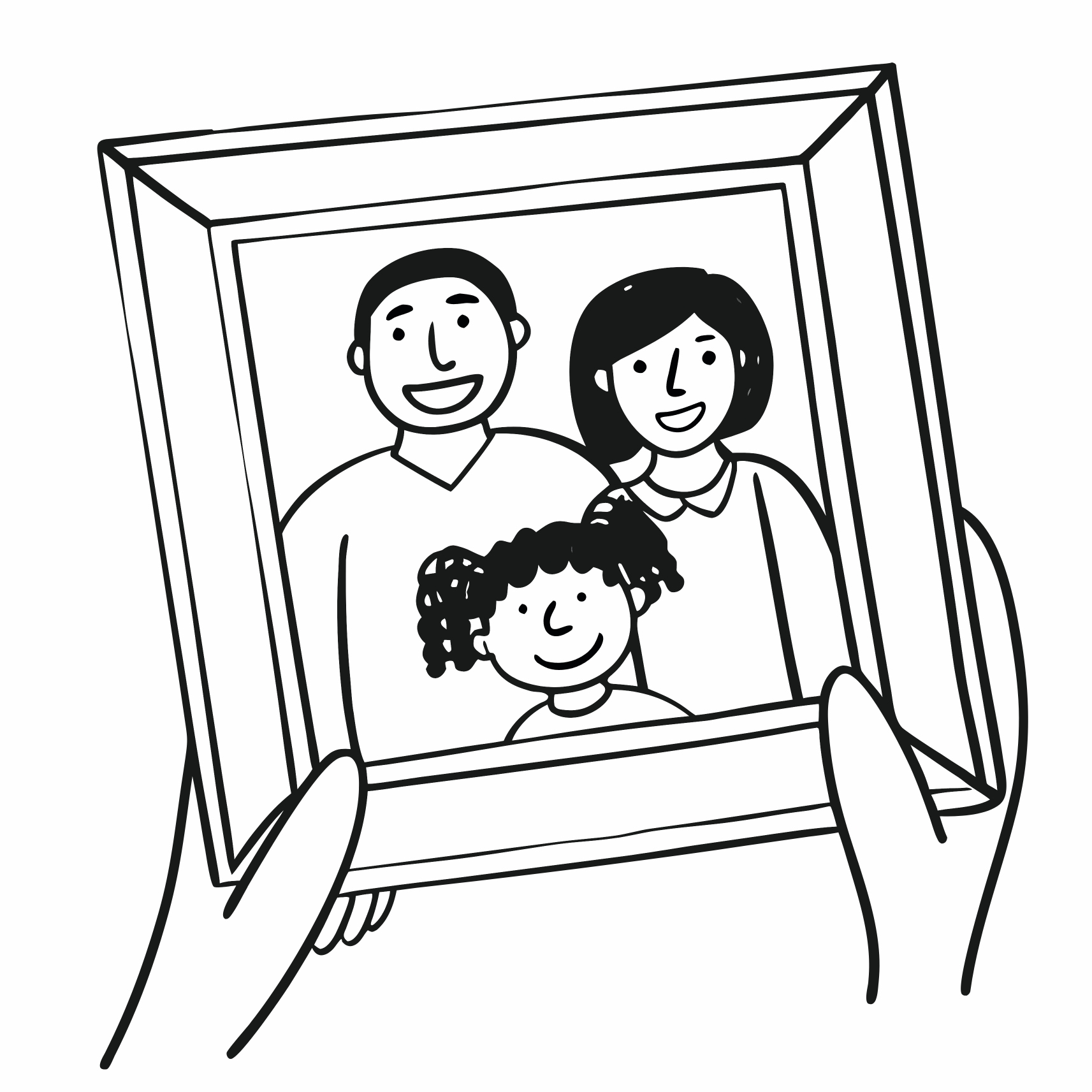
Communities are more than just social constructs; they are vital for our survival and well-being. In times of crisis, communities provide protection, support, and a sense of purpose. When a community is strong, it values every member, especially the vulnerable, and works collectively to ensure everyone’s needs are met.
The Role of Strong Communities
- Support in Crisis: Communities rally together during difficult times, offering help and solidarity.
- Sense of Belonging: Being part of a community gives individuals a sense of purpose and identity.
- Protection of the Vulnerable: Strong communities prioritize the needs of their most vulnerable members, ensuring no one is left behind.
However, when communities become weak or fragmented, the consequences can be severe. Loneliness, mistrust, and social breakdown are common outcomes. These issues are particularly pronounced for unpaid carers, who often face isolation and a lack of support.
The Connection Between Carers and Community
The link between unpaid carers and community is profound. In the UK alone, there are over 7 million unpaid carers, many of whom may not even recognize themselves as such. They are everywhere, holding households together and protecting the vulnerable. Their unpaid work strengthens community resilience, especially when formal health and social care services are under pressure.
Carers as Builders of Community Resilience
- Compassion as a Public Good: The compassion shown by carers is not just a private virtue; it benefits the entire community.
- Strengthening Community Bonds: By caring for loved ones, carers model behaviors that build trust, empathy, and solidarity.
- Reducing Reliance on Services: Carers help communities become more self-sufficient, reducing the strain on public services.
Not everyone can or chooses to provide unpaid care, and that’s okay. But those who do play a pivotal role in shaping the character and strength of their communities.
Empathy, Resilience, and Solidarity: The Blueprint for Compassion
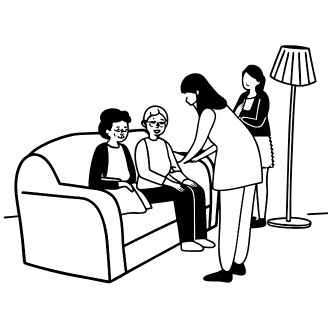
Caring for someone requires empathy, the ability to understand and share the feelings of another. This empathy can be extended beyond the individual to the community as a whole. Recognizing the struggles of others, understanding the challenges facing the community, and responding with compassion are the hallmarks of a caring society.
The Qualities of Carers That Build Communities
- Resilience: Carers often cope with immense pressure, adapting to tough circumstances and persevering in the face of adversity.
- Solidarity Across Differences: Care is given regardless of class, age, race, or background. This universality fosters inclusivity and unity.
- Connection: Carers connect with family, neighbors, and professionals, creating networks of support where none existed before.
By reducing isolation and fostering cohesion, unpaid carers lay the foundation for communities that are not just functional, but thriving.
Tackling Community Fragmentation: The Role of Caring Communities
One of the greatest challenges facing modern communities is fragmentation. When communities break down, fear, blame, and mistrust can take root, leading to division and chaos. Caring communities, however, build on trust, reciprocity, and connection. By adopting a care mindset, communities can resist division and radicalization, becoming stronger and more resilient.
The Dangers of Fragmentation
- Fear of the Other: Fragmented communities often become suspicious and fearful of those who are different.
- Blame and Mistrust: Division leads to unjust blame and a breakdown of trust.
- Social Breakdown: Without cohesion, communities can collapse, leaving individuals isolated and vulnerable.
Lessons for Society: Adopting the Caring Model
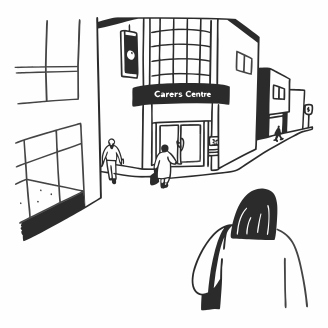
The experiences of unpaid carers offer valuable lessons for society as a whole. By adopting the principles of care, communities can become more inclusive, compassionate, and resilient.
Practical Steps to Build Caring Communities
- Check in on Neighbors: Regularly reaching out to others helps build connections and reduces isolation.
- Share Challenges and Burdens: Supporting each other through difficult times strengthens community bonds.
- Value Compassion: Elevate compassion to the same level as competition or profit, recognizing its essential role in social life.
- Celebrate Care: Recognize and honor the contributions of carers, making care a central value in society.
Care should not be seen as a private burden, but as a public good that benefits everyone. By celebrating and promoting the ethos of care, communities can become stronger and more united.
Recognizing and Supporting Carers: A Call to Action
Unpaid carers are not just workers; they are community leaders and builders. Their efforts deserve recognition, celebration, and support. Promoting the values of care and community should be a priority in schools, workplaces, and local authorities.
How to Support Carers and Caring Communities
- Recognize and Celebrate Carers: Acknowledge the vital role carers play in society.
- Promote the Ethos of Care: Encourage the adoption of caring values in all areas of life.
- Support Grassroots Groups: Back organizations that bring people together and foster caring networks.
- Teach Care Values: Integrate the principles of care and community into education and workplace culture.
- Challenge Isolating Policies: Advocate for policies that promote connection and support, rather than isolation.
By supporting carers and caring communities, we can build a society that values empathy, trust, and mutual support.
Carers as Models for Society: Building Compassionate Communities
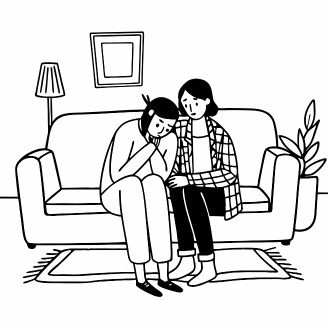
Carers do more than look after individuals; they model how communities can support and uplift each other. With millions of carers in the UK alone, their collective impact is immense. If we care for our communities as carers care for their loved ones, we can build societies rooted in compassion rather than division.
Conclusion: Embracing the Caring Outlook
The importance of unpaid care extends far beyond the individuals who receive it. It is a model for how communities can function, thrive, and support one another. Whether caring for someone with mental health challenges, cancer, or any other condition, the caring outlook is a powerful force for good.
By embracing the values of empathy, resilience, and solidarity, and by recognizing and supporting unpaid carers, we can build communities that are not only strong and cohesive but also compassionate and inclusive. The challenge of community fragmentation can be met with the blueprint of care, creating a society where everyone is valued, supported, and connected.
Let us look after ourselves and each other, fostering a caring outlook that benefits individuals, families, and society as a whole.
 A Caring Mind