Tag Archives: supporting carers

Carers Week 2026 Round-Up

By Matthew McKenzie – Carer, Campaigner, Author and Speaker

5 June 2026 – Supporting Kent County Council’s Carer Awareness Campaign

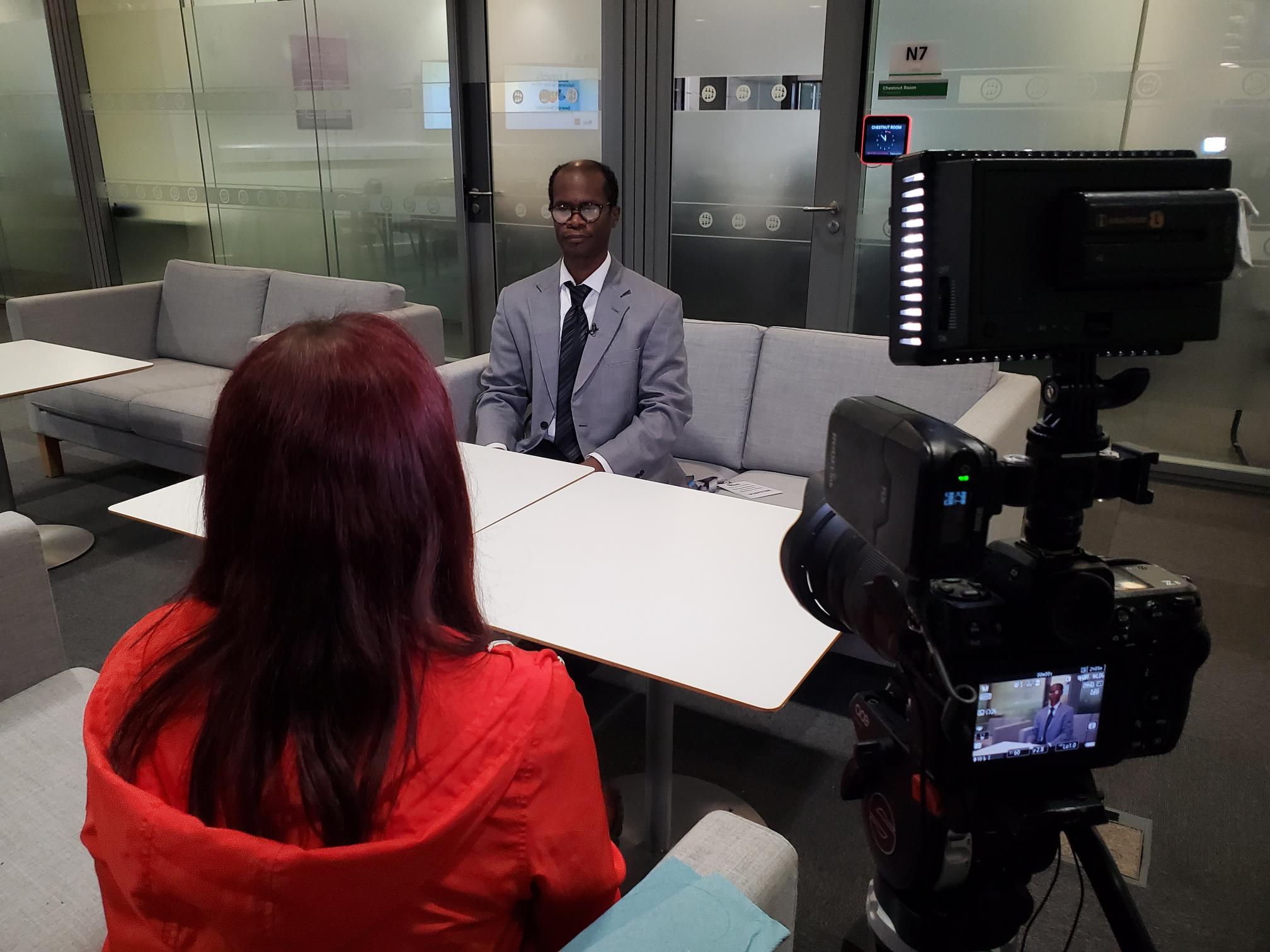
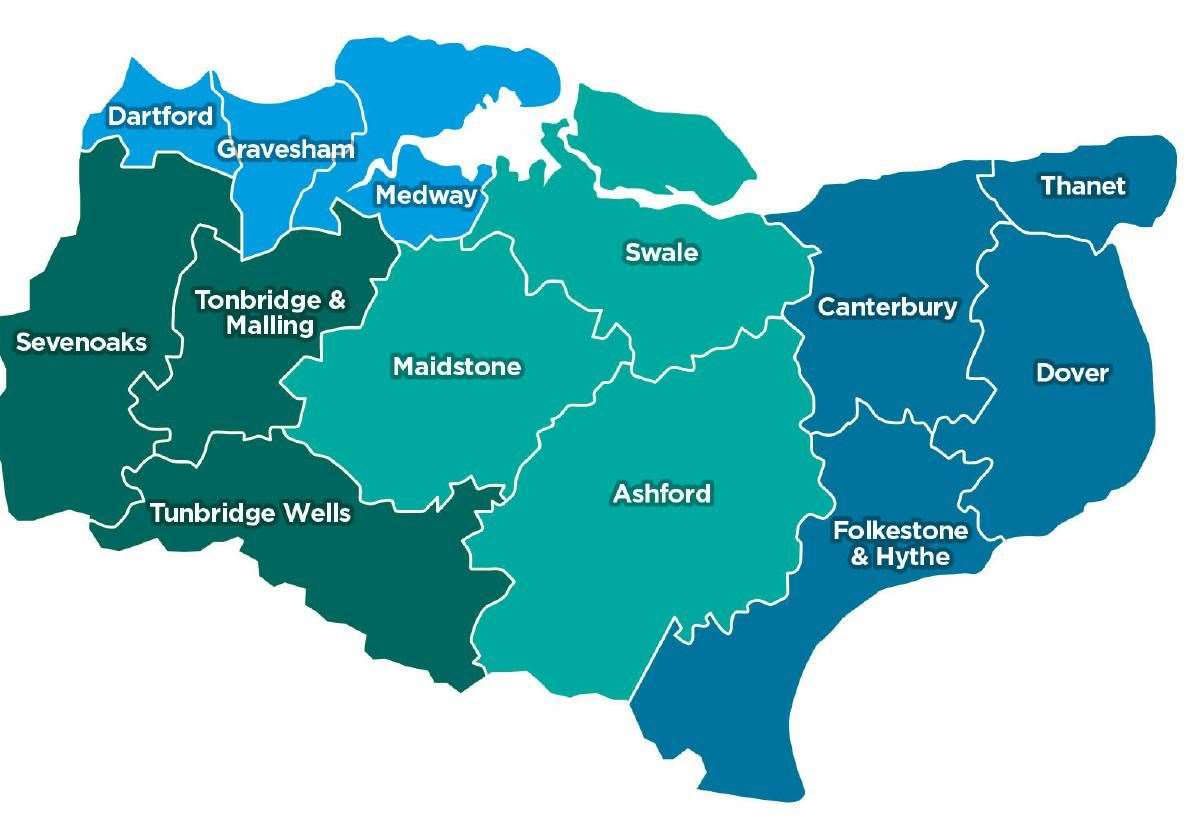
Although not officially part of Carers Week, my activities with Kent County Council formed an important part of my ongoing commitment to raising awareness of unpaid carers. I supported the county’s long-term carer awareness campaign by taking part in filming designed to help train council staff to better recognise and support carers.

I also discussed future opportunities to speak at Kent County Council carer groups and continued promoting my own support groups across the county. It was encouraging to see local government investing in carer awareness and recognising the importance of ensuring carers are identified, valued and supported within their communities.
9 June 2026 – Developed Video promotion for Carers Week 2026

I did my bit to raise awareness of Carers Week 2026 via a video I developed, which you can see below.

8 June 2026 – Carers Week Stall at St George’s University Hospital

Carers Week officially began with a rewarding day at St George’s University Hospital, where I hosted a Carers UK information stall. The event provided an opportunity to engage directly with unpaid carers, patients, hospital staff and visitors, sharing information about the support available to carers both locally and nationally.
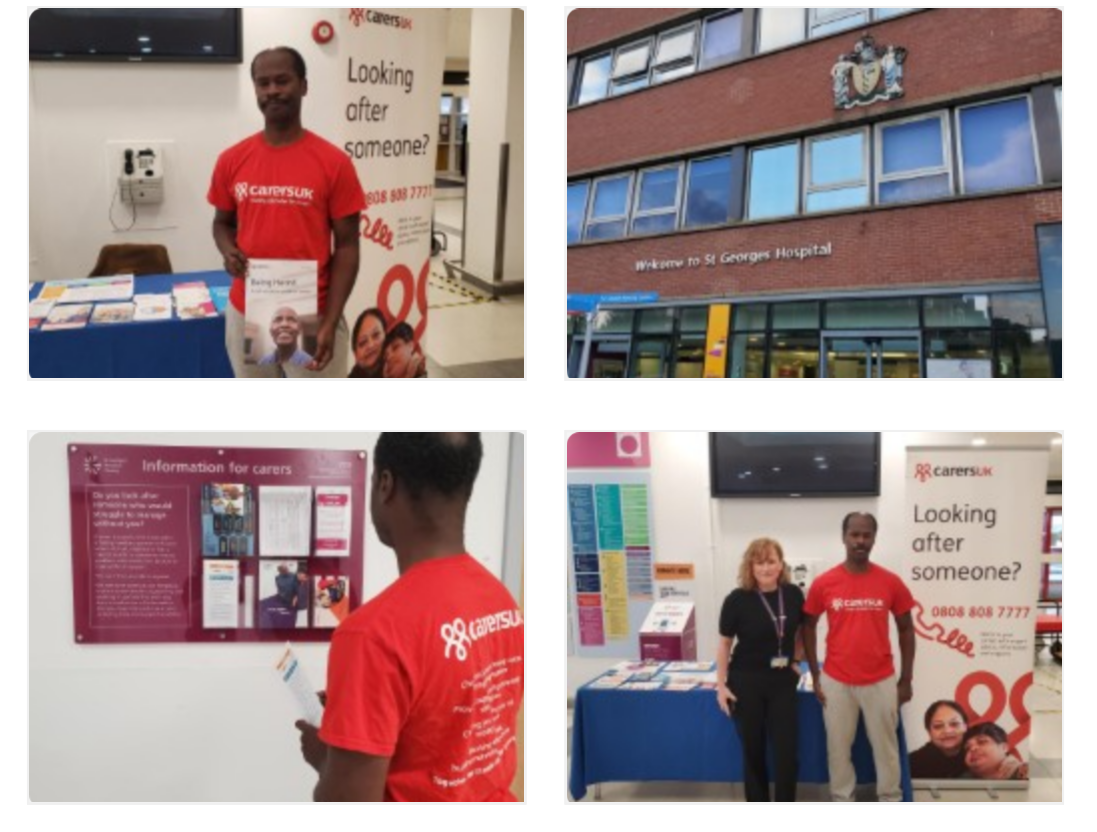
I was particularly pleased to see the hospital’s dedicated carers information board, which demonstrated a clear commitment to recognising and supporting unpaid carers. Throughout the day, I spoke with many people who were caring for family members and helped raise awareness of carers’ rights, available services and the importance of seeking support. It was a positive start to Carers Week and highlighted the vital role healthcare settings can play in identifying and supporting carers.

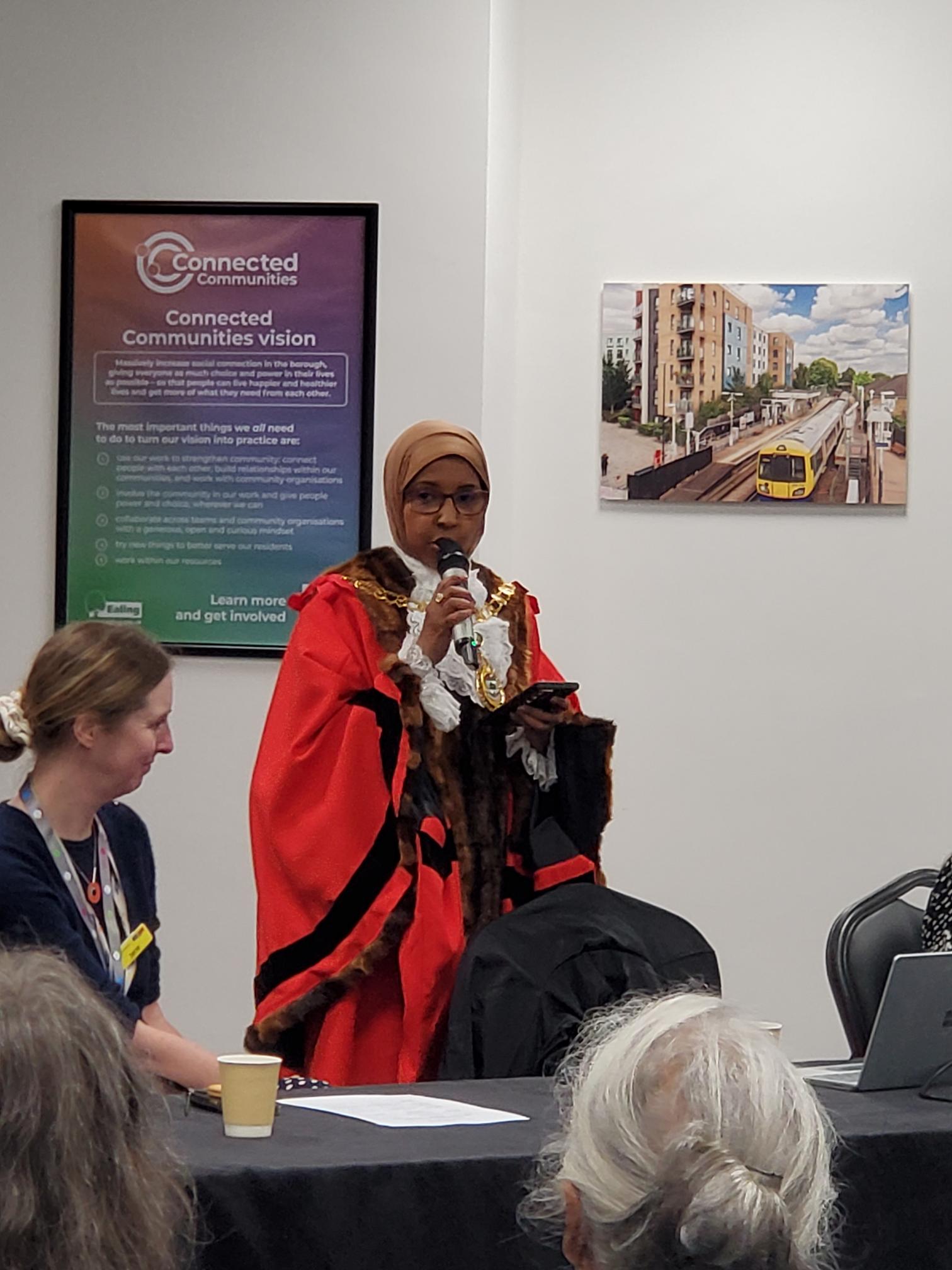
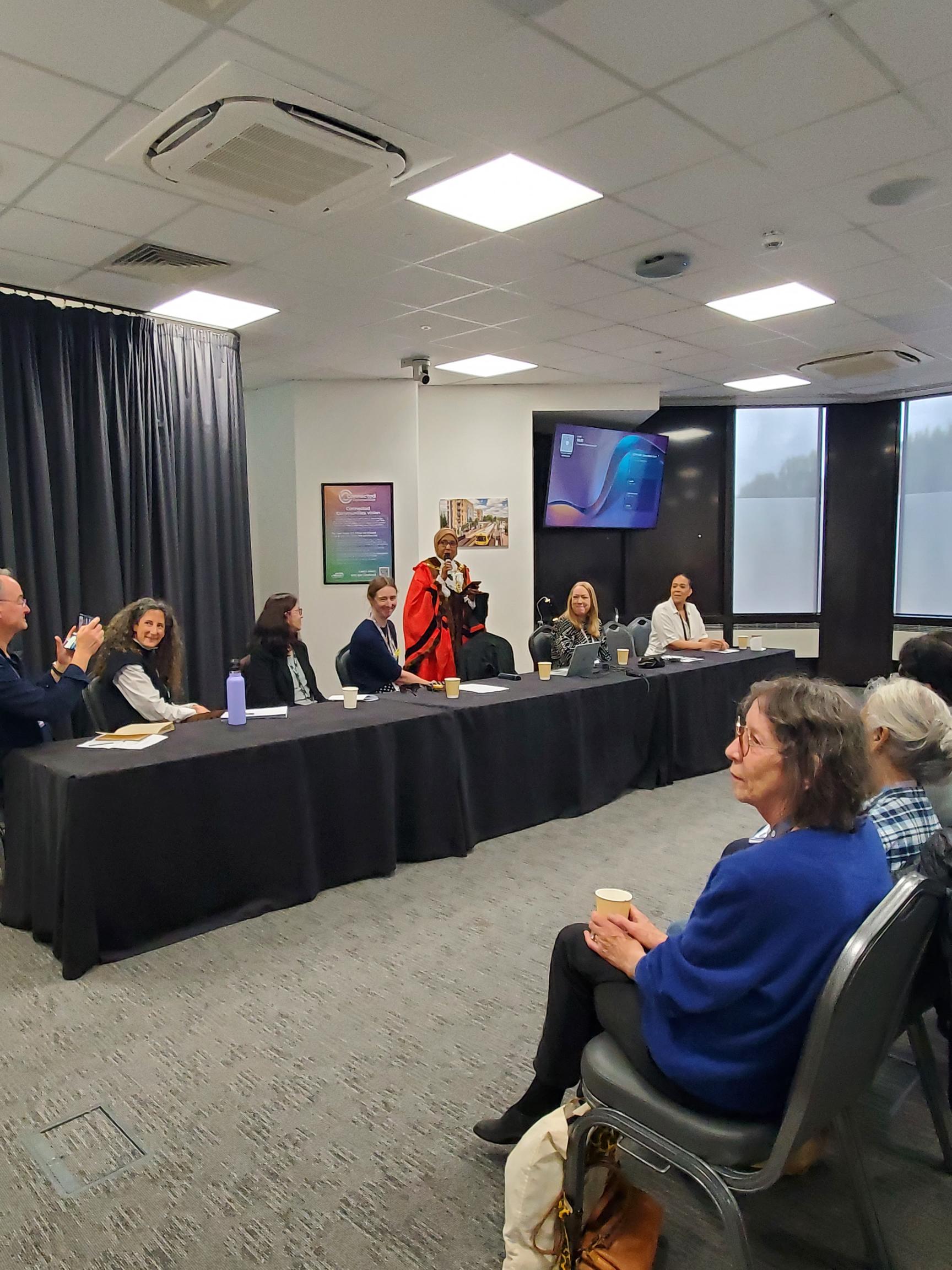
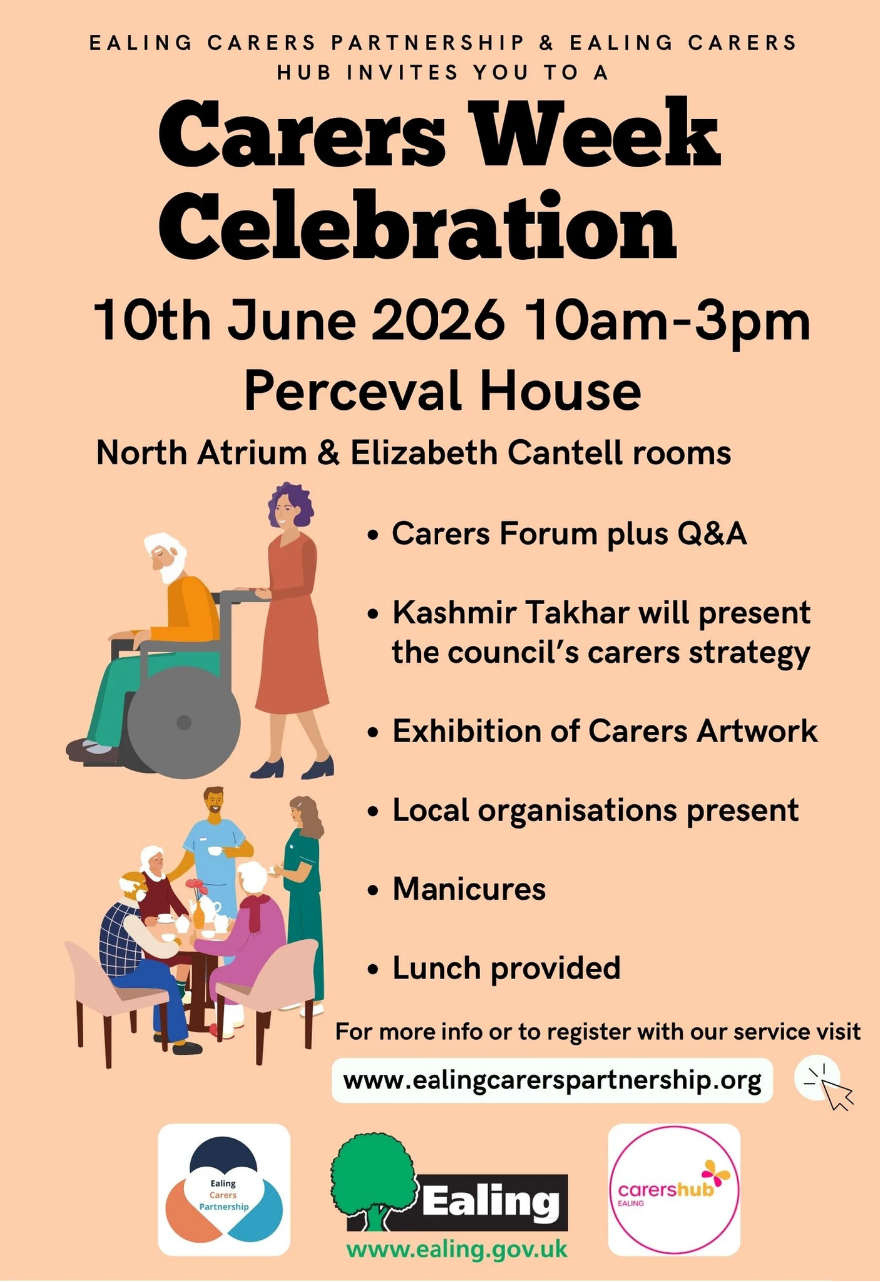
10 June 2026 – Ealing Carers Week Celebration at Perceval House

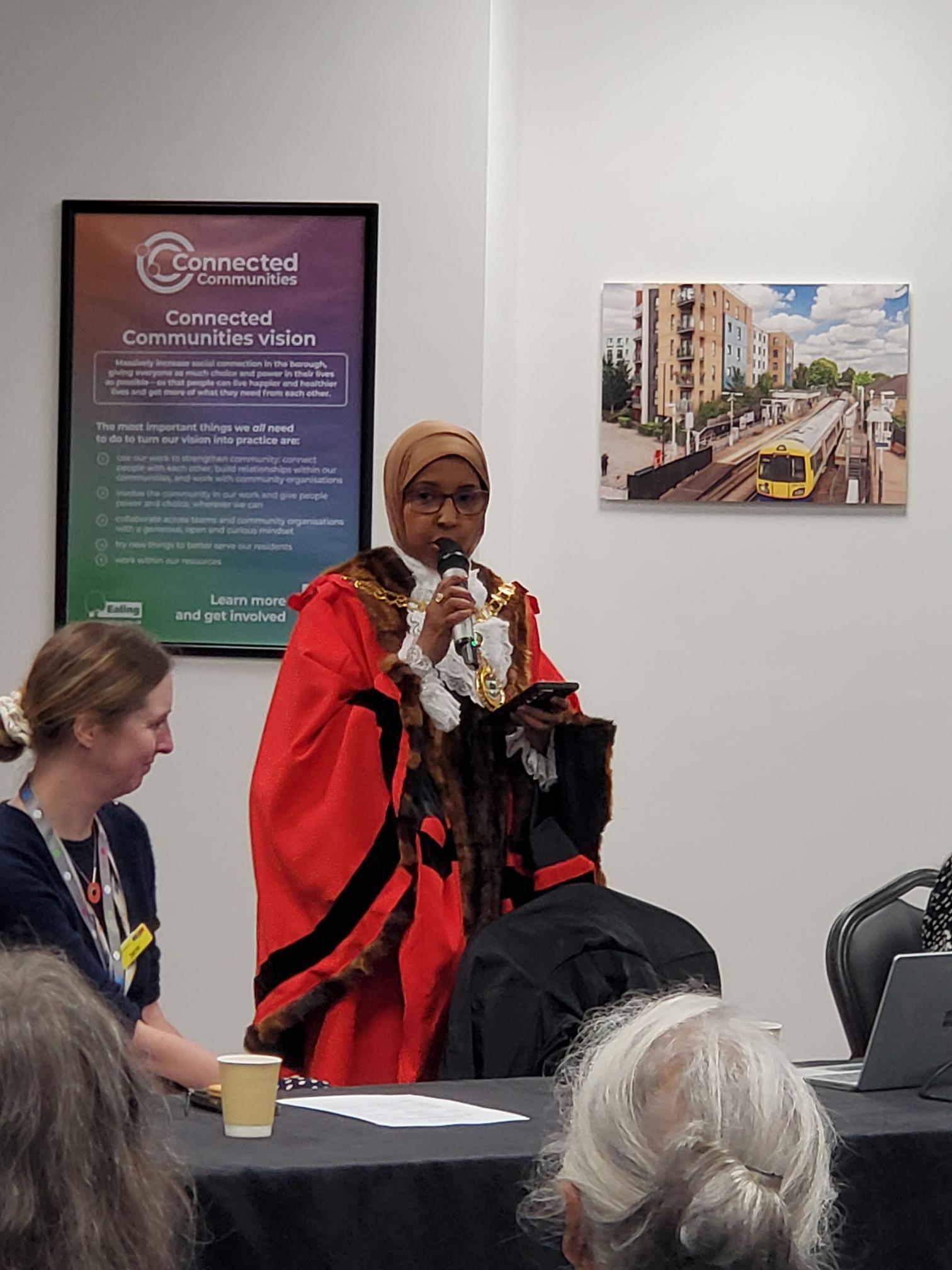
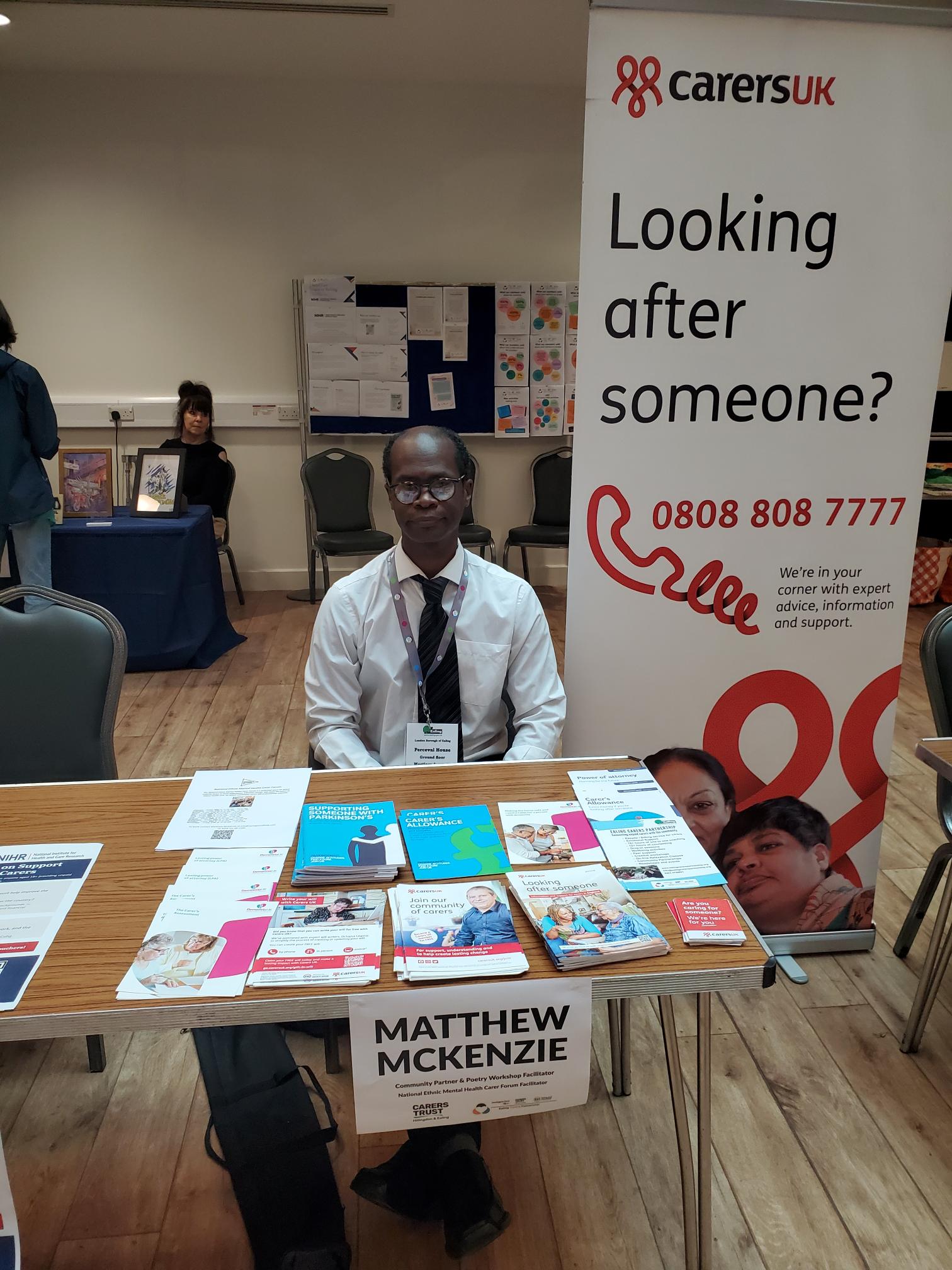
On 10 June, I attended the Carers Week Celebration 2026 at Perceval House in Ealing, organised by Ealing Carers Partnership, Ealing Carers Hub and Ealing Council. As someone who supports both of my elderly parents, I understand first-hand the rewards and challenges of caring. During the event, I had the privilege of hosting a Carers UK information stall while also attending as a carer, poet and author.
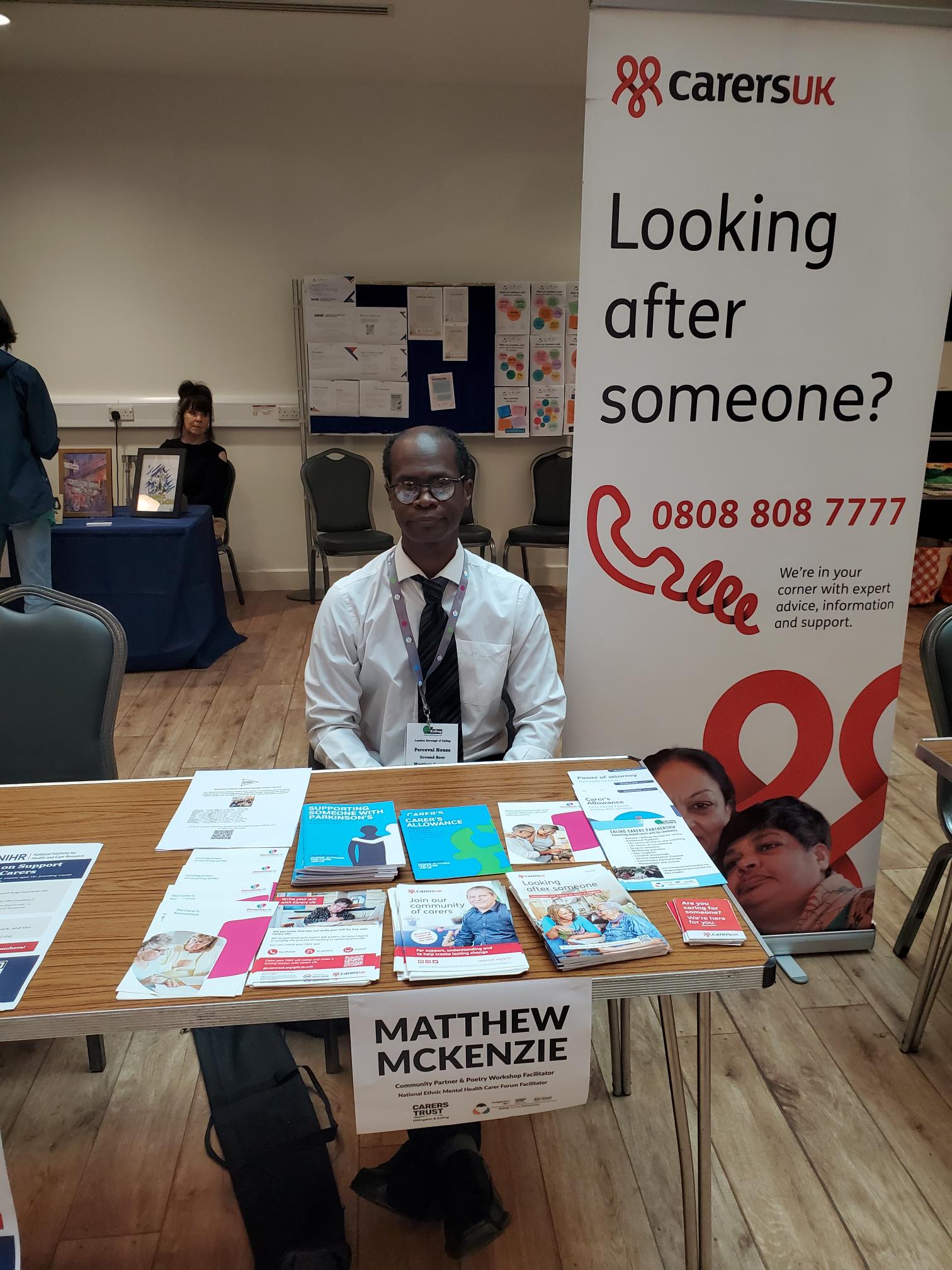
The day brought together carers, charities, community organisations, health professionals and council representatives in a welcoming and supportive environment.
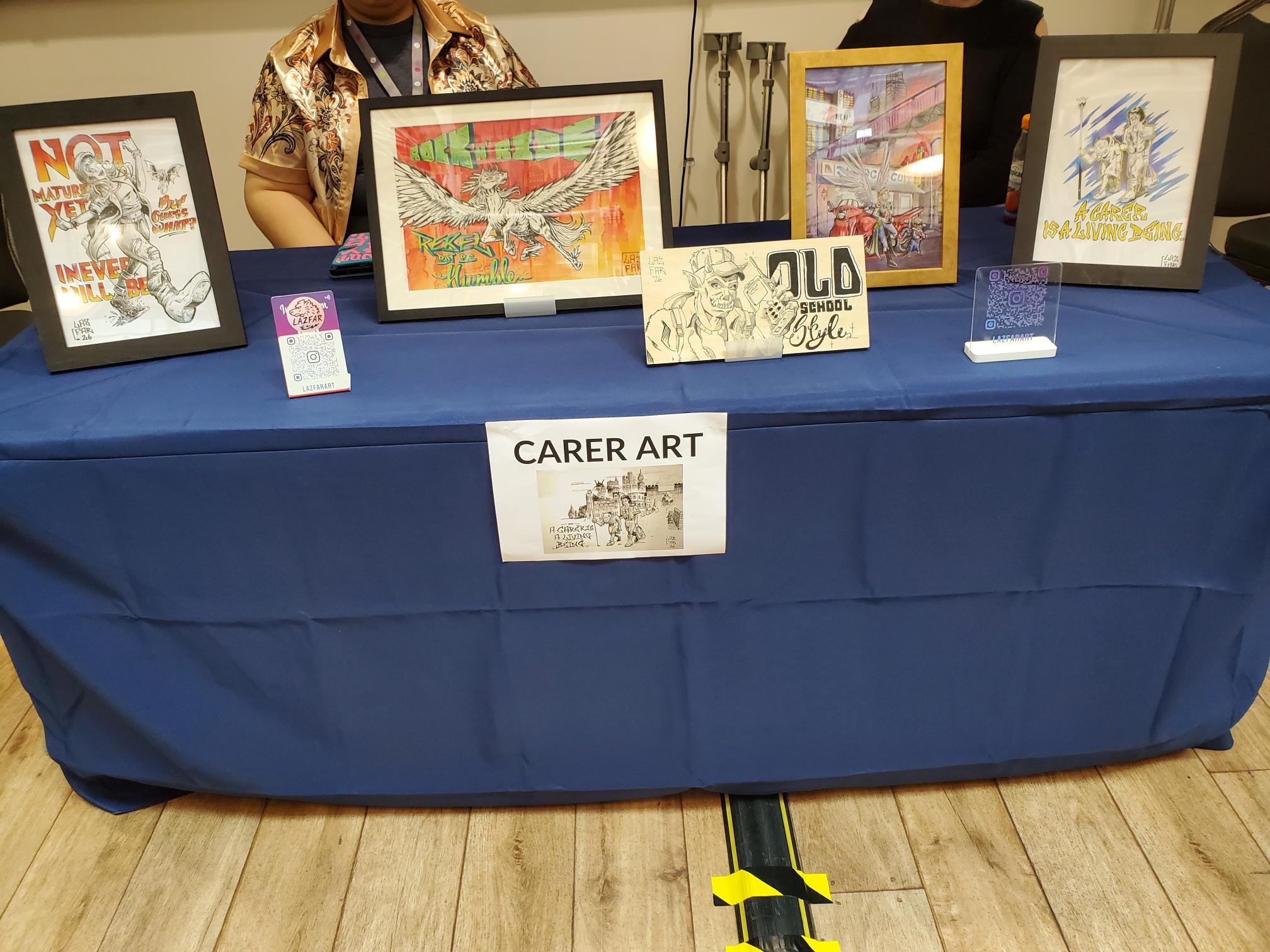
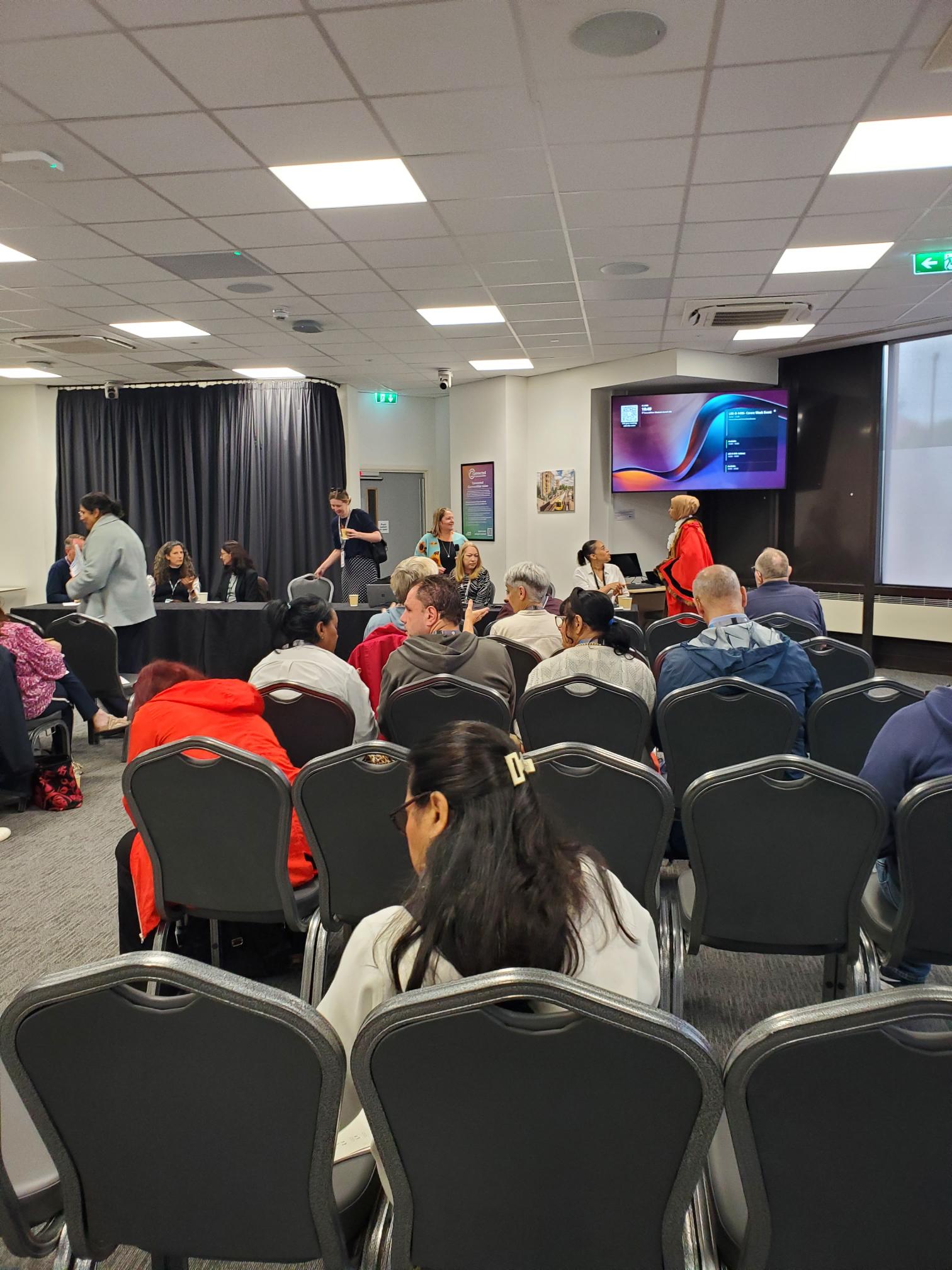
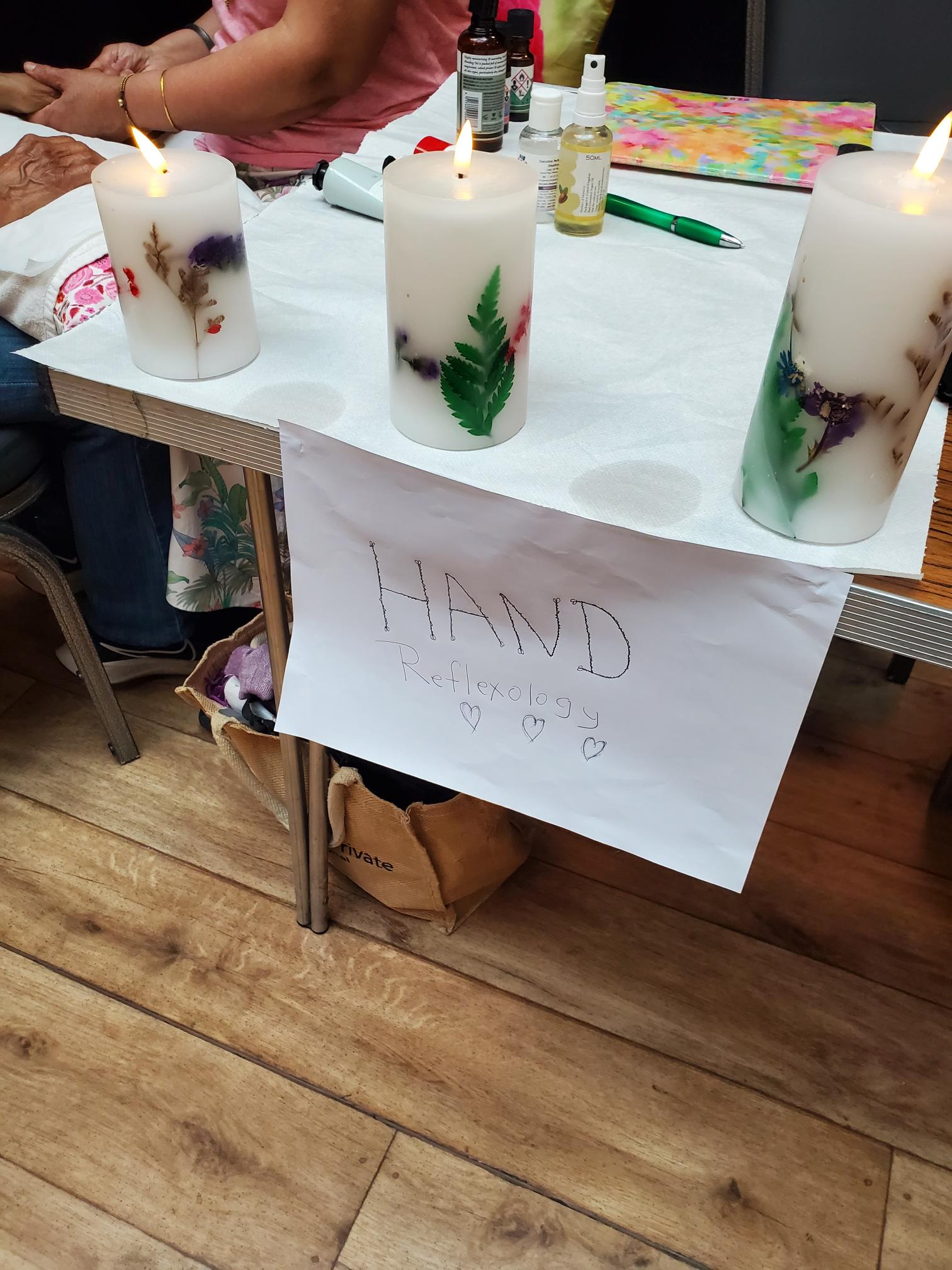
Carers had access to information, advice and wellbeing activities, including complimentary refreshments, free manicures provided by Uxbridge College students, artwork exhibitions and opportunities to connect with others who understand the caring journey. The event served as a powerful reminder that carers matter, their voices are important and they should never feel alone.

You can find out more about the event below from Ealing Local Community news

10 June 2026 – Carers Week Parliamentary Drop-In Event, Westminster

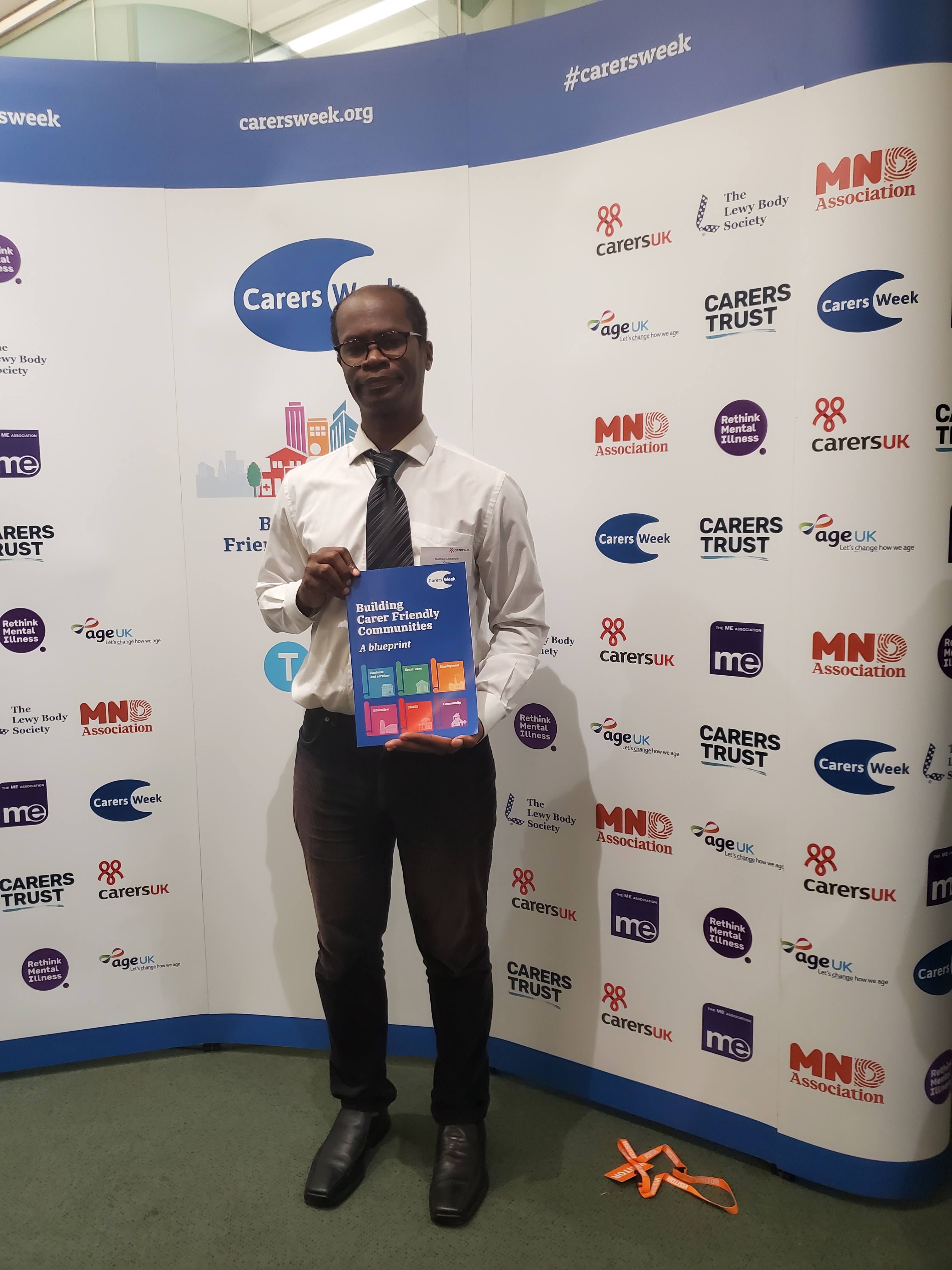
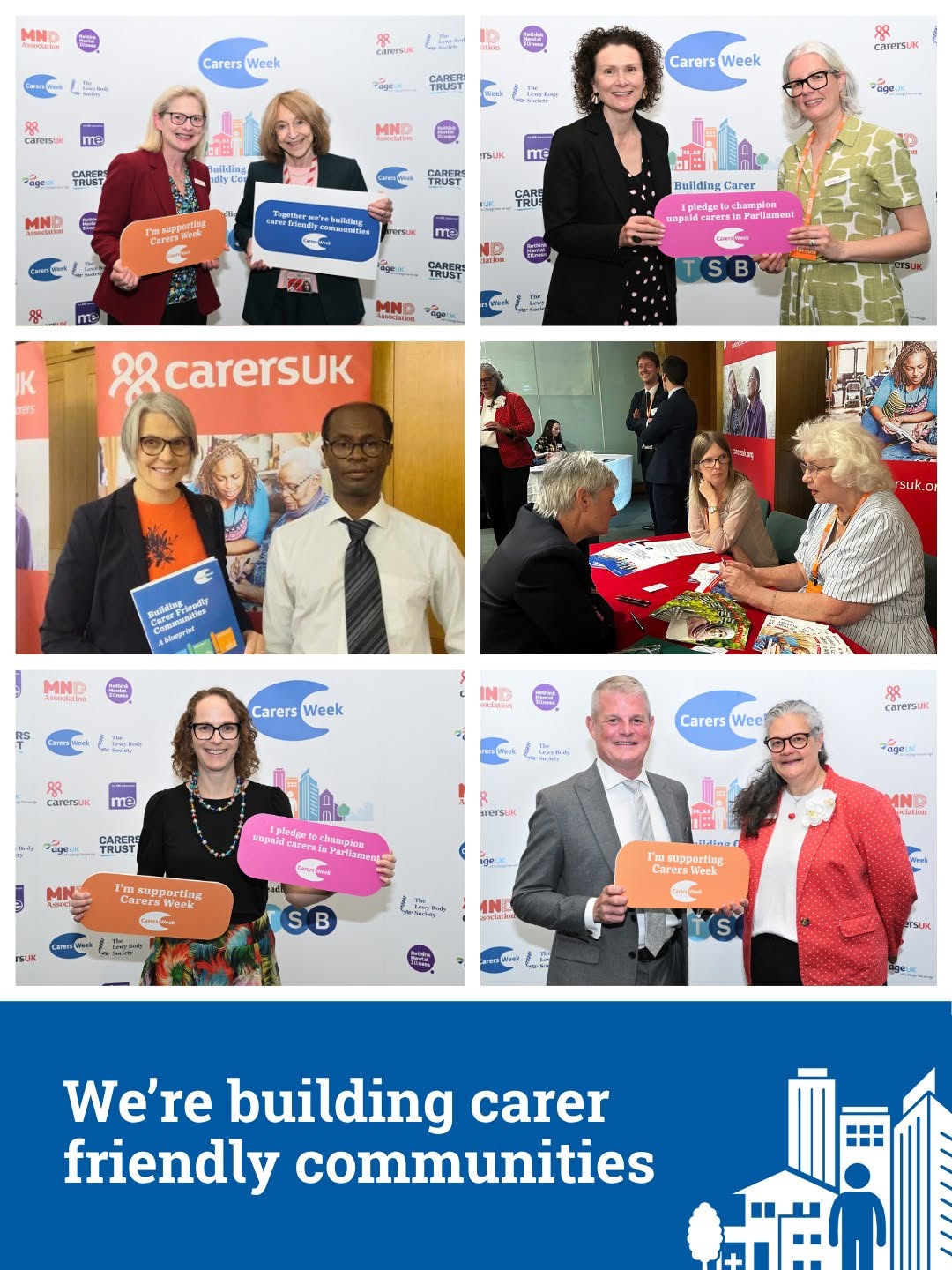
Later that day, I attended the Carers Week Parliamentary Drop-In Event at Portcullis House, Westminster. The event brought together unpaid carers, carers’ organisations, MPs and Peers to discuss the realities of caring and the support carers need.
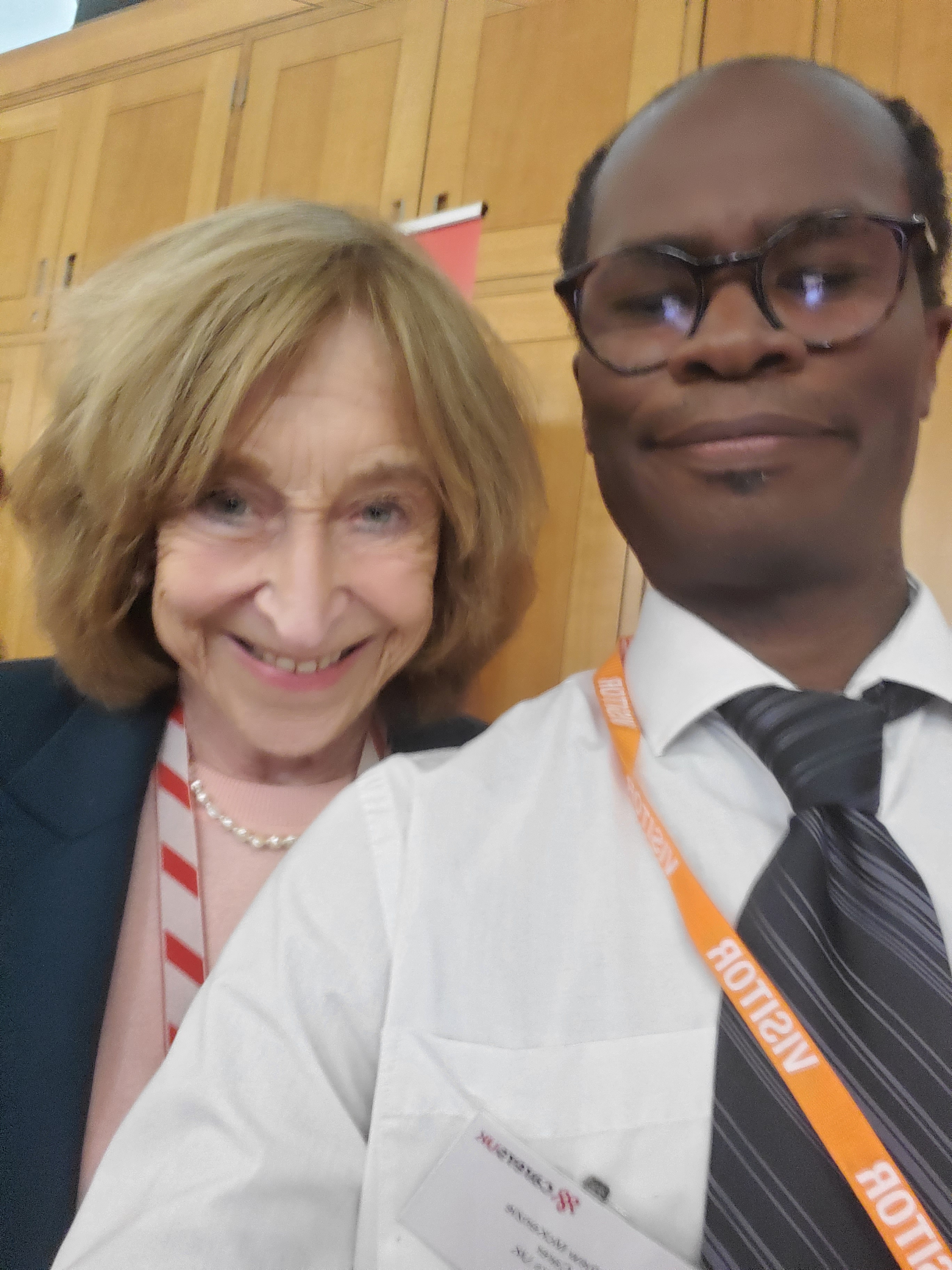
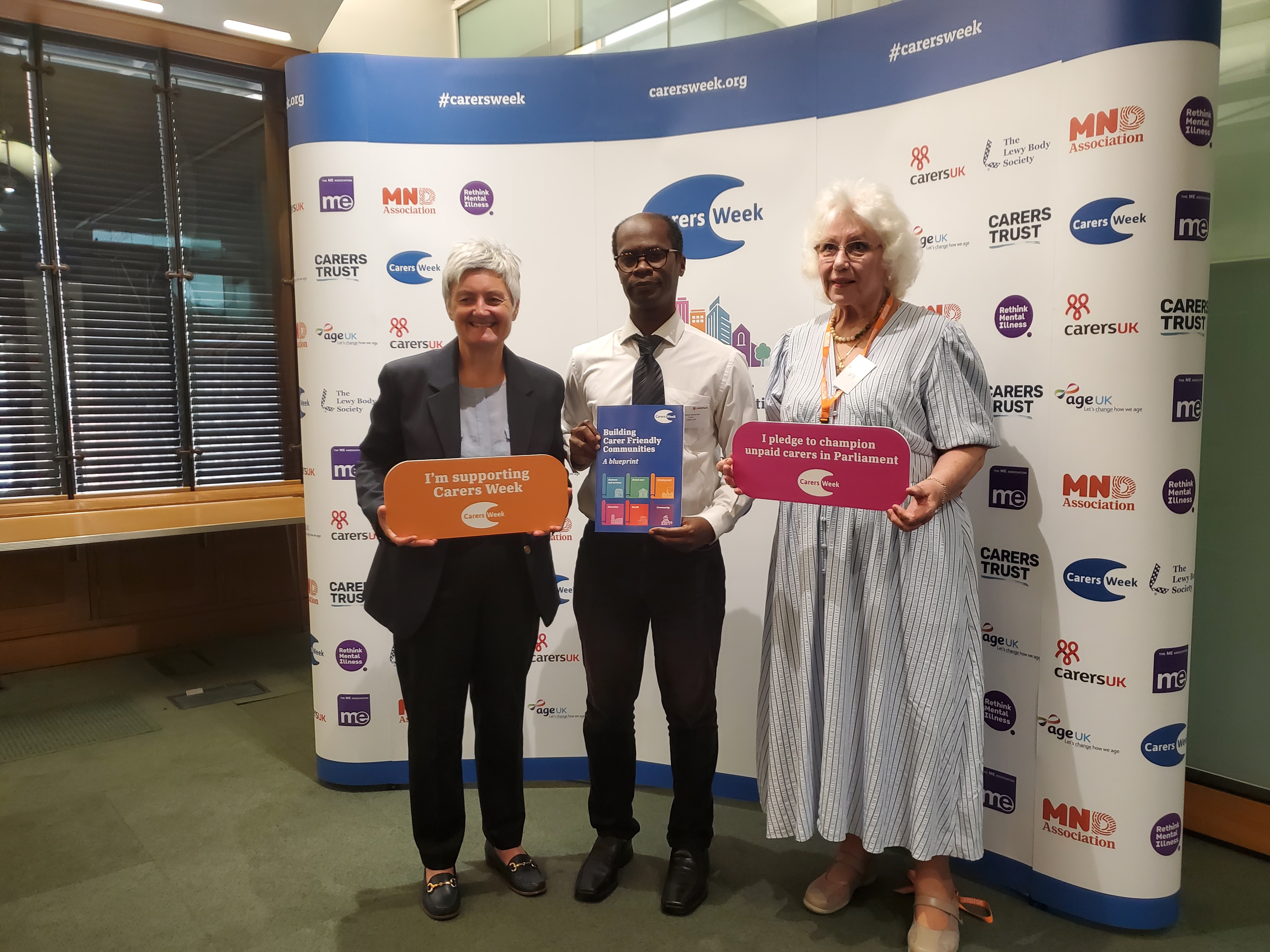
Designed as a speed-networking event, it offered an important platform for carers to share their experiences directly with policymakers and raise awareness of both the immense contribution carers make and the challenges they face. It was encouraging to see parliamentarians engaging with carers and supporter organisations, demonstrating a growing recognition of the need for stronger policies and greater support for unpaid carers across the country.

11 June 2026 – East Sussex Carers Voices Event, East Dean Village Hall

As part of Carers Week, I travelled to East Dean in East Sussex to speak at the East Sussex Carers Voices – Celebrating Carers Week Event, organised by Care for the Carers. The event brought together unpaid carers, NHS representatives, local authority leaders, health professionals, carers’ organisations and community groups to discuss how support for carers can be improved.
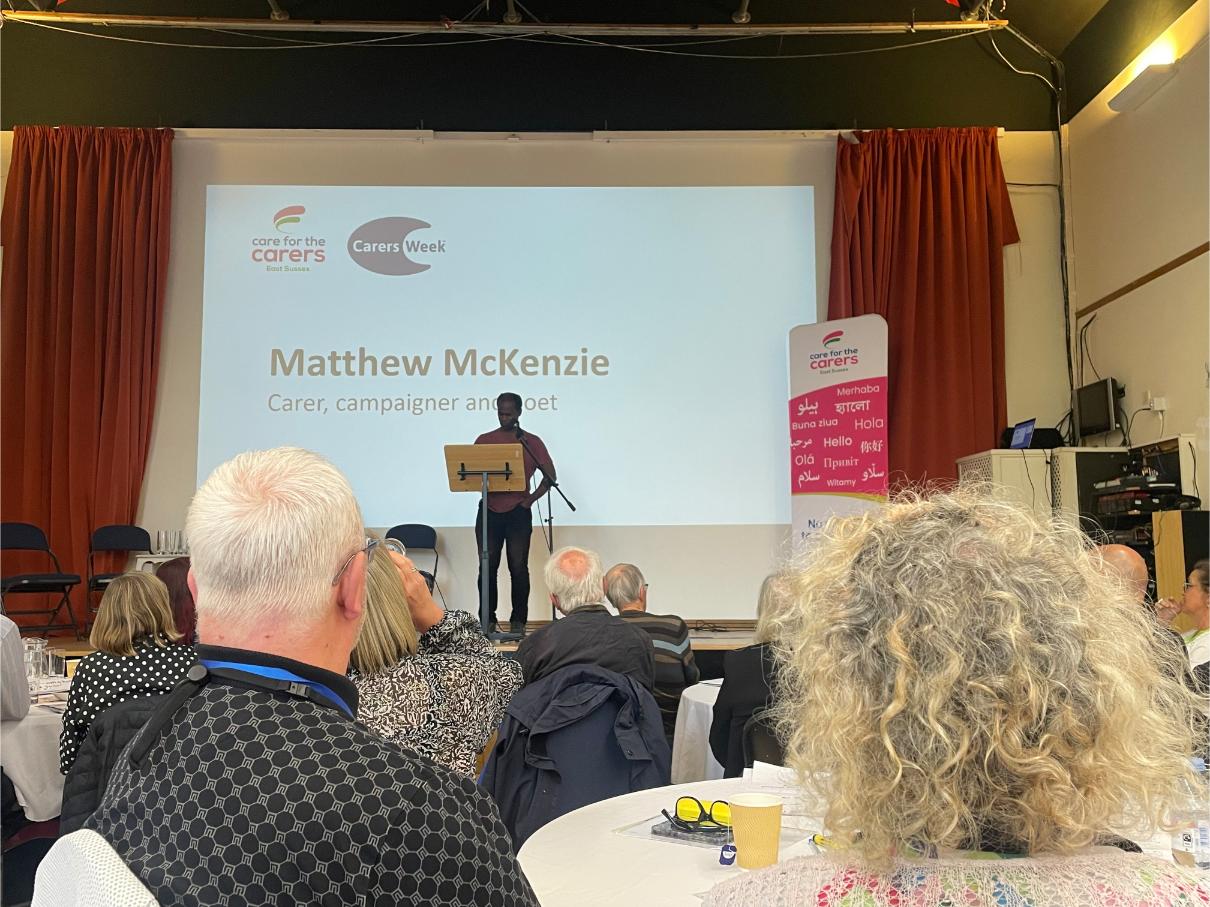
Hosted by Dr Neil Churchill, Chair of Care for the Carers along with Jennifer Twist CEO of Care For The Carers, the day focused on listening to carers’ experiences and ensuring their voices were heard by decision-makers.
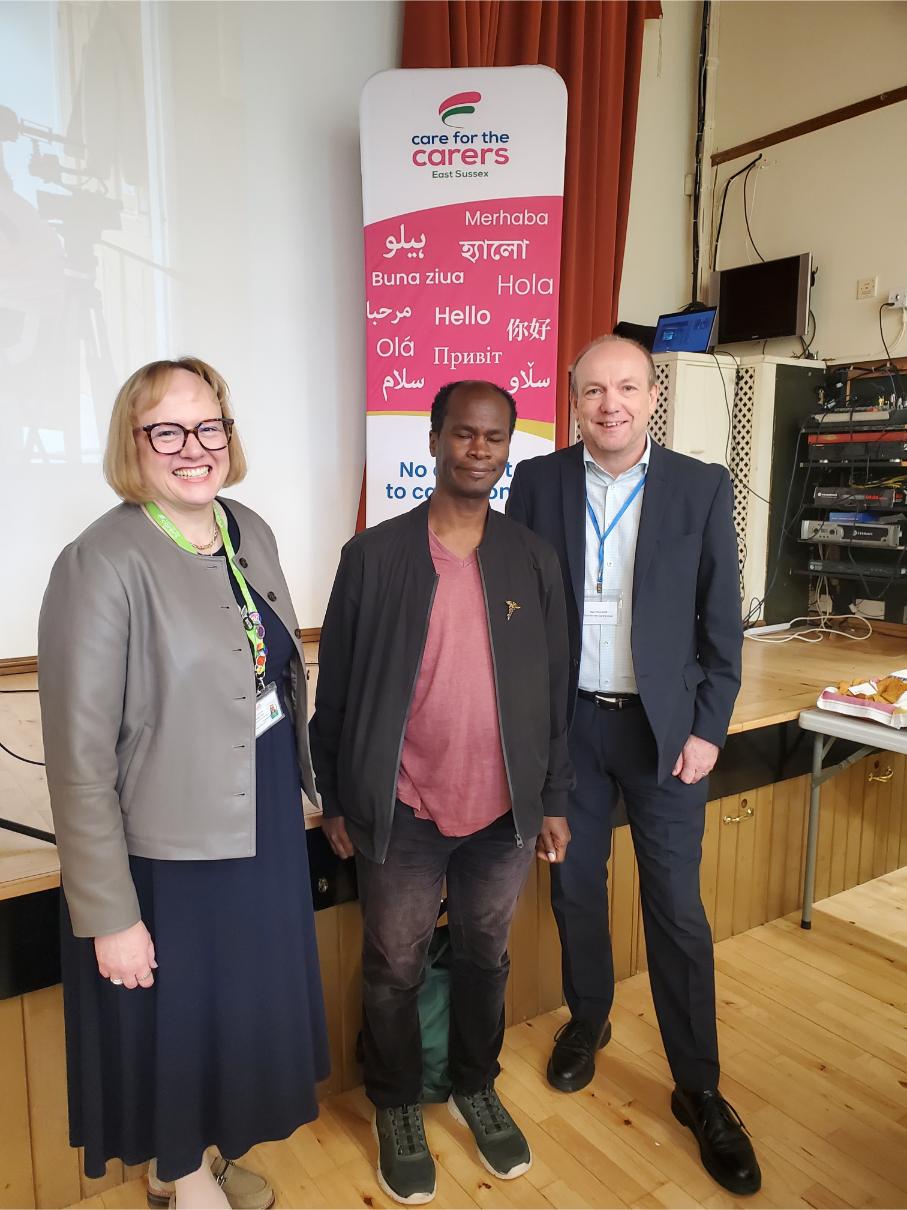
I was honoured to contribute to these discussions and to share insights from my own caring journey. The event demonstrated the value of bringing carers and professionals together to shape services and create positive change for unpaid carers across East Sussex.
12 June 2026 – Speaking at the Cygnet National Carers Event

On 12 June, I had the privilege of speaking at the Cygnet National Carers Event in London as Cygnet’s PCREF Carer Lead, Carer Network Ambassador and carer author. The event brought together carers, healthcare professionals and sector leaders to celebrate carers and discuss the support they need. I shared my experiences as a lifelong carer and highlighted the importance of recognising carers as equal partners in care.
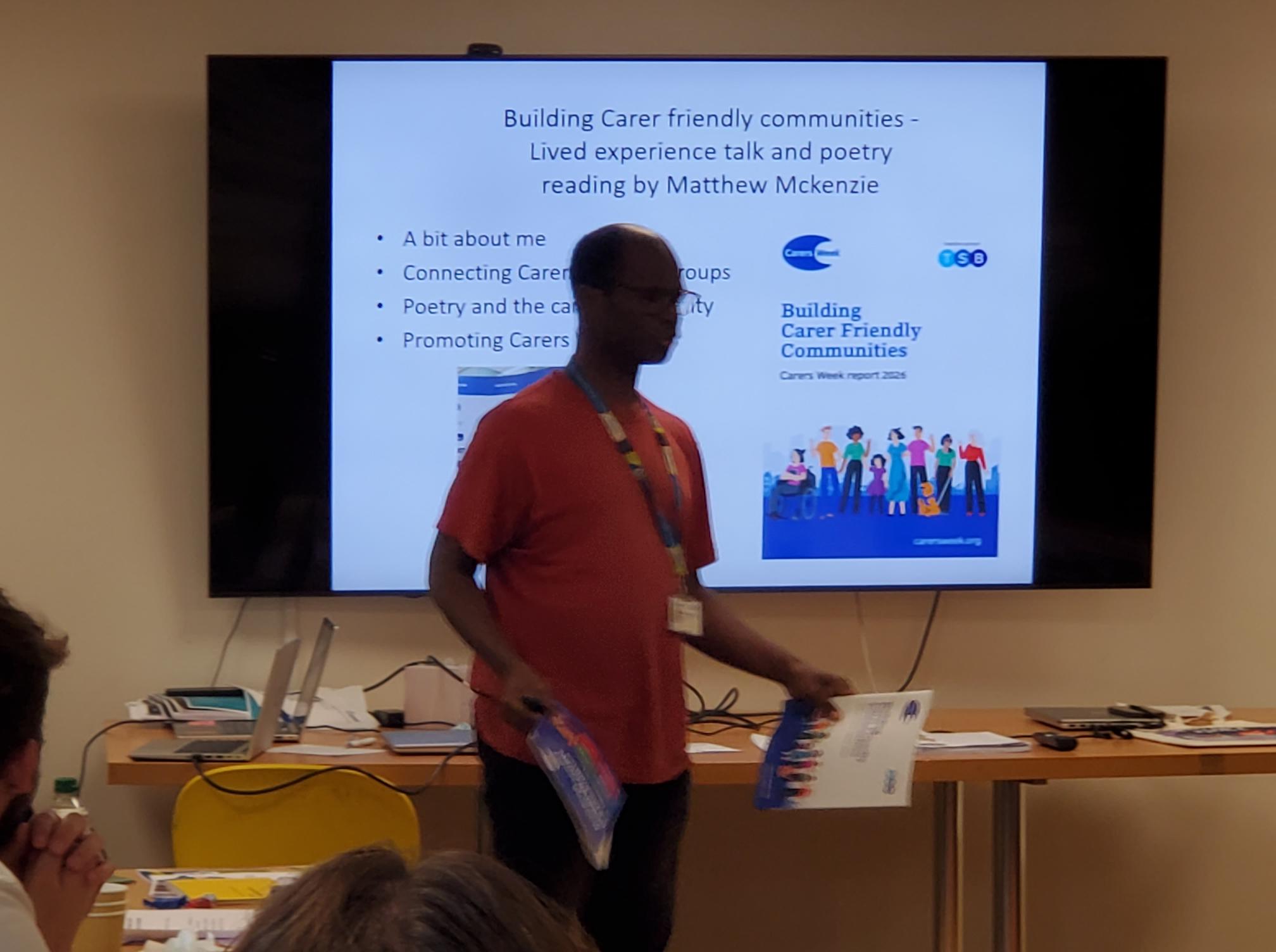
It was inspiring to hear from a diverse range of speakers, including experts by experience, researchers, advocates and service leaders, all united by a shared commitment to improving outcomes for carers. The event reinforced the importance of lived experience in shaping services and ensuring carers’ voices remain central to policy and practice.

13 June 2026 – Carers Community and Support Day at Wells Park Practice

I concluded Carers Week 2026 by hosting a carers information stall alongside Wendy (who is also a devoted carer campaigner at our Lewisham group) at Wells Park Practice during their Carers Community and Support Day.
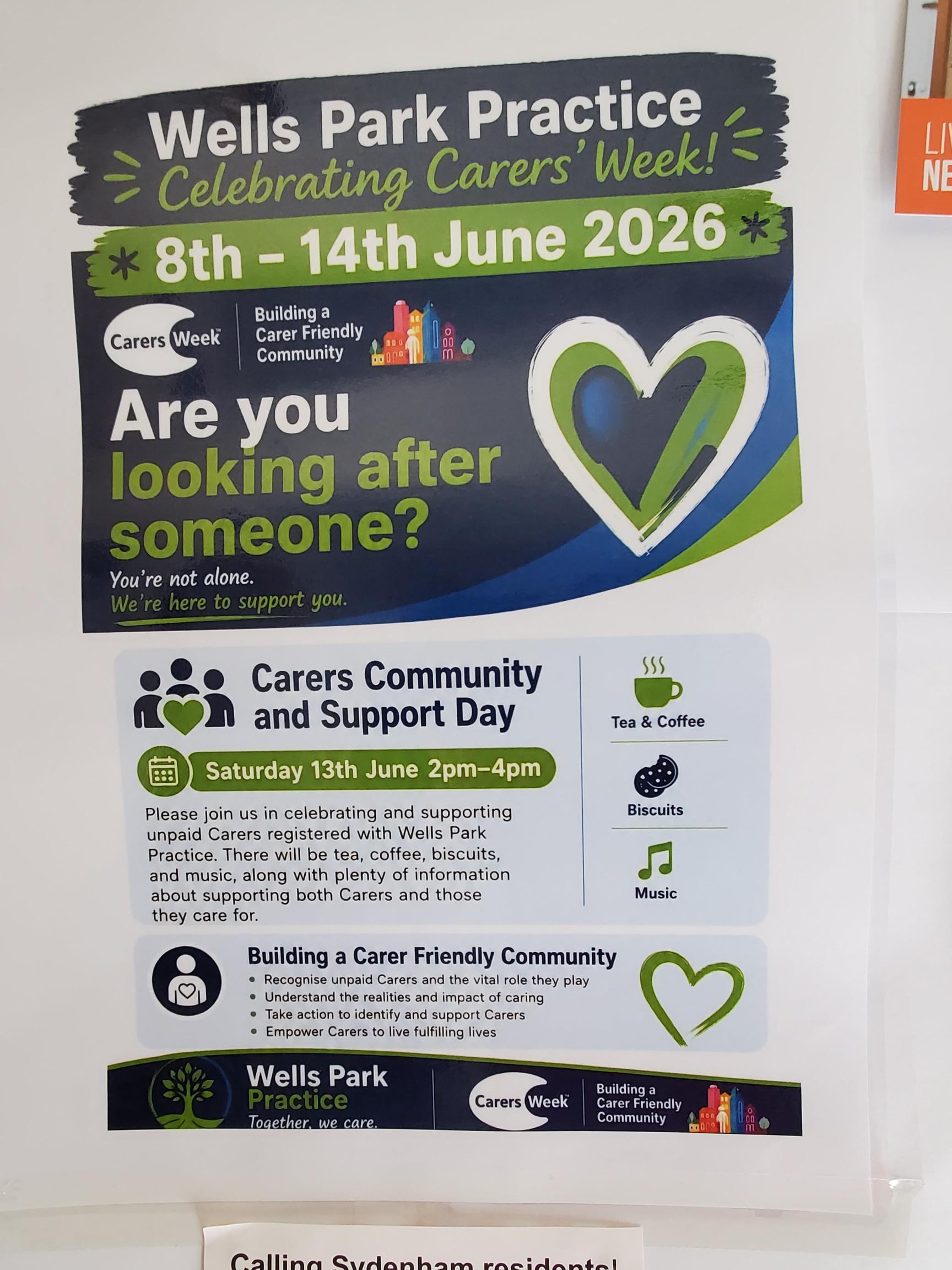
The event celebrated carers within the local community and provided an opportunity for unpaid carers to access information, advice and support in a relaxed and welcoming environment.
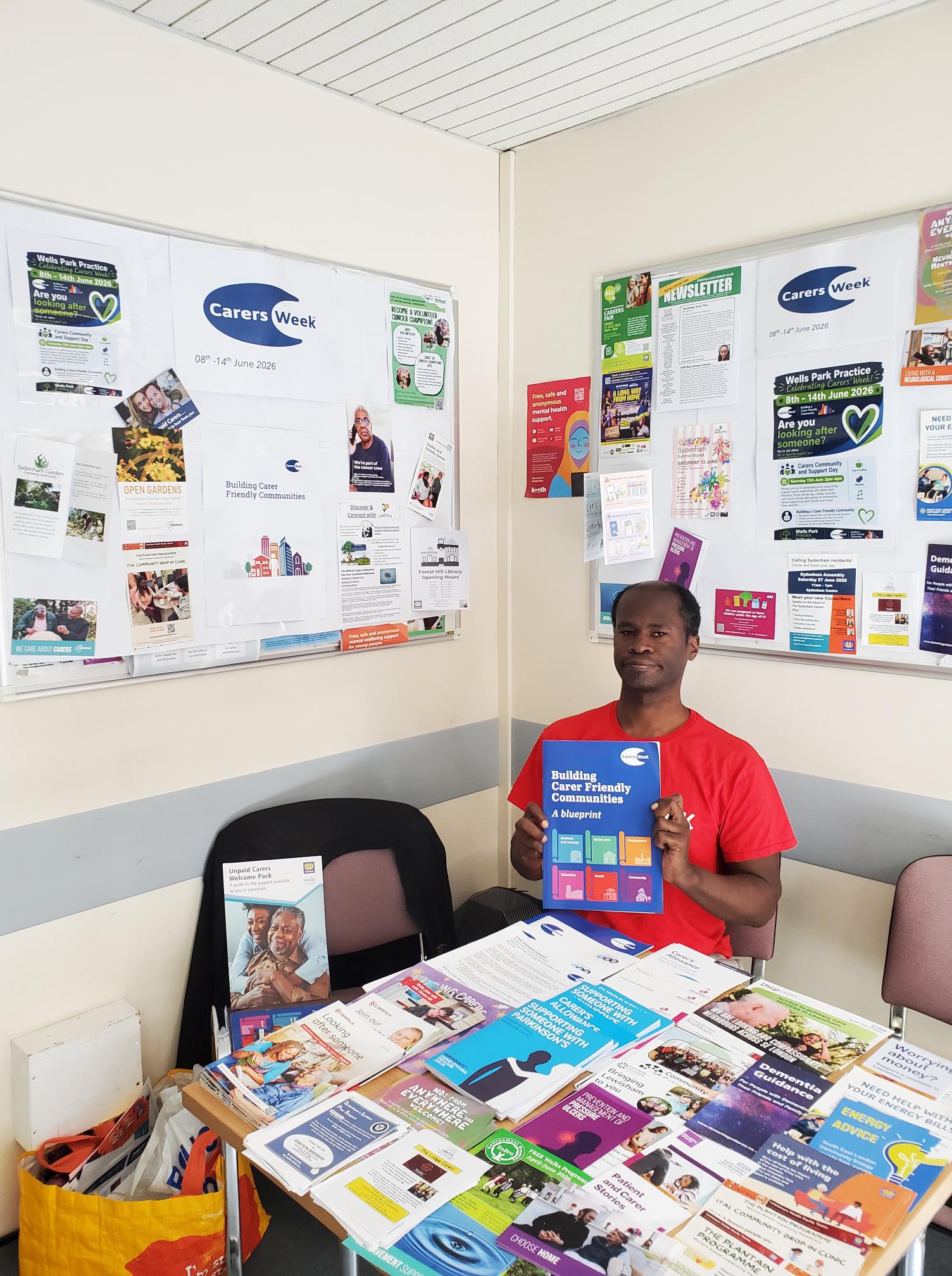
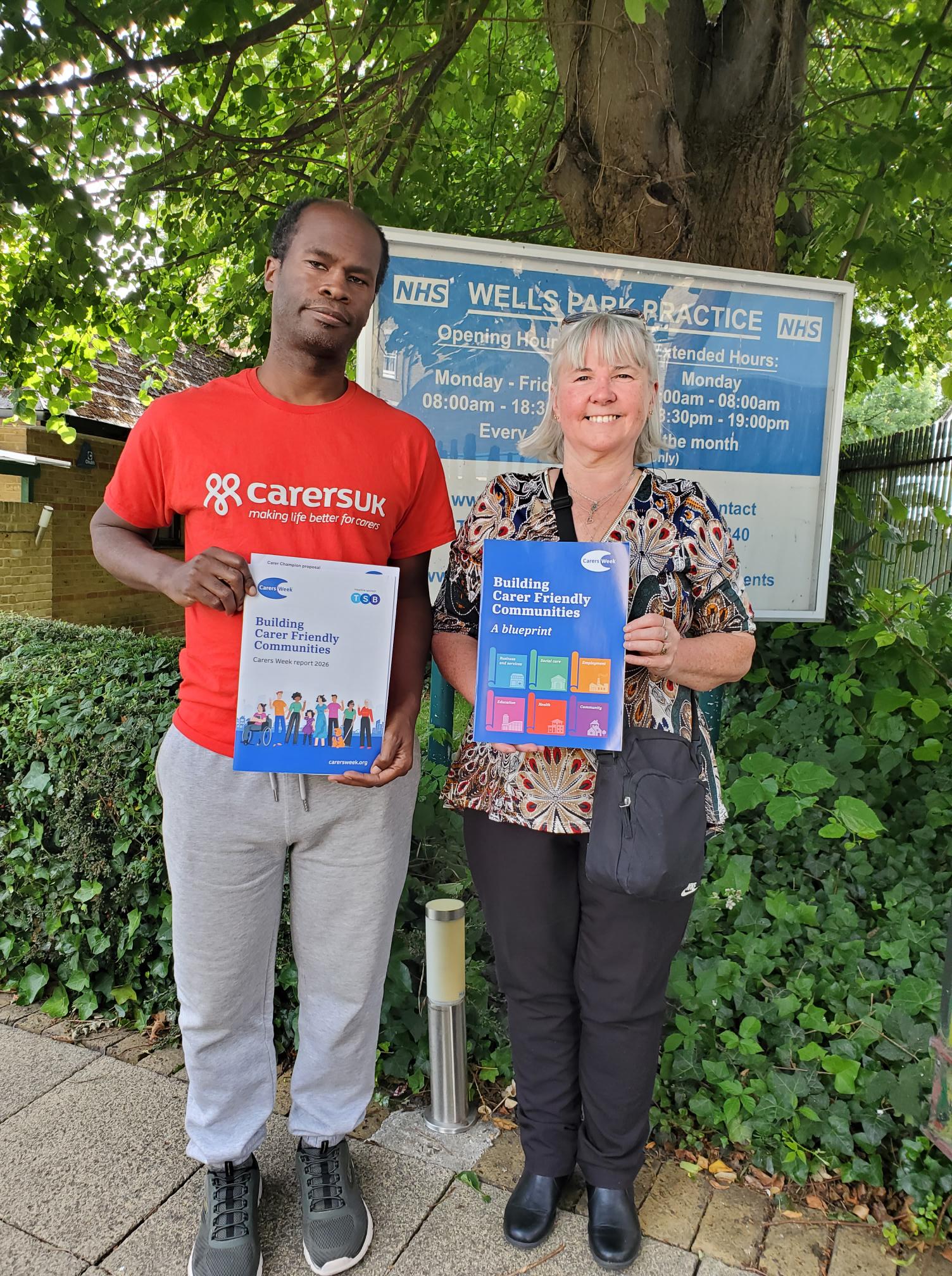
Throughout the afternoon, I spoke with carers about the challenges they face and the services available to help them. The event also highlighted the importance of building a carer-friendly community by recognising carers, understanding the realities of caring and empowering carers to live fulfilling lives. It was a fitting way to end a busy and rewarding week dedicated to championing carers and raising awareness of their invaluable contribution to society.

Reflection

Carers Week 2026 was an incredibly busy and meaningful week, providing opportunities to raise awareness, influence decision-makers, support carers directly and celebrate the extraordinary contribution that unpaid carers make every day.

From hospitals and GP surgeries to Parliament, local authorities and national conferences, the message remained the same: carers are essential, carers deserve recognition and carers must be supported. I am proud to have contributed to so many events throughout the week and remain committed to ensuring that carers’ voices continue to be heard long after Carers Week has ended.

CarersWeek2026, #CarersWeek, #UnpaidCarers, #CarerAwareness, #SupportCarers, #CarersMatter, #NHS, #MentalHealth, #HealthAndSocialCare
Carers Week Celebration 2026: A Day of Recognition, Reflection and Resilience

By Matthew McKenzie – Carer, Author, Poet and Host of the Carers UK Information Stall
10 June 2026, Perceval House, Ealing

As a carer myself, supporting both of my brothers, I understand that caring is often a role we never planned for, yet one we embrace out of love, duty and commitment. It can be rewarding, but it can also be isolating, exhausting and overwhelming. That is why events such as the Carers Week Celebration 2026, organised by Ealing Carers Partnership, Ealing Carers Hub and Ealing Council, are so important.

I think it reminds us that carers matter, that our voices are heard and that we are not alone.

Having the privilege of hosting the Carers UK information stall, while also attending as a carer, poet and author, I witnessed first-hand the incredible sense of community that filled Perceval House throughout the day.

The event brought together carers, professionals, charities, community organisations and council representatives for a celebration that was both informative and inspiring. Alongside the opportunity to gather information and advice, carers enjoyed complimentary refreshments, free manicures from students of Uxbridge College, artwork exhibitions and the chance to connect with others who truly understand the caring journey.


Carer Stalls of Support and Opportunities

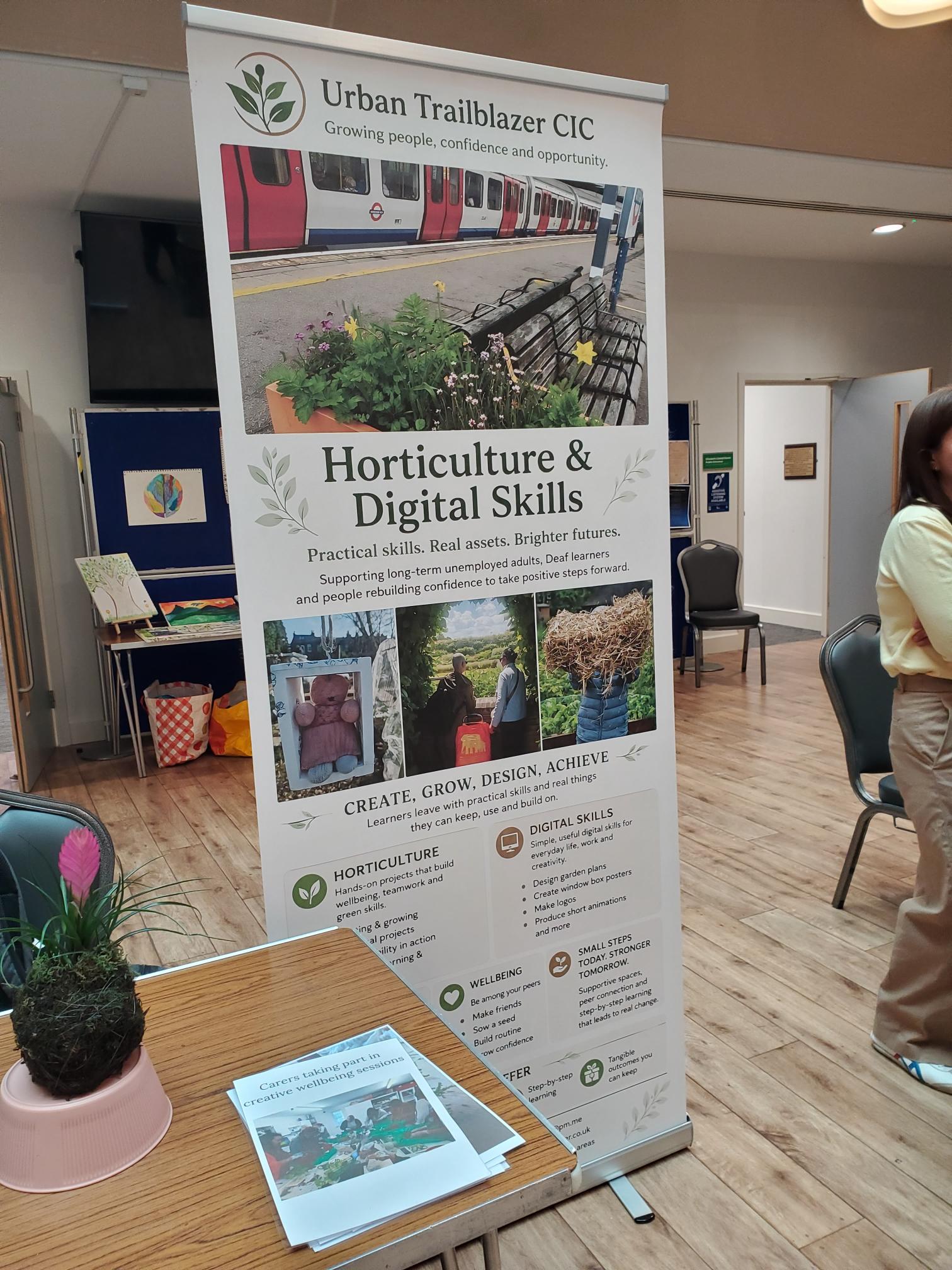
One of the highlights of the day was the large exhibition area, where carers could meet a wide range of organisations offering support, guidance and practical services.

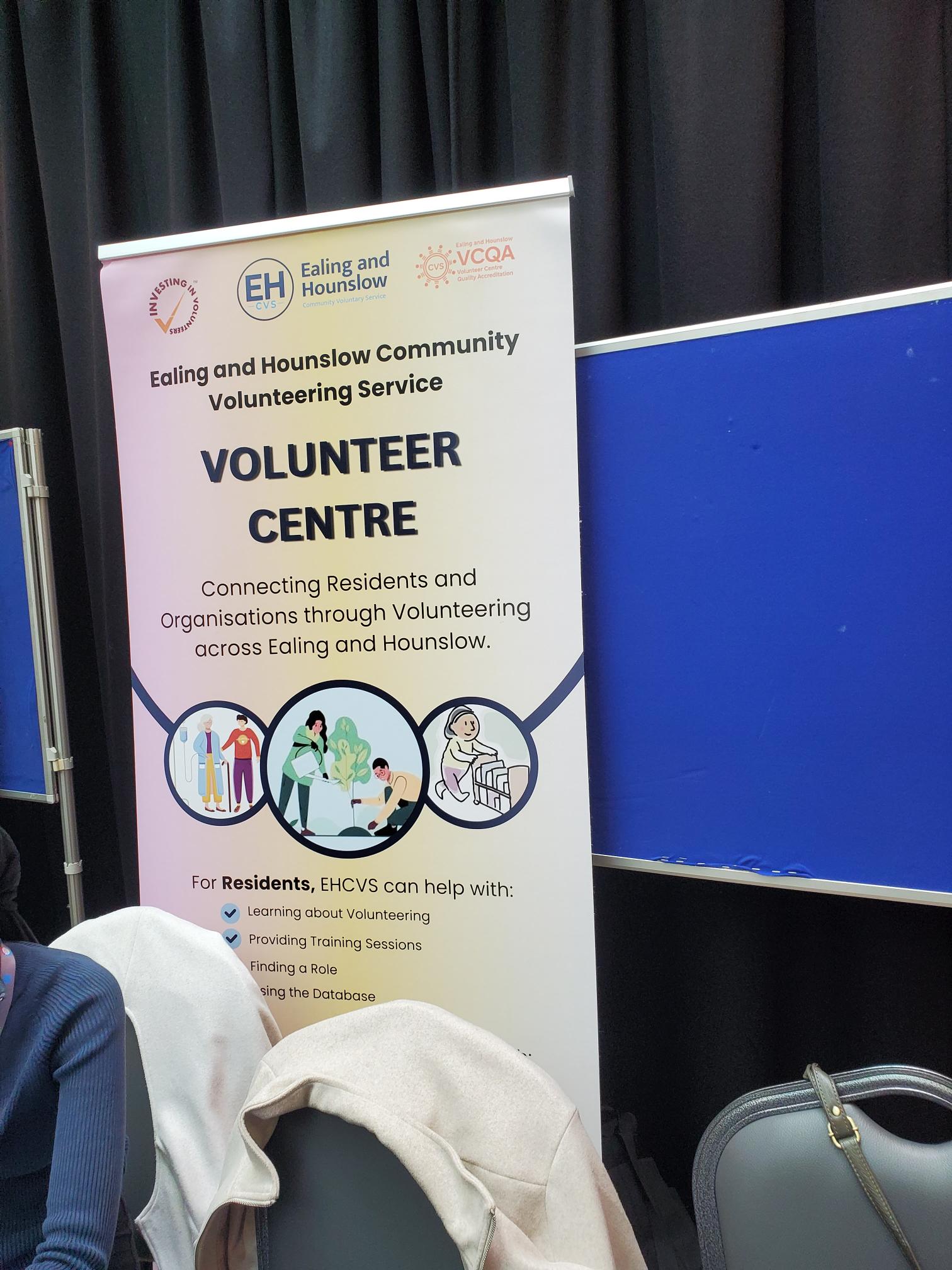
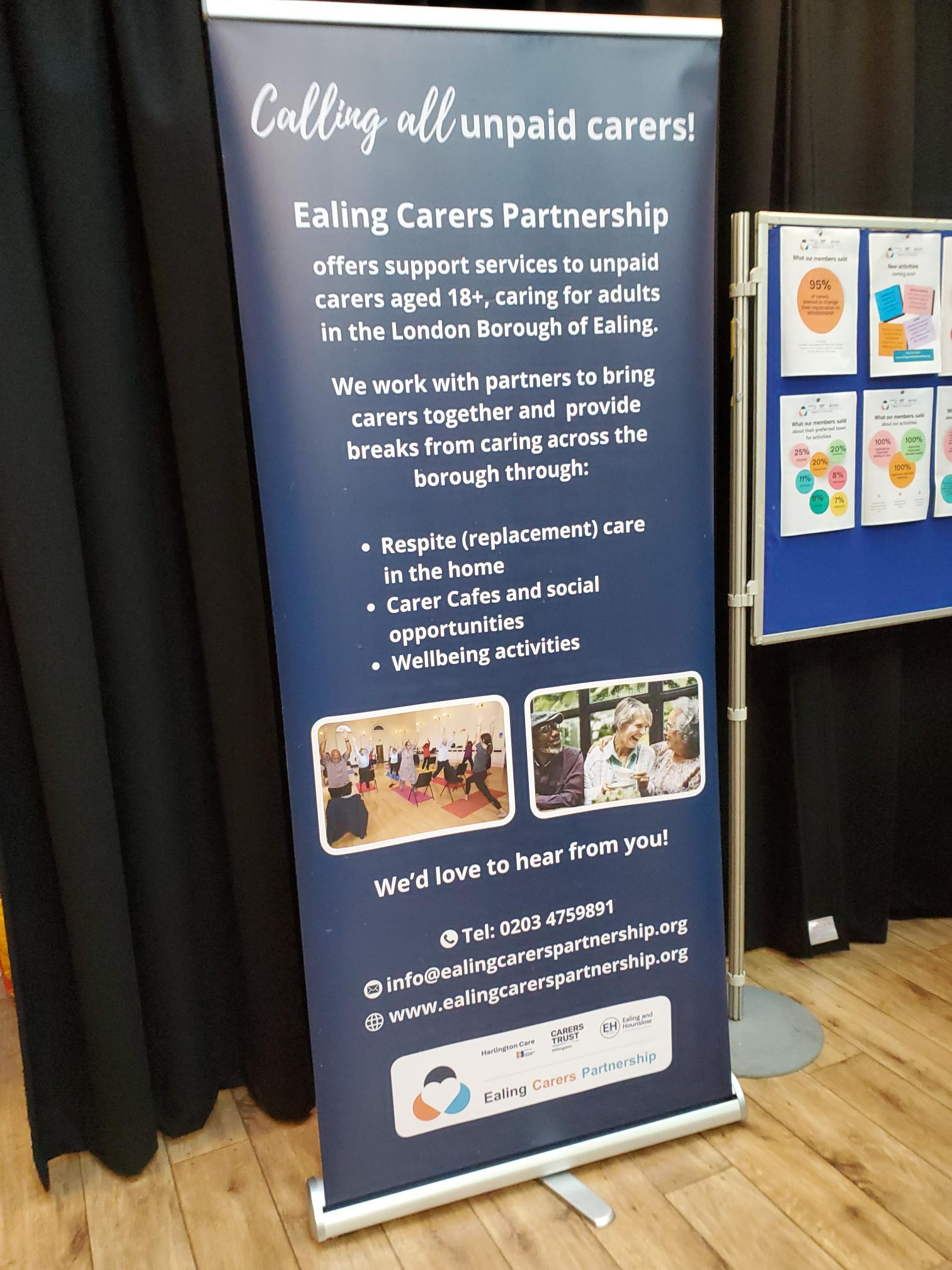
The information stalls represented the breadth of support available across Ealing and North West London. Throughout the day carers visited displays from organisations including:

  • Carers UK
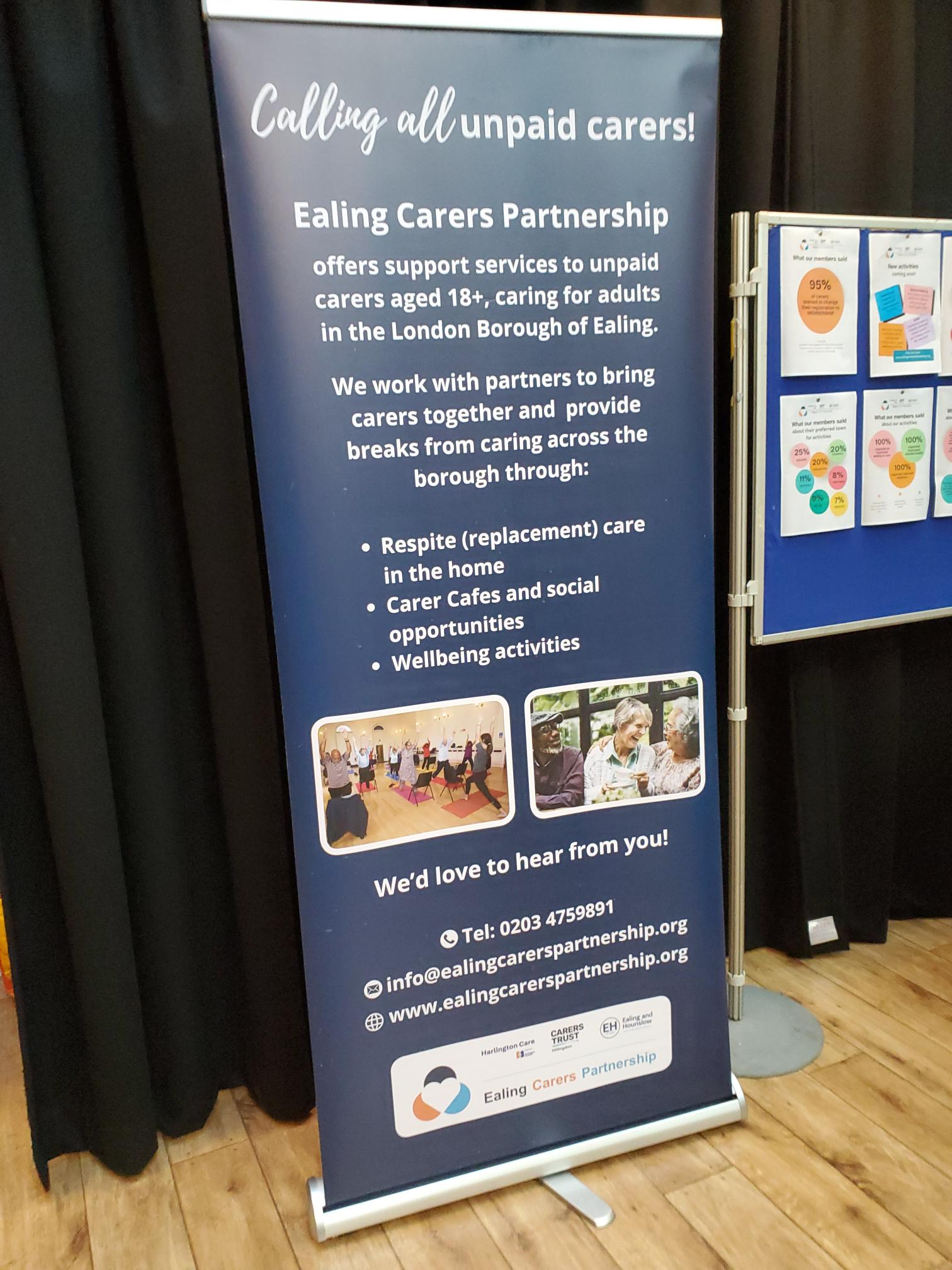
  • Ealing Carers Partnership
  • Ealing Carers Hub
  • Mind
  • RISE
  • Ealing Advice Service
  • Harlington Hospice / Harlington Care
  • Independent Mental Health Advocacy Services
  • Volunteer Centre Ealing
  • Eating Disorders Support Services
  • Community wellbeing organisations
  • Health and social care providers
  • Local voluntary sector groups
  • Arts and creativity projects for carers
  • Community engagement and peer support groups

Many stalls offered practical information about carers’ rights, benefits, wellbeing support, mental health services, respite opportunities, advocacy and volunteering. Others showcased creative projects and community activities designed to reduce isolation and improve wellbeing.

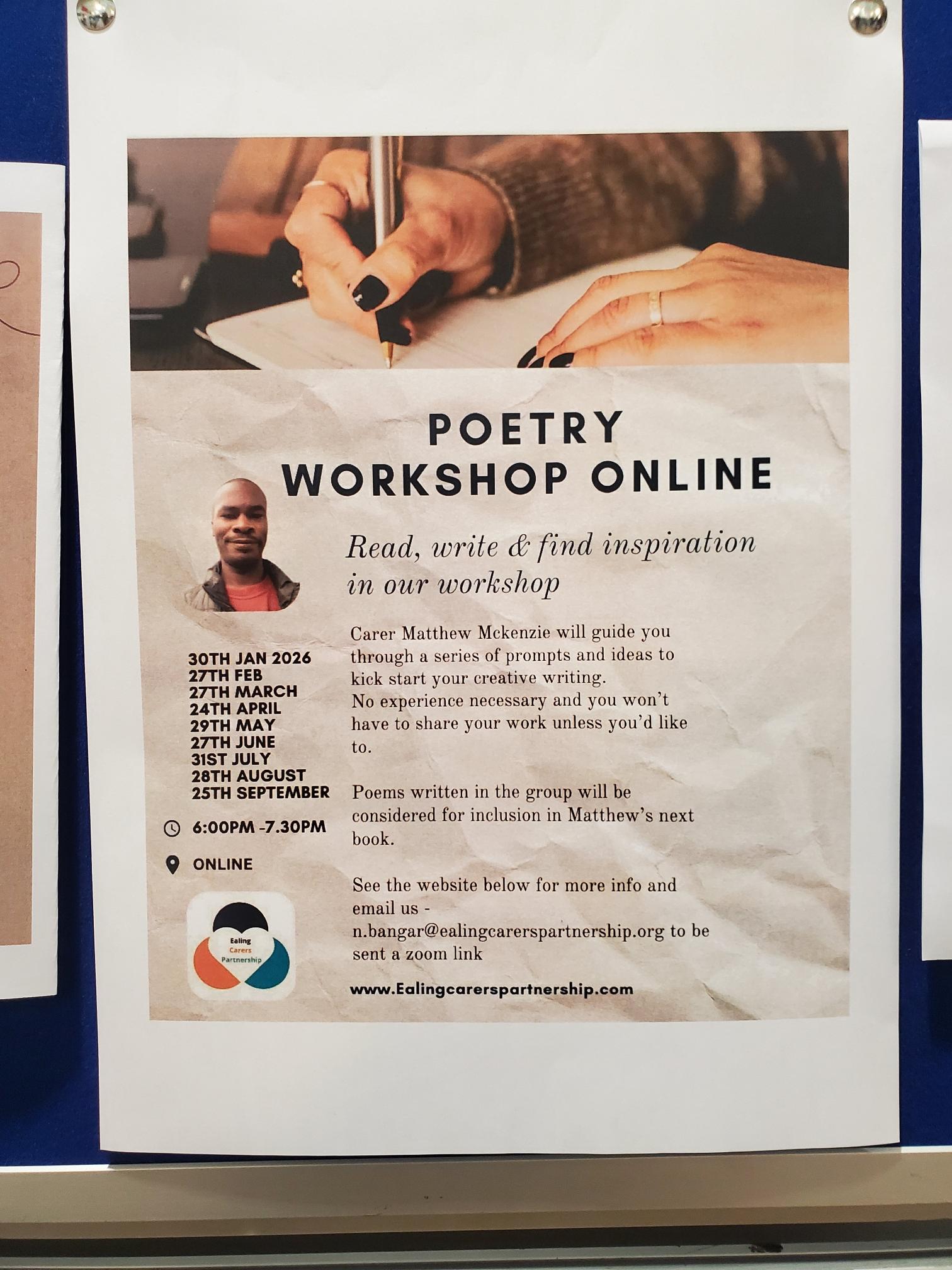
It was also great to see Carer Poetry displayed including the Carer Poetry group I run with Ealing Carers.

At the Carers UK stall, I had numerous conversations with carers who were seeking information about financial support, carers’ assessments, employment rights and how to balance caring responsibilities with their own health and wellbeing. What struck me most was how many carers were attending such an event for the first time and discovering services they never knew existed.

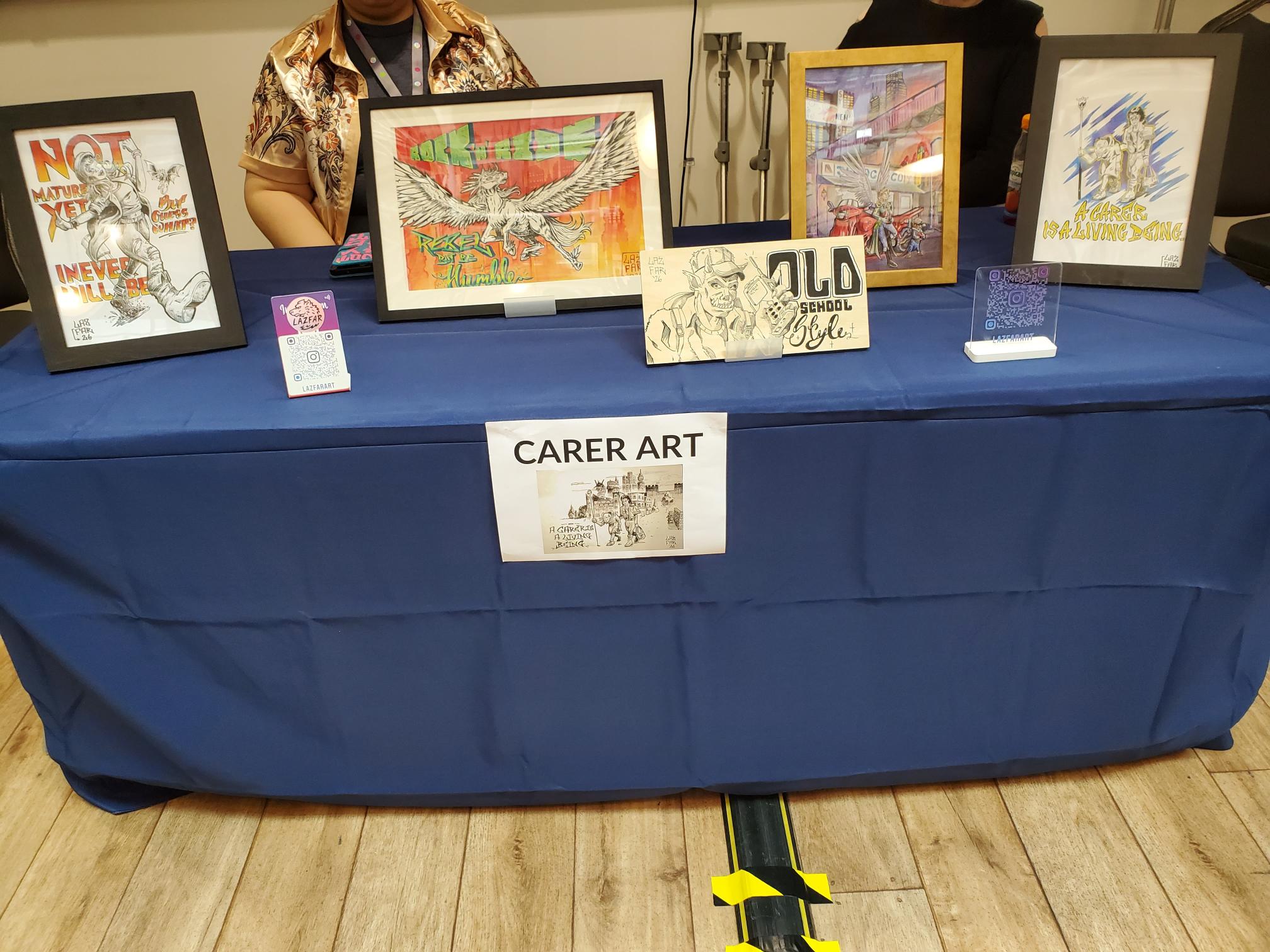
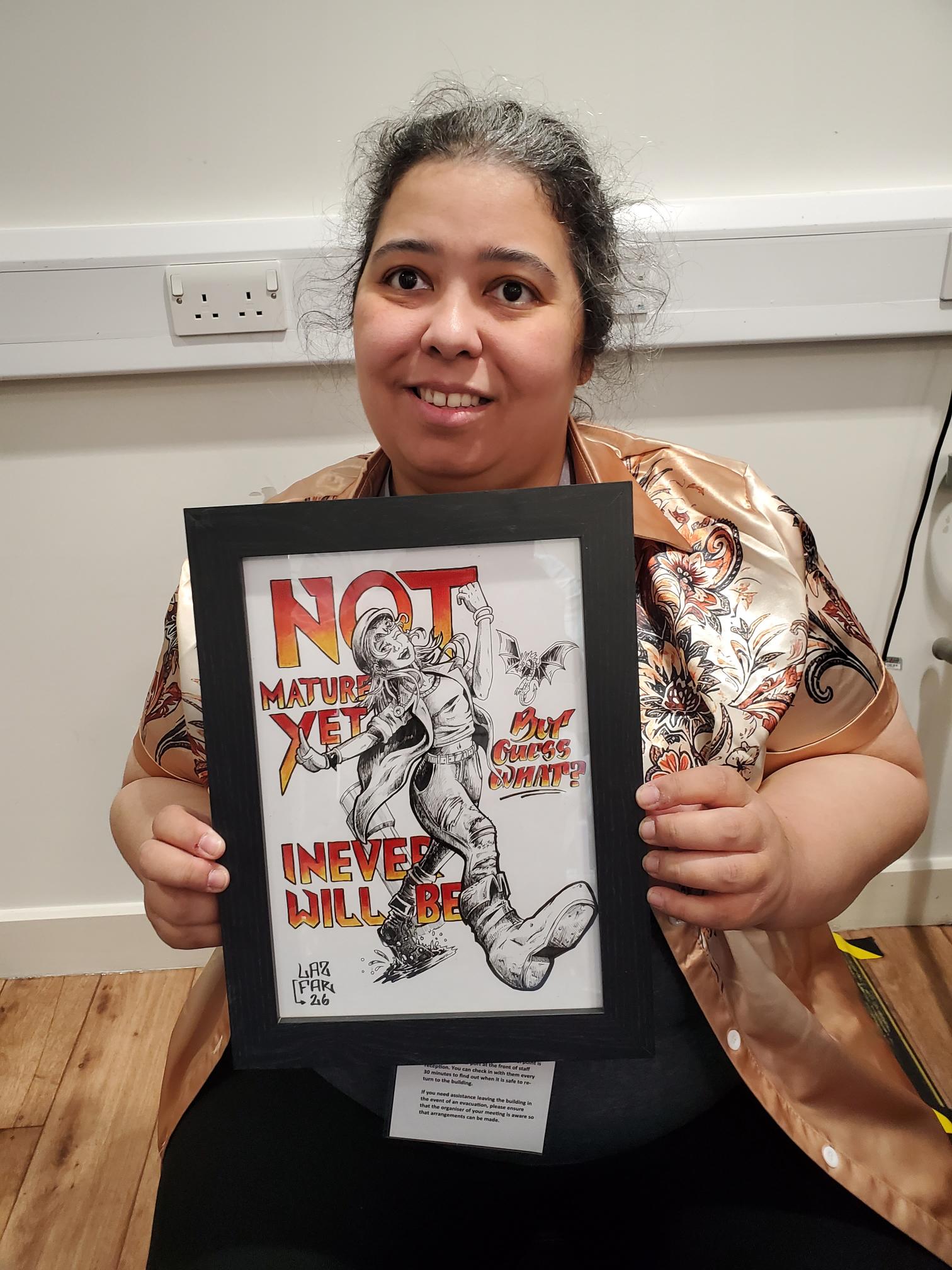
The exhibition also featured the moving “A Carer Is…” artwork display, where carers expressed their experiences through art. The exhibition provided a powerful reminder that caring is not simply a task—it is an emotional journey filled with love, sacrifice, resilience and hope.


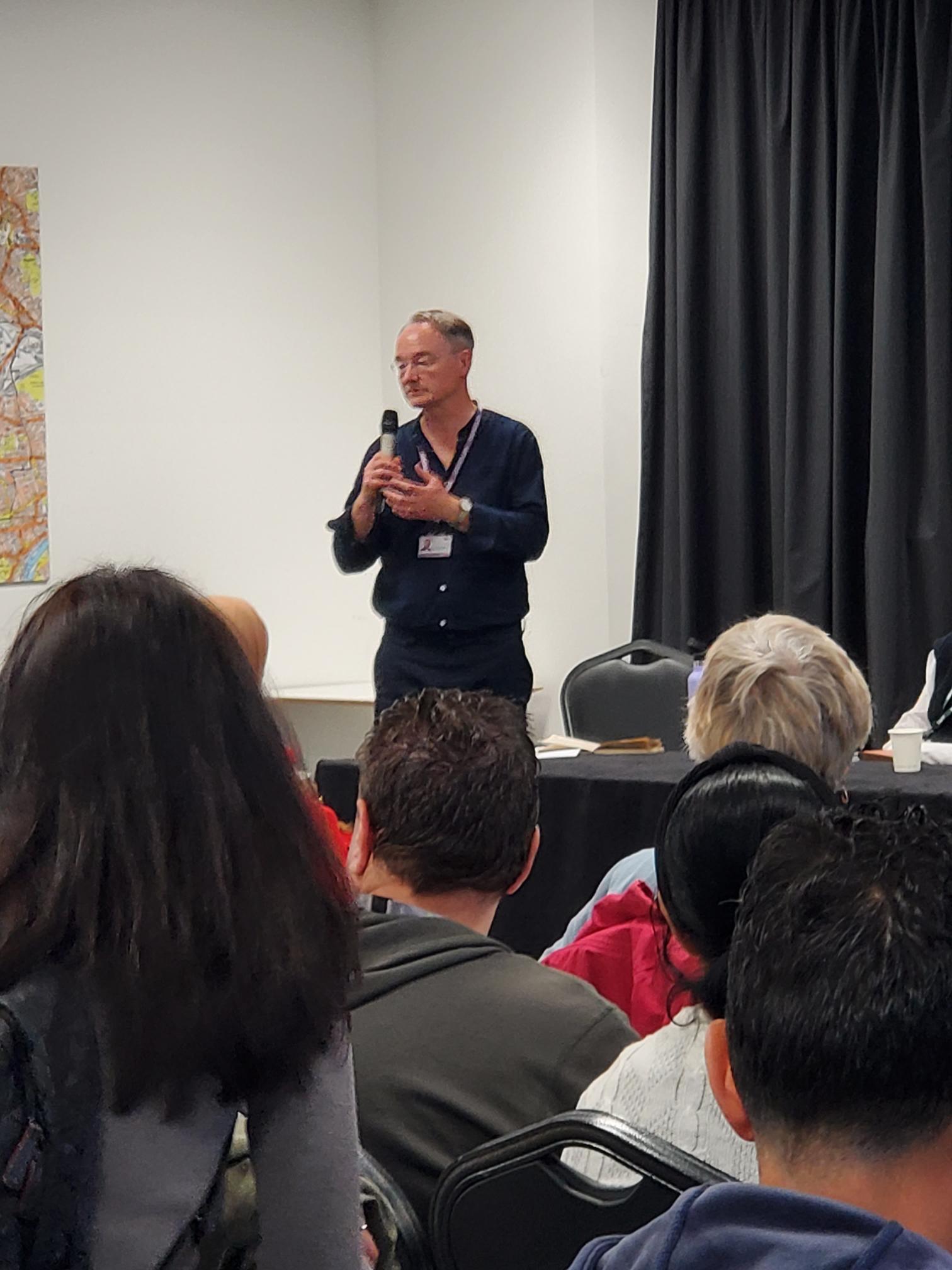
Listening to Carers: The Ealing Carers Forum and Council Presentations

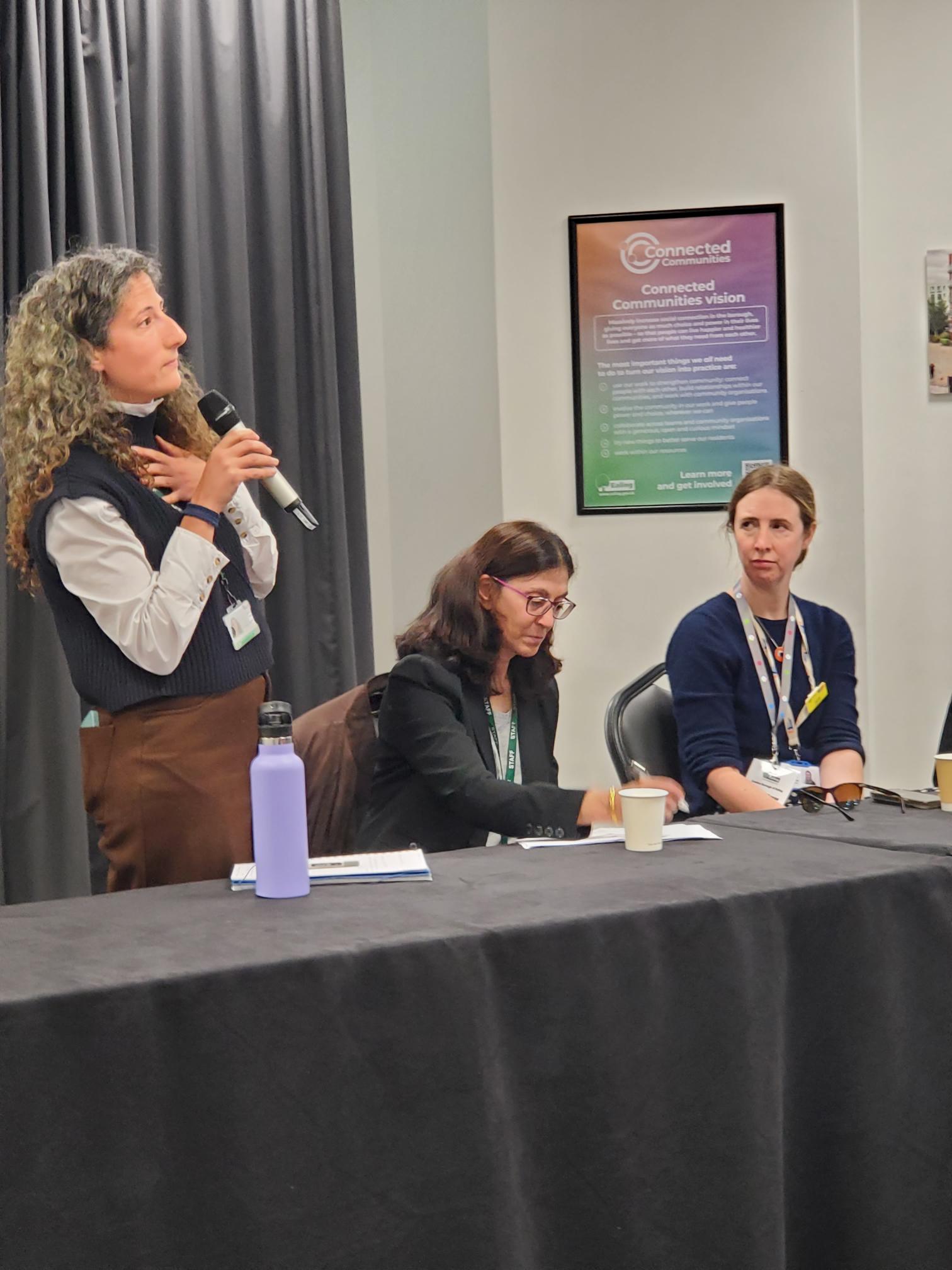
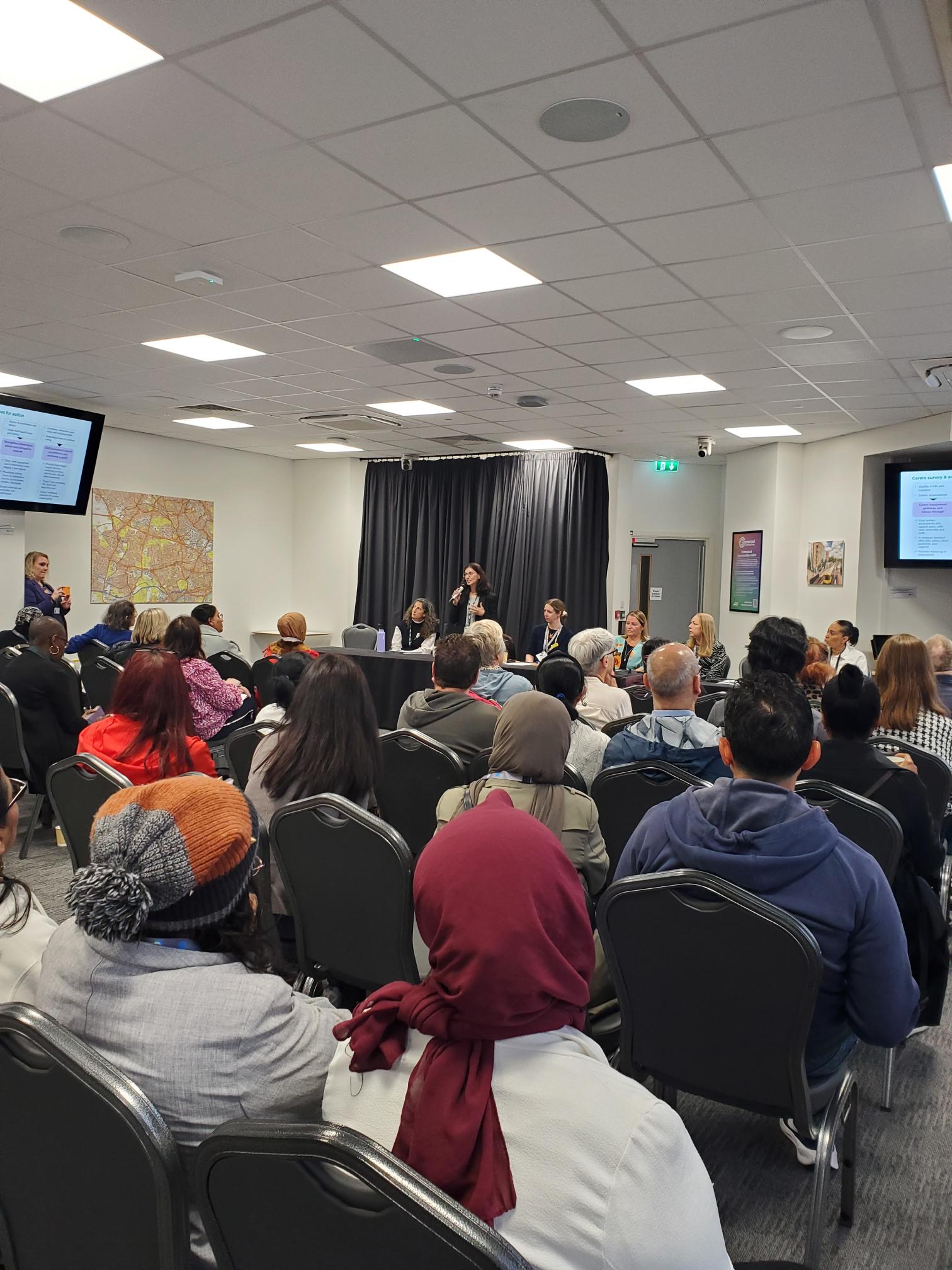
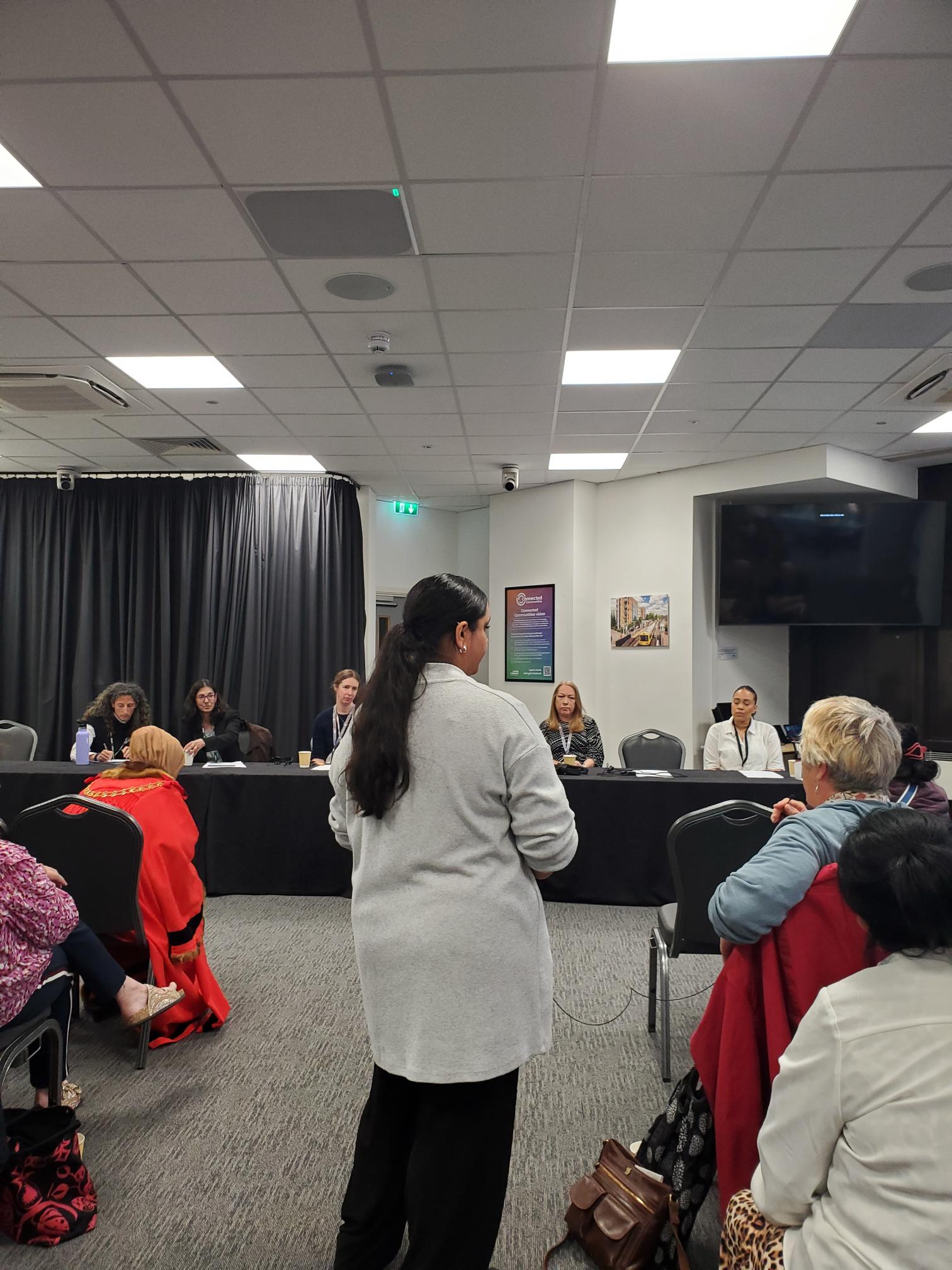
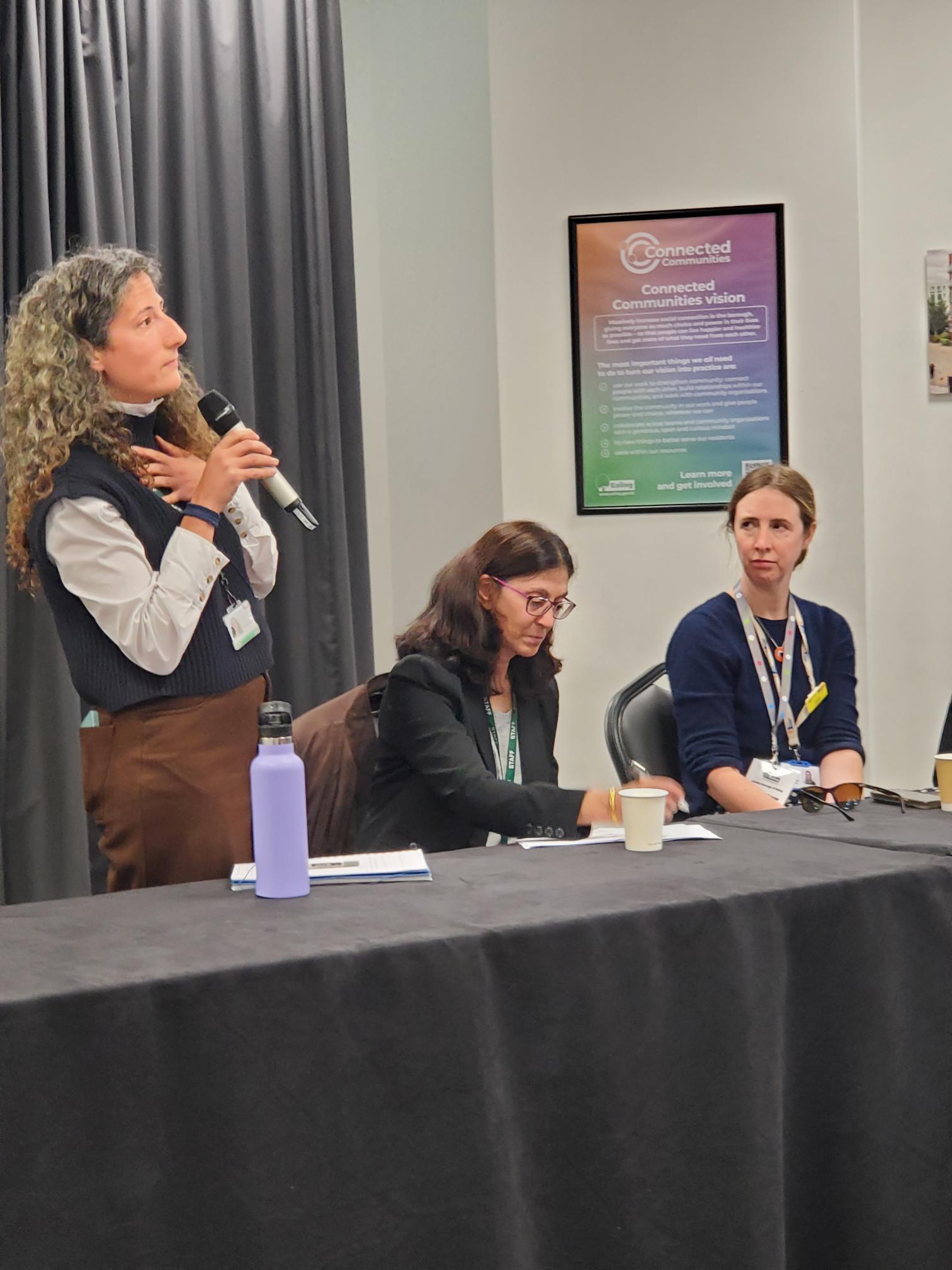
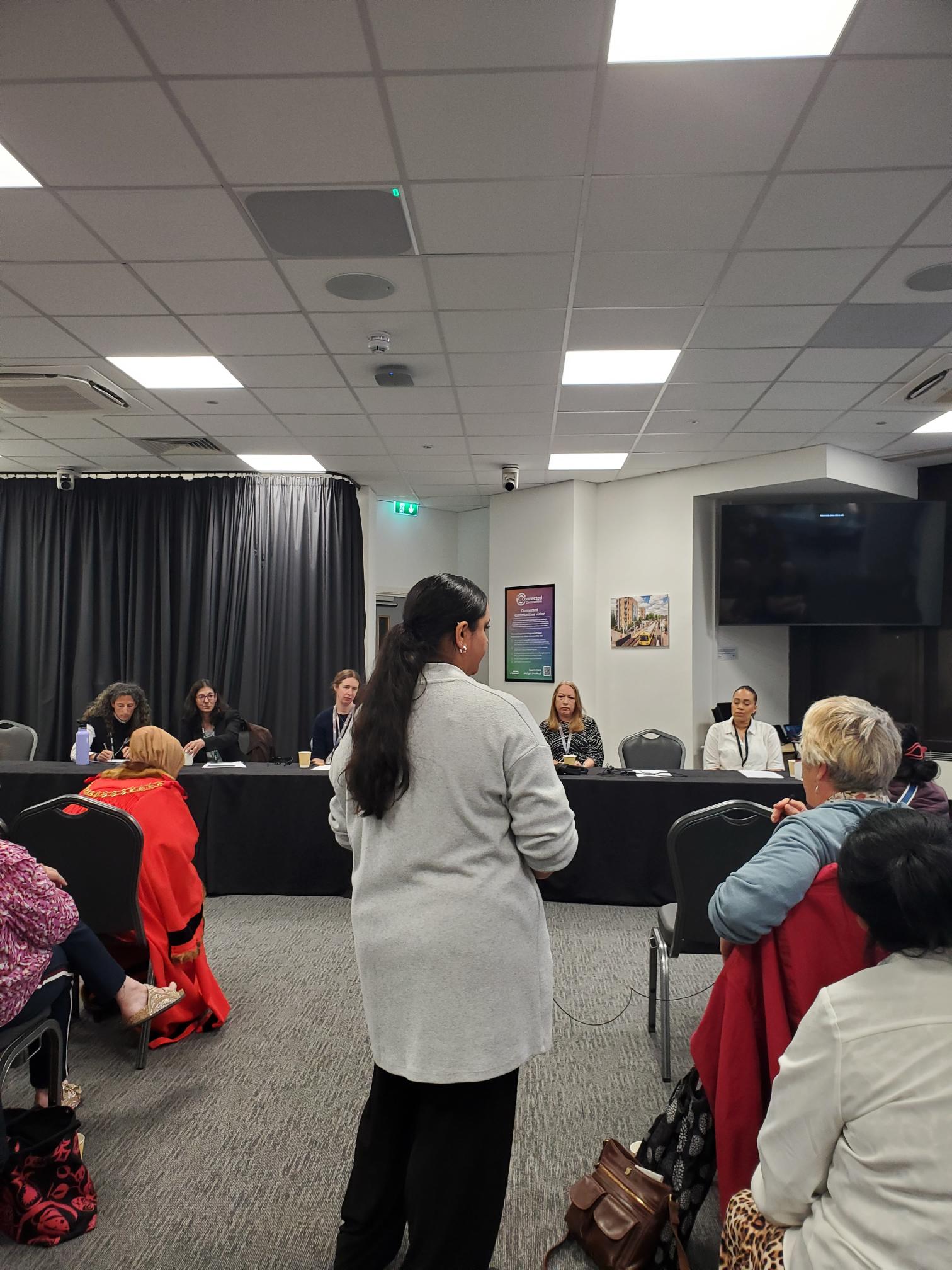
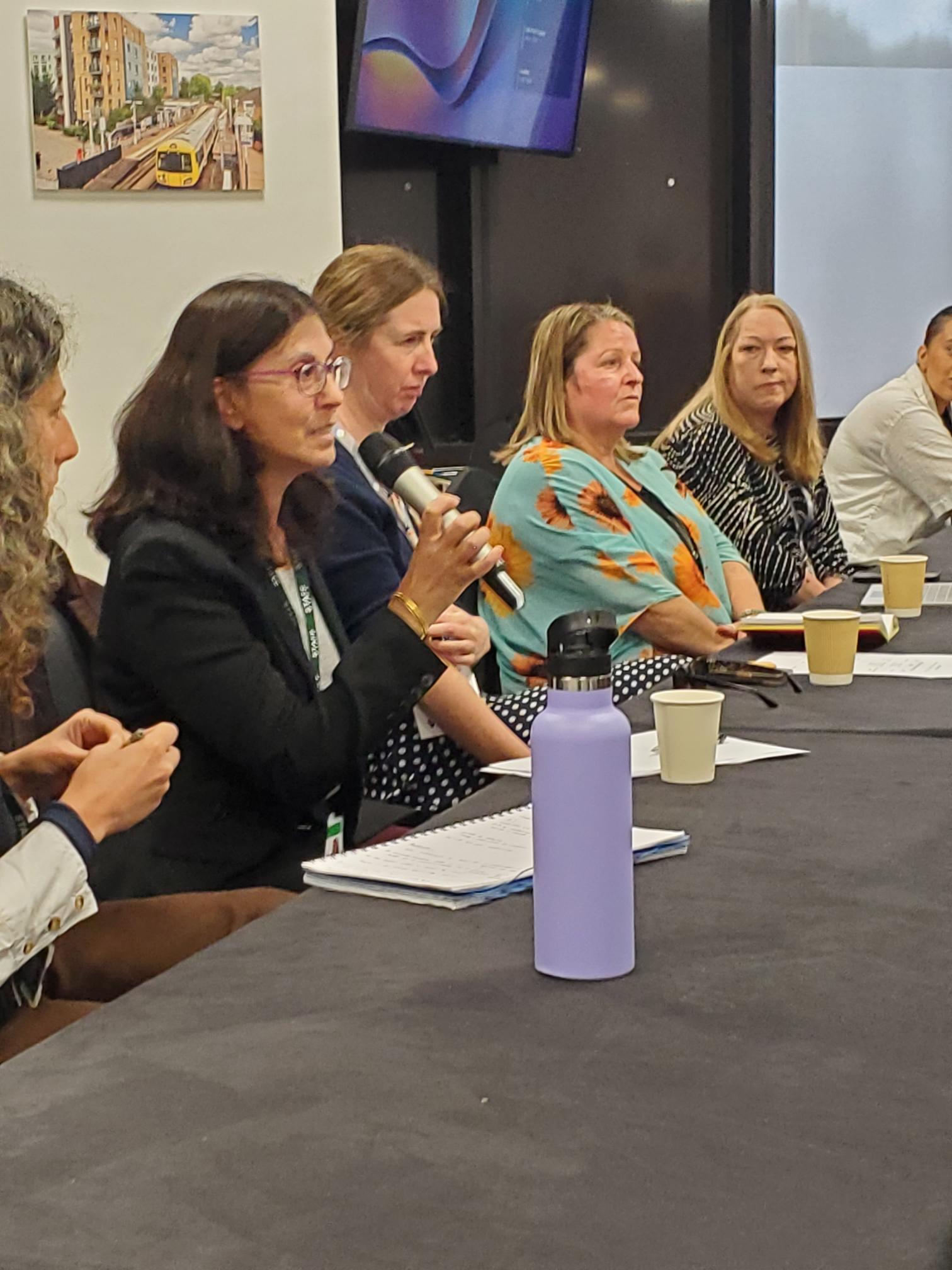
A major focus of the day was the Carers Forum and Question & Answer Session, where carers had the opportunity to hear directly from council leaders and ask questions about services, support and future plans.

The event was opened by senior representatives who acknowledged the enormous contribution carers make every day.

Among the key speakers were:

  • Paul Driscoll, Cabinet Member for Healthy Equal Lives, Ealing Council
  • Kashmir Takhar, Ealing’s Carers Commissioner
  • Senior representatives from Adult Social Care
  • Sophie (Assistant Director, Adult Social Care)
  • Representatives from Ealing Carers Partnership
  • Representatives from Ealing Carers Hub
  • Jane Wheeler, Chief Executive of Harlington Hospice

Paul Driscoll spoke about his commitment to understanding carers’ experiences and ensuring that Ealing’s Carers Strategy becomes a meaningful reality rather than simply another policy document. He emphasised the importance of recognition, support and partnership working with carers.

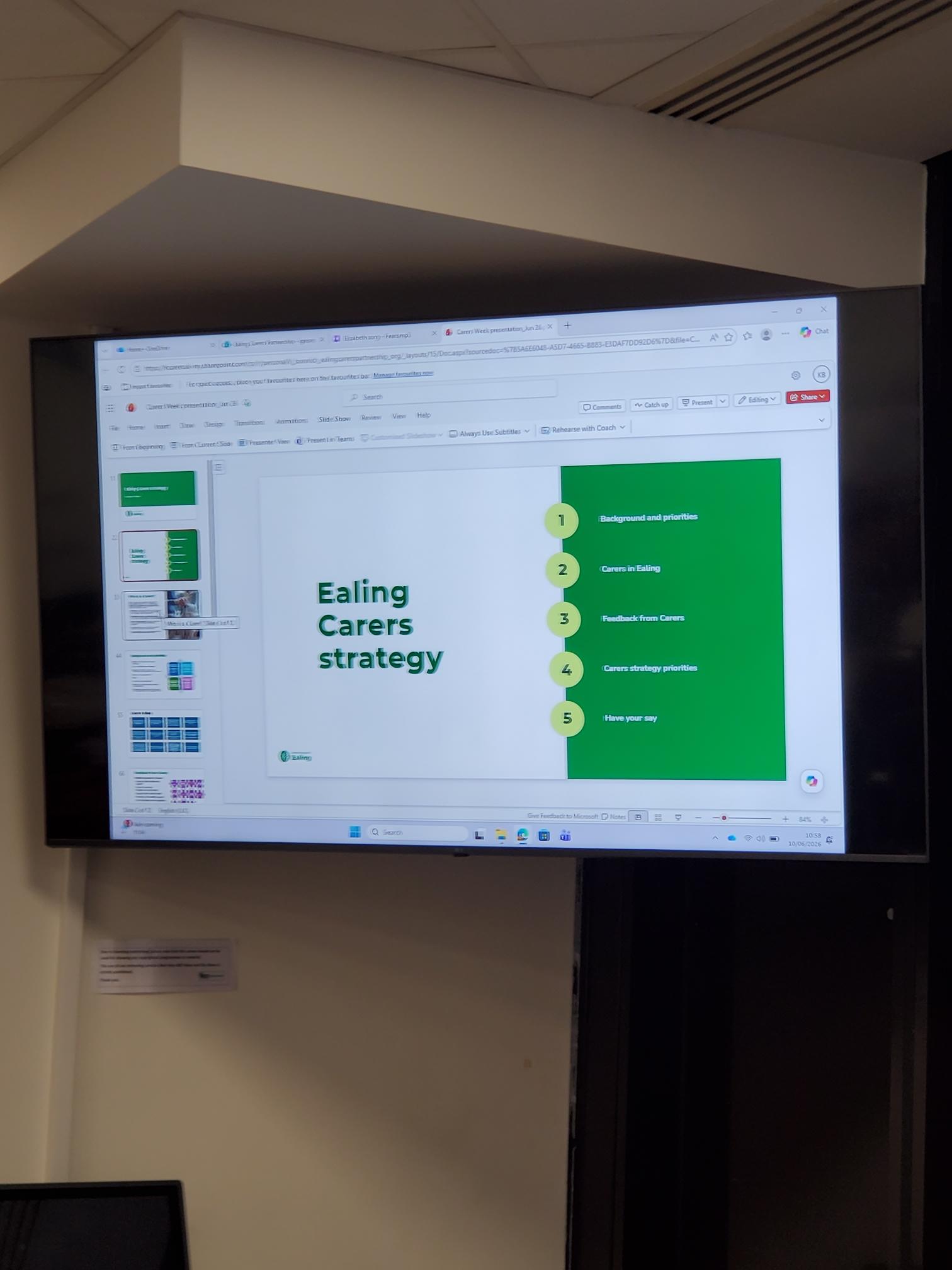
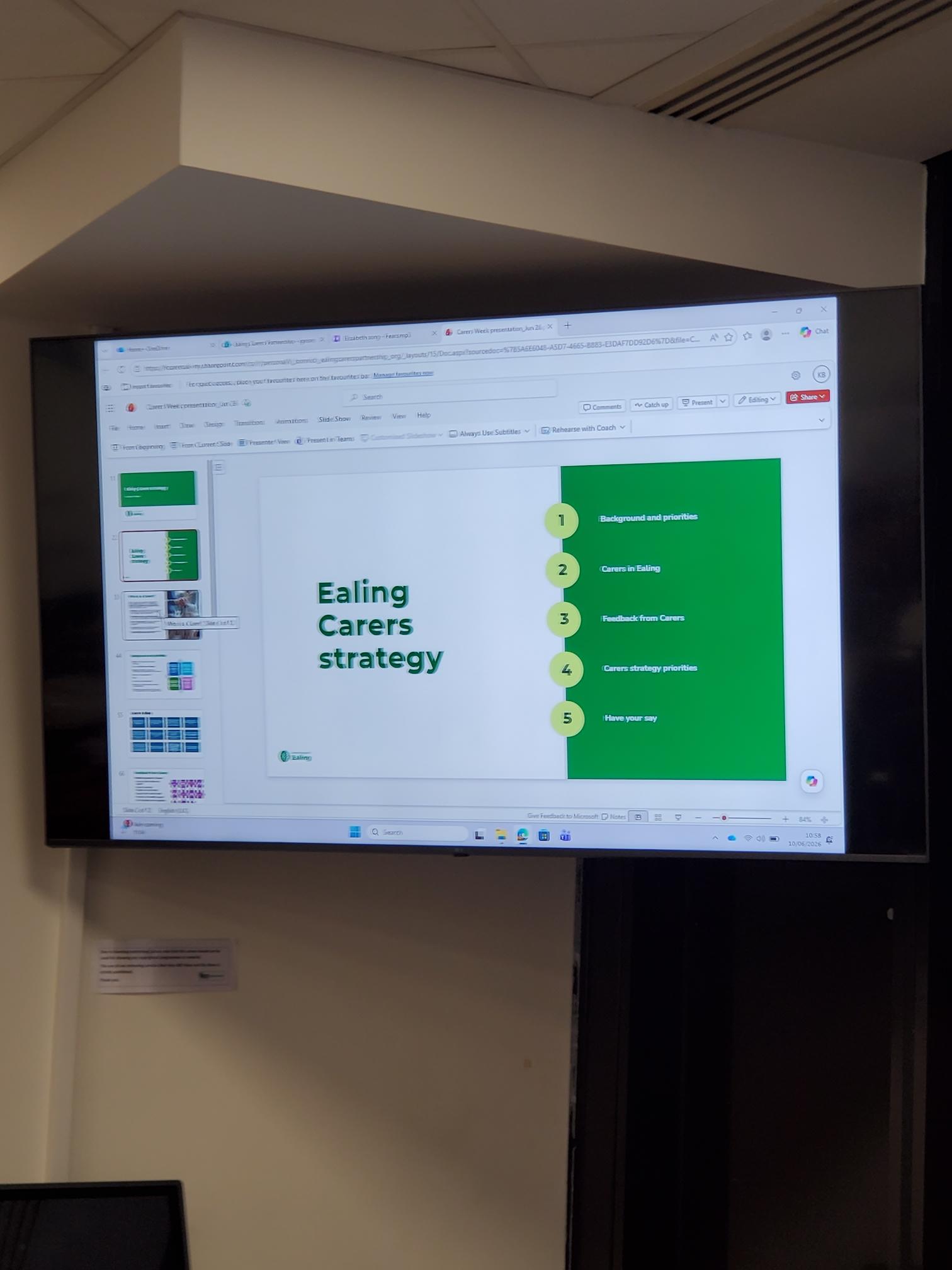
The presentation by Kashmir Takhar focused on Ealing’s Carers Strategy, a joint strategy developed in partnership with carers, health services, social care and voluntary sector organisations. The strategy highlights four key priorities:

  1. Identifying carers early in their caring journey.
  2. Helping carers maintain family and community life.
  3. Supporting carers’ physical and mental wellbeing.
  4. Helping carers maximise income and achieve their potential.

The presentation revealed that there are approximately 24,000 carers in Ealing, although many remain hidden and do not identify themselves as carers. It also highlighted the growing challenges carers face around mental health, financial pressures, access to services, respite care and social isolation.

Particularly encouraging was hearing about plans to improve access to information, increase wellbeing activities, strengthen respite opportunities and expand support for young carers and working carers.


The Power of Carers’ Voices

One of the most important aspects of the forum was the open discussion session.

Carers shared their personal experiences, raising concerns about respite services, communication between council departments, transport arrangements and the challenges of navigating complex systems while already carrying significant caring responsibilities.

A particularly powerful contribution came from a carer who described how difficult it had been to arrange respite care due to poor coordination between services. The honesty and emotion behind this contribution resonated with many people in the room because it reflected experiences that carers often face but rarely have opportunities to discuss publicly.

Council representatives acknowledged these concerns and committed to improving communication, responsiveness and coordination across services. Assistant Director Sophie openly recognised that carers deserve better experiences and welcomed continued feedback to help shape future improvements.

Representatives from frontline organisations, including Ealing Advice Service, also highlighted recurring issues encountered by carers and stressed the importance of joined-up working between agencies.

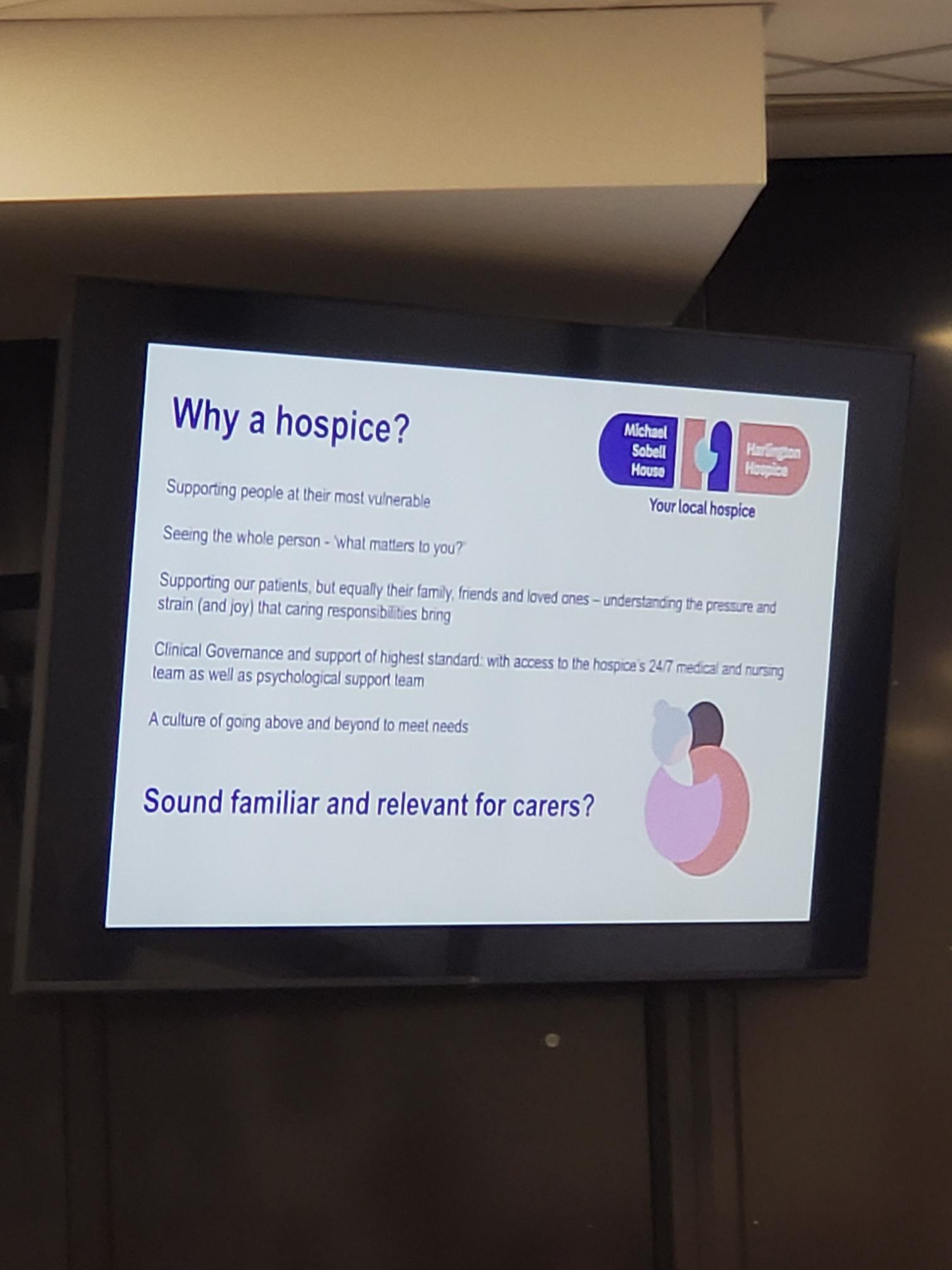
Later in the session, Jane Wheeler from Harlington Hospice explained how the organisation’s carers’ short break service supports carers through home-based respite, community outings and specialist support. Her presentation reinforced the message that carers themselves need care, support and opportunities to recharge.


It was more than just a Carers Event

As the day came to a close, what remained was a sense of connection.

For many carers, simply being in a room full of people who understood their experiences was invaluable. There was laughter, conversation, shared stories and moments of reflection. New friendships were formed, information was exchanged and carers left knowing that support is available.

From my own perspective, hosting the Carers UK stall and speaking with so many dedicated carers reinforced why events like this matter. Caring can often feel invisible. The hours spent supporting loved ones frequently go unnoticed by wider society. Yet carers are the backbone of our communities and health systems.

The Carers Week Celebration reminded us that carers deserve recognition not just during one week each year but every day.

To everyone who organised the event, staffed a stall, delivered a presentation, volunteered their time or simply attended and shared their story, I thank you.

Most importantly, to every unpaid carer reading this: thank you for everything you do.

Partnering for Better Outcomes – Reflections on My Latest Royal College of Nursing Blog

By Matthew McKenzie – Cancer Carer forum Facilitator


Partnering for Better Outcomes – Reflections on My Latest RCN Blog

Supporting someone living with cancer is a journey filled with uncertainty, responsibility, and deep emotional commitment. As many carers know, much of this work happens quietly in the background. But every so often, there’s an opportunity to shine a light on the realities carers face and the vital partnerships that make a difference.

I’m proud to share that the Royal College of Nursing (RCN) recently invited me to contribute to their blog as part of a wider piece exploring how nurses support cancer caregivers. Written by Shannon Copeland (PhD researcher at Queen’s University Belfast), Partnering for better outcomes: How nurses support cancer caregivers highlights the evolving role of informal carers and the essential collaboration between families and nursing professionals.

In the blog, I shared my lived experience as an unpaid carer, the challenges, the emotional strain, and most importantly, the difference nurses can make when they recognise and support carers as part of the care team. Simple acts such as clear communication, continuity of support, and acknowledgment of a carer’s role can transform the caregiving experience.

Nurses often stand at the intersection of patient and carer needs. When they listen, guide, and empower carers, both patients and families benefit. I’m grateful to Shannon and the RCN for giving space to these conversations, and for highlighting the importance of carer voices in cancer care.

💙 Read the full RCN blog here: Partnering for better outcomes: How nurses support cancer caregivers
https://www.rcn.org.uk/news-and-events/Blogs/partnering-for-better-outcomes

If you’re a carer, a nurse, or someone interested in improving cancer support, I encourage you to give it a read and join the discussion. Together, we can continue raising awareness of the carer journey and push for better recognition, resources, and collaboration across health and social care.

Understanding Community: The Foundation of Connection

By Matthew McKenzie – A Caring Mind

Community is a word we hear often, but its true meaning and significance can sometimes be overlooked. At its core, a community is a network, a web of relationships built on shared identity, common themes, and mutual trust. Communities are formed when people come together, united by a sense of belonging and shared responsibility. This sense of belonging is not just about being part of a group; it’s about feeling valued, having a purpose, and working towards common ideals.

This blog is a transcript of the video below.

Communities exist in many forms. The most immediate and intimate is the family, where the seeds of unpaid caring are often sown.

Continue reading

Understanding Care Guilt and Shame in Culturally Tight-Knit Communities

By Matthew McKenzie

Caring for someone with long-term mental illness is a profound act of love and responsibility, just as i cared for my mother, but it is also fraught with emotional complexities, especially within culturally tight-knit communities. The experience of unpaid carers, those who provide care without financial compensation, can be shaped by powerful cultural expectations, traditions, and social pressures. These factors often lead to hidden challenges such as guilt and shame, which can create barriers to seeking help and support.

This blog post which is a transcript of my video explores the intricate dynamics of care guilt and shame, drawing on my insights as facilitator of the National Ethnic Mental Health Care Forum.

While the focus often falls on ethnic minority carers, many of the themes discussed I feel are universal, affecting unpaid carers from all backgrounds. However By examining the cultural ideals, emotional burdens, and systemic challenges faced by carers, we can better understand how to support them and promote positive change in mental health care.


The Role of Culture in Shaping the Carer Experience

Family Duty and Community Honor

In many tight-knit communities, caring for a family member is seen as a moral duty and a source of honor. The expectation is clear: “We look after our own.” This deeply rooted tradition fosters strong family bonds and a sense of belonging. The carer’s role is often defined by values handed down through generations, reinforcing the idea that caring is not just a responsibility but an essential part of one’s identity.

However, these cultural ideals can also create significant challenges. The notion that the “perfect carer never complains or needs help” sets an unrealistic standard, making it difficult for carers to express their struggles or seek support. Weakness is discouraged, and the pressure to cope without showing strain is especially pronounced among men, who may feel compelled to “man up” and avoid displaying vulnerability.

Keeping Illness Within the Family

Another common theme is the tendency to keep issues of ill health, particularly mental illness, within the family or community. This approach is often seen as a way to protect the family’s reputation and maintain social cohesion. Religious and cultural beliefs may further reinforce the idea that problems should be addressed privately, sometimes through prayer or spiritual practices, rather than seeking external help.

While these traditions can provide comfort and a sense of solidarity, they can also lead to isolation and prevent carers from accessing the support they need. The fear of gossip, judgment, or being seen as failing in one’s duty can be overwhelming, especially when mental health is stigmatized or misunderstood within the community.


The Emotional Weight of Caring: Guilt and Shame

How Guilt Creeps In

Guilt is a pervasive emotion among carers, particularly when cultural norms dictate that they should be able to handle all challenges alone. The demands of caring often mean missing out on community events, family gatherings, or social obligations. Community leaders or members may notice these absences and interpret them as letting the community down, adding to the carer’s sense of guilt.

This guilt can manifest in several ways:

  • Resentment and Frustration: Carers may feel frustrated with themselves or the person they are caring for, leading to emotional strain and potential conflict.
  • Personal Guilt: The belief that needing a break or personal time is selfish can prevent carers from prioritizing their own well-being, even when burnout is imminent.
  • Fear of Judgment: In large families or communities, the expectation to manage alone can be overwhelming. Carers may worry about being judged or seen as failing in their role.

The Catch-22 of Self-Care

The need for personal time and self-care is undeniable, yet carers often feel trapped in a catch-22. Taking time for themselves is viewed as selfish, but neglecting their own needs can have detrimental effects on their mental and physical health. The pressure to uphold cultural ideals and avoid showing weakness makes it difficult to break this cycle.

In some communities, there may not even be a word for “carer”—it is simply assumed that family members will step in as needed. This lack of recognition further compounds the challenges, as carers struggle to articulate their needs or seek validation for their efforts.

The Impact of Shame and Stigma

Saving Face and Avoiding Help

Shame is closely linked to guilt, and both emotions can prevent carers from reaching out for help. The desire to “save face” is strong in many communities, where reputation and social standing are highly valued. Admitting to struggles or accepting support may be seen as a sign of weakness or failure, leading carers to reject offers of assistance from mental health services or outreach programs.

Internalized comments such as “this is your duty,” “you must put up a front,” or “we don’t put family in care” reinforce the belief that seeking help is unacceptable. The fear of gossip and misunderstanding is real, especially in communities where mental health is poorly understood or lacks a cultural vocabulary.

Religious and Cultural Barriers

Religious identity can also play a role in shaping attitudes toward mental health and caring. In some faith-based communities, there may be little space for open discussion about mental illness, and spiritual solutions may be favored over professional support. This can create additional barriers for carers, who may feel unsupported or misunderstood by both their community and the wider mental health system.


Systemic Challenges: Inequalities in Mental Health Care

The Patient Care Race Equality Framework (PCREF)

Recognizing the unique challenges faced by minority carers, NHS England has developed the Patient Care Race Equality Framework (PCREF). These set of policies aims to tackle inequalities in mental health care, particularly for ethnic minority groups. The framework emphasizes the importance of breaking down guilt and shame, promoting better outcomes for minority communities, and ensuring that carers’ voices are central to service design and decision-making.

However, systemic barriers persist. Minority carers may be reluctant to engage with mental health services due to fears of poor outcomes, discrimination, or further isolation. The double tragedy is that those who need support the most are often the least likely to receive it, as both community and systemic factors conspire to keep them from seeking help.

The Importance of Carers’ Voices

A key focus of the National Ethnic Mental Health Care Forum is to ensure that carers’ voices are heard and valued. Too often, the emphasis is placed solely on patients or those with lived experience, overlooking the vital role that families and carers play. Guilt and shame can stop carers from engaging with services, making it essential for mental health systems to recognize and address cultural barriers.

Breaking the Cycle: Towards Better Support and Outcomes

Engaging with Communities

To break the cycle of guilt and shame, it is crucial to engage directly with communities. This means attending religious and cultural gatherings, listening to minority carers and patients, and understanding the specific struggles they face. Education is key!! both for carers and for mental health professionals. Training staff to appreciate community values and avoid assumptions about disengaged carers can help foster trust and collaboration.

Creating Safe, Non-Judgmental Spaces

Safe spaces where carers feel invited and heard are essential. These settings should be non-judgmental and designed to encourage open dialogue. Just like my Ethnic carer forum. Co-production, where patients and carers are involved in designing and delivering services and can help ensure that support is tailored to the needs of diverse communities.

Promoting Positive Role Models

Just as I mentioned when I spoke at the North East London NHS PCREF event, I feel that Role models play a powerful role in challenging stigma and inspiring change. Mental health trusts and systems should promote positive examples of carers who have reached out for help and benefited from support. Sharing stories and experiences can help others see that seeking help is not a weakness, but a strength.

Self-Care as Strength

Promoting self-care as a strength, rather than a weakness, is vital. Carers need to recognize that it is okay to ask for help and take time for themselves. Engaging with community leaders and faith networks can help change attitudes and reduce stigma, using trusted voices to advocate for better understanding and support.

The Path Forward: Building Inclusive Mental Health Services

Co-Production and Service Design

Including carers in service design and decision-making is essential for building inclusive mental health services. By putting carers at the center of policy and practice, systems can better address the unique challenges they face and promote positive outcomes for all.

Education and Awareness

Ongoing education and awareness-raising are critical. Carers, communities, and professionals must work together to challenge stigma, promote understanding, and create environments where everyone feels supported.

The Power of Conversation

Ultimately, breaking the cycle of care guilt and shame requires open conversation and a willingness to learn from each other. By sharing experiences, listening to diverse voices, and fostering empathy, we can build stronger, more inclusive communities and mental health systems.


Conclusion

Care guilt and shame are complex, deeply rooted issues that affect unpaid carers across culturally tight-knit communities. The emotional weight of caring, compounded by cultural expectations and systemic barriers, can lead to isolation, burnout, and reluctance to seek help. Addressing these challenges requires a multifaceted approach engaging with communities, promoting positive role models, creating safe spaces, and ensuring carers’ voices are central to service design.

By working together to challenge stigma and promote understanding, we can support carers in their vital role and build mental health services that truly meet the needs of all. The journey is ongoing, but with awareness, education, and compassion, positive change is possible.

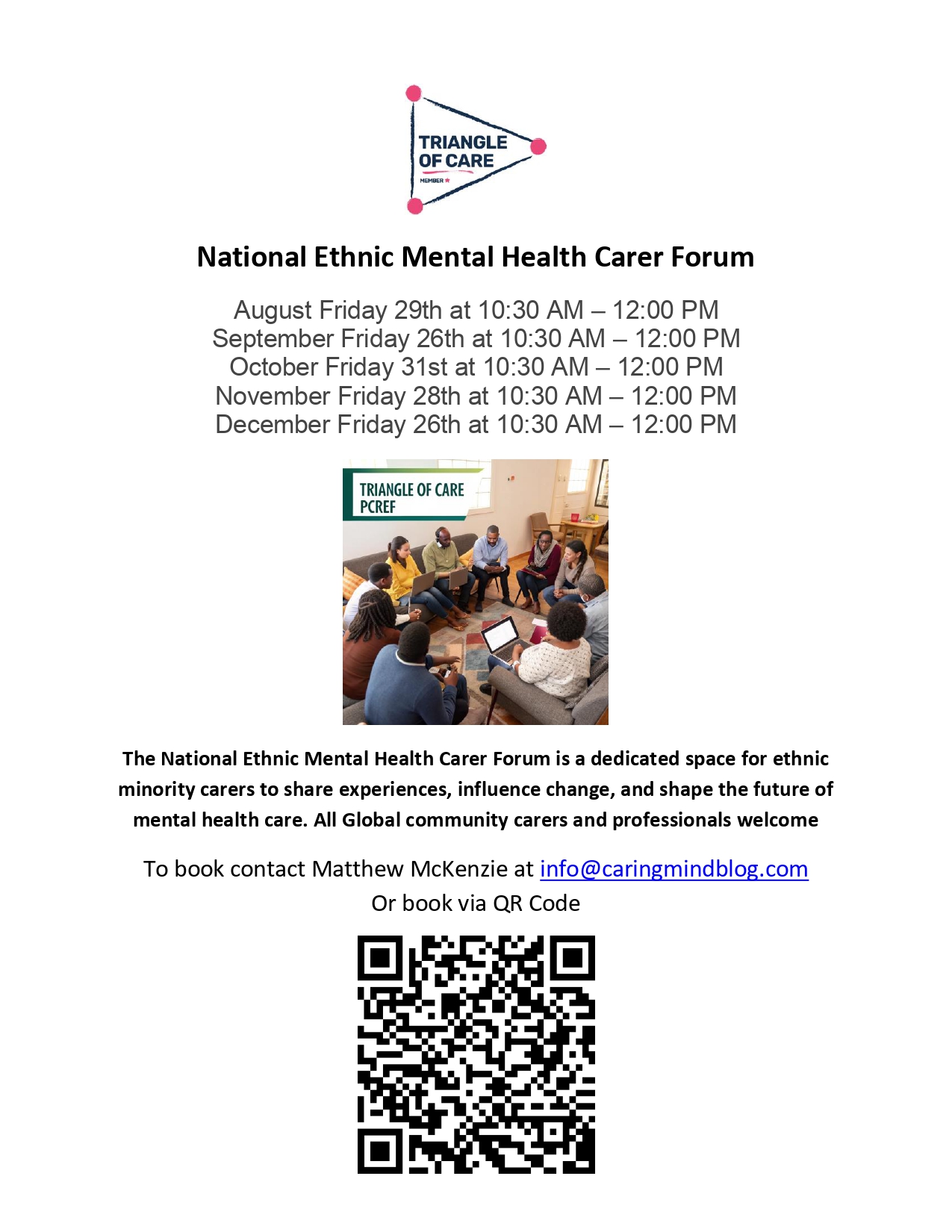
Caring for someone with mental illness? Check out our Ethnic carer forum. Dates shown below.