Matthew McKenzie — Carers UK ambassador, author and poet
October is a time to celebrate Black history, culture and achievements, and to reflect on the people whose contributions have shaped Britain. As an unpaid carer and carer activist, I also see Black History Month as an opportunity to recognise the care taking place within our families and communities.
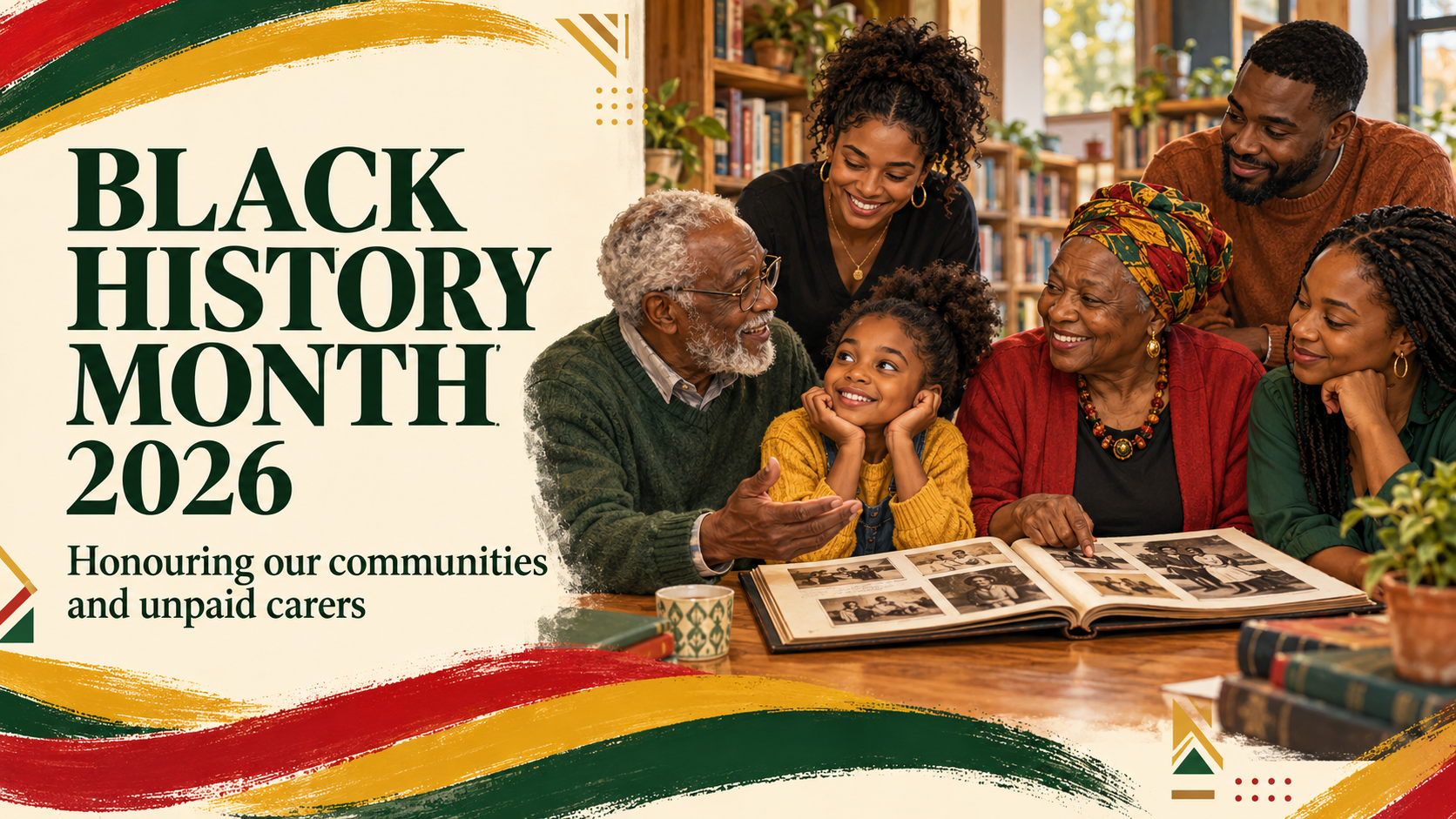
My new video, “Black History Month 2026: Honouring Our Communities and Unpaid Carers,” explores these connections, from celebrating Black British achievements to recognising carers whose work often receives little attention.
Recognising the care within our communities
Althouth History is shaped by more than famous names. It is also shaped by people who support relatives, neighbours and friends through illness, disability, mental health difficulties and older age.
Unpaid carers help hold families and communities together. They may organise appointments, provide emotional support, help with everyday tasks and speak up when someone struggles to be heard. Much of this happens quietly, alongside employment, family responsibilities and concerns about their own wellbeing.
Black History Month provides an opportunity to bring these experiences into the conversation. Celebrating our communities should include recognising the people who care within them.
Listening to Black carers
Black carers’ experiences are diverse. Culture, faith, language, family relationships and experiences of racism can affect how someone understands their caring role and how they encounters services.
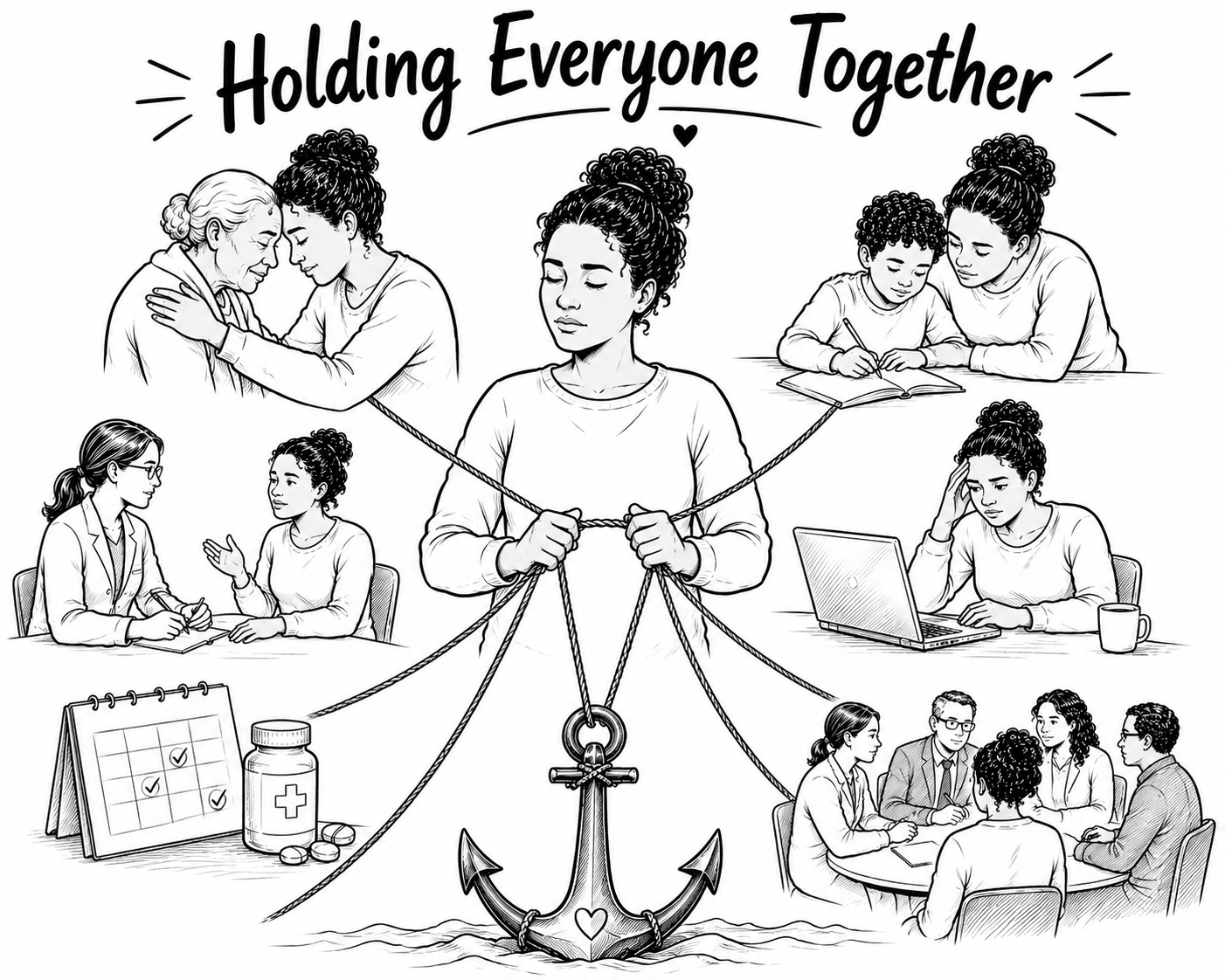
Some people see themselves primarily as a son, daughter, partner or sibling rather than an unpaid carer. That can make it harder to recognise that support is available for them too.
Services need to listen carefully, avoid assumptions and understand what matters to each family. Recognising carers should lead to practical support and meaningful opportunities to influence the services they use.
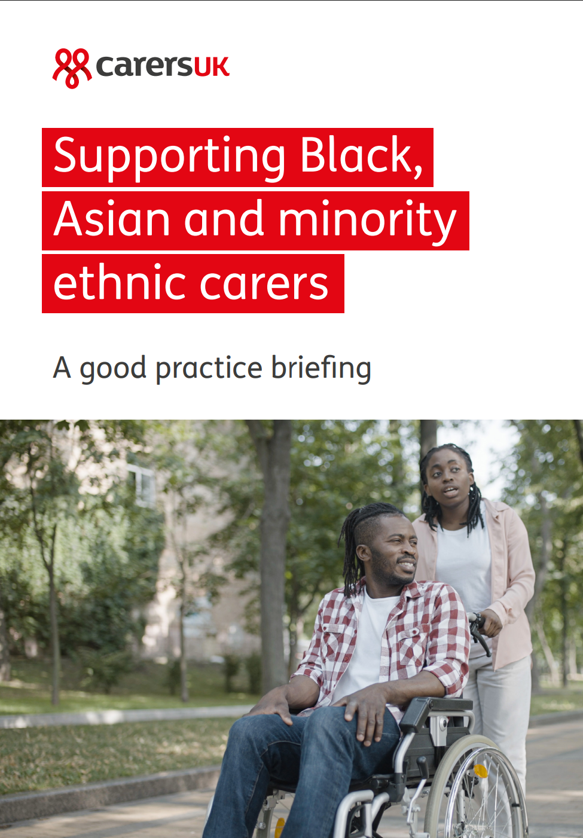
Carers UK’s work has included research into the experiences of Black, Asian and minority ethnic carers through Making Carers Count, in partnership with Carers Trust. Its 2023 good practice briefing also explored how organisations can provide more culturally sensitive support.
Join the Carers UK Black History Month event
I will be joining Jacqui Darlington for a Carers UK Share and Learn online panel discussion:

Black History Month: Caring, volunteering and community
Friday 23 October 2026
2–3pm UK time
Online — aimed at unpaid carers
We will share our experiences of caring and volunteering, the challenges we have faced and what we have learned from our communities.
Jacqui is a carer for her son and a campaigner for unpaid carers and adults with additional needs. I will bring my own experiences of caring, community involvement and the issues explored in my book, Race, Caring and Mental Health.
How unpaid carers can book
Visit the Carers UK website for “Share and Learn”.
Find the session “Black History Month: Caring, volunteering and community” on Friday 23 October 2026, then follow the booking instructions on the event listing.
Please book through Carers UK so you receive the joining information. Carer centres, hospitals and community organisations can also help by sharing the event details with unpaid carers.
Taking part beyond the event
There are many ways to take part in Black History Month: attend a local talk or exhibition, read Black authors, explore African and Caribbean heritage, or share family stories across generations.
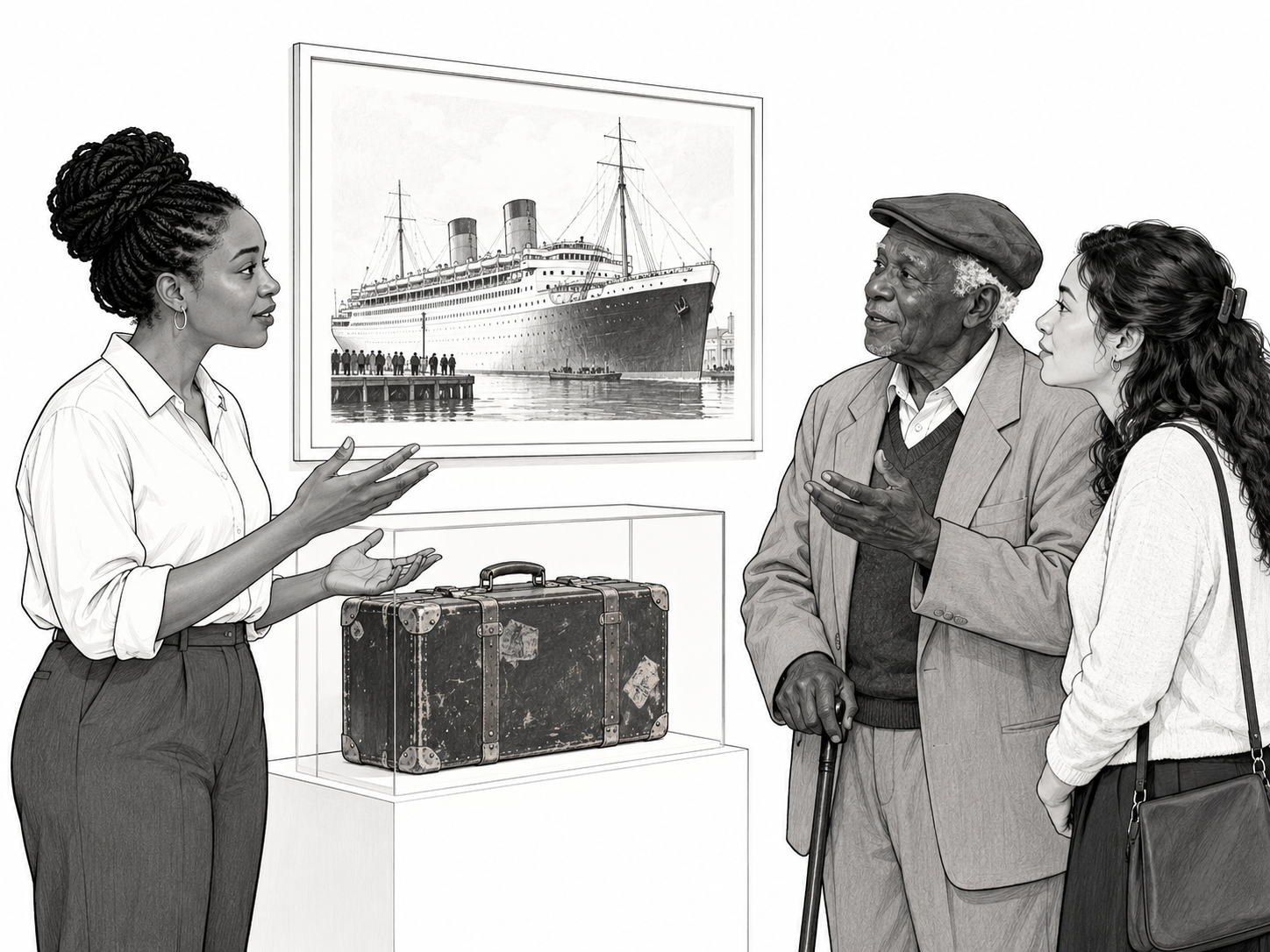
Organisations such as Black Cultural Archives, The Black Curriculum, Black History Studies and Black History Month UK provide opportunities to learn and explore.
For me, honouring our communities also means listening to unpaid carers and recognising their knowledge, relationships and contributions throughout the year.
What does honouring your community mean to you and how can we make unpaid carers more visible within that story?

