By Matthew McKenzie – Chair, National Ethnic Mental Health Carers Forum
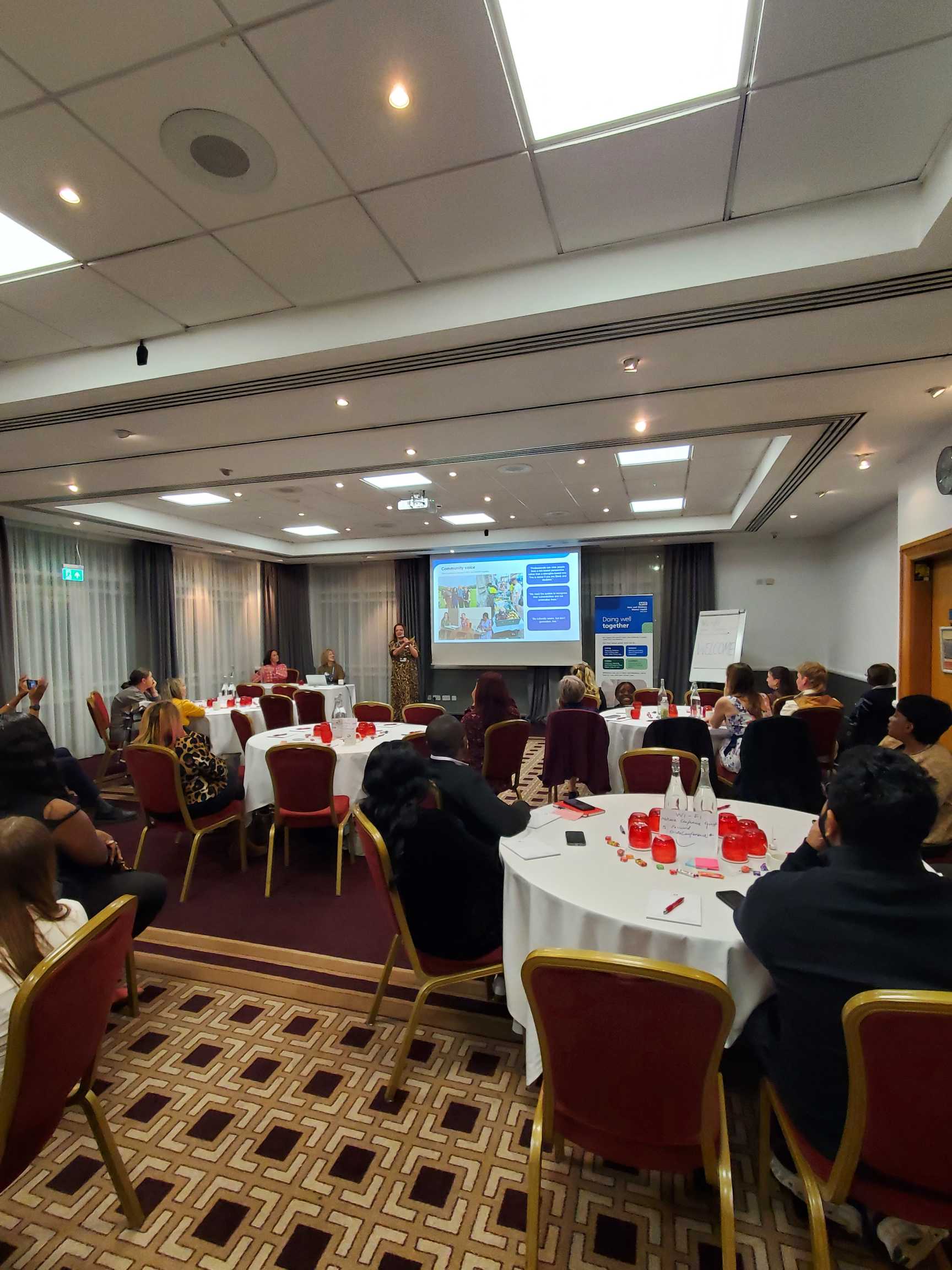
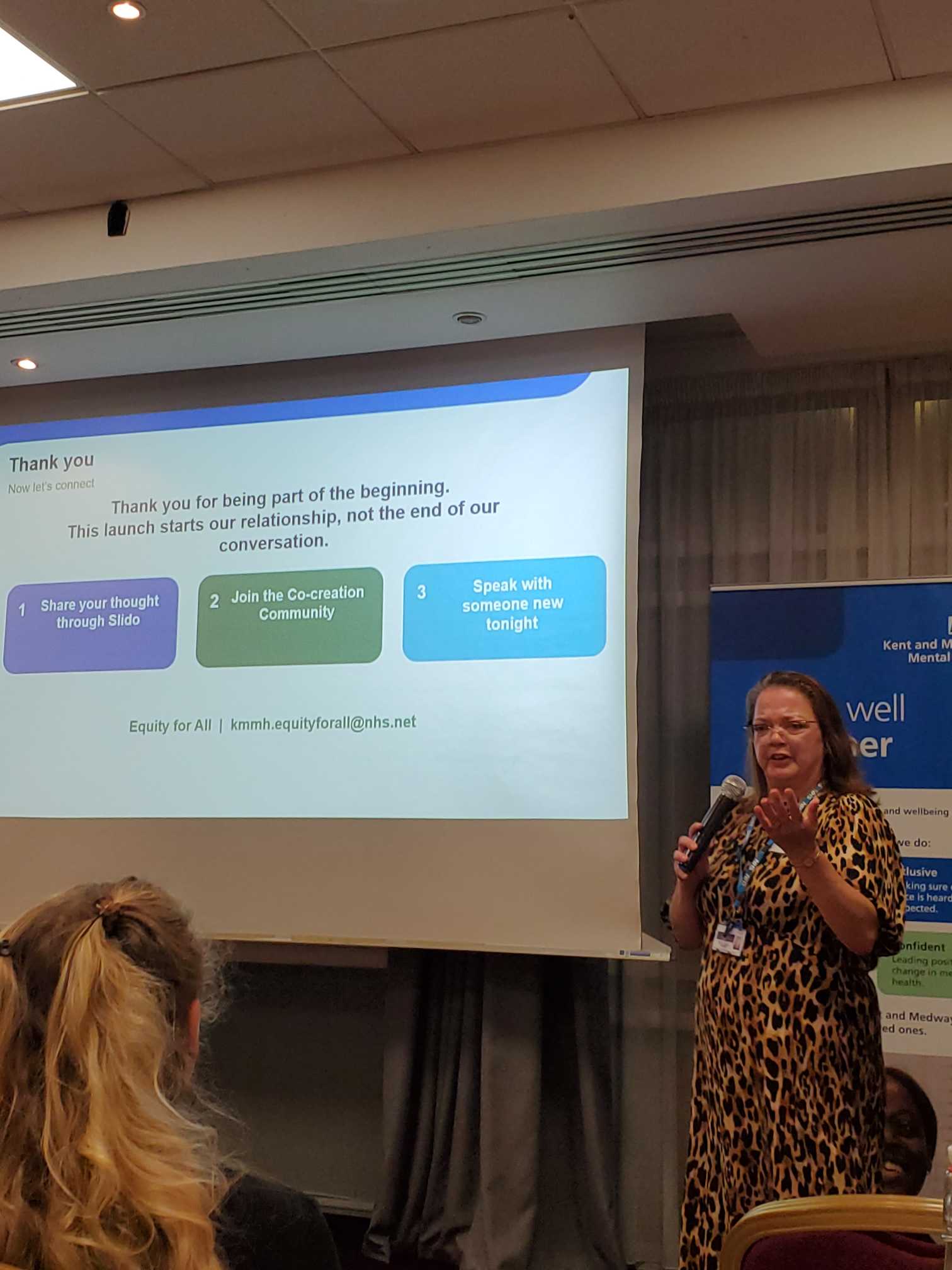
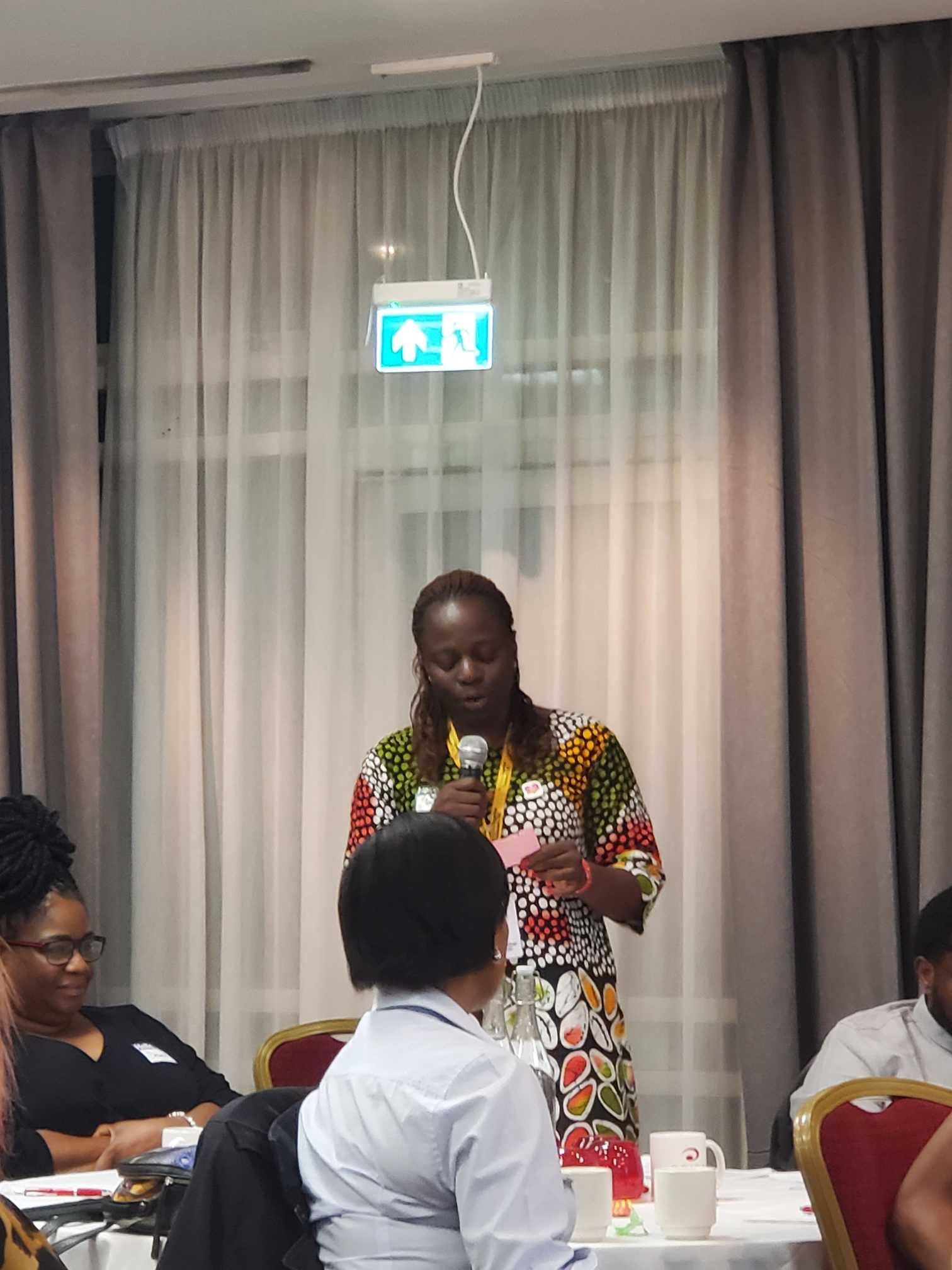
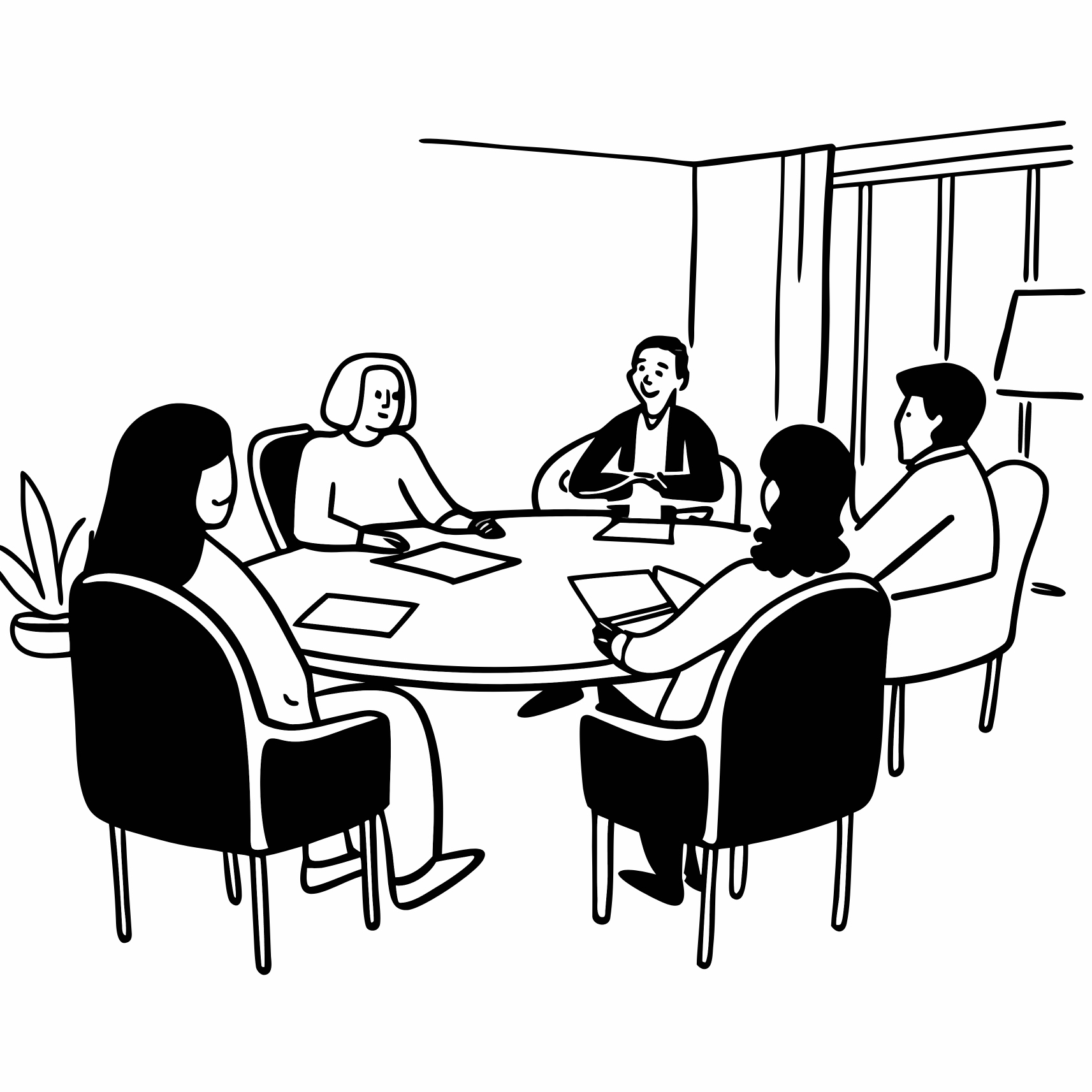
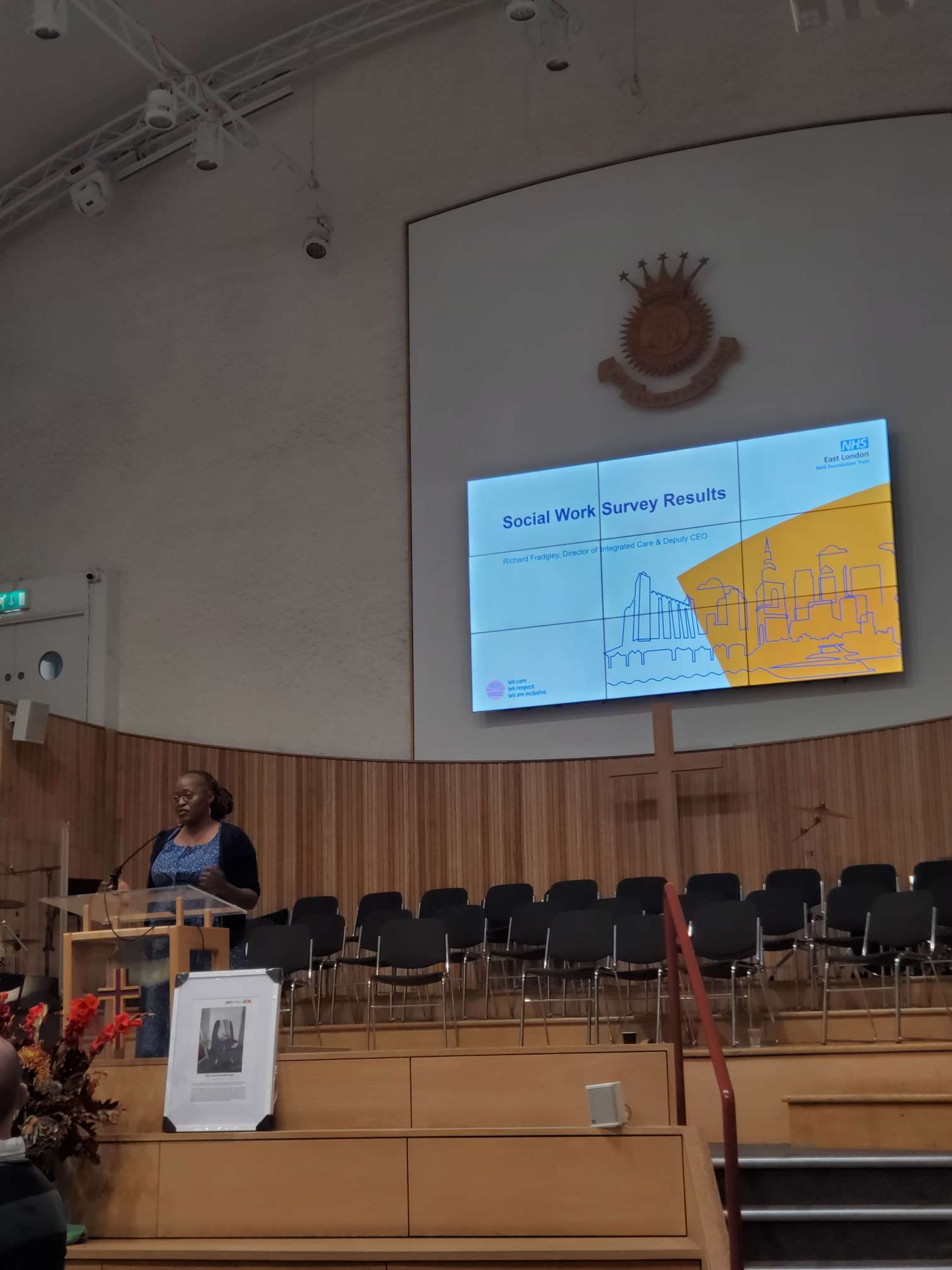
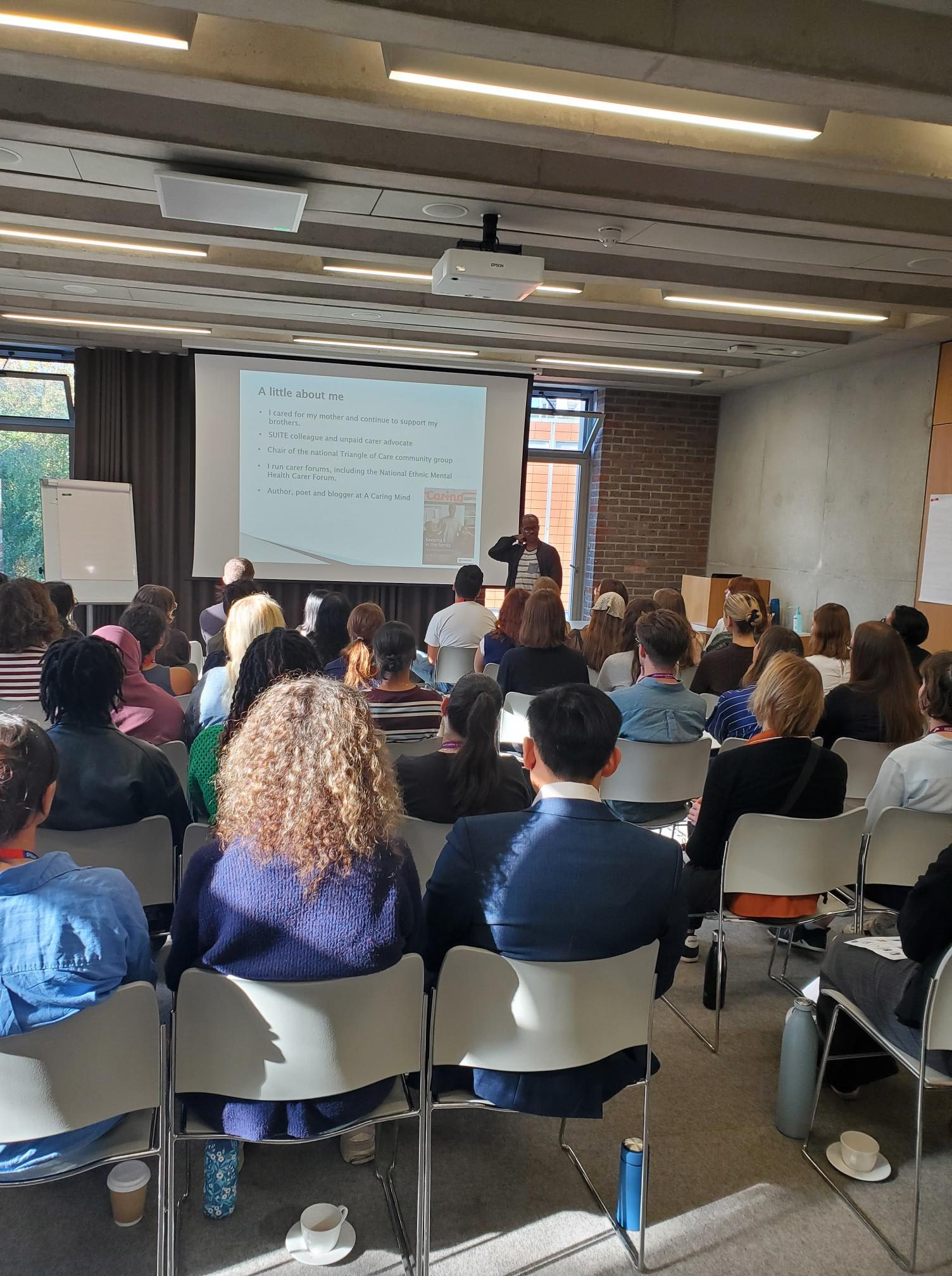
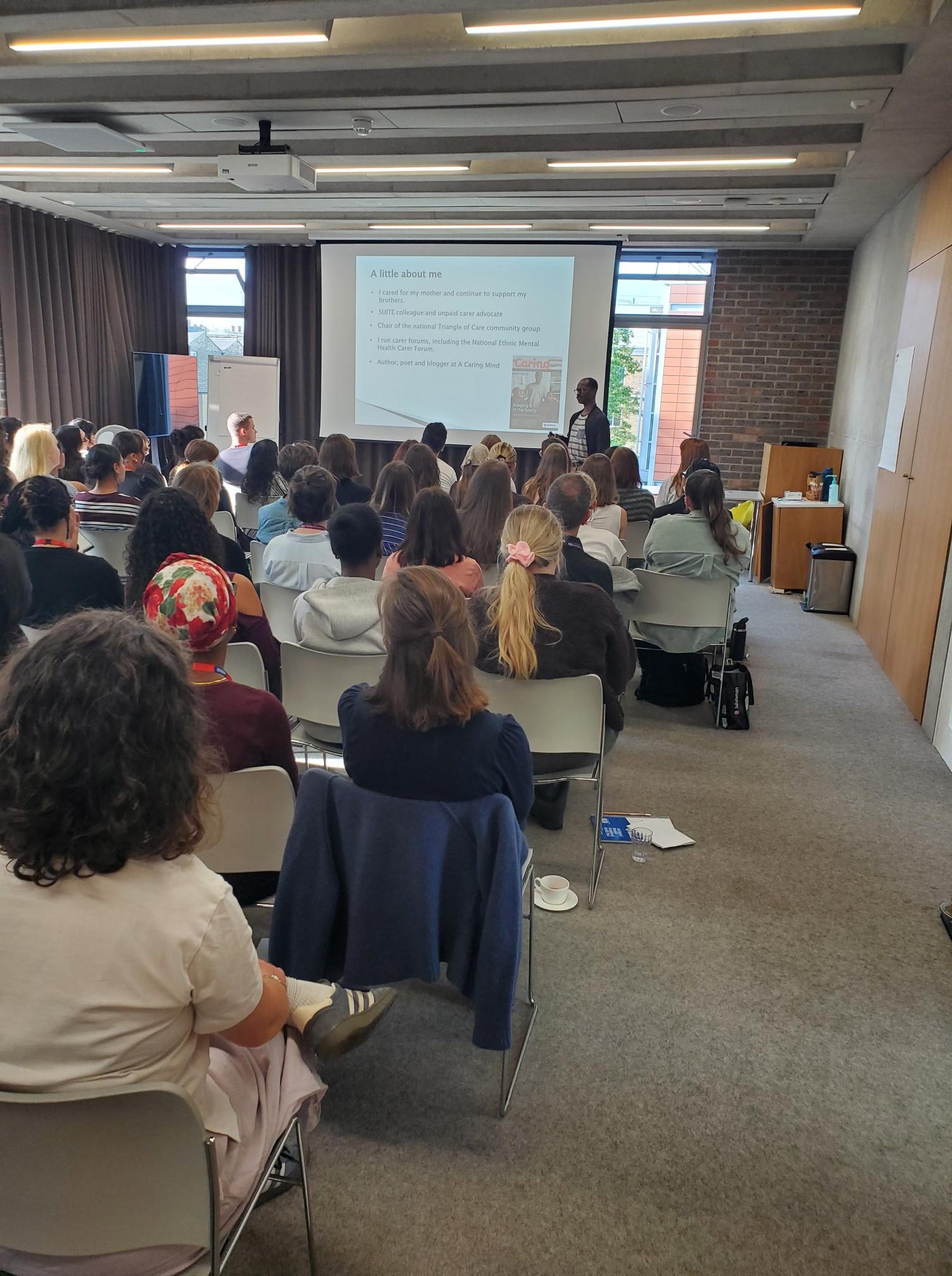
Welcome back to A Caring Mind. September’s National Ethnic Mental Health Carers Forum brought together unpaid carers, NHS professionals, researchers and community representatives to discuss racial equality, community involvement and support for families.
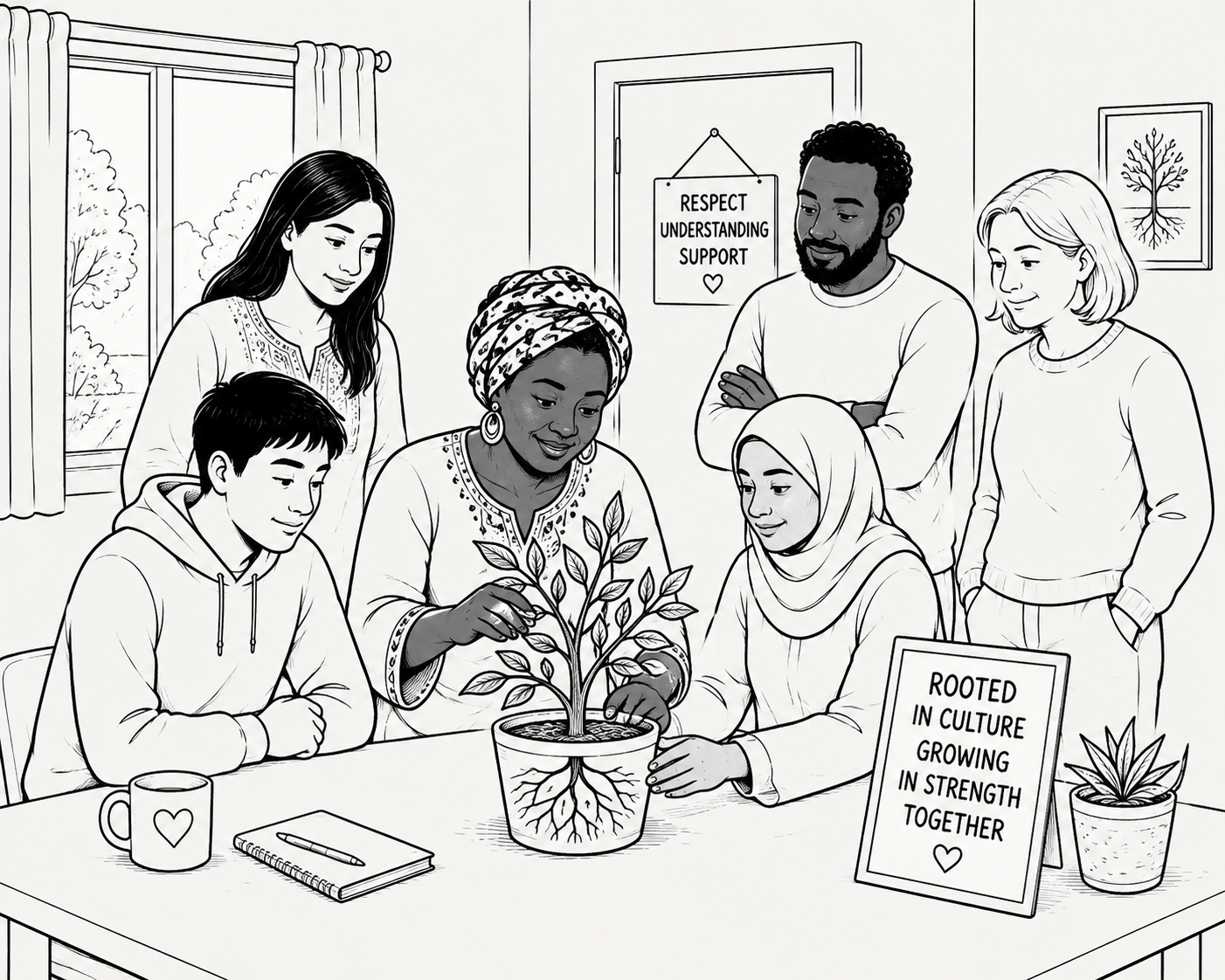
The forum connects carers’ lived experience with organisations working to improve services. It provides opportunities to ask questions, share approaches and challenge barriers affecting ethnic minority carers and those they support.
September’s Agenda
The meeting covered:
- Matthew McKenzie: Meaningful involvement from an ethnic mental health carer’s perspective.
- Olivia, presenting work from Black Country mental health services: PCREF, community ambassadors and building trust.
- Discovering Livability research presentation: Community approaches to suicide prevention and what makes life liveable.
- Forum discussion: Carer support, representation, the emotional demands of involvement and accountability.
Opening Presentation: Meaningful Influence for Ethnic Mental Health Carers
Presenter: Matthew McKenzie
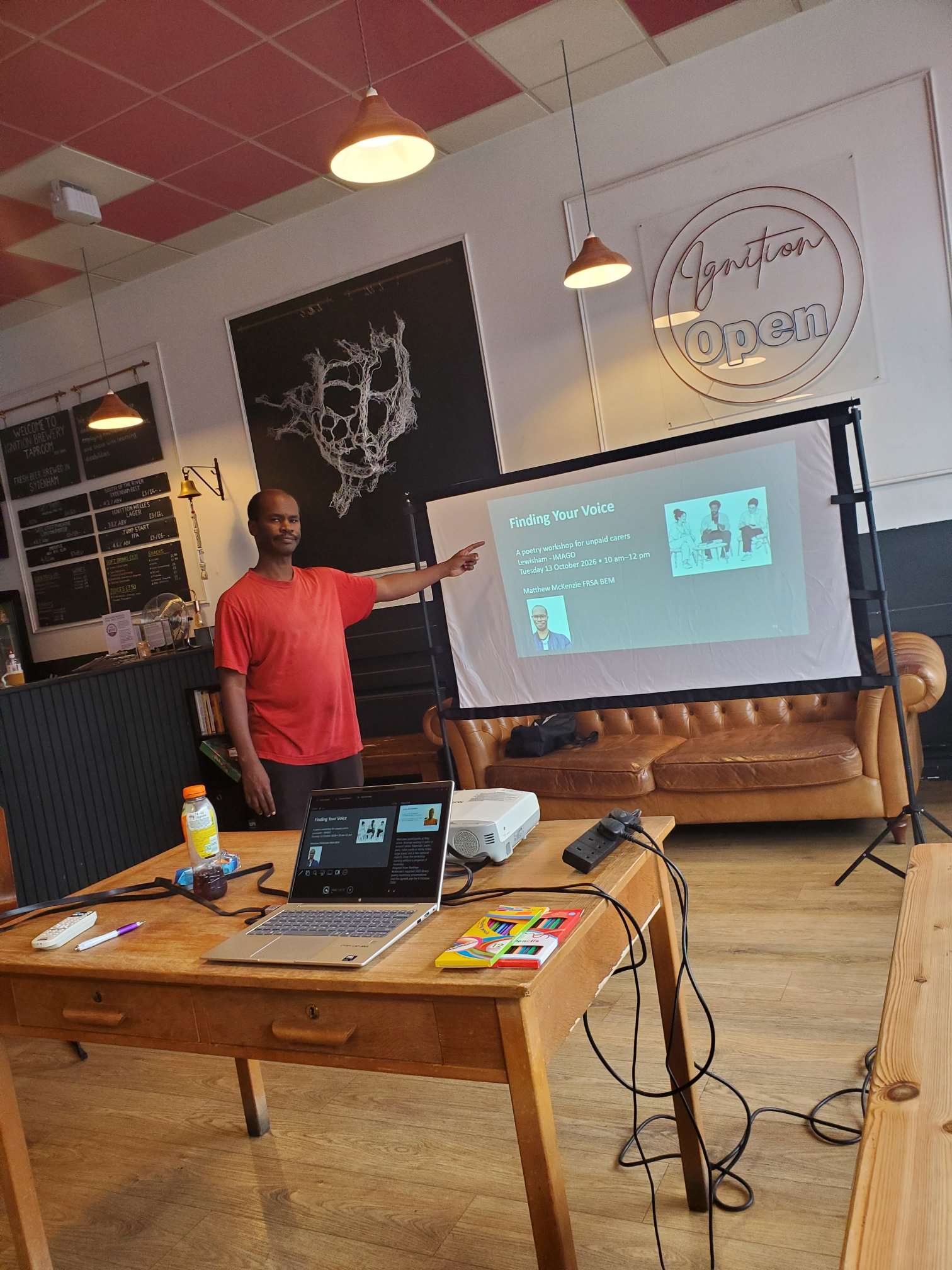
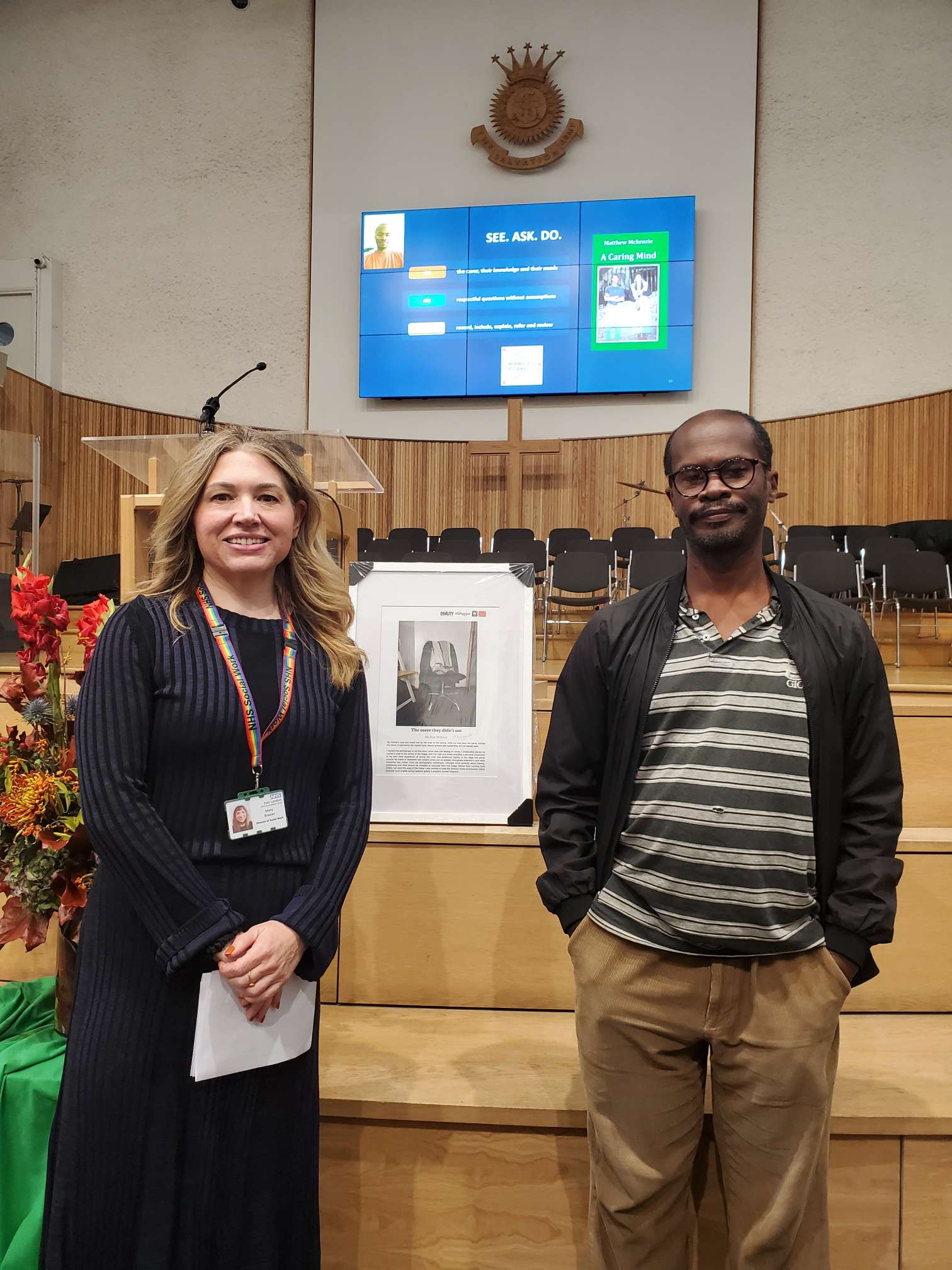
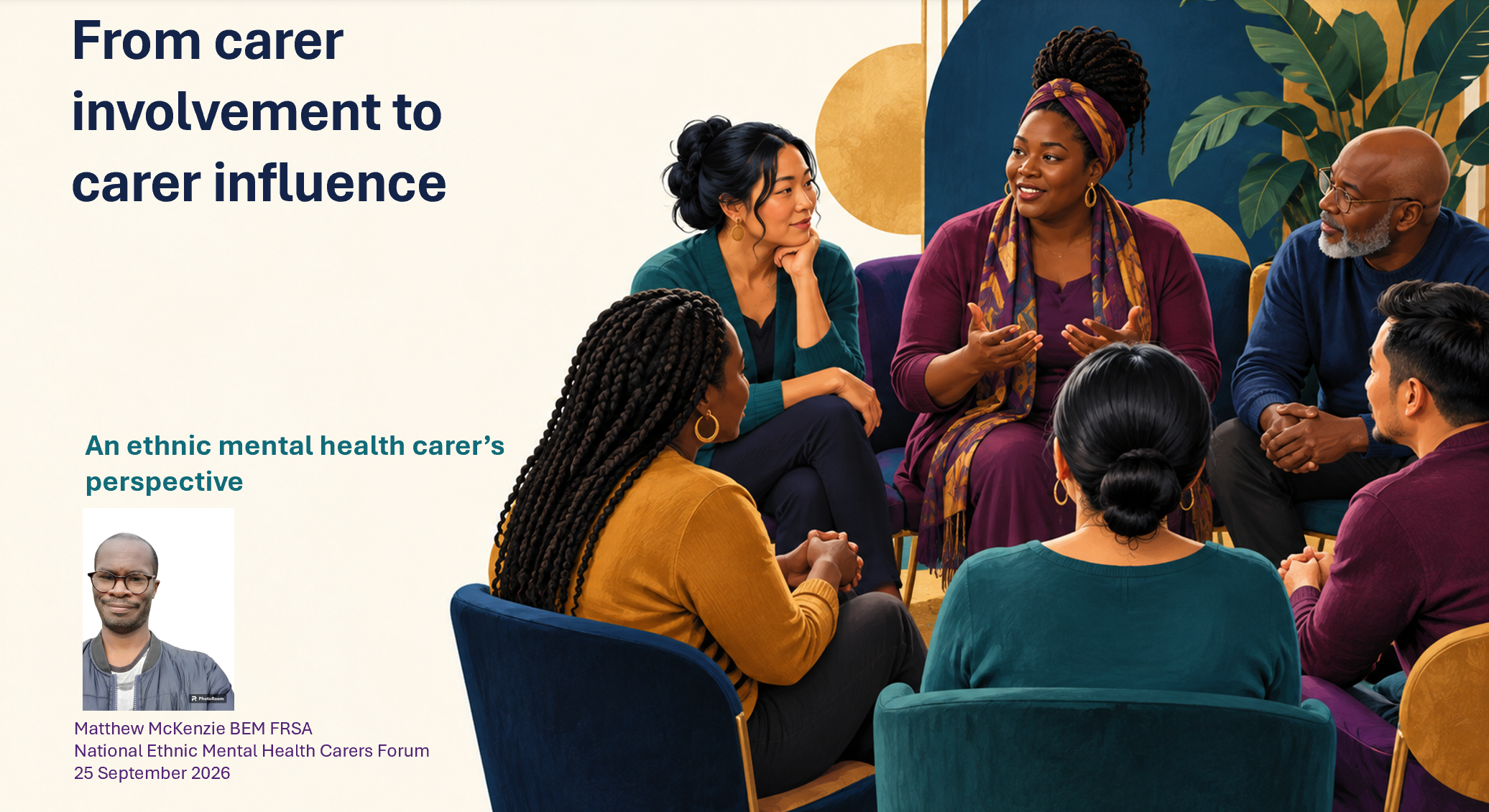
I opened the meeting by reflecting on why I established the forum and the importance of carers influencing both individual care and wider service development.
Carers bring knowledge about the person they support, family relationships, cultural background, faith and everyday needs. However, some still encounter assumptions about their role or find themselves having to fight to be believed.
Language differences, cultural misunderstandings and uncertainty around confidentiality can make it difficult to obtain advice or contribute to decisions.
I outlined some practical examples of meaningful involvement:
- Recording carers’ concerns and explaining what happens next.
- Involving carers before care plans and decisions are settled.
- Recognising cultural needs without treating difference as a problem.
- Showing how carers’ contributions have changed practice.
Putting the Carer into PCREF
I also discussed the importance of the Patient and Carer Race Equality Framework (PCREF) recognising carers’ own experiences of racial inequality.
Carers need opportunities to help shape, measure and review the work organisations undertake. Their involvement should include being told what changed because they spoke.
I asked those attending to consider where ethnic minority carers still have to fight to be believed, and what practical change services could make over the coming months.
Questions and Discussion: Disability, Culture and Being Believed
Contributors described barriers affecting disabled carers and families whose needs cross several services.
Members highlighted how discrimination can appear through everyday assumptions, inaccessible processes and a failure to understand cultural differences. Another concern was the gap between constructive conversations with staff and decisions made elsewhere in an organisation.
The discussion reinforced an important point: building relationships within an engagement group must lead to influence over the decisions affecting families.
Black Country Update: Community Ambassadors, PCREF and Building Trust
Presenter: Olivia – working on health inequalities and PCREF in Black Country mental health services
Olivia shared an approach bringing together service data, community insight and organisational accountability.

She explained that data can help identify who is accessing services and which communities appear to be missing. However, conversations with patients, carers and community organisations are needed to understand the reasons behind those patterns.
Recognising Community Expertise
Olivia described working with paid community ambassadors connected to grassroots organisations. Through their networks, the engagement work had reached nearly 900 people.
Payment recognised the time, knowledge and expertise ambassadors contributed. The approach also considered practical barriers to involvement, including travel and childcare.
An important message was that communities were tired of repeatedly describing their experiences without seeing change. Conversations therefore explored what would build trust, how people wanted information communicated and what would make participation worthwhile.
Connecting Communities with Decision-Makers
The ambassadors’ involvement extended beyond gathering feedback. Olivia described opportunities to connect with senior leaders, contribute to recruitment panels and participate in ward visits.
We also heard about community work bringing conversations about psychosis into a familiar setting through cooking and shared meals. This offered an example of meeting people in environments where they felt comfortable and could build relationships.
Community feedback was also informing workforce learning, including racial trauma training.
Questions and Discussion: Representation, Resources and Honest Feedback
Members raised questions about the involvement of Black men and how engagement responds to different ages and communities.
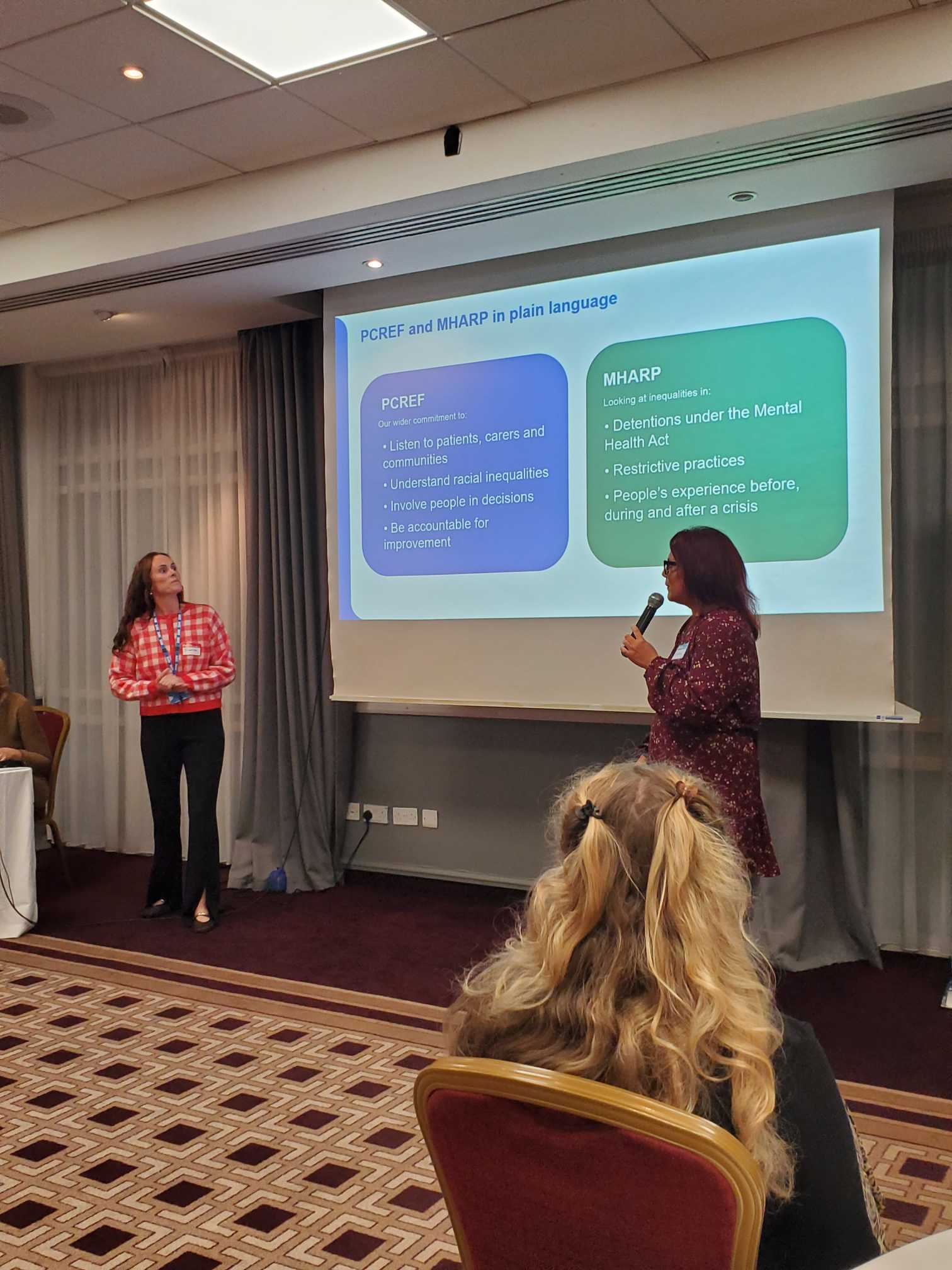
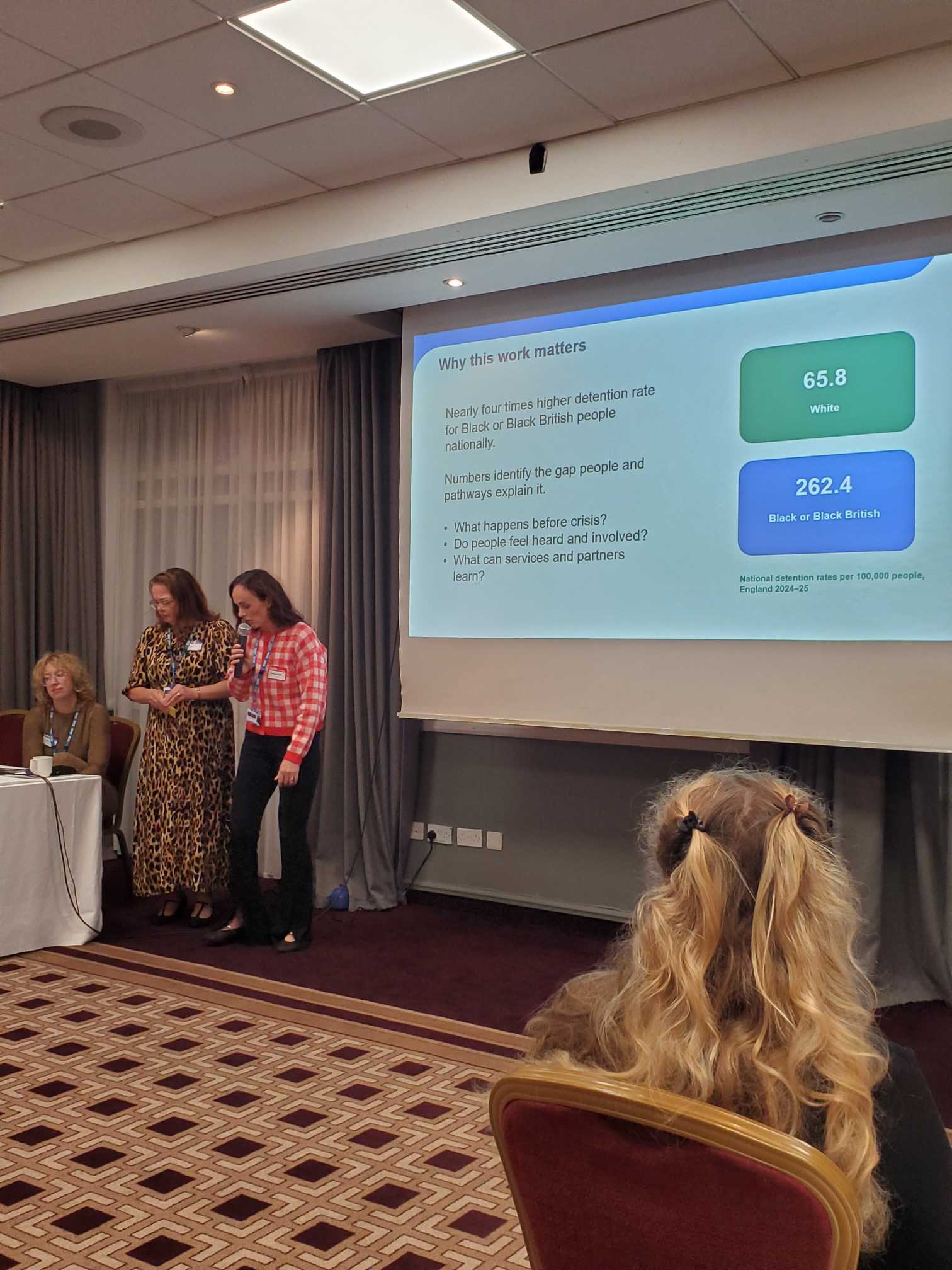
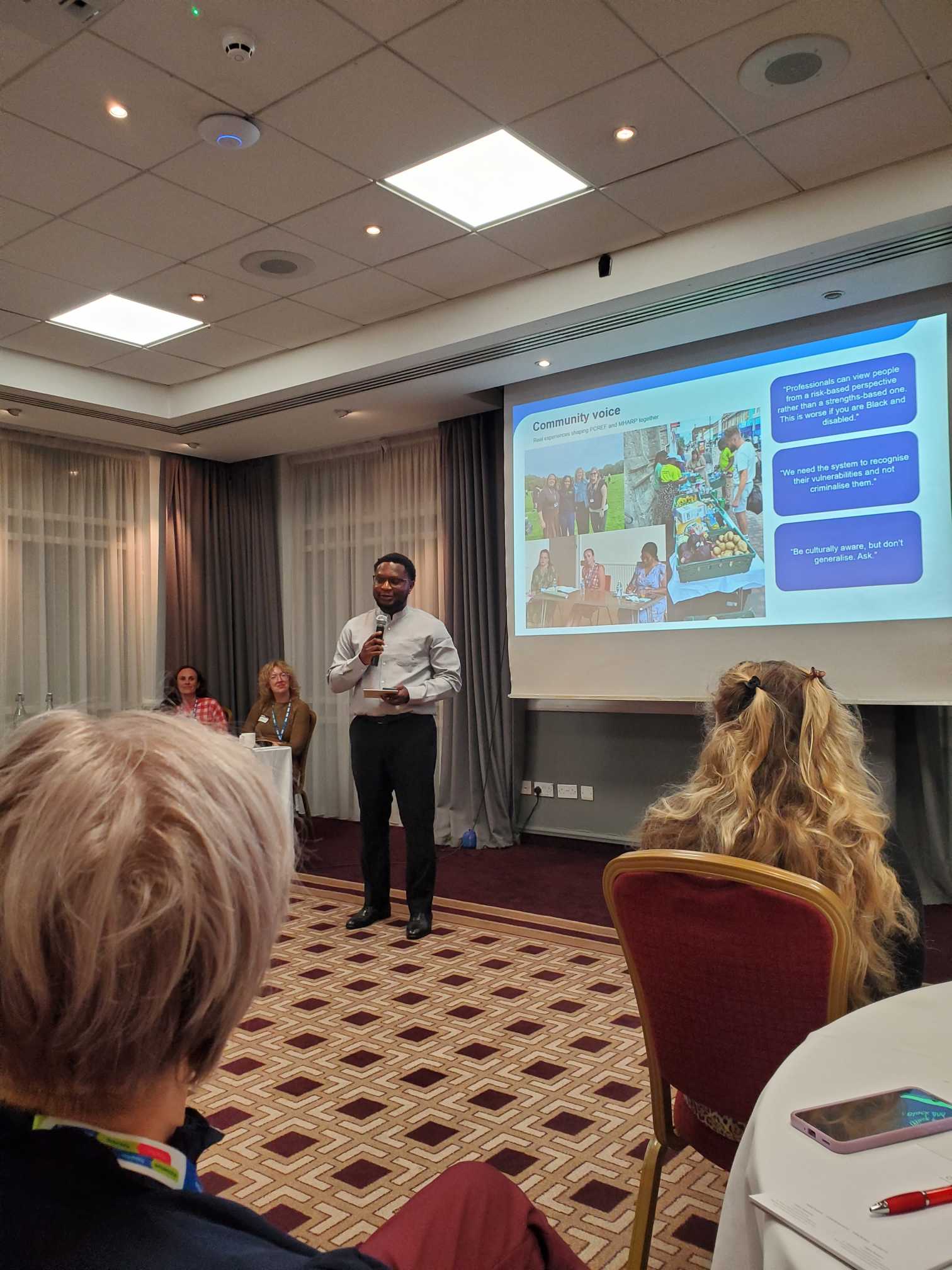
Olivia explained that photographs did not represent everyone involved and acknowledged that widening participation remained an ongoing process. She also described working with organisations connected to different groups, rather than expecting one approach to suit everyone.
When asked about feedback, she emphasised the importance of honest responses. The aim was to understand people’s experiences and respond to them.
Funding was another concern. Olivia described the importance of senior leadership commitment, dedicated resources and connecting PCREF with wider organisational priorities.
Protecting People Who Share Lived Experience
A further discussion considered the emotional demands of contributing to racial trauma training.
Members asked how organisations support people who revisit painful experiences while helping staff learn. This raised questions about preparation, boundaries, ongoing support and the responsibility organisations hold towards contributors.
Olivia acknowledged that this needed further consideration beyond the relationships and informal support already in place.
Research Presentation: Discovering Livability
Presenter: Nakkita de silva from the Discovering Livability project
Our next presentation introduced Discovering Livability, a research project exploring alternative ways of thinking about suicide prevention.
The presentation invited us to consider what makes life liveable for people and communities, alongside understanding distress and responding to crisis.
This opened up questions about relationships, belonging, culture, inequality and the social conditions shaping people’s lives.
Community, Creativity and Lived Experience
The Nakkita described an interest in grassroots and peer-led organisations supporting young people, including approaches involving art and music.
The project also considers activism, policy and the role of lived and living experience.
There was recognition that involving people in research requires care. Participation should respect boundaries and avoid placing pressure on people to disclose distressing experiences.
Questions and Discussion: Transitions and Joined-Up Support
Members discussed gaps in support during the transition from childhood to adulthood, particularly for people with disabilities and neurodivergent people.
Contributors called for services to understand the whole person, including connections between physical health, mental health, disability, culture and family circumstances.
These discussions also highlighted the demands placed on carers when services work separately and families are left to bridge the gaps.
Carer Discussion: What Support Is Actually Available?
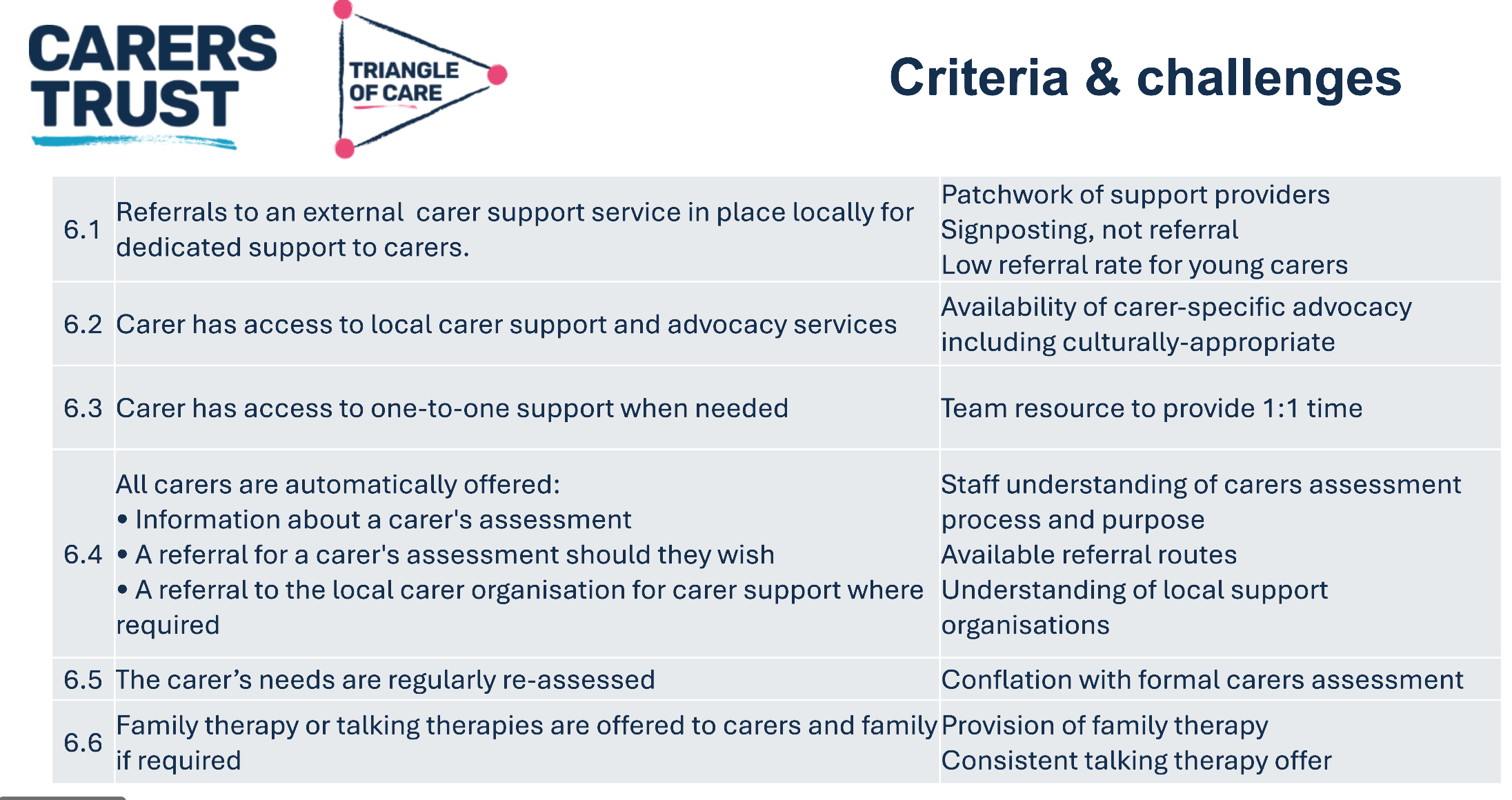
One contribution brought the meeting back to a practical question: how do services find and support carers who are managing considerable responsibilities but are not closely connected to organisations?
The discussion highlighted uncertainty about what help is available and how a carer’s assessment translates into practical benefits.
For me, this was an important reminder that conversations about frameworks and service development must remain connected to carers’ daily lives. People need clear explanations, accessible routes to support and opportunities to ask questions without already knowing the system.
Making the Forum’s Influence Visible
A member suggested bringing organisations back together to explain what they had learned from the forum and what had happened afterwards.
This would help members see how their contributions influence work beyond the meeting itself. It is a valuable suggestion to consider as the forum develops.
Closing Reflections
Thank you to our presenters and everyone who contributed to September’s forum.
The meeting offered examples of community involvement alongside honest challenges about trust, resources and accountability.
As a carer, I want these conversations to help build services where families are believed, cultural differences are understood and involvement leads to improvements people can recognise in their everyday lives.