Welcome to another blog post by carer activist and ambassador Matthew McKenzie. I raise awareness of unpaid carers who support those with long term ill health. This time my blog focus is on the inclusion of carer only groups at mental health service development.
Continue readingCategory Archives: Aimed at Carers
Maintaining Family Bonds in Caregiving: Communication and Support
Here is another blog by Matthew McKenzie author of “Experiences of Mental Health unpaid caring”. This time I am covering a difficult and compex topic. Caring for someone and trying to maintain the family connection.
If you want to watch the detailed version of this blog, you can watch the video below.
Hospital Discharge Tips: Caring for Loved Ones After Hospitalization
Blog by Matthew McKenzie aimed at unpaid carers whose cared for will soon be discharged from hospital. Here are some tips to take note of to help in smooth transistion back into the community.
To watch the video lecture nearly 30 mins, see below.

Coping After the Loss of a Loved One: Essential Tips for Carers

Grief affects us all at some point in our lives, but for unpaid carers who have dedicated their energy and resources to looking after someone with a long-term illness, the passing of their loved one carries a unique weight. This article by carer activist Matthew McKenzie delves into the ways unpaid carers can cope with this profound sense of loss, exploring the emotional depths of grief and offering practical advice on navigating these difficult waters.
Continue readingNational Community Triangle of Care Meeting update – November 2024
Hello all. Especially those who support someone with mental ill health. Treat someone with mental ill health or those who are interested in Carer’s Trust Triangle of Care. As an expert by experience regarding mental health unpaid care. I am delighted to be given the chance to chair these meetings, which I have been doing for around 2 years.
The meeting I chair is the national community group, which I try to run every 2 months and usually, I do not have the capacity to chair, organise and minute them, but now I have decided to attempt to update via my carers website. The main reason is to let carers know of the important themes that will affect them if caring for someone with mental ill health.
More information on Carers Trust – Triangle of Care
Topics covered for the ToC community meeting November 2024
The meeting covered various aspects of carer involvement in mental health care, including the Triangle of Care approach, challenges faced by carers, and the development of tools to improve communication between patients, clinicians, and carers. Discussions also focused on the Making Carers Count program presented by Carers Trust “Making Carers Count” programme lead Ben O’Hanlon, which aimed to support underrepresented carer groups.
Lastly we discussed the potential impacts of the new Mental Health Bill on carers. Concerns were raised about the implementation of the Mental Health Act reforms and their implications for carers, highlighting the need for better support and representation in the decision-making process.
Triangle of Care Update Meeting
The meeting discussed promoting the Triangle of Care approach to involve families and unpaid carers in mental health care settings. Mary Patel, the new co-lead for Triangle of Care at Carers Trust, introduced herself and her background. A carer raised concerns that mental health services seem less willing now to genuinely listen to carers compared to when Triangle of Care was first launched.
We then had Marta, a researcher, who requested help from carers in London to complete a survey on shared decision-making in mental health that includes a carer version. The group then heard presentations from Alan Worthington on engaging carers in primary care and Karen on the Mental Health Act reform’s impact on carers.
Developing Patient-Clinician Carer Questionnaires
In the meeting, Marta discussed the development of questionnaires for patients, clinicians, and carers to evaluate the effectiveness of conversations and identify discrepancies. She emphasized the importance of involving patients in treatment decisions and the need to make the questionnaires as succinct as possible while still capturing valuable information. A Carer raised concerns about the cultural aspects of the questionnaires and the need to address diversity issues. Another carer shared her experience as a carer lead at a mental health trust, highlighting the importance of co-producing carers questionnaires to gather valuable feedback.
Engagement and Support in Medical Practices
Alan Worthington discussed the importance of engagement, involvement, and support in medical practices, particularly for carers. He emphasized the need for professionals to be prepared to talk to carers, share information, and break confidentiality. Alan also highlighted the significance of patient public involvement and feedback in improving the system. He shared his experience with a complaints book in his surgery, which became a valuable resource for patients to express their experiences. Alan also touched on the issue of support from medical staff, particularly doctors, and the need for special time with them. He concluded by discussing the impact of Covid-19 on carers and the need for self-help and monitoring.
Regular Health Monitoring With Alan
Alan also discussed the importance of regularly checking weight and blood pressure, using a digital thermometer and blood pressure meter. He emphasized the significance of monitoring blood pressure, as it can be a lifesaver and help identify potential health issues. Alan also highlighted the importance of using a digital thermometer, as it provides quick and accurate readings. He further discussed the use of urine testing strips, which can help detect urinary tract infections. Alan concluded by emphasizing the importance of having a blood pressure meter, oximeter, and urine testing strips in one’s medical kit.
Covid-19 Risks and Carer Support
Alan discussed the ongoing risks of Covid-19 and the importance of being vigilant. He also highlighted the potential benefits of certain painkillers and promoted their use by carers. Alan emphasized the need for carers to take charge of their situations and seek help when necessary. He also shared a personal experience caring regarding stroke and the importance of quick action. Alan suggested that the Carers Trust could share this information with unrecognized and unheard carers.
Making Carers Count Program Outcomes
Ben discussed the Making Carers Count program, a three-year initiative aimed at supporting carers from underrepresented groups. A lot of the presentation was aimed at carer centre representatives, especially those involved in the “Making Carers Count” programme.
The program, which concluded earlier this year, focused on improving access to digital, online, and peer support. Ben highlighted the program’s positive outcomes, including improved reach, support, registration, and engagement for carers from these groups.
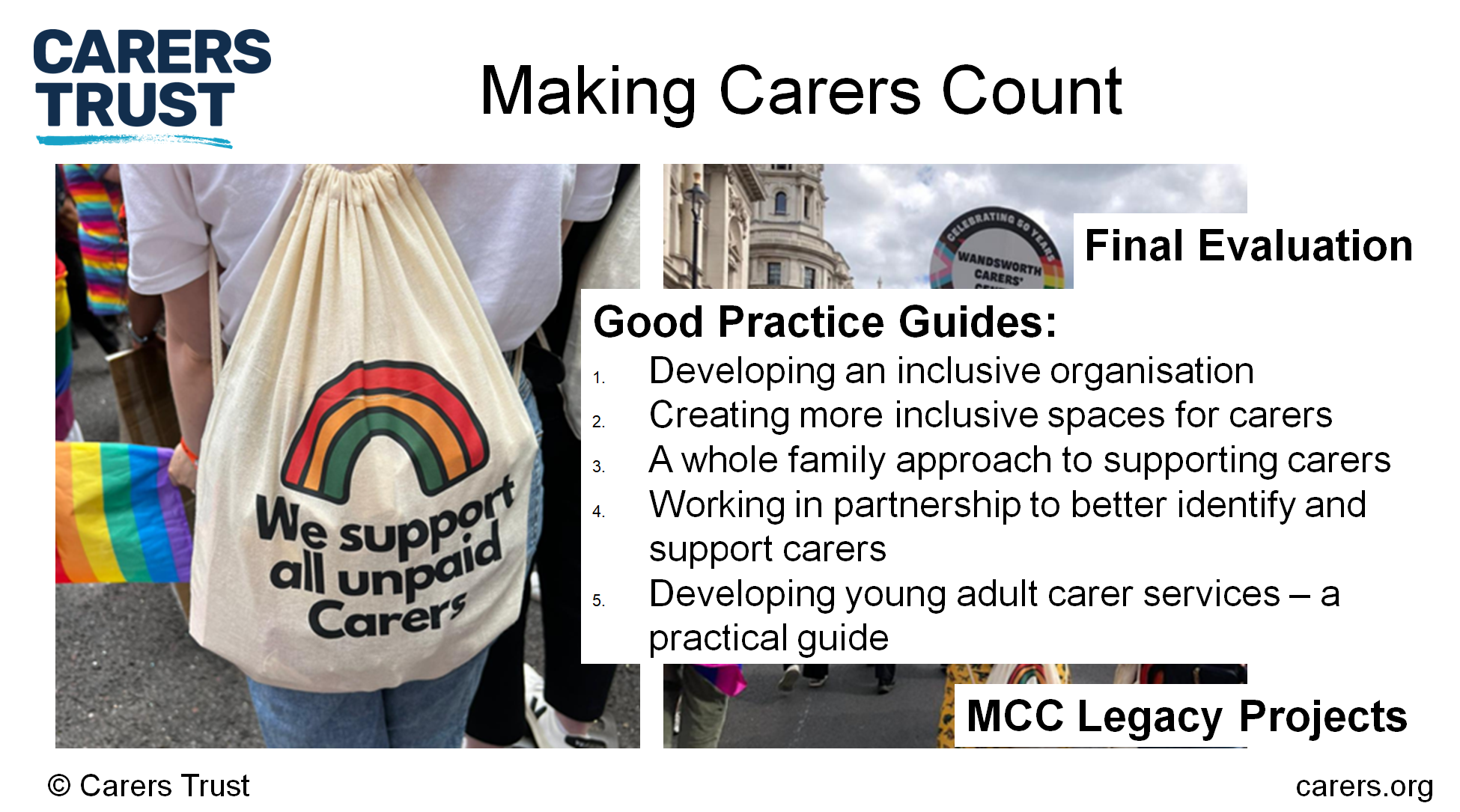
He also mentioned the publication of a final evaluation and five practical good practice guides based on the program’s key themes. These guides are intended to be accessible resources for organizations looking to improve their services for carers. Ben also mentioned the program’s legacy projects and the appointment of a new EDI lead at Carers Trust. Matthew McKenzie raised concerns about the program’s sustainability and the risk of losing the momentum and funding. Ben responded by emphasizing the importance of embedding the program’s work across the network and the potential for organic changes in practices.
More information on Making Carers Count
Mental Health Bill Key Reforms
Karen Machin discussed her passion for the Mental Health Bill, which has been in the works for a while. She highlighted the bill’s key reforms, including a higher bar for detention, stricter criteria for community treatment orders, and the establishment of a mental disorder within 28 days for detention. Karen also expressed concern about the support for family and friend carers in the bill, as well as the potential for a public discourse around risk. She encouraged everyone to read the full document of her presentation for more information.
Mental Health Act Changes Impact Carers
Karen Machin presented on the changes to the Mental Health Act, focusing on the impact on carers. She expressed concerns about the potential decrease in the number of people detained, which could lead to increased responsibility for carers. Karen also highlighted the importance of considering the impact on carers’ mental health and the need for their voices to be heard in the decision-making process. She suggested that carers should contact their MPs to raise their queries or concerns and ensure their voices are represented. The group agreed that the changes of the Mental Health Act are welcomed, there will be significant implications for family carers and it is important that their input is crucial in shaping the future of mental health care.
UK Mental Health Act Reforms
In this meeting segment, the key points discussed were concerns around the new Mental Health Act reforms in the UK. A carer shared her worrying experiences where her relative, who lacks insight into their mental illness, could potentially nominate an inappropriate person to make decisions on his behalf instead of his family carer. The group discussed how this law, while well-intentioned, fails to account for complex family situations and resource constraints in mental health services. There were also concerns about lack of funding for proper implementation of the reforms, and the need for better training and preparation for families and carers to understand their rights under the new law. The discussion highlighted the importance of mental health trusts and carer organizations being proactive in addressing these issues and advocating for the voices of carers to be heard.
Reponses to the Mental Health Bill
NHS Confed – https://www.nhsconfed.org/publications/mental-health-bill-2024
Community Care article – https://www.communitycare.co.uk/2024/11/06/bill-to-overhaul-outdated-mental-health-act-introduced/
The Complex Landscape of Carer Assessments: Challenges and Solutions
Hey there! Another blog post from Matthew McKenzie carer activist and author of “Experiences of Mental Health unpaid caring”. This post will look at the problem of carer assessments and trust me, there are many.
If you want to watch the more detailed video (26 mins). Please click below.
The Complex Landscape of Carer Assessments: Challenges and Solutions

Caring for someone with long-term ill health presents a unique set of challenges. One crucial element in ensuring caregivers receive the support they need is the carer assessment. However, the current system of carer assessments is fraught with problems. In this article, we will delve into the multifaceted issues surrounding carer assessments and explore potential solutions to make the process more effective and compassionate.
What is a Carer Assessment?
A carer assessment is designed to identify the needs of those who are providing unpaid care for someone with long-term health issues. Carers are entitled to these assessments, which should help identify their needs and the kind of support they require. However, even with the concept in place, many caregivers remain unaware of their rights or find the process of obtaining an assessment challenging.
The Problems with Carer Assessments

Lack of Awareness and Accessibility
One of the primary issues is the lack of awareness among caregivers about their rights to an assessment. Many carers do not identify themselves as such and, consequently, do not pursue the assessment they are entitled to. This gap in awareness leads to unmet needs, whether for respite care, accessing support information, or funding specific equipment to aid in their caregiving duties.
Inconsistencies in the availability and clarity of information further exacerbate the problem. The accessibility of carer assessments varies significantly across different regions, with some local authorities setting high barriers to entry. This lack of uniformity leaves many carers without the support they need.
Focus on the Person Being Cared For

Carer assessments often prioritize the needs of the person receiving care over those of the carer. This patient-centric approach, while essential, can sideline the carer’s physical, emotional, and financial well-being. In many cases, assessors might be inadequately trained, leading to an incomplete understanding of the carer’s experiences and roles. This can result in inefficient support and a lack of appreciation for the carer’s everyday challenges.
Inconsistent Implementation
The quality and scope of carer assessments can vary significantly depending on the region. While some areas manage to provide thorough and beneficial assessments, others offer superficial or rushed evaluations. This disparity is often due to the resources and training available in different regions, leading to unequal support for carers across the UK.
Inadequate Training

A significant issue lies in the training of those performing the assessments. Without adequate training, assessors may lack a comprehensive understanding of unpaid care’s emotional, financial, and health complexities. This inadequacy can lead to inappropriate recommendations or missed support opportunities for carers, especially for those from minority groups or different cultural backgrounds.
The Emotional and Practical Challenges

Feeling Judged
The process of undergoing a carer assessment can feel intrusive and judgmental. Carers may hesitate to be honest about their struggles due to fear of being labeled as unable to cope, which could lead to unwanted interventions. This fear is particularly pronounced among young carers, who may worry about the possibility of family separation if their caregiving situation is deemed inadequate.
Time-Consuming Process
Setting aside the time and energy required for a carer assessment can add to the strain carers already feel. The process is often not user-friendly, and without adequate preparation or advocacy, carers might find it difficult to articulate their needs fully. This situation can lead to rushed or incomplete assessments, making the entire exercise feel futile.
Limited Scope and Follow-Up
Many carer assessments focus on immediate needs, neglecting long-term planning and sustainable support. This short-term focus means that carers might have to repeatedly push for assessments as circumstances change, which is both exhausting and demoralizing. Moreover, there is often an inadequate follow-up after the initial assessment, leaving carers in the same position as before, with no tangible support or improvement in their situation.
Potential Solutions

Raising Awareness
One of the first steps to improving carer assessments is raising awareness about carers’ rights and the availability of assessments. Information campaigns and outreach programs can help inform carers about the support they are entitled to, encouraging them to seek out assessments.
Streamlining the Process
Simplifying the process of accessing carer assessments is crucial. This streamlining can be achieved by standardizing forms and procedures, making the process less time-consuming and more accessible. Clear information about who is responsible for conducting the assessments and how to request one should be readily available.
Improved Training

Investing in comprehensive training for assessors is vital. Training should cover the complexities of unpaid care, including the emotional, financial, and health aspects. It is also essential to ensure that assessors understand and can address the specific needs of diverse carer groups, such as young carers and those from minority communities.
Consistent Standards

Implementing national guidelines to ensure consistency and fairness in carer assessments across different regions is another necessary step. A standardized approach would help eliminate the postcode lottery effect, ensuring that all carers receive the same level of quality and support, regardless of where they live.
Focus on Action and Long-Term Support
Carer assessments should lead to tangible support and actionable steps. Regular follow-ups and adjustments to care plans as circumstances change are essential to provide continuous support. This approach would help carers feel that the assessment process is meaningful and beneficial, rather than a bureaucratic tick-box exercise.
Conclusion
Carer assessments are a crucial tool in supporting those who provide unpaid care for individuals with long-term health issues. However, the current system faces significant challenges that need to be addressed. By raising awareness, streamlining the process, improving training, implementing consistent standards, and focusing on actionable support, we can create a more effective and compassionate system that truly meets the needs of carers.
By addressing these issues, we can ensure that carers receive the support they need to continue their essential work without feeling overwhelmed, judged, or unsupported. Improving carer assessments is not just about meeting immediate needs but also about providing long-term, sustainable support that acknowledges and values the critical role carers play in our society.
Empowering Unpaid Carers: Why it is important carers Understand and Advocate for Carers’ Rights
Welcome to another blog post by Carer activist and author Matthew McKenzie, volunteer of Carers UK.

In this blog post you can learn why unpaid carers lack essential rights and how understanding and advocating for these rights can empower carers to improve their quality of life and protect those they care for. Discover the importance of lobbying, engaging with media, and participating in awareness campaigns to drive policy changes for unpaid carers.
To watch the indepth video lecture (44 minutes). Click to view the video below.
For this blog post, Matthew delves into the often-overlooked world of unpaid carers and explore why it’s crucial for them to understand their rights and well-being. As we approach Carers Rights Day 2024, it is a pertinent time to highlight the challenges faced by the millions of unpaid carers in the UK and other parts of the world. These individuals provide care for relatives, friends, or neighbors with long-term illnesses, and their role is indispensable yet challenging due to a lack of adequate rights and support.
The unpaid Carers’ Challenge
Financial Hardship

One of the most glaring issues for unpaid carers is financial support, or rather, the lack thereof. Unpaid carers, by definition, do not receive payment for their services, leading to significant financial strain. While some financial support is available through carers’ allowances, these are often insufficient and heavily scrutinized. Many carers find themselves embroiled in legal issues when claiming these benefits, exacerbating their financial insecurity.
Employment Rights and Flexibility

Despite the introduction of the Carers Leave Act 2024, which grants some rights to flexible working, much needs to be done. Employment protection and flexibility for carers are limited, with many facing harassment or pay cuts due to their caregiving responsibilities. The need for robust employment policies that safeguard carers’ rights is evident.
Lack of Respite Care

Respite care is crucial to prevent carer burnout, yet it has become increasingly scarce due to funding cuts. The high cost of respite care means that many carers, especially those not working, cannot afford it. Without adequate respite care, carers risk their mental and physical health deteriorating.
Health Care Access
The current healthcare system is predominantly patient-centered, often neglecting the health needs of carers. Unpaid carers face challenges in accessing healthcare for themselves, including regular check-ups and mental health support. Despite some protective measures, such as flu and COVID-19 vaccinations for carers, comprehensive health care access remains limited.
Social Inclusion and Isolation

Caring responsibilities often result in social isolation and exclusion from community activities, negatively impacting carers’ mental well-being. Though technology can offer some relief through virtual connectivity, it is not a panacea, particularly for those unable to afford it.
Legal Recognition and Support
The fact that caregiving is unpaid means that it often goes unrecognized legally. Services and the community may take carers for granted, providing little to no support and failing to inform them of their rights. Early intervention and legal recognition are crucial in ensuring carers receive the support they need.
Educational and Personal Development
Caring responsibilities can severely disrupt education for young carers and hinder personal development for adult carers. The lack of time and resources makes it difficult for carers to pursue educational or career opportunities, stalling their future prospects.
Mental Health Support

Mental health support for carers is critically inadequate, with many carers unaware of available resources or how to access them. Isolation, lack of social inclusion, and insufficient health care severely impact carers’ mental well-being.
Rights Carers Currently Have
Carers’ Assessment

Carers have the right to a carers’ assessment, which helps document their situation and needs. Although essential, many carers report that these assessments often result in little to no tangible support, making the process seem futile.
Carers’ Allowance
While carers’ allowance exists, it is fraught with issues, including restrictive eligibility criteria and the risk of punitive action against claimants. The allowance, as it stands, is minimal and controversial, insufficient to alleviate financial strain.
Rights to Flexible Working
The Carers Leave Act 2024 provides the right to flexible working, though it is limited and not uniformly enforced across the country. Advocacy for increased hours and broader implementation is necessary for meaningful support.
Rights to Respite Care

Carers have the right to respite care, though it is increasingly difficult to access due to high costs and stringent criteria. Ensuring carers can take breaks from their roles is vital to prevent burnout.
Protection from Discrimination
Carers are protected from discrimination, though many are unaware of this right. Discrimination in caregiving roles is vast and complex, and the lack of HR resources for carers makes it challenging to identify and address such issues.
Right to Information and Support Services
Carers have the right to information and support services, though access is limited by the inadequacy of trained staff and the lack of comprehensive dissemination of information.
Rights to Health and Well-being Support
Carers have the right to support for their own health and well-being, including check-ups and mental health services. However, these services are not readily accessible, and many carers are unaware of their rights to such support.
Educational Support for Young Carers

Young carers have the right to educational support, though accessing it remains a challenge. Ensuring that young carers can pursue their education without undue disruption is crucial for their development.
The Importance of Understanding Carers’ Rights

Understanding their rights can empower carers to advocate for themselves and the people they care for. Knowledge of their rights can improve their quality of life by ensuring they receive proper treatment, support services, and protection from discrimination. It enables carers to make informed decisions and seek legal advice when necessary.
Legal Protections and Support
Legal protections rooted in human rights principles, such as financial support and workplace regulations, are essential. Carers who understand these protections are better equipped to access available resources and advocate for their needs.
Reducing Social Isolation
Human rights principles emphasize social participation and inclusion, which are often limited for carers due to their responsibilities. Understanding these rights can help carers advocate for policies and support systems that promote inclusion and reduce social isolation.
Advocacy for Systematic Change
Aligning with human rights principles can help carers join larger advocacy movements, strengthening calls for systematic change. It can include campaigning for social safety nets, legal protections, and mental health support.
Lobbying for Carers’ Rights
Joining or Supporting Carer Organizations
Organizations like Carers UK and Carers Trust offer valuable resources and advocacy channels. They provide templates for contacting MPs and collect data through surveys to lobby for carers’ rights effectively.
Contacting Government Representatives

Carers can reach out to MPs and government officials to discuss the challenges they face and advocate for their rights. Being proactive is essential in ensuring carers’ issues are recognized and addressed.
Engaging with Media
Media engagement can amplify carers’ voices and raise public awareness about their rights and challenges. Participating in interviews, writing articles, and using social media platforms can draw attention to carers’ issues.
Participating in National Awareness Events
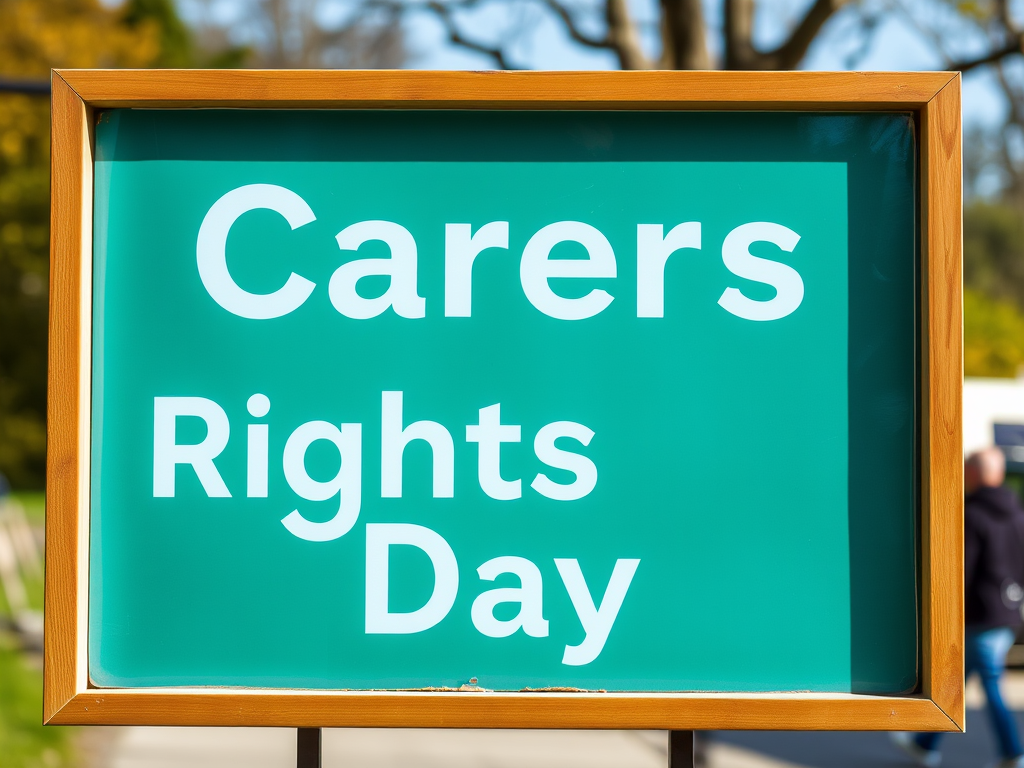
Events like Carers Week and Carers Rights Day offer opportunities to advocate for carers’ rights and raise awareness. Engaging in these events helps build a history of advocacy and increases focus on carers’ rights.
Utilizing Social Media
Social media platforms like Twitter, Facebook, and Instagram are powerful tools for raising awareness and advocating for carers’ rights. Sharing stories and engaging with advocacy organizations can help amplify carers’ voices.
Collecting and Sharing Testimonials

Sharing personal stories and experiences can highlight the wide range of issues faced by carers, making advocacy efforts more impactful. Initiatives like podcasts and video interviews can provide platforms for carers to share their stories.
Petitioning for Policy Changes
Petitioning for policy changes is a crucial step in advocating for carers’ rights. Signing petitions from organizations like Carers UK and Carers Trust helps build support for policy changes that benefit carers.
Conclusion
Empowering carers through knowledge of their rights is essential for their well-being and the well-being of those they care for. By advocating for their rights and participating in larger movements, carers can contribute to systematic changes that provide better support and recognition of their invaluable roles. As we approach Carers Rights Day 2024, let us remember the importance of supporting unpaid carers and ensuring their rights are respected and upheld.
Challenges of Nearest Relatives vs. Nominated Persons in Mental Health Care
Welcome back to my second post on the role of nearest relative Vs Nominated persons in mental health care. This time we look at the risks and challenges regarding the change to the mental health bill.
If you want to watch the video for a more detailed lecture, see below.
This blog post explores the complexities and risks associated with the roles of nearest relatives and nominated persons in supporting individuals with mental health conditions. Learn how communication barriers, lack of understanding, and structural challenges impact the quality of care and advocacy in the mental health system.
Understanding the Debate: Nearest Relative vs. Nominated Person in Mental Health Care
Mental health care reform is an ever-evolving field, aimed at better supporting individuals experiencing mental health issues and those who care for them. With new legislation like the Mental Health Bill under consideration, there are key discussions to be had about the roles of nearest relatives and nominated persons. This blog will delve into these roles, their challenges, and the implications of the proposed changes.
Background of the Mental Health Bill
The Need for Reform
The Mental Health Act last saw significant updates in 1983. Given the vast changes in our understanding and approach to mental health since then, the need for reform is apparent. The current bill under debate introduces several amendments aimed at modernizing the act to better address patient rights and care quality.
Patients under the mental health system have historically faced challenges such as inappropriate detentions and overmedication. The reforms aim to address these issues by improving treatment plans, reducing the use of police and prison cells for those in crisis, and ensuring more humane treatment for individuals with autism and learning disabilities.
Nearest Relative: Challenges and Considerations

Conflict of Interest
One of the primary challenges with the concept of the nearest relative is the potential for conflict of interest. The nearest relative’s views on treatment may differ from the patient’s preferences, potentially leading to tension and disputes. This can result in the patient not receiving the care they desire, which could exacerbate their condition.
Lack of Understanding
Many nearest relatives may lack a deep understanding of mental health issues and treatment processes. This lack of understanding can hinder effective advocacy and support, leading to poorer treatment outcomes. Although nearest relatives can gain knowledge over time, newly appointed ones may struggle initially.
Consent and Preference
Being designated as a nearest relative can occur without that person’s consent, leading to discomfort or resentment. Both the patient and the nearest relative may feel burdened by this legal imposition, complicating care dynamics and potentially diminishing the patient’s support system.
Limited Legal Power
Although nearest relatives have certain legal rights, they often find themselves with limited actual power, especially if the individual resists treatment or if professionals don’t fully engage with the relative’s concerns.

Exclusion from Care Decisions
Professionals may prioritize patient autonomy over family involvement, leading to situations where the nearest relative is not adequately consulted. This can undermine their supportive role, creating feelings of helplessness and frustration. With the Nominated Persons rule, the exclusion can be stronger, especially if the nominated person is at odds with the family, which can lead to tensions for whole parties. This is a major concern for Approved Mental Health Professionals, something I will probably cover later.
Complex Family Structures

Family complexities can further complicate the designation and effectiveness of the nearest relative. Tensions between family members regarding the care of a relative with mental health issues can lead to disputes and negatively impact the entire support system.
Nominated Person: An Emerging Role

Patient Autonomy and Choice
One of the major changes proposed by the Mental Health Bill is allowing patients to nominate a person of their choosing to support them, rather than defaulting to the nearest relative. This shift empowers patients to make decisions about their care support structure, potentially improving their treatment outcomes by involving someone they trust and feel comfortable with.
Role Definition and Training
The effectiveness of a nominated person hinges on clear role definitions and appropriate training. Currently, there are inconsistencies in how nominated persons are recognized and engaged within mental health services. Undefined roles can lead to misunderstandings and insufficient support. This is something Approved Mental Health Professionals are querying, because if family dynamics become an issue then it opens the door to a raft of legal issues.
Legal Authority and Support
Unlike nearest relatives, nominated persons currently do not hold significant legal power. This limitation can hinder their ability to advocate effectively for the patient, especially in emergency situations where immediate decisions are required.
Identifying Suitable Support
Not all patients may have someone suitable to nominate. Strained family relations or limited social support can make it challenging to find an appropriate person. Additionally, those nominated might lack the necessary understanding of mental health issues, mirroring challenges faced by nearest relatives. Most of the time, close relatives tend to stay around longer and nominated persons could drop off the role due to many pressures.
Potential for Conflict
If the nominated person’s views conflict with medical recommendations or the patient’s wishes, this can lead to tension and complicate care. To mitigate these risks, the role must be clearly communicated and agreed upon by all parties involved.
Common Challenges and Systemic Issues

Communication Barriers
Effective communication between mental health professionals, nearest relatives, and nominated persons is crucial. However, misunderstandings and communication breakdowns can negatively impact care quality and patient outcomes.
Resource Limitations
The mental health system often faces high caseloads and inadequate resources. Such limitations can hinder the involvement and support provided by both nearest relatives and nominated persons. Increased support and training resources are essential to address these challenges.
Training and Education

Inadequate training for mental health professionals regarding the roles and rights of both nearest relatives and nominated persons can lead to ineffective engagement and support. Comprehensive training programs and clear guidelines are necessary to improve collaboration and advocacy.
Structural Challenges
Navigating the mental health system is inherently complex, and the introduction of new roles such as nominated persons adds another layer of complexity. Ensuring that systems and structures are adaptable and can accommodate these new roles effectively is critical.
Moving Forward: Balancing Support and Autonomy
Improved Guidelines
The introduction of clearer guidelines and ongoing training for mental health professionals can help mitigate many of the challenges associated with both nearest relatives and nominated persons. These guidelines should focus on effective communication, role definition, and conflict resolution.
Case-by-Case Assessment
Implementing a case-by-case approach when involving nearest relatives or nominated persons can ensure that patient needs and preferences are respected. Close scrutiny and tailored support plans can help address individual challenges and complexities.
Enhancing Resources
Allocating additional resources to support both nearest relatives and nominated persons is crucial. This includes providing access to mental health education, counseling, and advocacy support, ensuring that all involved parties can contribute effectively to the patient’s care.
Conclusion: A Collaborative Approach
Both nearest relatives and nominated persons play vital roles in supporting individuals with mental health conditions. The challenges associated with each role can hinder their effectiveness, but by recognizing and addressing these challenges, we can improve the overall quality of care.
Ongoing training, clear guidelines, improved communication, and increased resources are essential for ensuring that both nearest relatives and nominated persons can provide the necessary support. A collaborative approach that respects patient autonomy while involving a supportive network can lead to better outcomes for individuals navigating the mental health system.
The debate around the roles of nearest relatives and nominated persons continues, but what remains clear is the necessity of a system that values the input of both groups while prioritizing the well-being of the patient. By working together, we can create a mental health care system that is more responsive, compassionate, and effective.
Understanding the Mental Health Bill 2024: The advanages of Nearest Relative and Nominated Person
Another blog post from carer activist Matthew McKenzie where this time he explores the positives of Nearest Relative and Nominated Persons.
The blog and Matthew’s video explores the benefits of nominated persons and nearest relatives in the revamped Mental Health Act 1983, aiming to empower patients and improve care outcomes through personalized support and advocacy. If you want to watch the detailed video, please watch below.
Understanding the Role of Nominated Persons in the Revamped Mental Health Act

Mental health care has undergone significant changes and discussions over the years, and one of the most notable at present is the revision of the Mental Health Act of 1983. As of the time this blog post was written, there are numerous updates being proposed in the new Mental Health Bill expected to come into effect in 2024 or 2025. This blog post aims to break down one vital aspect of these updates—the introduction of the role of nominated persons and how this differs from the historically established role of the nearest relative.
The Need for Change

The original Mental Health Act of 1983 has been considered outdated for various reasons. It had provisions that led to excessive sectioning, over-medicalization, and inappropriate detention practices. This bill not only failed to offer adequate support to those with mental health issues but also often resulted in patients being treated inhumanely. Thus, the overhaul is focused on modernizing mental health support, enforcing humane treatment, and addressing disparities in the system. It aims to introduce several reforms that include:
- Treatment Plans Over Prisons: Stopping the use of prison cells to house those experiencing mental health crises.
- Support for Autistic Individuals and Those with Learning Disabilities: Ending unnecessary detentions.
- Increased Family and Carer Involvement: Ensuring better outcomes for patients by involving their families’ input in treatment plans.
One significant change flowing from these reforms is the introduction of a new role, the nominated person, which aims to provide more tailored and effective support for individuals experiencing mental health issues.
The Role of Nearest Relative

In the existing framework, a nearest relative usually falls into a specific legal family hierarchy and plays a crucial role in a patient’s mental health care. Let’s explore the benefits and duties associated with the nearest relative:
Legal Rights and Representation
The nearest relative has particular legal rights under the Mental Health Act, such as the right to be notified if their family member is detained. This notification process is essential because it ensures that the nearest relatives are aware of the situation and can provide rapid support.
Involvement in Decision-Making
Being a close family member, the nearest relative is often well-placed to advocate for the individual’s treatment preferences and wishes. They can ensure that the treatment aligns with the patient’s values and desires, although this heavily depends on the complexity of the family dynamics.
Emergency Support
During a crisis, the nearest relative can quickly step in to advocate for their loved one’s needs and preferences, ensuring that timely interventions are instituted.
Continuity of Care
The nearest relative is likely to maintain ongoing support for the patient, ensuring continuity of care from the hospital to home.
Facilitation of Family Communication
The nearest relative can help ensure that all family members are informed about the patient’s situation, thus fostering a well-rounded support system for the patient.
Limitations of the Nearest Relative Role
While the role of the nearest relative has these benefits, it also presents several challenges:
- Family Dynamics: Relationships within the family can be complex and strained, potentially making the nearest relative unsuitable for the caregiving role.
- Consent and Confidentiality: Issues can arise when the patient does not consent to share information with the nearest relative, leading to confidentiality disputes.
- Safeguarding Risks: If there has been a breakdown in the family relationship, involving the nearest relative can sometimes pose a risk to the patient’s well-being.
The Role of Nominated Persons

The new bill introduces a concept that shifts some control to the patient by allowing them to choose a nominated person. The nominated person serves to advocate effectively on behalf of the patient, ensuring that their preferences and rights are respected.
Conflict Resolution
One of the significant benefits of having a nominated person is conflict mediation. This role can act as a neutral party to mediate between the patient, mental health professionals, and family members when disagreements about treatment arise.
Patient Empowerment
By allowing the patient to choose their nominated person, this role empowers the patient, giving them a greater sense of control over their treatment and care. This empowerment can dramatically improve the patient’s mental health outcome.
Personalized Advocacy
The nominated person is in a position to provide support tailored specifically to the patient’s individual needs and preferences. This focused support tends to align treatment more closely with the patient’s values.
Expanded Support Network
Designating a nominated person allows individuals to expand their support network beyond immediate family, including option close friends or other trusted individuals. This can be especially beneficial when the family dynamics are not conducive to supporting the patient’s needs.
Representation
The nominated person’s primary duty is to advocate effectively for the patient in care discussions, ensuring that the patient’s preferences are prioritized.
Facilitation of Communication
The nominated person can also facilitate communication between the patient and mental health professionals, ensuring the patient’s voice is heard.
Balancing Both Roles
Both the nearest relative and nominated person roles come with their distinct advantages and inherent challenges. It’s crucial to strike a balance to ensure that individuals receive the appropriate care that respects their rights and preferences.
Complementary Roles
When utilized effectively, these roles can complement each other. The nearest relative can provide a broad safety net of involvement, while the nominated person can offer tailored support.
Safeguards
Appropriate safeguards must be in place to ensure a nominated person is suitable, particularly when trustworthiness and the complexity of relationships come into play.
Holistic Approach
An effective approach would be holistic, examining each situation on a case-by-case basis. This individualized consideration should guide how both roles are utilized to support the patient’s well-being comprehensively.
Conclusion
The revamped Mental Health Act introduces important reforms that aim to modernize the support system for individuals with mental health conditions. By incorporating the roles of nearest relatives and nominated persons, the act seeks to strike a balance between structured legal advocacy and personalized support.
Key Points to Remember:

- The nearest relative holds significant legal rights and plays a foundational role in emergency support, continuity of care, and communication.
- The nominated person empowers patients by granting them the ability to select someone they trust to act as their advocate, focusing on personalized and effective mental health care.
- Both roles have benefits and challenges, and the patient’s well-being should be the central consideration in determining their use.
- The introduction of the nominated person role enhances the patient’s autonomy and choice, which is vital for their mental health recovery and well-being.
- Balancing these roles requires careful consideration, safeguards, and a holistic approach to cater to each patient’s unique situation.
The goal is to provide an empowering, supportive, and respectful care environment for those experiencing mental health challenges. By recognizing the strengths of both roles, mental health services can better cater to the needs of their patients, ultimately leading to more positive outcomes.
Strategies for Unpaid Carers to Manage Trauma
Welcome to another blog post by carer activist Matthew McKenzie, author and also poet raising awareness of unpaid carers. This blog post is on how those caring for someone living with mental ill health can combat Trauma.
If you want to watch the more detailed video version, please click below (33 mins).
For this blog, you can learn essential techniques to recognize, address, and overcome trauma as an unpaid carer. Discover the importance of self-care, setting boundaries, seeking professional support, and building resilience
Understanding Trauma for Carers
Being a carer can be an overwhelming experience, particularly when faced with the unexpected challenges that come with supporting loved ones who have mental ill health. The role is demanding and often can be thankless, which increases the likelihood of experiencing trauma. In this comprehensive article, we will explore ways to tackle trauma, ensuring that carers have the tools and resources needed to support both their loved ones and themselves.

What is Trauma?
Trauma is an emotional response to a deeply distressing or disturbing event. It can be a single event or a series of events that an individual finds overwhelming, resulting in lasting psychological harm. For carers, particularly those caring for individuals with mental ill health, trauma can significantly impact their sense of safety, self-worth, and emotional regulation. Recognizing trauma and understanding its triggers is critical for managing it effectively.
Acknowledging Your Own Trauma and Its Triggers
The first step in managing trauma is acknowledging it. This can be challenging, as many carers focus so intently on the needs of their loved ones that they overlook their own emotional state. Recognizing trauma involves being aware of personal triggers—specific situations, words, or behaviors that cause a trauma response. Personal triggers can vary widely but are often linked to past traumatic experiences.

Identifying Personal Triggers
- Awareness: Start by noting down situations that cause significant emotional distress or changes in mood. It’s important to be honest and thorough.
- Journaling: Maintain a journal where you record daily experiences, focusing on feelings and reactions. Over time, patterns will emerge, helping to identify triggers.
- Self-Validation: Understand that your feelings are valid and significant. Acknowledging your experiences as a carer is pivotal for your emotional health.
Developing Grounding Techniques for Emotional Regulation
Grounding techniques are essential for managing emotional volatility triggered by trauma. These methods help maintain presence and control during stressful moments.
Mindfulness and Breathing Exercises
- Deep Breathing: Practice deep breathing exercises. They are simple but effective in calming the mind and reducing anxiety.
- Mindfulness: Engage in mindfulness practices. Focus on the present moment to prevent being overwhelmed by traumatic thoughts.
- Physical Grounding: Use physical grounding techniques like gripping a comforting object or feeling the floor beneath your feet. Physical sensations can help draw you back to the present.
Setting Clear and Compassionate Boundaries
Boundaries are essential for carers to prevent burnout and manage trauma effectively. Setting boundaries ensures that you can continue to care for your loved one without sacrificing your well-being.

Defining Boundaries
- Determine Limits: Clearly define what you can and cannot do. Make these boundaries known to those around you when possible.
- Communicate Needs: When appropriate, communicate your limits to the person you’re caring for and others involved in their care. This helps in developing mutual understanding and respect.
- Regular Reflection: Acknowledge that these boundaries may need to be reassessed and modified according to changing circumstances.
Seeking Professional Support

Professional support can be invaluable in processing trauma and developing coping strategies.
Individual Therapy
Engaging in therapy with a professional can provide a safe space to process trauma. Therapists can offer personalized coping strategies and help build emotional resilience.
Support Groups
Joining support groups for carers can provide validation and comfort. Sharing experiences with others who understand the challenges can be incredibly healing. Check local resources or online directories for carer-specific support groups.
Practicing Compassionate Self-Care Daily

Self-care is crucial in managing ongoing trauma. It involves small daily practices that help maintain emotional balance.
Self-Care Strategies
- Daily Resets: Incorporate small, non-negotiable self-care routines, such as taking walks, journaling, or listening to calming music.
- Mindful Journaling: Use journaling as a tool to track your emotions and identify triggers. Prompts like “Today I felt…” or “I feel supported when…” can guide your reflection.
- Other Techniques: Engage in activities that you enjoy and add to your sense of well-being, like hobbies or spending time in nature.
Developing Skills for Emotional Detachment

Healthy detachment involves caring without absorbing the other person’s emotional turmoil.
Practicing Detachment
- Reflective Techniques: After intense interactions, take a few minutes to separate your own feelings from the other person’s emotions. This clarity protects your emotional state.
- Visualizing Boundaries: During stressful situations, visualize a protective boundary around yourself to prevent being drawn into the turmoil.
Creating a Safety Plan for High-Stress Situations
Safety plans are essential for managing periods of high stress.
Planning Ahead
- Identify Safe Spaces: List safe spaces and people you can turn to when feeling overwhelmed.
- Develop Coping Strategies: Create specific steps for self-soothing and self-care after high-stress situations. This could include deep breathing exercises, hobbies, or speaking with a trusted friend.
Building Resilience and Strength

Recognizing and celebrating your strengths can reinforce resilience and empower you to handle future challenges.
Small Wins
- Celebrate Successes: Acknowledge and celebrate your ability to manage both your trauma and caregiving responsibilities. Even small successes are milestones worth recognizing.
- Set Realistic Expectations: Understand that dealing with trauma is a gradual process. Be compassionate towards yourself and set attainable goals.
Reflect and Reassess Regularly
Regular self-check-ins are necessary to manage trauma effectively.
Reflection Practices
- Self-Check-ins: Frequently assess your emotional state, energy levels, and boundaries. Note any caregiving activities that are particularly triggering.
- Modify as Needed: Based on your reflections, modify your approach to avoid burnout. Delegate tasks if possible, and seek additional support when necessary.
Accept that Healing is Ongoing
Healing from trauma is a long-term process that requires patience and compassion.
Embrace the Journey
- Acknowledge the Time: Understand that trauma is complex and healing takes time. Your journey is unique and equally valuable as the person you are caring for.
- Focus on Progress: Emphasize progress over perfection. Every step towards managing trauma is meaningful, no matter how small it might seem.
Tackling trauma as a carer is not about achieving perfection but about making progress. Every small step towards balancing your trauma with caregiving responsibilities is significant. Remember, you are valid, important, and worthy of support. By prioritizing your well-being, you not only become a better carer but also pave the way for a more sustainable caregiving journey.