Welcome to another blog post from Matthew McKenzie (who runs the London Cancer carer group) advocating for cervical cancer awareness, prevention, and support in 2025. In this blog you can learn about screenings, HPV vaccinations, and the crucial role of caregivers in the fight against cervical cancer.
To watch the 3 minute Cervical Cancer Awareness Month 2025 video, please click below.
Tackling Cancer Health Inequalities in Patients with Serious Mental Illness
Addressing health disparities, especially for patients with serious mental illness (SMI), is crucial in improving cancer treatment outcomes. This post by Matthew Mckenzie who facilitates the National cancer carer forum explores the multifaceted challenges faced by this vulnerable group and the necessary steps to tackle these inequalities.
To watch the video regarding Cancer and Serious Mental Illness, please click below.
Before continuing with the post, South East London Cancer Alliance. have just released their Cancer And Serious Mental Illness Information Resource. These have been co-created by SELCA, South London & Maudsley and the HIN, while working closely with people with lived experience of cancer and serious mental illnesses. You can visit and see the resources here: https://www.selca.nhs.uk/patients-and-carers/cancer-and-serious-mental-illness
The following sections might be of particular interest as they focus on cancer risks and screening.
Welcome to another blog post by Matthew McKenzie, author of of “The Experience of Cancer Caregiving” and facilitator of the National Cancer carer forum.
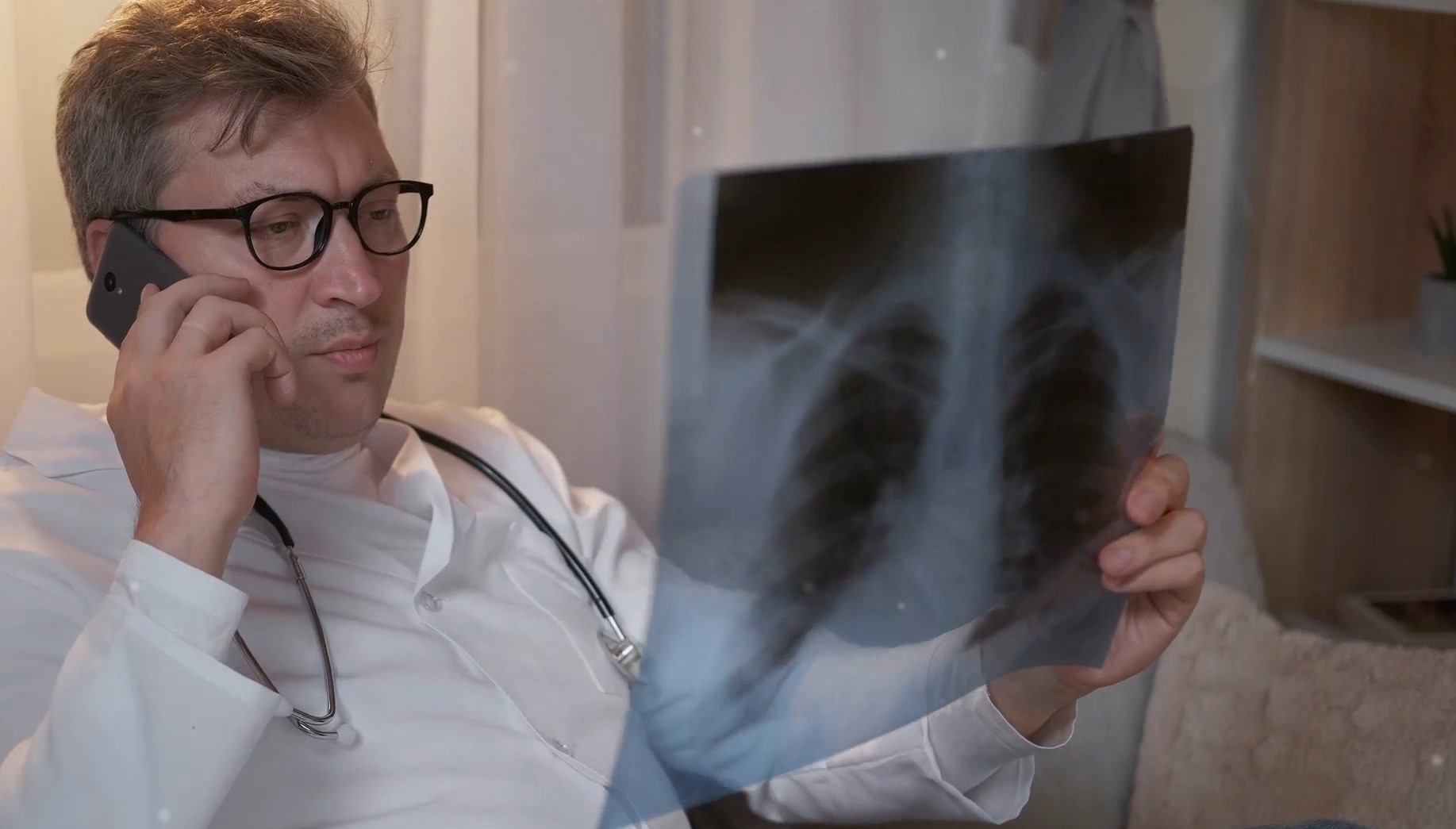
As of November 2024, it is Lung Cancer Awareness Month. I have done a short video to help raise awareness. From the video you can learn about the key risk factors, symptoms, and ways to support those affected by lung cancer. Unite for lung cancer awareness month and make a difference in spreading awareness and care.
Raising Awareness for Lung Cancer: Stronger Together, United for Lung Cancer Awareness
Lung cancer remains one of the most significant health challenges we face today. As we join forces during Lung Cancer Awareness Month 2024, it’s essential to spread knowledge and support those affected by this formidable disease. The theme for this year, “Stronger Together: United for Lung Cancer Awareness month,” underscores the importance of unity in combating lung cancer. Let’s delve into the crucial aspects of lung cancer, from understanding its risk factors and symptoms to prevention strategies and support for caregivers.
Understanding Lung Cancer Risk Factors
Lung cancer can affect anyone, but several key risk factors can increase an individual’s susceptibility to this disease. Recognizing these factors is a fundamental step in raising awareness and encouraging preventative measures.
1.Smoking
Topping the list of risk factors, smoking is the leading cause of lung cancer. The harmful chemicals present in tobacco smoke damage the lung cells, leading to cancerous changes. If you are a smoker, quitting is the most significant step you can take to reduce your risk of developing lung cancer.
2.Family History
Genetics also play a role in lung cancer risk. If lung cancer runs in your family, you should be more vigilant and possibly undergo regular screening. Knowing your family medical history can help you take proactive steps toward early detection and prevention.
3.Secondhand Smoke
Even if you don’t smoke, being around those who do can still put you at risk. Secondhand smoke is also dangerous and can lead to lung cancer. Avoiding environments where you might be exposed to smoking and advocating for smoke-free spaces are crucial.
4.Occupational Exposure
Certain jobs may expose individuals to harmful substances like asbestos and specific chemicals, which are known lung cancer risk factors. Protecting workers through safety regulations and the use of protective gear can help minimize this risk.
5.Environmental Exposure
Air pollution is another significant risk factor for lung cancer. Living in areas with high levels of pollution can increase your susceptibility to the disease. Advocating for cleaner air policies and taking precautions to reduce exposure to polluted air can be beneficial.
Recognizing Lung Cancer Symptoms – Get tested!
Lung cancer often does not show signs in the early stages, making it challenging to detect. However, being aware of the symptoms can lead to earlier diagnosis and better treatment outcomes.
1.Persistent Cough
A cough lasting three weeks or more is a common symptom of lung cancer. Any persistent or worsening cough should prompt a visit to the doctor.
2.Changes in a Chronic Cough
If you have a long-standing cough due to smoking or other reasons, note any changes. New characteristics, such as increased frequency or severity, can be concerning.
3.Recurrent Chest Infections
Frequent chest infections that don’t clear up with usual treatment could be a sign of lung cancer and should not be ignored.
4.Unexplained Breathlessness
Shortness of breath or wheezing without an apparent cause is another symptom to watch for. It may indicate that the cancer is affecting lung function.
5.Coughing Up Blood
The presence of blood in coughed-up mucus is alarming and warrants immediate medical attention.
6.Unexplained Weight Loss
Losing weight without trying can be a sign of various cancers, including lung cancer. It’s essential to monitor your weight and report any unexplained losses to your doctor.
7.Persistent Tiredness
Chronic fatigue that doesn’t seem to have an obvious cause might be associated with lung cancer, among other conditions.
8.Chest or Shoulder Pain
Ongoing chest or shoulder pain that doesn’t improve can also be a warning sign, especially if it is accompanied by other symptoms.
9.Hoarse Voice
A hoarse voice lasting more than three weeks should be checked by a healthcare provider.
Prevention and Maintenance of Lung Health
Preventing lung cancer is far better than treating it. Here are several steps to keep your lungs healthy and minimize the risk of lung cancer.
1.Don’t Smoke or Quit
The most effective prevention strategy is to never start smoking. If you do smoke, quitting as soon as possible can significantly reduce your risk.
2.Avoid Indoor Pollutants
Steer clear of secondhand smoke, certain chemicals, and materials like radon that can pollute indoor air and harm your lungs.
3.Minimize Exposure to Outdoor Pollution
Taking steps to reduce your exposure to outdoor air pollution, such as staying indoors on high pollution days, can help protect your lungs.
4.Prevent Respiratory Infections
Maintaining good hygiene to avoid infections, like washing hands regularly and staying up to date with vaccines, is crucial for lung health.
5.Regular Medical Checkups
Routine health screenings can catch problems early, including lung cancer. Discuss with your doctor how often you should get checked, especially if you have risk factors.
6.Exercise Regularly
Physical activity helps maintain lung health and overall well-being. Engaging in regular exercise keeps your respiratory system strong.
7.Maintain a Nutritious Diet
A healthy diet supports your body’s immune system and can aid in the prevention of various diseases, including lung cancer.
Supporting Someone with Lung Cancer
Caring for someone with lung cancer can be incredibly challenging but also rewarding. With the right support, you can make a significant difference in their journey.
1.Educate Yourself
Understanding lung cancer and the available treatment options enables you to provide better support. Staying informed about the disease helps you navigate the complexities of care.
2.Manage Symptoms and Side Effects
Helping manage symptoms and side effects ensures that your loved one’s quality of life remains as high as possible. This might involve medication management, dietary adjustments, and more.
3.Provide Emotional Support
Emotional and psychological support is crucial. Being there to listen and offer a comforting presence can drastically impact their mental and emotional well-being.
4.Assist with Medical Management
Accompanying your loved one to medical appointments, keeping track of treatment schedules, and communicating effectively with healthcare providers are all vital roles you can play.
5.Create a Comfortable Home Environment
Ensuring that the home is a comforting and supportive space can help improve their quality of life. This includes facilitating easy access to necessities and creating a restful environment.
6.Offer Social and Practical Support
Helping with day-to-day tasks, such as cooking, cleaning, and transportation, can relieve the burden on someone struggling with lung cancer.
7.Take Care of Yourself
It’s important to also take care of your well-being when you’re a caregiver. Seek support when needed and ensure you have time to rest and recharge.
8.Stay Informed About New Treatments
New treatments and resources for lung cancer continue to emerge. Keeping up to date on these developments allows you to provide the best possible care and advocacy for your loved one.
Prepare for End-of-Life Care
If the situation calls for it, preparing for end-of-life care with compassion and dignity is essential. This ensures that your loved one’s final days are as comfortable and meaningful as possible.
Conclusion
Lung Cancer Awareness Month reminds us of the importance of uniting to fight against lung cancer. Whether through prevention, recognizing symptoms early, supporting those battling the disease, or joining in advocacy efforts, every action counts. Remember, we are indeed stronger together. Let’s continue to spread awareness and support each other in the fight against lung cancer. Stay strong, stay informed, and take good care of yourselves and each other.
Welcome to a brief update from Carer activist Matthew McKenzie on the national cancer carer forum.
This group is online and is a mix of a peer group and engagement for those who care for someone with cancer.
Quick update for the Cancer carer group October 2024
Matthew, a mental health advocate, hosted the National Cancer Carers Forum and discussed the challenges of being a cancer caregiver, emphasizing the importance of understanding the diagnosis and treatment plan, seeking support, and planning for the future.
Also discussed was practical day-to-day care for someone undergoing cancer treatment, the importance of self-reflection and mental health support for carers, and the need for caregivers to advocate for patients and manage potential side effects of treatments. The conversation ended with requests for future discussions on accessing clinical trials, supporting caregivers’ mental health, and guidance on what to do if the primary caregiver is unavailable.
Understanding Diagnosis and Treatment Plans
Matthew discussed the importance of understanding the diagnosis and treatment plan for a loved one, particularly in mental health cases. He emphasized the need to be aware of any side effects from medication or treatment and to relay these concerns to the healthcare professionals. Matthew also mentioned the potential for a future session focusing on engaging with the NHS professionals and understanding who to ask questions to at different stages of the cancer journey.
Cancer Caregiving, Self-Reflection, and Planning
Matthew discussed the importance of self-reflection and planning for future recovery and well-being, particularly in the context of cancer caregiving. He emphasized the need for mental health support for cancer carers emotional struggles and the importance of setting goals and monitoring changes in the condition of the loved one. Matthew also stressed the importance of educating oneself about the cancer condition and seeking support from different groups. He suggested that training and workshops could be beneficial for gaining insight and planning for the future
Caregiver Challenges and Emotional Support
Matthew discussed the challenges faced by caregivers in advocating for patients and managing potential side effects of treatments. He suggested that caregivers should attend medical appointments to stay informed and asked for questions to be emailed to him for further research. Matthew also emphasized the importance of emotional support for both the patient and the caregiver, suggesting that caregivers should be sensitive to the patient’s feelings and avoid constant positivity. He mentioned that he would run a group again in the next month to further discuss these topics.
This concludes the brief update of the National cancer care group for October
Here I present some practical ways to manage guilt for those who are caring for someone with cancer. From accepting emotions to joining support groups, empower yourself to handle challenges with compassion and resilience.
If you wish to watch the video version of this blog (3 minutes) then click below.
Navigating Guilt as a Cancer Caregiver
Caring for someone with cancer is a role laden with emotional challenges, and feelings of guilt are often a frequent companion on this journey. Whether it’s self-imposed pressure to be perfect or the overwhelming desire to alleviate your loved one’s suffering, guilt can overshadow the invaluable service you are providing. Here, I present some strategies to help you manage and navigate these difficult emotions, ensuring you maintain your well-being along with providing care.
Acceptance: Guilt is Normal
The first step in managing guilt is accepting that it is a completely normal emotion for caregivers. Understanding that you are not alone in feeling this way can make a significant difference. Accepting your emotions rather than suppressing or ignoring them is crucial for a healthier caregiving experience.
Open Up: Share Your Feelings
Finding someone to talk to can be incredibly therapeutic. This confidant could be a friend, family member, or even someone within a support group. Sharing your emotions not only lightens the burden but also offers you different perspectives and support.
Professional Help: Speak to a Therapist
Consulting with a therapist who specializes in caregiver issues can provide you with invaluable coping strategies. This professional guidance offers a safe space to express your feelings without judgment and equips you with tools to handle your emotions better.
Focus on What You Can Control
Guilt often arises from feeling powerless over the situation. Shifting your focus towards aspects of caregiving that you can control helps in mitigating these feelings. Concentrate on the quality of care you provide instead of focusing on the uncontrollable aspects of the illness.
Be Kind to Yourself
Treat yourself with the same compassion and kindness you would offer a friend in a similar situation. Recognize your humanity; you can’t be perfect, and that’s completely okay. Acknowledge your efforts and small victories rather than focusing solely on your perceived shortcomings.
Set Achievable Goals
Setting realistic and achievable goals for your caregiving duties can significantly reduce feelings of inadequacy. Break tasks into manageable steps and celebrate each accomplishment, no matter how small. This can bolster your confidence and lessen the weight of guilt.
Prioritize Self-Care
Self-care is not selfish; it is a crucial aspect of caregiving. Make time for yourself, whether it involves engaging in a hobby, exercising, or simply resting. Recharging your mental and physical batteries will make you a more effective caregiver.
Educate Yourself About the cared for’s Condition
Gaining a deeper understanding of your loved one’s medical condition can enhance your competence and reduce feelings of guilt. Knowledge empowers you to provide better care and allows you to feel more confident in your caregiving decisions.
Celebrate Small Victories
Take time to reflect on the positive impact you have on your loved one’s life. Celebrating small victories and moments of joy can serve as a reminder of the important role you play. These moments can counterbalance feelings of guilt and provide emotional upliftment.
Join a Support Group
Support groups are invaluable. Connecting with others who are experiencing similar situations provides a sense of belonging and validation. Sharing experiences and realizations can offer immense relief and new strategies to cope with guilt.
Express Yourself Through Writing
Writing down your feelings can serve as an excellent outlet to process and understand your emotional state better. Journaling allows you to articulate your thoughts and feelings, reducing the burden of carrying them around unspoken.
Know Your Limits and Communicate Them
Understanding and respecting your own limits is crucial for sustainable caregiving. Clearly communicate your boundaries to those involved in the caregiving process. This protects your energy and ensures you don’t overextend yourself, which can exacerbate feelings of guilt.
Learn from Mistakes
No one is perfect, and mistakes are part of the caregiving journey. Instead of being overly critical of yourself, view mistakes as learning opportunities. Allow yourself to grow from these experiences rather than letting them compound your guilt.
By integrating these strategies into your caregiving routine, you can work through feelings of guilt and find a more balanced emotional state. Remember, you are doing an incredible job. Caring for yourself is just as important as caring for your loved one. Stay strong, and give yourself grace along this challenging yet rewarding journey.
Welcome back to another blog update from Carer Activist Matthew McKenzie, who also runs the National Cancer Carer forum.
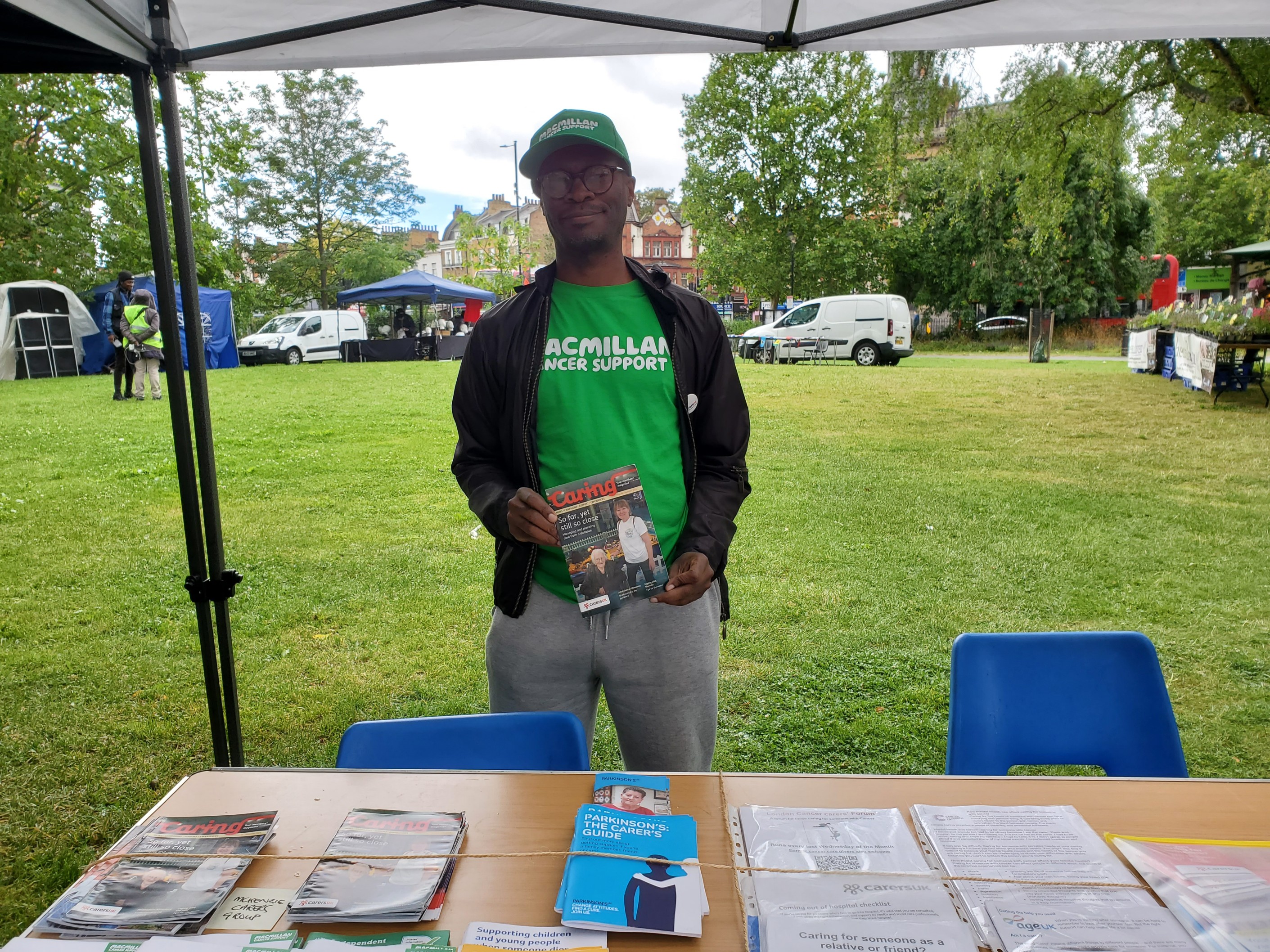
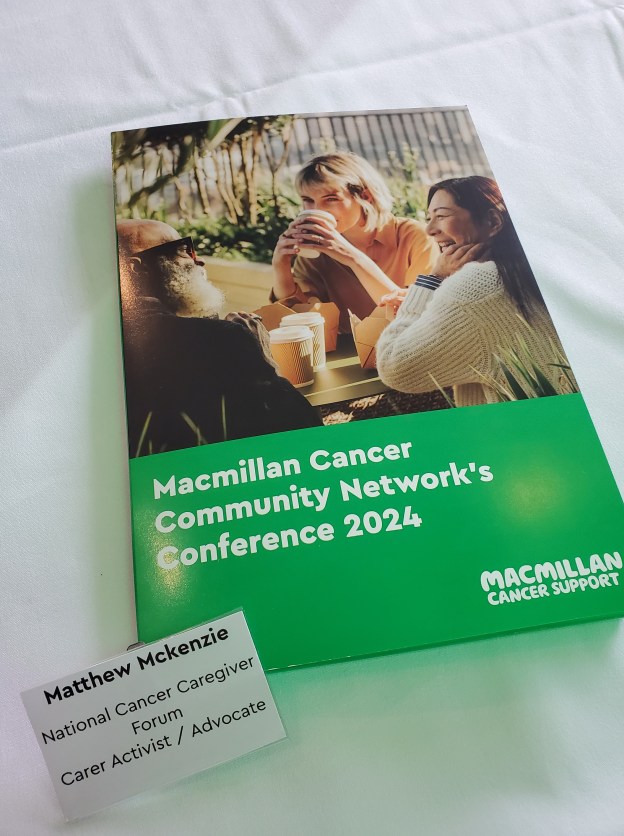
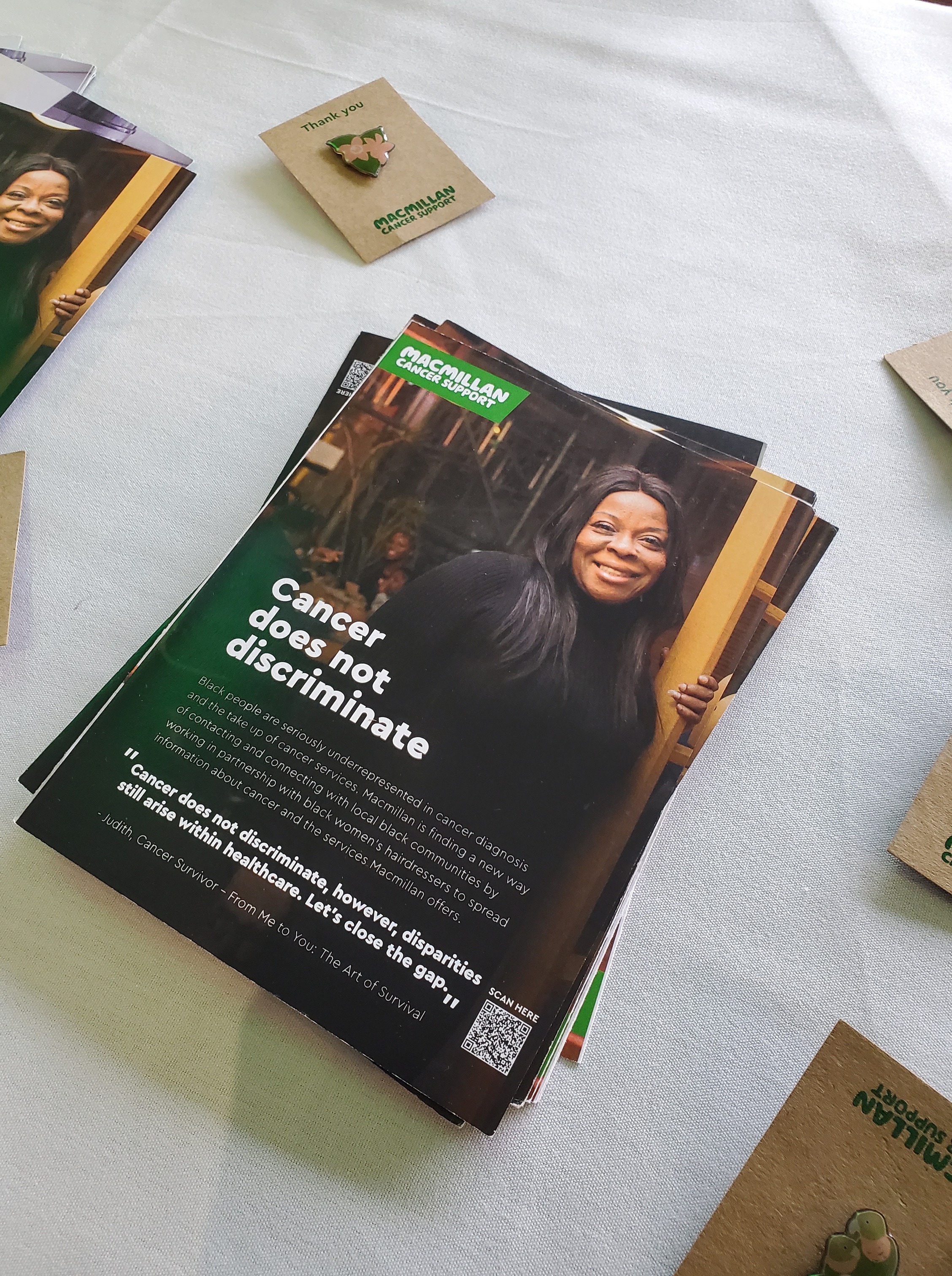
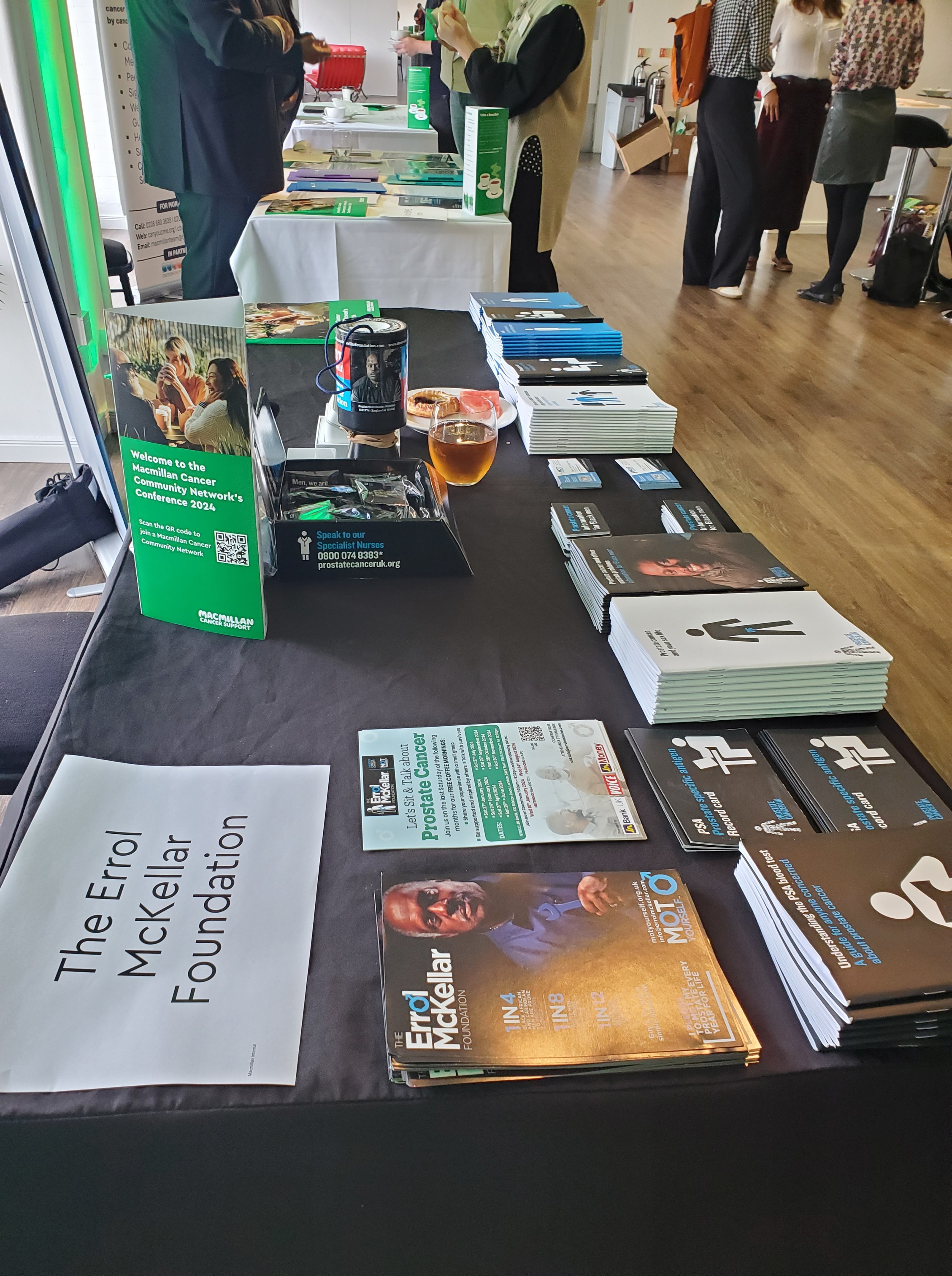
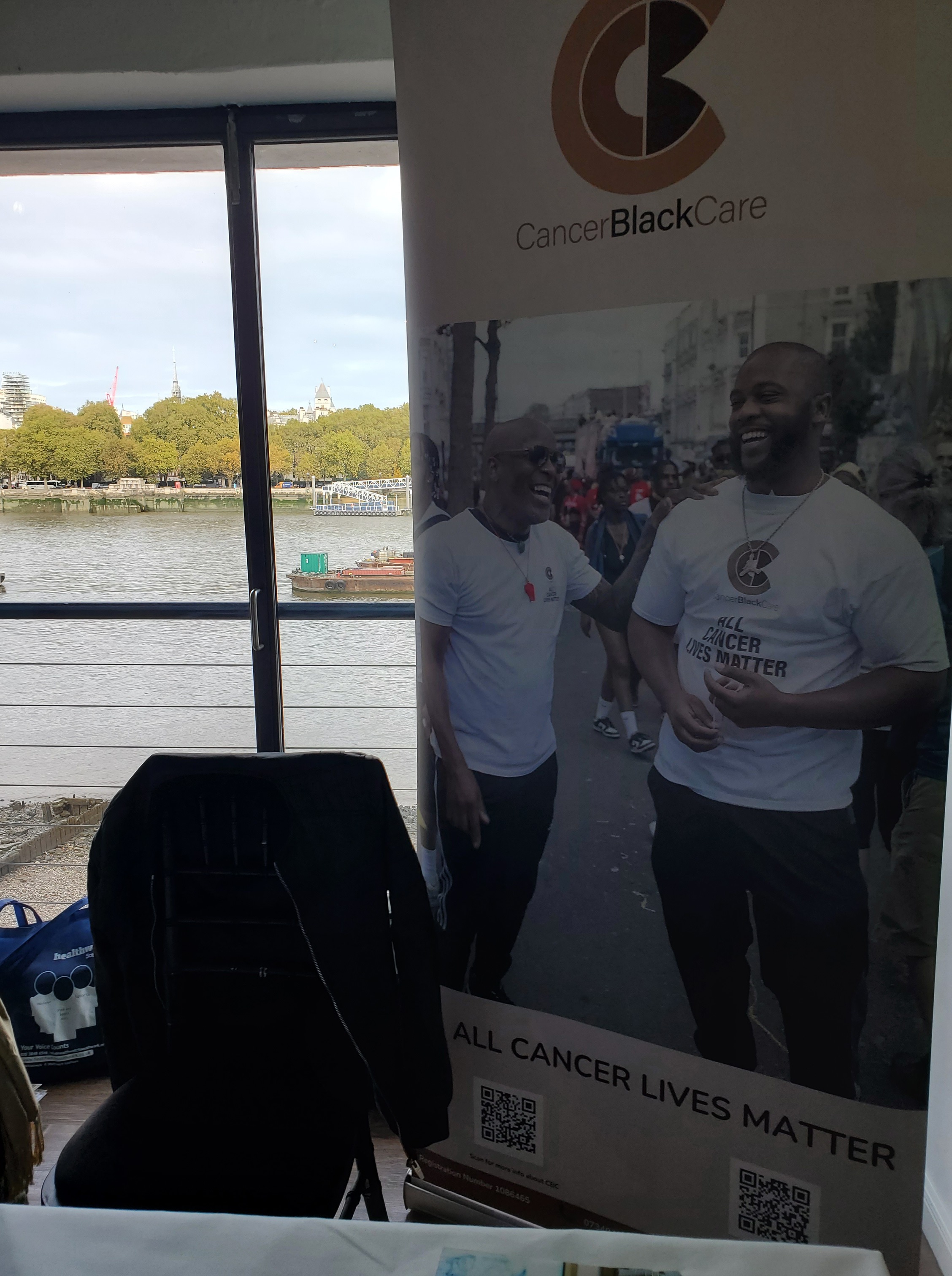
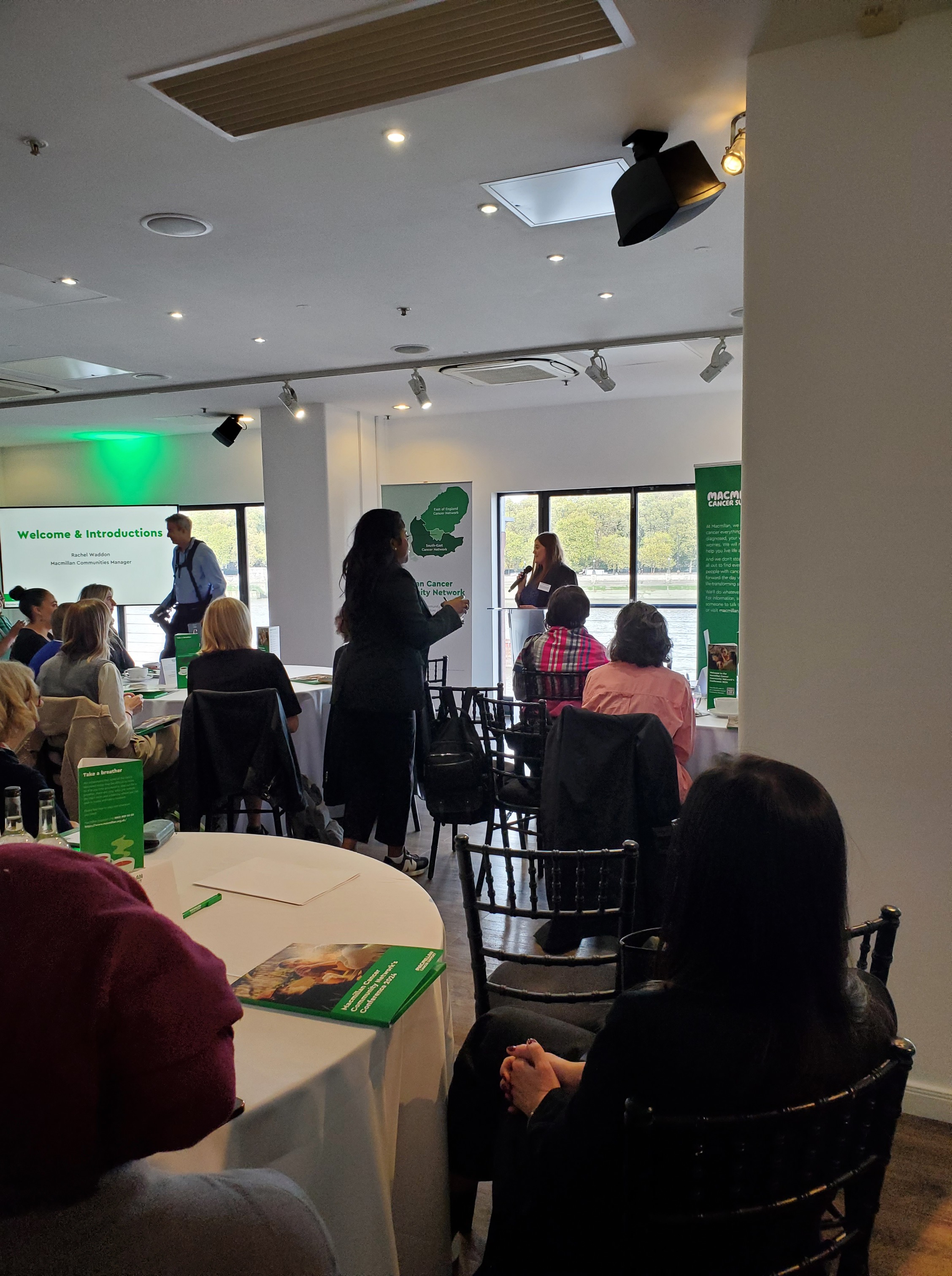
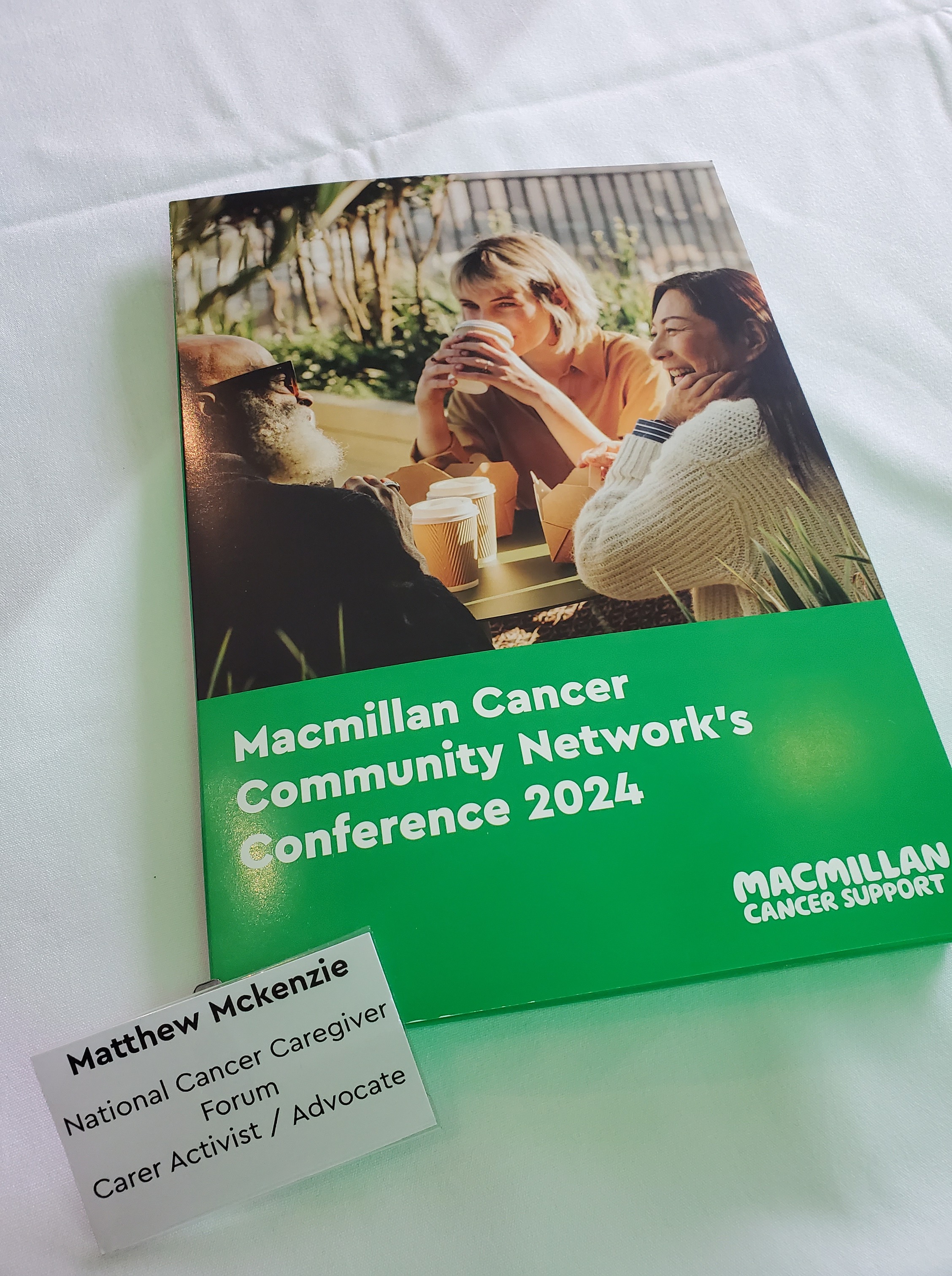
As usual I raise awareness of unpaid care, but because of the forum that I run, I was invited to attend Macmillan Cancer Support Community network conference. The event took place on the 22nd of October over at Oxo Tower
Macmillan Cancer Support is one of the largest British charities and provides specialist health care, information and financial support to people affected by cancer and those who support them. The charity also looks at the social, emotional and practical impact cancer can have, and campaigns for better cancer care.
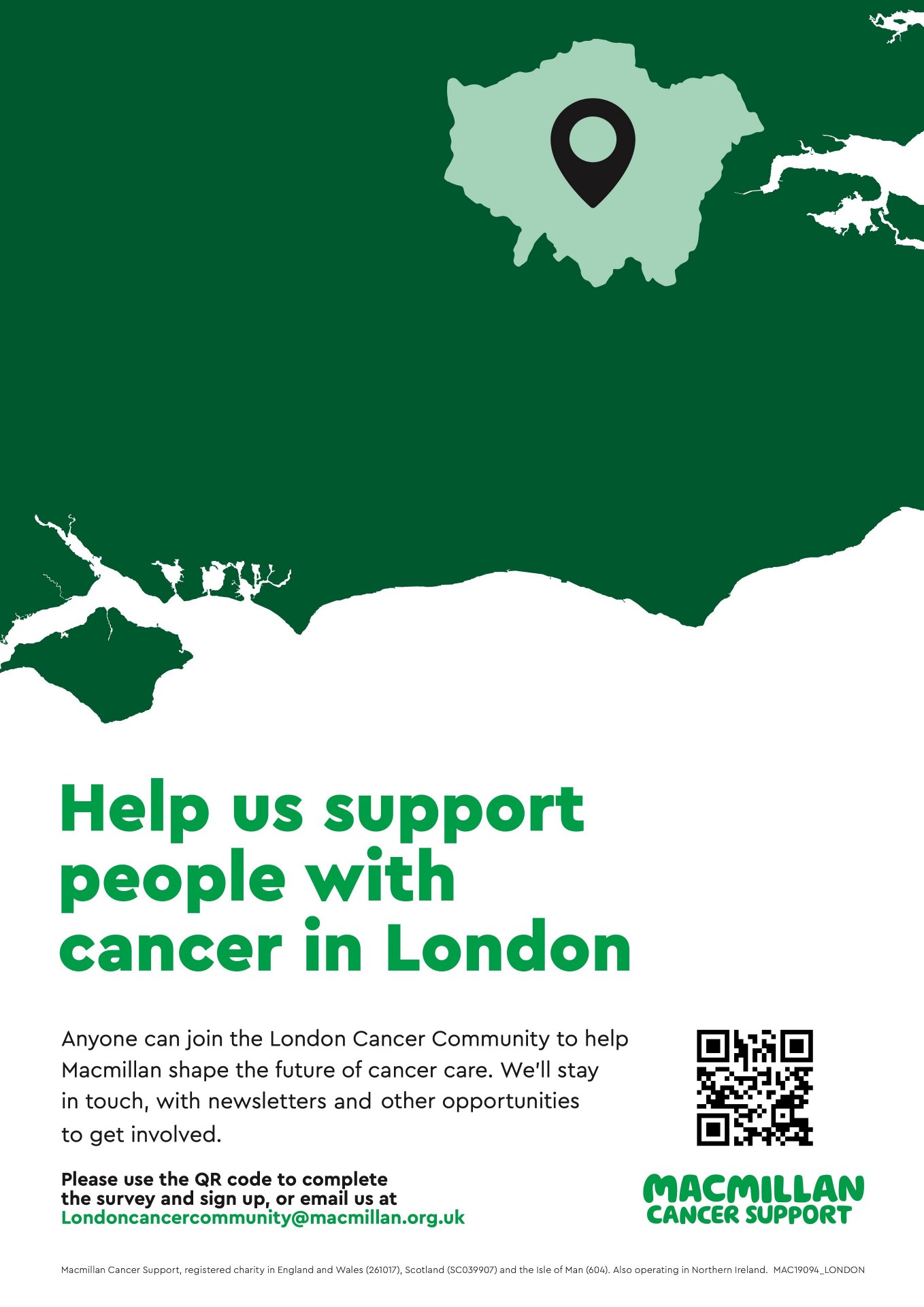
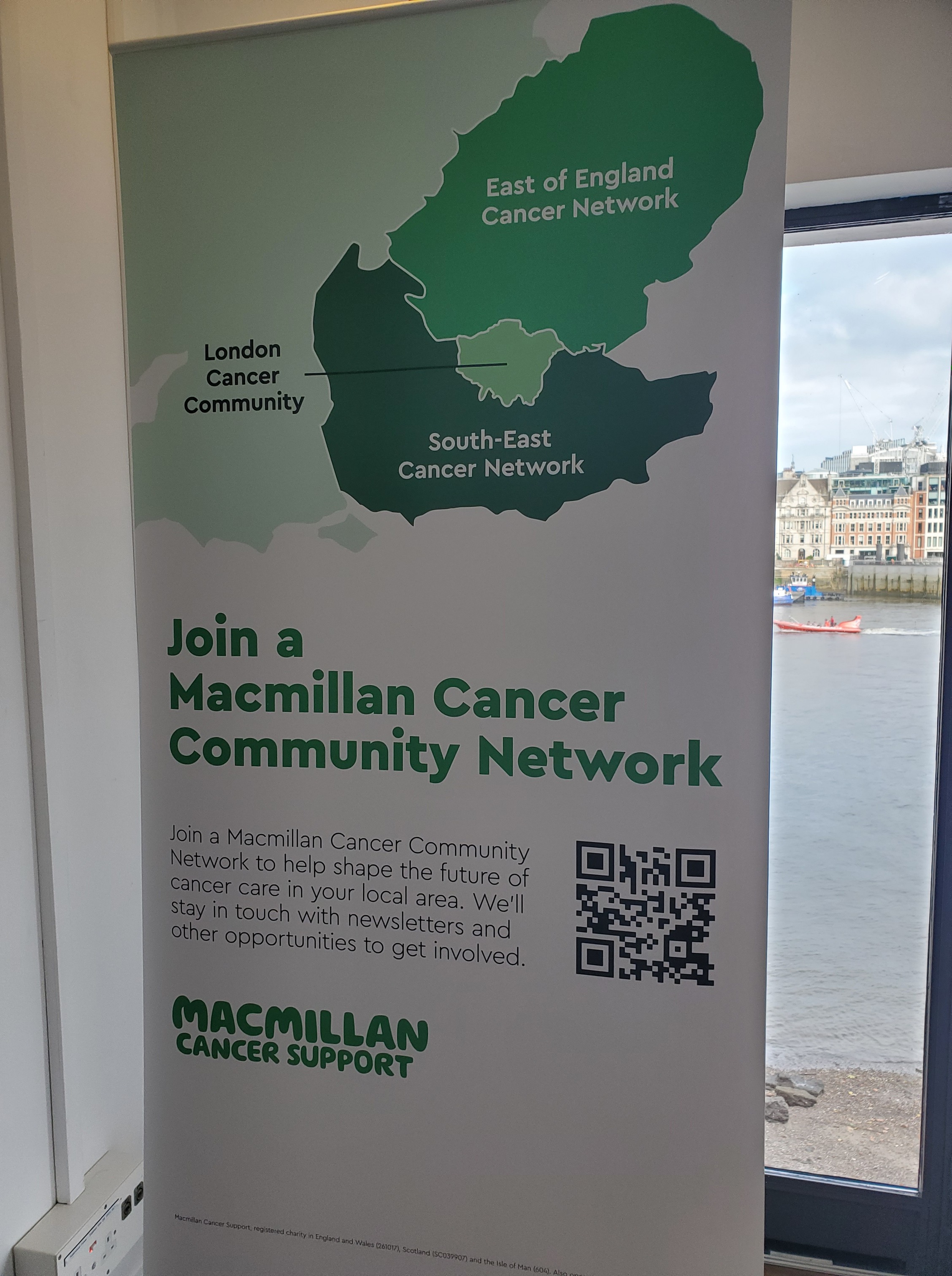
There are several Macmillan Cancer communities, I am part of the London Cancer community network. Basically The London Cancer Community is a network of people who work or live in London who are either are living with, recovering from or have recovered from cancer; their friends, family and carers, healthcare professionals, community organisations, cancer charities and initiatives.
The Cancer community conference looked to celebrate the projects from network partners, raise awareness, network and also feedback.
The overall agenda was as follows
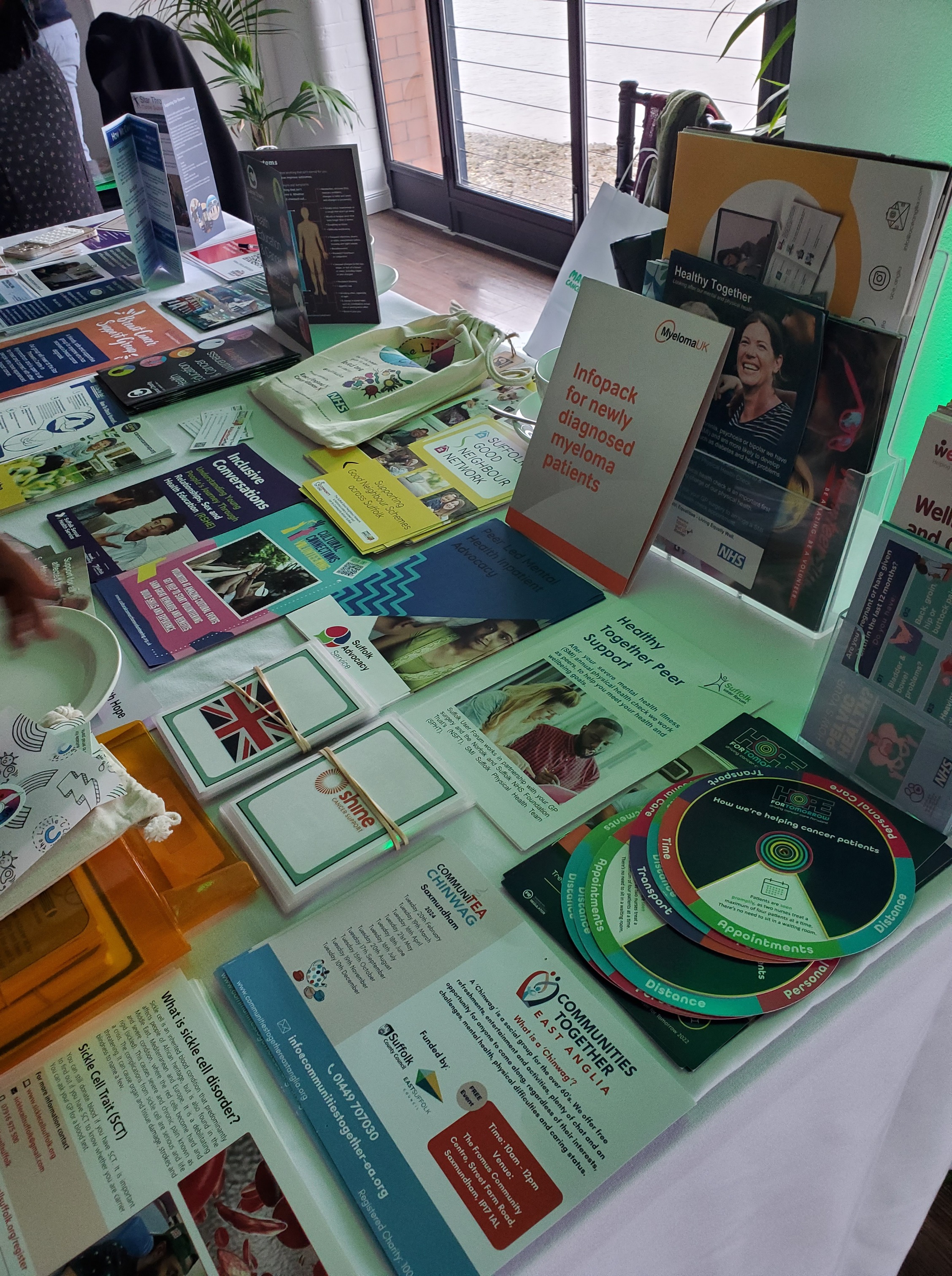
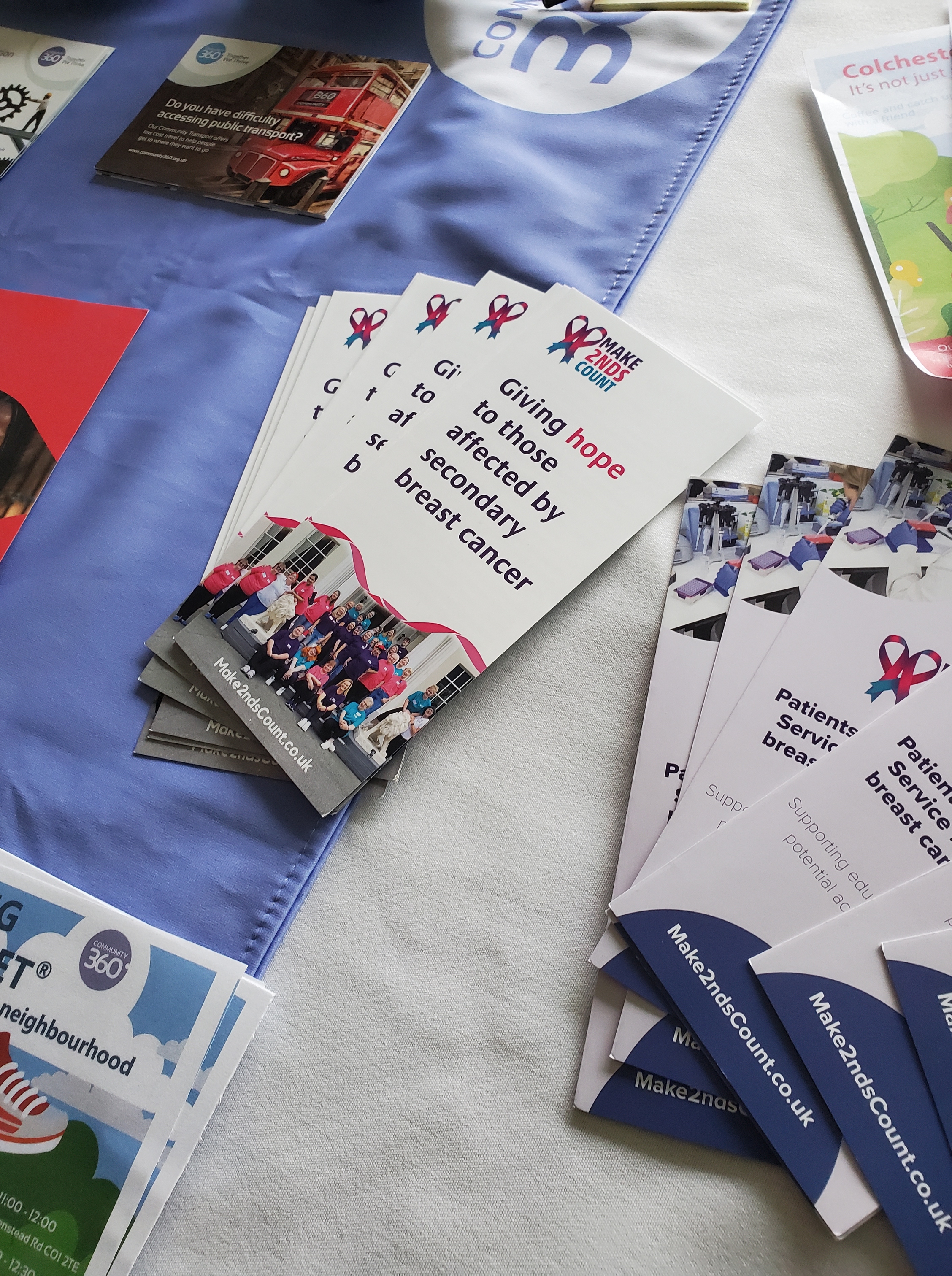
Registration from Macmillian staff who were friendly and polite. I felt to welcome attending the event. Plus I managed to grab some healthy breakfast as I was late arriving to the conference. So it was great to be well fed. I then managed to networking and browse some stalls. I was also joined by fellow carer activist Nadia Taylor who chairs the carer charity “Carers Network”.
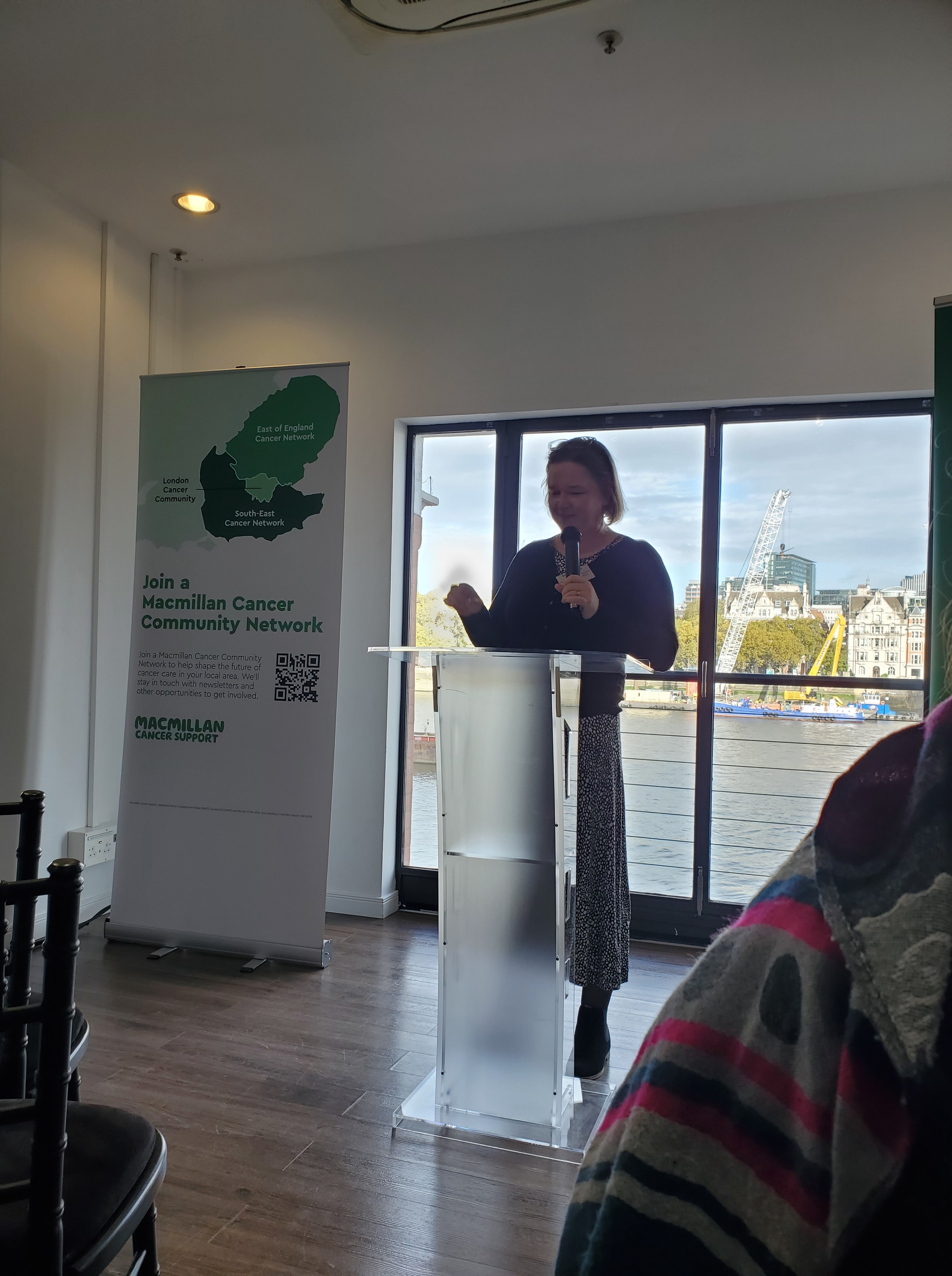
It was not long before we were ushered to our tables to hear about the importance of the event and the agenda for the day.
Then there were presentations from the following charities, health providers and campaigners.
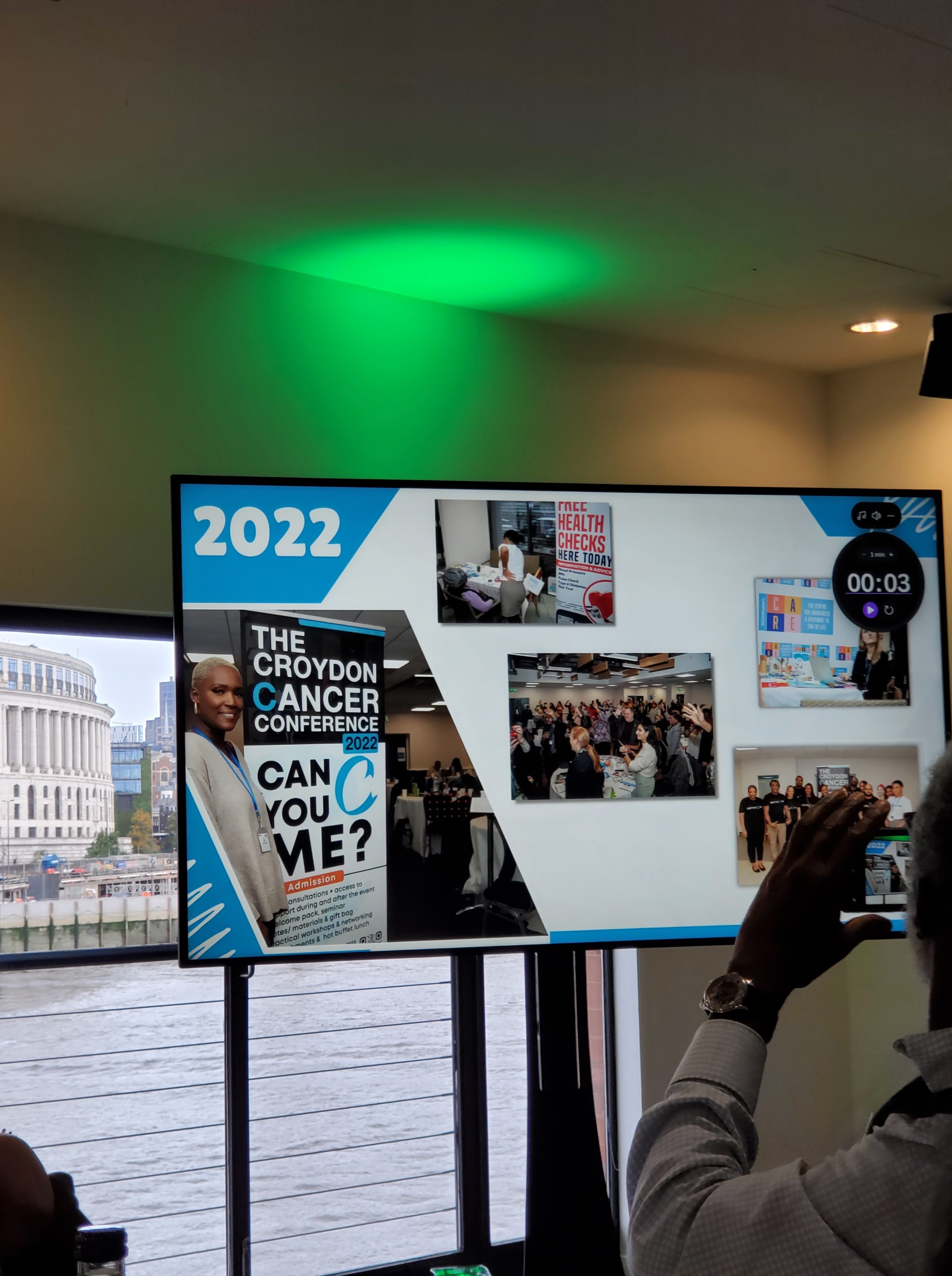
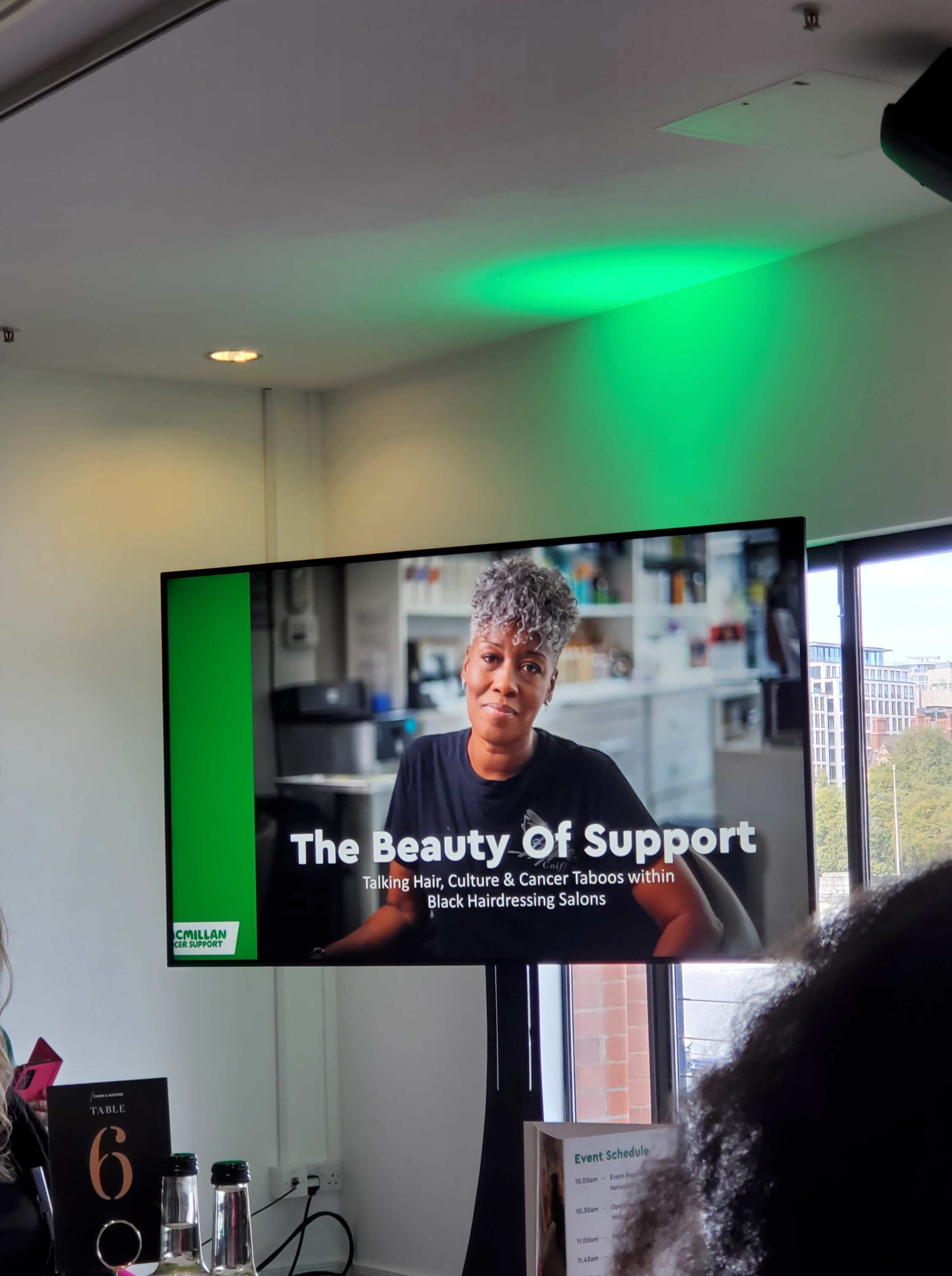
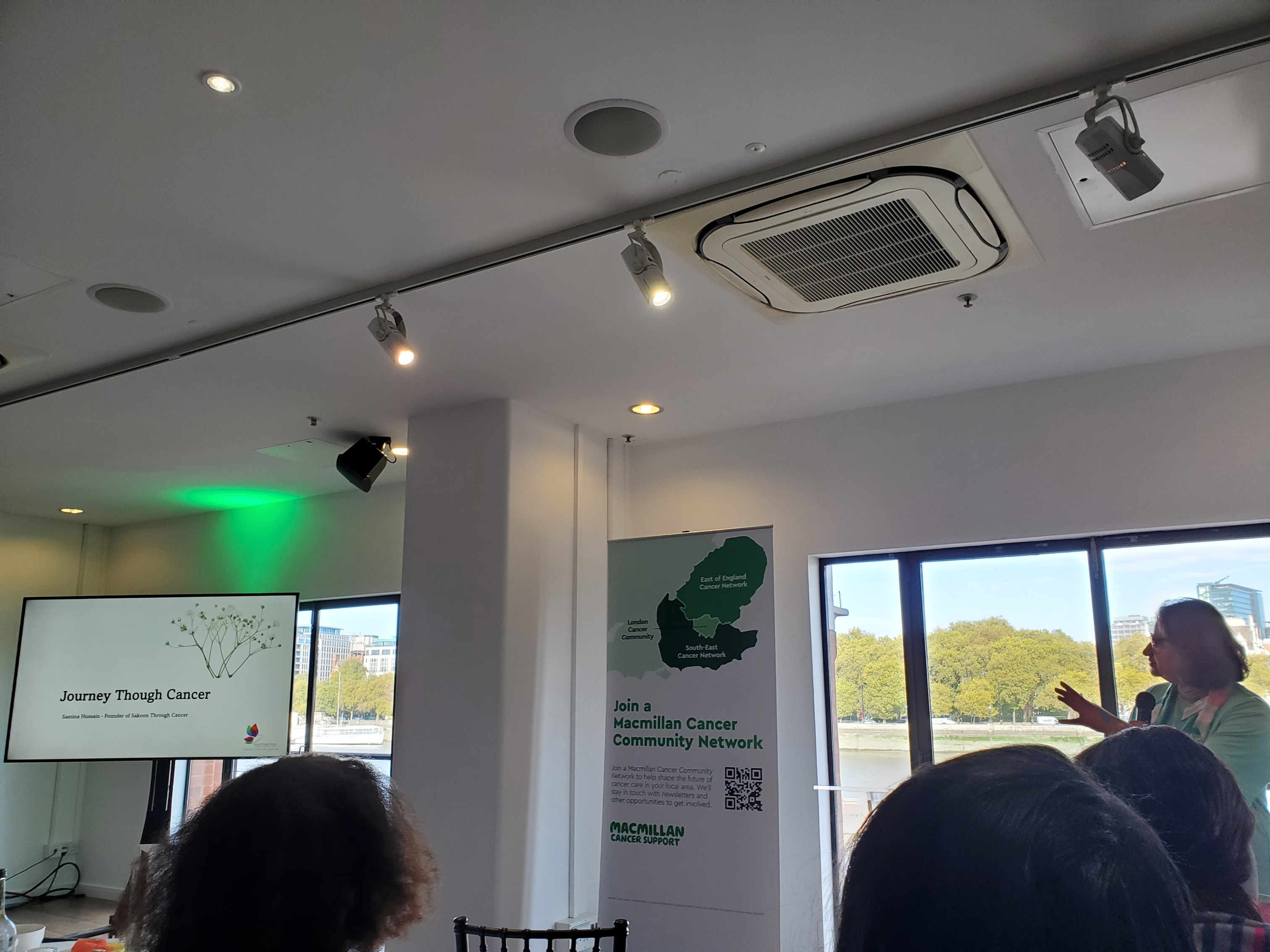
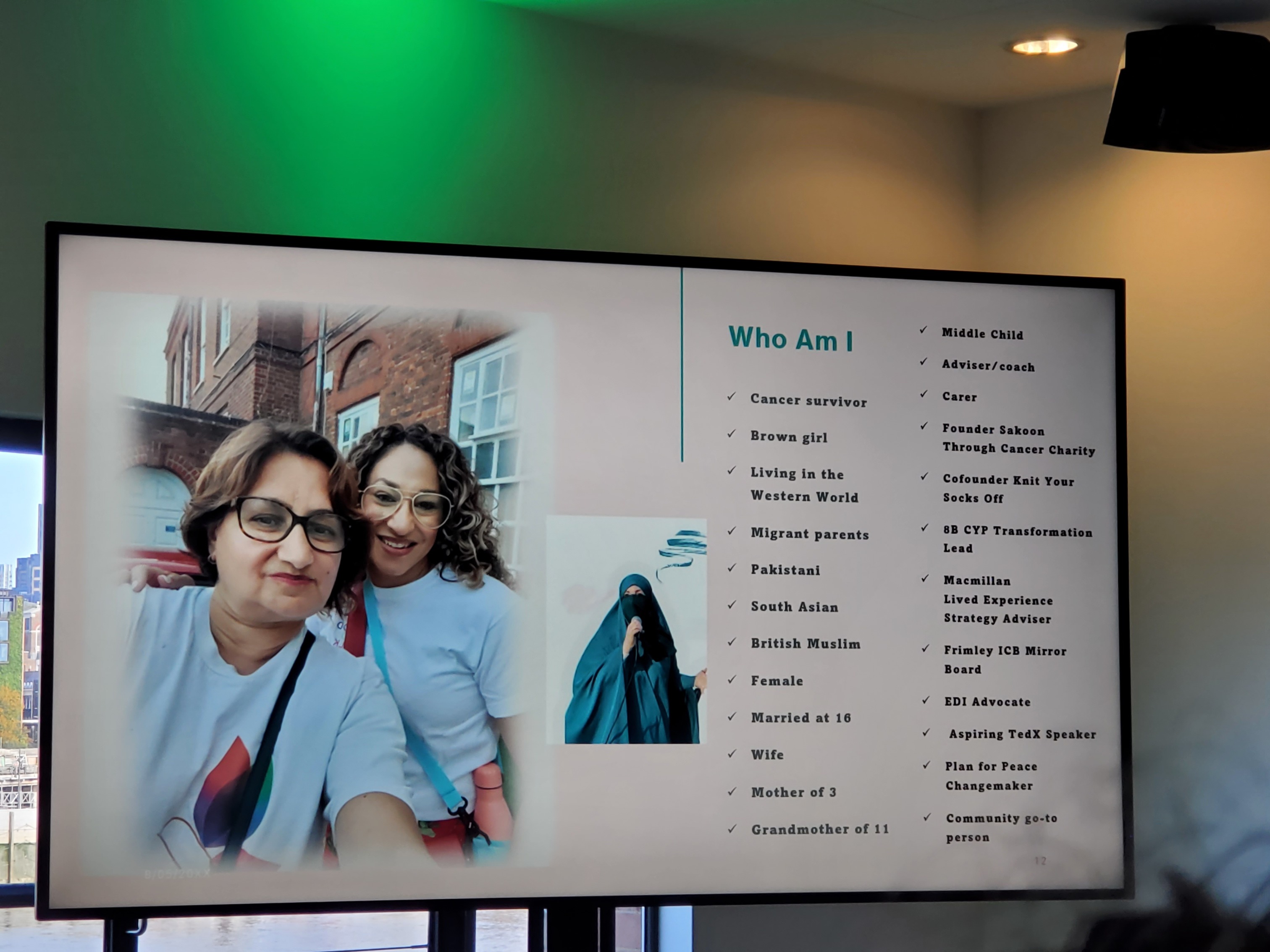
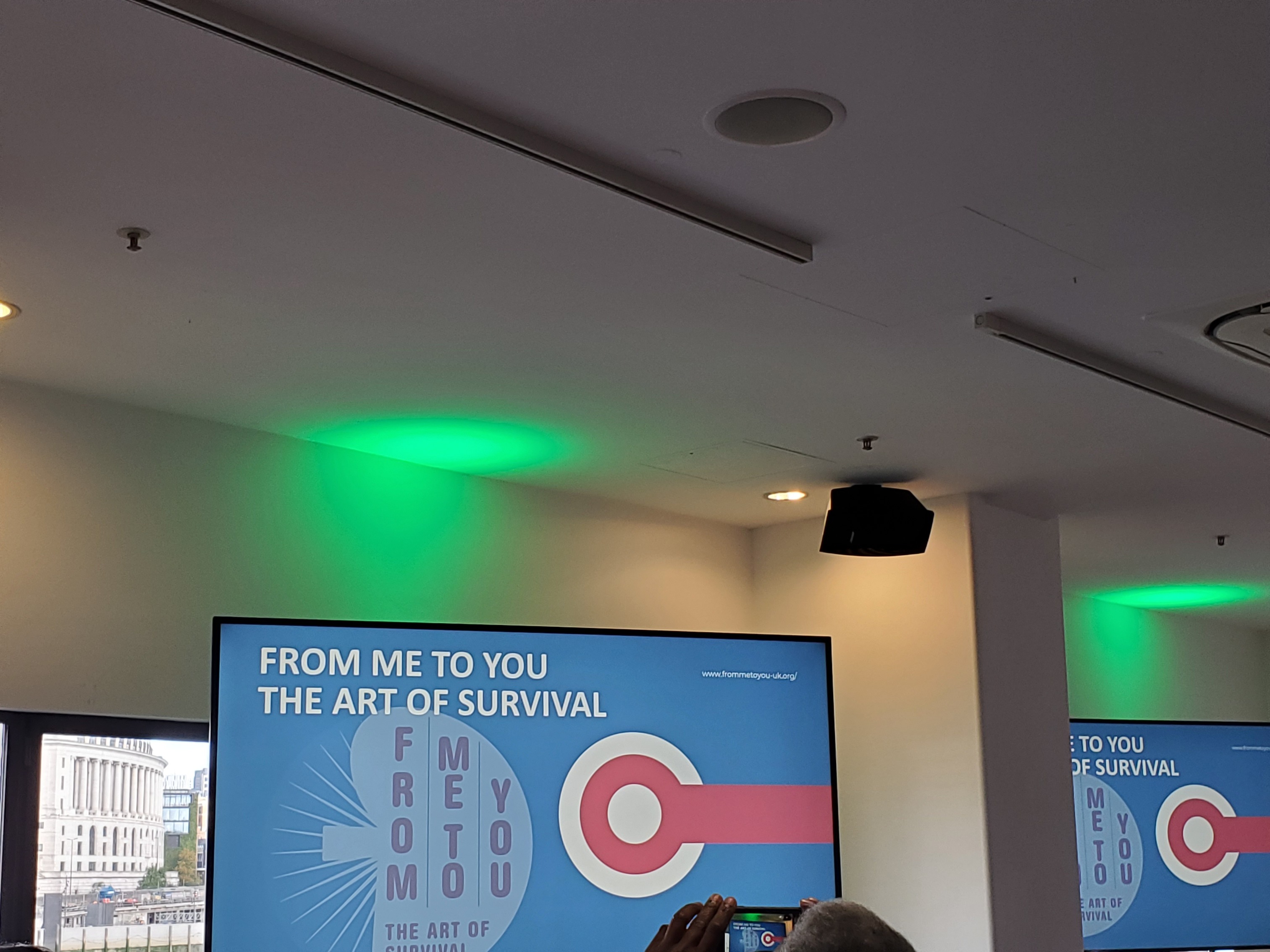
Can you ‘C’ me – Croydon BME Forum The Beauty of Support and Barbers Against Prostate Cancer Samina Hussain – Sakoon Through Cancer Judith Neptial – From me to you: the art of survival Macmillan Quality of Life and Personalised Care Community Reach Programme UCLPartners and Macmillan – The Improving Cancer Journey’s Learning Programme
I spent a lot of time catching up with links to Cancer alliances as they support the group I am running, although my focus is with RM Partners who focus on South West and North West London. I also linked up with the Cancer Alliance the provides services to the North East of London.
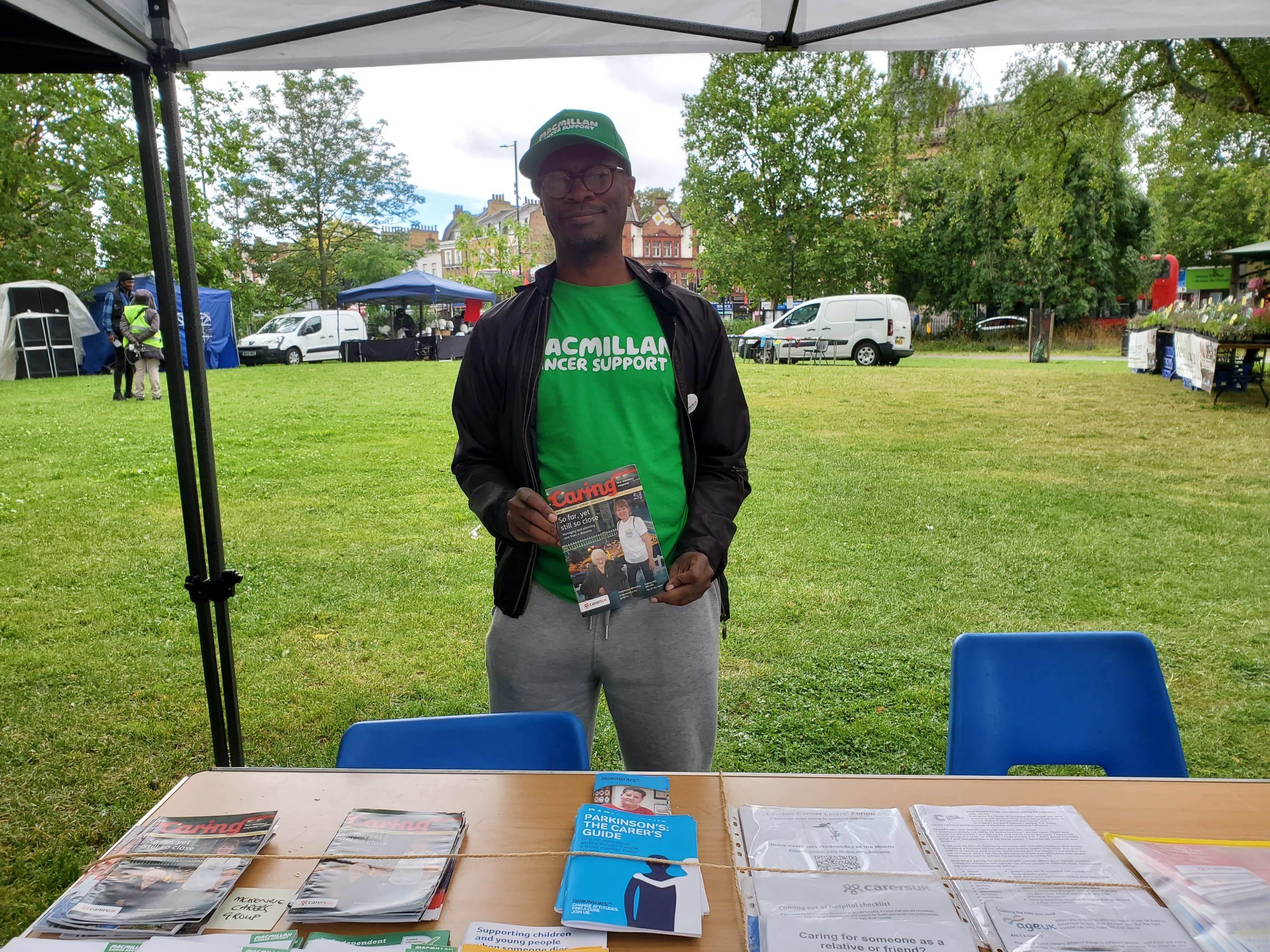
Overall I was glad to attend this wonderful conference, it was a shame I could not stay long as I headed off to run my carer stall at Queen Elizabeth Hospital over in Greenwich. I often get visitors to the hospital seeking advice and information due to caring for someone with cancer.
My final thoughts on the event was on the amount of hard work to put the conference together. The conference felt like it was forming a community of those who did all they can to support the health of the community. I cannot wait till the next conference.
Please check out Macmillan Cancer Support community network newsletter below.
As a carer of lived experience, I have always found it important to seek information to help my caring role. My caring duties are not so heavy now, but there is expectation to share knowledge.
I helped and supported a dear old friend living with cancer and since it is Breast Cancer Awareness month. I want to support those caring for someone with Breast cancer.
October is Breast Cancer Awareness month and being part of the Macmillan Cancer Support network, I want to raise awareness.
Obviously my focus is on cancer caregivers and I have included the video below to provide “Top 10 tips for supporting someone with Breast Cancer”.
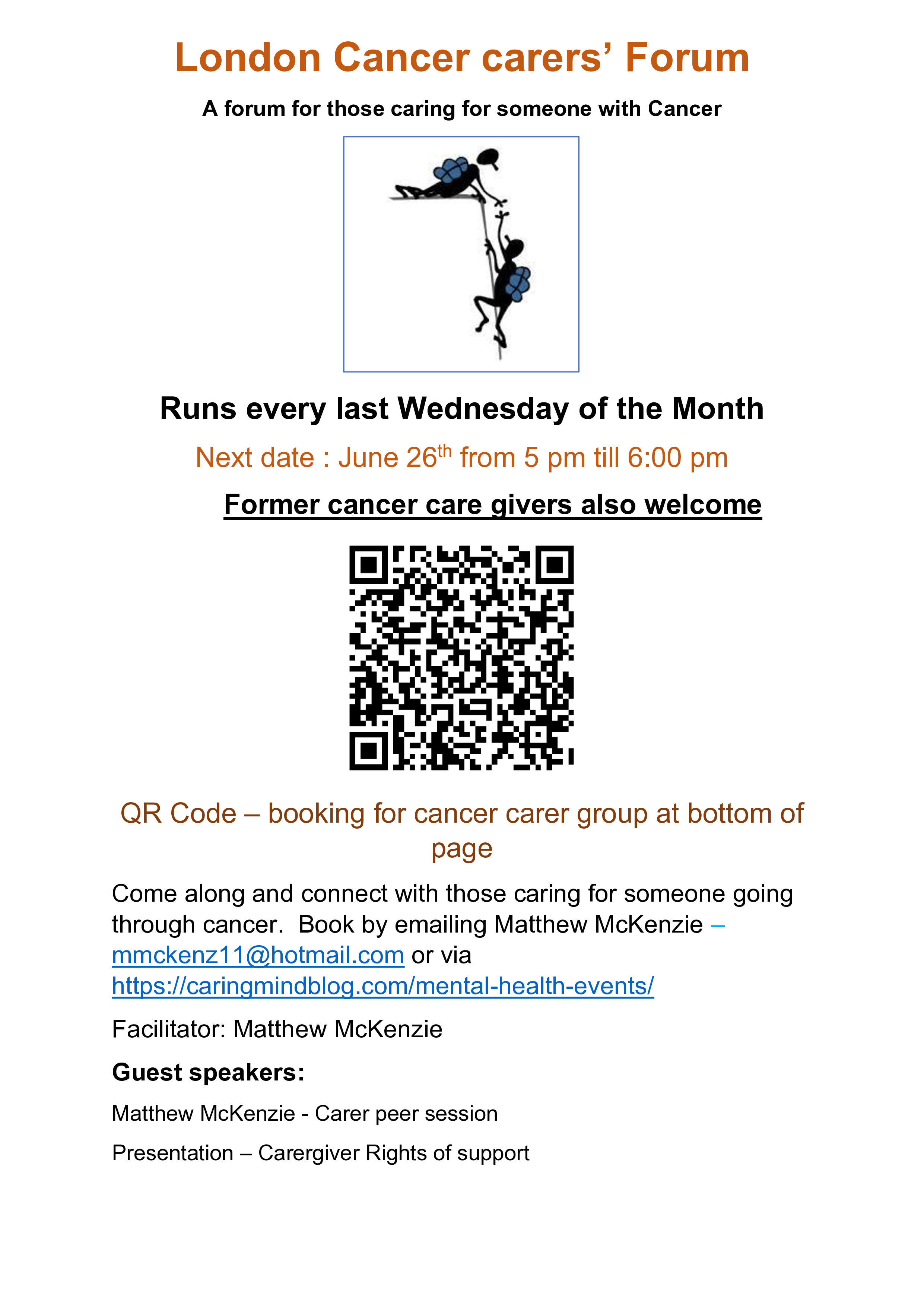
Welcome back to another blog post from Matthew McKenzie. As a facilitator of many carer groups. I run the London cancer carer forum, which will soon become national. The online group runs the last wednesday of the month and those interested can find out more off Macmillan cancer support website.
This post is about seeking support when overwhelmed with emotions as a cancer caregiver.
It can be such a shock when finding out someone you love has been diagnosed with cancer. Waves of difficult emotions can flood the carer and it can be so easy to go under.
It is important carers find ways to talk about their thoughts and feelings. I have made a video, which you can watch below.
I hope those coping with their caring role can learn a few tips on seeking support. It is important cancer caregivers get support for themselves as well.
Welcome back to a quick blog from Matthew McKenzie – Carer activist. What is a carer activist you may ask? Basically, I campaign to raise awareness of unpaid carers caring for someone going through long term illness. The bonus is that I have lived experience of providing unpaid care and support to someone close with mental illness.
I also provided care and support to a dear old friend who I have known for many years. He suffered from cancer in the later stages of his life and when he passed away, I was left with a gift to raise awareness from writing books.
Just last week I came across a report on how UK cancer care ‘lags behind’ other countries.
Taken from the sky news report “The latest figures for NHS England show that some 76.3% of patients urgently referred for suspected cancer in June were diagnosed or had cancer ruled out within 28 days – above the target of 75%.”
As facilitator of the London Cancer carer forum, it is depressing news to hear the UK lagging behind. While the someone living with cancer is desperate for treatment, the family or close friend are also anxiously waiting.
It is important the Department of Health and Social Care reform their 10 year plan for the NHS and be inclusive with patient and carer voices.
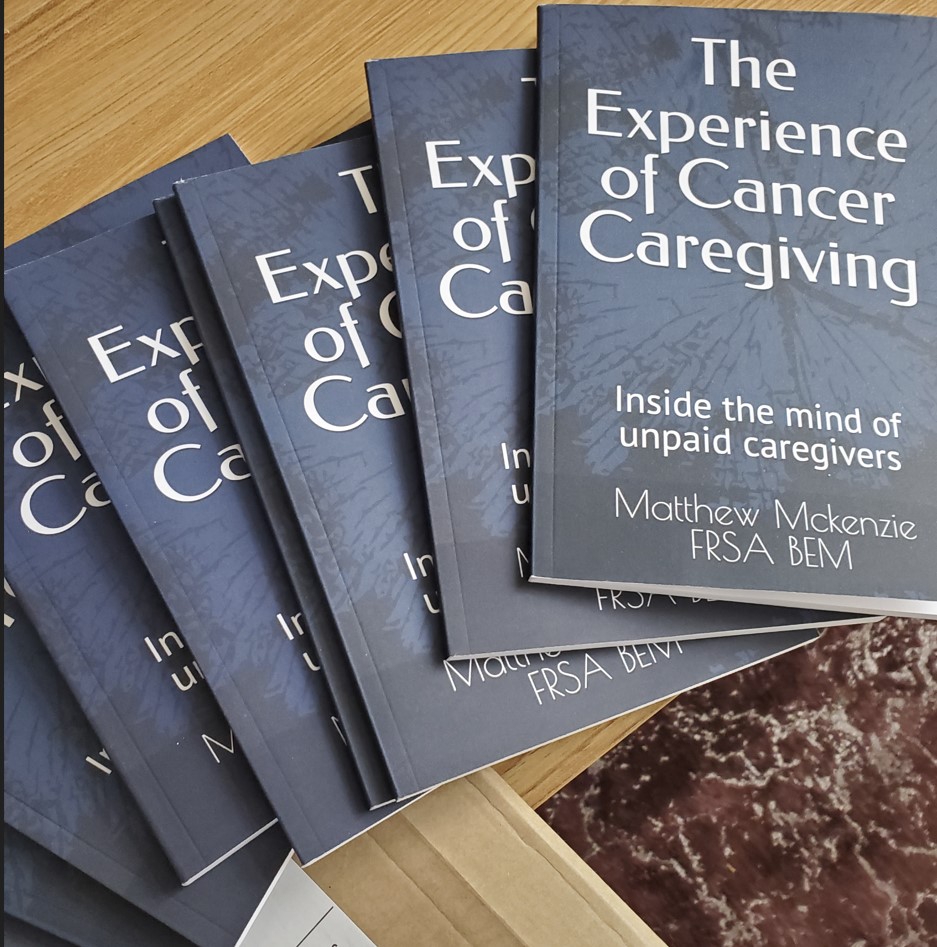
Going back to my books. I have just published my first book on the experience of cancer caregiving. The book focuses on the following chapters.
Chapter 1: The experience of cancer caregiving How carers may feel when they find out that someone close has been diagnosed with cancer
Chapter 2: The battle begins What is expected of the cancer caregiver
Chapter 3: Battling for you Avoiding being lost in the maze
Chapter 4: Getting involved through lived experience Inspiring cancer caregivers to get involved in shaping health services
Chapter 5: Looking back Not caring forever, so we eventually have to look back.
The book will be promoted slowly as you never know I probably will have to adapt or change a few things. You can get hold of the book on Amazon.
Although I run many carer groups focused on those caring for someone with a mental illness. I also facilitate the London Cancer carer forum. The group is based online to allow caregivers a chance to network, share ideas and be informed.
The are several reasons for such a group. The first is a platform to be heard or at least to reduce isolation.
It is not easy when you find out that someone close to you have developed cancer. There is shock, disbelief and confusion. How could this happen? Why them? Why me? Why now?
You are not sure where to turn, but for sure you will certainly listen to the health professionals. You will also do your best to be there for then person diagnoised with cancer. Still in the back of your mind, you might feel powerless. You are almost dependant on how hard the person you care for will fight.
So in the end you must remain confident, but the waves of emotions can keep flooding back. It is as if your life is put on hold because you are unsure about the future. Yet, you will try your best to plan as it is perhaps the best way forward. You do your best to listen to the fears your loved one might express, you will try and be there for them.
Still, deep down you dare not express your fears, concerns or worries to the person you care for. So who do you express them to? Who could understand? Would the health professional have the time to listen to you? How about counselling? There is excellent counselling out there, but it is not forever and you need to belong somewhere quickly. Even if it is just for a moment.
For carers who feel vulnerable there should be a platform where they can feel connected and to express their experience. There should be a place to learn from others and feel less isolated. As carers there should be a chance to try to share our journey because caring for someone can be a maze of complications and difficult emotions.
Since Carers Week 2024 takes place from Monday 10th June until Sunday 16th June 2024, The London cancer carer forum will focus on what support carers should seek for 26th of June – 5 pm till 6 pm.




















 A Caring Mind