Healthwatch Lambeth – World Mental Health Day 2023

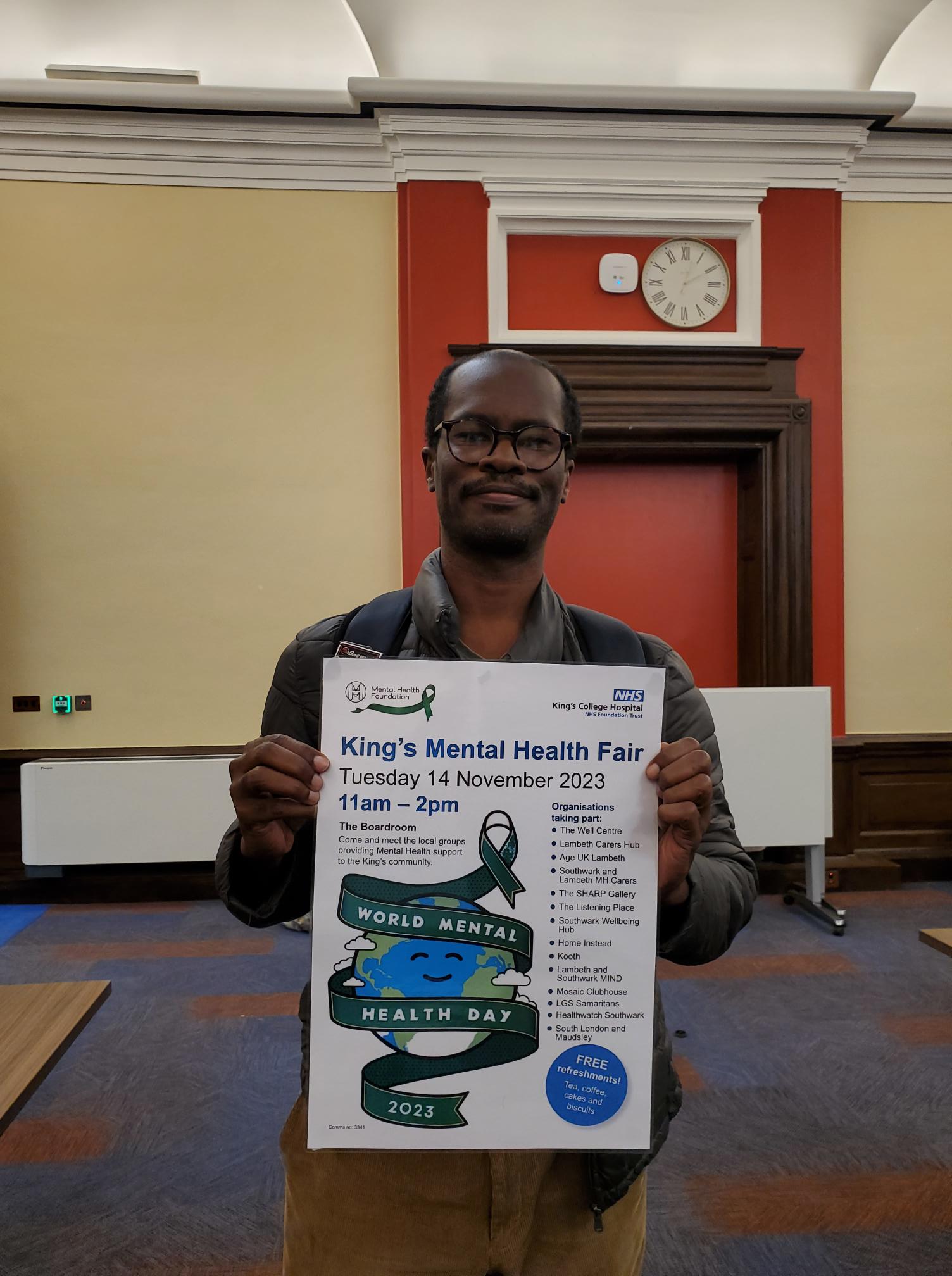
Live in Lambeth? Healthwatch Lambeth are marking World Mental Health Day for Wednesday 18th of October. The aim of Healthwatch is to give citizens and communities a stronger voice to influence and challenge how health and social care services are provided within their locality.

World Mental Health Day 2023 is an opportunity for people and communities to unite behind the theme ‘Mental health is a universal human right” to improve knowledge, raise awareness and drive actions that promote and protect everyone’s mental health as a universal human right.

North West London Cygnet Carers, Families and Friends Network Event

Welcome to another blog post from carer activist Matthew McKenzie. As a carer I find it vital that carers of those going through mental ill health get a chance for engagement from services. Friends and families tend to hidden away supporting their loved ones. They want the best support, but often struggle to be heard.

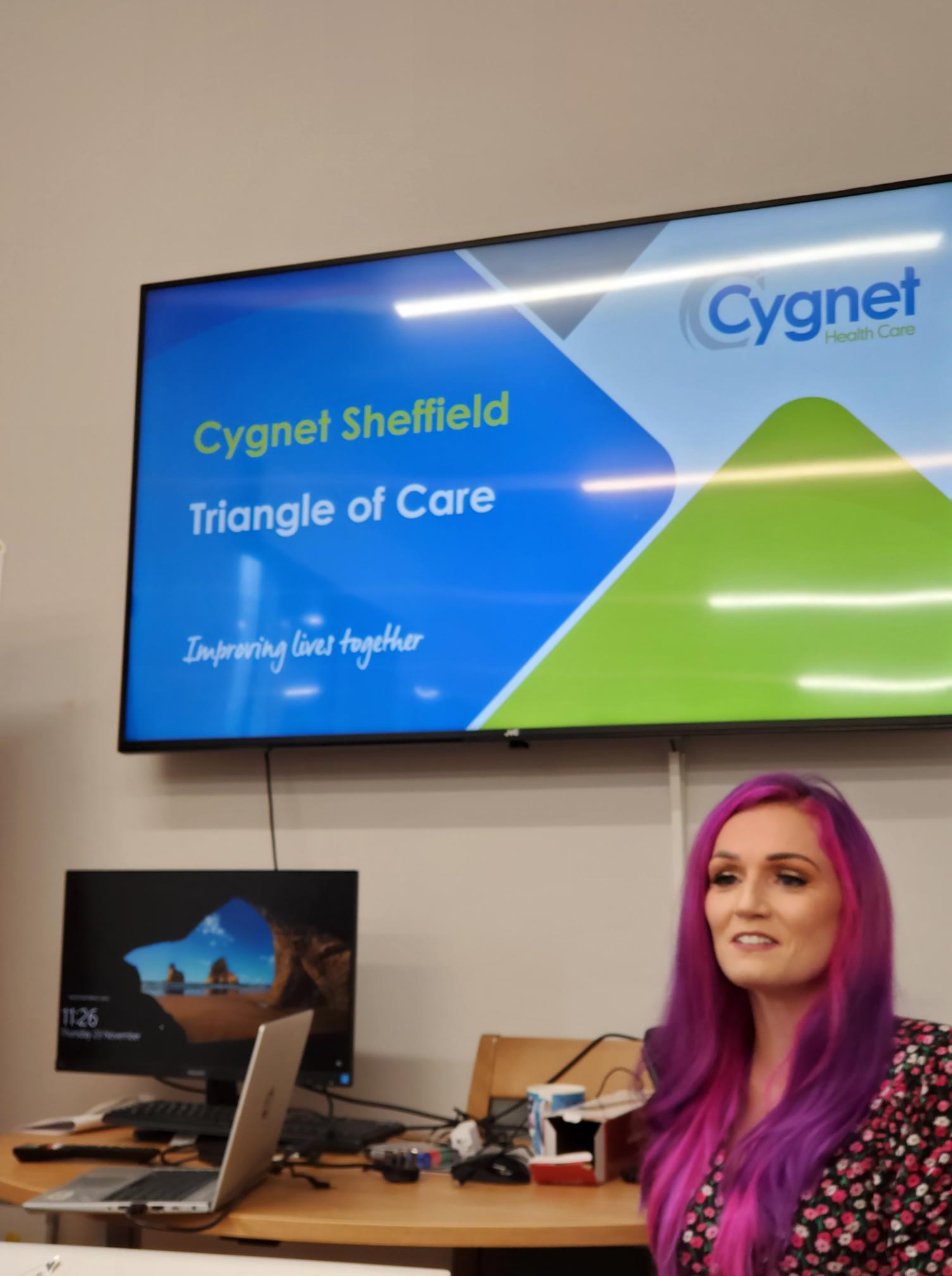
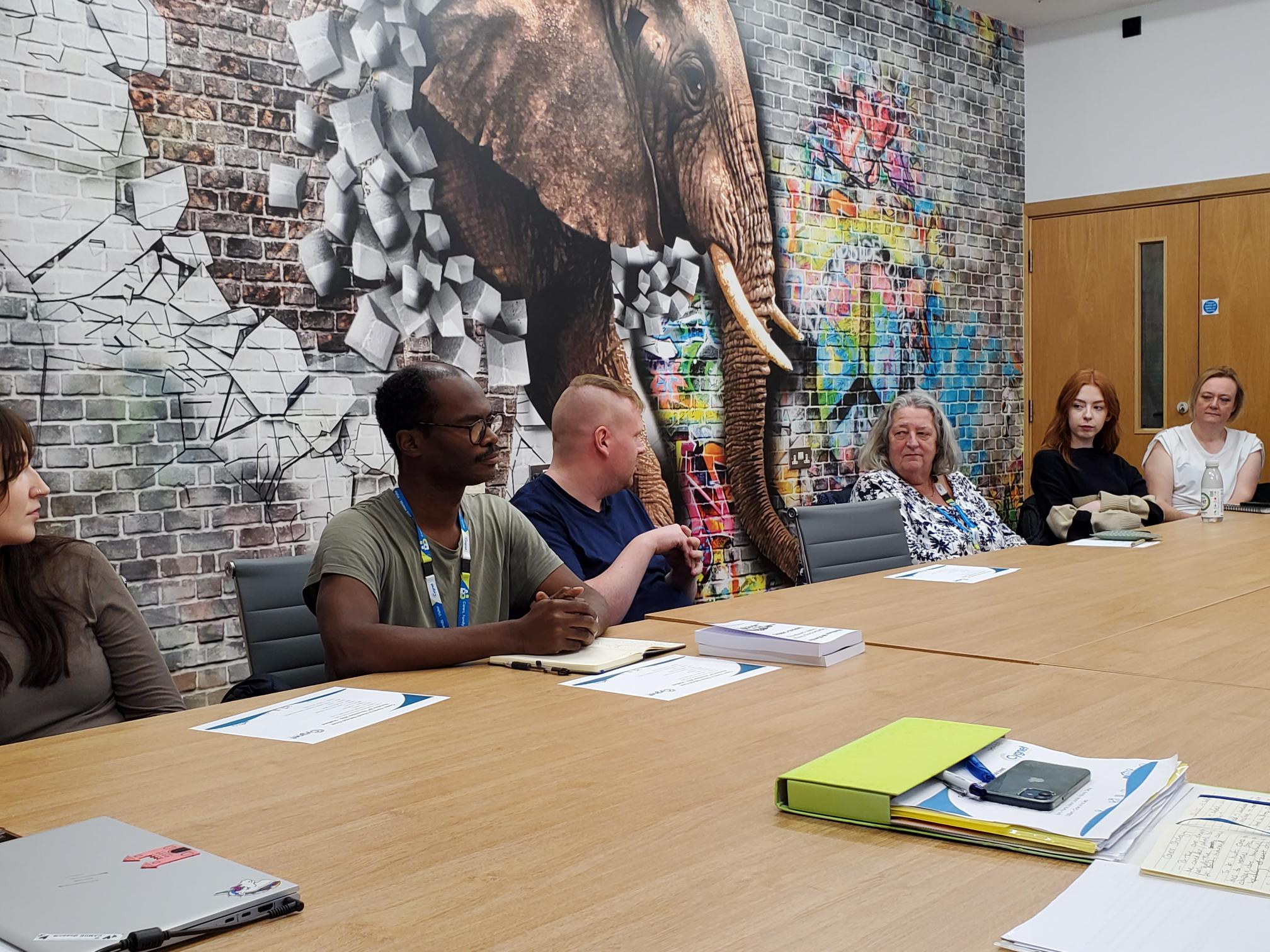
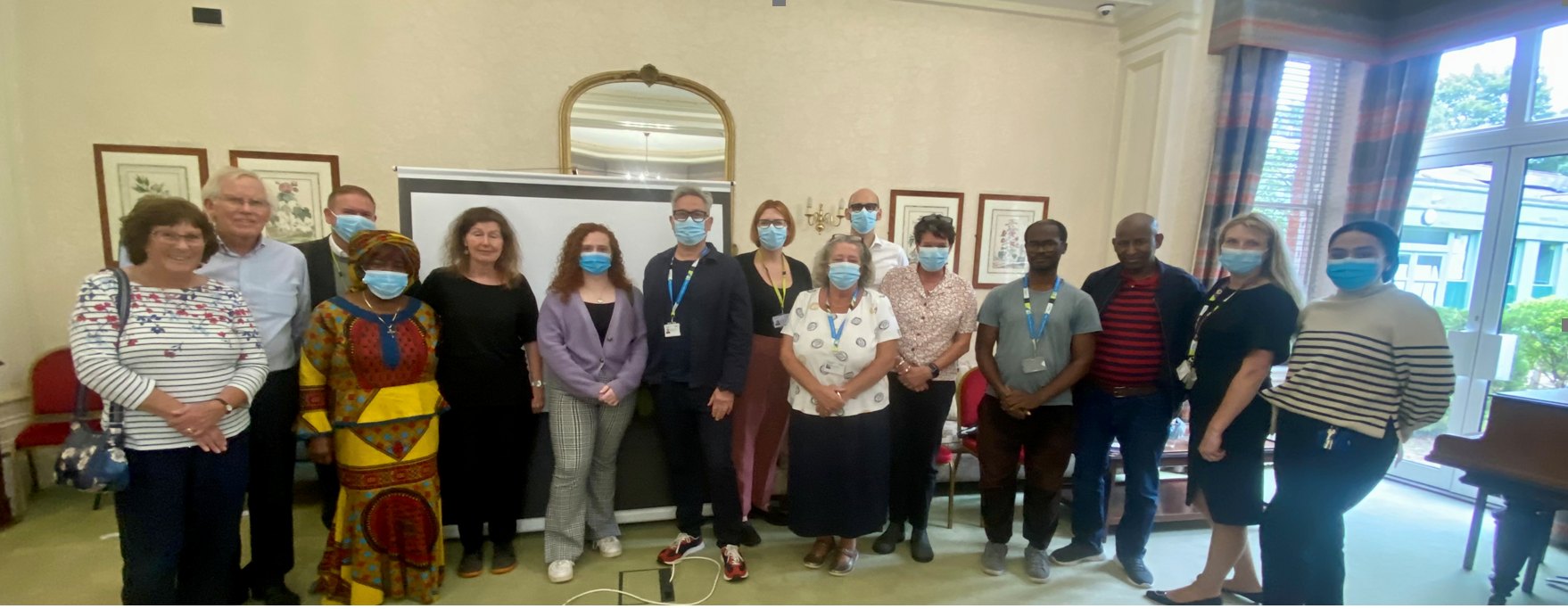
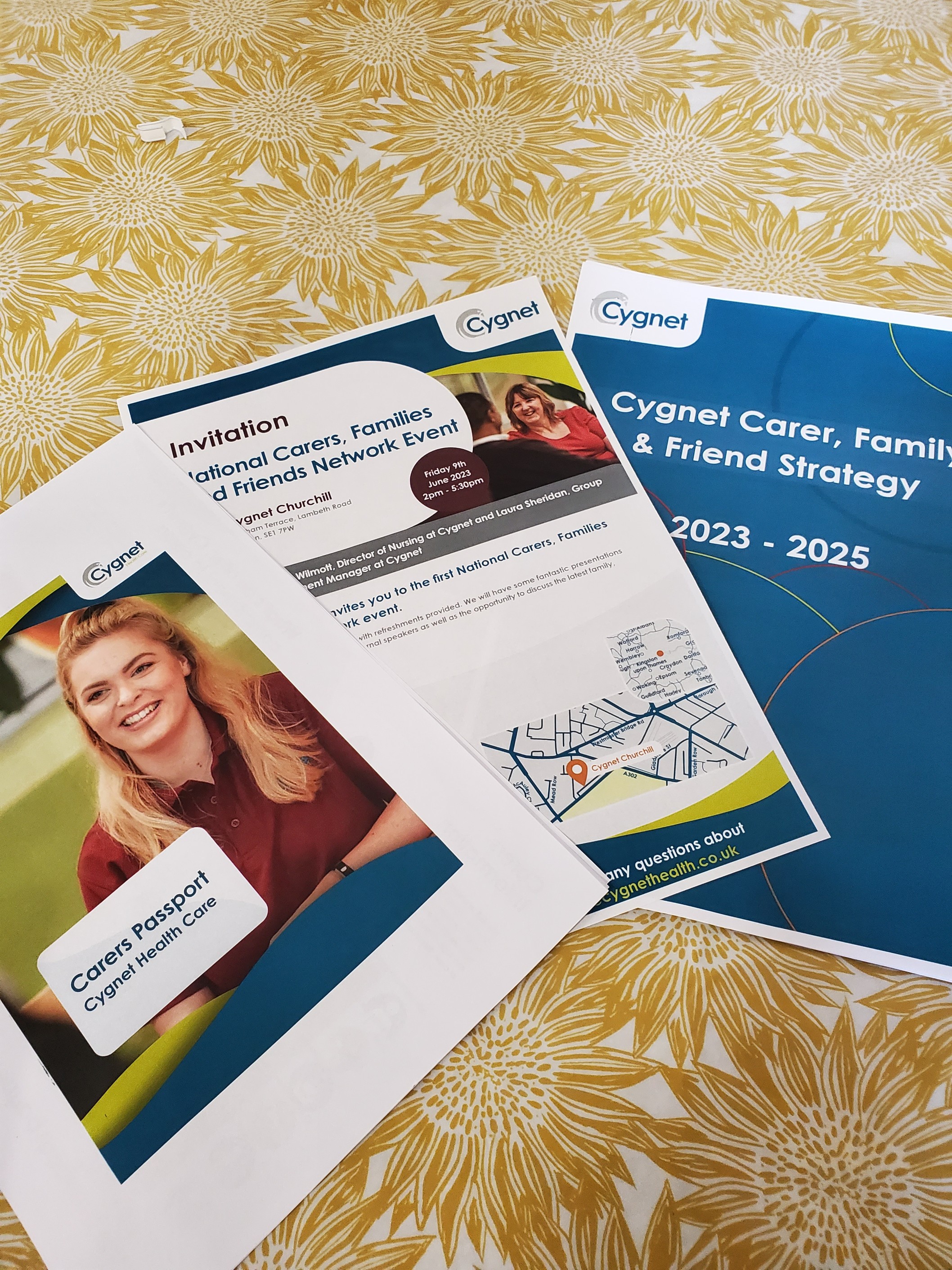
As one of the carer ambassadors for Cygnet health care, I was delighted to attend and support their latest carer network event. There have been a series of carer network events taking place around Cygnet sites and the latest one was held over at Cygnet Hospital over in Harrow. The event was planned in coproduction by Laura Sheridan Group Service Improvement Manager for Cygnet. Laura helps lead on the carer network programme and triangle of care focus at Cygnet.

For our latest carer event we had a fantastic line up of speakers. Cygnet health care want carers to be part of their network and want carers to be involved by leading from the front. Our first speaker was Lesley Mellor who is Parent Carer. She is also one of the carer ambassadors for Cygnet health care. Lesley shared her knowledge about the importance of including carers and the promise that Cygnet health care will be there to support unpaid carers.

The next speaker was Sharon Spurling who is the Triangle of Care Programme Lead at Carers Trust. Cygnet Health care wants to strenghen its policies to have that carer focus. The triangle of care programme offers that chance to raise carer identification and engagement to the highest standard. Several of Cygnet hospitals are working on triangle of care standards at their sites. With carers at our latest network event, it was a chance to promote what triangle of care is all about.

We also had Julie Garbett present about Julie is a Regional Nurse Director (London and South), Cygnet Julie is a registered mental health nurse of 20 years, with a vast range of experience gained working for NHS Mental Health Trusts and CMHTS in the South East. Julie spoke about how important carers are to Cygnet. Julie helped identify how carers are not just one group, unpaid carers can be anyone.

At the event carers were looked after with a lovely meal and a chance to network with speakers and with other carers.

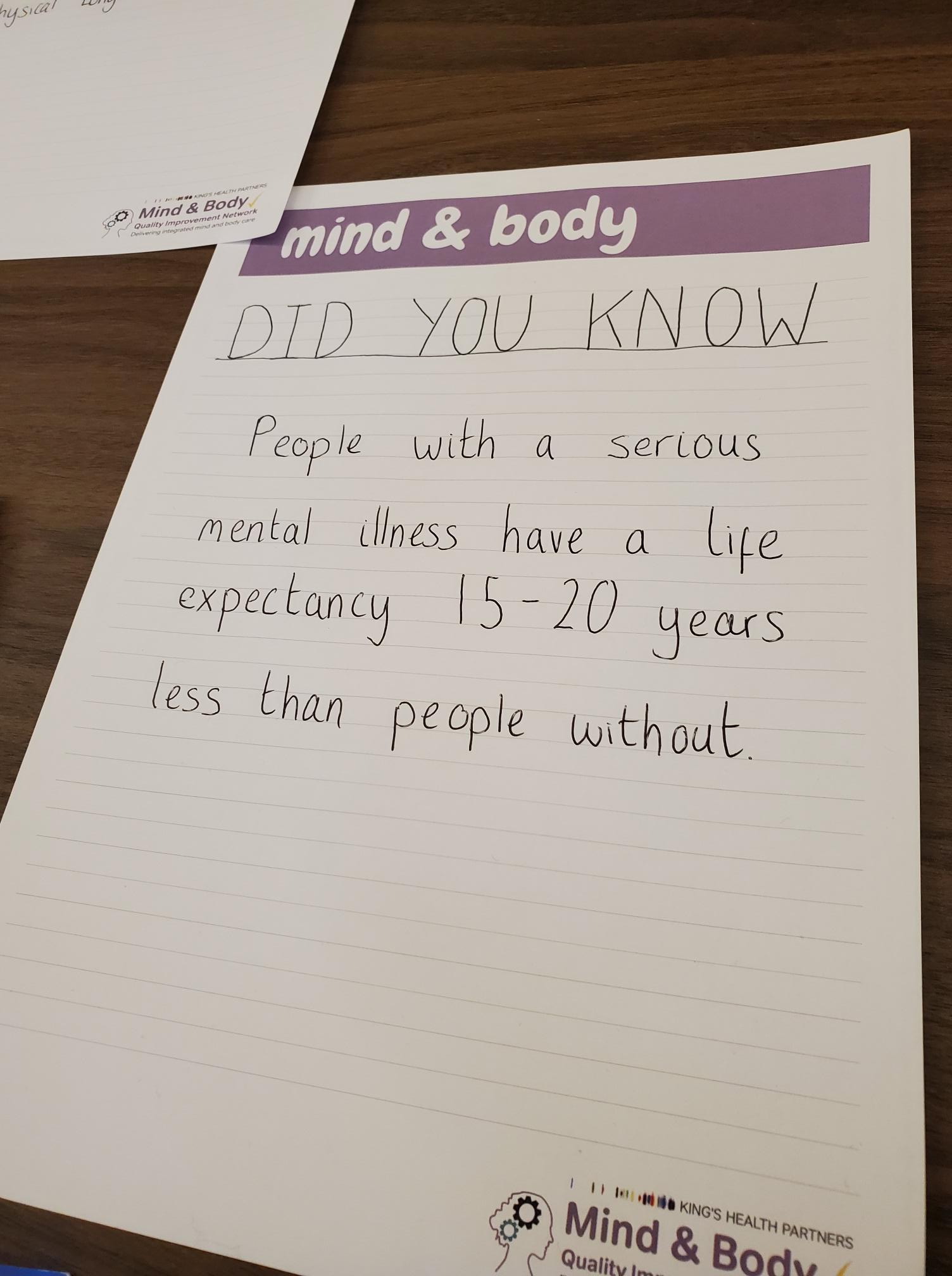
We then heard from Matthew Gill who is Director of Psychology Services Midlands at Cygnet. He is a Consultant Forensic Psychologist with over 20 years of experience. Matthew is a committee member for the British Psychological Society and an AIMS assessor for the Royal College of Psychiatry. Matthew spoke about the importance of talking therapies. You can see from one of the slides on what Matthew covered below.

It was important we get to hear from the lived experience voice of the carer. Julian de Takats – Parent carer told his story and his thoughts about the carer experience. Julian as another carer ambassodor for cygnet health is passionate about carers being able to network and working together in a peer environment. Julian worked in the music industry before accidentally becoming a carer. Julian has been an active member of the Cygnet Carers Network since 2022 and is now proudly an Expert by Experience Carer Ambassador.

Next up to present at the carer network event was Dr Richard Church who is the Medical Director, Cygnet Hospital Woking. Dr Church studied medicine at the University of Cambridge and undertook general psychiatric training at South London and Maudsley NHS Foundation Trust. After working in the NHS for over 15 years, in November 2017, Dr Church joined Cygnet Woking as Medical Director and Consultant Forensic Psychiatrist. Dr Richard spoke about the barriers carers face when speaking to services. Richard gave an honest presentation that cygnet also faces challenges when working with carers, but he also gave thoughts on how cygnet with working with those challenges.

My thoughts summing up the event

The location, theme, presentations and speakers were excellent. Time and time again I state it is important the mental health, social care and health providers hold engagement events on what they offer to carers. It is not enough to promote an offer to carers as unpaid carers need to be involved and also need empowered to network, develop peer skills and work with providers.
Cygnet health care are setting an example that carers play an important part of recovery. Carers should not be hidden away struggling to support and provide care. I do admit that health and social care is struggling with the challenges they face, but we all need to work together. I hope we continue to reach out to carers, promote carer focused policies and be held to account on our promise to carers. This is a new journey for cygnet, but we want to share the journey with our carers.
Triangle of care – What is your mental health NHS trust doing for carers?

Welcome fellow unpaid carers. This blog focuses on those caring for someone suffering through mental illness. I chair the Triangle of Care community meeting. You might have already heard about Triangle of Care from national carers charity Carers Trust.

Basically the Triangle of Care describes a therapeutic relationship between the patient, staff member and carer that promotes safety, supports communication and sustains wellbeing. Many NHS Mental health trusts across the country have taken up the challenge and signed up to the scheme.

However if you are a carer, knowing about the triangle of care is not enough. You should try work out what your NHS trust is doing with triangle of care policy.

Some questions you could ask

  1. Have you as an NHS organisation signed up to the triangle of care?
  2. What are your plans to get feedback from carers to help shape triangle of care at your organisation?
  3. How do you promote triangle of care to unpaid carers?
  4. How is triangle of care helping to change the experiences of carers at your NHS organisation?

There are many more questions to ask senior NHS staff at your local mental health trust, but it is so important carers do not just blindly accept carer policies without some scrutiny.

We have our next Triangle of Care community meeting for 21st of september. See below.

Remember, unpaid carers also use services and it is their right influence or feedback experiences of health care.

Research study-treatment for sleep problems in breast cancer patients

Hello fellow unpaid carers. A new blog post from carer activist Matthew McKenzie. I am promoting new research into treatments for sleep problems with breast cancer patients.

Sommer Agnew from Strathclyde University is researching on sleep problems in breast cancer patients, a very common issue in this population. They are currently conducting a study to investigate whether supporting breast cancer patients to improve their sleep could help them to take their hormone therapy medication (e.g. Tamoxifen, Letrozole), as many struggle to take hormone therapy medication due to side effects like this. 

The research is offering a remote, evidence-based intervention called cognitive behavioural therapy for insomnia, which is the recommended treatment for sleep problems. She is looking to recruit people who struggle with their sleep, are prescribed hormone therapy as breast cancer treatment, and who sometimes find it difficult to take their medication as prescribed (e.g., feeling the need to take a break from their medication, or forgetting to take medication sometimes).    

 Anyone who may be interested can contact Sommer directly through email (sommer.agnew.2019@uni.strath.ac.uk), the study Twitter (@SleepinBCStudy) or leave an email address through the following link if they would prefer for me to contact them:  

https://hass.eu.qualtrics.com/jfe/form/SV_3kEKYWdi7BIAX2u

London Cancer Caregiver Forum August Update

Welcome to my first ever update of my London cancer carer forum. This carer forum is different from my other carer forums. The major difference is this forum focuses on families, friends and carers who care for those with cancer. My other 5 groups focus on those caring for someone with mental ill health.

This forum runs on the last wednesday of the month and covers the whole of London. The forums main focus tends to be hospital engagement. Cancer Alliance and cancer leads at hospitals should have a keen interest to support carers who try navigate the cancer pathway.

For August we had our peer session to hear what challenges cancer caregivers face. If those seeking to improve cancer services do not engage at grassroots level then we risk guessing what challenges people face. It is so important to network and educate each other. It is very important for carers to be empowered to network especially for a peer supportive environment. It is impossible for me to be everywhere, so with a network we can have members looking to attend cancer service engagement events. Carers should be encourage to feedback their experiences.

For our very first London cancer caregiver group we were joined by Professor Tracey Devonport from the university of wolverhampton.

Professor Tracey is from the Faculty of Education Health & Wellbeing and although she presents at my ethnic mental health carer group. She has a large focus on cancer care research. This also includes research on cancer caregivers.

For our August London Cancer caregiver group. Professor Tracy presented on “Coping Conversation’s for Cancer Carers Forum”.

Prof Tracy ran a presentation and session on coping skills for carers who often can find themselves overwhelmed when providing unpaid care.

Each member of our group fedback what challenges we face when providing unpaid care. We also gave ideas on what we use to help us cope. Tracy presented her ideas on Dyadic Coping

All in all our forum worked out ok. There is still a lot of work to do as the group looks to develop the following.

  • Increase a chance to feedback experience
  • Learn about your role from other carers
  • Engagement from hospital services
  • Develop a cancer caregiver network.
  • Learn about the peer environment
  • Engagement on university research
  • Increase the focus on those who care for someone with cancer
  • focus on mental health caring for cancer
  • influence cancer services
  • Hold to account

Community Design Leads – Royal Marsden Partners Cancer Alliance

Another post from carer activist Matthew McKenzie. This blog is aimed at those caring for someone with cancer for the South West of London.

Exciting news!

If you are interested in future south west London lay representative roles.

Community Design Leads will help Royal Marsden Partners cancer alliance design future south west London lay representative roles for various cancer meetings. 

They are looking for people who live in Richmond, Wandsworth, Merton, Kingston, Croydon and Sutton. 

You will need to be able to attend: 

  • Three 1.5 hour meetings – these will be online on Microsoft Teams on the following dates:
    • Thursday 14th September 1.45pm – 3.15pm, South West London Cancer Board
    • Thursday 12th October 3.30pm – 5pm, Clinical and Operational Board
    • Thursday 19th October 10.00-11.00am, Executive Board Meeting
  • Join a pre-meet for one hour before each meeting – to help you prepare
  • Join a follow up meeting for one hour after each meeting.

As a thank you for your time you will receive a £150 voucher.

Why they want to co-design these roles with you:

By working with local people to design these new lay member roles they can make sure they work well, that lay reps are supported, that they are able to contribute to the meetings effectively and make a difference.

You:

You don’t have to have had significant experience of using the NHS or being involved in formal board meetings to undertake this work.  This is important that carers are included to shape services.

This is a great opportunity to:

  • share your experiences of the meetings,
  • make a difference and help us improve how we hear from local people, acting as lay members,  in these meetings
  • help us understand what matters to people and our communities
  • enhance cancer related services for people across south west London. 

To find out more about the role please contact Kath Malhotra for further information:  07801216768

If you are interested in the role please download and complete the form below and send to rmpartners.admin@nhs.net

Deadlines for applications: 30th August

Informal interviews will take place virtually on Wednesday 6th September.

Targeting Aggression in caReGiving rElaTionships (TARGET)

Another blog from carer activist Matthew McKenzie highlighting an opportunity of joining a research project at Kings College London.

What is the purpose of the project?

Many people with a severe mental illness (SMI) may live with or be supported by a close
relative or friend, whom can often be referred to as informal carers.

We know that caring for a relative with lived experience of SMI is an important and valued role that can be associated with many rewarding and positive experiences. We also know, however, that it can be associated with different challenges for which some can include exposure to aggression from their relative.

The purpose of the project is to trial a new group training programme for informal carers who have had times in their relationship when they have been exposed to aggression from the person they care for with SMI.

The researcher is inviting informal carers in SMI who have been exposed to aggression in their caregiving relationship, from the person they provide care for.

If you are happy to take part and the research team have answered any questions you
have, you will be given an information sheet to keep and asked to sign a consent form.

Here is a brief outline of what you can expect from the group training:

  • An opportunity to meet other carers with similar experiences
  • Understanding of severe mental illness
  • Discussing communication skills
  • Discussing problem-solving and de-escalation skills
  • Discussing of strategies to promote positive wellbeing, support, and safety
  • Discussing of helpful resources and strategies to access support

If you have any questions or require more information about this study, please contact the researcher using the following contact details:

Lee Zi Min Beatrice, Clinical Psychologist in Training, ASB,
Institute of Psychiatry,
4 Windsor Walk, London, SE5 8AZ

Email: beatrice.lee@kcl.ac.uk

The challenge for unpaid carers and the NHS

Welcome to another blog from carer activist Matthew McKenzie. I raise awareness of unpaid carers and run monthly groups aimed at those caring for someone suffering mental illness. I also starting to run groups for those caring for someone with cancer. Did you know I am also an NHS Citizen?

Health is so important to us, especially when you are caring for the health and wellbeing of your loved one or the person you are caring for. If anything goes wrong when booking appoinments, operations or navigating the health system then the affect can be life changing. NHS has provided free healthcare for around 75 years and long may that continue, but as this blog will raise there is a big ask aimed at carers and those they care for.

  • NHS England a cherished organisation for the people.

NHS England was the envy of the world. A great idea put into practice. Free healthcare for all, if you can or cannot afford it. A step forward for a society that values its people. It all starts with people, because people and communities are important to the health service.

The NHS is still loved by people, but the challenges it faces will test the patience of many. With long queues and ever changing systems. The NHS is asking for people to help drive the health service through tough waters.

  • What the NHS has gone through

The NHS has to own up. There are things within its control that could have made life easier for carers and the ‘cared for’. There were some decisions that took too long. Some projects that cost too much, some plans that never evolved. The NHS unfortunately also struggled with things outside its control as with the pandemic, funding issues, under valued staff and complicated structures getting outside its control.

All the above has led people to feel forgotten. The users of the NHS are feeling distant because their health is on the line. As a carer I often worry if my ‘cared for’ health might worsen. I worry they would have to join the endless queue where there is a gamble for their own health.

Yet, I still love the NHS. It is hard to imagine that free healthcare will turn into healthcare for those who can afford it.

  • Its not enough to love the NHS

As the title says. It is not enough to love the NHS. We are at the crossroads. I as an NHS Citizen ask carers to continue ti focus on what the NHS is doing. This means Nationally and locally. Not only is the ‘cared for’ health at stake, but our own health as a carer. The carer’s health is at risk, the carer identity can be missing. With our own worries, wellbeing and the risk we may fall unwell ourselves. The question asked is “how can you care for someone else, if your health causes you to give up caring?”.

We now need to take our cause to the next level and question again how the NHS serves us. There will be drives and targets to drive down waiting times for the NHS. The government and the NHS have to act, because people should not be made to suffer this way. The health services needs our help. We need to feedback what we feel is working and also feedback does not work.

This might sound boring and exhausting, you might even think that as a carer, you have heard all this before.

Yet the NHS is for you. As a carer, you should be counted!! Without unpaid carers, the NHS will sink into the abyss and now the NHS is depending on informal carers to provide quality of unpaid care.

The NHS will work to help identify, support and work with carers. The NHS cannot do this without input.

  • Help drive it

The NHS is huge. I am not kidding. You know the NHS has grown to be a complicated structure, because the populations needs have become complicated. We are living longer, this is part of the NHS successes. However the complexities of the population comes at a cost. Loving your health service is not enough. Hold the NHS to account, question what providers are doing. If they do not engage with carers, then unpaid carers need to engage with the NHS.

As carers we have the right to help drive the NHS. The health service is ours, but not by right and certainly not by an ideal. We have to work for the health service to work for us.

I will not lie. The keyword is “work” and this will be hard work.

  • Feedback

The most simple way to get involved in shaping and driving the NHS is to feedback. Do not be silent and cope as a carer. Tell the health service what affects you. Let the NHS know that as a carer, you should be counted.

You should not be ignored, because you want to see the best support for your ‘loved one’. If you are supported to care, then in turn this supports the NHS.

  • What are your providers up to?

There will be new ideas, new projects and new ways of engagement. Most of all there will be new ways of providing a service. I do not have the answers, all I know is that waiting lists have to be driven down to acceptable levels. Too long people have suffered waiting for operations.

Too long carers have been missed out and expected to get on with it. What are your Integrated Care Boards up to? Where is that money being spent? As a carer, do you know something that could help the community of unpaid carers? Its about engagement and it is also about holding to account. We need to work together.

  • It starts with you because

It starts with you because you are a citizen. It starts with you because as a person it is your right to healthcare. It is also your right to healthcare for your ‘cared for’. As a carer, you have those ideas that can help the NHS.

You have seen how healthcare supports and treats you and the person you care for. We love the NHS and we only ask the NHS to care for us. However, It is not enough to love the NHS, it is now time to value the NHS. It is time to fight for it.

I cannot promise the outcome, things will change for the better and some things will be challenging. Still, as a carer activist, I ask carers to stand up and be counted.

It starts with you because you ARE worth it.

Critical Support to Carers During a Cost-of-Living

Hello fellow carers, another blog from carer activist Matthew McKenzie. A lot of my groups focus on those caring for someone with mental ill health or caring for someone going through the stages of cancer. As you probably know, caring for someone should be a role that we look towards. This does come with challenges, but most carers can even expect to go through tough times. These challenges could mean adapting to a role that could be isolating, difficult to understand and emotionally as well as physically taxing.

Being an unpaid carer means you doing what you do because you love and care for the persons health and wellbeing. It is unfortunate that the cost of living has made the unpaid caring role an increasing challenge. With reports from National carer organisations like Carers Trust and Carers UK, the cost of living has pushed carers towards a more vulnerable position. Struggling financially to make ends meet could be the last straw that breaks the back of many carers.

We all know the sad desperate story. We want a society that emphasis the importance of caring for one another. It should not be left to someone else. Health and social care are under resourced and are under increased pressure, this means the role of the carer is a crucial cog in the wheel. The NHS cannot expect to care for us all and we will have to face the fact that carers will have to be supported as a vital part of the health and social care system.

Awareness of the carer role is not enough as more discussion, debate and finally action should be taken up at the highest level. A lot of the awareness is down to education. As in educating others that they should not have to cope in caring for a difficult role. There needs to be education and research on what could make life easier for carers. Policies will need careful consideration to serve the ever increasing society of carers.

Fortunately we have a high quality platform looking to provide a debate on this issue.

Public Policy Exchange produces and delivers high quality conferences and interactive seminars which provide an invaluable interface for policy discussion, debate and networking.

Their speakers are unrivalled in calibre, ranging from Government Ministers and Senior Whitehall Officials to leading Local Authority figures and Voluntary Sector representatives.

For August the 17th they have an exciting event titled “Informal Carers:
Providing Critical Support to Carers During a Cost-of-Living Crisis and Beyond”.

There will be the following speakers, where some are from my carers network

Key Speakers

  • Wendy Chamberlain MP, Liberal Democrat Spokesperson for Work and Pensions & Sponsor of the Carer’s Leave Bill, now the Carer’s Leave Act 2023
  • Krista Sharp, Chief Executive of MYTIME Young Carers
  • Professor Michele Peters, Associate Professor at the Health Services Research Unit, University of Oxford (Event Chair)
  • Dr Sally Wilson, Principal Research Fellow at the Institute for Employment Studies (IES)
  • Dr Siobhan O’Dwyer, Associate Professor in Adult Social Care at the University of Birmingham
  • Richard Meade, Director of Carers Scotland and Northern Ireland
  • Zarina Camal, Carer
  • Faith Smith, Carer

With such a high range of speakers, it is a shame I cannot be present to hear thoughts and views that affect the caring role. So I am hoping those in attendance feedback to our carer network. I am glad that those who are to present at the webinar speak highly of the caring role.

If you want to hear more about this important debate affecting unpaid carers. See the link below.

https://publicpolicyexchange.co.uk/event.php?eventUID=NH17-PPE

Carers across the nation look to those who can hear our call. Carers want and policies that can support them and make a caring society.

July Monthly Carer & Health News Updates 2023

Latest carer and mental health news for July by carer activist and author Matthew McKenzie

July 2023 Carer and Mental Health news <- read more news items here

For the July edition on unpaid caring and mental health we have

Carer Videos

Carer Support Transitioning to managing on your own – Gloucestershire Carers Hub

A Creative Carers story-Anne – Carers Oxfordshire

Northamptonshire Carers – Episode 5 – Dementia

Latest Carer News

Caring for carers – Blog on NHS and Carers

Should you be doing more to support employees balancing carer responsibilities?

Letter from Minister of State for Social Care – Gov

Unpaid carers: ‘I had to choose to care for my husband or my sister

Caring for the Caregivers: The Critical Link Between Parent and Teen Mental Health – Harvard University

Triangle of Care accreditation shows we value carers – Tees, Esk and Wear Valleys NHS Foundation Trust.

National Organisation updates

Current Lived Experience Advisor Roles – Carers Trust

State of Caring Survey 2023 – Carers UK

Give feedback on care – CQC

Carer Research Papers

Online Education and Cognitive Behavior Therapy Improve Dementia Caregivers’ Mental Health: A Randomized Trial.

The impact of having a carer on adult health and social care utilisation across five settings of care: A matched cohort study

Diversity ethnic Mental health news updates

NELFT launches Patient and Carer Race Equality Framework

Carers UK  good practice briefing for supporting Black, Asian and minority ethnic carers

Exploring the relationship between mental health and dialect use among Chinese older adults

South Asian Heritage Month – Birmingham and Solihull NHS FT