Tag Archives: anxiety

14 Tips to Tackle Depression: From Seeking Help to Self-Care

Here is another blog post by carer activist Matthew McKenzie

We all go through depression at varying levels. It is important to learn what tools can be used to tackle depression and develop those skills. I focused on this subject because even if you are caring for someone, there will be days when depression strikes. These tips however are for anyone, because we all need mental wellbeing.

To watch the short video version, please check out my video below.

Overcoming Depression: 14 Effective Tips for a Brighter Tomorrow

Depression is a pervasive and debilitating condition that affects millions of people worldwide. If you’re feeling overwhelmed by depression, know that you’re not alone. On today’s post, we’ll delve into 14 effective tips that can help you tackle depression, drawing from practical advice and therapeutic techniques designed to uplift your mood and improve mental health.

Seek Professional Help

Consulting with Mental Health Professionals

The first and foremost step in managing depression is seeking professional help. Consulting a mental health professional can provide you with personalized treatment options such as cognitive behavioral therapy (CBT), talking therapy, or medication. Each individual’s experience with depression is unique, and professional guidance can make a significant difference in finding the right approach for you.

Build a Support Network

Reaching Out to Friends and Family

Isolation tends to worsen the symptoms of depression. Unpaid carers are especially prone to isolation. So building a strong support network by reaching out to friends, family, or joining a support group can aid substantially. Simply knowing that someone understands your struggles can lighten the emotional burden and provide a sense of community and understanding.

Exercise Regularly

The Mood-Boosting Power of Physical Activity

Physical activity is not just beneficial for your body; it’s also crucial for mental health. Exercise releases endorphins, often referred to as “Feelgood” chemicals, which naturally boost your mood. Start small. Even a short 20-minute walk can significantly improve your mood and energy levels.

Focus on a Healthy Diet

Foods that Boost Brain Function

What you eat can have a direct effect on your mental health. A healthy diet is essential in influencing your mood and energy levels. Foods that are rich in Omega-3 fatty acids, such as fish and walnuts, can improve brain function. Meanwhile, cutting down on sugar and processed foods can prevent energy crashes and stabilize your mood.

Establish a Routine

The Importance of Daily Structure

Depression can sap your motivation, making daily tasks seem insurmountable. Establishing a daily routine can provide structure and a sense of normalcy. Set small, achievable goals and maintain a regular sleep schedule to help manage your symptoms more effectively.

Practice Mindfulness and Relaxation Techniques

The Benefits of Mindfulness Meditation and Deep Breathing

Mindfulness meditation and deep breathing exercises are powerful tools for managing negative thoughts and reducing stress. Practicing mindfulness helps you stay present, grounding your thoughts and emotions in the here and now rather than letting them spiral out of control.

Challenge Negative Thinking

Recognizing and Reframing Distorted Thoughts

Depression often distorts your thoughts, leading to a cycle of negative thinking. Recognizing these distortions and actively working to reframe them is crucial. Keeping a journal can be a helpful practice for tracking your thoughts and emotions, identifying patterns, and challenging negative beliefs.

Engage in Activities You Enjoy

Reconnecting with Hobbies

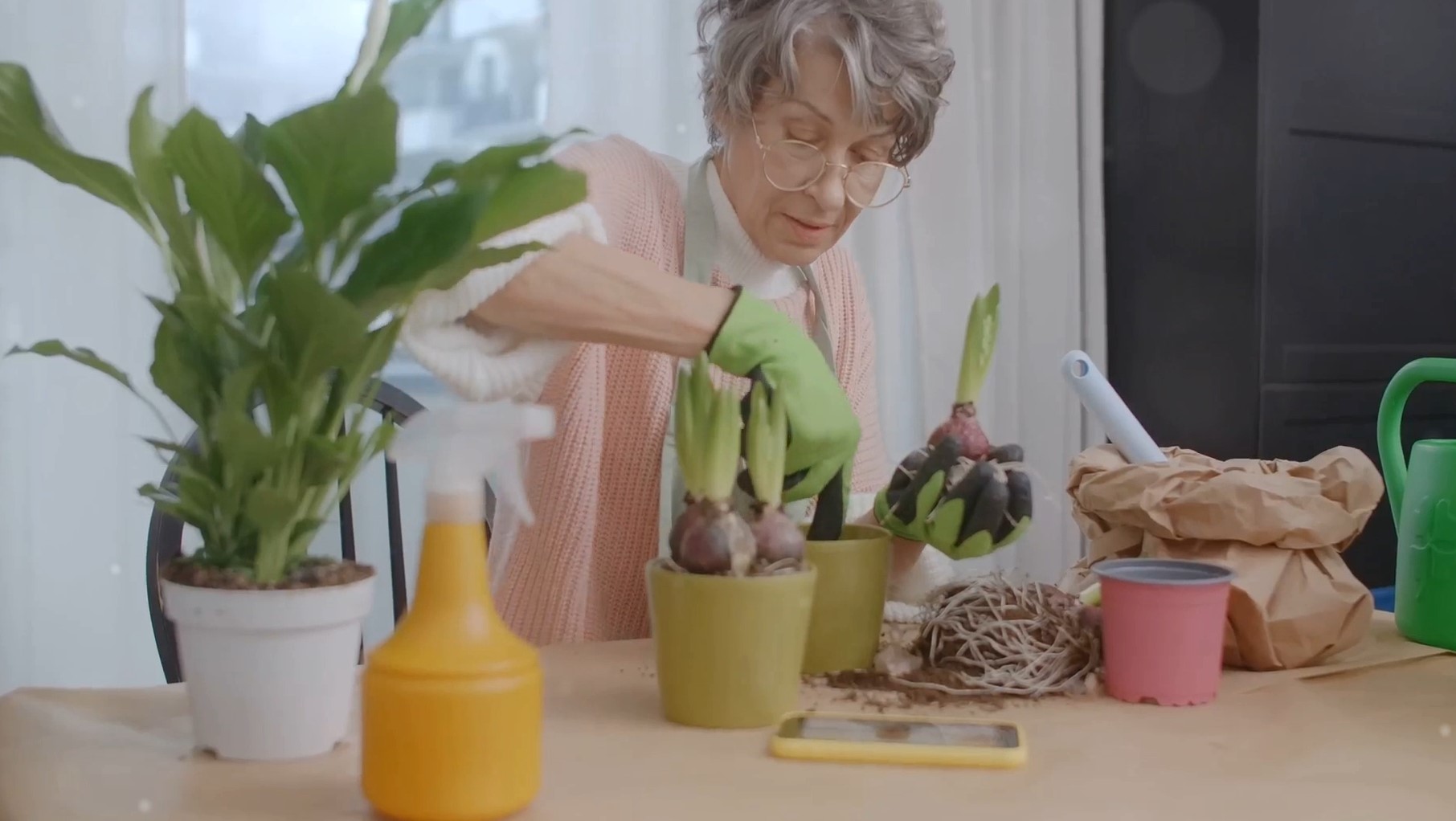
Depression might dull your interest in activities you once enjoyed, but re-engaging with hobbies is an important step in alleviating symptoms. Start small and be patient with yourself as you rediscover activities that bring you joy and fulfillment.
Limit Alcohol and Substance Use

The Long-Term Effects of Alcohol and Substances on Mood

While alcohol and substances might provide temporary relief, they can worsen depression in the long term. Reducing or avoiding them altogether can help stabilize your mood and improve your mental health over time.

Set Boundaries and Manage Stress

The Importance of Saying No and “Me Time”

Learning to say no and setting personal boundaries are crucial for managing stress and preventing burnout. Carve out “me time” to relax and recharge. Remember that your mental health is a priority, and taking time for yourself is not just acceptable, but necessary.

Practice Self-Compassion

Being Kind to Yourself

Depression is a medical condition, not a personal failing. Practice self-compassion by being kind to yourself and avoiding harsh self-criticism. Understand that managing depression is a journey, and it’s okay to take steps that prioritize your well-being.

Get Outdoors

The Calming Effect of Nature

Spending time in nature has a profoundly calming and uplifting effect on your mental health. Green spaces and sunlight exposure can boost serotonin levels, which are crucial for mood regulation. Make it a point to spend some time outdoors regularly.

Consider Alternative Therapies

Exploring Art, Music Therapy, Acupuncture, and Yoga

While traditional treatments are essential, alternative therapies like art or music therapy, acupuncture, or yoga can also play a significant role in managing depression. For instance, poetry has been shown to be a useful outlet for emotional expression and self-exploration.

Be Patient with Yourself

Understanding the Recovery Process

Recovery from depression is a gradual and ongoing process. Celebrate small victories and understand that setbacks are a normal part of the journey. Patience and perseverance are key. Surround yourself with supportive individuals who can help you stay motivated and hopeful.

Immediate Help for Severe Symptoms

Addressing Thoughts of Self-Harm or Suicide

If you experience thoughts of self-harm or suicide, it is critical to reach out for immediate help. Contact mental health professionals, hotlines, or trusted individuals who can provide the urgent care and support you need. Remember, you are never alone in this battle, and there are resources available to help you through the toughest times.

Depression is a challenging condition, but with the right support and strategies, it can be managed effectively. Implement these tips, seek professional help, and surround yourself with a supportive community. In time, with patience and dedication, you can begin to see improvements and work toward a brighter, more fulfilling tomorrow.

Here are some helplines for depression in the UK:
Samaritans: Call 116 123 for 24/7 emotional support
Shout: Text 85258 for 24/7 confidential support
CALM Helpline: Call 0800 58 58 58 or use their webchat from 5 PM–midnight, 365 days a year
Rethink Mental Illness: Call 0300 5000 927 for advice and information on therapy, medication, benefits, and more
Mind infoline: Call 0300 123 3393 for information on types of mental health problems and where to get help
Papyrus UK: Call 0800 068 4141 or text 07860 039967 for confidential support and practical advice for people under 35
Childline: Call 0800 1111 or talk to them online for children and young people under 19

Why World Mental Health Day 2024 Matters: Advocacy and Awareness

Welcome to another blog post from carer activist Matthew McKenzie for World Mental Health Day 2024.

Raising Awareness for Mental Health: The Significance of World Mental Health Day 2024

On October 10th, the world comes together to observe World Mental Health Day, a day dedicated to raising awareness around mental health issues and mobilizing efforts in support of mental well-being. Established by the World Federation for Mental Health in 1992, this day serves as a crucial reminder for governments, organizations, professionals, and individuals to advocate for mental health awareness and promote positive mental health practices.

The Importance of Raising Awareness

World Mental Health Day shines a global spotlight on mental health issues, encouraging open and honest conversations about mental health. Breaking down the stigma surrounding mental illness is a key aspect of this day. When mental health is discussed openly, it becomes easier for people to seek help and support. This not only includes individuals struggling with mental health conditions themselves but also those who care for someone facing these challenges.

Advocacy for Mental Health Care

A fundamental focus of World Mental Health Day 2024 is advocacy for mental health care. This year’s theme, “Mental Health at Work,” highlights the importance of access to quality mental health care for everyone, regardless of their location or financial situation. Ensuring that everyone has the opportunity to get the help they need, even in the workplace, is a critical message being communicated globally.

Educational Initiatives

Education plays a massive role in World Mental Health Day. Many organizations use this opportunity to host events, discussions, and seminars aimed at educating the public about mental health issues, their symptoms, available treatments, and the importance of having a solid support network. Knowledge truly is power, and understanding mental health can significantly improve how we support ourselves and others in our communities.

The 2024 Theme: Mental Health at Work

The theme for World Mental Health Day 2024, “Mental Health at Work,” emphasizes the need for safe and healthy working environments that protect our mental health. This powerful message reinforces the notion that mental health care should be available to everyone and that no one should face barriers to access due to stigma, geography, or financial constraints.

Key Messages to Take Away

From World Mental Health Day 2024, there are several essential messages we should embrace:

  1. Mental health is just as important as physical health.
  2. Openly discussing mental health can reduce stigma.
  3. Seeking help for mental health concerns is okay.
  4. Mental health services should be accessible to everyone, including services at the workplace.

Community and Organizational Activities

Around the world, communities and organizations celebrate this day in various ways. Hosting events, running campaigns, and participating in activities such as mindfulness workshops, mental health seminars, and workplace initiatives aimed at supporting mental wellness are some approaches taken to mark the occasion. These activities not only raise awareness but also foster a supportive community environment.

Moving Forward: Making a Positive Change

World Mental Health Day 2024 is not just a day on the calendar but an opportunity to create lasting positive changes. By continuing the conversation about mental health, advocating for accessible mental health care, educating ourselves and others, and supporting workplace mental health initiatives, we can help ensure that mental health matters.

In conclusion, as we observe World Mental Health Day, let us commit to making mental health a priority in our lives and communities. By doing so, we honor the fundamental principles of this day and contribute to a world where mental health is recognized, understood, and supported.

Thank you for reading. Remember to take care of yourselves and each other. To watch the video version see the video below.

Understanding ADHD: Tips for Supporting Those with Attention Deficit Hyperactivity Disorder

Welcome back to another blog post from carer activist Matthew McKenzie. Did you know it is ADHD Awareness Month?

To watch the video of the blog, please view below.

Understanding ADHD: An Overview

Attention Deficit Hyperactivity Disorder (ADHD) affects millions of individuals worldwide, impacting not only those diagnosed but their families, friends, and caregivers. ADHD is characterized by symptoms of inattention, hyperactivity, and impulsiveness, which can significantly impair daily functioning in various spheres of life, including school, work, and relationships. Every October, ADHD Awareness Month is observed to shed light on this condition, promote understanding, and advocate for better support systems. The theme for 2024 is “Awareness is Key,” emphasizing the importance of knowledge in fostering support and empathy.

The Importance of Education

Empowering Through Understanding

One of the most crucial steps in supporting someone with ADHD is to educate yourself about the condition. Understanding ADHD, its symptoms, and its challenges can foster empathy, patience, and a supportive attitude. Knowledge truly is power. The more you know about ADHD, the better equipped you are to provide the necessary support. This includes learning about common behaviors, the impact of ADHD in daily life, and effective management strategies.

Promoting a Learning Culture

Families, schools, and workplaces should prioritize awareness and education about ADHD. Regular training sessions, workshops, and informational resources can significantly improve how people understand and interact with those affected by ADHD. When communities are informed, they can collectively create more supportive environments.

Creating Structure

The Power of Routines

Establishing routines and daily schedules offers predictability and stability for individuals with ADHD. Structure can provide a sense of security, helping to manage time more effectively and reduce feelings of overwhelm. Visual aids such as calendars, planners, or to-do lists can be extremely helpful in keeping track of tasks and responsibilities. These tools can serve as constant reminders and help individuals prioritize their actions.

Breaks Are Essential

Regular short breaks are crucial during tasks. These breaks allow individuals with ADHD to recharge and maintain their focus. It’s not about working less, but about finding a balance that promotes productivity and reduces fatigue. Identifying the optimal schedule for breaks can make a significant difference in performance and overall well-being.

Effective Communication

Concise and Specific Instructions

When giving instructions to someone with ADHD, it’s important to be concise and specific. Using clear and simple language, avoiding unnecessary details, and breaking tasks into smaller, manageable steps can make a huge difference. This approach ensures that instructions are understood and followed more easily, leading to better outcomes.

Minimizing Distractions

Creating a calm and focused environment is paramount. Reducing noise, limiting visual distractions, and providing a quiet space can significantly improve the ability of individuals with ADHD to concentrate. Environmental modifications might include soundproofing a room, using noise-canceling headphones, or setting up a dedicated workspace that is free from interruptions.

The Power of Personal Stories

Insights from Lived Experiences

Personal stories are incredibly powerful in understanding ADHD. Hearing from individuals with ADHD and their caregivers can provide valuable insights and foster empathy. These stories highlight the real-world challenges and successes of living with ADHD, offering practical advice and hope.

Case Studies

  • Sarah’s Story: Sarah struggled in school until she found a teacher who understood ADHD and adapted her teaching methods. This timely intervention made all the difference, helping Sarah excel academically and boosting her self-esteem.
  • Jake’s Journey: As a carer, Jake found solace in a local carer support group. Connecting with others who understood his challenges provided him with coping strategies and a sense of community. This network of support was instrumental in helping him manage his caregiving responsibilities.

Advocating for ADHD Awareness

Community Engagement

This ADHD Awareness Month, let’s commit to raising awareness and advocating for those with ADHD. Small actions, such as sharing information, participating in community events, and supporting advocacy groups, can lead to significant changes. Community engagement helps build a support system that is informed, compassionate, and proactive.

Educational Campaigns and Resources

Supporting ongoing educational campaigns and providing resources can help spread awareness and understanding. Schools, workplaces, and community centers can play a pivotal role by organizing seminars, distributing literature, and facilitating support groups.

Conclusion

ADHD Awareness Month serves as a crucial period for promoting understanding and support for individuals with ADHD. By educating ourselves, creating structured and supportive environments, and listening to personal stories, we can become better allies. Let’s take this opportunity to make a positive impact. Awareness indeed is key—it opens doors to empathy, effective support, and advocacy.

If you found this content helpful, consider sharing it to spread awareness further. By working together, we can make a significant difference in the lives of those affected by ADHD.

Caring for someone with Depression or Anxiety

10177241_747738765268892_5890142387668348507_nWelcome back to another one of my collaborating on raising mental health awareness. This time I am collaborating with mental health survivor Psycopathic_ sociopath. That is the name of her Youtube channel. You may wish to check out some of her stuff, although she has just begun to do more videos on mental health.

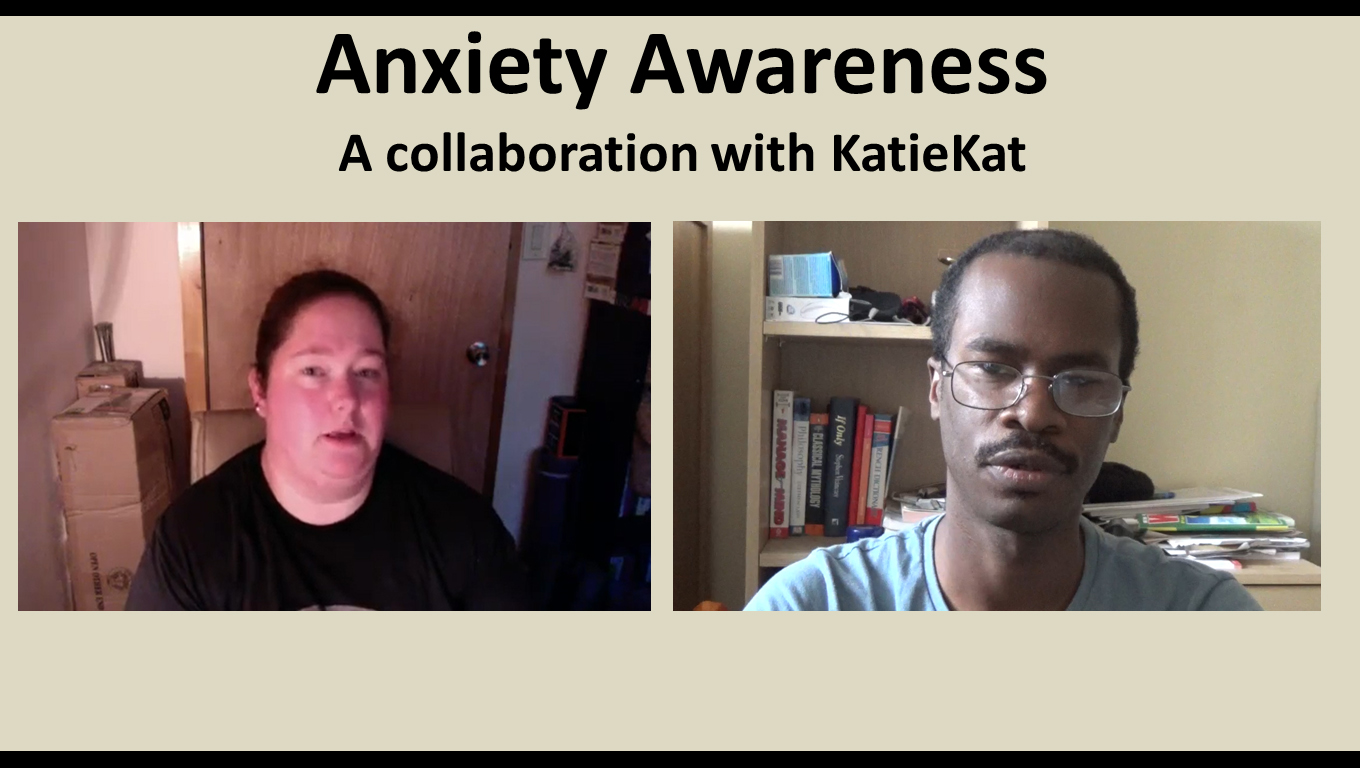
Since my link from the states has suffered through Depression and Anxiety, we decided to base our latest video on caring/supporting someone going through both mental health illnesses. She spoke about what she feels would help someone going through depression and anxiety, plus I also did the same.

If you wish to watch the video, please click on the video below.

Supporting someone with depression

On my section, I spoke in depth about supporting or caring for someone suffering through depression. Most of my tips were fairly basic and quite common. Mainly being there for someone going through such a hard time. Being there for someone can help them no matter whatever mental health problem the person is experiencing.

You may also want to ask how they are from time to time. It always helps to check as it shows you care. My link from the states mentioned that if you are going to use comforting words, then try be sincere about it. People can often tell when someone is not honest about how they care for someone.

cover

One more tip I placed in the video was When the person talks, it is important that you listen and do this actively. Not always an easy thing to do, but it does pay off in the end.

The last section of the video covers anxiety. I hope you get time to watch the video and I hope you have enjoyed reading the blog post. See you next time and have a good healthy mental health journey.