Every year on 4 February, World Cancer Day brings people together to raise awareness, inspire action, and support everyone affected by cancer. This year’s theme, United By Unique, reminds us that every cancer experience is different yet no one should face it alone.
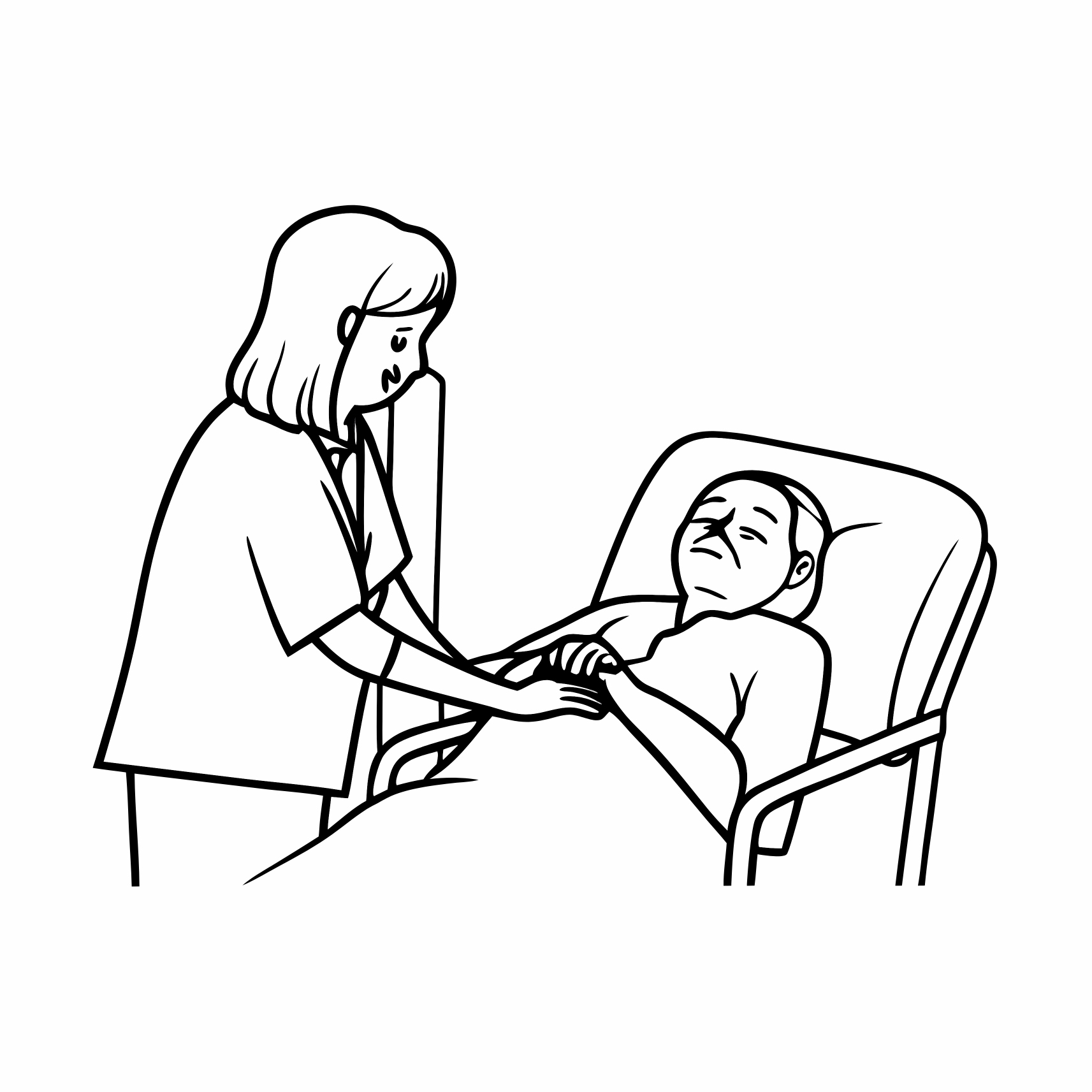
Behind many cancer journeys are unpaid caregivers. They are partners, friends, parents and family members who provide emotional support, organise appointments, manage daily routines, and help loved ones navigate some of life’s most difficult moments. Their contribution is invaluable, but too often it goes unseen.
To mark World Cancer Day 2026, I have created a short video highlighting the vital role of unpaid cancer caregivers and the importance of fair, person-centred care across the UK. The video also reflects key messages from Macmillan Cancer Support, including the urgent need to address inequalities in cancer care and ensure that everyone receives the support they need, when they need it most.
Also for World Cancer day 2026 comes alongside the newly released National Cancer Plan for England, which outlines ambitions to improve early diagnosis, treatment and personalised support so more people can live well with and beyond cancer. You can read more about the Plan here: https://www.gov.uk/government/publications/national-cancer-plan-for-england
Macmillan Cancer Support has also shared its perspective on the Plan, welcoming the focus on person-centred care while continuing to advocate for fairer cancer experiences and stronger support for everyone affected. Find out more here: https://www.macmillan.org.uk/about-us/news-and-media/news-releases/a-new-national-cancer-plan-for-england.
At least every 75 seconds, someone in the UK is diagnosed with cancer. In that moment, lives change not only for the person diagnosed, but also for those who step into caregiving roles. By recognising caregivers and amplifying their voices, we can help build a more compassionate and supportive future for everyone affected by cancer.
This World Cancer Day, we invite you to take a moment to reflect, learn, and share. By raising awareness and working together, we can support unpaid caregivers, challenge inequalities in care, and help create a future where no one feels lost or alone.
Together, we are #UnitedByUnique.
- Macmillan Cancer Support – https://www.macmillan.org.uk
- Macmillan Support Line (information, emotional and financial support) – https://www.macmillan.org.uk/cancer-information-and-support/support-at-home/support-line
- World Cancer Day – https://www.worldcancerday.org
- NHS Cancer Information – https://www.nhs.uk/conditions/cancer
- Carers UK (support for unpaid carers) – https://www.carersuk.org
- BME Cancer Communities – https://www.bmecancer.com
- Support and information for Black and minority ethnic communities affected by cancer.
- Black Women Rising (Leanne Pero Foundation) – https://www.blackwomenrisinguk.org
- Community support for Black women affected by cancer.
- OUTpatients – https://outpatients.org.uk
- LGBTQ+ cancer charity supporting people across the UK.
- Muslim Cancer Support – https://www.muslimcancersupport.org
- Faith-sensitive cancer support and resources.
- Cancer Black Care – https://www.cancerblackcare.org.uk
- Advocacy and culturally aware support services.
 A Caring Mind