By Matthew McKenzie – Chair of ethnic MH Carer forum / Chair of Cancer Carergiver group
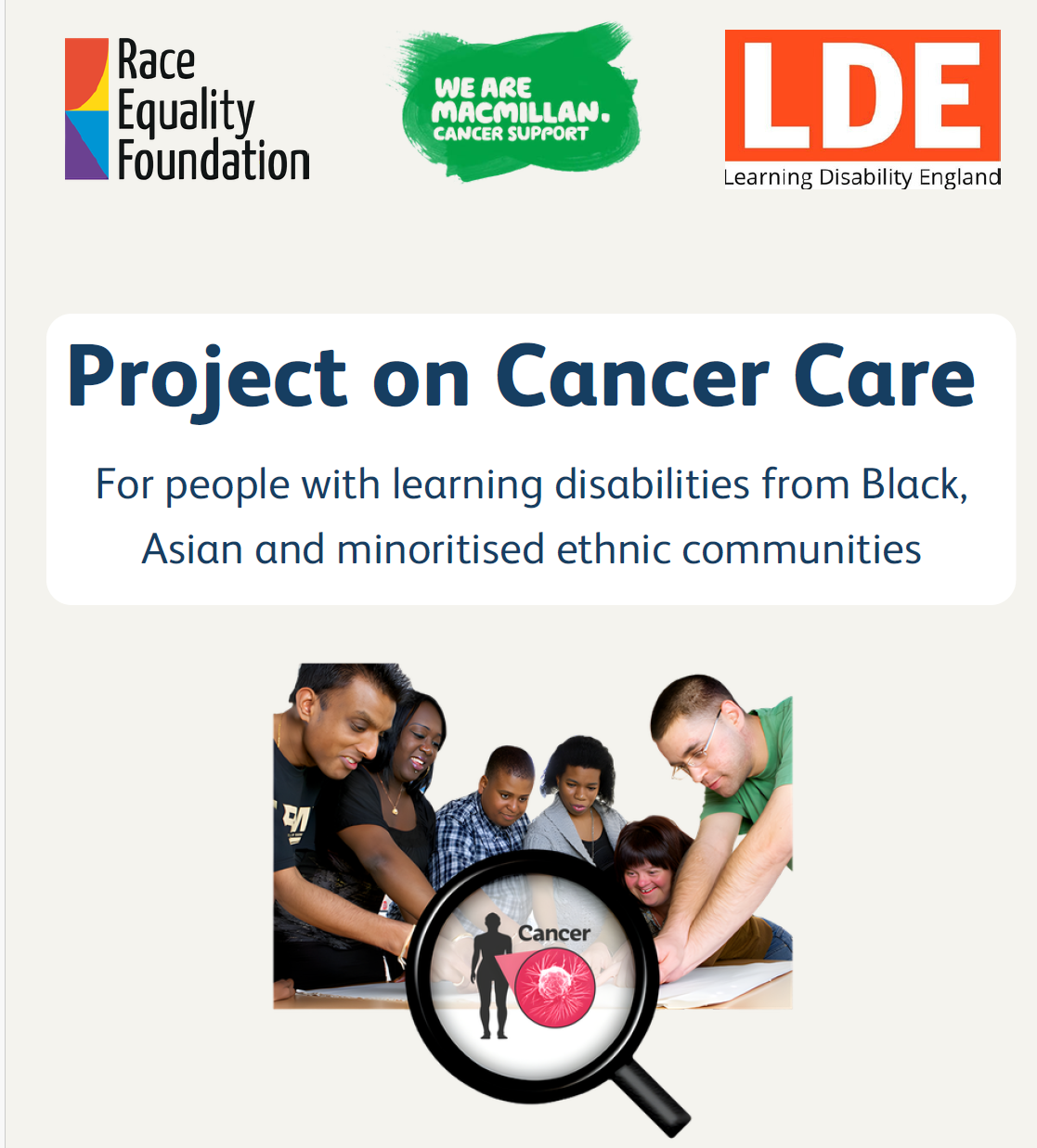
I was recently sent information about an important cancer care project being led by Learning Disability England in partnership with the Race Equality Foundation which is funded by Macmillan Cancer Support.
The project aims to improve cancer care for people with learning disabilities from Black, Asian and minoritised ethnic communities. A working group is being established involving self-advocates, family members and friends who have experience of cancer.
By Matthew McKenzie – Facilitator of Cancer Caregiver group
It has been a long while since I published a full update from my National Cancer Caregiver Forum. Although I have continued working to raise awareness of unpaid cancer caregiving, this latest meeting reminded me why the forum remains so necessary.
The National Cancer Caregiver Forum provides an online space for people caring for someone affected by cancer, former carers, researchers and organisations interested in improving support. It combines peer support with engagement, research and opportunities to influence cancer services.
Why cancer caregivers still need a voice
I opened the forum by reflecting on the shortage of dedicated groups for unpaid cancer carers. There are many services and support groups for people receiving cancer treatment, as there should be, but far fewer spaces focused specifically on the partners, relatives and friends supporting them.
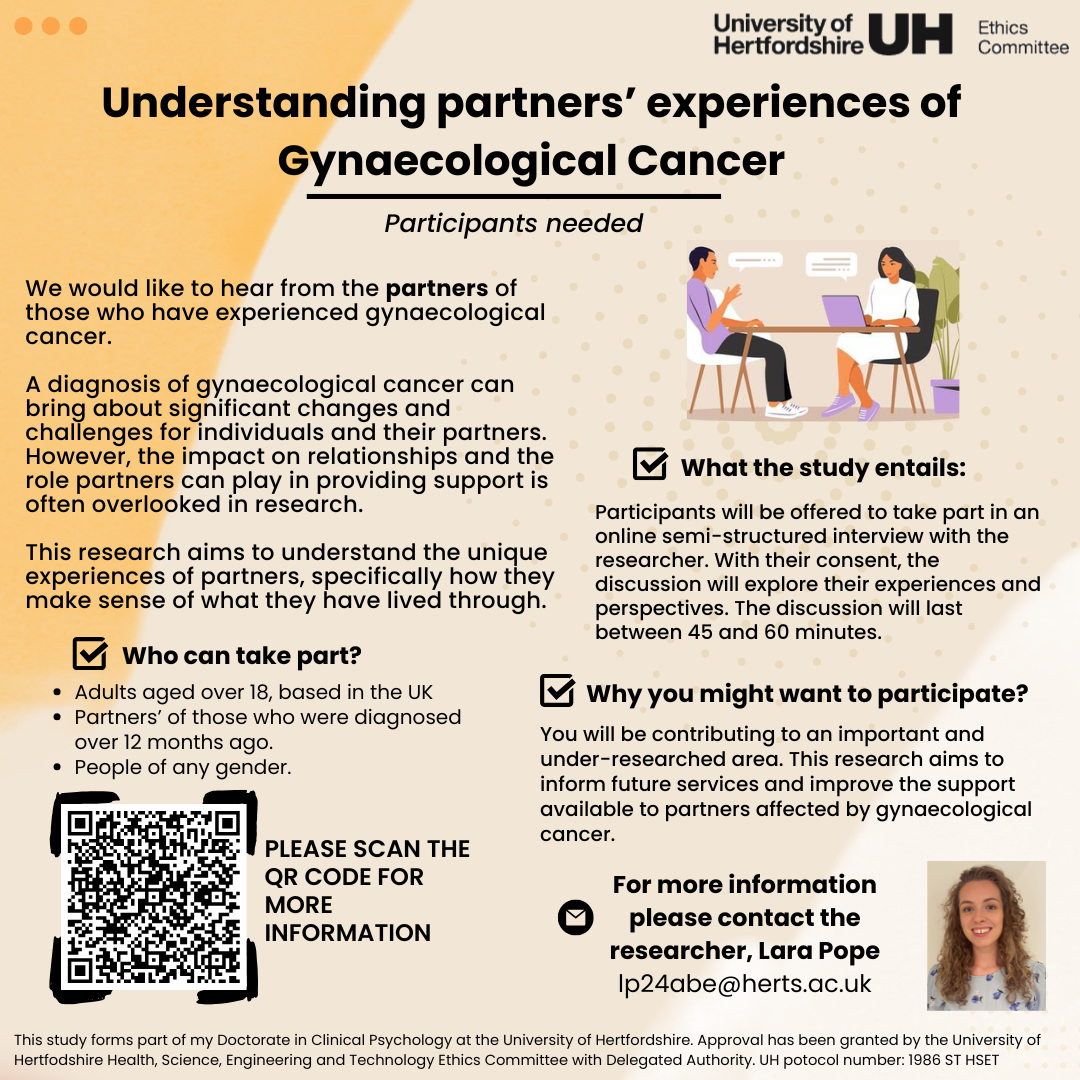
I am pleased to share a research opportunity from Lara Pope, a Doctoral Clinical Psychology student at the University of Hertfordshire, who is looking to hear from partners of people who have experienced gynaecological cancer.
As someone who campaigns for greater recognition of unpaid carers and those supporting someone affected by cancer, I know that the experiences of partners can sometimes become overshadowed by the understandable focus on the person receiving treatment.
Yet partners can experience considerable emotional, practical and relationship changes of their own.
About the research
“Exploring partners’ experience of gynaecological cancer: An Interpretive Phenomenological Analysis.”
The research aims to better understand what it is like to be the partner of someone who has experienced gynaecological cancer, including how partners navigate their own needs, relationships, identity and intimacy.
Lara is particularly keen for the research to reach people whose voices can sometimes be less visible in research, including male partners, people from Global Majority communities and LGBTQ+ communities.
Who can take part?
You may be eligible if you:
Are aged 18 or over
Live in the UK
Speak English
Are the partner of someone diagnosed with gynaecological cancer at least 12 months ago
There are some additional eligibility considerations which Lara can discuss with anyone interested in participating.
What does taking part involve?
Participants will take part in an online semi-structured interview, providing an opportunity to talk about their experiences and perspectives as a partner.
The interview will last approximately 45–90 minutes.
Participants can choose either a £20 Love2Shop voucher or have £20 donated to one of three selected cancer charities in recognition of their participation.
The importance of the research
Cancer does not only affect the person receiving the diagnosis.
Partners may find themselves providing emotional support, attending appointments, managing additional responsibilities and trying to support the person they love while also dealing with their own fears and emotions.
Research that listens directly to partners can help improve understanding of these experiences and potentially inform recommendations for services, professionals and organisations supporting families affected by cancer.
Interested in taking part?
Please see the research recruitment poster accompanying this article, including the QR code for further information.
You can also contact the researcher directly:
Lara Pope Doctoral Clinical Psychology Student University of Hertfordshire Email: lp24abe@herts.ac.uk
By Matthew McKenzie – Cancer Carer forum Facilitator
Partnering for Better Outcomes – Reflections on My Latest RCN Blog
Supporting someone living with cancer is a journey filled with uncertainty, responsibility, and deep emotional commitment. As many carers know, much of this work happens quietly in the background. But every so often, there’s an opportunity to shine a light on the realities carers face and the vital partnerships that make a difference.
I’m proud to share that the Royal College of Nursing (RCN) recently invited me to contribute to their blog as part of a wider piece exploring how nurses support cancer caregivers. Written by Shannon Copeland (PhD researcher at Queen’s University Belfast), Partnering for better outcomes: How nurses support cancer caregivers highlights the evolving role of informal carers and the essential collaboration between families and nursing professionals.
In the blog, I shared my lived experience as an unpaid carer, the challenges, the emotional strain, and most importantly, the difference nurses can make when they recognise and support carers as part of the care team. Simple acts such as clear communication, continuity of support, and acknowledgment of a carer’s role can transform the caregiving experience.
Nurses often stand at the intersection of patient and carer needs. When they listen, guide, and empower carers, both patients and families benefit. I’m grateful to Shannon and the RCN for giving space to these conversations, and for highlighting the importance of carer voices in cancer care.
If you’re a carer, a nurse, or someone interested in improving cancer support, I encourage you to give it a read and join the discussion. Together, we can continue raising awareness of the carer journey and push for better recognition, resources, and collaboration across health and social care.
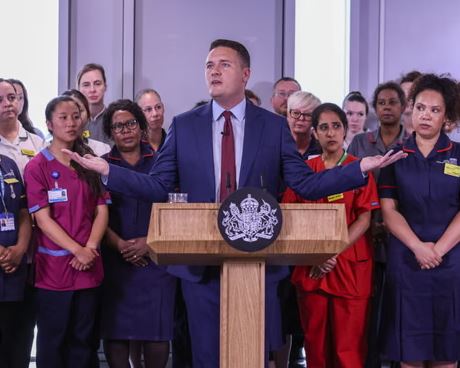
As the NHS looks to the future with its ambitious 10-Year Plan, one critical group continues to be overlooked cancer carers, although I am not forgetting Mental Health carers. These are the unpaid family members, friends, and loved ones who provide essential care and emotional support to people living with cancer.
While the plan addresses key priorities like digitalization and community-based health reform, it fails to fully recognize the vital role of caregivers in our healthcare ecosystem.
The blog is a transcript of my video, which you can watch below.
Reform Through Inclusion
The NHS 10-Year Plan aims to reshape health services by emphasizing digital tools, preventive care, and stronger local networks.
These initiatives are undoubtedly important. But without recognizing and integrating the contributions of cancer caregivers, the plan risks missing a vital component of patient care.
The Invisible Workforce
Caregivers are often the unsung heroes of cancer care. They manage appointments, administer medications, provide emotional support, and serve as advocates all while coping with their own mental and physical toll.
Challenges Faced by Cancer Carers:
Mental Health Impacts: The stress, anxiety, and emotional burden can be overwhelming.
Decision Fatigue: Carers are often thrust into complex medical decision-making without adequate support or guidance.
Lack of Recognition: Despite their contributions, caregivers are rarely acknowledged as part of the healthcare team.
A Call for Systemic Change
The inclusion of carers in healthcare reform isn’t just an ethical necessity it’s a strategic imperative. By empowering carers, we enhance patient outcomes, reduce strain on NHS services, and promote more holistic care.
Recommendations for Inclusion:
Training for Carers: Equip caregivers with tools to better navigate health systems and support patient needs.
Support Services: Invest in respite care, mental health support, and caregiver-specific community services.
Recognition in Policy: Classify caregivers as essential stakeholders in healthcare planning and delivery.
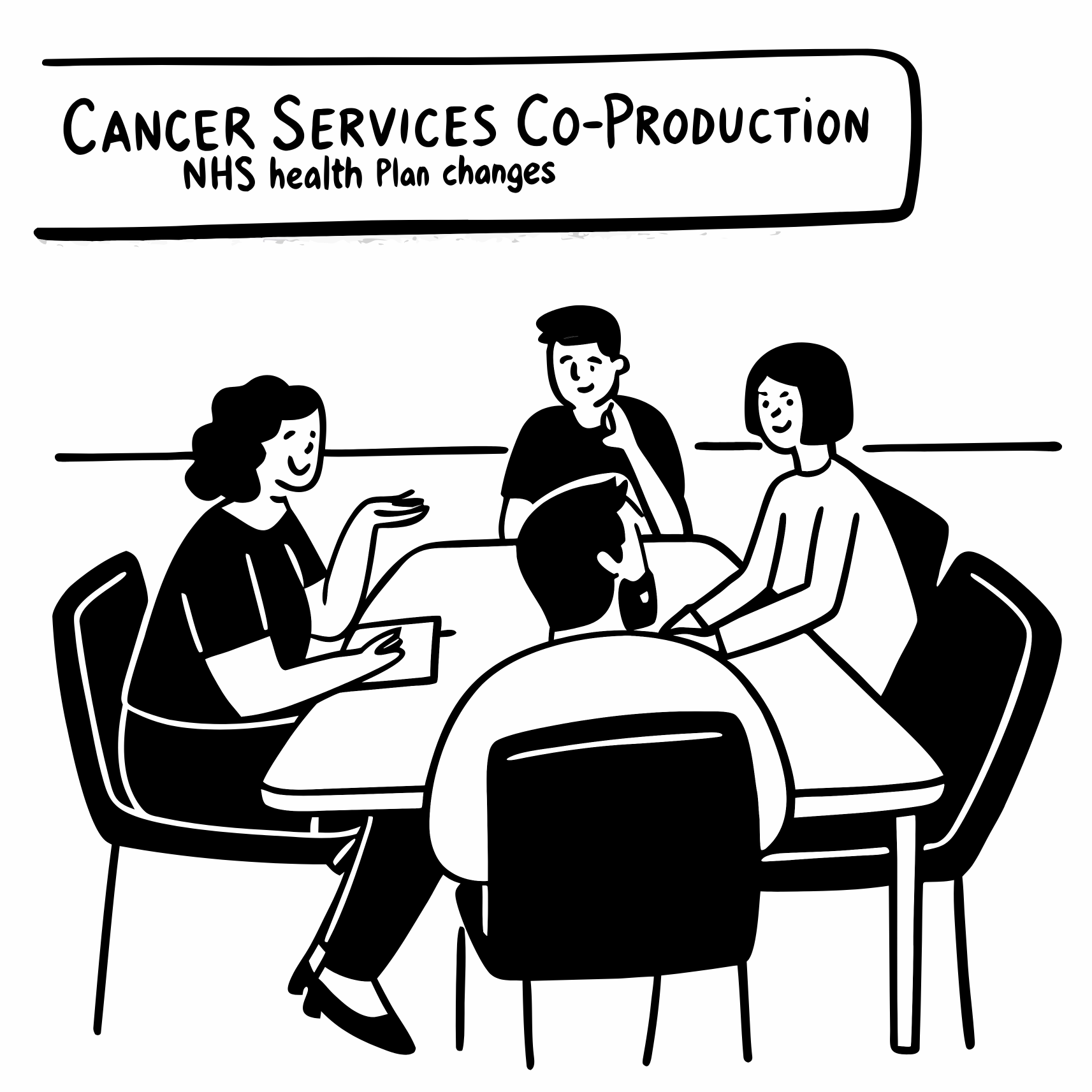
Co-Production: Designing Services With Carers
One of the most powerful messages from the discussion is the importance of co-production. That means actively involving carers in designing and shaping NHS services not just consulting them after the fact.
Co-Production Actions:
Involve Carers in Service Design: Make caregiver feedback a routine part of NHS planning.
Policy Advocacy: Push for legal and procedural reforms that recognize the role of carers from day one.
The Road Ahead
Cancer caregivers are not just a support system they are key partners in the healthcare journey. If the NHS truly seeks to build a more inclusive, responsive, and sustainable health system, caregivers must be central to its 10-Year Plan.
Let’s stop treating caregivers as an afterthought. Let’s make them co-creators of the future of care.
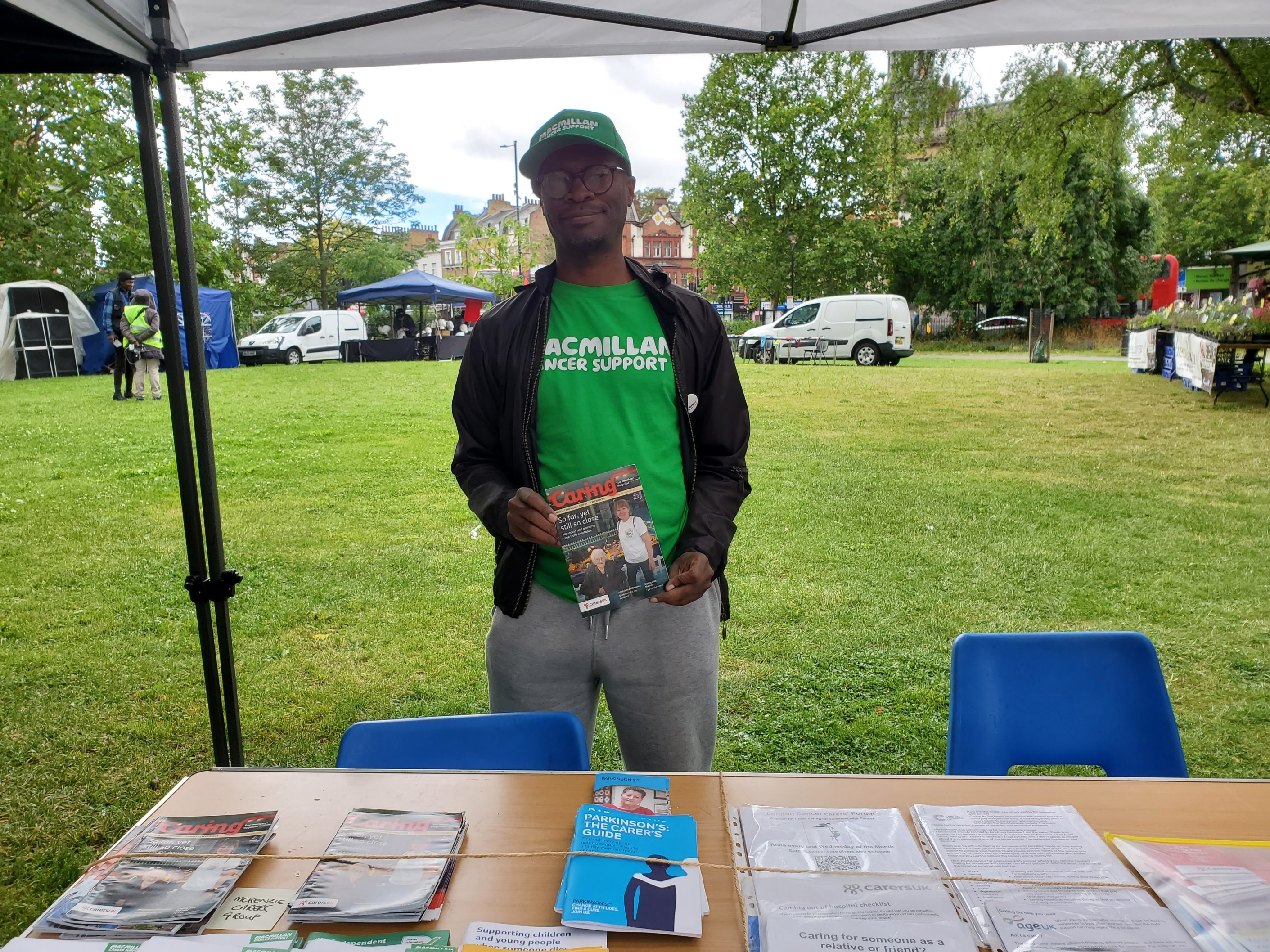
Support Sites for Cancer Carers
1. Carers UK
Provides advice, online forums, factsheets, and rights information for unpaid carers across the UK. https://www.carersuk.org
2. Carers Trust
Supports a network of local carer organisations across the UK. Offers practical help, grants, and local service finders. https://www.carers.org
A network of cancer support centres offering free emotional, psychological, and practical support to anyone affected by cancer—including carers. https://www.maggies.org