Tag Archives: carer recognition

Becoming a Human Book at the DUALITY Event – The Carer They Didn’t See

By Matthew McKenzie – Carer Activist and Carer Advocate

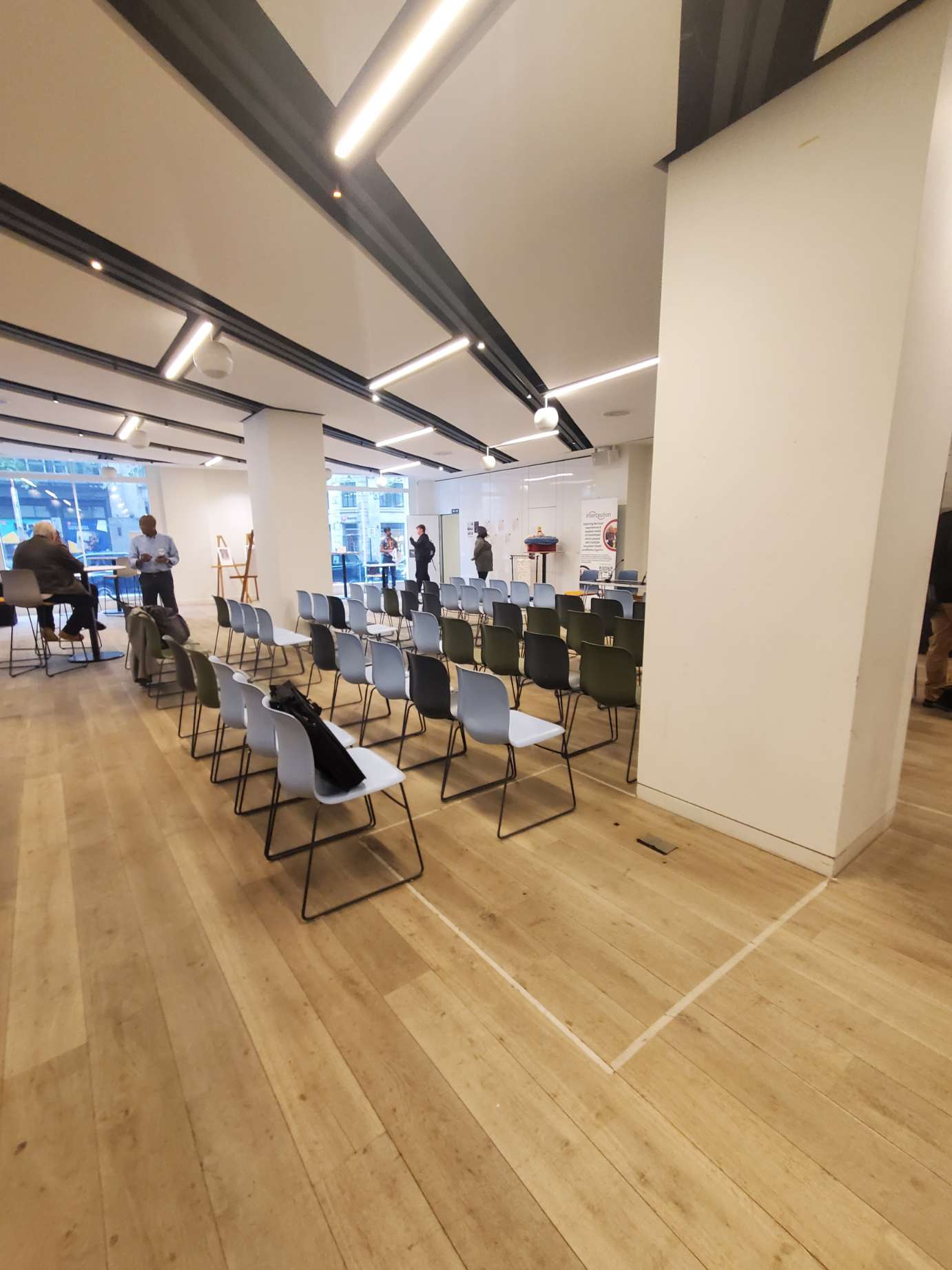
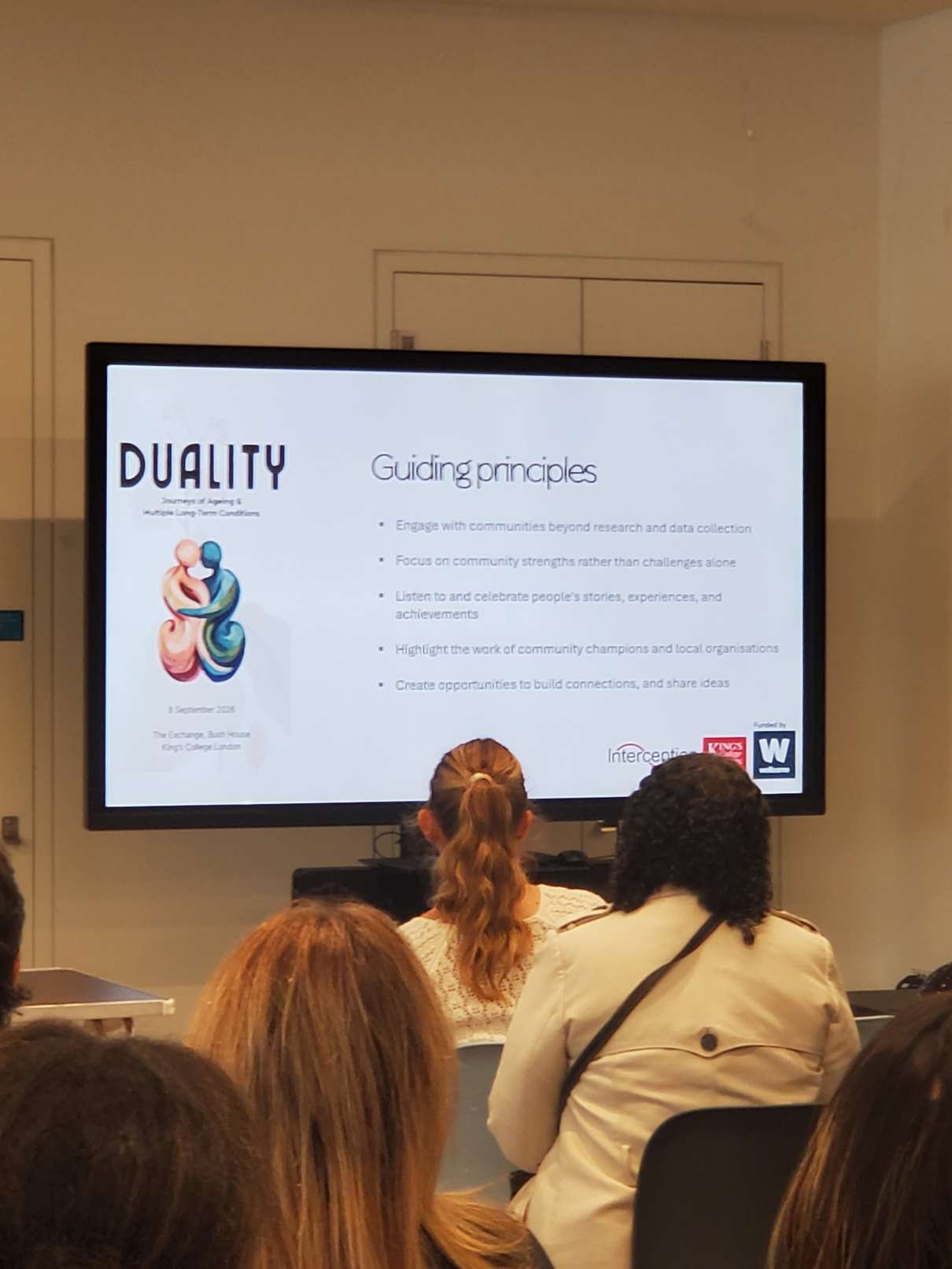
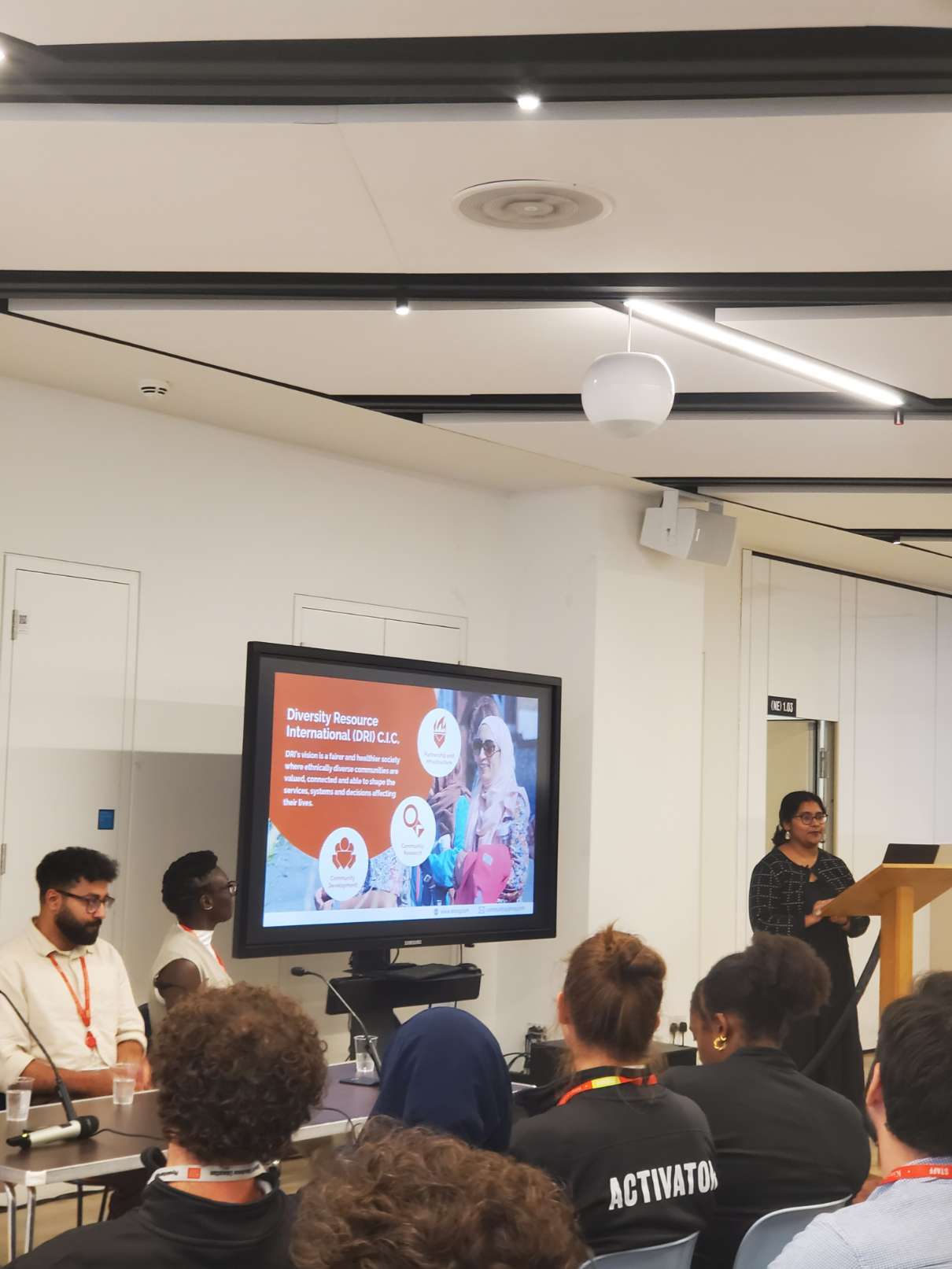
On 8 September 2026, I had the honour of attending the DUALITY event at King’s College London, held at Bush House.

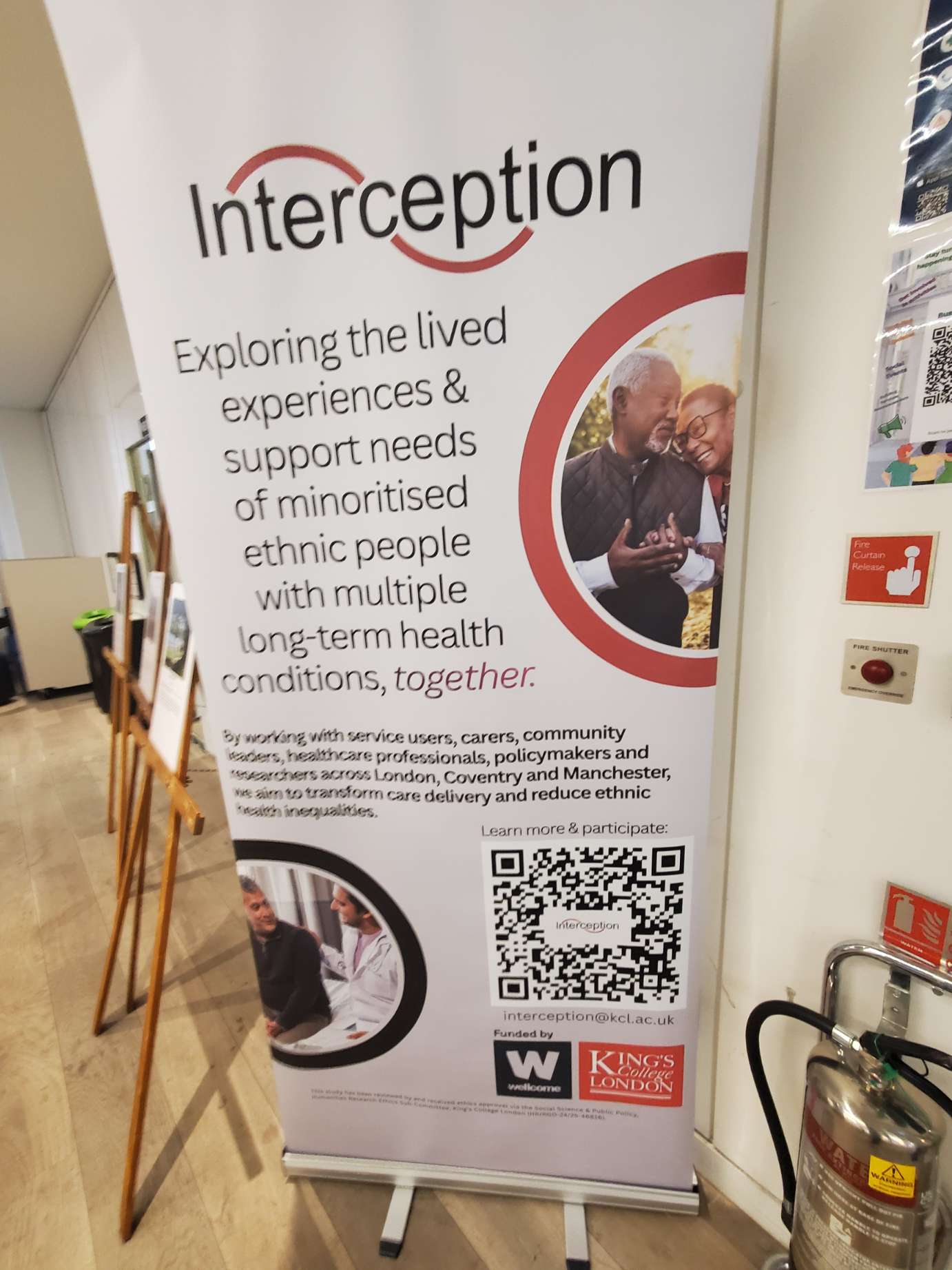
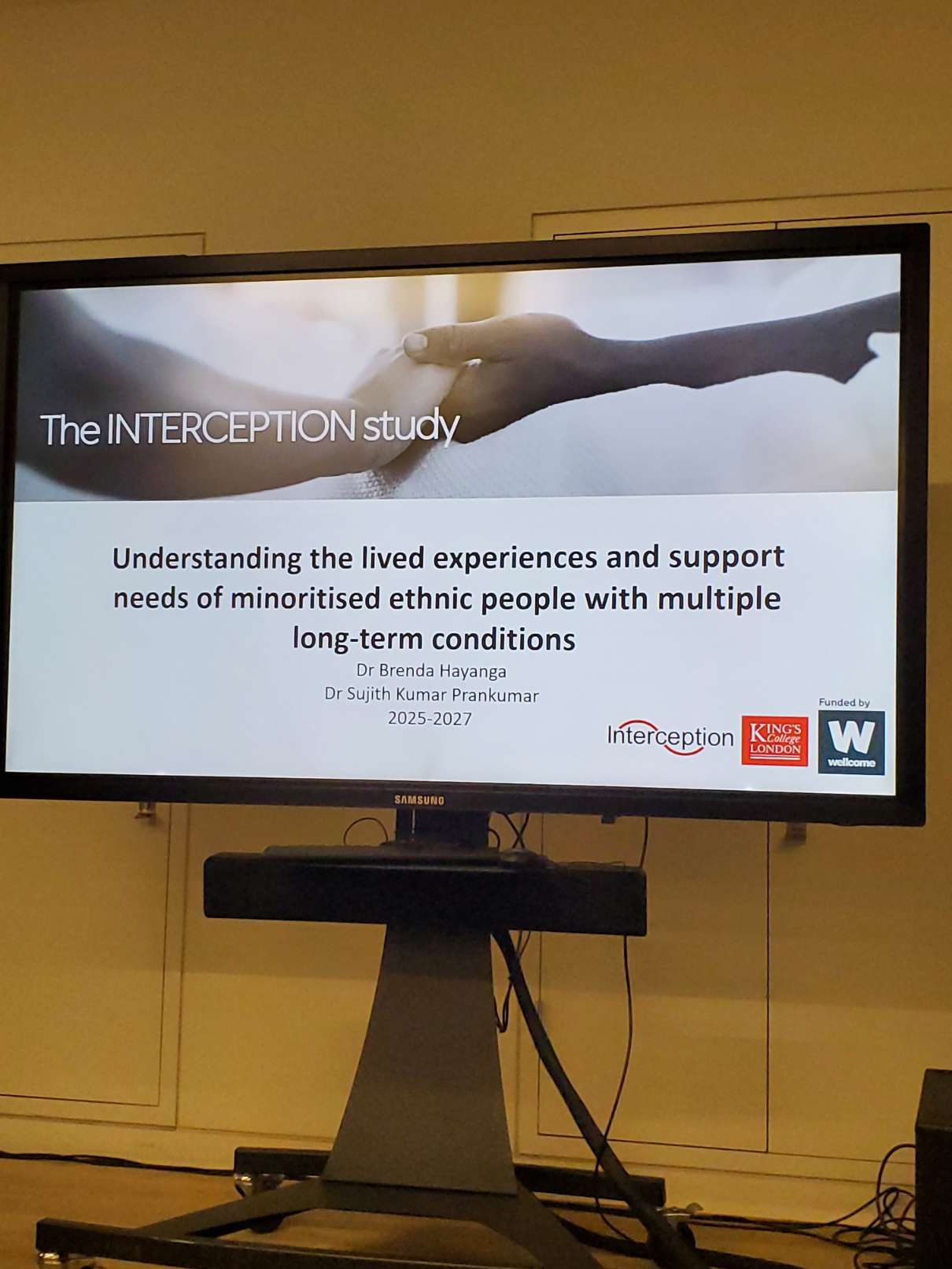
The event was a research and public/community engagement event connected to the INTERCEPTION study, based in King’s Department of Global Health & Social Medicine, within the School of Global Affairs / Faculty of Social Science & Public Policy.

There was a packed agenda, which I have shown below.

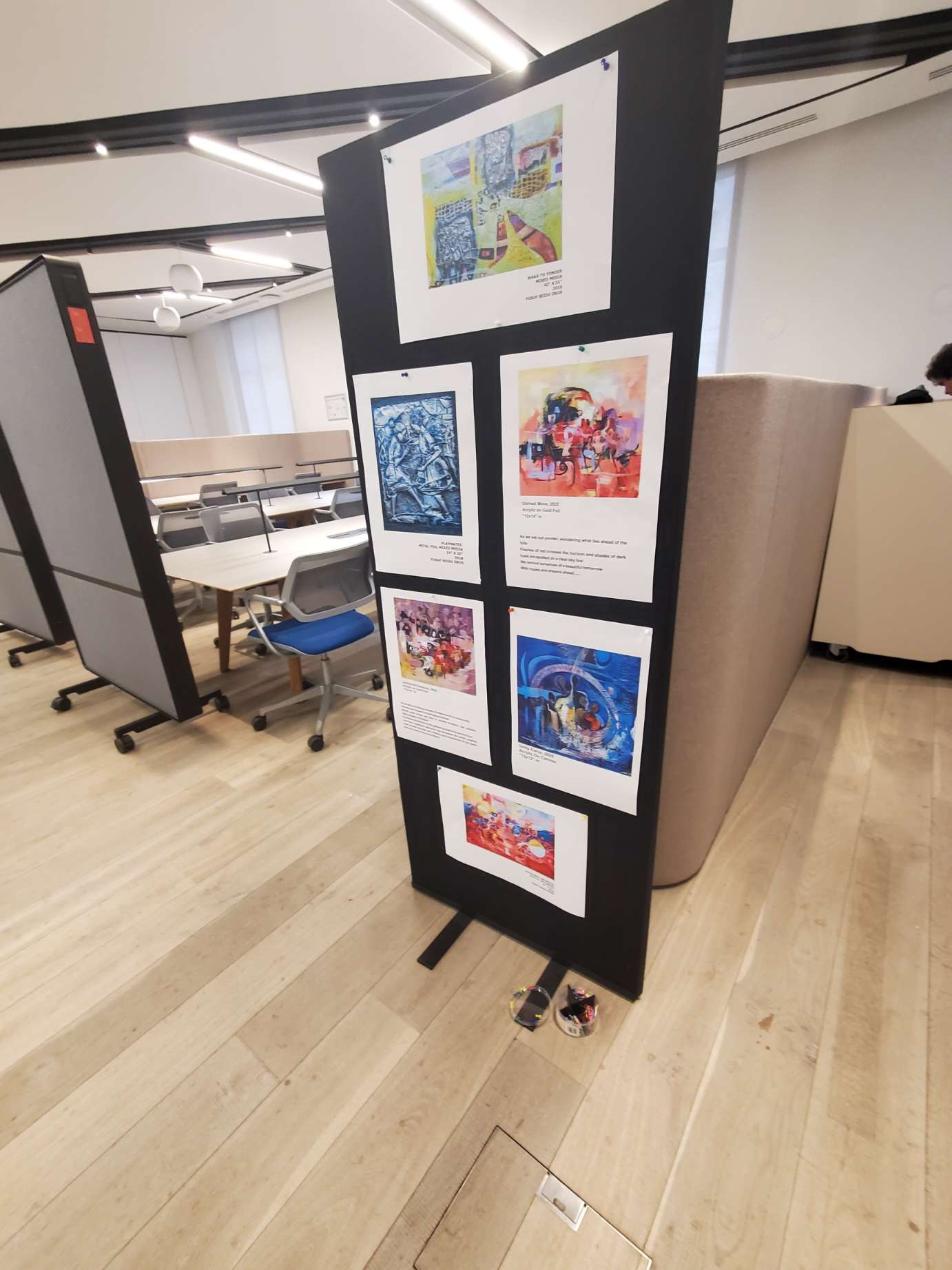
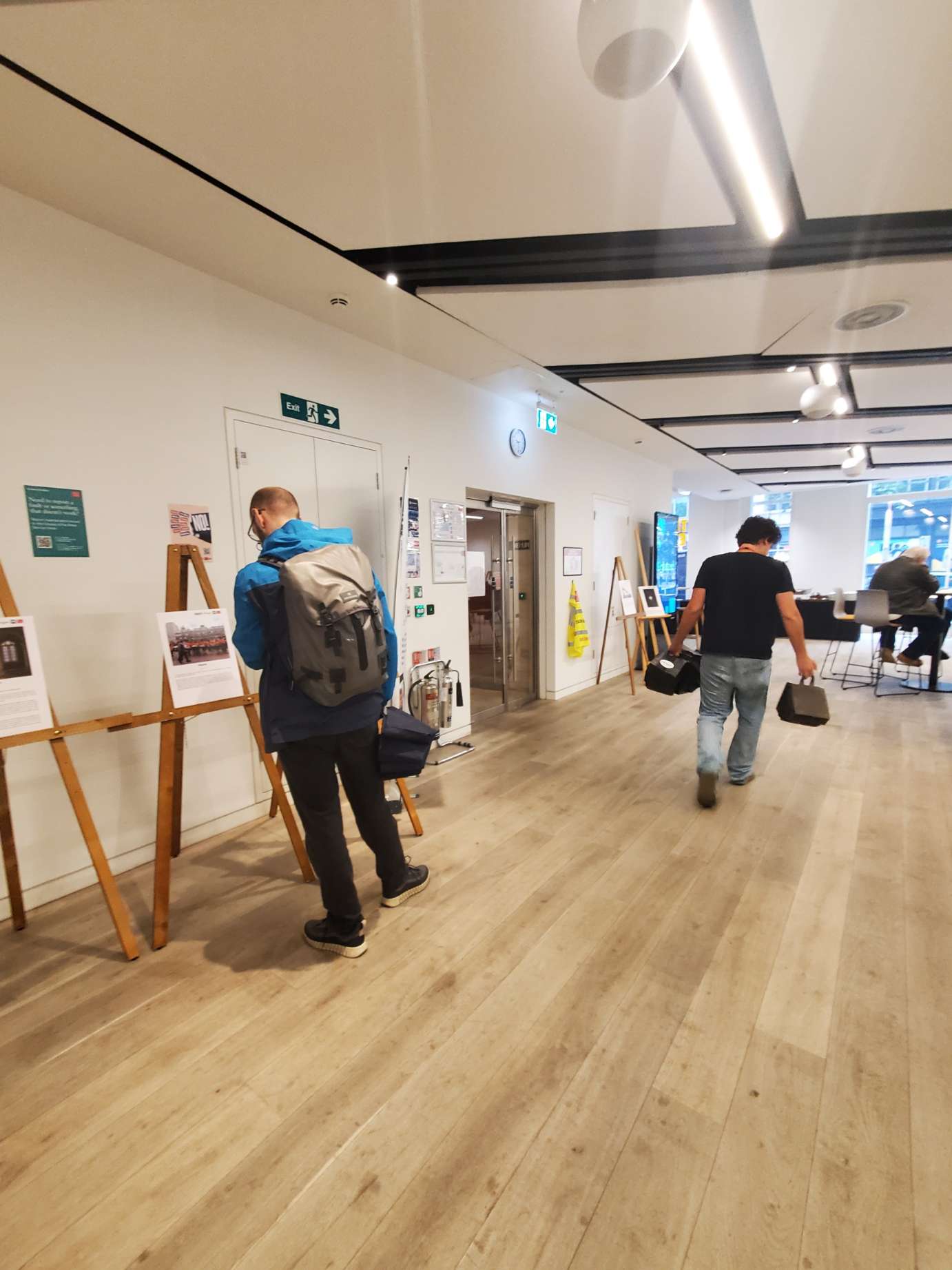
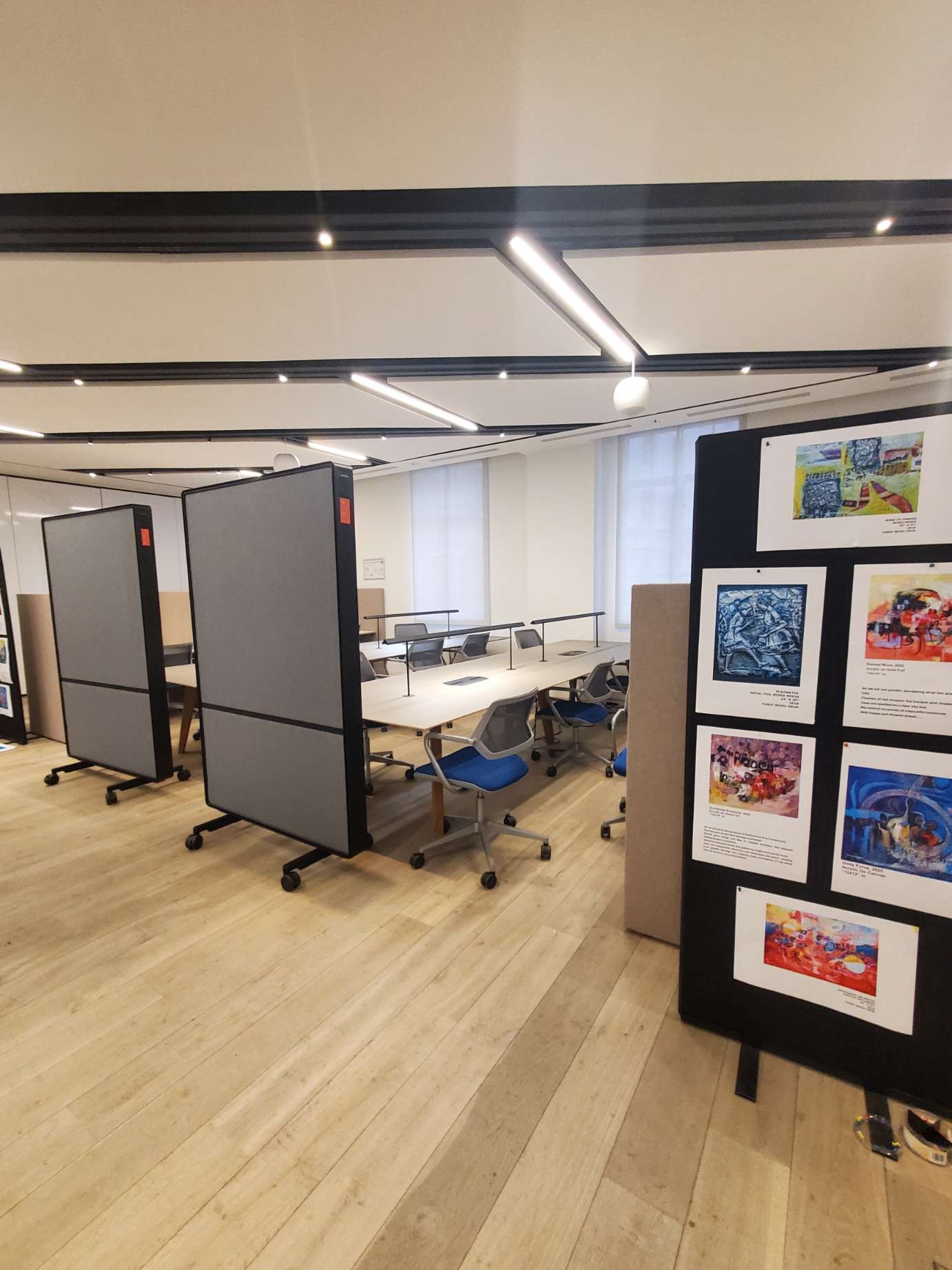
  • Registration, refreshments and photo exhibition — Attendees arrived, had refreshments and had an opportunity to look around the community photography exhibition.
  • Welcome and introduction to DUALITY — The organisers introduced the event and its focus on ageing, ethnicity, health and experiences of living with multiple long-term conditions.
  • Research Panel: Ethnicity, Ageing and Health — Researchers discussed work exploring inequalities and experiences at the intersection of ethnicity, ageing, health and multiple long-term conditions.
  • King’s Sport & Wellness energiser — Attendees were invited to take part in accessible seated stretches and movement exercises.
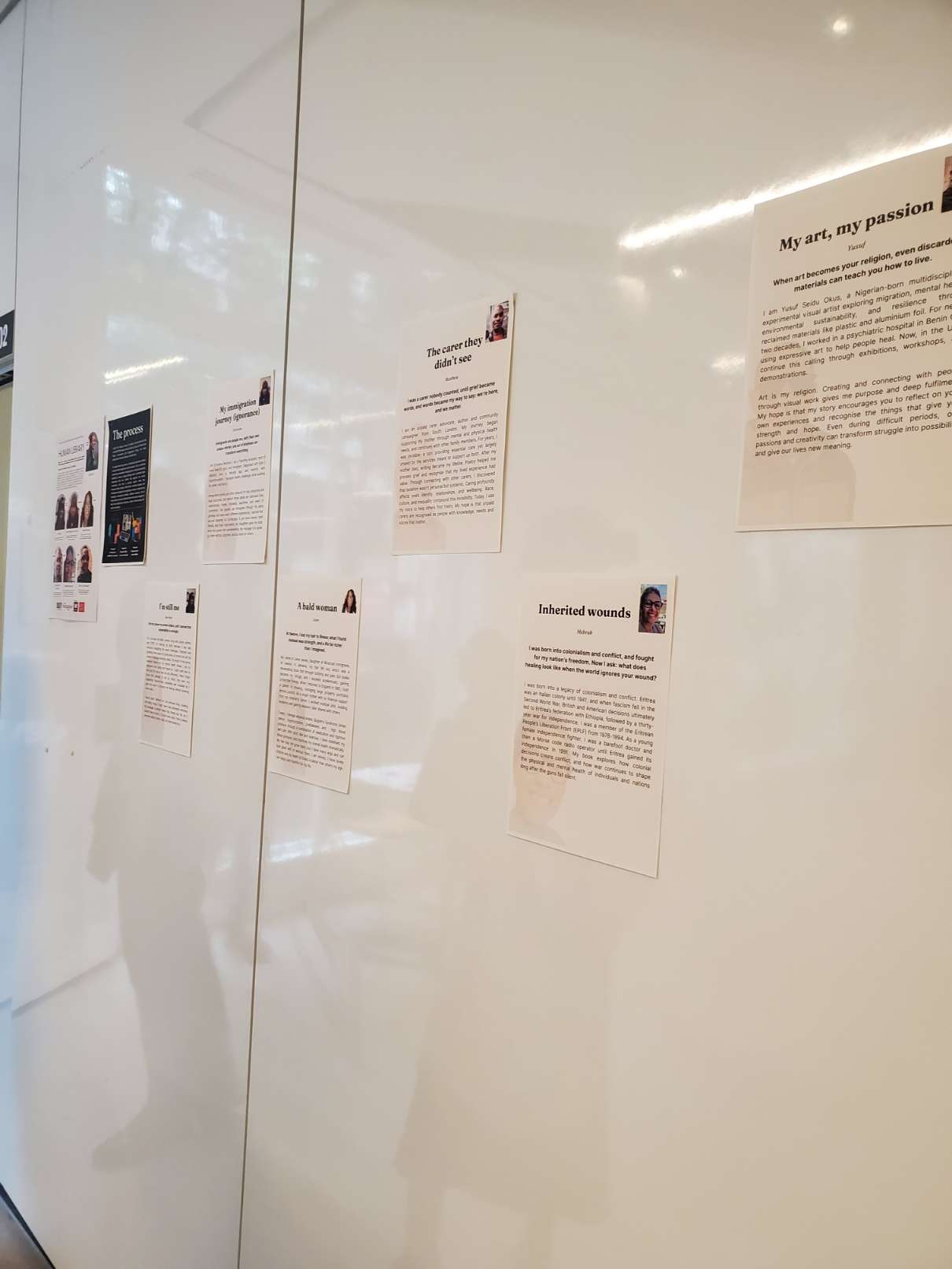
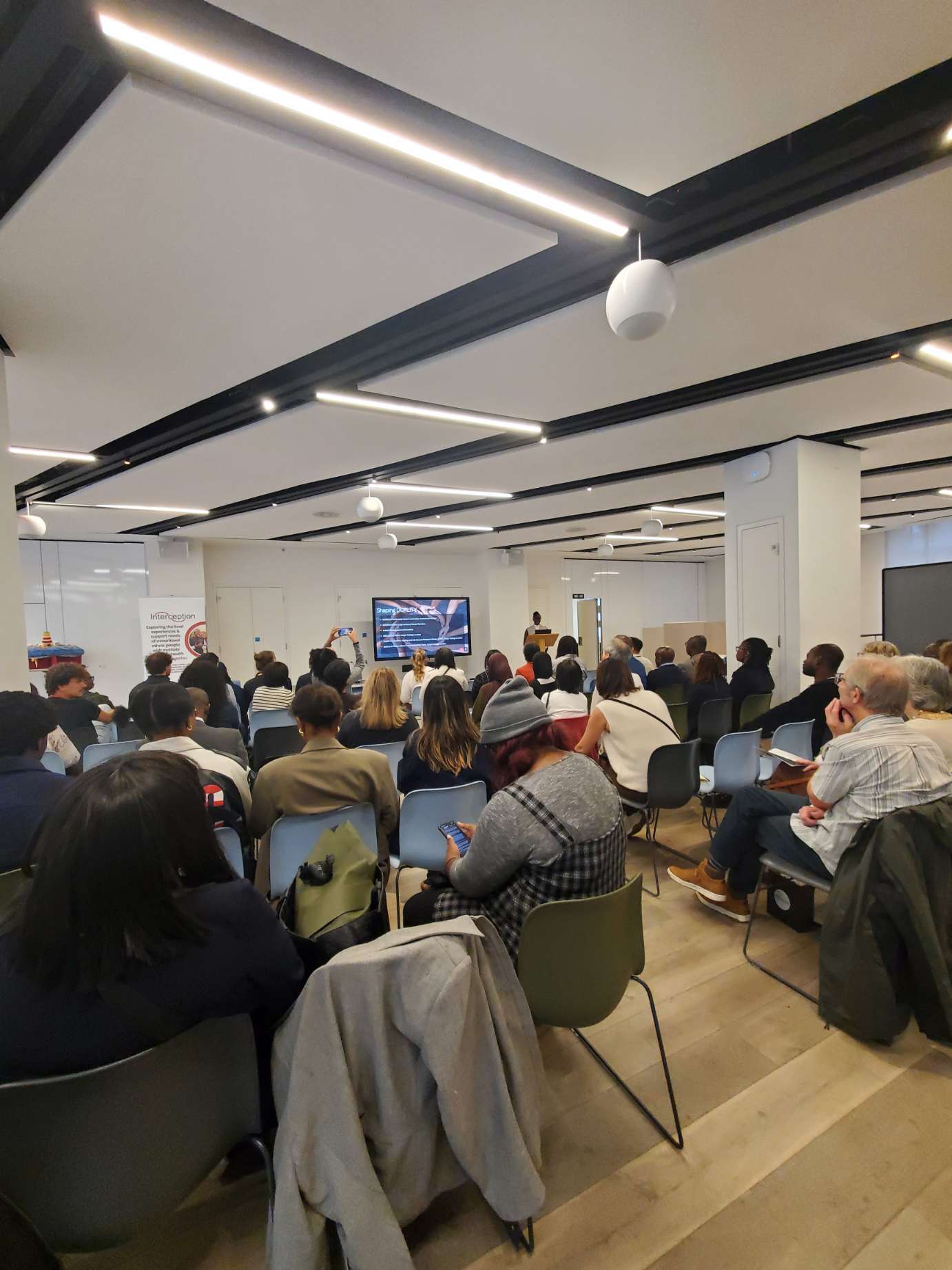
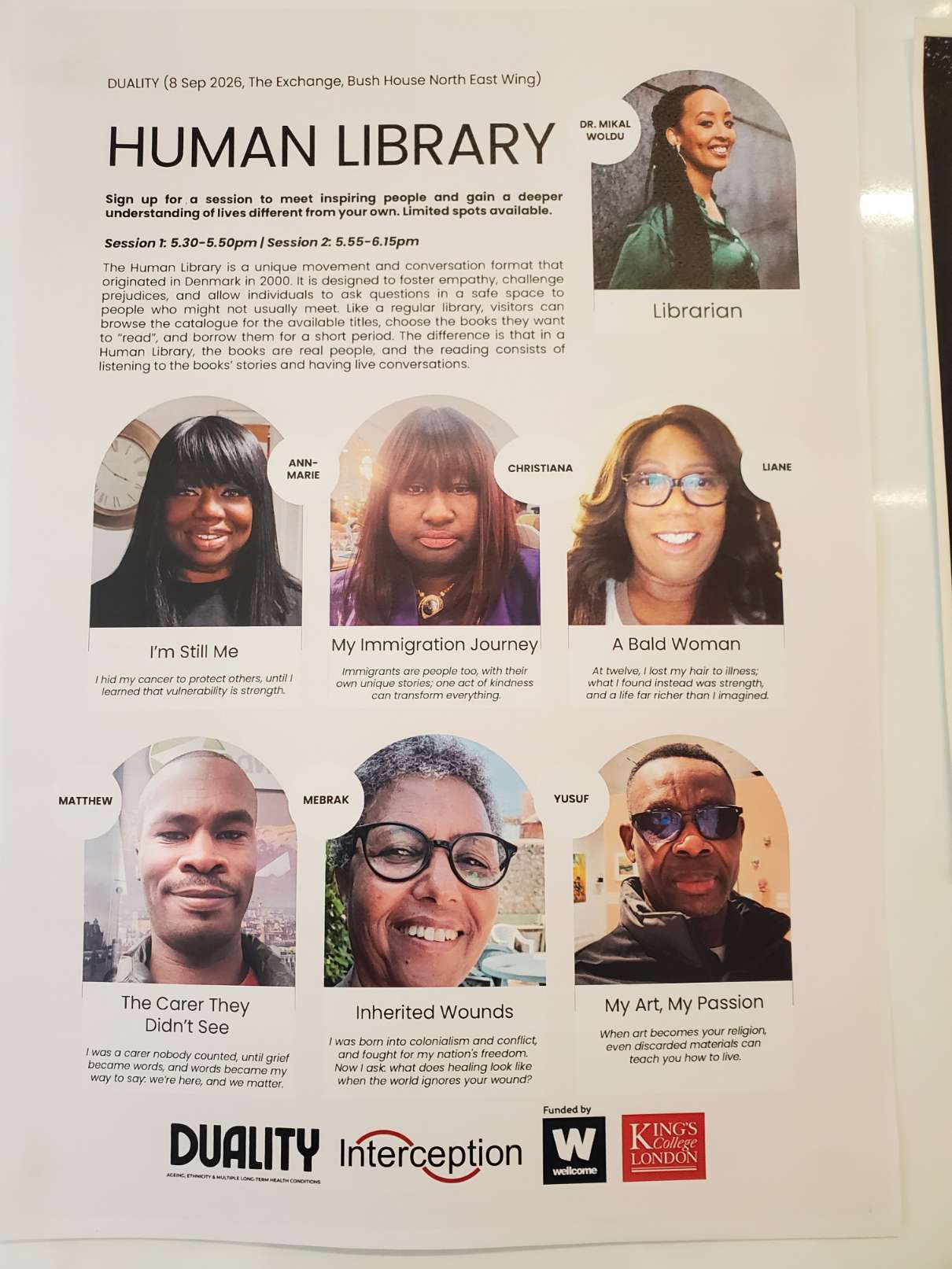
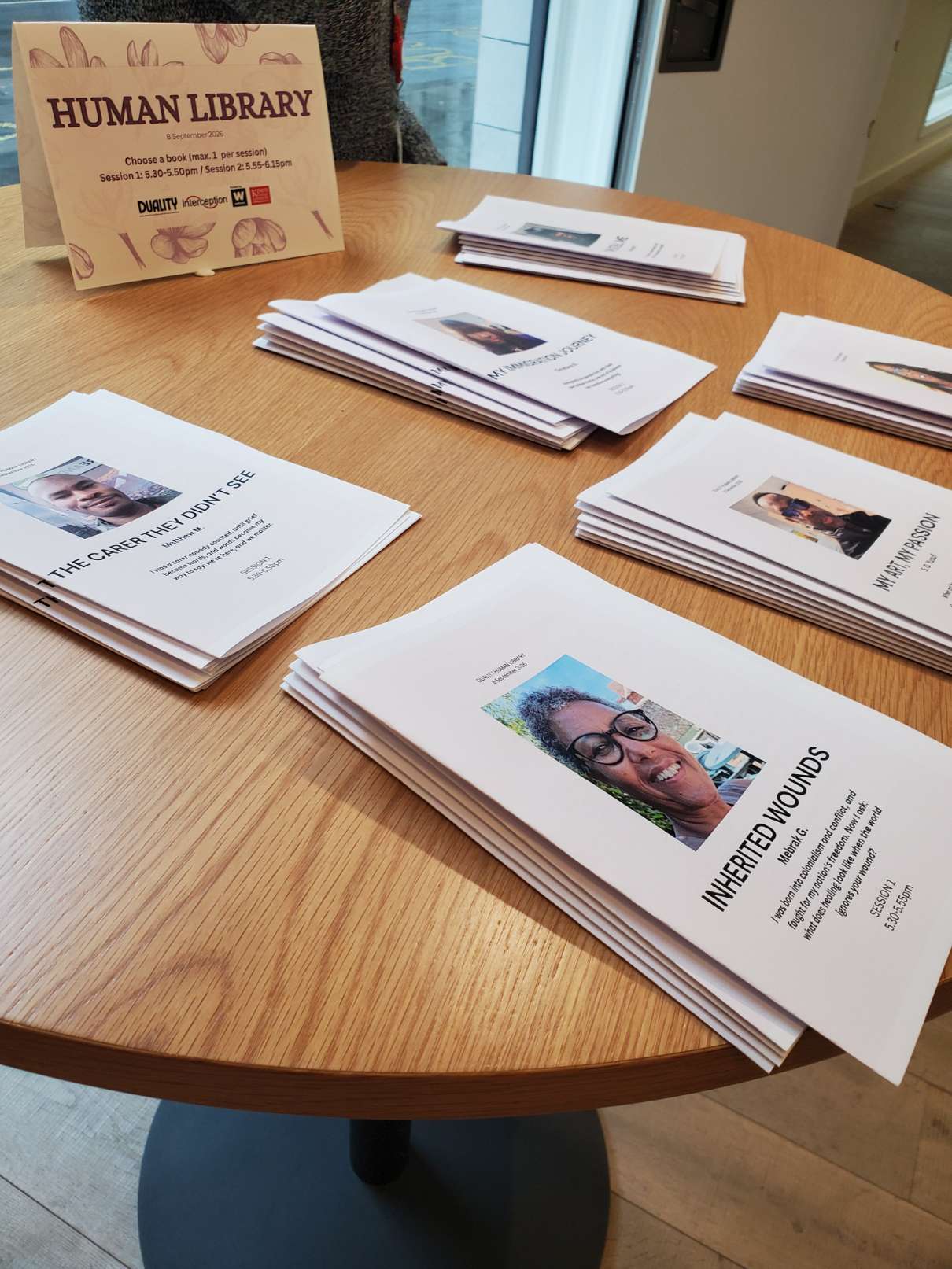
  • Human Library — Attendees could “borrow” Living Books for short conversations, hearing personal stories intended to build understanding, foster empathy and challenge assumptions. My Living Book was “The Carer They Didn’t See.”
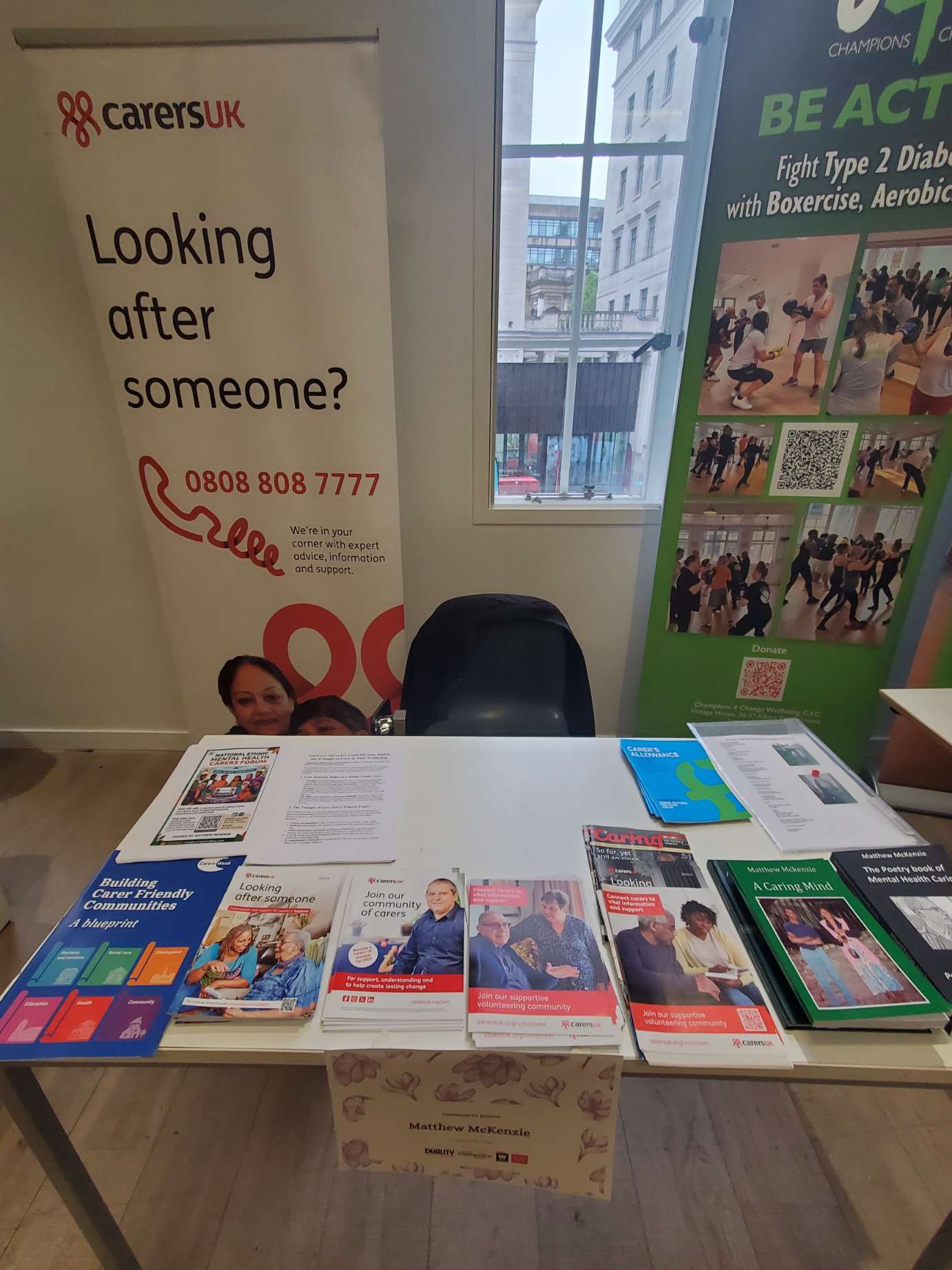
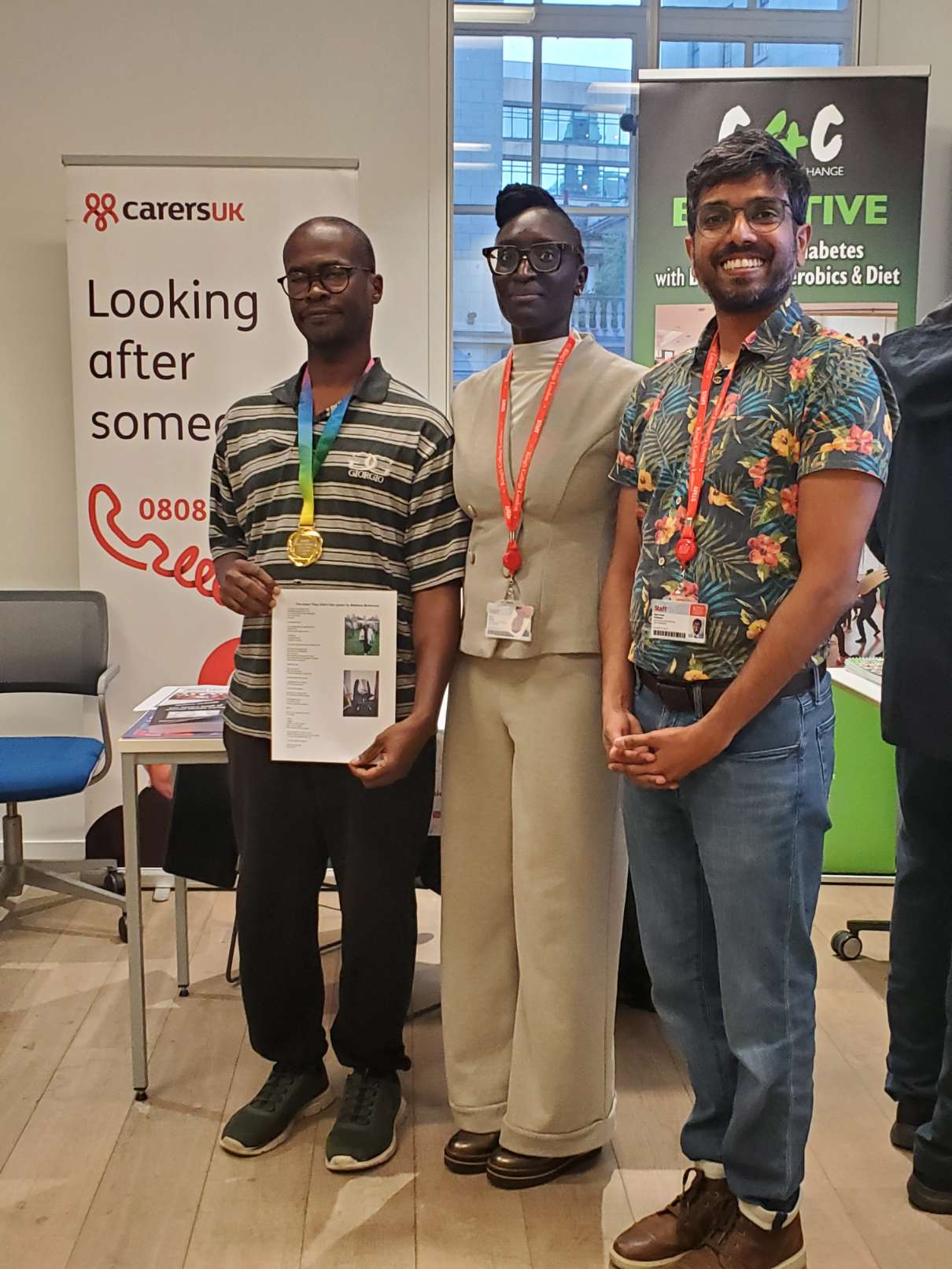
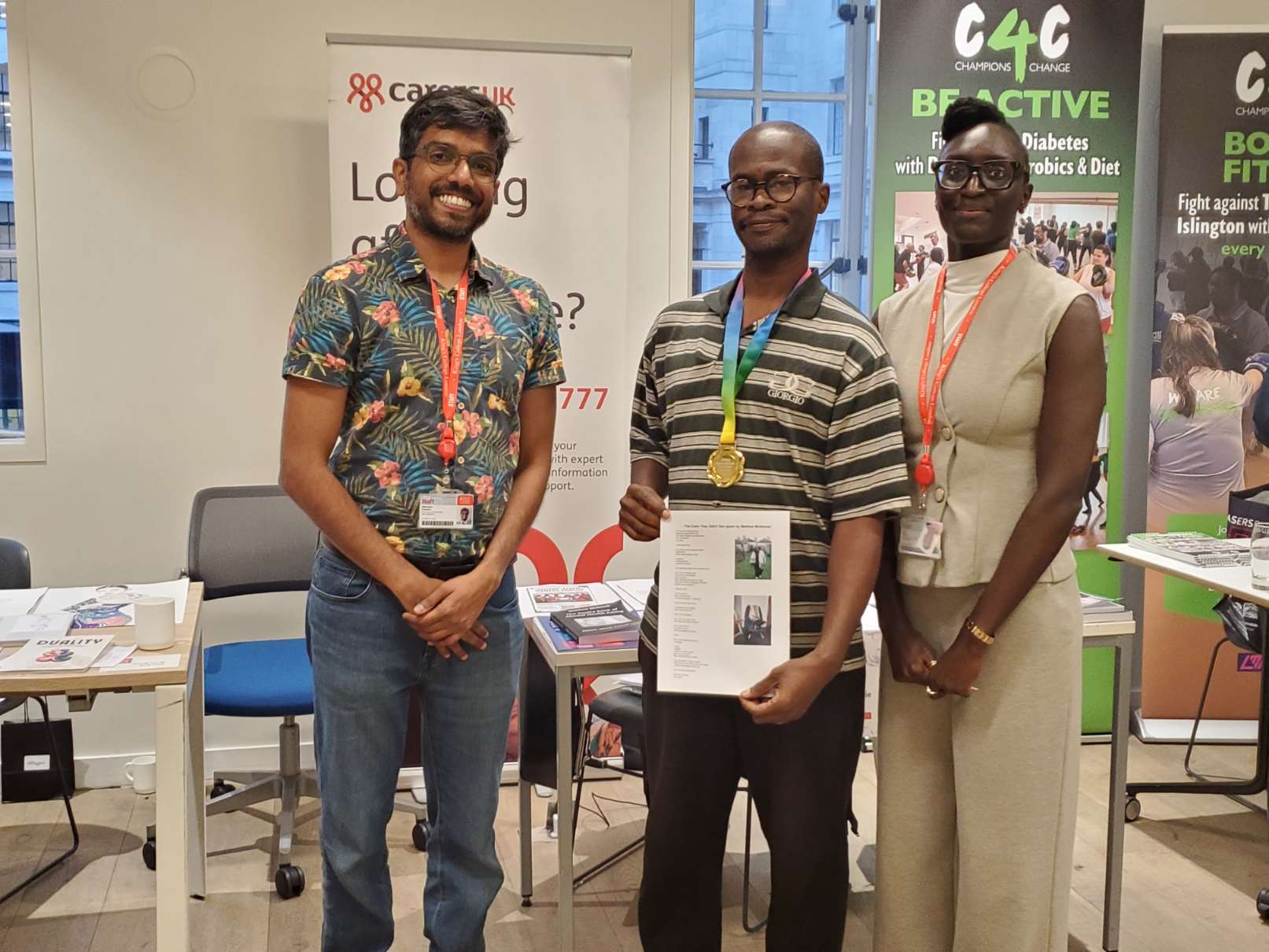
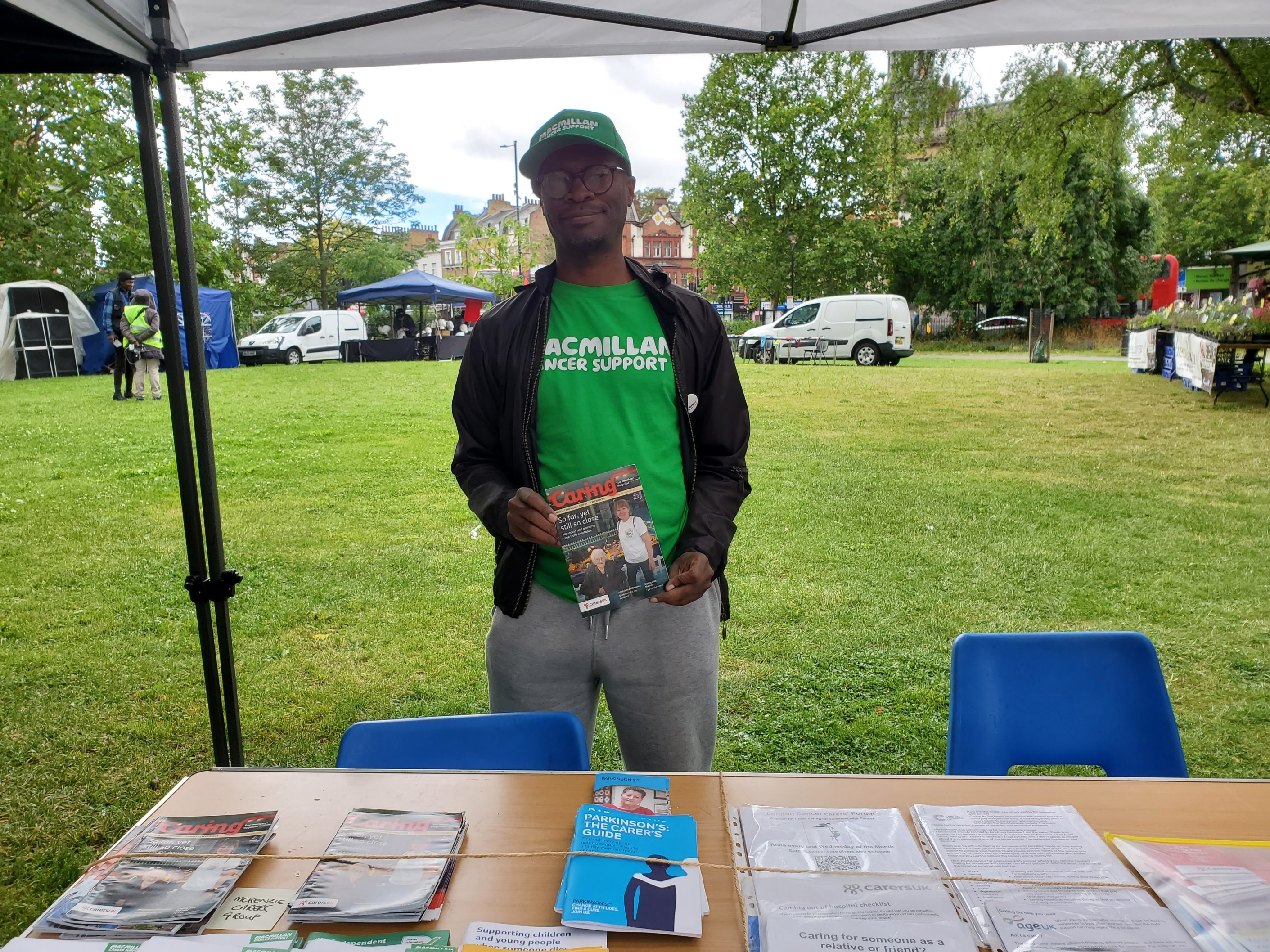
  • Community information booths — Organisations and community representatives provided information and resources. This was also where I supported the Carers UK stall.
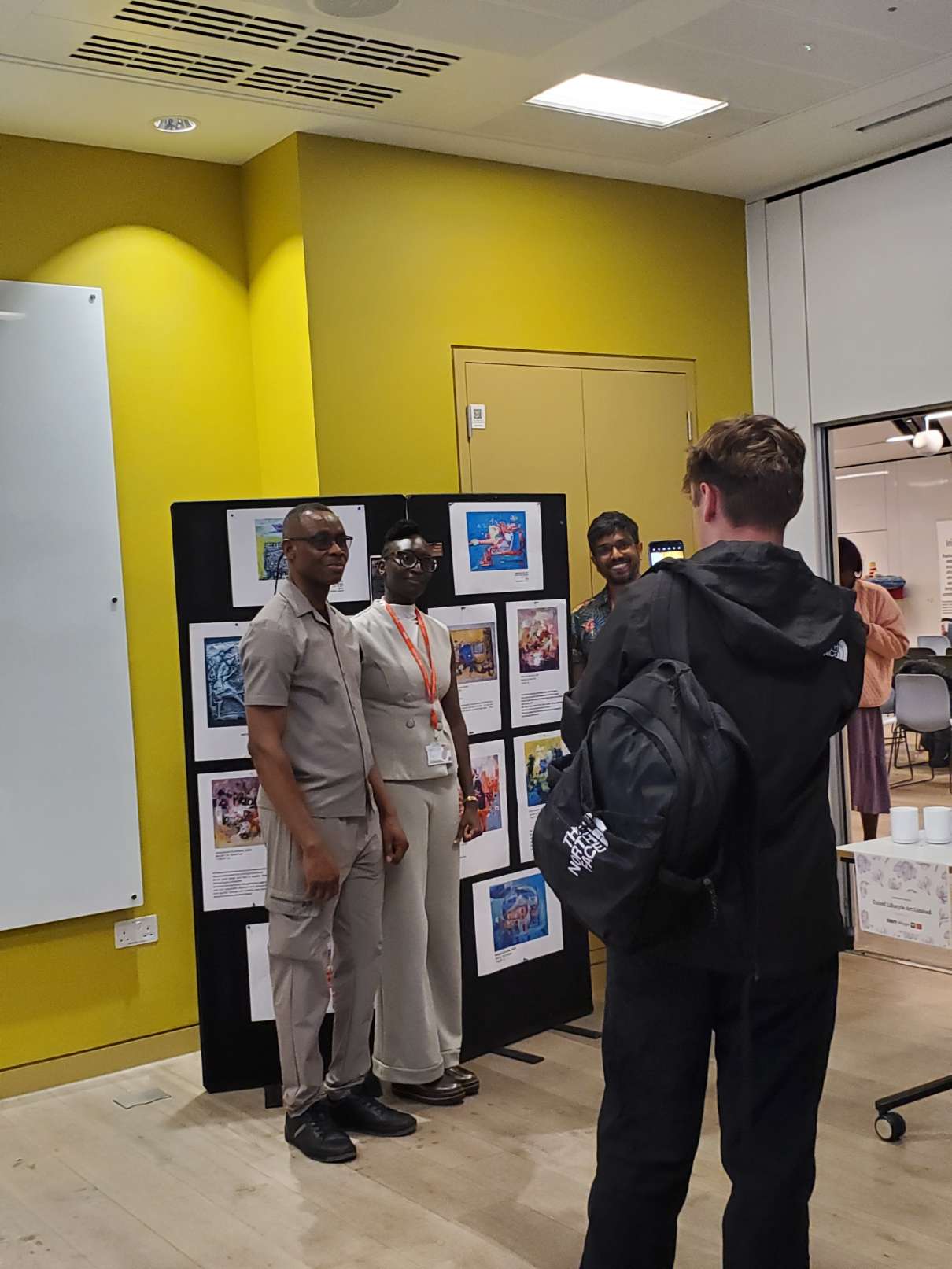
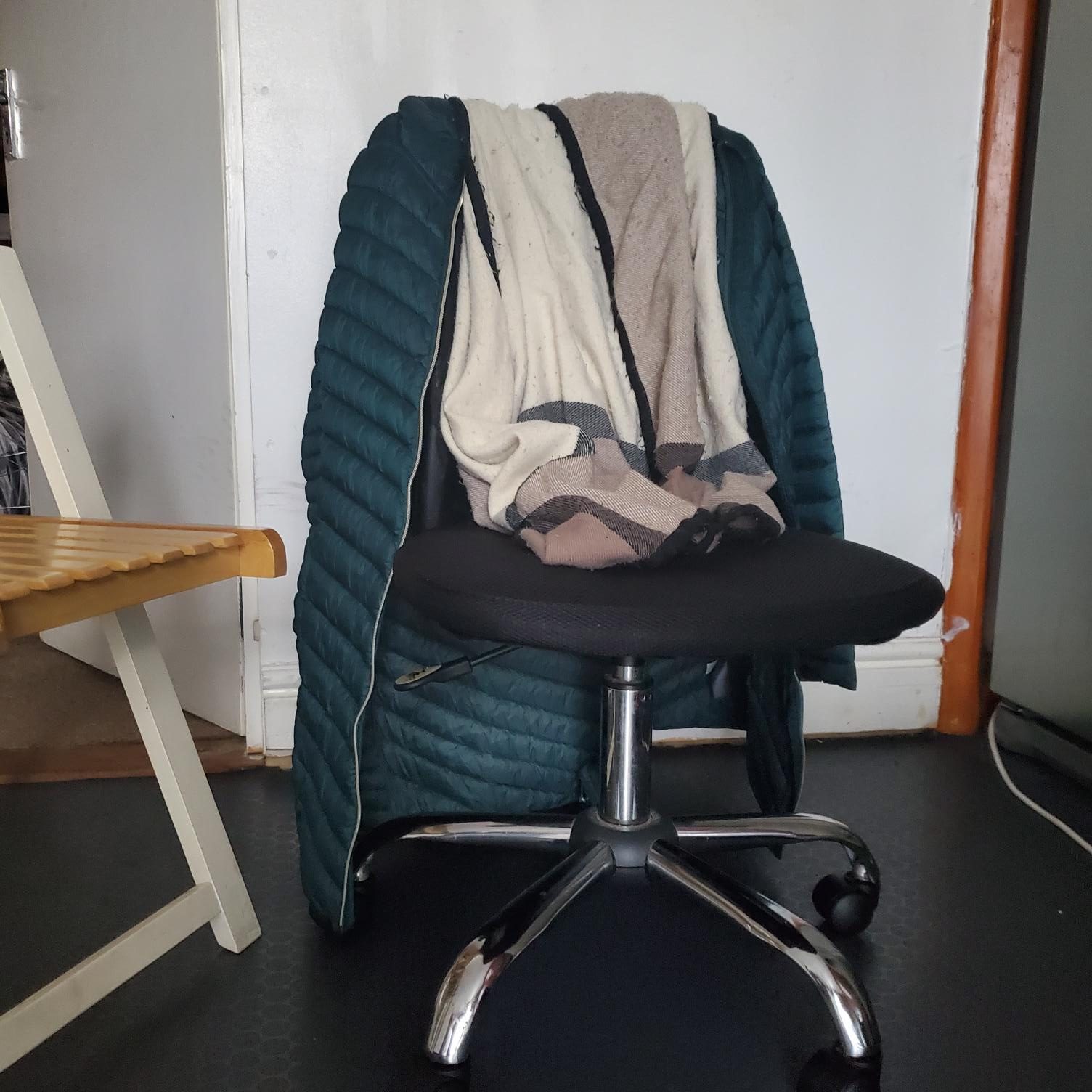
  • DUALITY Photography Exhibition — Photographs used visual storytelling to explore support, health, ageing and lived experience. My photograph “The Carer They Didn’t See” was included in the exhibition.
  • Photography Competition Awards — Winners of the DUALITY Photography Competition were announced, with “The Carer They Didn’t See” selected as one of the winning entries.
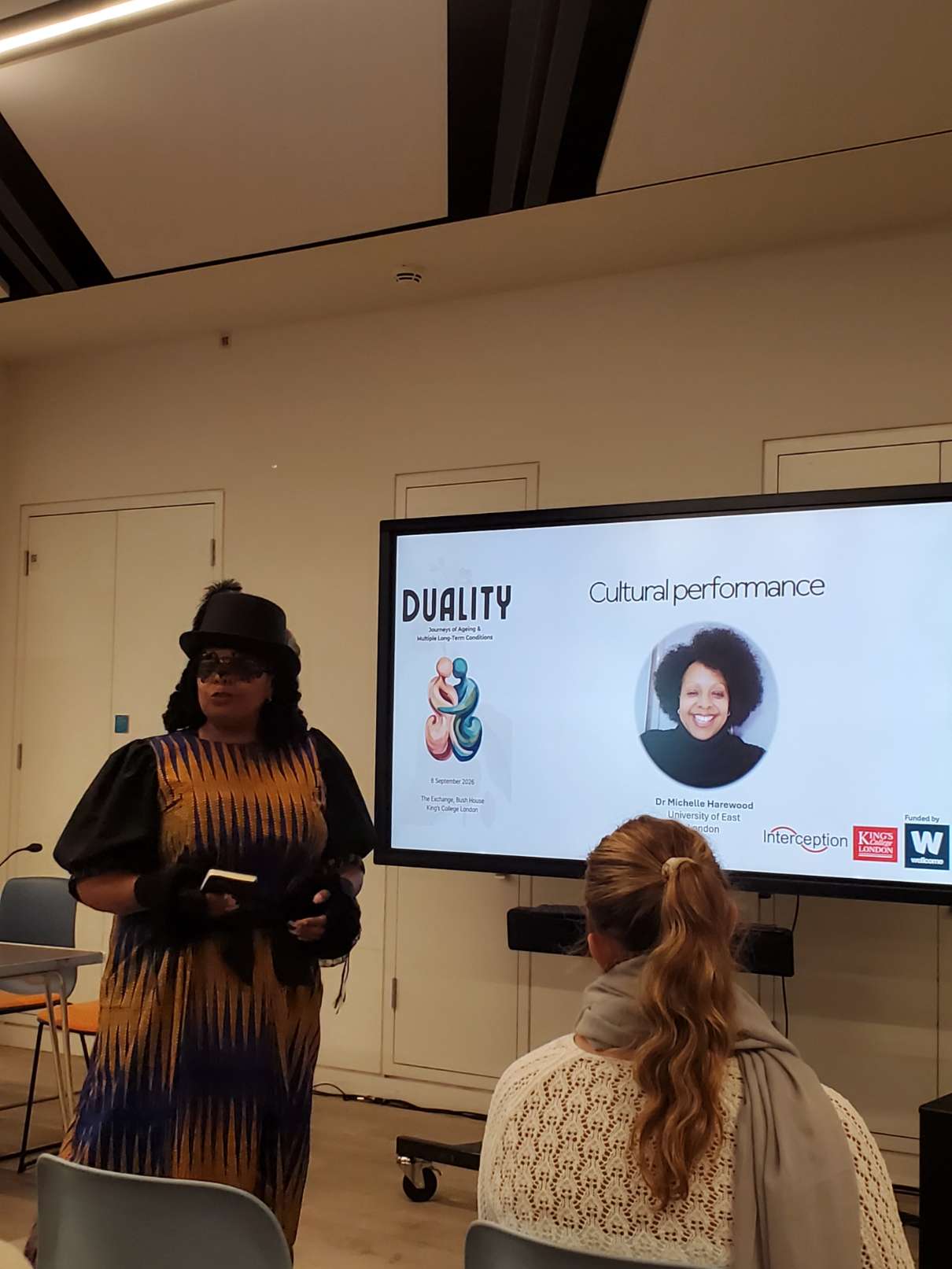
  • Creative performance — The programme included a creative lived-experience performance exploring identity, Caribbean heritage, racism, family, memory and culture.
  • Keeping Fit with Multiple Long-Term Conditions — This discussion brought professional and lived-experience perspectives together to explore chronic conditions, exercise, confidence and wellbeing.
  • Dinner and networking — The evening concluded with food and an opportunity for attendees, researchers, community groups and people with lived experience to connect.

This was quite a different event for me. I have attended many conferences, workshops and involvement events over the years as an unpaid carer, carer advocate and speaker. This time, however, I wasn’t simply attending or presenting.

I became a book.

More specifically, I became a Living Book as part of the event’s Human Library.

My title was:

The Carer They Didn’t See

And by the end of the evening, that title would take on another meaning I hadn’t expected.

What was the DUALITY event?

DUALITY brought together research, lived experience, creativity, photography, health and conversations about ageing and multiple long-term conditions.

What I particularly appreciated was the emphasis on people’s experiences rather than simply presenting research about people.

Throughout the event there were presentations, discussions, creative displays and opportunities for people to connect with one another.

I also ran the Carers UK Stall along with other things I use to raise unpaid carer awareness

Photography was also an important part of the project. Participants from different parts of the world had taken part in workshops exploring photography as a way of capturing support, people’s inner and outer worlds, ageing and multiple long-term conditions.

But one of the most interesting parts for me was the Human Library.

When people become books

The Human Library turns the idea of a conventional library on its head.

Instead of borrowing a book from a shelf, you borrow a person.

The organisers explained that the Human Library is intended to foster empathy, challenge prejudice and provide a safe space in which people can ask questions of someone they might not ordinarily meet. Visitors browse the available titles and then spend a short period listening to that person’s story and having a conversation with them.

There were several Living Books available, each representing very different experiences.

My book was called The Carer They Didn’t See.

My short description read:

“I was a carer nobody counted, until grief became words, and words became my way to say: we’re here, and we matter.”

That sentence says a great deal about why I continue campaigning around unpaid carers.

For years I supported my mother, who lived with serious mental illness. Like many unpaid carers, much of what I did happened quietly and behind closed doors.

There was no uniform.

There was no job title.

Often there wasn’t even recognition that I was a carer.

Yet the responsibility was very real.

Being “read”

Being a Living Book is quite different from giving a presentation.

When presenting at a conference, I usually have slides, a topic and a limited amount of time in which to make particular points.

The Human Library was much more personal.

Someone chooses your “book” because something about its title interests them. They sit with you, listen and can ask questions.

That creates a different kind of conversation.

It also made me think about how powerful lived experience can be when people are given the space not merely to tell their story, but to have somebody genuinely listen to it.

The organisers themselves acknowledged that hearing stories we would not normally encounter can sometimes be challenging and thanked the Living Books for making the time and space for those conversations.

For unpaid carers, I think that is particularly important.

We spend a great deal of time discussing services, policies, strategies and systems. Those things matter enormously.

But behind every carer statistic is a human story.

The photograph of an unseen carer

There was another part of the event that became especially significant for me.

I had also entered a photograph into the DUALITY community photography competition.

The photograph looks deceptively simple.

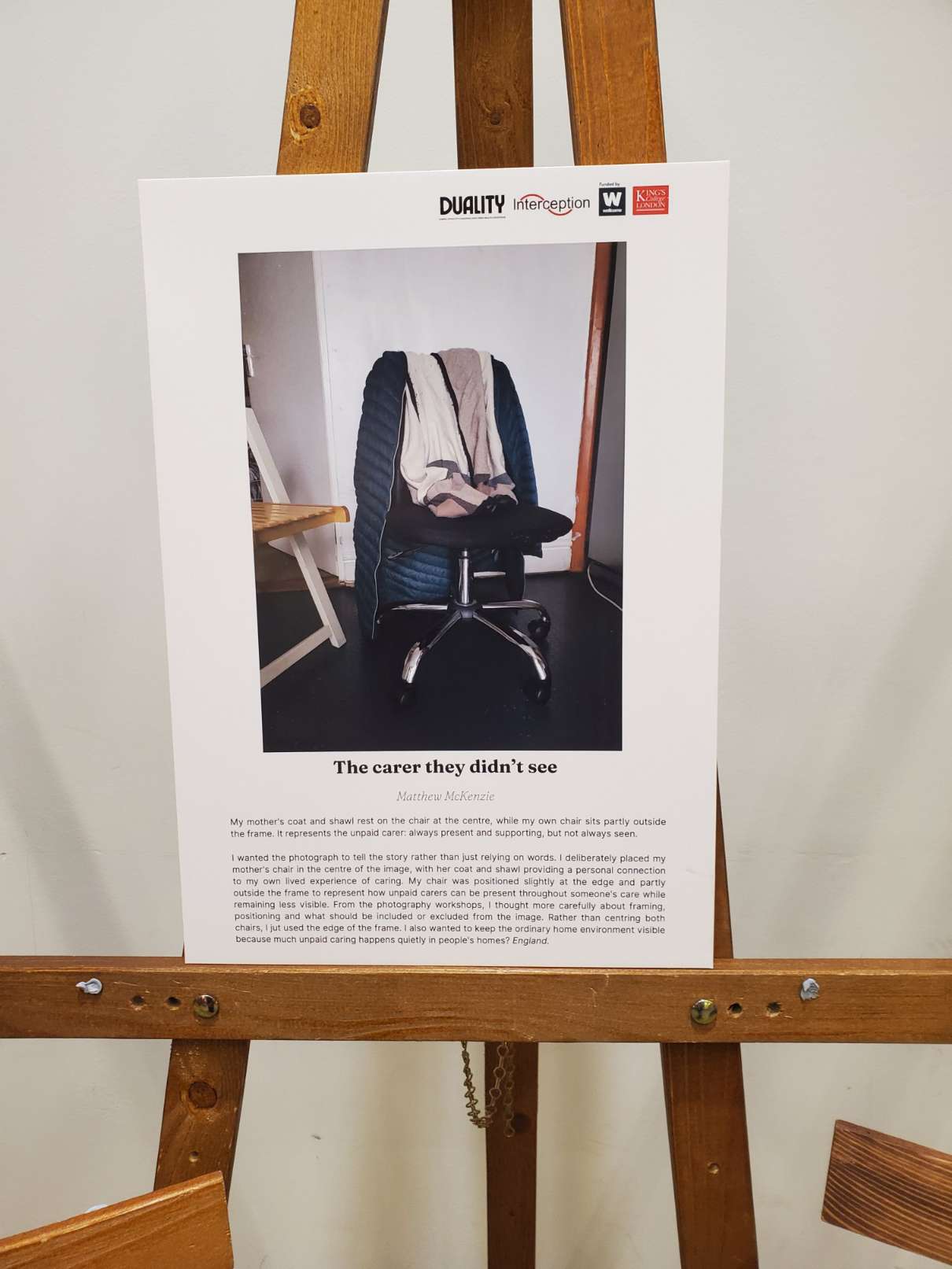
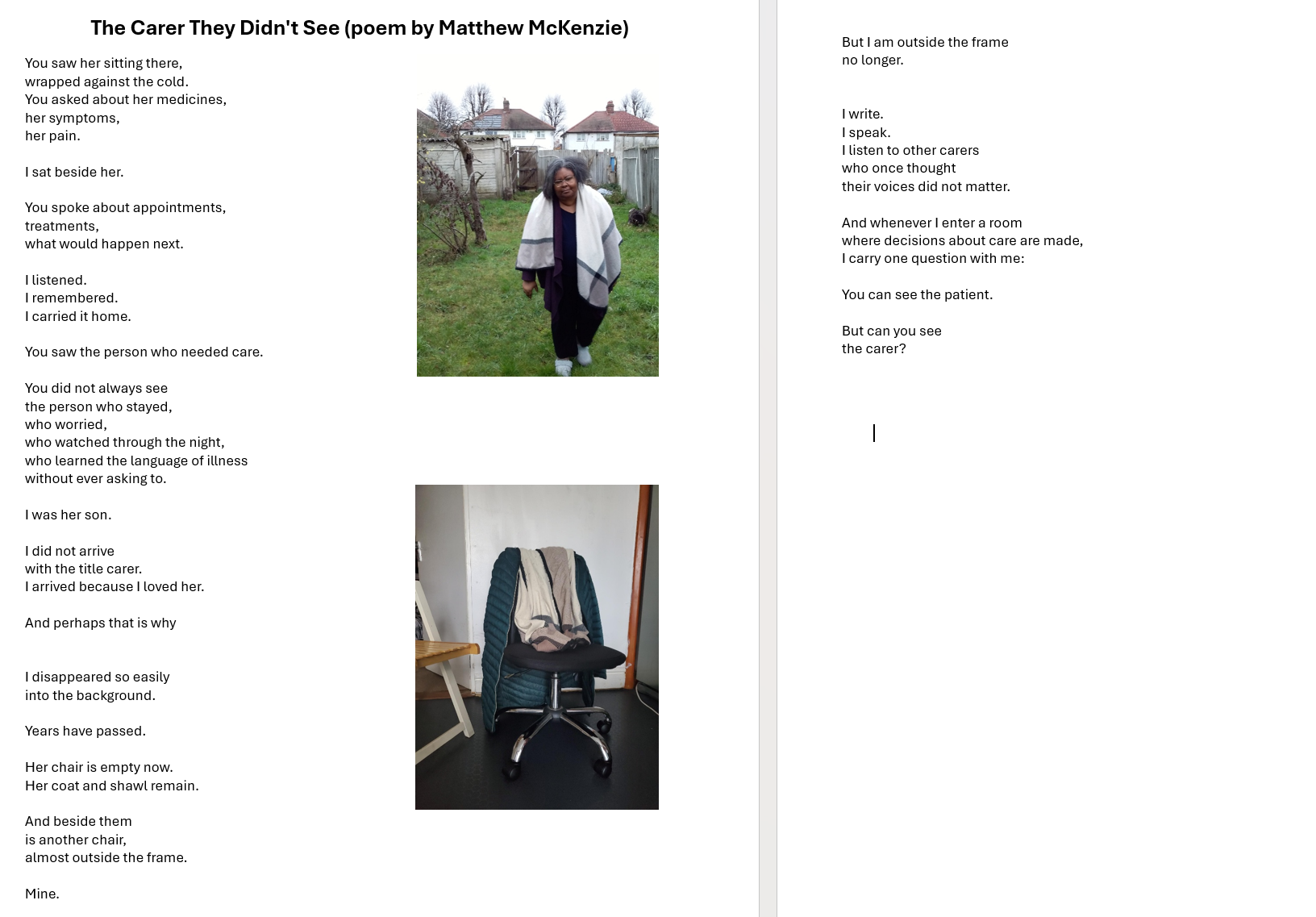
It shows my mother’s coat and shawl resting on a chair. My own chair sits partly outside the frame.

That positioning was deliberate.

My mother’s chair occupies the centre because she was the person receiving support. My own chair sits towards the edge because I wanted to represent something that many unpaid carers experience:

We are always there, but we are not always seen.

I also deliberately kept the ordinary home environment visible.

Caring doesn’t only happen in hospitals, clinics and professional environments.

A huge amount of caring happens quietly in people’s homes.

There may be no audience to see the difficult nights, the worry, advocacy, appointments, emotional support or constant vigilance.

But the carer is there.

When photography becomes lived experience

One thing I enjoyed about the photography project was learning that a powerful photograph doesn’t necessarily require expensive equipment or an elaborate setting.

The workshops explored techniques including framing, symbolic composition, symmetry, colour and other approaches to visual storytelling.

For me, however, the emotional meaning of the photograph mattered most.

The coat and shawl belonged to my mother.

The empty chair therefore represents much more than furniture.

It connects the photograph directly to my own experience of caring, bereavement and the work I now do to raise awareness of unpaid carers.

During the judging discussion, I was delighted to hear The Carer They Didn’t See specifically mentioned as one of the photographs demonstrating different dimensions of support.

I wasn’t expecting what happened next.

Winning the DUALITY Photography Competition

When the winners were announced, my name was called.

The Carer They Didn’t See had been selected as one of the winning entries.

I received a medal engraved:

WINNER
Matthew McKenzie
Duality Photo Competition
2026

I was very surprised.

I won a four-week personal training block with a coach at the King’s Sports and Wellness Centre in Waterloo.

For me, though, the most meaningful prize was the recognition of the story behind the photograph.

It meant that an image representing an unpaid carer’s experience had been noticed.

And perhaps there is some irony in that.

I created a photograph called The Carer They Didn’t See.

And people saw it.

Listening to other lived experiences

The evening was certainly not only about my own story.

One of the strengths of DUALITY was hearing from people with very different experiences.

There was discussion about musculoskeletal conditions, multiple long-term conditions, physical activity, persistent pain and the importance of taking a more holistic approach to people’s health.

I was particularly struck by the lived-experience discussion about fibromyalgia.

One speaker described how developing chronic pain changed her life and even affected her sense of identity. She spoke about a long and frustrating journey through healthcare before receiving a diagnosis, and about sometimes feeling that her symptoms were being questioned or invalidated.

She also described how movement and supported exercise helped her reconnect with her body, understand her limits and rebuild confidence.

One comment particularly fitted the wider theme of the evening: we often cannot see what another person is experiencing.

Invisible conditions and invisible caring have something important in common.

Culture, identity and memory

Another powerful part of the evening explored culture, memory and identity.

We heard personal reflections on growing up in London’s East End, experiences of racism, Caribbean heritage, family, music and the ways culture can become a source of strength and protection.

That fitted beautifully with the idea of DUALITY.

From grief into creativity

Since losing my mother, I have increasingly used writing, poetry, blogging and other creative approaches to explore my experiences of unpaid caring.

Creativity allows me to communicate things that sometimes don’t fit neatly into a presentation or policy document.

A photograph can do the same thing.

A chair.

A coat.

A shawl.

An empty space.

For somebody else, these may simply be everyday objects.

For me they contain memories of caring.

And when placed together within a frame, they say something about the millions of unpaid carers whose contribution can remain just outside society’s field of vision.

Recognition as a Living Book

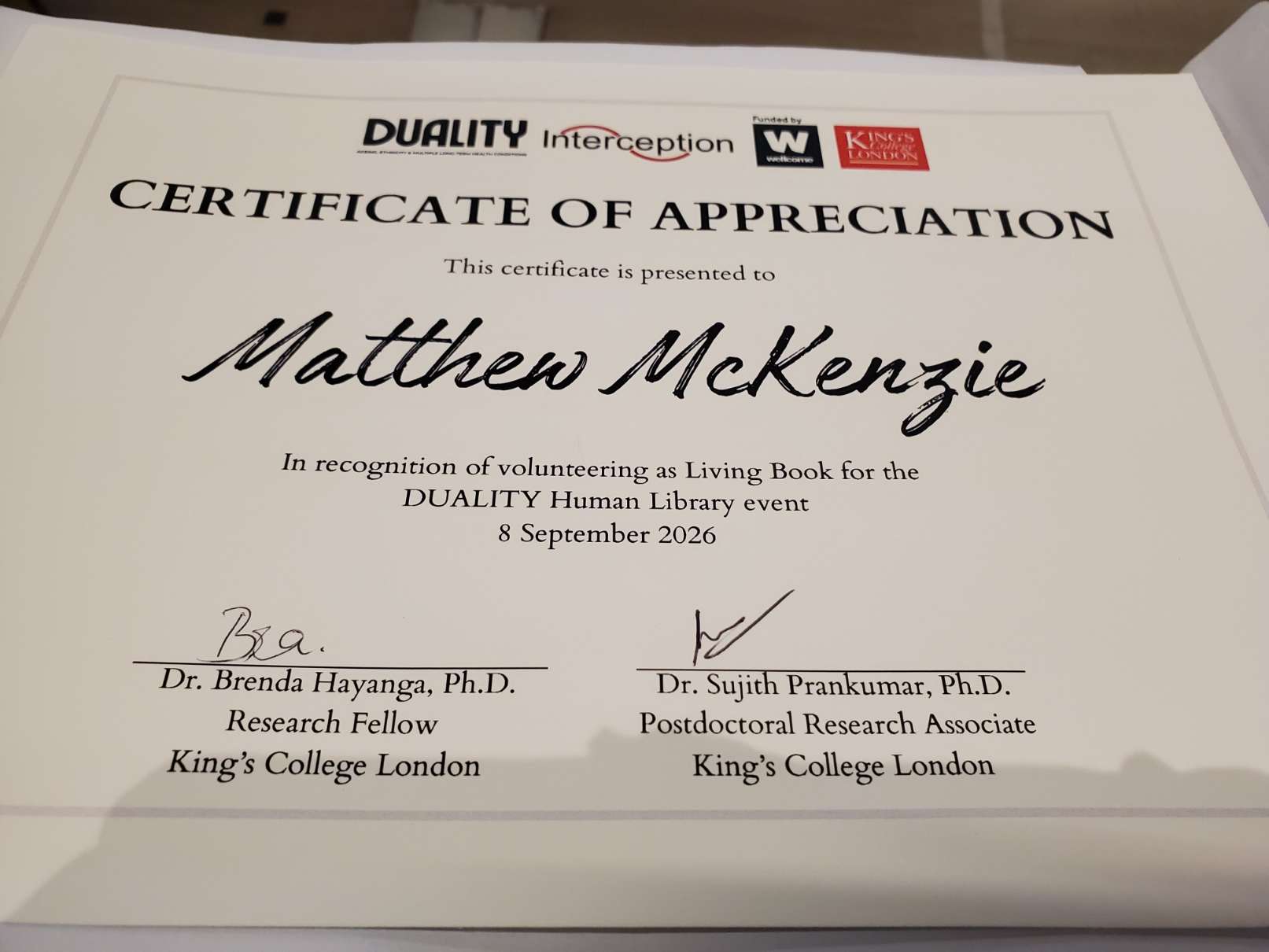
I was also very grateful to receive a Certificate of Appreciation recognising my contribution as a Living Book at the DUALITY Human Library.

That certificate and the photography medal represent two quite different parts of the same day.

One recognises telling a story.

The other recognises showing a story.

Both were ultimately about lived experience.

The carer they finally saw

I left King’s College London thinking again about the title I had chosen:

The Carer They Didn’t See.

For many years, that description could have applied to me.

It could still apply to countless unpaid carers today.

They may be sitting beside someone in hospital.

They may be managing a crisis at home.

They may be trying to navigate mental health services.

They may be a son, daughter, parent, sibling, partner, friend or neighbour.

And sometimes they don’t even recognise themselves as carers.

Events such as DUALITY provide another way of making those experiences visible.

But people’s stories matter too.

I went to King’s College London expecting to share mine as a Human Book.

I didn’t expect to leave wearing a gold medal for a photograph inspired by that same caring journey.

Perhaps that is why the day meant so much to me.

For once, “The Carer They Didn’t See” was seen.

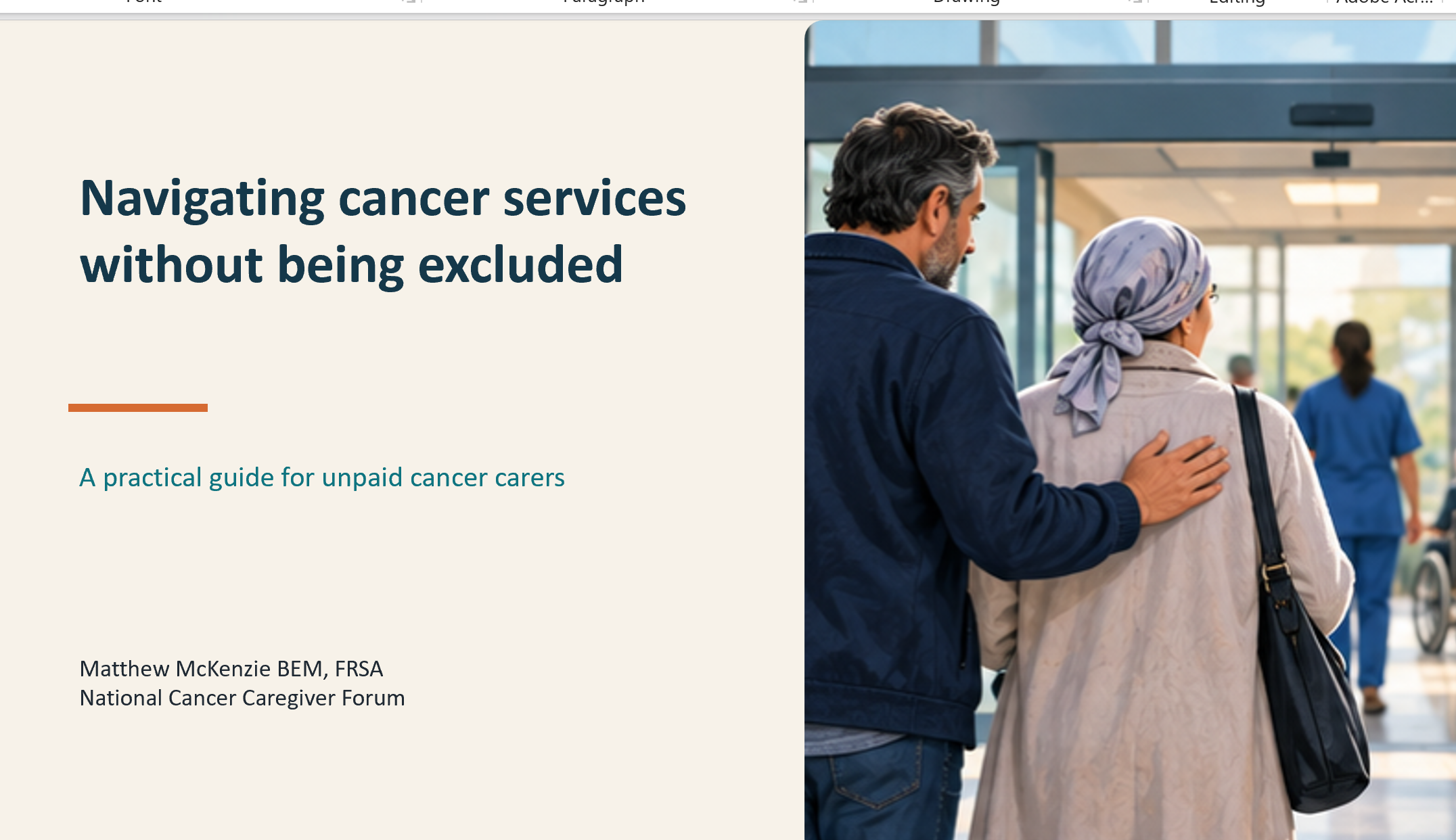
National Cancer Caregiver Forum – August 2026 update

By Matthew McKenzie – Facilitator of Cancer Caregiver group

It has been a long while since I published a full update from my National Cancer Caregiver Forum. Although I have continued working to raise awareness of unpaid cancer caregiving, this latest meeting reminded me why the forum remains so necessary.

The National Cancer Caregiver Forum provides an online space for people caring for someone affected by cancer, former carers, researchers and organisations interested in improving support. It combines peer support with engagement, research and opportunities to influence cancer services.

Why cancer caregivers still need a voice

I opened the forum by reflecting on the shortage of dedicated groups for unpaid cancer carers. There are many services and support groups for people receiving cancer treatment, as there should be, but far fewer spaces focused specifically on the partners, relatives and friends supporting them.

Some dedicated cancer carer groups have disappeared because funding ended, while others have struggled to reach carers. This does not mean the need has disappeared. Cancer caregivers are often supporting someone through appointments, treatment, recovery, recurrence or end-of-life care while also managing employment, children, household responsibilities and their own emotional wellbeing.

Unlike some longer-term caring roles, cancer caregiving can begin very suddenly. A diagnosis can quickly change someone’s relationships, responsibilities, finances and plans for the future.

Many people also do not identify with the word “carer”. They may say, “I am their husband,” “I am their wife,” or “I am their daughter.” Those relationships remain important, but recognising the additional caring role can open the door to information, carers’ assessments, local carer services and support from a GP practice.

My presentation on the cancer caregiving journey

I delivered a short presentation setting out a roadmap of what an unpaid cancer caregiver may experience. I emphasised that cancer affects more than the person receiving the diagnosis. It also affects the people providing transport, emotional reassurance, advocacy, medication support, practical care and coordination between different services.

Carers need clear information about what is happening, what warning signs to look out for, who to contact when something changes and what may happen next. Without this information, people can be left frightened that they might overlook something important.

Confidentiality must always be respected, but it should not become a blanket reason for excluding carers from every conversation. Professionals can still listen to information from a carer and provide general guidance about services, warning signs and sources of help. Information should also be given in plain language, because people under severe stress may not remember everything the first time it is explained.

The emotional impact of cancer caregiving can be hidden. Carers may feel they must remain strong for their loved one while privately experiencing fear, exhaustion, isolation or guilt. They may feel guilty about needing time away, becoming frustrated or thinking about their own wellbeing. Support should not automatically disappear when active treatment finishes, because uncertainty and the consequences of the caring experience may continue.

I also highlighted how culture, ethnicity, gender, sexuality, age, disability, income and digital exclusion can affect whether someone is recognised and supported. Male partners may be less likely to identify as carers, people from minority ethnic communities may experience barriers involving trust or culturally appropriate support, and LGBTQ+ partners may encounter assumptions about their relationships or family structures.

Good support asks rather than assumes.

University of Hertfordshire research

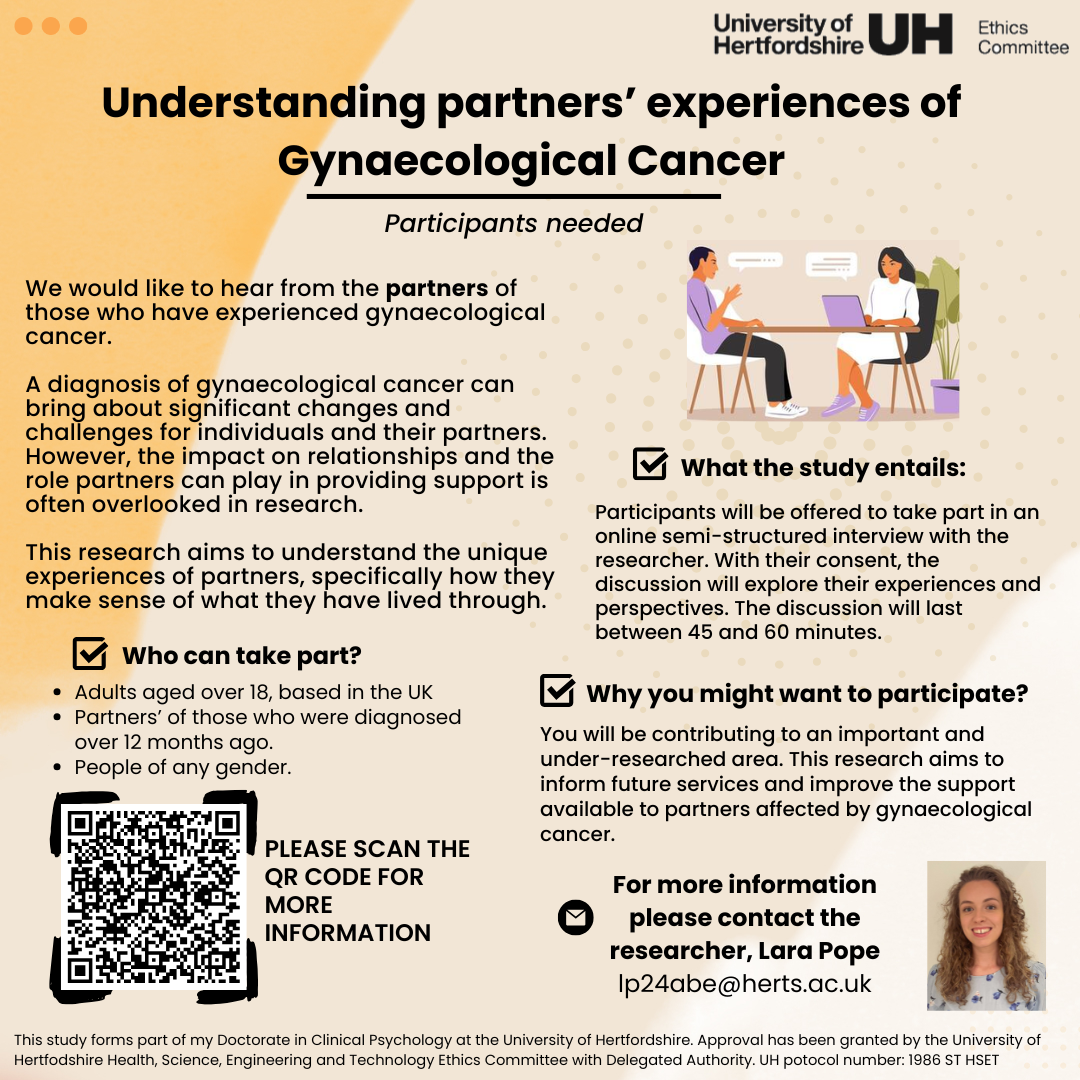
We then heard from Lara, a trainee clinical psychologist at the University of Hertfordshire. Her doctoral research is exploring the experiences of people whose partners have been affected by gynaecological cancer.

Lara explained that while there is research focused on people diagnosed with cancer, considerably less is known about how partners experience diagnosis, treatment and life afterwards. Her interest is also informed by her family’s experience of recurrent gynaecological cancer.

The research covers experiences connected with ovarian, cervical, womb or endometrial, vaginal and vulval cancers. It may explore changing responsibilities, fertility, intimacy, body image, emotional wellbeing and the accessibility of support. Participation is open to eligible partners from different backgrounds and relationships, including members of LGBTQ+ communities.

Participants would take part in an online interview lasting approximately 45 to 60 minutes. Information would be anonymised, and participants could withdraw if the conversation became too difficult. A £20 voucher is offered as thanks for taking part, or the participant can choose for £20 to be donated to a selected gynaecological cancer charity.

Lara hopes the findings will help services understand what partners actually need instead of making assumptions. Recruitment has been challenging, partly because this is a sensitive and often stigmatised subject, but that difficulty further demonstrates why the research matters.

Healthwatch Lewisham’s carers project

Hannah from Healthwatch Lewisham joined us to explain its role in championing the independent voices of local people using health and social care services. Healthwatch gathers patient and carer experiences, provides signposting and advocacy, and uses evidence to influence services, commissioners and decision-makers.

Healthwatch Lewisham is contributing to a wider carers project involving four Healthwatch organisations across London. A questionnaire is being developed to understand what is working for carers, where support is failing and what needs to change.

Hannah explained that the wording and tone of the questions are important. This cannot be treated simply as a data-collection exercise because the answers concern people’s lives, relationships and often painful experiences. Some people will be comfortable completing a questionnaire independently, while others may prefer to talk through their experiences.

The findings will be shared with organisations including GP practices, hospitals, NHS bodies and integrated care boards. The aim is to promote good practice while challenging areas where carers repeatedly report that support is missing.

Healthwatch Lewisham also offered to help publicise Lara’s research through its website, social media and links with other Healthwatch organisations. Possible connections with local services, including St Christopher’s, were discussed, along with the value of the Cancer Care Map for finding nearby cancer support.

Building the forum again

This meeting showed the importance of bringing lived experience, research and community organisations together. It also exposed a continuing gap: cancer caregivers are doing vital work, but many remain poorly identified, inadequately informed and unable to find others facing similar circumstances.

Hospitals, cancer alliances, GP practices, carer centres, charities and social prescribers all have a role in helping people recognise themselves as carers and find support before they reach crisis point. Services should routinely ask:

Who is providing support at home? What does that person need to know? How is caring affecting them? Have they been told where to find independent support? How will they be involved as circumstances change?

The National Cancer Caregiver Forum will continue to provide a space for these conversations. Attendance may take time to build, but the evidence from this meeting is clear: the need exists.

I would like to thank everyone who attended and contributed, particularly the carer who shared his personal experience. Lived experience is what gives this forum its purpose and helps researchers and organisations understand what caring for someone with cancer is really like.

The forum usually meets online on the last Wednesday of each month. I welcome unpaid cancer carers, former carers, researchers, cancer professionals and organisations that want to listen, contribute and help strengthen support.

The National Cancer Caregiver Forum is still a work in progress, but it is also a space I remain determined to develop.

Carers Week 2026 Round-Up

By Matthew McKenzie – Carer, Campaigner, Author and Speaker

5 June 2026 – Supporting Kent County Council’s Carer Awareness Campaign

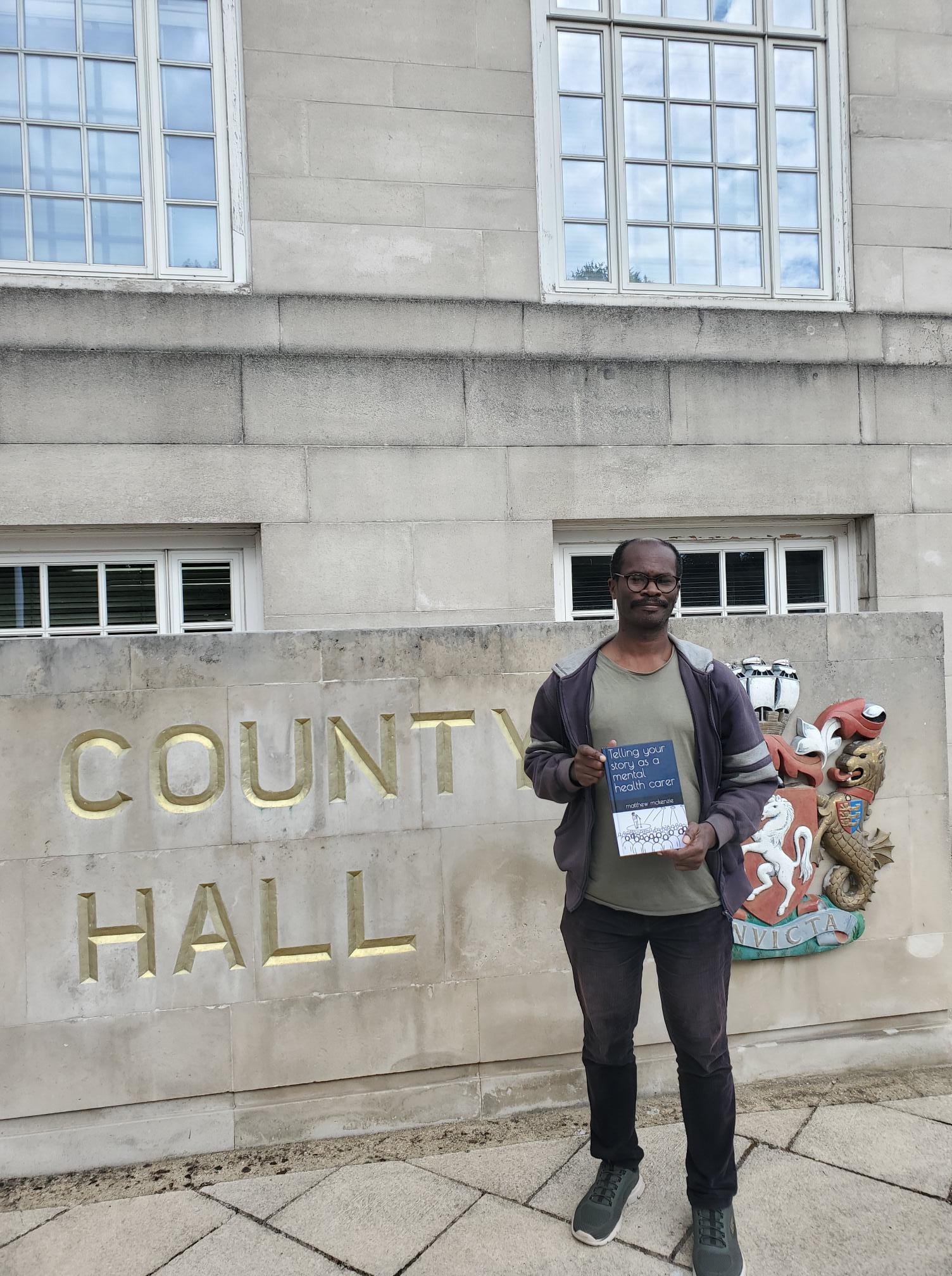
Although not officially part of Carers Week, my activities with Kent County Council formed an important part of my ongoing commitment to raising awareness of unpaid carers. I supported the county’s long-term carer awareness campaign by taking part in filming designed to help train council staff to better recognise and support carers.

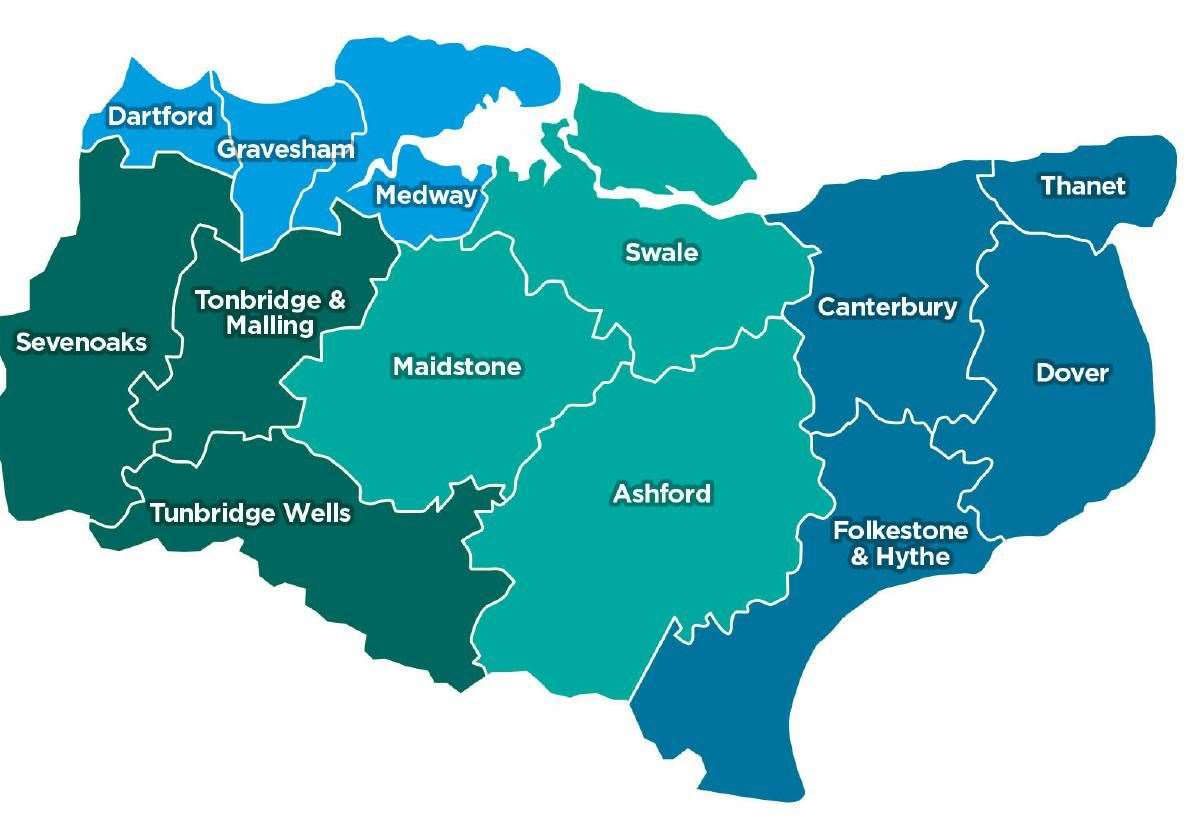
I also discussed future opportunities to speak at Kent County Council carer groups and continued promoting my own support groups across the county. It was encouraging to see local government investing in carer awareness and recognising the importance of ensuring carers are identified, valued and supported within their communities.

9 June 2026 – Developed Video promotion for Carers Week 2026

I did my bit to raise awareness of Carers Week 2026 via a video I developed, which you can see below.

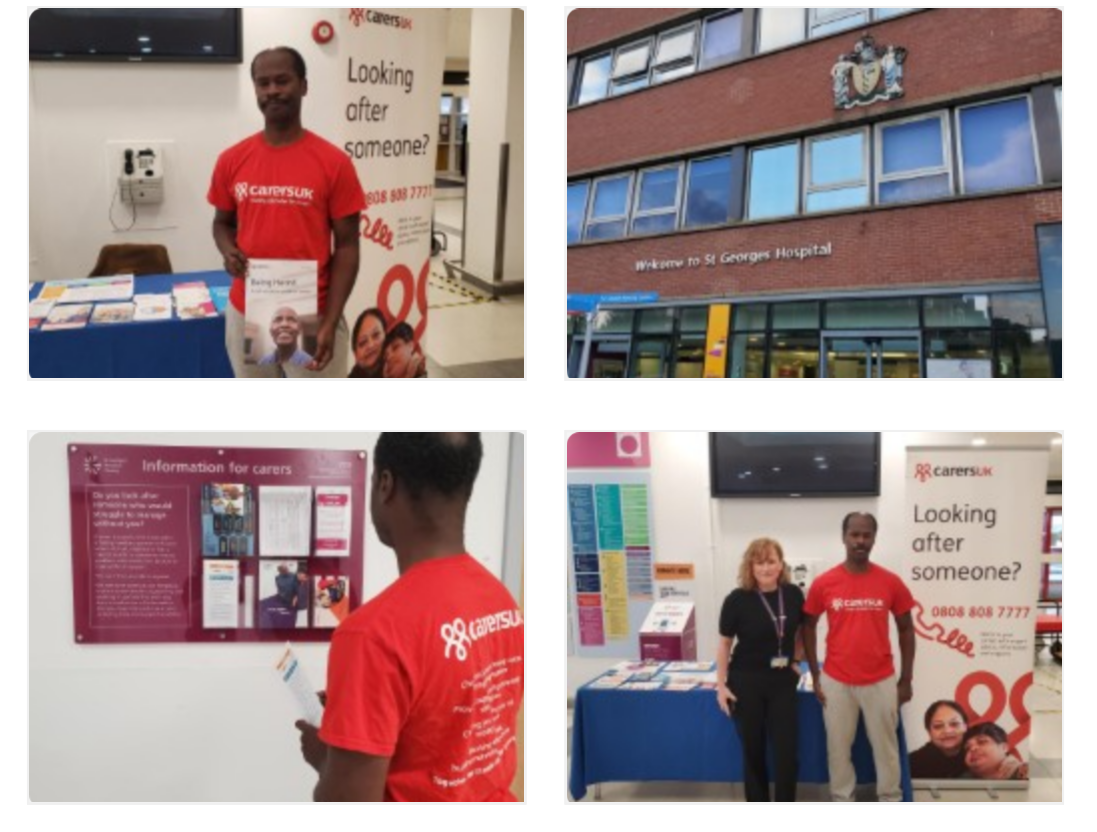
8 June 2026 – Carers Week Stall at St George’s University Hospital

Carers Week officially began with a rewarding day at St George’s University Hospital, where I hosted a Carers UK information stall. The event provided an opportunity to engage directly with unpaid carers, patients, hospital staff and visitors, sharing information about the support available to carers both locally and nationally.

I was particularly pleased to see the hospital’s dedicated carers information board, which demonstrated a clear commitment to recognising and supporting unpaid carers. Throughout the day, I spoke with many people who were caring for family members and helped raise awareness of carers’ rights, available services and the importance of seeking support. It was a positive start to Carers Week and highlighted the vital role healthcare settings can play in identifying and supporting carers.

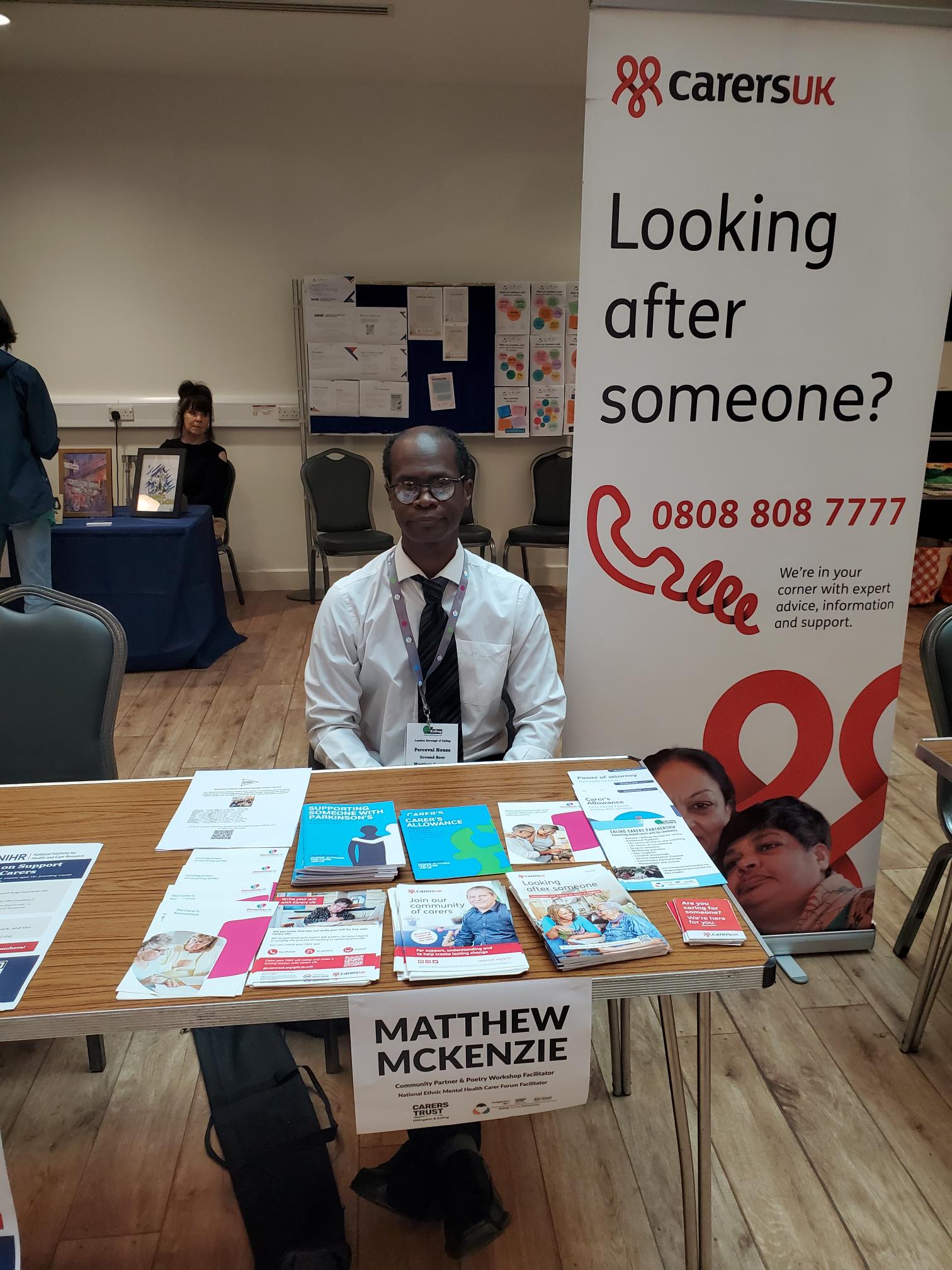
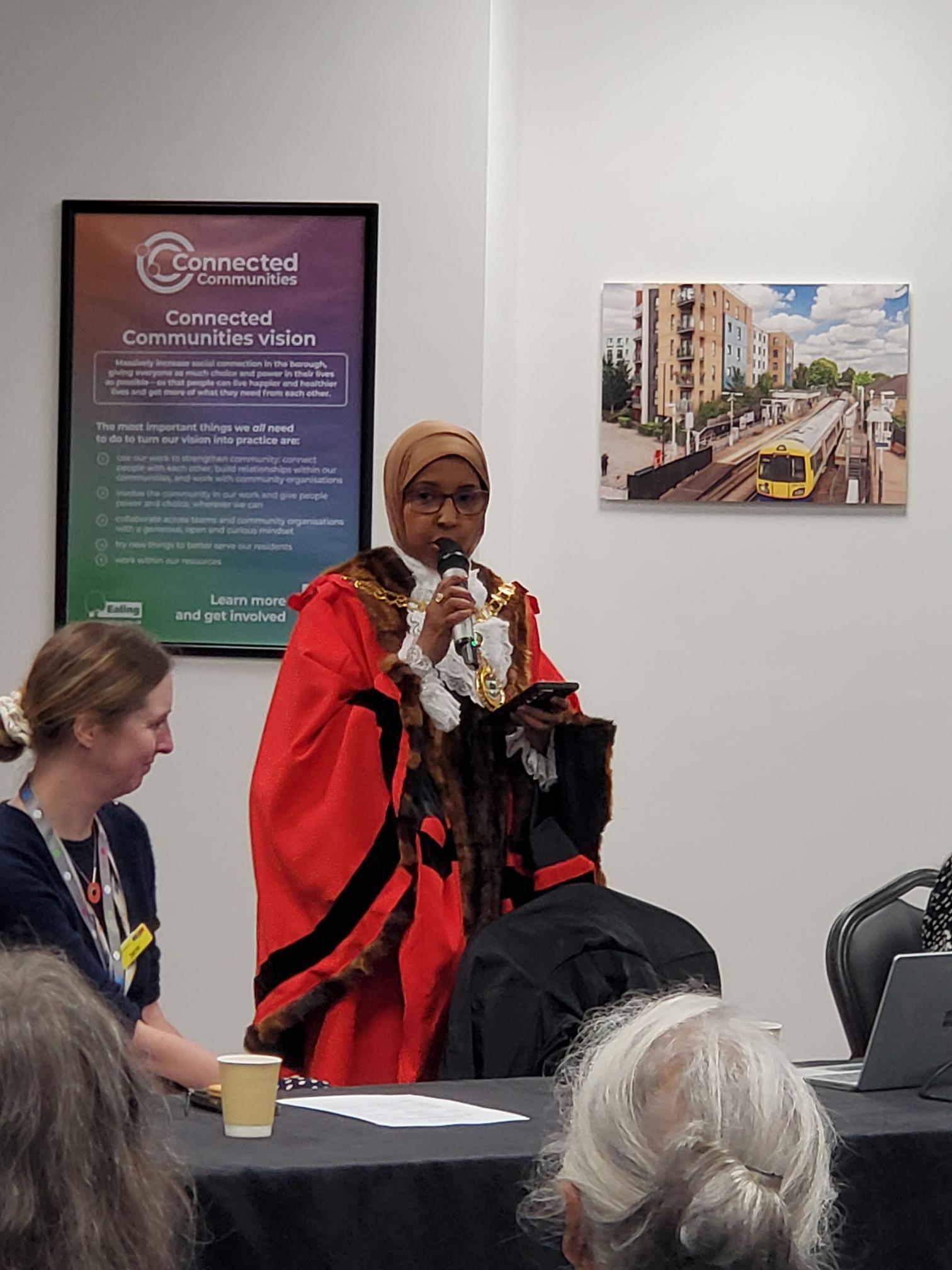
10 June 2026 – Ealing Carers Week Celebration at Perceval House

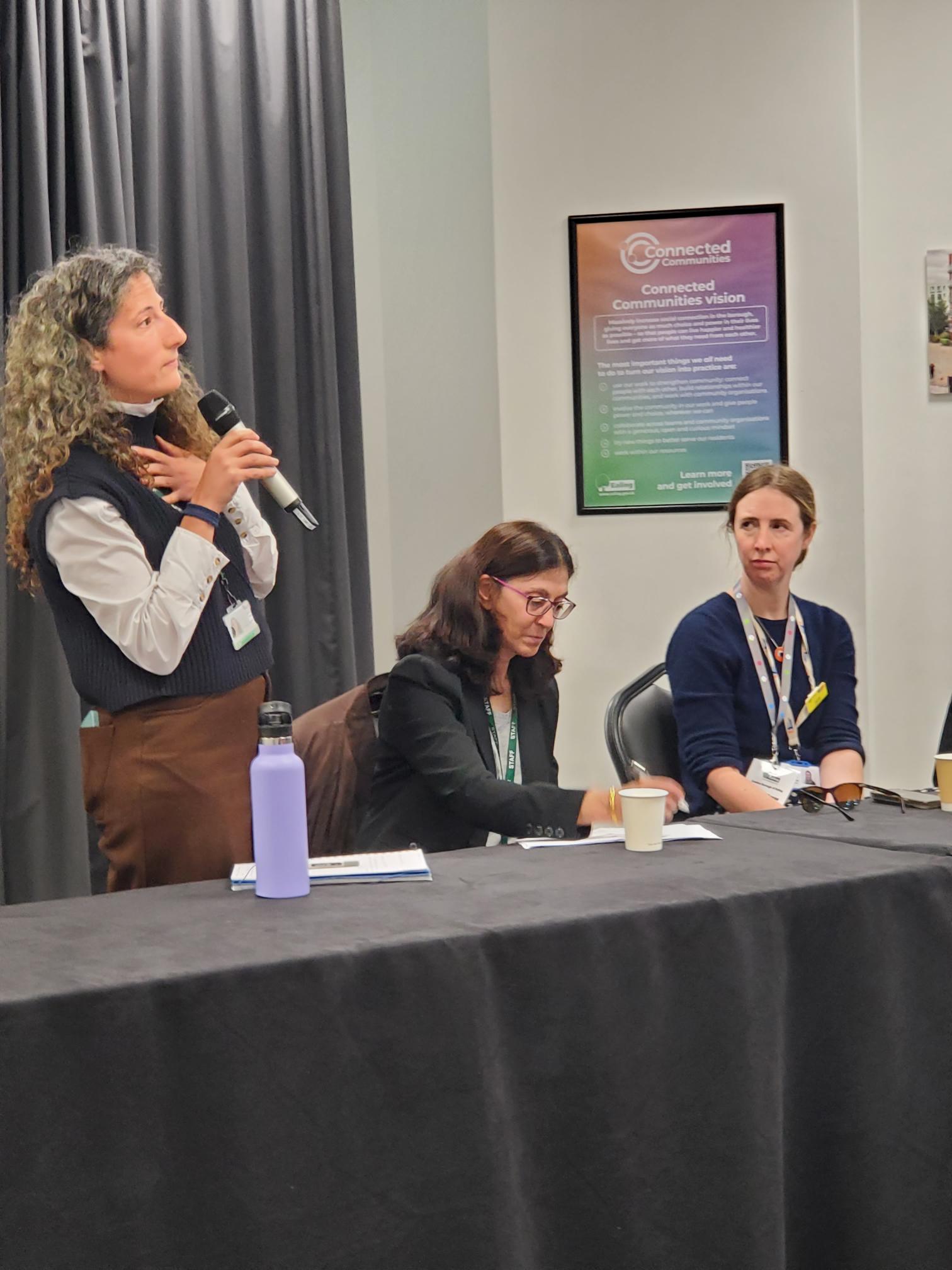
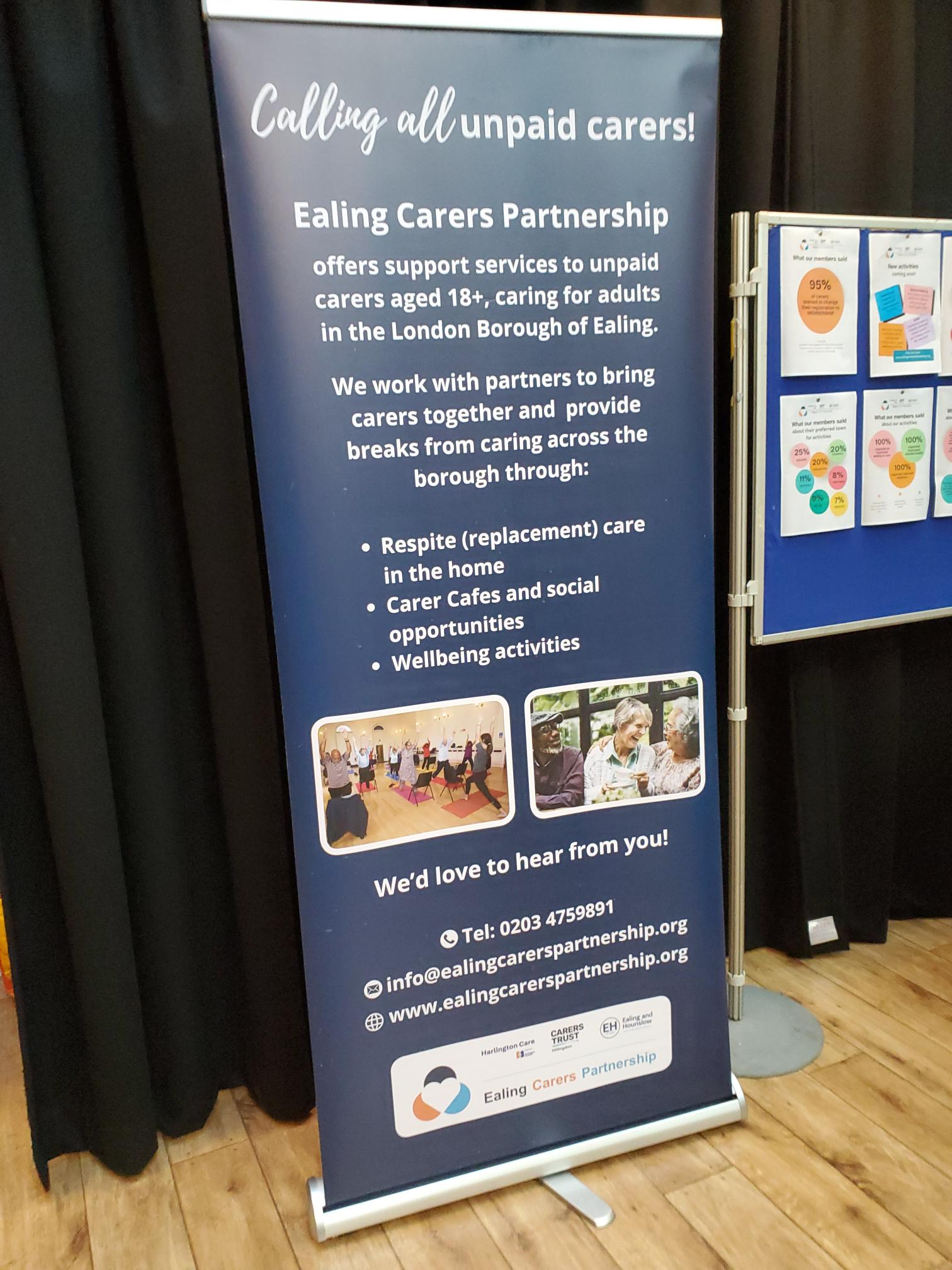
On 10 June, I attended the Carers Week Celebration 2026 at Perceval House in Ealing, organised by Ealing Carers Partnership, Ealing Carers Hub and Ealing Council. As someone who supports both of my elderly parents, I understand first-hand the rewards and challenges of caring. During the event, I had the privilege of hosting a Carers UK information stall while also attending as a carer, poet and author.

The day brought together carers, charities, community organisations, health professionals and council representatives in a welcoming and supportive environment.

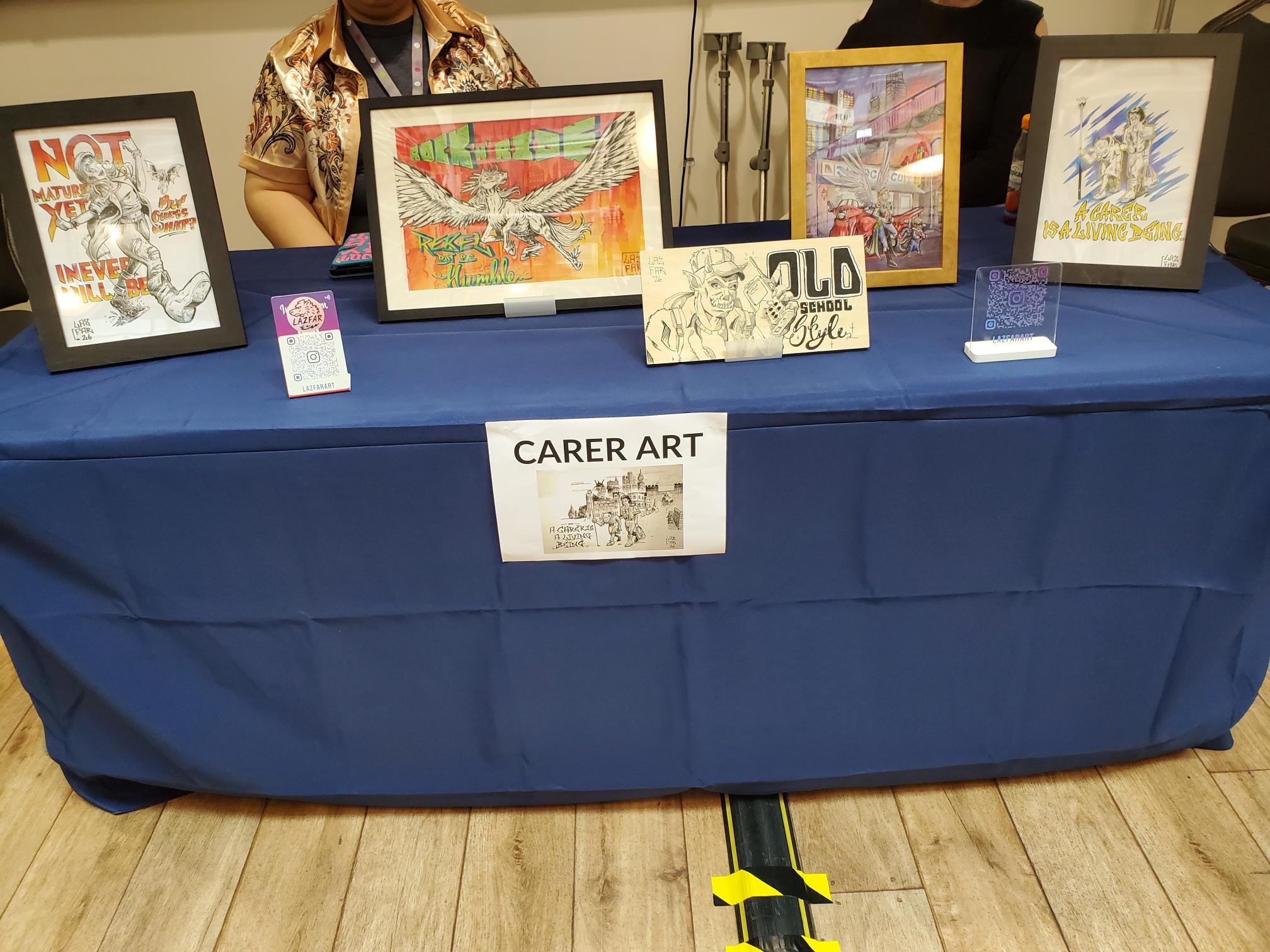
Carers had access to information, advice and wellbeing activities, including complimentary refreshments, free manicures provided by Uxbridge College students, artwork exhibitions and opportunities to connect with others who understand the caring journey. The event served as a powerful reminder that carers matter, their voices are important and they should never feel alone.

You can find out more about the event below from Ealing Local Community news

10 June 2026 – Carers Week Parliamentary Drop-In Event, Westminster

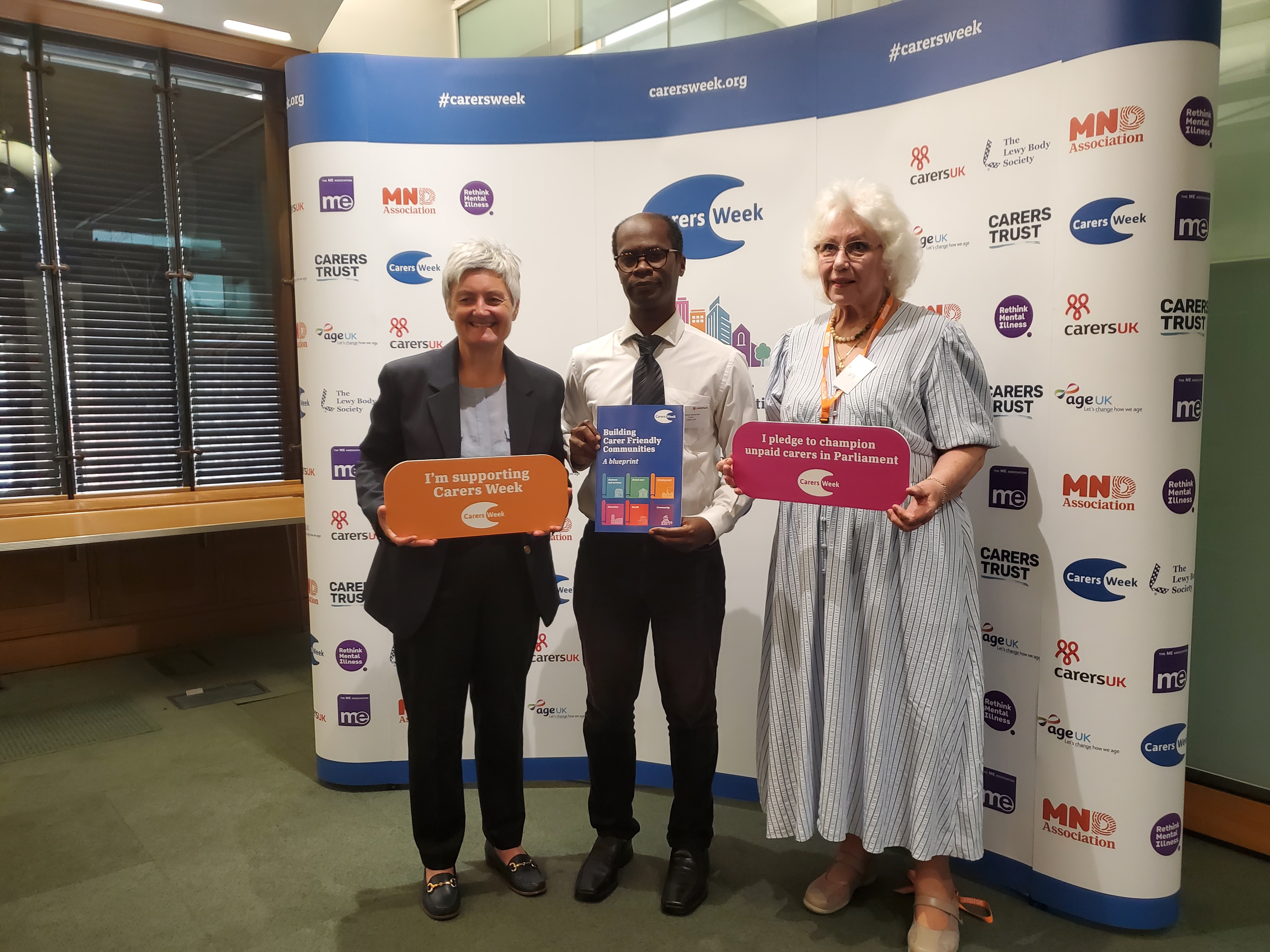
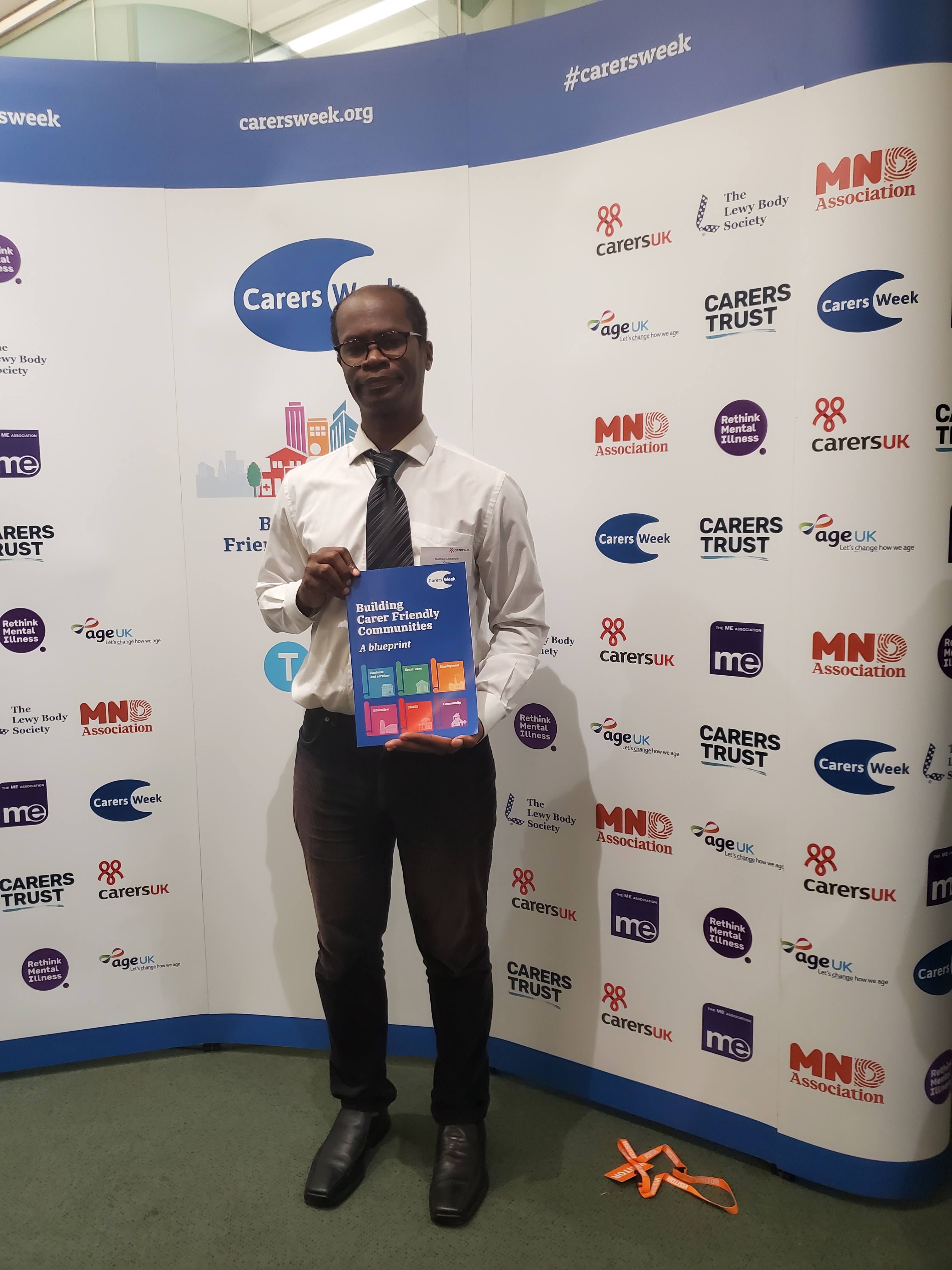
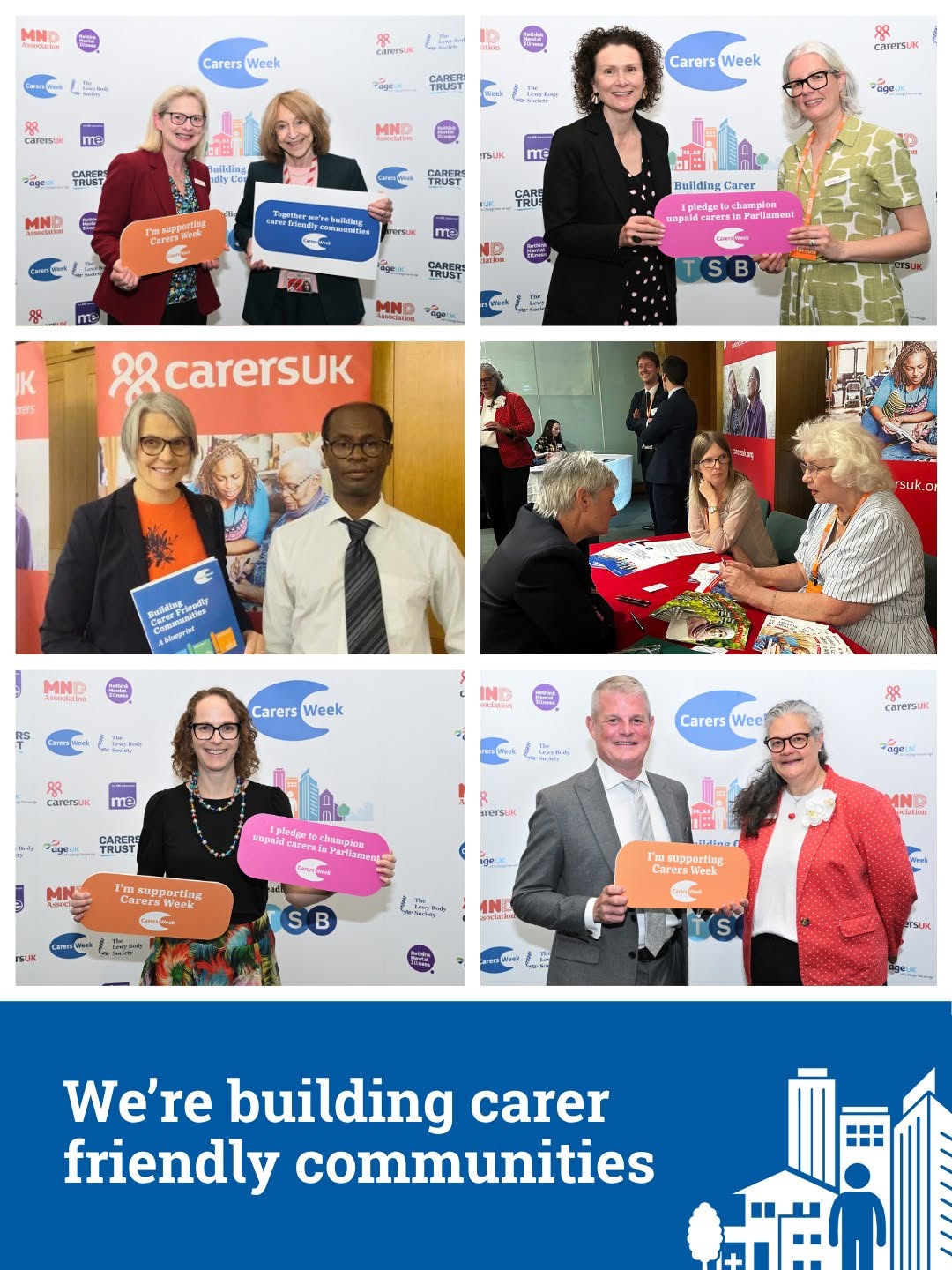
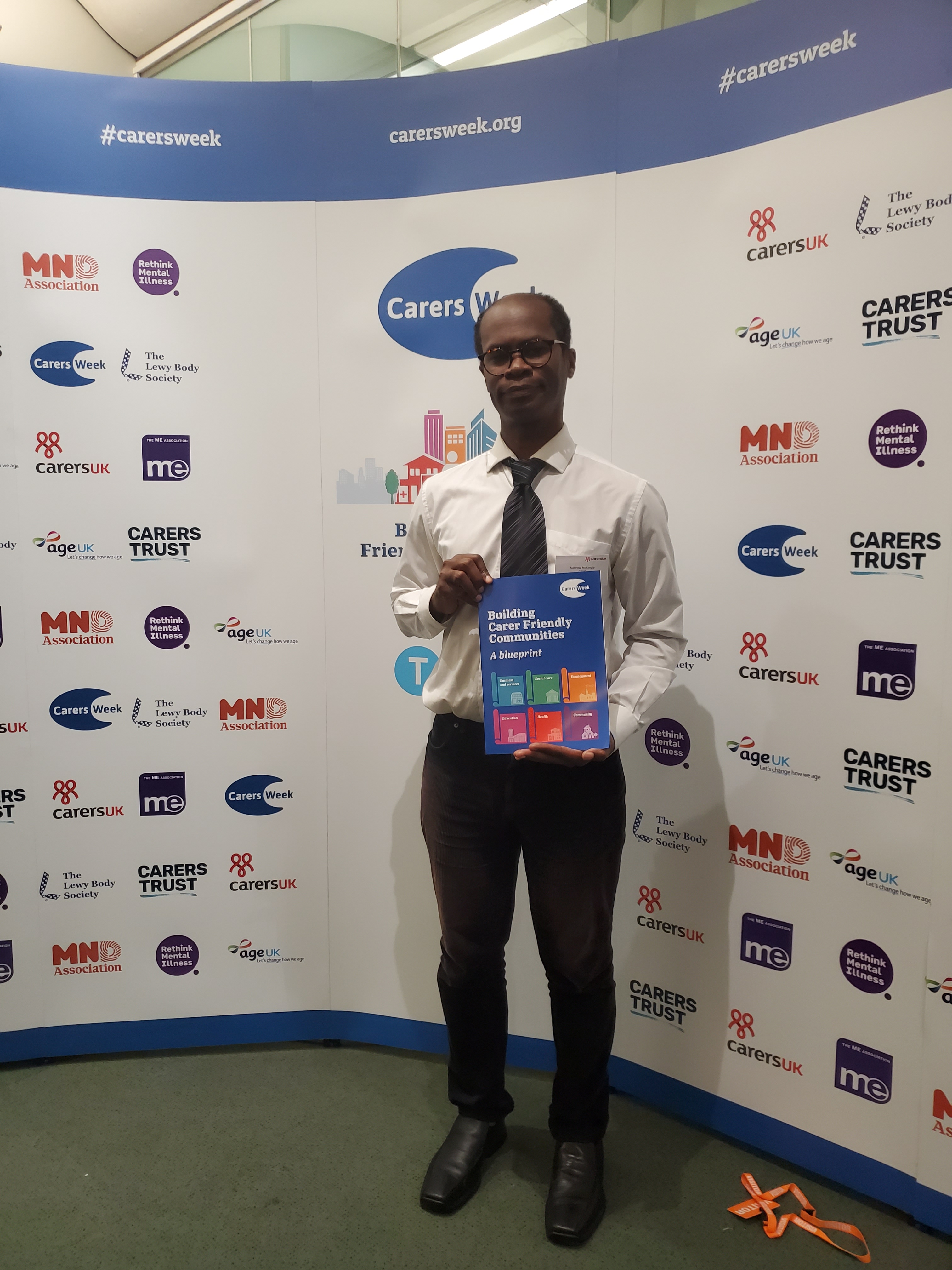
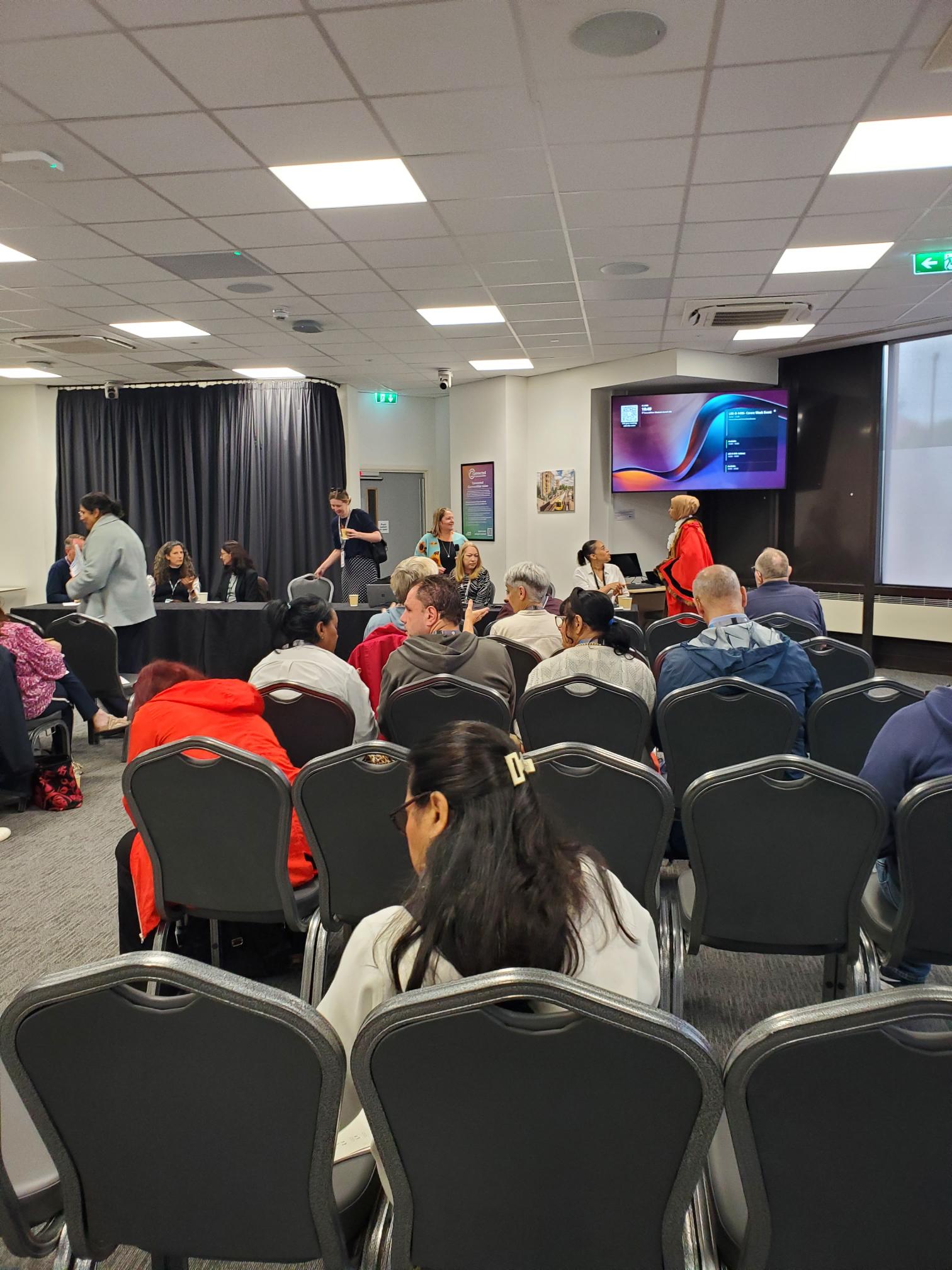
Later that day, I attended the Carers Week Parliamentary Drop-In Event at Portcullis House, Westminster. The event brought together unpaid carers, carers’ organisations, MPs and Peers to discuss the realities of caring and the support carers need.

Designed as a speed-networking event, it offered an important platform for carers to share their experiences directly with policymakers and raise awareness of both the immense contribution carers make and the challenges they face. It was encouraging to see parliamentarians engaging with carers and supporter organisations, demonstrating a growing recognition of the need for stronger policies and greater support for unpaid carers across the country.

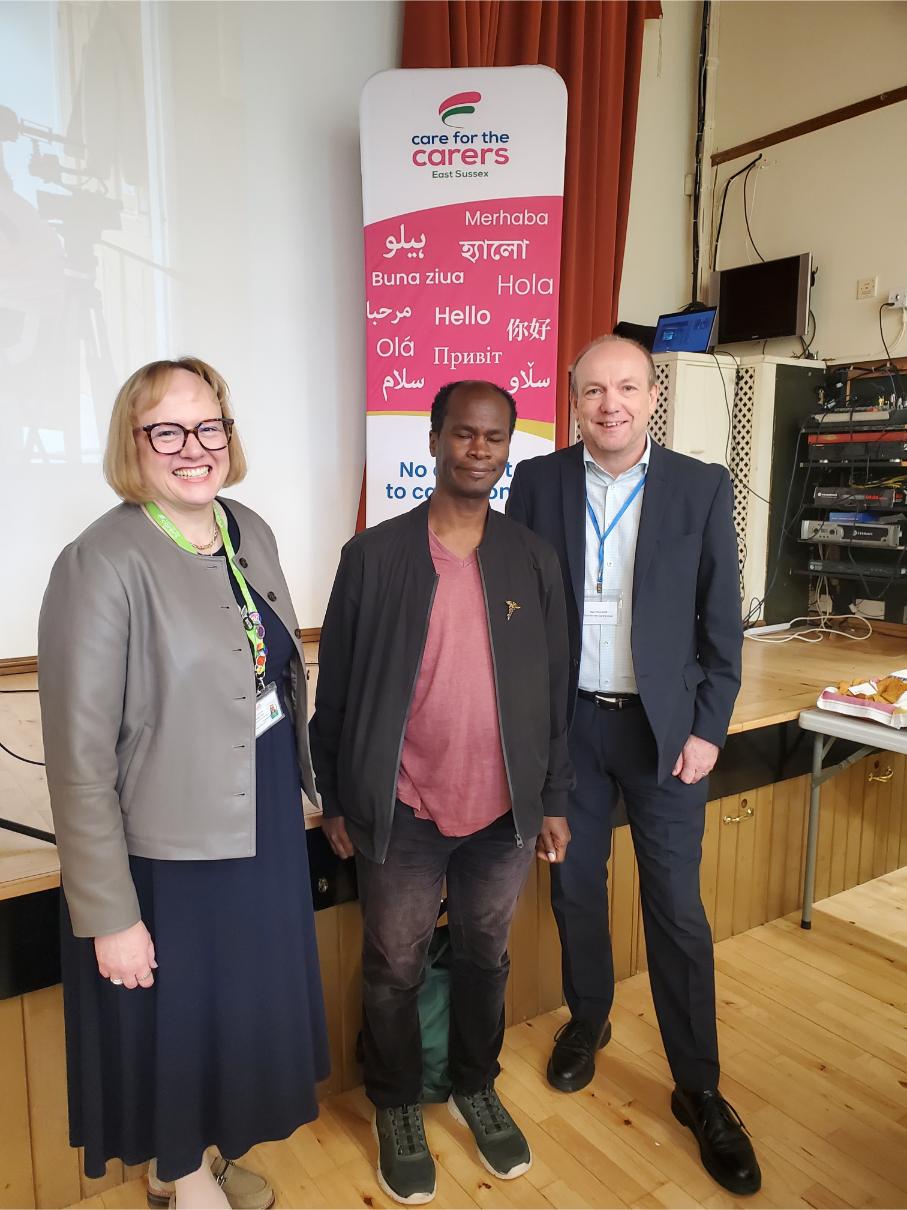
11 June 2026 – East Sussex Carers Voices Event, East Dean Village Hall

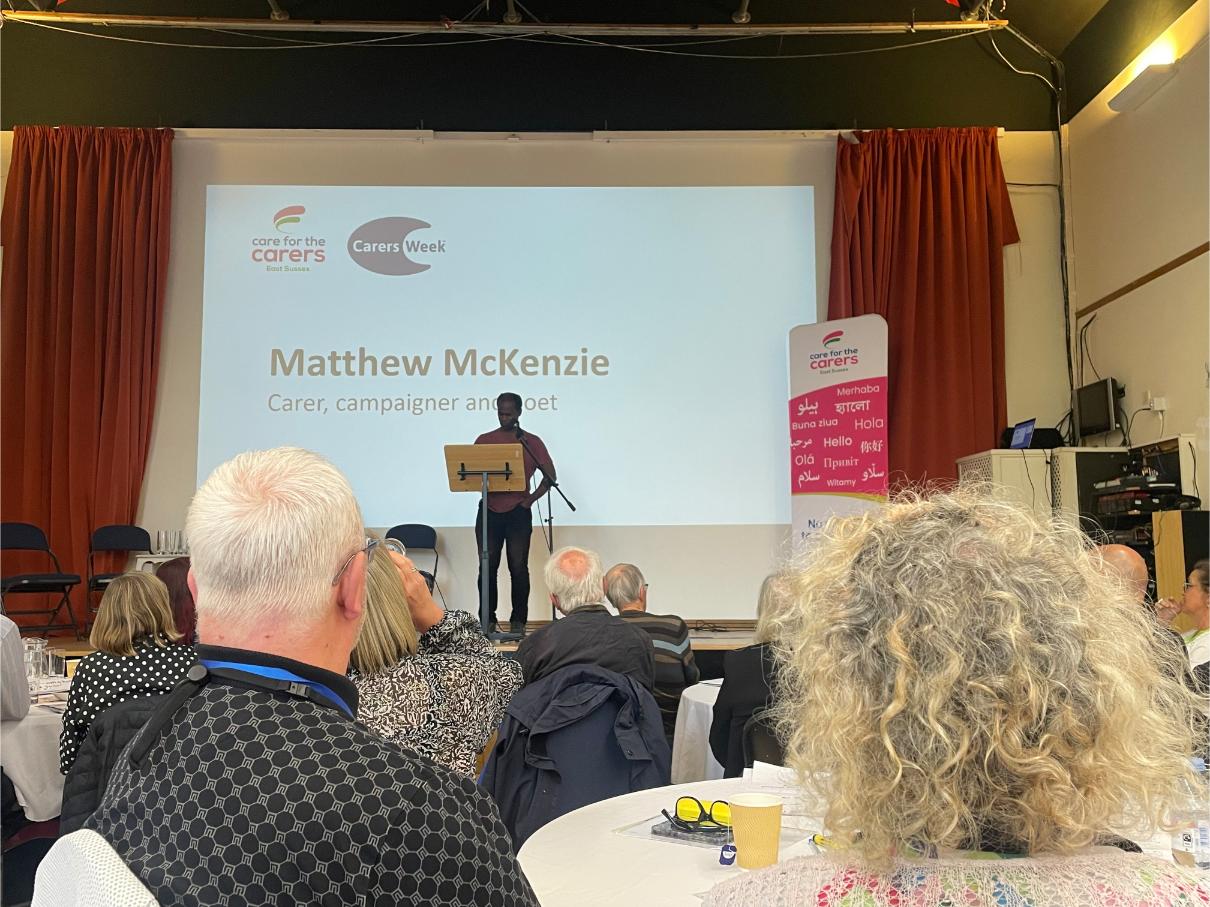
As part of Carers Week, I travelled to East Dean in East Sussex to speak at the East Sussex Carers Voices – Celebrating Carers Week Event, organised by Care for the Carers. The event brought together unpaid carers, NHS representatives, local authority leaders, health professionals, carers’ organisations and community groups to discuss how support for carers can be improved.

Hosted by Dr Neil Churchill, Chair of Care for the Carers along with Jennifer Twist CEO of Care For The Carers, the day focused on listening to carers’ experiences and ensuring their voices were heard by decision-makers.

I was honoured to contribute to these discussions and to share insights from my own caring journey. The event demonstrated the value of bringing carers and professionals together to shape services and create positive change for unpaid carers across East Sussex.

12 June 2026 – Speaking at the Cygnet National Carers Event

On 12 June, I had the privilege of speaking at the Cygnet National Carers Event in London as Cygnet’s PCREF Carer Lead, Carer Network Ambassador and carer author. The event brought together carers, healthcare professionals and sector leaders to celebrate carers and discuss the support they need. I shared my experiences as a lifelong carer and highlighted the importance of recognising carers as equal partners in care.

It was inspiring to hear from a diverse range of speakers, including experts by experience, researchers, advocates and service leaders, all united by a shared commitment to improving outcomes for carers. The event reinforced the importance of lived experience in shaping services and ensuring carers’ voices remain central to policy and practice.

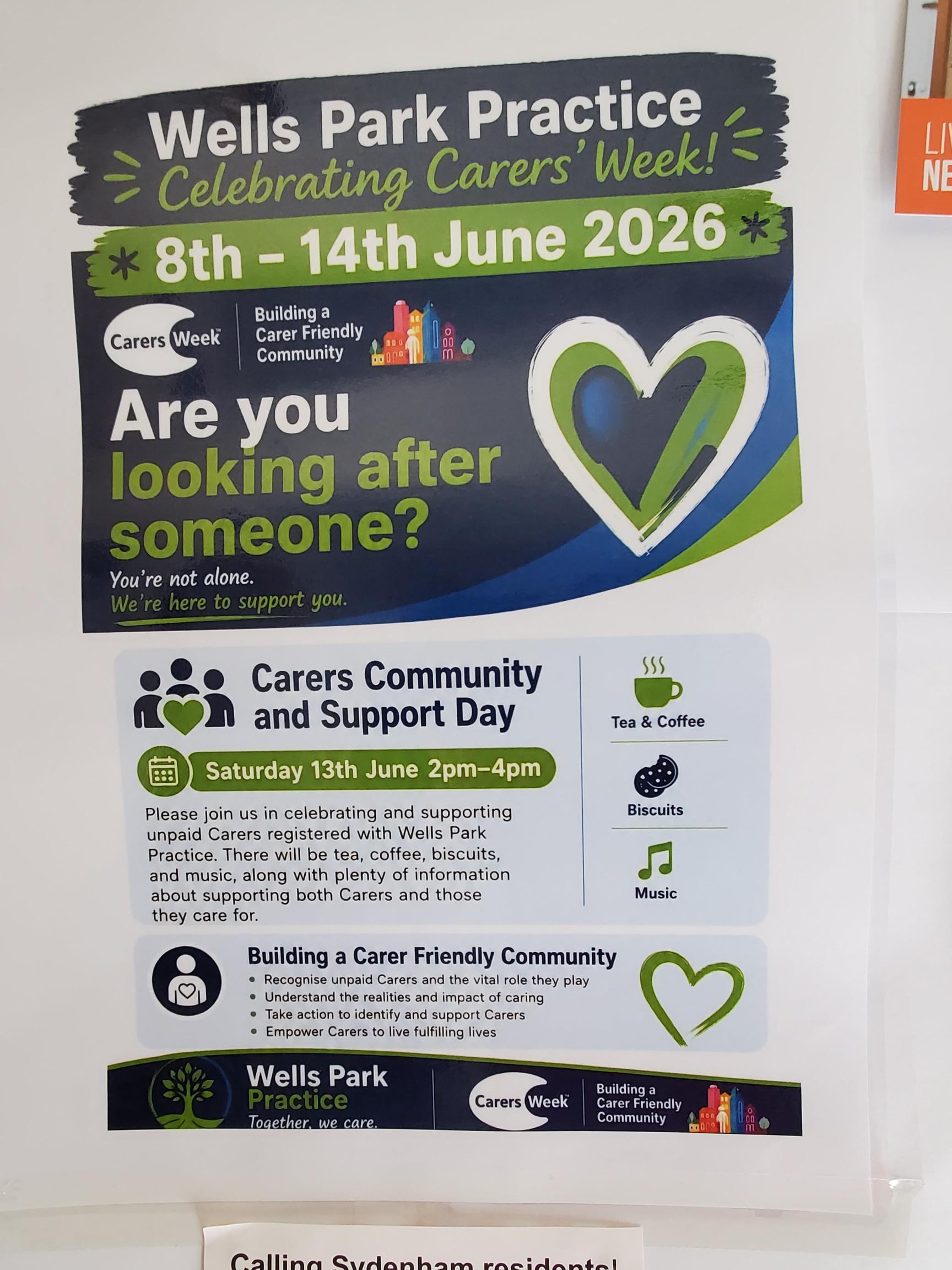
13 June 2026 – Carers Community and Support Day at Wells Park Practice

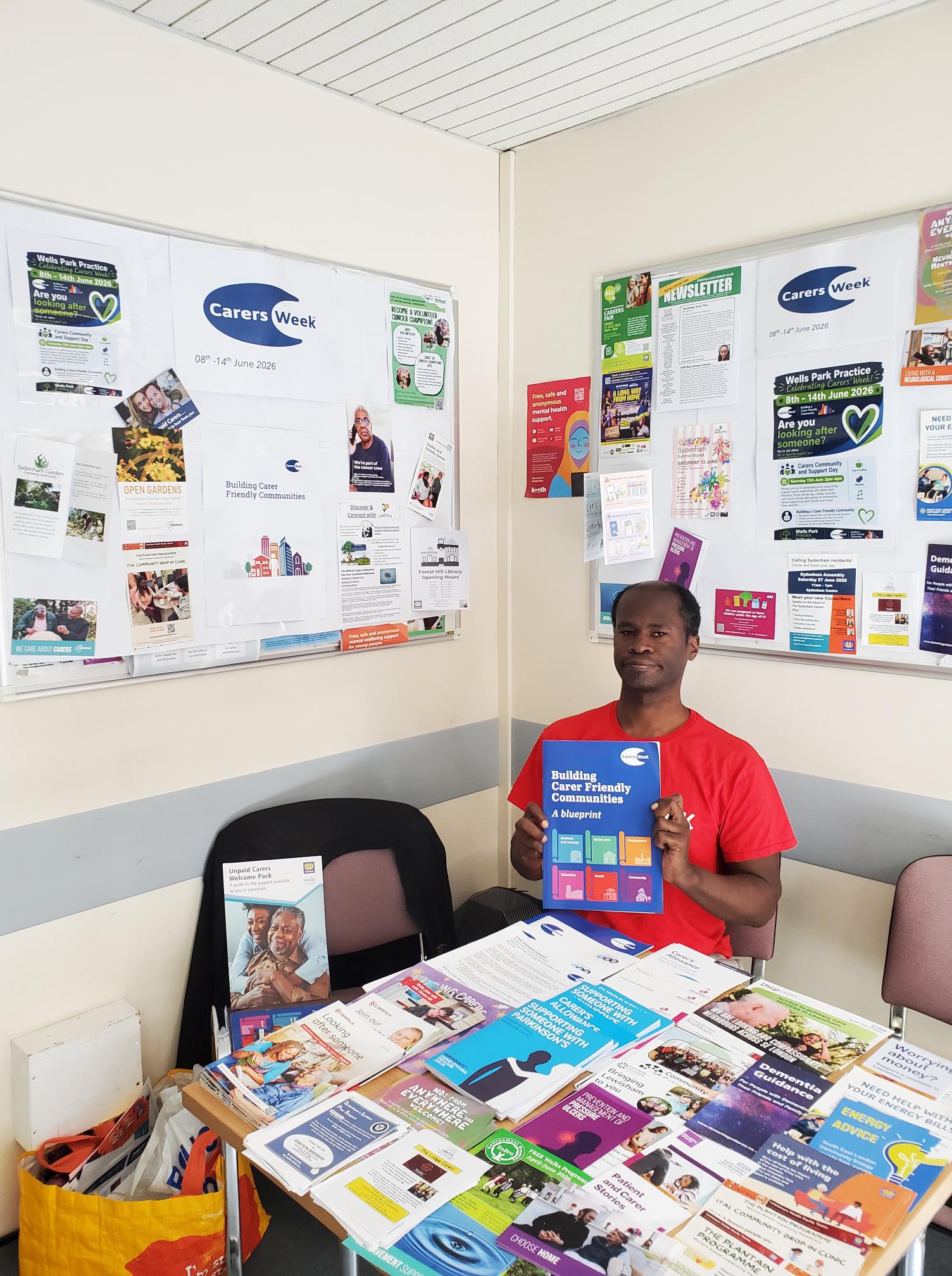
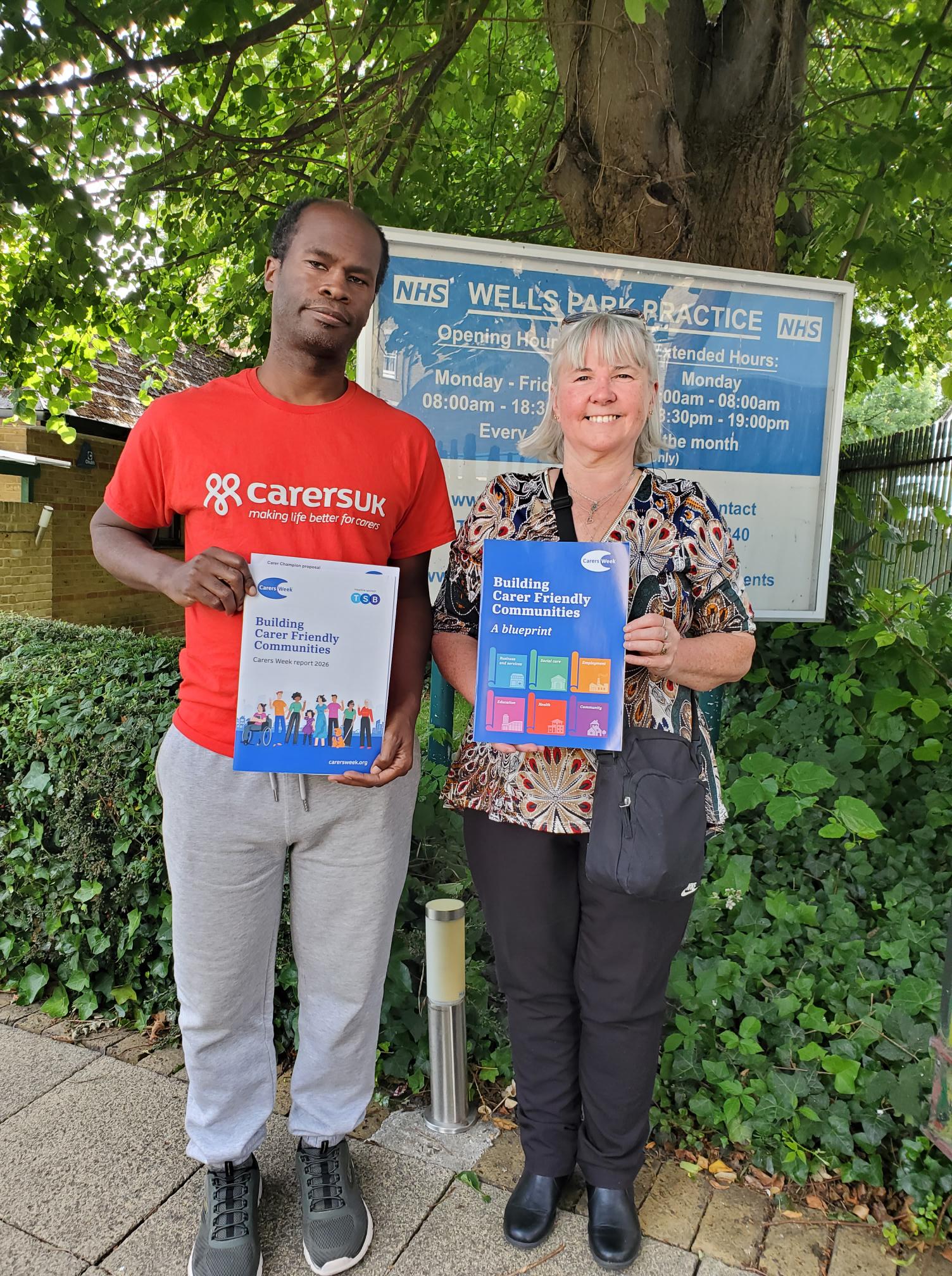
I concluded Carers Week 2026 by hosting a carers information stall alongside Wendy (who is also a devoted carer campaigner at our Lewisham group) at Wells Park Practice during their Carers Community and Support Day.

The event celebrated carers within the local community and provided an opportunity for unpaid carers to access information, advice and support in a relaxed and welcoming environment.

Throughout the afternoon, I spoke with carers about the challenges they face and the services available to help them. The event also highlighted the importance of building a carer-friendly community by recognising carers, understanding the realities of caring and empowering carers to live fulfilling lives. It was a fitting way to end a busy and rewarding week dedicated to championing carers and raising awareness of their invaluable contribution to society.

Reflection

Carers Week 2026 was an incredibly busy and meaningful week, providing opportunities to raise awareness, influence decision-makers, support carers directly and celebrate the extraordinary contribution that unpaid carers make every day.

From hospitals and GP surgeries to Parliament, local authorities and national conferences, the message remained the same: carers are essential, carers deserve recognition and carers must be supported. I am proud to have contributed to so many events throughout the week and remain committed to ensuring that carers’ voices continue to be heard long after Carers Week has ended.

CarersWeek2026, #CarersWeek, #UnpaidCarers, #CarerAwareness, #SupportCarers, #CarersMatter, #NHS, #MentalHealth, #HealthAndSocialCare

Carols, Community and the Quiet Strength of Carers – Reflections from the Carers UK Christmas Service 2025

By Matthew McKenzie

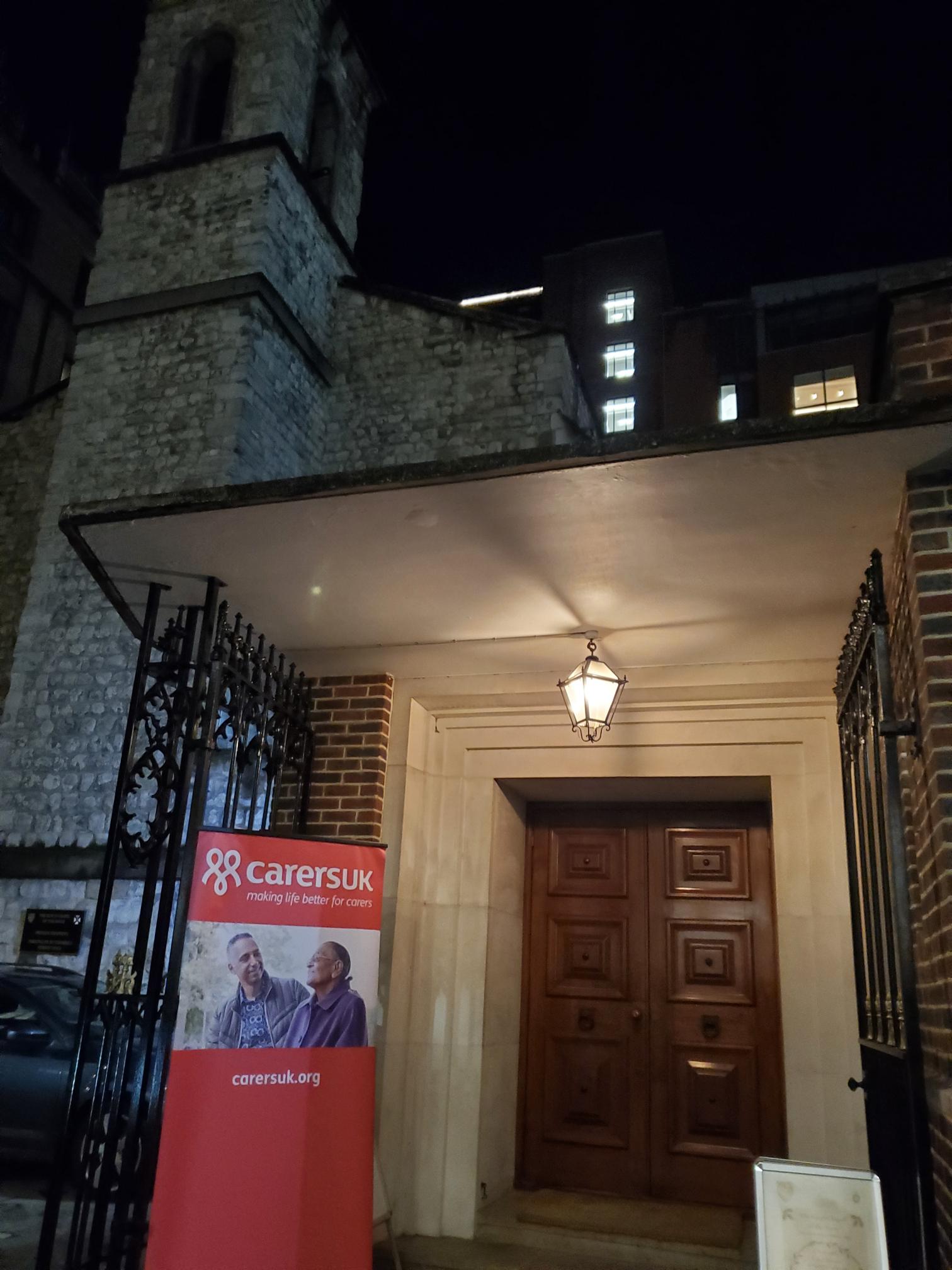
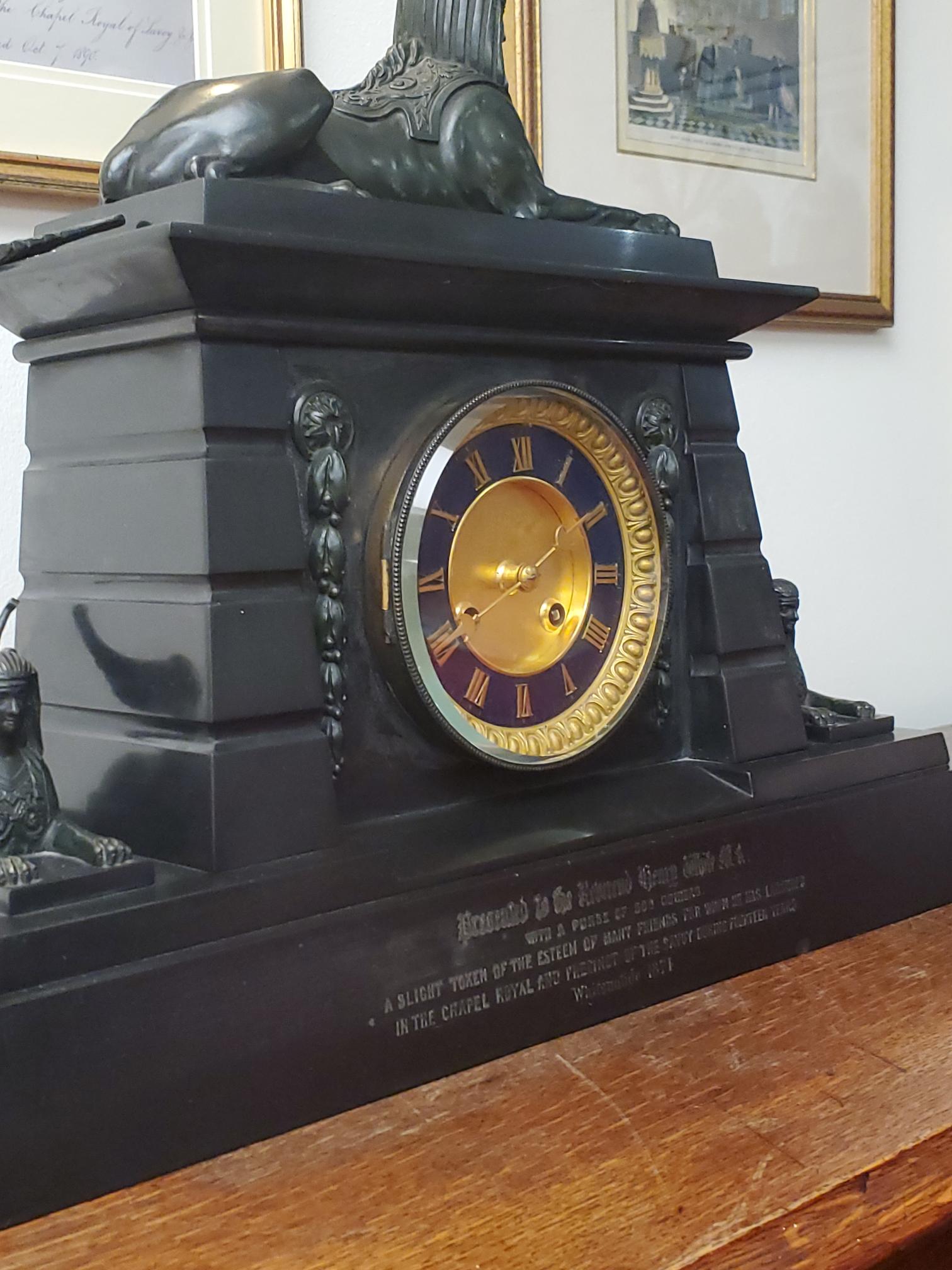
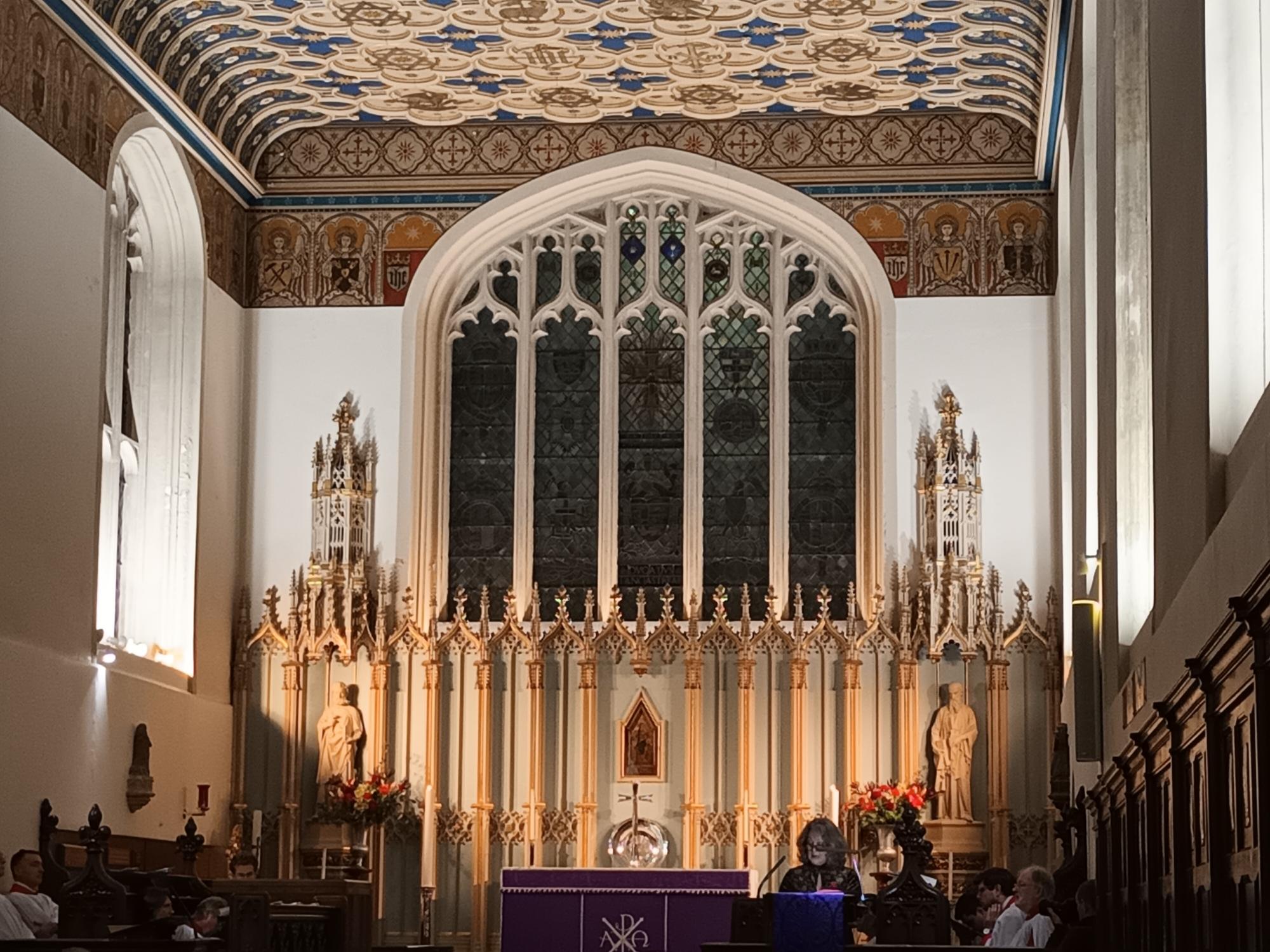
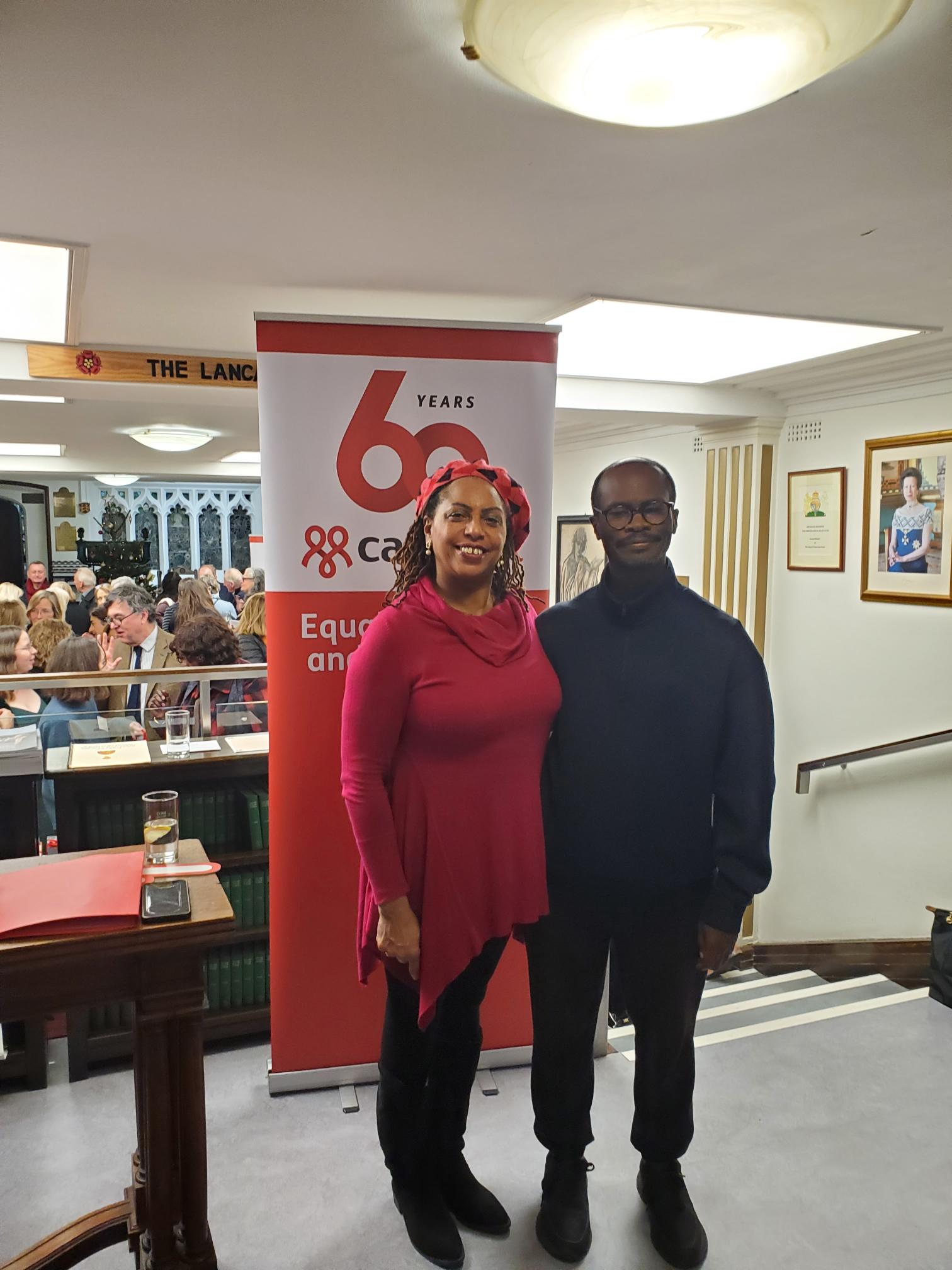
On 4th December 2025, I had the privilege of attending the Service of Christmas Carols and Readings for Carers UK (for their 60th anniversary) at The King’s Chapel of the Savoy.

As many will know, Carers UK is a national charity that offers advice, information, and advocacy for unpaid carers, people who look after a family member or friend due to illness, disability, mental health challenges or frailty.

Their work is vital and ranges from campaigning for carers’ rights, to shaping policy, to providing emotional and practical support.

As someone who has spent years amplifying carers’ voices, and as someone who has been a carer myself, I always find moments like this grounding. They remind me that carers are so often hidden and deserve spaces of recognition, reflection, and community.

I couldnt capture the whole event, so a lot of it is from memory,

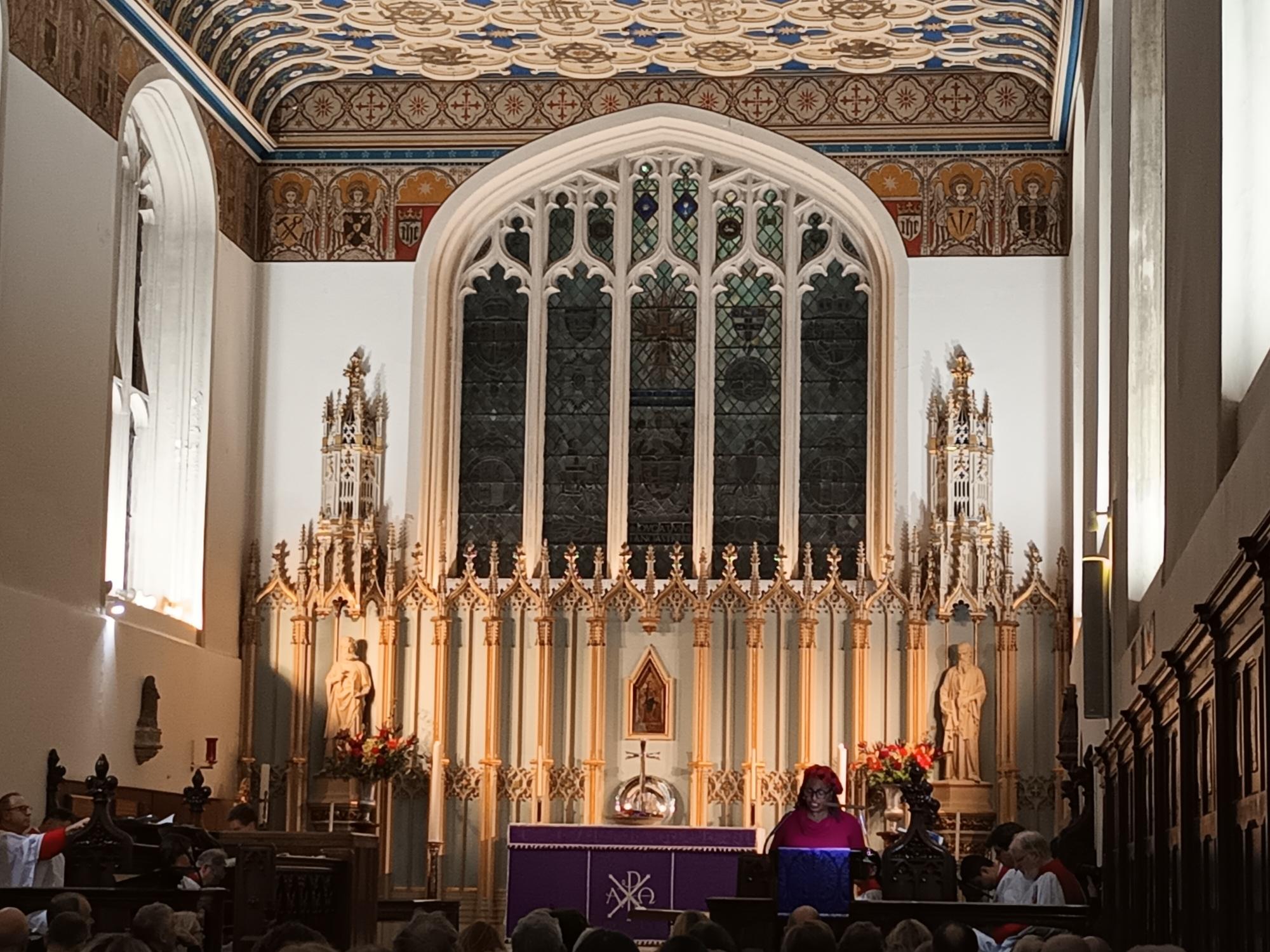
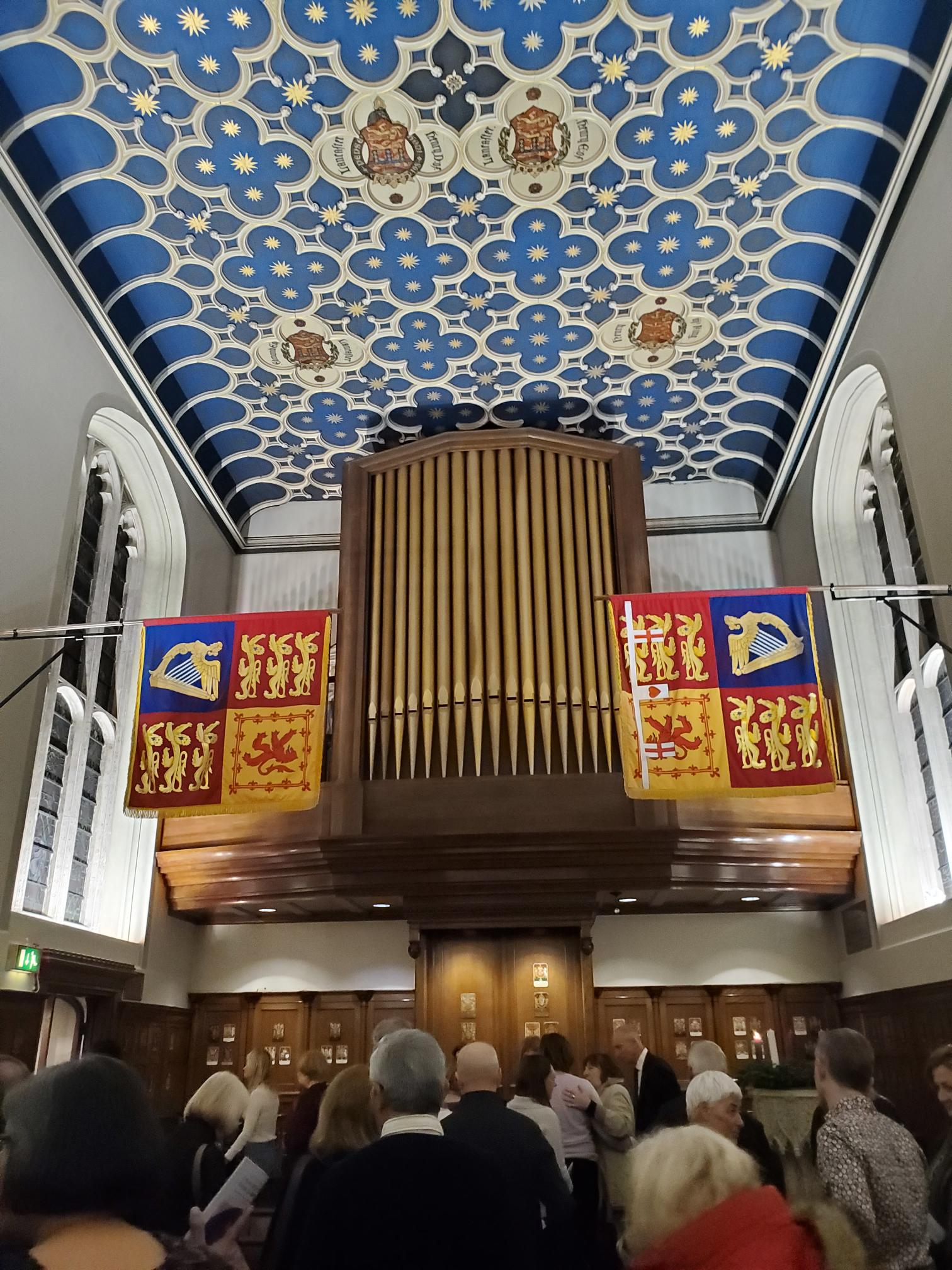
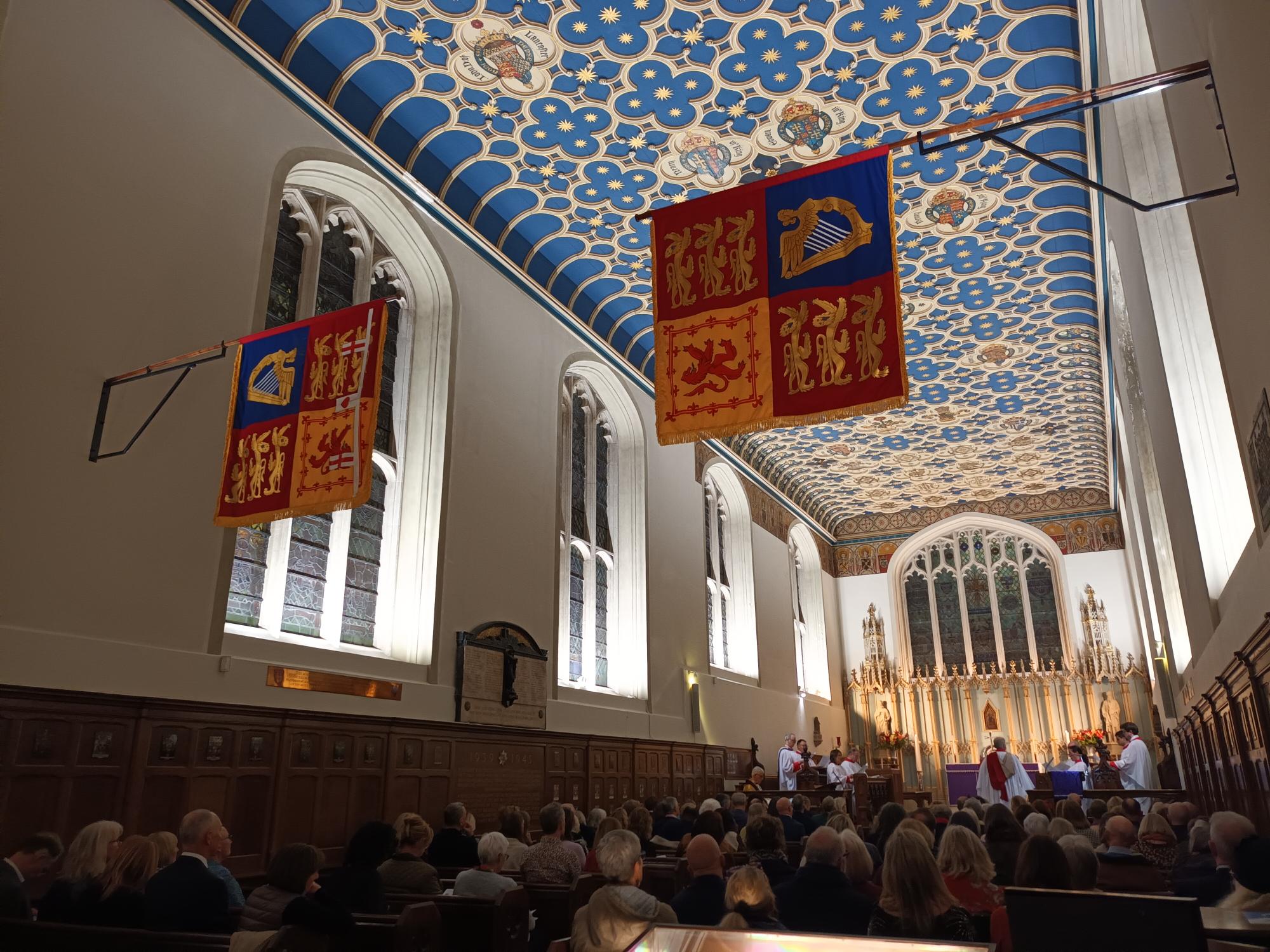
The King’s Chapel of the Savoy, with its royal heritage and intimate atmosphere, felt like the perfect place for such a service. The carved wood, the vivid ceiling, the echo of voices old and new it all contributed to an environment where carers could feel honoured rather than overlooked.

A Service That Told carer Stories

The order of service blended scripture, poetry, classic carols, and carers’ own words. Each part spoke to a different dimension of caring, love, sacrifice, resilience, loss, hope.

Here is a clear, concise list of the Carers UK Christmas Carol Service Order, based on the programme you shared.


Some of the order of Service – Carers UK Christmas Carols and Readings

  1. Carol – Once in Royal David’s City
  2. Welcome & The Bidding Prayer by The Revd Canon Thomas Woodhouse MA
  3. Welcome on Behalf of Carers UK by Helen Walker, Chief Executive
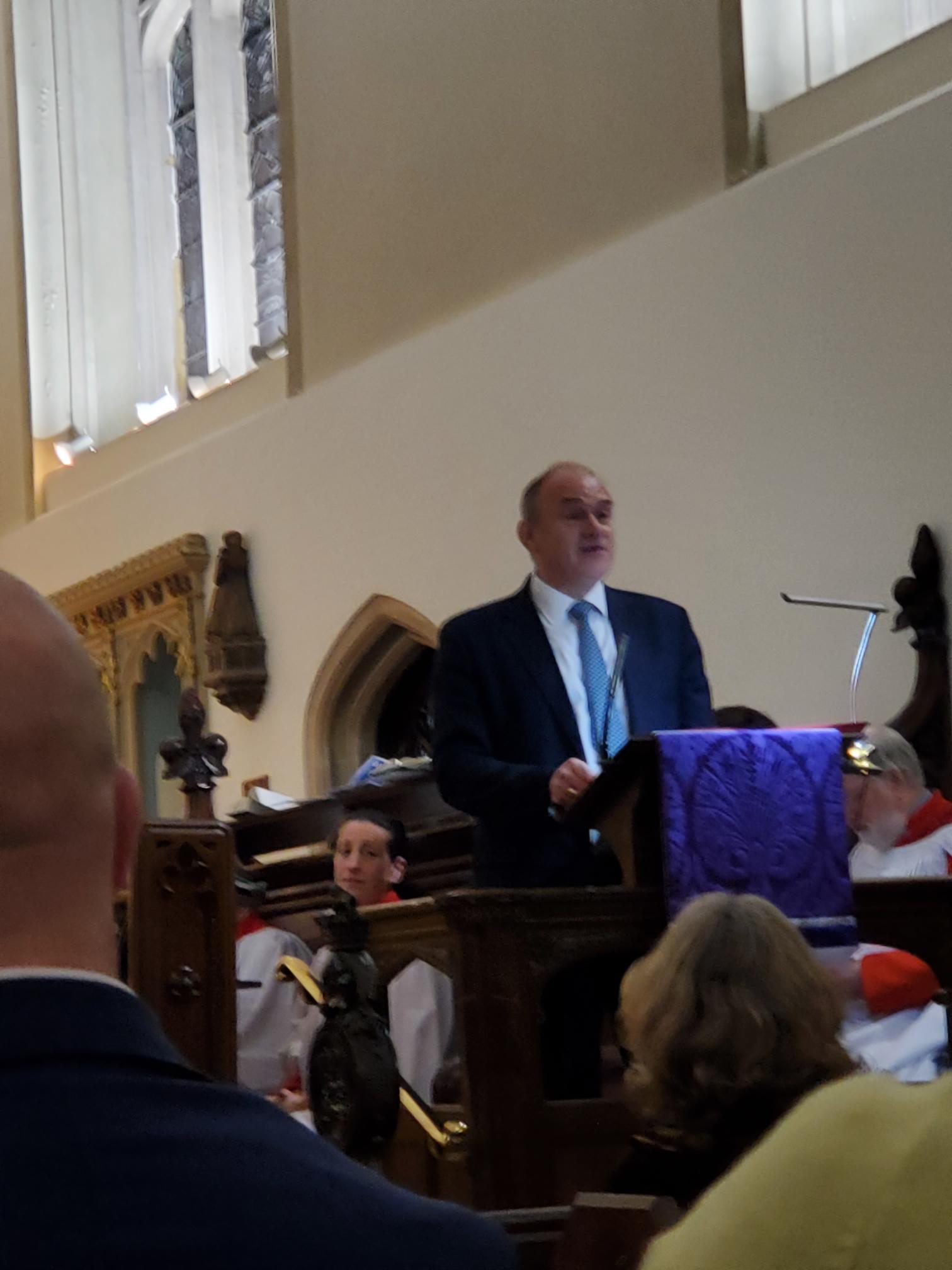
  4. Gospel According to Luke, Chapter 2, Verses 8–20 Reader: Rt Hon Sir Ed Davey MP
  5. Reading – Gospel According to Luke, Chapter 2, Verses 1–7, Reader: The Rt Rev Rob Wickham
  6. Reading – Extract from A Christmas Carol, Reader: Jaycee La Bouche, a carer
  7. The Blessing by The Revd Canon Thomas Woodhouse MA

Below are some reflections on the elements that struck me the most, based on the transcript provided.

I started noting down things when hearing the classic Clement Clarke Moore poem brought a sense of nostalgia and gentleness. For many carers, Christmas isn’t always restful, it can be emotionally heavy or practically demanding. Yet this reading reminded me of the grounding power of tradition.

There was also a Carer’s Poem – “I Carried Him” (Martin Seare), which was read by Tiggy Walker. The poem captured something familiar to many carers, which is the sense of being the energy source behind someone else’s survival. The feeling of being nurse, advocate, motivator, protector, and emotional anchor, all at once.

Jaycee’s reading from A Christmas Carol brought a heartfelt authenticity to the service, grounding Dickens’ message of compassion in real lived experience. Hearing a carer deliver those words reminded me how powerfully stories of renewal that echo the emotional journeys many carers navigate every day.

We also heard an extract from A Christmas Carol, where hearing Dickens’ words about Scrooge’s transformation felt fitting. Carers often live in a world full of systems that need to “wake up” to their realities, these systems overdue for compassion and change.

There was another Carer’s Poem – “Hands That Once Held Me” (Aaliyah O’Neill), which was read by Pippa Haywood. This poem honoured the emotional labour that accompanies caring, the grief, the patience, the love that persists through fading timelines and shifting identities.

Walking around after the service, we were provided with wine and mince pies (I could only handle one glass of mine), but ate a lot of mince pies. I also noticed on a nearby table, beautifully wrapped with red ribbon, were copies of books written by individuals deeply connected to the world of caring.

Tiggy Walker’s Both Sides Now offered a tender, candid exploration of love, loss, and the emotional realities of caring, while Why I Care highlighted personal reflections on the value and challenges of supporting others by Sir Ed Davy. Seeing these books at the event felt fitting, they extended the service’s message by giving carers stories they could see themselves in, learn from, and feel strengthened by.

Carols – Collective Voice, Collective Strength

Carols like “Once in Royal David’s City,” “O Little Town of Bethlehem,” “In the Bleak Midwinter,” “O Come All Ye Faithful,” and “Hark the Herald Angels Sing” took on added meaning.

Singing these in chapel reminded me that carers often feel alone, but they are part of a much larger story. Carols have always been about shared experience, hope, and unity. That unity was felt strongly throughout the chapel.

A Blessing for Carers

Towards the end, The Revd Canon Thomas Woodhouse offered prayers acknowledging:

  • those who care
  • those who are cared for
  • those who grieve
  • those who find joy in service
  • those who struggle silently

What the Service Meant to Me as a Carer

I left the event feeling the followng:

Being Seen

Carers rarely hear their stories reflected back to them with such respect. This service did that.

Connected

Being surrounded by fellow carers, supporters, faith leaders, and advocates reminded me that we are not navigating these challenges alone.

Renewed

Christmas can be difficult for many carers, i am running a few carer groups to reduce isolation, but this service offered a moment to pause, reflect, and recharge spiritually and emotionally.

Motivated

Each poem and reading reinforced why I continue to campaign and raise awareness: because carers’ lives, struggles, and contributions must be brought into public consciousness.

Final Thoughts

The Carers UK Christmas Service wasn’t just a festive gathering, it was a space that lifted the voices and experiences of carers into the light.

Carers UK continues to be a champion for those who give so much of themselves. And events like this remind us that recognition, community, and hope are powerful gifts.
I left the chapel gratefull for the stories shared, for the solidarity felt, and for the reminder that carers are, and always have been, at the heart of what makes our communities truly compassionate.

BONUS : A small tour of the chapel.

History in the Woodwork: Discovering the Stories Behind the Savoy Chapel’s Symbols

One unexpected part of attending the Carers UK Christmas Service at The King’s Chapel of the Savoy was the opportunity to explore some of the chapel’s remarkable historical artefacts. As a carer and someone who works in carer advocacy, I often reflect on continuity on how the past shapes the present. Walking around the chapel, I realised the walls were not just decorative; they were storytellers.

These objects and emblems remind us that the Savoy Chapel is a living part of royal, national, and personal history. And in many ways, the quiet endurance reflected in these items echoes the resilience of carers across the country.


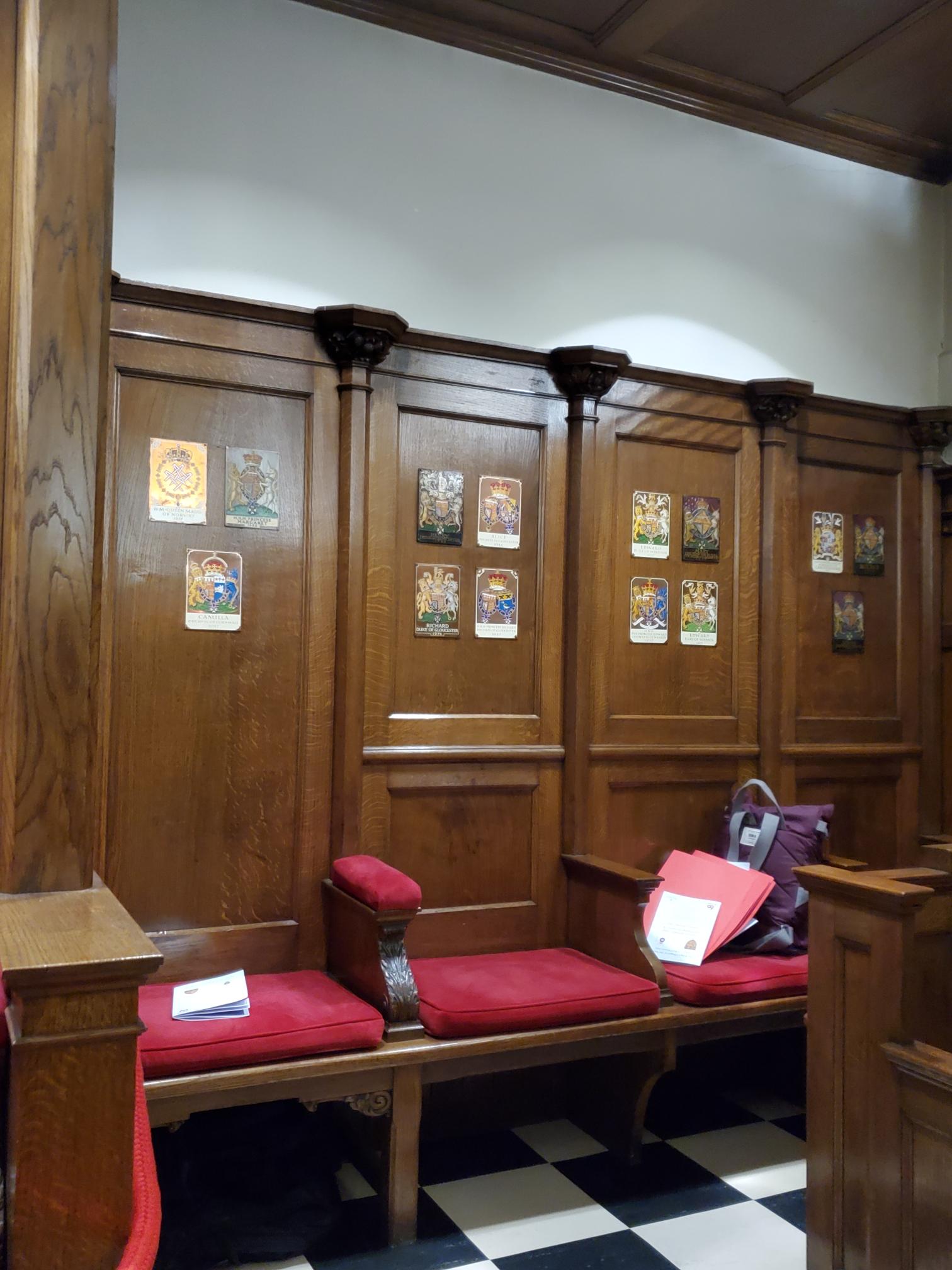
1. The Heraldic Plaques on the Chapel Walls

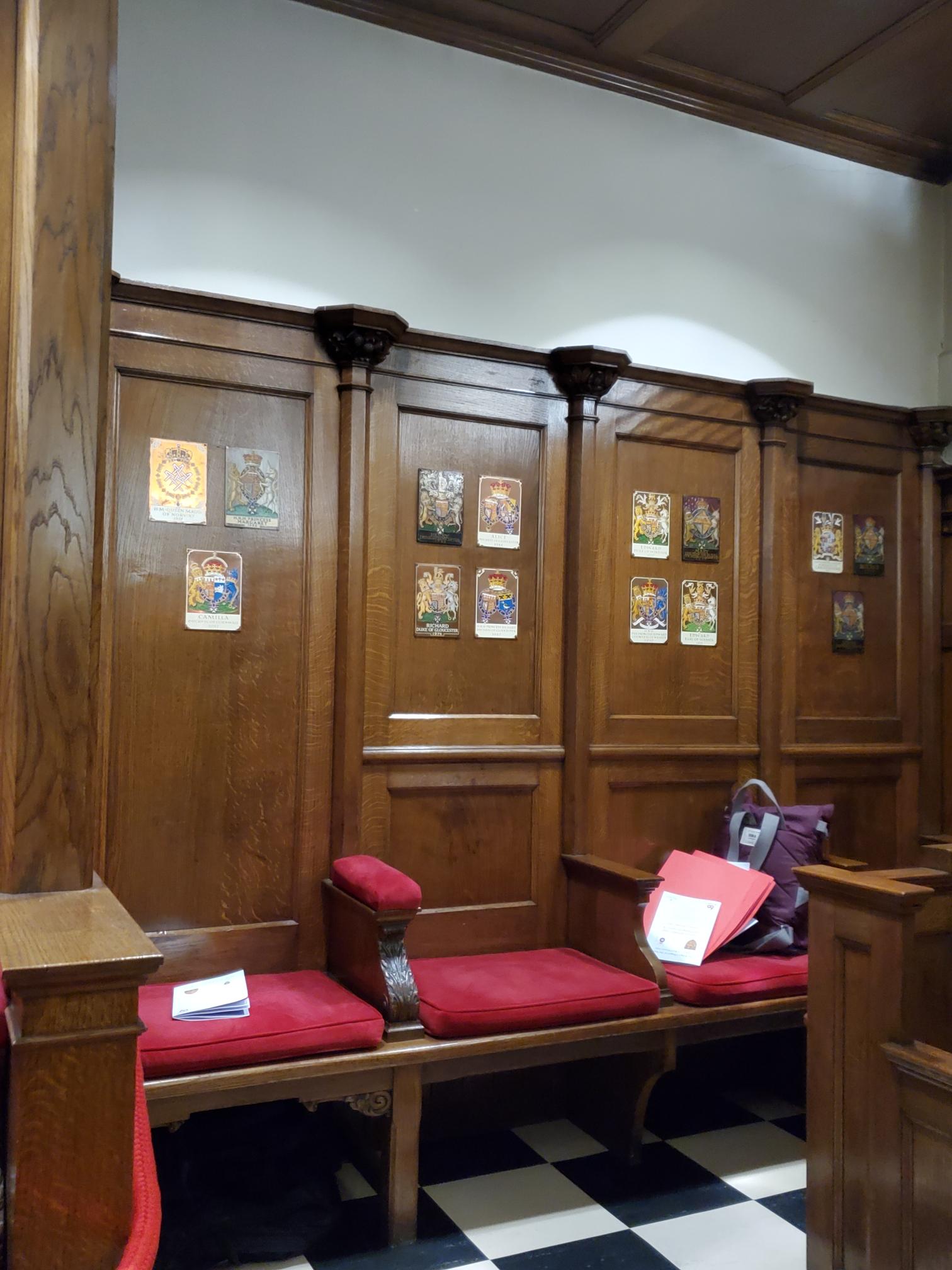
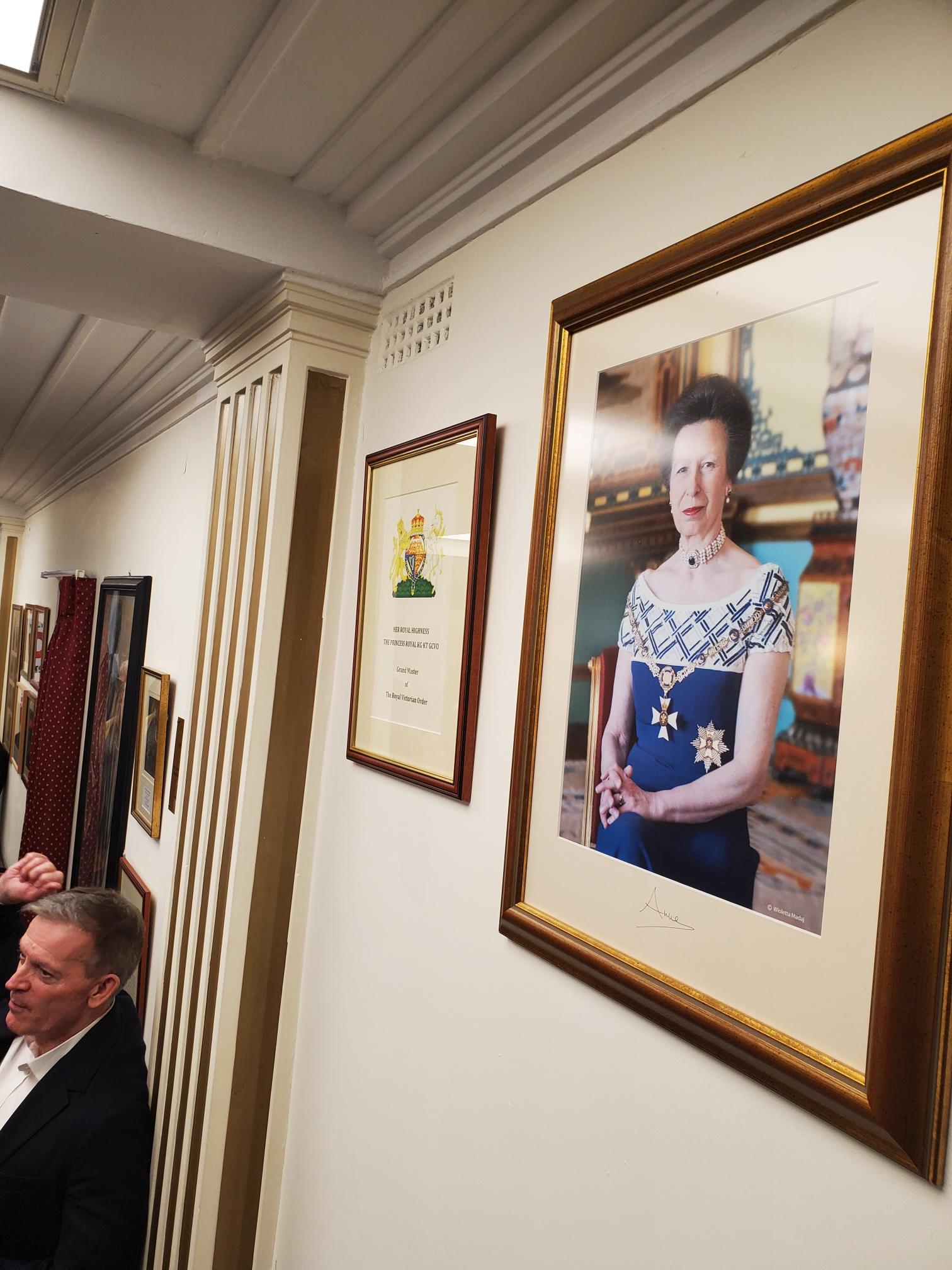
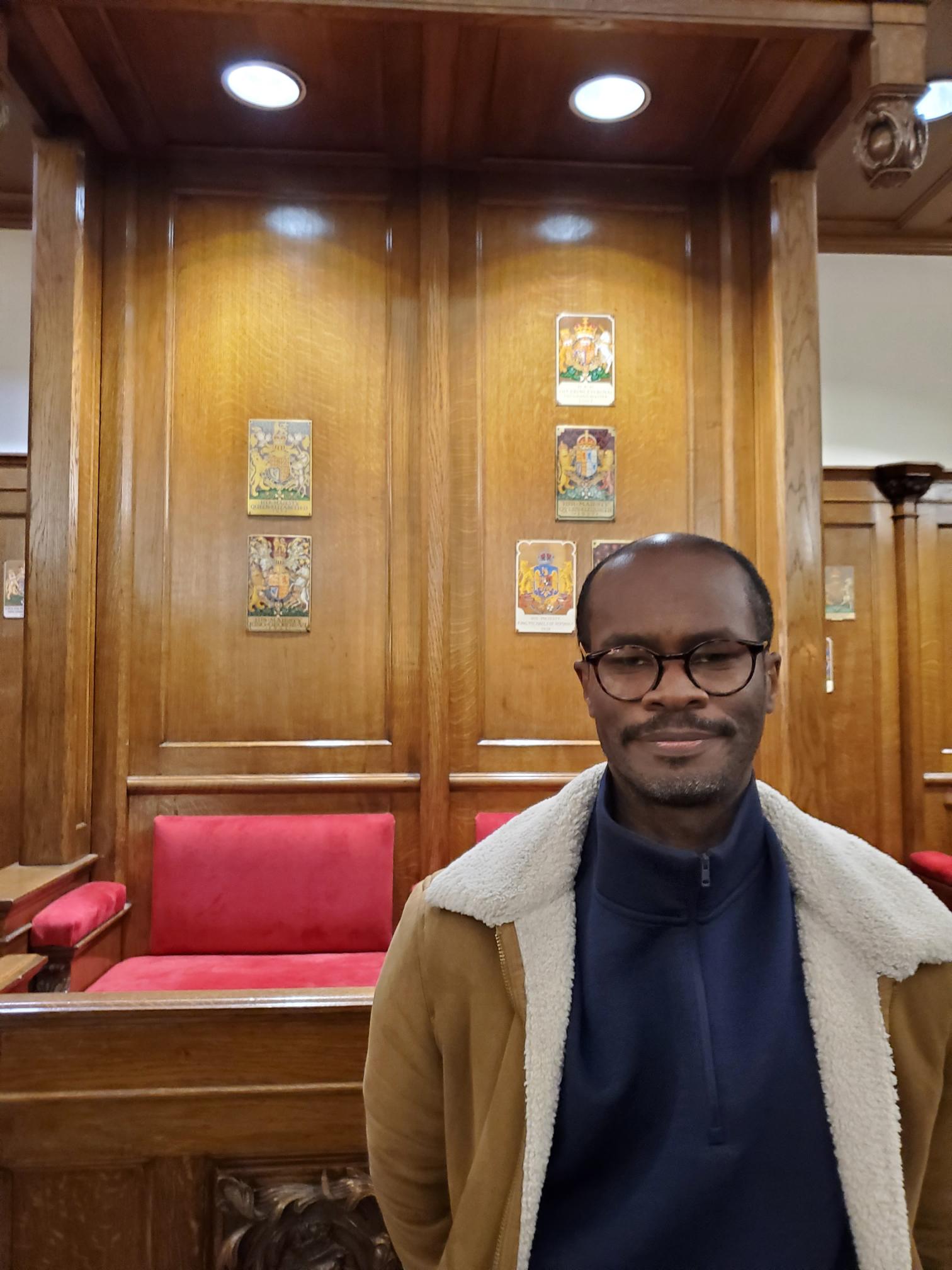
Along the wooden panelled walls were beautifully detailed heraldic plaques, each representing past members or senior figures associated with the Royal Victorian Order or individuals linked to the chapel’s long history of royal service.

The Royal Victorian Order was established in 1896 by Queen Victoria as a way of personally recognising service to the monarch. That personal element, service based on loyalty, commitment, and relationship. That i felt especially meaningful as someone attending the Carers UK event.

Each plaque typically includes:

  • A coat of arms, with symbols representing the individual’s heritage, achievements, or values.
  • A Latin motto, often referencing duty, honour, or faith.
  • A record of rank or title, showing how the person was tied to the Crown or Order.

Standing before these plaques, I was reminded that service, whether to the Crown or to a loved one is always part of a bigger human story.


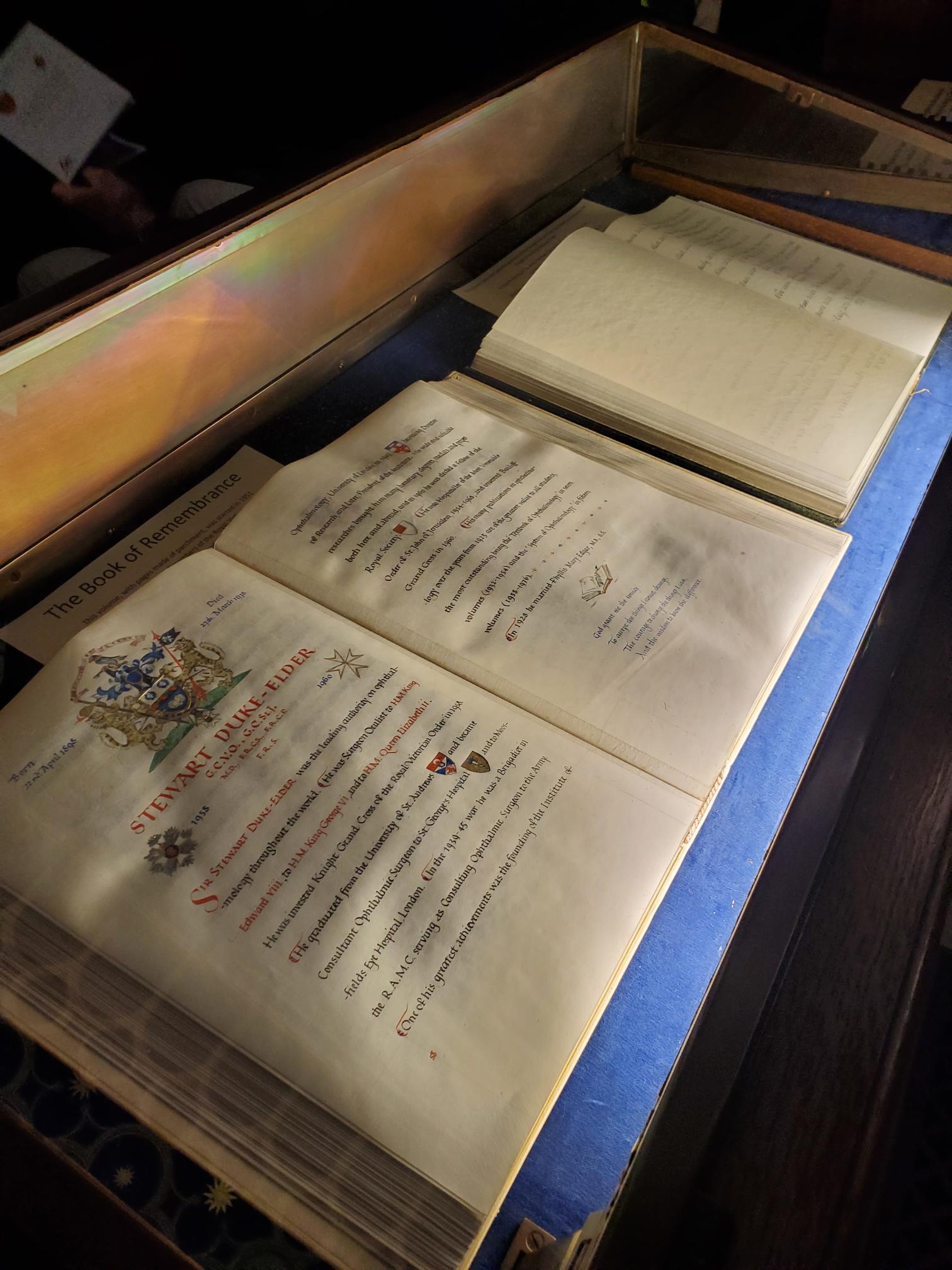
2. The Book of Remembrance

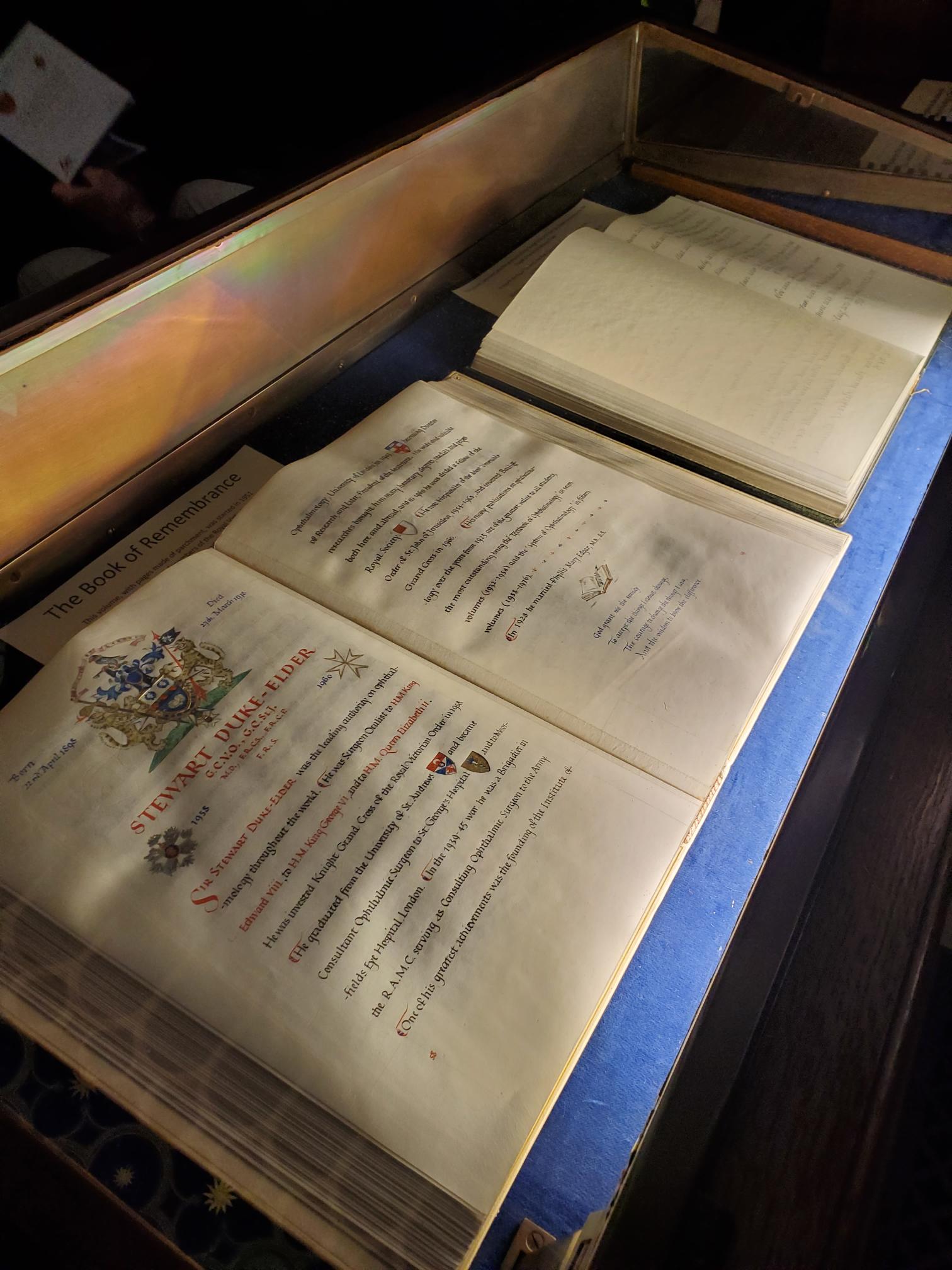
Displayed under protective glass, the Book of Remembrance is one of the most moving artefacts in the Savoy Chapel. It is handwritten and illuminated in a traditional style, much like medieval manuscripts.
The book honours individuals connected to the chapel, recording their names, contributions, and sometimes short dedications. Every entry is crafted with care, respecting the memory of those who served their communities or the Royal Household.

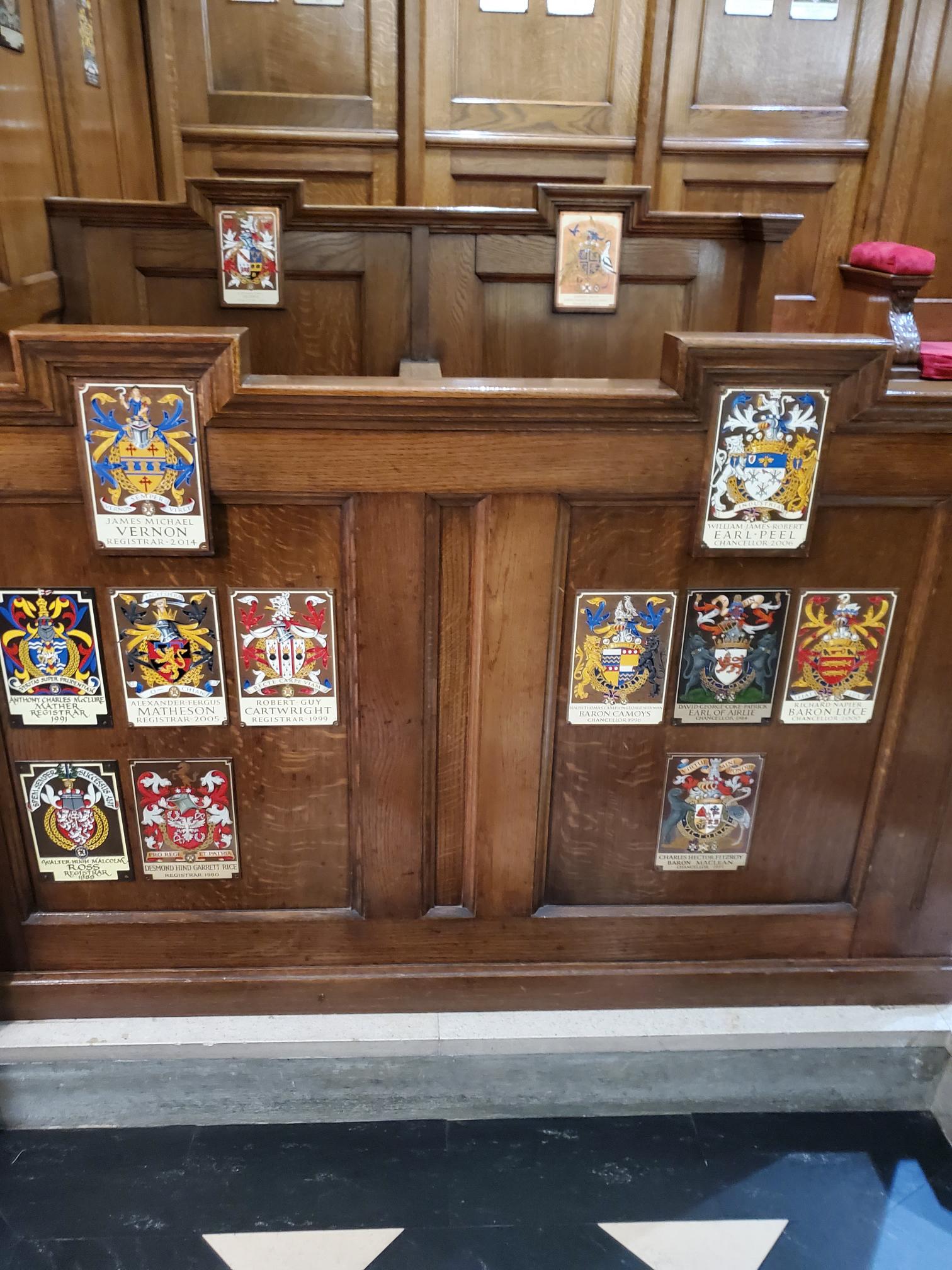
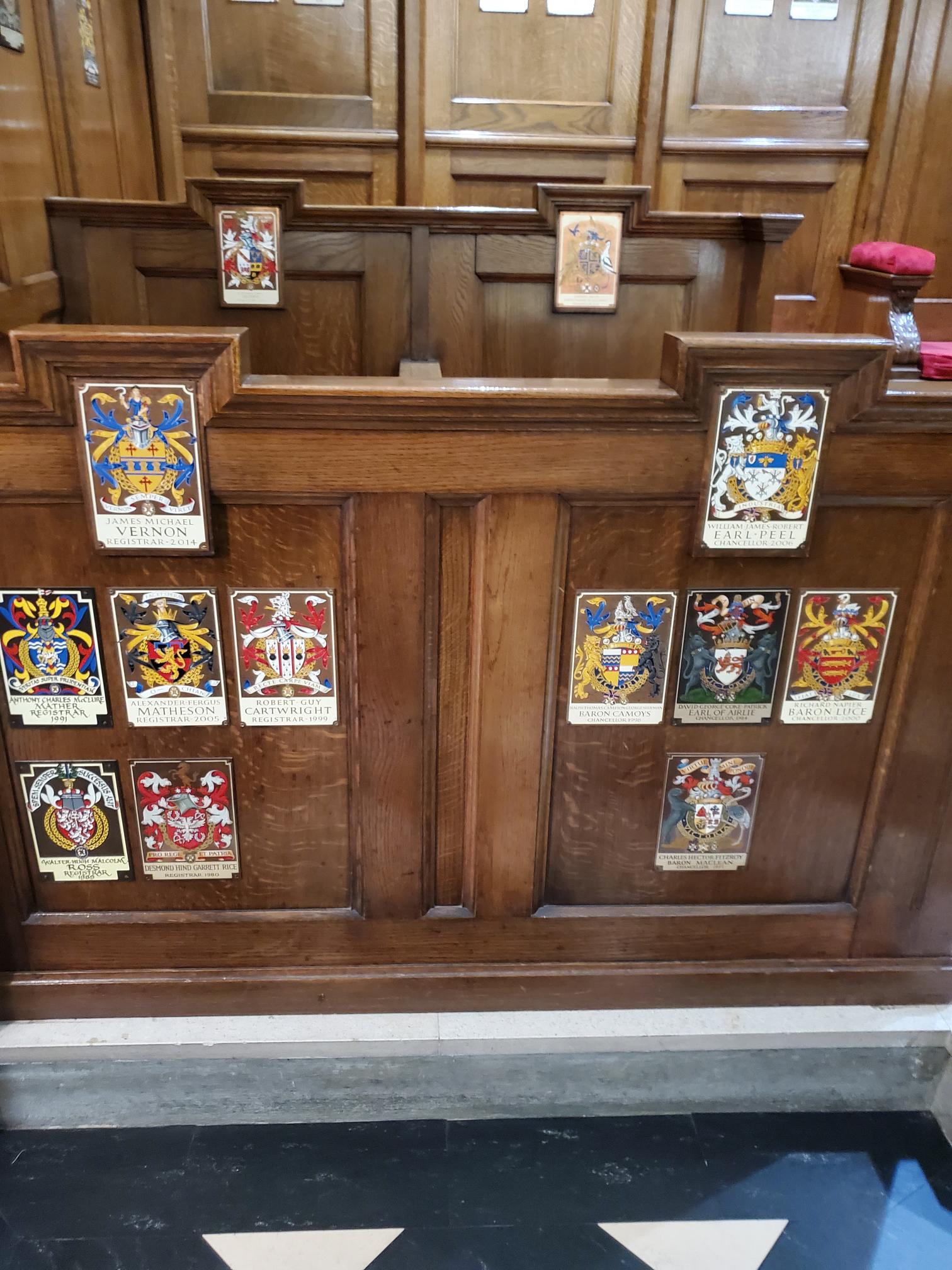
3. The Stalls with Coats of Arms of Officers and Servants of the Order

In the choir stalls, more coats of arms decorate the woodwork. These represent officers, registrars, chaplains, and others who have served the Royal Victorian Order over the decades.

Each shield is different, but together they form a visual tapestry of dedication. They signal continuity across generations much like how caring roles pass through families, communities, and time.

You can almost imagine the individuals who once occupied these seats, each carrying out their duties with diligence. Their heraldry remains here as a testament to lives spent in service.


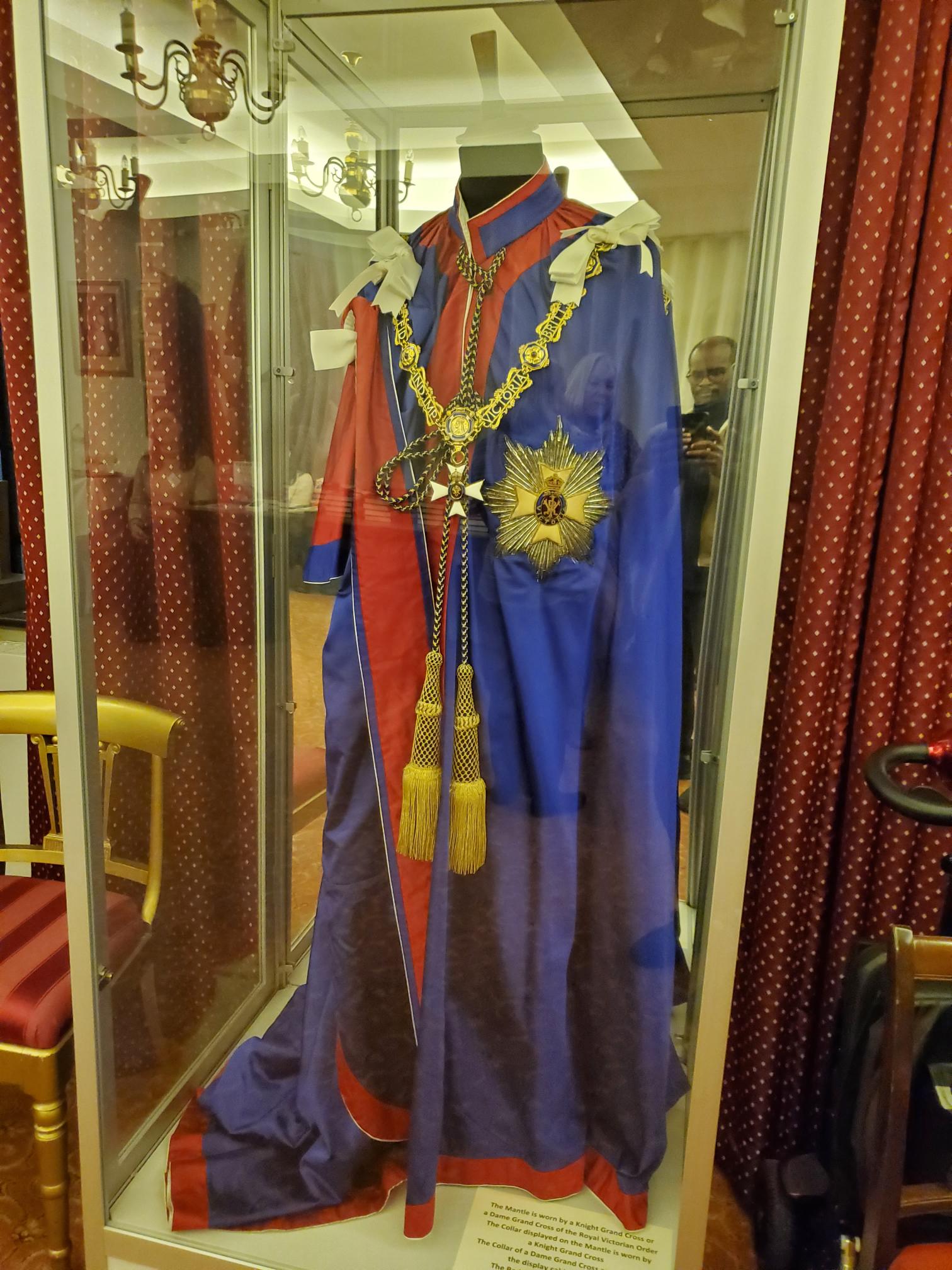
4. The Mantle and Insignia of a Knight Grand Cross of the Royal Victorian Order

One of the most striking displays was the ceremonial mantle worn by a Knight Grand Cross of the Royal Victorian Order (GCVO). The deep blue and crimson robe, gold tassels, and the star emblem reflect the highest grade of this honour.

The mantle’s presence is not merely decorative:

  • The GCVO is awarded personally by the monarch, not via government recommendation.
  • It recognises exceptional service to the Crown.
  • The Star, Badge, and Collar each represent centuries-old tradition.

5. The Royal Victorian Order and Medal Display

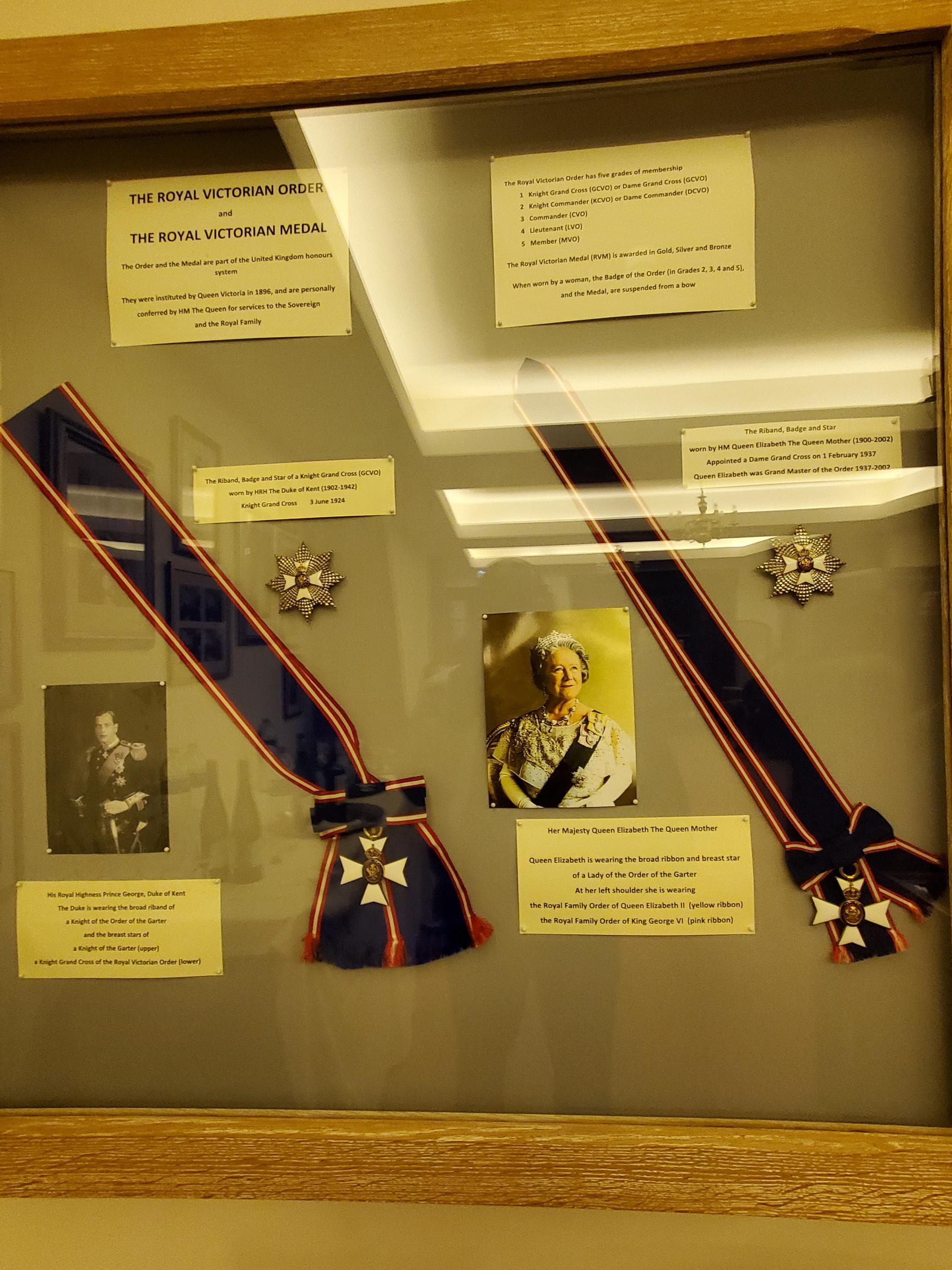
This framed display explains the different grades of the Royal Victorian Order (RVO) and shows examples of the insignia, including:

  • Knight/Dame Grand Cross (GCVO)
  • Knight/Dame Commander (KCVO/DCVO)
  • Commander (CVO)
  • Lieutenant (LVO)
  • Member (MVO)
  • Royal Victorian Medal (RVM) in Gold, Silver, and Bronze

The RVM is unique because it honours personal service by staff who support the Royal Household directly, often throughout a lifetime. The photos in the display include historical figures wearing the ribbons and badges, underscoring the order’s strong ties to loyalty and lifelong commitment.


Why These Artefacts Mattered at a Carers Event

These historical items weren’t just museum pieces; they told a story of service, loyalty, remembrance, and quiet strength. I think in that sense, they perfectly framed the Carers UK Christmas Service.

Reflections on the West Sussex Community Brain Health & Carers Rights Day Event

By Matthew McKenzie – Carer & Carer Activist

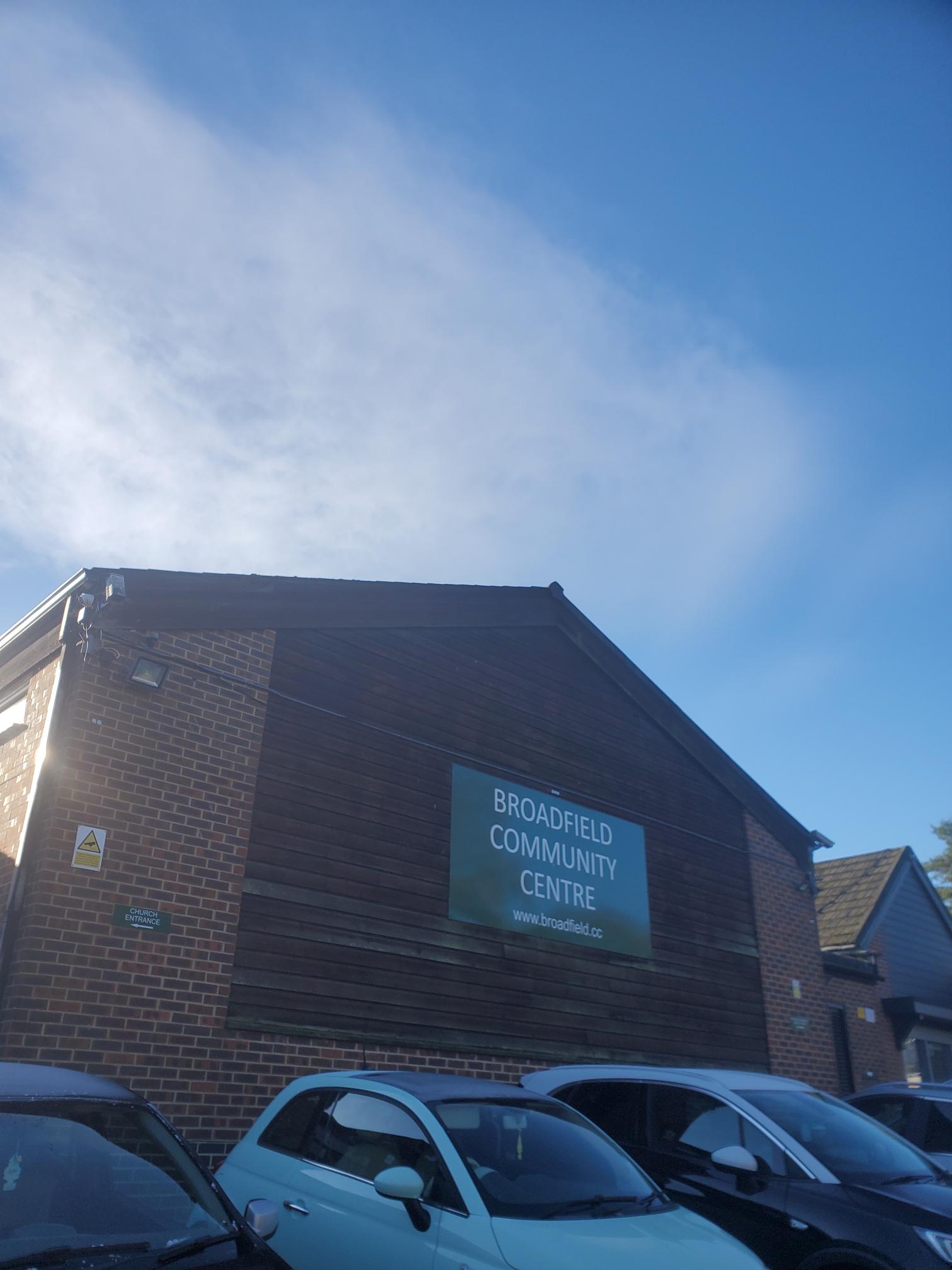
On Thursday 20th November, I had the privilege of attending and speaking at the Memory, Wellbeing and Brain Health event hosted at Broadfield Community Centre in Crawley. Organised by Carers Support West Sussex, the event formed part of Carers Rights Day, bringing together carers, professionals, community teams, and people living with dementia for a day of learning, connection, and support.

Although I couldn’t stay for the full programme due to travelling to another Carers Rights Day engagement later that afternoon, I was grateful to take part in the early sessions and witness the energy and compassion that shaped the whole day.

Continue reading

Shaping the Future of Support for Unpaid Carers in Lewisham

By Matthew McKenzie FRSA BEM – Triangle of Care community chair

As a carer living in Lewisham, I know just how important it is that our voices are heard and that the support available truly meets our needs. Whether we’re looking after a parent, a partner, a child, or a friend, we all share the same challenges balancing care responsibilities, work, our own wellbeing, and often feeling invisible in the process.

That’s why I wanted to share something that directly affects all of us. Lewisham Council and the NHS South East London ICB are currently developing a new Action Plan for Unpaid Carers (2025–2028). This plan will set out how the Council aims to identify, value, and support more carers over the next few years.

The team leading this work, including a new member who recently joined the Adults Integrated Commissioning Team, is reaching out to carers across the borough to get our feedback.

Continue reading

Lewisham, Southwark & Lambeth carer forum update October 2025

The recent Carers Forum brought together unpaid carers, health professionals, and community organisations from across South London to share updates, experiences, and ideas for improving mental health support. The event, chaired by Matthew McKenzie, created a safe and open space for carers to connect, exchange information, and have their questions heard by local health leaders.

Setting the Scene

Matthew opened the session by welcoming carers from across Lambeth, Lewisham, and Southwark. He spoke about the importance of providing carers with dedicated time to hear from service providers, particularly those supporting someone with mental ill-health and to ensure their voices shape local mental health strategies.

Continue reading

Celebrating Unpaid Carers – A Night of Recognition

By Matthew McKenzie – Carer champion

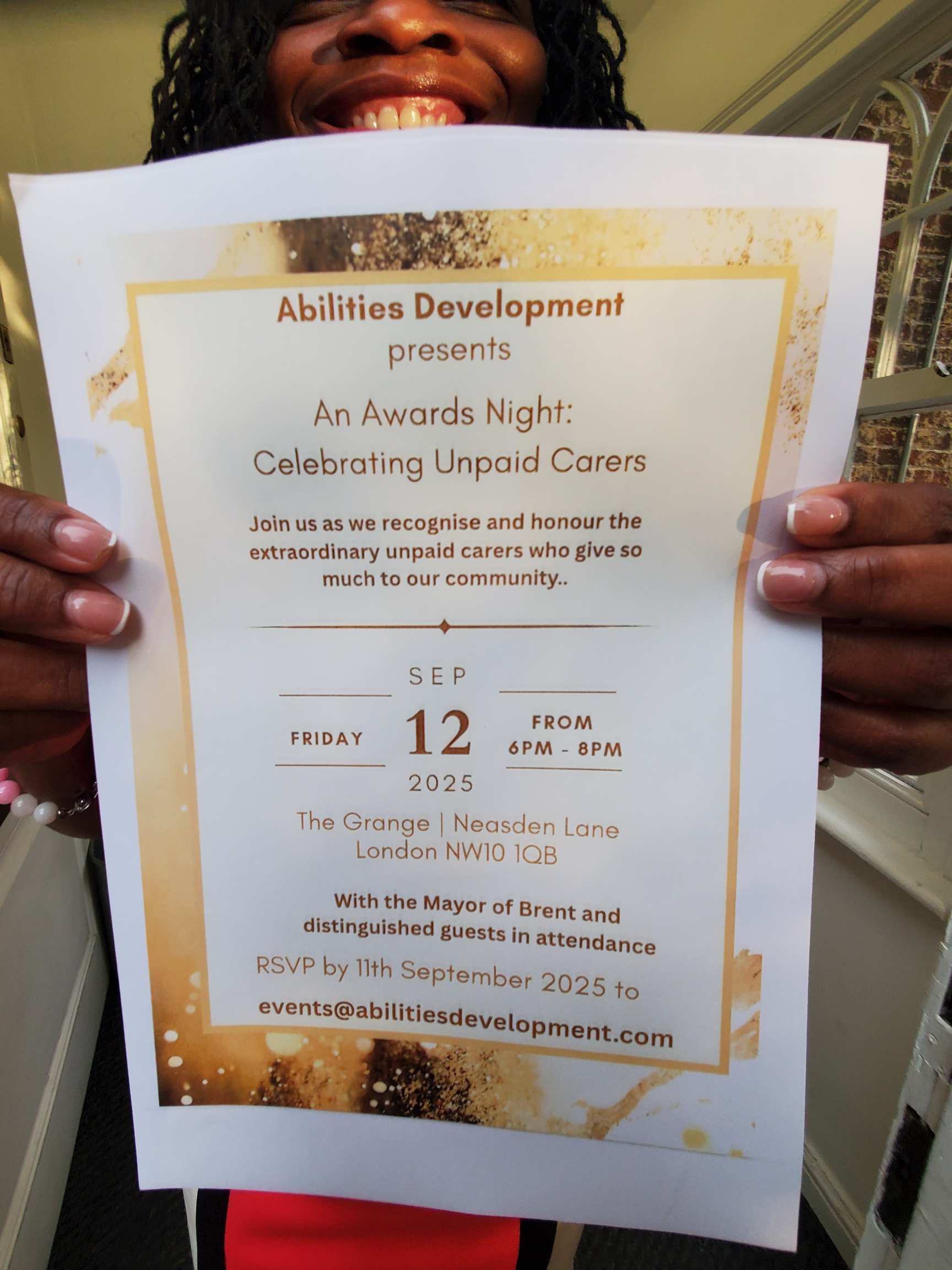
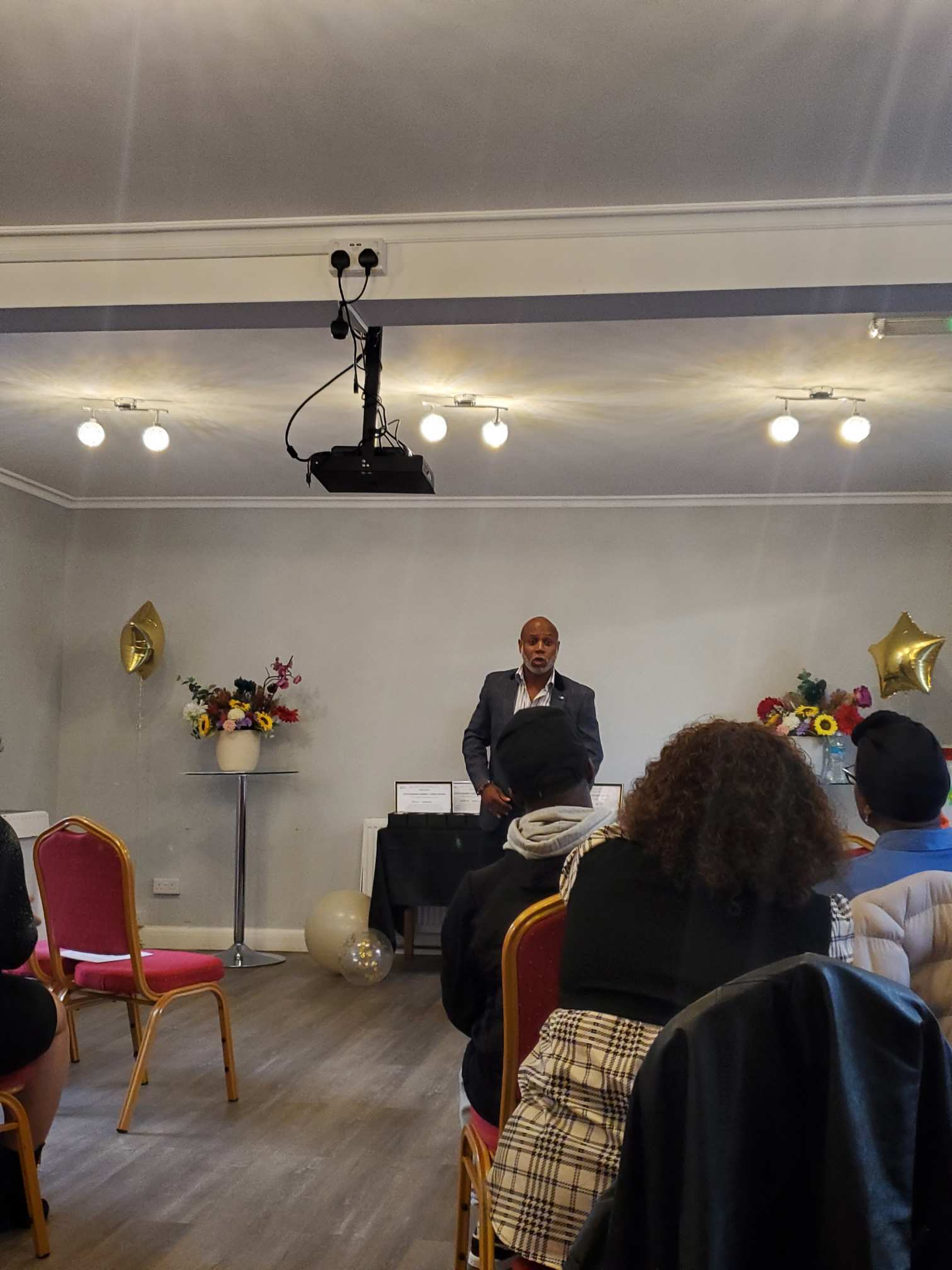
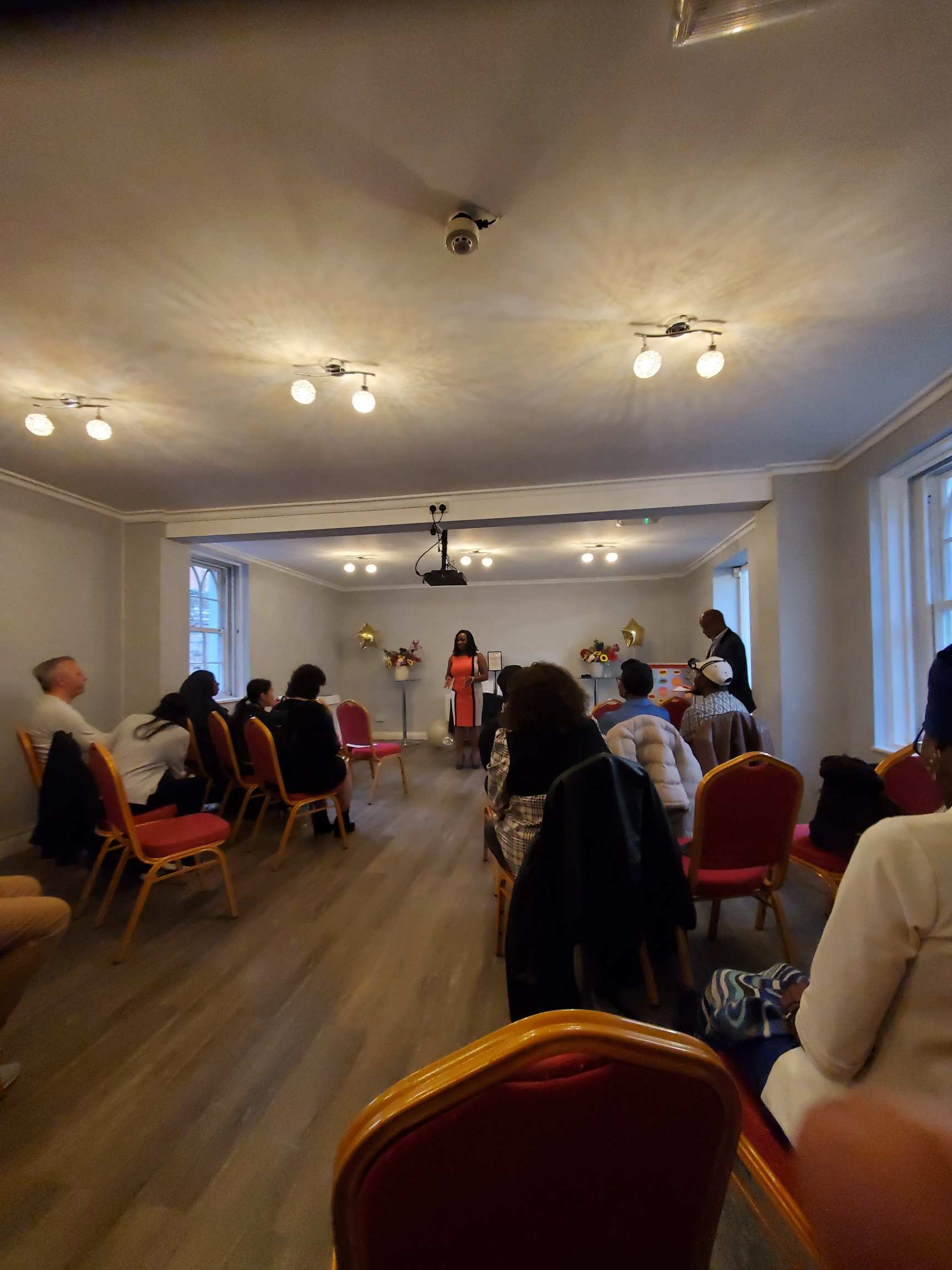
On Friday 12th September 2025, I had the privilege of attending Abilities Development’s Awards Night: Celebrating Unpaid Carers at The Grange in London. The event was a moving and powerful reminder of the sacrifices, love, and resilience shown by unpaid carers across our communities.

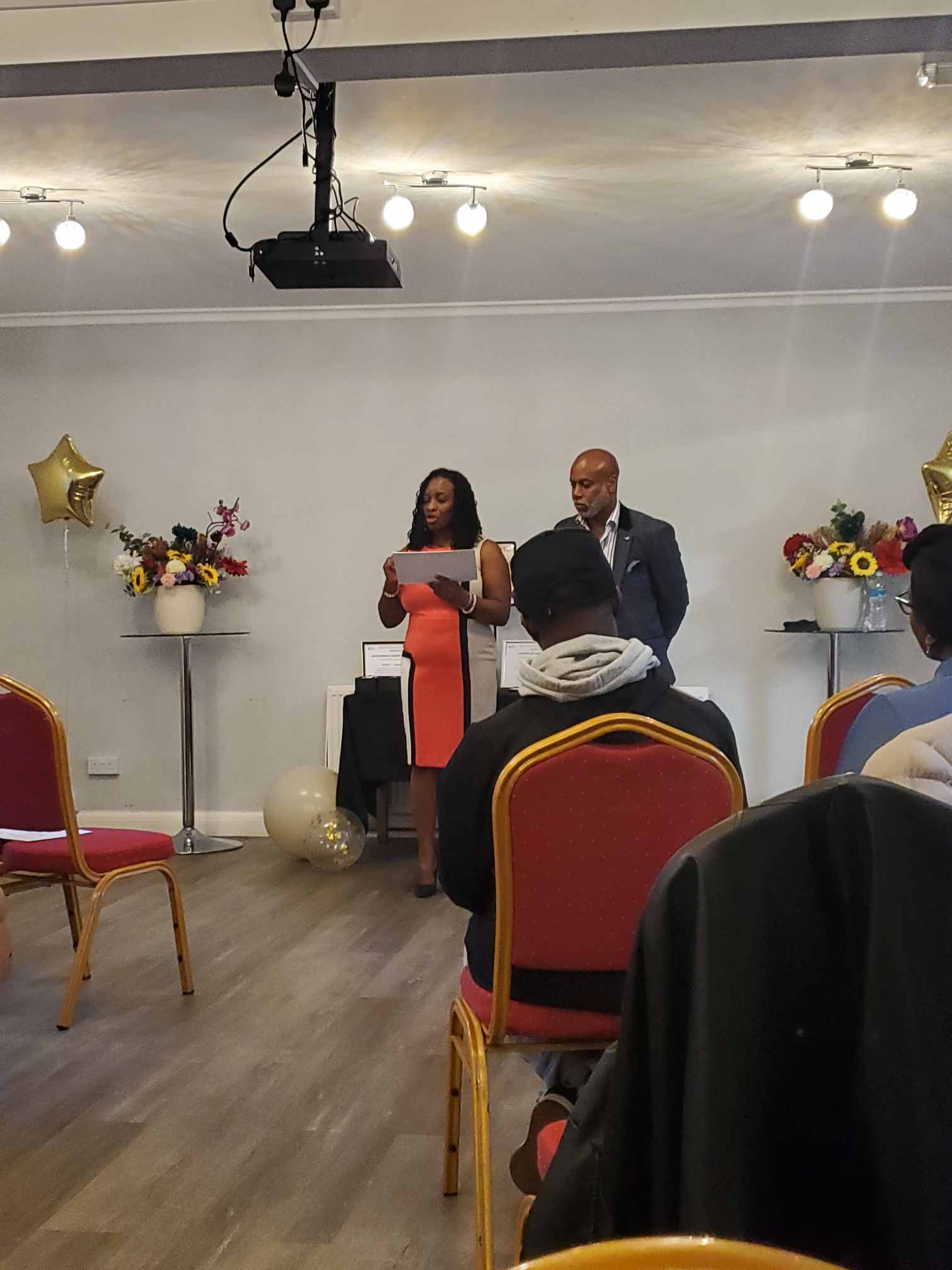
The event was hosted by founder Dr Karen May, who spoke passionately about the vision to celebrate and support unpaid carers. The evening also included tributes from fellow carers sharing their lived experiences, moving reflections on the sacrifices and strength carers show daily, and recognition from community leaders.

As many of you know, unpaid carers often go unseen, their daily contributions hidden behind closed doors. Yet they carry the heavy responsibilities of looking after loved ones with compassion and strength, often without formal recognition. This event was different, it put carers at the centre, reminding us all that their efforts matter and deserve to be celebrated.

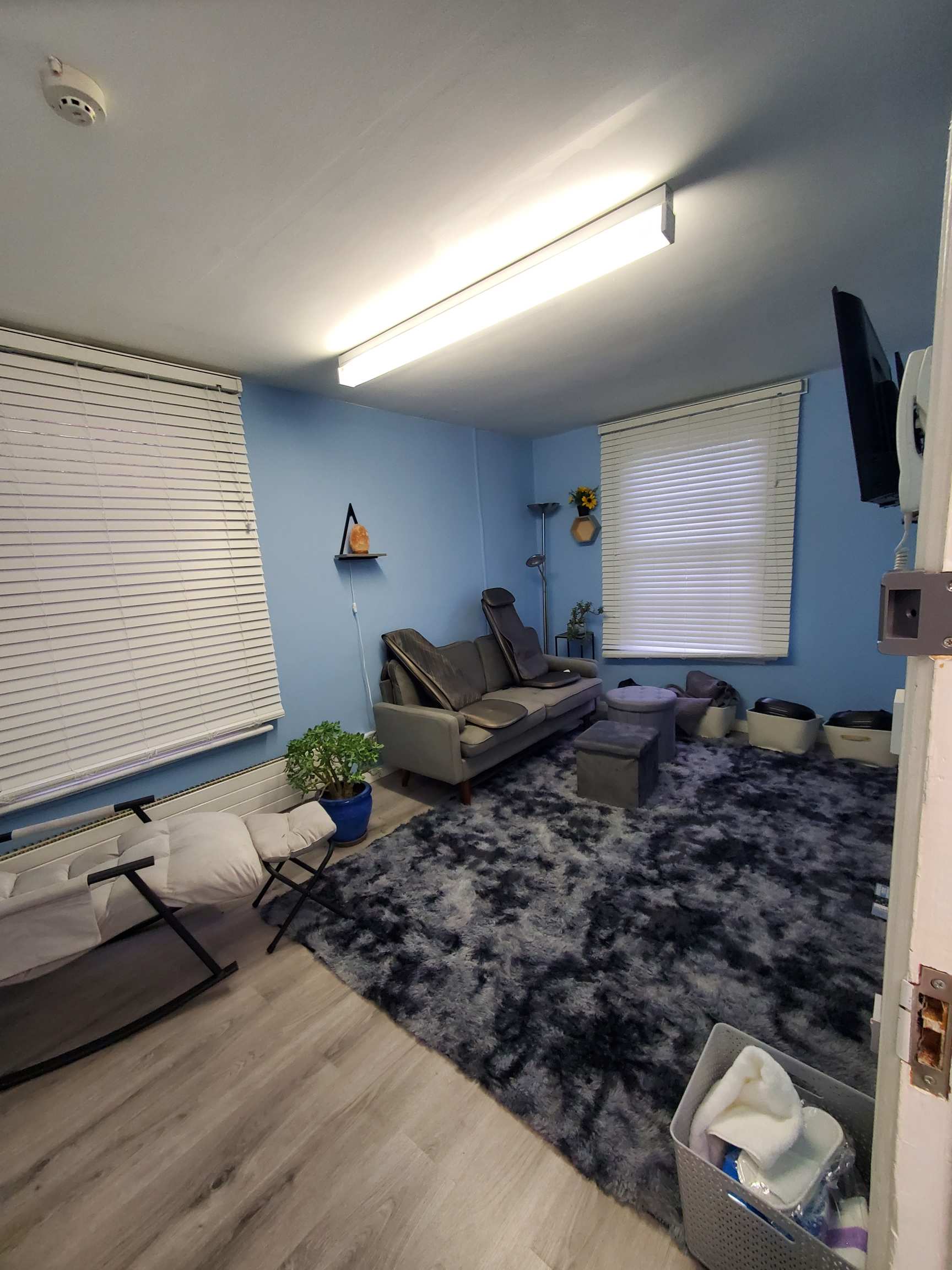
We were given a tour of the facilities available for unpaid carers and their loved ones to us.

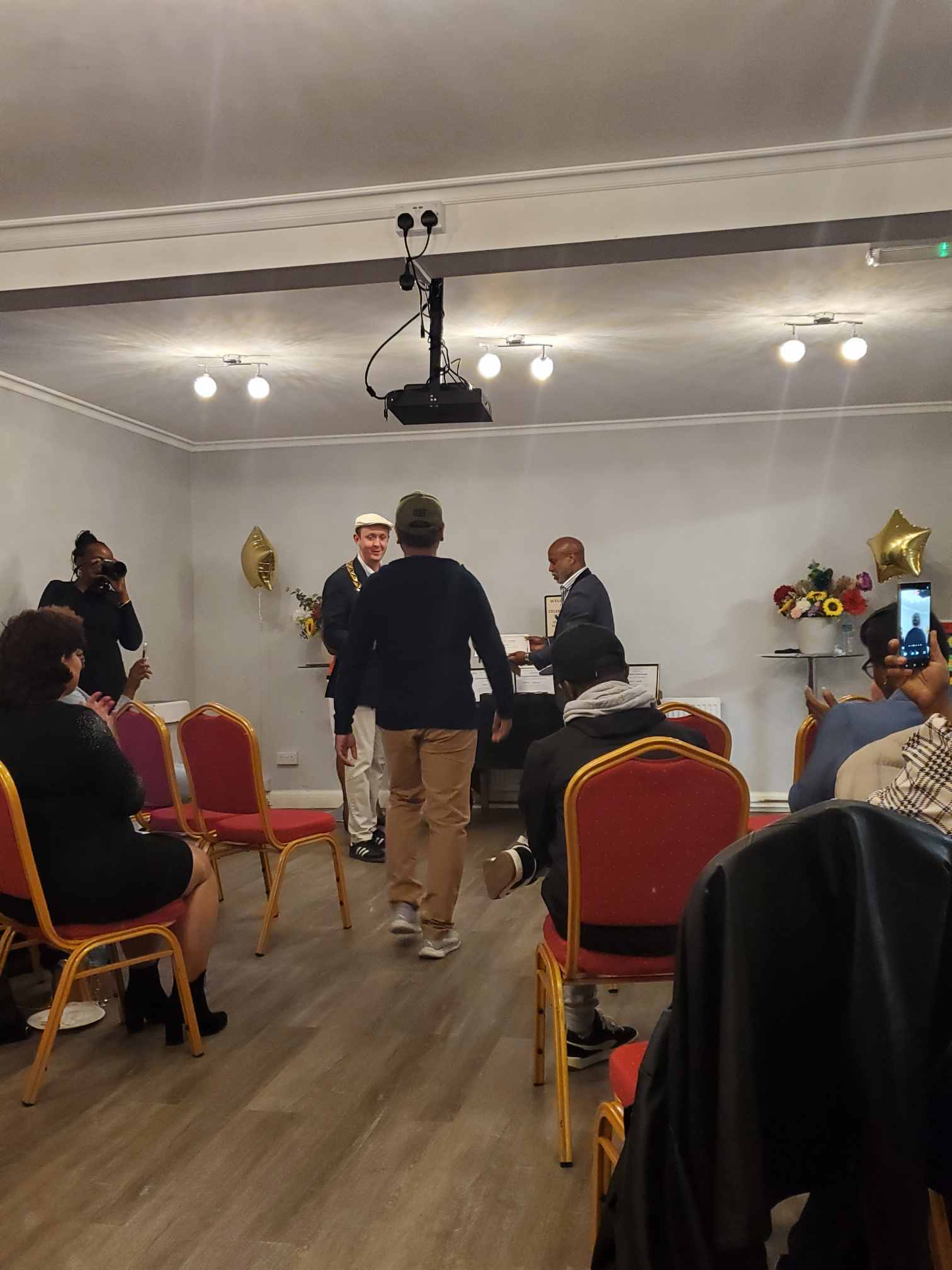
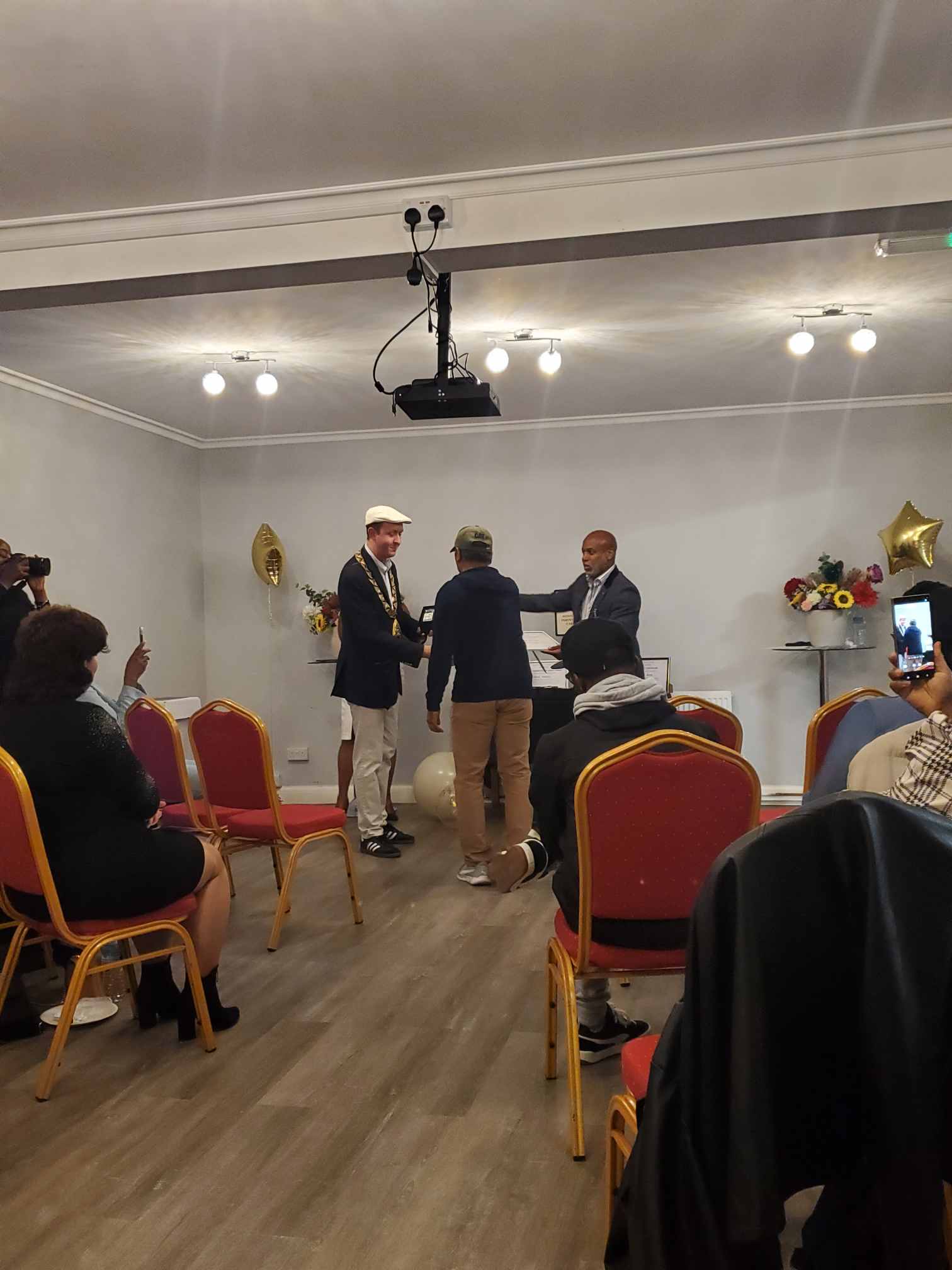
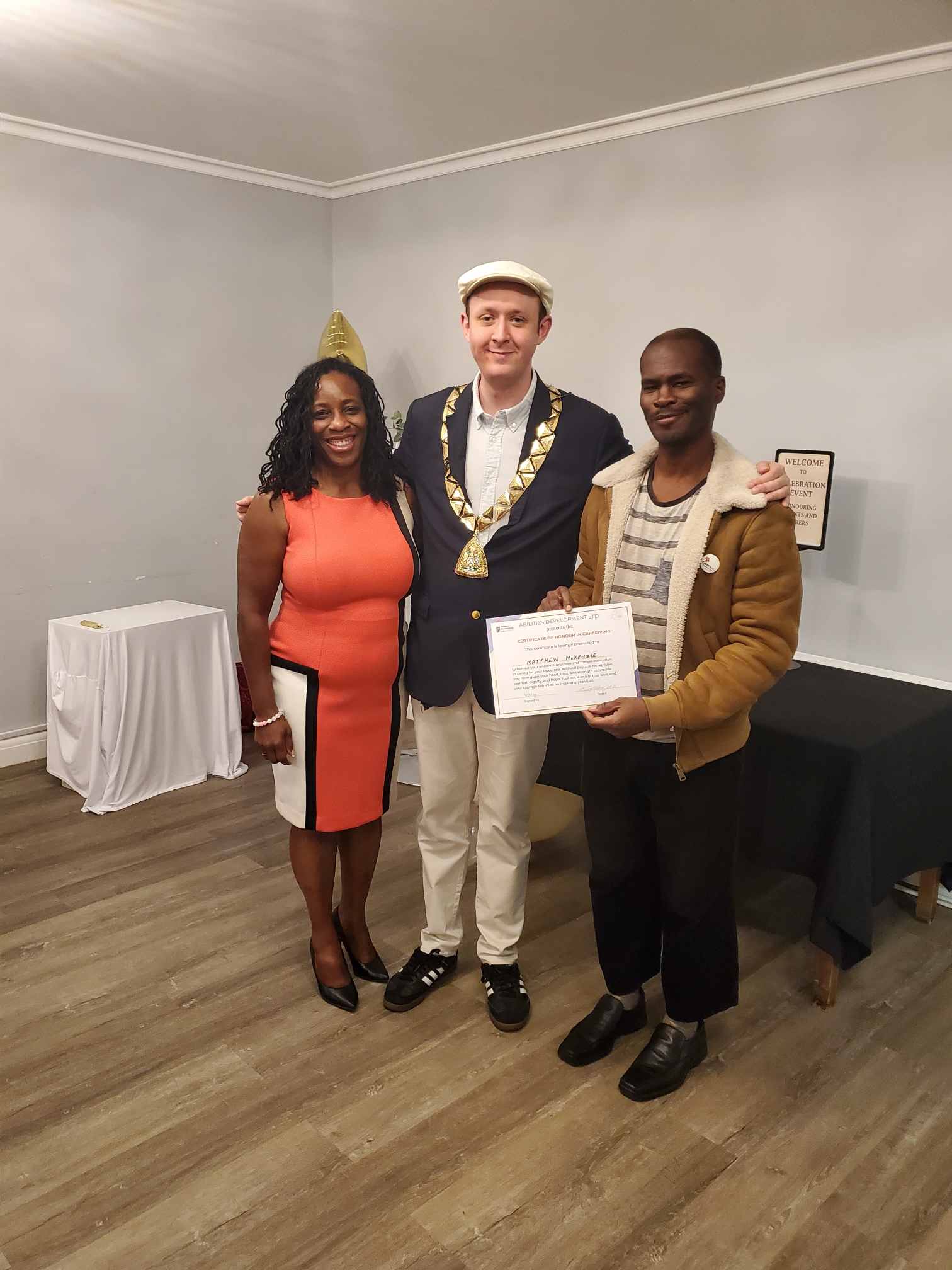
One of the highlights of the evening was the presentation of awards and certificates to unpaid carers. Each recipient was honoured with a Certificate of Honour in Caregiving, recognising their unconditional love, tireless dedication, and the invaluable role they play in supporting their loved ones without financial reward or formal recognition.

The evening, attended by the Mayor of Brent and other distinguished guests, was filled with speeches that spoke to the heart of caregiving, its challenges, its emotional toll, but also its incredible strength. One message that stood out was that carers must not forget their own worth and wellbeing. As was beautifully said on the night: “You are important. Take moments for yourself so you can rejuvenate, be well, and stay healthy.”

I was truly honoured to receive a Certificate of Honour in Caregiving myself. This certificate recognised the unconditional love and tireless dedication of carers who, without pay or recognition, give their heart, time, and energy to provide comfort, dignity, and hope. Holding it in my hands was not just a personal moment of pride, but also a reminder of the countless carers whose work too often goes unnoticed

Events like these are not “just another event.” They are opportunities to create legacies and spaces where carers are not only seen but also valued, uplifted, and supported. They are about passing on the message to future generations that caring is not a burden, but a profound act of humanity.

As someone who has long campaigned for carers’ voices, I want to encourage others to support, promote, and attend events like this. Whether it’s through organisations like Abilities Development, local carer networks, or even small community groups, recognising unpaid carers is vital.

To every unpaid carer reading this: you are a quiet hero. Every sleepless night, every whispered prayer, every act of kindness you show it matters. You matter.

Carers can book to use The Grange by contacting Abilities Development directly. Whether it’s for a quiet space to reflect, joining a carers’ group, or making use of tailored support services, The Grange offers a safe environment built around compassion and community.

Email: admin@abilitiesdevelopment.com

Why Cancer Carers Must also be at the Heart of the NHS 10-Year Plan

By Matthew McKenzie

As the NHS looks to the future with its ambitious 10-Year Plan, one critical group continues to be overlooked cancer carers, although I am not forgetting Mental Health carers. These are the unpaid family members, friends, and loved ones who provide essential care and emotional support to people living with cancer.

While the plan addresses key priorities like digitalization and community-based health reform, it fails to fully recognize the vital role of caregivers in our healthcare ecosystem.

The blog is a transcript of my video, which you can watch below.

Reform Through Inclusion

The NHS 10-Year Plan aims to reshape health services by emphasizing digital tools, preventive care, and stronger local networks.

These initiatives are undoubtedly important. But without recognizing and integrating the contributions of cancer caregivers, the plan risks missing a vital component of patient care.

The Invisible Workforce

Caregivers are often the unsung heroes of cancer care. They manage appointments, administer medications, provide emotional support, and serve as advocates all while coping with their own mental and physical toll.

Challenges Faced by Cancer Carers:

  • Mental Health Impacts: The stress, anxiety, and emotional burden can be overwhelming.
  • Decision Fatigue: Carers are often thrust into complex medical decision-making without adequate support or guidance.
  • Lack of Recognition: Despite their contributions, caregivers are rarely acknowledged as part of the healthcare team.

A Call for Systemic Change

The inclusion of carers in healthcare reform isn’t just an ethical necessity it’s a strategic imperative. By empowering carers, we enhance patient outcomes, reduce strain on NHS services, and promote more holistic care.

Recommendations for Inclusion:

  • Training for Carers: Equip caregivers with tools to better navigate health systems and support patient needs.
  • Support Services: Invest in respite care, mental health support, and caregiver-specific community services.
  • Recognition in Policy: Classify caregivers as essential stakeholders in healthcare planning and delivery.

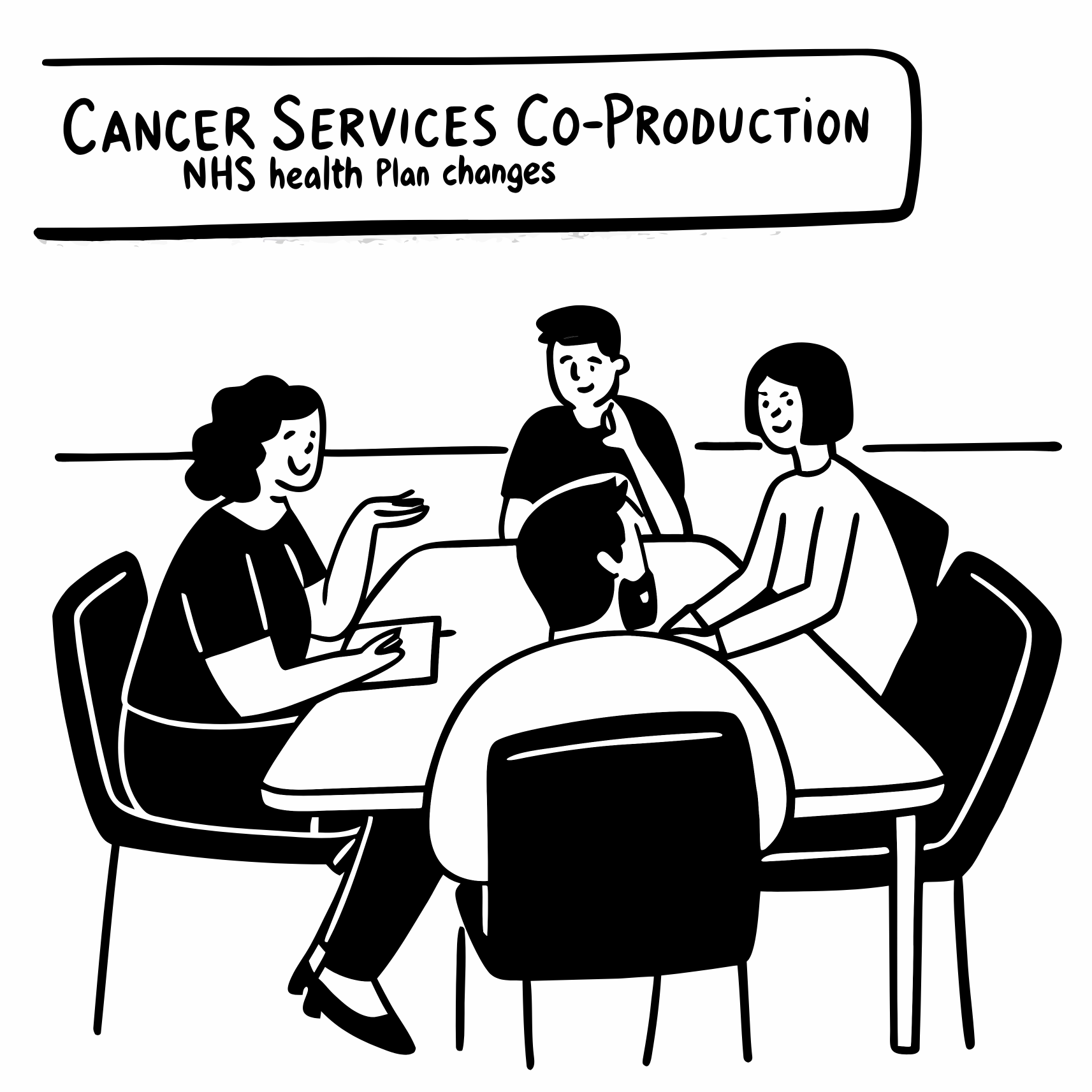
Co-Production: Designing Services With Carers

One of the most powerful messages from the discussion is the importance of co-production. That means actively involving carers in designing and shaping NHS services not just consulting them after the fact.

Co-Production Actions:

  • Involve Carers in Service Design: Make caregiver feedback a routine part of NHS planning.
  • Policy Advocacy: Push for legal and procedural reforms that recognize the role of carers from day one.

The Road Ahead

Cancer caregivers are not just a support system they are key partners in the healthcare journey. If the NHS truly seeks to build a more inclusive, responsive, and sustainable health system, caregivers must be central to its 10-Year Plan.

Let’s stop treating caregivers as an afterthought. Let’s make them co-creators of the future of care.

Support Sites for Cancer Carers

1. Carers UK

Provides advice, online forums, factsheets, and rights information for unpaid carers across the UK.
https://www.carersuk.org

2. Carers Trust

Supports a network of local carer organisations across the UK. Offers practical help, grants, and local service finders.
https://www.carers.org

3. Macmillan Cancer Support

Offers emotional, practical, and financial support for people affected by cancer—including dedicated resources for carers.
https://www.macmillan.org.uk/information-and-support/supporting-someone-with-cancer

4. NHS – Cancer Care and Support

Official NHS guidance on cancer, treatments, living with cancer, and how carers can support loved ones.
https://www.nhs.uk/conditions/cancer/

5. Maggie’s Centres

A network of cancer support centres offering free emotional, psychological, and practical support to anyone affected by cancer—including carers.
https://www.maggies.org

6. Marie Curie – Caring for Someone with Cancer

Offers support to those caring for someone at the end of life or with a terminal cancer diagnosis, including bereavement help.
https://www.mariecurie.org.uk/help/support/caring

Voices of Mental Health Carers: Poetry & Stories

The Power of Poetry and Storytelling in the Lives of Carers

Caring for a loved one with mental health challenges or chronic illness is a journey marked by both hardship and hope. Too often, the voices of carers those who provide unpaid, tireless support are overlooked in the broader conversation about health and wellbeing. Yet, as this moving gathering of carers and poets reveals, storytelling and poetry can be transformative tools for connection, healing, and advocacy. So it was an honour to host our first poetry event at Cygnet Churchill for the 13th of June during Carers Week 2025

This Blog explores the themes, experiences, and creative expressions shared by carers, drawing from a vibrant community event centered on poetry, storytelling, and the lived realities of those who care. Through their words, we gain insight into the emotional landscape of caring, the challenges faced, and the resilience that emerges when stories are shared.

To watch the performance, please view the video below.

Giving Carers a Voice: The Motivation Behind the Book

The host of the event was myself (Matthew McKenzie), as a prolific author and advocate, where I have dedicated my eighth book to amplifying the voices of mental health carers. For me, books are more than just a means of communication they are a way to reach people who might otherwise remain unheard.

Continue reading