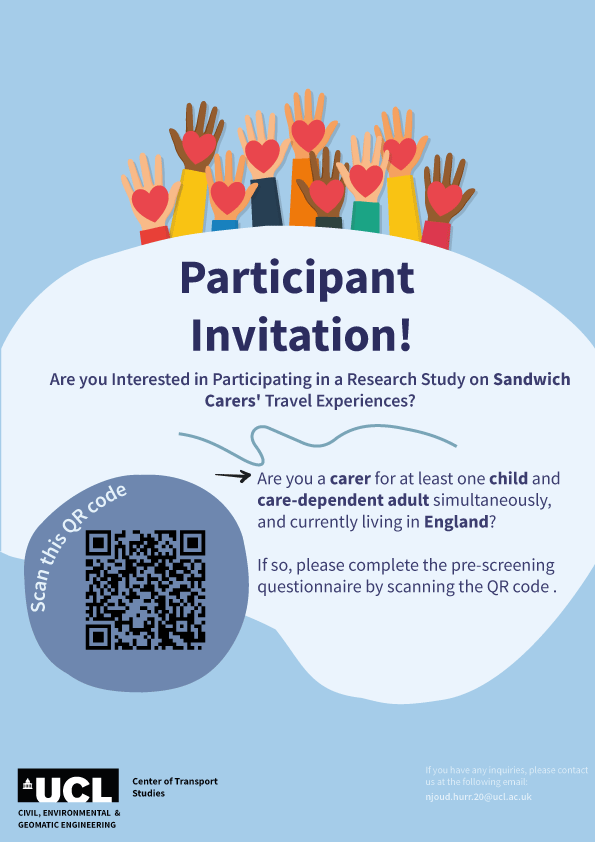
Are you currently juggling the responsibility of caring for both a child and a care-dependent adult? If so, you may be what we call a “sandwich carer”—someone who provides care for loved ones across different generations.
At UCL’s Center for Transport Studies, They are conducting an important research study exploring the travel experiences of sandwich carers, and we want to hear from you.
Why Participate?
Sandwich carers play a critical role in our society, often balancing work, caregiving, and personal needs—all while navigating complex travel routines. However, little is known about how this group manages their daily transportation. Your input can help inform future transport policies and support systems to make travel more accessible and manageable for carers like you.
Who Can Take Part?
You are eligible if:
You are a carer for at least one child and one care-dependent adult,
And you currently live in England.
How to Participate
Simply scan the QR code in the flyer (see below) to complete a short pre-screening questionnaire. It only takes a few minutes and is the first step to being part of this valuable study.
Get Involved Today
Your voice matters. By participating, you’ll be contributing to research that could lead to meaningful change for thousands of carers across the country.
For any questions or more information, feel free to contact us at: 📧 njoud.hurr.20@ucl.ac.uk
Thank you for considering taking part in this important work. Please share this invitation with others who might qualify.
Hi everyone, it’s Matthew McKenzie here, and as you know, my focus is usually on raising awareness about unpaid carers, those who care for someone living with long-term ill health, whether it be mental health or physical health. Today, we’re shifting our attention slightly to discuss strategies for dealing with depression. This issue doesn’t just affect the individuals you’re caring for; it can also impact unpaid carers themselves. I’ve been through it, and it’s something that creeps up on you unexpectedly. Even while doing your best in your caregiving role, external factors and the nature of who you’re caring for can significantly affect your mental well-being.
To watch the video, please see below.
Strategies for Combating Depression
Let’s dive into these 20 or so strategies that carers, or anyone for that matter, can use to deal with depression.
Living with Parkinson’s disease is undeniably challenging, not just for those diagnosed but also for those who support them. During a recent panel discussion from Parkinsons UK, experience of care experts including Matthew McKenzie and volunteers shared their insights and experiences on managing these challenges, offering valuable advice for fellow caregivers. The discussion highlighted key aspects of being on the supporters journey, from communicating diagnoses to seeking support and handling medication concerns. Here, we summarize the essential points covered during the session for a comprehensive guide.
Parkinson’s UK is a leading charity dedicated to improving the lives of people affected by Parkinson’s disease in the United Kingdom. Established in 1969, the organization provides vital support, information, and resources to individuals living with the condition, as well as their families and caregivers. Parkinson’s UK also funds groundbreaking research aimed at finding better treatments and ultimately a cure for the disease.
Parkinson’s UK held a Panel interview to highlight and educate those who are new to the caring role and want to find out more about supporting someone with Parkinsons. Below is a small summary of the panel interview, although if you want to watch the Panel discussion, please click on the video below.
Welcome to another blog post from Carer activist Matthew McKenzie. THis is a blog post I always wanted to do, since for many years I been running carer groups. If you want to watch the in-depth version regarding carer peer groups, you can watch the hour long video below.
In this blog post, you can explore the diverse landscape of caregiver peer support groups, focusing on building resilience, skill-sharing, and overcoming stigma. You can also discover how these groups provide a safe space for growth, learning, and healing through shared experiences.
Understanding Carer Peer Groups
Carer peer groups are an essential, yet often misunderstood aspect of caregiving. Despite their complexities, they offer a lifeline to many caregivers, providing much-needed support, understanding, and personal growth opportunities. These groups are not just spaces for venting or sharing the challenges of caregiving; they serve a multitude of functions aimed at enhancing the lives of caregivers.
What Are Carer Peer Groups?
At their core, carer peer groups are a collection of individuals, typically caregivers, who share common characteristics and experiences. They come together with specific interests, interact in ways that foster support, understanding, and personal growth. These groups are more than just social gatherings; they are structured environments where caregivers can develop resilience, accountability, and coping skills.
The Importance of Emotional Support
Building Emotional Resilience
One of the primary functions of care peer groups is providing emotional support. Caring for a loved one can be isolating and emotionally draining. Groups focused on emotional support aim to reduce this isolation and help caregivers build coping skills. These groups facilitate a space where caregivers can explore their emotions, such as trauma, anxiety, isolation, depression, and anger. By doing so, they help mitigate the risks of developing mental health issues.
Encouraging Personal Growth
Emotional support groups go beyond mere conversation. They encourage self-discovery and growth, helping caregivers reduce the stigma associated with their role. These groups work to build a sense of community, providing a platform for storytelling and healing. The goal is to turn emotional struggles into opportunities for growth and resilience.
Mutual Aid and Resource Sharing
Collaborative Problem Solving
Another critical type of carer peer group is the mutual aid carer group. These groups are all about collective action and shared responsibility. Caregivers come together to offer advice, support, and understanding based on their shared experiences. They advocate for social change and share resources, knowledge, and skills to better manage their caregiving duties.
Developing Lifelong Skills
Resource-sharing carer groups focus on maximizing the use of resources and skills among caregivers. These groups encourage practical support, such as helping with everyday tasks, and foster a culture of giving and gratitude. By doing so, they help create strong, supportive networks that caregivers can rely on.
The Role of Accountability
Creating a Culture of Accountability
Accountability is a crucial element in many carer peer groups. These groups ensure that caregivers remain motivated and responsible in pursuing their personal and professional goals. They offer consistent check-ins and progress reviews, helping caregivers stay focused and committed.
Encouraging Empathy and Understanding
Accountability groups also emphasize the importance of empathy and understanding. By fostering a non-judgmental environment, these groups help caregivers build compassionate connections and develop deep listening skills. This creates a supportive space where caregivers can feel safe expressing their thoughts and feelings.
Promoting Empathy and Safe Spaces
Safe and Non-Judgmental Environments
Creating a safe, non-judgmental space for caregivers is essential. These groups provide an environment where individuals can freely express themselves without fear of criticism or harm. The focus is on healing and recovery, reducing isolation, and promoting self-compassion.
Enhancing Communication Skills
Such groups put a high priority on confidentiality and empathy, which are vital for building trust among members. They work to improve communication and interpersonal skills, helping caregivers better navigate their caregiving roles and manage conflict within their relationships.
Empowering Caregivers
Building Confidence and Resilience
Caregiver empowerment groups focus on fostering a sense of control and belonging among caregivers. They promote resilience and encourage caregivers to overcome obstacles. These groups help build strong social networks and challenge social norms, providing tools and resources for skill development.
Encouraging Personal Development
These groups often serve as networks of encouragement, where members motivate each other to achieve their goals. They focus on building confidence, self-belief, and resilience through peer mentorship and role modeling. This helps caregivers take on leadership roles and further their personal development.
Specialized Carer Groups
Alternative Therapy and Recovery
Some carer peer groups focus on alternative therapies, providing non-professional and voluntary alternatives to traditional therapy. These groups might use methods such as art therapy, mindfulness practices, or peer coaching. They aim to enhance communication skills and offer a space for healing through creative expression.
Problem Solving and Growth
Problem-solving care groups help caregivers brainstorm solutions to common challenges using shared experiences. They encourage critical thinking and offer emotional and motivational support. These groups also focus on resilience building, helping caregivers develop emotional agility and self-awareness.
Conclusion
Carer peer groups play a vital role in supporting caregivers. They offer emotional support, facilitate resource sharing, promote accountability, create safe spaces, empower individuals, and provide specialized support. These groups are complex and require significant effort to establish and maintain. However, their benefits far outweigh the challenges. By participating in care peer groups, caregivers can find the support, understanding, and personal growth they need to continue their vital roles.
Despite their complexities, carer peer groups are essential in fostering a supportive environment for caregivers. They provide the tools and resources necessary for caregivers to thrive, ultimately enhancing the overall quality of care provided to their loved ones. As the demand for caregiving continues to grow, the importance of these groups cannot be overstated.
Welcome back to another blog post from carer activist Matthew McKenzie. This time I am going to talk about building resilience as a carer. To watch the indepth video of the topic. Please click below. The video is split timestamps, so you can skip to a section.
Understanding Resilience in Unpaid Caregiving
Caring for a loved one, friend, or neighbor with a long-term illness can be an incredibly rewarding experience. It allows you to form deep emotional bonds and fulfill a duty of love and support. However, this role also comes with its own set of challenges which can be emotionally, mentally, and physically draining. Building resilience is crucial for unpaid caregivers to successfully navigate these challenges and continue providing the best care possible.
What is Resilience?
Resilience is the ability to bounce back from hard times and adapt to challenging situations. It is about finding ways to cope with difficult circumstances without being worn down by them. For unpaid caregivers, resilience is essential to remain effective in their roles and take care of their own well-being.
Why is Resilience Needed?
Unpaid caregivers often face emotional strain, unpredictability, social isolation, and problem-solving challenges. Let’s look at why resilience is necessary to combat these issues:
Emotional Strain
Caregiving can lead to emotional strain, especially when things don’t go as planned. The person being cared for might face a downturn in their health, causing feelings of depression, anger, or anxiety in the caregiver. Emotional resilience helps caregivers manage these sentiments and prevents burnout.
Unpredictability
Caring for someone with a long-term illness can be unpredictable. Health conditions can change rapidly, and unexpected challenges can arise at any moment. Resilience equips caregivers with the ability to adapt to these changes without being overwhelmed.
Social Isolation
Unpaid caregiving can lead to social isolation because the role often requires long hours and constant vigilance. This isolation can be detrimental to the caregiver’s mental health. Building resilience can help mitigate the effects of isolation and keep caregivers more engaged with their social circles.
Problem-Solving
Unpaid caregivers often need to be excellent problem-solvers. They must find solutions to daily challenges, sometimes under pressure. Resilience enhances problem-solving skills, allowing caregivers to face hurdles more effectively.
Steps to Building Resilience
Building resilience involves developing various skills and adopting certain practices. Here are steps that can help unpaid caregivers build resilience:
Develop Problem-Solving Skills
Planning ahead is crucial. While it’s impossible to foresee every challenge, preparing for potential issues can reduce the stress of facing them. Different caregivers may find different problem-solving strategies more effective, so it’s essential to find what works best for you.
Educate Yourself
Knowledge is power. Understanding the illness you’re dealing with can make caregiving more manageable. Resources like online sites, charities, and support organizations can provide valuable insights. For example, National carer charities like Carers UK and Carers Trust offer extensive information on unpaid caregiving and specific illnesses.
Celebrate Small Wins
Recognize and celebrate small victories. Did you manage to pick up medication successfully? Did your loved one start talking to you more openly? These small wins can boost your morale and strengthen your resilience. Make it a routine to acknowledge and be thankful for these moments.
Join Support Groups or Networks
Participating in support groups or caregiver networks can provide emotional support and practical advice. You don’t always have to share your problems; sometimes, simply listening and learning from others’ experiences can be incredibly beneficial. Building a network of caregivers can also help reduce social isolation.
Establish Boundaries
Setting boundaries is essential for maintaining your own well-being. Know when to step back and take time for self-care. It’s crucial not to overextend yourself to the point of exhaustion.
Practice Mindfulness
Mindfulness practices, such as deep breathing exercises, walking, or journaling, can help reduce stress and improve mental clarity. These activities can make challenges more manageable by promoting a positive mindset.
Stay Connected
Maintaining connections with friends and family can provide emotional support. While not all family dynamics are the same, having someone to talk to can help combat feelings of isolation. Building resilience sometimes involves depending on others, which can be tricky but rewarding.
Prioritize Self-Care
Taking care of yourself is fundamentally linked to being able to take care of others. This includes eating well, exercising, journaling, and taking breaks when needed. Self-care is a vital part of building resilience and should not be overlooked.
Conclusion
Building resilience is not a one-time task but an ongoing process that requires consistent effort. The rewards, however, are substantial. Resilient caregivers are better equipped to handle the challenges of their role, provide high-quality care, and maintain their own well-being.
Unpaid caregiving is both a demanding and fulfilling role. By building resilience, caregivers can ensure they are prepared to meet the challenges they face, reduce emotional and physical strain, and continue to provide compassionate, effective care.
Remember, it’s essential to educate yourself continually, celebrate your achievements, and take care of your well-being. The more resilient you are, the more capable you’ll be in your caregiving role.
Welcome to another blog post on carer / caregiver awareness from carer activist Matthew McKenzie. To see the video of this blog post, watch below.
Recognizing the Need for Help as a Caregiver: 10 Signs to Watch Out For
Caring for a loved one is often a rewarding experience filled with deep connection and personal satisfaction. However, it can also become overwhelming, exhausting, and challenging. Acknowledging that you need help is a crucial step in providing the best care for both your loved one and yourself. Here, we’ll explore 10 important signs that indicate it may be time to ask for help in your caregiving role.
Feeling Overwhelmed with Your Caring Role
Caregiving involves juggling numerous responsibilities, which can lead to constant stress and anxiety. If you often feel like you’re unable to cope, it’s a clear indication that you need support. Feeling overwhelmed is not a sign of weakness; it’s a human response to a heavy load. Remember, it’s perfectly okay to ask for help and share the burden.
Physical Exhaustion
The physical demands of caregiving can be immense. Lifting, moving, and assisting your loved one can take a toll on your body. If you find yourself frequently fatigued, or if you experience chronic pain or other health issues, it’s important to seek help. Ignoring these symptoms can lead to caregiver burnout, which ultimately benefits no one.
Emotional Strain
Caregiving can also be emotionally taxing. Signs of depression, irritability, or frequent mood swings may indicate that you need emotional support. Friends, family, or professional counselors can provide the necessary outlet for your feelings and help you manage the emotional strain that comes with caregiving.
Changes in Your Loved One’s Needs
Your loved one’s condition may worsen over time, increasing their care needs. When this happens, don’t hesitate to ask for assistance. Professional help can be crucial during periods of significant change, ensuring your loved one receives the best care possible while you adapt to new demands.
Neglecting Personal Needs
It can be easy to lose sight of your own health, relationships, and hobbies when you’re focused on caregiving. However, neglecting your personal needs can lead to serious health and emotional issues. Seeking help can give you the space to take care of yourself, restoring balance and allowing you to be a stronger caregiver.
Isolation
Feeling lonely or disconnected is a common experience among caregivers. This isolation can exacerbate stress and make the caregiving role even more challenging. Reaching out for support, whether from family, friends, or caregiver support groups, can help you reconnect and remind you that you’re not alone in this journey.
Crisis Situations
In times of emergency or when faced with making tough decisions about your loved one’s care, seeking help is essential. Attempting to navigate these moments alone can be risky. Professional advice and support can provide the guidance you need to make the best possible decisions during a crisis.
Lack of Knowledge or Skills
Caregiving often involves tasks that require specific knowledge or skills, such as medical care or managing medications. If you encounter tasks you’re unsure how to handle, it’s crucial to seek guidance. Professional help can ensure that these tasks are performed correctly, safeguarding your loved one’s health.
Inability to Maintain Routine
Maintaining a consistent daily routine is vital for both you and your loved one. If you find that daily routines are regularly disrupted and you’re struggling to manage time, consider asking for assistance. A little help can go a long way in restoring structure and reducing stress.
Need for Respite
Everyone needs a break occasionally. If you feel the need to take time for self-care or to recharge, don’t hesitate to ask for help. Whether this comes from family, friends, or respite care services, taking the time to rest is essential for maintaining your well-being and being an effective caregiver.
Conclusion: Seeking Help is a Sign of Strength
Recognizing and acting on these signs doesn’t mean you’re failing as a caregiver; it means you’re taking necessary steps to ensure the best care for your loved one and yourself. Asking for help is an act of strength and responsibility. Take the initiative today to reach out and seek the support you need in your caregiving journey.















 A Caring Mind