Understanding the Role of Empathy in Reducing Racism
Welcome to about blog and video lecture from carer advocate Matthew McKenzie. This time I want to promote the importance of how empathy serves as a powerful tool in addressing and reducing racism within society. To watch my video lecture on reducing racism, see the video below.
When it comes to reducing Racism, it requires individuals to step into another person’s shoes, acknowledging their lived experiences and how the impact of racial discrimination affects them.
Hello everyone, I’m Matthew McKenzie, and in this blog I want to raise awareness about the various forms of discrimination and bias that unpaid carers, especially those looking after individuals suffering from mental illness or cancer, might encounter. Moreover, I am deeply involved in addressing racism and discrimination, sharing my firsthand knowledge of these issues, particularly in the mental health system.
In this article, we’ll dive into some of the crucial terminology that are essential for anyone working within healthcare settings, caring for people from minority groups, or even interacting as patients themselves.
In this blog, I’ll focus primarily on the acute settings within general hospitals. Most of these terms and definitions, however, are broadly applicable across the entire mental health system. We will go over around 12 to 13 key terms, highlighting their relevance and providing examples to illustrate how they manifest in healthcare contexts.
You can also watch the video lecture off my YouTube Channel.
Discrimination
Discrimination in healthcare involves treating individuals unfairly based on their race, ethnicity, or other characteristics. This unfair treatment leads to poor health outcomes for those affected.
Another blog post from Matthew McKenzie, author of “Race, caring and mental health”. In this post, Matthew explores the depressing results of top health inequality reports from 8 organisations.
If you want to watch the more detailed version of this post, then watch the video below, where you can explore the profound disparities in healthcare faced by ethnic minorities, revealed through key reports from NHS, Public Health England, CQC, and more. The video also presents the impact on mental health, maternity care, chronic diseases, and access to healthcare services.
Understanding Health Inequalities in the UK
Health inequalities have been a longstanding issue, particularly affecting various minority groups. These disparities in health outcomes are alarming and have become increasingly scrutinized, especially following the emergence of the COVID-19 pandemic. Matthew McKenzie, a carer activist and volunteer, delves into these pressing issues, focusing primarily on mental health and maternity care within minority communities. In this article, we’ll explore the findings from various reports and organizations concerning health inequalities in the UK and the urgent need for systematic reforms to achieve equitable health outcomes for all.
Health Inequalities: A Persistent Issue
The discussion about health inequalities is not new. Health disparities have been documented long before the recent revamping of the Mental Health Act, dating back to the initial implementation of the Act in 1983. Despite various efforts to address these issues, significant inequalities remain, affecting a wide range of services including mental health, maternity care, and primary care.
Focus on Minority Groups
Health inequalities do not solely affect ethnic minorities. They also encompass groups such as the LGBTQ+ community, travelers, and even certain regional populations within the country. However, the emphasis often lies on ethnic minorities due to the distinct challenges they face.
Key Findings from Health Inequality Reports
Several organizations have conducted extensive research to document and understand the health disparities present in the UK. These reports consistently highlight the unequal treatment and outcomes experienced by minority groups.
NHS Race and Health Observatory Report
In 2022, the NHS Race and Health Observatory released a comprehensive report on ethnic disparities in health services:
Mental Health: Black adults are more than four times as likely to be detained under the Mental Health Act compared to white adults. Ethnic minorities also face higher rates of coercion, including being restrained and put in seclusion.
Maternity Care: Black women are four times more likely to die during pregnancy or childbirth compared to white women. Asian women are almost twice as likely to face similar fates.
Primary Care Access: Ethnic minorities report greater difficulties in accessing GP services and obtaining referrals for tests and treatments, leading to a lack of trust in healthcare services.
Public Health England Review on COVID-19
The impact of the COVID-19 pandemic has further exposed underlying health inequalities:
Mortality Rates: The death rates from COVID-19 were significantly higher among Black, Asian, and minority ethnic groups compared to white groups. Black men were 3.3 times more likely to die from COVID-19 than white men. Similarly, Bangladeshi and Pakistani communities were twice as likely to die from the virus.
Socio-Economic Factors: Ethnic minorities were more likely to be in frontline jobs and live in overcrowded housing, increasing their vulnerability to COVID-19.
Systematic Inequalities: The pandemic highlighted the systematic inequalities in access to health services, with ethnic minorities suffering higher risks due to socio-economic disadvantages and pre-existing health disparities.
Marmot Review on Health Inequalities (2010-2020)
The Marmot Review, followed by its 2020 update, explored health inequalities across the UK, focusing on how deprivation, ethnicity, and other social determinants affect life expectancy and health outcomes:
Life Expectancy Gap: Ethnic minorities, particularly black and South Asian populations, face lower life expectancy and higher rates of chronic conditions compared to white populations.
Social Determinants: Ethnic minorities are disproportionately affected by poor housing, low income, unemployment, and education disparities, which contribute to long-term health inequalities.
Care Quality Commission (CQC) Reports
The CQC has consistently highlighted inequalities in accessing and receiving healthcare:
Mental Health Care: Black and other ethnic minority groups are more likely to be subjected to compulsory mental health treatment and face challenges in accessing early support.
Discrimination and Communication Barriers: Language barriers, cultural misunderstandings, and institutional racism contribute to poorer health experiences for ethnic minorities.
Organizations Addressing Health Inequalities
Various organizations are actively working to address these disparities and promote equitable health outcomes:
The Race Equality Foundation
The Race Equality Foundation has published several studies highlighting the experiences of ethnic minorities within the NHS:
Poor Health Outcomes: Ethnic minorities are more likely to report poorer health outcomes, delayed diagnoses, and negative experiences within NHS services.
Language and Cultural Barriers: Language barriers and the lack of culturally appropriate services lead to worse health conditions for ethnic minorities, particularly in accessing dementia care services.
NHS Workforce Race Equality Standard
The NHS Workforce Race Equality Standard focuses on the experiences of staff from ethnic minority backgrounds:
Discrimination Among Staff: Ethnic minority staff, particularly black and South Asian healthcare professionals, report higher levels of discrimination, harassment, and bullying, which can affect the quality of care provided to patients.
Impact on Patient Care: Discriminatory treatment of ethnic minority staff may be linked to poorer outcomes for ethnic minority patients, as staff experiencing racism are less engaged and less able to deliver high-quality care.
The Need for Systematic Reforms
The consistent and robust findings from these reports underscore the urgent need for systematic reforms to address health inequalities:
Institutional Racism: Addressing institutional racism within healthcare settings is critical to ensuring equitable treatment and outcomes for all patients.
Cultural Competence: Improving cultural competence and language services within healthcare can help bridge communication gaps and provide more culturally sensitive care.
Socio-Economic Supports: Addressing socio-economic disparities, including housing, income, and education, can reduce long-term health inequalities and improve overall health outcomes for minority groups.
Inclusive Policies: Developing inclusive policies and practices within healthcare institutions can foster a more supportive environment for both patients and healthcare staff.
Conclusion
Health inequalities remain a significant challenge in the UK, disproportionately affecting minority groups. Despite various efforts and reports highlighting these disparities, there is still much work to be done. Addressing these inequalities requires a comprehensive and systematic approach, focusing on institutional racism, socio-economic factors, and cultural competence within healthcare services. Only through sustained and concerted efforts can we hope to achieve equitable health outcomes for all, ensuring that everyone has access to the care and support they need.
Welcome to another blog post by carer activist Matthew McKenzie. Here we explore 15 common examples of how mental health professionals may give carers a tough time, leading to devastating consequences for both carers and their loved ones. Learn how to advocate for better care and support.
If you want to watch the more detailed version of this blog, then watch the video lecture below.
Understanding the Role of Mental Health Carers
Before we dive into those examples, I thought it best to describe what a mental health carer is. Caring for a loved one with mental health issues is a deeply compassionate yet challenging role. Mental health carers often find themselves navigating complex healthcare systems, advocating for their loved ones, and juggling their own well-being amidst these responsibilities.
In many cases, these carers are unpaid and provide informal support, stepping in to manage medical needs, handle crises, ensure safety, and offer emotional support. Their contribution is critical not only for the immediate well-being of the individual they care for but also for their longer-term recovery and management of mental health conditions. However, this vital role often goes unrecognized, and carers can face significant obstacles when interacting with mental health professionals.
Common Challenges Faced by Mental Health Carers
Refusal to Share Relevant Information
One of the most prevalent issues carers encounter is the refusal of mental health professionals to share patient information. Even with the consent of the person in their care, carers may find themselves excluded from discussions about treatment plans, medication side effects, and progress updates. Of course, sometimes there are very good reasons not to share patient information, but when taken to the extreme, this lack of communication undermines their ability of the carer to provide effective support and leaves them unprepared for the responsibilities thrust upon them.
Impact on Carers
This exclusion can be devastating, leading to frustration and a sense of helplessness. When carers are kept in the dark, they cannot adequately prepare to manage the daily care needs or handle potential crises. This not only impacts their ability to perform their role but also adversely affects the person they are caring for.
Ignoring Carers’ Observations and Concerns
Carers often have valuable insights into the behavior and needs of their loved ones, gained through continuous and close contact. Unfortunately, these observations are sometimes dismissed by mental health professionals as exaggerated or irrelevant. Such dismissive attitudes can discourage carers from voicing their concerns and impede effective care.
Consequences of Dismissal
When carers’ observations are ignored, crucial signs of deterioration or emerging needs can be overlooked. This can lead to worsening conditions for the person receiving care and increased stress and frustration for the carer.
Minimizing the Carer’s Role
It is not uncommon for some mental health professionals to downplay the importance of carers, assuming that only trained professionals can understand and manage the patient’s needs.
Effect on Carers
This minimization not only belittles the carer’s valuable contributions but can also lead to feelings of exclusion and insignificance. Carers possess intimate knowledge of the individual’s behavior and history, which is critical for informing treatment and care strategies.
Unavailability or Unresponsiveness
Carers rely on timely communication with mental health professionals to manage care effectively. However, instances where care coordinators or therapists fail to return calls or emails are not rare, especially during crises or when urgent questions need answering.
Emotional Roller-Coaster for Carers
Lack of responsiveness can leave carers feeling abandoned and unsupported, contributing to high stress levels, anxiety, and, in severe cases, depression. This unresponsiveness can escalate crises and make it difficult for carers to maintain their well-being.
Dismissive Attitude Towards Cultural and Family Dynamics
Mental health services are often structured around a standard approach that may not take into account the cultural and family dynamics unique to each carer and patient. Professionals’ failure to consider these dynamics can lead to misunderstandings and misaligned care strategies.
Cultural Competency Matters
Carers from diverse cultural backgrounds might feel misunderstood and discriminated against, which can hinder their ability to advocate for their loved one effectively. Understanding and integrating cultural perspectives into care plans are crucial for holistic and effective mental health care.
Over-Reliance on Medication
Medication is frequently the go-to solution in mental health treatment plans. Yet, carers often witness the adverse effects and long-term dependencies this approach can foster.
Seeking Balanced Treatment Approaches
When carers express a desire for exploring alternative therapies or holistic approaches, their input can sometimes be overshadowed by professionals who insist on medication as the primary solution. This can leave carers feeling powerless and concerned about the long-term health of their loved ones.
Refusing to Adjust the Care Plan
Despite compelling evidence and frequent observations from carers regarding adverse effects or ineffectiveness of current treatments, some mental health teams might refuse to adjust care plans.
Importance of Flexible Care Plans
Such rigidity can build tension and frustration, leading carers to disengage from the mental health team. Flexible and responsive care plans that incorporate feedback from both carers and patients are essential for effective mental health care.
Additional Examples of Professional Barriers
Complex Medical Jargon
The use of medical jargon without explanation can intimidate and confuse carers, who may not possess a medical background. This practice can hinder their ability to understand their loved one’s condition and the treatment being provided.
Ensuring Understanding
Mental health professionals must communicate in plain language and offer thorough explanations to ensure that carers fully grasp the situation and can participate effectively in the care process.
Lack of Crisis Preparation
Carers often find themselves unprepared for handling crises such as severe mood swings or psychotic episodes due to inadequate guidance from mental health professionals.
Providing Proper Training
Providing carers with specific training and information on managing potential crises is critical for ensuring the safety and stability of both the carer and the person being cared for.
Defensive Attitudes
When carers seek clarification or suggest second opinions, defensive responses from mental health professionals can further alienate them.
Fostering a Collaborative Environment
Professionals should foster an environment of open communication, where carers feel comfortable and supported in advocating for their loved ones without fear of hostile reactions.
Dismissing Feedback from Other Health Professionals
When feedback from other healthcare providers like GPs or specialists is dismissed, it can create conflicting treatment approaches.
Integrating Multi-Professional Feedback
Considering input from various health professionals is essential for comprehensive and cohesive care. It ensures that all aspects of the individual’s health are being addressed in a coordinated manner.
Providing Inconsistent Information
Conflicting information from different team members can cause confusion and reduce trust in the mental health team.
Ensuring Consistency
Regular team meetings and clear communication protocols are necessary to ensure all team members provide consistent and accurate information to carers.
Ignoring Carers’ Need for Education
Carers often require education and resources to adequately understand and support their loved ones. A lack of guidance can prevent carers from fulfilling their role effectively.
Empowering Carers with Knowledge
Mental health professionals should provide carers with access to educational resources and training to empower them in their caregiving role.
Conclusion
Caring for someone with mental health issues can be demanding and requires robust support from healthcare professionals. Recognizing and addressing the challenges faced by carers is essential for the well-being of both the carers and those they care for. It’s important for mental health professionals to work collaboratively with carers, respecting their insights and ensuring they are equipped with the necessary information and support. Through awareness, education, and advocacy, we can foster a more inclusive and effective approach to mental health care, ultimately benefiting everyone involved.
Welcome to another blog post from Carer Activist Matthew McKenzie. For this blog post, I will be focusing on unpaid carers and human rights. For a more indepth (Over Half an Hour) view of human rights and the relation to unpaid carers, please look at my video below.
Understanding Human Rights for Unpaid Carers
Introduction
Unpaid carers play an indispensable role, often devoting a significant part of their lives to caring for family members or friends facing long-term illnesses. Despite the crucial service they provide, their rights aren’t always explicitly recognized or protected within legislative frameworks. However, the Human Rights Act 1998, which incorporates the European Convention on Human Rights (ECHR) into UK law, can be a powerful tool for unpaid carers to advocate for their rights and well-being.
This article delves into how various articles of the Human Rights Act apply to unpaid carers, providing an essential guide for those seeking to understand and exercise their rights better. Let’s explore these aspects in detail.
What Are Human Rights?
Human rights are the fundamental rights and freedoms that belong to every person in the world from birth until death. In my video, I cover the following rights. Below these rights include:
Protection from inhuman or degrading treatment (Article 3)
Right to life (Article 2)
Freedom from discrimination (Article 14)
Right to a fair trial (Article 6)
Right to freedom of expression (Article 10)
Right to education (Protocol 1, Article 2)
Right to protection of property (Protocol 1, Article 1)
While unpaid carers aren’t explicitly mentioned in the Human Rights Act, these rights are highly pertinent to their roles and responsibilities.
Right to Private Life and Family Life (Article 8)
Ensuring Respect for Family Life
Unpaid carers often provide necessary and vital support within the family setting. The right to respect for private and family life is critical to ensure that carers and those they care for can maintain personal relationships without undue interference from public authorities.
For instance, the local authority may be required to provide home adaptations for disabled individuals to ensure that their family life isn’t impeded. Removing or denying necessary adaptations can be a violation of this right.
Balancing Care and Personal Life
Carers have the right to support that allows them to balance their caregiving responsibilities with their own personal privacy and well-being. Local authorities have a duty to assess carers’ needs and provide adequate support. If a carer isn’t receiving the necessary support, this can significantly infringe on their right to private and family life.
Protection from Inhuman or Degrading Treatment (Article 3)
Physical and Emotional Exhaustion
Unpaid carers frequently face physical or emotional exhaustion due to the demanding nature of their responsibilities. If the situation becomes overwhelming and because of a lack of respite care, leads to extreme stress or exhaustion, this can be considered degrading treatment.
Adequate Support and Living Conditions
If the person being cared for is left in conditions deemed inhuman or degrading due to inadequate support, this can also be a breach of their human rights. Therefore, obtaining proper assessments and resources is crucial to preventing these situations.
Right to Life (Article 2)
Duty to Protect Life
Public authorities have a responsibility to protect the lives of individuals. For unpaid carers, this includes ensuring that their health and safety are not compromised due to a lack of support. If a carer or the person they care for is at risk because they’re not receiving the necessary care, local authorities must intervene to protect their rights.
Health Risks and Burnout
Significant health risks, such as mental or physical exhaustion due to inadequate support, fall under this right. Formal assessments and interventions are necessary to safeguard carers’ well-being.
Freedom from Discrimination (Article 14)
Equal Access to Services
Unpaid carers must not face discrimination in accessing services, financial support, or resources based on their caregiving role. This includes situations such as:
Healthcare services denying entry or access due to the visible disability of the person being cared for.
Employment practices that refuse to provide flexible working arrangements to accommodate caregiving responsibilities.
Indirect Discrimination
Carers may also experience indirect discrimination, such as when they are unable to access services due to their caregiving duties. Employers and service providers have an obligation to ensure fair treatment and not disadvantage carers due to their responsibilities.
Right to a Fair Trial (Article 6)
Challenging Unfair Decisions
Carers often need to challenge decisions made by local authorities or healthcare providers, such as the denial of a carer’s assessment or the withdrawal of support services. Carers have the legal right to contest such decisions under Article 6, ensuring they are given fair hearings and access to justice.
Right to Freedom of Expression (Article 10)
Advocating for Rights
Unpaid carers have the right to express concerns or complaints about the level of support or treatment they, or the person they care for, receive. This includes the ability to challenge decisions without fear of retribution from local authorities or service providers.
Raising Awareness and Campaigning
Carers can also campaign for better resources and highlight issues within social care. Engaging in advocacy can lead to significant improvements within the system, benefiting not only individual carers but the broader community.
Right to Education (Protocol 1, Article 2)
Supporting Young Carers
Educational opportunities must not be denied to young carers due to their caregiving responsibilities. The state has a duty to ensure these young individuals are supported so they can access education fully. This is increasingly recognized as a significant issue, with advocacy organizations working to secure the rights of young carers.
Inclusive Educational Policies
This right also applies to adult carers who may face educational barriers. Ensuring inclusive and supportive educational policies helps in protecting their rights.
Right to Protection of Property (Protocol 1, Article 1)
Access to Financial Resources
The right to protection of property includes the entitlement to financial support and benefits necessary to maintain the well-being of both the carer and the person cared for. Denial of such financial support without due process can be contested under this right.
Safeguarding Property and Assets
This right also covers safeguarding the property and assets of the cared-for person, ensuring they aren’t compromised by poor financial management or exploitation.
Conclusion
Understanding and asserting human rights is vital for unpaid carers. Despite not being explicitly mentioned in the Human Rights Act, unpaid carers can leverage existing legal protections to advocate for their rights and those of the individuals they care for. Knowing these rights enables carers to push back against systemic issues and seek better support and resources.
For further advice or to challenge potential human rights violations, carers should seek legal assistance and ensure that their concerns are formally recorded and addressed.
The journey towards recognizing and protecting the rights of unpaid carers continues, and awareness is a crucial step forward.
Welcome back to another blog post by carer activist Matthew McKenzie. I raise awareness of caring for someone with a long term illness.
This time I want to bring to attention something close to my lived experience of a carer. It is important in a multicultural society that we have health and social care for all. The health service cannot cater only for one specific need. The health system must reflect its community.
Carers from Black and Asian demographic tend to face their own unique challenges when supporting someone through the health system. Language problems, Biases, cultural misconceptions, alienation and even racism.
No one can now deny there is and always has been elements of discrimination through established health systems. Such predjudice has always been lurking behind the community and now due to the riots, it has raised its head. We now need to focus on unpaid carers from that background even more.
We must support our diverse community of carers, not because it is the right thing to do, but because it will benefit us all in the long run. It all starts with education and engagement. We need to all care about health and social care, because that how we change things.
Please check out my You Video below for more about minority carers
Welcome to another blog post from Matthew Mckenzie a carer in Lewisham, On the 13th of March I took a trip over to the Albany theatre in Lewisham. I heard there was a play regarding the journey of a young black man through the mental health system. I had booked my tickets to see the play. The play was called “So you think I am Crazy” and I heard the play was shown over in the London Borough of Croydon and also played at the Maudsley Learning Centre in 2014.
Here is a video of the review if you wish to sit and watch instead of having to also read the blog.
I was very excited to at last have a chance to see the play which is directed and written by Ekanem Hines. The play on Friday also got a donation by Quo Vadis Trust & Equinox Lewisham. The play originated from a group of carers. On that evening the play sold out as news travelled about how good the play was. The play delivered various songs, powerful thought provoking scenes and rap throughout the night, however being a carer myself of someone who uses the mental health services, what were my thoughts about the play?
I do not want to spoil the play, but I felt it was very hard hitting. Half way through the play you actually begin to wonder about the title of the play “So you think I am crazy?”. You begin to question to yourself if not only the mental health system, but also society would need to take a long hard look at itself. Each scene looked deeply at the intentions of those who are unfortunately struggling to work out who is unwell and the reasons for the illness, but the resources are clearly not provided to tackle the stigma and discrimination within society and the mental health system.
As I sat throughout the play thinking how easy it would be for me to turn from carer to someone using the services, plus the added stigma of me as a black male. I would be lying if the system had not judged me for being unpredictable, maybe violent, untrust worthy and even so far to go as crazy. Still, throughout the play I felt proud that I have kept my patience with those who have judge and will continue to judge based on my own difficult journey as a carer.
The problem is that society takes strong and caring people, breaks them down and many end up within the mental health system where many are vulnerable. To make matters even more difficult, they have to focus on recovery and yet many in society will continue to judge those who are not only broken in spirit, but also in the mind. So thus we have the added stigma and discrimination of those who not only behave unwell, but are deemed to look out of place.
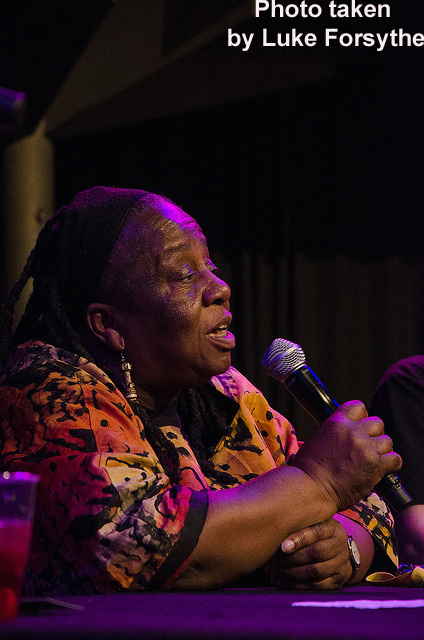
As I sat on the panel at the end of the play, I was proud and delighted to sit next to prominent figures such as
Marcia Riggs
Sephton Henry
Peter Wilson
Dr. Ayonrinde
Ekanem Hines
I thought long and hard about my answer to the audience as deep thought provoking questions and answers were explored about the theme of the play and tackling such difficult subjects. My answer to the audience is that each time we seek to understand the battle between mental health, race and society, we can only gain from this.
We need to congratulate ourselves for taking the time to understand other people’s journeys. We must EDUCATE ourselves and question prejudice, stigma and discrimination, hence the title of the group “kNow My Mind”. If we take the time to learn about mental health, raise awareness and tackle stigma then we can truly battle the idea of who is crazy and who isnt.



































 A Caring Mind