By Matthew McKenzie, Carer poet and author supporting caring communities
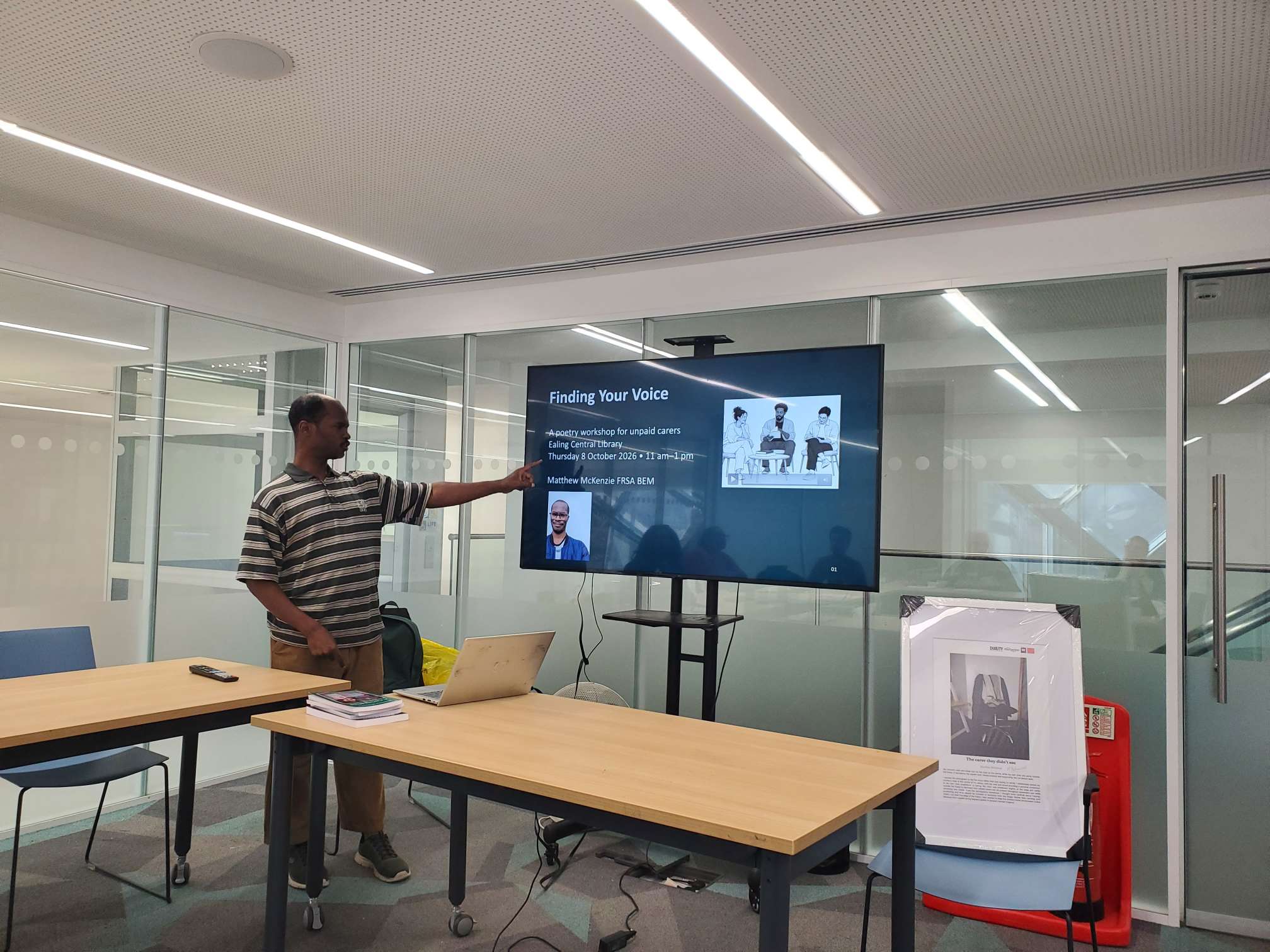
On Thursday 8 October 2026, I returned to Ealing Central Library to lead a poetry workshop for unpaid carers with Ealing Carers Partnership. We explored the library, wrote poems and experimented with performance, making time for conversation and laughter along the way.
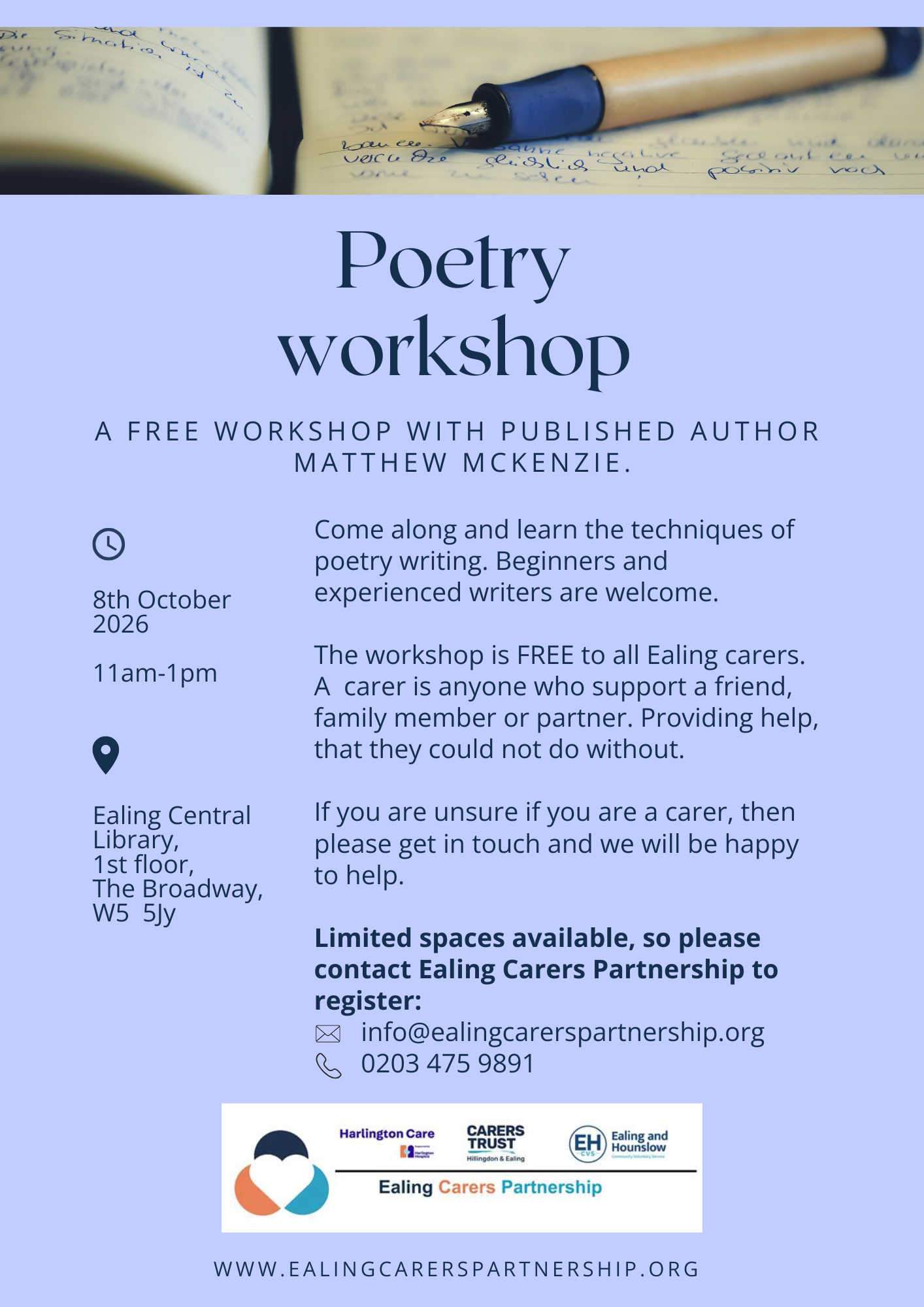
As a carer myself, I know how easily our own interests can slip into the background. This session gave participants space to express themselves and hear one another, without needing previous poetry experience.
Supporting carers in Ealing
Ealing Carers Partnership supports adult unpaid carers living and caring in the borough. Its work includes wellbeing activities, Carers Cafés and access to respite support, helping carers find time for themselves and connect with others. Creative workshops form part of that wider effort to recognise carers as people with their own needs and aspirations.

Ealing Central Library provided a fitting setting. Located within Ealing Broadway Centre, it offers books, free computer and internet access, and rooms for community activities. For our workshop, the library also became a source of inspiration, with its shelves, reading spaces and everyday encounters offering starting points for poetry.

Finding poetry around us
Our first exercise invited participants to notice an object, book title or detail within the library and write around six lines about it. The poem could describe what they saw, explore a memory or imagine what the object might say.
The responses showed how differently we can experience the same space. One participant stayed in the workshop room and wrote about its surroundings and the group’s return. Another found inspiration among books on mathematics and science. A mother reading with a child prompted a poem about attention, calm and shared moments.
One particularly striking response connected the shape of the shelves with the twists and turns of a personal journey. An everyday detail became a way to express something much deeper.
We listened and offered reflections on what stood out. This mattered because sharing a new poem can feel exposing. Thoughtful encouragement helped make room for different voices and approaches.
Bringing words to life
Next, we experimented with performance. Participants wrote short poems and read them aloud before trying a change in pace, volume or emotion.
A poem could become a whisper. Another could gain strength through a more confident delivery. A poem about running took on a quicker rhythm, while laughter became part of another performance.
Listeners noticed how posture, looking up and changes in voice affected their experience of the words. There was applause and humour, alongside moments of recognition.
I wanted us to make use of being together in person. Hearing a voice change, watching someone respond and sharing spontaneous laughter gave the exercise an energy that belonged to the room.
Writing together
We also worked collaboratively, taking turns to contribute lines and read them aloud.
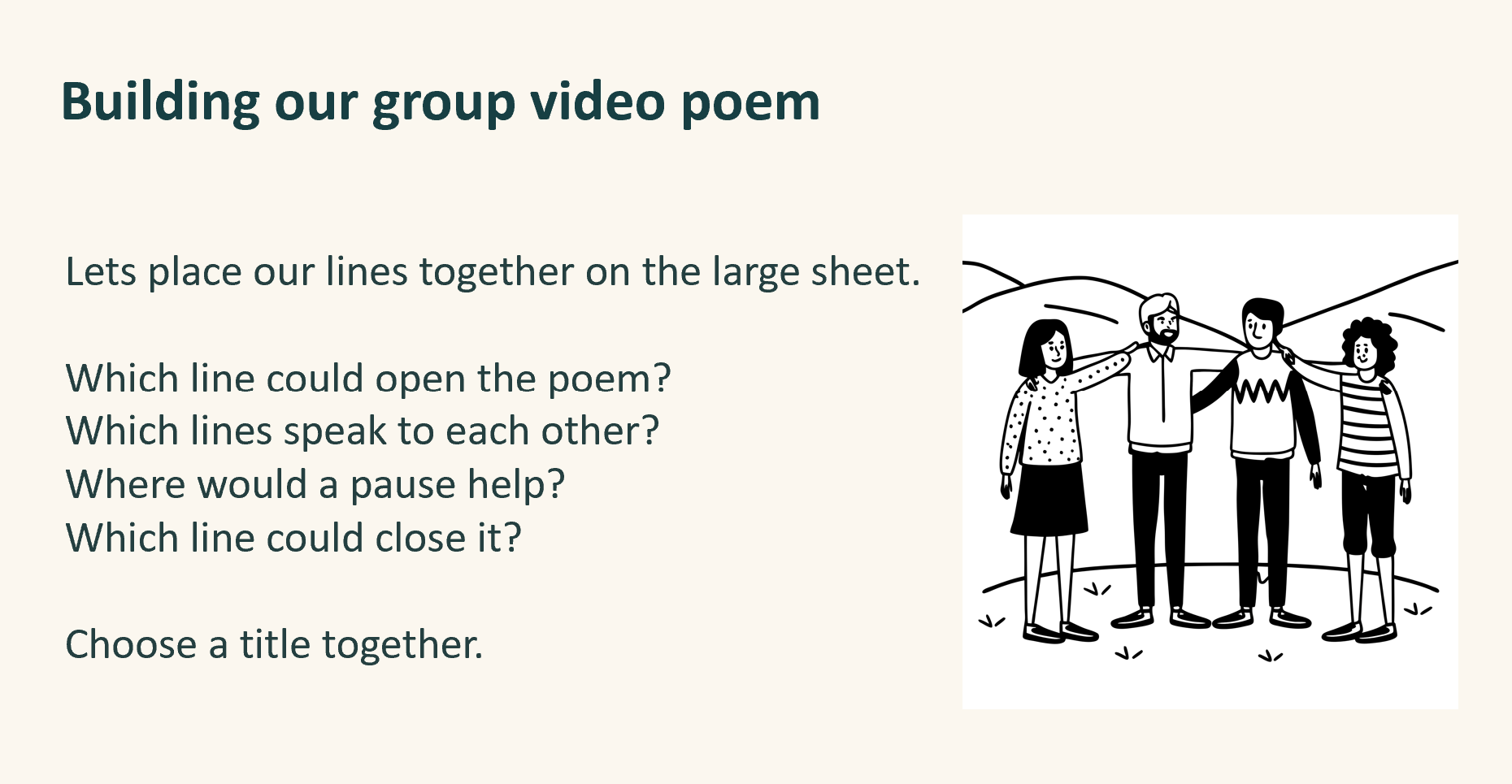
One piece explored the pressures of a difficult day and the search for breathing space. Another used the sound, smell and taste of coffee to create a vivid shared scene. These different approaches reminded us that poetry can hold everyday pleasures as well as frustration and exhaustion.
The conversations between participants were part of the session’s value. Finding a theme together meant listening, making suggestions and discovering how another person’s words could connect with your own.
Expression and connection for unpaid carers
Unpaid caring can leave little time for friendship or creative interests. Even when surrounded by responsibilities and appointments, a carer can feel that their own experiences remain unheard.
Art and poetry offer another way to express those experiences. A feeling can take shape through an image, a rhythm, a drawing or a few handwritten lines. Someone who struggles to explain their day directly might find that a poem gives them a starting point.
For me, tackling isolation also means creating opportunities for carers to contribute. During this workshop, participants became writers, performers and attentive listeners. Their observations shaped the session, and their words gave others something to respond to.
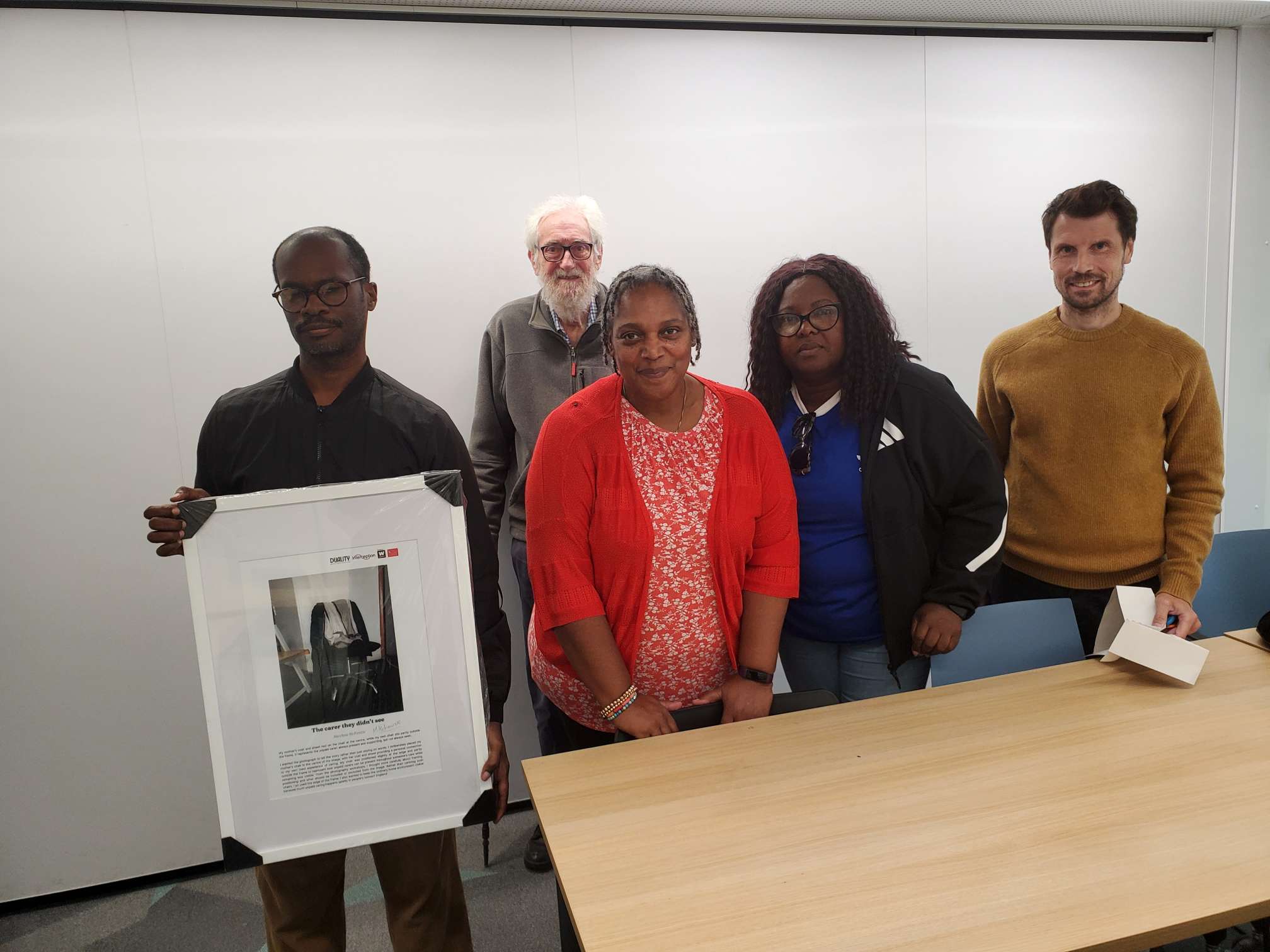
A poetry workshop cannot remove the practical pressures of caring. It can, however, provide a welcome pause and a chance to feel heard. Shared creativity can open a conversation that might otherwise never happen.
Thank you to Ealing Carers Partnership, Ealing Central Library and everyone who took part. The session reminded me how much can emerge when carers have time, encouragement and space to bring their own voices into the room.
To find out about support and activities, visit Ealing Carers Partnership.

