Tag Archives: health

Stress Awareness Day: Managing and Reducing Stress for Better Health

Welcome to carer activist matthew mckenzies post to raise awareness of Stress Awareness day. I will eventually do a blog and video on how stress affects caregivers, but for now, I want to focus on Stress awareness day 2024 and provide some top tips on beating and managing stress.

To watch the short promotional video, please click below.

Understanding Stress Awareness Day

Stress Awareness Day is observed on the first Wednesday of November each year. Established in 1998 by the International Stress Management Association, its purpose is to bring attention to the significant impact stress can have on both physical and mental health. Stress is often a contributing factor to various health issues, including heart disease, anxiety, and depression. Recognizing this, Stress Awareness Day aims to encourage individuals and organizations to take proactive steps in managing and reducing stress.

Why Stress Awareness Matters

Stress is an unavoidable part of life, but its management is crucial for maintaining a balanced and healthy lifestyle. When left unchecked, stress can lead to serious health complications. By acknowledging stress as a genuine issue, we can better equip ourselves with the tools and strategies necessary to mitigate its effects.

The Role of Workplaces

Work environments play a significant role in an individual’s stress levels. Stress Awareness Day serves as a crucial reminder for organizations to foster environments that prioritize mental health and well-being. Open discussions about mental health and providing resources for stress management can create a supportive atmosphere for employees.

Practical Tips for Observing Stress Awareness Day

There are numerous ways to participate in Stress Awareness Day that can have a lasting impact on your well-being. Here are some practical tips to consider:

Practice Self Care

Taking time for self-care is essential in managing stress. Engage in activities that help you relax and unwind, such as reading, exercising, or practicing mindfulness. Making self-care a regular part of your routine can make a significant difference in how you handle stress.

Learn About Stress Management Techniques

There are various techniques available that can quickly reduce stress levels. Methods like deep breathing, meditation, and progressive muscle relaxation are effective tools that can be incorporated into daily life. By learning these techniques, you can better manage stress whenever it arises.

Connect With Others

Talking about your feelings with friends, family, or a mental health professional can provide immense relief. Communication is a powerful way to process stress and gain support. Don’t hesitate to reach out when you need to talk about what’s on your mind.

Get Involved in Workplace Initiatives

Many organizations use Stress Awareness Day to promote mental health through seminars, workshops, or meditation sessions. Participating in these events can offer valuable insights and techniques for managing stress. It also helps to contribute to a culture of well-being within the workplace.

Reflect on Stress Triggers

Taking time to identify what causes stress in your life can lead to changes that help manage those stressors more effectively. Understanding your triggers is the first step towards making necessary adjustments to reduce stress. This reflection can be helpful in both personal and professional settings.

Daily Habits to Reduce Stress

Incorporating certain habits into your daily routine can significantly reduce stress and improve overall well-being. Here are some recommendations:

Stay Physically Active

Exercise is one of the most effective ways to manage stress. Regular physical activity helps to reduce tension, elevate mood, and improve overall health. Find an exercise routine that you enjoy, whether it’s walking, swimming, or yoga, and make it a regular part of your life.

Get Adequate Sleep

Quality sleep is essential for resetting the body and mind. Ensuring you get enough rest helps to handle daily challenges more effectively. Create a conducive sleep environment and establish a regular sleep schedule to improve your sleep quality.

Eat Balanced Meals

Nutrition plays a vital role in overall well-being and can impact stress levels. Consuming a balanced diet with plenty of fruits, vegetables, and whole grains provides the necessary nutrients to support your body in managing stress.

Set Boundaries

Especially relevant in maintaining work-life balance, setting boundaries can prevent burnout and reduce stress. Learn to say no when necessary and prioritize tasks that are most important to you. This can help to keep workload manageable and maintain a healthy balance between personal and professional life.

Practice Mindfulness

Engaging in mindfulness practices, even for a few minutes each day, can significantly improve how you handle stress. Techniques such as mindful breathing or meditation can help you stay grounded and present, reducing the overall impact of stress on your life.

Conclusion

Making small changes to prioritize mental health daily is an excellent way to honor Stress Awareness Day and promote a less stressed, healthier lifestyle year-round. By taking proactive steps such as practicing self-care, learning stress management techniques, connecting with others, engaging in workplace initiatives, and reflecting on stress triggers, you can significantly reduce stress and improve your overall well-being. Remember, managing stress is not just about handling challenges as they come but also about creating a lifestyle that supports mental health and resilience.

Stress Awareness Day serves as a valuable reminder of the importance of stress management and the resources available to help us lead healthier lives. By observing this day and incorporating stress reduction strategies into our daily routines, we can take significant steps toward achieving a balanced and fulfilling life.

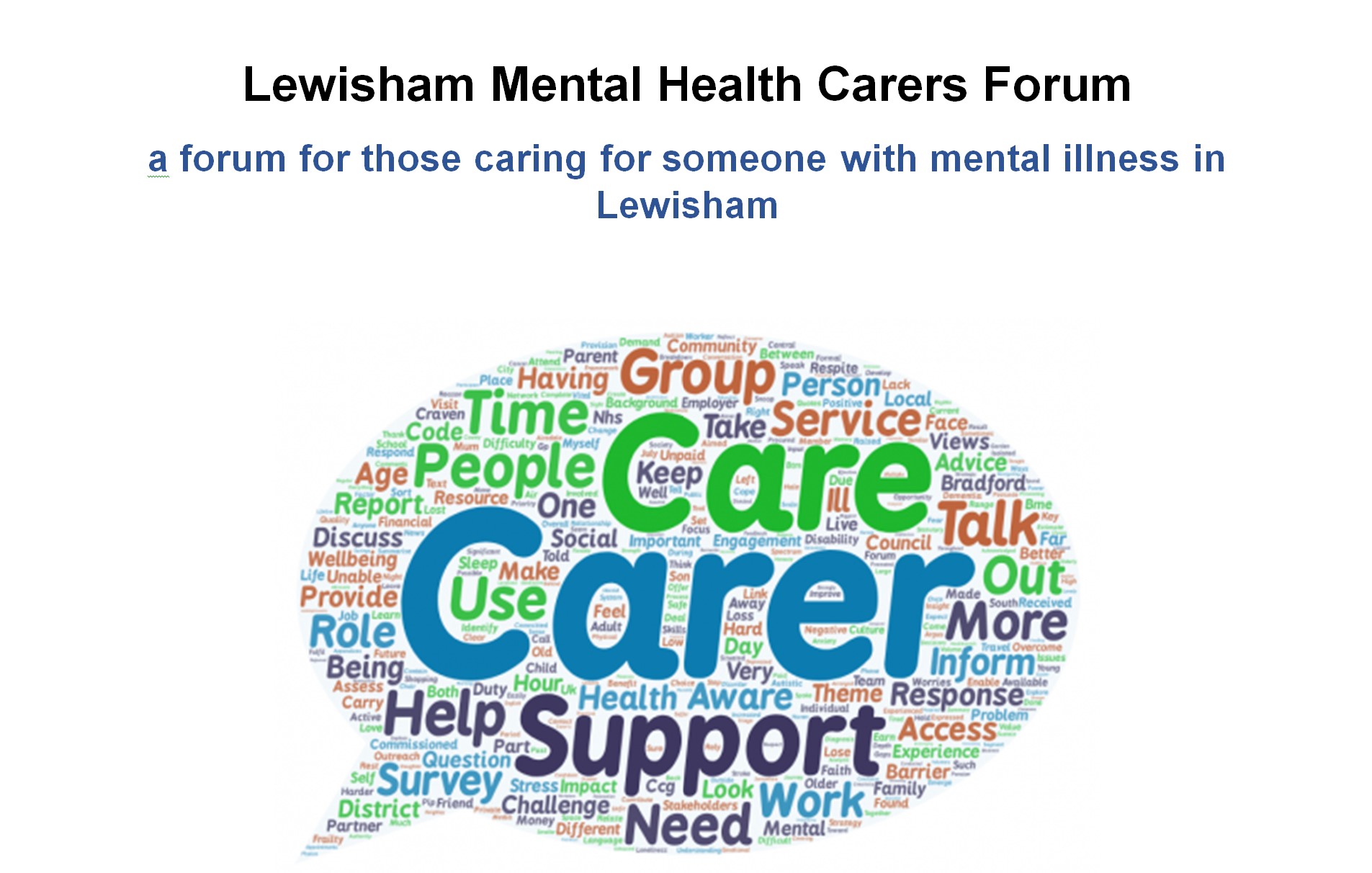
Lewisham Mental Health carer forum – October 2024 update

Welcome to a brief update of my Lewisham mental health carer forum aimed at those caring for someone living with mental illness.

Forum update for October

Matthew Mckenzie led a meeting for mental health carers, introducing new members and discussing essential questions for service users’ care and treatment. The group explored various aspects of mental health care, including diagnosis, treatment plans, medication, legal rights, and the importance of carer involvement in the recovery process. The conversation ended with a presentation on the challenges faced by unpaid carers and a discussion on the importance of peer support and knowledge empowerment for carers navigating the mental health system.

Mental Health Carer Group Organizing

Matthew Mckenzie, who has lived experience of being a mental health carer was the group organizer. He led a meeting with various carers and professionals. Matthew introduced himself and his various groups, including one for South West London.

He also mentioned his carer website and the previous meeting’s link. Matthew then proceeded with introductions from various attendees who also are unpaid carers. Matthew then introduced Nadine, the new Lewisham Mental Health Carer’s social worker, who shared her role and responsibilities. The conversation ended with Matthew planning to present on what carers need to prepare for if they’re going to end up in a role with mental ill health.

Carer Support Worker’s Role and Plans

In the meeting, Nadine Denniss-Baker discussed her role as the new Lewisham carer’s support worker, emphasizing her commitment to understanding and addressing the needs of carers. She highlighted her involvement in various groups, including a carer’s group and carer’s champions meetings, and her plans to update and expand these initiatives. Nadine also shared her personal experiences as a carer and her professional background as an approved mental health professional. She discussed the importance of transparency and the need for better communication and collaboration between different organizations and groups. Also discussed was the potential for Nadine to attend national meetings and share best practices with other trusts. The conversation ended with a discussion on the importance of sharing good practice documents and resources to support carers and staff.

Introducing New Members and Questions

Matthew led a meeting where he introduced two new carer members group. Matthew then presented a list of essential questions for carers to ask regarding service users’ care and treatment, which he plans to blog about in the future. He also mentioned that he would record the meeting for those who couldn’t attend. The meeting was part of a carer’s forum, and Matthew emphasized the importance of carers being aware of these questions to better support their loved ones using mental health services.

Understanding Mental Health Diagnosis and Treatment

Matthew discussed the importance of understanding the diagnosis and treatment plan for a loved one’s mental health. He emphasized the need to ask about the current diagnosis, treatment plan, and the effectiveness of the treatment. Matthew also highlighted the importance of monitoring side effects and the potential for medication adjustments. He stressed the need for carers to engage with the multidisciplinary team, including primary contacts, and to inquire about the roles of specialists like occupational therapists. Matthew also mentioned the importance of understanding the medication’s purpose, dose, and potential side effects, and the need to clarify with the loved one if they can refuse medication. He concluded by emphasizing the importance of education regarding medication and mental health

Discussing Relapse and Care Plans

Matthew also highlighted the importance of asking about signs of relapse and what to do in emergencies, as these should be included in the care plan. Another member of the carer group, Faith mentioned a carer’s emergency card discussed at a recent forum, which Matthew agreed was a valuable tool. The group agreed on the need for a two-way conversation about relapse signs and for these to be recorded for quicker response times.

Carer Awareness, Training, and Rights

Matthew emphasized the importance of carer awareness and training, urging carers to ask questions and seek clarification when necessary. He also highlighted the need for carers to know their rights and how to make complaints if they’re not satisfied with the care provided. A carer suggested adding a section on how to make a complaint, which Matthew agreed to include in his future lectures. A carer stressed the importance of knowing the names of the care team and their managers to ensure effective communication and support. Matthew concluded by discussing the need for carers to understand what information can be shared with them, and the importance of obtaining consent from their loved ones to be involved in their care.

Involving Carers in Recovery Plans

Matthew discussed the importance of involving carers in the recovery plan of their loved ones, especially when they are living with them. He emphasized the need for a comprehensive care plan, which should be shared with the carer and the service user. Matthew also highlighted the importance of establishing specific goals for the service user’s mental health and social well-being. He suggested asking essential questions about the discharge plan, support after discharge, and the involvement of the community mental health team. Matthew also stressed the need for carers to understand the goals set for the service user’s recovery and to ask for practical advice on how to support their loved one. He concluded by mentioning the need for carers to know the roles and responsibilities of the care coordinator and other team members.

Challenges of Unpaid Carers in Borough

In the meeting, Matthew presented a detailed account of the challenges faced by unpaid carers in the borough, highlighting the what type of support and resources available to them. Carers discussed the need for better advertising and involvement of carers in services. A carer raised a question about encouraging carers to be more involved in services, to which Matthew responded that it’s a challenge due to the carers’ heavy workload. Matthew agreed to share his presentation in PDF format and to write a blog on the topic. Several carers expressed appreciation for Matthew’s presentation, noting that it provided a clear guide for navigating the complex network of resources and services.

Challenges of Carers and Peer Support

The carer group discussed the challenges faced by carers and the importance of peer support. A carer shared their experience of dealing with the mental health system, highlighting the lack of support and the invisibility of carers. Matthew emphasized the need for carers to be equipped with knowledge to ask specific questions during meetings to avoid being lost in the system. A carer asked another member about her experience of caring for her loved one regarding psychosis, and the carer responded by shared her journey, highlighting the importance of peer support and retaining hope. Matthew ended the conversation by encouraging the use of triangle of care and inviting everyone to attend future meetings.

World Stroke Day 2024: Tip on caring for someone affected by Stoke

Welcome to a blog post by carer activist Matthew McKenzie on promoting World Stroke Day 2024.

If you want to see the video on World Stroke day 2024, then please click on the link below.

Here you can learn about the importance of stroke prevention, recognition, and treatment. Discover key points on awareness, prevention, support for survivors, and global cooperation. Care tips for stroke survivors included.

Raising Awareness for World Stroke Day 2024

World Stroke Day 2024 is approaching, with the global health community marking October 29th on their calendars. This day is dedicated to raising awareness about stroke prevention, recognition, and treatment. The theme for this year is “#GreaterThanStroke,” emphasizing the importance of community support and encouraging active lifestyles to mitigate stroke risks. In this article, we will delve into the key aspects of this awareness campaign and provide valuable insights into stroke prevention and recovery.

Understanding the Importance of World Stroke Day

Understanding why World Stroke Day is significant is the first step in joining the movement for better stroke awareness and prevention. On this day, health organizations, caregivers, and stroke survivors come together to drive home the message that strokes can be prevented and managed effectively with the right knowledge and resources.

Raising Awareness

Raising awareness is paramount when it comes to stroke. Knowing the risk factors, recognizing the symptoms, and understanding the importance of quick medical intervention can save lives. Fast response to a stroke can significantly reduce the chances of long-term disabilities. Public education campaigns aim to arm everyone with the knowledge to act swiftly in the event of a stroke.

Stroke Prevention

Prevention is better than cure, and this holds particularly true for strokes. Making simple lifestyle changes can significantly reduce an individual’s stroke risk.

Healthy Diet

A balanced diet is crucial for stroke prevention. Consuming fruits, vegetables, whole grains, and lean proteins while reducing salt, sugar, and saturated fats can help maintain a healthy weight and lower blood pressure, which are significant risk factors for strokes.

Regular Exercise

Engaging in regular physical activity helps maintain cardiovascular health, reduces stress, and manages weight—all factors that contribute to a lower risk of stroke. Aim for at least 150 minutes of moderate-intensity exercise each week.

Quitting Smoking

Smoking is a major risk factor for strokes as it damages blood vessels and increases blood pressure. Quitting smoking can significantly reduce your risk of a stroke.

Supporting Stroke Survivors

Supporting stroke survivors is as important as prevention. Advocating for resources, rehabilitation, and caregiver support can significantly improve the quality of life for stroke survivors.

Stroke-Related Changes

Stroke survivors often face numerous physical and cognitive changes that can impact their daily lives. Understanding these changes is essential for providing meaningful care.

Physical Limitations

Physical limitations such as weakness or paralysis, speech difficulties, and cognitive challenges like memory and problem-solving issues are common among stroke survivors. Recognizing these limitations helps in creating supportive environments and activities tailored to their capabilities.

Emotional Effects

Emotional effects such as depression, anxiety, and mood swings can also be prevalent. Being aware of these psychological challenges helps in offering compassionate support and understanding.

Assisting with Daily Activities

Simple tasks can become challenging for stroke survivors. Your support in daily living activities is invaluable. Assist with tasks like dressing, bathing, and eating to help them regain independence gradually.

Encouraging Rehabilitation

Rehabilitation is key to recovery. Encouraging stroke survivors to stick to rehab routines can make a significant difference in their progress. Patience and consistent support are vital here.

Supporting Communication

Communication difficulties are common post-stroke. Helping stroke survivors express themselves and understand others better can alleviate frustrations and improve their overall well-being. Encourage the use of communication aids if necessary.

Promoting Emotional and Psychological Well-Being

Being there for stroke survivors emotionally and encouraging activities that boost their mood can greatly aid their rehabilitation. Social interactions and hobbies can enhance their quality of life.
Managing Health and Medical Care

Regular checkups and managing medications are crucial aspects of post-stroke care. Ensure that medical appointments are kept and medications are taken as prescribed to prevent secondary strokes and other health complications.

Adapting the Living Environment

Making the living environment safe and accessible is essential. This may involve installing grab bars, ramps, or rearranging furniture to facilitate easier movement and reduce fall risks.

Caring for Your Own Well-Being

As a caregiver, it is important to take care of your own well-being. Remember, you can’t pour from an empty cup. Taking time for yourself, seeking support when needed, and managing stress are crucial to sustaining your ability to provide care.

Long-Term Planning

Setting realistic goals together and celebrating every small victory is important for the long-term recovery of stroke survivors. Understand that recovery is a marathon, not a sprint. Patience and perseverance are key.

Encouraging Global Cooperation

Improving stroke prevention and care worldwide is a collective effort that requires community engagement, support from health care systems, and proactive policies from policymakers.

Engaging Communities

Communities play a significant role in raising awareness and providing support to stroke survivors. Local groups can organize events, workshops, and provide resources to educate the public about stroke risks and prevention strategies.

Health Care Systems

Health care systems must be equipped to provide timely and effective stroke care. This includes having trained personnel, appropriate infrastructure, and necessary medical supplies to treat strokes and support long-term rehabilitation.

Policy Makers

Policymakers have the power to enact changes that can improve stroke care and prevention. Advocating for policies that promote healthy lifestyles, fund stroke research, and support stroke care facilities can create significant positive impacts.

Conclusion

World Stroke Day 2024 is more than just a date on the calendar. It is a call to action, urging us all to contribute to reducing the global burden of stroke. By raising awareness, adopting healthier lifestyles, supporting stroke survivors, and fostering global cooperation, we can truly make this year’s theme “#GreaterThanStroke” a reality. Your support and actions play a crucial role in helping stroke survivors reclaim as much independence and joy as possible. Let’s come together to make a difference and ensure that stroke prevention and care continue to improve worldwide.

World Occupational Therapy Day 2024 – Occupational Therapy for All

Welcome back to another blog post by carer activist Matthew McKenzie. I raise awareness of unpaid carers, mental health and cancer caregivers.

As of 27th of October. It is World Occupational Therapy Day. You can watch my video on promoting the awareness day below.

Celebrating World Occupational Therapy Day 2024: Promoting Independence and Building Resilient Communities

Introduction

The global community comes together to celebrate World Occupational Therapy (OT) Day. This annual event is not just a date on the calendar; it is an opportunity to shine a spotlight on the incredible contributions of occupational therapists (OTs) worldwide. The theme for 2024, “Occupational Therapy for All,” emphasizes the role of OTs in enhancing personal autonomy and fostering community well-being.

The Significance of Occupational Therapy

Occupational Therapy Goals

Occupational therapy is a holistic practice that focuses on helping individuals achieve their daily goals and maintain independence. Whether it’s enabling an elderly person to continue living safely at home, assisting a child with developmental challenges, or supporting someone with disabilities, OTs play a pivotal role in promoting well-being and independence.

The services provided by occupational therapists are essential for a wide range of people, including:

  • The Elderly: Older adults often face physical, cognitive, and emotional challenges that can impede their ability to perform daily activities. OTs help them adapt their environments and tasks to maintain independence.
  • Children with Developmental Needs: For children with conditions like autism or cerebral palsy, OTs assist in developing crucial skills needed for school and everyday life.
  • Individuals with Disabilities: People facing physical or cognitive impairments receive tailored strategies from OTs to navigate their lives more effectively.

Mental Health and Occupational Therapy

Emotional and Social Support

Mental health advocacy is a significant aspect of occupational therapy. OTs assist clients in developing coping strategies, enhancing social skills, and managing emotional regulation. Through tailored interventions, they help individuals overcome barriers that affect their mental health and overall quality of life.

Community-Based Rehabilitation (CBR)

Local Outreach

One of the most impactful areas of occupational therapy is Community-Based Rehabilitation (CBR). Many OTs work within local communities, especially in low-resource areas, to provide critical services. These professionals address the unique needs of their communities, offering support that might otherwise be unavailable.

Celebrating World OT Day

Global Events and Activities

World OT Day is marked by a variety of events, workshops, and online activities around the globe. These celebrations provide an excellent opportunity for therapists, students, and healthcare providers to engage with the profession and learn more about its significant impact.

Public Awareness Campaigns

Public awareness campaigns are a vital component of the celebration. Various organizations launch initiatives to explain what occupational therapy is and how it benefits individuals facing physical, cognitive, or emotional challenges. These campaigns often feature:

  • Seminars and Webinars: These events offer OTs a chance to enhance their skills and share best practices.
  • Workshops: Hands-on workshops provide practical experience and learning opportunities for both current and future occupational therapists.

Engaging the Community

Social Media Campaigns

Social media plays a crucial role in spreading awareness about World OT Day. Hashtags like #WorldOTDay2024 and #OccupationalTherapyForAll encourage professionals, clients, and advocates to share stories and insights about the impact of occupational therapy. These online movements help build a global community united by a common goal – to promote and celebrate occupational therapy.

The Role of the World Federation of Occupational Therapists (WFOT)

Global Advocacy and Resources

The World Federation of Occupational Therapists (WFOT) serves as the global voice for the profession. The WFOT provides resources, toolkits, and guidelines to help practitioners worldwide celebrate World OT Day effectively. Through their efforts, the WFOT ensures that the message of occupational therapy reaches a broad audience, fostering a deeper understanding and appreciation of the field.

Conclusion

World Occupational Therapy Day 2024 is all about celebrating the transformative impact of occupational therapy. From promoting personal independence to building resilient communities, OTs make a significant difference in the lives of individuals and the broader society. As we mark this special day, let’s recognize and appreciate the vital contributions of occupational therapists and continue to advocate for the important work they do. Don’t forget to share your OT stories with the hashtag #WorldOTDay2024.

Support for Unpaid Carers: Top reasons to use Carer Centers & Essential Services

Welcome to another carer educational and carer awareness blog post from carer activist matthew mckenzie. This time I present about the top tips for using carer centers as an unpaid carer.

This time we shall explore the comprehensive support provided by care centers for unpaid carers, from access to information to emotional support and practical advice. Learn how these centers help in navigating the healthcare system, offer specialized services, and promote carer well-being.

Remember, you can watch my video presentation which has a lot more detailed information (51 minutes) of educational resources aimed at unpaid carers.

Introduction

Caring for someone with long-term ill health or specific needs due to conditions like autism can be a demanding and often isolating role. As a care activist, I aim to illuminate the invaluable resources available to unpaid carers through Carer Centers across the UK. This guide delves into the myriad support services, emotional and peer networks, skill development programs, and practical advice that Carer Centers offer. Whether you are new to the caregiving journey or have been providing care for years, this information can empower you to navigate this challenging yet fulfilling role.

Access to Information and Resources

The Role of Carer Centers

Carer Centers are pivotal in providing unpaid carers with vital information and resources. They furnish up-to-date leaflets, guides, and access to workshops that cover various topics, including benefits, entitlements, healthcare options, and legal rights. This information empowers carers to make informed decisions about their caregiving responsibilities and the needs of those they care for.

Importance of Updated Information

Having current and relevant information is crucial for carers. Whether it’s about the latest benefits or new health services available, staying informed helps carers to plan effectively and manage their responsibilities better. Carer Centers strive to provide this information comprehensively and accessibly.

Emotional and Peer Support Networks

Managing Isolation and Emotional Strain

Caregiving often brings emotional strain and isolation. Carer Centers offer counseling services, although availability can vary due to funding constraints. Where accessible, one-on-one emotional support services help carers manage the emotional ups and downs of their role.

Peer Support Groups

Peer support groups are a cornerstone of emotional support. These groups allow carers to connect with others in similar situations, share experiences, and gain practical advice. Whether in-person or online, these sessions foster a sense of community and collective understanding.

Skills Training and Advocacy

Essential Skills Development

Carer Centers provide essential training workshops. These can include medication management, stress handling techniques, and specialized skills such as dementia care or effective communication with individuals with mental health conditions. These workshops equip carers with the tools they need to provide effective care.

Advocacy Services

Advocacy is a crucial, though sometimes scarce, service provided by Carer Centers. Advocates assist carers in representing their needs with local authorities and healthcare providers. This support can be invaluable when navigating the complex healthcare and social care systems.

Respite Care and Financial Support

Importance of Respite Care

Respite care services, though increasingly rare, are essential for preventing carer burnout. Carer Centers help arrange respite care, ensuring that carers can take essential breaks while their loved ones receive quality care.

Financial Guidance

Carer Centers offer advice on financial support, such as applying for carer’s allowance and accessing local grants. This financial assistance helps alleviate some of the financial strain that comes with caregiving responsibilities.

Legal Rights and Practical Care Advice

Access to Legal Rights

Understanding legal rights is fundamental for carers. Carer Centers provide information on powerful attorney, guardianship, and other legal aspects related to caregiving. These rights ensure that carers can make informed decisions and manage their caregiving responsibilities more effectively.

Practical Advice

Carer Centers also offer practical advice on aspects of caregiving, including personal care techniques and communication strategies. This advice helps carers improve their caregiving skills and better address the challenges they face.

Breaks and Activities, One-to-One Support

Organizing Social Activities

Organizing social activities, such as art workshops or short trips, allows carers to relax and socialize. These activities are crucial for maintaining a sense of normalcy and social engagement, which helps prevent isolation.

One-to-One Support

One-to-one support services, where available, provide personalized guidance tailored to the individual needs of carers. This personalized attention can make a significant difference in managing the unique challenges of each caregiving situation.

Specialized Support Groups

Support for Young Carers

Young carers face unique challenges, balancing caregiving with education and personal growth. Specialized support groups provide young carers with the resources and community they need to navigate these challenges successfully.

Support for Minority Groups

Carer Centers also offer specialized services for minority groups and those who are unwell themselves but have caregiving responsibilities. These services ensure that all carers, regardless of their specific circumstances, receive the support they need.

Stress Management and Health Resources

Stress Management Workshops

Carer Centers frequently offer workshops on stress management, mindfulness, and relaxation techniques. These resources are invaluable for helping carers cope with the emotional and physical stress of caregiving.

Promoting Physical Health

In addition to emotional support, Carer Centers promote physical health through exercise classes, health check-ups, and nutrition advice. These programs ensure that carers take care of their own health, which is often neglected due to caregiving demands.

Navigating the Healthcare System

Understanding Care Plans

Navigating the healthcare system can be daunting. Carer Centers assist carers in understanding care plans, medications, and treatments for their loved ones. This support helps carers make informed decisions and advocate effectively for their loved ones.

Accessing Specific Services

Carer Centers help carers access specific health services, navigate legal and healthcare bureaucracy, and advocate for their needs. This assistance can be particularly valuable when dealing with complex healthcare systems.

Housing and Home Adaptations

Physical Modifications

Carer Centers provide advice on adapting homes to make caregiving easier. This might include physical modifications like installing fall alarms or home adaptations to improve mobility and safety.

Technological Aids

Technological aids, such as monitoring systems, can significantly enhance caregiving. Carer Centers advise on and sometimes provide these technologies, helping carers maintain a safe and efficient caregiving environment.

Carer Assessments and Wellbeing Services

Accessing Formal Assessments

Carer assessments are vital for identifying the support and financial aid that carers may be entitled to. These assessments help in planning caregiving roles and addressing the specific challenges that carers face.

Wellbeing Services

Wellbeing services include exercise classes, nutrition advice, and support groups. These services are designed to improve the physical and mental health of carers, providing a supportive environment for sharing experiences and managing stress.

Conclusion

In conclusion, Carer Centers offer a wealth of support and information for unpaid carers. These services range from practical advice and skills training to emotional support and advocacy. While resources vary, the dedication of Carer Center staff and the availability of diverse programs make a significant difference in the lives of carers. If you are a carer, registering at your local Carer Center can provide essential support and enhance your caregiving role, helping you navigate this challenging journey with confidence and resilience.

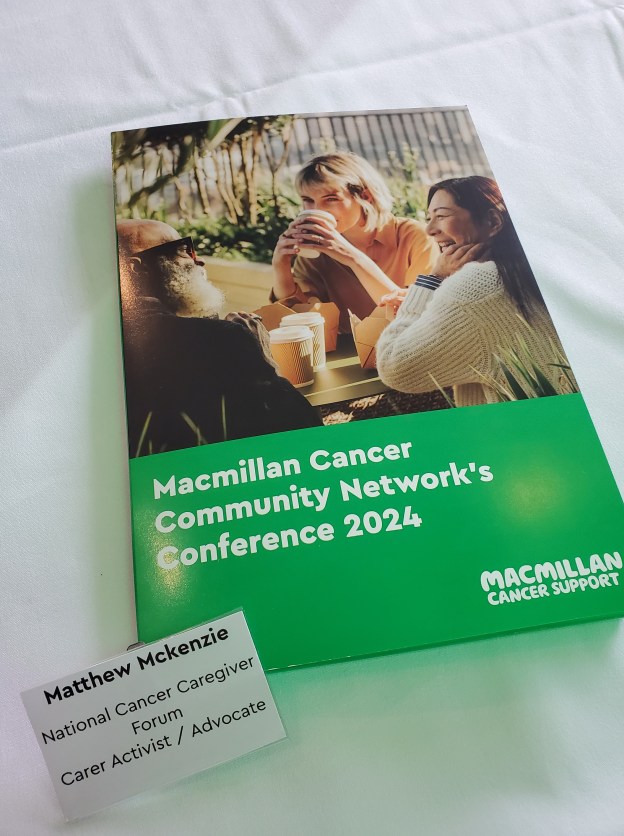
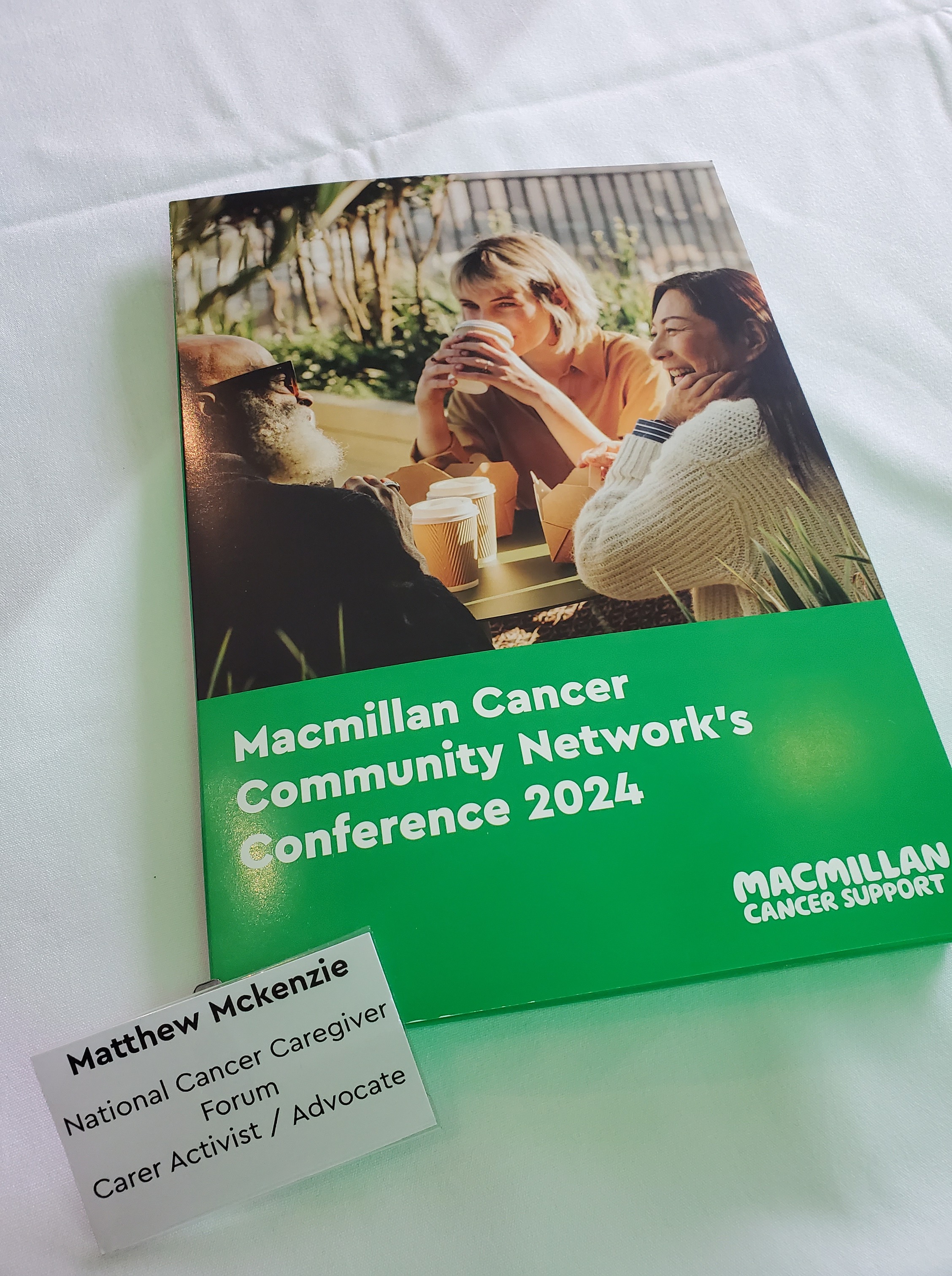
Macmillan Cancer Community Network’s Conference 2024

Welcome back to another blog update from Carer Activist Matthew McKenzie, who also runs the National Cancer Carer forum.

As usual I raise awareness of unpaid care, but because of the forum that I run, I was invited to attend Macmillan Cancer Support Community network conference. The event took place on the 22nd of October over at Oxo Tower

Macmillan Cancer Support is one of the largest British charities and provides specialist health care, information and financial support to people affected by cancer and those who support them. The charity also looks at the social, emotional and practical impact cancer can have, and campaigns for better cancer care.

There are several Macmillan Cancer communities, I am part of the London Cancer community network. Basically The London Cancer Community is a network of people who work or live in London who are either are living with, recovering from or have recovered from cancer; their friends, family and carers, healthcare professionals, community organisations, cancer charities and initiatives.

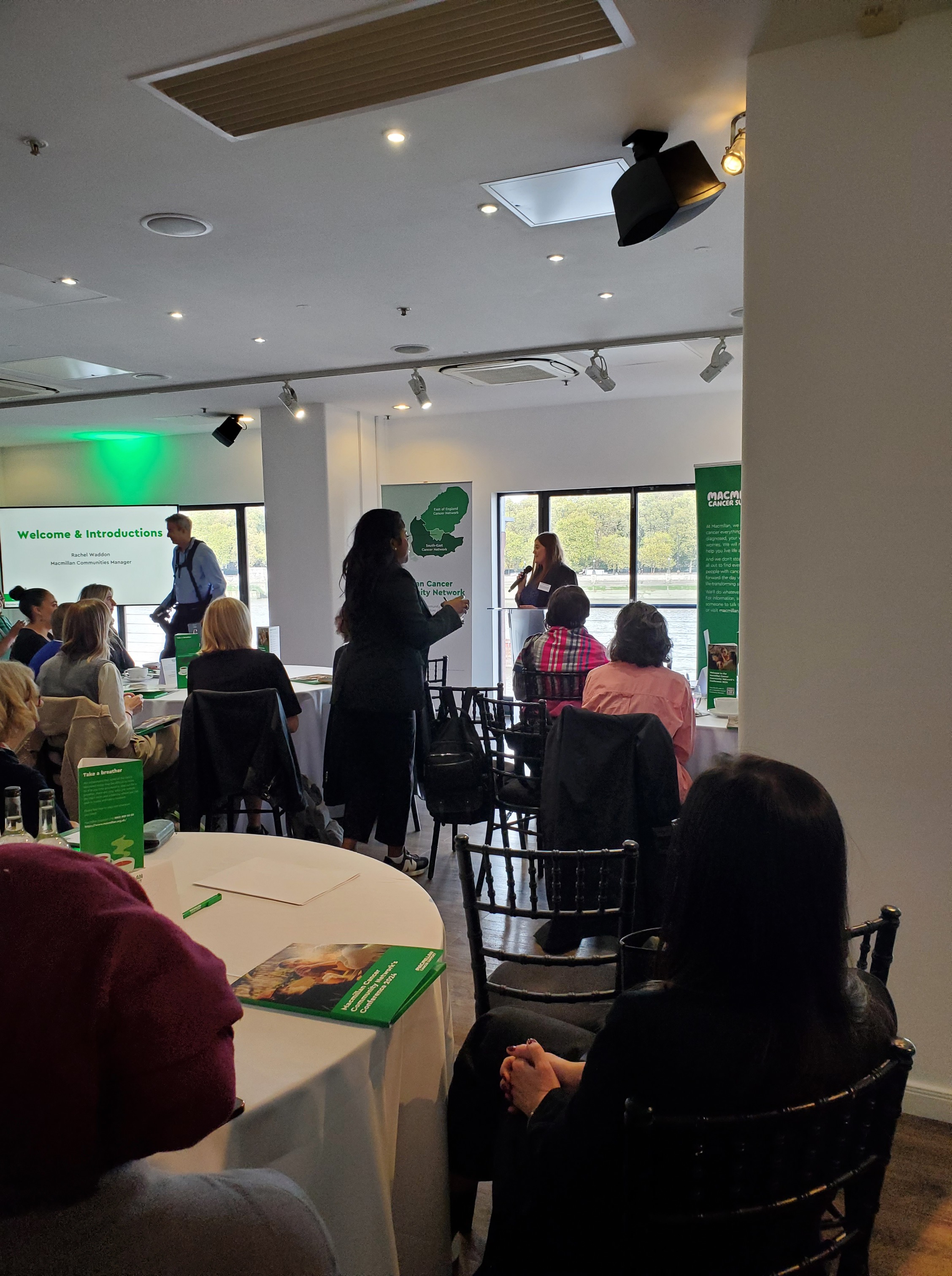
The Cancer community conference looked to celebrate the projects from network partners, raise awareness, network and also feedback.

The overall agenda was as follows

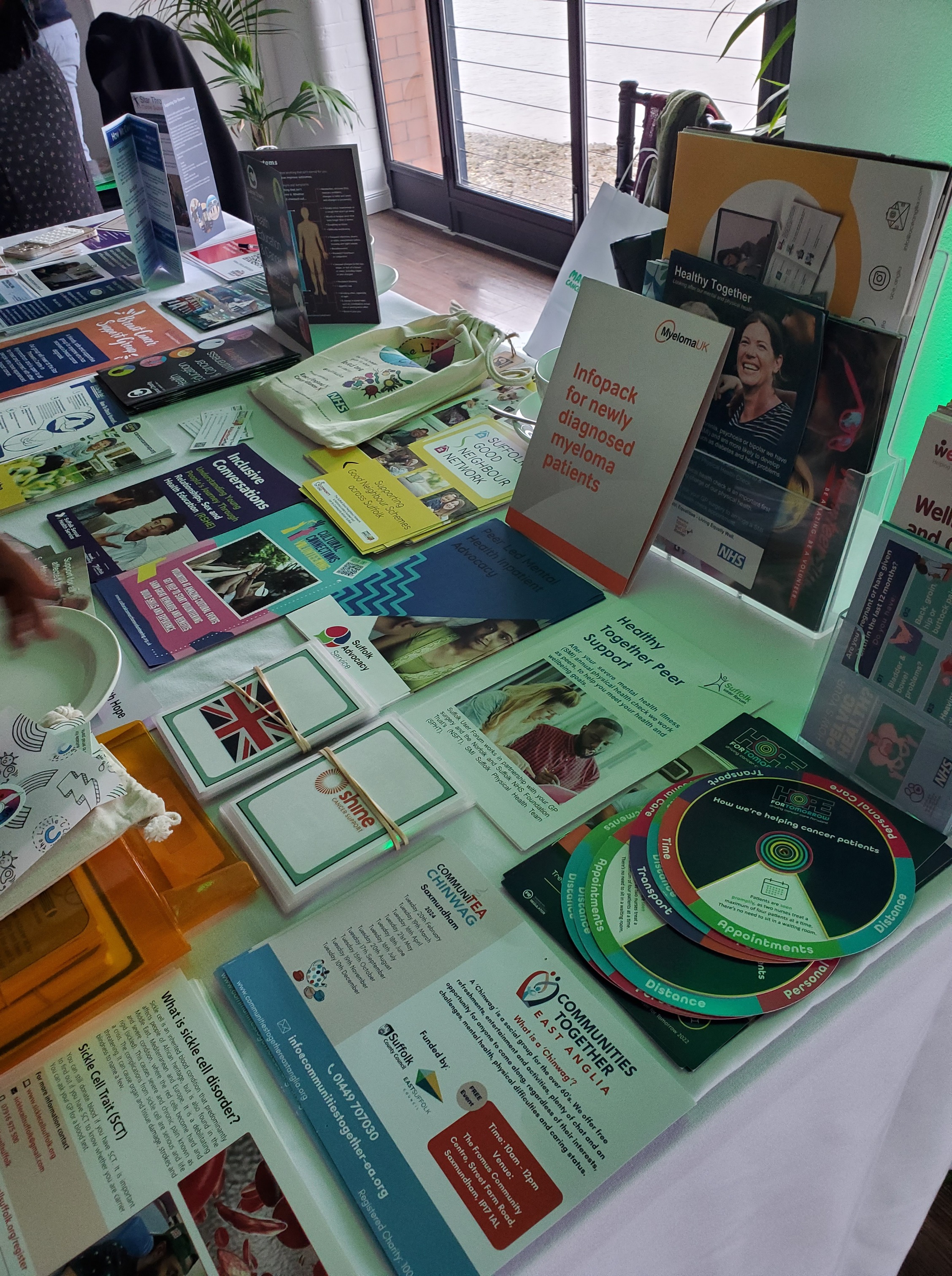
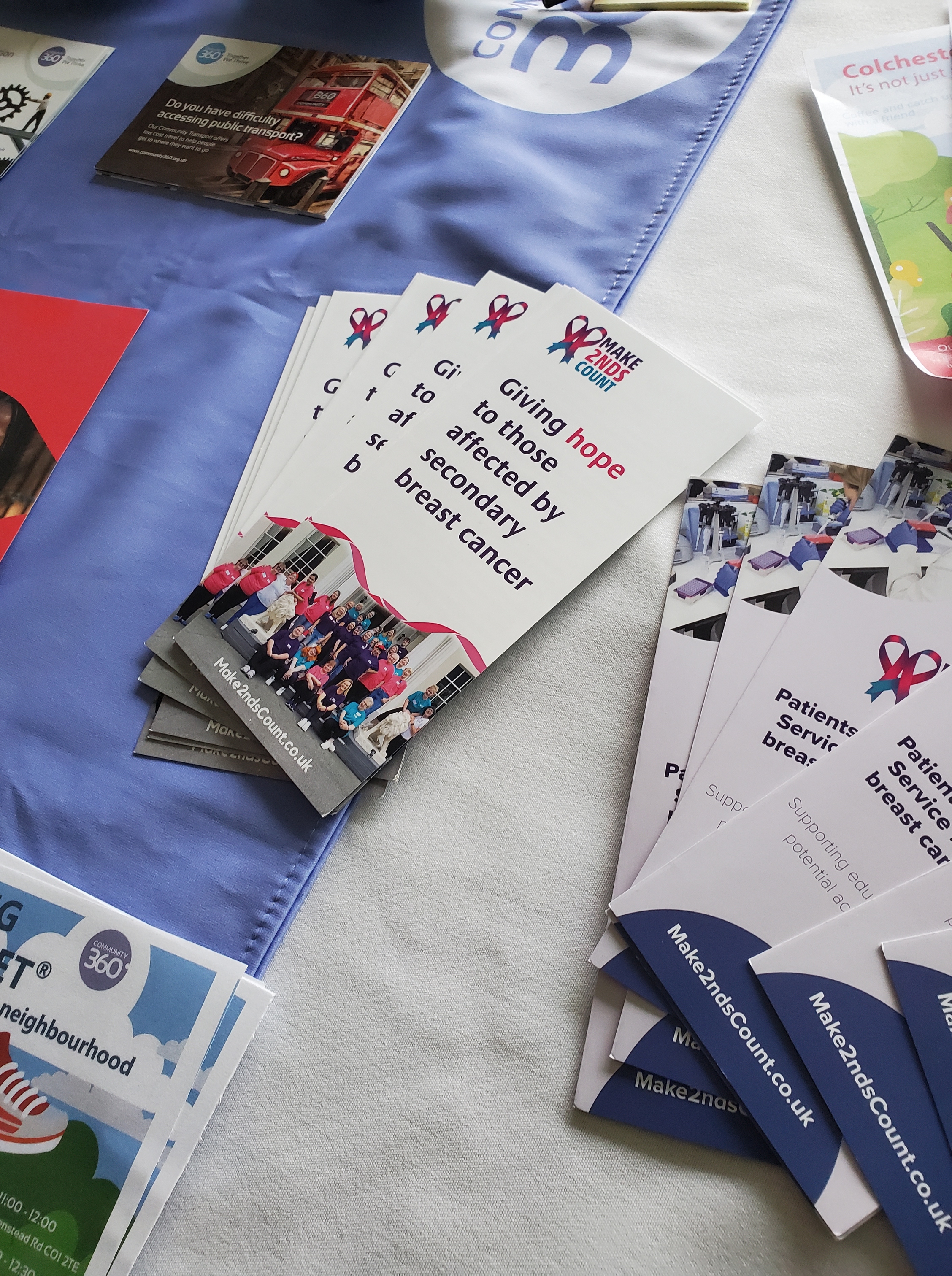
Registration from Macmillian staff who were friendly and polite. I felt to welcome attending the event. Plus I managed to grab some healthy breakfast as I was late arriving to the conference. So it was great to be well fed. I then managed to networking and browse some stalls. I was also joined by fellow carer activist Nadia Taylor who chairs the carer charity “Carers Network”.

It was not long before we were ushered to our tables to hear about the importance of the event and the agenda for the day.

Then there were presentations from the following charities, health providers and campaigners.

Can you ‘C’ me – Croydon BME Forum
The Beauty of Support and Barbers Against Prostate Cancer
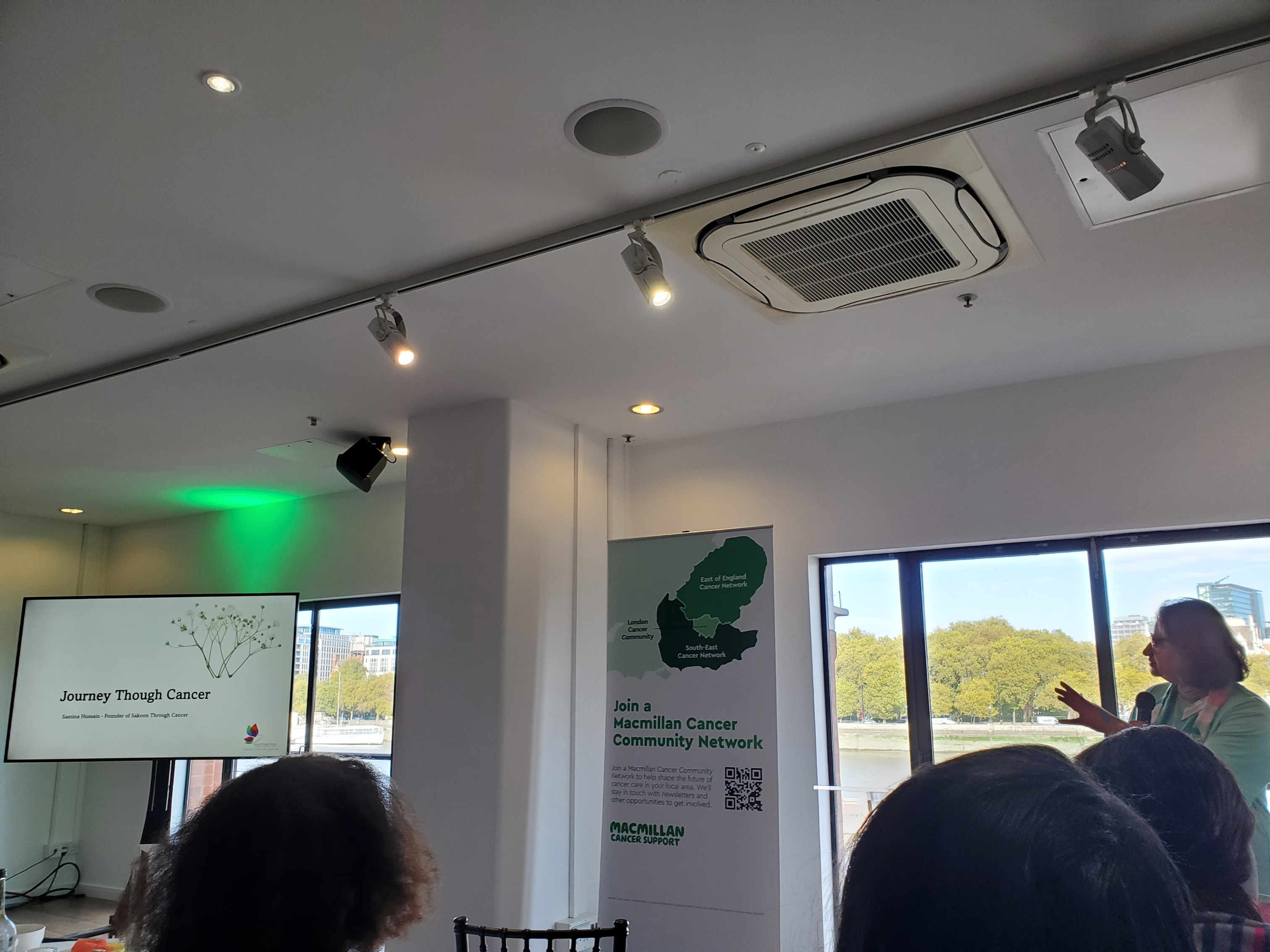
Samina Hussain – Sakoon Through Cancer
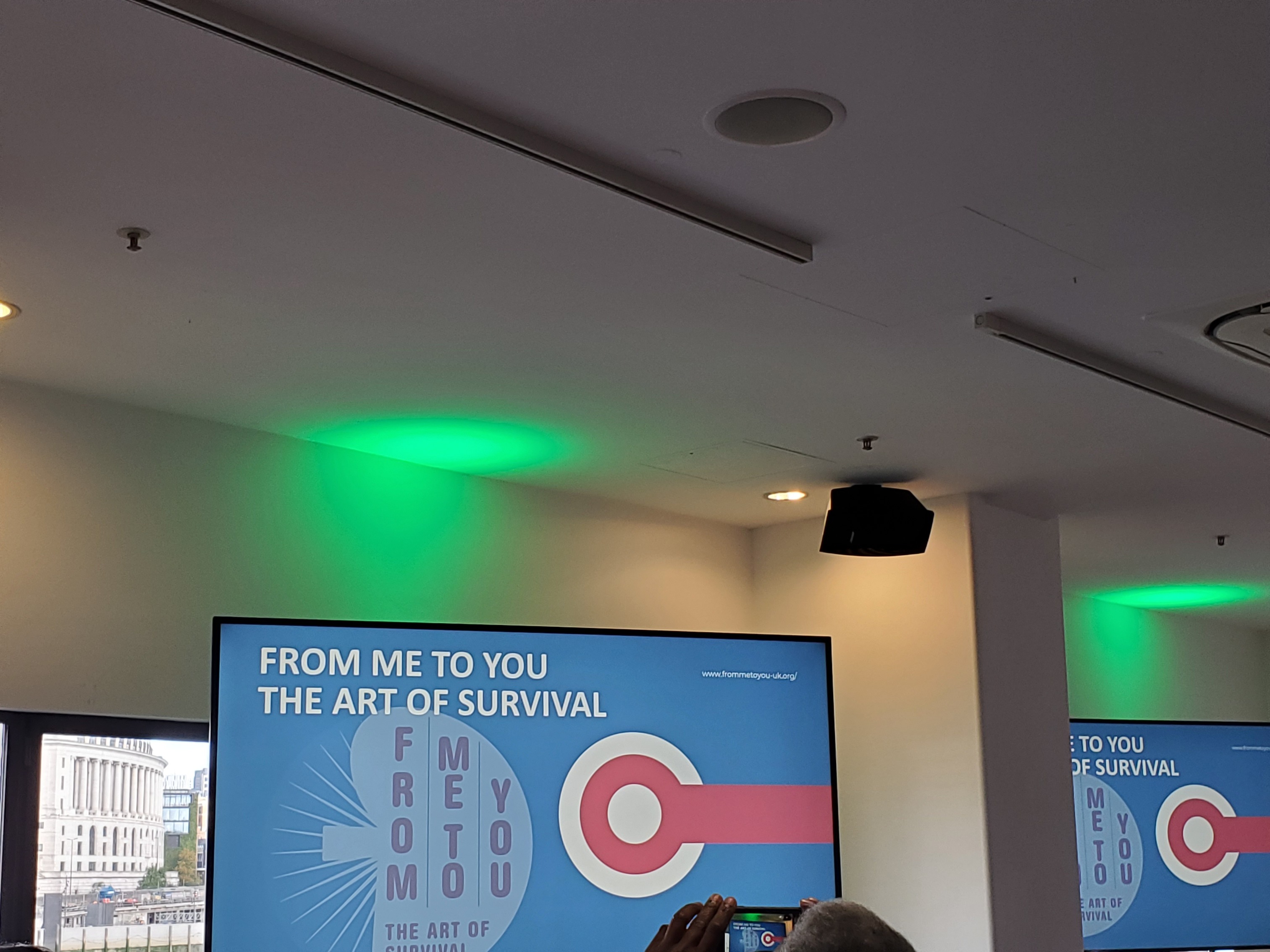
Judith Neptial – From me to you: the art of survival
Macmillan Quality of Life and Personalised Care Community Reach Programme
UCLPartners and Macmillan – The Improving Cancer Journey’s Learning Programme

I spent a lot of time catching up with links to Cancer alliances as they support the group I am running, although my focus is with RM Partners who focus on South West and North West London. I also linked up with the Cancer Alliance the provides services to the North East of London.

Overall I was glad to attend this wonderful conference, it was a shame I could not stay long as I headed off to run my carer stall at Queen Elizabeth Hospital over in Greenwich. I often get visitors to the hospital seeking advice and information due to caring for someone with cancer.

My final thoughts on the event was on the amount of hard work to put the conference together. The conference felt like it was forming a community of those who did all they can to support the health of the community. I cannot wait till the next conference.

Please check out Macmillan Cancer Support community network newsletter below.

Building Resilience as an Unpaid Carer: Essential Tips for Coping in your caring role

Welcome back to another blog post from carer activist Matthew McKenzie. This time I am going to talk about building resilience as a carer. To watch the indepth video of the topic. Please click below. The video is split timestamps, so you can skip to a section.

Understanding Resilience in Unpaid Caregiving

Caring for a loved one, friend, or neighbor with a long-term illness can be an incredibly rewarding experience. It allows you to form deep emotional bonds and fulfill a duty of love and support. However, this role also comes with its own set of challenges which can be emotionally, mentally, and physically draining. Building resilience is crucial for unpaid caregivers to successfully navigate these challenges and continue providing the best care possible.

What is Resilience?

Resilience is the ability to bounce back from hard times and adapt to challenging situations. It is about finding ways to cope with difficult circumstances without being worn down by them. For unpaid caregivers, resilience is essential to remain effective in their roles and take care of their own well-being.

Why is Resilience Needed?

Unpaid caregivers often face emotional strain, unpredictability, social isolation, and problem-solving challenges. Let’s look at why resilience is necessary to combat these issues:

Emotional Strain

Caregiving can lead to emotional strain, especially when things don’t go as planned. The person being cared for might face a downturn in their health, causing feelings of depression, anger, or anxiety in the caregiver. Emotional resilience helps caregivers manage these sentiments and prevents burnout.

Unpredictability

Caring for someone with a long-term illness can be unpredictable. Health conditions can change rapidly, and unexpected challenges can arise at any moment. Resilience equips caregivers with the ability to adapt to these changes without being overwhelmed.

Social Isolation

Unpaid caregiving can lead to social isolation because the role often requires long hours and constant vigilance. This isolation can be detrimental to the caregiver’s mental health. Building resilience can help mitigate the effects of isolation and keep caregivers more engaged with their social circles.

Problem-Solving

Unpaid caregivers often need to be excellent problem-solvers. They must find solutions to daily challenges, sometimes under pressure. Resilience enhances problem-solving skills, allowing caregivers to face hurdles more effectively.

Steps to Building Resilience

Building resilience involves developing various skills and adopting certain practices. Here are steps that can help unpaid caregivers build resilience:

Develop Problem-Solving Skills

Planning ahead is crucial. While it’s impossible to foresee every challenge, preparing for potential issues can reduce the stress of facing them. Different caregivers may find different problem-solving strategies more effective, so it’s essential to find what works best for you.

Educate Yourself

Knowledge is power. Understanding the illness you’re dealing with can make caregiving more manageable. Resources like online sites, charities, and support organizations can provide valuable insights. For example, National carer charities like Carers UK and Carers Trust offer extensive information on unpaid caregiving and specific illnesses.

Celebrate Small Wins

Recognize and celebrate small victories. Did you manage to pick up medication successfully? Did your loved one start talking to you more openly? These small wins can boost your morale and strengthen your resilience. Make it a routine to acknowledge and be thankful for these moments.

Join Support Groups or Networks

Participating in support groups or caregiver networks can provide emotional support and practical advice. You don’t always have to share your problems; sometimes, simply listening and learning from others’ experiences can be incredibly beneficial. Building a network of caregivers can also help reduce social isolation.

Establish Boundaries

Setting boundaries is essential for maintaining your own well-being. Know when to step back and take time for self-care. It’s crucial not to overextend yourself to the point of exhaustion.

Practice Mindfulness

Mindfulness practices, such as deep breathing exercises, walking, or journaling, can help reduce stress and improve mental clarity. These activities can make challenges more manageable by promoting a positive mindset.

Stay Connected

Maintaining connections with friends and family can provide emotional support. While not all family dynamics are the same, having someone to talk to can help combat feelings of isolation. Building resilience sometimes involves depending on others, which can be tricky but rewarding.

Prioritize Self-Care

Taking care of yourself is fundamentally linked to being able to take care of others. This includes eating well, exercising, journaling, and taking breaks when needed. Self-care is a vital part of building resilience and should not be overlooked.

Conclusion

Building resilience is not a one-time task but an ongoing process that requires consistent effort. The rewards, however, are substantial. Resilient caregivers are better equipped to handle the challenges of their role, provide high-quality care, and maintain their own well-being.

Unpaid caregiving is both a demanding and fulfilling role. By building resilience, caregivers can ensure they are prepared to meet the challenges they face, reduce emotional and physical strain, and continue to provide compassionate, effective care.

Remember, it’s essential to educate yourself continually, celebrate your achievements, and take care of your well-being. The more resilient you are, the more capable you’ll be in your caregiving role.

Understanding the Patient Care Race Equality Framework: Challenging Mental Health Disparities

Welcome back from another blog post by matthew McKenzie.  In today’s blog post, we’ll delve into a significant yet often overlooked initiative in the mental health sector—the Patient Care Race Equality (PCREF) Framework. Introduced by the NHS, the PCREF Framework is a pioneering approach to addressing racial inequalities in mental health services.

I have made a video (unfortunately not so short) drawing from my lived of a carer and activist. In the video I explored the core goals, benefits, challenges, and the broader implications of this framework. The video is coming from a carers pespective.

Understanding the PCREF Framework

 What is the PCREF Framework?

Basically, the Patient Care Race Equality (PCREF) Framework, developed by NHS England, aims to address racial disparities within the mental health system. Data shows that racial minorities are disproportionately affected by inequalities in mental health care. The PCREF Framework seeks to improve access, experience, and outcomes for racialized communities, pushing for modernization of the mental health act and the elimination of institutional racism.

Things need to change

Mental health services have long been riddled with systemic biases and inequalities. The Mental Health Act of 1983, has aged and requires significant updates to reflect equity in care. The PCREF Framework is a part of broader efforts to reform the mental health act and address the institutional racism that has led to difficult experiences and outcomes for patients from racialized communities.

Goals of the PCREF Framework

The primary goal of the PCREF Framework is to reduce racial disparities in mental health care. This includes:

  • Improving Access: Ensuring that racialized communities have equitable access to mental health services.
  • Enhancing Experience: Improving the overall experience of patients from these communities within the healthcare system.
  • Better Outcomes: Aiming for equitable health outcomes by addressing systemic biases and inequalities.

 Benefits of the PCREF Framework

Targeting Inequalities

The Framework is designed to specifically target racial inequalities in mental health outcomes. For instance, racialized communities often face higher rates of severe treatments such as restraint or use of strong medications that inhibit functionality without offering therapeutic benefits. By targeting these disparities, the PCREF Framework aims to provide more equitable forms of treatment.

Improving Experiences

Another significant benefit is the enhancement of patient experiences. Historically, racialized patients have reported poorer experiences within the mental health system. By acknowledging and addressing institutional biases, the Framework seeks to transform these experiences positively.

Promoting Institutional Reform

The PCREF Framework advocates for institutional reforms to dismantle systemic barriers faced by racialized communities. This includes educating mental health professionals on cultural competencies and biases, and promoting anti-racist and anti-oppressive practices.

Enhancing Community Involvement

One of the standout features of the PCREF Framework is its focus on involving patients and carers in the decision-making process. Engaging with the communities directly affected by mental health services ensures that their voices are heard and considered in policy development and implementation.

 Challenges of the PCREF Framework

As addressed in the video, there are challenges, which are listed below.

Lack of Resources and Funding

One of the most significant challenges facing the PCREF Framework is the lack of resources and funding. The NHS is already stretched thin and requires substantial investment to ensure the long-term success of this initiative. Historically, previous racial equality initiatives have failed due to insufficient financial support, and there is a risk that the PCREF Framework could face the same fate.

Risk of PCREF Being Sidelined

The PCREF Framework requires a considerable amount of commitment and resources. There is a real risk that it could be sidelined if the requisite financial and human resources are not made available. The initiative demands a comprehensive approach involving medical professionals, community workers, and continuous community engagement.

Consistent Implementation

Inconsistent implementation across different regions is another significant challenge. The success of the PCREF Framework heavily depends on effective leadership and engagement at all levels. If some NHS Trusts are more committed than others, the disparities that the framework aims to address could inadvertently be exacerbated.

Cultural Shift within the NHS takes time

The cultural shift required to fully implement the PCREF Framework is considerable. Such a shift is often slow and can be met with resistance. While the framework provides a structure for reducing racial inequalities, changing long-standing biases and practices within the NHS will require time and sustained effort.

Staff Training

To effectively implement the PCREF Framework, staff need to be adequately trained in anti-racist practices (This training should involve patients and carers) . However, current constraints such as lack of time, staff, and resources can make this a daunting task. Without proper training, the framework risks being ineffective.

Risk of Becoming a Tick-Box Exercise

One of the most critical challenges is the risk of the framework becoming a mere “tick-box” exercise. If the framework is not implemented in the spirit it was intended, it could fail to bring about meaningful change. Robust monitoring and evaluation mechanisms are essential to ensure that the framework is genuinely making a difference.

Moving Forward: Steps to Take

Community Engagement

Continuous community engagement is crucial. Mental health trusts should run engagement events and stakeholder groups to reach out to marginalized communities, understand their concerns, and incorporate their feedback into service delivery.

Tracking Progress

Regular tracking of progress and measuring the impact of the framework is vital. This involves collecting and analyzing data to assess whether racial disparities are being truly reduced. Transparency in sharing this data will help build trust and ensure accountability.

Leadership

Strong leadership is fundamental to the success of the PCREF Framework. Leaders within mental health trusts must be committed to the initiative and work towards fostering a culture of inclusivity and equity.

Education and Training

Ongoing education and training for staff on cultural competencies and anti-racist practices will help in addressing biases and promoting equitable care. As a reminder this should involve patients and carers in training programs to provide real-world perspectives and insights.

Policy Development

Ensuring that the voices of marginalized communities are heard and represented in policy development is essential. Mental health organizations must prioritize inclusivity in their policy-making processes to reflect the diverse needs of the populations they serve. The problem is things can be rushed to meet targets.

Conclusion

As I have mentioned in my video, Patient Care Race Equality (PCREF) Framework represents a significant step forward in addressing racial inequalities within the mental health system. While the benefits of this initiative are substantial, the challenges it faces are equally significant. Overcoming these challenges requires a effort from all stakeholders involved, including mental health professionals, community leaders, patients, and carers.

By fostering a culture of inclusivity, investing in resources, engaging with communities, and continually tracking progress, the PCREF Framework has the potential to bring about meaningful and lasting change. It is an ongoing journey, but with sustained commitment and collaborative effort, we can build a more equitable mental health system for all.

14 Tips to Tackle Depression: From Seeking Help to Self-Care

Here is another blog post by carer activist Matthew McKenzie

We all go through depression at varying levels. It is important to learn what tools can be used to tackle depression and develop those skills. I focused on this subject because even if you are caring for someone, there will be days when depression strikes. These tips however are for anyone, because we all need mental wellbeing.

To watch the short video version, please check out my video below.

Overcoming Depression: 14 Effective Tips for a Brighter Tomorrow

Depression is a pervasive and debilitating condition that affects millions of people worldwide. If you’re feeling overwhelmed by depression, know that you’re not alone. On today’s post, we’ll delve into 14 effective tips that can help you tackle depression, drawing from practical advice and therapeutic techniques designed to uplift your mood and improve mental health.

Seek Professional Help

Consulting with Mental Health Professionals

The first and foremost step in managing depression is seeking professional help. Consulting a mental health professional can provide you with personalized treatment options such as cognitive behavioral therapy (CBT), talking therapy, or medication. Each individual’s experience with depression is unique, and professional guidance can make a significant difference in finding the right approach for you.

Build a Support Network

Reaching Out to Friends and Family

Isolation tends to worsen the symptoms of depression. Unpaid carers are especially prone to isolation. So building a strong support network by reaching out to friends, family, or joining a support group can aid substantially. Simply knowing that someone understands your struggles can lighten the emotional burden and provide a sense of community and understanding.

Exercise Regularly

The Mood-Boosting Power of Physical Activity

Physical activity is not just beneficial for your body; it’s also crucial for mental health. Exercise releases endorphins, often referred to as “Feelgood” chemicals, which naturally boost your mood. Start small. Even a short 20-minute walk can significantly improve your mood and energy levels.

Focus on a Healthy Diet

Foods that Boost Brain Function

What you eat can have a direct effect on your mental health. A healthy diet is essential in influencing your mood and energy levels. Foods that are rich in Omega-3 fatty acids, such as fish and walnuts, can improve brain function. Meanwhile, cutting down on sugar and processed foods can prevent energy crashes and stabilize your mood.

Establish a Routine

The Importance of Daily Structure

Depression can sap your motivation, making daily tasks seem insurmountable. Establishing a daily routine can provide structure and a sense of normalcy. Set small, achievable goals and maintain a regular sleep schedule to help manage your symptoms more effectively.

Practice Mindfulness and Relaxation Techniques

The Benefits of Mindfulness Meditation and Deep Breathing

Mindfulness meditation and deep breathing exercises are powerful tools for managing negative thoughts and reducing stress. Practicing mindfulness helps you stay present, grounding your thoughts and emotions in the here and now rather than letting them spiral out of control.

Challenge Negative Thinking

Recognizing and Reframing Distorted Thoughts

Depression often distorts your thoughts, leading to a cycle of negative thinking. Recognizing these distortions and actively working to reframe them is crucial. Keeping a journal can be a helpful practice for tracking your thoughts and emotions, identifying patterns, and challenging negative beliefs.

Engage in Activities You Enjoy

Reconnecting with Hobbies

Depression might dull your interest in activities you once enjoyed, but re-engaging with hobbies is an important step in alleviating symptoms. Start small and be patient with yourself as you rediscover activities that bring you joy and fulfillment.

Limit Alcohol and Substance Use

The Long-Term Effects of Alcohol and Substances on Mood

While alcohol and substances might provide temporary relief, they can worsen depression in the long term. Reducing or avoiding them altogether can help stabilize your mood and improve your mental health over time.

Set Boundaries and Manage Stress

The Importance of Saying No and “Me Time”

Learning to say no and setting personal boundaries are crucial for managing stress and preventing burnout. Carve out “me time” to relax and recharge. Remember that your mental health is a priority, and taking time for yourself is not just acceptable, but necessary.

Practice Self-Compassion

Being Kind to Yourself

Depression is a medical condition, not a personal failing. Practice self-compassion by being kind to yourself and avoiding harsh self-criticism. Understand that managing depression is a journey, and it’s okay to take steps that prioritize your well-being.

Get Outdoors

The Calming Effect of Nature

Spending time in nature has a profoundly calming and uplifting effect on your mental health. Green spaces and sunlight exposure can boost serotonin levels, which are crucial for mood regulation. Make it a point to spend some time outdoors regularly.

Consider Alternative Therapies

Exploring Art, Music Therapy, Acupuncture, and Yoga

While traditional treatments are essential, alternative therapies like art or music therapy, acupuncture, or yoga can also play a significant role in managing depression. For instance, poetry has been shown to be a useful outlet for emotional expression and self-exploration.

Be Patient with Yourself

Understanding the Recovery Process

Recovery from depression is a gradual and ongoing process. Celebrate small victories and understand that setbacks are a normal part of the journey. Patience and perseverance are key. Surround yourself with supportive individuals who can help you stay motivated and hopeful.

Immediate Help for Severe Symptoms

Addressing Thoughts of Self-Harm or Suicide

If you experience thoughts of self-harm or suicide, it is critical to reach out for immediate help. Contact mental health professionals, hotlines, or trusted individuals who can provide the urgent care and support you need. Remember, you are never alone in this battle, and there are resources available to help you through the toughest times.

Depression is a challenging condition, but with the right support and strategies, it can be managed effectively. Implement these tips, seek professional help, and surround yourself with a supportive community. In time, with patience and dedication, you can begin to see improvements and work toward a brighter, more fulfilling tomorrow.

Here are some helplines for depression in the UK:
Samaritans: Call 116 123 for 24/7 emotional support
Shout: Text 85258 for 24/7 confidential support
CALM Helpline: Call 0800 58 58 58 or use their webchat from 5 PM–midnight, 365 days a year
Rethink Mental Illness: Call 0300 5000 927 for advice and information on therapy, medication, benefits, and more
Mind infoline: Call 0300 123 3393 for information on types of mental health problems and where to get help
Papyrus UK: Call 0800 068 4141 or text 07860 039967 for confidential support and practical advice for people under 35
Childline: Call 0800 1111 or talk to them online for children and young people under 19

The Impact of Poverty on Unpaid Carers: Challenges and Solutions

Introduction

Welcome to another deep dive into the pressing issues faced by unpaid carers, brought to you by Matthew McKenzie, a dedicated carer activist. In today’s discussion, we confront the grim reality of how poverty exacerbates the struggles of unpaid carers.

If you want to see the short video version of this blog post, watch below

These unsung heroes often sacrifice their personal well-being to look after loved ones. However, when poverty is added to the equation, the challenges they face multiply exponentially. Throughout this article, we will explore various dimensions of the caregiving crisis, touching upon financial hardships, mental and physical health issues, social isolation, generational poverty, and more. The goal is to raise awareness and advocate for targeted support systems that can alleviate these burdens.

Financial Hardships

Income Reduction

Many unpaid carers find themselves in a predicament where they have to reduce their working hours or quit their jobs altogether to provide adequate care for their loved ones. This significant drop in income makes it difficult to meet everyday expenses, let alone the additional costs that caregiving entails, such as medical supplies and transportation.

Lack of Awareness About Financial Aid

It is troubling to note that many carers are unaware they might qualify for financial aid or benefits. This lack of awareness leaves them in a precarious financial situation, struggling to make ends meet.

Mental and Physical Health Challenges

Mental Toll

Balancing caregiving responsibilities with financial insecurity takes a severe toll on mental health. Chronic stress, anxiety, and depression become constant companions for many unpaid carers. This emotional strain can lead to a devastating cycle of mental health issues that are hard to break.

Physical Health Deterioration

Due to their all-consuming caregiving duties, many carers neglect their own physical health. They often face barriers to accessing healthcare, making it nearly impossible to afford basic medical services. This neglect further compounds their stress levels and deteriorates their overall well-being.

Lack of Respite Care

Imagine being on duty 24/7 with no opportunity for a break. The inability to afford respite care leads to inevitable burnout. This constant state of exhaustion further compromises the carer’s ability to provide quality care.

Social Isolation

Limited Social Interactions

Poverty significantly limits social interactions for carers. The costs associated with transportation and social activities create barriers that are hard to overcome. Consequently, many carers find themselves socially isolated, worsening their emotional well-being.

Stigma and Shame

The social isolation is often compounded by feelings of shame and stigma related to their financial situation. These feelings make it even harder for carers to seek help, exacerbating their sense of loneliness.

Quality of Care

Limited Resources

When resources are limited, carers struggle to provide the best possible care for their loved ones. This situation often leads to feelings of guilt and distress, knowing they cannot do more. The quality of care inevitably suffers, affecting both the carer and the care recipient.

Emotional Availability

Stress and burnout diminish the emotional availability needed for providing quality care. When carers are overwhelmed, they cannot offer the emotional support that is crucial for the well-being of their loved ones.

Generational Poverty

The Cycle of Financial Hardship

Generational poverty is another facet of this issue. Many carers look after older family members who have also faced financial hardships, creating a cycle of poverty. This intergenerational strain further depletes already limited resources, especially in households where young carers are involved.

Barriers to Education and Employment

Financial constraints and time demands make it incredibly challenging for carers to pursue education or training. Job flexibility is rarely an option, making it difficult for carers to find or keep employment. These barriers hinder their ability to break free from the cycle of poverty.

Emotional Burden

Guilt and Stress

Emotionally, carers often carry a heavy burden of guilt and stress. Feeling inadequate or ashamed of their financial situation adds to a sense of hopelessness. The constant worry about bills, care, and personal needs can lead to overwhelming exhaustion.

Navigating Complex Systems

Navigating the complex systems for financial aid and support is another layer of stress. The time and energy required to deal with bureaucratic hurdles can be overwhelming, adding yet another burden to the already strained carers.

Long-Term Consequences

Poverty in Old Age

Many carers face the grim prospect of poverty in their old age, having sacrificed their careers and savings to provide care. Chronic stress and poor health further reduce their life expectancy and quality of life.

Key Takeaways

Poverty significantly amplifies the struggles of unpaid carers. To improve their well-being, there is a pressing need for:

  • Targeted Support: Comprehensive support systems that address the unique challenges faced by unpaid carers.
  • Financial Assistance: Adequate financial aid to help carers manage their expenses.
  • Accessible Healthcare: Affordable healthcare services to ensure carers can maintain their physical and mental health.
  • Respite Care: Opportunities for respite care to prevent burnout and ensure carers have the necessary breaks.

By shedding light on these critical issues, we can advocate for changes that will make a tangible difference in the lives of unpaid carers. Let’s work together to ensure that these unsung heroes get the support they desperately need.

Remember to take care of yourselves, and for more insightful discussions, please like, share, and subscribe. God bless.