Researcher Lewys Beames who is a PhD Student at the Institute of Psychiatry, Psychology & Neuroscience, King’s College London, is undertaking a research project looking at improving experiences for mental health service users on psychiatric inpatient wards.
Below is an invitation to a focus group for informal/ unpaid carers with experience of inpatient mental healthcare to discuss how service users should be supported after experiencing coercive practice.
They would particularly welcome:
People who also have experience of coercive practices such as, involuntary admission, physical restraint or forced medications,
and people from Black and racially minoritised groups and communities who we know are more often exposed to coercive practices in mental health services.
Some examples of the areas and topics the interview will cover are:
· Perspectives on possible different types of support that could be offered. · Views on how this support should be delivered. · Perspectives on how to use the current and developing research evidence to develop a support intervention for service users.
When will the focus group happen?
Service User Focus Group – 3rd May 2024, 10:00 – 12:00 Informal Carer Focus Group – 14th May 2024, 12:00 – 14:00
Interested in taking part?
Please get in touch with via the contact details below:
Welcome to another blog from carer activist Matthew McKenzie. As a Cygnet carer ambassador, I will usually blog updates of the carer events they do, especially the ones I participate in. I think it is important carers can learn what happens at those events, so they can try attend for future events.
Obviously Cygnet runs other events to promote mental wellbeing, learning experiences and engagement, but I tend to focus on carers, so most blogs will be on carer networking and events. There will be times where I report on other carer events from NHS trusts, which helps on engaging with partners and the caring community.
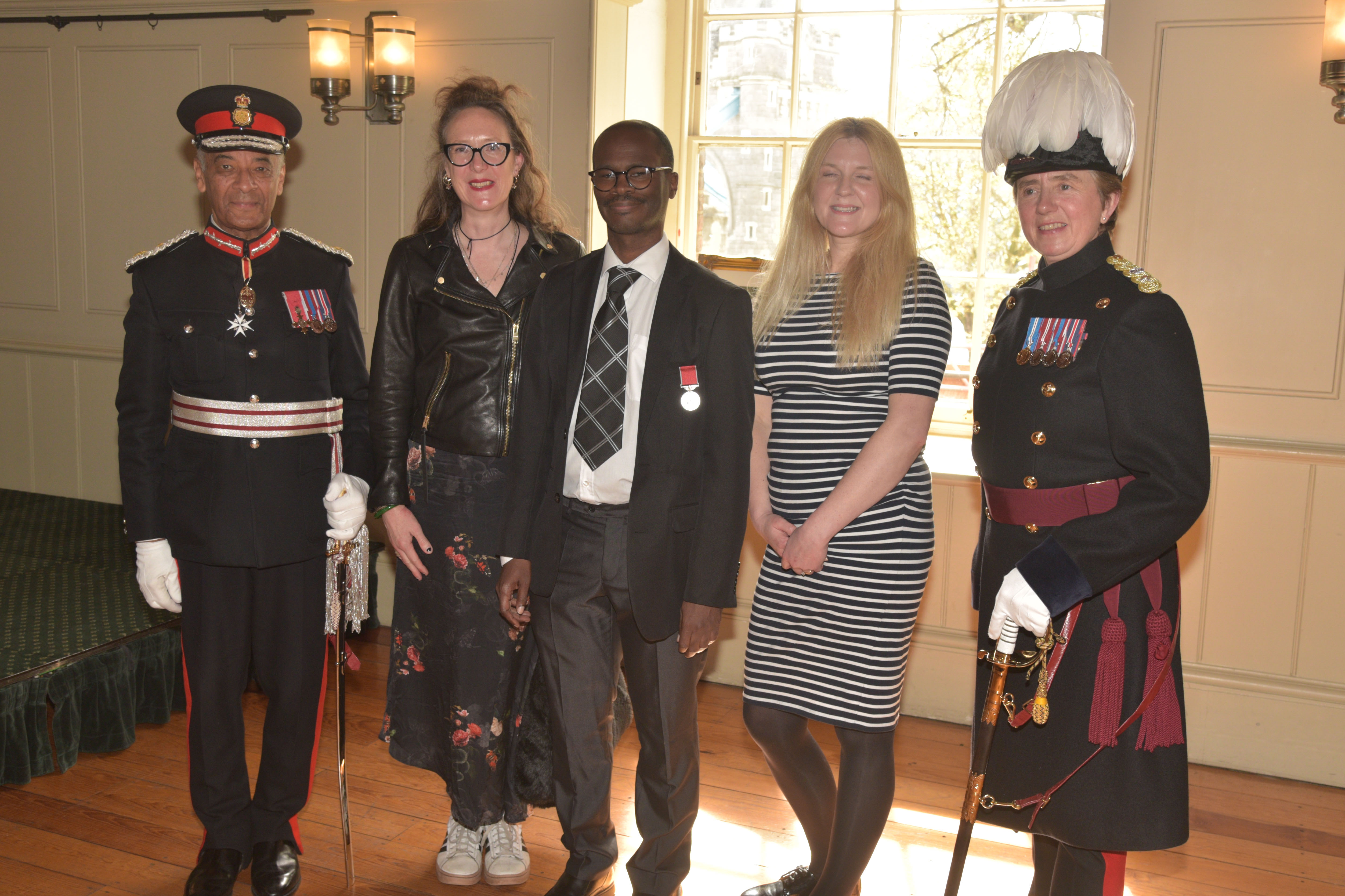
The event this blog focuses on is the Cygnet Hospital Maidstone event. That took place on the 20th of April 2024. The carer event was the first event I attended from my recent honours recognition ceremony that took place in London over at Tower Bridge, but I will blog about that one much later on.
Cygnet tries very hard to engage with families, friends and carers who loved ones are using their services. So Cygnet hospital Maidstone put on an excellent event to showcase what they do for unpaid carers. As mentioned the event was run on satuday to give carers a chance to attend, since during the week this might not be so easy due to work commitments.
Both Julian and myself was welcomed by the friendly Cygnet staff at the hospital, I checked out the hospital’s carers board and then we proceeded to the board room for the event, which was laid out with carer information, policies and advice.
It was not long before some carers and cygnet staff attended and soon the event was opened by Hospital General Manager Alison McCulloch.
Alison explained the proceedings for the day which was
A set of expert talks A chance to network with attendees Launch and then a tour of the facilites
Cygnet Maidstone is a very large hospital with several wards. They have their own Healthy dietician room, prayer room, A room to learn music and skills, recovery college. Plus they have an indoor physical exercise room and outdoor sports area. There was so many facilities I dont think I can remember them all, but I will explain more later on.
Going back to the “Expert talk” section of the event. The first speaker was Louisa Powell who is also a hospital manager. Lousia explained why she became a mental health nurse due to lived experince of a carer. She is still a carer, but juggles her work to do as much as she can for those going through mental ill health crisis. Louisa cares passionately about the profession and engaging with families and carers.
When then had an explaination of what Cygnet was doing for carers. This was presented by Julian De Takats who is a carer and cygnet carer ambassador. Julian talked about his lived experience as a carer and why it is so important carers know what their mental health service provider was doing for them and their loved ones using the services.
Julian explained the following
What is means to be a carer The importance of identifying carers Cygnets offer to carers being Handbooks, welcome packs, carer passport and consistant contact
Julian also touched on the Carers Trust standards called “The Triangle of Care”. This is something Cygnet has worked very hard to archieve as several cygnet hospitals have gained their first star acceditation
We then has a talk from an addictions expert and how carers can be supported. We were even taken to the addictions centre where he explained many of the resources that help patients come to terms with addictions.
The next presentation was on the Special Wellbeing Team and what they provide at the hospital. This includes healthy eating, physical activity, involvement in developing th care and treatment plan and more.
We next presentation was on consent to share and discharg planning for Patients and their carers. This was presented by Paula Tappenden who is the Head of social work and Safeguarding lead. She explained the process for patients being asked if they are happy to share information with their carers.
Paula also talked about patient rights and how carers can still be involved even if confidentiality becomes a difficult process. Use of best interest meetings can help carers become involved if the patient lacks capacity to involve loved ones. Paula also touched on the importance of the Care Act 2014, which carers should be aware of. The last part of the presentation was on discharge planning and how it should involved carers.
I then presented on carer empowerment and why I feel carers should not only be supported, but empowered to connect. I did not talk much about my carer story, but how people should be encouraged to network with the community and take wellbeing out of the hospital and into the community. Obviously my focus was on carers connecting with each other. Due to many of my carer groups, this is what I am known for. I do not mean carer support groups, but carers learning from each other and learning more about services.
As an author and campaigner, I have written many books to share the knowledge and help raise awareness of mental health carers. The mental health system is complex, under resourced and every changing. It is so important families and carers do not leave things to chance. They should not wait to be offered access to engagement groups and learn to use feedback to help change things. Carers should take every chance to join their local carers centre, national carer support e.g. Carers UK and Carers Trust, plus learn to hold to account especially cygnet hospitals, integrated care boards, local authority carer stategies and keeping an eye on government policies.
I read out 2 of my poems to promote the difficult challenging experience of the carer and the poem on carer networking. Sometimes carers are in such a desperate situation that things cannot be solved, they just want to be listened to and also connect. However the carer situation does not always have to be hopeless, with the use of activism then carers can become empowered and focus their energies for greater change
We then had a networking session, some lovely lunch and a tour of the facilities.
All in all, I enjoyed being a part of the event. As a carer it is empowering to help promote how services can support the family and carer. I expect there will be challenges, but we are all in this together to promote a caring community, with better health and wellbeing for all.
Thanks to the welcoming staff at Cygnet Maidstone hospital.
A brief update of a recent Cygnet Carers, families and friends network event. As a Cygnet carers network ambassador. I often try to engage with families and carers whose loved ones use the services of Cygnet. For those who do not already know, Cygnet Health Care is an independent provider of health and social care services for young people and adults with mental health needs, acquired brain injuries, eating disorders, autism and learning disabilities within the UK.
Cygnet aims to connect to families and carers through there carer network events, triangle of care guidelines and carer offers through strategies and policies.
The carer network event took place at Cygnet Wast Hills over in Birmingham. Cygnet Wast Hills provides support for 21 individuals with autism, learning disabilities and complex needs. The team can also support individuals who may be detained under the Mental Health Act, as well as those who have complex behaviours, or who have significant difficulties with social engagement.
As you can see Cygnet provides the best service it can for patients, but there needs to be a focus on families and friends who are providing unpaid care. So I was glad to play my part in networking with cygnet friends and families.
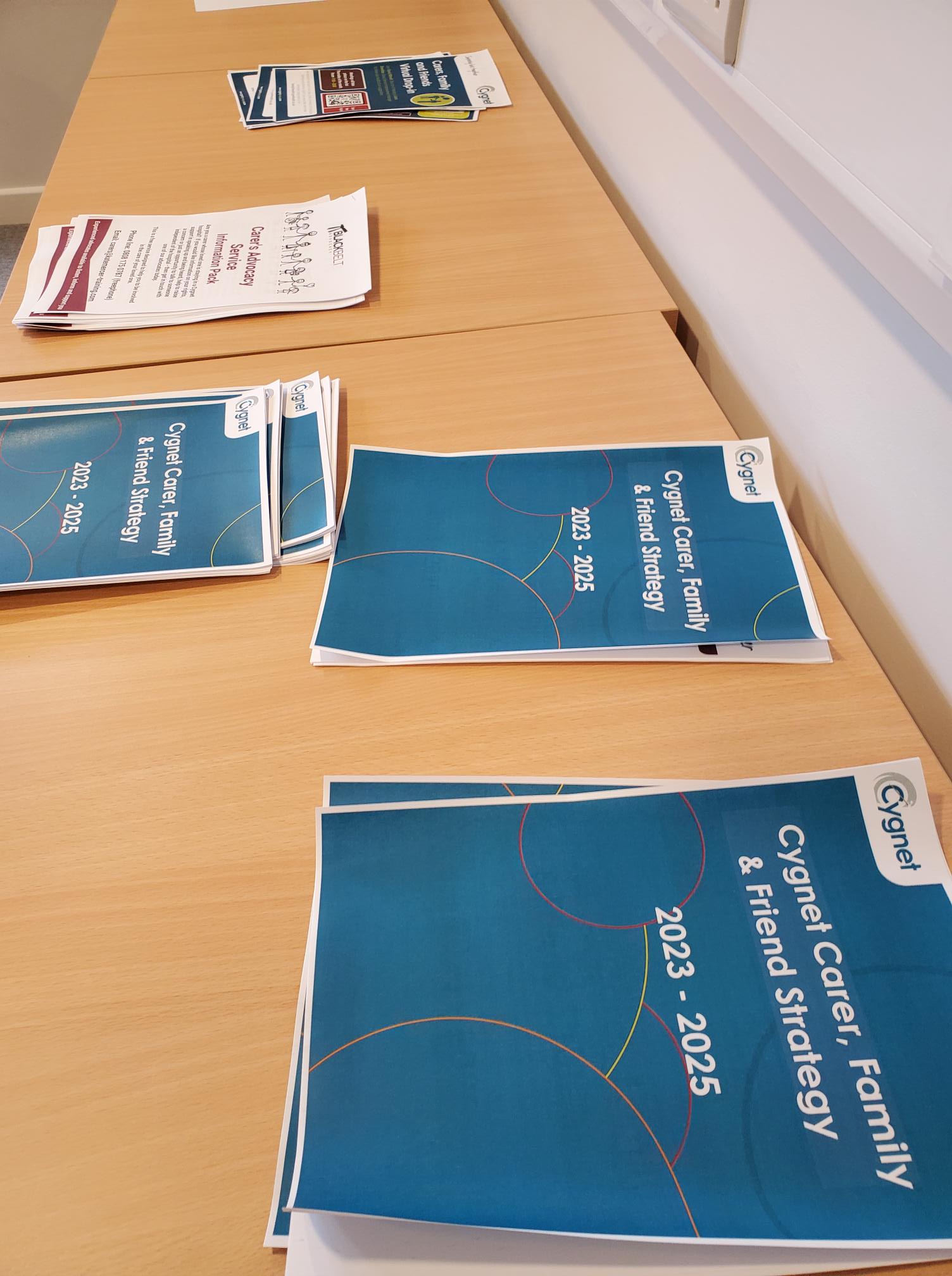
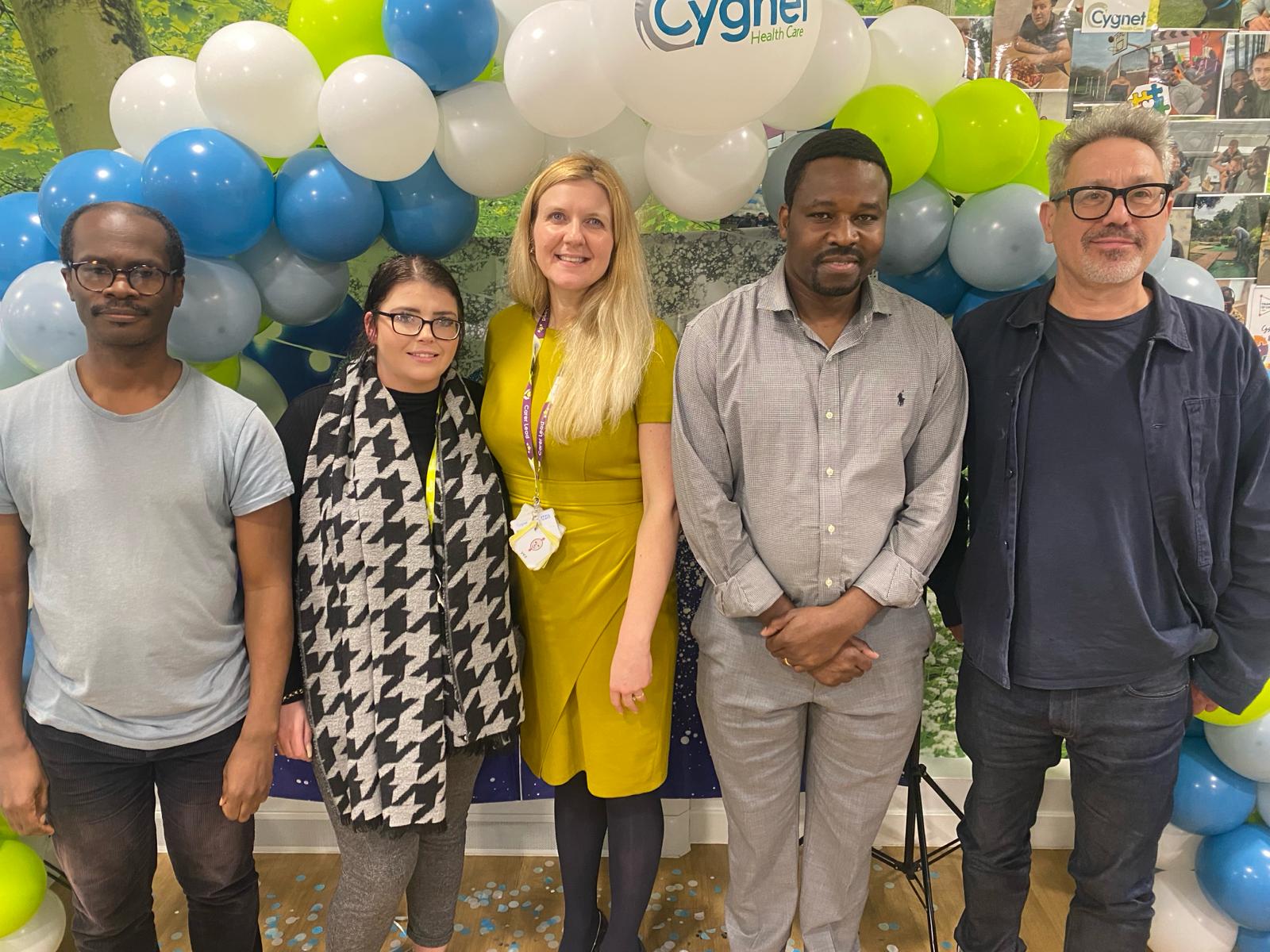
The journey to the cygnet site although long was pleasant as I enjoyed watching the scenary while travelling. I met up with fellow cygnet carer ambassodor Julian de Takets as we discussed what to present for the event. With great support from Laura who is Cygnet’s carer lead and service improvement manager, I felt we would make an excellent impression for the carers who attended.
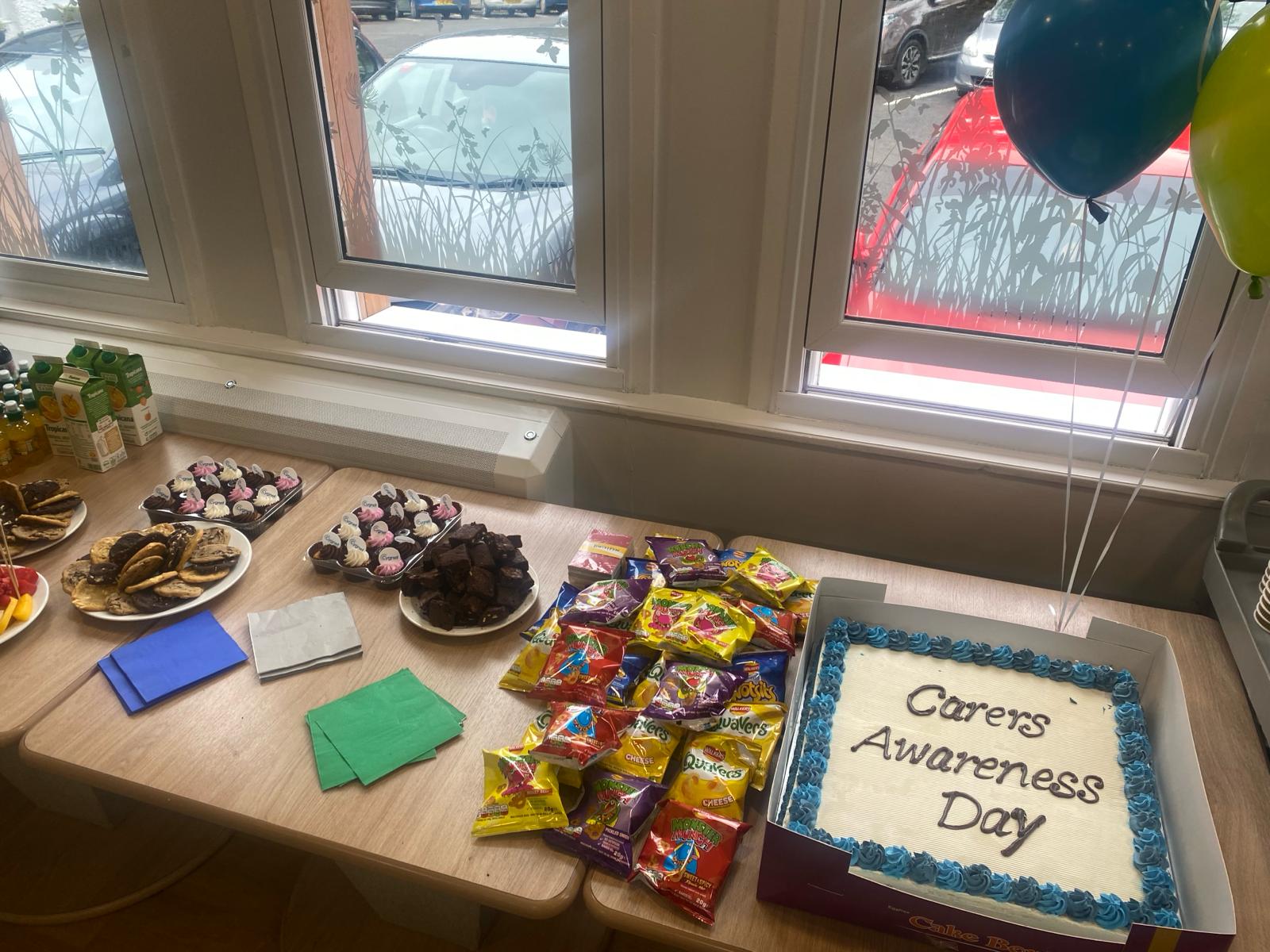
The team at Cygnet Wast Hill provided the best decorated experience I have seen for a very long time. They showed their dedication to the carer network event, I am very proud of them and I am sure many carers who attended were also impressed.
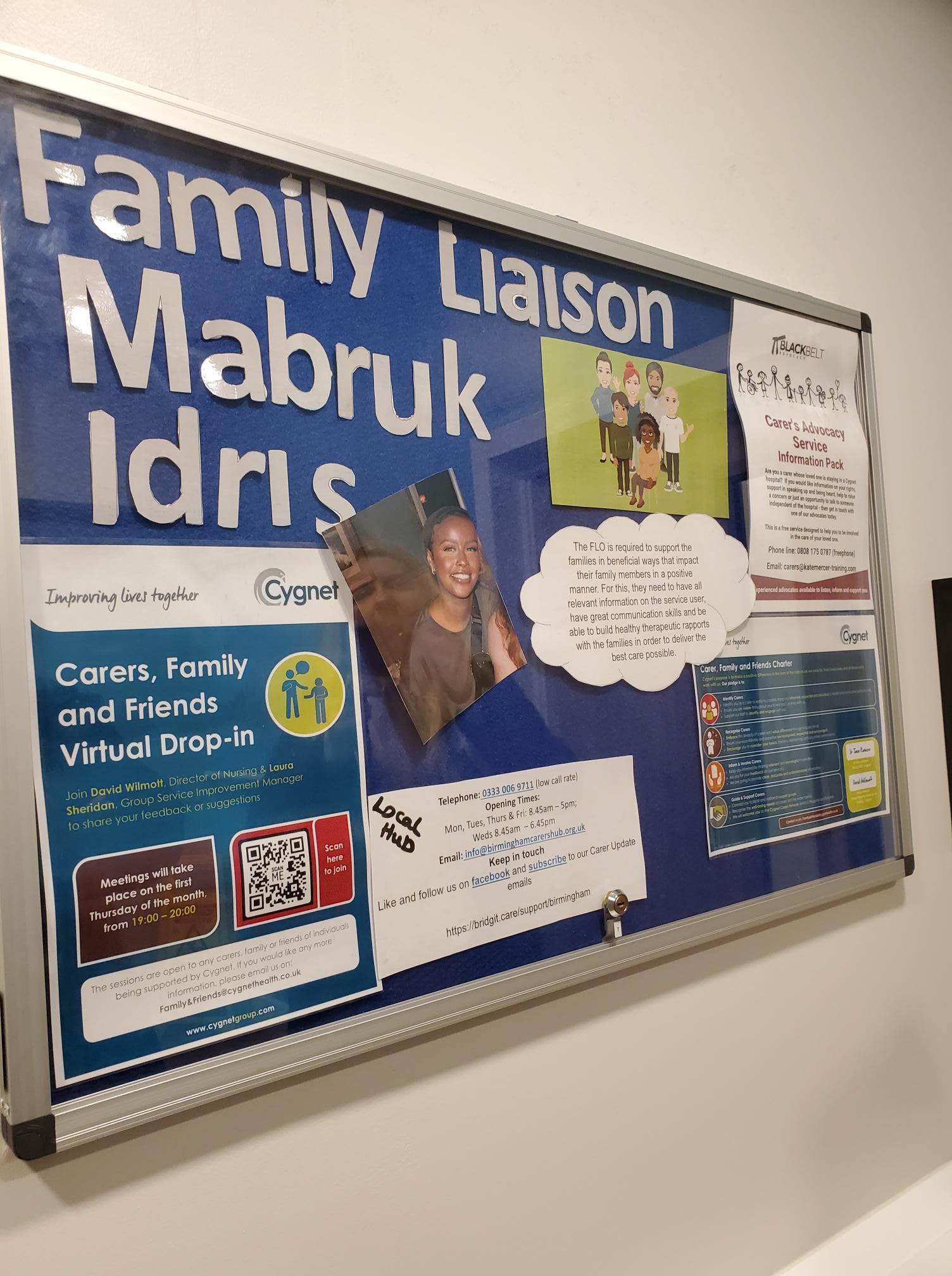
I was also happy to see carer information and updates on the service boards around the hospital site.
To open the event was a great experience as I read some of my poems in order for carers to relate to the caring experience. I asked questions at the carers and staff to help raise the awareness of carers.
We then had a presentation from Philip Winterbottom who is Head of Safeguarding at Cygnet Health Care Phil has worked as a nurse and manager for 20 years in various mental health and social care settings. In the last few years, Phil has held dedicated safeguarding roles on a national level.
Next was the networking with carers as we stopped the presentations for lunch. It was great to hear carers feedback and share experiences.
Next up was Kate Mercer who runs a training organisation, ‘Black Belt Advocacy’ that offers support and formal qualifications to independent advocates including a National Advocacy Conference each year. She also acts as a family advocate at Cygnet, supporting families who have a loved one in mental health settings. It is always a welcome sight to see Kate present as many in the audience finds her entertaining.
We then heard from the Occupational therapists Heather Davis & Tracy Lambert. Carers wanted to know what occupational therapists do and how they can support families and carers.
Last but not least to present was Julian De Takats who now has a focus on the triangle of care and setting up carer network events. Julian presented his carer experience and the impact it has had on him over the years. Julian feels the experience provides him the tools to help cygnet reach other carers.
Researchers from the Centre for Health Service Studies at the University of Kent are working on a new project. They are currently working on a project around ‘Engaging people with severe mental illness with health research in Kent’. The goal of the project is to understand the experiences (if any) that people with a mental illness have with health research in Kent.
They hope to engage with people with mental illness and/or their carers, significant others, key stakeholders or those who have experience working with people severe mental illness. Researchers will collect information through interviews and focus groups in order to understand the ways of enhancing involvement and participation of those with a mental illness in health research.
If you are a carer of someone who has serious mental ill health, you can contact engagementalhealth@kent.ac.uk for more details.
Welcome to the first SW London Mental Health carers forum for the year 2024. This group is aimed at those caring for someone with mental ill health within SW London. The group aligns itself with the same areas the mental health trust South West London & St George’s covers.
Our members are from the boroughs of Merton, Sutton, Kingston, Richmond and Wandsworth. The carers forum is co-facilitated by Ava who is also a carer. Ava focuses on the carer peer aspect in the group. She is also a strong member of the Kingston Carers Network and on involvement at SWLSTG.
The speaker requested by the SW London MH carers group was Stamatia Filippou. Stamatia is the Wellbeing Practitioner of the Wellbeing Team, NHS Merton Talking Therapies. She is based at SWLSTG. Members wanted to hear what services were provided by Merton Uplift.
Merton Uplift Presentation
Stamatia talked about the following.
On how NHS Merton Talking Therapies is a free service for anyone in Merton who has a mental health or wellbeing need, whether this is due to emotional difficulties or life stressors (low mood, feeling stressed or worried, stressful family situations, financial worries, parents who are worried about their children or feeling overwhelmed, life changing events). The service is accessible to anyone living in the borough of Merton or registered with a Merton GP who are 18 years and over.
Stamatia also mentioned that they are an integrated service which consists of the following teams; Talking Therapies: Offering a range of psychological therapies, CBT (cognitive-behavioural therapy), IPT (interpersonal therapy), EMDR (eye movement desensitisation and reprocessing), Mindfulness based therapies, online, over the phone or face-to-face, self-guided, in groups or one-to-one.
There is also support for Wellbeing, where this helps individuals connect and access activities and resources to meet their physical, social and emotional needs. Their outreach work focuses on engaging with individuals who have historically not fully accessed talking therapies. Merton Uplift run a variety of wellbeing workshops e.g., Coping with Stress, Food and Mood, Living Well with Chronic Pain, Managing Anger, Managing Sleep, Self-care and Relaxation, Understanding Anxiety, Reaching your potential, Work, stress and burnout plus Wellbeing for carers.
After the presentation, there was a Q & A session where carers can feedback or query what was on offer.
For Talking Therapies referrals: Phone: 020 3513 5888 Referral Email: mertonupliftreferrals@swlstg.nhs.uk Via the website: Referral Form (mayden.co.uk) The service’s admin team will register your referral and book you in for an assessment.
Welcome to a brief update of my Greenwich MH carers forum. Like all my other groups apart from the London cancer carer forum, the Greenwich forum provides a platform for carers supporting someone with mental ill health.
The group seeks engagement from the mental health trust Oxleas, healthwatch Greenwich, social care, local authority and health services. It is important that unpaid carers are heard, included and involved regarding services.
For the January forum, we were joined by Healthwatch Greenwich on their update on the focus of including carer feedback about services.
The second set of speakers were Britt makhetshemu and Ana Stojanovic (South East London Mind) on the development of the new Greenwich Mental Health Hub.
We were also joined by Sue Sauter who is the Lead governor for Oxleas NHS trust.
Healthwatch Greenwich updates
Nakkita has a focus on topics such as Poverty, Vulnerability and Community Activism. Her interests are in how rights are upheld, especially during times of crisis and amplifying the voices of those most marginalised. She is passionate about giving back to the community she has grown up in and the services she has used, as a carer.
Nakkita De Silva who is the Admin & Project Assistant at Healthwatch Greenwich updated on the research project about improving services for adult ethnic minority carers in Greenwich.
Greenwich Mental Health Hub Presentation.
Next to present to carers and Greenwich carers was the development of the Greenwich Mental Health Hub. This is a partnership between South East Mind, Oxleas NHS and Bridge Support.
It was noted that the is a strong case for for Community Mental Health Transformation, because of the following.
Fragmentation and Transition Between Services
Thresholds and Barriers to Access
Challenges in Getting High Quality Care
Distance from Community
The Greenwich MH hub has a strong vision to develop:-
Personalised support. Where their commitment is to provide a diverse and personalised range of support for people facing mental health challenges within the community, addressing their psychological, physical, and social needs.
Crisis prevention. Their approach is to enable earlier support, foster recovery and staying well, and prevent the escalation of mental health issues that could lead to crises.
Making care fairer. The Greenwich MH hub are dedicated to reducing inequalities in access and experience of mental health care for all adult residents of Greenwich, regardless of where they live or their background.
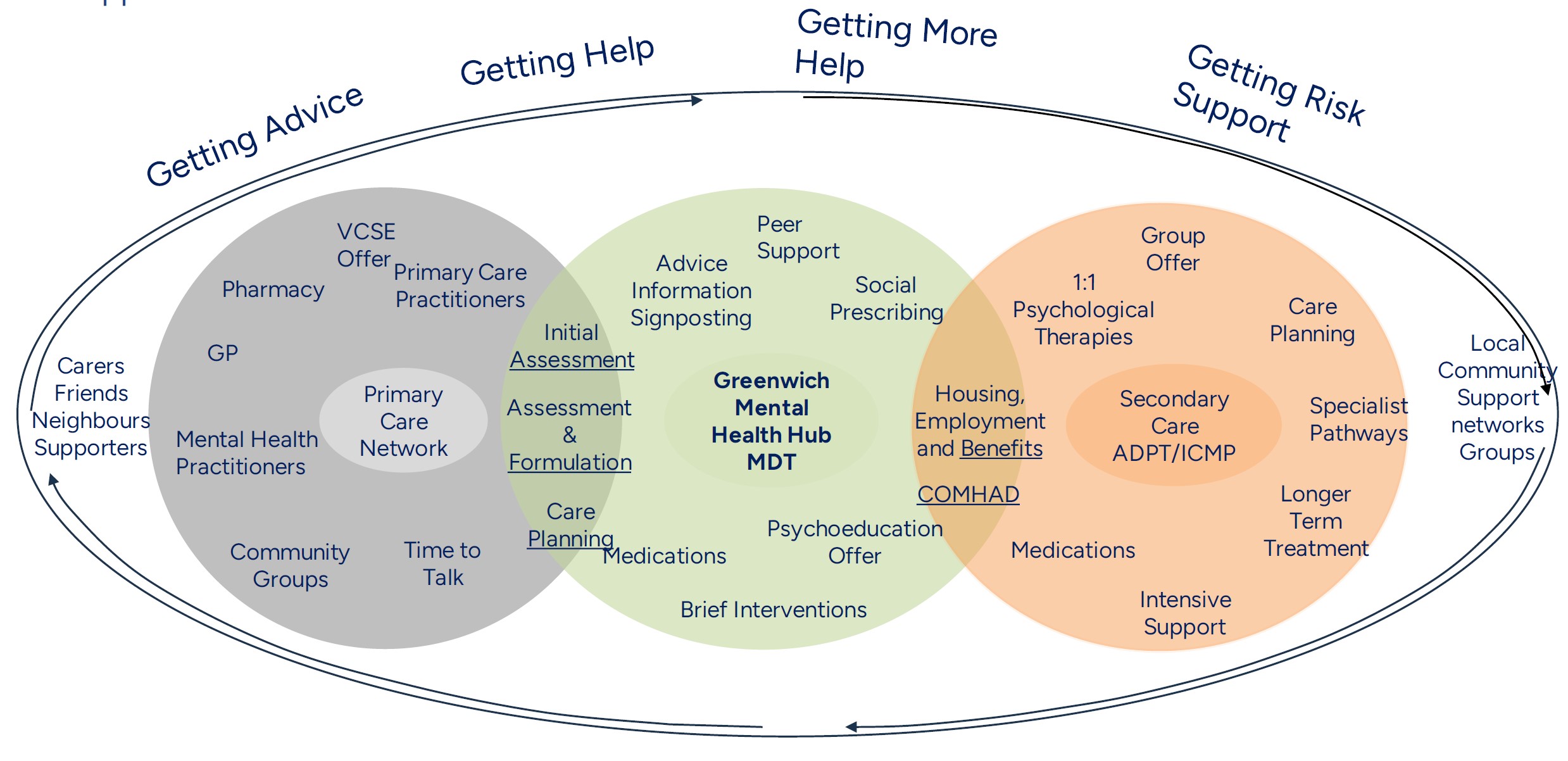
A lot of time was presented on what the Greenwich Hubs core model is looking like
It was presentated that people should be able to transition seamlessly between different types of help, care and support as their presenting needs change on their recovery journey from ‘thriving’ and ‘getting advice’ to ‘getting risk support’.
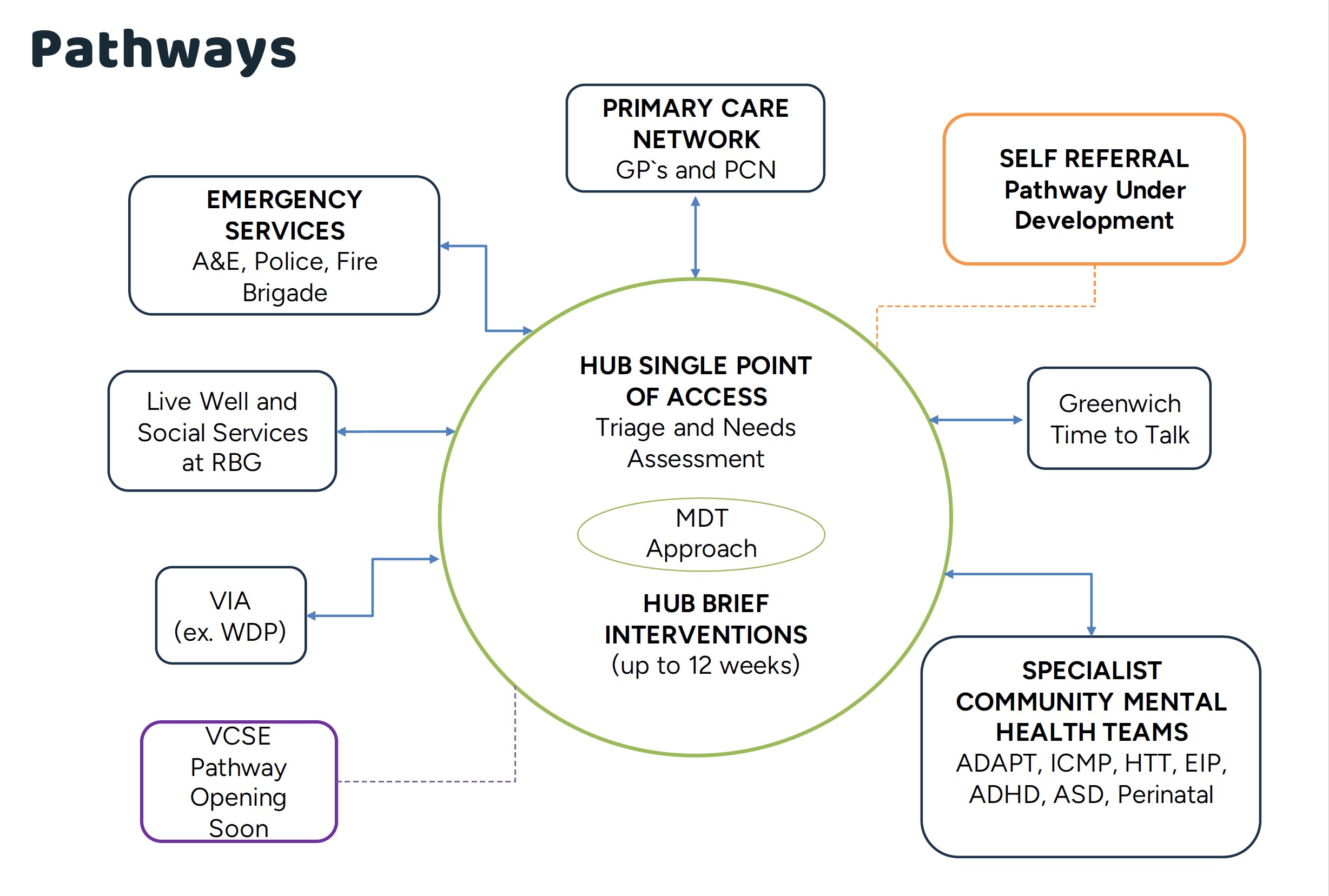
Presenters Britt makhetshemu and Ana Stojanovic also talked about the pathways people have to access inteventions at the Greenwich hub.
Oxleas Lead governor Sue Sauter engages with the carer forum
Did you know a lot of mental health trusts have governors hold to account their board? Governors are usually voted in by the public, patients, carers and staff. It was excellent to see the lead governor Sue Sauter.
Sue worked at the NHS for over 40 years as a Registered Midwife in both a clinical, managerial and supervisory capacity. During this period, she was also employed by the Nursing & Midwifery Council and was a member and latterly, a Chair of their Professional Conduct Panels.
Sue talked about the roles of a governor, where one of the roles is to ensure the voice of our members, the public, patients and staff is used to inform our trust’s decisions and improve medical care and patient experience.
Since governors are voted into the role, it helps that they can hear from community groups. Sue was kind enough to take views back from our group and feed this through their council of governors.
This concludes a brief update of the Greenwich MH carers forum.
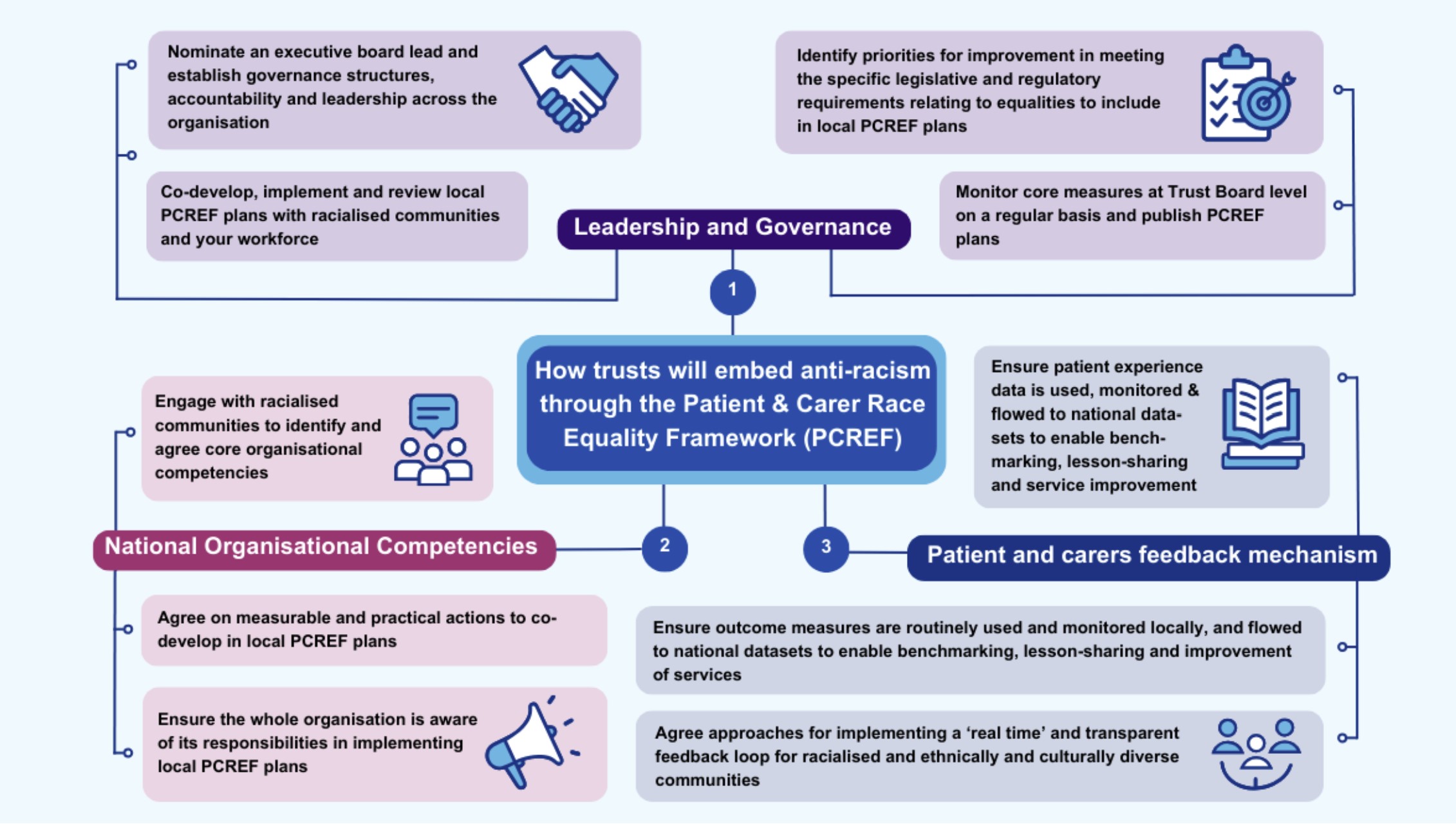
Welcome to a brief update of my ethnic mental health carers forum. This is the January 2024 update where the forum focused on updates from mental health NHS trusts. The update was specifically on the new equalities initiative from NHS England, which is the Patient Carer Race Equality Framework. (click on picture below to zoom in)
As of 2024 the mandatory framework will support NHS trusts and providers on their journeys to becoming actively anti-racist organisations by ensuring that they are responsible for co-producing and implementing concrete actions to reduce racial inequalities within their services
Usually for my ethnic mental health carers group, I focus on things outside PCREF, but since PCREF has a heavy focus on minority voices, my group looks to engage with NHS trusts and their PCREF ambassodors on updates. A special note is the group is interested on how minority carers are being identified and included.
I am aware many NHS mental health trusts learn from each other so for the January group we had the following attend and present
As usual I brought in a special guest speaker from Middlesex University to speak about the following topic which she published in The Practising Midwife for the 2023 edition in November. Kristina spoke about “Mental Health Context for Minoritised Ethnic Individuals” and was specifically interested in why Perinatal birthing minoritised ethnic women and people suffer from poorer outcomes. Just to note, Krishna is not a mental health nurse, but a nurse under midwifery at University College London Hospital. She also teaches Midwifery at Middlesex University.
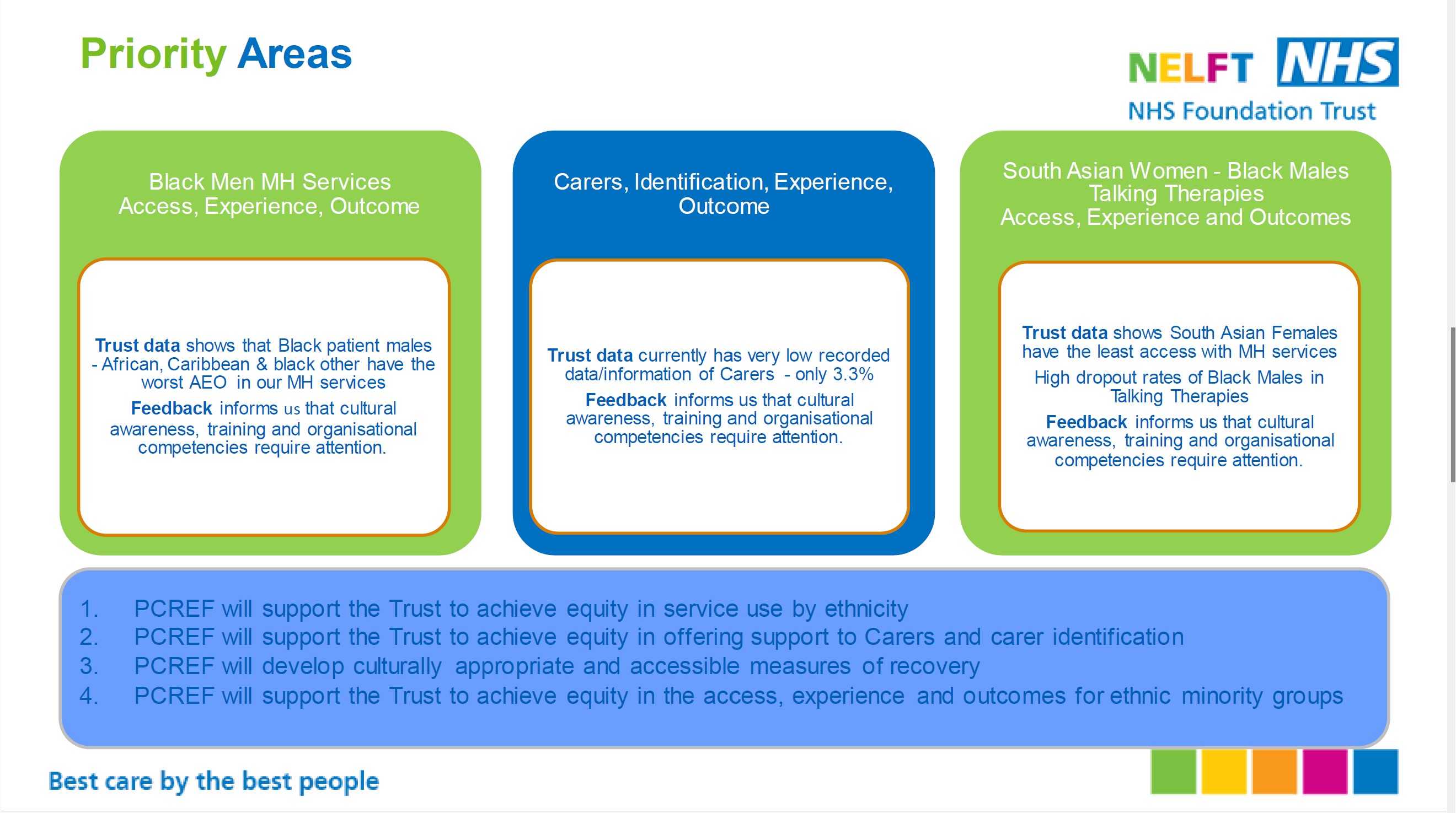
NELFT PCREF Presentation
Before we move onto Kristina’s presentation, the ethnic carer forum opened with a presentation from Asia Zaman who is the Transformation Project Manager for PCREF at North East London NHS FT. She was joined by Tarek Seeraullee who is the Havering Carers Lead at NELFT.
NELFT NHS has taken strong steps to not only incorporate PCREF, but also align it towards the hospitals carers strategy. The NHS trust presented that they admit their patients and carers have poorer outcomes, but things will improve through the following drives and more.
Upcoming workshops and events (increase cultural awareness) – carer led, to understand further about needs, perspectives etc.
increase Staff Knowledge and Awareness) – Develop workshops carer led, to share knowledge and awareness.
Increase Partnership Working – Task and Finish group- carer led, Havering best practice example? NELFT to consider aspects across all directorates.
Co-production – Carers group NCV-NELFT CarersVoice has been set up andrunning, for adults and young people.Workstreams in progress.
Presentated was 10 PCREF competencies where the carers strategy was aligned. We then had a Q&A session from attendees some carers were also from NELF.
SWLSTG PCREF Presentation
It was kind for South West London & St George to attend and present their focus on PCREF. This section was presented by Tom Carter who is the Peer Involvement Coordinator, Involvement Team. I know SWLSTG NHS trust fairly well as I have been hosting a carers peer forum for 4 years. My carers group in SW london covers the same areas as the MH trusts being Sutton, Merton, Richmond, Wandsworth and Kingston.
Tom presented the focus for PCREF at the NHS organisation, however we did have a few attendees from the area interested in the focus on ethnic minority carers. This is because they saw the presentation from NELFT and did not wanted to be left out. There was specific interest from Wandsworth carers centre and a few others.
On a side note, the mental health trust has developed a new induction video, which you might want to view below.
Kristina Goh presents on Mental Health Context for Minoritised Ethnic Individuals
As mentioned earlier, I was joined by Kristina to talk about her publication on why minorities groups giving birth had poorer outcomes. The group cannot always restrict itself to mental health NHS services as the equality challenge is presented in all other health sectors include acute services.
Kristina presented that one of the leading causes of maternal death antenatally and postpartum is mental ill health (10-20% of women).
Kristina mentioned that poorer outcomes could be challenged with the following.
Cultural competency training for healthcare professionals Cultural competency vs cultural humility Workforce needs to be reflective of the population we care for- think outreach, retention, development opportunities Non-pharmaceutical interventions
KMPT were very kind to engage with the ethnic MH carer forum to update us on their progress. We were joined by a number of Kent & Medway presenting their focus although time ran out before CNWL presented on their drive to include the Patient Carer Race Equality Framework.
CNWL, South London & Maudsley, plus Oxleas NHS and NHS England will update in February.
This concludes my brief update for the Ethnic mental health carers forum January 2024.










 A Caring Mind