Understanding the Role of Empathy in Reducing Racism
Welcome to about blog and video lecture from carer advocate Matthew McKenzie. This time I want to promote the importance of how empathy serves as a powerful tool in addressing and reducing racism within society. To watch my video lecture on reducing racism, see the video below.
When it comes to reducing Racism, it requires individuals to step into another person’s shoes, acknowledging their lived experiences and how the impact of racial discrimination affects them.
Hello everyone, I’m Matthew McKenzie, and in this blog I want to raise awareness about the various forms of discrimination and bias that unpaid carers, especially those looking after individuals suffering from mental illness or cancer, might encounter. Moreover, I am deeply involved in addressing racism and discrimination, sharing my firsthand knowledge of these issues, particularly in the mental health system.
In this article, we’ll dive into some of the crucial terminology that are essential for anyone working within healthcare settings, caring for people from minority groups, or even interacting as patients themselves.
In this blog, I’ll focus primarily on the acute settings within general hospitals. Most of these terms and definitions, however, are broadly applicable across the entire mental health system. We will go over around 12 to 13 key terms, highlighting their relevance and providing examples to illustrate how they manifest in healthcare contexts.
You can also watch the video lecture off my YouTube Channel.
Discrimination
Discrimination in healthcare involves treating individuals unfairly based on their race, ethnicity, or other characteristics. This unfair treatment leads to poor health outcomes for those affected.
Welcome to another blog by Matthew McKenzie Carer activist. As a lived experienced member of the Race Equality Foundation. I am proud to present an exciting project that seeks to address the inequalities in health.
The London Anti-Racism Collaboration for Health (LARCH) have launched a new tool to help health and care organisations tackle systemic racial health inequalities.
The Race Equity Maturity Index (REMI) is the first framework of its kind, allowing organisations to track, measure and enhance their anti-racist activities using an evidence-based approach.
The REMI was designed with people and communities from across London, reflecting the diversity of both London’s population and its health and care workforce.
The REMI is intended to help all the parts of the health and care ecosystem meaningfully address the inequalities faced by Black, Asian and minoritised ethnic Londoners, which include:
Using the REMI, organisations can self-assess their progress in tackling these inequalities. The tool uses measurable indicators to categorise organisations into one of six stages of racial maturity, with clear pathways for progression between each stage.
Another blog post from Matthew McKenzie, author of “Race, caring and mental health”. In this post, Matthew explores the depressing results of top health inequality reports from 8 organisations.
If you want to watch the more detailed version of this post, then watch the video below, where you can explore the profound disparities in healthcare faced by ethnic minorities, revealed through key reports from NHS, Public Health England, CQC, and more. The video also presents the impact on mental health, maternity care, chronic diseases, and access to healthcare services.
Understanding Health Inequalities in the UK
Health inequalities have been a longstanding issue, particularly affecting various minority groups. These disparities in health outcomes are alarming and have become increasingly scrutinized, especially following the emergence of the COVID-19 pandemic. Matthew McKenzie, a carer activist and volunteer, delves into these pressing issues, focusing primarily on mental health and maternity care within minority communities. In this article, we’ll explore the findings from various reports and organizations concerning health inequalities in the UK and the urgent need for systematic reforms to achieve equitable health outcomes for all.
Health Inequalities: A Persistent Issue
The discussion about health inequalities is not new. Health disparities have been documented long before the recent revamping of the Mental Health Act, dating back to the initial implementation of the Act in 1983. Despite various efforts to address these issues, significant inequalities remain, affecting a wide range of services including mental health, maternity care, and primary care.
Focus on Minority Groups
Health inequalities do not solely affect ethnic minorities. They also encompass groups such as the LGBTQ+ community, travelers, and even certain regional populations within the country. However, the emphasis often lies on ethnic minorities due to the distinct challenges they face.
Key Findings from Health Inequality Reports
Several organizations have conducted extensive research to document and understand the health disparities present in the UK. These reports consistently highlight the unequal treatment and outcomes experienced by minority groups.
NHS Race and Health Observatory Report
In 2022, the NHS Race and Health Observatory released a comprehensive report on ethnic disparities in health services:
Mental Health: Black adults are more than four times as likely to be detained under the Mental Health Act compared to white adults. Ethnic minorities also face higher rates of coercion, including being restrained and put in seclusion.
Maternity Care: Black women are four times more likely to die during pregnancy or childbirth compared to white women. Asian women are almost twice as likely to face similar fates.
Primary Care Access: Ethnic minorities report greater difficulties in accessing GP services and obtaining referrals for tests and treatments, leading to a lack of trust in healthcare services.
Public Health England Review on COVID-19
The impact of the COVID-19 pandemic has further exposed underlying health inequalities:
Mortality Rates: The death rates from COVID-19 were significantly higher among Black, Asian, and minority ethnic groups compared to white groups. Black men were 3.3 times more likely to die from COVID-19 than white men. Similarly, Bangladeshi and Pakistani communities were twice as likely to die from the virus.
Socio-Economic Factors: Ethnic minorities were more likely to be in frontline jobs and live in overcrowded housing, increasing their vulnerability to COVID-19.
Systematic Inequalities: The pandemic highlighted the systematic inequalities in access to health services, with ethnic minorities suffering higher risks due to socio-economic disadvantages and pre-existing health disparities.
Marmot Review on Health Inequalities (2010-2020)
The Marmot Review, followed by its 2020 update, explored health inequalities across the UK, focusing on how deprivation, ethnicity, and other social determinants affect life expectancy and health outcomes:
Life Expectancy Gap: Ethnic minorities, particularly black and South Asian populations, face lower life expectancy and higher rates of chronic conditions compared to white populations.
Social Determinants: Ethnic minorities are disproportionately affected by poor housing, low income, unemployment, and education disparities, which contribute to long-term health inequalities.
Care Quality Commission (CQC) Reports
The CQC has consistently highlighted inequalities in accessing and receiving healthcare:
Mental Health Care: Black and other ethnic minority groups are more likely to be subjected to compulsory mental health treatment and face challenges in accessing early support.
Discrimination and Communication Barriers: Language barriers, cultural misunderstandings, and institutional racism contribute to poorer health experiences for ethnic minorities.
Organizations Addressing Health Inequalities
Various organizations are actively working to address these disparities and promote equitable health outcomes:
The Race Equality Foundation
The Race Equality Foundation has published several studies highlighting the experiences of ethnic minorities within the NHS:
Poor Health Outcomes: Ethnic minorities are more likely to report poorer health outcomes, delayed diagnoses, and negative experiences within NHS services.
Language and Cultural Barriers: Language barriers and the lack of culturally appropriate services lead to worse health conditions for ethnic minorities, particularly in accessing dementia care services.
NHS Workforce Race Equality Standard
The NHS Workforce Race Equality Standard focuses on the experiences of staff from ethnic minority backgrounds:
Discrimination Among Staff: Ethnic minority staff, particularly black and South Asian healthcare professionals, report higher levels of discrimination, harassment, and bullying, which can affect the quality of care provided to patients.
Impact on Patient Care: Discriminatory treatment of ethnic minority staff may be linked to poorer outcomes for ethnic minority patients, as staff experiencing racism are less engaged and less able to deliver high-quality care.
The Need for Systematic Reforms
The consistent and robust findings from these reports underscore the urgent need for systematic reforms to address health inequalities:
Institutional Racism: Addressing institutional racism within healthcare settings is critical to ensuring equitable treatment and outcomes for all patients.
Cultural Competence: Improving cultural competence and language services within healthcare can help bridge communication gaps and provide more culturally sensitive care.
Socio-Economic Supports: Addressing socio-economic disparities, including housing, income, and education, can reduce long-term health inequalities and improve overall health outcomes for minority groups.
Inclusive Policies: Developing inclusive policies and practices within healthcare institutions can foster a more supportive environment for both patients and healthcare staff.
Conclusion
Health inequalities remain a significant challenge in the UK, disproportionately affecting minority groups. Despite various efforts and reports highlighting these disparities, there is still much work to be done. Addressing these inequalities requires a comprehensive and systematic approach, focusing on institutional racism, socio-economic factors, and cultural competence within healthcare services. Only through sustained and concerted efforts can we hope to achieve equitable health outcomes for all, ensuring that everyone has access to the care and support they need.
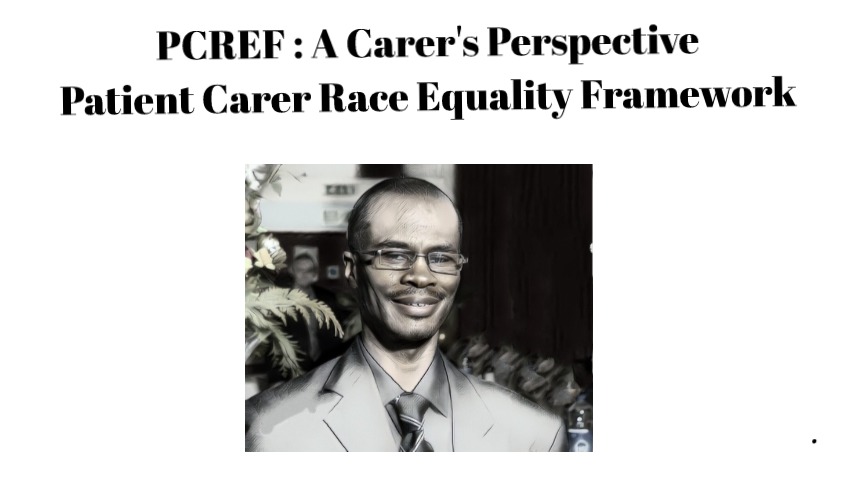
Welcome back from another blog post by matthew McKenzie. In today’s blog post, we’ll delve into a significant yet often overlooked initiative in the mental health sector—the Patient Care Race Equality (PCREF) Framework. Introduced by the NHS, the PCREF Framework is a pioneering approach to addressing racial inequalities in mental health services.
I have made a video (unfortunately not so short) drawing from my lived of a carer and activist. In the video I explored the core goals, benefits, challenges, and the broader implications of this framework. The video is coming from a carers pespective.
Understanding the PCREF Framework
What is the PCREF Framework?
Basically, the Patient Care Race Equality (PCREF) Framework, developed by NHS England, aims to address racial disparities within the mental health system. Data shows that racial minorities are disproportionately affected by inequalities in mental health care. The PCREF Framework seeks to improve access, experience, and outcomes for racialized communities, pushing for modernization of the mental health act and the elimination of institutional racism.
Things need to change
Mental health services have long been riddled with systemic biases and inequalities. The Mental Health Act of 1983, has aged and requires significant updates to reflect equity in care. The PCREF Framework is a part of broader efforts to reform the mental health act and address the institutional racism that has led to difficult experiences and outcomes for patients from racialized communities.
Goals of the PCREF Framework
The primary goal of the PCREF Framework is to reduce racial disparities in mental health care. This includes:
Improving Access: Ensuring that racialized communities have equitable access to mental health services.
Enhancing Experience: Improving the overall experience of patients from these communities within the healthcare system.
Better Outcomes: Aiming for equitable health outcomes by addressing systemic biases and inequalities.
Benefits of the PCREF Framework
Targeting Inequalities
The Framework is designed to specifically target racial inequalities in mental health outcomes. For instance, racialized communities often face higher rates of severe treatments such as restraint or use of strong medications that inhibit functionality without offering therapeutic benefits. By targeting these disparities, the PCREF Framework aims to provide more equitable forms of treatment.
Improving Experiences
Another significant benefit is the enhancement of patient experiences. Historically, racialized patients have reported poorer experiences within the mental health system. By acknowledging and addressing institutional biases, the Framework seeks to transform these experiences positively.
Promoting Institutional Reform
The PCREF Framework advocates for institutional reforms to dismantle systemic barriers faced by racialized communities. This includes educating mental health professionals on cultural competencies and biases, and promoting anti-racist and anti-oppressive practices.
Enhancing Community Involvement
One of the standout features of the PCREF Framework is its focus on involving patients and carers in the decision-making process. Engaging with the communities directly affected by mental health services ensures that their voices are heard and considered in policy development and implementation.
Challenges of the PCREF Framework
As addressed in the video, there are challenges, which are listed below.
Lack of Resources and Funding
One of the most significant challenges facing the PCREF Framework is the lack of resources and funding. The NHS is already stretched thin and requires substantial investment to ensure the long-term success of this initiative. Historically, previous racial equality initiatives have failed due to insufficient financial support, and there is a risk that the PCREF Framework could face the same fate.
Risk of PCREF Being Sidelined
The PCREF Framework requires a considerable amount of commitment and resources. There is a real risk that it could be sidelined if the requisite financial and human resources are not made available. The initiative demands a comprehensive approach involving medical professionals, community workers, and continuous community engagement.
Consistent Implementation
Inconsistent implementation across different regions is another significant challenge. The success of the PCREF Framework heavily depends on effective leadership and engagement at all levels. If some NHS Trusts are more committed than others, the disparities that the framework aims to address could inadvertently be exacerbated.
Cultural Shift within the NHS takes time
The cultural shift required to fully implement the PCREF Framework is considerable. Such a shift is often slow and can be met with resistance. While the framework provides a structure for reducing racial inequalities, changing long-standing biases and practices within the NHS will require time and sustained effort.
Staff Training
To effectively implement the PCREF Framework, staff need to be adequately trained in anti-racist practices (This training should involve patients and carers) . However, current constraints such as lack of time, staff, and resources can make this a daunting task. Without proper training, the framework risks being ineffective.
Risk of Becoming a Tick-Box Exercise
One of the most critical challenges is the risk of the framework becoming a mere “tick-box” exercise. If the framework is not implemented in the spirit it was intended, it could fail to bring about meaningful change. Robust monitoring and evaluation mechanisms are essential to ensure that the framework is genuinely making a difference.
Moving Forward: Steps to Take
Community Engagement
Continuous community engagement is crucial. Mental health trusts should run engagement events and stakeholder groups to reach out to marginalized communities, understand their concerns, and incorporate their feedback into service delivery.
Tracking Progress
Regular tracking of progress and measuring the impact of the framework is vital. This involves collecting and analyzing data to assess whether racial disparities are being truly reduced. Transparency in sharing this data will help build trust and ensure accountability.
Leadership
Strong leadership is fundamental to the success of the PCREF Framework. Leaders within mental health trusts must be committed to the initiative and work towards fostering a culture of inclusivity and equity.
Education and Training
Ongoing education and training for staff on cultural competencies and anti-racist practices will help in addressing biases and promoting equitable care. As a reminder this should involve patients and carers in training programs to provide real-world perspectives and insights.
Policy Development
Ensuring that the voices of marginalized communities are heard and represented in policy development is essential. Mental health organizations must prioritize inclusivity in their policy-making processes to reflect the diverse needs of the populations they serve. The problem is things can be rushed to meet targets.
Conclusion
As I have mentioned in my video, Patient Care Race Equality (PCREF) Framework represents a significant step forward in addressing racial inequalities within the mental health system. While the benefits of this initiative are substantial, the challenges it faces are equally significant. Overcoming these challenges requires a effort from all stakeholders involved, including mental health professionals, community leaders, patients, and carers.
By fostering a culture of inclusivity, investing in resources, engaging with communities, and continually tracking progress, the PCREF Framework has the potential to bring about meaningful and lasting change. It is an ongoing journey, but with sustained commitment and collaborative effort, we can build a more equitable mental health system for all.












 A Caring Mind