Welcome to my site raising awareness of those who care for someone with long term illness.
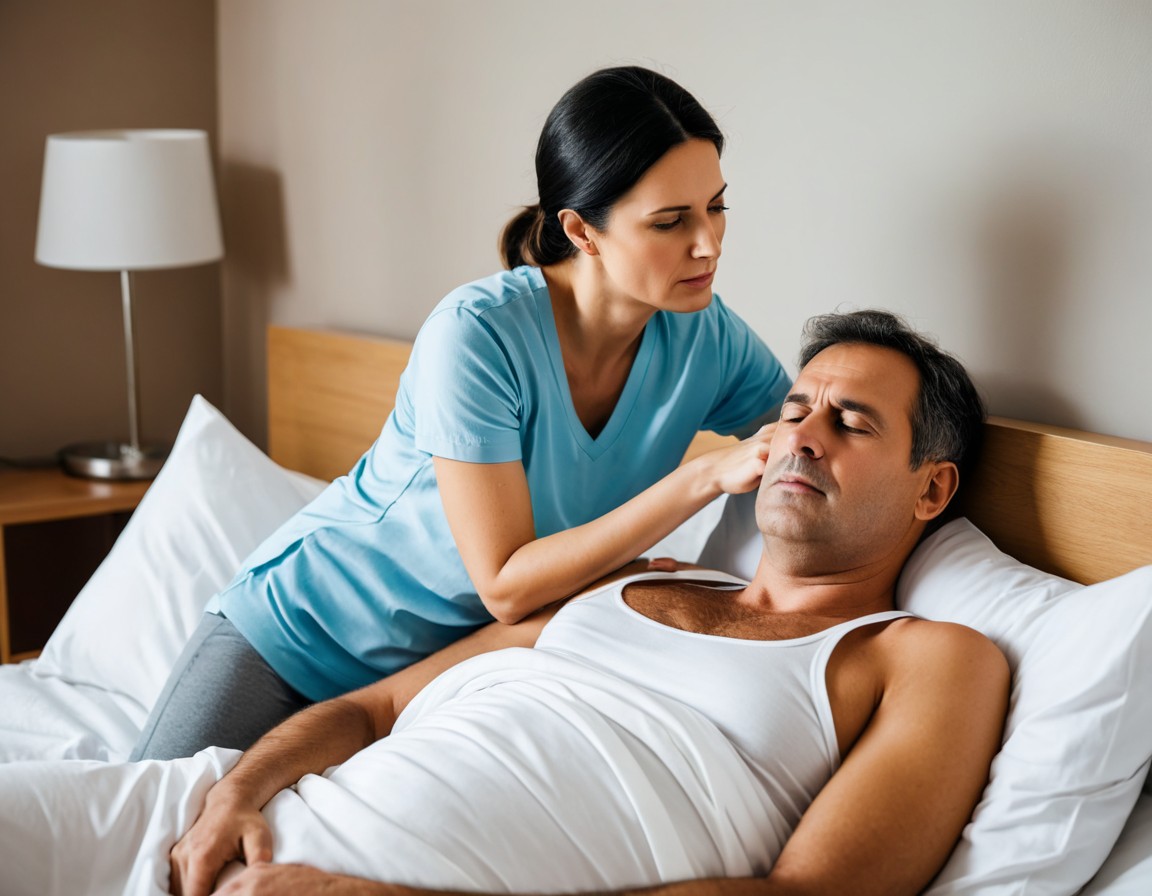
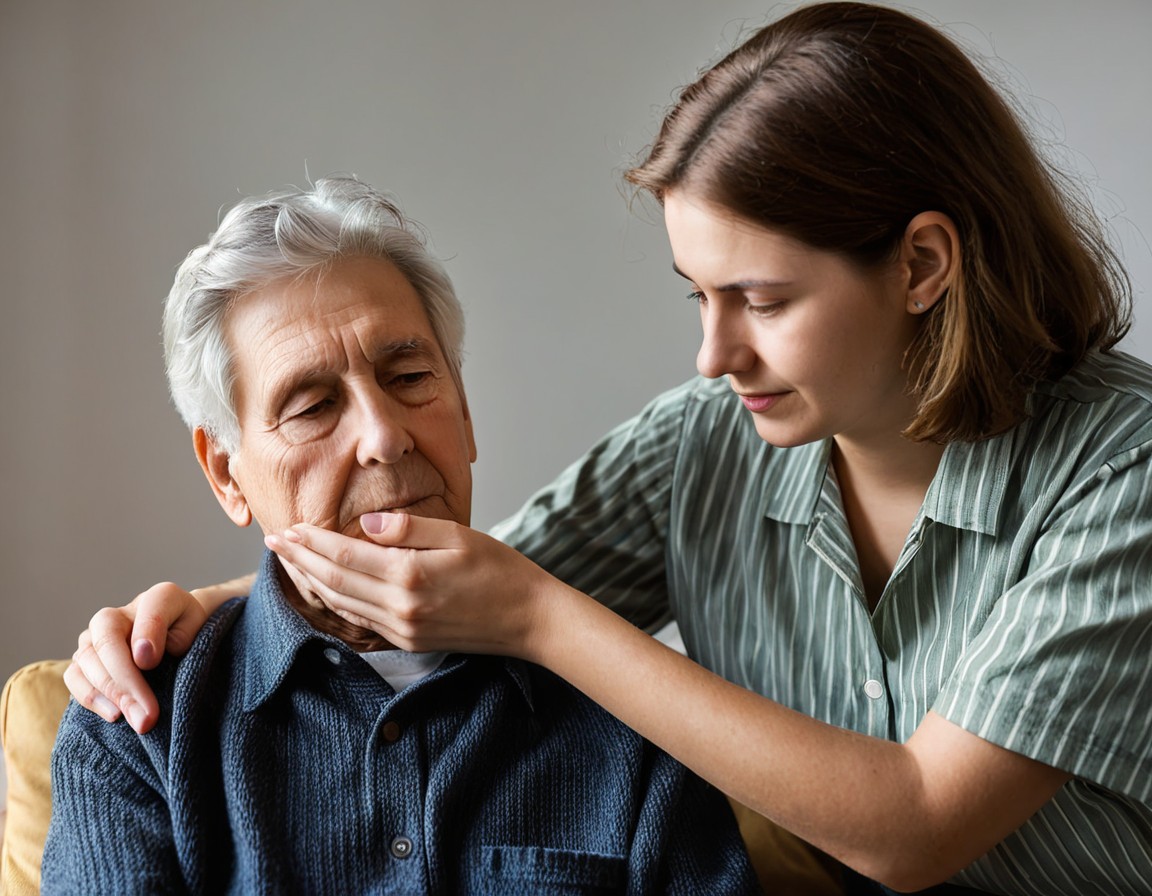
Caring for someone going through either mental health conditions or cancer can be a special role, but also challenging. Caring for someone close or a close friend can be an emotional rollarcoster. As carers there are times when we just cannot be in command of our own emotions.
Due to these challenges, you will experience decline in the person’s mental and physical health. This is distressing to experience and deal with. Every so often I release videos to help those focus on combating these difficult emotions. Even if for a short while.
Feel free to watch my video below.
If you are caring for someone. Remember to look after yourself.
Welcome to another carer awareness blog post from carer activist Matthew McKenzie. Today I want to raise awareness that carers should not always helpless and vulnerable. It is true that there are many things a carer cannot control, but that does not mean we should remain helpless.
There are coping strategies carers should try. It might seem like a cheap way to solve difficult and challenging issues, but the risk is mental and physical decline if you do not arm yourself with coping strategies. This is particularly important if you are caring for someone with challenging health issues.
There are ways carers can support themselves by developing problem solving skills in tackling isolation, negative thoughts and falling into bad coping habits.
First and foremost, it is critical that we admit that we are caring for someone. Once you get past that hurdle, you need to be aware of when you struggle with moods. There is no easy solution, as developing coping methods take time and energy. It helps to understand mindfulness and write about your feelings.
Understand what triggers you and work out a way to reduce those triggers. Getting angry about everything is a reaction and we need to protect our mental health. We cannot keep reacting to things, even if certain things are outside our control. This is especially when it comes to the health of the person we are caring for.
It is important to also set time aside to care for yourself. It might be exercsing by going for a quick walk or having to set boundaries. Some people wear themselves down due to their role and it is not helped with a fragile health and social care system. This does not mean there should be the tragedy of the ‘cared for’ suffering and also the carer. It is not selfish trying to set time for ourselves.
It could be a hobby, talking to a close friend or even confiding in another carer who has gone through that caring experience.
For more information on coping skills, please check out my video below.
Thanks for stopping by and if you are caring for someone, please also look after yourself.
Thanks for dropping by. Welcome to a blog post raising awareness of caring and caregiving. World Suicide Prevention day might have already finished by the time I posted this blog, but it is always helpful to continue raising awareness.
Many people around the world unfortunately take their lives due to suicide every day. This is a sad fact, but we also need to remember those who try their best to help support and care for those struggling with suicide.
It is also important to remember friends, families and communities affected by suicide. I have made this video to help raise awareness, which you can watch below.
Welcome back to another blog post by carer activist Matthew McKenzie. I raise awareness of caring for someone with a long term illness.
This time I want to bring to attention something close to my lived experience of a carer. It is important in a multicultural society that we have health and social care for all. The health service cannot cater only for one specific need. The health system must reflect its community.
Carers from Black and Asian demographic tend to face their own unique challenges when supporting someone through the health system. Language problems, Biases, cultural misconceptions, alienation and even racism.
No one can now deny there is and always has been elements of discrimination through established health systems. Such predjudice has always been lurking behind the community and now due to the riots, it has raised its head. We now need to focus on unpaid carers from that background even more.
We must support our diverse community of carers, not because it is the right thing to do, but because it will benefit us all in the long run. It all starts with education and engagement. We need to all care about health and social care, because that how we change things.
Please check out my You Video below for more about minority carers
Welcome back to another blog post from carer activist Matthew McKenzie. I post my thoughts, ideas and experiences when it comes to those caring for someone with long term illness.
I run many groups aimed at those caring for someone with mental illness or Cancer, you can probably see most of my groups off the forum section off this website.
However, many wonder why I run so many groups? Why do I commit to connecting with carers? Well, I have learned many things over the years when my caring role was getting challenging.
I found myself isolated, distressed and anxious. I wondered if I was the only one struggling and making mistakes when trying to support my family. It was not long before attending a carer support group, I got to meet others who were also caring for someone living with mental illness.
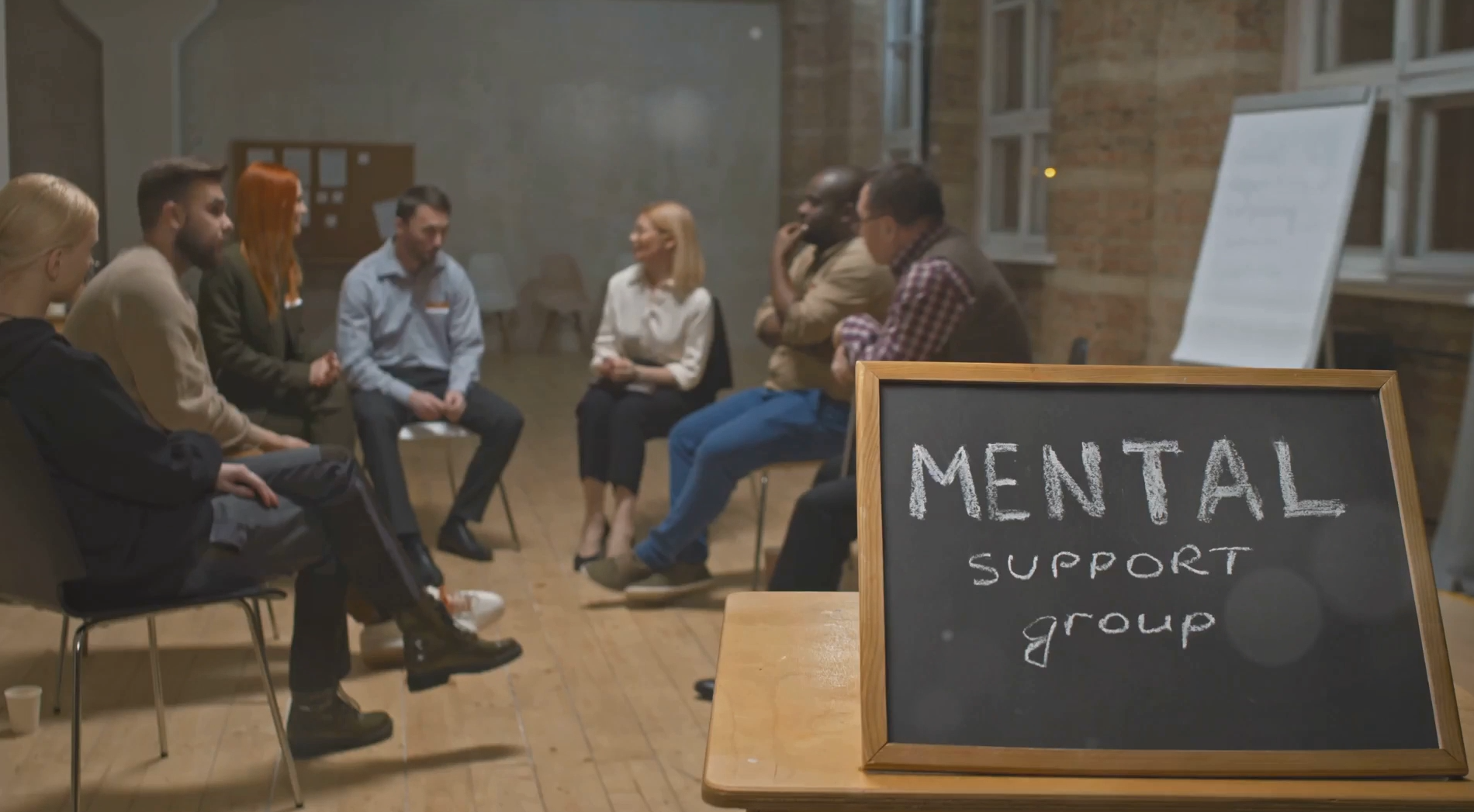
The other carers often checked up on me and that gave me the idea to set up several WhatsApp groups so we can stay connected as a peer group. The groups have an added impact of reducing isolation, being kept up to date on news and event, building up a carers network and being beneficial overall to mental wellbeing.
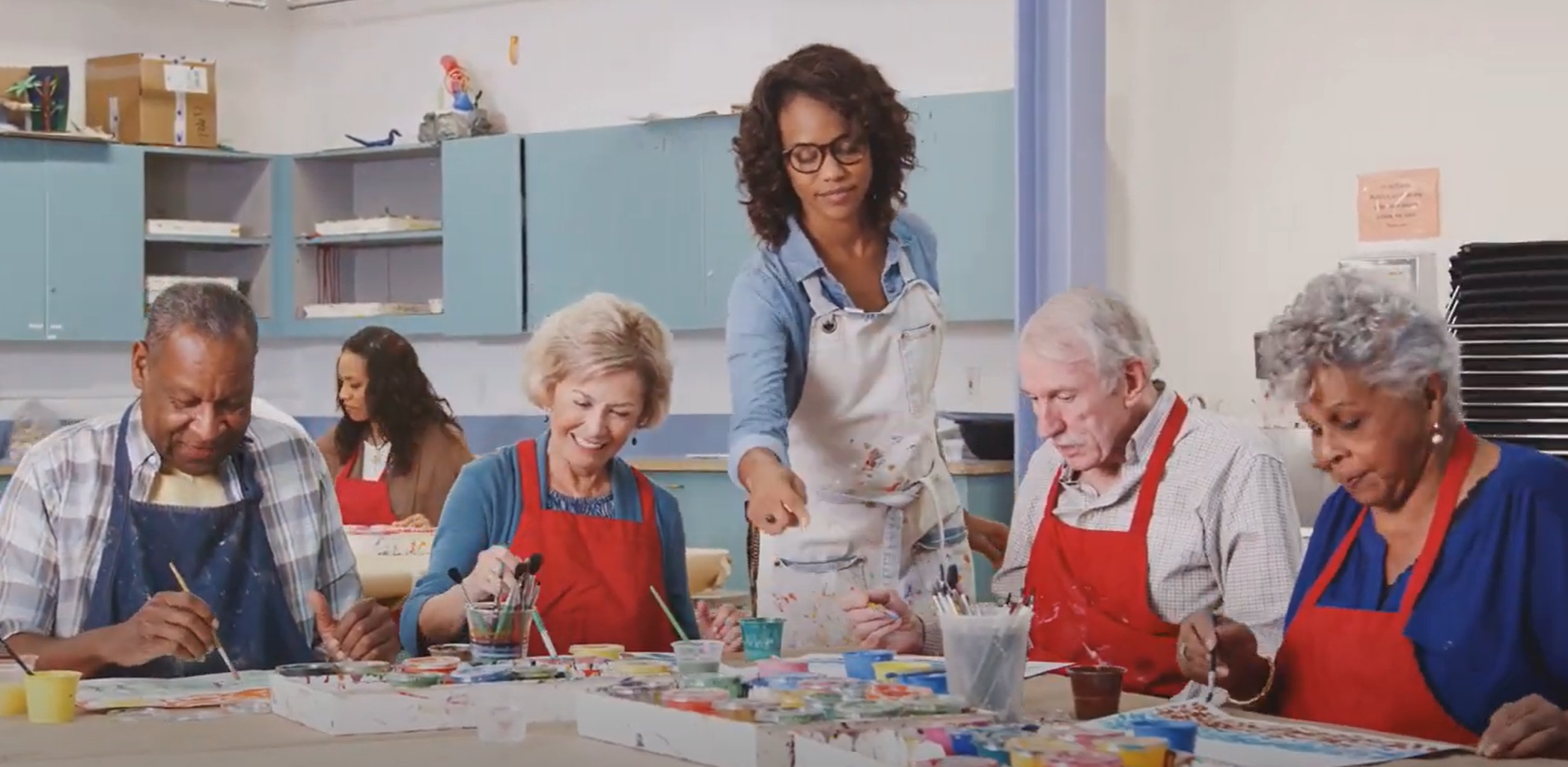
Over the years I managed to develop my online carer groups to have a peer structure so others can feel connected and heard.
If you want to find out the importance of carer peer groups, check out my video below on what is carer peer support.
Welcome back to another blog post from Matthew McKenzie. As a facilitator of many carer groups. I run the London cancer carer forum, which will soon become national. The online group runs the last wednesday of the month and those interested can find out more off Macmillan cancer support website.
This post is about seeking support when overwhelmed with emotions as a cancer caregiver.
It can be such a shock when finding out someone you love has been diagnosed with cancer. Waves of difficult emotions can flood the carer and it can be so easy to go under.
It is important carers find ways to talk about their thoughts and feelings. I have made a video, which you can watch below.
I hope those coping with their caring role can learn a few tips on seeking support. It is important cancer caregivers get support for themselves as well.
Welcome to another blog from carer activist Matthew McKenzie. You know, when I first was caring for someone, I did not pay much attention to detail. I just rushed in and tried to care for my mother without much thought to how to support myself.
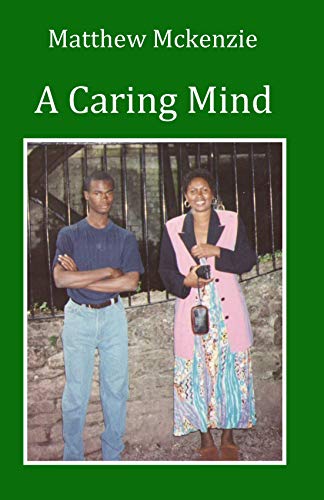
In the end, I had to reflect back about my experiences. I had to share what I had learned as a carer, so then I wrote a book called “A Caring Mind”.
Still, writing a book is not enough, I had to write blogs and make videos in order to influence and raise carer awareness.
It is so important to stop and think about the long journey ahead. We are not certain of the future, but one thing I can tell many carers is that there certainly will be challenges and frustrations.
I felt it was high time to do a short video reminding others that there are ways to cope when caring. We do not need to rush and exhaust ourselves when providing unpaid care, or at least limit the challenges.
Feel free to watch my short video below on how to cope as a carer.




 A Caring Mind