Monthly Archives: October 2024

The Power of Networking for Caregivers: Enhancing Support and Resilience

The Power of Networking for Unpaid Carers

Welcome to another blog post off my carer and mental health website.

Caring for a loved one is a profoundly rewarding experience, but it can also be an incredibly challenging journey. The role often comes with feelings of isolation and overwhelming responsibility.

Fortunately, networking with fellow caregivers can make a significant difference in the lives of unpaid carers. Connectivity fosters emotional support, practical advice, resource sharing, community building, resilience, and even advocacy. In this article, we’ll explore the importance of networking for unpaid carers and how it can enrich their caregiving journey.

Video Version

To watch a brief video of the blog please view the video below

Emotional Support: You Are Not Alone

One of the most significant benefits of networking is emotional support. Caring for a loved one can often feel isolating, and the weight of responsibilities can be heavy. Connecting with other caregivers who truly understand your experiences can lighten this emotional load. Sharing your stories, challenges, and triumphs with those who “get it” provides comfort and a sense of belonging. Knowing you are not alone in this journey can significantly improve mental health and resilience.

Access to Practical Advice

Networking allows carers to exchange invaluable tips and strategies. Each caregiving situation is unique, but many challenges are universal. Experienced carers can offer practical advice on managing specific conditions, navigating healthcare systems, or handling day-to-day tasks. This shared knowledge acts as a collective wisdom pool, making the caregiving process more manageable for everyone involved.

Resource Sharing

In addition to practical advice, networking facilitates the sharing of resources. Information about local services, support groups, and community resources can be invaluable. Imagine having a treasure map that leads you to various forms of support tailored for carers—this is what resource sharing can achieve. These exchanges can lead to discovering programs, grants, respite care options, and other services that ease the caregiving burden.

Community Building

Establishing connections with other caregivers fosters a sense of community and belonging. In many ways, caregiving can be a lonely journey, but community building changes this narrative. Community groups provide a space where carers can interact and engage in meaningful conversations. For example, caregiver groups run locally can offer a support system where members can share experiences, support each other, and even socialize. Such communities act as pillars of strength for carers, reinforcing that they are part of a larger, caring network.

Enhancing Resilience Through Shared Strategies

Resilience is a necessary trait for carers. The demands of caregiving require constant adaptation and emotional strength. By networking, carers can learn effective coping strategies from one another. These shared strategies can empower carers, building their resilience and enhancing their ability to provide care. Learning from others’ experiences offers new insights and techniques, reinforcing the carer’s own skills and capacities.

Boosting Advocacy and Awareness

When caregivers come together, their collective voice becomes stronger. Networking can boost advocacy and awareness of the issues that matter most to carers. Advocacy can lead to policy changes, more resources, and greater recognition of the challenges faced by carers. Whether it’s campaigning for more support services or raising awareness about the realities of caregiving, a united front can make a substantial impact.

Amplifying Voices

Together, caregivers can amplify their voices to influence change. Advocacy efforts become more effective when carers unite. These collective efforts can bring about policy changes, increased funding for caregiving resources, and greater public awareness of the importance of supporting unpaid carers. By networking and working together, carers can drive systemic changes that benefit the entire caregiving community.

Tips for Building a Caregiving Network

Join or Form Caregiver Support Groups

Consider joining or forming caregiver support groups in your local community or online. These groups create a space for regular interactions, exchanges of advice, and mutual support. You might want to check out the carer forums I run off my website.

Attend Workshops and Conferences

Workshops, seminars, and conferences are excellent opportunities to meet other carers and professionals in the field. These events often provide both educational content and networking opportunities.

Utilize Social Media

Social media platforms can also serve as networking tools. Joining caregiver groups on platforms like Facebook or participating in Twitter chats can connect you with a broad community of caregivers worldwide.

Engage with Local Nonprofits and Organizations

Local nonprofits and organizations often have resources and networks specifically designed for carers. Engage with these entities to tap into their resources and support networks.

Leverage Online Forums

Online forums and communities, such as Reddit or specialized caregiving forums, allow for the exchange of advice, experiences, and support. These platforms can be especially beneficial for those who may not have access to local groups. I even utilise Whatsapp to provide a network for carers to connect.

Reach Out to Healthcare Providers

Healthcare providers often have connections to support groups and resources for carers. Don’t hesitate to ask your loved one’s doctor or nurse for referrals to local or online caregiver networks.

Create Personal Connection Lists

Keep a list of contacts that you can reach out to for different types of support. This can include other carers, healthcare professionals, and service providers. A well-maintained list can be a quick reference for resources and advice when needed.

Conclusion

Networking for unpaid carers is more than just a beneficial activity—it’s a necessary lifeline. Emotional support, practical advice, resource sharing, community building, resilience, and advocacy are some of the many advantages that come from connecting with fellow carers. By fostering these connections, carers can significantly enrich their caregiving experience and improve their well-being and the quality of care they provide. Remember, you are not alone in this journey. Reach out, connect, and together, we can create a supportive and empowered caregiving community. Take care!
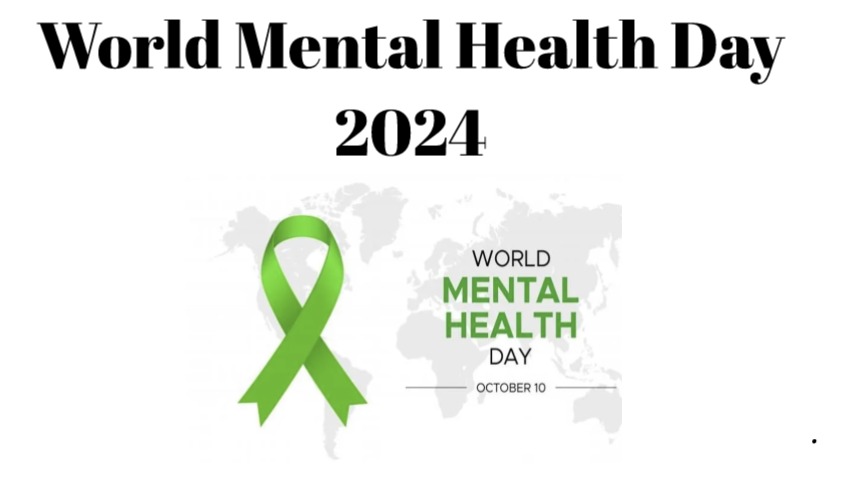

Why World Mental Health Day 2024 Matters: Advocacy and Awareness

Welcome to another blog post from carer activist Matthew McKenzie for World Mental Health Day 2024.

Raising Awareness for Mental Health: The Significance of World Mental Health Day 2024

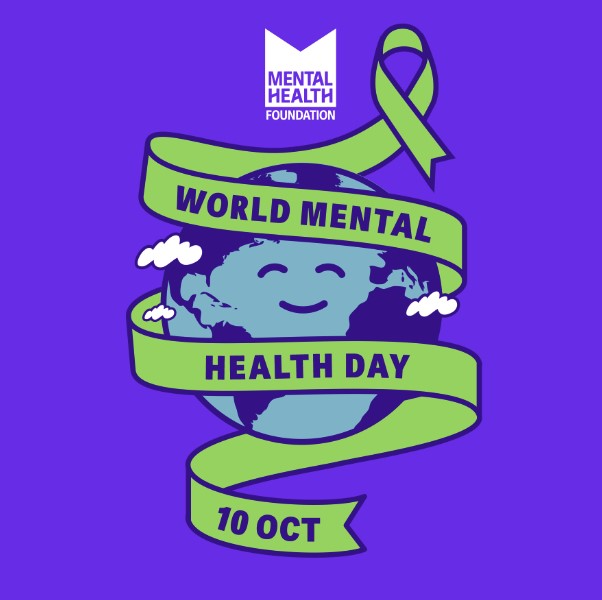
On October 10th, the world comes together to observe World Mental Health Day, a day dedicated to raising awareness around mental health issues and mobilizing efforts in support of mental well-being. Established by the World Federation for Mental Health in 1992, this day serves as a crucial reminder for governments, organizations, professionals, and individuals to advocate for mental health awareness and promote positive mental health practices.

The Importance of Raising Awareness

World Mental Health Day shines a global spotlight on mental health issues, encouraging open and honest conversations about mental health. Breaking down the stigma surrounding mental illness is a key aspect of this day. When mental health is discussed openly, it becomes easier for people to seek help and support. This not only includes individuals struggling with mental health conditions themselves but also those who care for someone facing these challenges.

Advocacy for Mental Health Care

A fundamental focus of World Mental Health Day 2024 is advocacy for mental health care. This year’s theme, “Mental Health at Work,” highlights the importance of access to quality mental health care for everyone, regardless of their location or financial situation. Ensuring that everyone has the opportunity to get the help they need, even in the workplace, is a critical message being communicated globally.

Educational Initiatives

Education plays a massive role in World Mental Health Day. Many organizations use this opportunity to host events, discussions, and seminars aimed at educating the public about mental health issues, their symptoms, available treatments, and the importance of having a solid support network. Knowledge truly is power, and understanding mental health can significantly improve how we support ourselves and others in our communities.

The 2024 Theme: Mental Health at Work

The theme for World Mental Health Day 2024, “Mental Health at Work,” emphasizes the need for safe and healthy working environments that protect our mental health. This powerful message reinforces the notion that mental health care should be available to everyone and that no one should face barriers to access due to stigma, geography, or financial constraints.

Key Messages to Take Away

From World Mental Health Day 2024, there are several essential messages we should embrace:

  1. Mental health is just as important as physical health.
  2. Openly discussing mental health can reduce stigma.
  3. Seeking help for mental health concerns is okay.
  4. Mental health services should be accessible to everyone, including services at the workplace.

Community and Organizational Activities

Around the world, communities and organizations celebrate this day in various ways. Hosting events, running campaigns, and participating in activities such as mindfulness workshops, mental health seminars, and workplace initiatives aimed at supporting mental wellness are some approaches taken to mark the occasion. These activities not only raise awareness but also foster a supportive community environment.

Moving Forward: Making a Positive Change

World Mental Health Day 2024 is not just a day on the calendar but an opportunity to create lasting positive changes. By continuing the conversation about mental health, advocating for accessible mental health care, educating ourselves and others, and supporting workplace mental health initiatives, we can help ensure that mental health matters.

In conclusion, as we observe World Mental Health Day, let us commit to making mental health a priority in our lives and communities. By doing so, we honor the fundamental principles of this day and contribute to a world where mental health is recognized, understood, and supported.

Thank you for reading. Remember to take care of yourselves and each other. To watch the video version see the video below.

Important Signs that It’s Time to Ask for Help as a Caregiver

Welcome to another blog post on carer / caregiver awareness from carer activist Matthew McKenzie. To see the video of this blog post, watch below.

Recognizing the Need for Help as a Caregiver: 10 Signs to Watch Out For

Caring for a loved one is often a rewarding experience filled with deep connection and personal satisfaction. However, it can also become overwhelming, exhausting, and challenging. Acknowledging that you need help is a crucial step in providing the best care for both your loved one and yourself. Here, we’ll explore 10 important signs that indicate it may be time to ask for help in your caregiving role.

Feeling Overwhelmed with Your Caring Role

Caregiving involves juggling numerous responsibilities, which can lead to constant stress and anxiety. If you often feel like you’re unable to cope, it’s a clear indication that you need support. Feeling overwhelmed is not a sign of weakness; it’s a human response to a heavy load. Remember, it’s perfectly okay to ask for help and share the burden.

Physical Exhaustion

The physical demands of caregiving can be immense. Lifting, moving, and assisting your loved one can take a toll on your body. If you find yourself frequently fatigued, or if you experience chronic pain or other health issues, it’s important to seek help. Ignoring these symptoms can lead to caregiver burnout, which ultimately benefits no one.

Emotional Strain

Caregiving can also be emotionally taxing. Signs of depression, irritability, or frequent mood swings may indicate that you need emotional support. Friends, family, or professional counselors can provide the necessary outlet for your feelings and help you manage the emotional strain that comes with caregiving.

Changes in Your Loved One’s Needs

Your loved one’s condition may worsen over time, increasing their care needs. When this happens, don’t hesitate to ask for assistance. Professional help can be crucial during periods of significant change, ensuring your loved one receives the best care possible while you adapt to new demands.

Neglecting Personal Needs

It can be easy to lose sight of your own health, relationships, and hobbies when you’re focused on caregiving. However, neglecting your personal needs can lead to serious health and emotional issues. Seeking help can give you the space to take care of yourself, restoring balance and allowing you to be a stronger caregiver.

Isolation

Feeling lonely or disconnected is a common experience among caregivers. This isolation can exacerbate stress and make the caregiving role even more challenging. Reaching out for support, whether from family, friends, or caregiver support groups, can help you reconnect and remind you that you’re not alone in this journey.

Crisis Situations

In times of emergency or when faced with making tough decisions about your loved one’s care, seeking help is essential. Attempting to navigate these moments alone can be risky. Professional advice and support can provide the guidance you need to make the best possible decisions during a crisis.

Lack of Knowledge or Skills

Caregiving often involves tasks that require specific knowledge or skills, such as medical care or managing medications. If you encounter tasks you’re unsure how to handle, it’s crucial to seek guidance. Professional help can ensure that these tasks are performed correctly, safeguarding your loved one’s health.

Inability to Maintain Routine

Maintaining a consistent daily routine is vital for both you and your loved one. If you find that daily routines are regularly disrupted and you’re struggling to manage time, consider asking for assistance. A little help can go a long way in restoring structure and reducing stress.

Need for Respite

Everyone needs a break occasionally. If you feel the need to take time for self-care or to recharge, don’t hesitate to ask for help. Whether this comes from family, friends, or respite care services, taking the time to rest is essential for maintaining your well-being and being an effective caregiver.

Conclusion: Seeking Help is a Sign of Strength

Recognizing and acting on these signs doesn’t mean you’re failing as a caregiver; it means you’re taking necessary steps to ensure the best care for your loved one and yourself. Asking for help is an act of strength and responsibility. Take the initiative today to reach out and seek the support you need in your caregiving journey.

Understanding ADHD: Tips for Supporting Those with Attention Deficit Hyperactivity Disorder

Welcome back to another blog post from carer activist Matthew McKenzie. Did you know it is ADHD Awareness Month?

To watch the video of the blog, please view below.

Understanding ADHD: An Overview

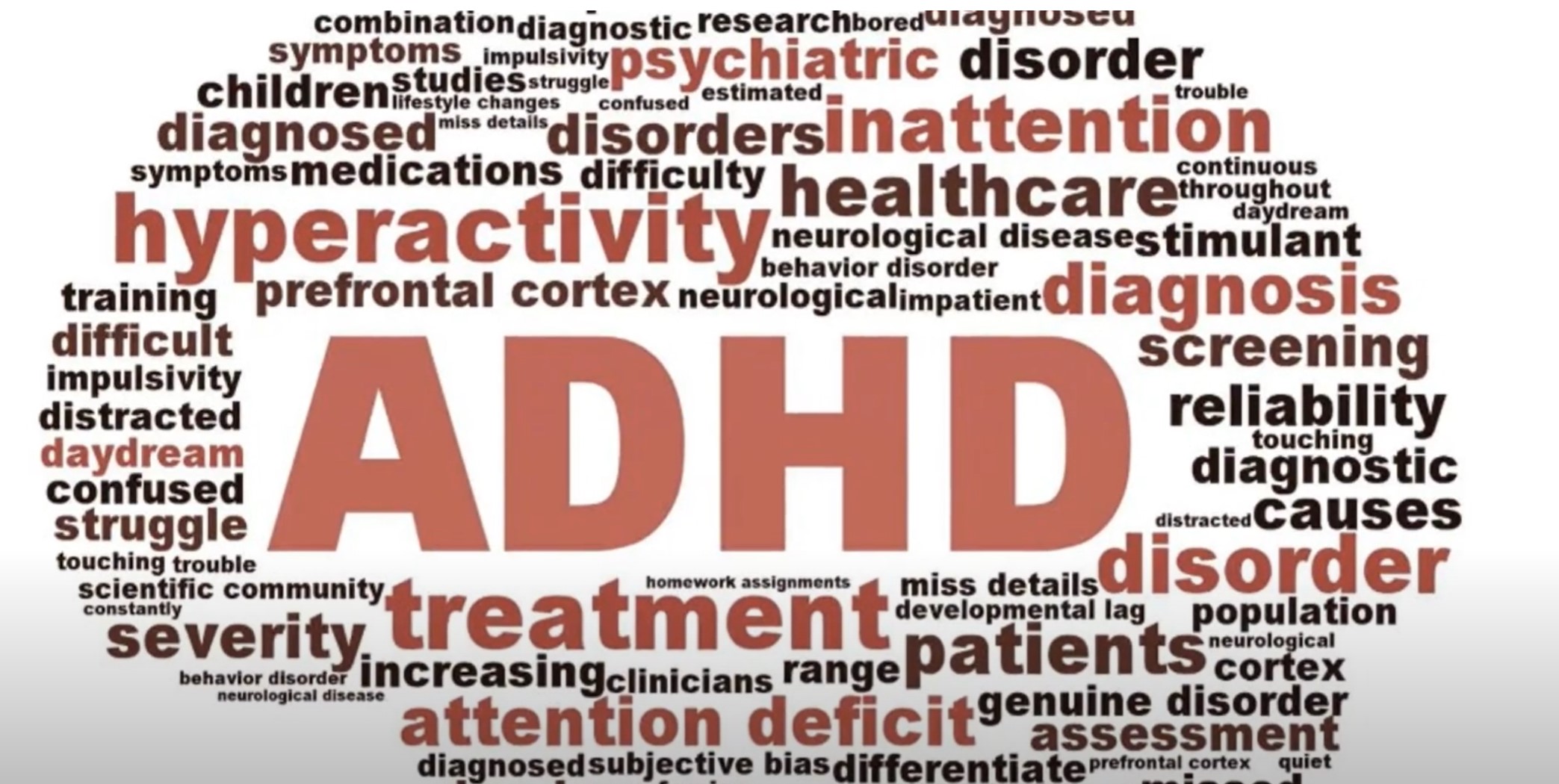
Attention Deficit Hyperactivity Disorder (ADHD) affects millions of individuals worldwide, impacting not only those diagnosed but their families, friends, and caregivers. ADHD is characterized by symptoms of inattention, hyperactivity, and impulsiveness, which can significantly impair daily functioning in various spheres of life, including school, work, and relationships. Every October, ADHD Awareness Month is observed to shed light on this condition, promote understanding, and advocate for better support systems. The theme for 2024 is “Awareness is Key,” emphasizing the importance of knowledge in fostering support and empathy.

The Importance of Education

Empowering Through Understanding

One of the most crucial steps in supporting someone with ADHD is to educate yourself about the condition. Understanding ADHD, its symptoms, and its challenges can foster empathy, patience, and a supportive attitude. Knowledge truly is power. The more you know about ADHD, the better equipped you are to provide the necessary support. This includes learning about common behaviors, the impact of ADHD in daily life, and effective management strategies.

Promoting a Learning Culture

Families, schools, and workplaces should prioritize awareness and education about ADHD. Regular training sessions, workshops, and informational resources can significantly improve how people understand and interact with those affected by ADHD. When communities are informed, they can collectively create more supportive environments.

Creating Structure

The Power of Routines

Establishing routines and daily schedules offers predictability and stability for individuals with ADHD. Structure can provide a sense of security, helping to manage time more effectively and reduce feelings of overwhelm. Visual aids such as calendars, planners, or to-do lists can be extremely helpful in keeping track of tasks and responsibilities. These tools can serve as constant reminders and help individuals prioritize their actions.

Breaks Are Essential

Regular short breaks are crucial during tasks. These breaks allow individuals with ADHD to recharge and maintain their focus. It’s not about working less, but about finding a balance that promotes productivity and reduces fatigue. Identifying the optimal schedule for breaks can make a significant difference in performance and overall well-being.

Effective Communication

Concise and Specific Instructions

When giving instructions to someone with ADHD, it’s important to be concise and specific. Using clear and simple language, avoiding unnecessary details, and breaking tasks into smaller, manageable steps can make a huge difference. This approach ensures that instructions are understood and followed more easily, leading to better outcomes.

Minimizing Distractions

Creating a calm and focused environment is paramount. Reducing noise, limiting visual distractions, and providing a quiet space can significantly improve the ability of individuals with ADHD to concentrate. Environmental modifications might include soundproofing a room, using noise-canceling headphones, or setting up a dedicated workspace that is free from interruptions.

The Power of Personal Stories

Insights from Lived Experiences

Personal stories are incredibly powerful in understanding ADHD. Hearing from individuals with ADHD and their caregivers can provide valuable insights and foster empathy. These stories highlight the real-world challenges and successes of living with ADHD, offering practical advice and hope.

Case Studies

  • Sarah’s Story: Sarah struggled in school until she found a teacher who understood ADHD and adapted her teaching methods. This timely intervention made all the difference, helping Sarah excel academically and boosting her self-esteem.
  • Jake’s Journey: As a carer, Jake found solace in a local carer support group. Connecting with others who understood his challenges provided him with coping strategies and a sense of community. This network of support was instrumental in helping him manage his caregiving responsibilities.

Advocating for ADHD Awareness

Community Engagement

This ADHD Awareness Month, let’s commit to raising awareness and advocating for those with ADHD. Small actions, such as sharing information, participating in community events, and supporting advocacy groups, can lead to significant changes. Community engagement helps build a support system that is informed, compassionate, and proactive.

Educational Campaigns and Resources

Supporting ongoing educational campaigns and providing resources can help spread awareness and understanding. Schools, workplaces, and community centers can play a pivotal role by organizing seminars, distributing literature, and facilitating support groups.

Conclusion

ADHD Awareness Month serves as a crucial period for promoting understanding and support for individuals with ADHD. By educating ourselves, creating structured and supportive environments, and listening to personal stories, we can become better allies. Let’s take this opportunity to make a positive impact. Awareness indeed is key—it opens doors to empathy, effective support, and advocacy.

If you found this content helpful, consider sharing it to spread awareness further. By working together, we can make a significant difference in the lives of those affected by ADHD.

Black History Month 2024

Welcome back to another blog post by carer activist Matthew McKenzie. Since I run an ethnic carer group, I wanted to promote Black History Month. Black History Month is celebrated in both America and UK, although the UK promotes Black History month in October.

There are 2 themes for Black History month one being “African Americans and the Arts”, the other being “Reclaiming Narratives”. I decided to go for the first theme, but did a mention on how the UK celebrates Black History Month.

Here are the highlights of my video.

  • 🎨 Black History Month 2024’s theme is “African-Americans and the Arts.”
  • 🌍 Celebrates the impact of African and Caribbean heritage in British history.
  • 🏛️ Encourages exploration of Britain’s colonial past and migration.
  • 🎶 Highlights the influence of black Americans on music, especially jazz.
  • 📚 Black History Month aims to educate about interconnected histories of Britain, Africa, and the Caribbean.
  • 🏢 Calls for action from governments and institutions to embrace diversity.
  • 🤝 Stresses that these stories are part of everyone’s history, not just black history.

If you are interested to watch my video please via the view below.

Thanks for dropping by my carer blog site. For those interested I am doing a Black History Month event with Carers UK. This will take place October 16th at 4 pm via zoom

The Link to sign up is below.

https://us02web.zoom.us/meeting/register/tZYtcOCtrD8tHNH8VQpLitUXVy2lGGRY6Omq#/registration

Top 10 ways to hold the NHS to account as a carer

When caring for someone, it is only a matter of time before you use the NHS. The National Health Service was set up to provide health no matter what your background. We all deserve the best healthcare provided for us.

Times have changed and feedback regarding the NHS is very important. This is especially important if you are an unpaid carer. You will have a different perspective when it comes to hold the NHS to account.

I have made a short video on ways to hold the NHS to account. It is not about always complaining, it is about helping to steer the NHS to include the carer’s voice.

We are all in this together although I do understand that there will be times you cannot feedback. The NHS is a massive complex set of systems, but we have a duty to be vocal because we deserve the best. Be that change and use your voice. As a carer it is your right.

Top 10 ways to care for someone with breast cancer

As a carer of lived experience, I have always found it important to seek information to help my caring role. My caring duties are not so heavy now, but there is expectation to share knowledge.

I helped and supported a dear old friend living with cancer and since it is Breast Cancer Awareness month. I want to support those caring for someone with Breast cancer.

October is Breast Cancer Awareness month and being part of the Macmillan Cancer Support network, I want to raise awareness.

Obviously my focus is on cancer caregivers and I have included the video below to provide “Top 10 tips for supporting someone with Breast Cancer”.

AI-facilitated emotion regulation Research

Welcome back caregivers. I have some exciting research involvement for you.

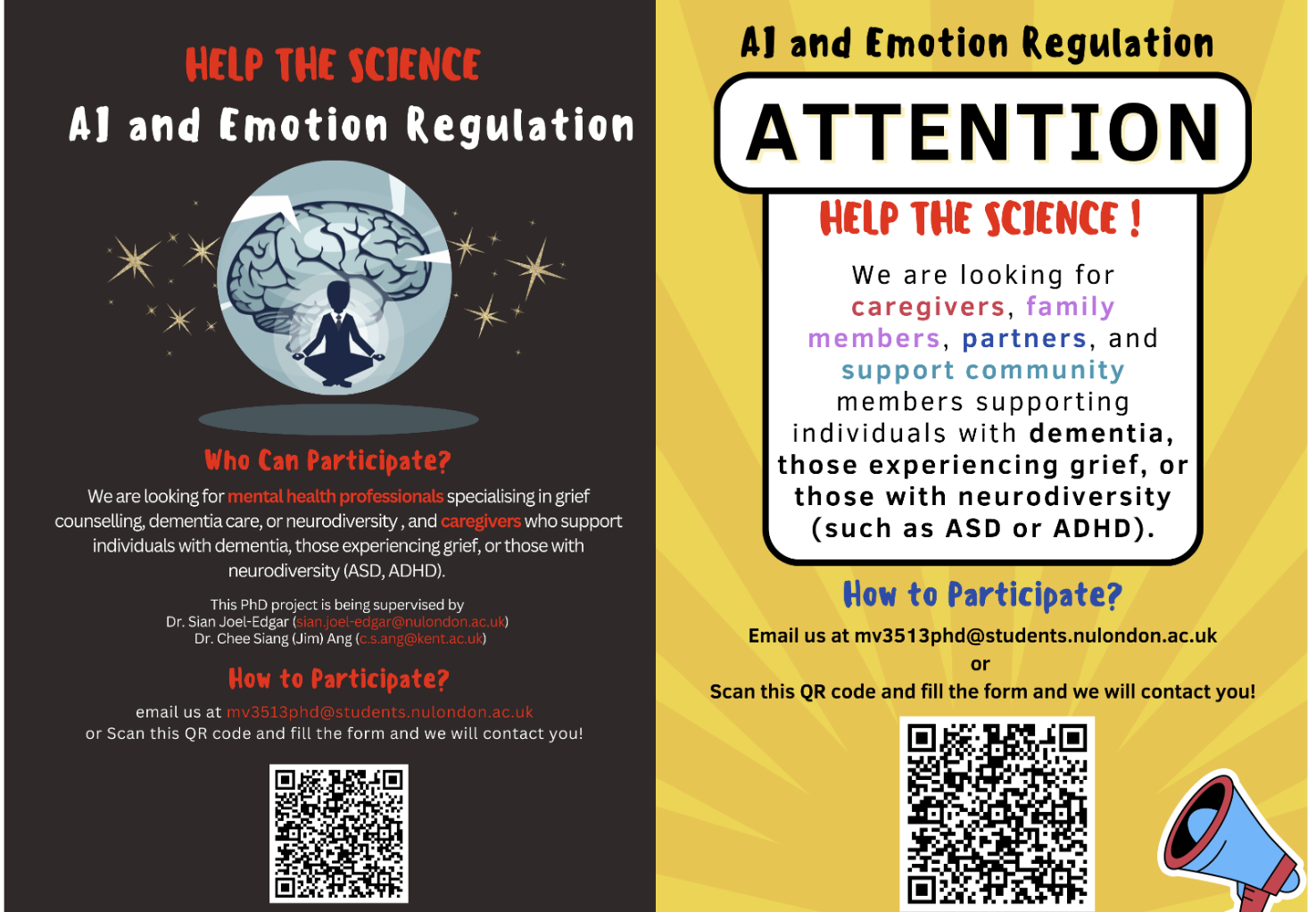
Melika who is a PhD student at Northeastern University London & University of Kent. Is currently conducting a study on AI-facilitated emotion regulation, which focuses on co-designing AI prompts with input from clinicians, developers, and support community (caregivers).

click on the posters below for more details about the study